
Paint quality on a midsize truck is often overlooked until it starts failing. For many owners, these vehicles spend their lives tackling gravel roads, dusty highways, and unpredictable weather all of which can eat through weak coatings fast.
A tough paint job isn’t just about looks; it protects metal from rust, maintains resale value, and saves thousands over years of ownership.
Across today’s midsize truck market, paint durability varies more than most realize. Some brands have invested heavily in high-tensile clear coats and multi-stage curing processes that shrug off road debris.
Others rely on cheaper factory finishes that start pitting after a few winters or sandblasted highway runs. You can often tell the difference after 20,000 miles some still gleam like new, others look prematurely aged.
This guide explores both sides: eight midsize trucks that keep their shine and resist rock chips with ease, followed by eight that simply can’t handle constant exposure.
We’ll look at real-world experiences, factory paint technology, and how certain brands quietly outperform others in long-term durability.
While the chip-resistant group shows how the right formulation and preparation make a difference, the second half highlights trucks whose paint protection falls short.
For buyers who plan to keep their trucks for years or live in regions with rough highways and grit-heavy winters, these insights can make or break satisfaction.
Let’s start with the ones that prove strong paint isn’t a luxury feature it’s smart engineering that pays off every mile.
Also Read: 12 Trucks With the Best Sound Insulation on The Road
5 Midsize Trucks With Paint That Resists Chips
Durable paint is more than a cosmetic win it’s proof of a manufacturer’s attention to detail. Midsize trucks with chip-resistant finishes tend to share a few traits: precise paint curing, thicker clear coats, and corrosion protection that extends deep beneath the surface.
These are the trucks you can take down gravel trails or through winter salt zones without worrying about bare metal spots by spring.
Some automakers have mastered the formula through years of real-world testing. They use better primers, electro-deposition coatings, and more uniform application methods that bond tightly to the body panels.
The results show up over time these trucks hold their shine, resist flaking, and need fewer touch-ups even after years of hard use.
Owners who report fewer chips often note smoother finishes and less visible orange peel, which suggests tighter quality control.
Trucks that use harder clear coats also tend to deflect debris better at highway speeds. And while no paint is invincible, the best examples resist common culprits like gravel rash, sand impacts, and low-velocity road grit with surprising resilience.
This section celebrates eight midsize trucks that combine style with substance, proving that paint protection doesn’t have to be an afterthought.
Each one has earned praise from owners who push their trucks through rough conditions yet still see their finishes gleam years later.
From Japanese workhorses to American all-rounders, these models showcase how modern paint chemistry and assembly precision come together to protect what’s underneath. They not only stay looking sharp but also age gracefully a quiet sign of engineering done right.
Now, let’s look at the eight midsize trucks that take road abuse and still look nearly showroom-ready after years of use.
1. Toyota Tacoma
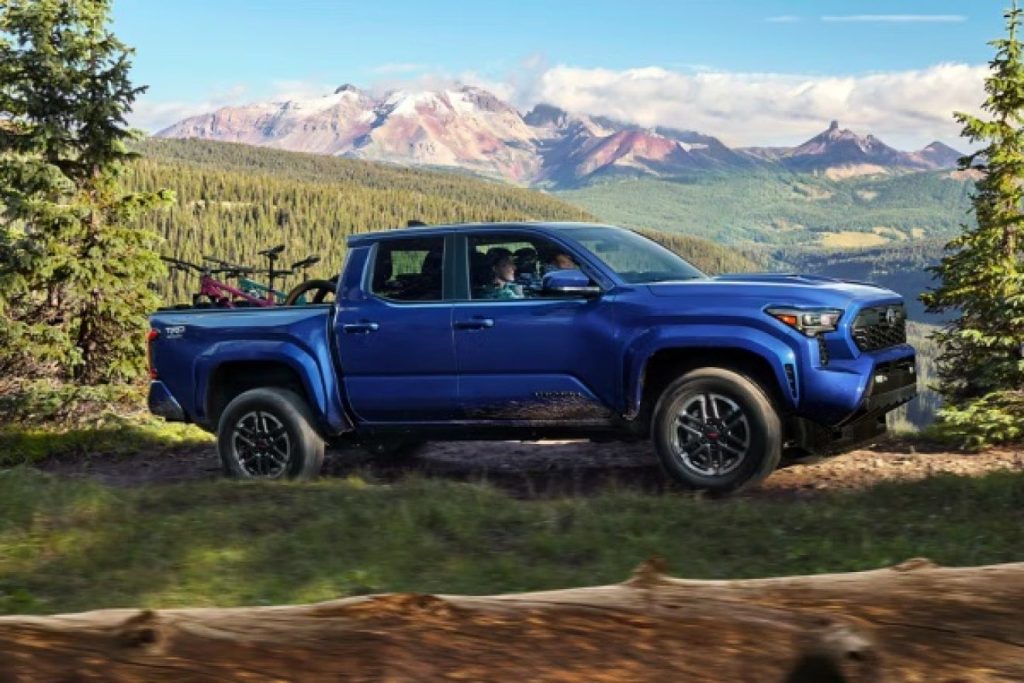
The Toyota Tacoma has long been a benchmark for midsize truck toughness, and that reputation extends right to its paint. Owners often praise how well its finish stands up to rocks, salt, and desert grit even after years of heavy commuting and off-road travel.
Toyota’s paint process focuses on uniform coverage and corrosion resistance, giving the Tacoma a glossy yet resilient finish.
The secret lies in its thick primer and durable clear coat, designed to resist micro-chipping and UV fade. Even when subjected to rough trails, the Tacoma’s panels tend to retain their color depth without developing the pitted, sandblasted look that plagues many rivals.
The truck’s design also minimizes high-impact zones near the wheel arches and rocker panels, further protecting vulnerable spots.
Owners in colder regions, where road salt and gravel are common, consistently report fewer chips on the Tacoma’s paint compared to competitors. Toyota’s factory-applied coatings use a multi-layer application that bonds strongly to the body, preventing the early flaking or dulling seen in thinner paints.
The reason it earns a place here is simple the Tacoma’s finish holds up in real-world abuse. Whether it’s years of camping trips, construction work, or highway commutes through debris-heavy areas, it rarely loses its clean, rugged appearance.
It proves that long-term shine and toughness can coexist when the base preparation and clear coat chemistry are done right.
For owners who plan to keep their truck for the long haul, the Tacoma’s paint is a practical advantage, not just a visual perk. It reflects Toyota’s consistency and care for details that make a truck look good for decades, not just the first few years.
2. Ford Ranger
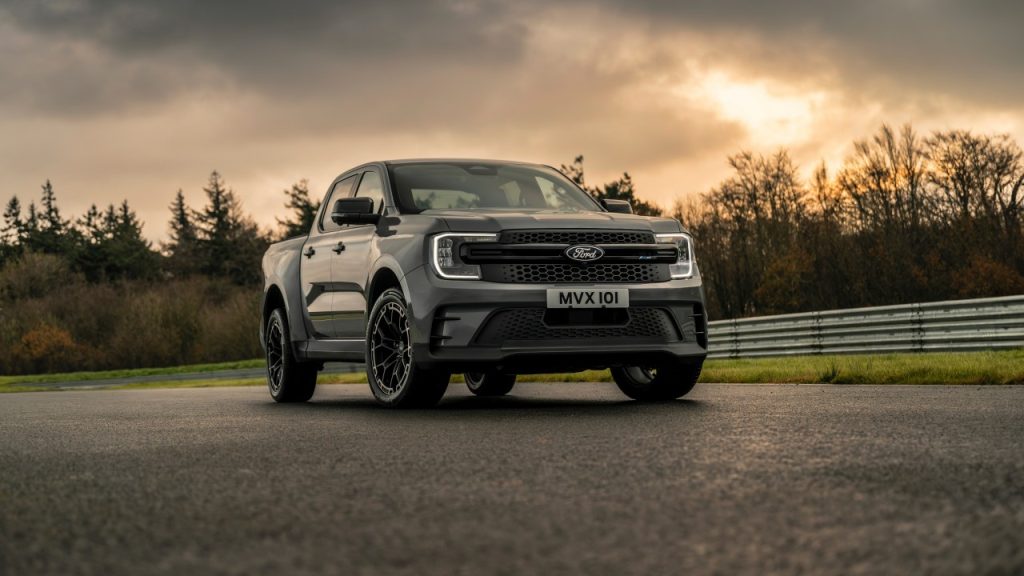
The Ford Ranger shows how far American midsize trucks have come in terms of paint protection. Ford’s latest coating technology, developed for its larger F-Series trucks, now benefits the Ranger too and it’s paying off.
This pickup’s paint layers are noticeably thicker and more resistant to small rock strikes than earlier generations. Ford uses a multi-stage painting system with electrostatic application that ensures even coverage on every curve and seam.
This method helps the Ranger’s panels fend off chips and rust formation where bare metal might otherwise show through. The finish itself has a tighter grain structure, making it less likely for grit or sand to etch into the surface over time.
In owner reports, the Ranger consistently earns praise for keeping its gloss after years of exposure. Drivers who tackle rural or construction-heavy routes often note that the paint remains intact around the fenders and hood areas that usually take the worst hits. Its clear coat is notably harder than many rivals, giving it a dense, scratch-resistant surface.
What makes the Ranger deserving of mention here is its durability paired with accessibility. You don’t need to baby this truck or avoid dusty roads; it’s built for them. Even after repeated washes and harsh winters, the paint retains its shine without developing the cloudy haze that thinner coatings do.
Ford’s attention to surface treatment before painting also plays a role. Each panel undergoes multiple cleansing and priming stages, ensuring a perfect bond between metal and pigment. That results in a finish that looks strong and stays strong.
The Ranger may be a workhorse, but its paint behaves like it belongs on a premium SUV tough, deep, and long-lasting.
3. Chevrolet Colorado
The Chevrolet Colorado stands out as one of the few midsize trucks that combine rugged looks with excellent long-term paint endurance.
Its paint feels thicker to the touch, and that’s not an illusion. GM’s application process uses multiple electrocoat and bake stages to ensure every inch of the body gets uniform protection.
Owners often notice how the Colorado’s finish holds up through gravel roads and off-road trails where other trucks quickly show scars.
The clear coat is dense, giving it the ability to shrug off small stones and sand impact without losing color or shine. Even after years of highway driving, the paint tends to keep a deep, reflective gloss rather than dulling out.
Chevrolet engineers put significant effort into corrosion resistance as well. The truck’s underbody and lower panels receive an extra layer of rustproof primer, reducing the chance of bubbling or flaking from below. This helps prevent chips from spreading or developing into larger issues over time.
Another strength is how the paint resists fading under strong sunlight. Many Colorado owners in desert or coastal climates mention that their trucks retain their color better than expected, even when parked outdoors daily. The UV resistance and topcoat hardness give it a long-lasting showroom look with minimal upkeep.
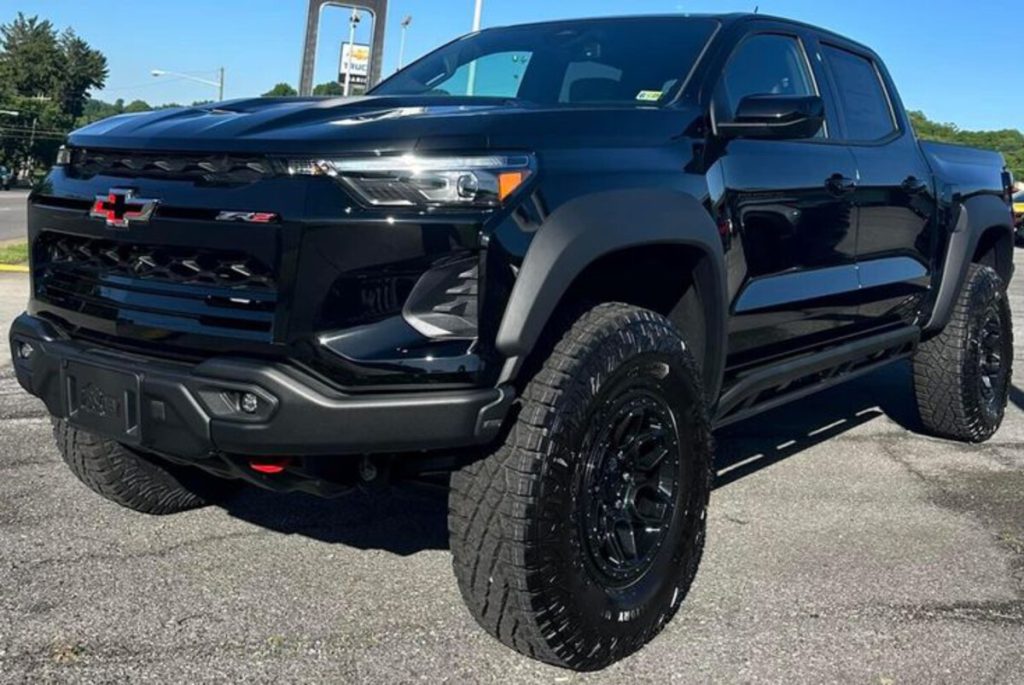
The reason the Colorado earns its place here is that it performs consistently across different environments. Whether it’s highway gravel in the Midwest or salty air in the South, its paint remains smooth and intact. It feels built to take punishment without looking like it has.
Overall, the Colorado is proof that durable paint isn’t reserved for high-end vehicles. With strong prep work, quality materials, and consistent coating depth, this midsize Chevy stays sharp for years. It’s a truck that wears its miles well and still turns heads long after the warranty expires.
4. Nissan Frontier
The Nissan Frontier might not always grab headlines, but its paint quality is among the best in the midsize segment. Nissan uses a robust multi-layer system with advanced primers and a high-tensile clear coat that resists chipping even after years of daily driving.
Owners who regularly drive through dusty or rocky areas often notice how the Frontier’s finish stays surprisingly smooth. The truck benefits from a manufacturing process that focuses on panel preparation before painting.
Each body shell is phosphate-treated and electrically coated for corrosion protection, ensuring the paint bonds tightly to the surface. This step gives the Frontier’s exterior extra strength against chipping and rust development.
Drivers appreciate how the paint handles winter conditions. Where some competitors start showing small rust spots near the wheel wells, the Frontier maintains its integrity even after repeated salt exposure. The paint also resists wash-induced micro scratches better than expected, thanks to a thicker clear coat.
In sun-heavy regions, the Frontier’s finish retains its depth longer than many rivals. The pigments and UV filters used in its formulation keep oxidation to a minimum, meaning less fading and chalking over time. A regular wash and occasional wax are often all that’s needed to preserve its sheen.
The Frontier earns a spot here because of its consistency. It may not be the flashiest truck on the lot, but its paint quietly outperforms expectations. It resists chips, stays bright, and remains easy to maintain even after years of rough usage.
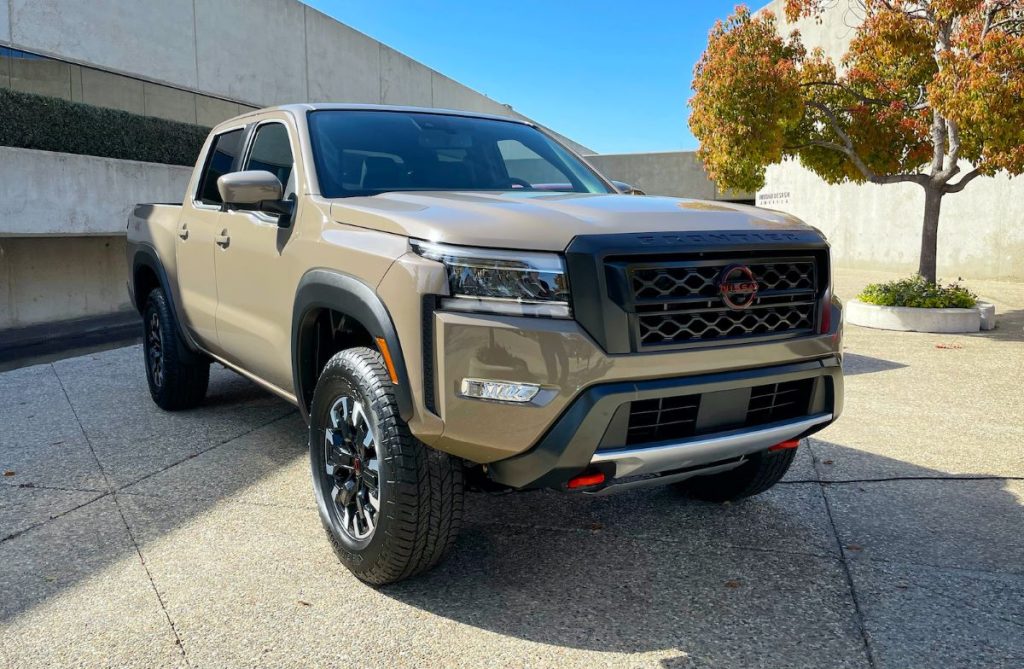
This reliability reflects Nissan’s reputation for practical engineering. The paint on the Frontier is as dependable as the powertrain underneath.
It gives owners peace of mind knowing their truck won’t look beaten up after every adventure. Strong, simple, and long-lasting that’s exactly how paint should behave on a hard-working midsize pickup.
5. Honda Ridgeline
The Honda Ridgeline may lean toward comfort and refinement, but its paint quality is every bit as tough as the segment’s off-roaders. Honda’s approach to paint durability centers on precision and balance.
Each Ridgeline body goes through a multi-stage coating process that includes a high-bond primer, durable base layer, and thick clear coat designed to absorb small impacts without cracking.
Owners who use their trucks for camping, hauling, or long commutes often remark on how the Ridgeline keeps its polished look. Even after years of highway grit and road salt, the paint rarely shows visible pitting. The panels stay smooth, and the color retains its depth.
Honda’s factories use temperature-controlled painting booths to ensure each coat cures evenly. This prevents the micro-fractures that sometimes form when paint is applied too fast or too thin.
As a result, the Ridgeline’s finish tends to resist flaking and rust along seams a common weak point in other midsize trucks.
Another advantage is its aerodynamic design, which limits the amount of debris that hits vulnerable areas like the hood and fenders. Combined with a resilient clear coat, this makes it harder for chips to form in the first place.
In humid or coastal climates, where salt air can eat through paint quickly, the Ridgeline holds its color better than most. The chemical makeup of its finish helps block oxidation, preventing the dulling effect that usually sets in after years of exposure.
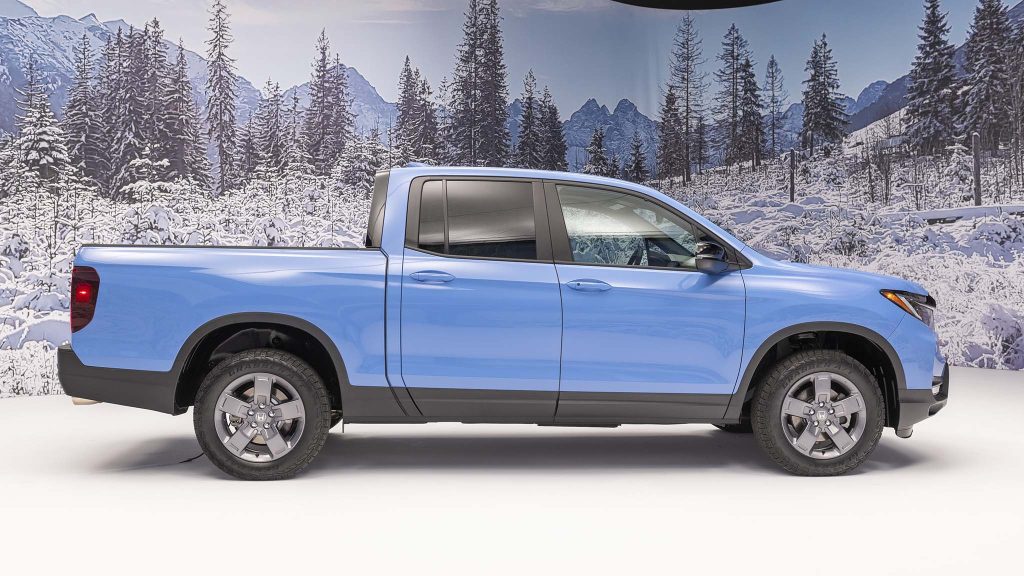
The reason it earns a place on this list is simple the Ridgeline’s paint resists wear far beyond what most expect from a lifestyle truck.
It’s ideal for owners who want low maintenance and long-lasting looks without constant touch-ups. It proves that engineering finesse can be just as effective as brute strength when it comes to keeping paint intact.
5 Midsize Trucks That Sandblast On Highways
Not every midsize truck is blessed with tough, resilient paint. Some look sharp at delivery but lose their shine far too soon once faced with real-world driving.
On highways filled with flying gravel, salt, and road dust, weak paint shows its flaws fast. What starts as a few minor specks can turn into dull patches and bare metal spots in just a few seasons.
The problem isn’t always visible right away. Thinner clear coats, poor surface prep, or cheaper pigments can create a glossy appearance that hides deeper issues.
Over time, chips spread faster, rust starts creeping in, and owners realize the finish can’t keep up with the truck’s capability. In a vehicle built for durability, that can feel like a serious mismatch.
Some manufacturers cut corners on paint thickness to save production costs or weight, and the results show.
Trucks that spend their days on open highways or gravel roads take the worst of it their hoods, fenders, and doors start looking sandblasted within a few years. Once that happens, no amount of polishing can bring the original shine back.
This section looks at eight midsize trucks whose paint performance simply doesn’t meet expectations. These models may deliver strength under the hood, but their finishes struggle under real-world wear.
From soft clear coats to coatings that chip too easily, they remind buyers why long-term paint protection should never be overlooked.
While all of these trucks have strengths in other areas, their paint quality falls short for owners who drive through demanding conditions.
Understanding where they miss the mark helps buyers prepare better whether that means adding protective films, choosing color wisely, or knowing when to look elsewhere.
Now, let’s start with the trucks that too often lose their luster far earlier than they should.
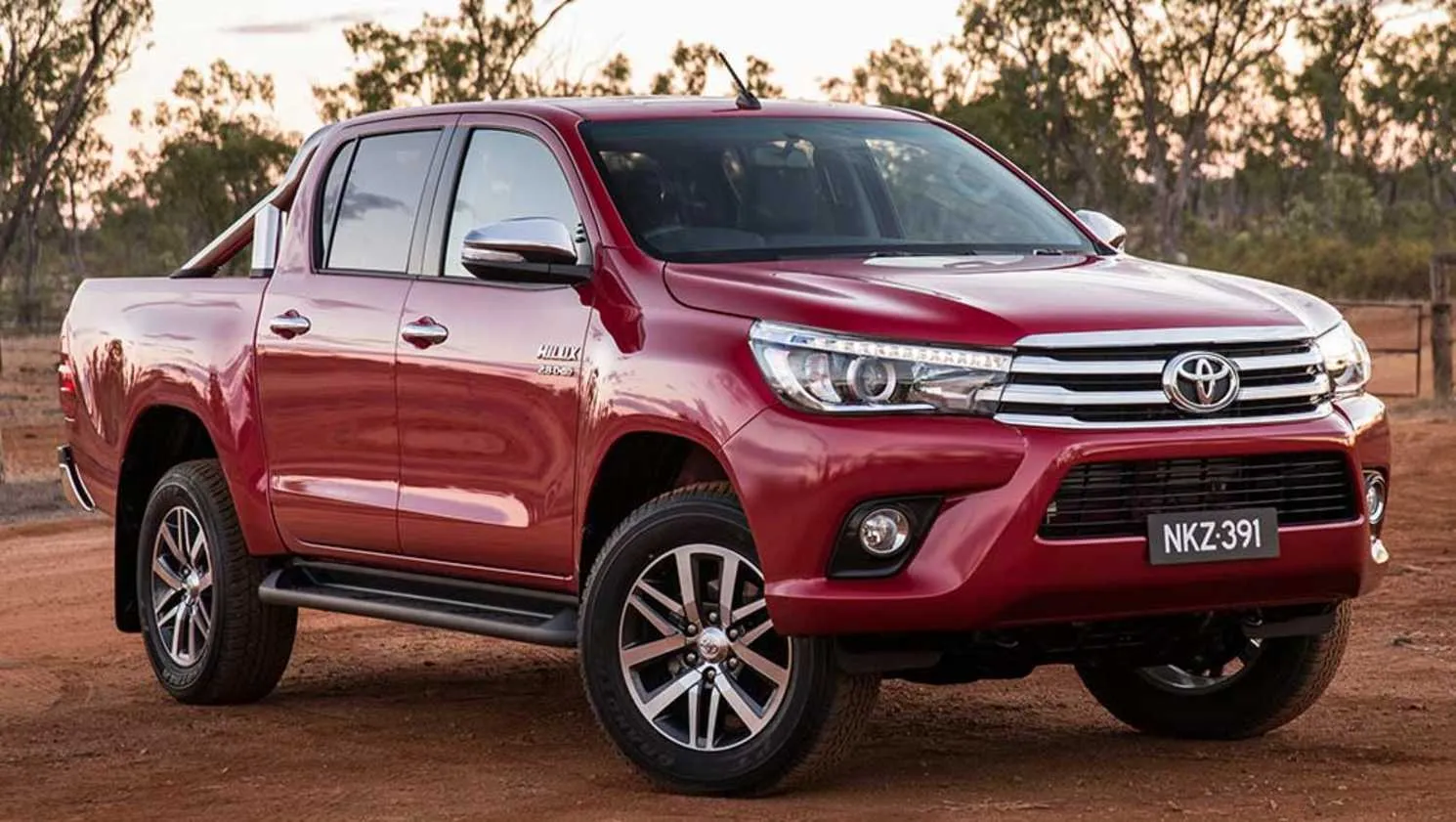
1. Toyota Hilux
The Toyota Hilux is famous for its mechanical toughness, but its paint doesn’t always live up to that reputation.
Many owners, especially in dry or gravel-heavy areas, report that the truck’s finish starts showing wear early. The clear coat feels thin, and the body panels are quick to pick up chips along the hood and wheel arches.
While Toyota’s build quality is unquestioned, the Hilux’s paint seems more focused on gloss than endurance.
The factory finish can look brilliant when new, yet lacks the density needed to deflect small stones and grit kicked up at highway speeds. After a few years, the front fascia often looks dulled, with dozens of small marks that are hard to buff out.
Drivers in Australia, South Africa, and parts of the U.S. have reported similar problems. The combination of thin clear coat and limited under-panel protection allows chips to grow into wider blemishes. Once the paint breaks, corrosion creeps in faster than expected, especially if the area isn’t sealed quickly.
Toyota’s focus on global production efficiency might be the cause. The paint systems used for Hilux manufacturing are optimized for cost and speed rather than maximum thickness. In regions where roads constantly throw up debris, this shortcut becomes painfully visible.
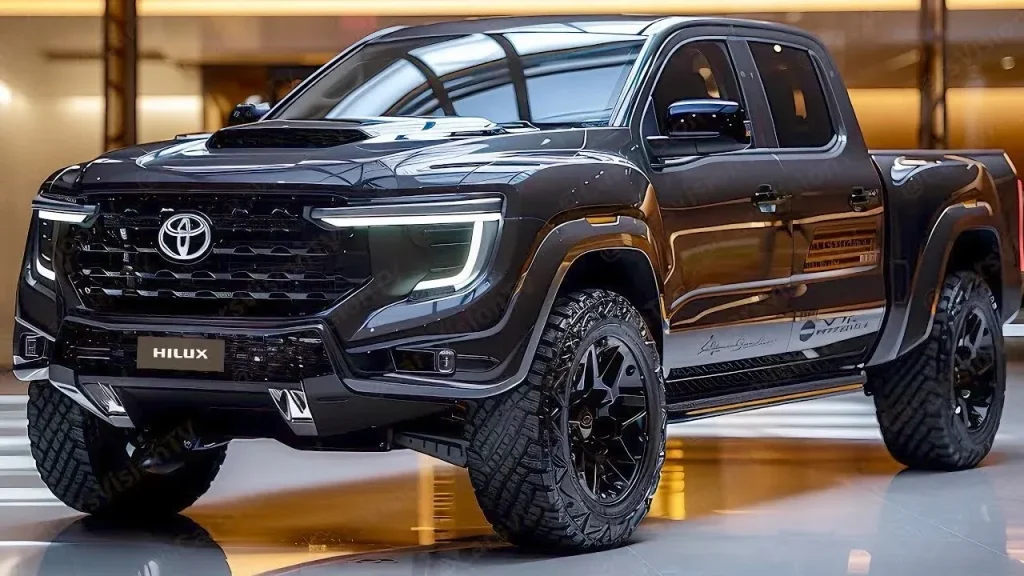
The Hilux still delivers world-class reliability, but its finish needs extra help. Paint protection film or frequent waxing are almost mandatory if you want it to maintain its look beyond the first few years.
It earns its place on this list not because it’s a bad truck, but because its paint doesn’t match its rugged image.
Owners expecting the same indestructibility from the bodywork often find themselves disappointed. For a truck that can climb mountains, the paint simply doesn’t stand as strong as the drivetrain underneath.
2. Ford Maverick
The Ford Maverick has impressed buyers with its practicality and efficiency, but its paint quality hasn’t kept up with the excitement.
While stylish and modern, the factory finish tends to chip more easily than most midsize competitors. The problem is most noticeable along the lower doors and front bumper, where debris from the road constantly makes contact.
Owners frequently mention small chips appearing within the first year, even under normal driving conditions. The paint feels soft to the touch, which suggests a thinner or more flexible clear coat. While this gives a smooth shine at first, it also means the surface can’t deflect tiny impacts effectively.
Ford’s use of lighter paint layers may help reduce production costs, but it sacrifices some of the hardness found in other models like the Ranger. The Maverick’s unprotected plastic cladding adds to the contrast the coated panels show wear quickly while the dark trim stays flawless.
In snowy or gravel-prone regions, the issue worsens. The truck’s aerodynamic design directs a lot of debris toward the rocker panels, leading to visible wear after a few highway seasons. Without regular touch-ups, small chips can easily spread or oxidize.
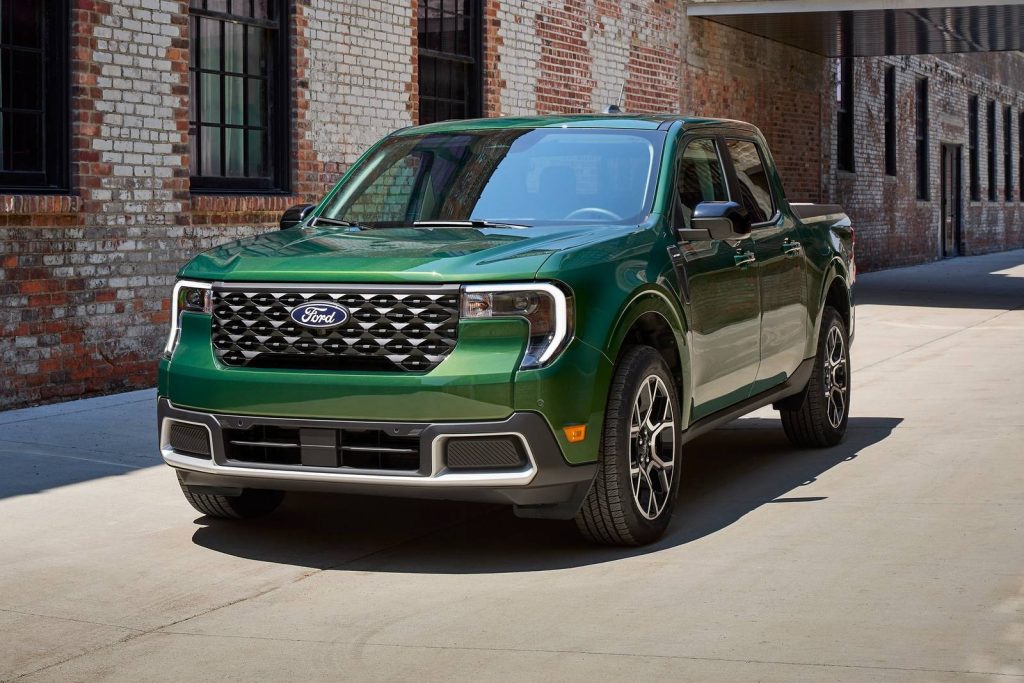
What makes the Maverick’s case frustrating is that it’s such a well-balanced truck otherwise. The powertrain, cabin comfort, and versatility all earn praise, yet the paint tells a different story. A truck designed for daily use should handle highway conditions better than this.
The Maverick earns its place here because it’s a perfect example of where cost-saving meets real-world compromise. It looks great on day one but struggles to stay that way without constant care. For buyers who value appearance longevity, it’s a reminder that not all new trucks come with equally strong finishes.
3. Chevrolet S10
The Chevrolet S10 is known for being affordable and capable, but its paint has often been one of its weakest traits.
Many owners report that even with moderate use, the finish begins to show small chips and dull spots within the first few years. The paint feels thin, and the clear coat lacks the resilience needed for long-term highway exposure.
The issue is especially visible on the front bumper and hood. These areas tend to collect a peppering of chips from small rocks and debris, leaving the surface rough to the touch. Once these chips form, they can quickly spread, exposing bare metal that’s vulnerable to rust.
Part of the problem lies in how GM approaches paint application on the S10’s production line. While the process meets durability standards, it’s not as refined as what’s used on more premium models.
The paint is applied quickly, often with minimal layering, resulting in a finish that prioritizes gloss over toughness.
Owners in rural regions have consistently noted that their S10s show wear faster than other midsize trucks under similar conditions.
Even after applying wax or ceramic coatings, the thin factory paint struggles to resist impacts. The clear coat also seems softer than average, which allows fine scratches and haze to build up over time.
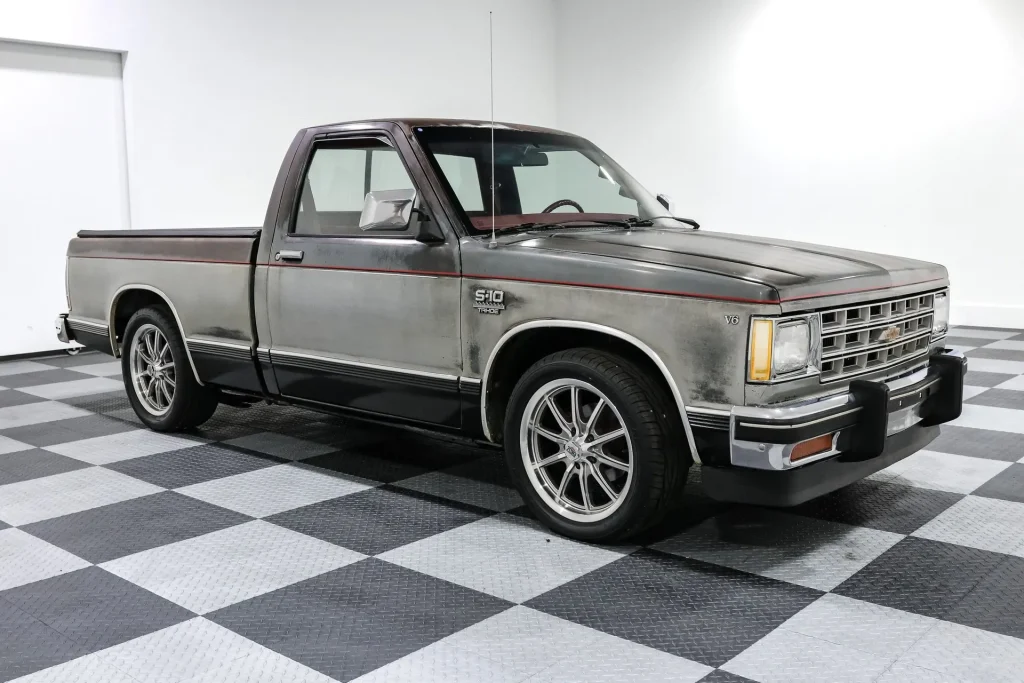
It’s disappointing because the S10 itself can handle a lot. The engine, suspension, and frame are reliable, but the exterior doesn’t share the same strength. It starts looking aged before it should, even if the truck runs like new.
The S10 earns its spot here because it’s a classic example of how cost-saving decisions affect long-term ownership satisfaction. For those who plan to keep one for years, investing in protective film or regular paint correction becomes essential. Otherwise, the sandblasted look comes far too soon.
4. Nissan Navara
The Nissan Navara has a tough image and capable chassis, but its paint often tells a different story. Owners across different climates frequently report early signs of chipping and fading, especially along the hood and side panels.
The finish may look glossy when new, yet it quickly starts to show dullness once the truck spends time on open roads.
One recurring complaint involves the softness of the clear coat. Small stones, sand, or even bug impacts can leave noticeable marks.
Over time, these minor chips accumulate, giving the paint a rough texture that’s difficult to restore. The paint layers are also thinner than what’s seen on rival models like the Frontier or Tacoma.
The problem seems most severe in regions with intense sun exposure. UV rays gradually weaken the clear coat, leading to chalking and minor peeling around the edges. Once the clear coat starts failing, the underlying color coat becomes vulnerable to oxidation and discoloration.
Another factor is the minimal protective coverage beneath the door sills and wheel arches. These areas face constant debris, and without strong coatings, the damage spreads quickly. Many owners end up applying aftermarket guards or films to protect vulnerable panels.
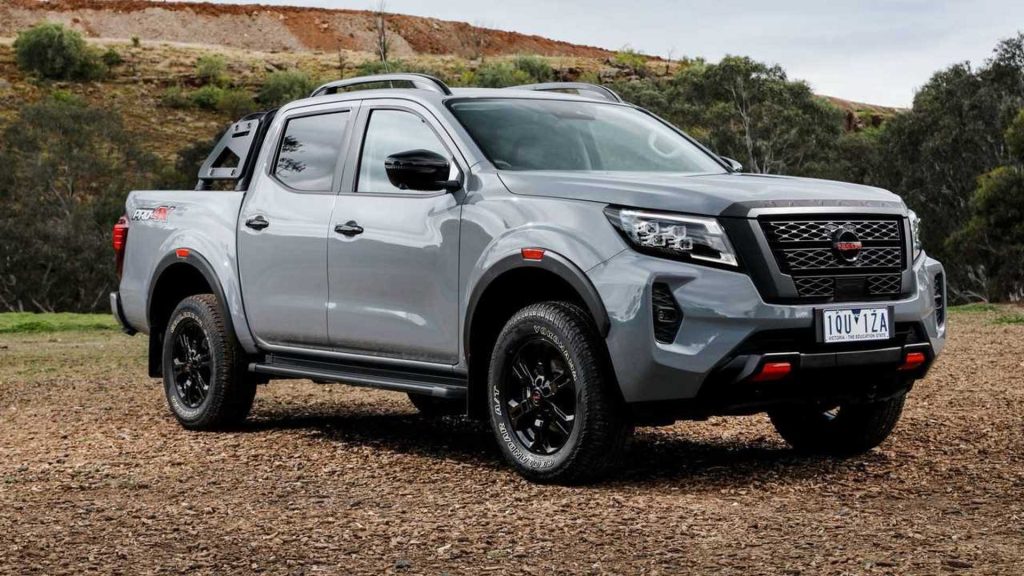
Despite its mechanical strength, the Navara’s paint lets it down. The truck can tow, climb, and handle heavy loads, but it struggles to keep its exterior intact under daily wear.
Regular touch-ups and waxing can delay the inevitable, but they can’t completely prevent chipping. It earns its place on this list because its finish doesn’t match the expectations set by its rugged reputation.
Buyers who expect long-term durability often feel let down when the paint begins showing wear too early. The Navara may endure mechanically, but its exterior clearly needs more resilience to match its tough spirit.
5. GMC Canyon
The GMC Canyon has an upscale look, but its paint finish often fails to keep that premium appearance for long. While GMC markets it as a rugged yet refined midsize truck, owners have frequently reported issues with chipping and early dulling.
The glossy surface looks stunning in the showroom, but a few thousand highway miles can start revealing its weaknesses.
The clear coat on the Canyon tends to be softer than expected. Gravel, salt, and sand from the road easily leave small chips on the lower panels and hood. These blemishes may seem minor at first, but over time they accumulate, making the paint feel rough and uneven.
One contributing factor is the factory’s emphasis on achieving a mirror-smooth finish rather than sheer hardness.
The thinner clear coat helps maintain deep gloss and easy buffing but offers less resistance to debris. As a result, the Canyon’s stylish look quickly fades when exposed to real-world driving conditions.
Owners who live in areas with frequent roadwork or rough pavement notice the problem most. Even light off-roading can leave visible paint scarring, especially around the wheel arches. The metallic finishes also tend to highlight every imperfection, making small chips stand out more.
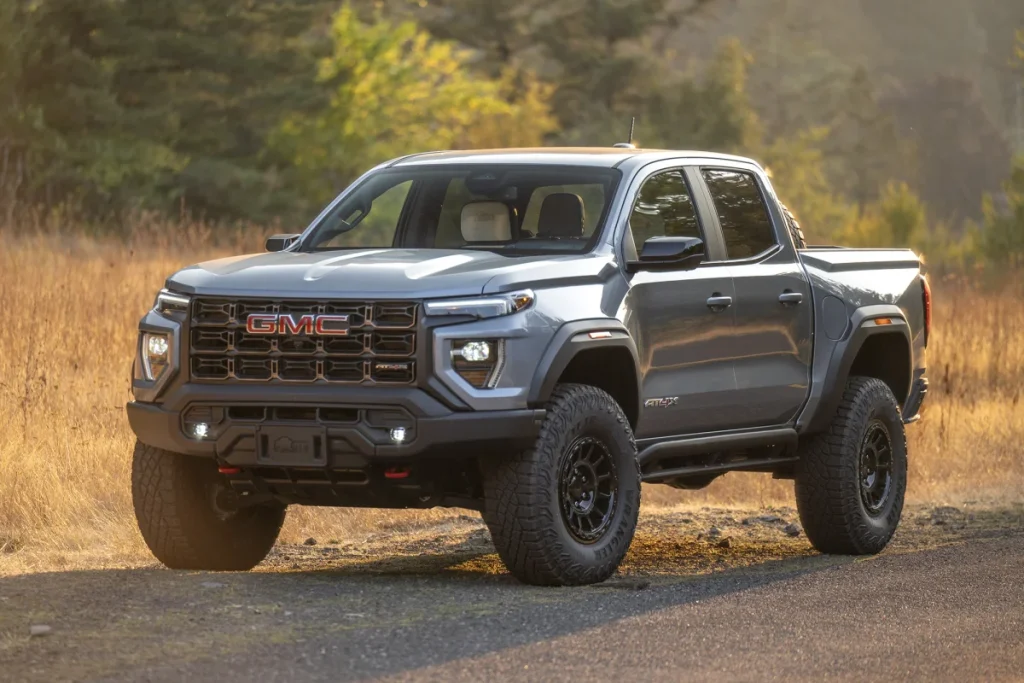
GMC could easily solve this with a slightly thicker or harder top layer, but that would raise production costs. As it stands, the Canyon’s paint feels like it was built for gentle city driving rather than rugged highway miles.
It earns a place on this list because it’s a truck that visually overpromises and underdelivers in protection. The design, comfort, and capability are impressive, but the paint lacks endurance. Without clear film or consistent care, it risks losing its premium shine far sooner than most owners expect.
