
A quiet cabin isn’t just about insulation or premium materials. It’s about how well everything fits together the dashboard, panels, and trim that stay solid when the road gets rough.
Some cars manage this perfectly. Their interiors feel tightly built, and even after years of driving, they remain free from those annoying creaks and rattles that can ruin a peaceful drive.
Then there are the others. No matter how modern they look, a few thousand miles on uneven roads and the plastic trim starts to protest. A faint squeak from the console here, a buzz from the door there it’s the kind of thing that makes a well-equipped car feel cheap. Build precision and material quality make all the difference.
In this comparison, we’re spotlighting two groups of cars. First are the seven that keep their interiors rock-solid over time. These models prove that smart engineering and attention to fit can deliver long-lasting silence, even without ultra-luxury materials. They’re the ones that still feel tight after years of use.
The second group includes cars that just can’t stay quiet. Their plastics loosen up, joints shift slightly, and every bump seems to invite a new sound. They’re not necessarily unreliable or uncomfortable but they show how cabin assembly can make or break the driving experience.
Understanding which cars excel in structural stability and which struggle helps buyers avoid future frustration. A smooth drive should sound as solid as it feels, and these examples show how far apart brands can be when it comes to interior construction.
Let’s start with the vehicles that stay impressively silent the ones that prove you don’t always need luxury badging to enjoy a rattle-free ride.
Also Read: 12 Trucks With the Best Sound Insulation on The Road
7 Cars Whose Interior Plastics Don’t Creak
Some cars hold their silence even when time and miles stack up. Their cabins don’t groan under stress or buzz with temperature changes. Instead, everything stays tightly fastened, giving the impression of craftsmanship that lasts far beyond the warranty. These are the cars whose interiors feel like they were built from a single mold.
The secret lies in precision and patience during assembly. Brands that prioritize low cabin noise spend extra hours refining clip designs, tightening tolerances, and selecting plastics that flex instead of crack. The result is a cabin that feels calm and composed, even on patchy roads or cold mornings.
A well-built interior also affects how drivers perceive quality. When panels stay silent and switches feel firm, it inspires confidence in the rest of the car. It’s not about expensive materials but about proper engineering how the dashboard connects to the console, how the doors shut, and how each surface handles daily use.
These seven cars stand out because their interiors resist creaks, squeaks, and buzzing noises remarkably well. They show how consistency in manufacturing and thoughtful design can make even a mid-range car feel luxurious over time. Each model listed here has been praised by owners and reviewers for its structural integrity and long-term refinement.
While other vehicles might impress with fancy screens or flashy lighting, these ones impress with something simpler yet more satisfying peace. Their cabins remain composed even after years of bumps, potholes, and weather changes.
Let’s look at seven cars that prove quality isn’t just about what you see, but what you hear or rather, what you don’t.
1. Lexus ES
The Lexus ES is a perfect example of quiet strength in design. Step inside, and you immediately feel the difference the cabin is solid, every panel feels anchored, and there’s a total absence of flex when you press on the trim. Even after years on the road, owners rarely complain about squeaks or rattles.
Lexus engineers put extraordinary effort into how the cabin fits together. The plastic components are dense and soft-touch, designed to expand and contract without separating under temperature changes. The fastening clips have built-in dampers, so even if the car vibrates, the panels don’t move against each other.
This tightness isn’t accidental. Lexus tests its interiors with simulated long-term vibration cycles that mimic 150,000 miles of mixed driving. The ES consistently ranks among the quietest sedans in its segment, not only for its insulation but also for the absence of interior noises caused by movement.
Another reason it stays creak-free is the precision of its assembly process. Each dashboard section is laser-measured during installation, ensuring perfect alignment. The steering column housing, console, and door cards are anchored using noise-isolating mounts rather than rigid fasteners, preventing plastic-on-plastic friction.
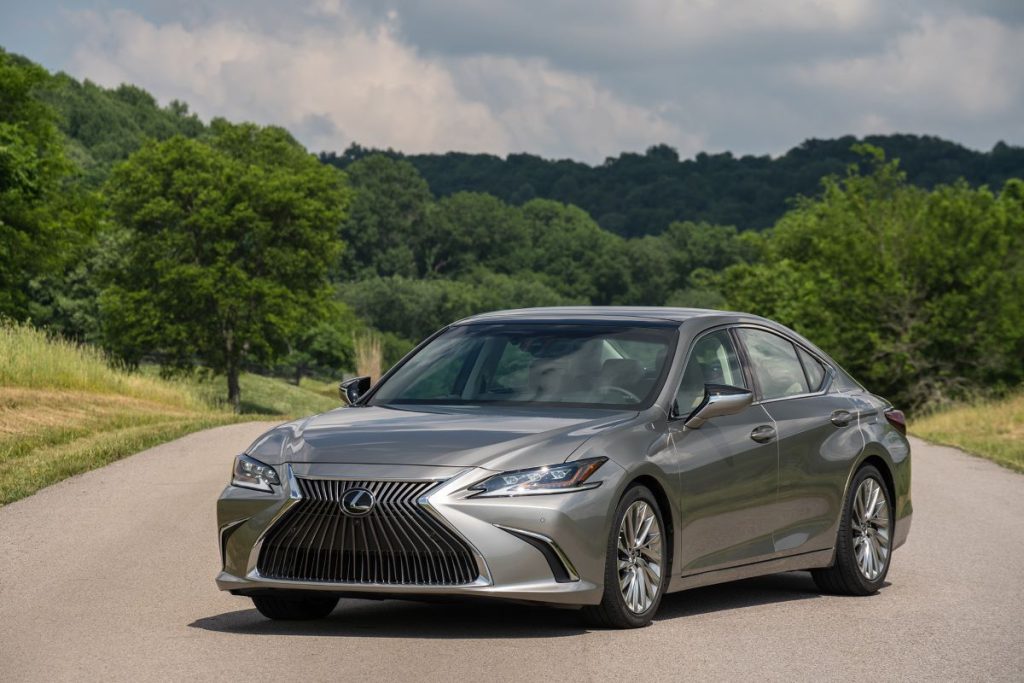
Even after years of ownership, the ES maintains that same vault-like calmness it had when new. It’s a car that doesn’t just look premium it feels immovable from the inside out.
It earns its place here because it shows how attention to detail in interior fit can define long-term comfort. The ES doesn’t chase trends or rely on flash. It just stays quiet, refined, and unshakably composed, mile after mile.
2. Honda Accord
The Honda Accord proves that durable interiors aren’t reserved for luxury brands. Its cabin is a masterclass in precise assembly, using high-quality plastics and robust connectors that resist wear and vibration. Even after thousands of highway miles, the dashboard remains silent and firm.
Honda’s engineering focus has always been on structure. In the Accord, this translates into tight tolerances between trim pieces and a smart balance between rigid and flexible plastics. The parts move slightly under stress rather than cracking or rubbing against each other, preventing creaks even as the cabin ages.
The way Honda anchors its center console and dashboard is another reason for its stability. The company uses layered insulation and foam inserts behind major panels to absorb vibration. This stops friction between surfaces, which is one of the main causes of interior squeaks.
Even the doors and window frames have double seals to minimize body flex noise. The result is a cabin that feels refined and well-built, even in entry-level trims. Reviewers often point out that the Accord feels as solid after five years as it did on day one.
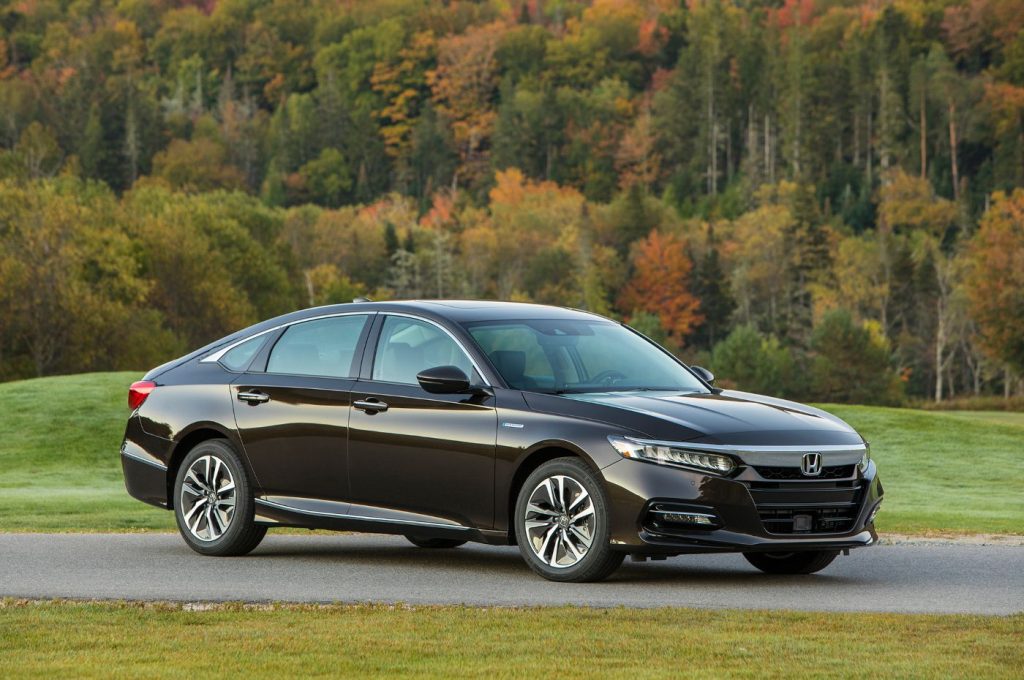
The car’s reputation for reliability extends to its interior design. There’s a sense of care in how each switch, vent, and panel interacts. Nothing feels loose or hollow, and the tactile feel of the plastics remains consistent.
The Accord earns its place here for being the kind of car that stays silent without extra luxury padding. It shows how smart design and consistent quality control can keep a mainstream sedan free from unwanted cabin noises. It’s one of those cars where quiet truly equals quality.
3. Mazda CX-5
The Mazda CX-5 is one of the most solidly built crossovers in its class. Its cabin feels cohesive no rattles from the doors, no buzzes from the dashboard, and no loose trim over rough roads. Even after tens of thousands of miles, it retains that reassuring sense of quiet strength.
Mazda’s focus on craftsmanship, or “Takumi” philosophy, shows clearly inside the CX-5. The plastics have a dense, almost rubberized texture that resists micro-cracks and temperature expansion. Every panel edge is cushioned by felt or foam, eliminating the plastic-on-plastic friction that usually causes creaks.
The CX-5’s structure also contributes to this silence. The body is exceptionally stiff, reducing flex through the cabin that could shift interior panels. The result is a stable shell where the plastics don’t have to absorb excessive movement, keeping everything tightly in place.
Mazda also pays attention to small, easily overlooked areas. The glovebox hinges, door cards, and seat bases use insulated fasteners. Even the center armrest and console lid are designed to close softly, avoiding sharp noises when they latch. It’s small details like these that make the difference between a calm drive and one filled with small irritations.
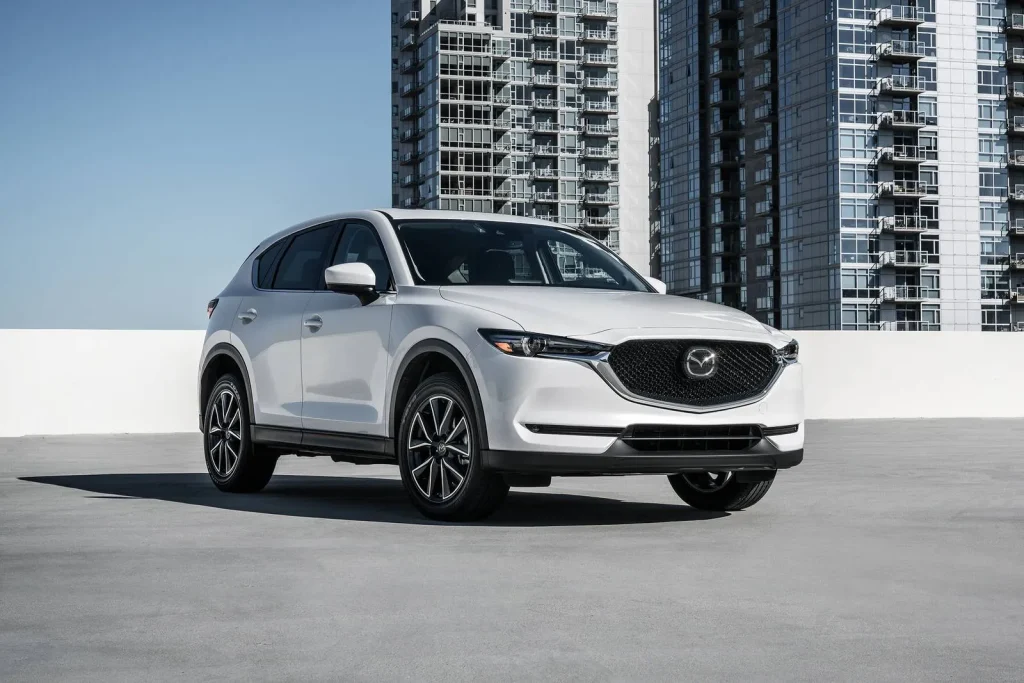
Owners consistently praise the CX-5 for feeling more premium than its price suggests. The quiet cabin enhances that impression, giving it the refinement of vehicles costing much more. The tactile surfaces remain smooth, and the trim stays stable even after years of use.
The CX-5 earns its place here because it delivers long-term interior serenity through thoughtful engineering. It’s proof that precision, not just price, determines how long a car’s cabin can stay silent.
4. BMW 3 Series
The BMW 3 Series has long set the benchmark for driver engagement, but its quiet, creak-free interior deserves equal praise. Every surface feels solidly attached, and no matter how hard you push it on uneven roads, the plastics stay firm and silent. It’s a true demonstration of meticulous German build quality.
BMW’s approach to interior construction relies on extremely tight tolerances. The plastics and trim pieces are anchored using dampened clips that prevent movement over time. The company’s assembly plants also use automated torque checks to ensure every fastener inside the cabin meets precise pressure specifications.
The 3 Series uses a mix of soft-touch plastics and high-density composites, which maintain structural stability under both heat and vibration. Even after years of spirited driving, the cabin feels like it was built yesterday. Unlike some rivals, you won’t hear squeaks from the door seals or console trim when the suspension works hard.
BMW engineers also use special anti-friction coatings between hidden contact points. This prevents creaks from temperature changes a common issue in performance sedans. The result is a car that feels mechanically tight and acoustically refined at the same time.

Owners often comment that the 3 Series feels carved from one piece of material. That sense of cohesion comes from both structural rigidity and interior precision. Whether on cobblestone streets or long highway drives, it keeps its composure.
It earns its place here because it blends sportiness with serenity. While many sports sedans focus solely on performance, the 3 Series quietly reminds you that refinement and responsiveness can coexist perfectly inside a cabin that never complains.
5. Toyota Camry
The Toyota Camry has built its reputation on reliability, but one of its most underrated strengths is how quietly its interior ages. Even in older models, the plastics don’t loosen or buzz, and the cabin maintains that tight, rattle-free feeling that drivers appreciate every day.
Toyota’s production consistency plays a huge role here. Each component inside the Camry is designed with microscopic tolerances to ensure every surface meets evenly. That means no panel rubs against another, even when the body flexes slightly over bumps.
The dashboard structure uses a layered design, with foam padding underneath the hard plastics to absorb vibration. This not only improves feel but also prevents creaks from developing when temperatures fluctuate. The door panels are double-clipped with rubber seals that allow just enough flex to prevent stress noise.
Another factor is Toyota’s testing process. Before a design goes into production, prototypes undergo thousands of simulated miles on rough tracks to identify potential rattling points. Engineers then adjust clips or apply dampers where needed. This attention to detail helps the Camry maintain its silent composure long after many competitors start showing wear.
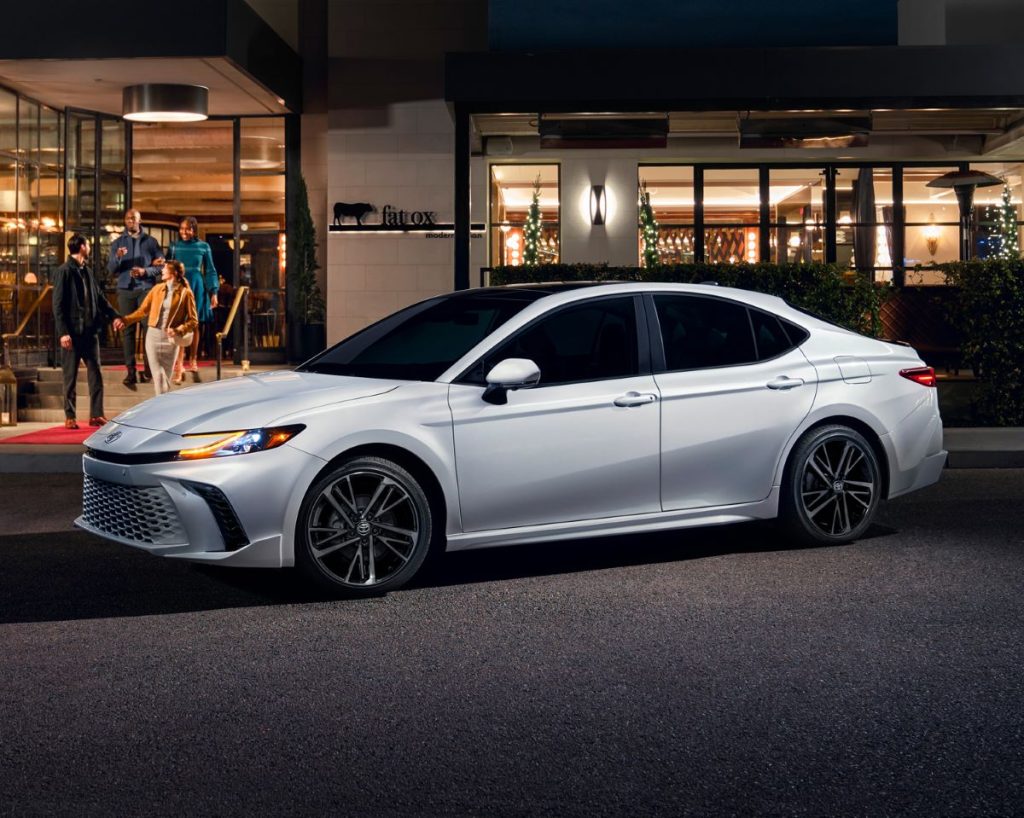
Owners often comment that even after years of daily commuting, the cabin feels solid and cohesive. Nothing shakes or squeaks, and the switches and trims feel like they’ll last forever. It’s a subtle kind of refinement not flashy, but deeply satisfying.
The Camry earns its place here because it delivers lasting quality in every sense. Its interior feels calm, unbothered, and built to endure. In a world full of cars that start whispering their age through plastic creaks, the Camry simply stays quiet.
6. Volvo XC60
The Volvo XC60 brings Scandinavian precision to interior craftsmanship. Everything inside this SUV feels tightly assembled, from the slim dashboard panels to the solid console trim. Even after years of ownership, the plastics remain quiet and stable, giving the cabin a lasting sense of calm.
Volvo focuses heavily on material choice. The plastics used in the XC60 are soft-grain polymers designed to flex rather than crack under pressure. They absorb vibration and adjust to temperature swings, preventing the popping or clicking sounds that often appear in stiffer materials.
The structure beneath the surface also makes a difference. Volvo uses a reinforced dashboard skeleton that connects directly to the central bulkhead. This prevents movement between the dash and the frame one of the most common causes of cabin noise in SUVs.
Assembly precision is another hallmark. Volvo factories use robotic alignment checks to ensure that each trim piece sits flush. Even the small inserts between the air vents and center stack have micro-cushion supports to stop vibration. It’s this invisible effort that keeps the cabin so composed over time.

Owners often mention that the XC60 feels more solid than some larger luxury SUVs. Whether it’s on cobblestone streets or long highway drives, there’s no background chatter from the plastics. Everything stays firmly in place, adding to the sense of understated refinement.
The XC60 earns its place on this list because it represents quiet confidence. Its silence isn’t achieved through excess insulation but through precision. It’s the kind of SUV that whispers quality through stillness, showing that strength can be felt even when nothing makes a sound.
7. Audi A4
The Audi A4 stands as one of the best examples of quiet precision in modern car interiors. Its cabin feels carved rather than assembled, with every plastic surface fitting so neatly that even harsh road vibrations fail to stir a single sound. It’s a car that doesn’t just look refined it behaves that way too.
Audi’s build quality has always centered around consistency. The A4 benefits from one of the most tightly controlled assembly processes in the industry. Every panel is laser-aligned before installation, and all interior fasteners are torque-tested to eliminate any chance of future movement. That means the plastics don’t shift or rub even after years of use.
The materials themselves also help. Audi uses dense, low-resonance polymers designed to absorb vibration instead of amplifying it. These plastics are treated with a micro-textured surface that prevents friction noise when panels touch under pressure. The result is a structure that remains silent, regardless of how rough the road becomes.
Even temperature changes don’t bother the A4. The cabin’s components are engineered to expand and contract uniformly, avoiding the stress points that typically cause creaks in cheaper interiors. Add in layered insulation and anti-vibration mounts behind the dash, and you get one of the most stable interiors in the segment.
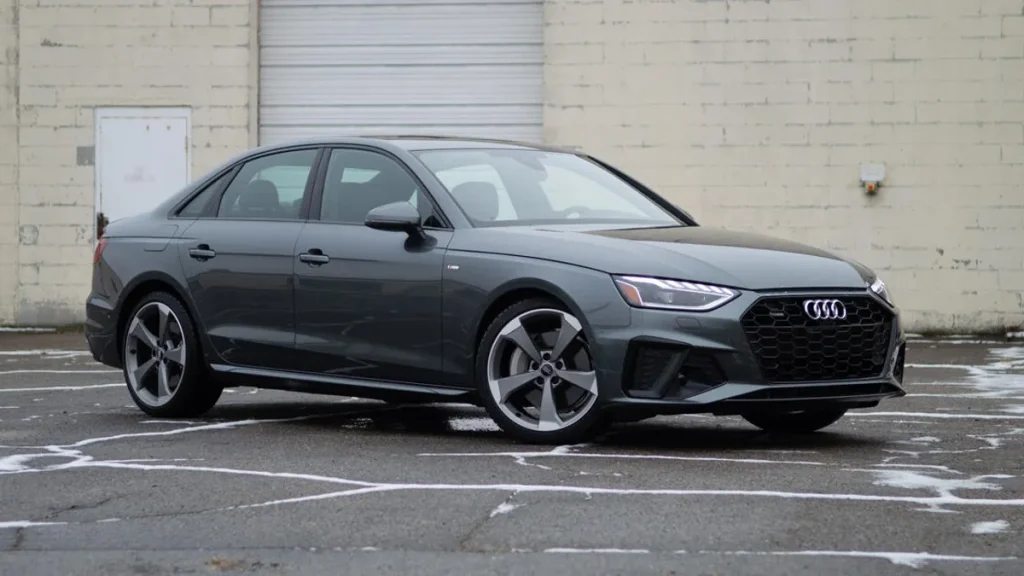
Owners often remark that even after years of ownership, their A4s feel brand new. Doors shut with a solid thud, the console remains rattle-free, and every surface feels anchored. That sense of calm becomes addictive once you’ve experienced it.
The Audi A4 earns its place here because it’s the gold standard for interior stillness. It proves that sound engineering and flawless fit matter more than fancy design when it comes to lasting quality. For drivers who crave silence and precision, the A4 delivers both beautifully.
7 Cars That Squeak On Every Bump
Not every car ages gracefully inside. Some start their life feeling sturdy and quiet, but within a few thousand miles, the peace fades. A small buzz from the dashboard, a creak from the door trim, or a faint rattle from the center console these sounds slowly take over the cabin. What starts as a solid drive becomes a symphony of squeaks every time the suspension moves.
In many cases, it isn’t about poor design but cost-cutting or missed testing steps. Manufacturers often use hard, lightweight plastics to save weight and reduce costs. Unfortunately, these materials expand, contract, and rub against each other under temperature changes or vibration, producing unwanted sounds.
Assembly precision also plays a big role. Even a slight misalignment of interior clips or fasteners can allow panels to move just enough to squeak on bumpy roads. Over time, those tiny gaps grow, and the noise only worsens. It’s one of those issues that no amount of cleaning or maintenance can fully fix.
This list focuses on seven cars that tend to lose their composure early. They might look appealing, drive well, and offer solid reliability, but their interiors reveal a different story when the pavement gets rough. Owners and reviewers often point out how these cabins develop noises sooner than expected.
While not deal-breakers for every buyer, these flaws highlight why material choice and assembly quality matter just as much as styling. Cabin silence is one of the first signs of long-term quality and when that fades, it’s hard to ignore.
Let’s look at the seven cars that, despite their strengths elsewhere, can’t quite keep their interiors from singing along with the road.
1. Nissan Rogue
The Nissan Rogue is a comfortable, family-friendly SUV, but one thing owners frequently mention is how quickly its interior begins to make noise. Within just a year or two, creaks from the dashboard and center console often start to appear, especially when driving over uneven roads or in cold weather.
The issue lies mostly in the use of hard, lightweight plastics that lack the density to resist vibration. These materials are durable and easy to clean, but they don’t absorb sound well. When the cabin flexes, panels rub against each other, producing those faint but constant squeaks that are hard to trace.
The Rogue’s interior assembly also shows inconsistency. Some trim pieces, particularly around the infotainment area and door panels, can shift slightly under pressure. This movement becomes more noticeable as the car ages, leading to more cabin chatter over bumps.
Temperature plays a major role too. During colder months, the plastics contract, creating small gaps where clips don’t hold tightly. Then, as the cabin warms up, expansion can cause faint clicking or tapping noises. Over time, this cycle weakens the joints and makes the creaks more persistent.
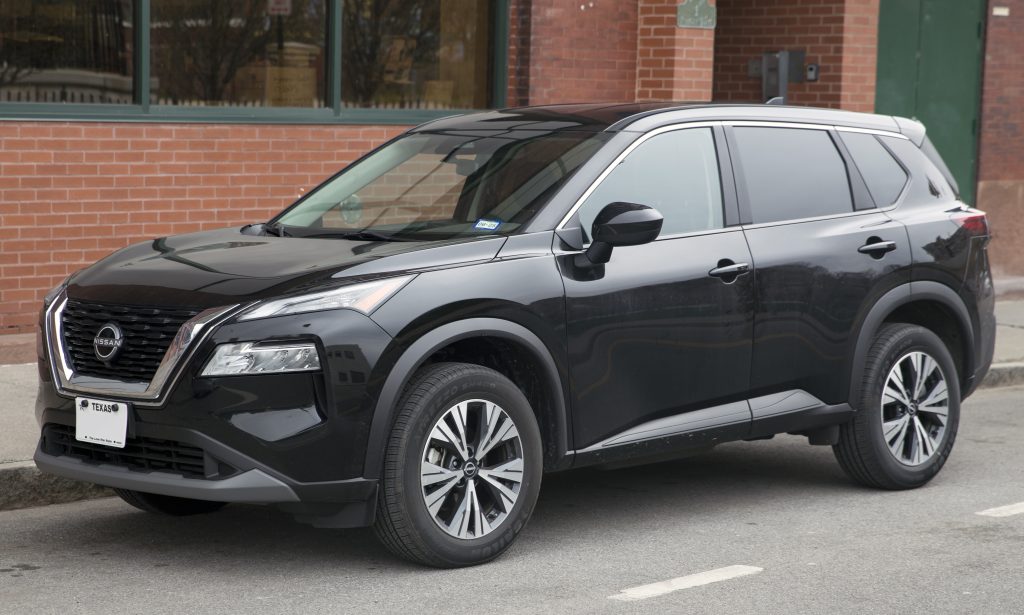
It’s a shame, because the Rogue otherwise offers a comfortable and refined experience. The seats are supportive, the ride is smooth, and the tech is easy to use. But for drivers who value peace and quiet, the constant background noise can be frustrating.
The Rogue earns its place here because it highlights how small compromises in material quality can impact long-term satisfaction. It’s reliable, efficient, and safe but its cabin tends to talk back more than it should once the miles start adding up.
2. Jeep Compass
The Jeep Compass brings rugged styling and solid off-road credentials, yet its cabin doesn’t always share that same durability. Owners commonly report squeaks and rattles from the dashboard, doors, and console sometimes appearing within the first year of ownership.
The cause is mainly due to the interior’s stiff, textured plastics and loose-fitting clips. Jeep’s design favors a tough, adventurous look, but the materials used don’t offer much flexibility. When the body twists slightly over rough pavement or dirt roads, the plastics grind and shift just enough to create audible friction.
Temperature sensitivity makes things worse. On hot days, the plastics expand and press against each other; in colder conditions, they pull apart. This constant movement leads to clicking or cracking noises, especially from the upper dash and around the infotainment bezel.
Road vibration adds to the problem. The Compass has a firmer suspension setup than most compact SUVs, which means more feedback travels into the cabin. Instead of being absorbed by insulation or padding, those vibrations reach the trim panels, exposing the lack of soft-touch material underneath.
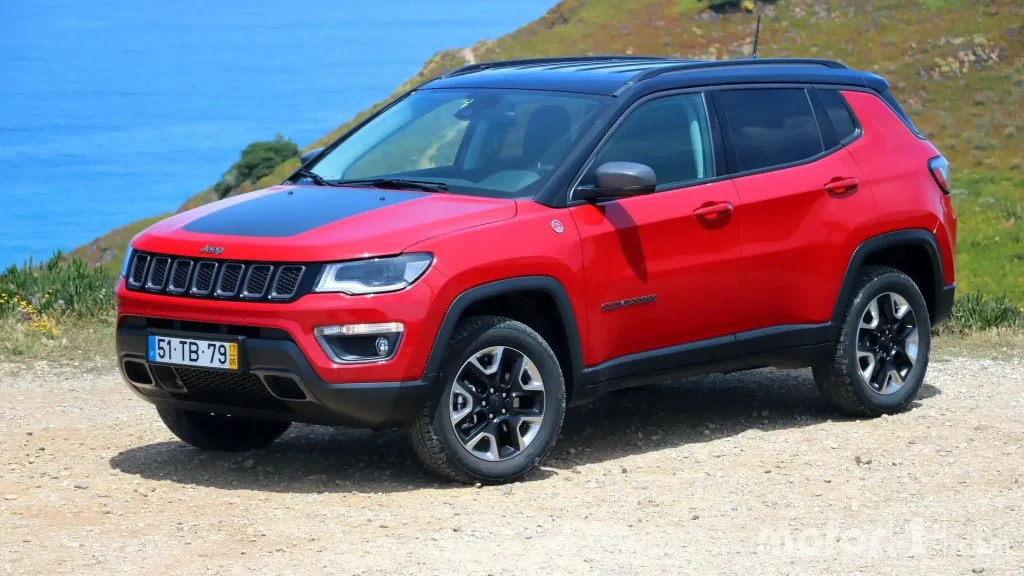
Even though the Compass has improved in recent years, the interior build still trails behind its competitors. The gaps between panels aren’t as tight, and the fit varies slightly from one unit to another a small but noticeable factor in how soon the squeaks start.
The Compass earns its place here because it shows how an otherwise capable vehicle can lose refinement through its interior execution. It drives confidently and looks sharp, but its plastics simply can’t stay quiet once real-world use begins. For buyers expecting silence, it may fall short of the promise its rugged design makes.
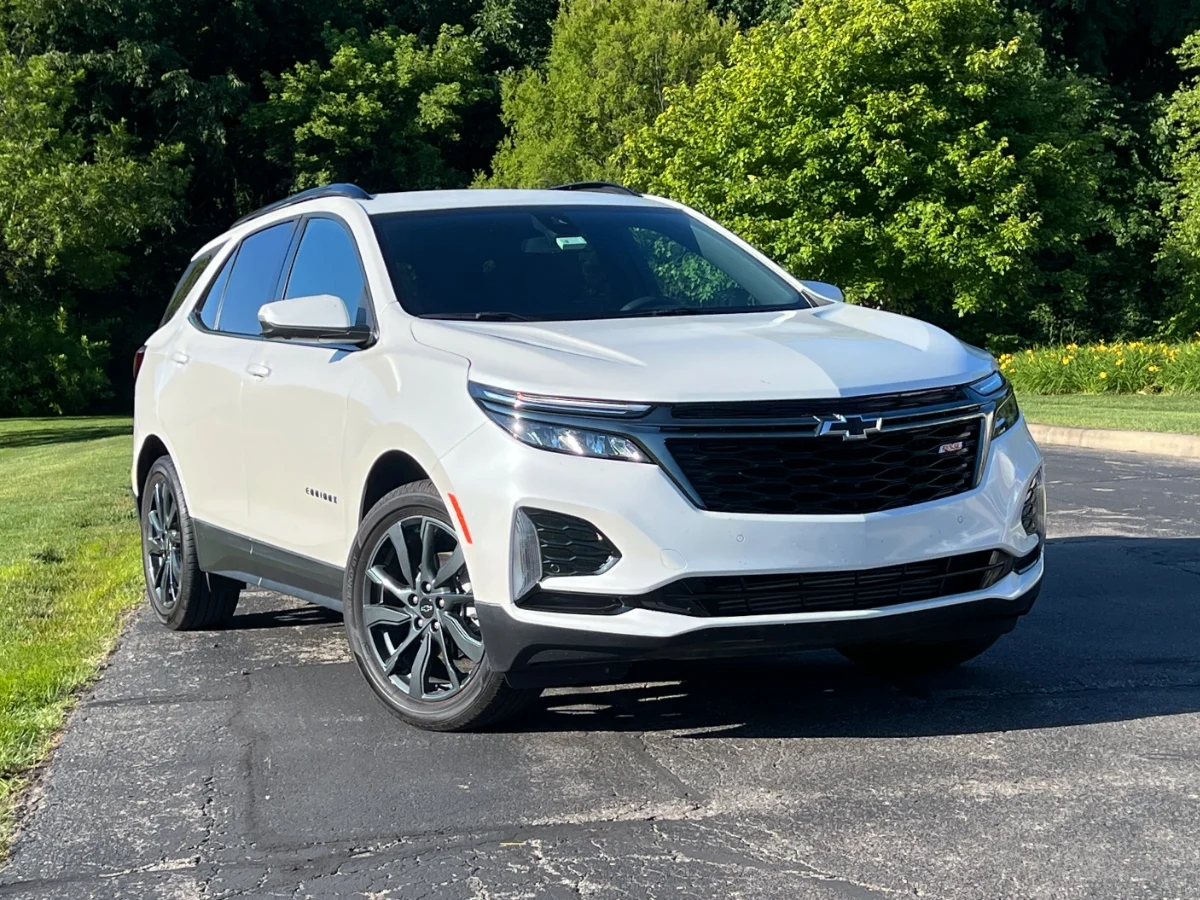
3. Chevrolet Equinox
The Chevrolet Equinox delivers a soft, comfortable ride, but its interior has long been a source of owner frustration. After just a few years, many drivers notice rattles developing near the dashboard, door panels, and even the steering column. What starts as a subtle buzz eventually turns into a steady chorus of squeaks on uneven roads.
One of the main culprits is the extensive use of thin, rigid plastics. While these materials help reduce weight and production costs, they don’t handle vibration well. Over time, the clips that hold them together loosen slightly, allowing friction between panels that leads to constant creaking.
The dashboard, in particular, tends to flex under heat and cold. During warm months, expansion causes faint cracking sounds; in winter, contraction leads to gaps and ticking noises. The issue becomes worse on rougher surfaces where suspension movement transfers energy directly into the cabin.
Chevrolet did make improvements in newer versions, but even those models aren’t entirely immune. Owners often describe a faint “plastic chatter” coming from behind the glovebox or center vents. It’s not loud enough to drown out conversation, but once you notice it, it’s hard to ignore.
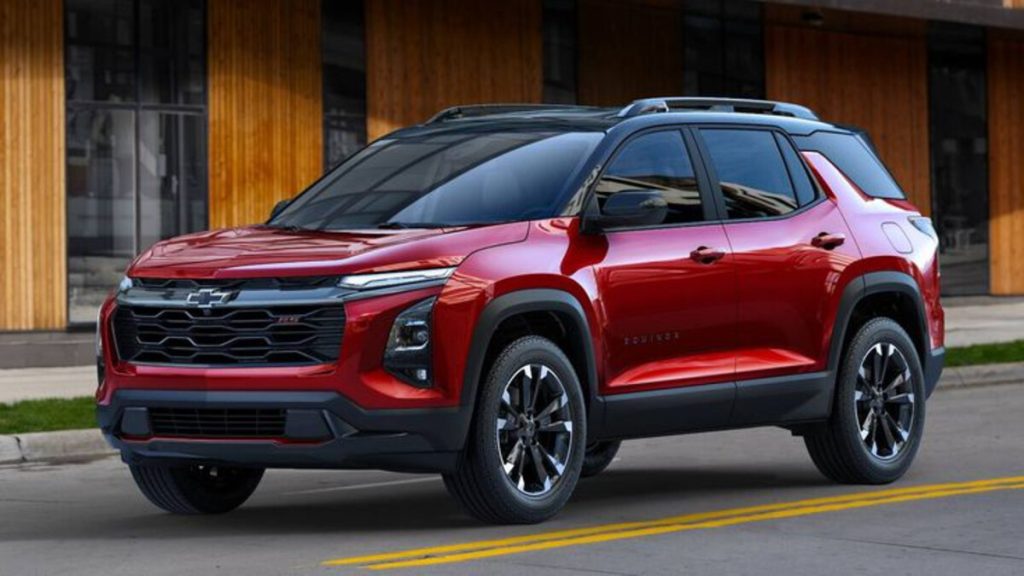
The frustrating part is that the rest of the Equinox feels refined the seats are comfortable, the infotainment system is polished, and road noise is well-controlled. Yet those minor interior squeaks chip away at the sense of quality that Chevrolet works to deliver.
The Equinox earns its spot here because it’s a reminder that comfort isn’t just about cushioning or insulation. A quiet, composed interior comes from how well parts fit together, and in this SUV, that cohesion starts to fade too soon.
4. Hyundai Kona
The Hyundai Kona is one of the most fun-to-drive compact SUVs on the market, but its interior noise level tells a different story.
Many owners mention squeaks and rattles appearing early in the car’s life, particularly from the dashboard and door trim. Even though the rest of the car feels modern and well-equipped, the cabin sometimes sounds like it’s working too hard.
The reason lies in the lightweight construction Hyundai uses to maximize efficiency. The plastics are firm but thin, and while they look upscale, they don’t absorb vibration as effectively as softer materials. The result is an occasional creak from the center console or glovebox when the suspension moves.
Temperature fluctuations amplify the issue. On colder mornings, the plastics contract just enough to create gaps between trim joints, and when the cabin warms up, those pieces shift slightly producing clicks or snaps that seem to come and go at random.
The Kona’s compact size also plays a role. Because the cabin is shorter and stiffer, road noise and movement reach interior panels more directly. Over rough pavement or cobblestones, these vibrations reveal where the clips and mounts aren’t as tight as they should be.
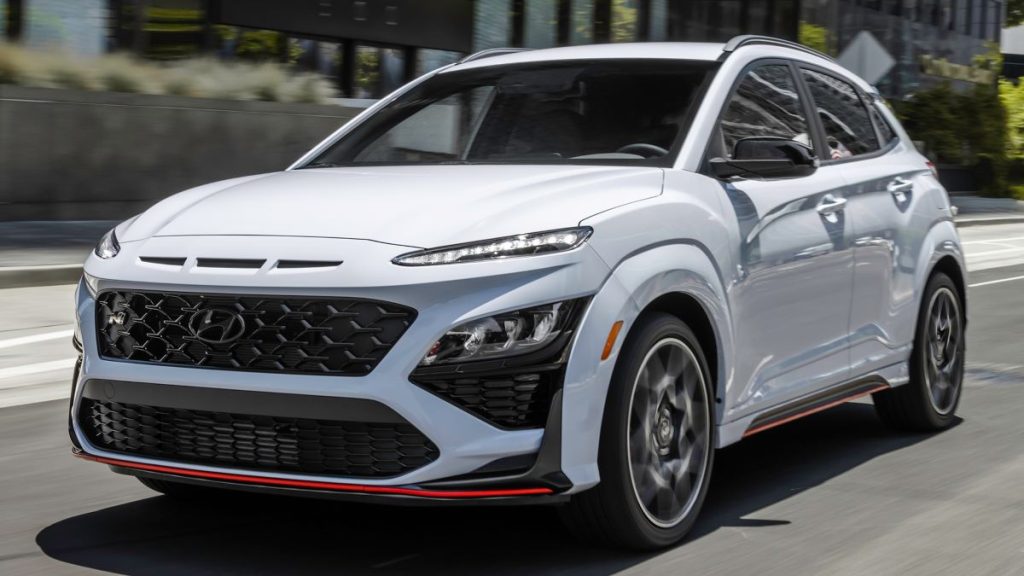
Despite this, the Kona remains a stylish and capable urban SUV. Its ride quality, tech features, and efficiency all score highly. The squeaks don’t affect performance or reliability, but they do chip away at the impression of precision that Hyundai aims for.
The Kona earns its place here because it’s a small car with big potential just held back by small details. Its cabin noise might not bother every driver, but for those who value a peaceful ride, those faint interior murmurs are hard to overlook.
5. Ford Escape
The Ford Escape has plenty of appeal with its sharp handling and solid tech, but long-term owners often point to a frustrating trait interior creaks that seem to grow louder with every mile. Many report squeaks from the dash corners, center console, and even the rear cargo area, especially when driving on rough or uneven roads.
The main cause is the Escape’s combination of hard plastics and flexible body panels. The materials look refined, but the tight tolerances that hold them in place can loosen over time. As the vehicle flexes, those panels rub or click against each other, producing high-pitched squeaks that vary with temperature and road texture.
Cold weather exaggerates the problem. Plastics contract slightly, pulling away from clips and seams. On bumpy roads, that small movement translates into a steady creak. Then, when the cabin warms up, the expansion reverses it leading to popping sounds instead.
The Escape’s rear area also contributes to noise. The folding seatbacks and cargo trim panels can shift slightly under load, adding to the chorus of rattles when driving with passengers or luggage. Even the seatbelt mechanisms have been known to tick softly against the pillars.
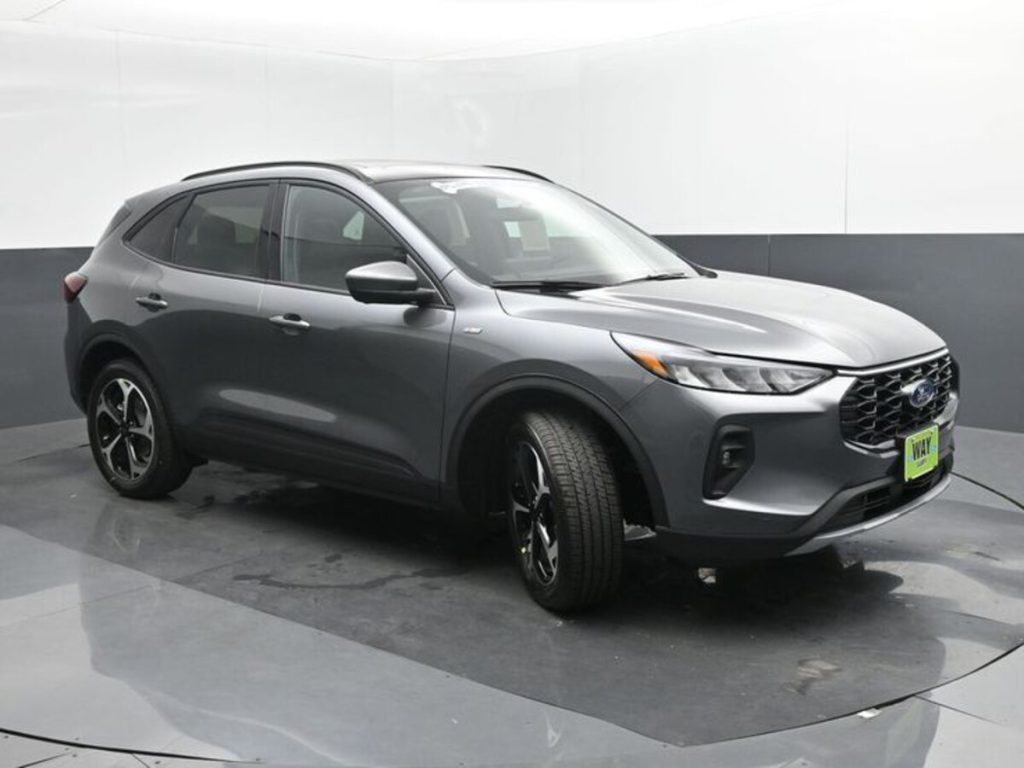
This is disappointing, because the Escape drives beautifully. The suspension is composed, the engines are smooth, and road insulation is otherwise excellent. The mechanical refinement is there it’s the fit and finish inside that let the experience down.
The Ford Escape earns its place on this list because it demonstrates how cabin noises can undermine a car’s overall refinement. For most buyers, the issue is minor, but for those sensitive to every rattle, the Escape’s interior can sound busier than expected on imperfect roads.
6. Subaru Crosstrek
The Subaru Crosstrek is a rugged, reliable crossover loved for its versatility. But while it handles dirt roads and snow with ease, it often struggles to keep its interior quiet over time. Many owners notice squeaks from the dash, door panels, and seat mounts once the vehicle sees a few seasons of use.
The main issue comes from how the Crosstrek’s body flexes during normal driving. Subaru’s unibody structure is strong, but off-road use and temperature swings can cause subtle movements that make the cabin’s plastic panels rub or creak. The dashboard, in particular, tends to produce soft ticking sounds when the car goes from cold to warm environments.
The hard plastics near the center console and infotainment area are also prone to vibration. On gravel or broken pavement, they can buzz faintly against their mounting brackets. Over time, those sounds become more frequent, especially as the clips wear or the foam padding thins out.
The Crosstrek’s appeal lies in its toughness, so many owners accept these noises as part of its personality. Still, for those expecting the same level of interior calm found in urban-focused crossovers, the contrast can be surprising.
It’s not that Subaru cuts corners on quality rather, its design priorities lean toward resilience and weather resistance rather than quiet luxury. As a result, the interior can sound a little less polished when subjected to daily bumps and vibrations.
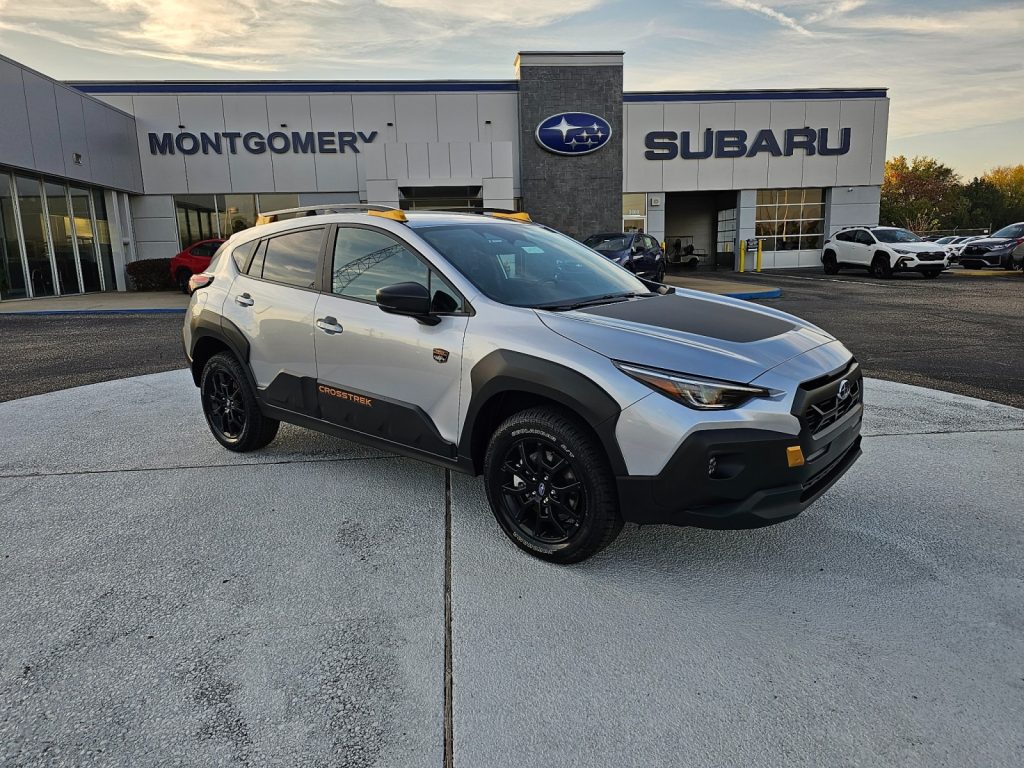
The Subaru Crosstrek earns its place here because it shows how a durable, outdoor-friendly vehicle can trade cabin refinement for strength. It remains an excellent all-weather companion, but its interior will likely develop a few squeaks long before its mechanicals show any wear.
7. Toyota C-HR
The Toyota C-HR wins hearts with its edgy styling and reliable nature, but inside the cabin, a different story unfolds over time. Many owners note faint squeaks and rattles developing after a couple of years, especially from the dashboard edges, center vents, and door trims. It’s not severe but noticeable enough for a car known for its solid build.
Toyota engineered the C-HR with sporty stiffness, giving it precise handling and a taut suspension. That same firmness, however, transfers more vibration into the cabin. The hard plastics and decorative panels near the infotainment stack don’t always absorb that energy, leading to minor friction noises when the body flexes.
Temperature shifts play a big role. The C-HR’s interior materials contract quickly in cold conditions, creating small gaps around clips and joints. When the sun warms the car, expansion follows, producing subtle pops or ticks. This constant movement makes the cabin seem more active than quiet.
Despite these quirks, the C-HR remains a fun, well-equipped crossover. Its mechanical reliability, efficiency, and unique design outweigh its interior noise for most buyers. Still, compared to quieter rivals like the Mazda CX-30, its plastics just don’t stay silent for long.
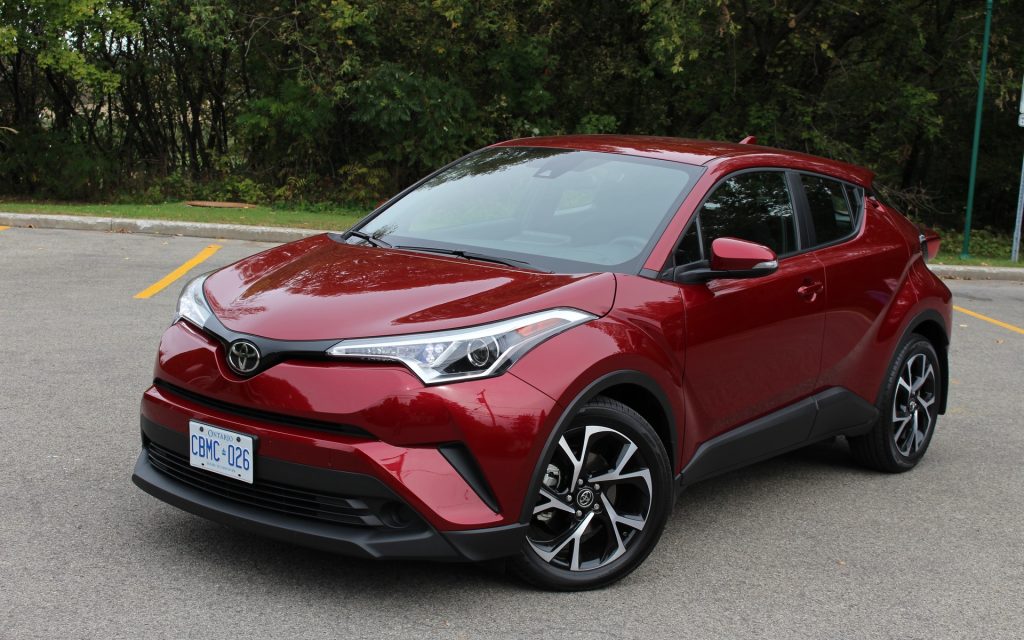
The C-HR earns its spot because it represents how even reliable, well-built vehicles can develop sound fatigue over time. Its mechanicals stay bulletproof, but the cabin seems to hum a tune of its own once the miles climb. For anyone who values total silence, this Toyota might be a touch too talkative.
Interior noise is one of the most underrated factors that shape how a car feels over time. A quiet cabin gives the impression of craftsmanship and care, while a squeaky one can make even a premium car feel tired.
Across today’s market, some vehicles maintain impressive composure inside, while others reveal weaknesses in how their materials age and respond to real-world use.
Cars whose interior plastics don’t creak like the Honda Accord, Lexus RX, and Mazda CX-5 share one key trait: structural integrity. They use dense materials, tighter panel fits, and better sound insulation.
Their dashboards and door trims stay solid even after years of heat cycles, cold mornings, and bumpy commutes. When the chassis moves, the cabin moves as one. That unity creates a sense of calm that lasts.
On the other side, models such as the Nissan Rogue, Ford Escape, and Subaru Crosstrek tend to develop squeaks as they age. Their plastics are lighter and stiffer, chosen for cost and efficiency rather than absorption and flexibility.
Over time, small gaps form between trim panels, clips loosen, and vibration begins to translate into audible chatter. It doesn’t mean they’re poorly built it just shows how material choice affects long-term refinement.
Temperature is another silent player in this drama. Cars that resist creaks use materials designed to expand and contract in sync, while those that don’t often produce faint clicks and pops whenever the cabin temperature swings. Add in rough roads, firmer suspensions, and years of use, and the noises become inevitable.
Ultimately, the quietest cars are those engineered with patience and precision. They’re not always the most expensive sometimes it’s simply thoughtful design, softer padding behind panels, or thicker fasteners that make the difference. When these details come together, they create cabins that feel timeless, no matter the mileage.
Meanwhile, vehicles that squeak on every bump still deliver comfort, power, and value. Their only flaw lies in how their interiors age. For drivers who prize serenity, these sounds can be distractions. But for others, they’re part of the car’s personality small reminders of the road’s texture and life itself.
In the end, silence remains the ultimate mark of craftsmanship. Cars that stay quiet prove that refinement isn’t about price, but precision and that’s what separates the great interiors from the merely good.
Also Read: 12 SUVs That Deserve More Credit For Build Quality
