

Car manufacturers love to talk about their mid-cycle refreshes like they’ve reinvented the wheel. Most times, it’s just new headlights, a slightly different grille, and maybe some updated tech that nobody really needs.
But every once in a while, automakers actually deliver something special. They take a vehicle that was already decent and transform it into something genuinely better, addressing the exact complaints owners had been screaming about for years.
Noise and durability are two areas where refreshes can make massive differences. Picture this: you’re driving down the highway in your three-year-old SUV, and the wind noise is so loud you have to shout at your passenger.
Fast forward to the refreshed model, and suddenly it’s library-quiet inside. The same vehicle, with the same basic structure, but the engineers actually listened and fixed what was broken. That’s the kind of improvement that matters in real life.
Toughness is another story. Maybe the original version had suspension components that wore out too quickly, or interior trim pieces that cracked if you looked at them wrong. Then the refresh arrives with upgraded materials, reinforced mounting points, and components that actually last.
These aren’t sexy changes that get highlighted in commercials, but they’re the ones that determine whether you’ll still love your vehicle in five years or be cursing the day you bought it.
We’ve found ten vehicles that genuinely transformed themselves mid-cycle, becoming the cars they should have been from day one. Let’s see what changed and why it matters.
10 Vehicles That Actually Improved

1. Honda CR-V EX-L (2020 Refresh)
Serious sound insulation upgrades transformed the 2020 CR-V from a noisy compact SUV into something that competes with luxury vehicles for quietness. Honda admitted the previous generation had excessive road and wind noise, and they attacked the problem systematically.
Acoustic glass went into the windshield and front windows, creating a barrier that previous models lacked. Extra sound-deadening material appeared throughout the cabin, adding weight but delivering peace. Road noise had been the CR-V’s biggest complaint since the 2017 redesign.
Owners loved everything else about the vehicle but hated how loud it got at highway speeds. Honda’s engineers went back to the drawing board, measuring noise levels and identifying exactly where sound was entering the cabin. They sealed gaps, added insulation to the firewall, and redesigned door seals to block wind noise more effectively.
Structural improvements came alongside the noise reductions. Honda reinforced the unibody structure at stress points where earlier models developed squeaks and rattles.
These modifications weren’t advertised heavily, but long-term owners noticed the difference. Doors closed with a more solid thunk, and the dashboard didn’t develop the annoying creaks that plagued 2017-2019 models.
Suspension tuning also drew attention, with revised dampers that absorbed road impacts more effectively while maintaining the CR-V’s comfortable ride.
Earlier models tended to crash over sharp bumps, transmitting harsh impacts into the cabin. New damper valving smoothed out these jolts, making the ride more composed and reducing the structural stress that causes squeaks and rattles.
Material quality improved in subtle ways throughout the cabin. Thicker carpet, better door panel materials, and reinforced plastic components addressed the durability concerns owners had reported.
Honda didn’t change the entire design, but they upgraded the execution in ways that made the 2020 and newer CR-Vs feel like premium vehicles compared to their immediate predecessors. This is how you do a refresh properly.
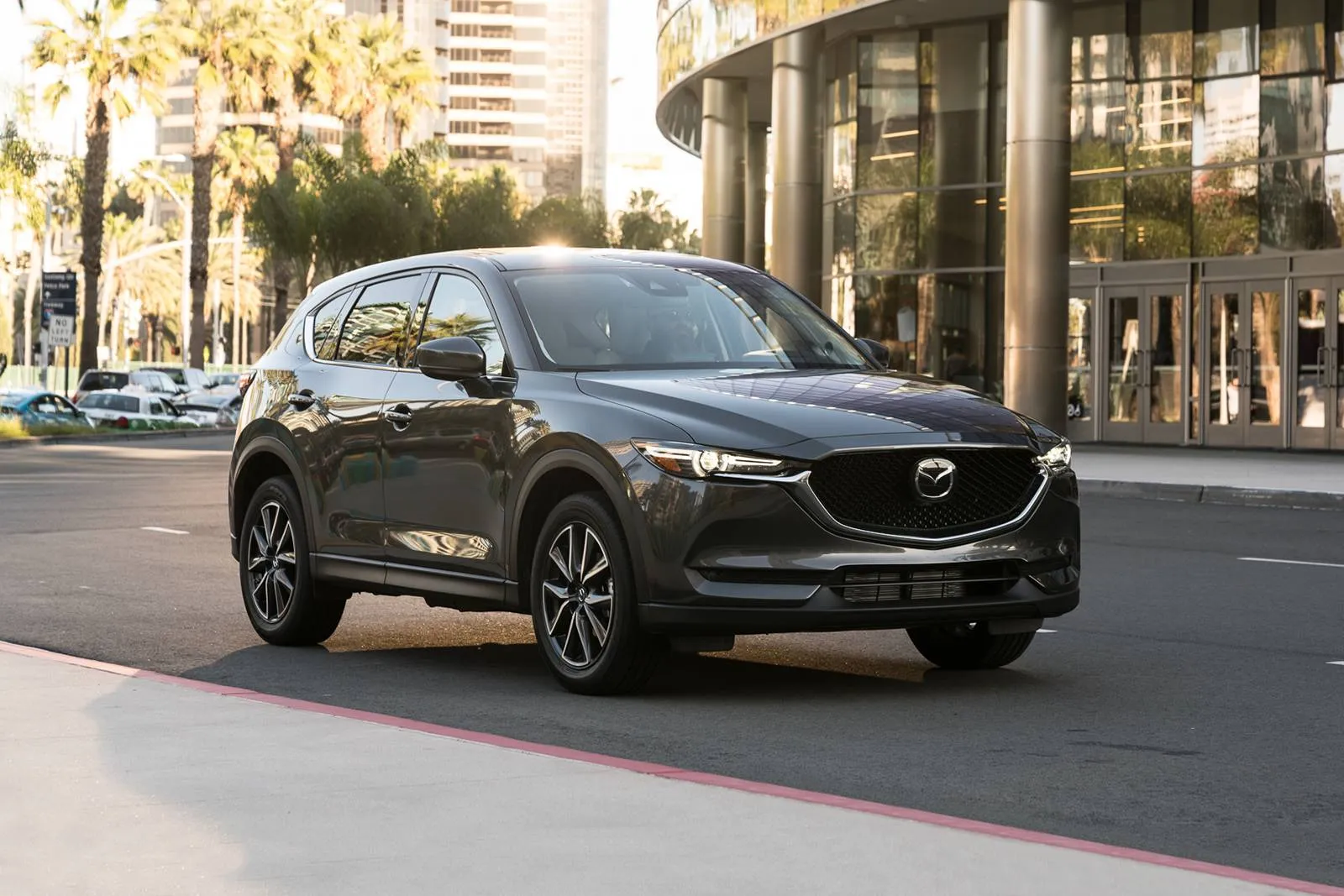
2. Mazda CX-5 Grand Touring Reserve (2019 Refresh)
Quiet cabins have always been a Mazda priority, but the 2019 CX-5 refresh took things to another level entirely. Engineers added insulation in places previous models never had it, including inside the headliner, under the carpet, and within door cavities.
They also redesigned the door seals to eliminate wind whistle, a problem that had annoyed first-generation CX-5 owners for years.
Chassis rigidity improved through additional spot welds and structural adhesive in critical areas. This might sound boring, but a stiffer chassis reduces vibrations that cause noise and improves durability by preventing stress cracks.
Mazda studied where early CX-5s developed problems and reinforced exactly those areas. Smart engineering means learning from past mistakes and fixing them properly.
Premium materials replaced cheaper alternatives throughout the cabin. Soft-touch plastics appeared on surfaces that were previously hard and cheap-feeling.
Stitching got reinforced on leather seats, preventing the splitting that affected earlier models. Even the carpet backing was upgraded to something more durable that wouldn’t mat down and look terrible after two years of use.
Revised engine mounts reduced vibration transmission into the cabin, making the CX-5 feel smoother and more refined.
Previous models had a slight buzz at idle that you’d feel through the steering wheel and floor. New mounts isolated the engine better, creating a calmer experience that feels more expensive than the vehicle’s price tag suggests.
Handling stayed sharp because Mazda knows its audience values driving dynamics. But they managed to improve refinement without sacrificing the engaging character that makes Mazdas fun to drive.
That balance is difficult to achieve, and most manufacturers fail when they try. Mazda succeeded, creating a refresh that addressed owner complaints while maintaining the qualities people loved.
Also Read: 5 Vehicles Built for Adventure vs 5 That Are Built for Show
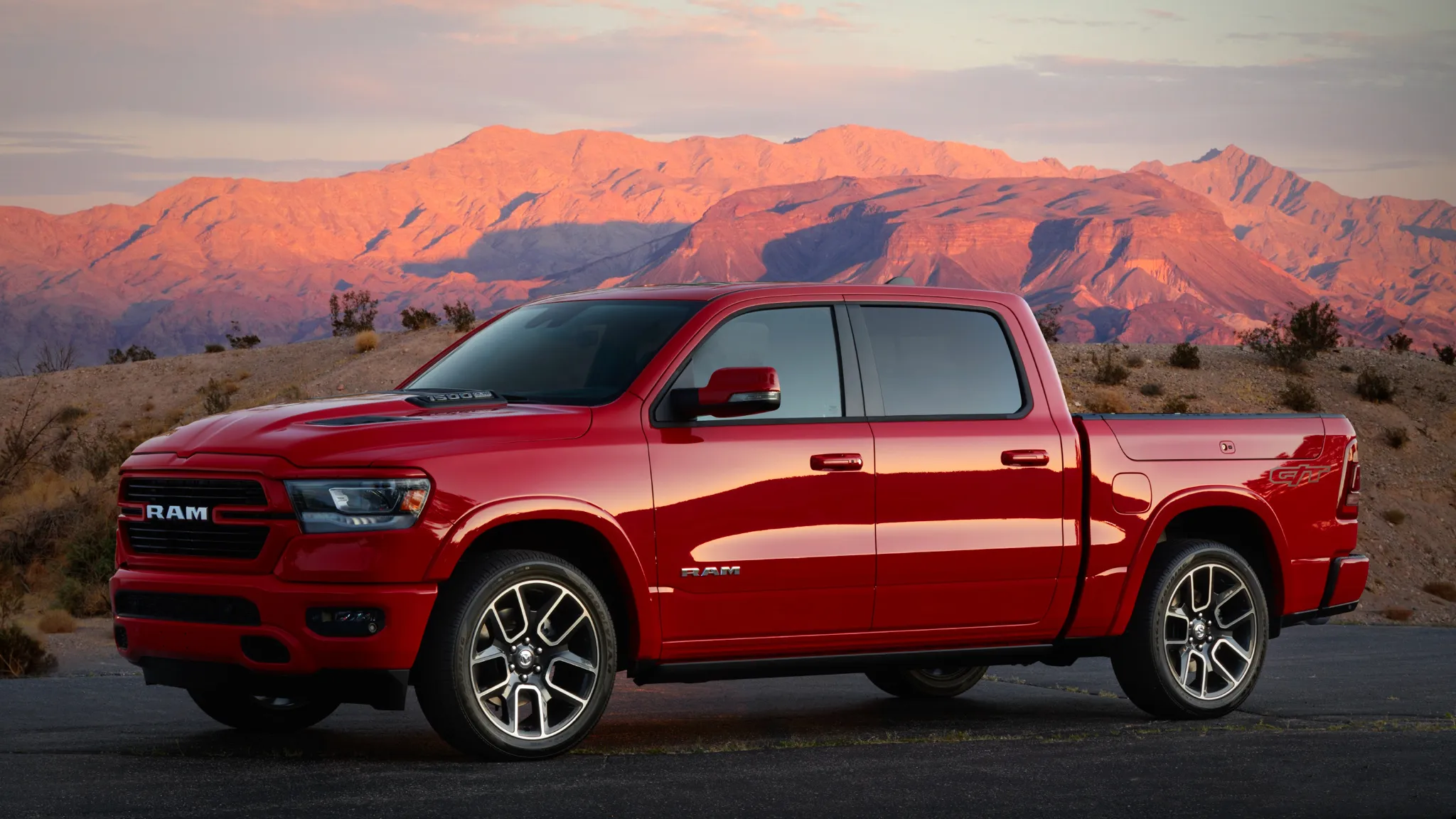
3. Ram 1500 Laramie (2022 Refresh)
Active noise cancellation technology made its way into the refreshed 2022 Ram 1500, joining the existing sound-deadening measures Ram already used.
This system uses microphones to detect unwanted noise, then plays inverse sound waves through the speakers to cancel it out. Sounds gimmicky, but it works brilliantly, especially for low-frequency road rumble that’s hard to block with insulation alone.
Body structure received additional bracing points to reduce flex and improve long-term durability. Trucks face harsh conditions and heavy loads that reveal structural weaknesses quickly. Ram identified areas where earlier 1500s developed stress cracks and reinforced them with thicker steel and better welding.
These changes add maybe 50 pounds, but they prevent expensive repairs down the road. Interior components got upgraded to fasteners and better mounting systems. Early fifth-generation Ram 1500s had issues with dashboard rattles and loose trim pieces.
Ram addressed this systematically, using better clips, adding foam backing to prevent vibration, and generally putting more thought into how interior pieces are attached to the structure. Small details, huge impact on perceived quality.
Acoustic glass became standard across more trim levels, bringing premium quietness to mid-range models that previously used regular glass.
This democratization of features shows Ram listened to feedback about which upgrades buyers actually valued. People will pay for a quiet cabin, and Ram gave it to them without requiring a jump to the most expensive trim.
Suspension bushings switched to a different compound that lasted longer under heavy use. Earlier models experienced premature bushing wear, especially in tow trucks.
New bushings maintain their properties longer, preventing the clunking and loose feeling that develops when rubber deteriorates. This directly improves durability and keeps the truck feeling tight for more years and miles.
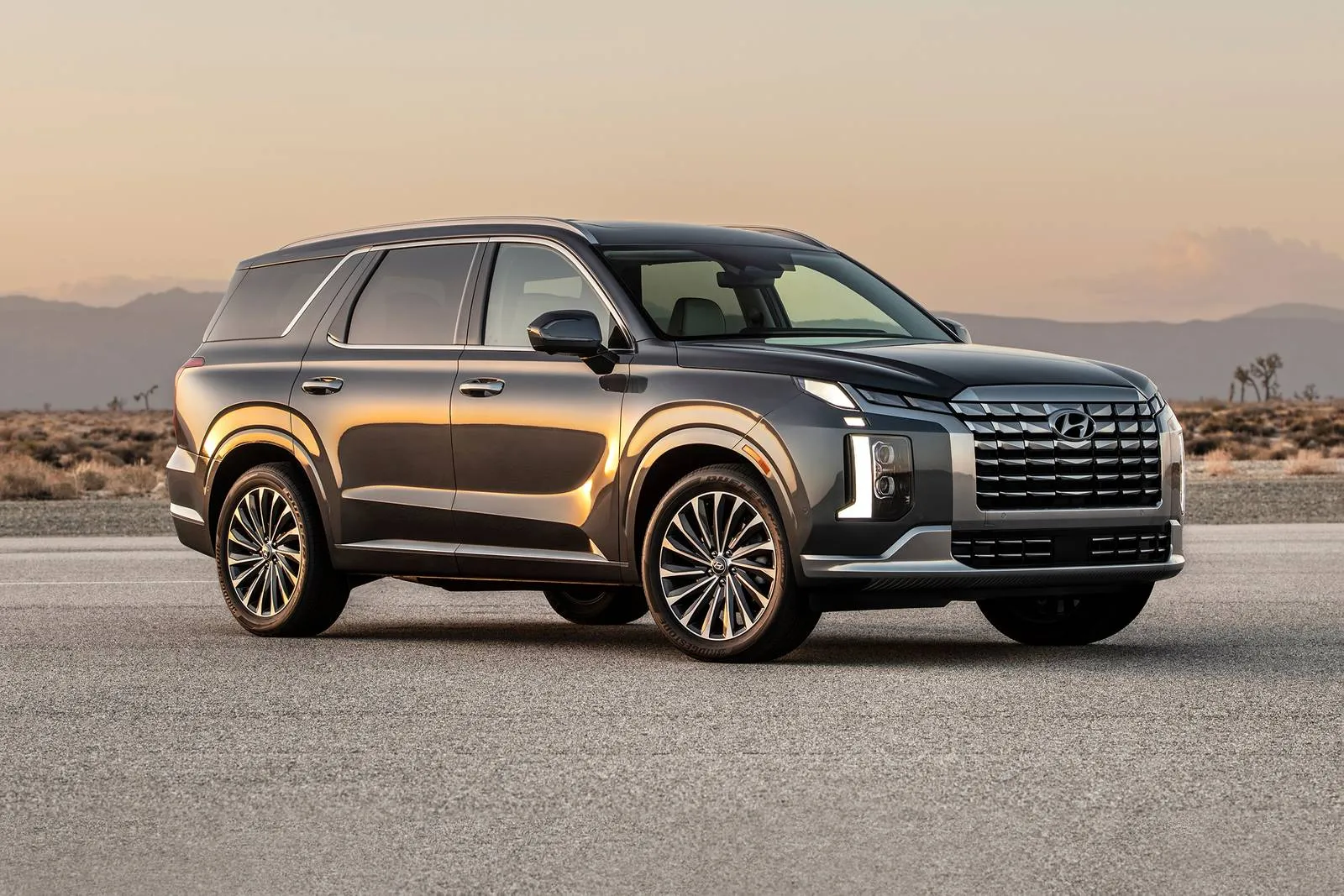
4. Hyundai Palisade Calligraphy (2023 Refresh)
Sound-absorbing materials basically doubled in quantity for the 2023 Palisade refresh. Hyundai went from adequate sound insulation to class-leading quietness by adding layers of material throughout the cabin.
Even the rear cargo area got sound deadening, which benefits third-row passengers who previously dealt with excessive noise from the rear wheels and exhaust.
Spot welding increased by 200+ points throughout the body structure, creating a more rigid platform that better resists squeaks and rattles. This manufacturing change costs money but delivers long-term benefits.
A stiffer body stays quieter longer because panels don’t vibrate against each other, and fasteners don’t work loose from flexing. Hyundai invested in building these vehicles better from the factory. Thicker glass went into all windows, not just the windshield.
This adds weight and cost, but it dramatically reduces noise intrusion. Glass is one of the weakest points for sound insulation, and thin glass transmits noise easily. Thicker glass blocks more sound frequencies, creating a noticeable improvement that passengers comment on immediately.
Carpet padding got upgraded to something more substantial that provides better insulation and holds up better to wear. Early Palisades had a thin carpet that showed wear patterns quickly and didn’t do much for sound control.
New padding addresses both issues, creating a quieter cabin that looks better longer. This is the kind of detail that separates good vehicles from great ones. Panel gaps tightened across the board as Hyundai improved manufacturing tolerances.
Tighter gaps mean less wind noise and a more solid feel when closing doors. This also improves water sealing, preventing leaks that cause rust and electrical problems. Quality manufacturing isn’t just about looks; it affects durability in ways buyers don’t always recognize until problems appear years later.

5. Nissan Pathfinder Platinum (2022 Redesign)
Completely redesigned for 2022, this Pathfinder specifically addressed noise complaints that plagued the previous generation.
Triple-sealed doors became standard, using three separate weather strips instead of two. This design blocks wind noise far more effectively, especially at highway speeds, where the older Pathfinder sounded like you were driving with a window cracked open.
Structural adhesive joined traditional welding throughout the body, creating a bonded structure that’s both stiffer and quieter.
This aerospace-inspired technique has trickled down to mainstream vehicles, and the benefits are real. Bonded joints don’t squeak like welded joints can, and they distribute stress more evenly, preventing concentrated weak points.
Foam-filled A-pillars and B-pillars added mass and damping that reduced wind noise and improved crash protection simultaneously.
Nissan engineers killed two birds with one stone by using the space inside structural pillars for sound insulation. This clever packaging doesn’t compromise interior space but delivers measurable improvements in refinement.
Underbody panels cover more area than before, smoothing airflow and reducing road noise transmission. Earlier Pathfinders left mechanical components exposed underneath, which created turbulence and allowed noise to enter the cabin.
New panels create a smoother undertray that improves aerodynamics, reduces noise, and protects components from road debris.
Suspension components switched to materials and designs proven in Nissan’s trucks. Previous Pathfinder suspensions were adequate but not particularly durable, with bushings and ball joints wearing prematurely.
Learning from their truck division, Nissan upgraded these parts to heavier-duty versions that last longer under family SUV duty. Smart parts sharing that benefits customers without costing Nissan much extra.
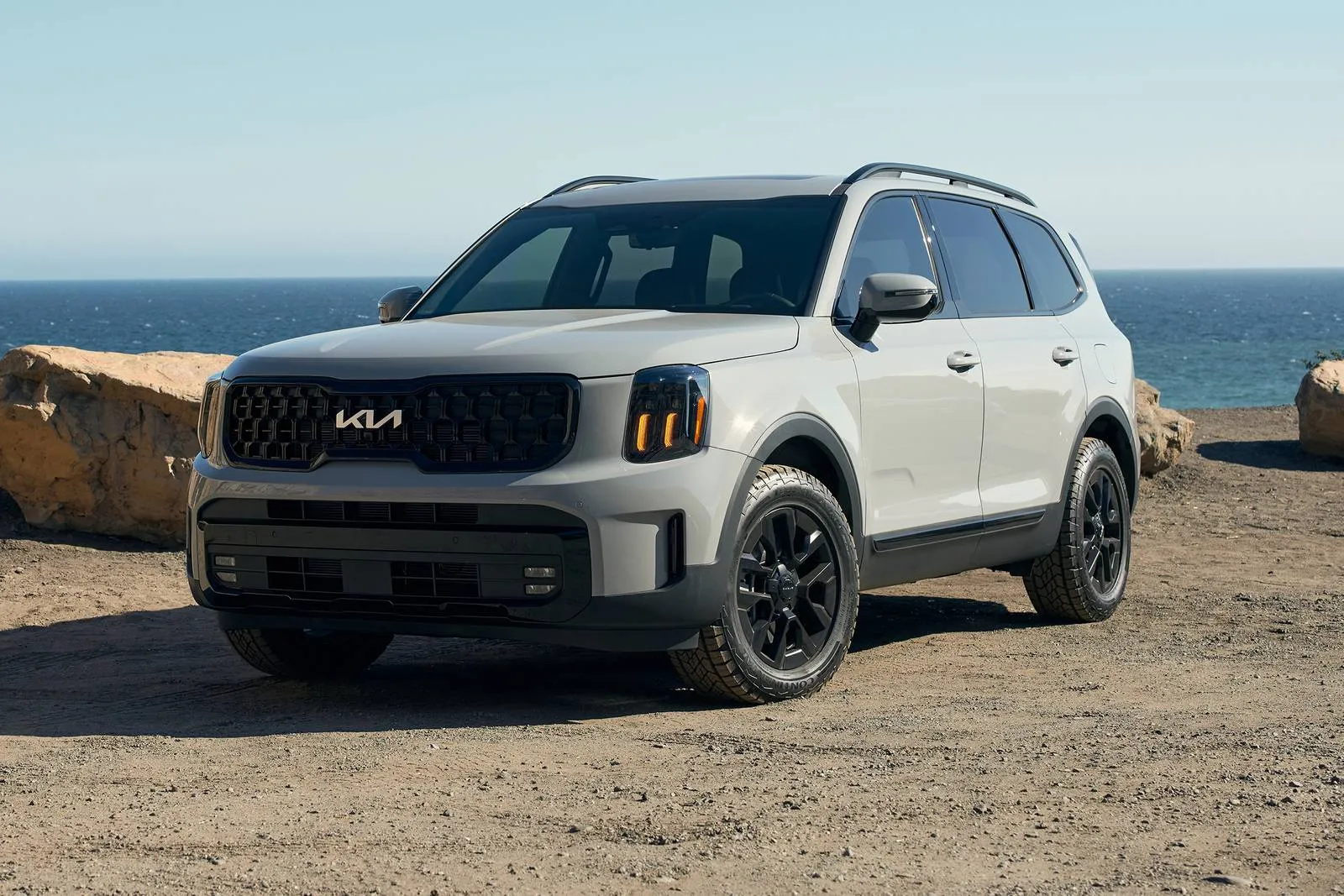
6. Kia Telluride SX Prestige (2024 Refresh)
Already quiet, the refreshed 2024 Telluride became whisper-silent through incremental improvements throughout the cabin. Kia added laminated side glass across all rows, not just the front.
This expensive upgrade creates a cocoon-like interior where road noise and wind noise virtually disappear at highway speeds. Passengers in the third row especially benefit since they previously dealt with more noise from rear wheels and exhaust.
Chassis reinforcements appeared at 12 different points where long-term testing revealed stress concentrations. Kia’s engineers drove Tellurides for millions of test miles, monitoring where squeaks and rattles developed.
They then reinforced exactly those areas, preventing problems before they occur in customer vehicles. This proactive approach shows maturity in engineering processes.
Door hinges got upgraded to heavier-duty units that prevent sagging as time goes on. Earlier Tellurides occasionally developed misaligned doors after several years, especially the heavy third-row access doors.
New hinges maintain proper alignment longer, which keeps door seals working effectively and prevents wind noise from developing as vehicles age.
Carpet backing switched to a rubberized material that resists moisture and doesn’t deteriorate like the felt backing used previously. This might seem minor, but carpet backing failure causes all sorts of problems.
It allows moisture to reach the floor pan, promoting rust. It lets the carpet move and bunch up. New backing prevents these issues while also improving sound insulation properties.
Engine and transmission mounts were redesigned using computer modeling to optimize vibration isolation. Previous mounts worked fine when new, but degraded within 50,000 miles, allowing more engine vibration into the cabin.
New mounts use different rubber compounds that maintain their damping properties longer, keeping the Telluride feeling smooth and refined throughout its ownership life.
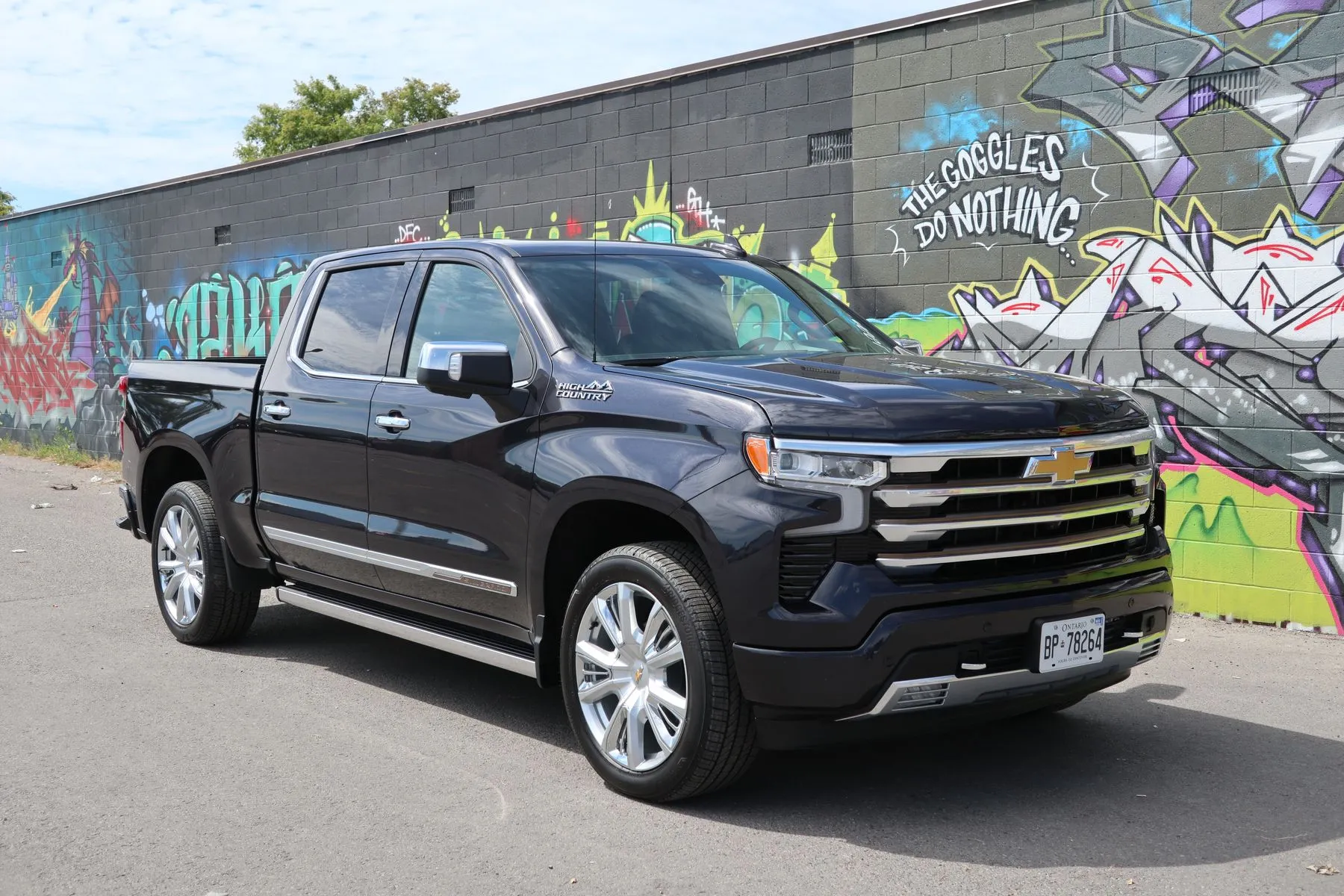
7. Chevrolet Silverado 1500 High Country (2022 Refresh)
Acoustic laminated glass spread to side windows in the 2022 refresh, joining the acoustic windshield that previous models had. This created a dramatically quieter cabin, especially noticeable on the highway where wind noise used to dominate.
Chevy recognized that truck buyers wanted car-like refinement, and glass upgrades delivered that without compromising the Silverado’s work truck capability. Body mounts switched to a new design that isolates the cab from frame vibrations more effectively.
Trucks inherently transmit more vibration than unibody vehicles because the body and frame are separate structures. Better mounts reduce this vibration transfer, making the Silverado feel more solid and refined. This also reduces stress on body mounting points, preventing cracks that developed in earlier models.
Interior plastics got upgraded across the dashboard and door panels. Earlier Silverados used hard plastics that felt cheap and developed squeaks easily.
New materials feel better to touch and don’t make noise when temperature changes cause expansion and contraction. Small improvement, big impact on daily livability.
Tailgate redesign created better sealing that reduced wind noise and improved aerodynamics. Previous tailgates had gaps that whistled at speed and hurt fuel economy.
New seals and panel alignment eliminated these gaps, making the truck quieter and more efficient. Sometimes the biggest improvements come from fixing basic things that should have been right from the start.
Suspension bushings moved to polyurethane from rubber in certain locations. Polyurethane lasts longer and maintains its properties better through temperature extremes and aging.
This prevents the loose, clunky feeling that develops when rubber bushings deteriorate. Trucks that see heavy use especially benefit from this upgrade since they stress suspension components more than cars do.
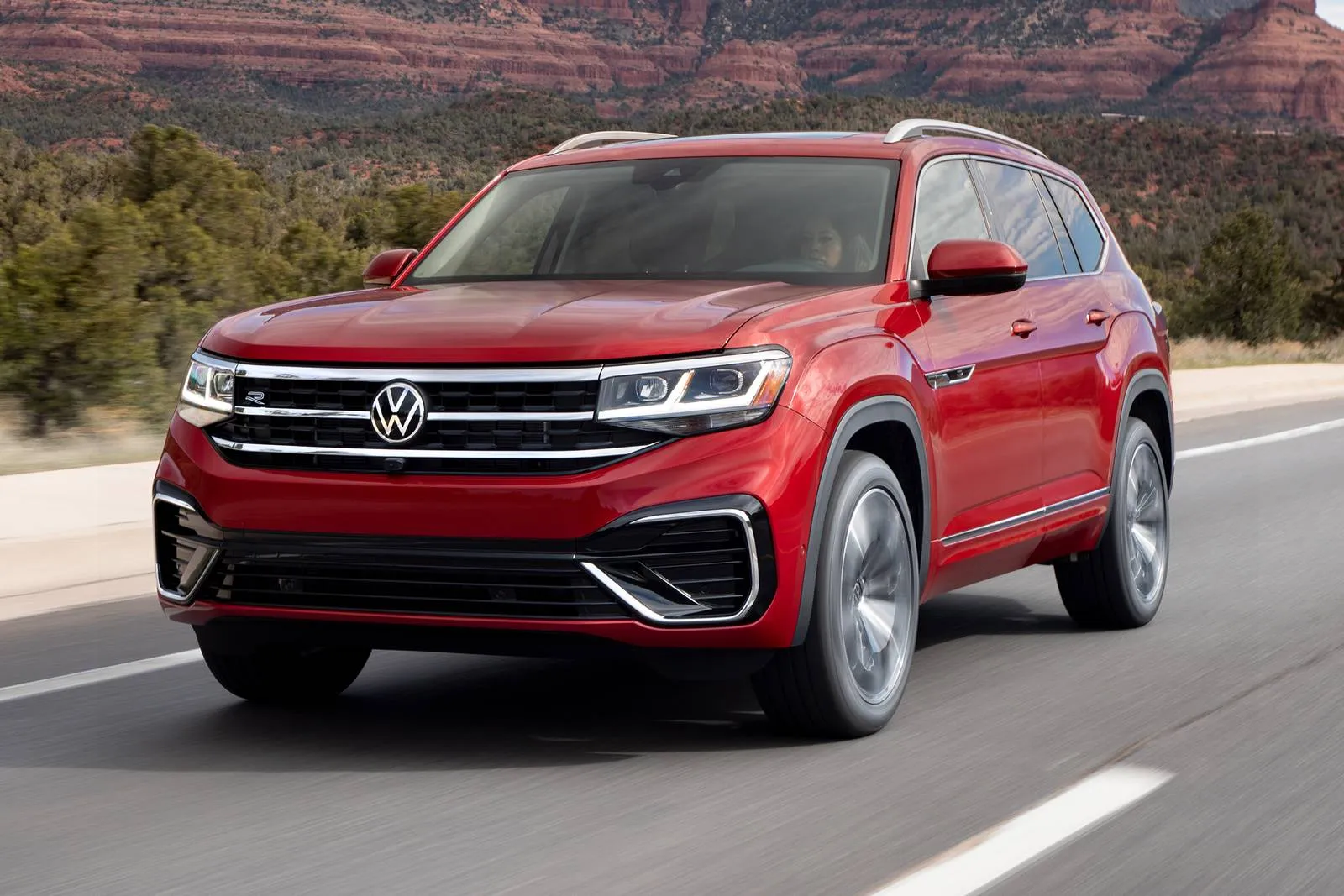
8. Volkswagen Atlas SEL Premium (2021 Refresh)
German engineering met American market demands in the 2021 Atlas refresh. VW added substantial sound deadening throughout the cabin, recognizing that American buyers prioritize quietness more than European customers do.
Wheel wells got lined with additional insulation, doors received thicker panels with more foam, and the headliner went from basic to premium with multiple layers of sound-absorbing material.
Spot welds increased dramatically as VW improved manufacturing quality following Dieselgate-related reputation damage.
They needed to prove they could build vehicles properly, and the refreshed Atlas showed this commitment. More welds mean a stiffer structure that feels more solid and develops fewer squeaks and rattles. This attention to build quality helped rebuild trust with American buyers.
Glass thickness increased across all windows, using the same acoustic glass found in VW’s European luxury vehicles.
This brought Atlas refinement up to levels competing with much more expensive SUVs. Wind noise dropped noticeably, and road noise became a distant hum rather than an intrusive roar. These changes cost VW money but differentiated the Atlas in a crowded segment.
Interior materials quality jumped substantially, with soft-touch surfaces replacing hard plastics in key areas. VW also reinforced mounting points for interior panels, preventing the loose feeling that developed in earlier Atlas models.
Glove box hinges, center console lids, and sun visors all got upgraded to components that function smoothly for years rather than becoming loose and floppy after two years. Suspension components received upgrades focused on durability rather than handling improvements.
VW studied warranty claims and identified which parts failed prematurely, then redesigned them using better materials and improved geometry. This targeted improvement approach fixed real problems without requiring a complete suspension redesign that would have been expensive and time-consuming.
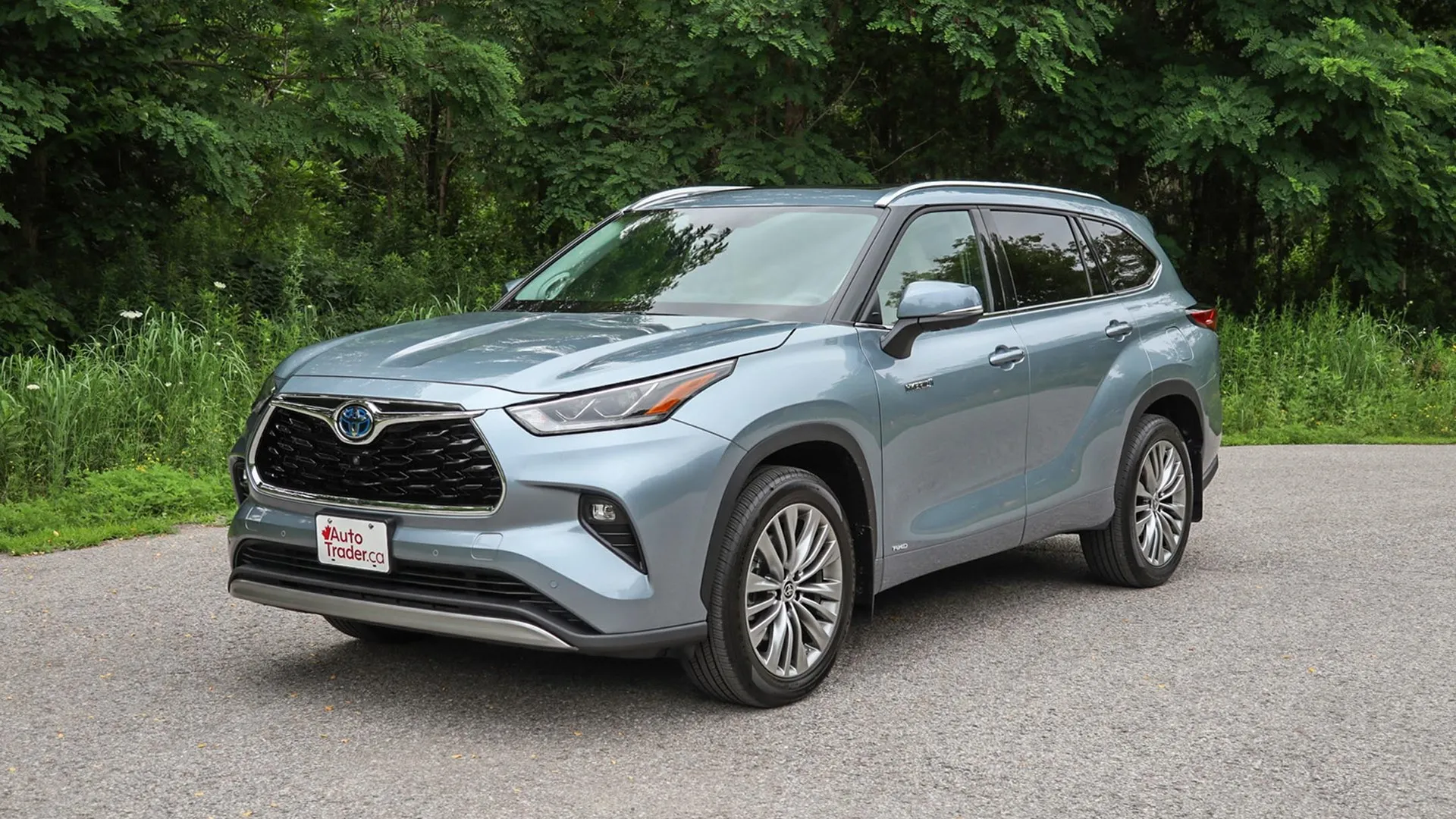
9. Toyota Highlander Limited (2021 Redesign)
Complete redesign for 2021 brought the Highlander into the modern era with extensive sound insulation and structural improvements.
Toyota added acoustic glass to the windshield and front windows while increasing sound-deadening material by 50% throughout the cabin. Wind tunnel testing helped engineers identify exactly where noise was entering, allowing them to seal those paths effectively.
Platform improvements came from using the TNGA-K architecture that prioritizes rigidity and refinement. This foundation gave engineers a stiffer starting point that better resisted squeaks and rattles.
Toyota also increased the use of structural adhesive alongside welding, creating joints that stay quieter longer and better distribute stress throughout the structure.
Revised suspension geometry improved ride quality while using more durable components. Previous Highlander suspensions worked well but showed wear earlier than Toyota considered acceptable.
New designs use larger bushings with better rubber compounds, creating a suspension system that maintains its feel and quietness for 150,000+ miles rather than starting to feel loose at 80,000.
Door seals went from two-stage to three-stage designs that block wind noise more effectively. This seemingly simple change makes a huge difference at highway speeds where wind noise dominates.
Better seals also improve water protection, preventing leaks that cause rust and electrical problems down the road. Quality door seals are one of those details that separate premium vehicles from economy ones.
Carpet and insulation materials were upgraded to automotive-grade materials used in Lexus vehicles. Toyota has access to premium materials through its luxury division, and it leveraged this for the new Highlander. This part-sharing keeps costs reasonable while delivering genuinely better materials that look good and last longer. Smart use of corporate resources that benefits customers directly.
Also Read: 5 Vehicles That Retain Pride of Ownership vs 5 That Don’t
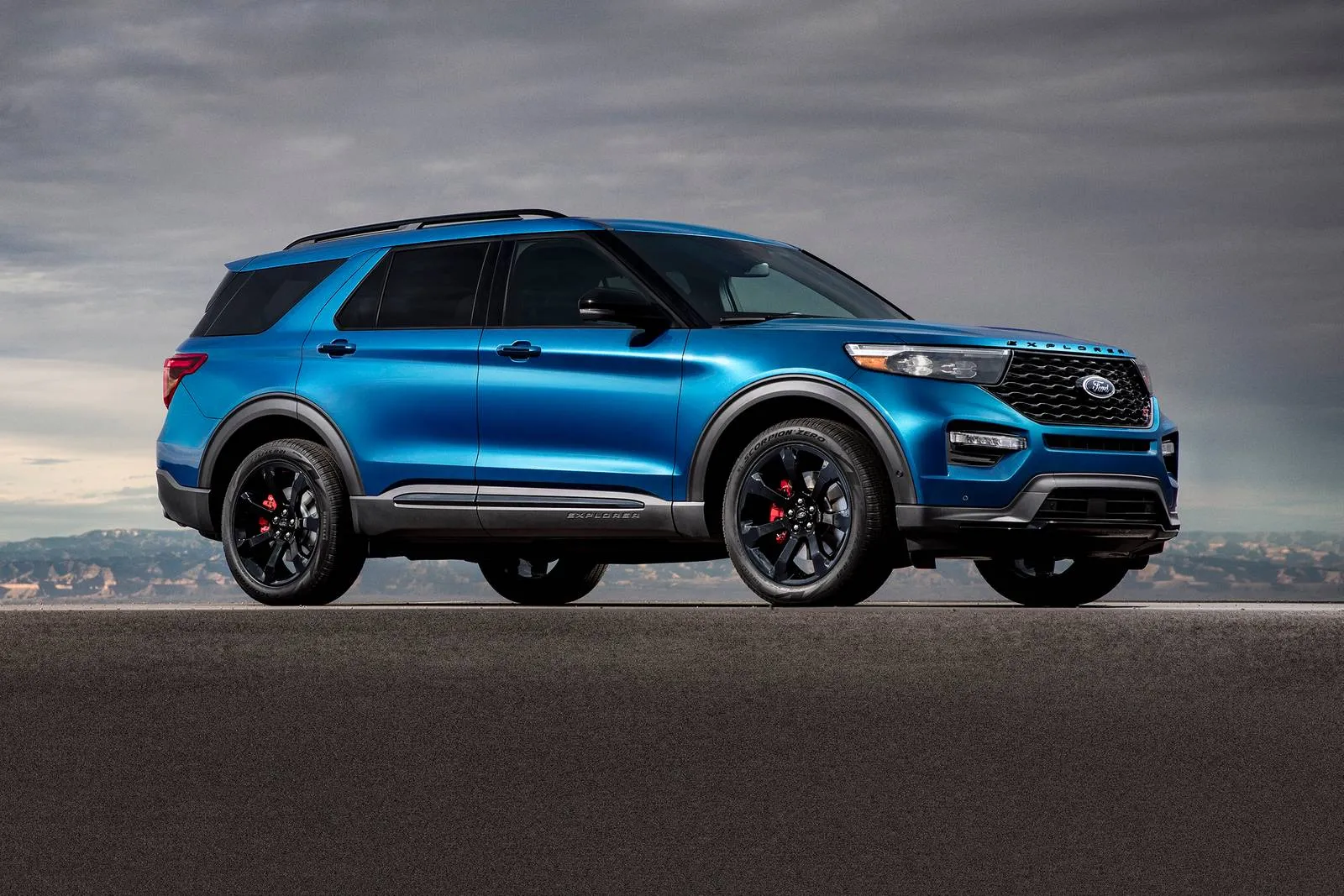
10. Ford Explorer ST (2023 Refresh)
Performance-oriented ST trim got serious about refinement in the 2023 refresh. Ford realized buyers wanted speed and comfort, not speed and harshness.
Active noise cancellation joined extensive passive sound insulation, creating a cabin that stays quiet even when the twin-turbo V6 is working hard. This combination of technologies blocks both constant road noise and varying engine noise.
Chassis bracing increased around suspension mounting points and throughout the unibody structure. This stiffening improved handling precision while also reducing flex that causes squeaks and long-term durability problems.
Sports-oriented vehicles actually benefit more from chassis stiffening than regular models because they experience higher loads during aggressive driving.
Door and window seals received upgrades that improved both noise isolation and durability. Earlier Explorers developed wind noise as seals aged and compressed.
New seals use different rubber compounds that maintain their shape longer, keeping the cabin quieter for more years. They also designed the seals to be easier to replace, reducing maintenance costs when they eventually do need replacement.
Interior materials quality improved substantially across the dashboard, door panels, and center console. Hard plastics gave way to soft-touch materials, and flimsy components were reinforced.
Ford addressed specific complaints about rattling air vents, creaking dashboard seams, and loose-feeling switchgear. These targeted improvements fixed annoyances that degraded the ownership experience in earlier models.
Underbody aerodynamic panels increased in coverage, smoothing airflow and reducing road noise while improving high-speed stability.
Sports SUVs need good aerodynamics for performance, but these same improvements benefit refinement. Ford designed panels that attach securely and resist damage from road debris, ensuring they stay in place and continue working throughout the vehicle’s life.
