Electric vehicles have matured from niche technology to mainstream transportation, and many models released in recent years remain smart buys in 2025. As battery durability improves and charging networks expand, the used EV market has become an appealing entry point for drivers seeking efficiency, modern design, and low maintenance costs.
Vehicles such as the Hyundai Kona Electric and Chevrolet Bolt EV show that practicality and affordability can go hand in hand, while models like the Tesla Model S and BMW i4 highlight how performance and luxury coexist in electric form.
These ten used EVs deliver reliable range, advanced safety features, and lasting value that make them strong alternatives to newer, more expensive models. Each has proven its capability to meet daily needs without compromise, showing that the right used electric car can provide years of dependable, efficient, and enjoyable driving.
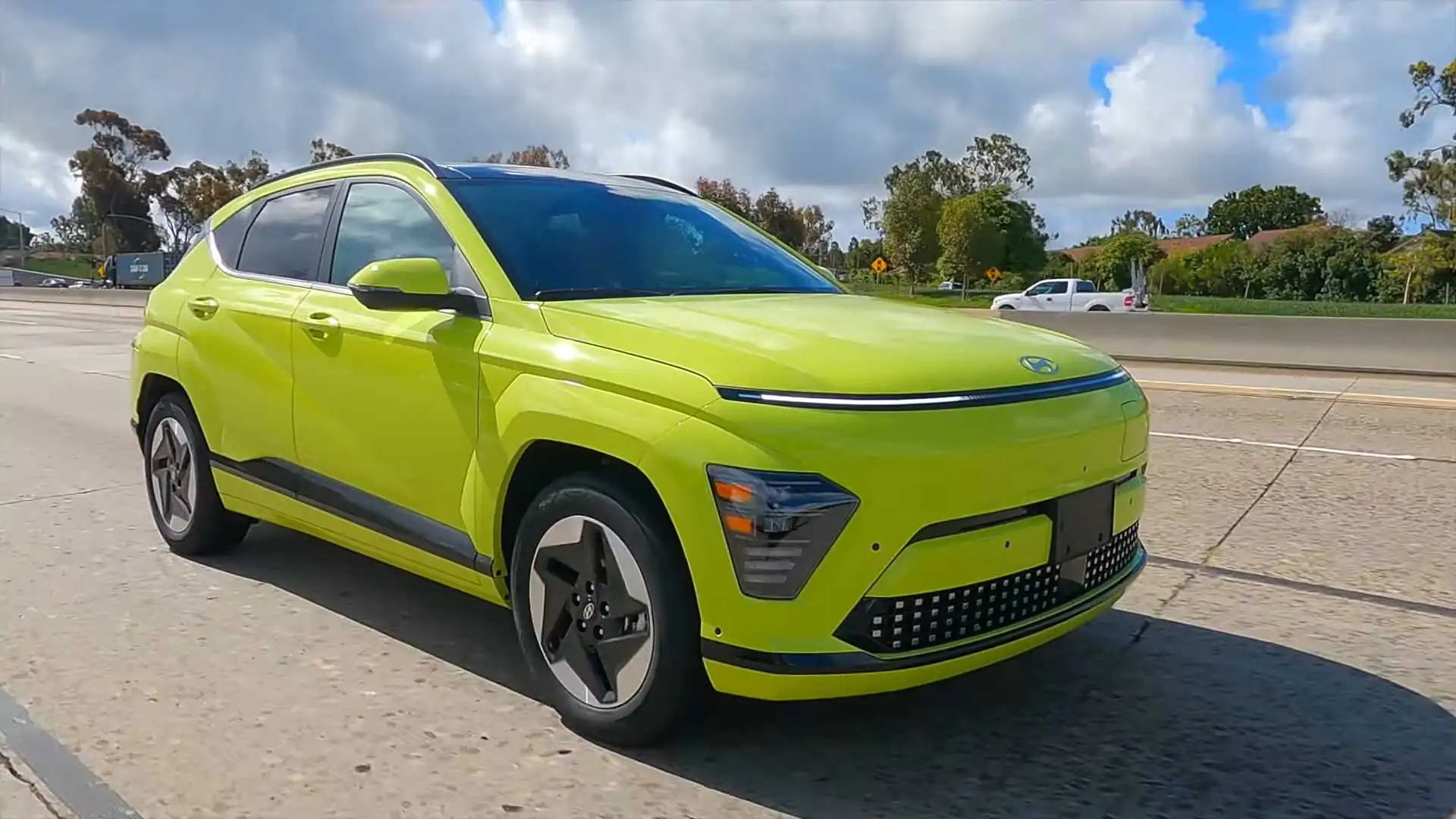
1. 2024 Hyundai Kona Electric: Efficient, Comfortable, and Surprisingly Fun
The 2024 Hyundai Kona Electric continues to strengthen its reputation as one of the most well-rounded and affordable electric vehicles on the market. With a quality and reliability score of 86/100 from J.D. Power, this small crossover blends efficiency, comfort, and practicality in a package that feels more premium than its price suggests.
A used model can cost between $28,000 and $42,000, depending on condition and mileage, making it an accessible entry point for EV ownership.
The Kona Electric’s 133-horsepower front-mounted motor delivers 188 lb-ft of torque and a 0–60 mph time of 6.8 seconds, offering brisk acceleration for daily driving. Despite its compact size, it handles confidently and feels stable through turns, behaving more like a sporty hatchback than a small SUV.
The regenerative braking system includes three adjustable levels, allowing drivers to tailor the feel of deceleration, and even offers a one-pedal driving mode. The low battery placement helps balance the car, providing a composed and enjoyable ride whether in traffic or on winding roads.
The Kona Electric scores high for comfort thanks to its well-cushioned front seats and smooth ride quality. The battery’s low center of gravity and refined suspension absorb bumps with ease. Inside, the cabin is quiet and insulated from road and wind noise, offering a relaxed environment for long drives. While rear-seat space is limited, especially for taller passengers, the front area feels open and comfortable.
The interior design combines functionality with a touch of sophistication. The controls are logically arranged, and the 10.25-inch touchscreen is intuitive and responsive. Hyundai’s attention to detail shows in the quality of materials and the solid feel of the switches and panels.
The infotainment system stands out for its clarity and usability. Navigation graphics are crisp, and the system’s quick-access buttons and knobs make it easy to use while driving. The available Harman Kardon audio system offers excellent sound, and driver-assistance features such as adaptive cruise control and lane-keeping assist work smoothly without being intrusive.
With an EPA-estimated range of 258 miles, the Kona Electric competes strongly in its class. Real-world testing has shown it can exceed that, reaching up to 308 miles on a full charge.
Efficiency is excellent, averaging 23 kWh per 100 miles, making it one of the most economical EVs available. Charging is convenient with a 7.2-kW onboard charger that fills the battery in about 9.5 hours on a 240-volt outlet and DC fast-charging capability of up to 100 kW.
Hyundai’s warranty coverage adds even more value: five years/60,000 miles for the vehicle, ten years/100,000 miles for the battery and powertrain, and three years of free scheduled maintenance.
The 2024 Hyundai Kona Electric stands out as a balanced, efficient, and high-value EV that delivers far more than its modest price tag suggests.
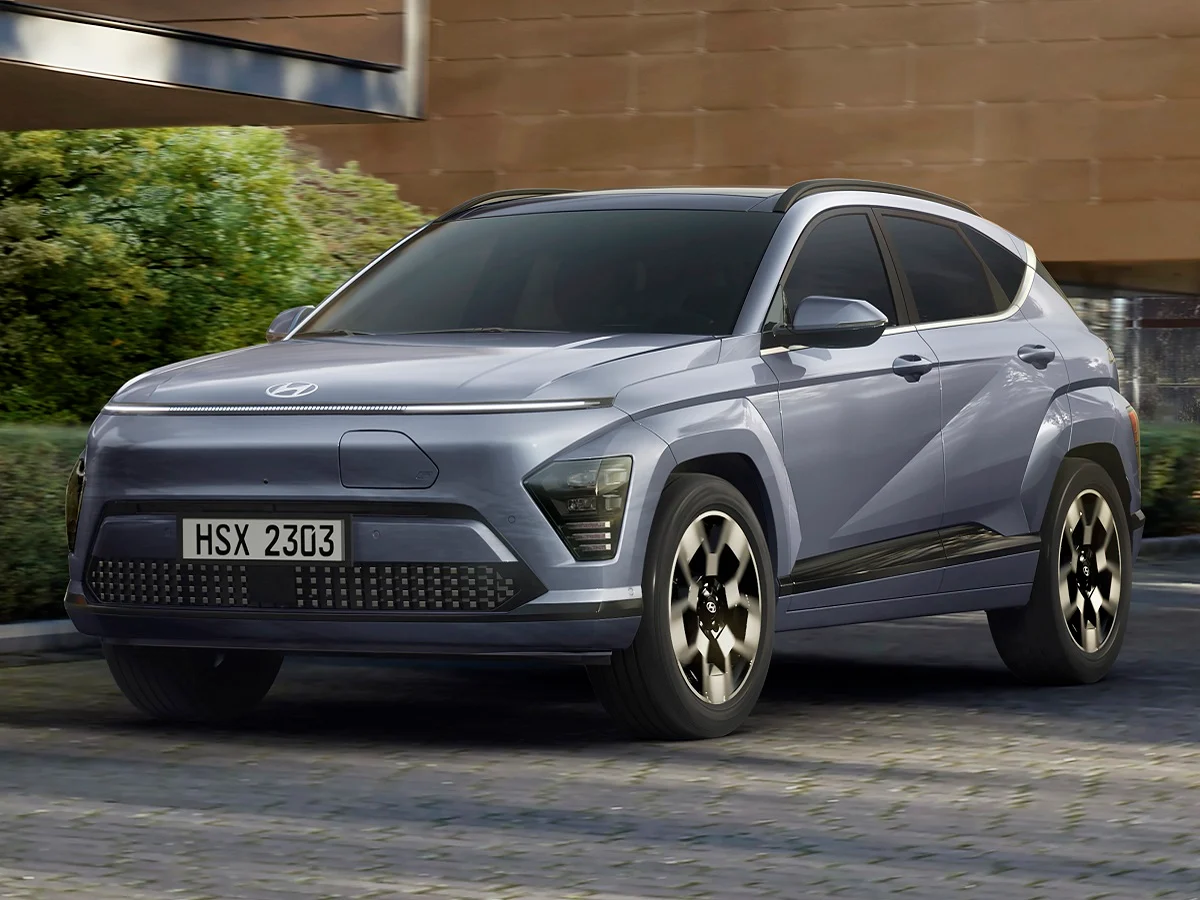
2. 2023 Chevrolet Bolt EV and EUV: Affordable, Practical, and Efficient Electric Choices
The 2023 Chevrolet Bolt EV and EUV remain among the most affordable and reliable electric vehicles on the market. With prices ranging between $16,500 and $21,000, these compact EVs deliver strong value without compromising comfort, technology, or driving range.
According to J.D. Power, the Bolt lineup earns an 80/100 score, including 77/100 for quality and reliability and 71/100 for driving experience. These numbers highlight the Bolt’s reputation for dependable performance and accessible ownership costs.
Both the Bolt EV and EUV feature a 200-horsepower electric motor producing 266 lb-ft of torque through a front-wheel-drive setup. The standard Bolt accelerates from 0–60 mph in 6.5 seconds, while the slightly larger EUV completes the same run in 7.1 seconds.
Power delivery is smooth and immediate, making the Bolt feel agile in city traffic and capable on highways. The regenerative braking system supports one-pedal driving, allowing drivers to slow or stop the car by easing off the accelerator. The steering is light and predictable, and while it is not tuned for spirited driving, the Bolt offers a pleasant blend of responsiveness and efficiency suitable for daily use.
Inside the cabin, the Bolt EUV provides a quiet, composed ride with supportive front seats and effective noise insulation. The suspension does a good job of absorbing rough pavement, resulting in a balanced ride. The climate control system is simple to operate with both touchscreen and physical button options.
The driver’s seat and steering wheel are highly adjustable, offering an ideal driving position for most people. Though rear passengers might wish for more air vents and headroom, the cabin layout feels practical and thoughtfully designed for compact EV standards.
Chevrolet’s infotainment system stands out for its user-friendly layout and quick response. The large central display offers wireless Apple CarPlay and Android Auto connectivity, allowing seamless smartphone integration.
Higher trims introduce GM’s Super Cruise hands-free driving system, which enables semi-autonomous driving on compatible highways. The system performs smoothly and enhances long-distance comfort. Charging ports and wireless phone charging are also available, adding convenience for all passengers.
Cargo space measures 16.3 cubic feet behind the rear seats, with a configurable floor that provides hidden storage or extra room for bulkier items. Folding the rear seats creates a flat load floor for additional cargo flexibility.
The Bolt EUV offers 247 miles of EPA-estimated range, while real-world testing has shown it can reach 265 miles. It consumes about 26.7 kWh per 100 miles, reflecting strong efficiency for its price class. DC fast charging at 55 kW is slower than rivals but still practical for urban or short-distance travel.
Chevrolet refined the Bolt lineup with improved materials, better seat padding, and upgraded features. Combined with an eight-year/100,000-mile battery warranty, three-year/36,000-mile basic coverage, and five-year/60,000-mile roadside assistance, the Bolt EV and EUV offer dependable ownership protection.
With low running costs, practical range, and modern amenities, they remain two of the most budget-friendly and well-rounded electric vehicles available to drivers seeking reliable, everyday transportation.
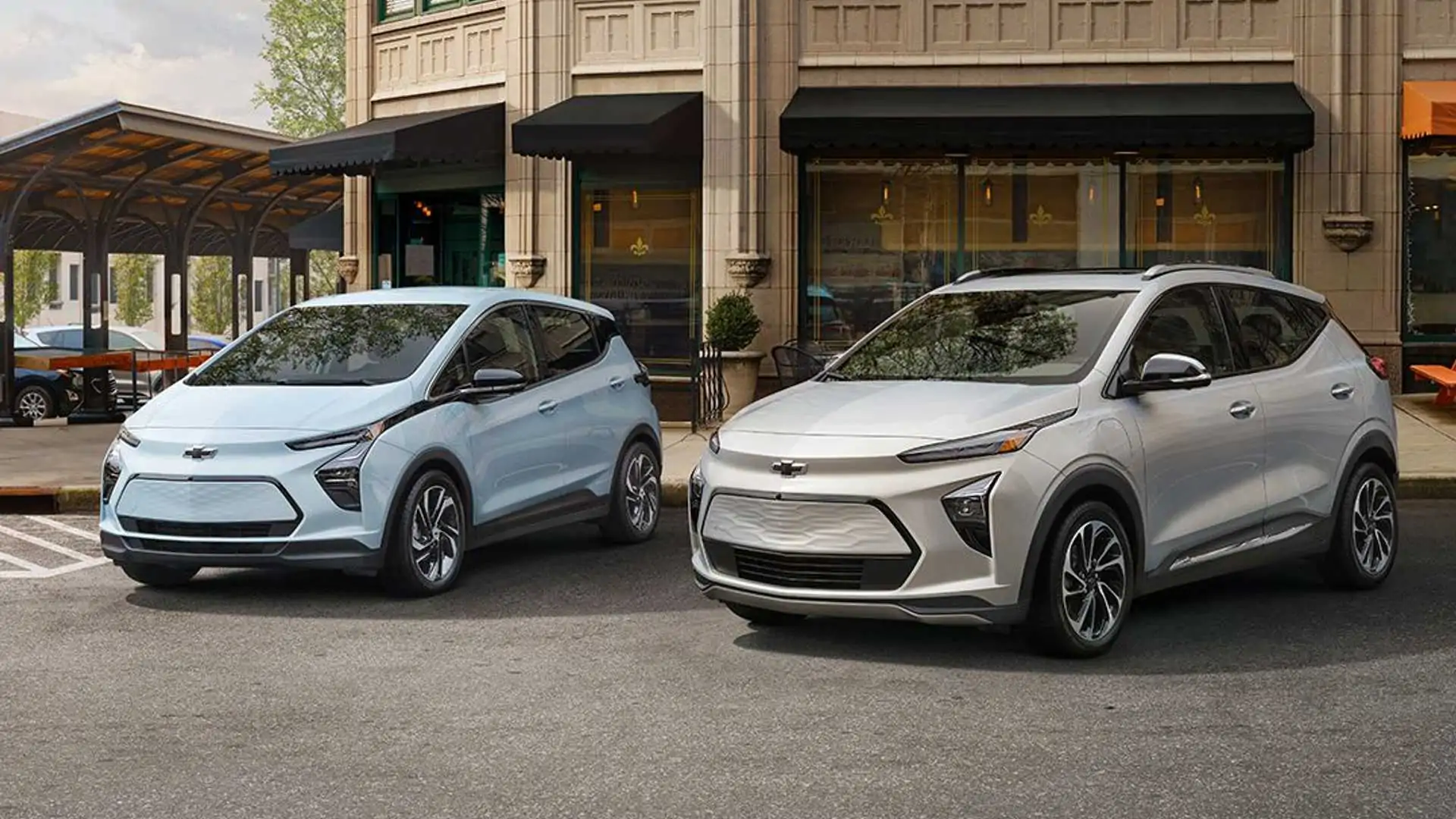
3. 2024 Kia Niro EV: Efficient, Comfortable, and Well-Equipped Compact Electric SUV
The 2024 Kia Niro EV is a practical, efficient, and well-built electric crossover that combines modern technology, comfort, and value. Priced between $37,000 and $49,000, it offers an appealing balance of performance and usability.
According to J.D. Power, the Niro EV earns a 79 out of 100 rating, with 76 for quality and reliability and 82 for driving experience. It also receives a perfect 10 out of 10 safety score from iSeeCars, reinforcing its reputation as a dependable and safe choice for families and commuters.
The Niro EV uses a single electric motor that produces 201 horsepower and accelerates from 0 to 60 mph in 7.1 seconds. The power delivery is smooth and consistent, providing brisk performance for everyday driving. The adjustable one-pedal driving mode allows drivers to slow the car using regenerative braking, which helps improve efficiency.
The suspension favors comfort rather than sportiness, resulting in a composed and stable ride. The Niro feels balanced on city streets and highways, though it is not intended for aggressive cornering.
The cabin of the Niro EV is designed for comfort and quiet operation. Road and wind noise are well controlled, and the suspension absorbs most road imperfections with ease. The front seats offer good support, though the padding is slightly firm and may soften over time.
Heated front seats are standard, while ventilated front seats and heated rear seats are optional. The dual-zone automatic climate control system maintains a comfortable temperature without excessive fan noise, and the vents are well placed for even airflow. The raised driving position and wide windshield enhance visibility, while rear legroom is sufficient for adults.
Kia equips the Niro EV with a generous amount of modern technology. Standard features include Apple CarPlay, Android Auto, and a Harman Kardon audio system on higher trims. The infotainment system is simple to use, even if the graphics appear a bit dated.
The head-up display provides important driving information, and an available vehicle-to-load power outlet allows the car’s battery to power small electronics or appliances. Driver assistance features include adaptive cruise control, blind-spot monitoring, and lane-keeping assist, all of which perform smoothly and enhance driver confidence.
The cargo area is wide and practical, with an adjustable load floor that adds flexibility for storing larger items. The rear seats fold flat, creating a usable and level space for luggage. Small-item storage inside the cabin is adequate, with space for phones, drinks, and bags.
The Niro EV provides an EPA-estimated range of 253 miles, and testing has shown it can achieve up to 280 miles on a single charge. It consumes about 25.6 kWh per 100 miles, making it one of the most energy-efficient EVs in its segment. Using an 85 kW DC fast charger, it can recharge from 10 percent to 80 percent in about 45 minutes.
The Niro EV offers excellent value through its blend of comfort, efficiency, and advanced features. It is priced competitively compared to rivals and includes more standard equipment than many EVs in its class.
Kia backs the Niro EV with a 10-year or 100,000-mile powertrain and battery warranty and a five-year or 60,000-mile basic warranty, along with five years of roadside assistance. The 2024 Kia Niro EV is an appealing choice for drivers seeking a reliable, efficient, and well-equipped compact electric SUV.
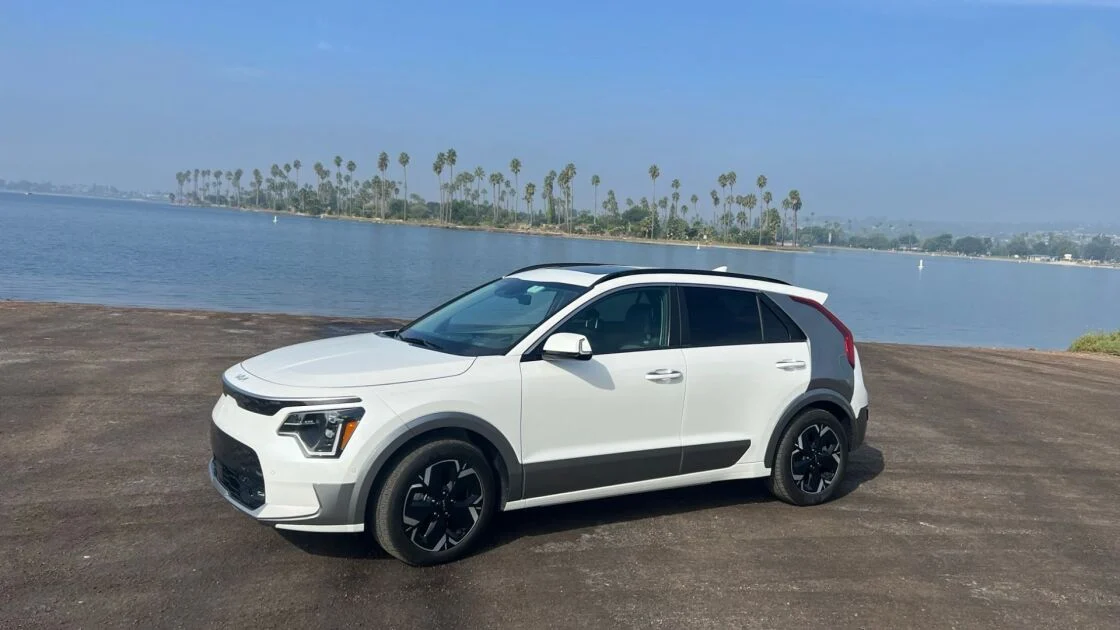
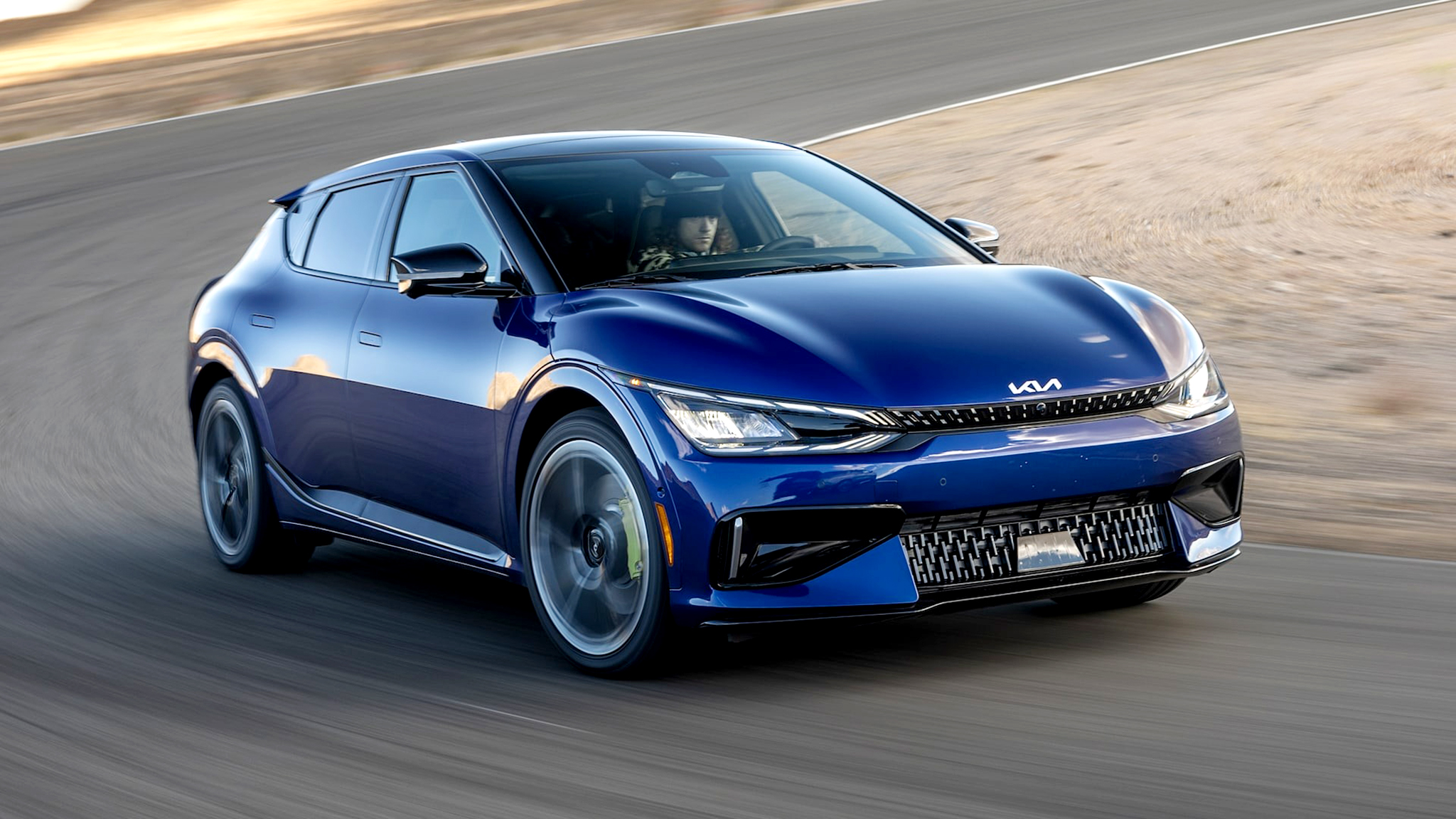
4. 2024 Kia EV6: Stylish, Quick-Charging, and Comfort-Oriented Electric Crossover
The 2024 Kia EV6 combines futuristic design, strong performance, and advanced technology in a stylish electric package. Priced between $40,800 and $67,000, it is one of the most capable and well-rounded EVs in its price range.
According to J.D. Power, the EV6 earns a 78 out of 100 rating, with 76 for quality and reliability and 89 for driving experience. iSeeCars rates it 7.1 for retained value and gives it a perfect 10 for safety, making it both a safe and dependable option for daily use.
The EV6 lineup ranges from a modest single-motor setup producing 167 horsepower to the high-performance GT model with 576 horsepower. The base version accelerates from 0 to 60 mph in 6.7 seconds, while the dual-motor configuration shortens that time to 5.1 seconds.
The GT model delivers thrilling acceleration, reaching 60 mph in just 3.4 seconds, although this reduces its range to 218 miles. The rear-wheel-drive Long Range version provides the best efficiency, achieving 310 miles per charge with an energy use of 28 kWh per 100 miles.
The GT-Line trim, which sits near the top of the range, strikes a good balance between comfort and responsiveness. It recorded 4.9 seconds in the 0-60 mph test, offering quick yet composed acceleration. The steering is accurate, and the ride is smooth over uneven pavement.
The one-pedal driving mode and regenerative braking work naturally, minimizing the need for frequent braking. Visibility is strong from the front, though the rear view is limited due to the car’s wide tail.
The EV6 emphasizes comfort with its well-cushioned, supportive seats and refined suspension. The cabin remains quiet, even at highway speeds, and the materials feel premium. The front seats provide excellent adjustability, while the rear seats recline and offer generous legroom, though headroom is limited by the sloping roofline. Installing larger child seats can be a challenge for this reason.
The layout features both physical controls and touch-sensitive panels. The physical buttons are easy to operate, while the touchscreen manages climate and infotainment settings, though it can be distracting in motion.
The EV6’s infotainment interface is sleek and modern, offering wireless Apple CarPlay and Android Auto, a digital key, and a wireless charger. A connected mobile app allows drivers to monitor range and lock status remotely. Advanced safety features include adaptive cruise control, lane-keeping assist, and a 360-degree camera, all of which operate smoothly and reliably.
Inside, the EV6 provides thoughtful storage with spacious door bins, dual cupholders, and a two-tier center console. Cargo space is competitive for its size, with flexible rear seats that fold flat for larger items.
The GT-Line model achieves an EPA-rated range of 270 miles, but real-world testing extended that to 295 miles. Energy consumption averaged 31 kWh per 100 miles, indicating solid efficiency for a dual-motor EV. The EV6’s 800-volt charging architecture enables class-leading charging performance, adding 100 miles in just 10 minutes.
The 2024 Kia EV6 offers a strong combination of technology, quick-charging capability, and comfort. It is covered by Kia’s 10-year or 100,000-mile powertrain and battery warranty and five years or 60,000 miles of basic coverage, making it a standout choice for buyers seeking style, efficiency, and reliability in a modern electric crossover.
5. 2024 Hyundai Ioniq 6: A Sleek, Efficient, and High-Value Electric Sedan
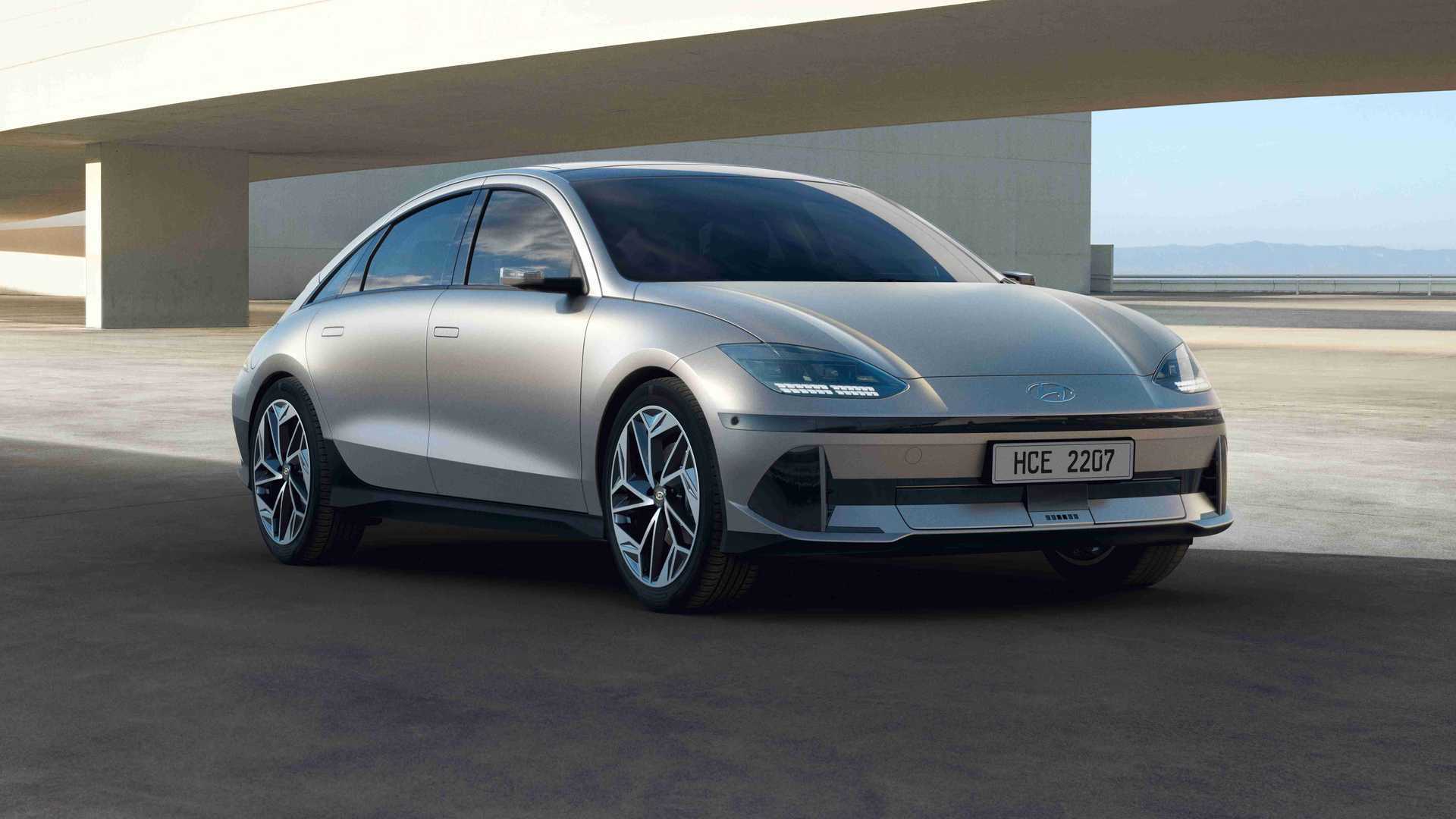
The 2024 Hyundai Ioniq 6 stands out for its futuristic styling, long driving range, and impressive efficiency. With used prices ranging between $22,425 and $35,225, it represents one of the strongest value propositions among midsize electric sedans.
According to J.D. Power, the Ioniq 6 earns a 76/100 for quality and reliability and an 81/100 for driving experience, while Consumer Reports rates it 44/100 for reliability and 4/5 for owner satisfaction, highlighting mixed but improving perceptions of its dependability.
The Ioniq 6 offers three main configurations, ranging from the base SE with a 149-horsepower single motor and 240-mile range, to the SEL and Limited trims that prioritize efficiency and performance balance.
The SEL trim achieves a remarkable 140 MPGe and an EPA-estimated 361-mile range from its 77.4-kWh battery, thanks to its streamlined design and efficient powertrain. With 225 horsepower, it accelerates from 0 to 60 mph in 6.2 seconds, delivering quick yet composed performance.
For those seeking more power, the dual-motor all-wheel-drive setup generates 320 horsepower and 446 lb-ft of torque, cutting the 0–60 mph time to 4.9 seconds. In testing, the Limited AWD version performed even better, reaching 60 mph in 4.6 seconds.
The car handles corners with confidence and remains steady under hard braking. Transitions between regenerative and physical braking are smooth, giving drivers precise control in various driving situations.
The Ioniq 6 excels in ride comfort. Its suspension system absorbs road imperfections with ease, creating a calm, quiet cabin environment. Wind noise is minimal at highway speeds, and the car remains composed over uneven surfaces.
The front seats are moderately supportive but could benefit from additional lumbar and thigh padding. Rear passengers enjoy excellent legroom, though headroom is limited due to the sedan’s coupe-like roofline.
The interior design emphasizes simplicity and modernity. Hyundai relocated many traditional controls from the doors to the center console, which may take some getting used to. The bridge-style center console offers extra storage but slightly restricts knee space. Visibility out the back is limited because of the small rear window and thick pillars, although wide door openings make entry easy.
The infotainment system is user-friendly and features clear menus, though it lacks wireless Apple CarPlay and Android Auto, requiring a USB-A connection.
The built-in navigation struggles with identifying charging stations along a route, making smartphone apps more practical for long trips. Safety tech is where the Ioniq 6 shines, featuring Highway Driving Assist 2, which can manage lane changes and adaptive cruise control smoothly.
Storage space measures 11.2 cubic feet, smaller than rivals like the Tesla Model 3, yet Hyundai makes good use of cabin space with a large front storage bin and useful door pockets. The roomy rear area simplifies car seat installation, although the LATCH anchors can be difficult to reach.
The dual-motor Ioniq 6 Limited offers an EPA-rated 270-mile range, while real-world tests recorded 303 miles on a single charge. The single-motor version extends that to 361 miles, using just 27.5 kWh per 100 miles, reflecting strong efficiency. The sedan supports 350-kW DC fast charging, allowing a 10% to 80% charge in about 18 minutes, verified in independent testing.
Hyundai backs the Ioniq 6 with a 10-year/100,000-mile powertrain and battery warranty, five-year/60,000-mile basic coverage, and three years of free maintenance. Buyers also receive two years of complimentary 30-minute fast-charging sessions at Electrify America stations.
The 2024 Hyundai Ioniq 6 blends sleek aerodynamics, excellent range, refined comfort, and advanced safety features, making it a strong contender for drivers seeking a stylish, efficient, and value-driven electric sedan.
Also Read: 10 Cars That Outsell Competitors Despite Weak Marketing
6. 2022 Hyundai Ioniq 5: A Stylish, Comfortable, and Forward-Thinking Electric SUV
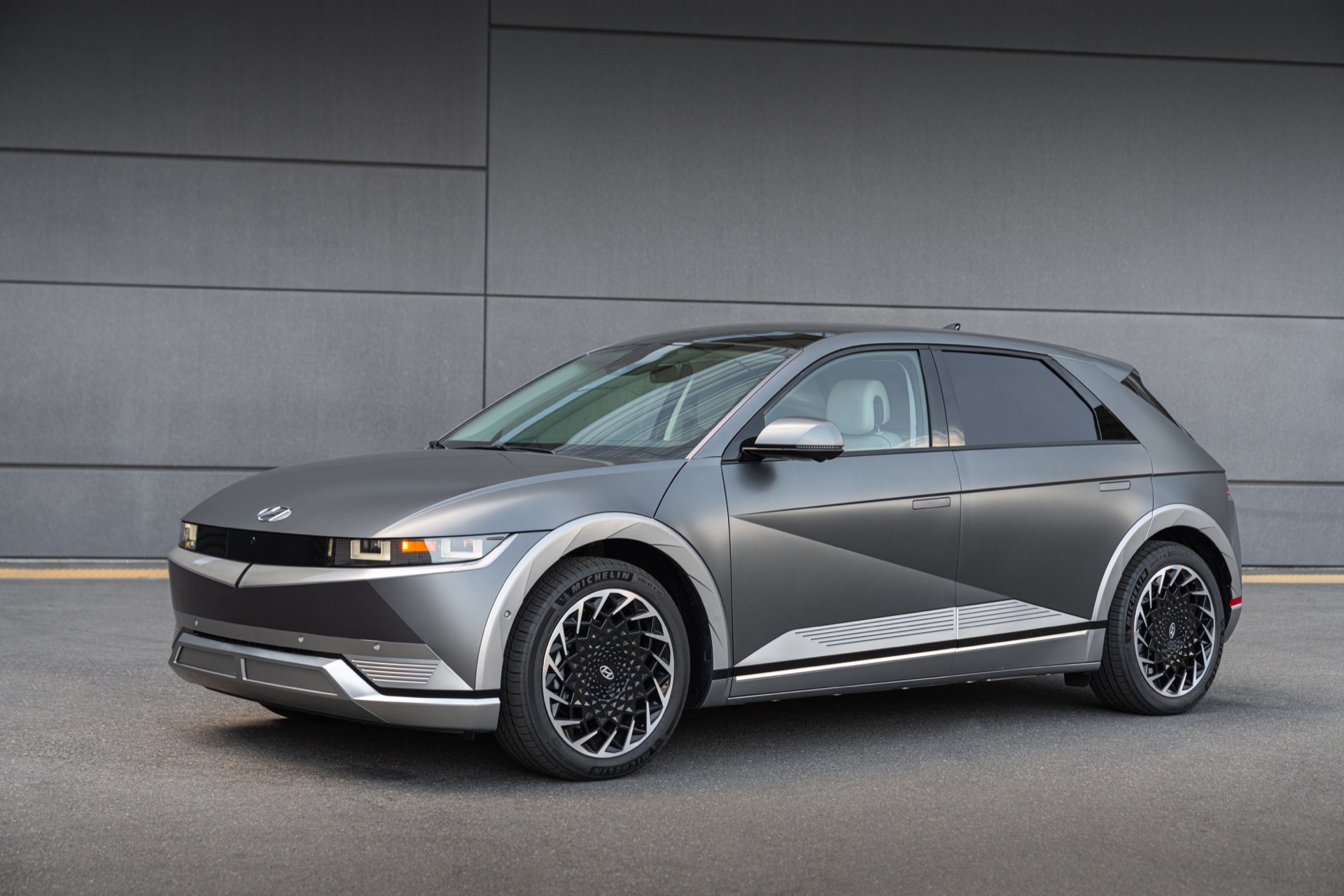
The 2022 Hyundai Ioniq 5 marked Hyundai’s ambitious entry into the dedicated EV market and quickly earned praise for its performance, comfort, and futuristic design. Priced around $26,446 for a used model, it delivers impressive value compared to newer versions.
With a reliability score of 73/100, this electric SUV showcases Hyundai’s growing strength in the EV space, backed by one of the best warranties available five years or 60,000 miles basic coverage, and ten years or 100,000 miles for the powertrain and battery.
The Ioniq 5 combines ease of use with lively performance, making it a standout daily driver. The dual-motor all-wheel-drive version produces strong acceleration, completing the 0–60 mph run in just 4.7 seconds, which slightly outpaces the Tesla Model Y Long Range.
The car’s adjustable regenerative braking system allows drivers to tailor deceleration, while transitions to traditional braking remain seamless. Handling is responsive and stable, giving the Ioniq 5 a fun, agile feel uncommon in compact SUVs.
City driving is smooth and quiet, and the steering feels precise without being overly heavy. Despite its performance, the Ioniq 5 maintains a relaxed demeanor, offering a perfect balance between practicality and excitement behind the wheel.
Ride comfort is one of the Ioniq 5’s strengths. The suspension absorbs bumps gracefully, keeping passengers isolated from road imperfections. Noise levels are impressively low, with only minimal tire or wind noise even at highway speeds. The front seats are supportive enough for long trips, and the climate control system maintains a steady cabin temperature with intuitive controls.
Rear passengers enjoy generous legroom and reclining backrests for added comfort, while the cabin’s flat floor design enhances spaciousness. The only drawback is limited rear visibility due to thick roof pillars, though the available surround-view camera system compensates for this.
The Ioniq 5’s interior strikes a balance between modern minimalism and functionality. Its dual-screen digital layout is clear and easy to use, offering minimal distractions. Hyundai includes the Bluelink app, which enables remote climate control, charging management, and real-time vehicle updates.
The infotainment system supports Apple CarPlay and Android Auto, while Highway Driving Assist 2 combines adaptive cruise control with lane-keeping assistance for stress-free driving.
The Ioniq 5 offers 27.2 cubic feet of cargo space behind the rear seats, expanding when folded flat. While this is less than competitors like the Mustang Mach-E or Tesla Model Y, the cabin provides plenty of smaller storage spaces, including a movable center console and wide door bins.
Efficiency is another highlight. The AWD version achieves 256 miles of EPA-rated range and reaches 270 miles in real-world testing, using just 30.9 kWh per 100 miles. Charging is notably quick, as the Ioniq 5 supports 350-kW DC fast charging, capable of recharging from 10% to 80% in about 18 minutes under ideal conditions.
Hyundai’s strong build quality and warranty support make the Ioniq 5 a dependable long-term choice. The brand’s three years of complimentary maintenance add extra peace of mind for used buyers. While high trims can exceed $55,000, lower-spec models retain the same core benefits and extended range for a lower cost.
The 2022 Hyundai Ioniq 5 successfully blends bold design, quiet comfort, and cutting-edge efficiency into a practical, well-rounded EV. It remains one of the most compelling electric SUVs in its class for drivers seeking value, innovation, and everyday usability.
7. 2022 Tesla Model Y: Speed, Space, and Smart Tech in a Versatile Electric SUV
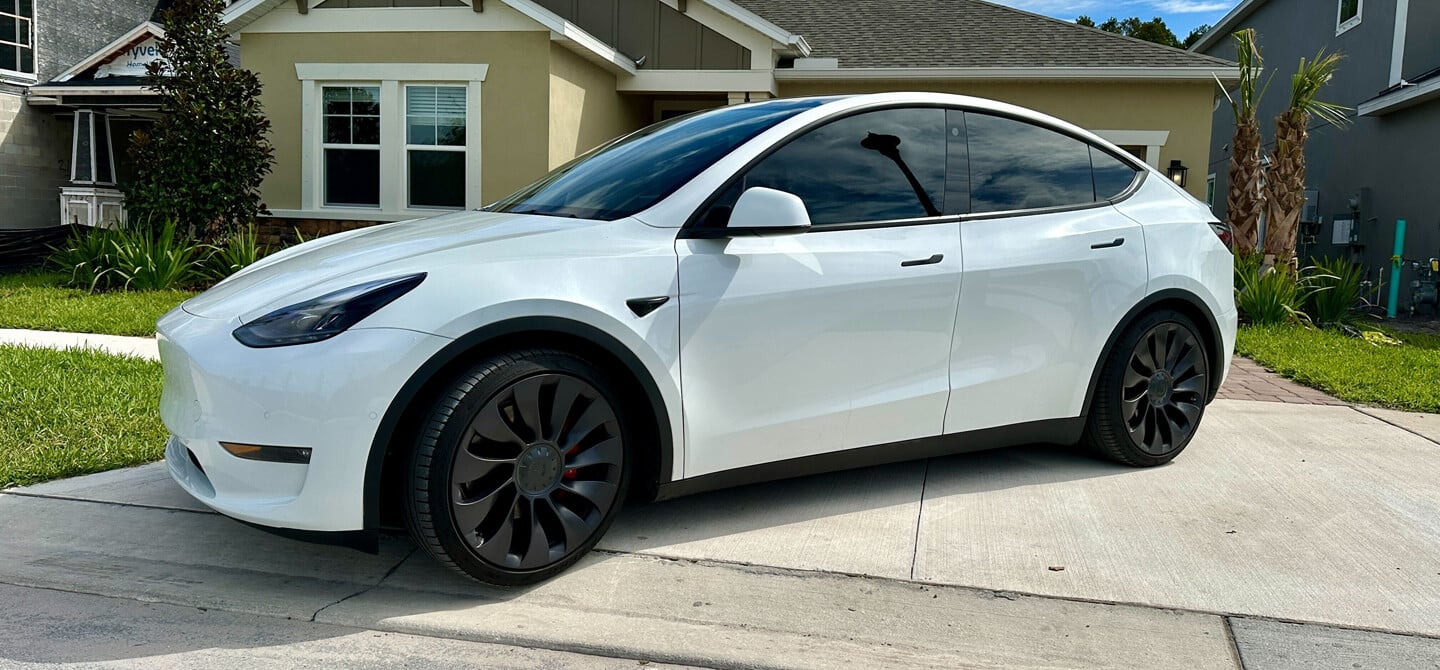
The 2022 Tesla Model Y remains one of the most popular electric vehicles on the market, blending range, performance, and practicality into a compelling package. With used prices averaging $31,575, it delivers strong value for an EV that continues to set sales records worldwide.
Backed by a reliability score of 73/100, the Model Y offers low ownership costs and a powerful electric experience, though it comes with some caveats related to build quality and recall history.
Tesla has long faced scrutiny for inconsistent fit and finish, but the Model Y stands as one of its more dependable products. Maintenance costs are impressively low, averaging $3,994 over ten years, which is far cheaper than most luxury SUVs.
However, buyers should be aware of the 18 recalls affecting this model year and verify that all necessary updates have been completed. The Model Y comes with a 4-year/50,000-mile limited warranty and 8-year/100,000-mile powertrain coverage, ensuring a decent safety net for owners.
Performance is a key strength of the Model Y. The Long Range trim accelerates from 0 to 60 mph in just 4.8 seconds, outperforming many gas-powered rivals. Despite its weight, handling is sharp and confidence-inspiring.
Steering is light but precise, and the adjustable regenerative braking system enables near one-pedal driving for added convenience. Braking performance is strong, stopping from 60 mph in only 112 feet, which is impressive for an SUV in this class.
Inside, the Model Y offers excellent space and modern design, though comfort can vary by trim. The Long Range model provides a smoother, more compliant ride than the Performance version.
The synthetic leather upholstery feels durable but tends to trap heat, while the large glass roof enhances cabin openness but can warm the interior on sunny days. The climate control system is powerful and can be pre-set remotely using the Tesla app.
Cabin insulation is solid, with limited wind or road noise. Seating is supportive for long trips, and visibility is strong in the front thanks to a wide windshield. However, rear visibility is limited due to a small back window and a high beltline.
Tesla’s tech suite is both a highlight and a challenge. The 15-inch central touchscreen controls nearly every function, which looks futuristic but can be distracting while driving.
The absence of Apple CarPlay and Android Auto is a drawback, though the system offers its own navigation, streaming, and even video apps for parked use. Over-the-air updates continuously improve software and add features, keeping the car current without dealer visits.
Cargo capacity is one of the Model Y’s best traits. With 68 cubic feet of space (including the front trunk), it ranks among the roomiest EVs in its category. The rear seats fold easily for bulkier items, and the cabin includes smart storage solutions like hidden compartments and wireless charging pads.
The Long Range version achieves an EPA-estimated 326 miles of range and consumes 27 kWh per 100 miles, making it one of the most efficient electric SUVs available. In real-world testing, it delivered 317 miles per charge, confirming Tesla’s strong energy management. Access to Tesla’s Supercharger network ensures convenient, reliable long-distance travel, a key advantage over most competitors.
The 2022 Tesla Model Y blends quick acceleration, generous space, and forward-thinking technology into a versatile electric SUV.
While interior refinement and touchscreen reliance leave room for improvement, its range, performance, and efficiency continue to set the standard for EV practicality. For buyers seeking a powerful yet efficient electric crossover, the Model Y remains one of the most capable and future-ready options on the market.
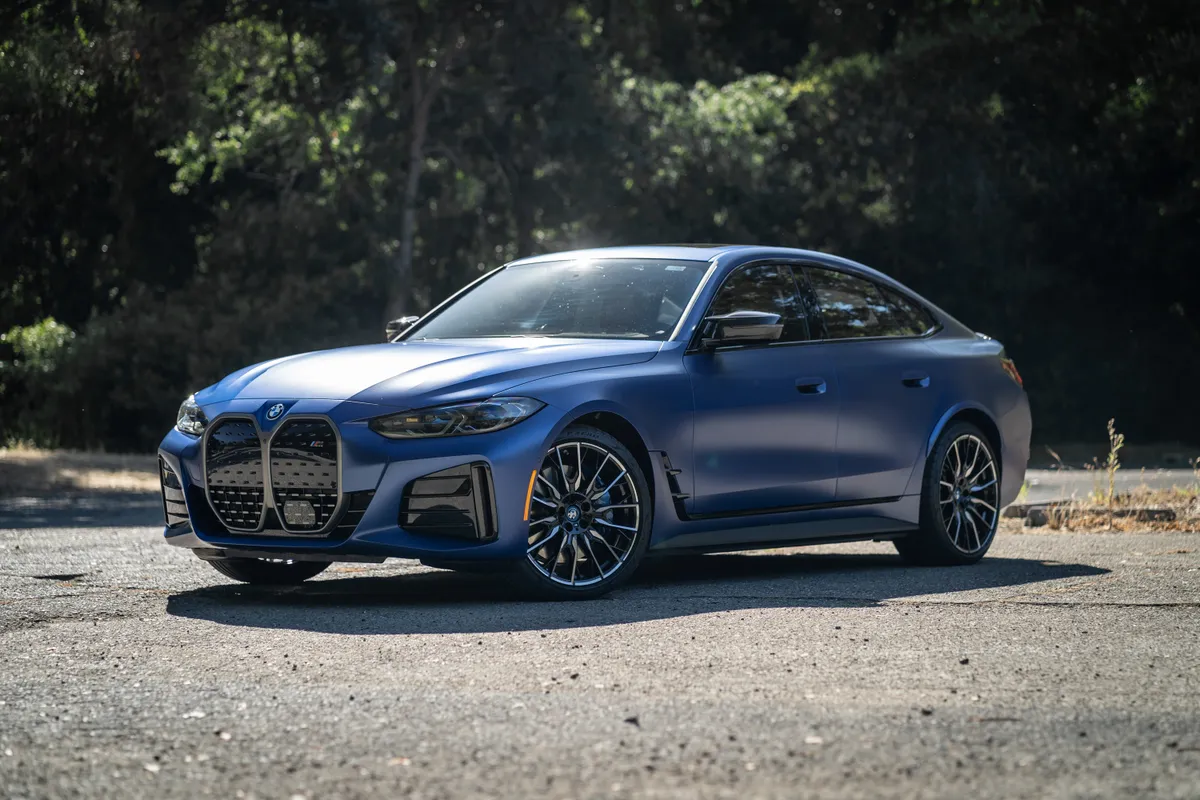
8. 2023 BMW i4: A Refined and Efficient Luxury EV with Dynamic Appeal
The 2023 BMW i4 represents BMW’s confident step into the luxury EV segment, combining premium design, advanced technology, and strong real-world performance.
With an average used price of $39,590, it offers an appealing entry point for buyers seeking a sophisticated electric vehicle that retains the brand’s signature comfort and quality. Backed by a reliability score of 74/100, the i4 shows that BMW’s transition to electrification has not compromised its dependability or craftsmanship.
BMW continues to uphold a solid reputation for reliability, and the i4 strengthens that legacy among premium EVs. Despite a few recalls during its debut year, most issues have since been addressed.
Long-term ownership costs remain manageable, with an estimated $7,934 in maintenance over ten years. The i4 is supported by a 4-year/50,000-mile warranty, 8-year/100,000-mile battery and powertrain coverage, and three years of complimentary maintenance, making it a dependable long-term investment.
The i4 delivers smooth, confident performance suited for everyday driving. The eDrive40 trim features a single rear-mounted electric motor producing robust acceleration, reaching 0 to 60 mph in 5.3 seconds. While quick and composed, the i4 is not the track-focused machine some might expect from BMW.
Steering is precise but lacks the feedback of traditional sport sedans, and the chassis feels slightly unsettled on tight, twisting roads. However, its one-pedal driving capability and seamless regenerative braking enhance efficiency and ease in traffic, creating a refined urban driving experience.
Ride comfort is one of the i4’s best attributes. It remains poised over uneven pavement, muting imperfections better than many rivals like the Tesla Model 3. The seats are supportive and well-contoured, though limited in adjustability, and the rear seats provide decent comfort despite being firm.
Cabin noise is impressively low, allowing for a serene driving environment. The only drawback is the fan noise from the climate system, which becomes more noticeable in such a quiet interior.
Inside, the i4 blends modern minimalism with traditional BMW ergonomics. The iDrive 8 interface combines touchscreen and rotary dial controls for intuitive operation. Ample headroom and legroom in the front make it a comfortable place to spend time, though rear passengers may find space slightly limited due to the coupe-like roofline.
Technology is a standout strength. The i4 comes equipped with wireless Apple CarPlay and Android Auto, adaptive cruise control, lane-keeping assistance, and an optional 360-degree camera system. The Harman Kardon audio system adds excellent sound quality, and the voice assistant allows convenient control of climate and infotainment functions.
Efficiency and range are competitive. The i4 eDrive40 offers up to 301 miles of range on 18-inch wheels and exceeded that in real-world testing with 307 miles on a single charge.
It also proved more efficient than its EPA rating, using 29 kWh per 100 miles. Charging is quick, with 200 kW DC fast-charging capability, adding about 90 miles in 10 minutes, and 11 kW Level 2 home charging, which replenishes the battery in under eight hours.
The i4’s premium materials, solid build, and advanced tech justify its price tag, even if base models lack some standard luxury features. Its combination of refinement, efficiency, and practicality makes the 2023 BMW i4 one of the most balanced luxury EVs available, ideal for drivers seeking sophistication without sacrificing everyday usability.
9. 2023 Nissan Ariya: A Stylish and Comfortable EV with Room for Improvement
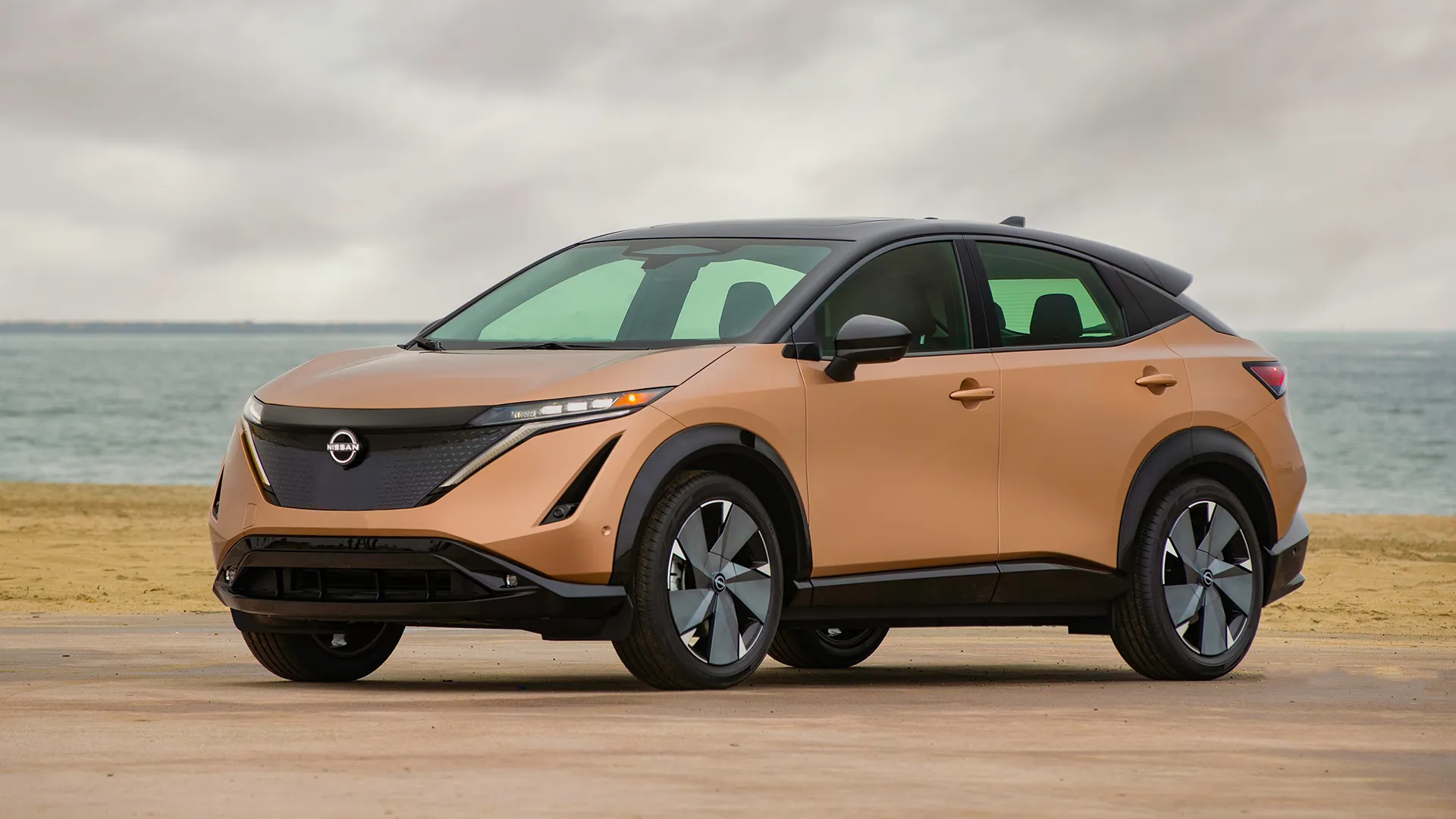
The 2023 Nissan Ariya marks a major step forward in Nissan’s electric vehicle lineup, joining the Leaf but offering significantly more range and refinement. With an average used price of $27,868, the Ariya provides an appealing mix of comfort, practicality, and style in a midsize crossover form. It earns a reliability score of 74/100, suggesting that Nissan’s transition to electric mobility is moving in a positive direction.
The Ariya has shown decent reliability for a new EV entry, though four recalls were issued for the 2023 model, covering several key components. Prospective buyers should verify that these fixes have been addressed. It includes a 3-year/36,000-mile limited warranty, a 5-year/60,000-mile powertrain warranty, and an 8-year/100,000-mile battery warranty, offering solid coverage.
The dual-motor Ariya Platinum+ delivers brisk acceleration, reaching 60 mph in 5.3 seconds. Power delivery feels smooth and linear, favoring a composed rather than aggressive driving character. While it performs well in daily driving, the SUV isn’t tuned for sporty handling. It leans noticeably in corners, and the regenerative braking lacks a true one-pedal mode, which some EV drivers may miss.
Ride quality is one of the Ariya’s best qualities. The suspension balances smoothness with stability, and both front and rear seats provide excellent support for long drives. The cabin remains quiet even at highway speeds, and the climate system efficiently maintains cabin temperature. However, seat heating and cooling controls are embedded in the touchscreen, making them less convenient to access.
Inside, the Ariya impresses with a modern, upscale layout. The touch-sensitive dashboard controls respond quickly and provide tactile feedback, while the cabin offers generous legroom and a comfortable driving position. Headroom in the rear is more limited compared to rivals like the Tesla Model Y or Hyundai Ioniq 5, and despite the panoramic roof, the cabin doesn’t feel quite as airy.
Technology is a mixed experience. The 12.3-inch screens look modern but operate with outdated software that can be unintuitive. ProPilot 2.0 enables hands-free driving on mapped highways and performs well, but the system’s sensitivity and the awkward placement of blind-spot alerts can frustrate drivers. Cargo capacity measures 22.8 cubic feet behind the rear seats and expands to 59.7 cubic feet, though small-item storage is limited.
With up to 304 miles of EPA-estimated range in single-motor configuration, the Ariya provides solid efficiency for its class. The dual-motor version manages around 265 miles in real-world conditions.
Charging speeds peak at 130 kW, allowing a 20–80% charge in about 40 minutes. As a base model, the Ariya represents good value with quality materials and a comfortable ride, though higher trims start to compete with luxury EVs at similar prices.
10. 2022 Tesla Model S: A Blisteringly Fast Electric Sedan with Everyday Practicality
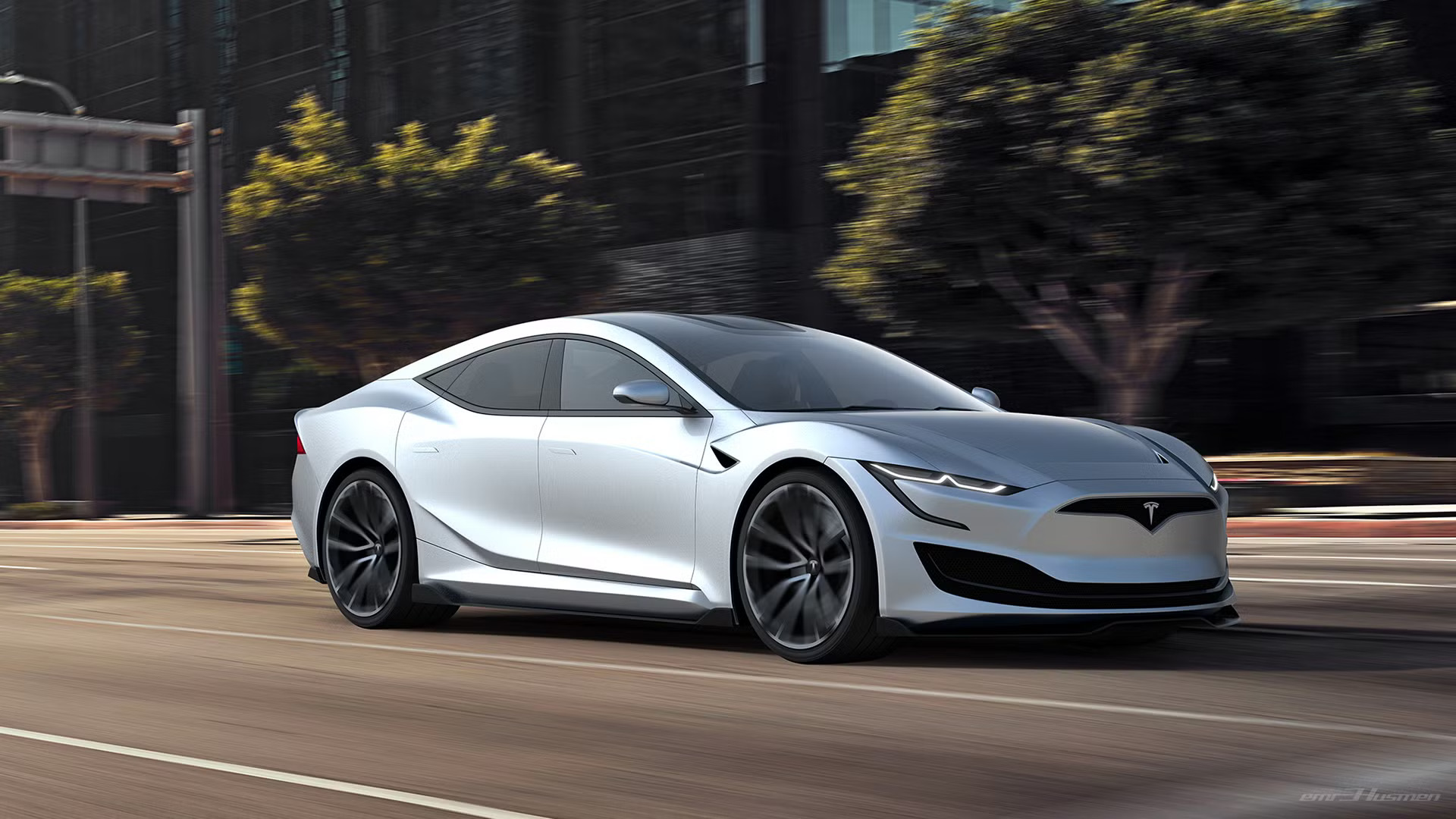
The 2022 Tesla Model S remains one of the most iconic electric vehicles on the market, combining thrilling performance, cutting-edge technology, and long-range capability.
Once priced at over $100,000, used models now average around $46,397, making it an attractive option for those seeking a high-end EV experience without the new-car price tag. With a reliability score of 75/100, the Model S continues to show why it’s a cornerstone of the electric luxury sedan segment.
As Tesla’s flagship sedan, the Model S benefits from a decade-long production history that has allowed the company to refine its electric systems. Its reliability ranks around average compared to gasoline vehicles, but stands out within the EV market.
Owners can expect relatively low maintenance costs of around $3,972 over ten years, according to CarEdge. However, buyers should note the 19 recalls for the 2022 model and verify that all have been addressed. Warranty coverage includes four years or 50,000 miles for basic protection and eight years with unlimited mileage for the powertrain.
Performance is where the Model S truly shines. The Plaid variant, with its tri-motor setup producing 1,020 horsepower, can sprint from 0 to 60 mph in just 2.3 seconds and complete the quarter-mile in 9.4 seconds faster than many supercars. Despite its mind-bending speed, the handling feels more brute-force than precise.
The steering yoke design is polarizing and lacks tactile feedback, while the brakes tend to fade after repeated hard stops. The Model S excels in straight-line acceleration but falls short of the engagement found in traditional sports sedans.
Every day comfort remains strong. The adaptive air suspension absorbs most bumps gracefully, making long trips enjoyable. Seats are adequately cushioned but lack the bolstering needed for spirited driving.
Rear passengers sit slightly higher, which raises their knees uncomfortably. The cabin stays quiet, with minimal wind and road noise. The minimalist interior, dominated by a 17-inch touchscreen, feels modern but can frustrate with its reliance on touch-sensitive controls and the absence of conventional stalks.
Tesla’s infotainment system impresses with its built-in Google Maps navigation and sharp display, complemented by an excellent 22-speaker sound system. However, the lack of Apple CarPlay and Android Auto is a notable omission.
Autopilot remains one of the most advanced driver-assist systems available, but it can act unpredictably on poorly marked roads. Frequent software updates help enhance functionality, though Tesla’s “beta” approach means features may still feel experimental.
The Model S’s hatchback design offers excellent cargo space, supplemented by a front trunk. Real-world range testing achieved 345 miles, just shy of its EPA estimate of 348 miles. Its efficiency of 32.1 kWh per 100 miles is impressive given its power. Access to Tesla’s extensive Supercharger network further enhances its practicality for long-distance travel.
The 2022 Tesla Model S blends breathtaking speed with usability that few rivals can match. Build quality inconsistencies and ergonomics may detract from the experience, but its combination of range, power, and advanced tech still makes it one of the most compelling electric sedans available.
The growing used EV market in 2025 reflects how far electric mobility has come in performance, quality, and affordability. The ten models featured here stand out for their strong reliability scores, practical ranges, and balanced ownership costs.
Whether it is the family-friendly Kia Niro EV, the sleek Hyundai Ioniq 6, or the performance-oriented Tesla Model S, each offers distinct strengths that continue to make them relevant and worthwhile choices.
Advances in charging speed, powertrain durability, and digital connectivity have allowed these vehicles to age gracefully while retaining excellent usability. For many drivers, purchasing a used EV no longer means settling for outdated technology or limited range.
Instead, it represents an opportunity to access proven innovation at a more accessible price. As the transition to electric mobility accelerates, these used EVs demonstrate that sustainable driving can be both cost-effective and deeply rewarding.
Also Read: 5 Cars That Stay Desirable for Enthusiasts vs 5 That Don’t