
Winter driving in cold climates brings a silent killer that destroys trucks faster than accidents, floods, or mechanical failures combined. Road salt. That white powder scattered across icy highways might keep you safe during snowstorms, but it’s eating your truck’s frame from underneath while you sleep.
Every winter, thousands of pickup owners discover their “reliable” truck has developed frame rot so severe that repair costs exceed the vehicle’s value. Here’s what makes this problem so cruel: you can’t see it happening. Your truck looks fine on the outside, drives perfectly, and seems healthy.
Then one day, during an oil change, your mechanic points a flashlight at the frame and shows you holes you could stick your fist through. That’s the realization you’ve been driving a vehicle worth maybe $3,000 instead of the $15,000 you thought it was worth.
Not all trucks rust equally, though. Some manufacturers coat their frames properly and use materials that resist corrosion. Others seem to forget that people actually drive in winter, using frames that start scaling and flaking after just three or four seasons of salt exposure.
This difference isn’t subtle either. We’re talking about trucks that stay solid for 20+ years versus trucks that need frame replacement before they hit 100,000 miles. So which trucks can handle brutal winters with heavy road salt treatment, and which ones dissolve faster than sugar in hot tea?
That’s exactly what we’re about to break down. Whether you live where salt trucks run from November through April or you’re considering buying a used truck from a cold climate, this information could save you from making an expensive mistake that costs thousands to fix.
Salt-Fighting Champions: Frames That Last
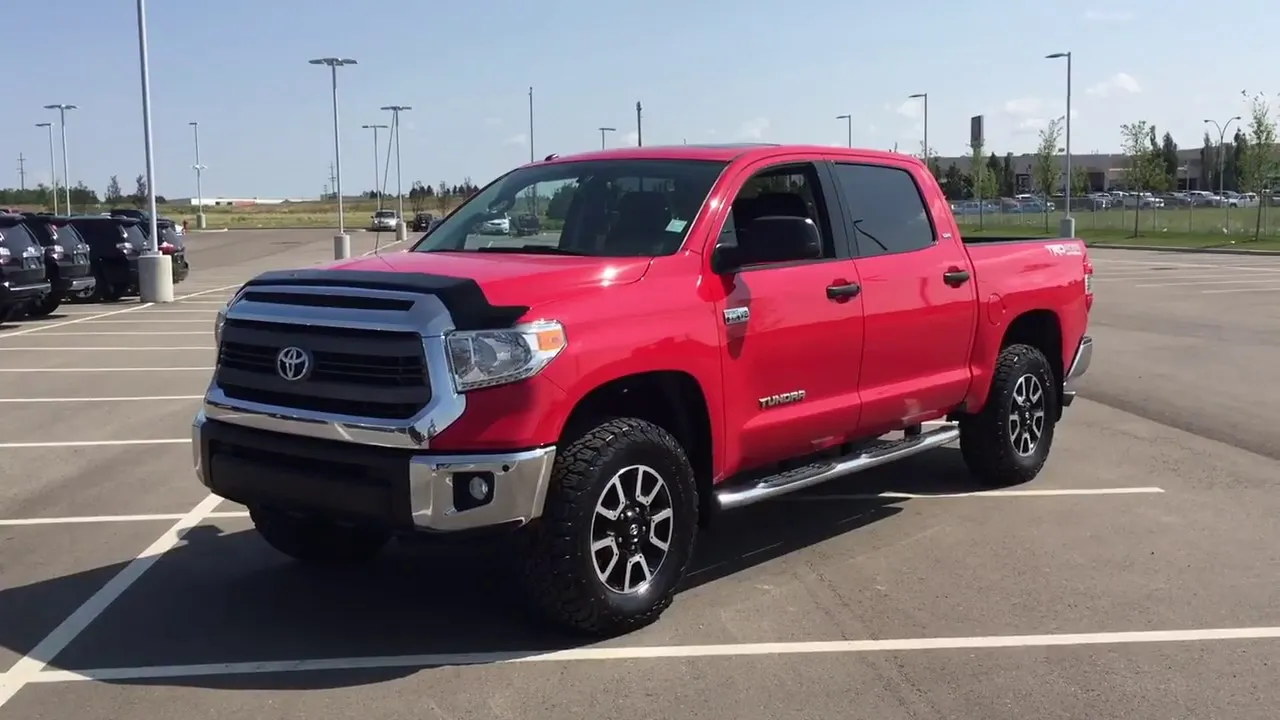
1. Toyota Tundra TRD Pro (2014)
Japanese engineering approached frame corrosion with the seriousness it deserves. After settling a massive lawsuit over rusting frames in earlier Tacomas and Tundras, Toyota completely redesigned its frame protection process.
This 2014 Tundra TRD Pro benefited from lessons learned the hard way, receiving one of the most comprehensive corrosion protection systems in the industry.
Drain holes positioned strategically throughout the frame prevent water and salt from pooling inside. Earlier Toyota frames had inadequate drainage, allowing corrosive slush to collect and eat through metal from the inside out.
Engineers studying failed frames discovered exactly where water accumulated, then designed drain holes to eliminate these problem areas. Simple solution, huge impact on longevity.
Real-world testing proves the effectiveness of these improvements. Tundras from 2014 onward show dramatically less frame corrosion than 2007-2013 models, even in harsh salt belt states
. Owners in Michigan, Wisconsin, and Ohio report minimal surface rust after eight winters, with frames remaining structurally solid. That’s exactly what you want to hear when spending $40,000+ on a truck.
Parts sharing with international markets helped too. Toyota sells these trucks in regions with harsh coastal environments where salt spray attacks vehicles year-round.
Designing for those markets created protection that works everywhere, including Midwest winters, where road salt creates similar conditions. When manufacturers engineer for worst-case scenarios, everyone benefits.
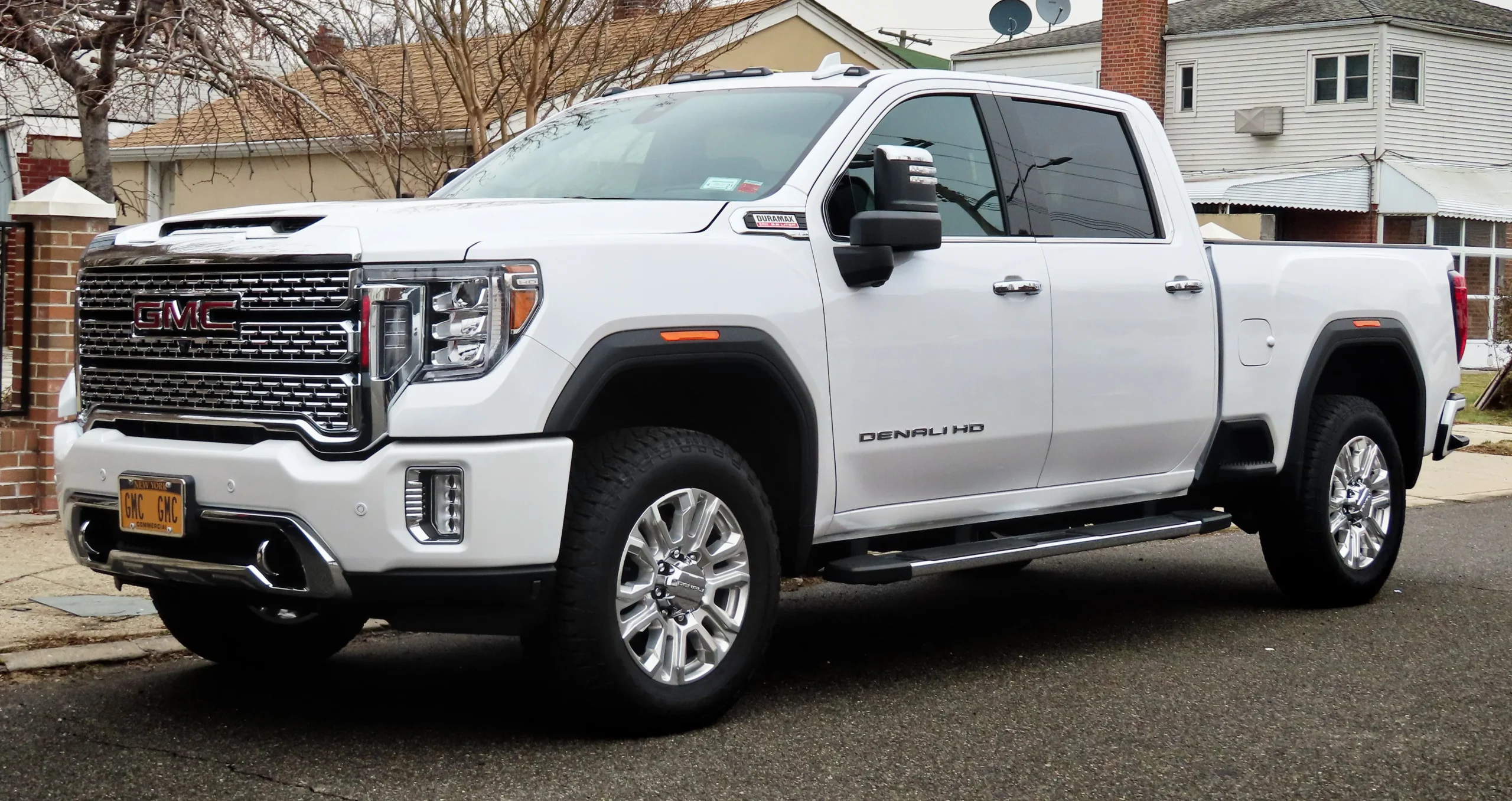
2. GMC Sierra 2500HD Denali (2020)
Heavy-duty trucks face more corrosion risk because they work in harsh conditions where salt, chemicals, and moisture are constant companions.
GMC addressed this by upgrading frame protection specifically for the 2020 Sierra HD redesign. That fully boxed steel frame receives multiple protective coatings applied in stages during manufacturing, creating layers that defend against rust from multiple angles.
Hot-dipped galvanization covers critical areas where earlier models developed problems. This process involves dipping frame sections into molten zinc, which bonds to the steel and creates a sacrificial barrier.
When salt attacks the surface, it corrodes the zinc coating instead of the steel underneath. This buys years of protection even in the worst conditions.
Spray-on bed liner material coats the entire undercarriage, creating a thick rubberized barrier between salt and metal.
This isn’t just undercoating; it’s the same tough material used in truck beds to prevent damage from heavy loads. That thickness and durability make it far more effective than traditional undercoating, which wears away after a few seasons.
Frame design incorporates lessons learned from warranty claims on previous generations. Engineers studied where Sierra 2500s from 2011-2019 developed rust, then modified the new frame to eliminate those vulnerable points.
Reinforced areas that previously rusted through, improved drainage in sections that held water, and added extra coating thickness where road spray hits hardest.
Also Read: 5 Modern Trucks With Unkillable Leaf Springs vs 5 That Sag Under Payload
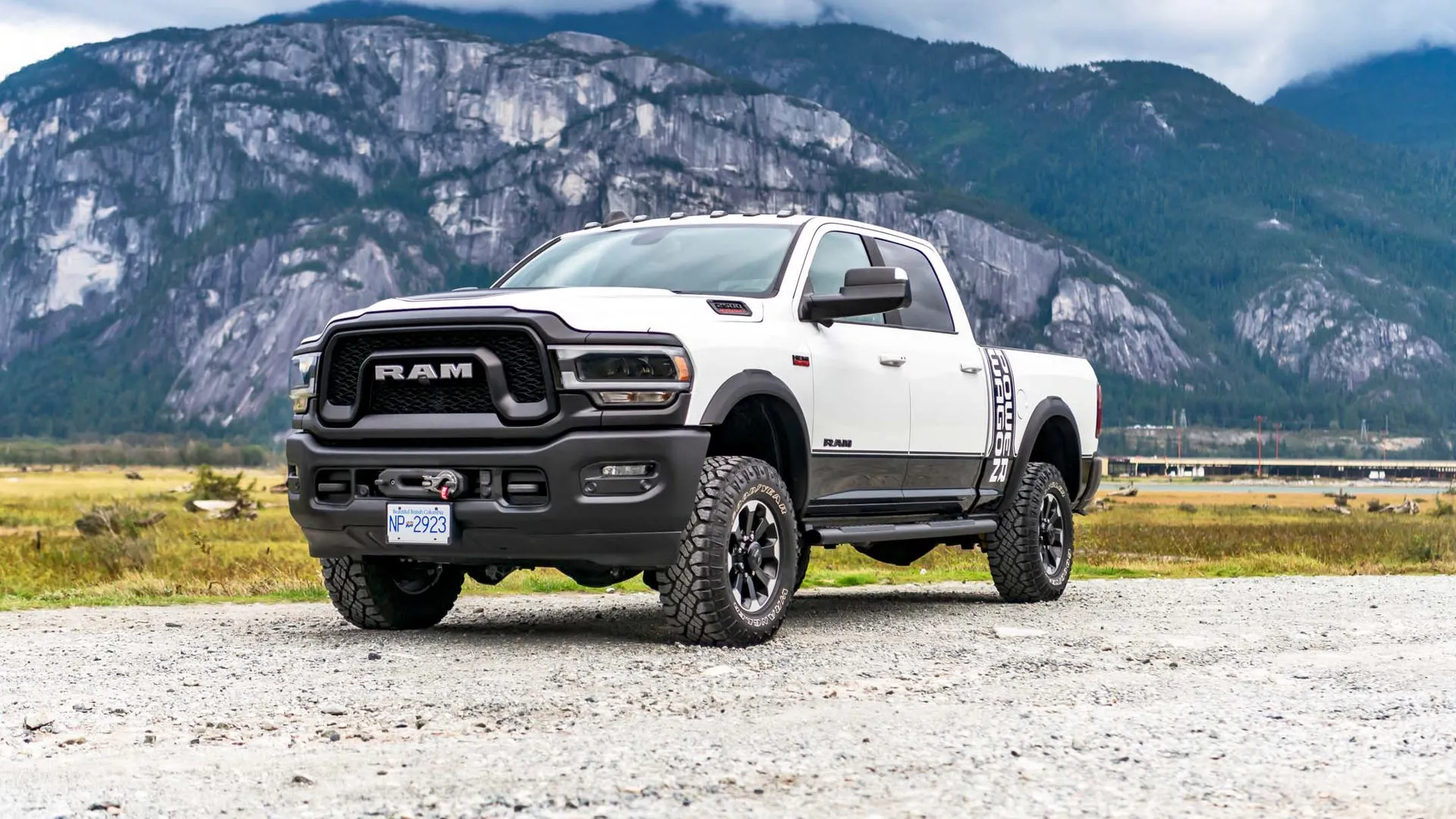
3. Ram 2500 Power Wagon (2019)
Off-road capability means the Power Wagon sees mud, water, and harsh conditions that accelerate corrosion.
Ram engineers understood this and gave the frame extra protection beyond what regular 2500 models receive. That protection starts with a fully boxed frame constructed from high-strength steel that’s thicker in critical areas where stress and corrosion risk are highest.
E-coating technology provides the first line of defense, with the bare frame getting electrically coated in a corrosion-resistant primer.
This process is expensive but effective, ensuring complete coverage, including internal surfaces that spray coating can’t reach. After e-coating comes a polyvinyl chloride undercoating that’s sprayed on thick, creating a flexible barrier that doesn’t crack or peel when the frame flexes during off-road use.
Skid plates provide physical protection for the frame and undercarriage components. While these are primarily for rock protection, they also shield the frame from road salt and spray.
Less direct exposure means less corrosion, and the Power Wagon comes factory-equipped with more undercarriage protection than most trucks offer, even as expensive options.
Regular undercarriage washing can extend protection even further. Ram designed the frame with cleaning in mind, avoiding pocket areas where dirt and salt collect.
Quick pressure washing after winter drives flushes away salt before it can cause damage, and the frame’s coating withstands high-pressure water without degrading. Smart design makes maintenance easier and more effective.
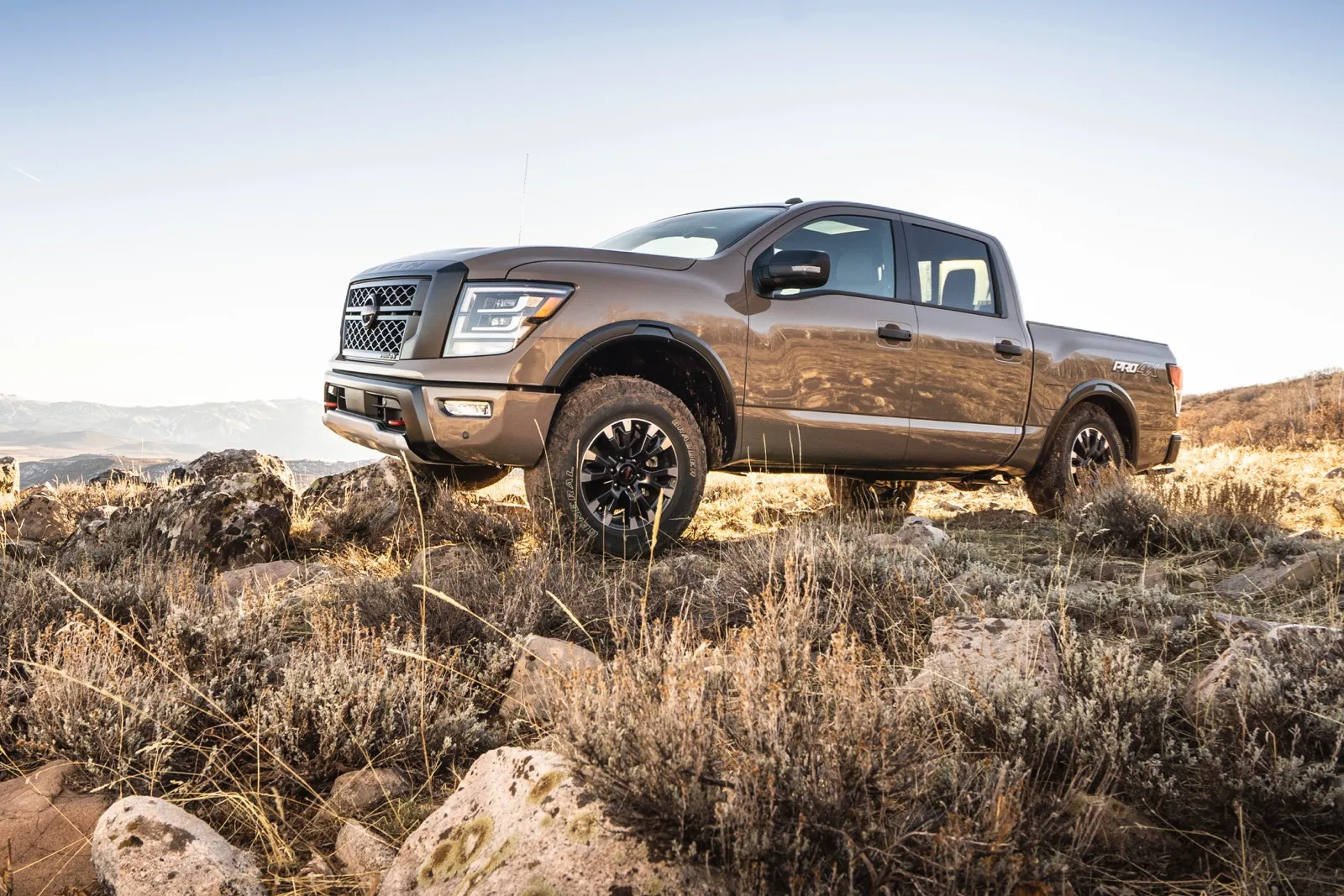
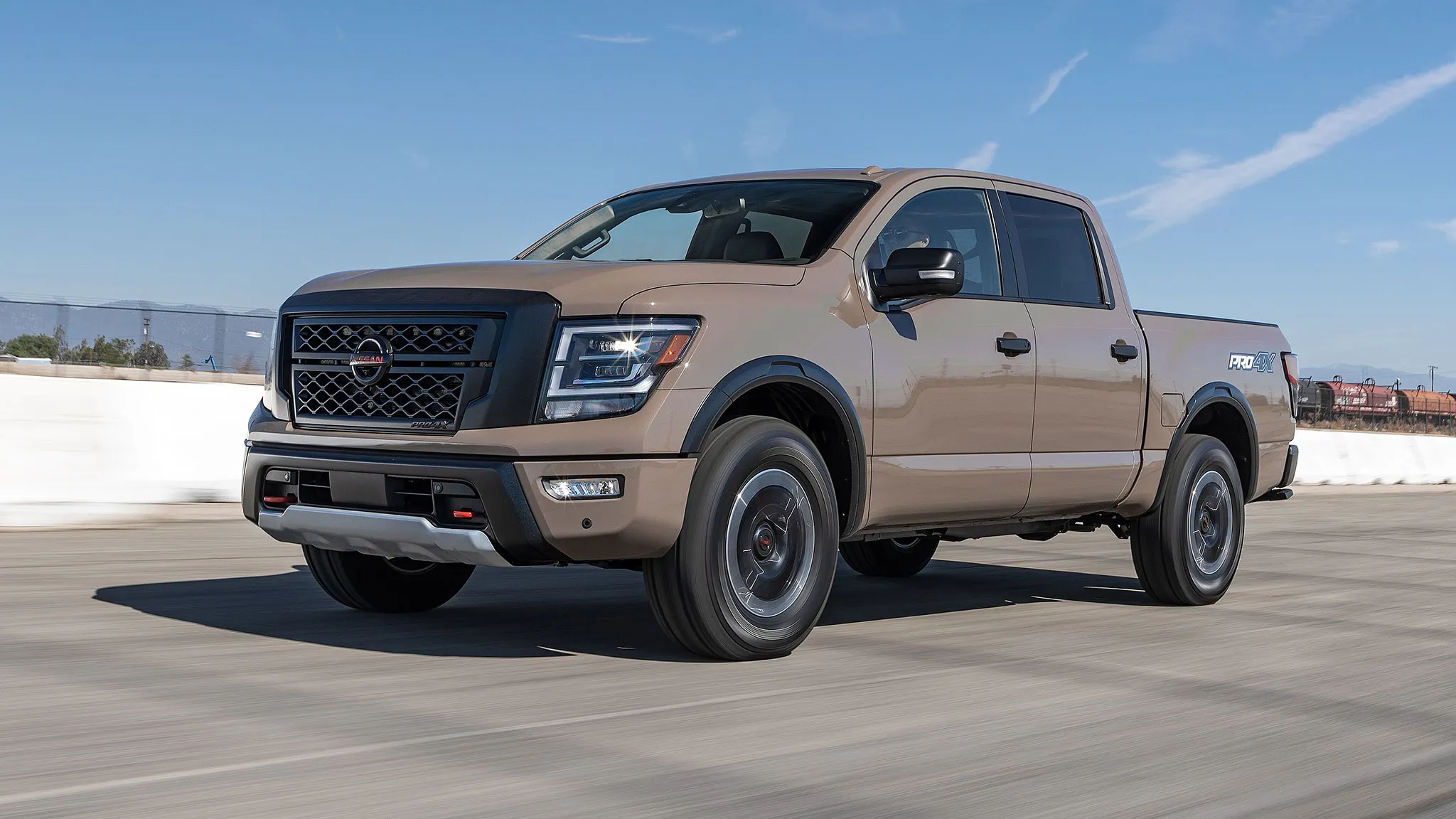
4. Nissan Titan PRO-4X (2020)
Body-on-frame construction using fully boxed steel rails gives the Titan a solid foundation that Nissan protects aggressively.
That protection includes a multi-stage coating process applied during frame manufacturing, with each layer addressing different aspects of corrosion prevention. Zinc-rich primer goes on first, providing galvanic protection even if outer layers get scratched or damaged.
Spray-on coating follows the primer, applied while the frame is hot to ensure proper adhesion and coverage.
This coating contains rust inhibitors that actively prevent oxidation rather than just creating a physical barrier. When water and salt eventually penetrate the outer layer, these inhibitors slow down corrosion dramatically, buying years of protection.
Testing in harsh environments proved the coating’s effectiveness before production started. Nissan subjected prototype Titans to accelerated corrosion testing that simulates decades of salt exposure in months.
This revealed weak points in coating coverage and frame design that engineers fixed before customer trucks were built. Better to discover problems in the lab than through warranty claims after customers have already bought trucks with issues.
Five-year rust-through warranty coverage shows Nissan’s confidence in its frame protection. Manufacturers don’t offer warranties they expect to pay out on, so this coverage suggests they’ve solved the corrosion problems that hurt their reputation in previous decades. Time will tell if these Titans live up to the warranty promise, but early results look positive.
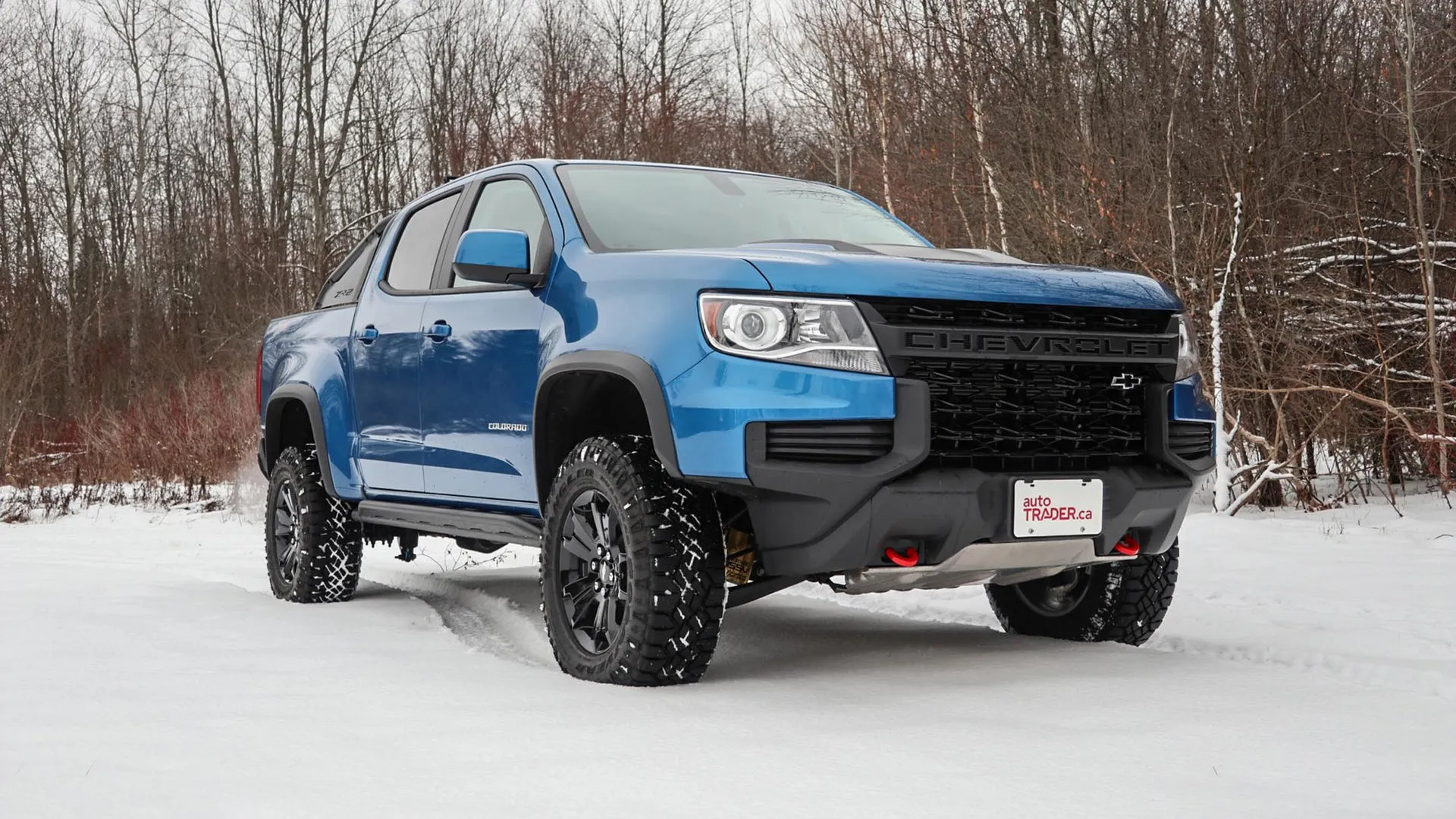
5. Chevrolet Colorado ZR2 (2021)
Mid-size trucks face the same corrosion challenges as full-size models, but with less frame material to work with. Chevrolet addressed this by using high-strength steel that’s thinner but just as strong, then protecting it aggressively.
That fully boxed frame receives electrocoating that ensures complete coverage, including internal surfaces where moisture can accumulate.
Additional coating thickness appears at vulnerable points identified through computer modeling and real-world testing. Rear suspension mounting areas, trailer hitch mounting points, and front crossmember locations all get extra protection because these areas see the most stress and salt exposure.
This targeted approach concentrates protection where it’s needed most without adding unnecessary weight and cost everywhere. Frame design incorporates more drain holes than previous Colorado generations.
Engineers studied where moisture accumulated in 2015-2020 models and added drainage to eliminate those problem areas.
Simple modification, but it prevents the internal rusting that destroys frames long before external rust becomes visible. Proper drainage might be the single most important factor in frame longevity.
Rocker panel design channels road spray away from the frame rather than directing it at vulnerable areas. Previous models had rocker panels that actually funneled salt water onto frame rails, accelerating corrosion.
New panels deflect spray downward and outward, keeping the frame drier during winter driving. Small aerodynamic change with big durability benefits.
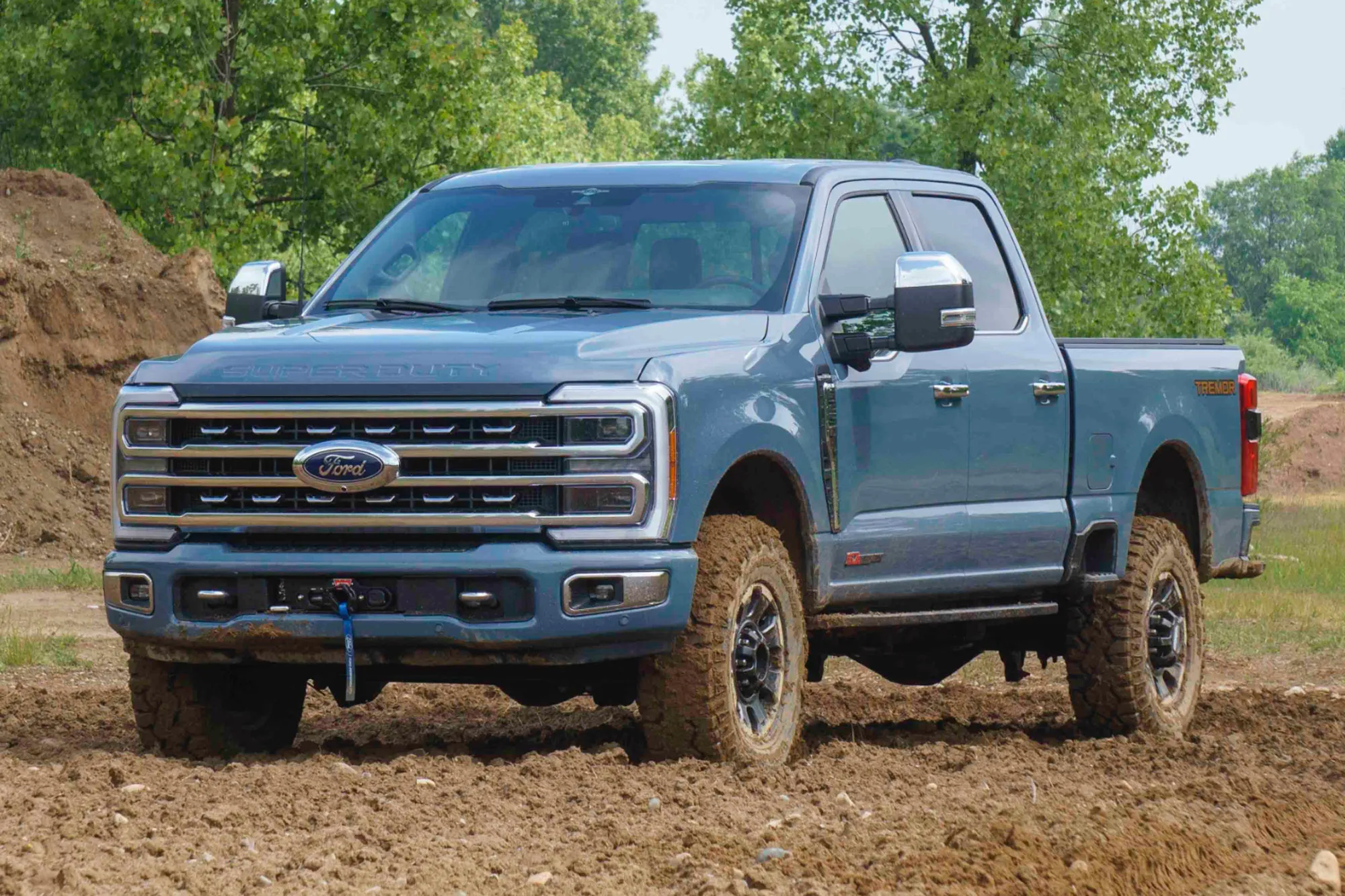
6. Ford F-250 Tremor (2023)
Aluminum body panels might get attention, but that steel frame underneath still needs serious corrosion protection.
Ford applies a comprehensive coating system that starts with cathodic electrocoating, which uses electrical current to ensure complete and even coverage of primer. This process reaches every surface, including internal cavities that would be impossible to coat with spray equipment.
After electrocoating comes a corrosion-preventative compound applied to the frame’s interior surfaces.
This wax-based material is pumped into hollow frame sections while hot, allowing it to flow throughout internal cavities before cooling and hardening. It creates a barrier that prevents moisture from contacting bare metal, even in areas you can’t see or reach for inspection.
Frame engineering includes the strategic placement of crossmembers and supports that add strength without creating corrosion traps.
Each joint is sealed and coated before assembly, preventing the crevice corrosion that develops where metal surfaces contact each other. This attention to assembly details prevents problems that wouldn’t be obvious until years after purchase.
Warranty coverage extending to seven years for frame rust-through demonstrates Ford’s confidence in their corrosion protection.
They’re betting the improved coatings and design will prevent the frame problems that cost them millions in warranty repairs on earlier Super Duty trucks. Customer feedback suggests the bet is paying off, with 2020+ Super Duty trucks showing excellent corrosion resistance.
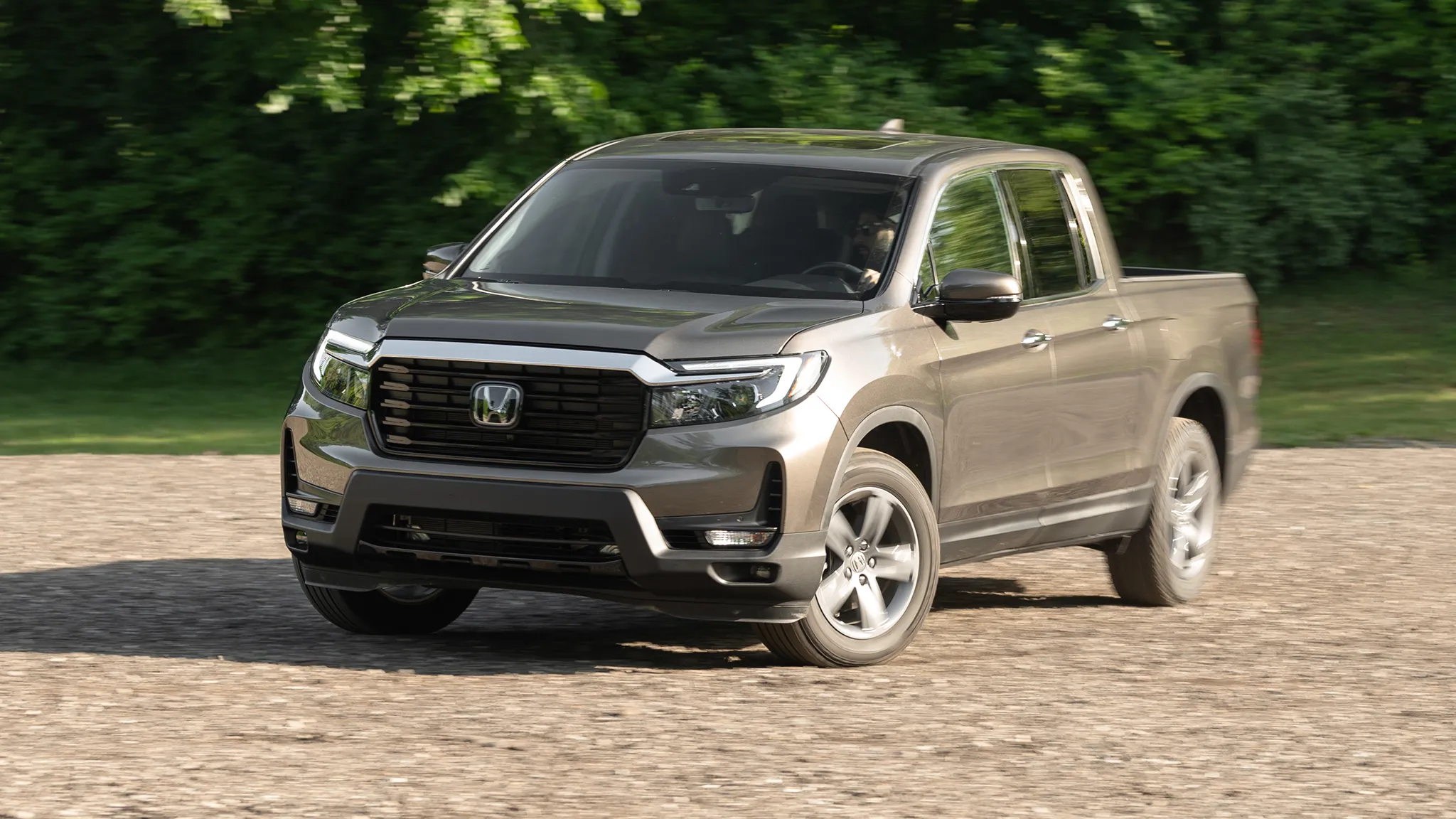
7. Honda Ridgeline RTL-E (2021)
Unibody construction presents different corrosion challenges than traditional body-on-frame trucks. Honda approached this by treating the entire underbody as one system requiring comprehensive protection.
That begins with extensive use of galvanized steel in areas where moisture and salt accumulate. Galvanizing costs more than regular steel but provides protection that lasts decades rather than years.
Underbody panels cover most of the structure, creating smooth surfaces that don’t trap salt and debris. These panels also protect structural components from direct spray, reducing corrosion risk. Honda designed the panels with drainage paths that channel water away from critical areas, preventing the pooling that accelerates rust.
Closed-section construction eliminates many of the open areas where salt can accumulate. Where earlier trucks had C-channel frame rails that collected debris, the Ridgeline’s unibody uses fully enclosed box sections.
This design prevents internal contamination and makes the structure easier to protect effectively. Less surface area exposed to salt means less opportunity for corrosion to start.
Acoustic insulation applied to the underbody serves double duty, reducing road noise while also protecting against corrosion.
This thick material creates a barrier that blocks salt spray from reaching structural components. When insulation does wear through in high-impact areas, the underlying structure still has its own protective coating as a second line of defense.
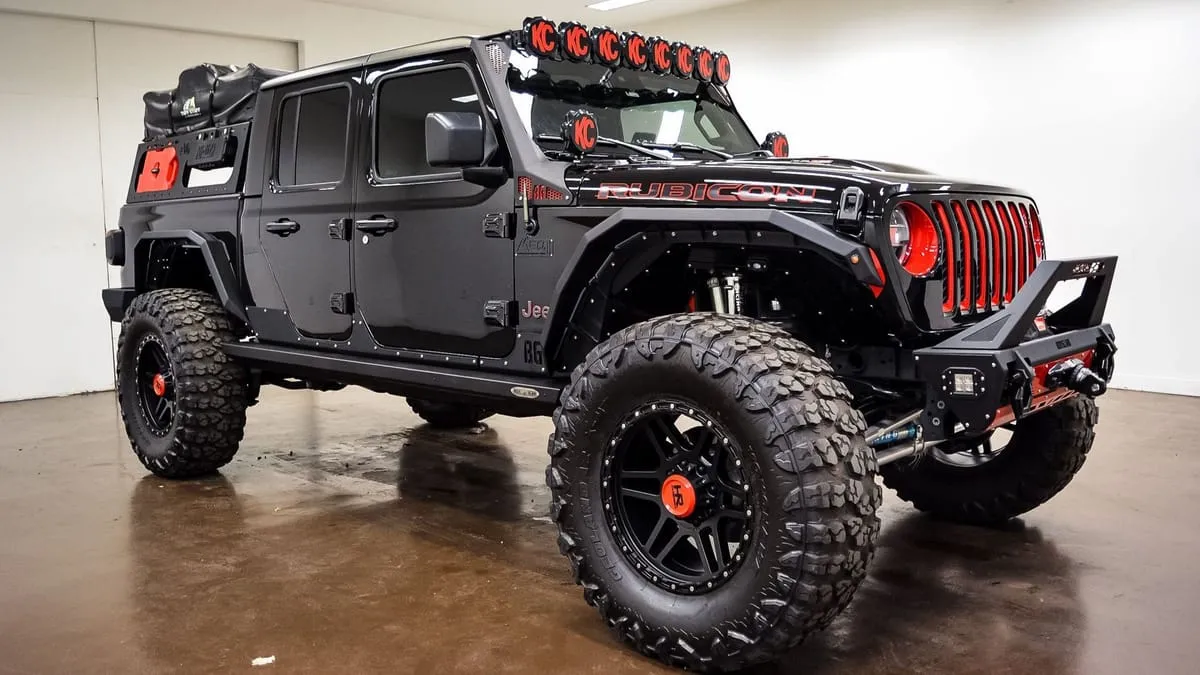
8. Jeep Gladiator Rubicon (2020)
Open-top design means the Gladiator gets wet inside more than typical trucks, creating corrosion risks most vehicles don’t face.
Jeep addressed this by using extensive drainage systems that channel water out quickly and coating interior surfaces that would normally never see moisture. Even the frame areas under the cabin floor receive full corrosion protection because water can enter when the roof is removed.
Hot-dipped galvanized steel appears throughout the body and frame structure in areas where testing showed corrosion risk.
This process creates a thick zinc coating that provides decades of protection even with constant water exposure. Jeep essentially admitted that Gladiators will get wet and built them to handle it without dissolving.
Removable parts like doors and roof panels are constructed from materials that resist corrosion better than traditional steel body panels.
Aluminum components won’t rust, and the hardware mounting them uses stainless steel to prevent the rust staining that occurs when steel fasteners corrode. This prevents the cosmetic damage that hurts resale value even when structural corrosion isn’t present.
Undercarriage protection includes skid plates and rock rails that shield the frame from damage. While designed for off-road use, these components also protect against road salt and debris during winter driving.
Dual-purpose design elements deliver value in multiple situations, making them worthwhile even for buyers who never leave pavement.
Rust Buckets: Frames That Fail Fast
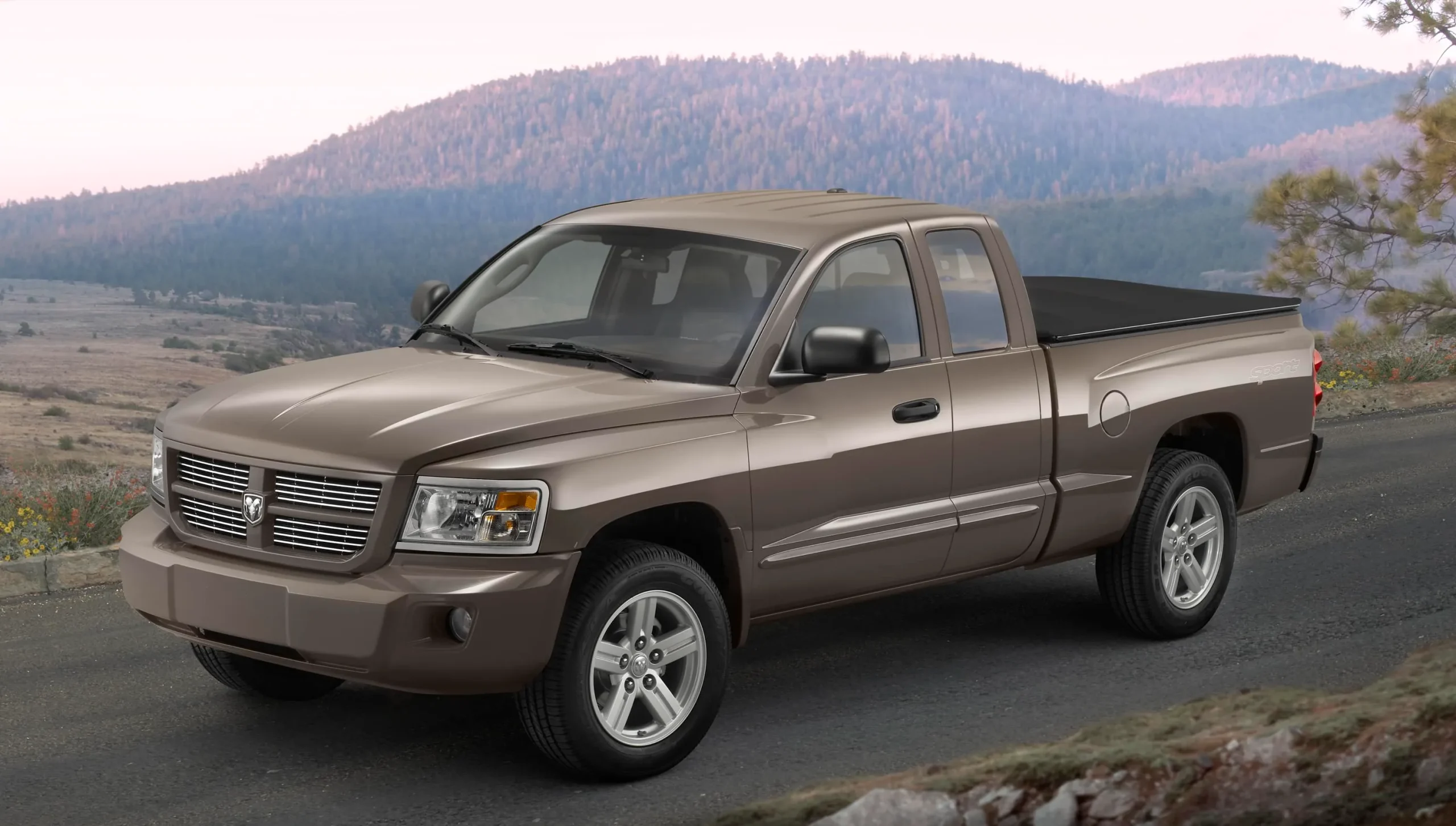
1. Dodge Dakota Sport (2010)
Mid-size trucks from this era had corrosion problems that became legendary in the wrong way. That Dakota Sport used a C-channel frame design with inadequate drainage, creating perfect conditions for rust to flourish.
Road salt and moisture collected in the frame rails with no way to escape, eating through metal from the inside, where you couldn’t see damage developing.
Factory coating on these frames was minimal, basically just paint with no serious corrosion protection underneath.
Salt broke through this thin barrier within a few winters, and once corrosion started, it spread quickly. Owners in salt-using states reported visible frame rust within three years and structural damage before 80,000 miles in many cases.
Crossmembers developed surface rust that quickly became holes as corrosion penetrated through the thin metal. These failures compromised frame rigidity and created safety hazards.
Some Dakotas needed complete frame replacement before reaching 100,000 miles, which cost more than the truck was worth. That’s a disaster for owners who thought they bought reliable transportation.
Resale values tanked as the corrosion reputation spread. Even clean examples from southern states sold for less because buyers feared hidden rust.
This reputation damage hurt all Dakota owners, not just those with actual corrosion problems. When a model becomes known for rust issues, everyone suffers reduced resale values.
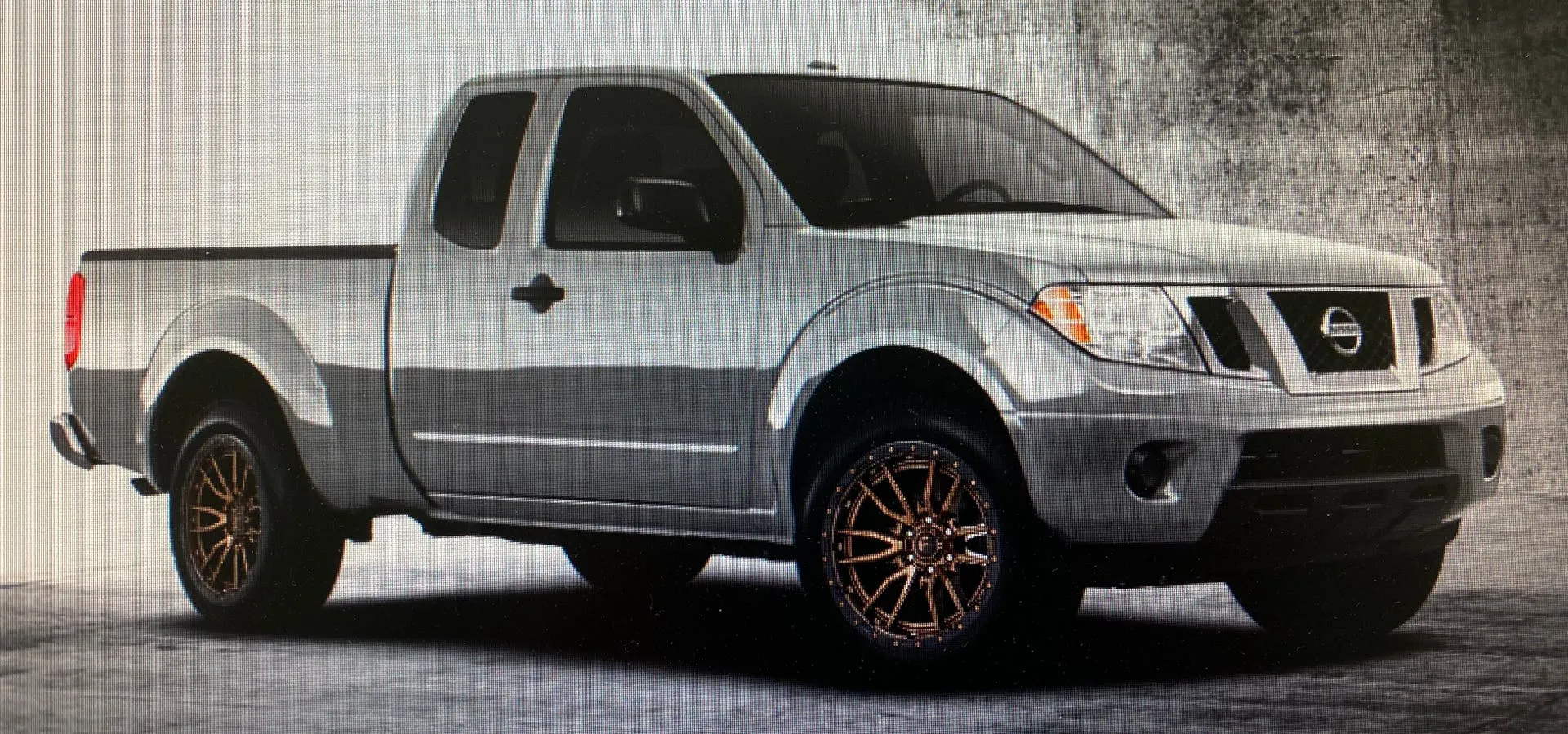
2. Nissan Frontier S (2005)
First-generation Frontier trucks used frames with poor corrosion protection that failed prematurely in salt-using regions.
That frame coating was barely adequate when new and deteriorated quickly, leaving bare metal exposed to road salt. Nissan apparently didn’t anticipate how harsh northern winters would be on these trucks.
The frame design created pockets and horizontal surfaces where salt and moisture accumulated. Water would pool inside frame rails with no drainage, creating constant wet conditions perfect for rust development. Once corrosion started inside the frame, it progressed hidden from view until structural failure occurred.
Cab mounts rusted through on many examples, causing the body to sag and the doors to misalign. When body mounts fail, the entire truck becomes unstable and unsafe.
Replacing them requires lifting the body off the frame, which is expensive and time-consuming. Most owners facing this repair just scrapped their trucks.
Nissan’s response to these corrosion problems was slow and inadequate, leaving customers to deal with expensive repairs on their own.
This damaged brand loyalty and drove many Frontier owners to switch to Toyota for their next truck. When manufacturers don’t stand behind products with known defects, they lose customers permanently.
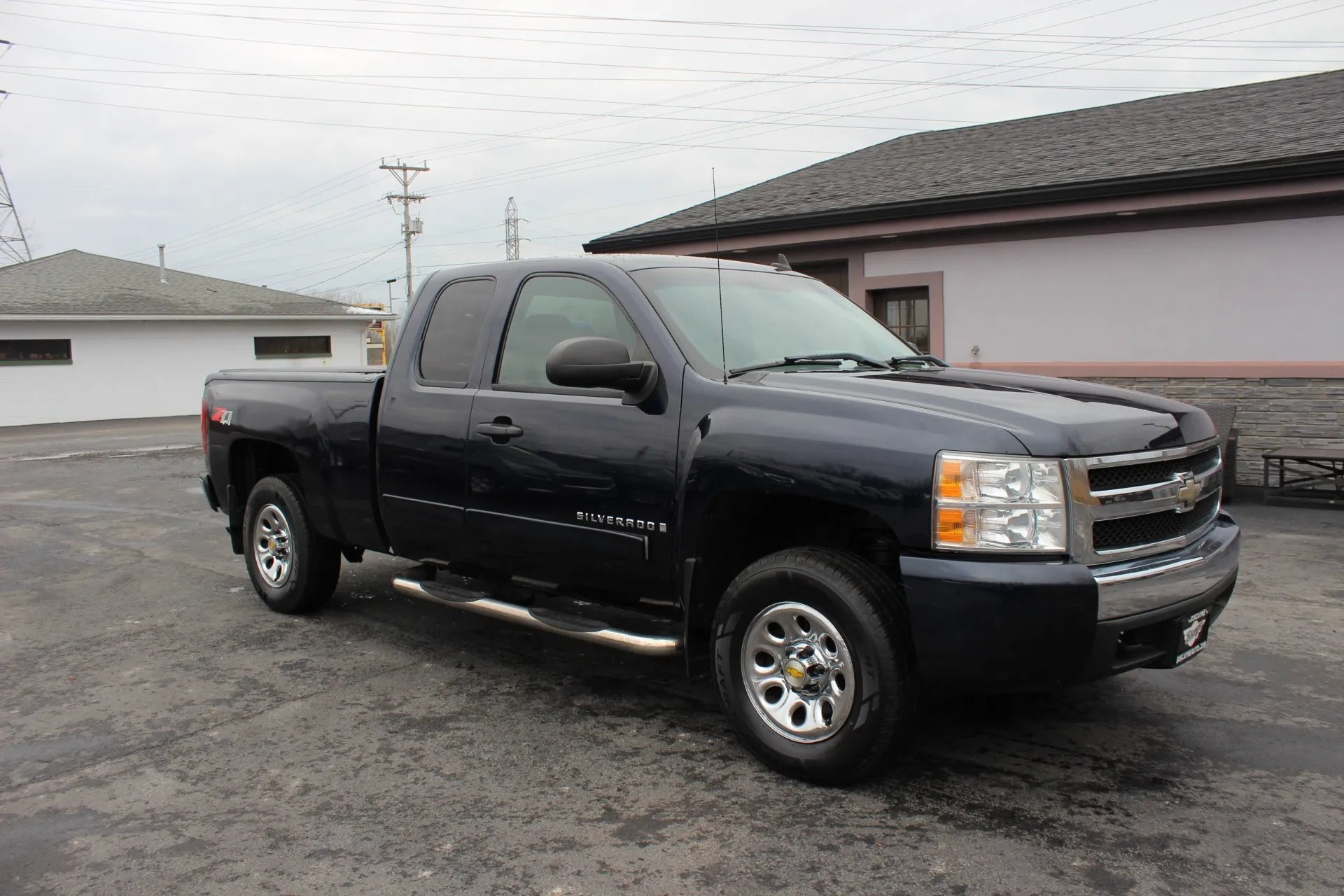
3. Chevrolet Silverado 1500 WT (2008)
Work truck trim meant minimal corrosion protection compared to higher-end models. That 2008 Silverado WT received basic paint and undercoating with no additional frame protection.
Chevy apparently assumed work truck buyers wouldn’t keep their vehicles long enough for corrosion to matter, which proved to be terrible reasoning.
C-channel frame design with limited drainage allowed moisture to collect inside the rails. Road salt dissolved in this trapped water and attacked bare metal inside the frame continuously.
Corrosion progressed from inside out, creating structural weakness before external rust became visible. By the time owners noticed problems, damage was already severe.
The front crossmember location made it particularly vulnerable to road spray and salt accumulation. Many of these trucks developed holes in the crossmember before reaching 100,000 miles.
This area is critical for suspension mounting and front-end structural integrity, so failure created safety problems beyond just cosmetic rust.
Owners in northern states learned to inspect frames carefully before purchasing used 2007-2013 Silverados.
Finding examples with solid frames became difficult as these trucks aged, and prices for rust-free examples stayed high while typical examples sold cheaply. That price disparity reflected reality about corrosion damage affecting most of these trucks.
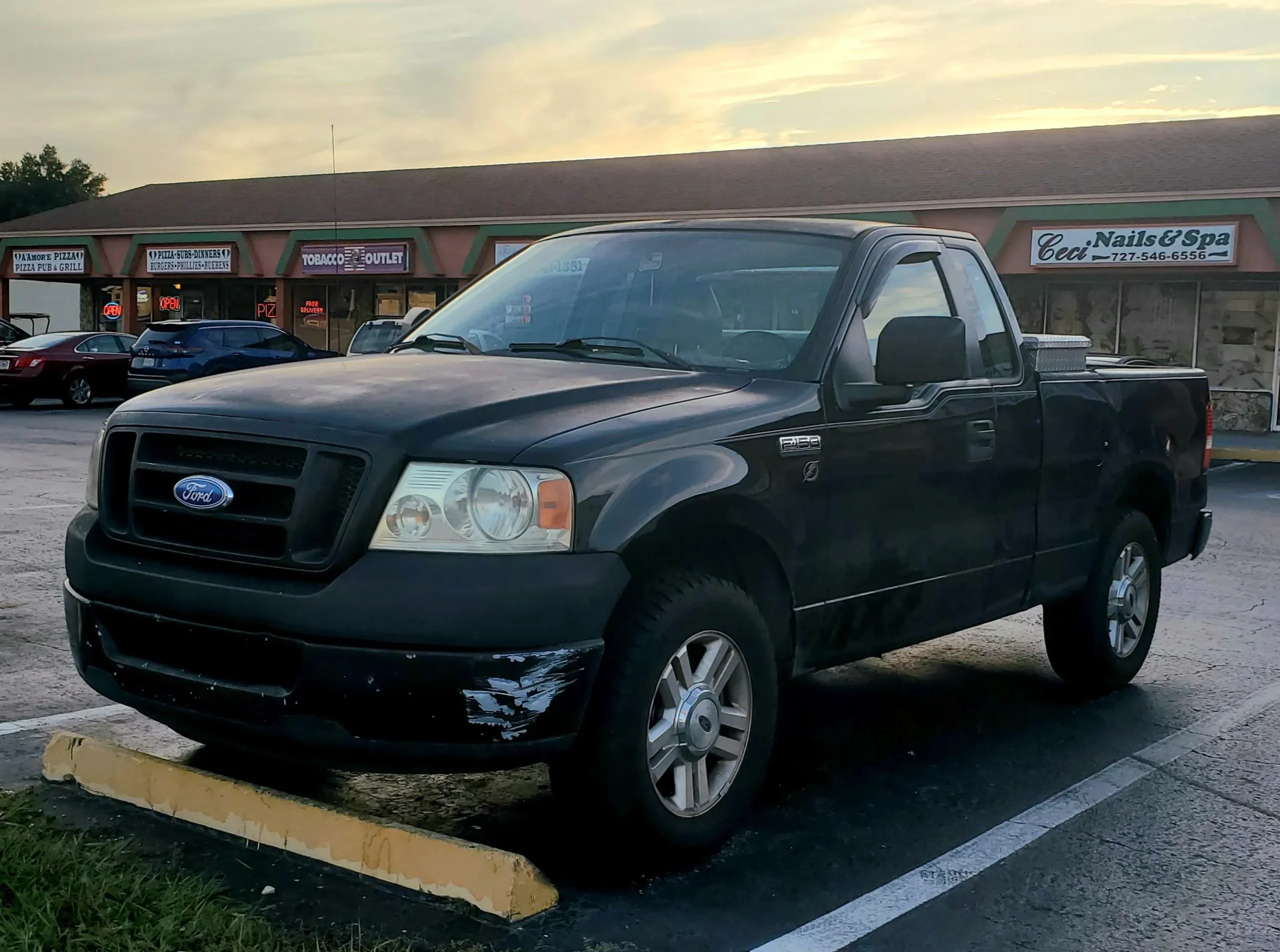
4. Ford F-150 XL (2006)
Bare-bones work truck specification meant limited corrosion protection on this 2006 F-150 XL. Ford applied basic undercoating and paint with no advanced protection systems found on better-equipped models. This cost-cutting proved expensive for owners who lived in areas where road salt was used heavily.
Frame design from this generation had known weak points where corrosion concentrated. Rear spring mounting areas and crossmember joints developed rust quickly, often requiring repair before 100,000 miles. Ford issued technical service bulletins acknowledging these problems, but didn’t extend warranties or offer free repairs.
The spare tire carrier mounting point frequently rusted through, causing the spare tire and carrier to fall off while driving.
This dangerous failure resulted from inadequate coating protection on mounting hardware. Ford eventually recalled some trucks for this issue, but many owners had already experienced failures and paid for repairs themselves.
Resale values dropped sharply as these trucks aged because buyers knew to expect rust problems. Clean examples from southern states commanded premiums while typical northern trucks sold for scrap prices.
Smart buyers avoided this generation entirely, choosing newer trucks with better protection or older trucks that pre-dated the design changes that created these problems.
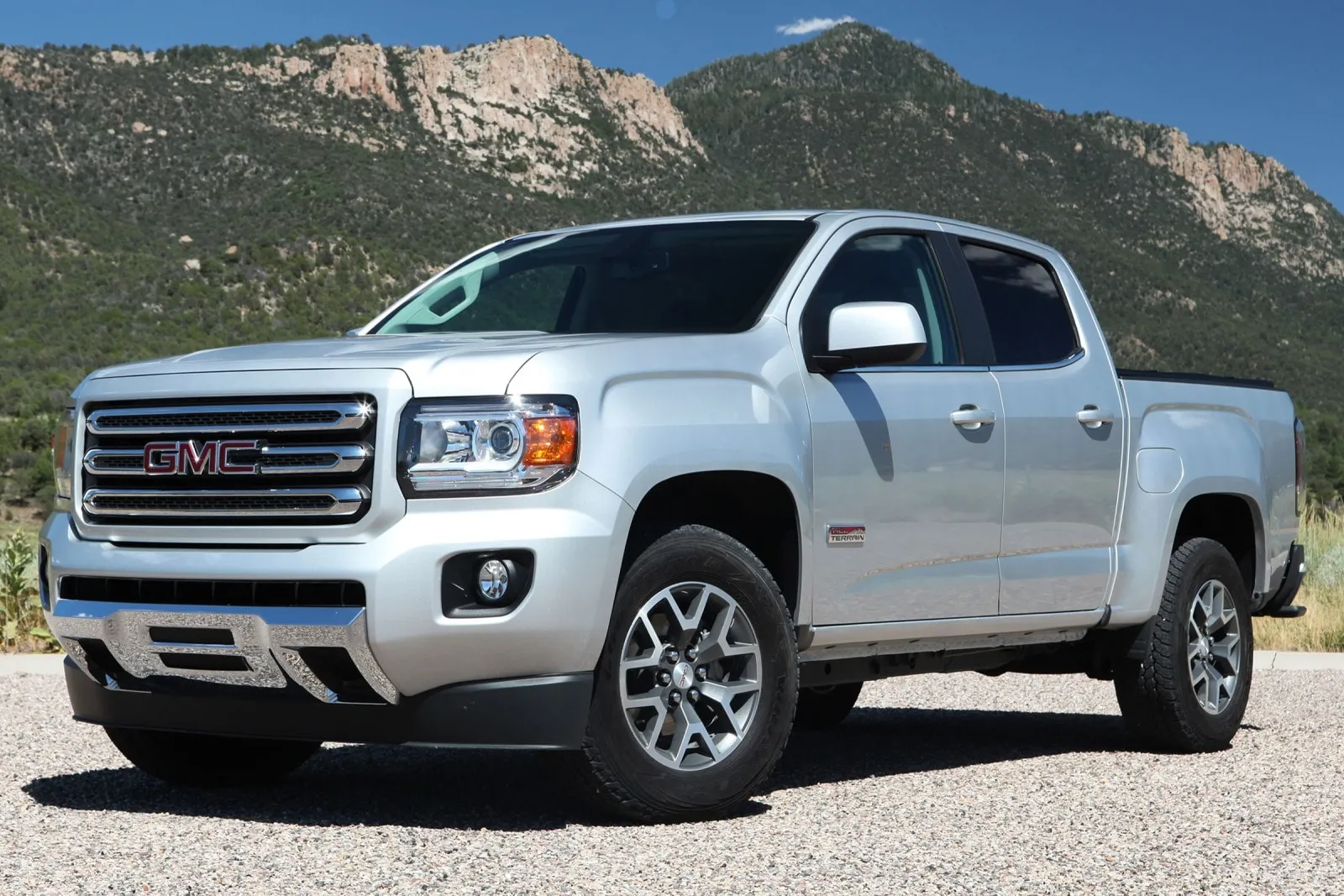
5. GMC Canyon Base (2006)
Mid-size GM trucks from this era shared Chevrolet Colorado’s inadequate corrosion protection. That 2006 Canyon Base model received minimal frame coating that failed quickly when exposed to road salt.
GMC marketed these as premium alternatives to the Colorado but used the same frame with the same protection problems.
Frame construction used thin-wall steel to save weight and cost. While this material met strength requirements when new, it left little material to sacrifice to corrosion.
Once rust started, it quickly ate through the thin metal, creating holes and structural weakness. Thicker frames on competing trucks lasted longer because they had more material to corrode before failure occurred.
Crossmember attachment points rusted badly, sometimes causing the crossmember to separate from the frame rails. This catastrophic failure left the truck undrivable and dangerous.
Repair required extensive welding and metalwork that approached or exceeded the truck’s value, leading many owners to just scrap their vehicles.
Warranty coverage ended before most corrosion problems became apparent, leaving owners responsible for expensive repairs.
GMC offered no assistance despite clear design problems affecting thousands of trucks. This abandonment of customers damaged brand reputation and drove buyers toward competitors who stood behind their products better.
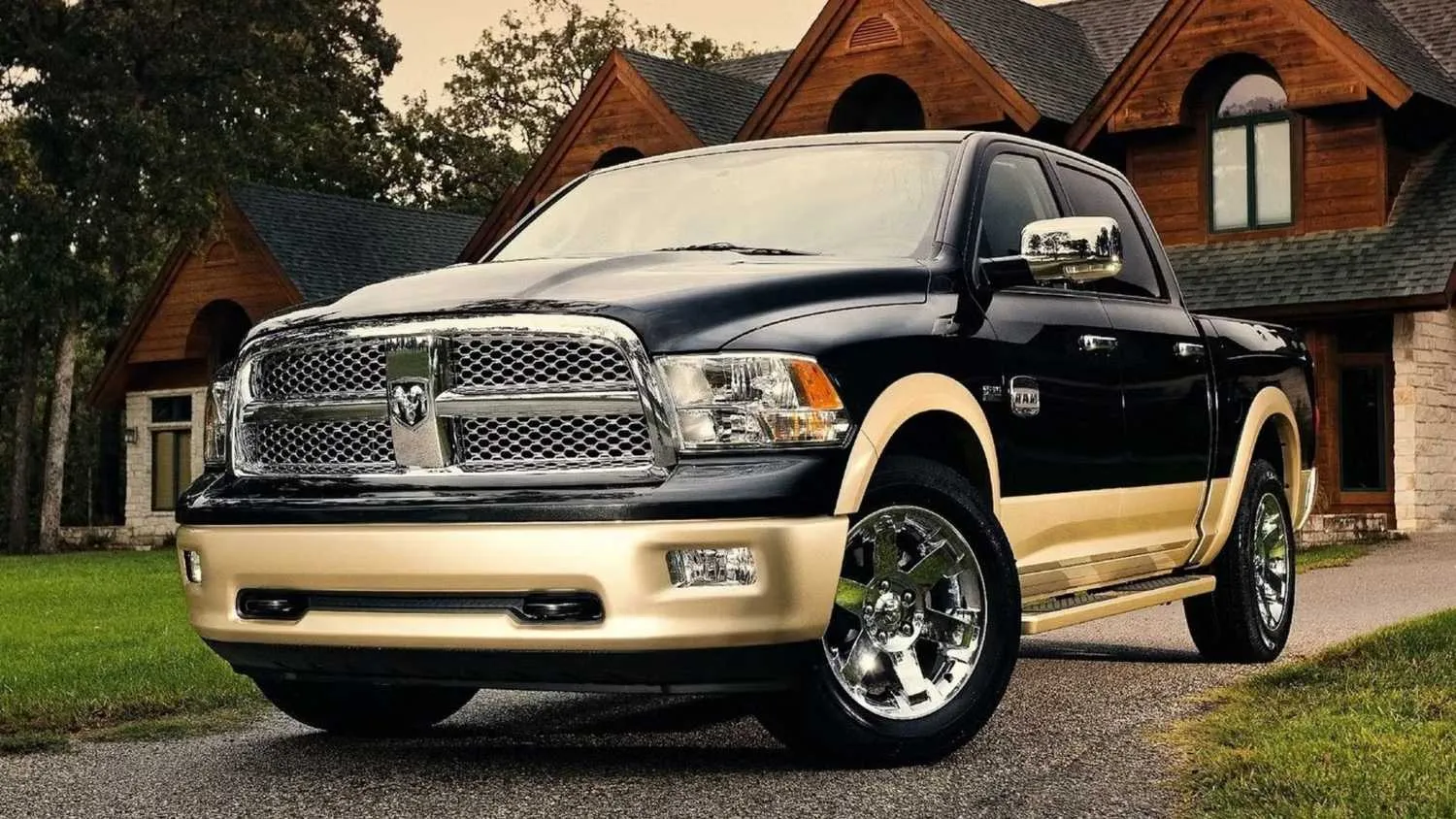
6. Dodge Ram 1500 ST (2012)
Budget-oriented ST trim meant minimal corrosion protection compared to higher trims. That 2012 Ram 1500 ST received a basic coating that deteriorated quickly under winter conditions. Ram apparently decided corrosion protection wasn’t important for entry-level trucks, which proved short-sighted.
Frame design carried forward from previous generations with known corrosion problems. Rather than improving protection, Ram used the same inadequate systems.
Rear frame sections developed rust first, often showing holes before reaching 75,000 miles. Northern owners discovered their trucks were rotting while still making payments.
Bumper mounting brackets rusted badly, sometimes causing the bumpers to sag or detach. These brackets are substantial steel components, so their failure indicated aggressive corrosion. Repairs required cutting out bad metal and fabricating new brackets, which few shops were equipped to do properly.
The used truck market reflected these corrosion issues with depressed prices for 2009-2018 Ram 1500s from northern states.
Buyers avoided them unless frames were inspected and verified rust-free. Finding clean examples became difficult as the trucks aged, and rust-free trucks commanded premium prices reflecting their rarity.
Also Read: 5 Steel-Frame vs. Aluminum-Body Trucks: Durability Verdict
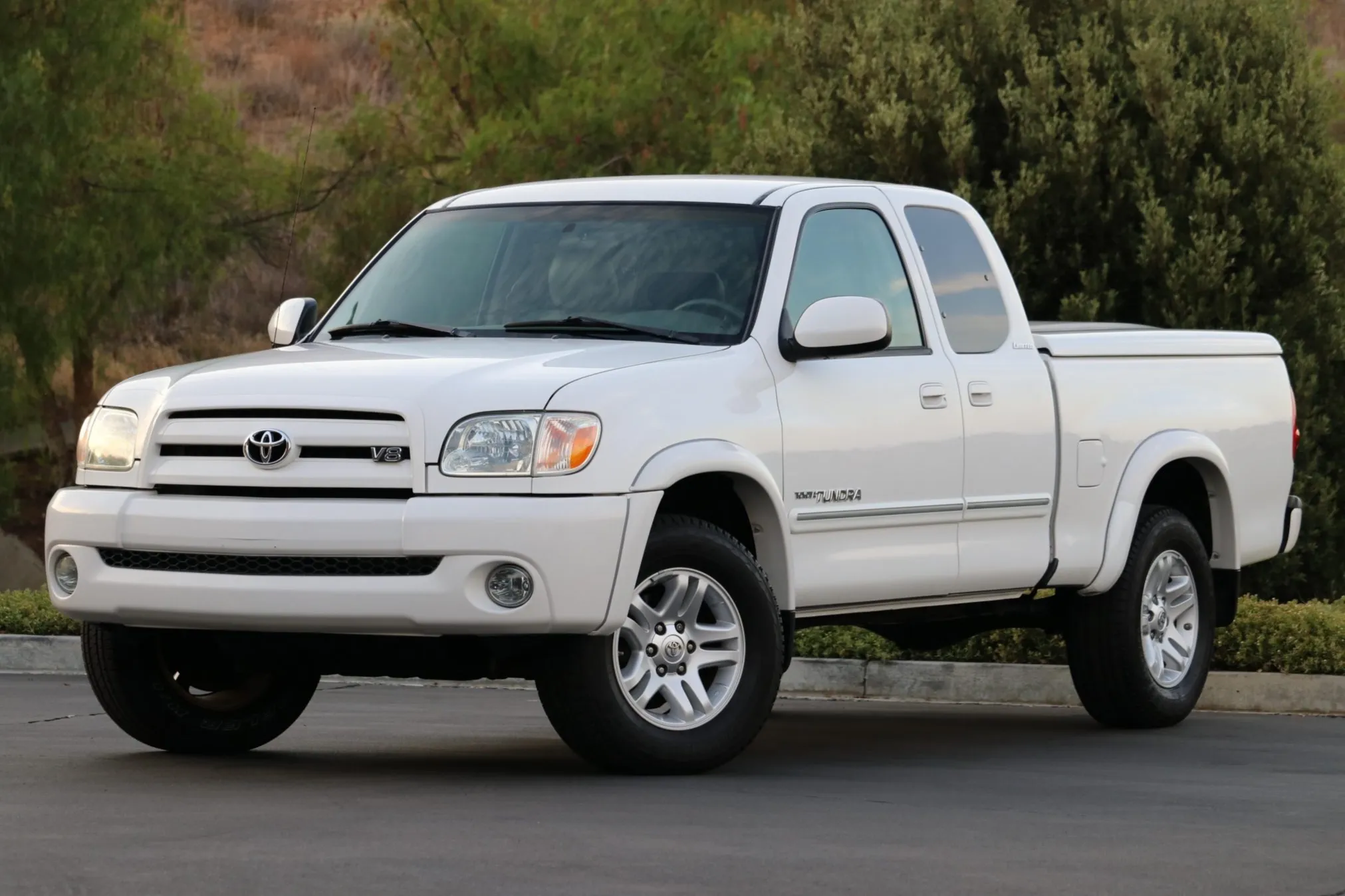
7. Toyota Tundra Limited (2006)
Even Toyota got it wrong before they learned expensive lessons. The 2006 Tundra Limited used frame coating that proved inadequate in salt-using regions. Frames developed scaling rust and eventually holes, leading to a massive recall and frame replacement program that cost Toyota billions of dollars.
The frame design had poor drainage, allowing water to collect inside the rails. Salt water sat against bare metal inside the frame, causing corrosion that progressed from the inside out.
External rust appeared later, after internal damage was already severe. Owners discovered problems during routine inspections when mechanics found frames with compromised structural integrity.
Rust perforation warranty extended to 15 years, unlimited mileage demonstrated Toyota’s commitment to fixing the problem. They recognized the failure, took responsibility, and made it right for customers.
This response protected Toyota’s reputation despite the initial engineering failure. Customers respect manufacturers who stand behind their products even when problems are expensive to fix.
The frame replacement program meant that many 2000-2008 Tundras now have brand new frames installed by Toyota dealers.
These replacement frames use improved coating and design, effectively creating better trucks than what customers originally purchased. This unique situation means some old Tundras are actually more desirable than newer ones with original frames.
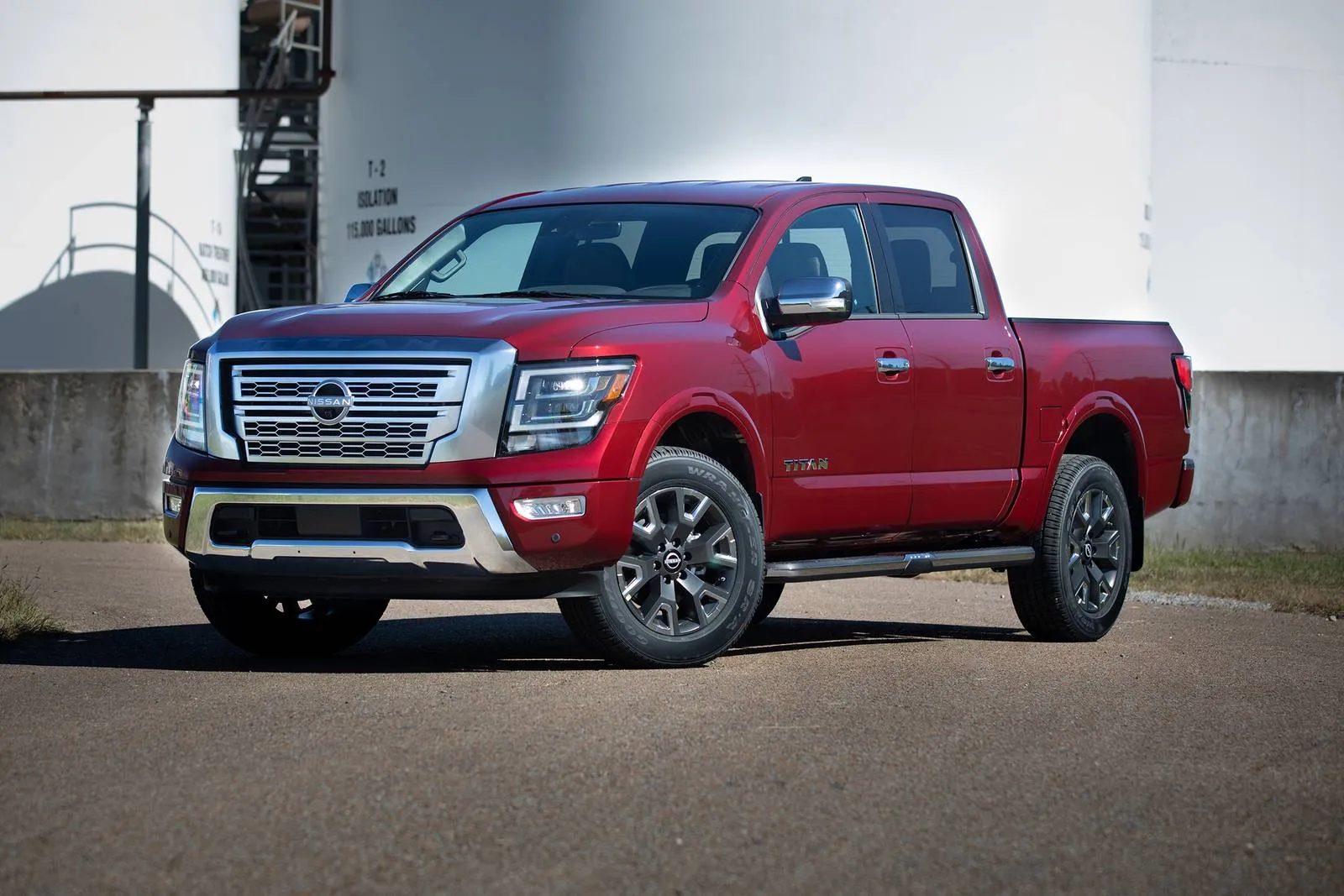
8. Nissan Titan S (2008)
First-generation Titan trucks from the late 2000s had serious frame corrosion problems that damaged Nissan’s full-size truck reputation. That 2008 Titan S used frame coating that failed quickly in salt-using regions. Nissan apparently didn’t test adequately in harsh winter conditions before launching these trucks.
Frame construction created internal spaces where salt and moisture accumulated without drainage. Once corrosion started inside these hidden areas, it progressed rapidly. External rust appeared only after internal damage was already severe, making problems hard to detect until structural integrity was compromised.
Rear suspension mounting points rusted through on many examples, causing dangerous handling problems. Leaf spring mounts would separate from the frame, leaving the axle improperly located. This created immediate safety hazards requiring expensive repairs that many owners couldn’t afford.
Nissan’s response was inadequate, offering limited assistance only after customer complaints and media attention. Many owners ended up paying for repairs themselves or scrapping trucks that were otherwise mechanically sound.
This experience drove customers away from Nissan trucks permanently, damaging sales for years afterward. When manufacturers don’t support products with clear defects, they lose both current and future customers.
