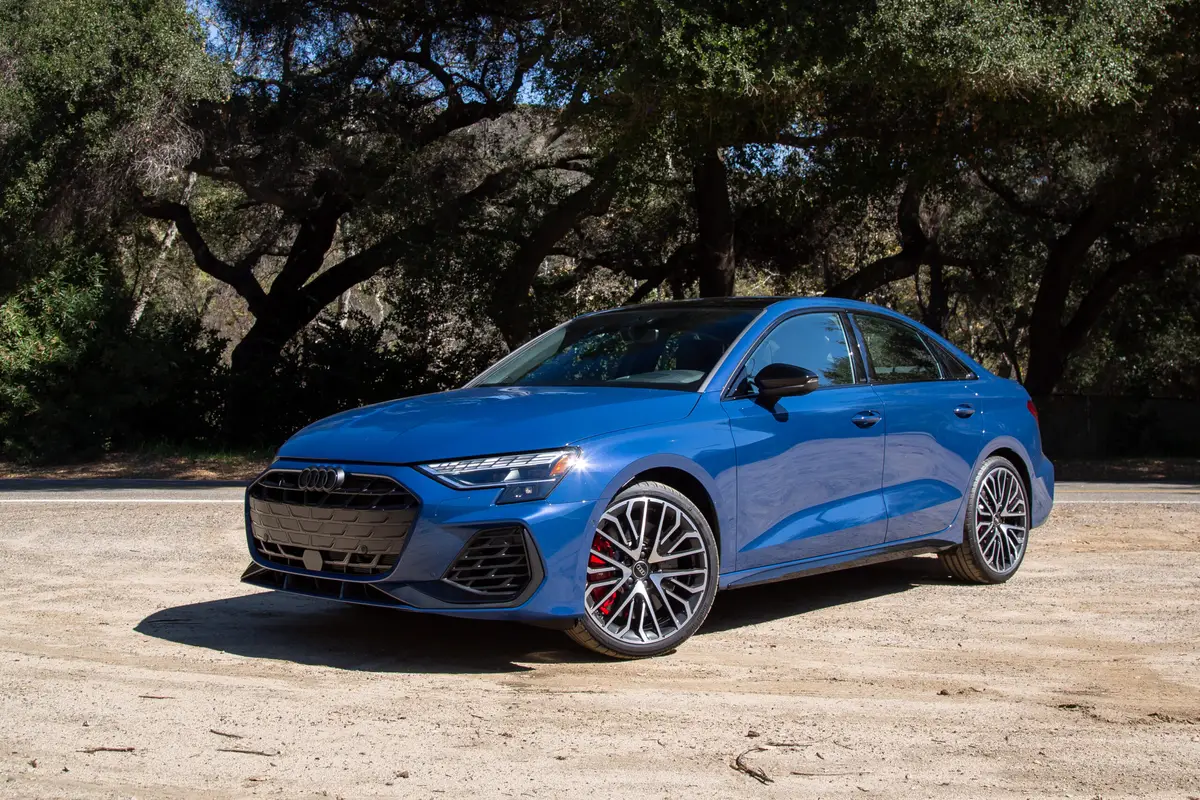
The 2025 hybrid vehicle lineup proves that high fuel efficiency can coexist with comfort, performance, and modern features. These cars combine advanced powertrains with thoughtful interiors, providing smooth acceleration, responsive handling, and practical technology while keeping fuel costs low.
From compact sedans to midsize luxury models, each option delivers a unique blend of efficiency and everyday usability. This roundup highlights nine hybrids that excel in mpg without compromising comfort or style.
Vehicles like the Hyundai Elantra Hybrid and the Lexus ES 300h demonstrate that drivers can enjoy roomy cabins, intuitive technology, and dependable performance while benefiting from exceptional fuel economy. These hybrids offer a compelling choice for anyone seeking a reliable, efficient, and enjoyable driving experience in 2025.
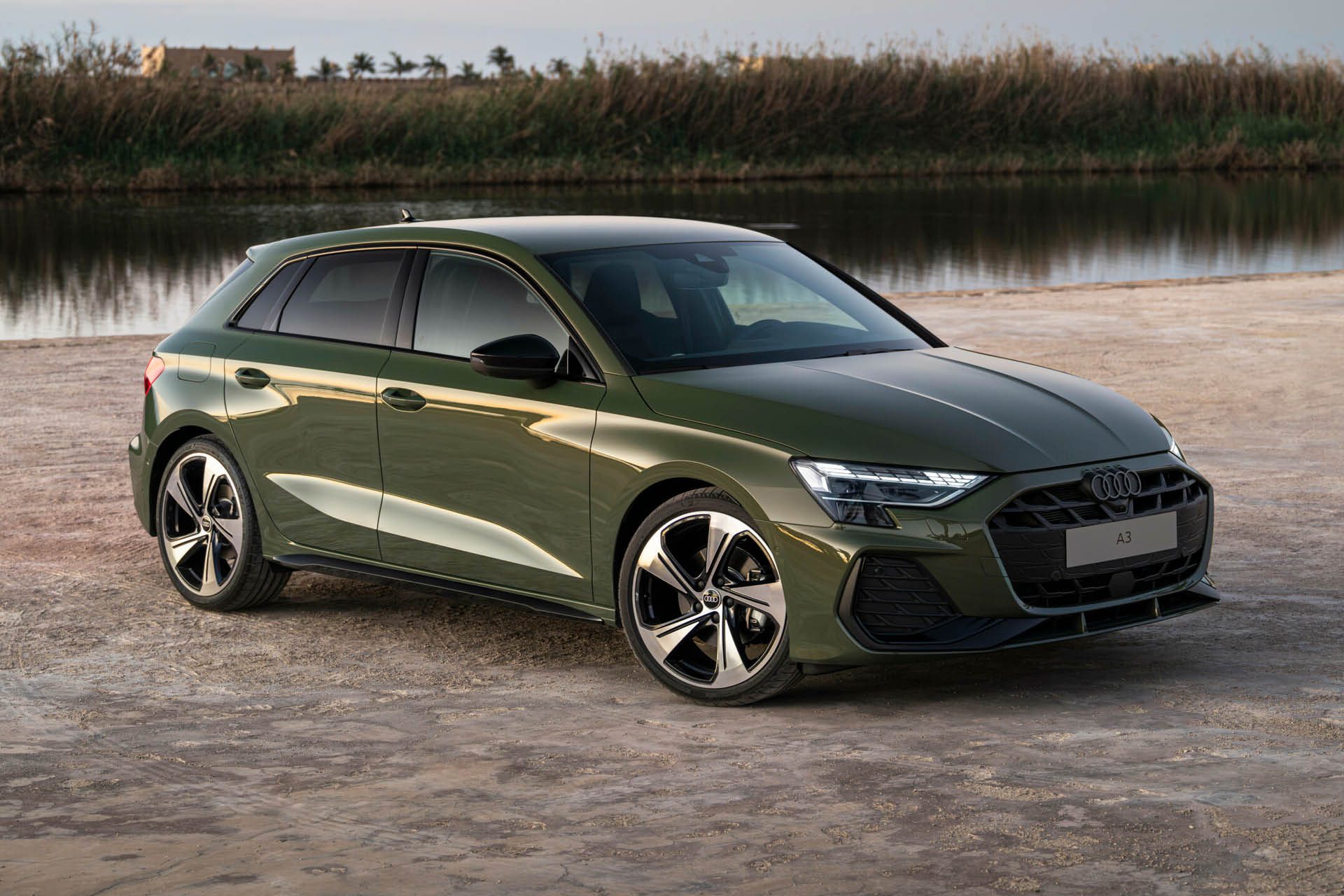
1. 2025 Audi A3: Efficient Luxury in a Compact Package
The 2025 Audi A3 may not be the most powerful or the most efficient hybrid on the market, but it successfully combines German precision, refined comfort, and reasonable efficiency into one of the most approachable entry-level luxury sedans.
With a combined fuel economy of 32 mpg, the A3 earns the distinction of being Audi’s most fuel-efficient model while maintaining the brand’s signature balance of sophistication and performance.
The 2025 Audi A3 is powered by a 2.0-liter turbocharged inline-four mild hybrid engine, producing 201 horsepower and 221 lb-ft of torque. This configuration delivers a good mix of responsiveness and efficiency, though it doesn’t match the power of the S3 or RS 3 variants. The A3 accelerates from 0 to 60 mph in 6.4 seconds, a figure that’s respectable but not class-leading.
The A3’s compact size and light chassis contribute to its agile nature. Its precise steering and nimble handling make city driving and parking simple and enjoyable. The transmission shifts quickly and smoothly, providing seamless power transitions, while the brakes deliver strong stopping performance. The A3 remains a confident and engaging small sedan, reflecting Audi’s commitment to refined dynamics.
The A3’s ride quality leans toward the firm side but maintains a comfortable and compliant feel. The standard heated leather seats provide solid support for both driver and passengers. The rear seats, however, are somewhat flat and better suited for short trips.
Audi’s three-zone climate control system enhances cabin comfort by cooling or heating the interior quickly and evenly. The physical control buttons are conveniently placed, allowing adjustments without distraction. The thoughtful mix of materials and craftsmanship in the cabin reinforces Audi’s reputation for premium interiors.
While the A3 is compact, it makes efficient use of its cabin space. Front passengers enjoy generous seat adjustments and headroom, allowing a comfortable driving position. Rear passengers will find sufficient space for shorter journeys, though legroom is limited compared to larger sedans.
The 10.9-cubic-foot trunk is more spacious than the Mercedes-Benz A-Class’s but smaller than some competitors. Folding rear seats expand the available cargo area, and multiple storage compartments add convenience for everyday use.
The A3 comes equipped with a 10.1-inch touchscreen, wireless Apple CarPlay and Android Auto, and an optional Sonos premium audio system. The navigation system can be projected onto the digital instrument cluster, improving visibility and usability. The infotainment interface is intuitive, though some features are buried deeper within menus.
Advanced safety and driver-assistance technologies, such as adaptive cruise control and blind-spot monitoring, are available but mostly offered as options. When installed, these systems function seamlessly and enhance the sense of security behind the wheel.
The A3’s EPA-estimated 32 mpg combined (29 city / 37 highway) rating makes it Audi’s most fuel-efficient model. Real-world testing has shown it can exceed these figures, particularly on highway routes. Starting at $39,495, the A3 is one of the most accessible luxury sedans in its class. Standard equipment includes leather upholstery, heated seats, and modern infotainment features, contributing to its premium appeal.
Audi supports the A3 with a four-year/50,000-mile warranty and roadside assistance, aligning with class standards. While some rivals include complimentary maintenance, the A3’s craftsmanship, design, and technology give it strong value for the price.
The 2025 Audi A3 blends efficiency, refinement, and technology into an appealing compact luxury package. Its mild-hybrid system enhances fuel economy without sacrificing the engaging drive Audi is known for. For buyers seeking a stylish, efficient, and well-crafted sedan that feels distinctly premium, the A3 remains one of the strongest contenders in its segment.
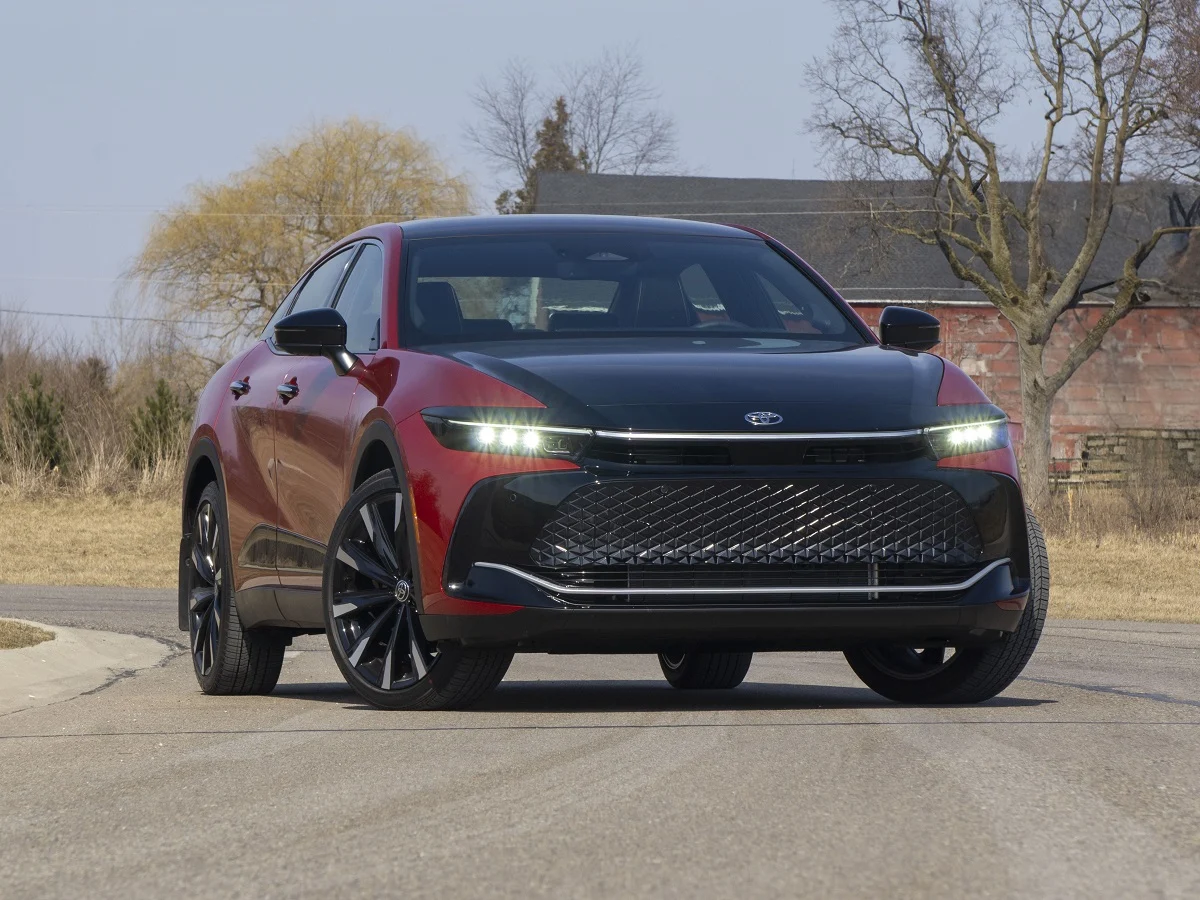
2. 2025 Toyota Crown Hybrid: Efficiency Meets Elevated Comfort
The 2025 Toyota Crown Hybrid redefines what a large sedan can be, merging bold design, advanced hybrid technology, and luxury-oriented comfort. Despite being much larger and heavier than compact hybrids like the Audi A3, the Crown achieves an impressive 41 mpg combined, a testament to Toyota’s hybrid engineering expertise.
As the last hybrid full-size sedan available in the U.S., it fills a unique niche between traditional sedans and crossovers.
The 2025 Toyota Crown Hybrid is powered by a 2.5-liter inline-four engine paired with front and rear electric motors, generating a combined 236 horsepower. This setup provides smooth, efficient performance in the base model.
For those seeking more power, the Hybrid Max variant boosts torque to 400 lb-ft and sprints from 0 to 60 mph in just 6 seconds, though this comes at the cost of fuel economy, dropping to around 30 mpg combined.
On the road, the Crown feels composed and confident. Handling is stable, and steering provides enough feedback to inspire confidence, even on winding roads. The Platinum trim’s adaptive suspension enhances comfort, soaking up rough surfaces in Comfort mode while maintaining body control in Sport mode. While it’s not a sports sedan, the Crown delivers refined performance with a touch of agility.
Visibility is excellent thanks to wide rear glass, door-mounted mirrors, and a camera-based surround-view system that includes an “invisible car” feature for easier parking. Standard Toyota Safety Sense 3.0 further enhances driver confidence with adaptive cruise control, lane tracing assist, and Proactive Driving Assist.
Comfort is a key strength of the Crown. The dual-zone climate control operates through simple rocker switches, keeping the cabin at the perfect temperature with minimal fuss. Ventilated front seats, heated rear seats, and strong cooling capacity make the Crown well-suited for all climates.
Seat comfort is adequate, though not exceptional. The front seats lack the range of adjustments expected at this price, offering only two-way lumbar support instead of four-way. The rear seats provide generous space, but their upright backrest angle limits long-distance comfort. Cabin insulation is excellent, effectively blocking wind and road noise.
Installing child safety seats is convenient, with easily accessible Isofix anchors and a spacious rear bench. The interior, while solidly built, doesn’t fully reflect the Crown’s price point; materials and design lean more toward practicality than premium luxury.
Toyota has equipped the Crown with impressive in-car technology. The 12.3-inch touchscreen is bright, responsive, and runs modern software. Voice recognition feels natural and can handle commands such as adjusting climate settings or navigation. Connectivity is seamless with wireless Apple CarPlay, Android Auto, and multiple USB-C and USB-A ports for both front and rear passengers.
A wireless charging pad is available, though device compatibility may vary. The tech suite feels modern and functional, supporting the Crown’s identity as a comfort-focused yet high-tech sedan.
With 15.2 cubic feet of trunk space, the Crown’s cargo capacity is on par with most midsize sedans. The rear seats fold down, increasing flexibility for larger items. The center console features a dual-hinged lid that opens from either side, a thoughtful touch for accessibility. Storage is adequate, with room for small items, though the glovebox and overhead storage are limited.
The base hybrid powertrain delivers an EPA-estimated 41 mpg combined (42 city / 41 highway), making the Crown one of the most fuel-efficient large cars available. The Hybrid Max variant sacrifices efficiency for performance, returning about 30 mpg combined in testing.
With a starting MSRP of $42,575, the Crown offers strong value considering its technology and standard safety features. However, its interior materials and lack of premium feel may leave some buyers expecting more. Toyota’s three-year/36,000-mile basic warranty, five-year/60,000-mile powertrain coverage, and two years of free maintenance provide additional reassurance.
The 2025 Toyota Crown Hybrid stands out as a unique offering, part sedan, part crossover, and fully hybrid. It blends exceptional fuel economy, confident road manners, and a futuristic design with Toyota’s hallmark reliability.
Though it lacks the luxury polish of European rivals, its comfort, technology, and efficiency make it an appealing choice for drivers seeking a sophisticated and eco-friendly large sedan with a distinctive edge.
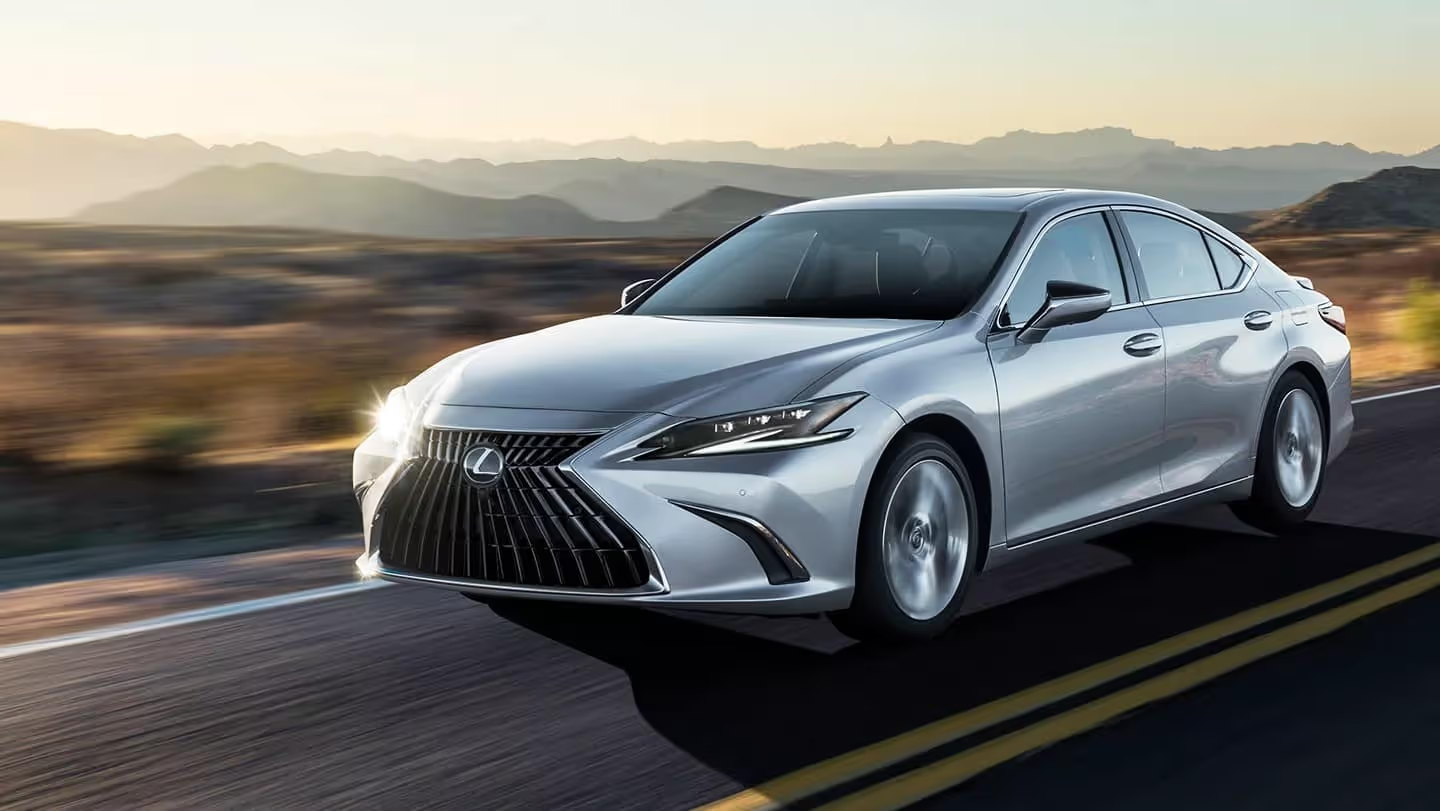
3. 2025 Lexus ES 300h: Serenity, Efficiency, and Subtle Sophistication
The 2025 Lexus ES 300h stands as a benchmark for quiet, refined, and fuel-efficient luxury. With its elegant design, serene ride quality, and impressive 44 mpg combined, the ES 300h exemplifies the ideal of effortless comfort over excitement.
Priced from $44,615, it delivers a polished experience and premium features that rival far more expensive sedans. While not a thrilling performer, the ES 300h rewards its driver with peace, poise, and value.
The ES 300h pairs a 2.5-liter four-cylinder engine with an electric motor, producing a combined 215 horsepower and 163 lb-ft of torque. The hybrid system focuses on smoothness and efficiency rather than speed, and acceleration feels adequate for daily driving. Steering is light but precise, allowing for relaxed handling, while the suspension effortlessly absorbs road imperfections.
Though the ES 300h lacks the athleticism of sportier rivals, it maintains excellent composure around curves and provides a secure, confidence-inspiring ride. Its seamless power delivery and quiet operation make it ideal for city commutes and highway cruising.
Advanced driver aids such as adaptive cruise control, lane-keeping assist, and blind-spot monitoring work intuitively to reduce driving fatigue. The ES encourages a calm, unhurried pace perfect for those who prioritize tranquility over thrills.
Comfort has always been the Lexus ES’s strongest trait, and the 2025 model continues that legacy. The cabin is whisper-quiet, with outstanding insulation from wind, road, and engine noise.
Even at highway speeds, the ES remains hushed and composed. The front seats are supportive and firm, offering easy ingress and egress without excessive bolstering. In the F Sport trim, seats add subtle sportiness while retaining plush materials.
Rear passengers enjoy ample legroom and a wide, comfortable bench, though the seatback angle feels slightly upright. Both rows are designed for long-distance comfort, making the ES one of the most relaxing sedans in its class.
Minor wind noise at higher speeds is noticeable only because of how well other sounds are suppressed. For many, the ES’s serene and isolated cabin experience rivals that of much larger and pricier luxury sedans.
The 12.3-inch infotainment display, available on higher trims, is responsive and easy to use, even if its graphics appear understated. Voice commands handle a range of functions from navigation to climate control, while wireless Apple CarPlay and Android Auto come standard. Physical controls remain intuitive, giving the ES a user-friendly edge over fully touch-based systems.
Interior craftsmanship reflects Lexus’s meticulous attention to detail. High-quality materials, soft-touch surfaces, and precise stitching give the cabin a premium atmosphere. Every switch and button feels substantial, reinforcing the car’s solid build quality and sense of refinement.
The 13.9-cubic-foot trunk provides sufficient space for luggage or golf clubs, although the rear seats do not fold down, limiting versatility for longer items. Storage for small belongings is functional, with cupholders and center-console bins designed for convenience, though the door pockets are relatively narrow. Despite these minor shortcomings, practicality remains acceptable for a midsize luxury sedan focused on comfort.
Fuel efficiency is a key highlight. The ES 300h achieves 43 mpg city, 44 mpg highway, and 44 mpg combined, making it one of the most efficient luxury sedans on the market. This exceptional economy, paired with Lexus’s reliability and low ownership costs, enhances its long-term appeal.
At $44,615, the ES 300h offers remarkable value considering its refinement, efficiency, and craftsmanship. Its three-year/36,000-mile basic and five-year/60,000-mile powertrain warranties align with industry standards, but Lexus’s reputation for durability and dealership experience elevates the ownership experience beyond most competitors.
The 2025 Lexus ES 300h may not quicken the pulse, but it soothes the senses like few other cars can. Its serene cabin, exceptional fuel economy, and impeccable build quality make it a standout choice for buyers seeking quiet luxury at a reasonable price. It is not the most exciting car to drive, yet its refinement and value make it one of the most satisfying and effortless sedans available today.
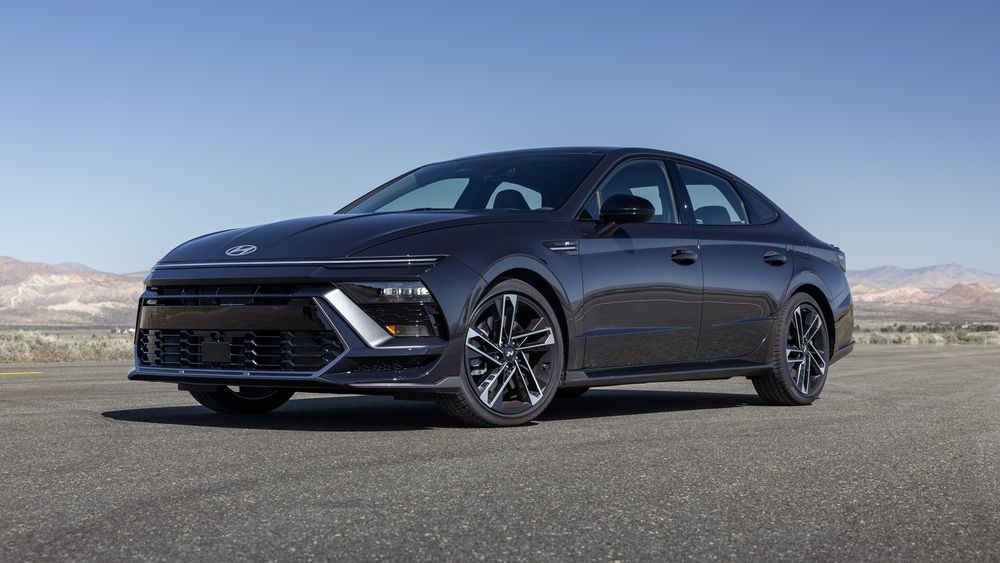
4. 2025 Hyundai Sonata Hybrid: Style, Comfort, and Impressive Efficiency
The 2025 Hyundai Sonata Hybrid continues to solidify its place as one of the most efficient and comfortable midsize sedans available. Delivering 47 mpg combined, it blends futuristic design, advanced technology, and practical comfort into an appealing and affordable package.
With a starting price of $32,345, the Sonata Hybrid offers excellent fuel economy and generous standard features, even if it does not quite match rivals for driving excitement or rear-seat space.
The Sonata Hybrid’s powertrain pairs a 2.0-liter four-cylinder engine with an electric motor, generating a combined 192 horsepower and 139 lb-ft of torque from the gas engine alone. It accelerates from 0 to 60 mph in 8.3 seconds, slower than hybrid rivals like the Toyota Camry and Honda Accord. Around town, however, the Sonata feels lively thanks to instant electric torque, although highway passing requires planning.
The hybrid’s smooth and composed ride is one of its biggest strengths. The suspension provides excellent damping, absorbing bumps without being too soft. Steering is light and accurate, although feedback feels artificial, and grip levels are modest. The Sonata Hybrid prefers calm cruising to spirited cornering, making it ideal for commuters who value comfort and quietness over sportiness.
Driver-assistance features are comprehensive and effective. Standard aids include lane-keeping assist, adaptive cruise control, blind-spot monitoring, and Hyundai’s clever side-view camera system that activates when signaling a lane change. Visibility is decent, although the sloping roof and thick rear pillars slightly hinder rearward views.
Comfort is a key highlight of the Sonata Hybrid. The front seats offer generous space and a wide range of adjustments, although the padding feels a bit firm during long drives. Rear seats are cushy and supportive on the sides but less comfortable in the center position. Rear legroom is plentiful, and the cabin layout makes it easy to find an ideal driving position.
Climate control performance is excellent, with a powerful automatic system that cools and heats the cabin quickly. Road and wind noise are higher than class leaders but remain unobtrusive. Engine noise becomes noticeable during hard acceleration, although the hybrid system is mostly quiet in typical driving conditions.
Child-seat installation is straightforward thanks to well-marked LATCH anchors, although the upper tether points can be slightly awkward to access.
The Sonata Hybrid is one of the most tech-forward sedans in its class. Its large infotainment screen is responsive and easy to navigate and comes with wireless Apple CarPlay and Android Auto. Voice recognition supports natural commands for navigation, audio, and climate controls. The system’s graphics are sharp, and the available surround-view camera adds confidence when parking.
Three USB-C ports and a wireless charging pad provide convenience, although some competitors offer more charging options. The digital instrument display and intuitive control layout enhance the cabin’s modern and driver-friendly atmosphere.
With 16 cubic feet of trunk space, the Sonata Hybrid slots between the Camry and Accord hybrids in cargo capacity. The wide trunk opening and folding rear seats improve practicality for larger items. The cabin also offers ample storage, including a deep center console bin, large cupholders, and several smaller compartments for devices and accessories.
The EPA-estimated 47 mpg combined (44 city / 51 highway) puts the Sonata Hybrid among the most efficient sedans on the market. In real-world testing, it exceeded expectations, achieving over 51 mpg on mixed routes, which demonstrates Hyundai’s refinement in hybrid tuning.
Value remains a defining trait. With a five-year/60,000-mile bumper-to-bumper warranty and a 10-year/100,000-mile powertrain warranty, Hyundai provides some of the best coverage in the industry. Build quality is solid, although some interior plastics and color choices detract slightly from the upscale feel found in competitors like Honda and Toyota.
The 2025 Hyundai Sonata Hybrid stands out with its bold design, exceptional efficiency, and strong value proposition. While it lacks the dynamic engagement of some rivals, its plush ride, user-friendly tech, and futuristic styling make it a compelling choice for drivers seeking a comfortable and efficient daily commuter.
For those prioritizing fuel savings and modern design over sporty handling, the Sonata Hybrid remains one of the most well-rounded sedans in its segment.
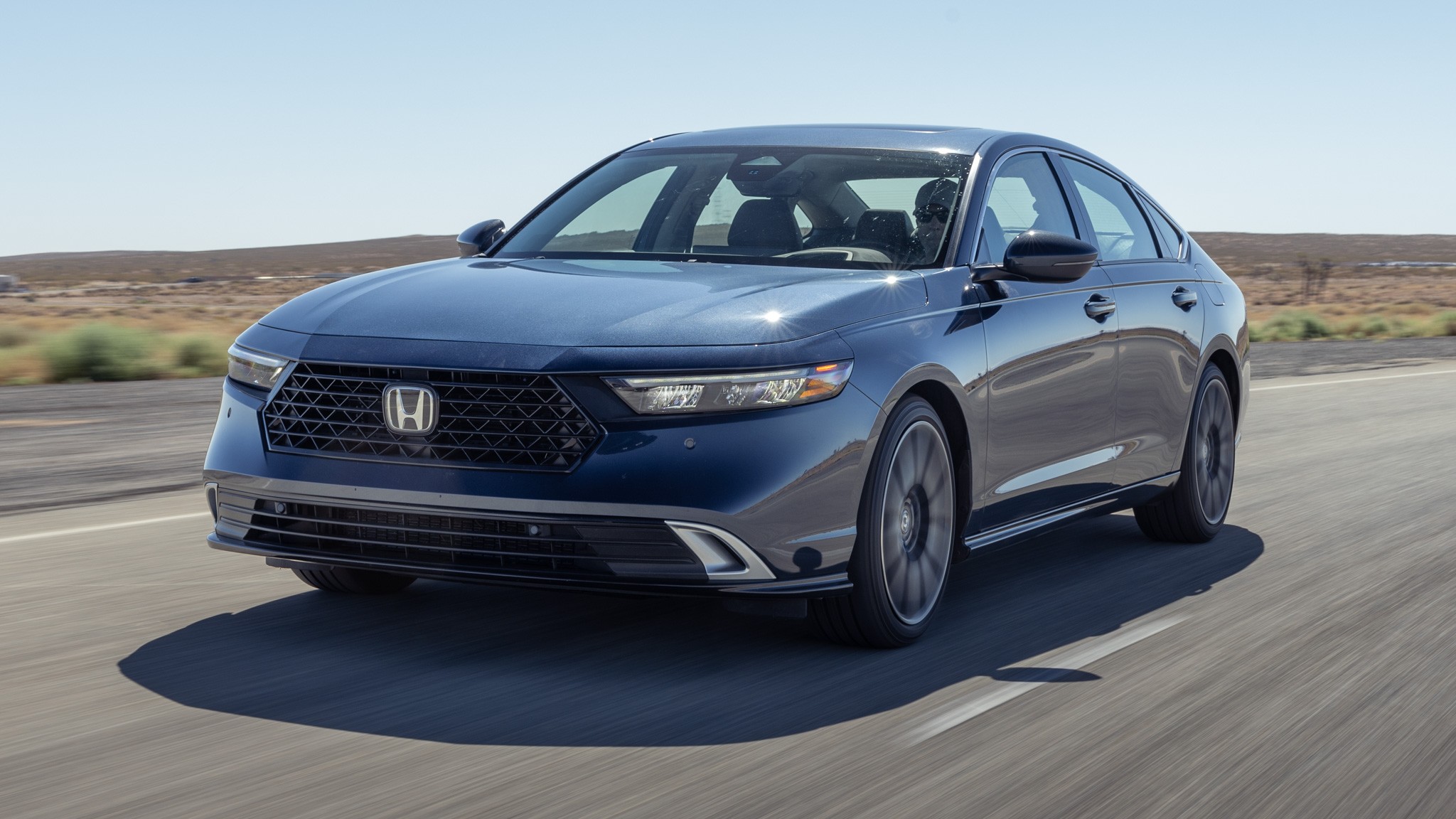
5. 2025 Honda Accord Hybrid: Performance Meets Exceptional Efficiency
The 2025 Honda Accord Hybrid combines fuel efficiency, refined comfort, and strong performance to create one of the most compelling midsize hybrid sedans on the market.
With an EPA-estimated 48 mpg combined (51 city / 44 highway), the Accord Hybrid edges out competitors such as the Hyundai Sonata Hybrid while offering more power and quicker acceleration. Starting at $34,805, it sits at the higher end of the midsize hybrid segment but delivers a balanced mix of efficiency, technology, and interior space.
The Accord Hybrid is powered by a 2.0-liter Atkinson-cycle inline-four engine paired with two electric motors, producing a combined 204 horsepower and 247 lb-ft of torque.
This setup provides quick acceleration for a hybrid, with a tested 0 to 60 mph time of 7 seconds, faster than most rivals. The continuously variable transmission is calibrated to mimic a traditional automatic, making power delivery smooth and predictable.
Handling is composed, with the Accord offering good grip and responsive steering, although some drivers may find the steering slightly numb compared with sportier competitors. Despite its larger size compared with previous generations, the Accord retains a comfortable and stable ride.
Larger 19-inch wheels on the Sport-L trim still absorb bumps well, while smaller wheels on lower trims enhance ride comfort further. Visibility is excellent thanks to thin windshield pillars and a large rear window, giving drivers confidence on highways and in city traffic.
The Honda Sensing suite of safety and driver-assist features comes standard, including adaptive cruise control, lane-keeping assist, and collision mitigation. The systems generally work well, although lane-keeping can feel intrusive at times. Adaptive cruise control is easily activated with a single button on the steering wheel.
The Accord Hybrid is spacious and comfortable. Front passengers benefit from generous legroom and adjustable seating, although the driver’s seat could use more padding for long drives. Rear passengers enjoy a wide bench with ample legroom, although taller passengers may need to duck slightly under the sloping roofline. Large door openings make ingress and egress simple for all occupants.
The interior design is straightforward and functional, featuring a simple center stack with large buttons and knobs for climate and audio controls. Cabin insulation is strong, minimizing road and wind noise, while the hybrid system keeps engine noise low under normal driving conditions. LATCH anchors for car seats are easy to access and well-marked, making the Accord family-friendly.
Higher trims of the Accord Hybrid include a 12.3-inch touchscreen, wireless Apple CarPlay and Android Auto, and optional Google voice assistant integration on the Touring trim. The system is sharp, responsive, and user-friendly, although some tech features are restricted to the highest trim, which may frustrate buyers of lower-cost models.
The Accord Hybrid provides 16.7 cubic feet of trunk space, making it one of the roomiest sedans in its class. Long items such as golf bags fit comfortably. The cabin also includes generous storage with a deep center console and multiple cupholders capable of accommodating large bottles. Rear seats do not fold flat, but the pass-through and wide trunk opening offer adequate versatility.
The EPA-estimated 48 mpg combined makes the Accord Hybrid one of the most efficient vehicles in its segment, particularly given its performance capabilities. Honda’s three-year/36,000-mile basic warranty and five-year/60,000-mile powertrain coverage provide standard coverage, with roadside assistance included for the life of the basic warranty.
Although the Accord is more expensive than some rivals and certain features are reserved for top trims, its combination of efficiency, performance, and interior space offers excellent value for buyers seeking a well-rounded midsize hybrid.
The 2025 Honda Accord Hybrid balances quickness, fuel efficiency, and comfort better than most competitors. It is not the least expensive option in its class, and some tech features are limited to premium trims, but the car’s refined interior, stable handling, and generous space make it a top contender for buyers looking for a practical yet engaging hybrid sedan.
Also Read: 5 Cars That Stay Desirable for Enthusiasts vs 5 That Don’t
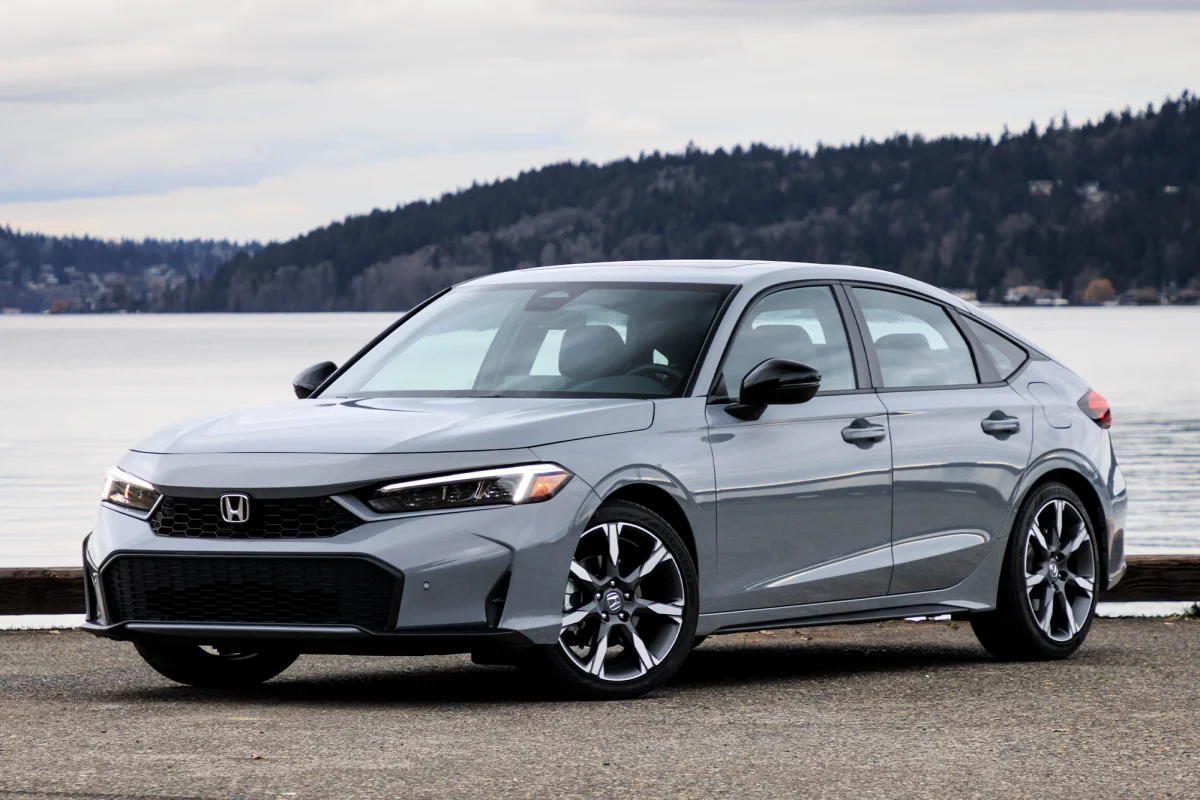
6. 2025 Honda Civic Hybrid: Efficiency Meets Sporty Practicality
The 2025 Honda Civic Hybrid combines exceptional fuel efficiency, engaging performance, and a refined interior into one of the most appealing compact hybrids on the market.
With 49 mpg combined (50 city / 47 highway) and a starting price of $30,100, the Civic Hybrid blends practicality with driving enjoyment. It offers more torque and liveliness than many rivals while maintaining the comfort and technology expected in a modern compact car.
The Civic Hybrid is powered by a 2.0-liter Atkinson-cycle inline-four engine paired with two electric motors, producing a combined 200 horsepower and 232 lb-ft of torque. Acceleration is lively, with a tested 0 to 60 mph time of 6.6 seconds, making it quicker than most small sedans and even faster than the sporty Civic Si.
Handling is a strong suit for the Civic Hybrid. The suspension strikes a taut yet balanced compromise, providing sharper cornering than many compact hybrids while remaining comfortable on uneven roads. Steering is precise and responsive, contributing to a more engaging driving experience than most competitors.
Visibility is aided by narrow front pillars and door-mounted mirrors, though the sloping roofline requires extra attention over the shoulders. Honda includes a set of standard driver-assist features such as adaptive cruise control, lane-keeping assist, and a rearview camera, which perform consistently and enhance confidence on the road.
The Civic Hybrid’s cabin is attractive and thoughtfully designed. Front seats are comfortable for occupants of varying heights, and rear passengers have ample legroom, though headroom can be limited by the sloping roofline. Road and wind noise are controlled effectively, contributing to a refined in-cabin experience compared to many small hybrids.
Climate controls are simple and intuitive, allowing adjustments without distraction. Air distribution is even, though the absence of rear air vents is a minor inconvenience. Interior materials feel solid and well put together, reflecting Honda’s attention to build quality. Child-seat installation is straightforward thanks to easy-to-access LATCH anchors.
Technology in the Civic Hybrid is functional and user-friendly. The base models feature a 7-inch touchscreen, while the top Sport Touring trim offers a 9-inch touchscreen with Google Built-In software, wireless Apple CarPlay, and Android Auto.
The larger screen also integrates a Bose audio system, making the top trim a more premium experience. Menu systems are logical and intuitive, and voice controls respond reliably to commands.
The Civic Hybrid sedan provides 14.8 cubic feet of trunk space, unaffected by the hybrid battery and motors. Small-item storage is ample, including a large center armrest with a removable tray. The hatchback variant expands cargo capacity to 24.5 cubic feet and features fold-flat rear seats for carrying longer items, giving it an edge over rivals like the Toyota Prius.
Fuel efficiency is a standout feature, with the Civic Hybrid achieving 49 mpg combined, easily attainable in real-world driving. While slightly higher-priced than the Hyundai Elantra and Toyota Corolla hybrids, the Civic justifies the cost with stronger performance, better interior quality, and thoughtful features.
Warranty coverage includes three years/36,000 miles basic and five years/60,000 miles powertrain, which is standard for the class.
The 2025 Honda Civic Hybrid is a versatile and engaging compact car. It delivers excellent fuel economy, strong acceleration, and a refined interior, making it a standout daily driver. With sporty yet comfortable driving manners and a well-designed cabin, the Civic Hybrid proves that a hybrid can be efficient without sacrificing fun or style.
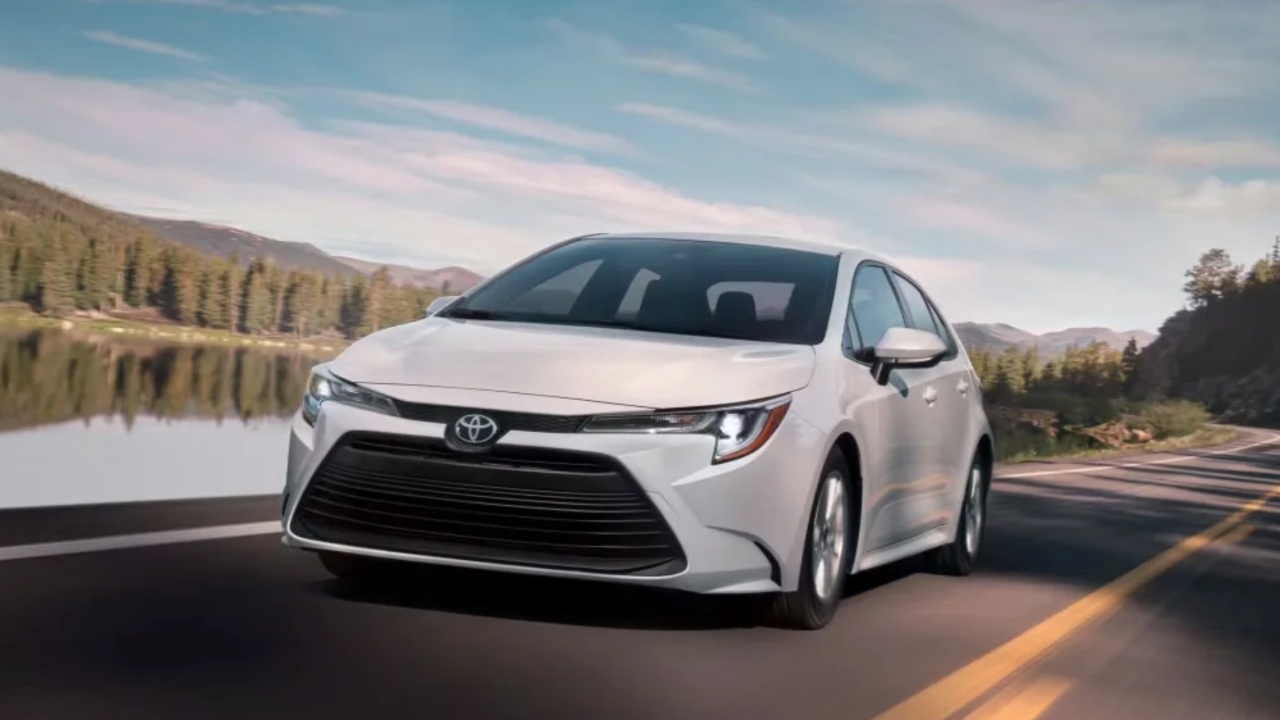
7. 2025 Toyota Corolla Hybrid: Affordable Efficiency with Practical Comfort
The 2025 Toyota Corolla Hybrid stands out as one of the most affordable hybrid vehicles available, offering up to 50 mpg combined while maintaining a comfortable ride and accessible price point.
Starting at $24,960, the Corolla Hybrid is an economical choice for drivers seeking a reliable, fuel-efficient compact sedan, especially with all-wheel-drive capability. While not the quickest car in its class, it balances efficiency, practicality, and comfort for everyday driving.
The Corolla Hybrid is powered by a 1.8-liter inline-four engine paired with two electric motors, producing a combined 138 horsepower and 105 lb-ft of torque from the gasoline engine. Acceleration is leisurely, with a 0 to 60 mph time of 9.6 seconds, and the hybrid feels underpowered on highways or when climbing steep inclines.
Handling is stable and confidence-inspiring, though the car is not tuned for sporty driving. Steering is precise and naturally weighted, making navigation through city streets and tight corners easy. The suspension delivers a comfortable, settled ride, absorbing bumps and imperfections without drama, while the brake pedal requires a learning curve due to its soft feel and long travel.
Visibility is excellent thanks to thoughtfully placed mirrors and narrow pillars, and the Corolla’s suite of driver-assistance features, including lane-keeping assist and blind-spot monitoring, work reliably, although some alerts are purely visual.
The Corolla Hybrid provides a comfortable cabin with well-contoured front and rear seats. Front occupants enjoy generous space and ease of adjustment, while rear passengers face limited headroom and legroom, and the small door openings make entry and exit less convenient. Engine noise is minimal during cruising but becomes intrusive under hard acceleration, and wind noise is noticeable but tolerable.
Climate control is straightforward, although features like dual-zone control, rear vents, and seat ventilation are unavailable. Standard controls are easy to use, but some vehicle settings are buried in touchscreen menus or accessed via the gauge cluster, making adjustments less intuitive while driving. Child-seat installation is possible but can be cumbersome due to limited space and fixed headrests.
The Corolla Hybrid features an 8-inch touchscreen with sharp graphics and a modern interface, though responsiveness can lag, especially when using navigation or voice commands. Integration with vehicle systems such as climate control and driver aids is limited. Toyota offers app-based features like remote start and phone-as-key, but these require a subscription and are less convenient than direct controls.
Cargo space is adequate but limited. The trunk offers 13.1 cubic feet, smaller than some hybrid competitors, and the opening is narrow, making it challenging to fit long or bulky items. Interior storage is minimal, with small door pockets and a shallow center console. Rear seats fold for added flexibility, but the releases are awkwardly placed.
Fuel efficiency ranges from 50 mpg combined for the standard model to 44 mpg combined for the AWD SE trim. Real-world testing produced just over 41 mpg, reflecting the extra workload on the gas engine during highway and hill driving.
The Corolla Hybrid’s pricing, starting below $25,000, makes it one of the cheapest hybrid options, and Toyota provides an eight-year/100,000-mile warranty on hybrid components and two years/25,000 miles of free maintenance.
The 2025 Toyota Corolla Hybrid excels as an economy-focused compact hybrid, offering strong fuel efficiency, comfortable ride quality, and reliable handling. While performance and interior space fall short of some rivals, its affordability, practical comfort, and Toyota’s reputation for reliability make it a compelling choice for cost-conscious drivers seeking a simple, efficient, and dependable hybrid sedan.
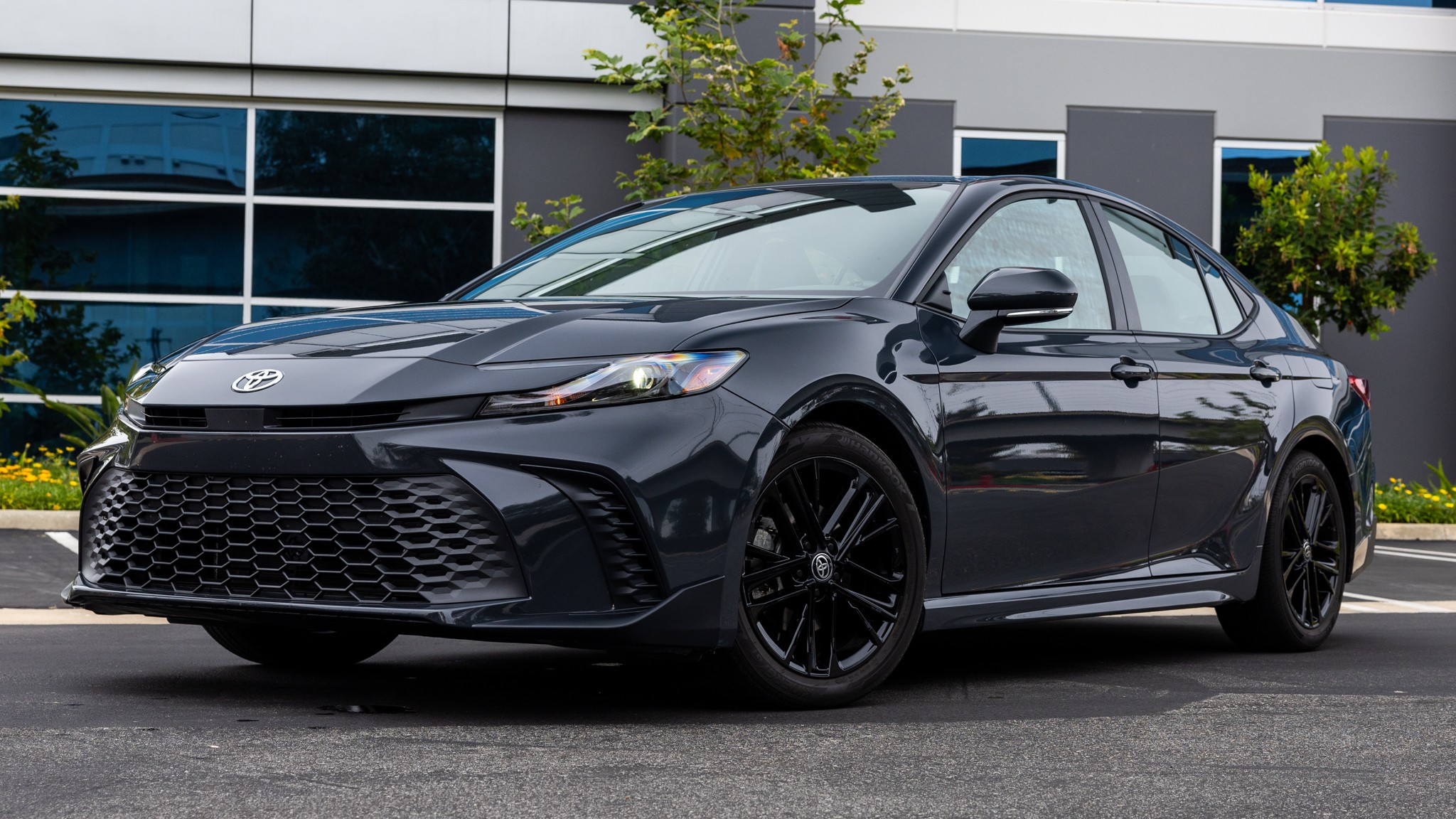
8. 2025 Toyota Camry HEV FWD: Efficient Midsize Sedan with Practical Comfort
The 2025 Toyota Camry HEV stands out as one of the most fuel-efficient midsize sedans on the market, achieving 51 mpg combined for the front-wheel-drive LE model. Starting at $29,835, it combines affordability, spaciousness, and Toyota’s well-regarded hybrid technology. Its strong value proposition comes from high fuel efficiency, a roomy interior, and a suite of standard safety features, all delivered at a price under $30,000.
The Camry HEV uses a 2.5-liter inline-four engine paired with two electric motors in the front-wheel-drive model, producing 225 horsepower. All-wheel-drive versions add a third motor for the rear axle, increasing output to 232 horsepower. Both configurations use a continuously variable transmission (CVT), tuned for smoothness and efficiency.
Acceleration is responsive around town thanks to the electric motors’ instant torque, but even with 225 horsepower, the hybrid cannot match the older V-6 Camry’s straight-line performance.
In testing, an XSE AWD reached 60 mph in 6.8 seconds, faster than the previous hybrid model but slightly behind competitors like the Honda Accord Hybrid. Steering lacks feedback, though suspension tuning in SE and XSE trims improves cornering stability.
Fuel economy is exceptional for a midsize sedan. The LE FWD achieves 53 mpg city and 50 mpg highway, while AWD trims reduce efficiency by about 5 mpg. Real-world testing confirms the EPA estimates, with top-trim XSE AWD models returning around 43 mpg on the highway.
The Camry HEV offers a spacious cabin with comfortable seating for front and rear passengers. Standard cloth upholstery, dual-zone climate control, and rear air vents provide a practical and comfortable experience. Higher trims add leather seats, heated seats, ambient lighting, and adjustable rear headrests for enhanced luxury. Acoustic-laminated glass and a heated steering wheel further improve comfort in top trims.
The dashboard features a clean layout with a long trim piece connecting the passenger side to the infotainment display. Storage is sufficient for a midsize sedan, with thoughtful placement of cupholders and compartments.
The Camry HEV comes standard with an 8-inch touchscreen, with a 12.3-inch option on SE, XLE, and XSE trims. The interface is intuitive and responsive, offering wireless Apple CarPlay and Android Auto across all trims. Top trims also feature a fully digital 12.3-inch gauge cluster and an optional nine-speaker JBL audio system.
Toyota includes a comprehensive safety suite on all Camry Hybrids. Standard features include automated emergency braking with pedestrian and cyclist detection, adaptive cruise control with lane-centering, lane-keeping assist, and high-beam assist. The Camry also incorporates curve-prep braking, which gently applies the brakes when approaching curves for enhanced control.
Toyota provides standard coverage with three years/36,000 miles basic, five years/60,000 miles powertrain, and ten years/150,000 miles for hybrid components. Complimentary scheduled maintenance is included for two years/25,000 miles, offering solid peace of mind compared to competitors.
The 2025 Toyota Camry HEV is a practical, fuel-efficient, and spacious midsize hybrid. It delivers strong value through high mpg ratings, a comfortable and roomy cabin, intuitive technology, and a robust suite of safety features. While not the most thrilling to drive and less stylish than some rivals, it is an ideal choice for drivers seeking efficiency, reliability, and everyday practicality.
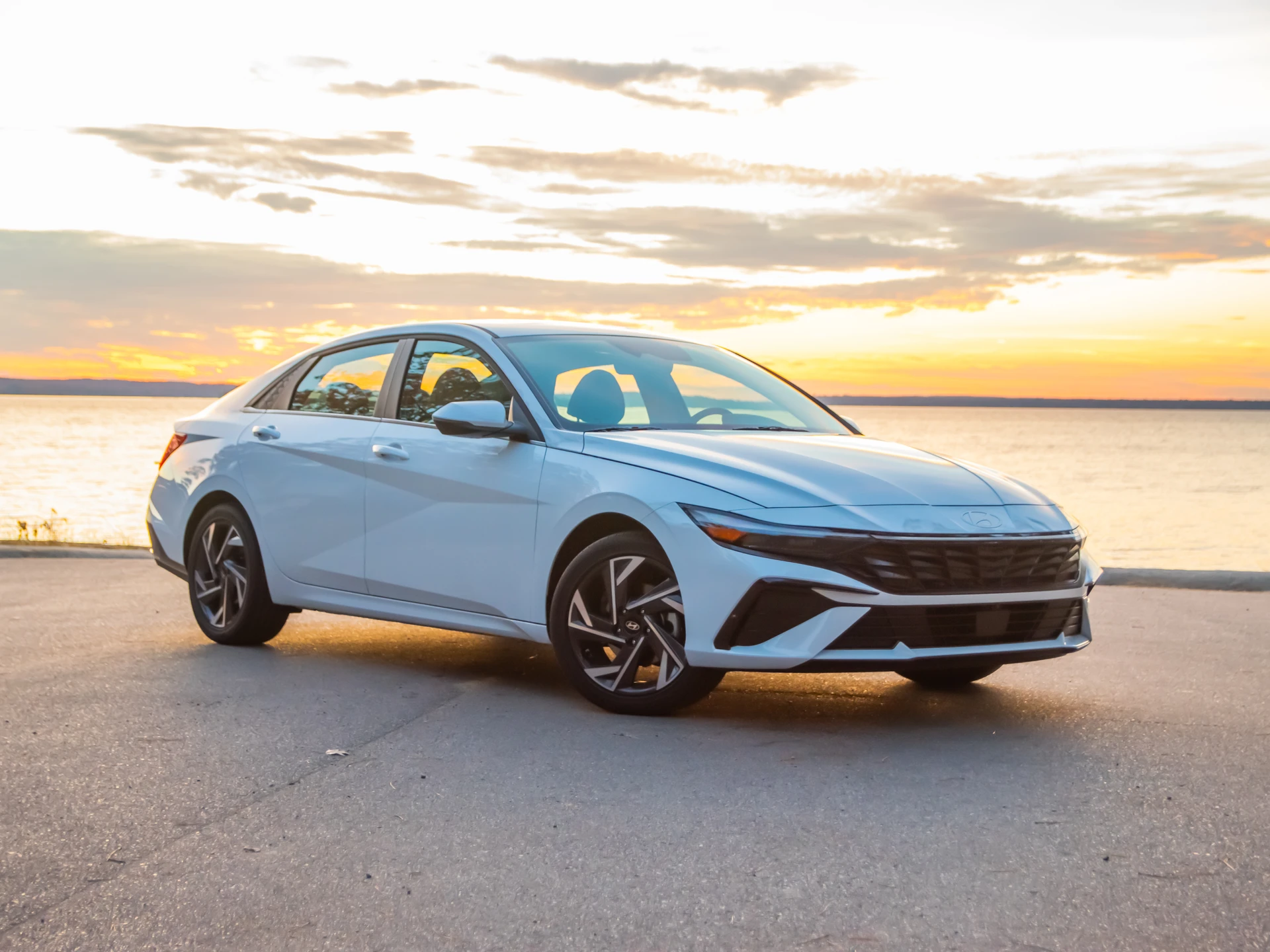
9. 2025 Hyundai Elantra Hybrid: Affordable and Highly Efficient Compact Sedan
The 2025 Hyundai Elantra Hybrid is one of the most fuel-efficient compact hybrids on the market, achieving 54 mpg combined. With a starting price of $26,545, it offers a compelling balance of efficiency, comfort, and technology.
For drivers seeking a practical daily driver without sacrificing style or features, the Elantra Hybrid is an appealing option. While the base trim lacks some desirable upgrades, the higher trims justify the slightly higher price with enhanced comfort and tech.
The Elantra Hybrid uses a 1.6-liter Atkinson-cycle I-4 engine paired with an electric motor, delivering 139 horsepower and 195 lb-ft of torque. Acceleration is adequate for a compact hybrid, with 0-60 mph achieved in 9.0 seconds. While not blisteringly fast, it is quicker than the standard Elantra, providing a slightly livelier driving experience without compromising fuel efficiency.
The CVT transmission shifts smoothly, and the electric motors add extra pep during city driving. The car feels composed over smooth and broken roads, though it can jostle over rougher surfaces. Steering is precise but light, giving confidence in urban and suburban driving scenarios.
Emergency braking performance is average, requiring 120 feet to stop from 60 mph. The hybrid’s driver-assistance systems, including adaptive cruise control and blind-spot monitoring, work reliably, adding convenience and safety.
Inside, the Elantra Hybrid shares the same cabin as the standard Elantra, blending pros and cons. The front seats are supportive and adjustable, while the rear bench is flat and slightly cramped for taller passengers. The sedan accommodates two LATCH anchors and three top tethers, though installation of car seats can be tight.
The cabin is functional with a mix of physical buttons, knobs, and switches, which enhances usability compared to fully digital setups in other vehicles. Ride comfort is generally smooth, with the suspension absorbing minor bumps. However, road and wind noise are noticeable, reflecting less sound insulation than in some rivals.
The Elantra Hybrid comes with standard 8-inch touchscreen infotainment with wireless Apple CarPlay and Android Auto. A larger 10.25-inch screen is available but requires wired smartphone integration. The digital instrument cluster is intuitive, and an available Bose audio system enhances cabin sound quality. Hyundai also offers a digital key feature, allowing the driver to lock and unlock the car using a smartphone, a rare feature in the segment.
The 14.2-cubic-foot trunk is slightly above average for the class, and the rear seats fold flat using convenient remote-release latches in the trunk. Interior storage is adequate with standard cupholders and cubbies, though nothing is particularly generous or innovative.
The Elantra Hybrid excels in value, pairing competitive pricing with a 5-year/60,000-mile limited warranty and 10-year/100,000-mile powertrain coverage. EPA ratings range from 50-54 mpg combined, depending on the trim, and real-world testing observed 55 mpg, placing it among the most efficient hybrids alongside the Toyota Corolla and Prius.
While the Elantra Hybrid is not particularly thrilling to drive, it impresses with sharp styling, bright displays, and practical daily usability. It is ideal for buyers who prioritize efficiency, comfort, and technology, making it a standout choice in the compact hybrid segment.
The 2025 hybrid models prove that fuel efficiency does not require sacrificing comfort or capability. From budget-friendly options like the Toyota Corolla Hybrid to premium sedans such as the Lexus ES 300h, these nine vehicles deliver high mpg alongside smooth driving, practical interiors, and modern features.
Each model provides a thoughtful balance of performance, technology, and comfort, making them ideal for both city commutes and longer drives. These hybrids show that drivers can reduce fuel consumption without giving up style, convenience, or driving satisfaction, offering strong choices for a wide range of needs and preferences.