The automotive world is changing fast, and families are now at the center of that transformation. Electric SUVs have evolved from niche experiments into practical, comfortable, and capable vehicles that fit seamlessly into everyday life.
The days of worrying about range, charging, or performance are fading, replaced by a new generation of family-focused EVs that blend innovation with usability. Today’s electric SUVs offer roomy interiors, generous cargo space, smart technology, and enough driving range to handle everything from school runs to weekend road trips.
Automakers such as Ford, Hyundai, Kia, Tesla, and Skoda are proving that going electric no longer means compromise. Whether you want sleek styling, cutting-edge tech, or dependable affordability, there’s now an electric SUV designed to meet every family’s needs. Here are ten of the best models that make switching to electric power not just sensible but genuinely exciting for families.
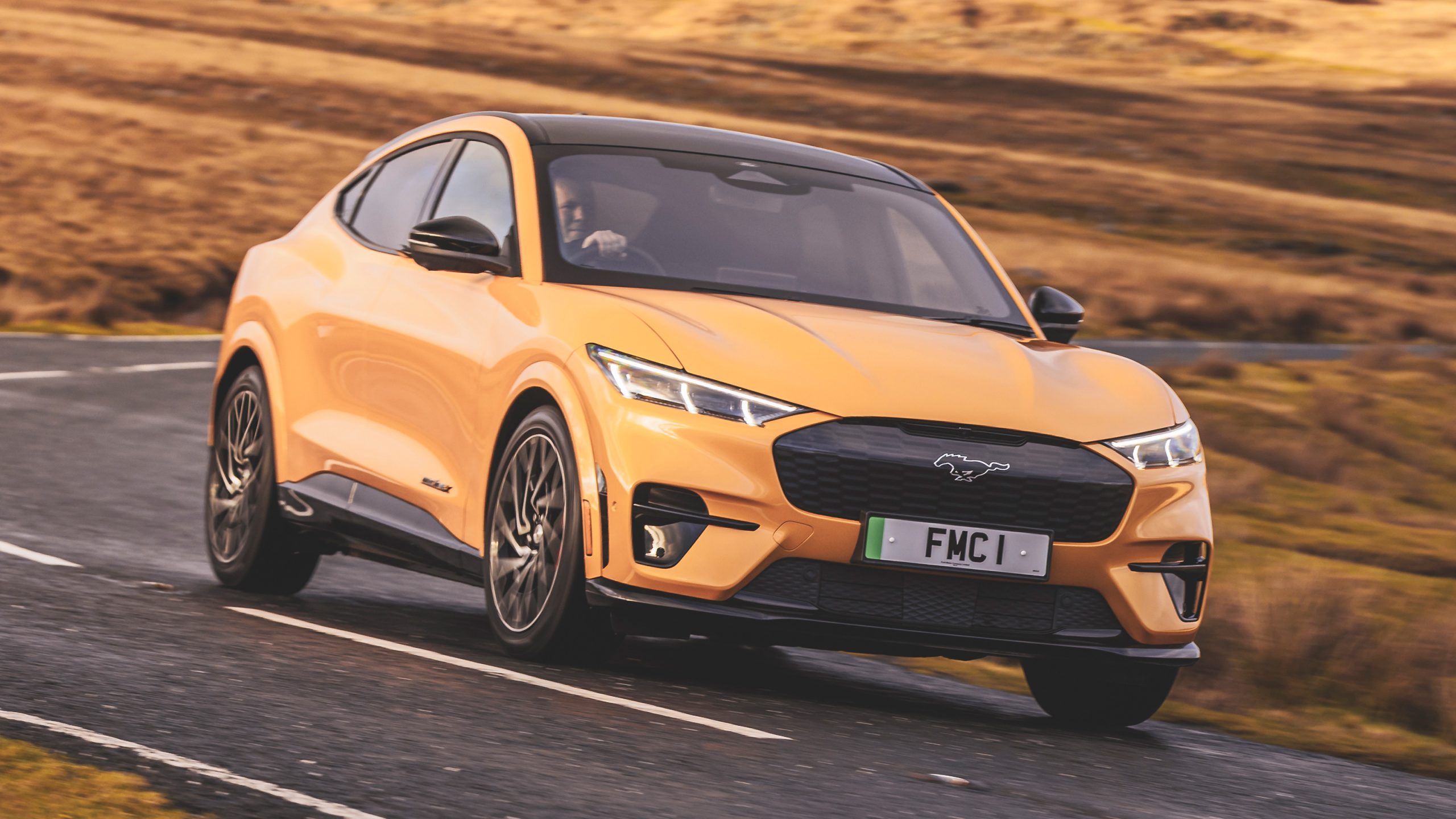
1. Ford Mustang Mach-E: Electrifying the Future of the Blue Oval
The Ford Mustang Mach-E marks a pivotal moment in Ford’s history and stands as one of its most significant models since the Mondeo, perhaps even since the Model T.
As Ford’s first fully-fledged electric vehicle (EV), it represents a major leap toward electrification and a bold reinterpretation of one of its most iconic nameplates. Beneath its modern styling lies a well-executed, capable, and forward-thinking electric SUV that redefines what the Mustang badge represents.
Built on an all-new electric platform, the Mach-E offers two battery options: 72kWh (Standard Range) and 91kWh (Extended Range). Buyers can select rear-wheel drive (RWD) or all-wheel drive (AWD) configurations.
The top-of-the-line GT model delivers an impressive 480 horsepower and can sprint from 0–62 mph in just 3.8 seconds, while the base model provides 265 horsepower and a driving range of up to 373 miles, depending on configuration.
Pricing starts at approximately $55,000 for the standard RWD model, while the Extended Range RWD version is around $66,000. The AWD Extended Range, offering 346 horsepower and about 342 miles of range, costs close to $73,000, and the high-performance GT model reaches $84,000.
Despite weighing nearly two tons, the Mach-E is engaging to drive, offering immediate EV torque and a composed, predictable feel. Its steering lacks traditional feedback but remains accurate and confidence-inspiring at speed.
Inside, the Mach-E blends modern minimalism with Ford’s familiar functionality. The centerpiece is a 15.5-inch portrait touchscreen, clearly influenced by Tesla’s design approach, paired with a practical physical volume knob.
The infotainment system supports advanced connectivity, smartphone mirroring, and semi-autonomous driving features. While the cabin materials feel more American in character than European in refinement, the Mach-E offers comfortable seating for five, a spacious hatchback trunk, and a 100-liter front trunk (frunk) for added practicality.
Ford’s decision to use the Mustang name for its first EV is both bold and divisive. The design cues, including the sculpted hood and distinctive lighting signatures, nod to the original pony car, yet the driving experience is entirely different.
The Mach-E is an electric crossover, not a muscle car, and expecting the raw drama of a V8 Mustang would be unrealistic. However, the Mustang badge gives Ford’s first EV an identity boost and helps justify its premium pricing.
The Mustang Mach-E competes with the Tesla Model Y, Volkswagen ID.4, Volvo XC40 Recharge, and Polestar 2, and it holds its own with strong performance, generous range, and family versatility.
It may not deliver the soul of a traditional Mustang, but it showcases Ford’s determination to combine heritage with innovation. Beneath the branding debate lies a well-engineered, enjoyable electric SUV that points confidently toward Ford’s electric future.
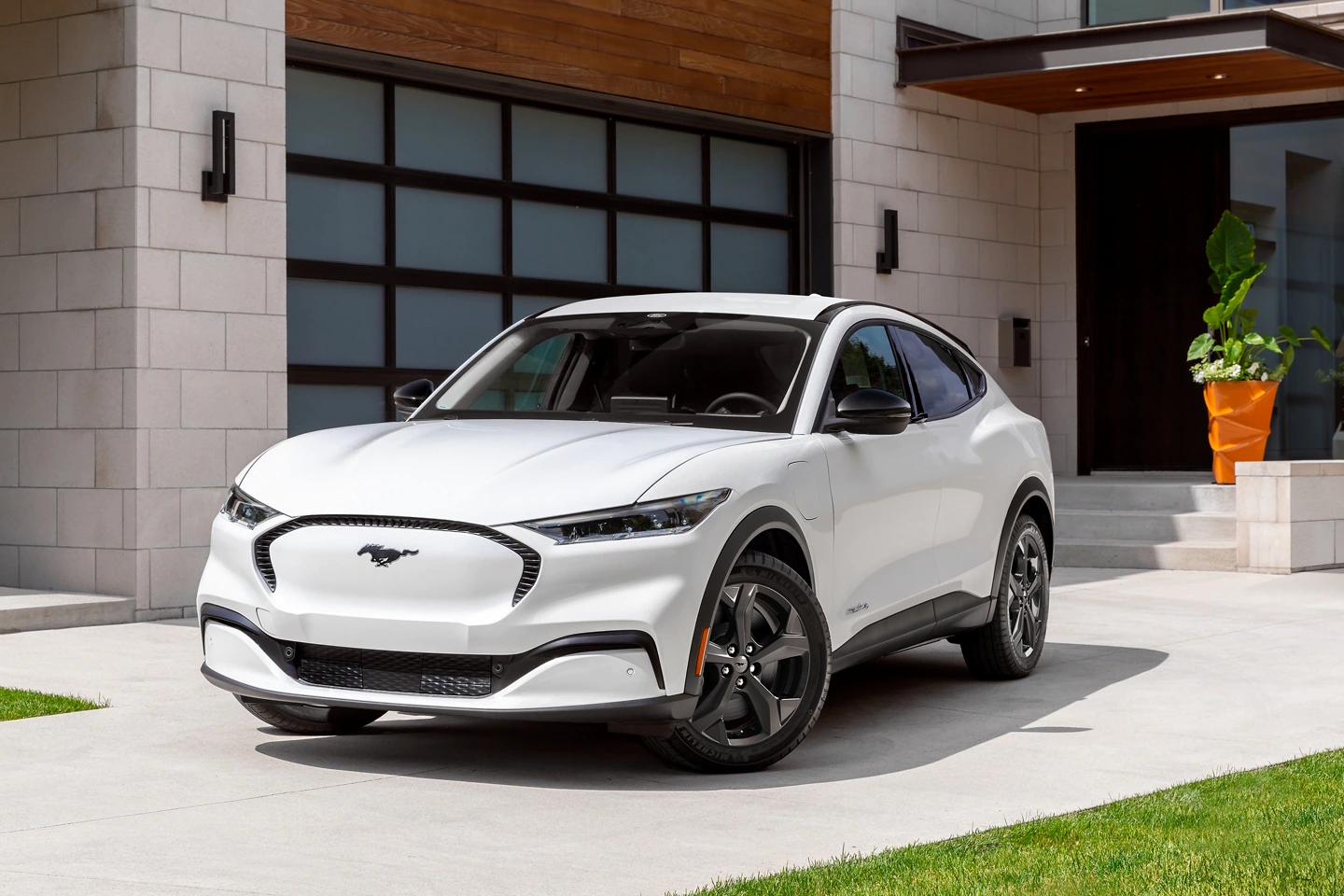
2. Hyundai Ioniq 5: The Retro-Futuristic Pioneer of Hyundai’s Electric Revolution
The Hyundai Ioniq 5 represents a bold step forward for Hyundai and the broader electric vehicle market. It is the first model from the company’s dedicated Ioniq sub-brand and has quickly established itself as one of the most impressive all-electric family cars available today.
Combining a striking retro-futuristic design with cutting-edge technology, range, and performance, the Ioniq 5 proves that Hyundai can compete with, and even outshine, premium rivals like Tesla, Mercedes, and Volkswagen.
The Ioniq 5 is a masterclass in design confidence. Its exterior blends futuristic minimalism with retro inspiration, recalling classic 1980s aesthetics while meeting all modern aerodynamic and safety standards. The pixel-style LED lighting, sharp body creases, and purposeful stance give it a unique identity.
Despite appearing compact in photos, the Ioniq 5 is actually similar in size to a Range Rover Evoque, thanks to its long wheelbase and new E-GMP platform, which underpins Hyundai’s latest generation of EVs. This design offers a raised seating position, a spacious cabin, and excellent visibility, making it ideal for both city driving and longer journeys.
In the U.S., the Ioniq 5 offers two battery options and several powertrain configurations. The base model starts around $45,000 and includes a 58kWh battery, producing 168 horsepower and providing approximately 238 miles of range.
The larger 77.4kWh battery expands range to about 315 miles and comes in two versions: a 225-hp rear-wheel-drive model and a 320-hp all-wheel-drive model capable of reaching 0–60 mph in just 5.1 seconds.
The top-tier trims, such as the Limited AWD, approach $58,000 and come fully equipped with luxury features, including 20-inch wheels, a panoramic glass roof, and advanced driver-assistance systems.
The Ioniq 5 also supports ultra-fast 350kW charging, allowing it to recharge from 10 to 80 percent in roughly 18 minutes, making it one of the quickest-charging EVs on the market. Additionally, Hyundai’s innovative Vehicle-to-Load (V2L) technology lets owners power household devices or even charge other EVs directly from their car’s battery.
Inside, the Ioniq 5 is futuristic yet welcoming. The cabin design is minimalist but functional, featuring dual 12-inch digital displays, a flat floor, and flexible seating that can recline or slide to optimize space. Recycled materials are used extensively, reflecting Hyundai’s commitment to sustainability.
The interior feels light and airy, enhanced by the large windows and panoramic roof. Despite its tech-forward appearance, the controls are intuitive, offering a balanced blend of physical buttons and digital interfaces.
Hyundai is positioning the Ioniq 5 as a premium EV, and it justifies that ambition with its quality and sophistication. It competes directly with the Tesla Model Y, Volkswagen ID.4, Kia EV6, Volvo XC40 Recharge, Audi Q4 e-tron, and Ford Mustang Mach-E.
Yet, its distinct styling, excellent driving comfort, and advanced features help it stand out in a crowded field. Hyundai’s willingness to take aesthetic and technological risks has clearly paid off, appealing to both EV newcomers and enthusiasts.
The Hyundai Ioniq 5 is not just a great electric vehicle; it is a statement of intent from Hyundai. By combining daring design with everyday practicality, it proves that electric cars can be both functional and emotionally appealing.
The Ioniq 5’s mix of range, performance, and personality makes it one of the most complete EVs available today. If Hyundai continues this momentum with upcoming models like the Ioniq 6 and Ioniq 7, established European and American rivals should indeed be worried.
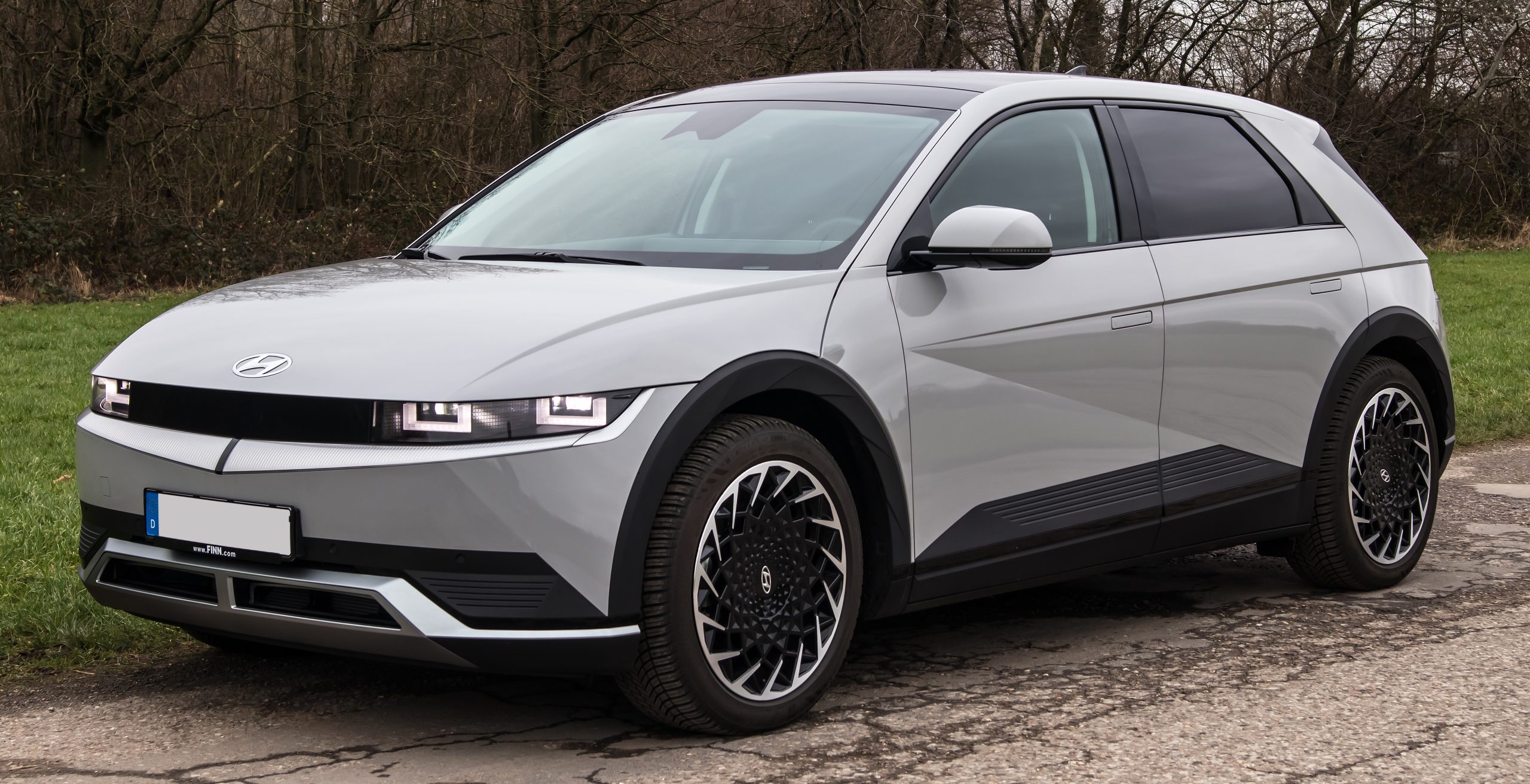
3. Kia EV6: South Korea’s Confident Step into the Electric Future
The Kia EV6 stands as a prime example of how innovation and practicality can coexist in an electric vehicle. Sharing its E-GMP platform with the Hyundai Ioniq 5 and Genesis GV60, it represents Kia’s bold entry into the electric crossover market. With its sharp styling, dynamic performance, and advanced technology, the EV6 proves that Kia is not just keeping up with the EV race; it’s setting the pace.
The EV6’s design strikes a perfect balance between futuristic and timeless. Its sleek, coupe-like silhouette gives it a sporty stance without being overly eccentric. Kia’s new “Star Map” LED headlights and distinctive tail-light design lend a modern signature look that fits well within Kia’s evolving electric lineup.
Although it appears compact in photos, the EV6 is a mid-size crossover, offering generous cabin space and a commanding road presence. Built on the versatile E-GMP platform, it benefits from a flat floor and a long wheelbase, creating a roomy and comfortable interior for passengers.
The latest EV6 lineup features improved battery technology, with the capacity rising from 77.4 kWh to 84 kWh, resulting in an impressive 361 miles of range on the WLTP cycle. U.S. figures are slightly lower but still competitive.
Buyers can choose between a single-motor rear-wheel-drive (RWD) setup producing 225 horsepower or a dual-motor all-wheel-drive (AWD) configuration delivering 320 horsepower. Both variants maintain brisk performance, with the AWD version capable of 0–60 mph in about 5.3 seconds.
The range-topping EV6 GT, starting around $63,000, is a performance-focused marvel. It generates 641 horsepower and 568 lb-ft of torque, launching from 0–60 mph in an astonishing 3.5 seconds and topping out at 161 mph. It even includes a playful Virtual Gear Shift (VGS) feature that mimics a six-speed transmission with artificial engine sounds, making the driving experience more engaging.
Charging is another strong point. Thanks to its 800-volt architecture, the EV6 supports 350kW ultra-fast charging, allowing a 10–80 percent recharge in roughly 18 minutes, matching or exceeding the best in class.
Inside, the EV6 combines modern simplicity with high functionality. The dashboard houses dual 12.3-inch curved displays for infotainment and digital instrumentation. Top trims add a 12-inch head-up display (HUD), ambient lighting, and premium finishes.
A new panoramic screen and improved materials make the cabin feel both futuristic and refined. Kia has also added wireless smartphone connectivity, a fingerprint scanner for driver profiles, and clever dual-function touch controls that toggle between media and climate settings. Build quality is excellent, and space is generous for both passengers and luggage.
In the U.S., prices for the EV6 start around $48,000 for the RWD model and climb to $60,000 for the AWD trims, with the high-performance GT nearing $63,000–$65,000 depending on options.
Its competitors include the Tesla Model Y, Ford Mustang Mach-E, Volkswagen ID.4, Polestar 2, Volvo C40 Recharge, and Audi Q4 e-tron, yet the EV6 stands out for its premium feel, impressive charging speed, and engaging driving dynamics.
The Kia EV6 is a well-rounded electric crossover that combines design flair, performance, and practicality with remarkable finesse. It is quick, comfortable, and technologically advanced, offering a driving experience that feels a generation ahead of many rivals.
The EV6 GT brings genuine excitement to the mix, while the rest of the lineup provides quiet refinement and long-distance capability. With the EV6, Kia demonstrates that South Korea is not following in the EV race; it’s leading it.
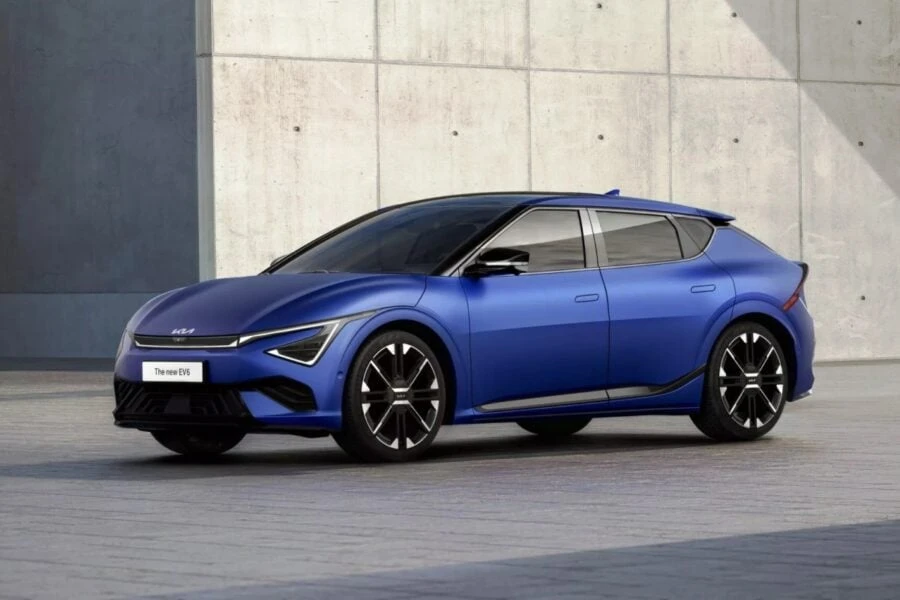
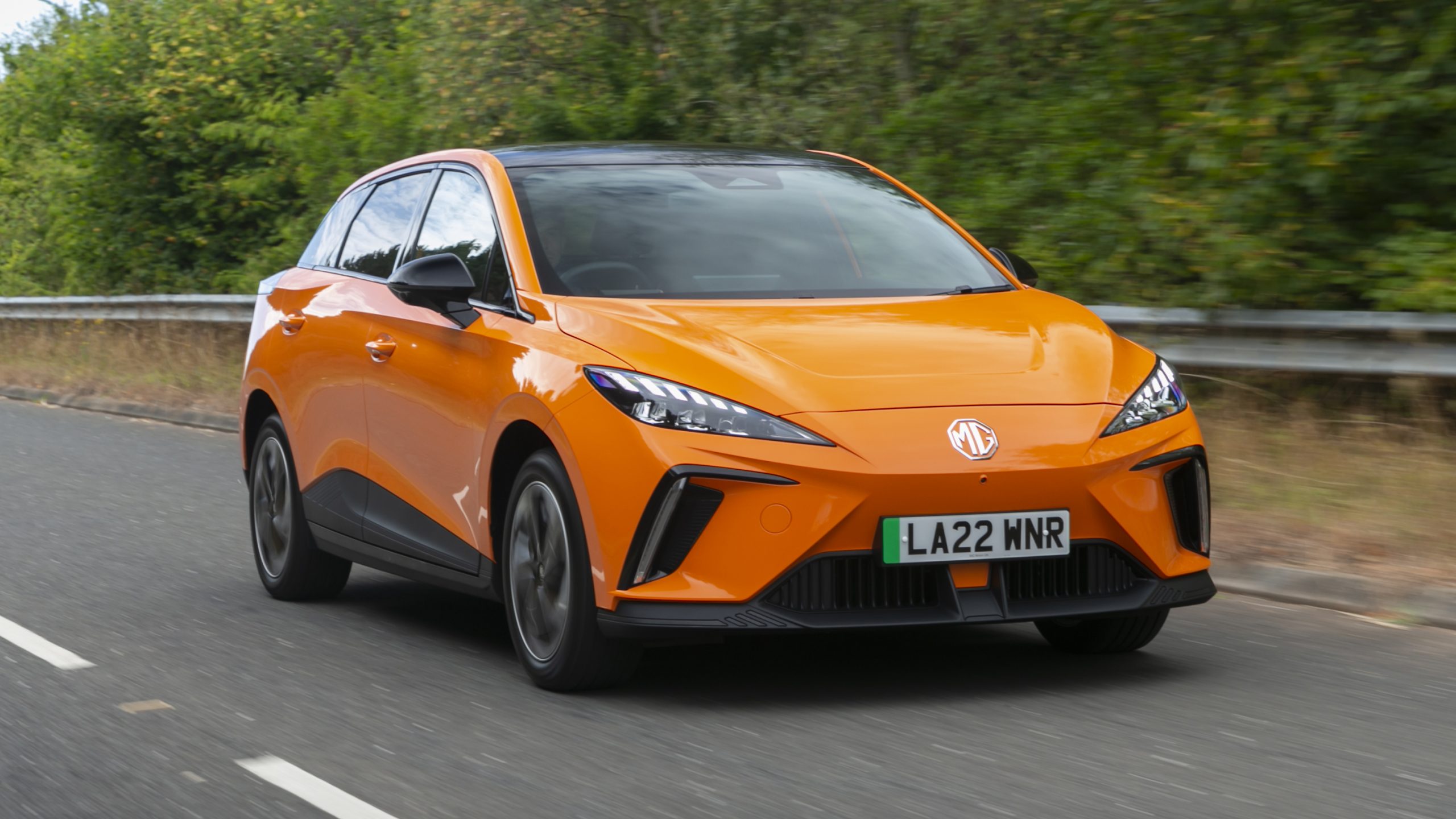
4. MG4: The Affordable EV That’s Shaking Up the Market
At first glance, the MG4 might not appear particularly exciting, but look closer and it becomes clear why it’s one of the most impressive electric cars for the money.
Combining range, value, and practicality with strong driving manners, it’s the EV that proves affordable doesn’t have to mean basic. While legacy automakers push prices upward, MG has crafted a car that delivers exceptional performance and equipment at a fraction of the cost.
The MG4 is built on SAIC’s Modular Scalable Platform (MSP), the same architecture that will underpin a variety of future MG models. Unlike its predecessors, the MG4 is entirely new rather than a reworked design, and it takes a step forward in both engineering and styling.
It features a rear-motor, rear-wheel-drive layout a setup rarely seen in affordable EVs which gives it a sportier and more balanced driving feel. Roughly the size of a Volkswagen ID.3, the MG4 is a five-seat electric hatchback with a slightly elevated stance and a sharp, modern look that’s far more memorable than MG’s earlier models.
MG offers five versions of the MG4, all designed to meet different needs. The base Standard Range SE starts at about $34,000, featuring a 50.8kWh battery, 168 horsepower, and 218 miles of range.
The SE Long Range model, priced around $37,000, upgrades to a 61.7kWh battery and delivers 201 horsepower with 281 miles of range. The Trophy Long Range, roughly $40,000, adds premium equipment, advanced driver-assistance features, and sportier styling, though its range dips slightly to 270 miles due to added weight.
The top of the line includes two new variants: the Extended Range, offering a 77kWh battery with up to 323 miles of range, and the XPower, which pairs dual motors for an astonishing 429 horsepower and 0–60 mph in just 3.8 seconds, numbers that rival far pricier performance EVs.
Despite its low price, the MG4 offers competitive charging performance. All models include 7kW AC home charging and DC fast charging ranging from 117kW to 135kW, allowing a 10–80 percent charge in just over 30 minutes on a public fast charger. These figures put it on par with many EVs costing nearly twice as much.
Inside, the MG4’s cabin is practical, modern, and surprisingly well equipped. While some materials feel budget-oriented, standard features like a touchscreen infotainment system, smartphone connectivity, and driver aids make it feel anything but cheap. The driving experience is composed and engaging, with sharp steering and excellent ride comfort for the class.
Starting under $35,000, the MG4 dramatically undercuts rivals such as the Volkswagen ID.3, Nissan Leaf, Peugeot e-208, and Mini Electric, while offering comparable or superior range and features. Leasing deals are particularly attractive, thanks to the MG4’s high residual value, making it one of the most cost-effective EVs to own or lease.
The MG4 is proof that EV ownership doesn’t have to be expensive. With its solid range, fast charging, capable handling, and unbeatable price, it redefines expectations in the electric hatchback segment. MG has produced a car that not only challenges mainstream competitors but forces them to rethink what “affordable electric” truly means.
5. BMW i4: The True Driver’s Electric Sedan
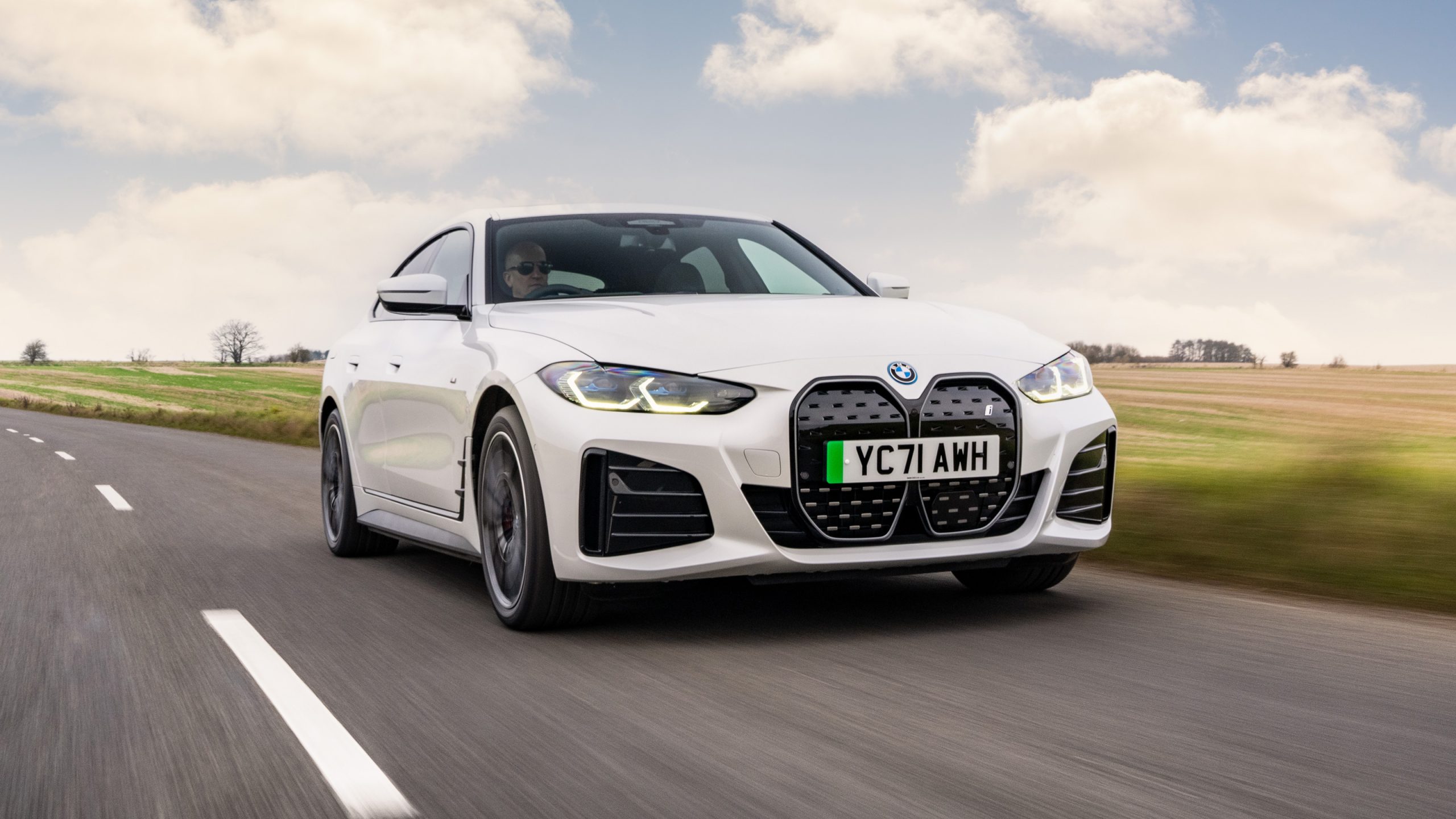
The BMW i4 stands out as one of the most balanced and rewarding electric cars on the market, delivering genuine BMW driving character in a fully electric package.
Positioned between the Tesla Model 3 and Polestar 2, it offers the precision and poise expected from the Bavarian brand while maintaining long range, strong performance, and comfort. Unlike many futuristic EVs, the i4 doesn’t scream “spaceship,” and that’s exactly why it appeals to so many.
While it resembles the 4 Series Gran Coupe, the i4 is far more than a conversion. It features a re-engineered floor, revised suspension, and redesigned seats to accommodate the electric powertrain.
Inside, BMW has integrated a sleek, curved display setup that combines two screens under a single pane of glass, offering a tech-forward yet familiar cockpit. The cabin is snug, premium, and practical, complete with a large hatchback-style trunk. However, BMW’s latest infotainment system can feel overly complex, with too many menus and fewer physical shortcut buttons.
The i4 lineup starts with the eDrive35, a rear-wheel-drive version with 282 horsepower and 295 lb-ft of torque. It uses a 70kWh battery (67kWh usable) and offers up to 299 miles of range, achieving 0–60 mph in six seconds. Next comes the eDrive40, which bumps output to 335 horsepower and 317 lb-ft, cutting the sprint to 5.6 seconds and extending range to about 359 miles thanks to an 84kWh (81kWh usable) battery.
At the top sits the i4 M50, an all-wheel-drive performance variant boasting 526 horsepower and 586 lb-ft of torque. It rockets from 0–60 mph in 3.9 seconds, rivaling some supercars.
The trade-off is a reduced range of about 315 miles, along with a firmer ride due to its stiffer suspension and optional 20-inch wheels. Despite its breathtaking acceleration, the M50’s handling is slightly less communicative than the more relaxed RWD models.
The i4’s greatest strength lies in how it drives. The rear-wheel-drive versions offer balanced handling, smooth steering, and impressive comfort, making them ideal for real-world driving.
The M50, while incredibly quick, sacrifices some finesse for outright performance. Importantly, the i4’s range remains consistent in cold weather or during spirited driving, an area where many EVs struggle. BMW’s motor design uses no rare-earth materials, reflecting a more sustainable approach without compromising capability.
All i4 models support fast DC charging, replenishing from 10–80% in about 30 minutes on a capable charger. With a range that comfortably covers long road trips and excellent energy management, the i4 is one of the most usable EVs in its class.
The BMW i4 successfully blends the brand’s hallmark dynamics with modern electric efficiency. The eDrive40 trim hits the sweet spot fast, comfortable, and refined. It might not be the flashiest EV, but it’s a genuine driver’s car that stays true to BMW’s spirit while ushering the brand into its electric era.
Also Read: 5 Cars That Stay Desirable for Enthusiasts vs 5 That Don’t
6. Polestar 2: Scandinavian Precision Meets Electric Performance
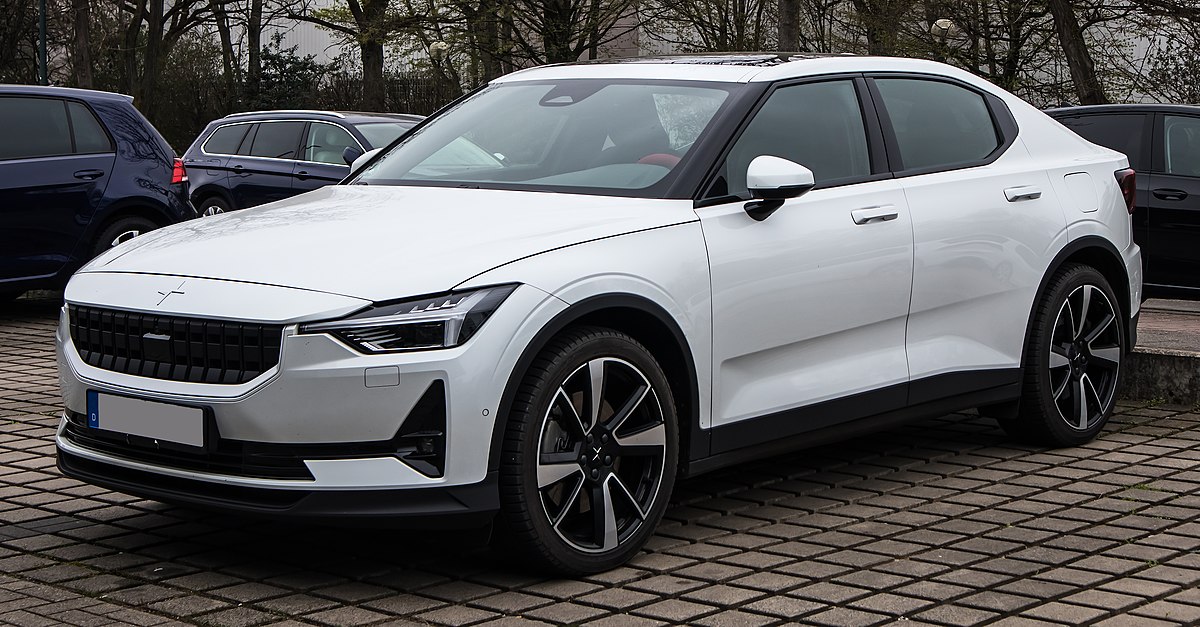
The Polestar 2 is a refined and confident statement from Volvo’s electric offshoot, combining Swedish minimalism with Chinese engineering might.
Positioned squarely against the Tesla Model 3, it offers a more premium, grounded take on electric performance, less about gimmicks and more about balance, quality, and everyday usability. With improved range, sophisticated design, and a sense of calm precision, the Polestar 2 has matured into one of the most complete EVs on sale today.
Polestar began as Volvo’s racing division before evolving into a standalone electric brand backed by China’s Geely. The Polestar 2, launched in 2019, was its first mass-market model following the hybrid Polestar 1.
The 2023 refresh subtly refines the car rather than reinventing it, boosting range and efficiency while maintaining its clean, futuristic look. The exterior remains sleek and confident, defined by sharp lines, a “Smartzone” sensor grille, and an understated Scandinavian elegance that avoids fake vents or exaggerated styling.
Inside, the car reflects Scandi practicality, modern yet minimal, with high-quality materials and a Google-powered infotainment system that now supports Apple CarPlay. Build quality is exceptional, rivaling Audi’s best. Every surface feels solid, with intuitive design choices that emphasize ease over flashiness. It’s a space meant for comfort and confidence, not constant touchscreen fiddling.
The Polestar 2 lineup offers a range of configurations. The Standard Range Single Motor uses a 69kWh battery and delivers 268 horsepower, achieving up to 339 miles of range. The Long Range Single Motor upgrades to an 82kWh battery and 295 horsepower, stretching range to an impressive 406 miles, making it one of the longest-legged EVs in its class.
For those craving more performance, the Long Range Dual Motor setup produces 416 horsepower, reaching 0–60 mph in about 4.3 seconds with a range of 368 miles.
Add the Performance Pack (about $6,000), and power jumps to 469 horsepower, cutting 0–60 mph to just 4.0 seconds while adding Öhlins dampers, Brembo brakes, and signature gold trim details. Despite its heft of over two tons, it handles with calm authority rather than wild aggression.
The Polestar 2 drives with composure and quiet assurance. The suspension could be slightly softer, but steering precision and balance are excellent.
Its elevated stance aids visibility and packaging, allowing for a spacious cabin and a well-integrated battery beneath the floor. Range efficiency is strong, and charging performance competes with Tesla’s thanks to 155kW DC fast charging that replenishes 10–80% in around 35 minutes.
Pricing starts at around $57,000 for the base model, with the Long Range Single Motor the sweet spot at roughly $62,000, and the Dual Motor version near $67,000.
In essence, the Polestar 2 is a beautifully executed electric fastback that prioritizes craftsmanship, range, and simplicity over showmanship. It’s not the flashiest EV, nor the most playful, but it embodies confidence and refinement in a way few rivals can match. For those seeking an elegant, well-built alternative to Tesla, the Polestar 2 delivers electric motoring with genuine integrity and Scandinavian charm.
7. Skoda Enyaq iV: Practical Luxury Meets Everyday Electric Efficiency
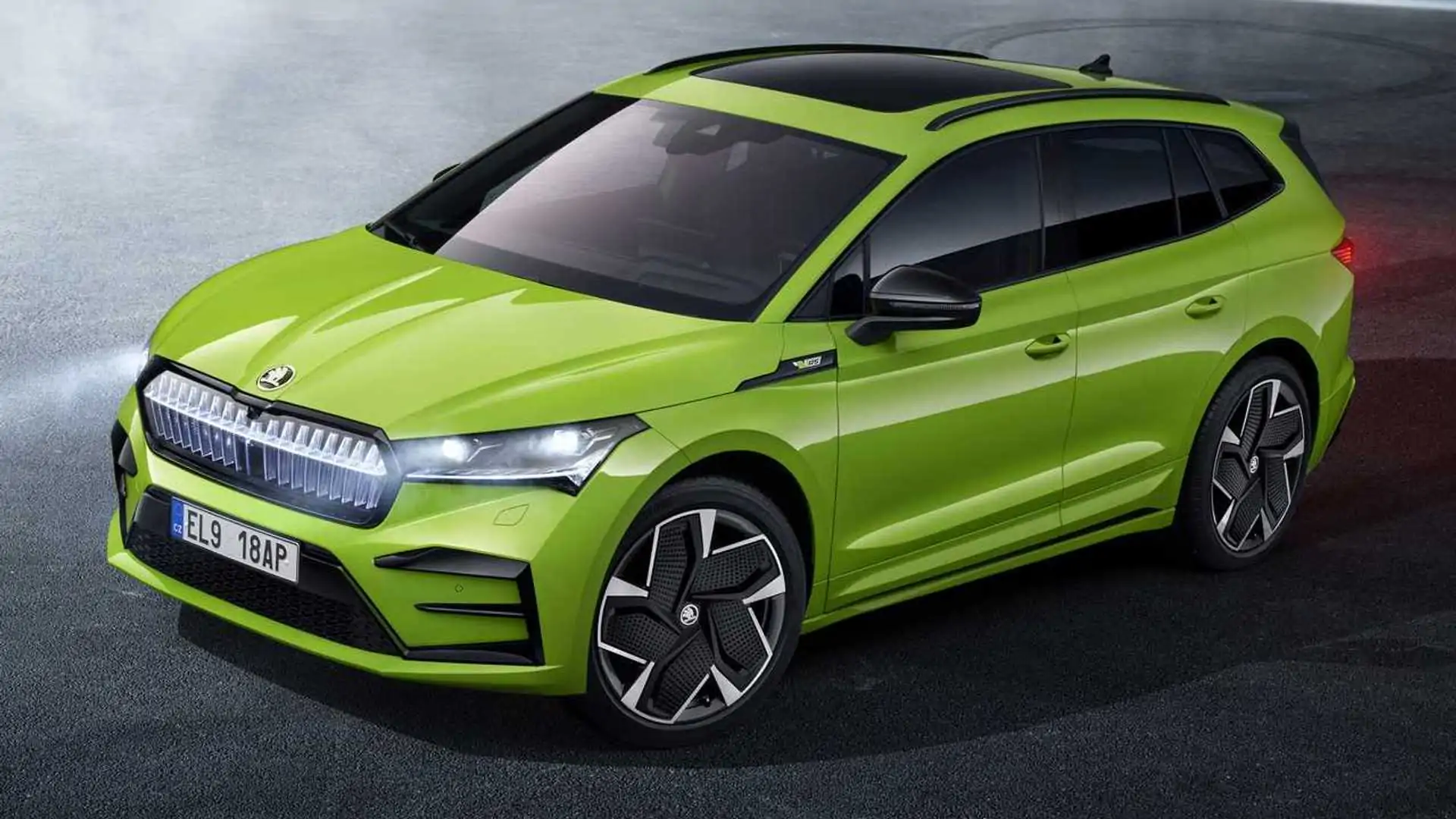
The Skoda Enyaq iV is one of the most compelling electric SUVs available today. Built on the same Volkswagen Group MEB platform as the VW ID.4 and Audi Q4 e-tron, the Enyaq stands out through its value, practicality, and design simplicity.
Once again, Skoda has created a vehicle that could be the smartest buy among its corporate siblings, offering similar driving dynamics, superior usability, and a more attractive price.
Skoda has a long tradition of functional, user-focused design, and the Enyaq iV continues that approach beautifully. Its styling is modern and sharp without being flashy, presenting a balanced and refined look compared to many of its electric SUV rivals.
Inside, the cabin prioritizes comfort, storage, and usability, with high-quality materials that can easily rival more expensive models. The dashboard layout is simple and intuitive, combining physical buttons with a clean central touchscreen, which feels more practical than the cluttered digital interfaces of some competitors.
Passenger space is generous, making the Enyaq a comfortable choice for families. The trunk provides over 585 liters of cargo capacity, expanding to more than 1,700 liters with the rear seats folded. Skoda’s signature “Simply Clever” touches, such as hidden umbrella compartments and storage hooks, continue to make the brand’s vehicles practical and thoughtful for everyday life.
The Enyaq iV comes in several configurations, ranging from rear-wheel drive single-motor versions to all-wheel drive dual-motor models. The Enyaq 60 features a 62 kWh battery with 177 horsepower and up to 250 miles of range, while the Enyaq 80 upgrades to an 82 kWh battery with 201 horsepower and around 330 miles of range.
For more power, the Enyaq 80x and vRS models include a second motor, producing 261 and 295 horsepower respectively, both offering about 300 miles of range.
Acceleration ranges from 0 to 60 mph in 8.5 seconds for the base version to 6.2 seconds for the vRS. Charging performance is solid, with 135 kW DC fast charging allowing the battery to reach 80 percent in roughly 35 minutes. The Enyaq delivers a comfortable and quiet ride, tuned for smooth cruising rather than aggressive driving, which makes it ideal for long journeys.
Pricing for the Skoda Enyaq iV starts at about $47,000 for the Enyaq 60, around $54,000 for the Enyaq 80, and reaches roughly $63,000 for the high-performance vRS model.
The Skoda Enyaq iV proves that practicality and elegance can coexist in an affordable electric SUV. It offers nearly everything its pricier VW and Audi counterparts provide, often with better usability and value. Smartly designed, well-equipped, and impressively efficient, the Enyaq iV represents Skoda at its best: practical, refined, and genuinely appealing.
8. Tesla Model Y: Smarter, Quieter, and Sharper Than Ever
The Tesla Model Y, the world’s best-selling car of 2024, remains the brand’s most important model. While Tesla is known for its acceleration, tech features, and minimalist design, the latest Model Y impresses most with its packaging and refinement. It demonstrates how removing traditional combustion components creates vast space, generous storage, and impressive practicality.
Tesla has given the Model Y a significant refresh to maintain its dominance amid rising competition, particularly from Chinese automakers.
The exterior now features new bumpers, wheels, and lights, including a sleek lightbar that subtly reflects off the car’s surface for a modern touch. Structural changes, such as a die-cast rear floor that replaces 70 parts with one solid piece, have made the vehicle stronger, safer, and easier to repair.
The front camera has been repositioned to improve driver assistance and autonomous functions, now featuring a washer jet for better visibility. The rear bumper design has also been revised to absorb impacts more effectively, while new tailgate glass and paneling reduce replacement costs after damage. Tesla has clearly aimed to improve not only the look but also the ownership experience through thoughtful engineering.
The first version to arrive will be the Long Range All-Wheel Drive Launch Edition, featuring a 75 kWh usable battery and dual motors. While Tesla has not drastically changed the powertrain, it has refined the car’s suspension and chassis tuning. The result is a quieter, smoother, and more composed drive. The Model Y now feels genuinely comfortable on rough roads and more luxurious than before.
Steering has also improved, now offering a balanced and predictable feel that gives drivers more confidence without sacrificing comfort. Tesla prioritized refinement over sportiness, resulting in a more relaxing drive that suits family use. The upgrades to noise isolation, damping, and suspension geometry make this Model Y far more enjoyable for long trips than its predecessor.
Inside, Tesla retains its clean and futuristic aesthetic dominated by a 15-inch central touchscreen. Subtle material and software updates enhance comfort and usability, while over-the-air updates ensure performance and features continue to evolve over time.
Prices for the refreshed Model Y start around $44,000, with the Long Range AWD model near $49,000 and the Performance trim around $53,500.
The new Tesla Model Y represents a major step forward in comfort and refinement. It is quieter, more efficient, and more pleasant to drive while retaining the practicality and advanced tech that made it a global success. Though competition is catching up, Tesla’s balance of design, innovation, and its unmatched Supercharger network keeps the Model Y firmly ahead of the curve.
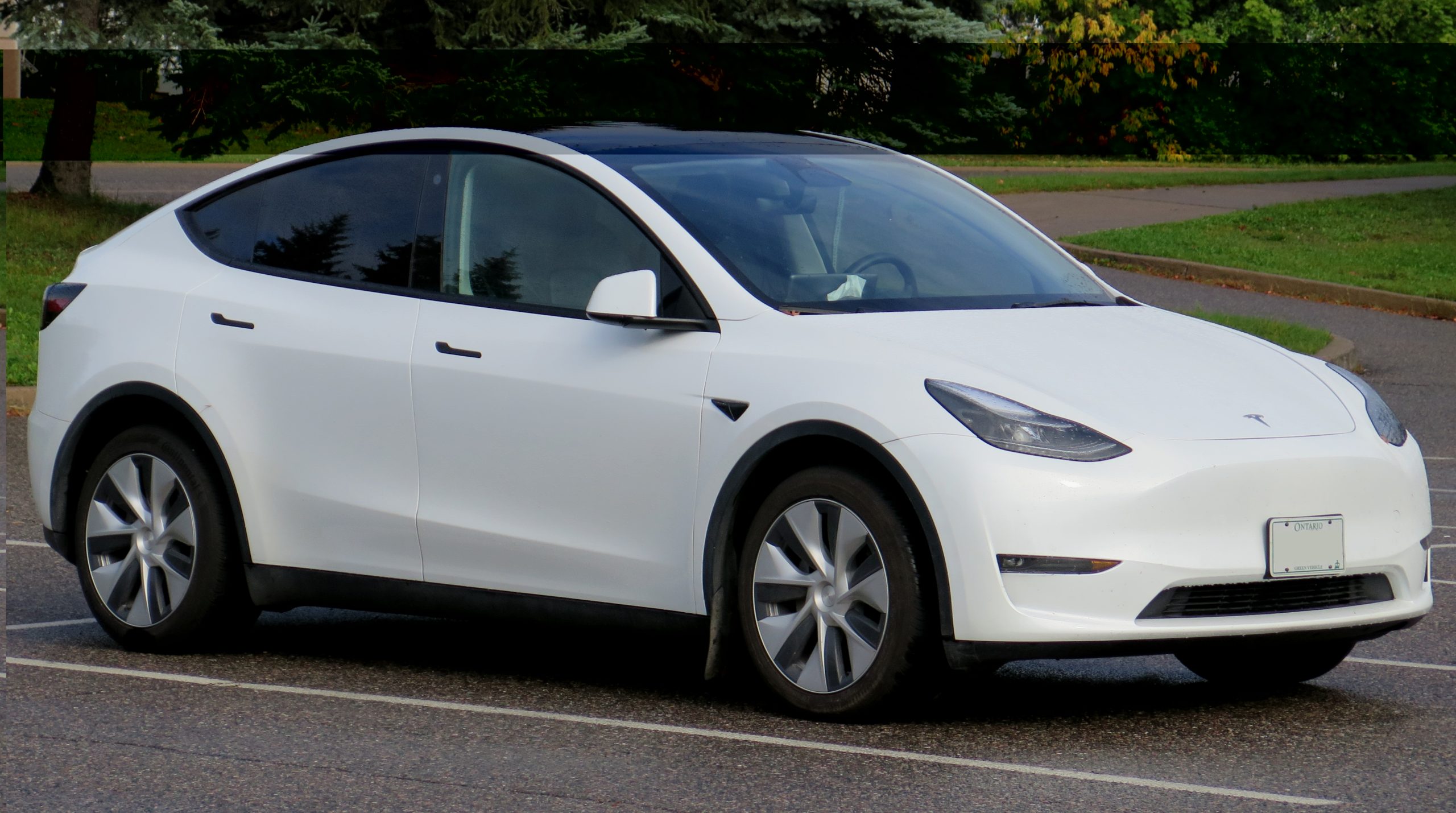
9. Kia EV3: Compact, Capable, and Comfortably Clever
The Kia EV3 represents another confident step in Kia’s electric evolution, showing the brand’s ability to produce high-quality, practical, and well-priced electric vehicles. Where Kia once surprised buyers with its progress, it now consistently delivers excellence. The EV3 captures the balance that once made the Volkswagen Golf iconic, blending practicality, comfort, and value in a contemporary electric package.
As the smallest member of Kia’s EV family, the EV3 sits below the EV6 and EV9 in size and price. Starting at about $42,000 for the base model, it competes with compact electric crossovers such as the Volkswagen ID.3 and Volvo EX30. Despite its modest size, the EV3 borrows the boxy, futuristic styling of the larger EV9. Its squared lines, chunky wheel arches, and distinctive alloy wheels give it a confident and modern presence.
The EV3 looks sleek and purposeful without relying on unnecessary styling tricks or fake vents. It feels ideally sized for city use and small families, easy to park yet spacious enough inside. Higher trims such as the GT-Line and GT-Line S add larger wheels, LED headlights, tinted glass, and faux leather upholstery, enhancing both appearance and comfort.
The EV3 comes with two battery options. The standard-range version uses a 58 kWh battery and offers around 270 miles of range, while the long-range model features an 81 kWh battery capable of up to 375 miles on a single charge.
Both versions are front-wheel drive and powered by a 201-horsepower electric motor that delivers smooth, quiet acceleration. It is designed for everyday practicality rather than speed, prioritizing efficiency and comfort.
Charging is quick and convenient, with compatibility for fast DC charging stations. Kia’s focus on reliability and usability ensures the EV3 feels like a long-term investment.
Inside, the EV3 combines smart technology with sustainable design. Even the base Air trim includes large digital displays, intuitive physical buttons, and eco-friendly materials derived from recycled sources. While some areas use hard plastics and lack soft finishes, the cabin feels solidly built and well assembled.
The infotainment system is clear and responsive, avoiding the complexity that plagues many competitors. On the road, the EV3 delivers a quiet and composed drive with well-tuned suspension for smooth handling in both city and highway conditions.
The Kia EV3 is a complete and confident electric crossover that blends practicality, range, and comfort. With pricing between $42,000 and $56,000 depending on specification, it offers exceptional value for its performance and features. The EV3 is thoughtfully designed, easy to live with, and efficient to operate, proving once again that Kia is among the most capable players in the modern EV market.
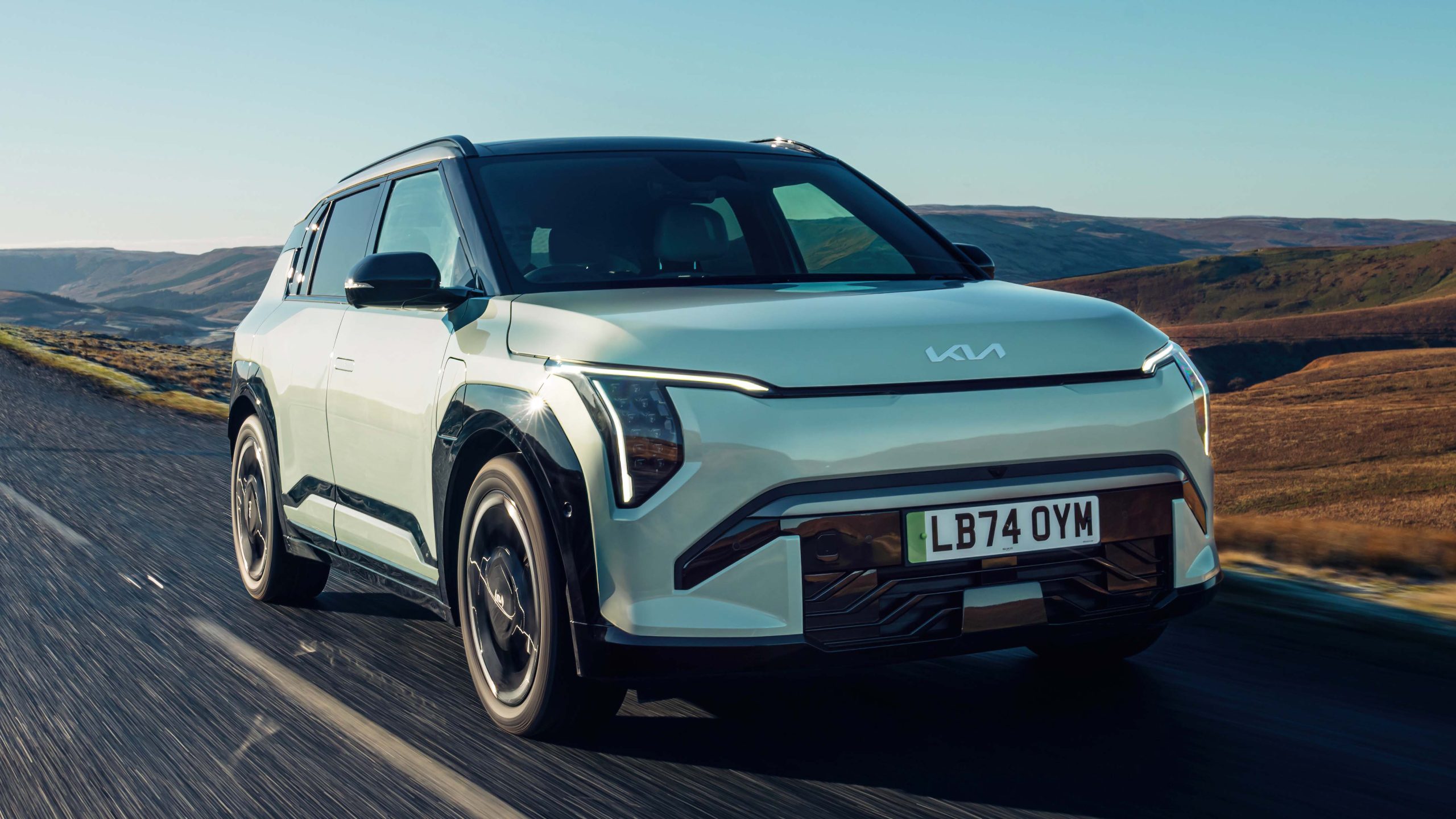
10. Skoda Elroq: Smart Design, Solid Range, and Everyday Practicality
The Skoda Elroq is the newest addition to the Czech automaker’s electric lineup, following in the footsteps of the successful Enyaq iV. Built on the same Volkswagen Group MEB platform, the Elroq positions itself as a compact electric SUV that combines functionality, thoughtful design, and strong value for money.
It brings a fresh identity to Skoda’s EV family, launching the brand’s “Modern Solid” design language, which emphasizes clean surfaces and confident proportions.
Visually, the Elroq draws inspiration from the larger Enyaq but offers a more compact and agile profile. Its sharp LED headlights, sculpted body lines, and distinctive closed-off grille give it a sophisticated yet approachable presence. The car aims to attract urban drivers and small families who want electric mobility without the bulk of a full-size SUV.
Skoda has always been known for practicality, and the Elroq continues this tradition with a spacious cabin, clever storage solutions, and an impressive cargo capacity for its size. Inside, it shares much of its design with the Enyaq, featuring a 13-inch touchscreen, intuitive controls, and high-quality materials. Skoda also emphasizes sustainability, incorporating recycled and eco-friendly materials throughout the interior.
The Elroq is available with multiple powertrains, including rear- and all-wheel drive configurations. Buyers can choose between different battery sizes, ranging from around 58 kWh to 77 kWh, providing a driving range of approximately 270 to 340 miles depending on the version.
Charging speeds are competitive, with DC fast charging up to 175 kW, allowing the battery to recharge from 10 to 80 percent in roughly 30 minutes.
Performance figures mirror those of its VW Group siblings, the Audi Q4 e-tron and Volkswagen ID.4, but the Elroq manages to feel more refined and composed. Its low center of gravity and balanced suspension provide a comfortable ride while maintaining stability on highways and agility in city driving.
Technology is a strong point for the Elroq. It offers advanced driver assistance systems, a customizable digital cockpit, and over-the-air software updates that enhance safety and convenience. Connectivity options include wireless Apple CarPlay and Android Auto, as well as Skoda’s latest infotainment system.
Expected to start around $42,000 and reaching up to $55,000 for top trims, the Elroq offers compelling value within the compact EV SUV segment. It competes directly with the Hyundai Ioniq 5, Kia EV3, and Tesla Model Y, yet distinguishes itself with a focus on practicality and simplicity.
The Skoda Elroq combines elegant design, strong range, and a comfortable driving experience with the brand’s signature practicality. It may not aim to shock or dazzle, but its thoughtful execution and competitive pricing make it one of the most well-rounded electric SUVs in its class.
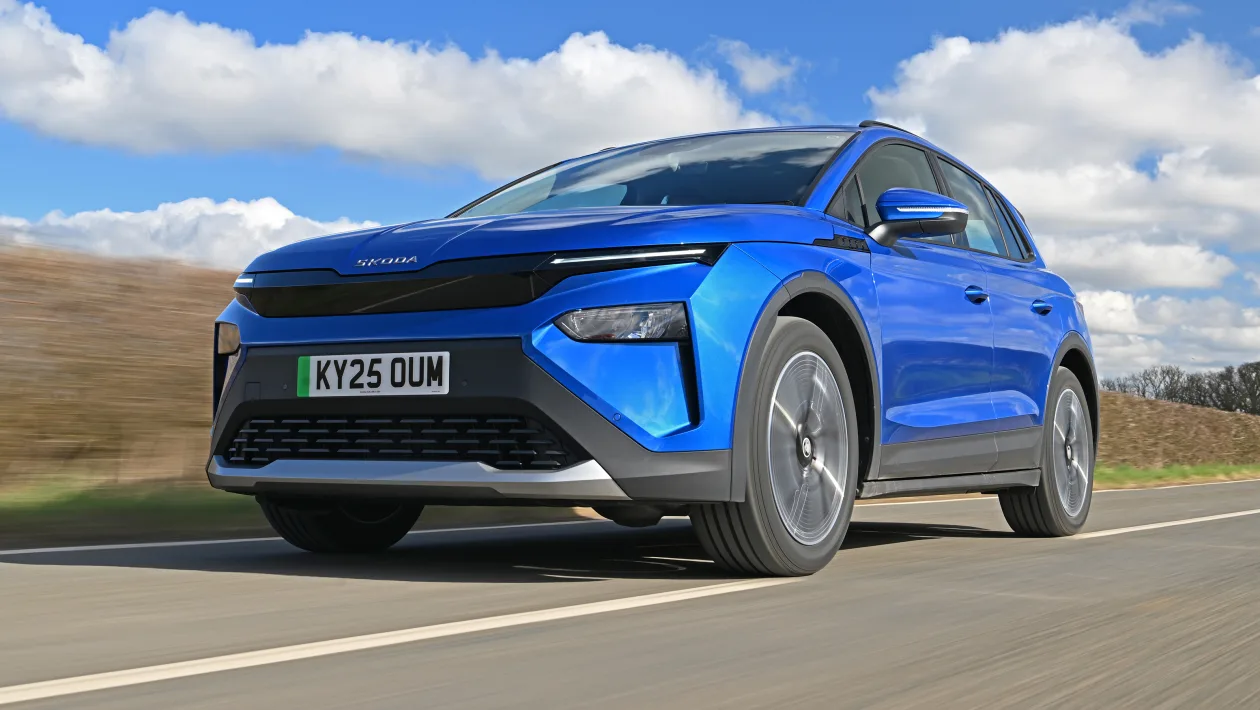
The latest wave of electric SUVs shows how far the industry has come. These vehicles combine practicality, performance, and efficiency in ways that suit the demands of modern family life.
From the bold Ford Mustang Mach-E and futuristic Hyundai Ioniq 5 to the clever Skoda Elroq and confident Kia EV3, each model demonstrates that sustainable driving can be stylish and convenient.
Features such as long-range batteries, rapid charging, and advanced safety systems make these SUVs more than just eco-friendly choices they are smarter long-term investments. Families no longer have to choose between comfort, technology, and responsibility.
With thoughtful engineering and competitive pricing, electric SUVs are setting a new standard for family transportation. As infrastructure expands and innovation continues, the shift toward electric mobility becomes not only inevitable but deeply rewarding. For families seeking the perfect balance of practicality and progress, these ten SUVs truly make sense.
Also Read: 10 Cars With Window Regulators That Don’t Fail Every Winter