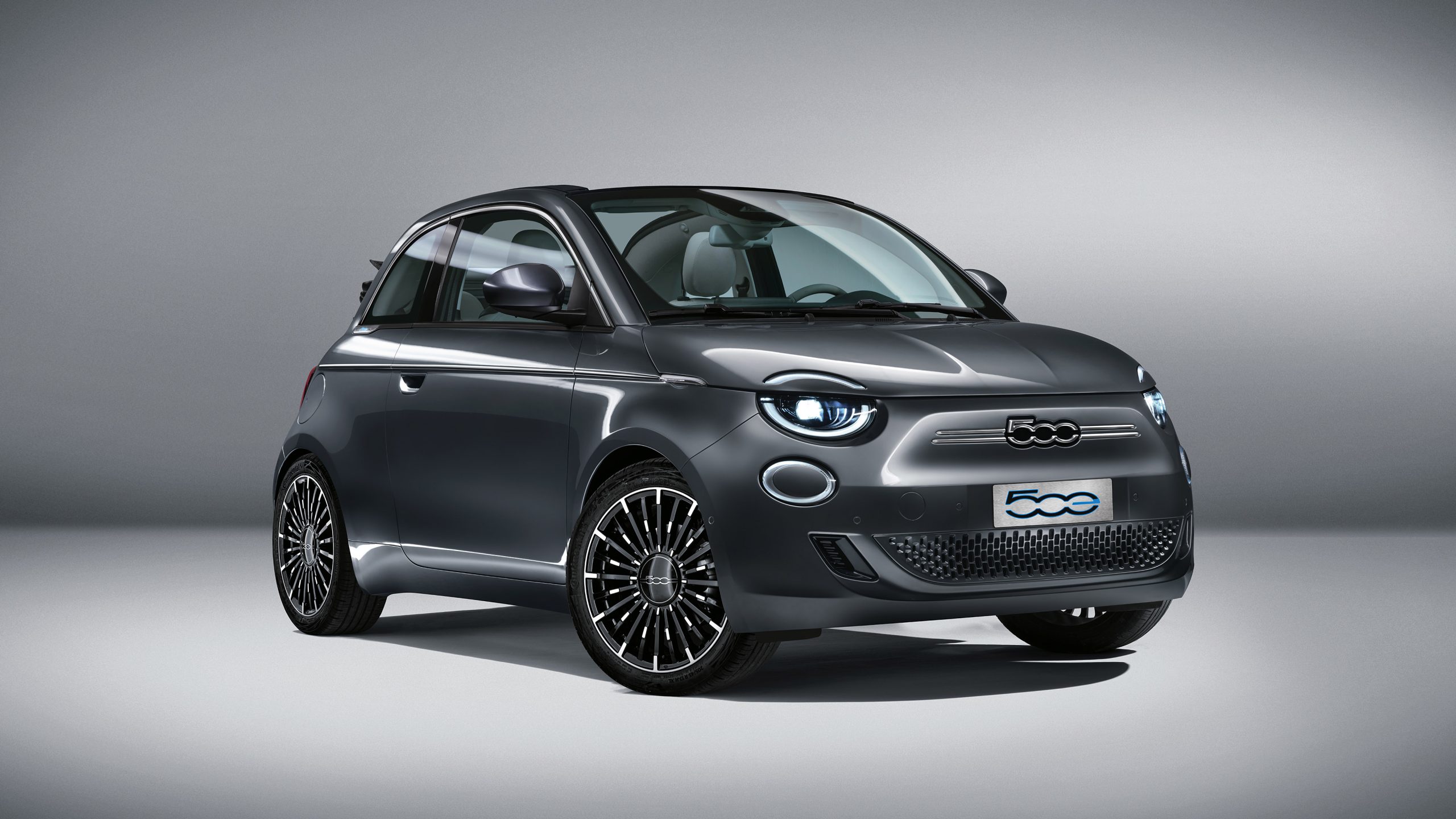
City life calls for vehicles that are compact, efficient, and easy to manage in tight spaces, and electric cars are proving to be the perfect solution. The newest generation of compact EVs blends smart design, advanced technology, and effortless performance for busy urban streets.
These cars move quietly through traffic, fit into the smallest parking spots, and deliver clean, zero-emission driving ideal for short commutes and daily errands. Models such as the Volvo EX30, Genesis GV60, and Hyundai Kona Electric highlight how automakers are reshaping urban mobility with innovation, comfort, and distinctive style.
From budget-friendly options like the Citroën e-C3 to premium choices such as the Audi Q4 e-tron, there is a model suited to every kind of driver. This guide to 12 Compact EVs Perfect for Urban Driving showcases the most practical, stylish, and enjoyable small electric cars that make city driving smarter and more sustainable.
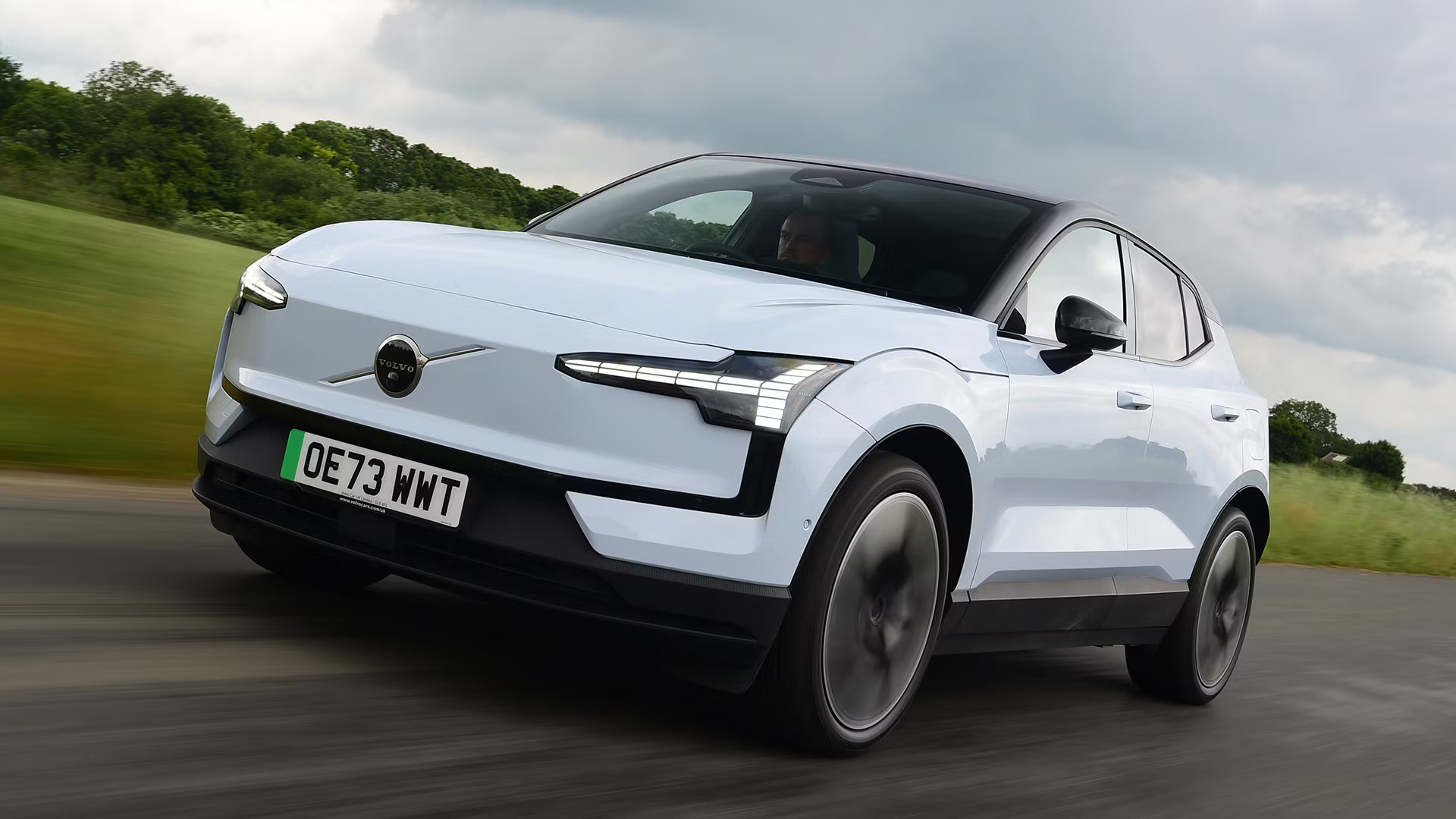
1. Volvo EX30: Compact Powerhouse with Premium Flair and Urban Focus
The 2025 Volvo EX30 marks Volvo’s boldest step yet into the compact EV segment, bringing Scandinavian design and blistering performance to American streets. Priced from $46,195, the EX30 is positioned as a small, stylish, and lightning-quick electric SUV that has already proven its popularity in Europe.
Despite limited trims and a somewhat premium price tag, it is a compelling option for city drivers who want speed, sustainability, and sophistication.
The EX30 delivers exceptional performance for its size. In Edmunds testing, the dual-motor version accelerated from 0 to 60 mph in just 3.5 seconds, outpacing rivals like the Audi Q4 E-Tron and Tesla Model Y Long Range AWD.
The compact SUV feels agile and confident on city streets, with precise steering and a compliant, though not plush, ride quality. Its one-pedal driving mode enhances efficiency, although the regenerative braking is not as strong as on some competitors.
Visibility is excellent thanks to its compact proportions and available 360-degree camera system, while driver-assist features work well, if occasionally too eager with warnings.
Volvo’s minimalist cabin design gives the EX30 a premium and modern look. The front seats offer great support and headroom, but the rear seats are tight, leaving little legroom for adults. Installing a child seat can be difficult, and the absence of rear air vents reduces comfort for back-seat passengers.
The cabin relies heavily on a central touchscreen for almost all functions, including climate control, seat adjustments, and window switches. While this contributes to a clean design, it can be distracting for drivers who prefer physical buttons or knobs.
The EX30 uses Google-based infotainment, integrating Google Maps, Assistant, and other apps. The interface is decent but less intuitive than systems in some rivals, and a Google account login is required to access certain features. Wireless Apple CarPlay is available, but Android Auto is not.
There are multiple USB-C ports and a wireless charging pad, providing convenient power options. Storage space, however, is limited. The 12.4-cubic-foot cargo area is usable but smaller than in competing EVs, and the interior lacks clever storage solutions such as a large center console or rear cupholders.
Depending on configuration, the EX30 offers an EPA-estimated range of 250 to 261 miles. In real-world testing, it achieved 256 miles, close to its official estimate. Efficiency is strong at 29 kWh per 100 miles, but charging speeds are below average, with 100 miles of range added in roughly 17 minutes.
Volvo provides generous coverage, including a four-year or 50,000-mile basic warranty and a ten-year or 100,000-mile battery warranty, plus scheduled service for four years.
The Volvo EX30 stands out for its compact size, striking design, and thrilling acceleration, making it an ideal city companion.
However, its tight rear space, slower charging, and touchscreen-heavy interface may limit its appeal for families or long-distance drivers. Stylish, sustainable, and impressively quick, the EX30 is an urban EV with Scandinavian soul, best suited for those who value design and agility over spaciousness and extended range.
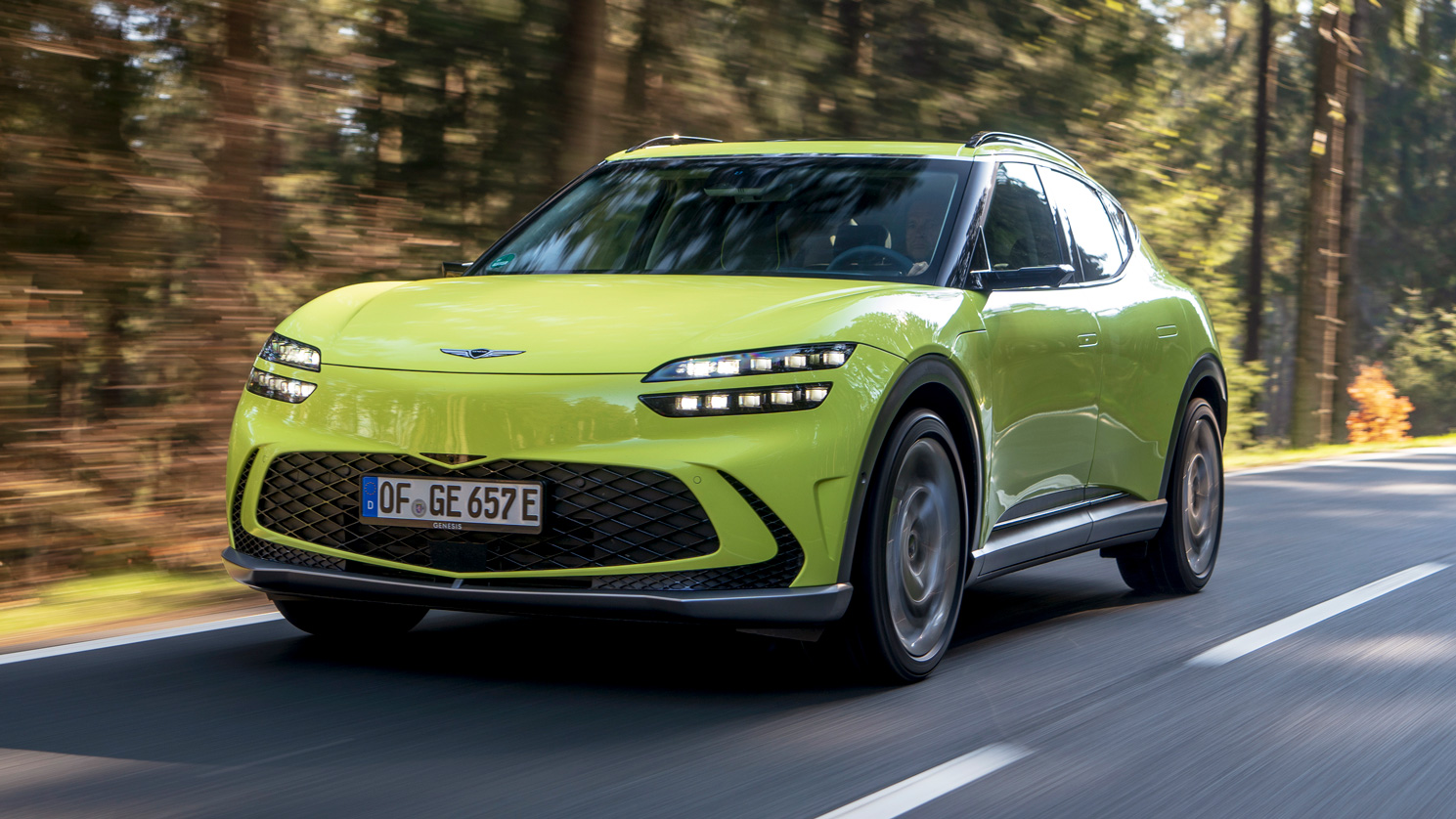
2. Genesis GV60: Futuristic Luxury Meets Everyday Usability
The Genesis GV60, starting at $52,350, is one of the most advanced and refined compact electric SUVs on the market. Positioned as a premium alternative to the Volvo EX30, the GV60 combines luxury craftsmanship with cutting-edge EV performance.
Built on an 800V architecture, it delivers an exceptionally fast 11-minute recharge from 20% to 80%, a feature rarely found in this segment. While slightly larger and more expensive than the EX30, its blend of comfort, innovation, and performance makes it a standout choice for city drivers seeking sophistication and speed.
In its Performance trim, the GV60 truly lives up to its name. Tested acceleration from 0 to 60 mph in just 3.9 seconds places it among the quickest small electric SUVs, just behind the Tesla Model Y Performance.
Despite its rapid pace, the GV60 maintains composure and balance, with precise steering and an adaptive suspension that provides agility and comfort in equal measure.
Even on all-season tires, it delivers confident braking, stopping from 60 mph in 115 feet. The suspension remains a bit soft at its firmest setting, yet the ride feels exceptionally smooth and quiet, lending the GV60 a distinctly premium driving character.
The Genesis GV60’s interior combines elegance with practical comfort. Front seats are plush, supportive, and highly adjustable, while the rear seats recline generously and provide good legroom. Headroom is somewhat reduced by the panoramic sunroof, and there is limited toe space under the front seats.
The cabin insulation is superb, keeping wind and road noise to a minimum. Door-mounted air vents improve rear airflow, a thoughtful design choice over traditional center-mounted vents. Installing child seats is straightforward, with accessible LATCH anchors and top tethers. The GV60 delivers a calm, refined atmosphere that enhances long drives and daily commutes alike.
Technology is a major highlight for the GV60. The system supports Android Auto and Apple CarPlay, offers four USB-C ports, and includes a wireless charging pad. Higher trims add a Bang & Olufsen premium sound system and the ability to power small devices or tools using the car’s battery.
Its driver assistance systems operate smoothly, contributing to a confident and secure driving experience. Cargo capacity measures 24 cubic feet, which trails the Tesla Model Y and Hyundai Ioniq 5. The front storage compartment is small, and cabin storage solutions are limited in convenience and size.
The GV60 Performance offers an EPA-estimated range of 235 miles, but real-world testing showed an impressive 274 miles with an efficiency of 30.9 kWh per 100 miles. Charging performance is outstanding, reaching 80% in about 18 minutes using a 350-kW DC fast charger.
Genesis provides a 10-year/100,000-mile battery and powertrain warranty, five years or 60,000 miles of comprehensive coverage, three years of free maintenance, and two years of complimentary fast charging through Electrify America.
The Genesis GV60 stands out for its lightning-fast charging, refined handling, and luxurious cabin, making it one of the best urban-focused EVs available. Its limited cargo space and premium price may deter some buyers, but its blend of performance, technology, and comfort firmly establishes it as a leading choice in the growing luxury EV segment.
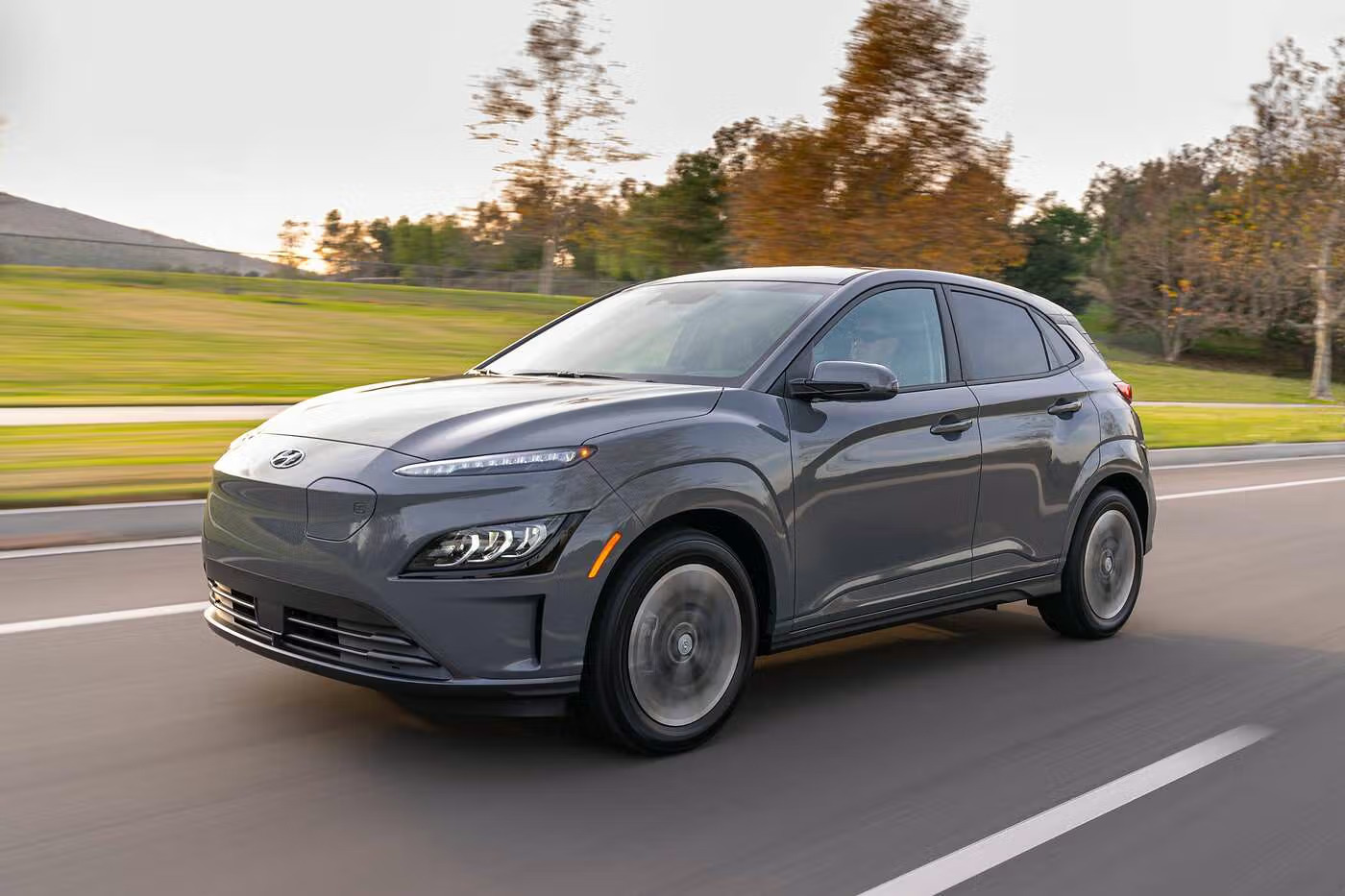
3. Hyundai Kona Electric: Practical, Affordable, and Perfect for City Life
The Hyundai Kona Electric, starting at $32,975, is one of the most affordable and well-rounded electric vehicles available today. Designed for city dwellers who value practicality and low running costs, the Kona Electric offers a mix of efficiency, usability, and comfort that’s hard to beat at this price.
While it may not deliver thrilling acceleration or ultra-fast charging, its generous cargo space, user-friendly tech, and Hyundai’s class-leading warranty make it a top choice for budget-conscious EV buyers.
The Kona Electric is powered by a single front-mounted electric motor, available in two configurations: a 133-hp base version and a 201-hp upgrade. Both prioritize smoothness over excitement, offering refined, quiet operation ideal for commuting.
In testing, the more powerful model reached 0 to 60 mph in 7.0 seconds, which is respectable but slower than its predecessor. The Kona handles predictably with a focus on comfort rather than sportiness, making it easy to drive in urban environments. Its suspension absorbs bumps well, and the cabin’s excellent sound insulation creates a calm, composed ride.
Hyundai offers two battery pack options for the Kona Electric. The 48.6-kWh battery provides about 200 miles of range, while the 64.8-kWh version increases that to 260 miles. Real-world testing found the larger pack capable of 230 miles per charge, showing dependable range performance.
Charging from 10% to 80% takes around 43 minutes using DC fast charging, which is average for this segment. The Kona also impresses with EPA ratings of 129 MPGe city and 103 MPGe highway, confirming its efficiency as a daily commuter.
The 2024 redesign gives the Kona Electric a modern, open cabin with improved materials and design. A floating center pad enhances space, and ambient lighting adds a touch of personality.
Front seats are comfortable, and rear passengers enjoy decent legroom for a subcompact SUV. While the front trunk is small, the 25.5-cubic-foot rear cargo area leads its class, offering excellent practicality for city errands and road trips alike.
Inside, the Kona Electric features dual 12.3-inch digital displays, replacing the older, smaller screens. The system supports wireless Apple CarPlay and Android Auto, along with a Wi-Fi hotspot. Safety equipment includes automated emergency braking, blind-spot monitoring, lane-keeping assist, and optional features such as adaptive cruise control and a surround-view camera.
Hyundai continues to dominate in warranty coverage. The Kona Electric includes a 5-year/60,000-mile limited warranty, a 10-year/100,000-mile powertrain and battery warranty, and 3 years or 36,000 miles of complimentary maintenance.
Combined with its low starting price and practical design, the Kona Electric stands out as one of the best-value EVs for urban drivers, offering reliability, comfort, and efficiency in a compact, affordable package.
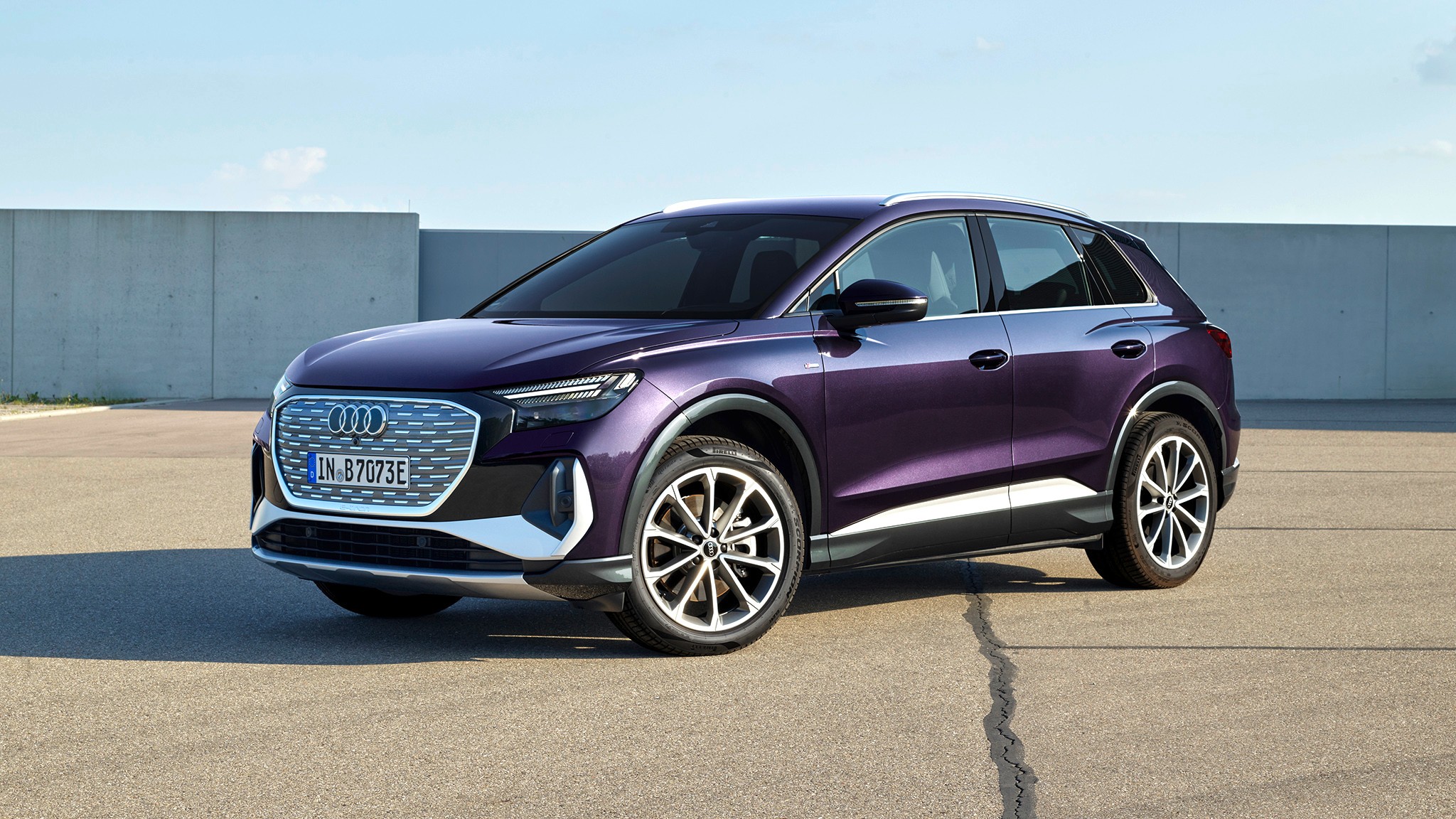
4. Audi Q4 e-tron: Balanced Luxury and Urban Practicality
The Audi Q4 e-tron, starting at $49,800, represents a refined blend of performance, practicality, and German engineering tailored for urban environments. Compact yet upscale, this electric SUV offers brisk acceleration, solid driving range, and one of the largest cargo capacities among premium compact EVs. However, some cost-cutting in interior materials and missing standard features slightly diminishes its luxury appeal.
The dual-motor Q4 55 e-tron delivers 0 to 60 mph in 5 seconds, putting it on par with other dual-motor EVs in its class. Power delivery is instant and smooth, making freeway merging and passing effortless. Handling is composed and predictable, with a good sense of balance that suits city and suburban driving.
While it is not a particularly exciting EV, it feels stable and confident on the road. The main drawbacks are the brakes, which require longer stopping distances than rivals, and a ride quality that struggles on rough or uneven pavement. Despite these minor issues, the Q4 e-tron offers a pleasant, controlled driving experience ideal for everyday use.
Inside, the Q4 e-tron focuses on convenience and quiet comfort. Generous door openings make entry easy, and the front seats feature extendable thigh support and lumbar adjustment for tailored comfort. Ventilation, however, is not available on any seat, an odd omission in a luxury SUV.
The flat rear floor provides extra space for passengers, and installing child seats is simple thanks to well-designed LATCH anchors. The dual-pane windows keep outside noise to a minimum, creating a serene cabin environment. Climate control functions are intuitive and effective, though some air vents blow directly toward the driver’s hands.
Audi equips the Q4 e-tron with a digital instrument panel that can display navigation maps directly in front of the driver, along with an augmented reality head-up display on higher trims. Smartphone integration is seamless, featuring wireless Apple CarPlay and Android Auto, multiple USB ports, and wireless charging.
Storage capacity is another strength, with 24.8 cubic feet of cargo space behind the rear seats and towing capability up to 2,600 pounds. While interior storage compartments are functional, they lack the creativity and space efficiency of some competitors.
The Q4 55 e-tron achieves an EPA-estimated 258 miles of range, and real-world testing pushed that slightly higher to 261 miles. Charging speeds of up to 150 kW are respectable but trail behind Tesla’s rapid-charging capability. Energy use averages 32.3 kWh per 100 miles, typical for a vehicle in this class. Audi’s warranty coverage is standard, with competitive roadside assistance but no standout perks.
The Audi Q4 e-tron delivers balanced performance, strong cargo capacity, and a refined driving experience, making it a smart choice for urban professionals who want a premium yet practical EV. While its ride comfort and interior materials leave room for improvement, the Q4 e-tron’s blend of efficiency, style, and usability reinforces Audi’s reputation for understated luxury and everyday versatility.
5. Kia Niro EV: Practical Design Meets Everyday Efficiency
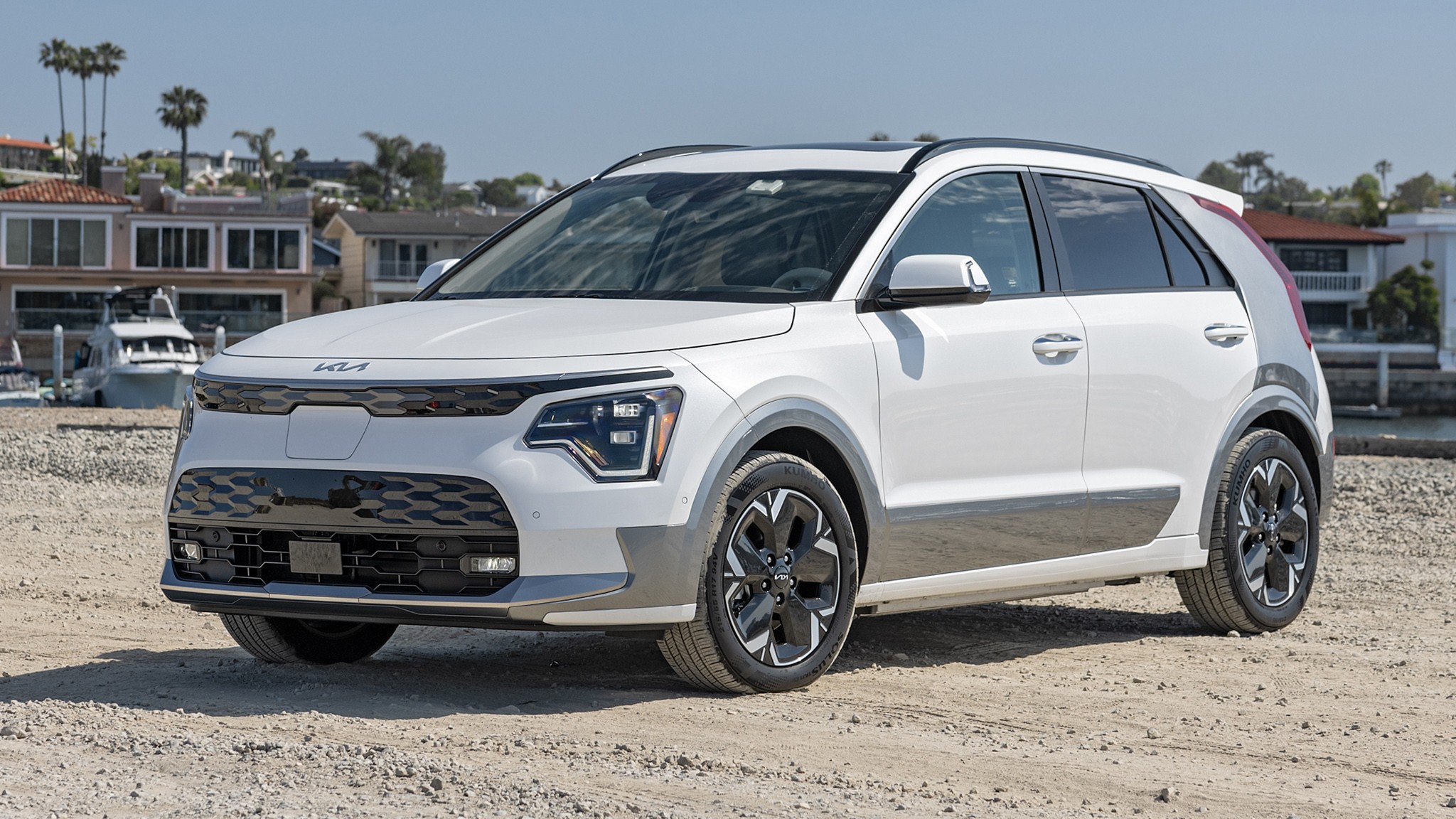
The Kia Niro EV, starting at $39,600, delivers a smart mix of value, comfort, and practicality for city driving. It provides a similar experience to the Hyundai Kona Electric but adds vehicle-to-load (V2L) capability, which lets you power small devices and appliances using the car’s battery.
While its design and technology have seen few updates since 2022 and Kia offers only one trim, the Niro EV remains a strong, budget-conscious choice for urban buyers seeking reliability and ease of use.
The Niro EV feels responsive and easy to handle. Its electric motor produces quick yet smooth acceleration, reaching 0 to 60 mph in 7.1 seconds, a class-average figure that works well for everyday driving. The throttle response is consistent and never jerky, and the brakes provide firm feedback with an adjustable one-pedal driving mode that helps conserve energy.
The suspension focuses on comfort rather than sportiness, offering a calm, stable ride on city streets. Handling is predictable, and the car maintains balance during turns. Standard driver assistance features such as adaptive cruise control and blind-spot monitoring add to its sense of safety and convenience.
Inside, the Niro EV provides a peaceful and comfortable atmosphere. Road and wind noise are minimal even at highway speeds. The front seats offer good support but may feel slightly firm on longer drives, while the rear seats are flatter yet roomy for adult passengers.
Standard heated front seats enhance comfort, and options include ventilated front seats and heated rear seats. The dual-zone automatic climate control maintains consistent temperatures and is simple to operate. Rear door openings are somewhat narrow, which may make it harder to install child seats, but the cabin layout remains practical for everyday use.
The Niro EV includes a wide range of tech features such as Apple CarPlay, Android Auto, built-in navigation, and a Harman Kardon audio system. The infotainment system looks slightly dated but remains easy to use.
The V2L function allows the car’s battery to power small electronics or tools, adding convenience for outdoor or work use. Cargo capacity is generous, with a wide rear hatch, 60/40-split rear seats, and an adjustable load floor that creates additional space. Interior storage is functional with modest door pockets and console bins.
The Niro EV has an EPA-estimated 253-mile range, and real-world testing extended that to 280 miles. Energy efficiency is strong at 25.6 kWh per 100 miles, making it one of the most economical compact EVs.
Charging from 10 to 80 percent takes about 45 minutes using 85 kW DC fast charging, which is competitive for its class. Kia’s 10-year or 100,000-mile battery and powertrain warranty and five-year roadside assistance make it an attractive long-term investment.
The Kia Niro EV offers dependable performance, efficient energy use, and thoughtful features in a compact, city-friendly package. It may not be as sporty or stylish as some rivals, but its comfort, practicality, and strong warranty coverage make it a smart and efficient choice for everyday electric driving.
6. Mini Countryman SE ALL4: A Stylish Compact EV with Playful Performance
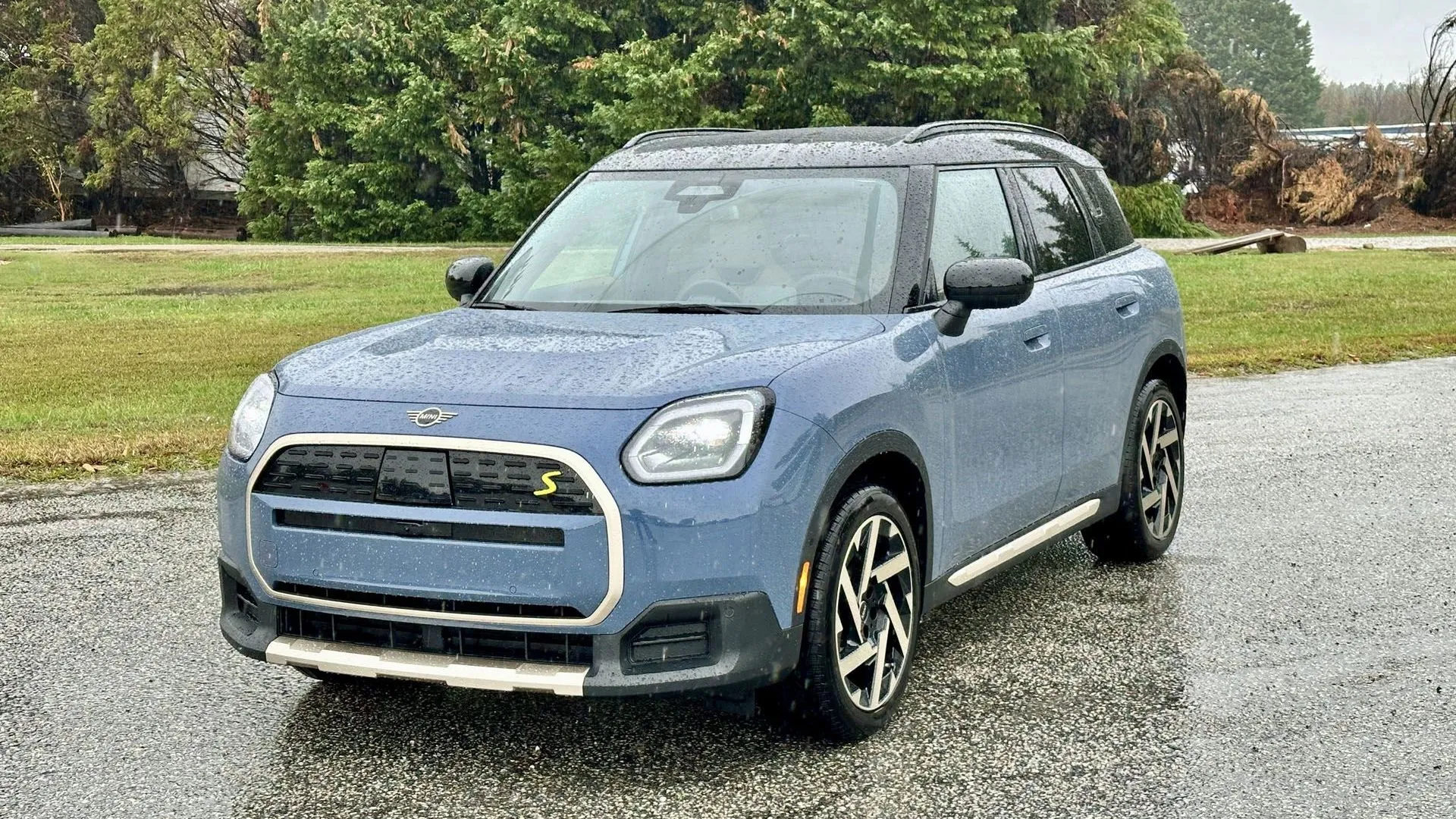
The Mini Countryman SE ALL4, starting at $45,200, combines distinctive style, strong performance, and advanced technology in a compact electric SUV. As Mini’s current electric model for the U.S. market, it fills the gap until the new Mini Cooper SE arrives.
With its dual-motor setup, quick acceleration, and unique interior design, it stands out as a fun and capable city vehicle. However, it is offered in only one trim and costs more than several competitors with longer driving ranges.
Every U.S. version of the Countryman SE ALL4 comes with a dual-motor all-wheel-drive powertrain that produces 308 horsepower. This configuration delivers strong, smooth power and takes the SUV from 0 to 60 mph in 4.8 seconds.
The vehicle feels confident and composed, though its extra weight compared to the gasoline model makes it less agile. The one-pedal driving feature adds convenience for city driving, allowing the driver to slow the car using regenerative braking.
The suspension is tuned for a balance of comfort and control, keeping with Mini’s reputation for lively, engaging handling, even if it’s not a high-performance model like the John Cooper Works.
The 64.6-kWh battery provides an EPA-estimated range of 212 miles on models with 18-inch wheels, and 204 miles on those with 19-inch wheels. During highway testing, the Countryman managed 180 miles per charge. Using a DC fast charger, it can go from 10 to 90 percent in about 39 minutes, which is reasonably quick for its class.
Efficiency ratings are 96 MPGe combined with 18-inch wheels and 91 MPGe with 19-inch wheels. While this makes it efficient for a compact SUV, rivals such as the Kia Niro EV and Tesla Model Y offer greater range at similar prices.
The cabin features sustainable materials and a minimalist layout that feels upscale and modern. A fabric-covered dashboard integrates ambient lighting that changes color depending on drive mode.
The latest generation of the Countryman offers more passenger and cargo space, with enough room for 8 carry-on bags behind the rear seats and 22 when folded. Although there is no front trunk, the storage capacity is competitive. Seats are supportive and comfortable for longer drives, and the interior finish reflects Mini’s distinctive attention to design detail.
At the center of the dashboard sits a circular digital display that serves as both an instrument cluster and an infotainment screen. It runs Mini’s newest software, supports Apple CarPlay and Android Auto, and allows personalization by uploading custom background images.
The system even supports video games, providing entertainment during charging stops. Standard safety features include automatic emergency braking and lane-keeping assist, while adaptive cruise control with lane-centering is available in the Driving Assistant Plus package.
Mini covers the Countryman SE with a four-year or 50,000-mile limited and powertrain warranty, plus eight years or 100,000 miles for electrical components. The brand also includes three years or 36,000 miles of complimentary maintenance.
The Mini Countryman SE ALL4 delivers spirited performance, distinctive design, and advanced tech in a compact package that’s both practical and fun to drive, even if its range and pricing limit its broader appeal.
Also Read: 10 Cars That Outsell Competitors Despite Weak Marketing
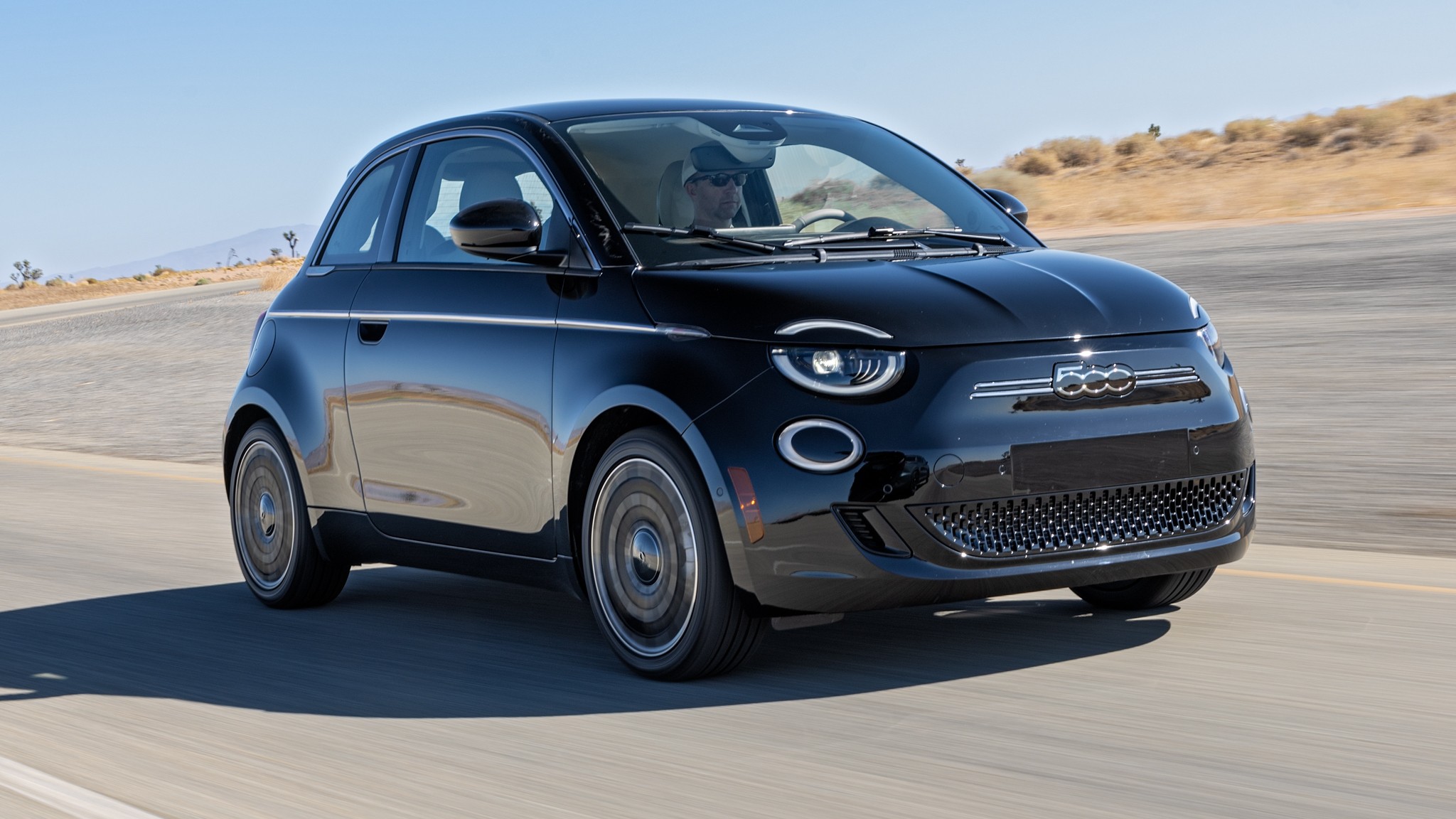
7. Fiat 500e: The Perfect Urban EV for Tight Spaces
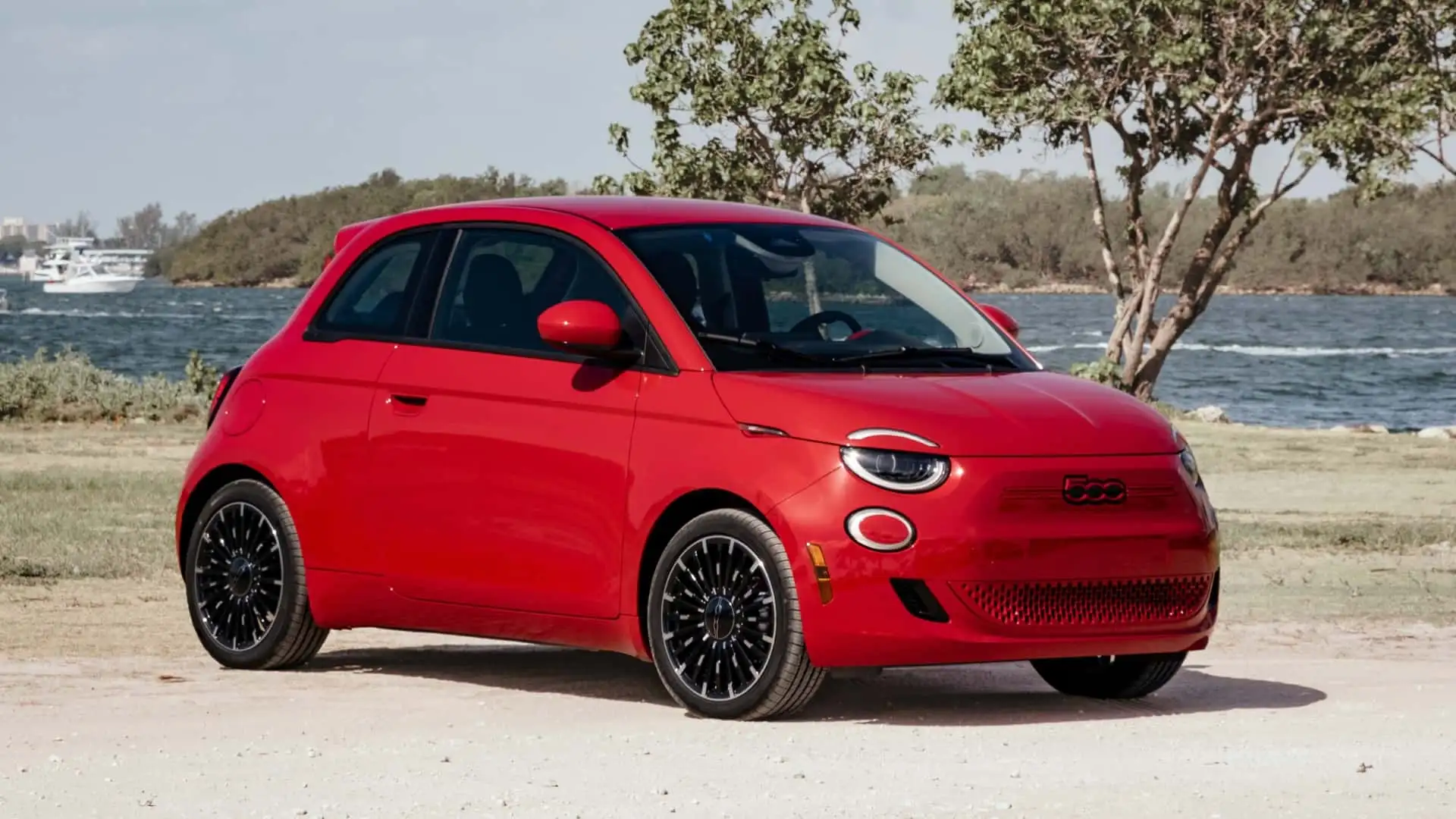
The Fiat 500e, starting at $32,500, is the smallest electric vehicle currently available in the U.S. Designed for dense urban environments, it thrives on short commutes, tight parking, and city maneuverability.
With its 149-mile EPA-estimated range and a fast-charging time of 19 minutes from 20% to 80%, the 500e fits perfectly into a city lifestyle where efficiency and compact size matter most. However, its limited range, small interior, and modest performance restrict its usefulness on longer highway drives.
The Fiat 500e offers smooth performance with enough power for city driving, though it is not especially quick. Its 0–60 mph time of 8.1 seconds trails many rivals, but its braking and handling make up for the lack of speed. The low-mounted battery enhances stability and reduces body roll, while the light, quick steering makes parking effortless. Ride comfort is firm but composed, maintaining control over uneven streets.
The 500e includes a limited suite of driver-assistance features, such as adaptive cruise control, lane centering, and automatic emergency braking. Though basic by today’s EV standards, these aids work effectively and contribute to the car’s confident city manners.
Inside, the 500e feels charming but minimalistic. While road and wind noise are noticeable due to limited sound insulation, the climate control system performs well and includes physical buttons for ease of use. The infotainment touchscreen is intuitive but slightly dated and slow to respond.
Front-seat comfort is decent, with supportive padding and good adjustability for drivers of all sizes. The rear seats, however, are cramped and best reserved for children or extra storage. Taller passengers will struggle with space, and installing child seats can be challenging. Rear visibility is aided by large windows and compact proportions, making the 500e easy to navigate in traffic.
The 500e comes equipped with wireless Apple CarPlay and Android Auto, a wireless charging pad, and a companion Fiat smartphone app that allows for remote control of features like preconditioning and charging.
However, storage is very limited. Cargo space measures just 7.5 cubic feet, and while the rear seats fold down, they do not create a flat load floor. Cabin storage options are sparse, with small bins and only two cupholders.
The 149-mile range makes the 500e suitable for daily commutes but impractical for longer drives. In real-world testing, it reached 159 miles per charge and consumed 25.9 kWh per 100 miles, making it efficient but still range-limited. Fast charging at 85 kW brings the battery from 20% to 80% in about 19 minutes, although slower than class leaders.
While the 500e’s price and efficiency make it an appealing urban EV, it lacks the space, performance, and refinement of larger electric models. Fiat backs it with a four-year/50,000-mile basic warranty and an eight-year/100,000-mile battery warranty.
The Fiat 500e stands out as a city car defined by its style, simplicity, and practicality in tight spaces, but it remains best suited for urban dwellers with short commutes rather than long-distance drivers.
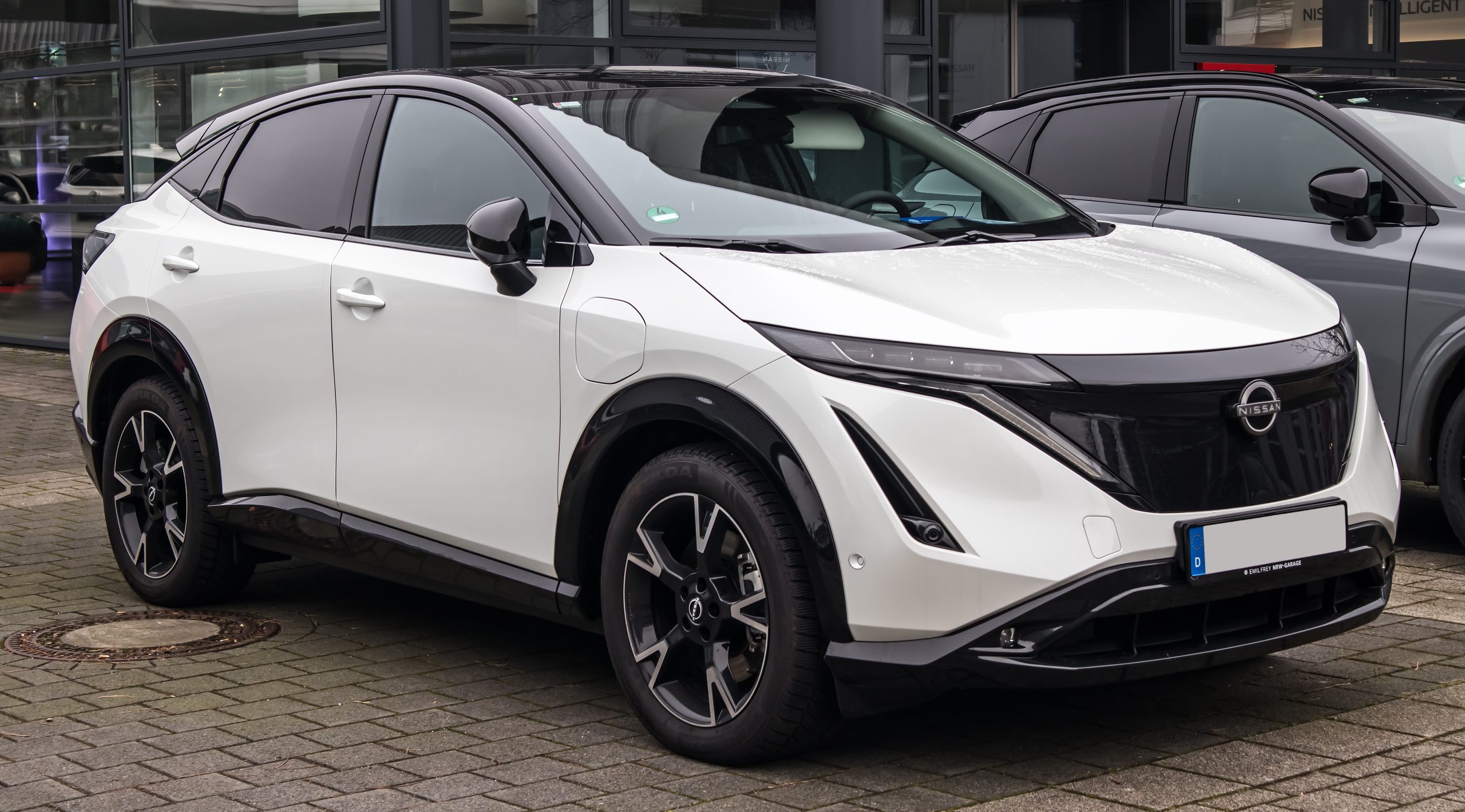
8. Nissan Ariya: Comfort-First Electric SUV for Urban Drivers
The Nissan Ariya, starting at $39,770, is designed for city life and comfort rather than raw performance. With a quiet ride, excellent suspension tuning, and a refined cabin, it’s one of the more relaxing EVs on the road.
Its standard heat pump system improves energy use in both hot and cold weather, adding to its efficiency in all climates. While it delivers smooth acceleration and a serene cabin, the Ariya’s slow charging speed and unimpressive handling make it less appealing to those seeking sportier performance or faster road-trip charging.
The Ariya Platinum+ trim, powered by dual motors, reaches 60 mph in 5.3 seconds, quick enough for daily commutes but not thrilling. Handling is predictable yet soft, with noticeable body lean in sharp turns. Braking is stable but not confidence-inspiring, and the lack of a true one-pedal driving mode limits regenerative braking convenience.
Ride comfort is where the Ariya shines. Its suspension absorbs bumps effortlessly, creating a smooth and composed experience even on rough roads. Visibility is enhanced by a 360-degree camera system and a digital rearview mirror, while ProPilot 2.0 semi-autonomous driving works well, though its subscription fee and sensitivity quirks may frustrate some users.
Inside, the Ariya emphasizes comfort and calm. The front and rear seats are supportive, making long drives pleasant. The cabin remains impressively quiet at highway speeds, and the climate control system quickly adjusts temperature while allowing energy-saving zone control. Some controls, like seat heaters and coolers, are embedded in the touchscreen, which is less convenient than physical buttons.
The layout is functional, with wide door openings, flat floors, and high seating that offer easy entry and a true crossover feel. Rear headroom is slightly limited by the sloping roofline, but space is adequate for most adults. Installing child seats is straightforward thanks to accessible LATCH anchors.
The dual 12.3-inch screens look modern but suffer from dated software and clunky navigation menus. Wireless Apple CarPlay works smoothly, but Android Auto still requires a cable. The Ariya includes a wireless charging pad, a digital phone key, and a smartphone app for remote control and vehicle monitoring.
Cargo capacity is 27.9 cubic feet behind the rear seats and 59.7 cubic feet with them folded, adequate for light travel. Storage for smaller items is limited, and the motorized center console and fold-out bin are impractical. Towing is limited to 1,500 pounds, far below class leaders.
With its larger battery and single motor, the Ariya achieves up to 289 miles of EPA-estimated range, while the dual-motor version delivers around 257 miles. In real-world testing, it managed 265 miles, with energy use measured at 36.3 kWh per 100 miles. Charging from 20% to 80% takes about 40 minutes at a maximum 130 kW rate, slower than most competitors.
The Ariya includes standard Nissan warranties: three years/36,000 miles for basic coverage, five years/60,000 miles for the powertrain, and eight years/100,000 miles for the battery.
The Nissan Ariya delivers a refined, quiet, and comfortable driving experience, ideal for urban commuting and relaxed daily travel. It excels in ride quality and comfort but falls short in efficiency, performance, and charging speed compared with its most capable rivals.
9. Renault 5 E-Tech: Reviving a French Icon for the Electric Age
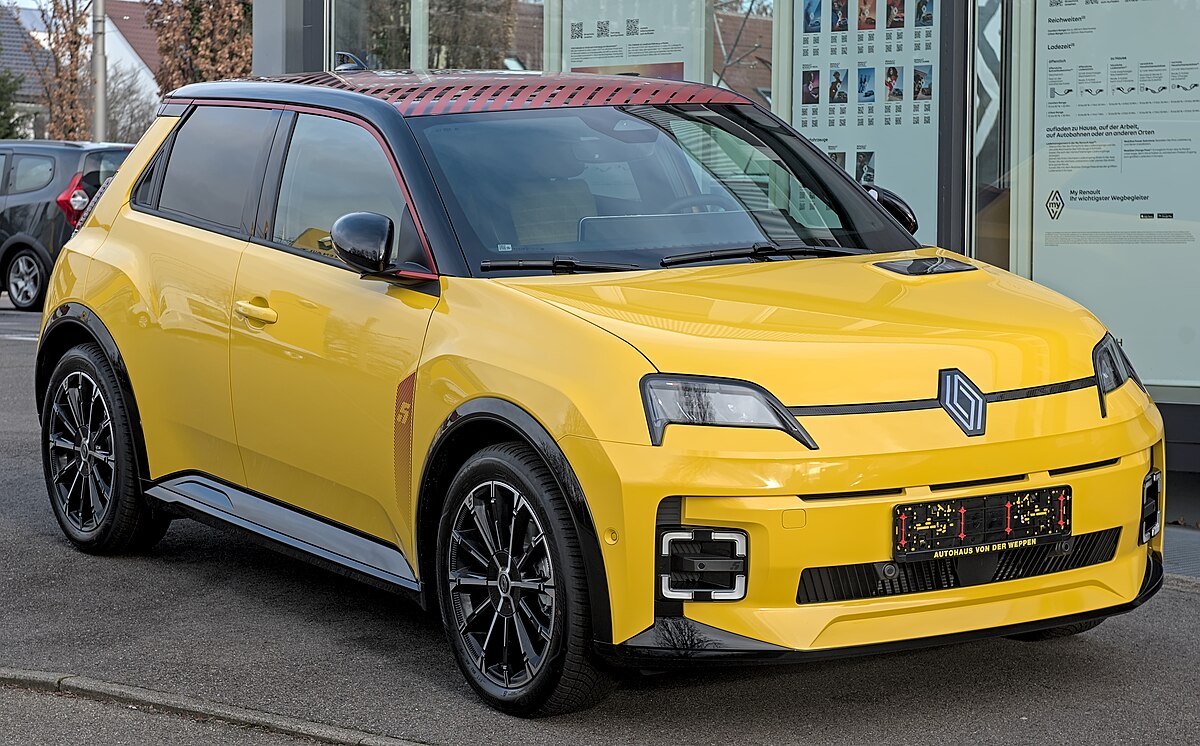
The Renault 5 E-Tech marks one of the most exciting EV launches of 2025, blending retro charm with modern electric innovation. Starting at £21,495 (around $24,700), this compact hatchback brings back the spirit of the beloved 1970s Renault 5 while meeting today’s urban mobility needs.
Renault has managed to create a car that is stylish, affordable, and genuinely fun to drive, earning it the European Car of the Year title and strong anticipation across Europe.
The Renault 5 E-Tech stays true to its roots while adopting a bold, modern look. The car’s silhouette recalls the original’s simple design, enhanced by trapezoidal headlights, vertical taillamps, and muscular wheel arches inspired by the classic 5 Turbo.
Signature paint colors like Pop Yellow and Pop Green add to its retro flair, while subtle touches such as a battery charge indicator on the hood blend nostalgia with innovation. Its compact footprint makes it ideal for urban streets, yet its 18-inch wheels and wide stance give it a sporty, confident presence.
Built on the AmpR Small platform, the 5 offers two configurations: the Urban Range and Comfort Range. The Urban model features a 40-kWh battery and 120 horsepower, providing around 160 miles (EPA-estimated) range.
The Comfort variant upgrades to a 52-kWh battery and 147 horsepower, offering roughly 210 miles (EPA). Both versions charge quickly, with 80-kW and 100-kW DC fast charging, respectively, delivering practicality alongside personality.
Inside, the 5 E-Tech feels premium yet playful. A 10.1-inch infotainment touchscreen with Google Maps and Google Assistant sits alongside a digital instrument cluster, providing a clean and modern interface. Mid-spec trims feature denim upholstery that complements the car’s colorful personality.
Despite its compact size, clever packaging makes the cabin surprisingly roomy, especially up front, where even tall drivers enjoy ample headroom. Cargo space measures 12 cubic feet, sufficient for city errands. Rear seating is tighter but acceptable for short trips.
The Renault 5 E-Tech delivers a joyful driving experience. Steering is precise and direct, while braking and throttle response are smoothly calibrated, making the car easy and rewarding to drive. The low-mounted battery improves handling balance, giving the 5 agility and composure through tight city corners.
The ride is firm but refined, absorbing bumps well without harshness. It is not a high-performance EV, yet it feels lively, responsive, and remarkably refined at highway speeds.
The Renault 5 E-Tech captures the essence of what made the original 5 beloved: accessibility, character, and charm, while reimagining it for the electric era. With its stylish design, capable range, and engaging drive, it stands as one of the most appealing small EVs on the market. Though unlikely to reach U.S. shores, it remains a standout example of how to make electric mobility both fun and affordable.
10. Fiat Grande Panda: Affordable Italian Charm for the Electric Era
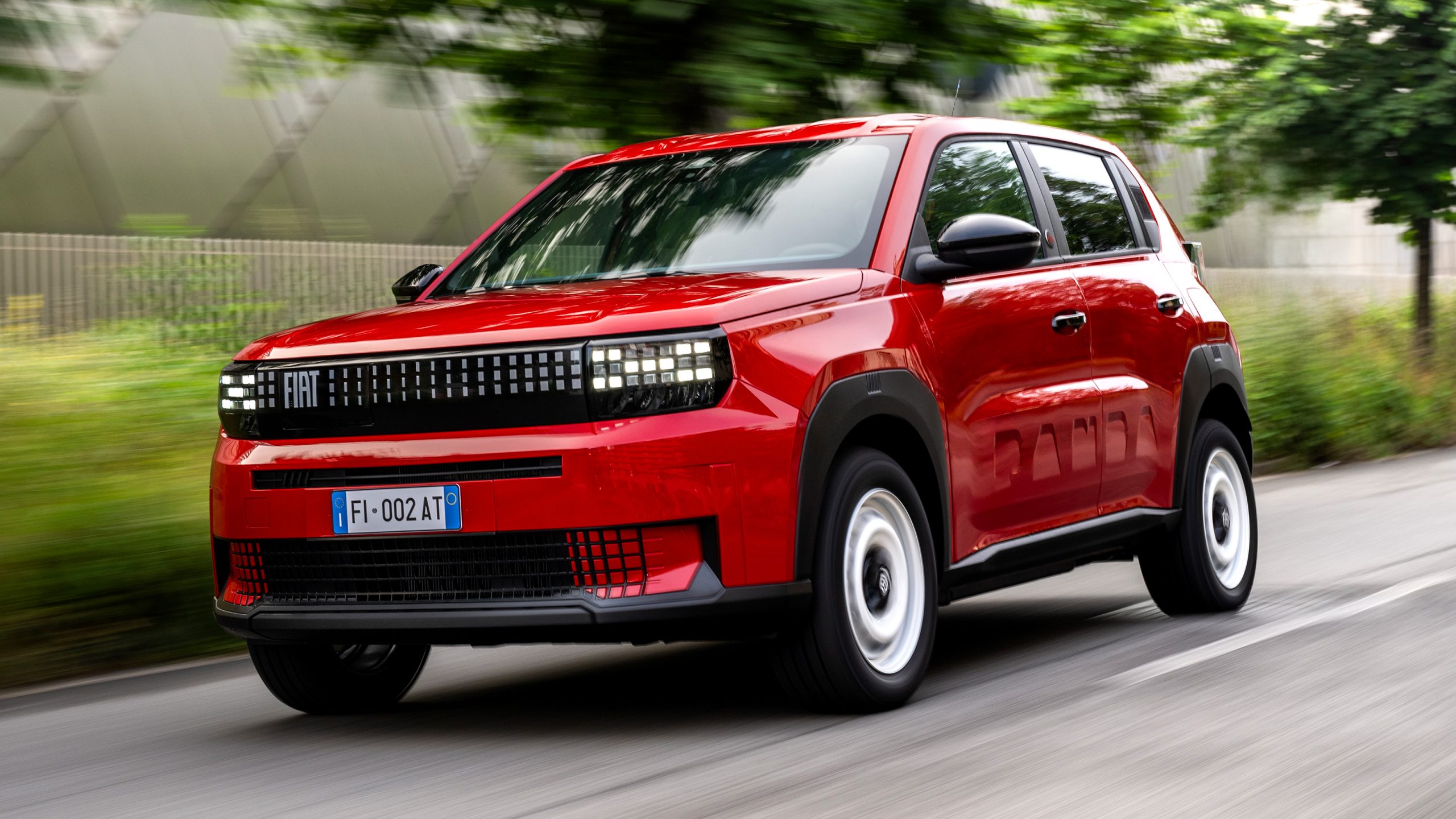
The 2025 Fiat Grande Panda marks a bold return for Fiat’s iconic small car, reinvented for the modern electric age. Drawing inspiration from the 1980 original, the Grande Panda blends nostalgia with futuristic design, practicality, and affordability. Rather than simply electrifying an old model, Fiat’s design team has created a fresh, playful reinterpretation of the Panda’s spirit: affordable, functional, and full of character.
Designed under Francois Leboine, formerly of Renault’s design team, the Grande Panda carries hints of the original’s boxy shape and practical simplicity while pushing into bold, modern territory. The cabin features transparent yellow Perspex, bright blue sustainable plastics, and cheerful color accents.
Fiat’s logo and the word PANDA are embossed throughout, serving both decorative and structural purposes. Interior inspiration even comes from Fiat’s historic Lingotto factory, reflected in the pixel-style lights and square vents.
At nearly 13 feet (4 meters) long, the Grande Panda is the largest Panda yet, edging into the supermini class while keeping a compact footprint. Despite its size increase, it remains faithful to Fiat’s small-car expertise, offering bright interiors, practical storage, and clever details like a captive charging cable hidden behind the grille, spiralized like a vacuum cleaner cord for easy use.
Built on Stellantis’s budget platform (shared with the Citroën ë-C3), the electric Grande Panda delivers 111 horsepower and a claimed 199-mile WLTP range, though real-world tests showed closer to 150 miles. Ride comfort is a weak spot: it is too firm on rough roads and lacks agility on twisty ones. Still, for city and suburban driving, it performs adequately.
Rear space is tight for three adults but acceptable for two, and the upright design provides generous headroom. Cabin storage is plentiful, though unlined bins mean small items may rattle during travel. Fiat also plans a petrol-hybrid version, using Stellantis’s turbocharged three-cylinder engine and a six-speed twin-clutch automatic, starting about $2,500 less than the electric model.
Starting around $26,500, the Grande Panda is the most affordable electric supermini in the UK. Its closest rivals include the Renault 5, Hyundai Inster, and Citroën ë-C3, though the Fiat undercuts most competitors in price while offering more personality. Petrol versions will compete with the Suzuki Ignis, Toyota Aygo X, and Dacia Sandero.
The 2025 Fiat Grande Panda delivers a rare mix of charm, practicality, and affordability. It may not be the most refined or dynamic electric car, but its bold design, cheerful personality, and strong value make it a standout in the shrinking small-car segment. This is a confident return to what Fiat has always done best: creating small cars with big character.
11. Citroën e-C3: Comfort and Value Redefined for Affordable EVs
The 2025 Citroën e-C3 sets a new benchmark for affordable electric superminis, blending comfort, practicality, and value. Starting at around $26,000, it undercuts rivals like the Mini Cooper Electric, Vauxhall Corsa Electric, and Peugeot e-208 by several thousand dollars, proving that electric mobility does not have to come with a luxury price tag.
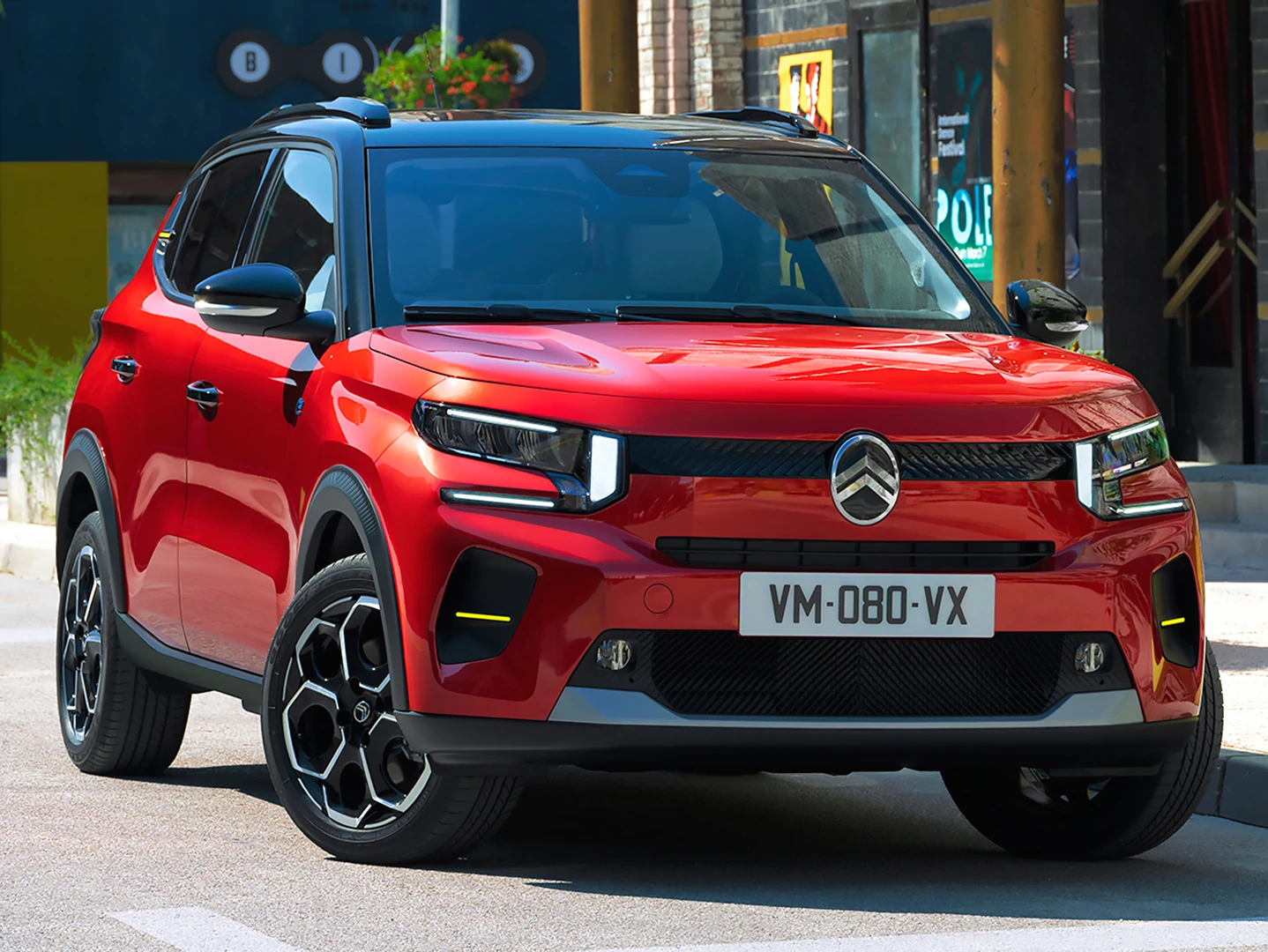
Inspired by Citroën’s Oli concept, the e-C3 adopts a taller, more SUV-like stance with skid plates, roof rails, and flared arches. It is now 3.3 inches higher and slightly longer and wider than its predecessor, resulting in a roomier cabin. Built on Stellantis’s new Smart Car platform, the e-C3 offers 111 horsepower and a top speed of 84 mph.
Its 44 kWh lithium ferro phosphate battery promises up to 199 miles of range, while a 20 to 80 percent recharge takes about 25 minutes on a 100 kW fast charger. Home charging takes just over four hours, or less than three with the optional 11 kW onboard charger.
True to Citroën’s heritage, comfort is the e-C3’s defining feature. It comes standard with the brand’s Advanced Comfort Suspension, delivering an exceptionally smooth ride that easily absorbs bumps and potholes. Handling is soft and somewhat “rolly” at higher speeds, but the e-C3 is clearly tuned for everyday driving, not sporty performance. The steering is light and accurate, making it ideal for city streets and suburban commutes.
Inside, the e-C3 surprises with creativity and warmth. Despite the use of hard plastics, the cabin feels inviting thanks to fabric-wrapped dashboards, cushioned “armchair” seats, and a minimalist design featuring a head-up display instead of a traditional gauge cluster. Quirky design labels scattered throughout the interior add playful charm.
The Citroën e-C3 competes directly with the Fiat Grande Panda, Renault 5, and Dacia Spring, though it strikes a unique balance of comfort and affordability. A recall related to brake pedal assembly issues has affected some UK-spec cars, but Citroën is addressing the problem proactively.
The Citroën e-C3 stands out as one of the most comfortable and best-value EVs in its class. It offers everyday usability, distinctive design, and impressive pricing, proving that electric cars can still be fun, practical, and accessible.
12. Fiat 500 Electric: Retro Charm Meets Modern Urban Mobility
The Fiat 500 Electric (500e) blends classic Italian design with zero-emission technology, offering an eco-friendly take on Fiat’s beloved city car. While it shares the iconic retro styling of its petrol-powered predecessor, the 500e is a fully modern electric vehicle beneath the surface.
It is available with two battery options: a 24 kWh pack producing 94 horsepower and offering a 118-mile range, and a 42 kWh version with 116 horsepower and a 199-mile range. Starting around $32,000, the 500e is one of the smaller and more stylish electric city cars available today.
The 500e delivers a smooth, quiet, and agile driving experience ideal for urban environments. Acceleration to 60 mph takes about 8.1 seconds, which is respectable for a city EV. The low-mounted battery improves handling and stability, keeping body roll in check through corners.
Steering is light and quick, making it easy to park or maneuver through tight city streets. Braking performance is strong, and regenerative braking allows for one-pedal driving. Ride quality is firm but comfortable, and visibility is excellent thanks to large windows and compact proportions.
Inside, the 500e maintains Fiat’s playful aesthetic with a simple yet modern cabin. The infotainment system supports wireless Apple CarPlay and Android Auto, though the screen resolution and responsiveness feel dated.
Front seats provide good padding and adjustability, but the rear seats are cramped and best suited for small children or extra luggage. Wind and road noise are more noticeable than in many EVs, though climate control and cabin comfort remain strong. Interior materials are mostly hard plastics, giving the cabin a less premium feel despite solid build quality.
Storage and cargo space are limited, with only 7.5 cubic feet of trunk capacity. Even with folding rear seats, utility remains modest. Charging speeds peak at 85 kW, meaning slightly longer waits at fast-charging stations. Real-world range varies between 149 and 159 miles, making it best suited for short commutes.
The Fiat 500e stands out for its style, efficiency, and city-friendly agility rather than its practicality or long-distance ability. It is a charming urban EV that prioritizes personality over power and range, an ideal choice for drivers seeking flair and simplicity in their daily commute.
Electric vehicles are redefining what it means to drive in the city, and these 12 compact models show how convenience, efficiency, and style can work together. Each car offers a blend of modern design, advanced technology, and everyday practicality tailored to urban living.
The Fiat 500e brings charm and simplicity, while the Renault 5 E-Tech and Genesis GV60 deliver flair and refinement. Together, they prove that compact size can still offer impressive capability and comfort. As charging networks expand and battery range improves, compact EVs are becoming even more appealing for daily use.
They save space, reduce emissions, and make driving through crowded streets easier than ever. For anyone seeking a smart, efficient, and enjoyable way to get around, these vehicles set the standard for the next generation of urban mobility.
Also Read: 15 Cars That Still Run Smooth at Half a Million Miles