
For most American drivers, owning a car isn’t just about the sticker price it’s about the cost of keeping it running when things inevitably go wrong.
Repairs can be the difference between a happy ownership experience and a financial headache.
But some vehicles are built with simplicity, affordable parts, and widespread availability in mind, making them cheaper to fix even when they do break.
Whether you’re a college student, a family driver, or someone looking for a practical daily commuter, these 15 cars prove that not every repair bill has to sting.
1. Toyota Corolla
The Toyota Corolla has long been synonymous with reliability, but even when it does break down, it’s famously cheap to repair.
Thanks to massive production numbers and parts that fit across multiple generations, replacement components are everywhere and inexpensive.
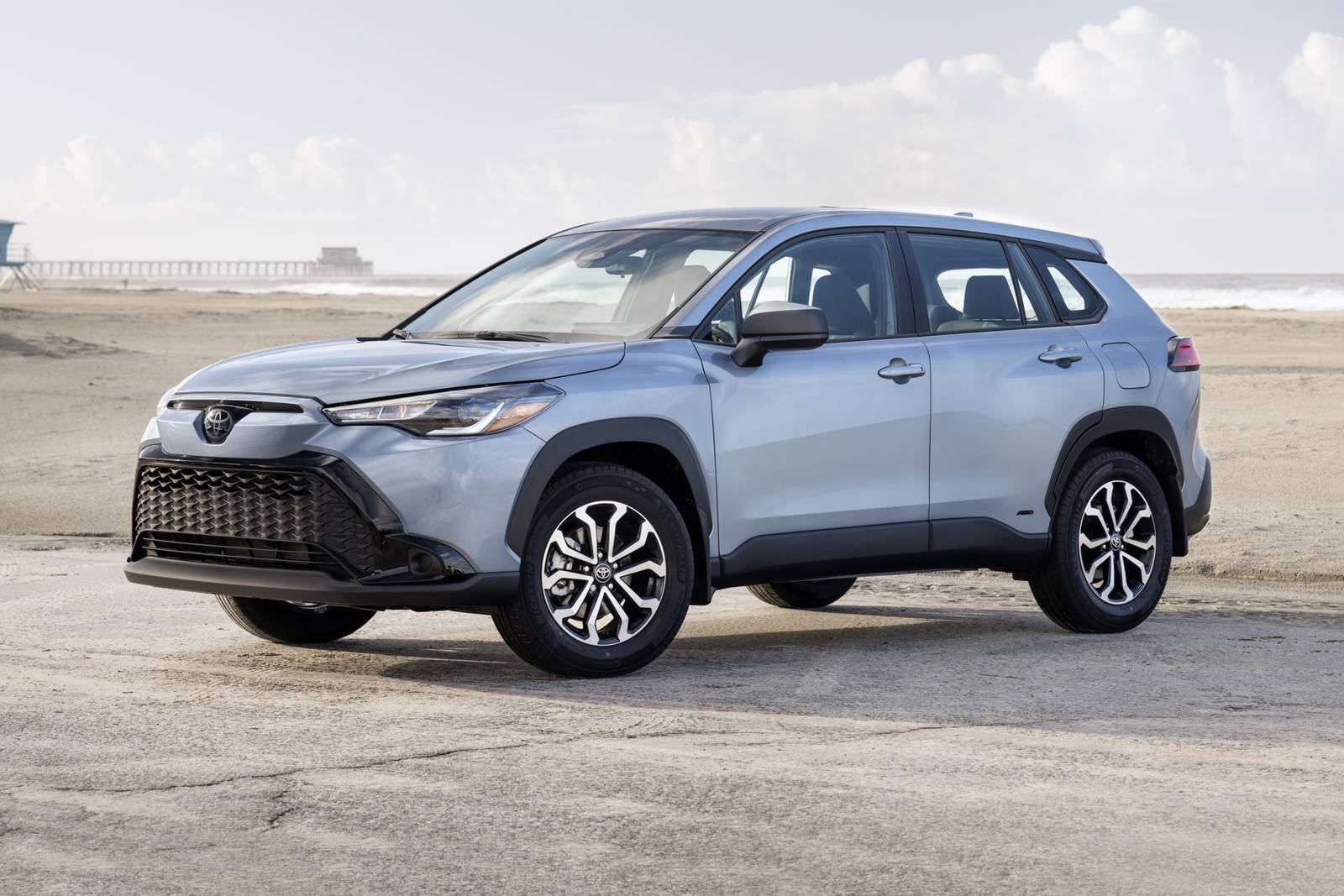
The 1.8-liter four-cylinder engine is simple to work on, and many local mechanics know the Corolla inside out. Expect affordable brake jobs, low-cost alternators, and accessible labor rates.
2. Honda Civic
Like the Corolla, the Honda Civic’s reputation for dependability is well-earned. But what makes it truly wallet-friendly is the widespread availability of aftermarket and OEM parts.
From timing belts to control arms, everything is easy to source. Civics also have a huge enthusiast following, meaning there’s a wealth of DIY resources and video guides online. Even when an older Civic needs attention, it rarely means draining your bank account.
The 2024 Honda Civic LX Sedan starts at $23,950 and offers seating for five passengers. Measuring 184.0 inches in length, 70.9 inches in width, and 55.7 inches in height, the Civic provides 39.3 inches of front headroom, 37.1 inches in the rear, 42.3 inches of front legroom, and 37.4 inches for rear passengers.
Shoulder room comes in at 57.0 inches up front and 56.0 inches in the back, with a total cargo capacity of 14.8 cubic feet. The curb weight of the vehicle is 2,877 pounds.
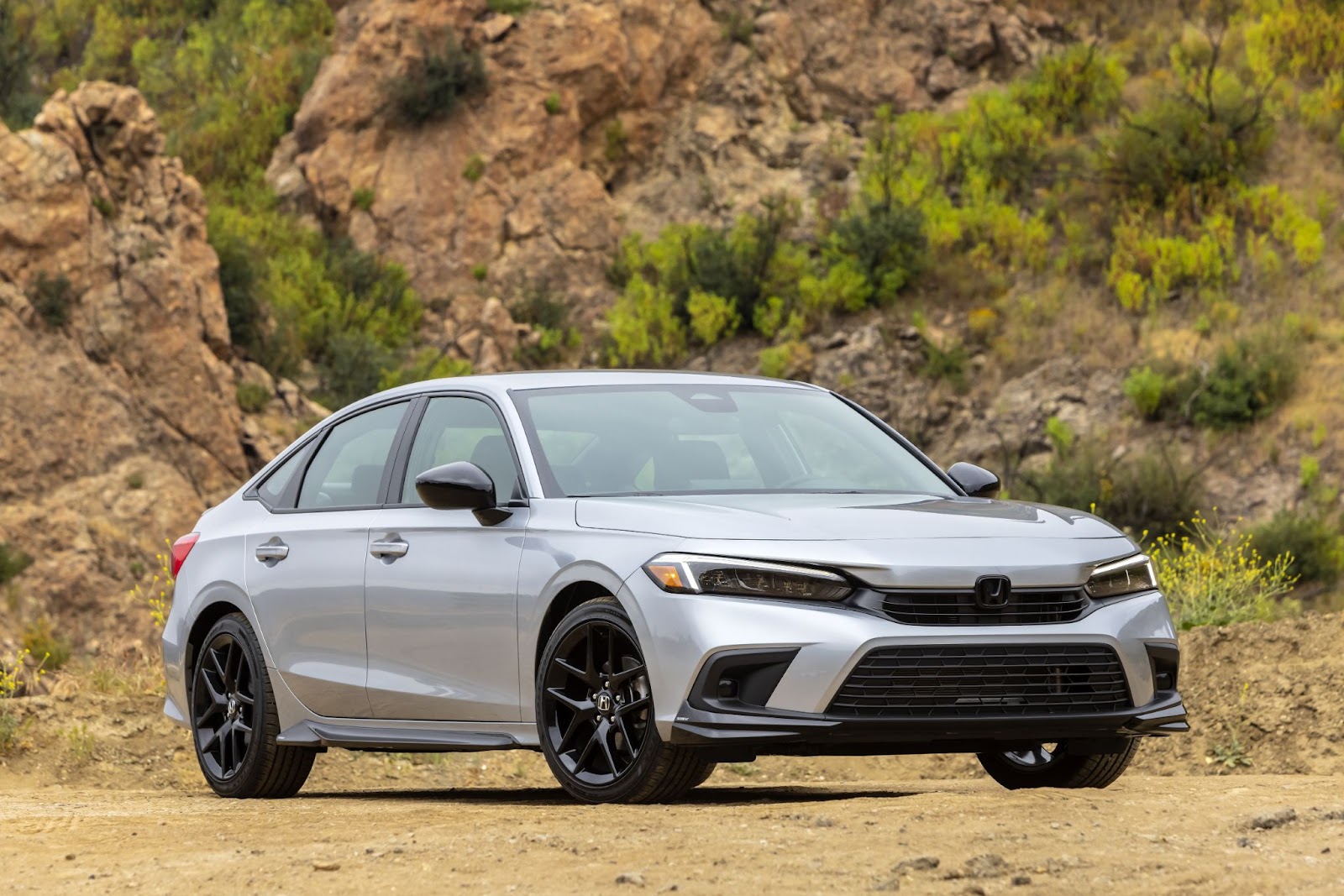
Powering the Civic is a 2.0-liter inline four-cylinder engine that produces 158 horsepower at 6,500 rpm and 138 lb-ft of torque at 4,200 rpm. The engine is paired with a continuously variable automatic transmission and drives the front wheels.
The drivetrain features an inline four-cylinder configuration, and the Civic runs on unleaded fuel. While exact engine size, ground clearance, GVWR, payload, and towing capacity are not specified, the Civic achieves a driving range of approximately 434 miles.
The 2024 Civic is offered in a hatch/wagon body style and comes equipped with a front-wheel-drive layout and automatic transmission.
Other specifications, including standard MPG and several dimensions like wheelbase, are not available, but the Civic provides a practical and efficient option in the compact car segment.
Also Read: 5 Cars That Stay Popular for Years vs 5 That Fade Quickly
3. Ford Focus (2008–2018)
The Ford Focus, especially the pre-2012 models, are straightforward to maintain and fix. American parts availability means repairs are often cheaper than imports, and the Focus’s simple 2.0-liter engine avoids exotic tech that would hike up shop bills.
Brake parts, sensors, and suspension components are inexpensive, and local garages can service it without specialized equipment. Even the automatic transmissions are easier to repair compared to other compact cars of the era.
The 2010 Ford Focus is a capable compact car available in both sedan and coupe body styles. While it received a redesign in 2008, its underlying platform dates back to the early 2000s, meaning that even as a new model, it did not break significant ground in the compact segment.
Its exterior design is relatively conservative, but in this class, understated styling isn’t necessarily a drawback. Inside, the Focus provides a roomy cabin with ample space for four passengers and 13.8 cubic feet of trunk capacity.
While the styling may not turn heads, the Focus offers the attributes of a safe and practical choice for cautious buyers. The 2010 lineup includes several trims, S, SE, SE coupe, SEL, SES, and SES coupe, powered by a single 2.0-liter inline-four engine paired with either a five-speed manual or four-speed automatic transmission.
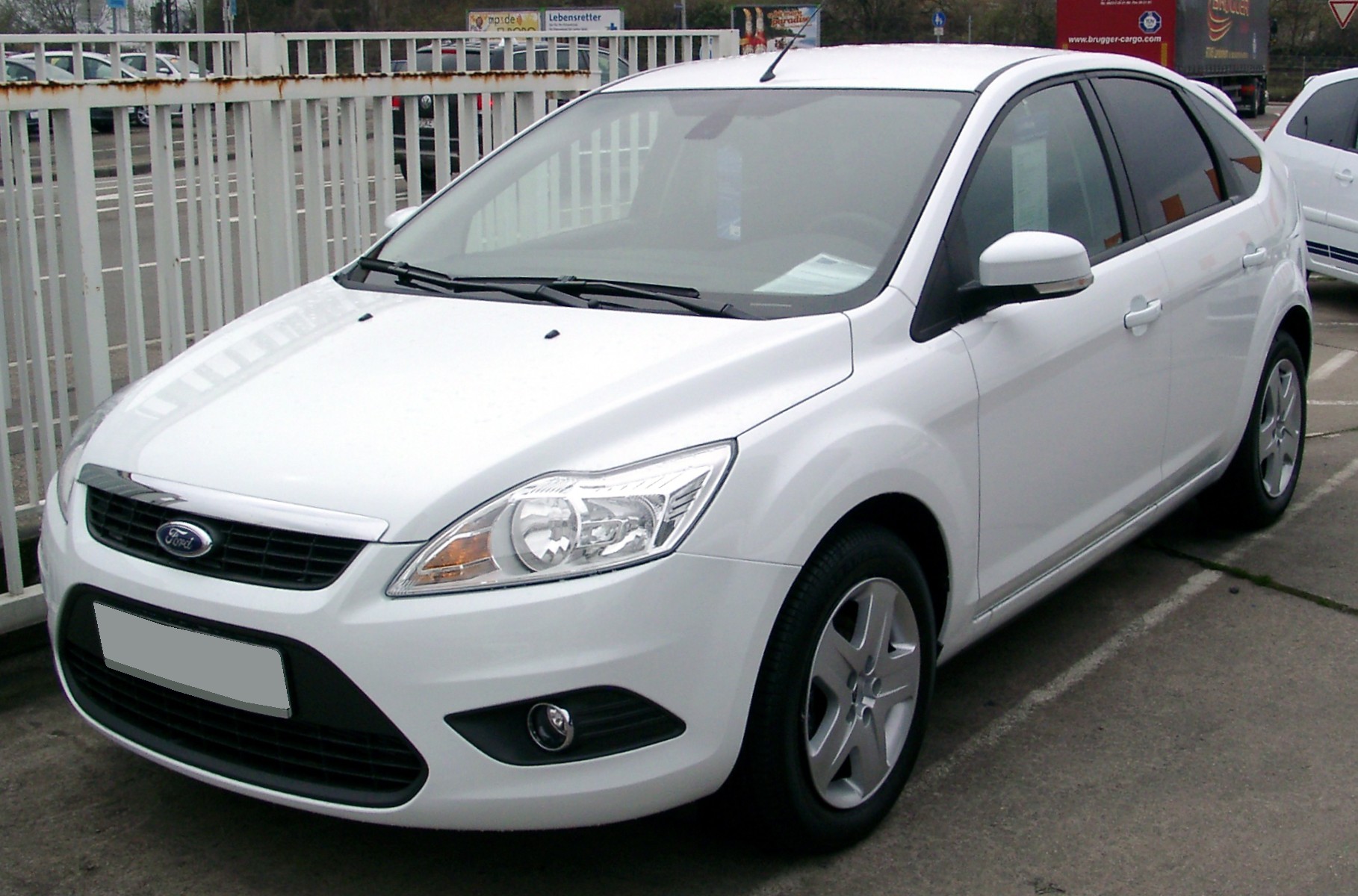
The SES models benefit from a performance-tuned suspension that enhances handling, while the manual transmission provides slightly better fuel economy and a more engaging driving experience.
SES trims add a touch of flair with 17-inch aluminum wheels, a revised front fascia, and a rear spoiler. Inside, the cabin remains functional, though somewhat button-heavy, with passenger and cargo space consistent across coupe and sedan models. Optional extras include an eight-speaker, 190-watt stereo.
Under the hood, the Focus is powered by a 2.0-liter inline-four engine producing 140 horsepower and 132 pound-feet of torque.
Standard safety features include six airbags, dual front, front side-impact, and front-and-rear side curtain, along with stability control, four-wheel anti-lock brakes, and a tire-pressure monitoring system. Overall, the 2010 Ford Focus combines practicality, safety, and modest comfort into a solid, if unflashy, compact car package.
4. Hyundai Elantra
The Elantra has evolved into a sleek and tech-filled compact car, but one thing hasn’t changed Hyundai’s commitment to affordability.
Parts for the Elantra are low-cost, and the brand’s long warranties keep many examples well-maintained in the used market.
The engines are relatively simple, meaning common fixes like alternators, struts, or timing chain components don’t cost much. For a modern car, it’s impressively cheap to keep on the road.
Drivers in search of an affordable small car with impressive hybrid fuel efficiency should consider the Hyundai Elantra Hybrid. Visually, it mirrors the standard Elantra compact sedan but differentiates itself with an efficient electrified powertrain.
Introduced in 2021, the Elantra Hybrid received a comprehensive refresh for 2024, and as a result, the 2025 model carries over most updates. Its main competitors include the Toyota Prius, Honda Civic Hybrid, and Kia Niro.
For 2025, Hyundai has added a new midrange SEL Sport trim to the Elantra Hybrid lineup, while the entry-level Blue trim now features smaller digital displays than before.
The 2024 refresh brought several enhancements that continue into 2025, including updated front- and rear-end styling, new exterior paint and interior color options, more soft-touch materials in the cabin, USB-C ports, and a steering wheel with haptic feedback.
In the 2025 lineup, the sporty Elantra N remains the most engaging to drive, but it consumes fuel more quickly than the Hybrid.
For drivers prioritizing efficiency over performance, the Elantra Hybrid is the superior choice. The standard Elantra offers comfort, spaciousness, and plenty of standard features, but its engine and relaxed acceleration limit its driving enjoyment.
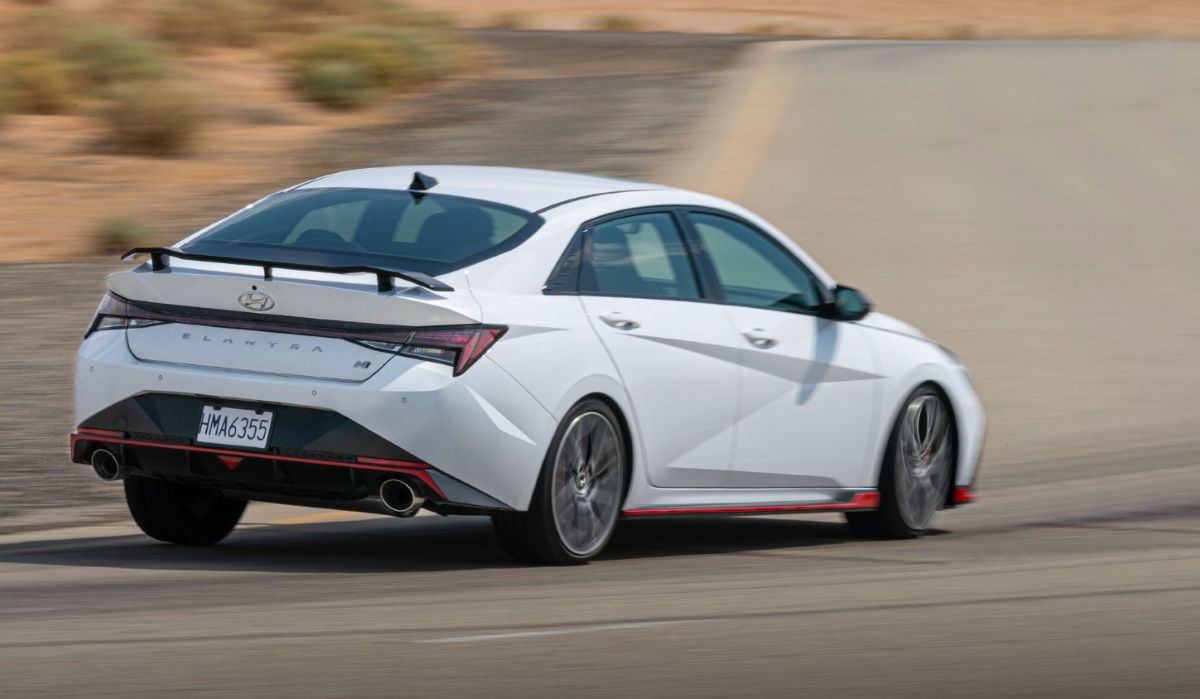
The Hybrid model remedies this with improved off-the-line responsiveness while maintaining all the positive attributes of the non-hybrid version, along with significantly better fuel economy. The Blue trim delivers particularly strong value, offering superior mileage compared to other trims.
Although the Toyota Prius still leads the hybrid segment, the Elantra Hybrid provides a compelling alternative for those who prefer conventional styling while saving on fuel. The newly arrived Honda Civic Hybrid presents a more athletic and refined option, placing pressure on Hyundai’s most efficient sedan.
Under the hood, the Elantra Hybrid pairs a 1.6-liter inline four-cylinder engine with an electric motor, producing a combined 139 horsepower and 195 pound-feet of torque. Power is sent to the front wheels through a six-speed dual-clutch automatic transmission.
In testing, the Elantra Hybrid accelerates from 0 to 60 mph in 8.7 seconds. Fuel economy is outstanding, with the Blue trim achieving 51 mpg in the city and 58 mpg on the highway, while the Limited model posts 49/52 mpg city/highway.
Also Read: 10 Cars That Are the Best Kept Secrets in the Market
5. Toyota Camry
The Toyota Camry blends comfort with bulletproof engineering. It’s one of the easiest midsize sedans to own long-term because parts are shared across multiple Toyota and Lexus models.
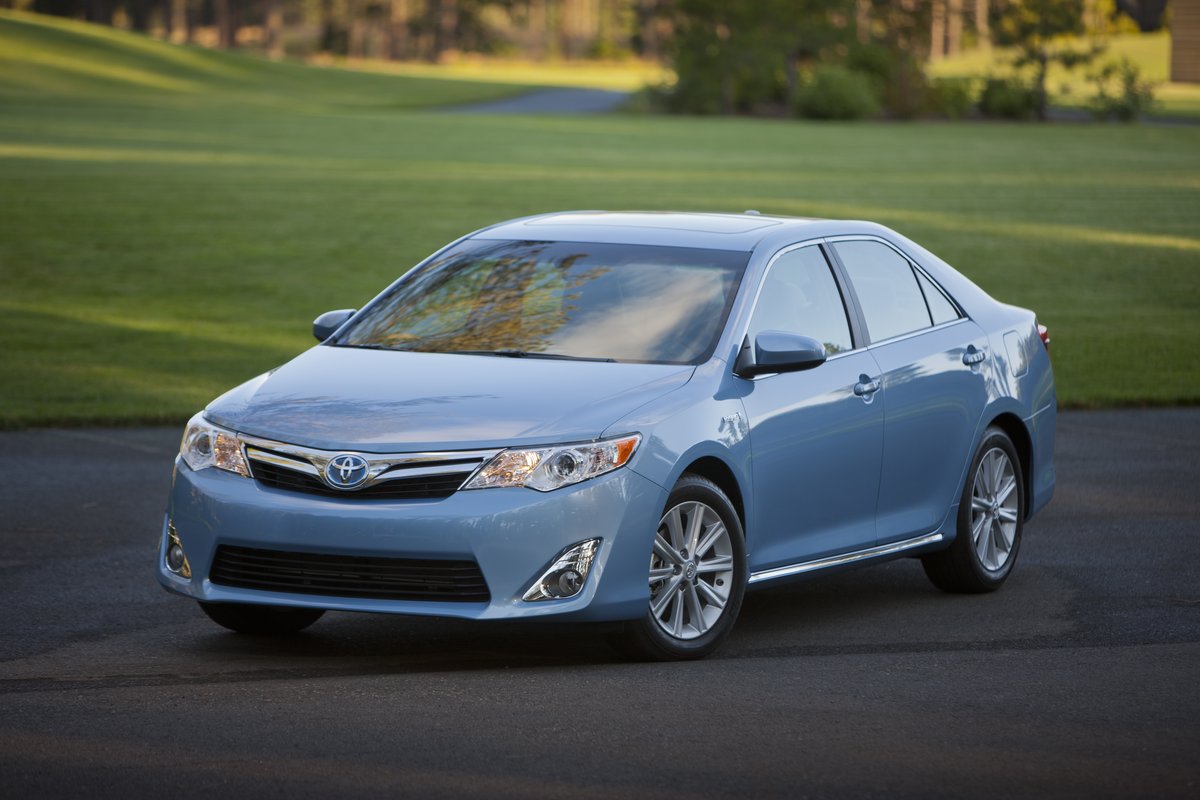
Whether it’s a water pump or a transmission mount, you can count on parts being both plentiful and affordable. Independent mechanics love working on them, and even dealership repair costs tend to be reasonable compared to European competitors.
6. Honda Accord
The Accord’s enduring popularity ensures that every part, from window regulators to ignition coils, is easy to find. It’s also a favorite among U.S. mechanics because of its straightforward layout and proven reliability.
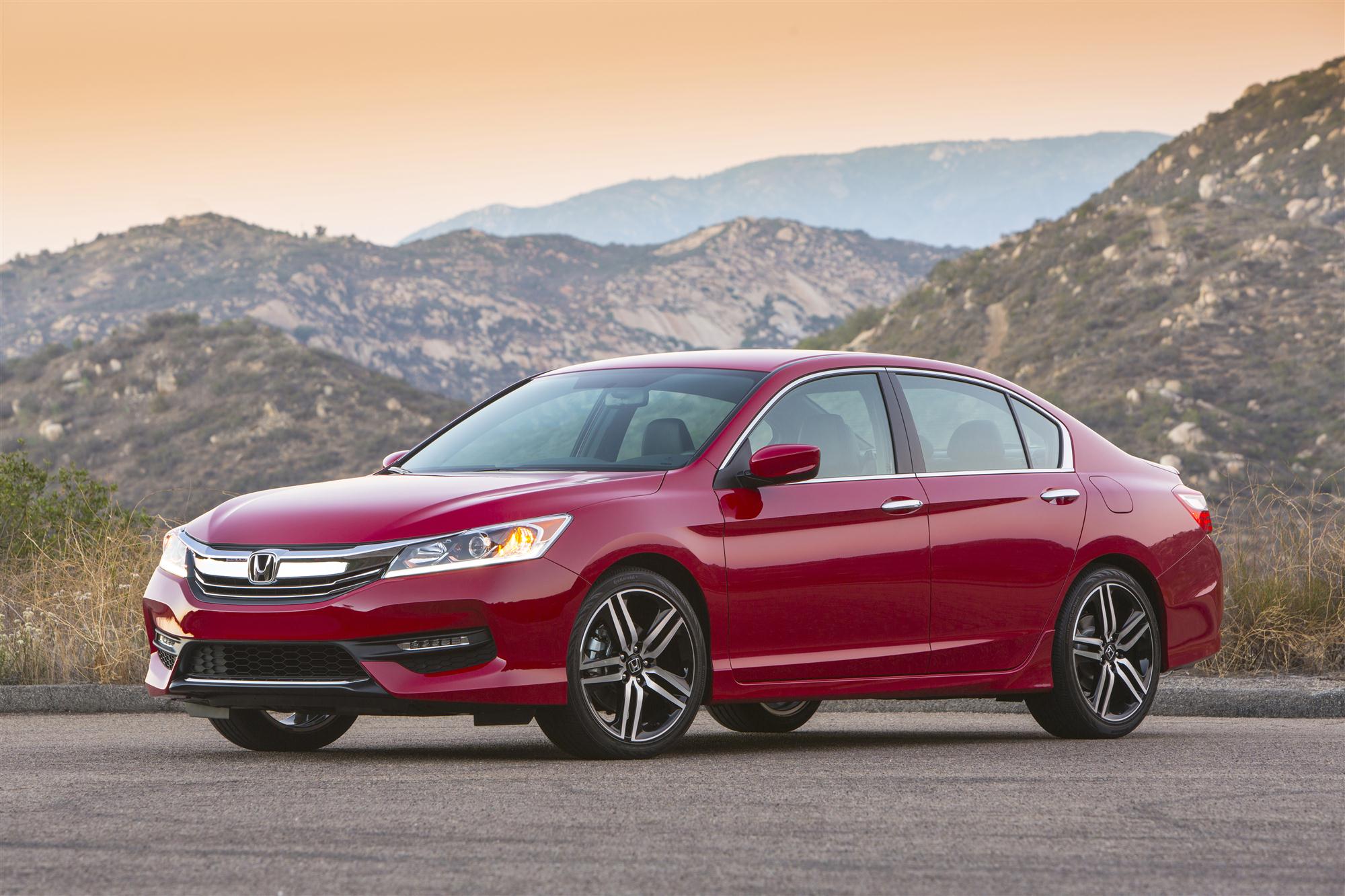
Older Accords with the 2.4-liter four-cylinder engine are especially cheap to fix, with timing chain designs that eliminate one of the more costly maintenance items the timing belt.
7. Mazda3
Mazda’s compact car offers a balance of fun and practicality and it doesn’t punish you for needing repairs. The 2.0- and 2.5-liter SkyActiv engines are known for their longevity, and when something goes wrong, parts are shared with the Mazda6 and CX-5, lowering costs.
Its suspension setup is simple and easy to service, and regular maintenance jobs like oil changes or brake replacements are among the cheapest in its class.
Mazda’s ever-reliable and engaging compact 3 sedan returns for 2018 with minimal changes—and that’s perfectly fine. Also offered as a hatchback, the Mazda 3 continues to impress with its attractive styling, upscale interior, and fun-to-drive nature that sets it apart from many competitors.
For 2018, Mazda expanded the availability of its more powerful 2.5-liter inline-four engine, previously exclusive to the Grand Touring trim, to now include the mid-level Touring model.
Additionally, Mazda refined its trim-level equipment strategy, making features and options more logically distributed across the lineup. Notably, all 2018 Mazda 3 models now come standard with automated emergency braking for added safety.
Pricing for the 2018 Mazda 3 lineup originally started at $18,990 for the 4-Door Sport and ranged up to $26,390 for the 5-Door Grand Touring model.
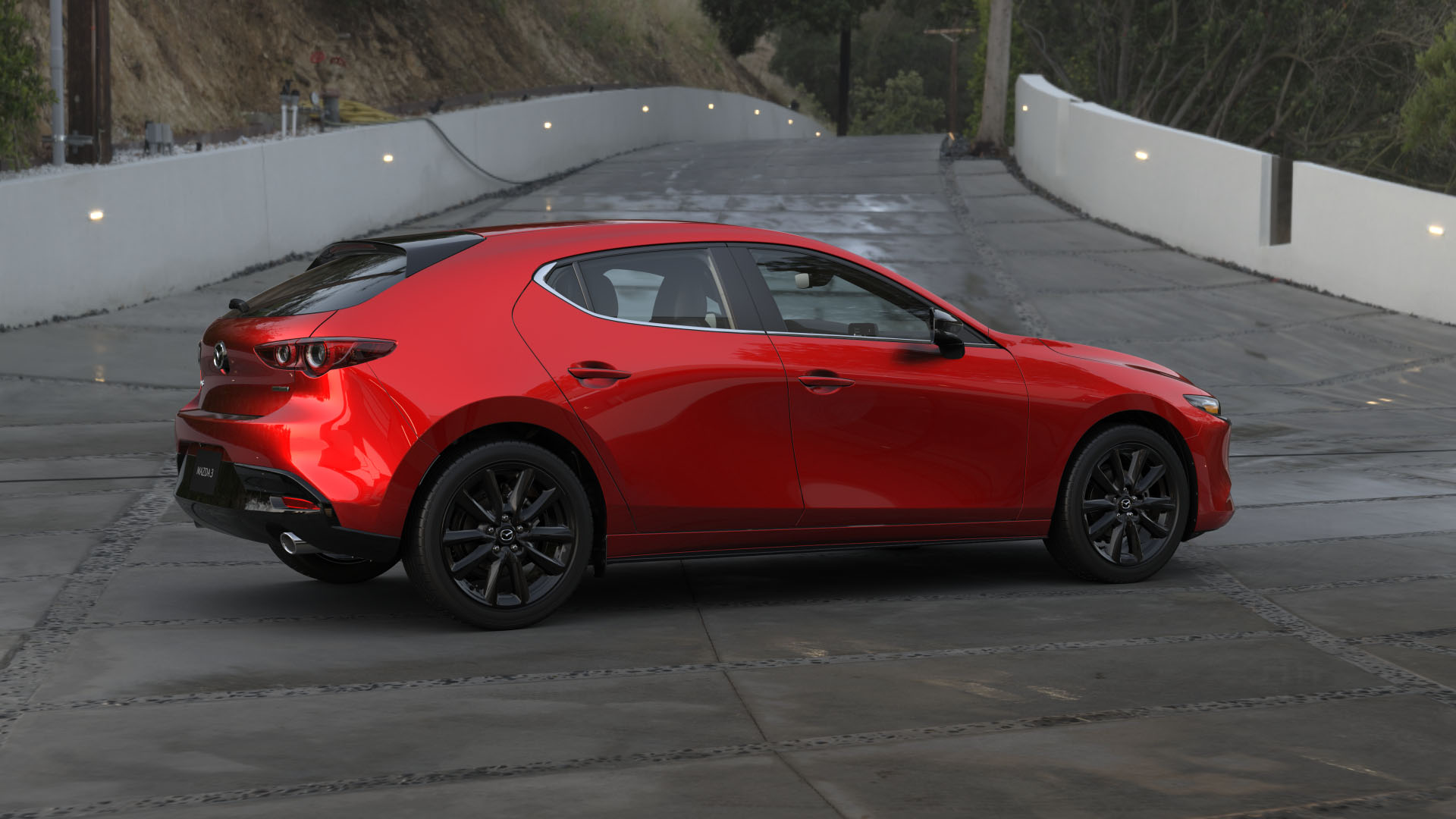
The Sport sedan comes powered by a 2.0-liter four-cylinder engine producing 155 horsepower and 150 lb-ft of torque, paired with a standard six-speed manual gearbox, though a smooth-shifting automatic is available. The Touring trim receives the upgraded 2.5-liter engine, which boosts output to 184 horsepower and 185 lb-ft of torque, making it a more spirited choice.
Meanwhile, the Grand Touring serves as the most well-equipped version, with both sedan and hatchback variants powered by the same 2.5-liter engine. An automatic transmission adds $1,050, but enthusiasts may prefer the standard six-speed manual for a more connected drive, and the bonus of saving that same amount.
Performance remains one of the Mazda 3’s greatest strengths. Every model delivers an engaging, responsive experience behind the wheel that few compact cars can match.
Despite its sporty character, the suspension offers excellent composure without sacrificing daily comfort. Whether in sedan or hatchback form, the 2018 Mazda 3 strikes an enviable balance between refinement, practicality, and pure driving enjoyment.
8. Chevrolet Malibu (2010–2016)
The Chevy Malibu from the early 2010s may not win beauty contests, but it’s cheap to buy and even cheaper to fix. Domestic parts supply keeps costs down, and GM’s engines like the 2.4-liter four-cylinder are simple to maintain.
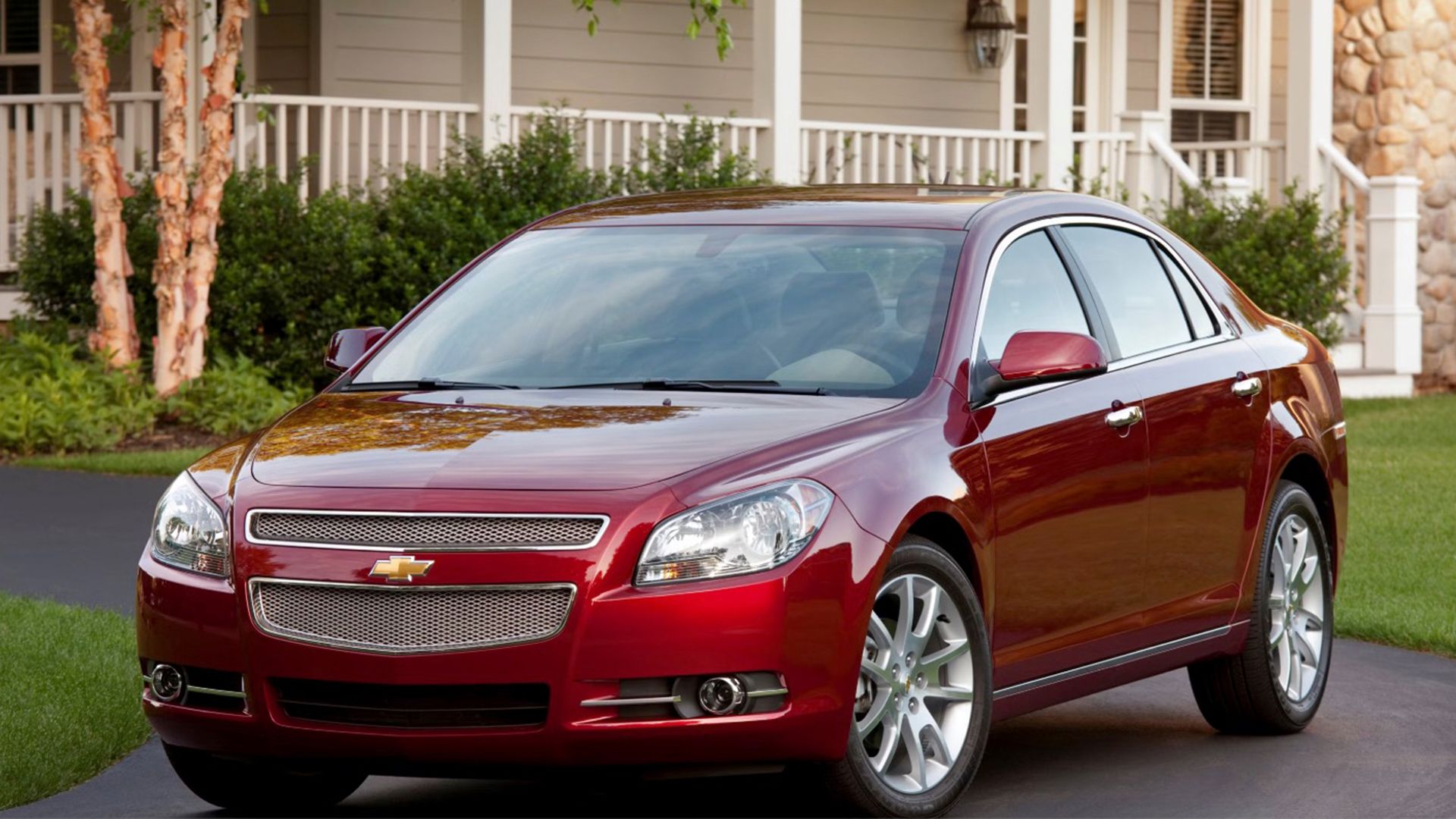
Alternators, sensors, and control modules are inexpensive compared to imports. For budget-conscious families, it’s an underrated option that won’t break the bank when the check-engine light comes on.
9. Nissan Sentra (2013–2019)
The Sentra might not be the flashiest compact car, but its parts are inexpensive and plentiful. While the CVT transmission has its critics, basic maintenance and small repairs like brakes, exhausts, and suspension components are remarkably cheap.

For those willing to keep up with routine service, a used Sentra remains one of the more affordable compact sedans to keep running past 150,000 miles.
10. Ford Fusion (2013–2020)
The Ford Fusion has aged into one of the best used bargains on the market. Beyond its comfort and features, it’s known for easy repairability.
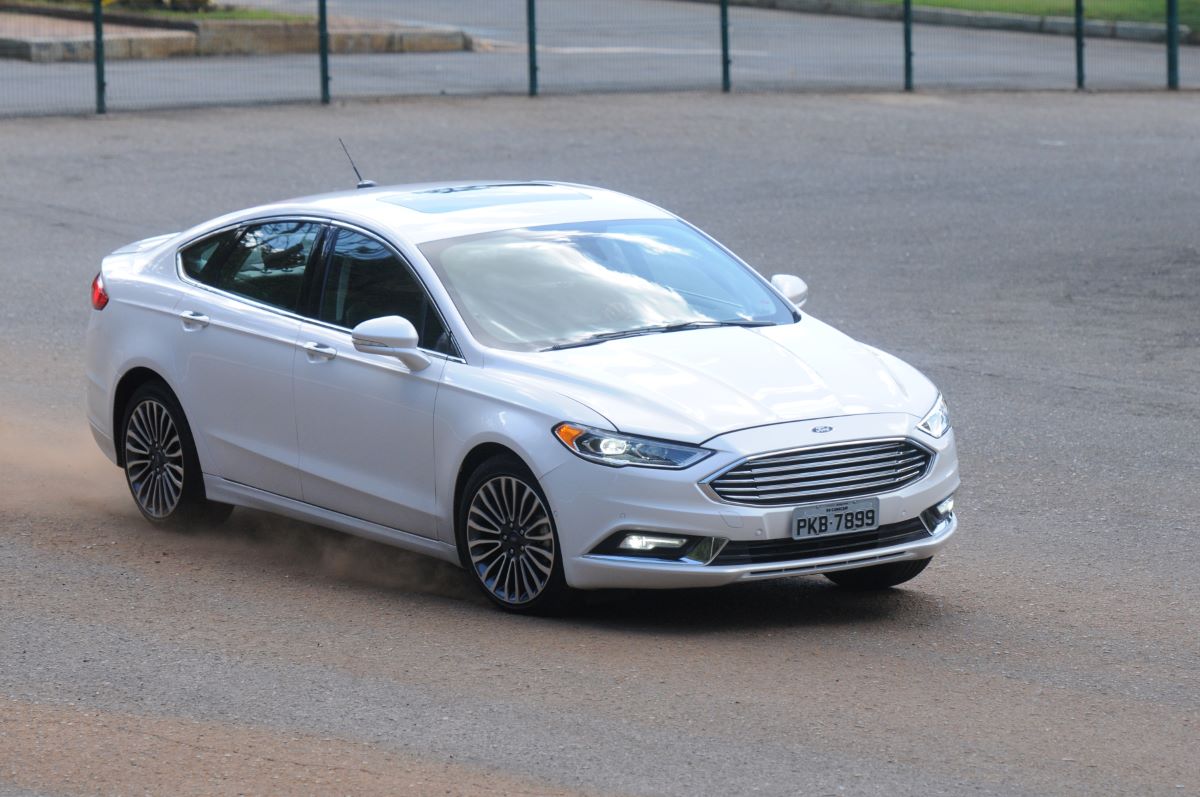
Common parts such as ball joints, alternators, and sensors are widely available, and because the Fusion shares many mechanical components with other Ford vehicles, replacement costs are low.
Even hybrid versions maintain affordable service prices compared to their Toyota counterparts.
11. Subaru Impreza
Subaru’s all-wheel-drive cars can be expensive to buy new, but when maintained properly, they’re surprisingly affordable to fix.
The Impreza’s boxer engine layout is well-understood by most independent shops now, and common issues like head gaskets or wheel bearings are well-documented and straightforward to address.
Used parts are plentiful due to Subaru’s cult following, helping to offset repair costs.
The fifth-generation Subaru Impreza has been around for several years, and for 2020, Subaru introduces a mild refresh to keep it appealing in the competitive compact segment. The latest updates bring subtle front-end styling revisions and more standard equipment, enhancing the overall value proposition.
True to its roots, the Impreza continues to stand out in its class with standard all-wheel drive, a rare and highly appealing feature for those living in areas with wet, snowy, or unpredictable weather who prefer to avoid a bulkier crossover SUV.
While the 2020 Impreza gets these thoughtful updates, its core formula remains unchanged, meaning most of what was said about the 2019 model still applies.
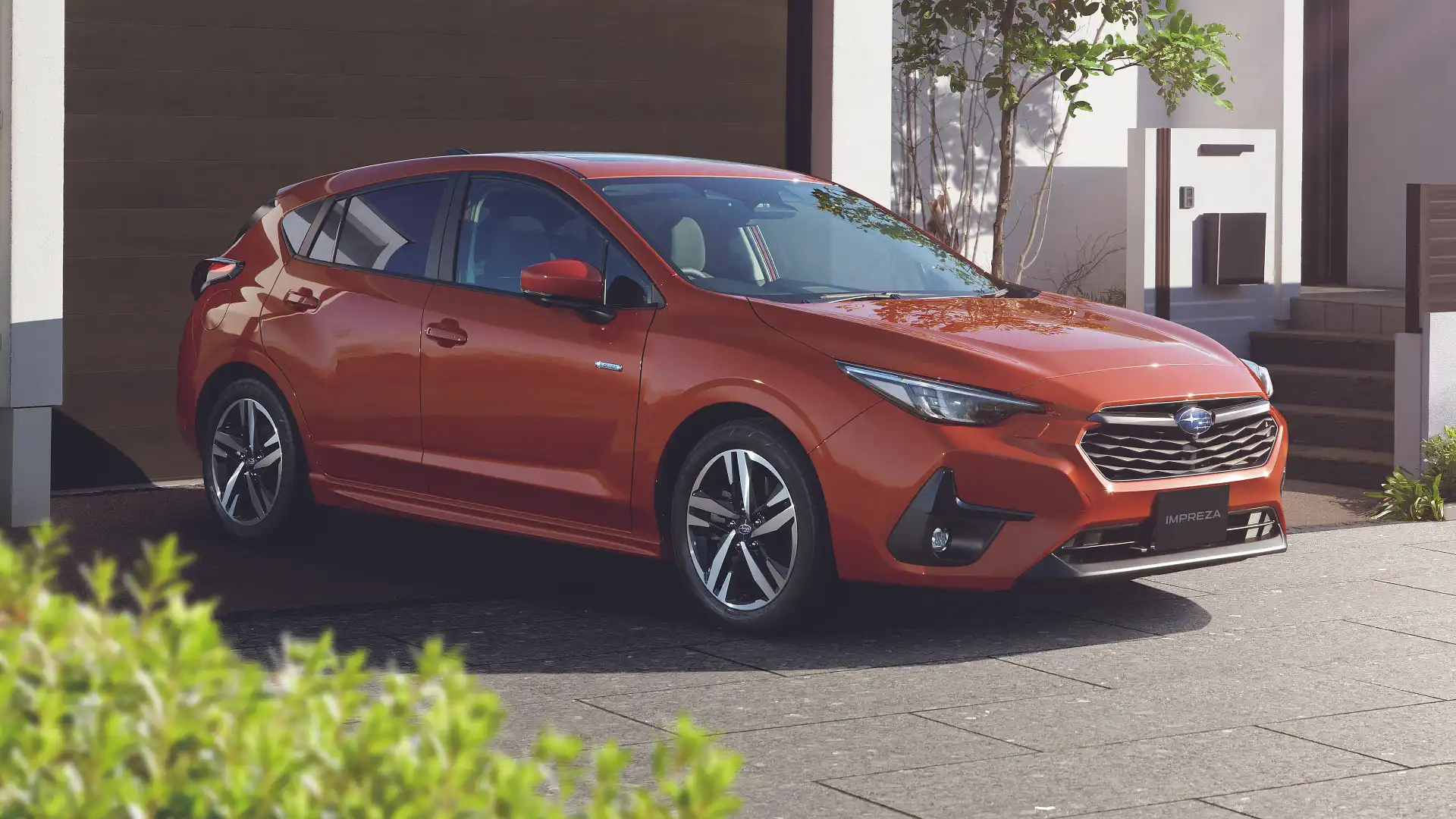
The 2.0-liter four-cylinder engine delivers 152 horsepower and 145 lb-ft of torque but can feel noisy and somewhat underpowered compared to competitors.
Real-world fuel economy also trails some rivals, making efficiency another area where it falls slightly short. Inside, the Impreza’s cabin is comfortable and practical, yet its materials and finish don’t quite match the refinement seen in newer competitors such as the Honda Civic or Hyundai Elantra.
Combined with standard all-wheel drive, these qualities make the Impreza a smart choice for drivers who prioritize stability and confidence in poor weather conditions.
For 2020, the Impreza is offered in both sedan and four-door hatchback body styles, with four trims available: base, Premium, Sport, and Limited. Regardless of configuration, all models share the same 2.0-liter engine and all-wheel-drive setup.
Buyers can choose between a five-speed manual transmission or a continuously variable automatic (CVT), depending on their preference for engagement or convenience.
Though not the quickest car in its class, the 2020 Subaru Impreza remains a solid all-weather compact that balances practicality, safety, and reliability in a well-rounded package.
12. Toyota Yaris
Few cars on U.S. roads are as frugal to fix as the Toyota Yaris. It’s small, simple, and built to last, meaning fewer things can go wrong in the first place.
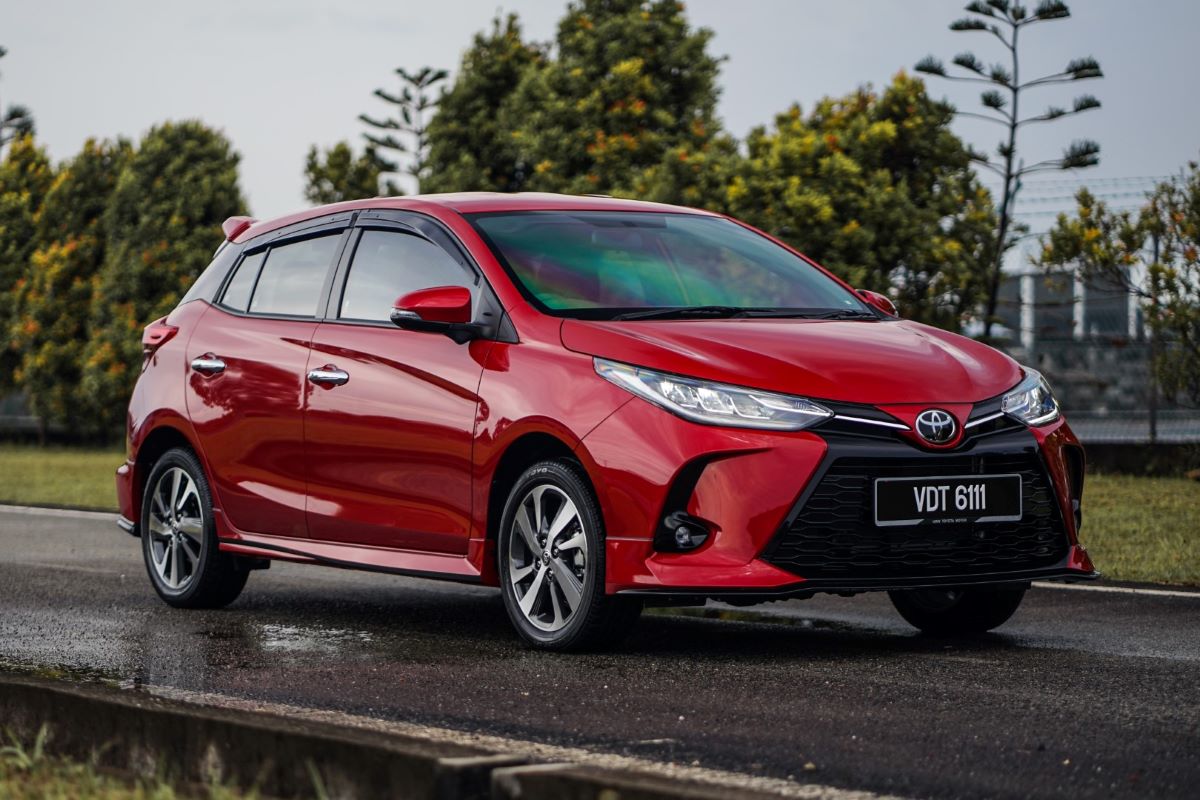
When something does, the lightweight design and small engine make jobs like alternator replacements or suspension repairs both quick and inexpensive. The Yaris is a favorite among students and city commuters for this reason minimal upkeep, minimal stress.
13. Kia Soul
The quirky Kia Soul is not only fun but also affordable to repair. Kia’s extensive parts network in the U.S. means costs for things like suspension bushings, oxygen sensors, and brakes are much lower than the competition.
The boxy design gives mechanics easier access to components, which helps reduce labor charges. As long as basic maintenance is kept up, the Soul delivers one of the lowest ownership costs in its segment.
The 2025 Kia Soul makes a confident return with its unmistakable design, compact size, and strong value proposition. Starting at $20,490 for the base LX trim, the Soul remains a standout option for buyers seeking practicality and personality in a small urban car.
Every model in the lineup is powered by a 2.0-liter four-cylinder engine that delivers 147 horsepower and 132 lb-ft of torque, paired with a continuously variable transmission (CVT) that drives the front wheels.
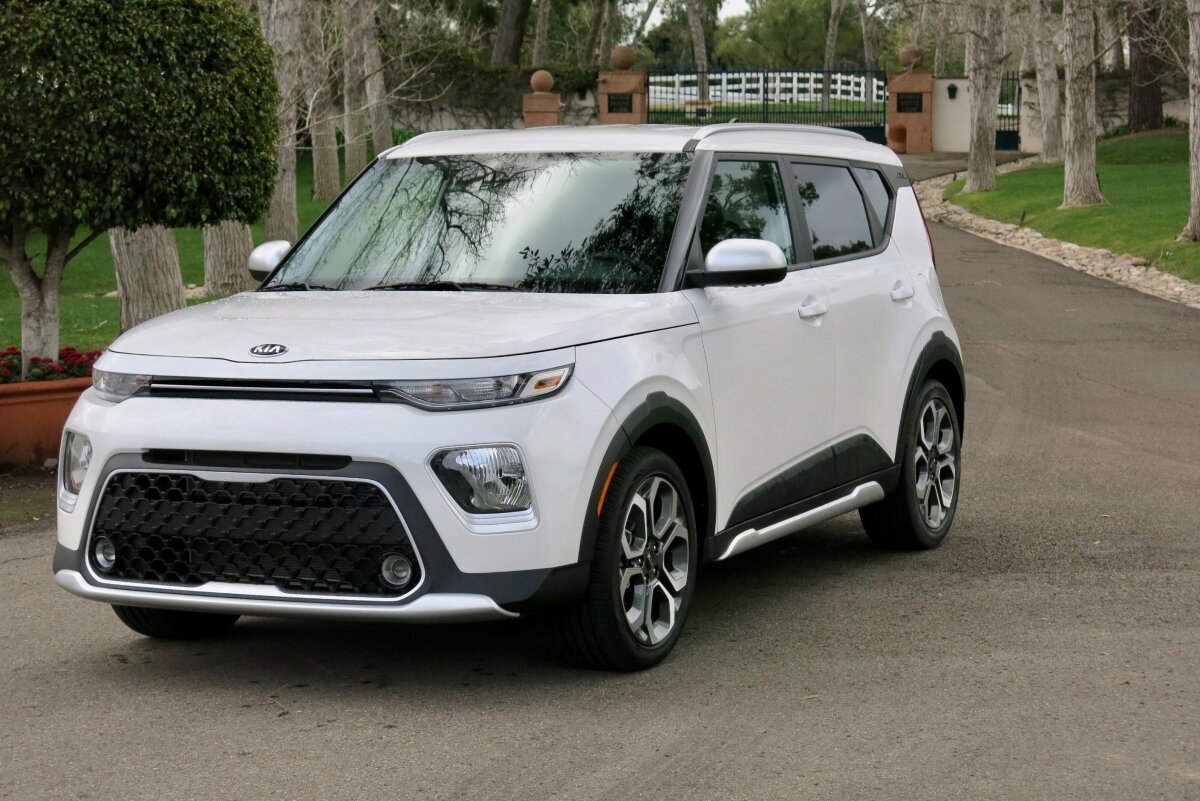
The EX trim achieves an impressive EPA-estimated 35 mpg on the highway, further emphasizing the Soul’s efficiency. With trims including the LX, S, GT-Line, and EX, the Soul offers a well-balanced mix of performance, comfort, and technology at a competitive price.
Inside, it features SynTex and cloth seating surfaces paired with a Harman Kardon premium audio system, elevating the driving experience with added comfort and sound quality. Exterior updates, such as new lower body cladding, give the Soul a sharper and more refined presence while preserving its recognizable boxy silhouette and functional layout.
Overall, the 2025 Kia Soul continues to deliver great value through a combination of versatility, comfort, and style. It offers a spacious interior, efficient performance, and a generous list of standard features, making it one of the most well-rounded options in the compact car segment.
With the addition of the Soulmate Special Edition, Kia has managed to refine the Soul’s character while keeping its fun, youthful spirit intact.
14. Chevrolet Cruze (2011–2019)
The Chevrolet Cruze was designed with mass-market affordability in mind.
Common engine parts, sensors, and brake components can be sourced cheaply from virtually any auto parts store in the U.S. Labor costs remain low because it’s easy to work on, and even some of the trickier issues like coolant leaks have inexpensive fixes compared to other compact sedans.
Not long ago, choosing a small, fuel-efficient, and engaging compact car was simple. You could count on long-time favorites like the Honda Civic or Toyota Corolla, or go with the Mazda3 if you wanted something sportier to drive.
However, the introduction of the 2011 Chevrolet Cruze reshaped the compact segment, offering an impressive combination of quality, design, and value from an iconic American automaker. By the 2013 model year, the Cruze had solidified its reputation as a serious contender among compact sedans.
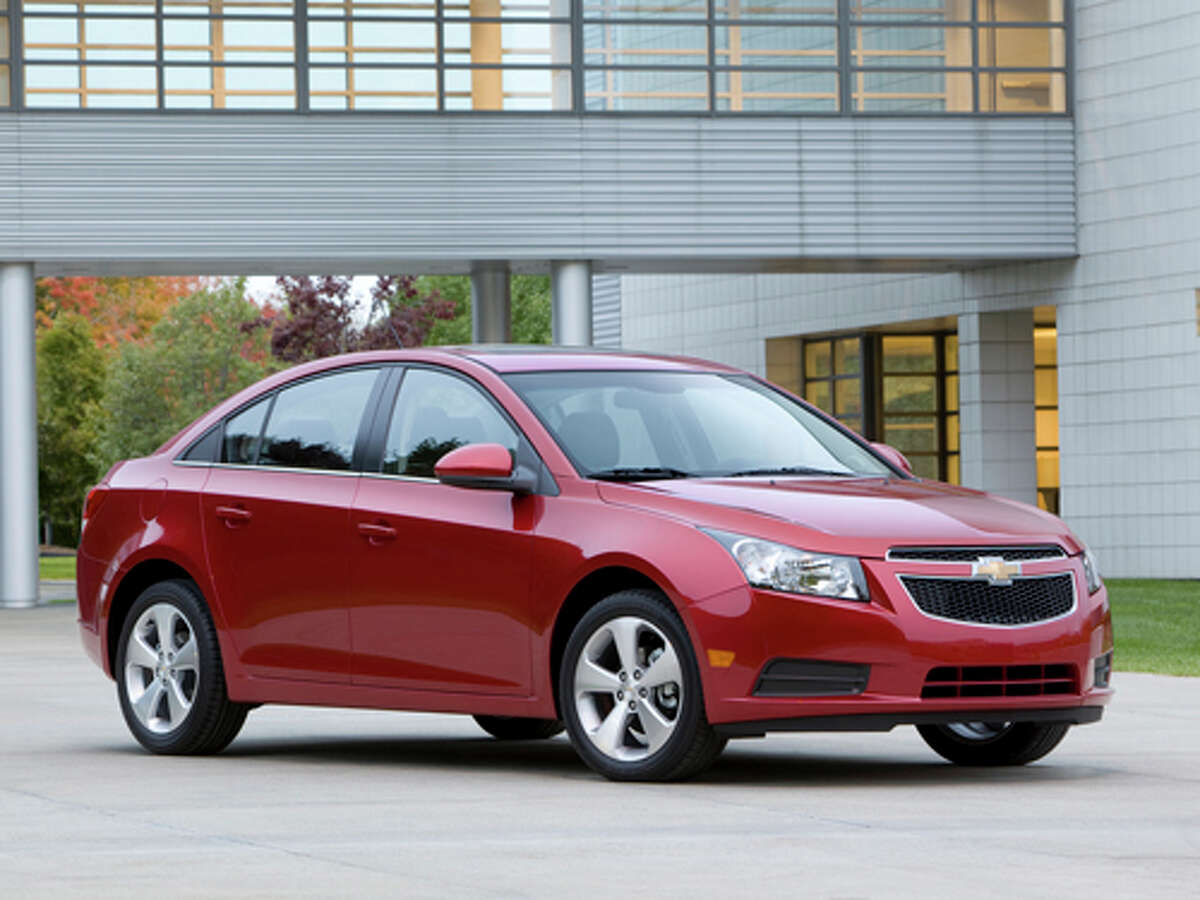
The 2013 Chevrolet Cruze stands out with its sharp exterior styling, well-crafted interior, excellent safety ratings, and composed handling. It’s also one of the most fuel-efficient small cars on the market, though mileage varies depending on the trim.
The base LS model comes equipped with a 1.8-liter four-cylinder engine producing 136 horsepower, while most trims feature a turbocharged 1.4-liter engine that delivers 138 horsepower and a more robust 148 lb-ft of torque.
The added torque makes the Cruze feel more responsive in city driving and smooth on the highway. The turbocharged engine also powers the fuel-focused Cruze Eco, which achieves an impressive 42 mpg on the EPA highway cycle.
Of course, Chevrolet isn’t alone in redefining the compact car segment. The Hyundai Elantra is another strong option, boasting sleek styling, a 40-mpg highway rating across all trims, and strong overall value.
The Ford Focus offers a more refined interior, the Mazda3 provides engaging performance, and the Volkswagen Jetta appeals to those seeking extra rear-seat space.
Still, the 2013 Chevrolet Cruze earns its place as one of the top picks for buyers seeking an affordable small sedan with strong safety credentials, solid fuel economy, and a refined driving experience.
15. Volkswagen Jetta (2012–2018, 2.0L)
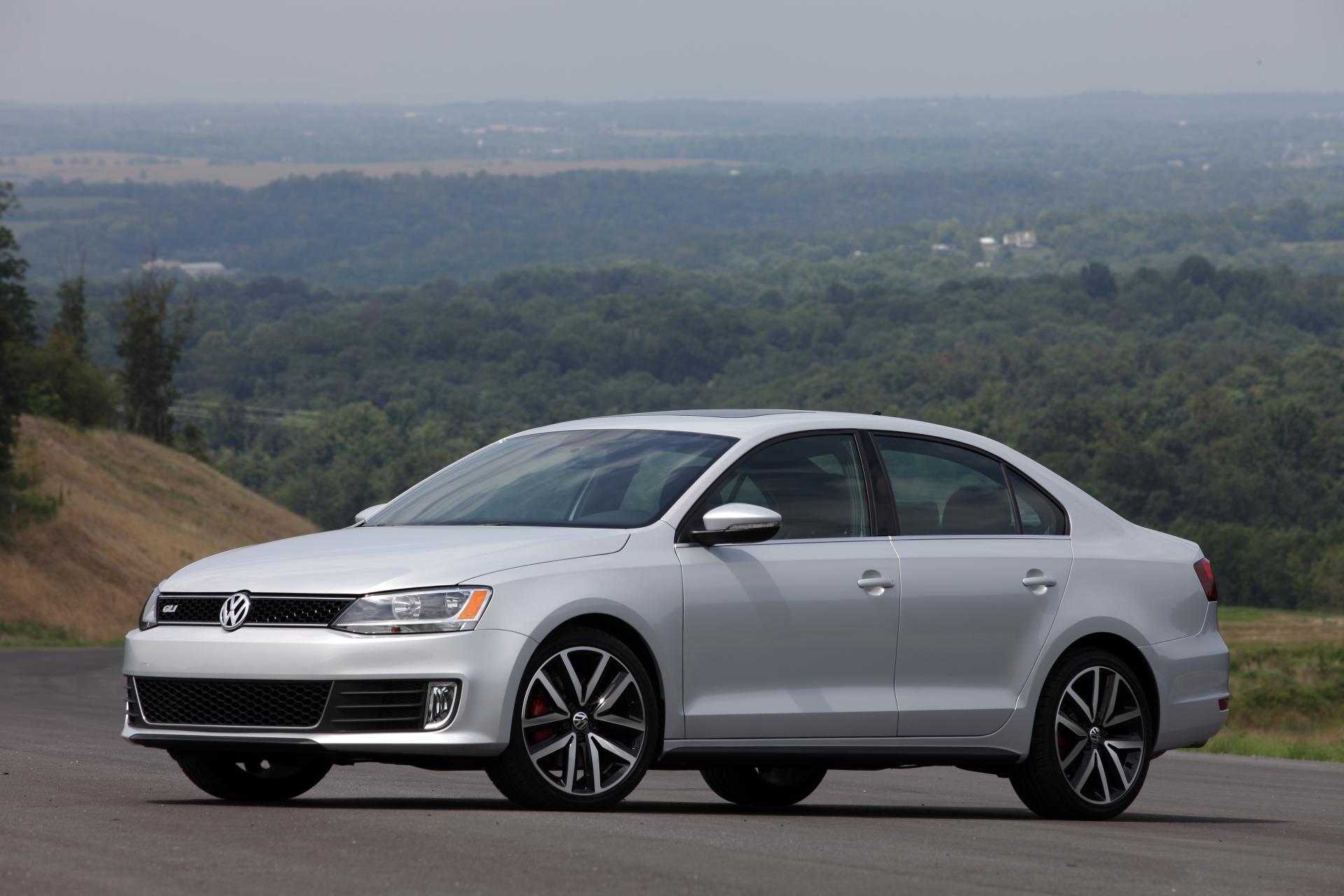
While European cars have a reputation for high repair costs, the base-model Jetta with the simple 2.0-liter “BEV” engine is an exception. It’s one of the easiest and cheapest Volkswagens to maintain, thanks to its naturally aspirated motor and basic mechanicals.
Many parts are shared with earlier VW and Audi models, and labor times are minimal for most jobs. Just avoid the turbocharged versions if you want to keep costs down.
Owning a car doesn’t have to mean fearing every check-engine light or repair estimate.
The vehicles above prove that a smart choice upfront one with simple engineering, strong aftermarket support, and high parts availability can save thousands over a decade of ownership.
Whether you’re after a used commuter or a dependable family car, focusing on models known for low repair costs will keep you driving longer and worrying less.
