Facelifts are supposed to fix problems, not make them worse. When automakers launch mid-cycle updates, the goal is usually to address flaws from the earlier model mechanical weaknesses, interior issues, or design complaints.
But sometimes, things go the other way. In trying to modernize a car, manufacturers end up doubling down on the very issues that caused owners headaches in the first place.
From fragile transmissions that became even more complex to unreliable electronics that gained more glitchy tech, these 10 cars show how a facelift can sometimes be a step backward rather than a leap forward.
1. 2014–2016 Jeep Cherokee (ZF Transmission Fiasco Gets Worse)
When Jeep brought back the Cherokee name in 2014, the big story was its nine-speed automatic transmission from ZF. It promised improved efficiency but quickly became infamous for jerky shifts, rough engagement, and reliability nightmares.
Jeep attempted to smooth things out with software updates and calibration tweaks during the 2016 facelift. Unfortunately, the revisions made the transmission even more confused.
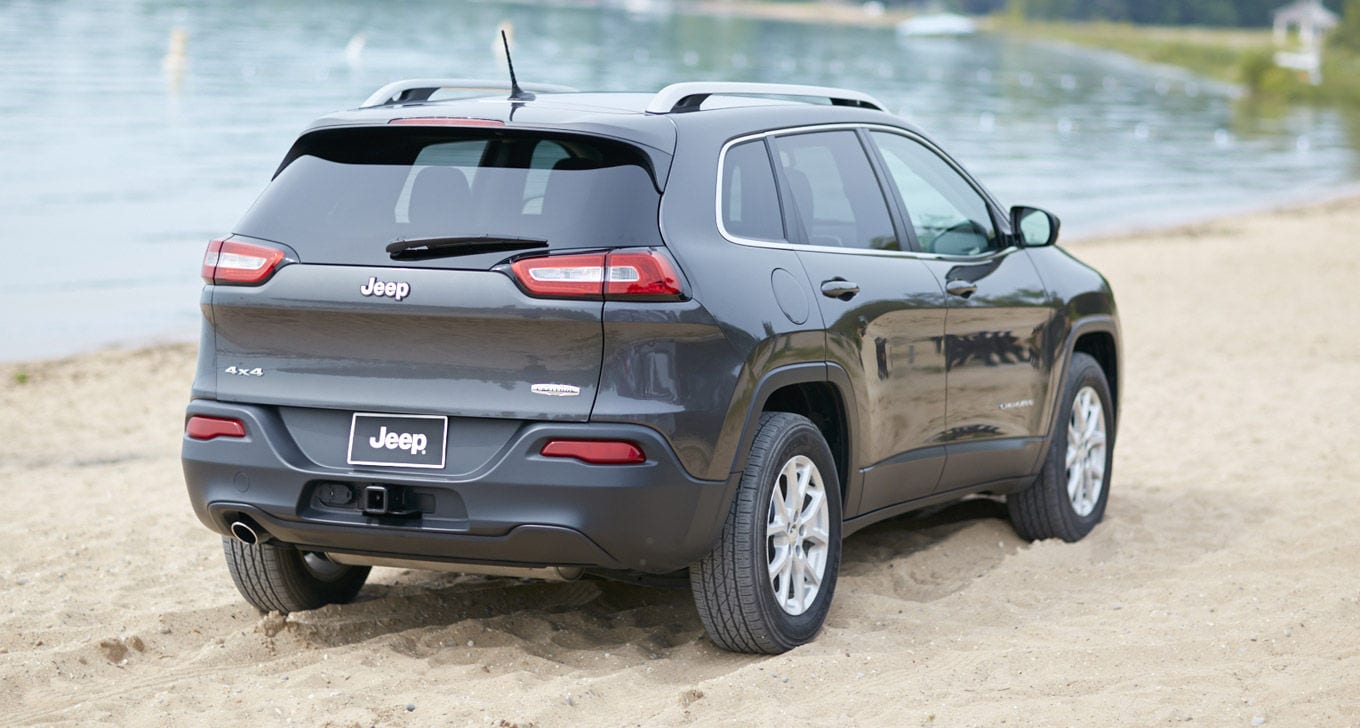
Owners reported worse low-speed hesitation, delayed shifts, and transmission control modules that required repeated reflashing.
Instead of improving the SUV’s drivability, the facelift deepened the Cherokee’s identity crisis half off-roader, half commuter, and fully inconsistent.
The small crossover segment is among the most fiercely contested in today’s automotive market, packed with models that combine affordability, comfort, and plenty of modern features.
The 2016 Jeep Cherokee aims to set itself apart by delivering those same strengths while adding something few others can, Jeep’s renowned off-road prowess.
Inside, the Cherokee offers a spacious cabin, user-friendly controls, and effective noise insulation that keeps the ride pleasantly quiet.
However, its relatively small cargo area and a somewhat lackluster four-cylinder engine slightly dampen its appeal. Still, there’s a lot to appreciate about this capable compact SUV.
Jeep equips the base Cherokee with a 2.4-liter four-cylinder engine that produces a competitive 184 horsepower, but its real-world performance leaves something to be desired.
Acceleration feels sluggish, and the nine-speed automatic transmission can hesitate to downshift when extra power is needed. For those who want more responsiveness, the available 3.2-liter V6 engine is the better option.
It delivers noticeably stronger acceleration without a major sacrifice in fuel economy. The trade-off, however, is price, choosing the V6 raises the Cherokee’s cost and slightly undercuts its overall value.
Every four-wheel-drive version of the Cherokee can handle some degree of off-roading, but if you’re serious about tackling rugged terrain, the Trailhawk trim is the one to get.
The Cherokee’s off-road reputation largely rests on the Trailhawk model, instantly recognizable by its rugged styling and elevated stance. It’s equipped with a heavy-duty four-wheel-drive system featuring low-range gearing and an exclusive locking rear differential.
With 8.7 inches of ground clearance and protective skid plates, the Cherokee Trailhawk can handle challenging trails usually reserved for dedicated off-road SUVs like the Toyota 4Runner or Jeep Wrangler.
If the Trailhawk’s price seems a bit steep, other trims come with a more conventional all-wheel-drive setup, which still gives the Cherokee similar capability to other small AWD crossovers.
If you’re exploring the compact SUV market, there are plenty of strong contenders to compare. The Honda CR-V and Toyota RAV4 offer larger cargo areas and more refined four-cylinder engines, while the Ford Escape and Mazda CX-5 stand out for their engaging driving dynamics.
All 2016 Jeep Cherokee models come standard with a 2.4-liter four-cylinder engine that produces 184 horsepower and 171 pound-feet of torque.
A 3.2-liter V6 engine, generating 271 horsepower and 239 pound-feet of torque, is optional on all trims except the base Sport. Both engines pair with a standard nine-speed automatic transmission.
Buyers can choose between front-wheel drive and four-wheel drive across most models, although the Trailhawk is exclusively 4WD. Jeep provides two distinct 4WD systems. The first, Active Drive I, comes standard on four-wheel-drive versions of the Sport, Latitude, and Limited trims.
It operates automatically and includes a Selec-Terrain dial with various terrain modes for different driving conditions.
The more capable Active Drive II system, standard on the Trailhawk and optional on other 4WD trims, adds low-range gearing, a locking rear differential, and an additional “Rock” mode for maximum traction.
2. 2011–2013 Ford Focus (The Dual-Clutch Disaster Continues)
The third-generation Ford Focus was supposed to modernize the compact car with Euro handling and a high-tech PowerShift dual-clutch transmission. But early models suffered from chronic clutch shudder, slipping, and poor reliability.
Ford’s facelift tried to “fix” it with new clutch packs and software in 2015, yet the issues persisted and sometimes worsened.
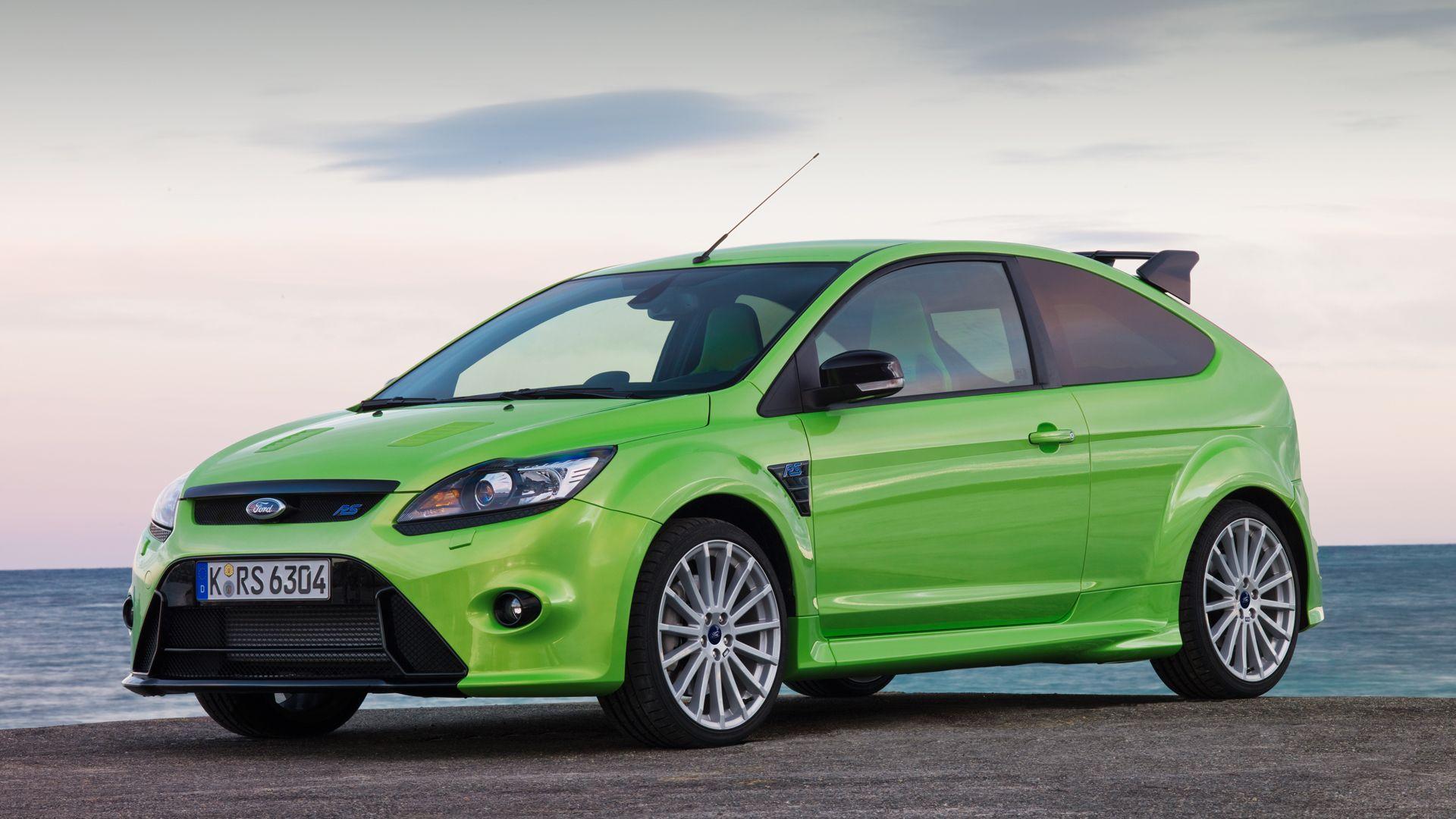
The dry-clutch design remained fundamentally flawed for stop-and-go U.S. traffic. What’s worse, the revised transmission modules often failed completely.
Ford eventually faced massive buybacks and lawsuits, proving that sometimes, a mechanical redesign not a software patch is the only way out.
When the original Ford Focus debuted over a decade ago, it quickly earned praise for its impressive blend of performance, value, and versatility. It stood out as one of the smartest choices in the compact car segment.
However, as time passed and rival automakers introduced newer, more refined models, the Focus gradually lost some of its appeal.
Fortunately, Ford completely redesigned the Focus last year, delivering a significant leap forward in nearly every area, from interior quality and fuel efficiency to technology and overall refinement. The result is that the 2013 Ford Focus reclaims its position as one of the best small cars available today.
The Focus checks all the right boxes, offering sleek and modern styling, a choice between sedan and hatchback body styles, and a cabin that feels both comfortable and upscale. Its refined road manners and impressive fuel economy make it equally suitable for daily commuting or long drives.
On top of that, Ford provides a generous list of available convenience and tech features, allowing buyers to tailor the car to their needs. With a diverse lineup that even includes an all-electric version and a high-performance model, the Focus easily stands out as one of our top picks in the compact car category.
3. 2007–2010 BMW 335i (Turbo Cooling Becomes a Hotter Mess)
The pre-facelift BMW E90 335i introduced the N54 twin-turbo inline-six, a gem for power but notorious for carbon buildup, high-pressure fuel pump failures, and heat management issues.
The 2009 facelift swapped in the N55 single-turbo engine, aiming to reduce complexity and improve reliability. Yet, BMW’s changes did the opposite in key areas.
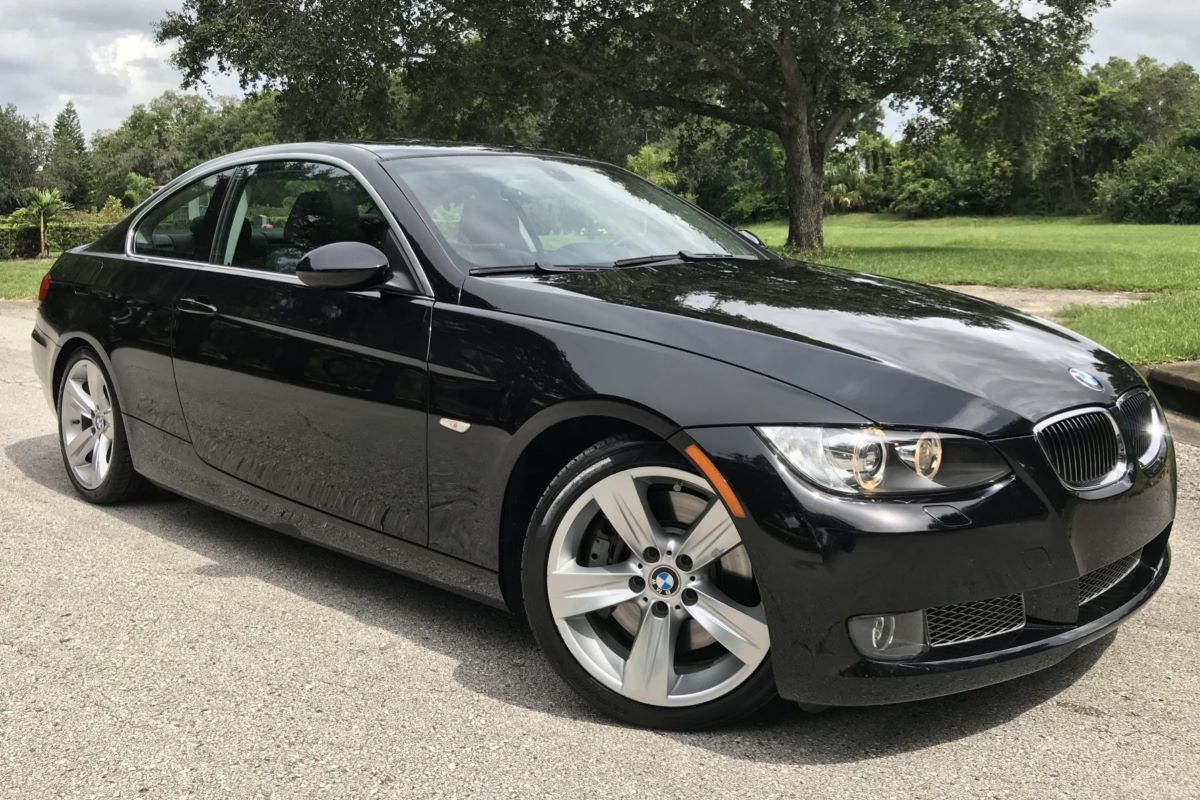
The N55 introduced fragile VANOS solenoids and a weaker turbo wastegate design that wore prematurely.
The cooling system revisions led to more frequent thermostat and water pump failures, too. For enthusiasts, the facelifted 335i was cleaner and quicker but also costlier to maintain long-term.
The 2010 BMW 3 Series has long held the title of America’s best-selling luxury car, and there’s little reason to believe it will relinquish that position anytime soon.
Both automotive critics and everyday drivers consistently recognize the 3 Series as the benchmark in its class, a model that perfectly blends refinement, performance, and everyday usability.
Its continued dominance speaks volumes about its universal appeal, captivating enthusiasts who crave precision handling as well as those seeking a comfortable, high-quality daily driver.
While competitors like the powerful Infiniti G37, the stylish Cadillac CTS, and the elegant Audi A4 offer compelling alternatives, the 3 Series remains the standard-bearer for driving excellence, even as it nears the end of its production cycle.
Under the hood, the 328i models come equipped with a 3.0-liter inline-six engine that delivers 230 horsepower and 200 pound-feet of torque, providing smooth and responsive performance.
Stepping up to the 335i brings a twin-turbocharged version of the same engine, boosting output to an exhilarating 300 horsepower and 300 lb-ft of torque.
For those seeking both power and efficiency, the 335d introduces a twin-turbo diesel engine producing 265 horsepower and an impressive 425 lb-ft of torque.
All gasoline-powered variants come standard with a six-speed manual transmission, while a six-speed automatic with optional paddle shifters is available, and standard on the diesel model. This range of engines and transmission options ensures the 3 Series caters to every type of driver, from purists to commuters.
4. 2016–2018 Subaru WRX (Clutch and Ringland Woes Multiply)
Subaru’s WRX is loved for rally-bred performance but infamous for fragile piston ringlands and clutch problems. When Subaru facelifted the WRX in 2018 with a revised transmission and retuned ECU, fans expected better durability. Instead, the updates made things worse.
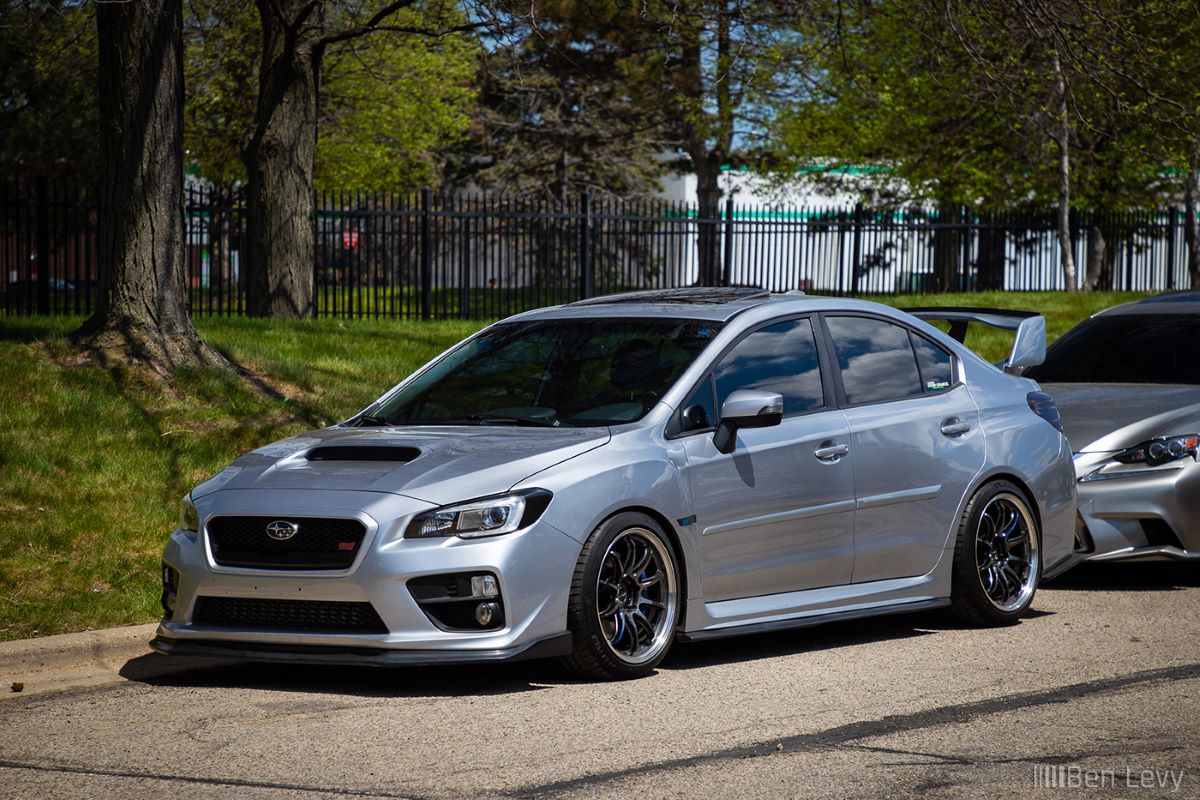
The revised clutch pedal assembly led to squeaks and premature wear, while the new ECU mapping made detonation more likely under aggressive driving especially when tuned.
The engine’s fundamental weakness, thin ringlands on the EJ and FA20 motors, became even more apparent. Subaru addressed the noise, vibration, and harshness but reliability suffered further.
Both the WRX and the higher-performance WRX STI are powered by turbocharged four-cylinder engines that prioritize power without completely sacrificing fuel efficiency. The standard WRX delivers an impressive 268 horsepower, while the STI cranks things up with a potent 305 horsepower.
This performance is complemented by Subaru’s advanced all-wheel-drive system, which ensures exceptional traction and control.
Whether you’re launching from a stop or powering out of a tight corner, the WRX channels its energy efficiently, minimizing wheelspin and maximizing grip. And beyond performance driving, the all-wheel-drive setup offers practical benefits as well, providing extra stability and confidence when the roads turn wet or slippery.
The WRX also stands out for its precise steering and handling that borders on track-ready, making it one of the most engaging compact performance cars to drive. However, this laser focus on performance does come with trade-offs.
Inside, the cabin features functional technology and a straightforward layout, but it doesn’t impress with upscale materials, quiet refinement, or luxury-oriented design.
Still, once you find yourself carving through an empty canyon road, any concerns about interior polish fade away, replaced by the grin that comes from piloting a car built purely for the joy of driving.
5. 2019–2021 Toyota RAV4 (Rough Shifting Returns With a Tech Twist)
Toyota’s RAV4 has always been about dependability, but the 2019 redesign introduced an eight-speed automatic that caught owners off guard.
The pre-facelift version already had minor hesitation issues, but the mid-cycle updates in 2021 amplified them through new shift logic and “eco-optimization.”
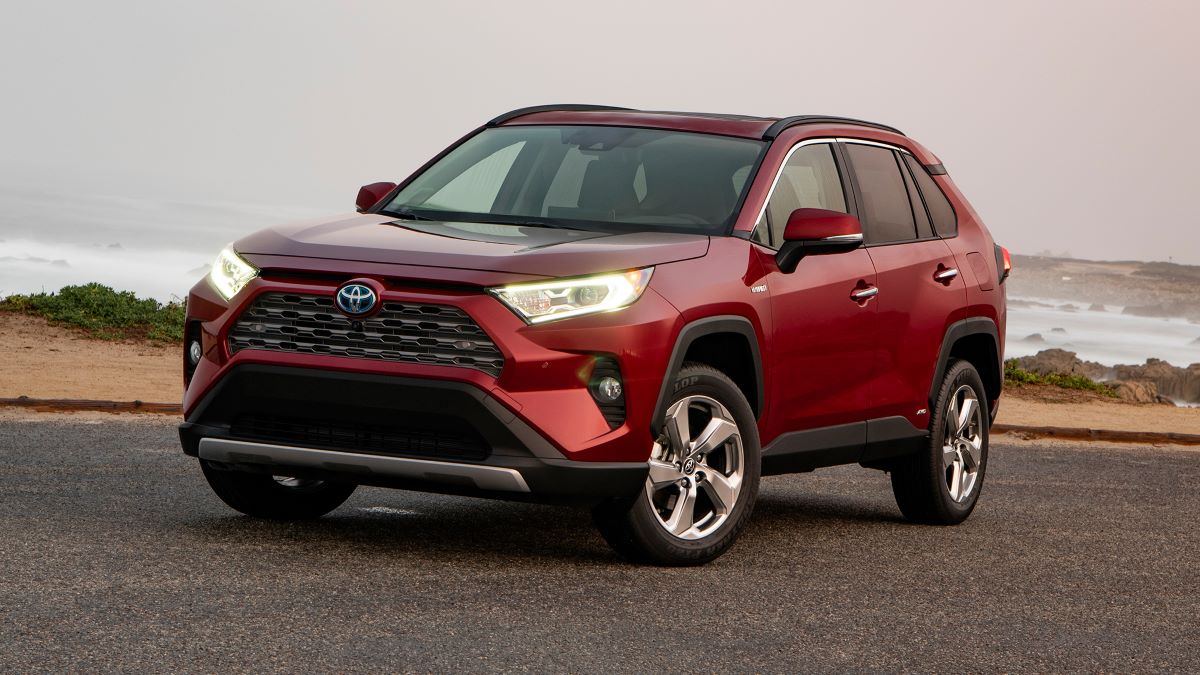
Drivers complained that the gearbox hunted for gears at low speeds and engaged too harshly during downshifts. The added start-stop system also introduced jerky restarts, compounding the issue.
In an attempt to improve fuel economy and responsiveness, Toyota ended up making one of America’s favorite crossovers feel unrefined and unpredictable.
6. 2012–2014 Hyundai Sonata (Steering and Suspension Revisions Gone Wrong)
Hyundai’s 2011 Sonata marked a major leap forward for design and efficiency, but it also had steering feel complaints and premature suspension wear. For 2014, Hyundai gave it a mild facelift and supposedly revised steering tuning and bushings.
The result? A car that still lacked feedback but now suffered more suspension noise and alignment issues.
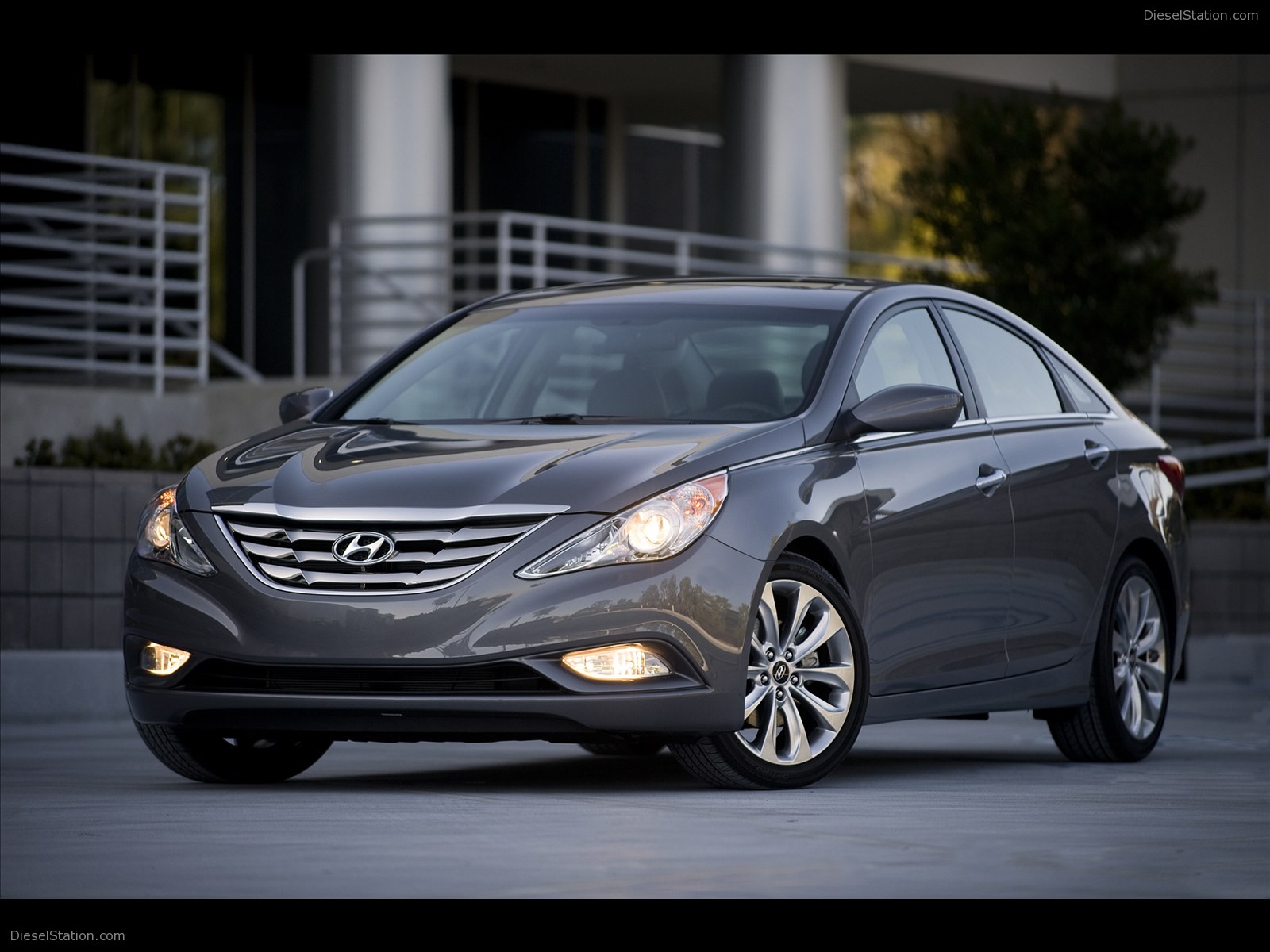
The updated electronic power steering introduced a “sticky” feel at highway speeds, leading to recalls and frustrated owners. In trying to make the Sonata feel more upscale, Hyundai overcompensated and made the midsize sedan even less confidence-inspiring.
7. 2018–2020 Honda Civic (Infotainment Fix Breaks More Than It Solves)
Honda’s tenth-gen Civic earned praise for refinement but criticism for its laggy, buttonless infotainment system. The 2019 facelift promised fixes with a new volume knob and upgraded software.
Unfortunately, it came with new electrical gremlins. Owners began reporting frozen touchscreens, Bluetooth dropouts, and even full system crashes.
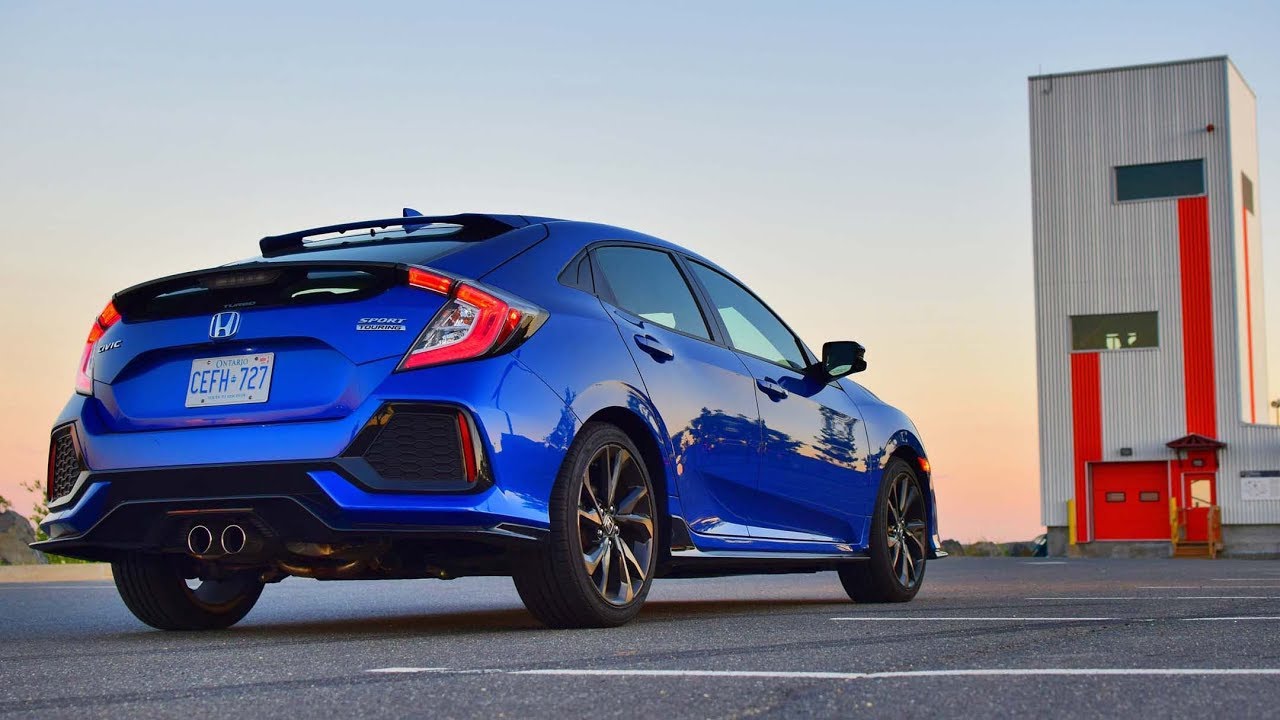
The addition of more sensors for Honda Sensing also introduced calibration issues, causing false collision warnings.
The Civic’s facelift tried to fix convenience but exposed flaws in the car’s overall electrical architecture proof that sometimes, analog simplicity ages better.
8. 2005–2007 Nissan Pathfinder (Transmission-Coolant Catastrophe Continues)
The mid-2000s Pathfinder is infamous for the “strawberry milkshake of death,” a failure where the radiator’s internal transmission cooler leaks coolant into the transmission.
When Nissan facelifted the Pathfinder for 2008, it claimed to have resolved the issue with a redesigned radiator. Unfortunately, the updated part didn’t fully eliminate the cross-contamination risk.
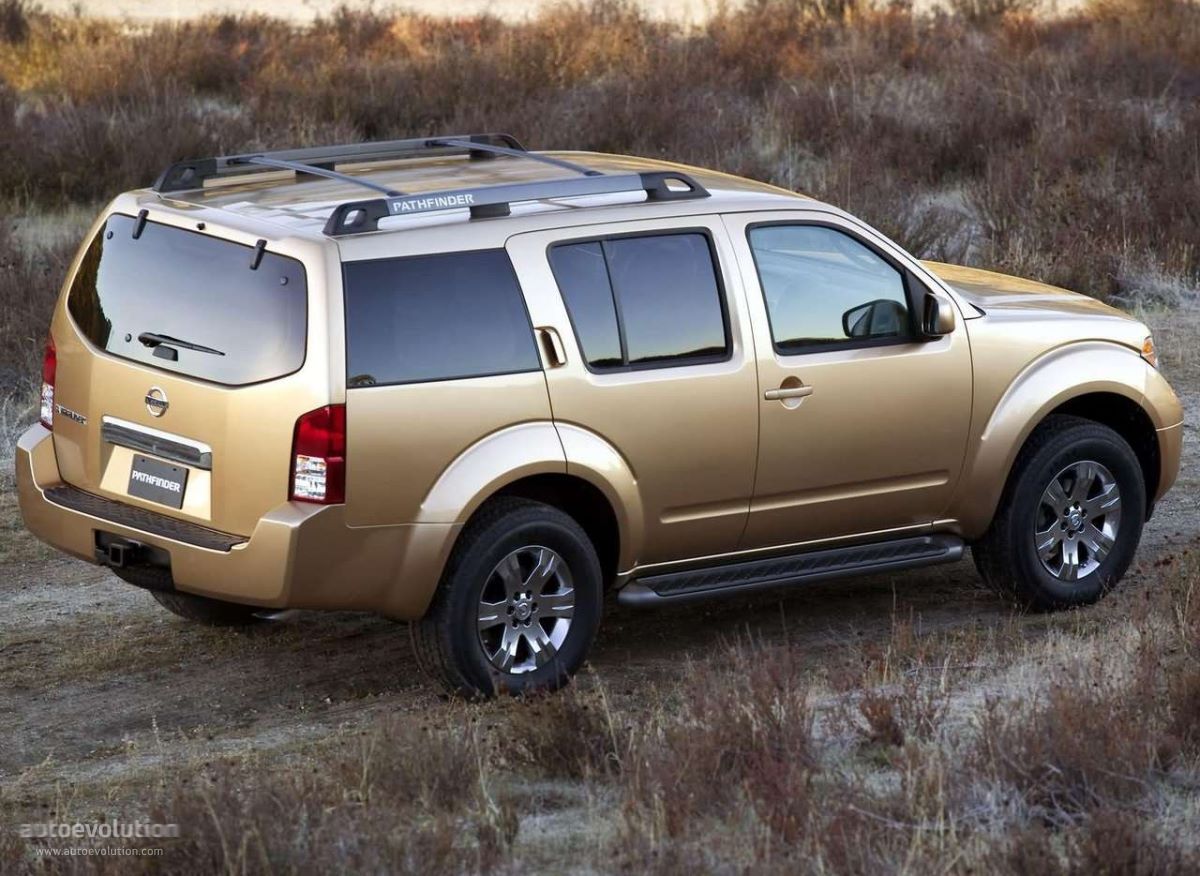
Many facelifted Pathfinders still suffered catastrophic transmission failure around 80,000–100,000 miles.
The repair bills soared above $4,000, and Nissan’s goodwill program didn’t always cover the later models. The facelift’s new look didn’t fix the old Achilles’ heel it just gave it a new face.
In recent years, the Nissan Pathfinder has been on the horns of an identity crisis. Born in 1986, the sport-ute was originally conceived as a rugged outdoorsman.
It was a two-door, body-on-frame hauler designed to tackle trails with the best of them, and its clarity of purpose won the Nissan its share of fans.
Over time, though, its focus shifted. The Pathfinder grew to become a four-door, and it adopted a unibody design geared more toward on-pavement performance, all the better to please the suburban soccer moms who comprised an ever-increasing slice of the SUV market.
In the wake of a 2005 redesign, the current-generation Pathfinder finds the midsize sport-ute revisiting its roots. The SUV has returned to a truck-based platform, this time with underpinnings similar to the full-size Nissan Titan.
Off-road handling has once again been pushed to the top of the priorities list; the 2007 Nissan Pathfinder boasts a maximum ground clearance of as much as 9.1 inches, and steep approach and departure angles.
Running contrary to the Pathfinder’s more rugged focus is the fact that third-row seating is now standard, as Nissan attempts to keep it on par with other midsize SUVs in terms of seating capacity. It can accommodate up to seven.
Although kid-friendly and well-equipped, the interior loses points for its somewhat cramped dimensions in the second and third rows. Additionally, build and materials quality are a mixed bag.
9. 2010–2013 Volkswagen Jetta (Facelift Adds Cost-Cutting and Chaos)
Volkswagen’s Jetta was once a semi-premium compact car, but the 2011 model’s facelift stripped away quality to chase a lower price.
VW replaced the multi-link rear suspension with a cheaper torsion beam and downgraded interior materials. Ironically, this made the car less reliable, not more affordable to maintain.
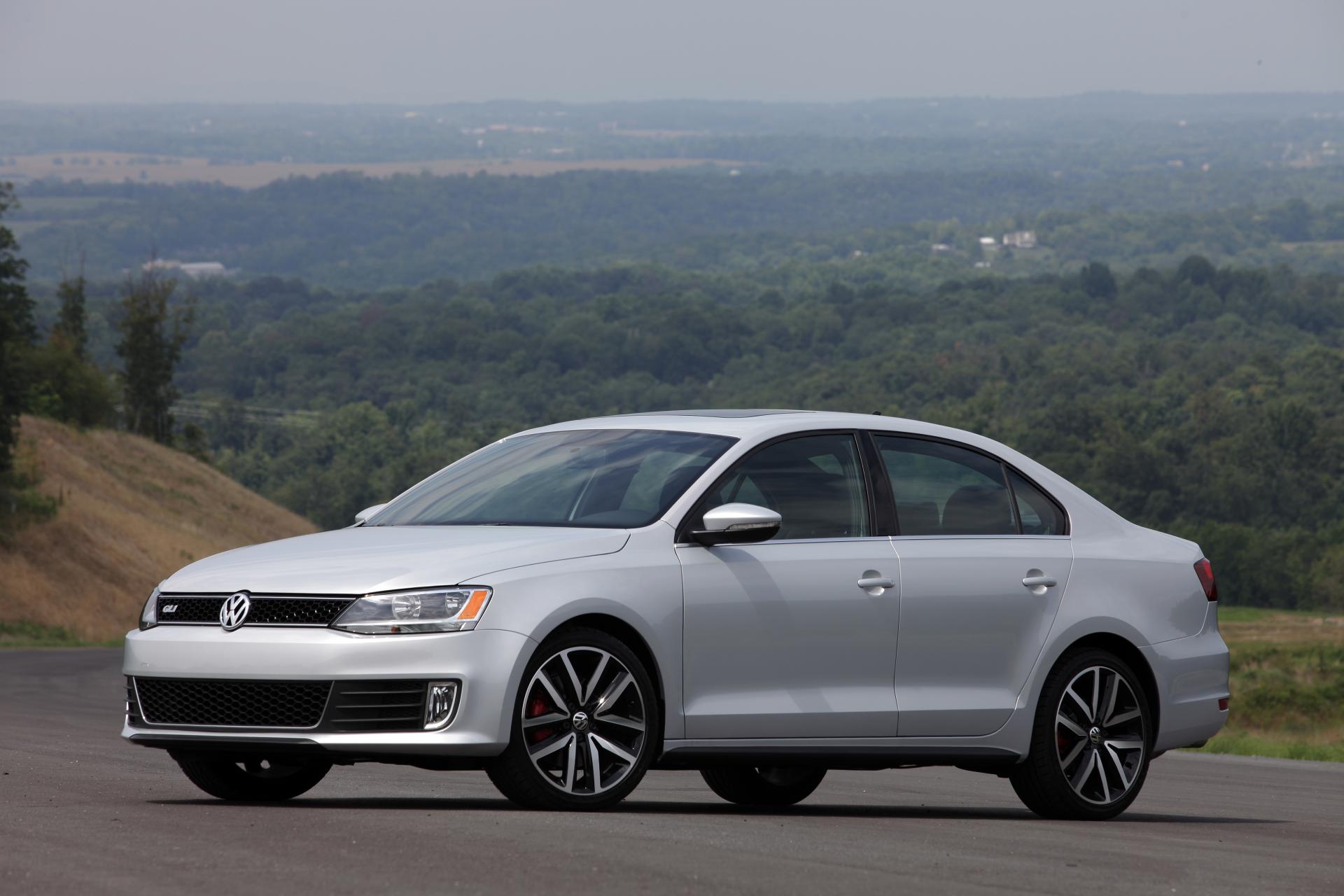
Suspension bushings wore out faster, and the simplified electronics still suffered from failing window switches and module issues.
VW attempted to reintroduce refinement in 2014, but by then, the damage to the Jetta’s reputation and owner wallets was done. A facelift intended to boost sales instead boosted repair shop visits.
We’ve come to terms with it, Volkswagen’s direction with the sixth-generation Jetta is clear. When the automaker redesigned the model two years ago, it made no secret of its goal: to achieve massive North American sales success.
The Jetta was to be the linchpin of that strategy. At the time, enthusiasts and critics alike lamented that the new, larger and more affordable Jetta sacrificed much of its premium feel. Its cost-cutting measures were evident both inside and out.
For 2013, the Jetta continues along that same trajectory — it hasn’t grown any more upscale, but it remains a solid and practical choice in the compact sedan segment.
No longer just a Golf with a trunk, the 2013 Volkswagen Jetta features a longer wheelbase and more rear-seat space than its hatchback sibling.
In fact, the Jetta’s rear legroom ranks among the most generous in its class, offering two inches more than the Chevrolet Cruze or Honda Civic, and five inches more than the Ford Focus.
That makes it one of the few compact sedans that can comfortably accommodate adult passengers in the back, perfect for those occasions when you need to shuttle business associates or friends without feeling cramped.
Still, not everything inside the Jetta impresses. The hard plastic interior surfaces can feel cheap, especially in the lower trims, though the SEL model provides a more upscale feel with softer materials.
In the quest to hit a competitive price point, the Jetta lost some of the details that once made it stand out, such as adjustable armrests, rear air vents, and a sophisticated rear suspension setup.
Even so, most trims offer a generous list of standard features, and higher-end or diesel models benefit from the premium Fender audio system with a touchscreen interface. The diesel-powered Jetta TDI remains particularly appealing for its excellent highway fuel economy and smooth power delivery.
Ultimately, how much the cost-cutting matters depends on your priorities. Volkswagen may have alienated some of its long-time enthusiasts, but the 2013 VW Jetta still meets the needs of many modern buyers.
Its roomy cabin, comfortable ride, strong feature set, and efficient diesel option make it a capable all-around compact.
The 2013 Volkswagen Jetta S comes standard with a 2.0-liter four-cylinder engine producing 115 horsepower and 125 lb-ft of torque. A five-speed manual transmission is standard, while a six-speed automatic is available as an option.
Fuel economy is rated by the EPA at 23 mpg city / 29 mpg highway / 25 mpg combined with the automatic, and 24 / 34 / 28 mpg with the manual gearbox. These figures can improve slightly with the use of premium gasoline.
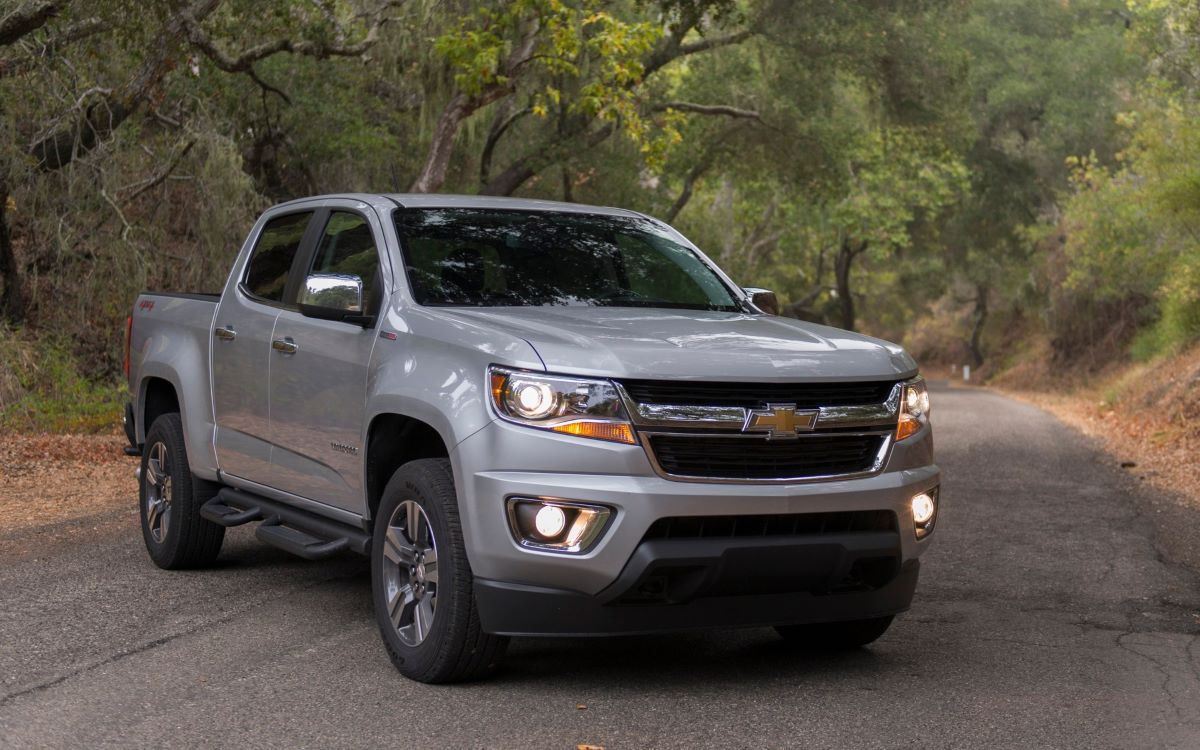
10. 2015–2018 Chevrolet Colorado (Infotainment and Transmission Turmoil)
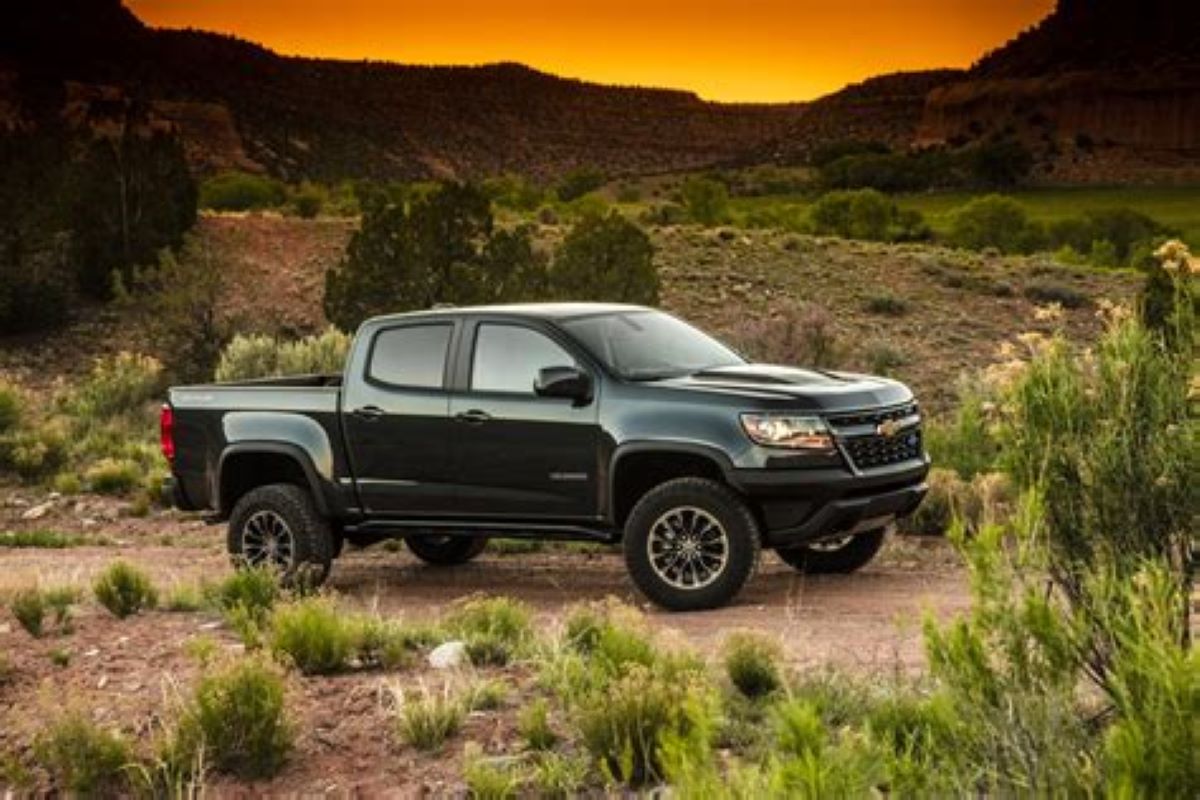
When Chevrolet revived the Colorado, it filled an important gap in the midsize pickup market. The 2015 version was solid but had minor transmission tuning complaints.
For the 2017 facelift, GM installed updated software and added the eight-speed automatic. That’s when the trouble began. The torque converter in the new transmission developed a shudder problem, leading to vibrations and harsh shifting at highway speeds.
GM tried fluid flushes and software fixes, but the design flaw persisted. The new MyLink infotainment system also became a point of frustration due to random reboots and touchscreen lag.
The facelift gave the truck new tech but it also gave owners new reasons to visit the service bay.
Facelifts are supposed to be the bridge between generations an opportunity to correct weaknesses before an all-new design arrives. Yet time and again, automakers chase aesthetics, new tech, or fuel efficiency over fixing core reliability issues.
These ten vehicles prove that a pretty face or smarter software can’t hide mechanical or design flaws that run deep. In fact, sometimes, “improvement” only layers new problems on top of old ones.
For buyers of used cars in the U.S., this is an important reminder: newer isn’t always better. When researching models, it pays to look closely at the facelift year.
In some cases, sticking with the pre-facelift version or waiting for the next generation can save thousands in repair costs and frustration.