
For decades, car buyers in the U.S. have debated whether all-wheel drive (AWD) or front-wheel drive (FWD) versions of the same vehicle are more reliable.
AWD promises better traction, confidence in snow, and improved stability, while FWD versions tend to be lighter, cheaper to maintain, and better on gas. But reliability doesn’t always fall where you’d expect.
Some cars handle the added complexity of AWD beautifully others suffer for it. Here’s a breakdown of ten cars where AWD is more reliable than FWD, and vice versa, with real-world ownership trends and repair data to back them up.
1. Subaru Outback
Subaru’s symmetrical AWD system has been refined over decades, and in the Outback, it’s the very heart of the car’s reliability. While Subaru once offered FWD wagons, the modern Outback’s AWD system is more reliable overall.
Its drivetrain is purpose-built for power distribution and works seamlessly with the Boxer engine.
Owners in snow states like Colorado and Vermont often report fewer traction-related failures and fewer transmission issues in the AWD models compared to what older FWD Subarus experienced in the 1990s.
Subaru’s AWD isn’t just about grip it’s integral to how the Outback was designed to function, making it one of the rare cases where AWD is actually less complicated to own.
Subaru’s 2018 Outback continues to offer two familiar engine options, each catering to a different type of driver, but neither without compromise.
The base 2.5-liter four-cylinder produces 175 horsepower, providing adequate power for everyday driving but falling short when it comes to brisk acceleration or highway merging.
Those seeking stronger performance will have to invest more, as only the higher 3.6R Limited and 3.6R Touring trims feature the more potent 256-hp 3.6-liter six-cylinder engine.
Both engines maintain Subaru’s signature horizontally opposed “boxer” design, shared with performance icons like Porsche’s 718 and 911, contributing to a lower center of gravity and balanced handling.
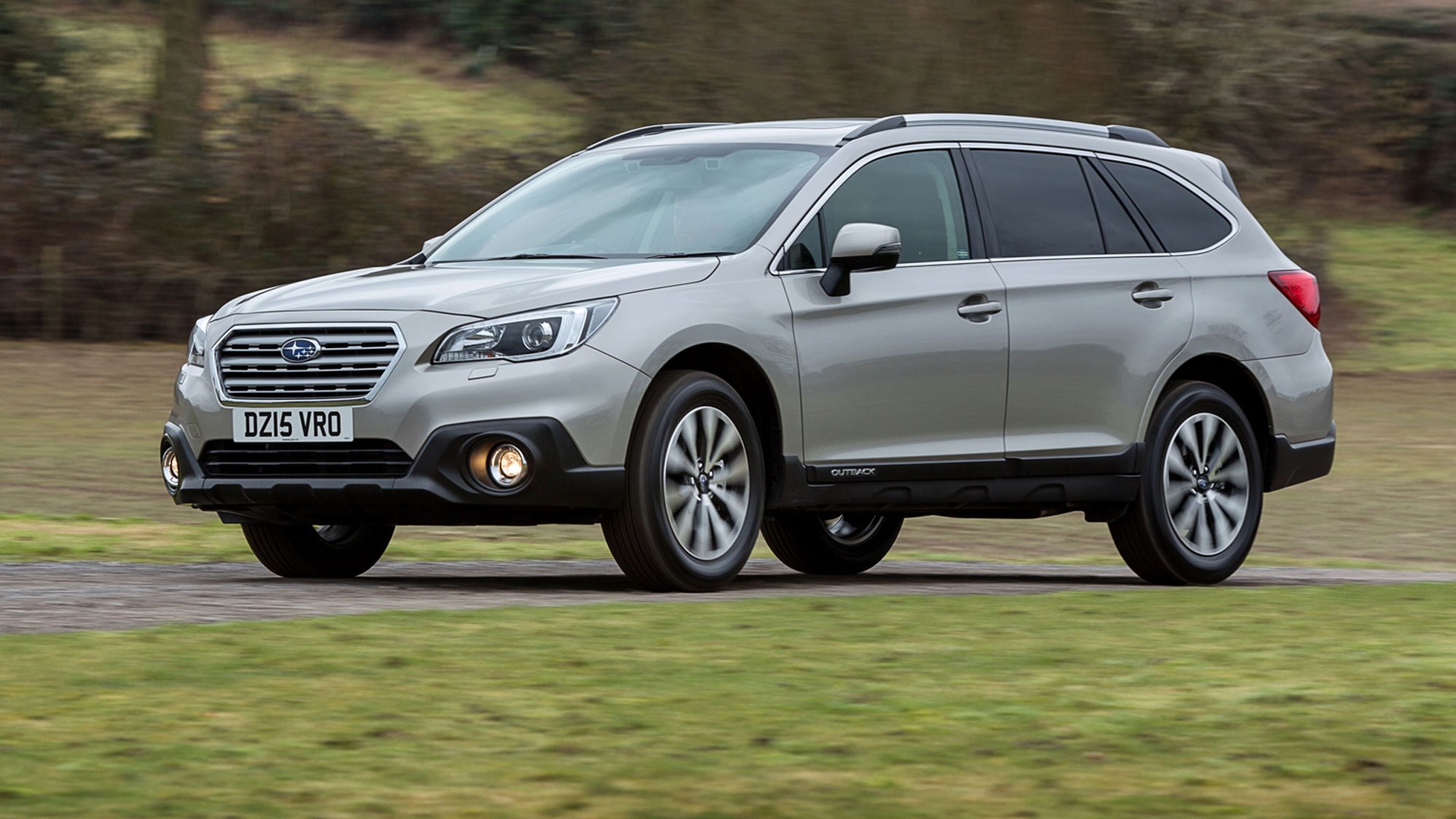
For 2018, Subaru hasn’t changed the Outback’s powertrains but has retuned the CVT (continuously variable transmission) for smoother response.
Despite the tweaks, overall performance remains similar to previous years. However, with the updated pricing structure, stepping up to the six-cylinder now adds up to $2,700 to the total cost, a notable jump for those craving extra muscle.
As with all Subarus except the BRZ, all-wheel drive comes standard, enhancing traction and stability in all weather conditions. The four-cylinder variant remains the more fuel-efficient choice, but its underwhelming power delivery struggles to motivate the Outback’s considerable weight when quick acceleration is needed.
The six-cylinder engine, on the other hand, feels much better matched to the vehicle’s size, providing smoother, more confident performance and pairing more effectively with the CVT.
When it comes to driving character, the Outback lands somewhere between a wagon and a crossover. Its carlike ride and handling make it more refined than bulkier SUV rivals, but its uninspired dynamics leave driving enthusiasts wanting more.
Unfortunately, braking performance is another weak spot. In testing, a 3859-pound Outback 3.6R Touring needed 192 feet to stop from 70 mph, a disappointing result even within its segment.
For comparison, a much heavier 2015 Ford Expedition managed the same stop in 22 feet less. The issue is compounded by the Outback’s soft, spongy brake pedal feel, which detracts from driver confidence.
Overall, the 2018 Subaru Outback delivers capable, all-weather versatility and comfort but continues to struggle with performance and braking, areas where rivals have pulled ahead.
2. Toyota RAV4
Toyota builds robust AWD systems, but for the RAV4, simplicity wins. The FWD version tends to have fewer moving parts, lower weight, and fewer transfer case issues making it cheaper and more reliable over time.
Owners report that AWD RAV4s can develop rear differential leaks or noisy couplings after 100,000 miles, especially in rust-prone regions.
The FWD model, however, often breezes past 200,000 miles with nothing more than basic maintenance. For most climates in the southern or coastal U.S., the RAV4’s FWD variant delivers the same Toyota reliability with less long-term cost.
The 2019 Toyota RAV4 introduces a stronger and more refined setup under the hood, featuring a 203-horsepower 2.5-liter four-cylinder engine paired with an eight-speed automatic transmission.
Buyers can choose between front-wheel drive or all-wheel drive, with the Adventure trim offering a more advanced AWD system capable of disconnecting the rear axle to boost fuel efficiency when extra traction isn’t needed.
During testing, the 2019 RAV4 proved noticeably quicker than its predecessor, achieving a 0–60 mph time of 8.0 seconds, compared to 8.3 seconds for the 2018 model.
While the new engine delivers adequate power, it can get noisy during hard acceleration or highway passing, and the transmission occasionally hesitates when downshifting.
Toyota also plans to offer a hybrid version of the RAV4, a standout feature in this segment and price range, though it has yet to be tested.
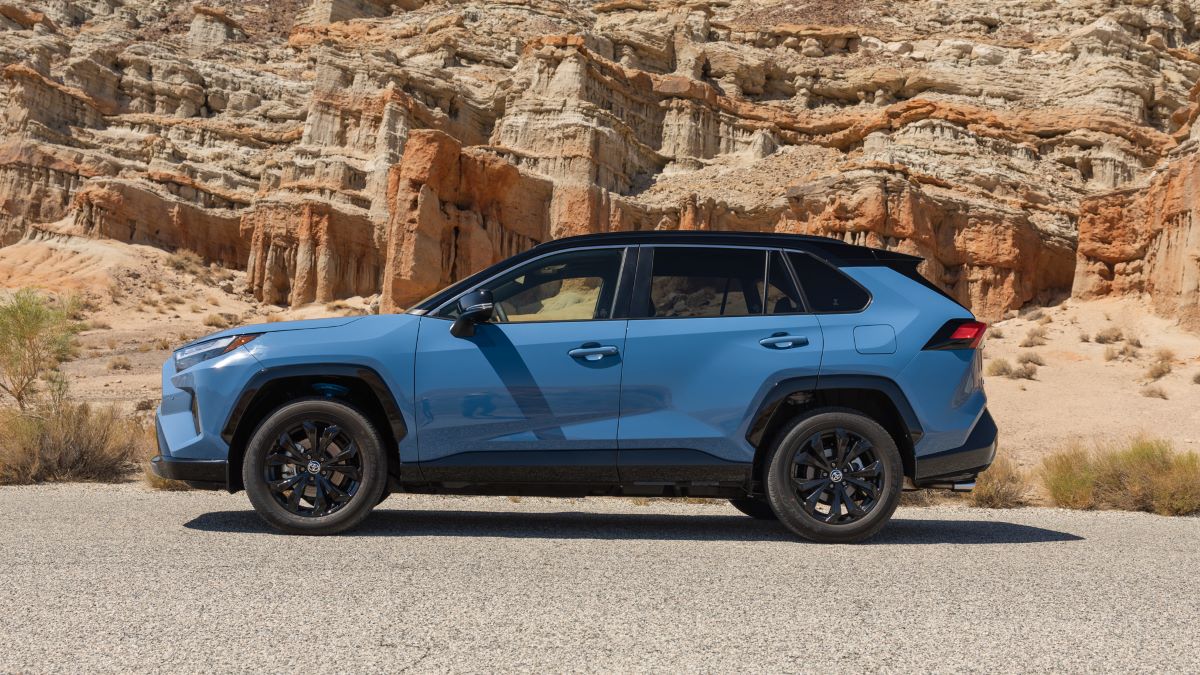
On the road, ride quality and steering precision have both seen meaningful improvements. The RAV4 feels stable and confident on the highway and manages corners with composure, though it doesn’t quite deliver the engaging driving dynamics of rivals like the Mazda CX-5.
It’s more about comfort and control than excitement. Braking performance is another strong point; during tests, the RAV4 stopped from 70 mph in 166 feet, aided by a firm, reassuring brake pedal that enhances driver confidence.
Overall, the 2019 RAV4 refines its balance between everyday comfort, capability, and efficiency, offering a solid all-around package even if it doesn’t quite reach the sporty heights of some competitors.
Also Read: 12 Cars That Shock Drivers With Unstoppable Reliability
3. Honda CR-V
The CR-V’s AWD models are appealing for their extra traction, but historically, the Real Time AWD system introduces added complexity without much benefit for everyday driving.
In earlier generations (especially 2007–2014), the rear differential fluid needed frequent changes something many owners ignored.
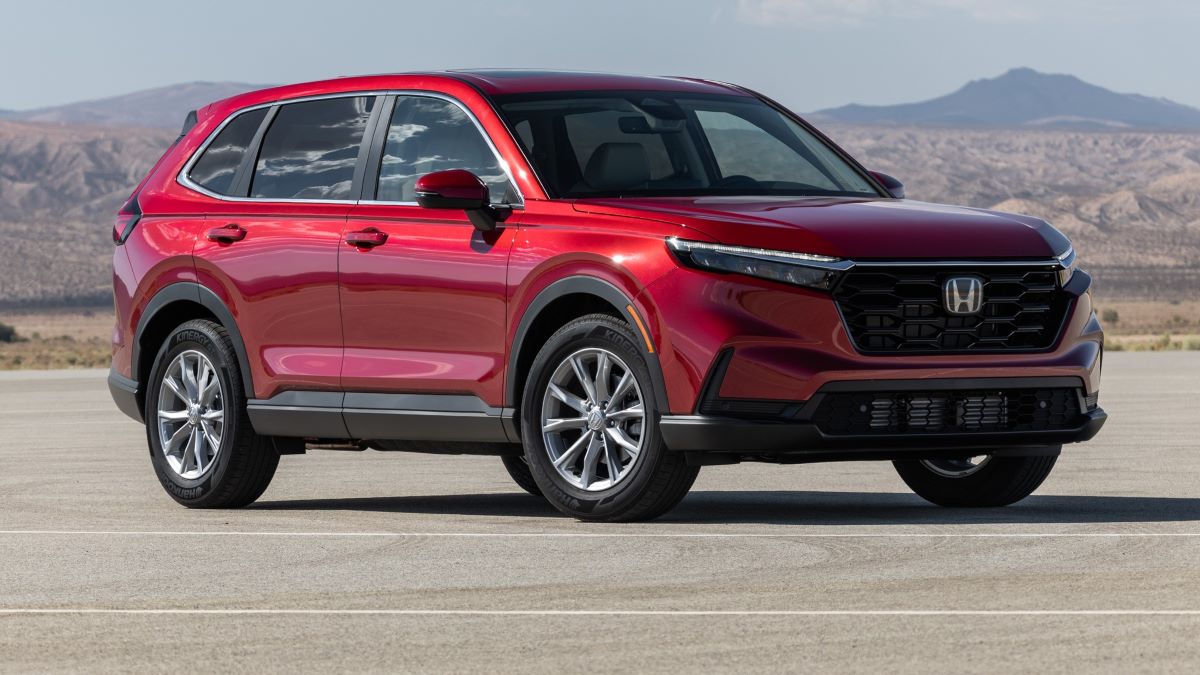
This led to premature wear and noise in the AWD models. By contrast, the FWD CR-V models consistently outlasted their AWD siblings, especially in warmer states like Florida or Texas. Unless you’re regularly facing snow or steep grades, the FWD CR-V is the smarter long-term choice.
4. Mazda CX-5
Mazda’s AWD system stands out for its reliability and responsiveness. Unlike some competitors, Mazda didn’t just tack on AWD as an option it integrated the system with its SkyActiv engineering philosophy.
The AWD CX-5 balances power to all four wheels proactively rather than reactively, reducing wear.
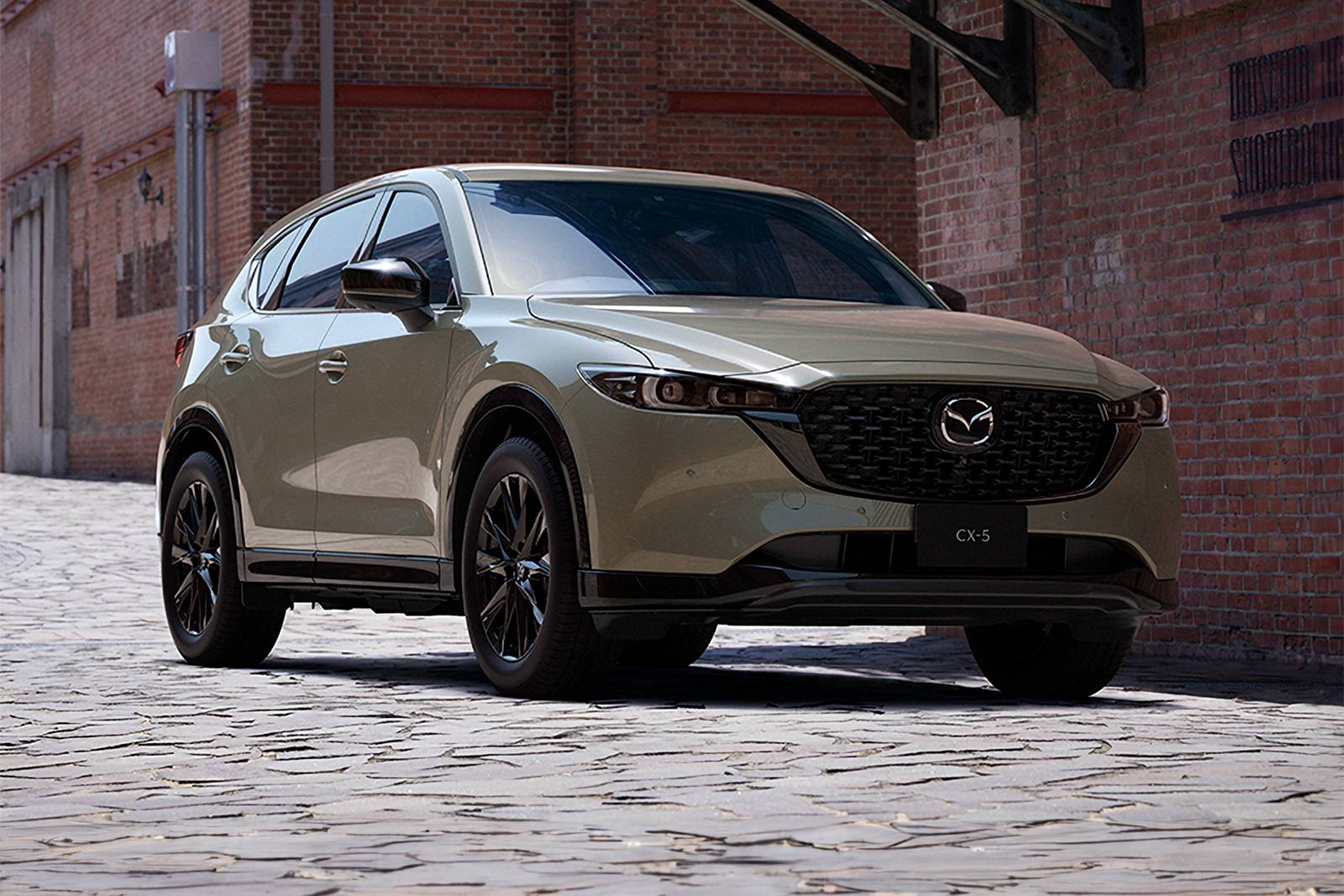
In fact, many owners report that AWD CX-5s maintain smoother acceleration and fewer transmission issues over time compared to FWD models that can struggle with torque steer.
In snowy or hilly parts of the U.S., the AWD CX-5 isn’t just safer it’s more mechanically balanced. Mazda is gearing up to redesign its beloved CX-5 for the 2026 model year, giving its popular small crossover SUV a fresh update inside and out.
While the exterior design may appear familiar at first glance, Mazda promises a more spacious interior, upgraded technology, and, eventually, a new hybrid powertrain, though the hybrid won’t arrive until 2027.
Official pricing hasn’t been released yet, but it’s expected to see a modest increase from the current starting price of $30,190 (including destination).
Even so, the CX-5 will likely remain more affordable than its sibling, the CX-50, which shares similar underpinnings but leans toward a more premium, rugged aesthetic. Both models continue to compete with popular compact SUVs like the Honda CR-V, Toyota RAV4, and Kia Sportage.
Visually, the 2026 CX-5 adopts a refined new look inspired by Mazda’s CX-70 and CX-90, featuring the brand’s signature winged grille and sleek wraparound taillights.
While it maintains the sporty, upscale personality that has long defined the CX-5, it’s been carefully differentiated from the adventure-focused CX-50. A stylish new touch is the script “Mazda” badge now displayed on the tailgate and steering wheel, while the traditional Mazda emblem continues to grace the grille up front.
At launch, the third-generation CX-5 will be powered exclusively by Mazda’s 2.5-liter naturally aspirated four-cylinder engine, paired with a six-speed automatic transmission and standard all-wheel drive.
The engine produces 187 horsepower and 185 lb-ft of torque, essentially matching the output of the outgoing model, though Mazda says both the engine and transmission have been retuned for smoother response and enhanced comfort.
5. Ford Escape
AWD Escapes often look appealing on paper, but long-term reliability data tells another story. The AWD system adds a power transfer unit (PTU) that tends to run hot and can leak fluid, especially in earlier 2.0-liter EcoBoost models.
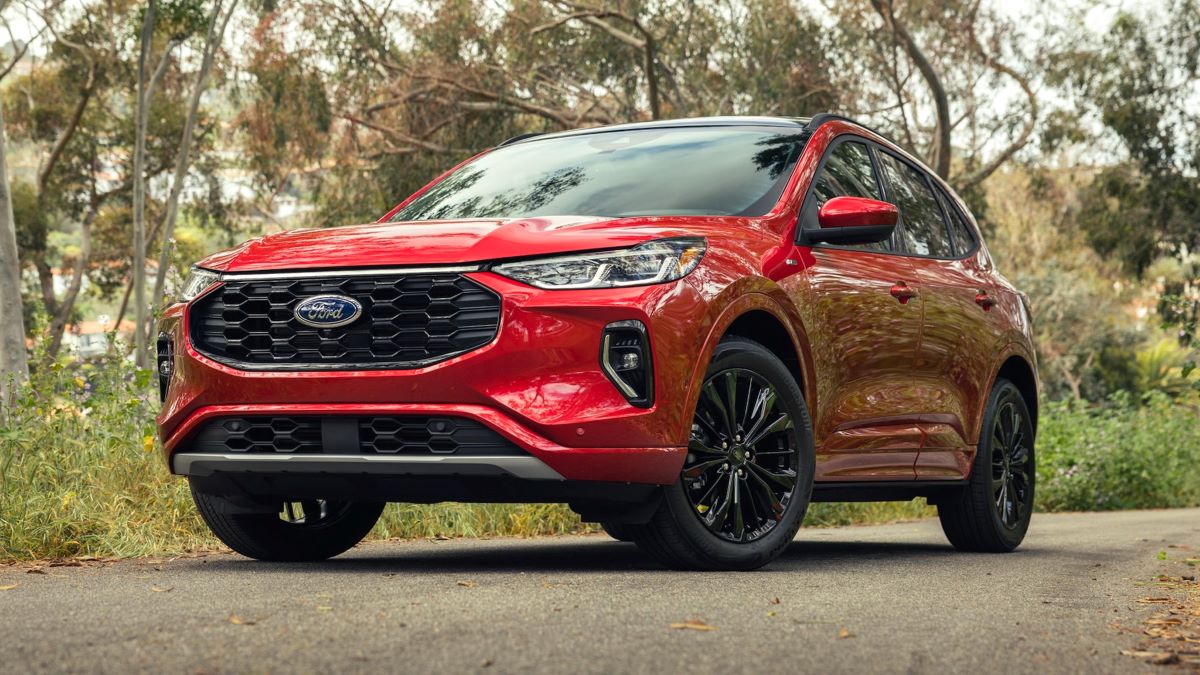
Ford even issued several service bulletins related to the PTU’s heat tolerance. FWD Escapes, on the other hand, skip that headache entirely and rack up miles with fewer driveline repairs.
For drivers in mild climates, FWD versions are the clear reliability winners and cheaper to maintain as they age.
The Escape’s interior offers a sense of roominess, although it doesn’t quite achieve the same open, airy feeling as the segment-leading Honda CR-V. That said, it scores well in practicality thanks to its generous cargo space and sliding second-row seat.
Its Sync 3 infotainment system is another strong point, it’s fast, responsive, and simple to use. However, it’s worth noting that it lacks the more advanced Sync 4 setup found in some of Ford’s 2021 models.
Most of our criticisms stem from the Escape’s interior materials. There’s an abundance of hard plastics throughout the cabin, which even the sharp-looking displays and faux wood accents in higher trims can’t completely disguise.
The seats, too, could benefit from greater cushioning and support for longer drives. Another odd design choice is the placement of the start button, it sits behind the steering wheel, making it slightly awkward to reach.
While the Escape’s cheerful personality and solid practicality make it a likable compact SUV, a bit more polish and interior refinement could truly elevate its standing in the class. Among the lineup, we find the Hybrid variant to be the most compelling choice.
Every non-hybrid Escape comes with an eight-speed automatic transmission. The base powertrain features a turbocharged 1.5-liter inline-three engine that generates 181 horsepower and 190 lb-ft of torque. Front-wheel drive (FWD) is standard, with all-wheel drive (AWD) offered as an option.
According to EPA estimates, fuel economy stands at 27 mpg in the city and 33 mpg on the highway for FWD versions, dropping slightly to 26/31 mpg with AWD.
6. Subaru Crosstrek
Like its Outback sibling, the Crosstrek’s reliability thrives because its AWD system isn’t an afterthought. Subaru engineered the Crosstrek around a symmetrical AWD layout from day one, and it shows in the data.
These cars distribute stress evenly across the drivetrain, preventing premature wear on transmission mounts or front axles that plague many FWD-based competitors.
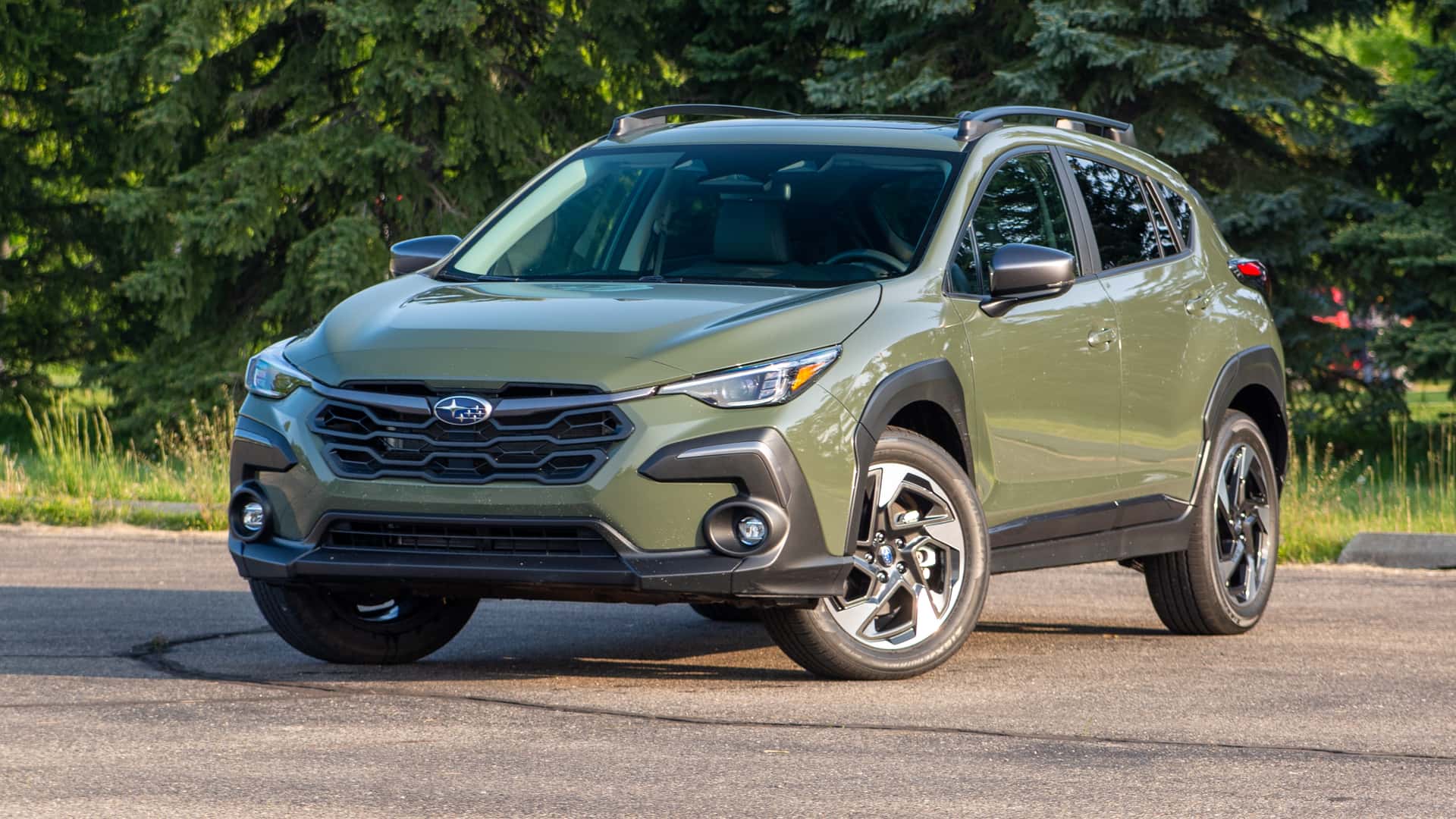
Owners routinely report AWD Crosstreks crossing 200,000 miles without major issues. While you can technically find FWD Subarus overseas, they don’t hold up nearly as well in the U.S., AWD is the clear winner here.
7. Nissan Rogue
The Rogue’s AWD system can add security in bad weather, but it also adds weight and strain to an already sensitive continuously variable transmission (CVT). Nissan’s CVTs are known for being finicky, and the extra load of AWD makes them more prone to overheating and early wear.

Independent mechanics consistently see fewer CVT replacements in FWD Rogues. For anyone living outside of heavy snow belts, FWD is the right choice for longevity fewer mechanical parts and less stress on the transmission means fewer big-ticket repairs.
Nissan’s compact crossover, the Rogue, stands as the brand’s top-selling model and one of the strongest contenders in its class.
Since its debut in 2008, the Rogue has steadily evolved, and the current generation, introduced for 2021, marks a major leap forward with improved technology, efficiency, and comfort.
Positioned between the smaller Kicks and the larger Murano, the Rogue takes on rivals such as the Toyota RAV4, Honda CR-V, and Subaru Forester. Impressively, it recently outperformed all of them in a comparison test, earning the title of our top-rated compact SUV.
When the third-generation Rogue arrived in 2021, it exceeded expectations with its handsome design, solid practicality, and spacious rear seating.
The only thing it lacked was stronger performance, a gap Nissan closed in 2022 by introducing a turbocharged 1.5-liter variable-compression (VC) engine.
While the new three-cylinder doesn’t accelerate any faster than the outgoing four-cylinder, it delivers power more efficiently, especially at lower speeds, enhancing day-to-day drivability.
The engine operates smoothly most of the time, though it can sound coarse at higher revs. Still, the gains in fuel economy make it a worthwhile trade-off.
Inside, the Rogue impresses with a thoughtfully designed cabin and quality materials. Higher trims offer two-tone interiors, quilted leather seats, and ambient lighting that elevate the sense of luxury. However, with these upscale touches comes a higher price tag that slightly diminishes its overall value proposition.
No matter the trim, the 2023 Nissan Rogue’s well-balanced ride, smart interior layout, and top-tier safety ratings combine to make it a standout choice in the compact SUV category.
Returning for 2023 is the 1.5-liter turbocharged inline-three engine, producing 201 horsepower and 225 lb-ft of torque. This engine pairs with a continuously variable transmission (CVT) and sends power to either the standard front-wheel-drive system or an optional all-wheel-drive setup.
In testing, the AWD-equipped Rogue reached 60 mph in 8.4 seconds, roughly the same as the previous four-cylinder version—but with smoother low-end torque delivery that improves real-world performance.
Fuel economy is another highlight. According to EPA estimates, the Rogue achieves 29–30 mpg city and 36–37 mpg highway with front-wheel drive, while AWD versions return 28 mpg city and 34–35 mpg highway.
The slightly lower ratings apply to Platinum trims due to their larger wheels and added features. Even so, these figures edge out several key competitors, including the 2023 Ford Escape (27/34 mpg with its 1.5-liter turbo-three) and the 2023 Honda CR-V (28/34 mpg with its 1.5-liter turbo-four).
The 2023 Nissan Rogue offers a compelling blend of comfort, efficiency, and refinement, making it one of the most well-rounded compact SUVs on the market today.
8. Volvo XC60
Volvo’s Haldex-based AWD systems are often seen as complex, but they’ve proven robust in the XC60. The power distribution between front and rear is electronically managed, reducing torque shock and helping preserve the transmission.
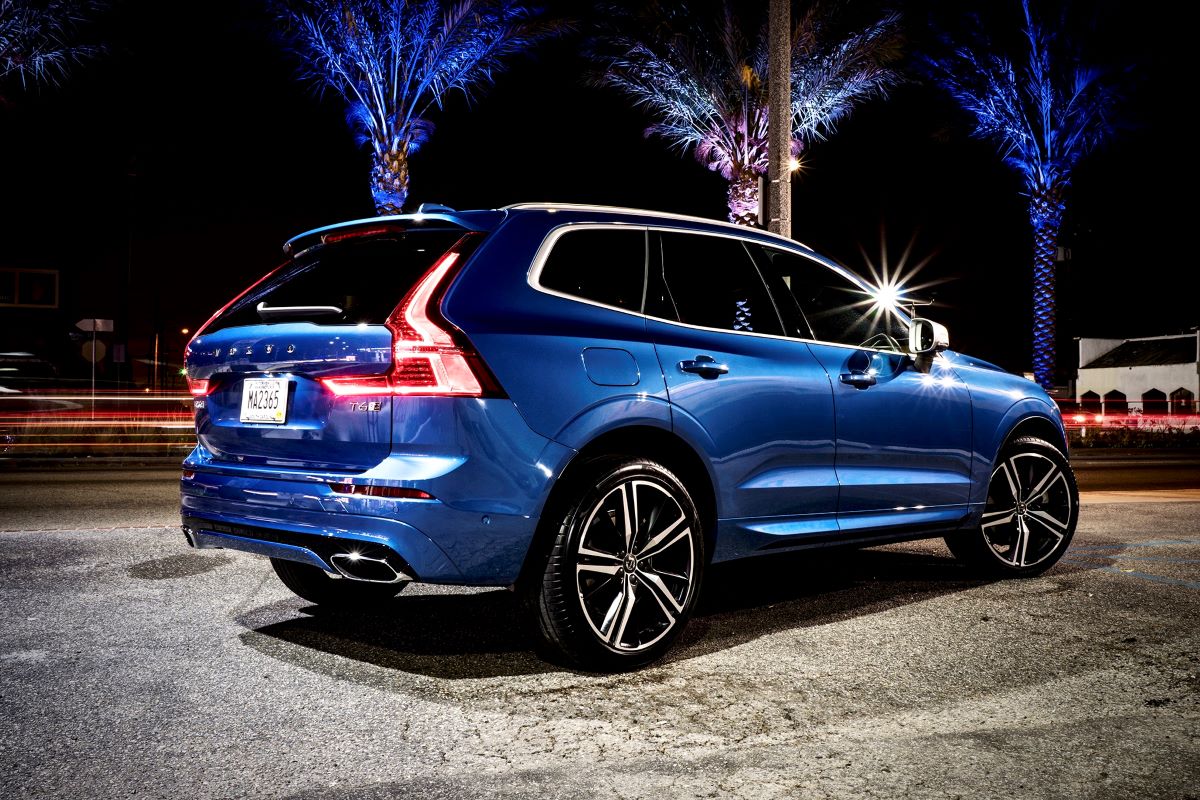
While older FWD Volvos sometimes struggled with torque steer or front-axle vibration under power, AWD XC60s maintain smoother operation and better balance, especially when paired with Volvo’s turbocharged engines.
In long-term ownership surveys, AWD XC60s actually show fewer drivetrain complaints than FWD versions a rare outcome in this category.
Volvo equips the XC60 with three available powertrains, each paired with an eight-speed automatic transmission and standard all-wheel drive.
The entry-level T5 models feature a turbocharged 2.0-liter inline-four engine that produces 250 horsepower, more than adequate for most drivers seeking a balance of power and efficiency. For those craving a livelier experience, Volvo offers two upgraded options that deliver stronger performance.
The mid-range T6 utilizes the same 2.0-liter turbocharged four-cylinder found in the T5 but adds a supercharger for an extra kick, raising output to 316 horsepower.
This setup provides noticeably quicker acceleration and a more spirited response, as confirmed by its stronger test-track results. However, neither of these gasoline engines ranks high in refinement; both emit a somewhat coarse sound, even under light throttle.
At the top of the lineup sits the plug-in hybrid T8 model, which combines the T6’s engine with dual electric motors for a total of 400 horsepower, though that variant is evaluated separately.
On the road, the XC60 delivers stable, confident handling, sticking firmly to corners and offering a well-balanced feel during highway cruising. It transitions between turns with assurance, though it doesn’t invite spirited driving in the way a Porsche might.
Ride quality is generally comfortable, but over rough pavement, it can feel slightly firm. On smoother roads, however, the XC60 maintains a composed and serene demeanor that aligns perfectly with Volvo’s refined, safety-first ethos.
9. Hyundai Tucson
Hyundai’s AWD systems have improved, but FWD still wins for dependability. The added AWD components introduce seals and couplings that don’t always age gracefully, especially after a decade.
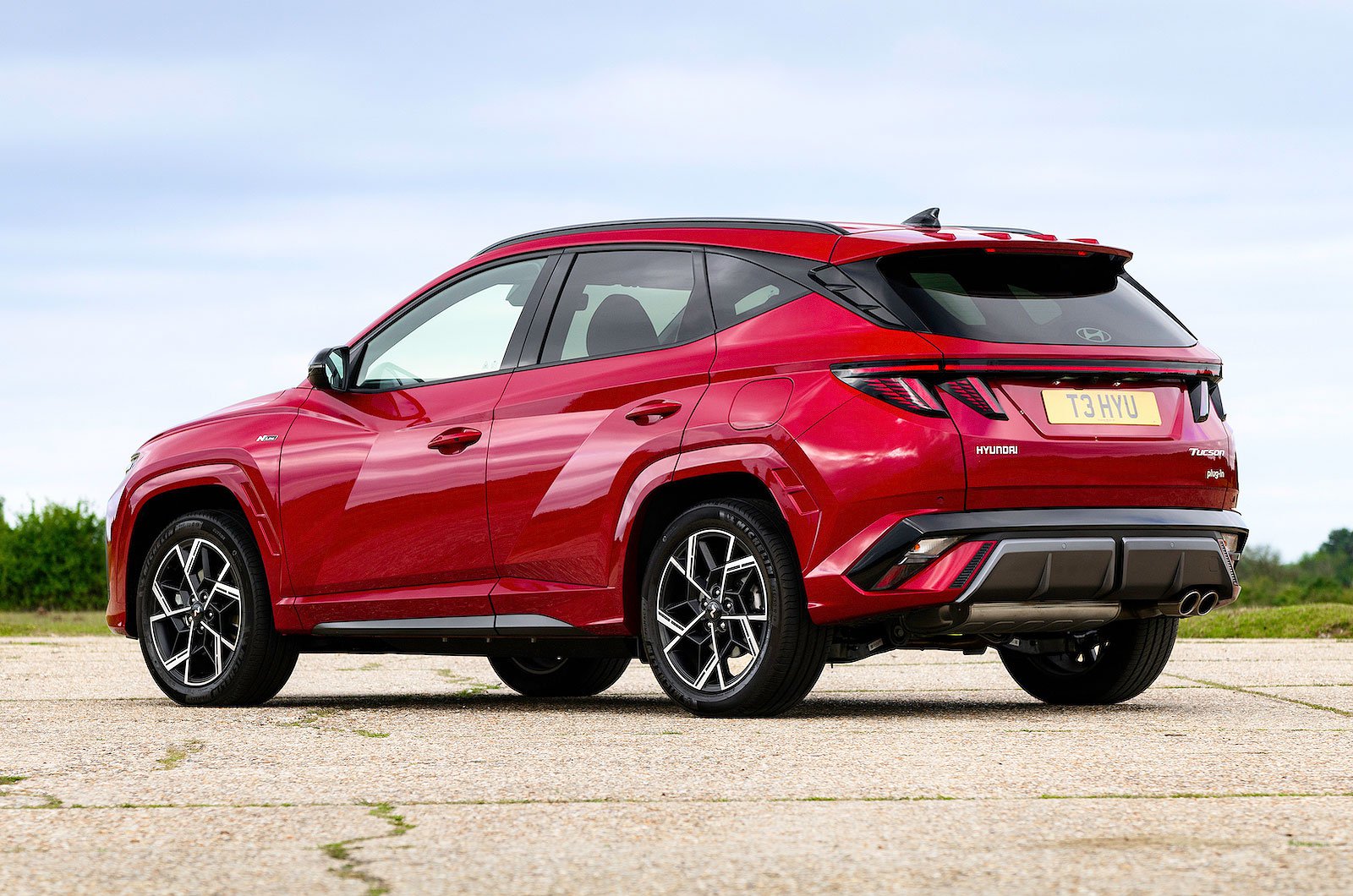
FWD Tucsons, on the other hand, remain relatively trouble-free and easier to service. Hyundai’s newer electric coupling AWD setups (in 2020+ models) are better, but if you’re shopping used, the FWD Tucson from the mid-2010s is a better long-term bet.
Plus, it offers better fuel economy and cheaper tire wear small advantages that add up.
Stylish, feature-rich, and aimed squarely at the Toyota RAV4, the Hyundai Tucson is Hyundai’s bold contender in the competitive compact SUV segment.
The Hyundai Tucson impresses with its striking, futuristic design, featuring a bold lighting signature, sharply sculpted body lines, and an angular rear profile. Inside, the Tucson feels upscale, boasting a clean layout, premium materials, and generous passenger and cargo space.
However, it’s not without its shortcomings. The driver attention monitoring system can feel intrusive, and the unconventional push-button gear selector may frustrate traditionalists.
Higher trims rely heavily on touch-capacitive controls instead of physical buttons, which can make quick adjustments less intuitive. Performance-wise, the gas-powered Tucson feels lackluster, the powertrain and transmission don’t deliver much excitement, and the firm suspension detracts from ride comfort.
By contrast, the hybrid version stands out as the more refined and engaging option, delivering smoother acceleration and better overall drivability.
Ultimately, while the Tucson’s design, comfort, and technology shine, it doesn’t outperform competitors like the CR-V or RAV4 in key areas such as efficiency and driving dynamics.
For the gas-only Tucson, there’s a single engine option: a 2.5-liter naturally aspirated inline-four producing 187 horsepower and 178 lb-ft of torque.
Power is routed through an eight-speed automatic transmission to the front wheels, with all-wheel drive available on most trims and standard on the rugged XRT variant.
The Tucson remains an appealing choice for buyers prioritizing design, comfort, and advanced features over outright performance.
Also Read: 10 Cars That Are the Best Kept Secrets in the Market
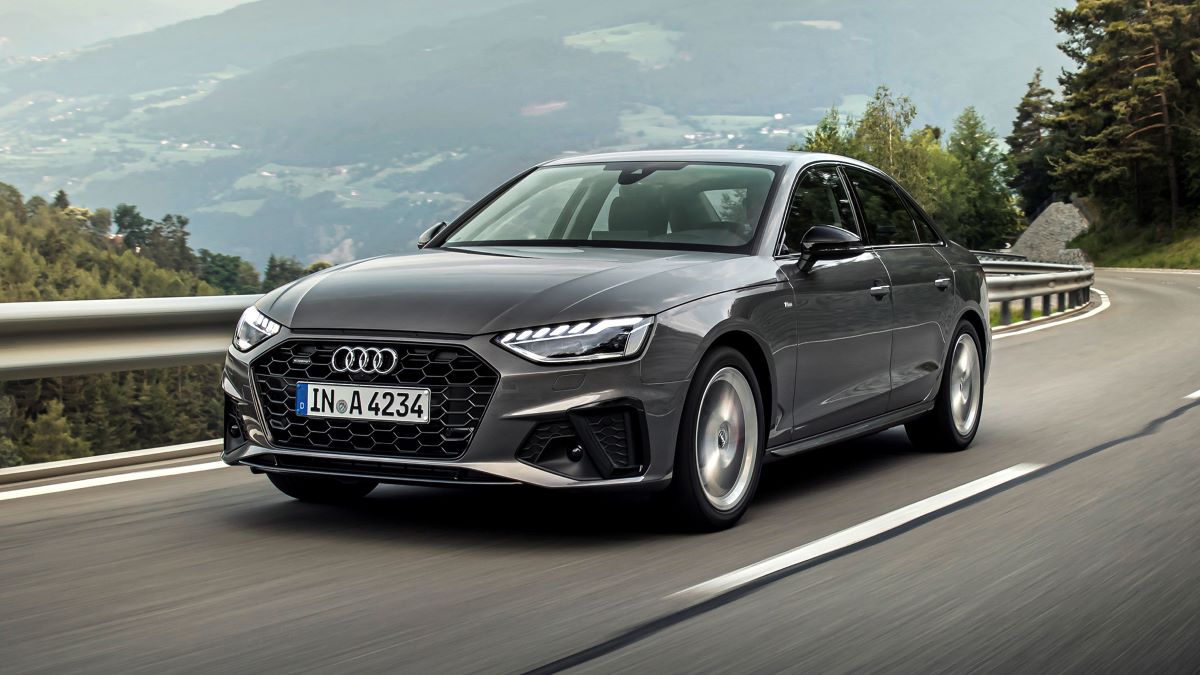
10. Audi A4
Audi’s Quattro AWD is one of the most respected systems in the world for a reason. While FWD Audis tend to be simpler, Quattro-equipped A4s show better mechanical balance, improved tire longevity, and fewer suspension component issues over time.
The AWD system distributes torque so efficiently that it actually reduces the stress on front axles and transmissions.
Audi’s engineering around the longitudinal drivetrain design makes Quattro versions of the A4 notably more stable and durable than the FWD counterparts, which can feel front-heavy and experience more drivetrain vibration with age.
AWD can be a double-edged sword it offers safety and confidence but introduces complexity and cost. FWD is lighter, simpler, and more efficient but may feel limited in harsh conditions.
The best way to think about it is by design intent: if the car was built around AWD from the start (like a Subaru or Audi), it’s likely to be more reliable in that configuration.
If AWD was added later as an option (like on the RAV4, Rogue, or Escape), the FWD model almost always wins in long-term ownership.
When shopping for your next car, remember that drivetrain choice isn’t just about traction it’s about how long your car will stay on the road without drama.
