
For anyone living in a northern U.S. state or near the coast, road salt and moisture can turn your car’s underbody into a corrosion test lab.
One of the first casualties in these conditions is usually the exhaust system pipes, mufflers, and hangers that seem to dissolve faster than you can schedule a repair.
Yet, not every car is doomed to lose its tailpipe before the third winter. Some automakers use higher-grade stainless steel alloys, improved drainage design, and smart exhaust routing to fight corrosion.
Here are ten models known for exhaust systems that don’t rust out after a couple of salty winters.
1. Toyota Camry (2012–Present)
Toyota’s Camry is known for being nearly indestructible, and its exhaust system is a big part of that reputation.
Most modern Camrys use 409-grade stainless steel for the majority of their exhaust piping, with mufflers and resonators that resist road salt corrosion better than mild steel units.
Toyota also coats brackets and clamps with zinc-based finishes that slow down rust formation. Owners in snowy states like Michigan and Maine often report over 8–10 years of life from their original exhaust systems before any noticeable surface rust even appears.
The 2012 Toyota Camry arrives as a much-improved version of its predecessor, addressing nearly all the shortcomings of the previous generation.
While it may appear similar at first glance, Toyota has reworked and refined this model to meet modern standards of usability, safety, and interior quality.
Every detail has been thoughtfully upgraded, from materials and design to handling and technology, ensuring the Camry stays competitive in the highly contested midsize sedan segment.
Yet, despite these modern enhancements, the car retains its signature strengths: durability and reliability, the two traits that have long defined Toyota’s best-seller.
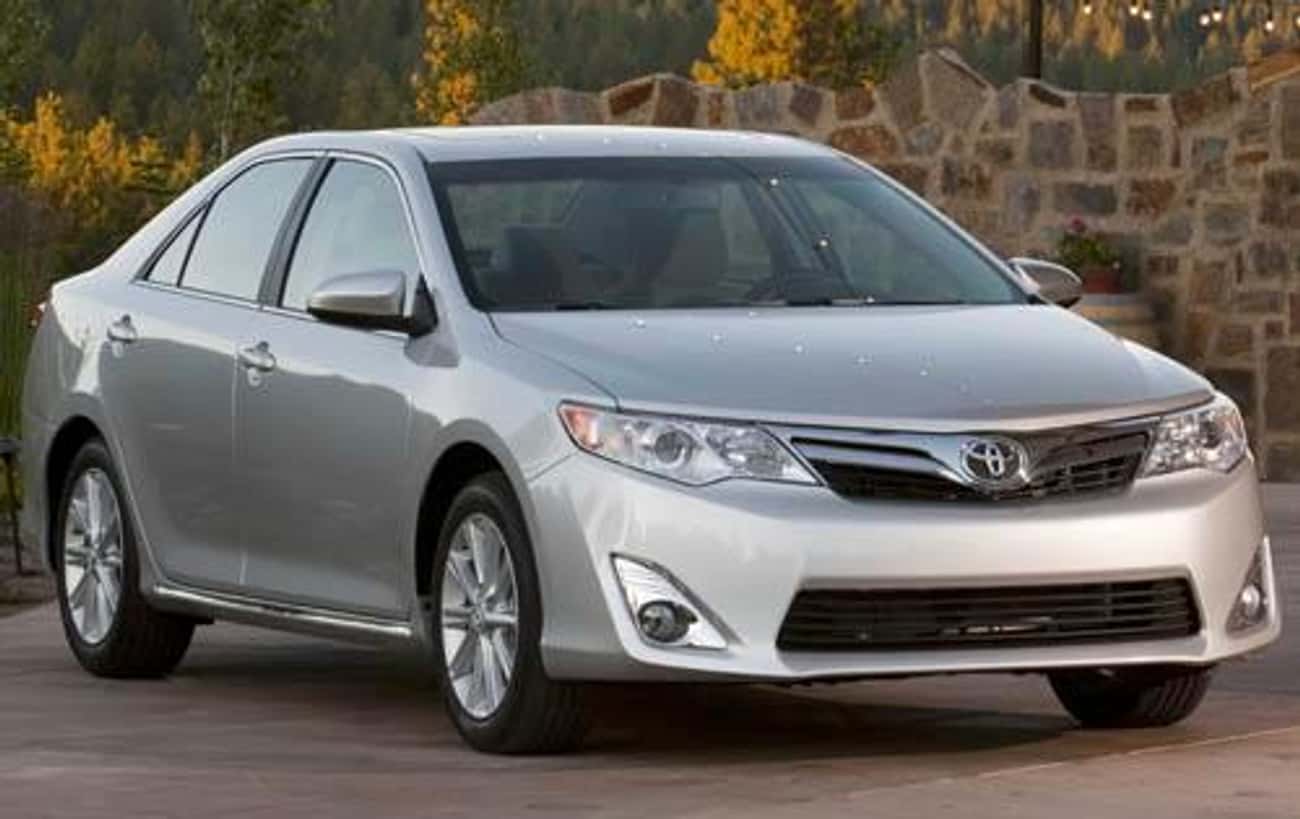
Under the hood, the 2012 Camry continues with improved versions of last year’s engines, a 178-horsepower 2.5-liter four-cylinder and a 268-hp 3.5-liter V6. Both are paired with a six-speed automatic transmission designed for better fuel efficiency and smoother performance.
Even with its fuel-efficient nature, the Camry still provides strong acceleration when needed, making it a confident performer for daily driving.
Inside, the 2012 Camry takes a noticeable leap forward. The front seats have been redesigned for greater support and positioned to create more rear legroom. Every 2012 Camry is equipped with front-wheel drive and a six-speed automatic transmission, with two engine options available.
The base 2.5-liter four-cylinder produces 178 horsepower and 170 lb-ft of torque, and in testing, it accelerated from 0 to 60 mph in just 8.1 seconds, ranking it among the quickest four-cylinder sedans in its class.
With an EPA rating of 25 mpg city, 35 mpg highway, and 28 mpg combined, the four-cylinder Camry is both efficient and capable, solidifying its position among the leaders in fuel economy for the midsize category.
Also Read: 5 Cars That Pass Emissions At 15 Years vs 5 That Struggle To Set Monitors
2. Honda Accord (2013–Present)
The Accord’s build quality extends well beneath the surface. Honda uses a combination of aluminized and stainless steel materials in the exhaust system, providing a strong balance between cost and durability.
Its design helps prevent water accumulation in low sections one of the most common causes of internal rust.
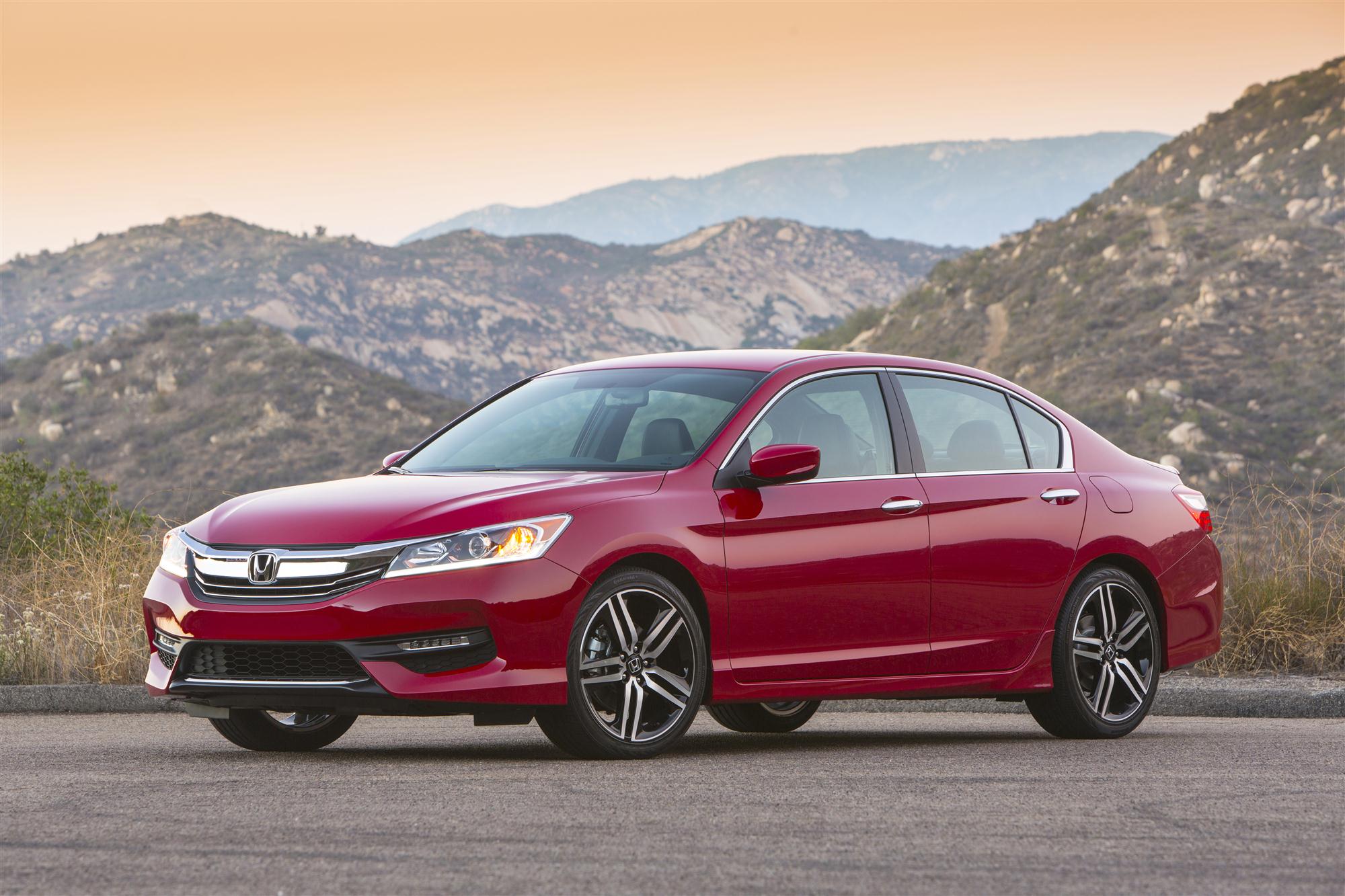
Even in salt-heavy areas like upstate New York, many Accords retain their factory exhausts past the 150,000-mile mark. The attention to drainage and material choice makes this sedan an excellent long-term pick for winter-heavy regions.
3. Subaru Outback (2015–Present)
Subaru markets the Outback as an all-weather, all-terrain wagon, and that includes fortifying it against salt and slush. Its entire undercarriage, including the exhaust, is treated with anti-corrosion coatings, and the main exhaust tubing uses high-tensile stainless steel.
Because Subarus are popular in the snowbelt, the brand engineered their systems to shed saltwater effectively. Even after multiple winters, rust is typically limited to mild surface oxidation instead of perforation.
Pair that with symmetrical AWD and you’ve got a car that thrives through freezing months without needing an early exhaust replacement.
The distinction between station wagons and crossover SUVs has become increasingly blurred over the years. Give a wagon a bit more ground clearance and all-wheel drive, and it essentially transforms into a crossover.
The redesigned 2015 Subaru Outback exemplifies this crossover evolution perfectly. It continues to deliver on the brand’s hallmark strengths, ample cargo capacity, standard AWD, impressive ground clearance, and solid value, while improving on comfort, fuel efficiency, and technology.
Subaru has refined the Outback’s formula to make it more appealing than ever for families seeking adventure without sacrificing practicality.
Despite growing less than an inch in both length and width, the 2015 Outback manages to squeeze out nearly 3 cubic feet of extra interior space, enhancing comfort for passengers and boosting cargo volume by 2 cubic feet.
Rear-seat passengers benefit from noticeably improved legroom, and the vehicle’s expanded interior dimensions make it feel roomier overall.
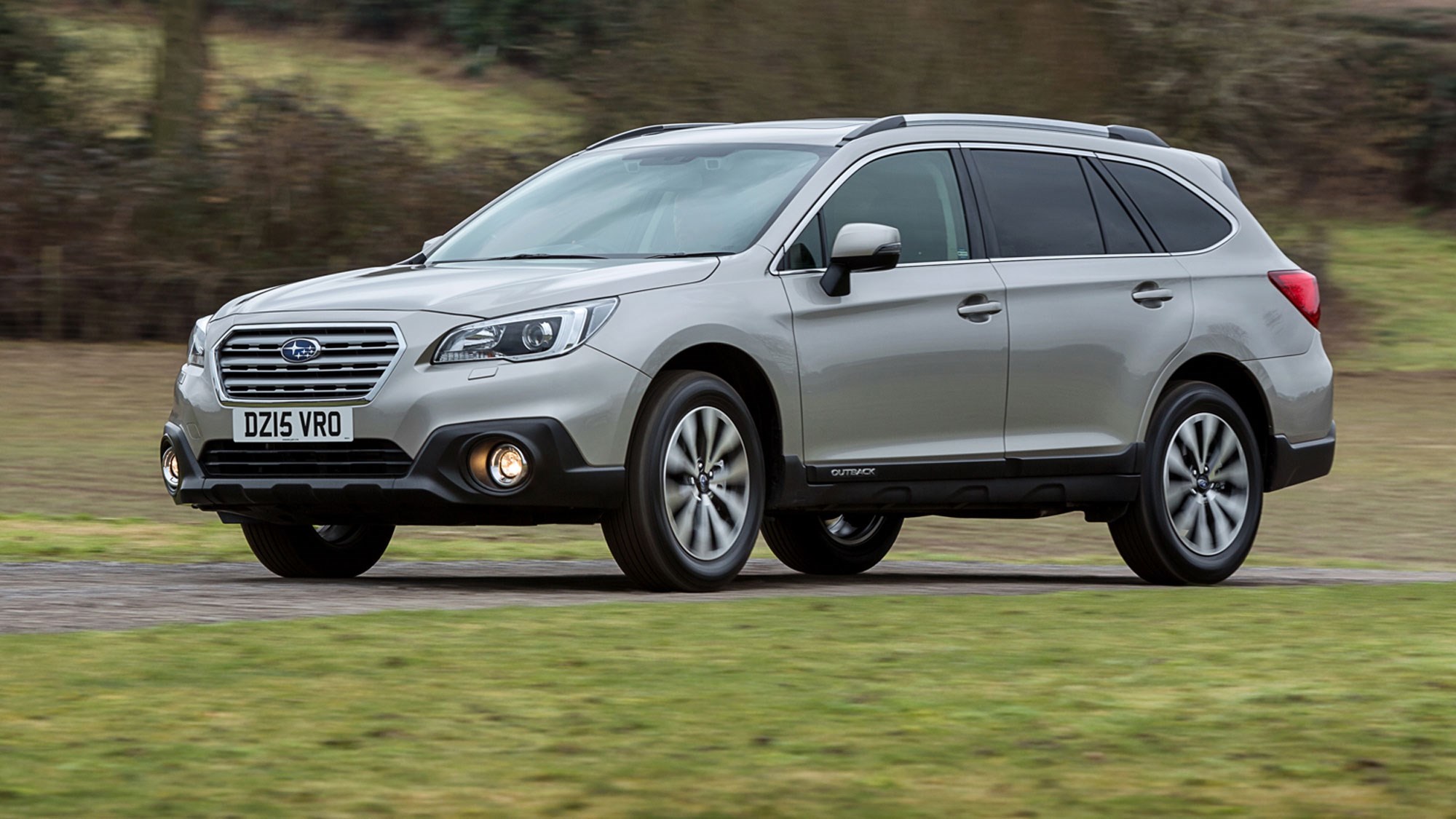
Sitting somewhere between compact and midsize, the Outback is roughly the same size as a Volvo XC70, yet about 10 inches longer than smaller rivals like the Honda CR-V and Toyota RAV4, positioning it neatly in a unique niche of its own.
Every 2015 Outback comes equipped with a continuously variable transmission (CVT) and the choice of either a 2.5-liter four-cylinder engine or a more powerful 3.6-liter six-cylinder.
Subaru fine-tuned the CVT and introduced active grille shutters to reduce drag, along with electric power steering, resulting in a 2-mpg improvement in combined EPA fuel economy ratings across both engines. These upgrades make the Outback more efficient without compromising its rugged, all-weather capability.
Inside, Subaru has taken major steps forward in design, quality, and ergonomics. The previous generation’s hard plastics and quirky layout have been replaced by softer materials, a more intuitive control setup, and modern technology that rivals competitors in the class.
The 2015 Outback adds front seat cushion airbags, a standard rearview camera on all trims, and newly available driver-assistance features like blind-spot monitoring, lane change assist, and rear cross-traffic alert.
In typical Subaru fashion, the 2015 Outback continues to carve out its own space in the market. Comparable models such as the Audi Allroad and Volvo XC70 offer similar concepts, all-wheel drive wagons with turbocharged power and more luxurious cabins, but both come at a higher price point and, in the case of the Audi, with less cargo room.
For those who prefer traditional SUVs, alternatives like the Honda CR-V, Jeep Cherokee, Kia Sorento, or even Subaru’s own Forester may also appeal.
However, with its blend of versatility, improved refinement, and strong reputation for durability, the 2015 Outback remains one of the smartest options for active families who want an all-weather vehicle that’s as capable on the trails as it is on the school run.
Powering the base 2.5i models is a 2.5-liter four-cylinder engine producing 175 horsepower and 174 lb-ft of torque, paired with a CVT automatic transmission.
As expected from Subaru, all-wheel drive is standard across the lineup, complemented by hill start assist and hill descent control for enhanced stability and control on uneven terrain.
This combination provides the Outback with the confidence to handle a variety of driving conditions, from city streets to snow-covered mountain passes, while maintaining excellent fuel efficiency for its class.
4. Mazda CX-5 (2017–Present)
Mazda has quietly improved its corrosion protection dramatically over the last decade. The CX-5 benefits from this shift, using a stainless steel exhaust system that’s mounted high and tucked away from direct salt spray.
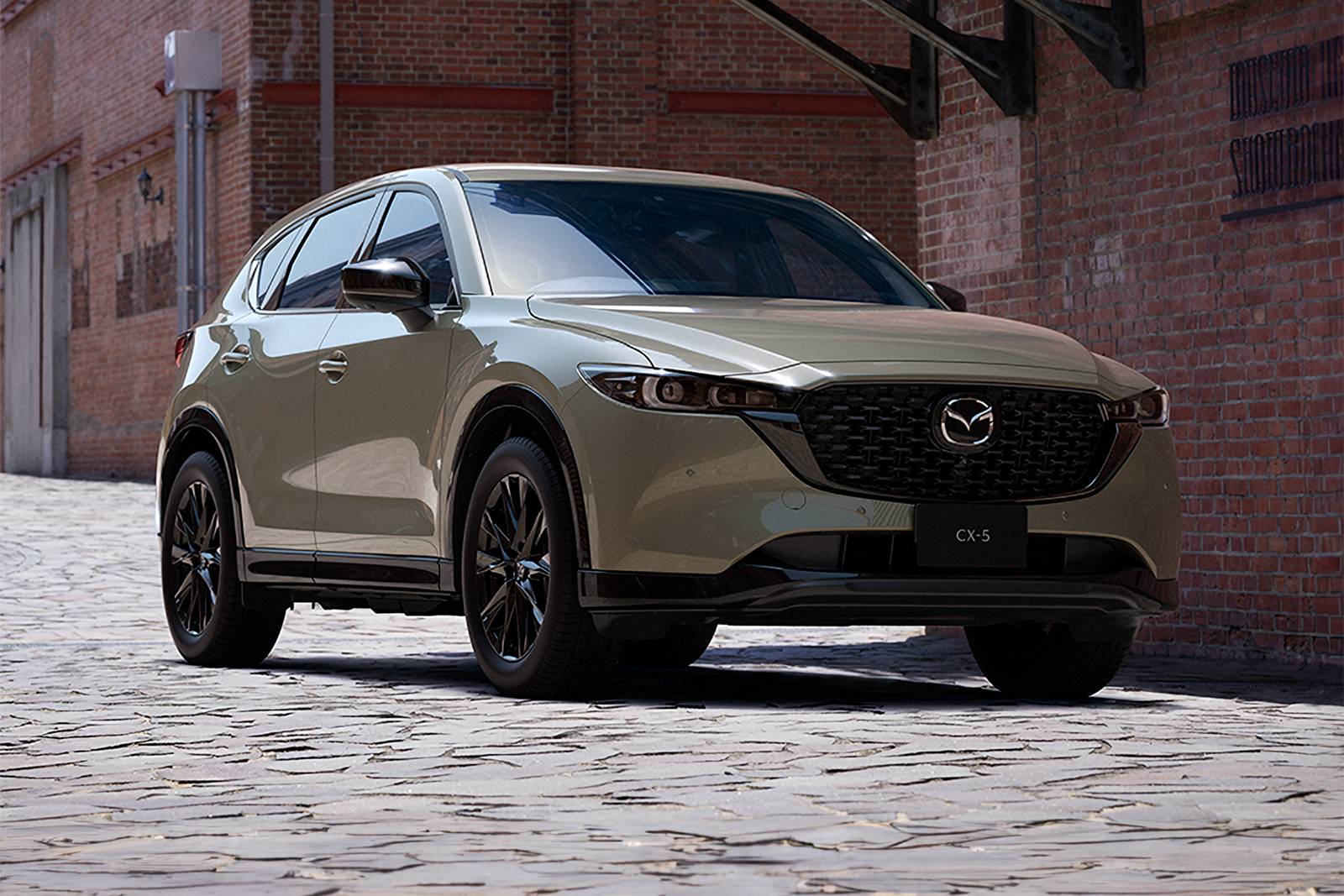
Unlike some older Mazdas that suffered from subframe and exhaust rust, the CX-5’s modern SkyActiv platform includes a protective underseal and optimized drainage paths.
Even in road-salt states like Pennsylvania or Illinois, these SUVs rarely show exhaust deterioration before 8–10 years, putting them in the same reliability league as Toyota and Honda.
The second-generation 2017 Mazda CX-5 made its debut at the 2016 Los Angeles Auto Show, showcasing a refined evolution of Mazda’s acclaimed compact crossover.
Designed to be lighter and more sophisticated than its predecessor, the new CX-5 carries forward Mazda’s signature KODO design language with sleek lines and a bold, modern stance that enhances its sporty appeal.
Positioned between the three-row CX-9 and the smaller CX-3, the 2017 CX-5 continues to serve as a versatile five-passenger crossover, available in both front- and all-wheel-drive configurations.
Under the hood, the CX-5 is expected to retain Mazda’s reliable 2.5-liter four-cylinder engine paired with a six-speed automatic transmission, producing 184 horsepower.
This proven powertrain remains a balanced choice for drivers seeking a mix of performance and efficiency. However, Mazda enthusiasts can anticipate the possibility of a 2.5-liter turbocharged four-cylinder from the CX-9 making its way into the lineup, offering a more dynamic driving experience.
Inside, the CX-5 receives a notable technology upgrade with an improved MazdaConnect infotainment system featuring a larger eight-inch touchscreen.
5. Lexus RX (2016–Present)
Luxury cars aren’t immune to rust, but the Lexus RX proves that premium materials make a difference.
Lexus equips the RX with a full stainless steel exhaust system, often using 304-grade steel for mufflers and tailpipes an alloy that resists corrosion even better than the 409-grade steel used in most mainstream models.
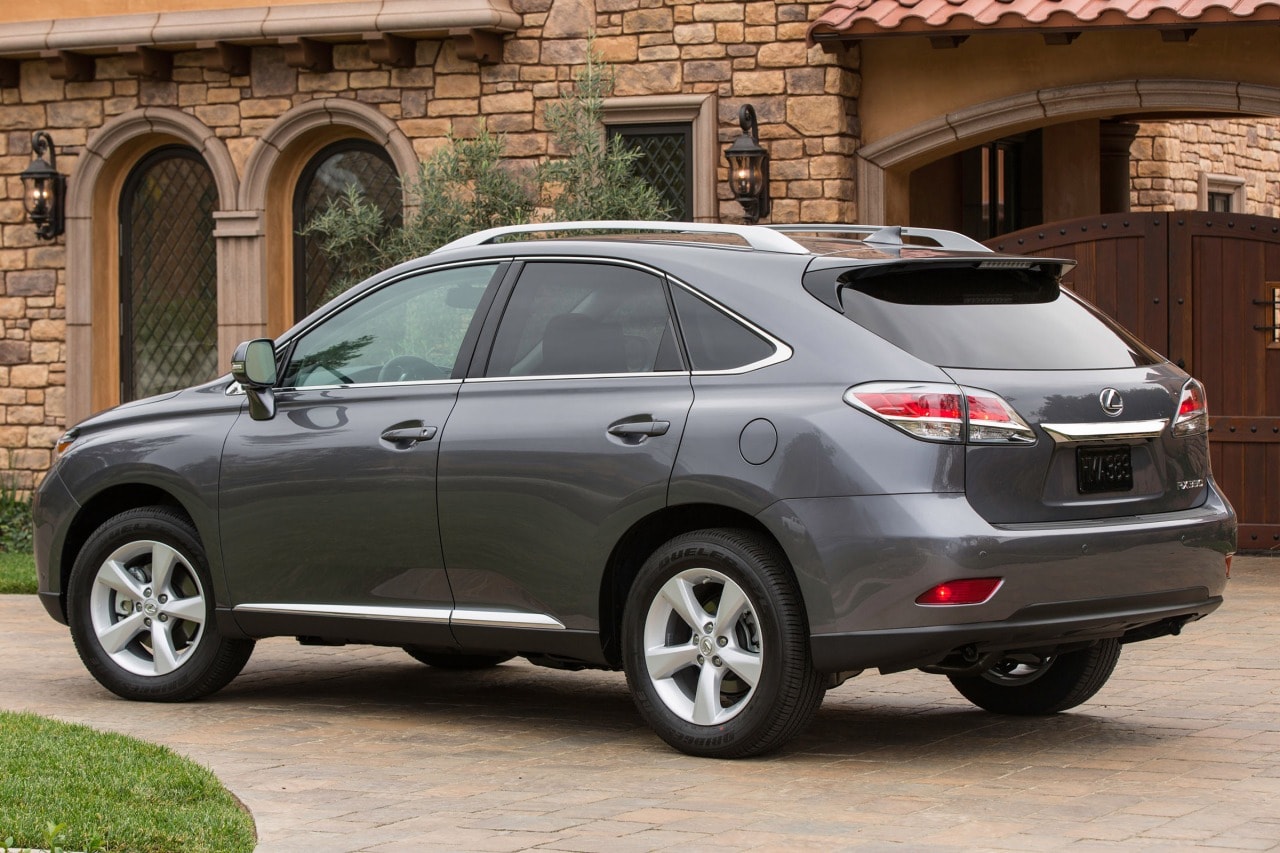
The system’s welds are sealed, and the hangers use rust-resistant coatings. In practical terms, RX owners from Minnesota to Vermont routinely hit 200,000 miles with no exhaust issues, showing how Lexus builds for both refinement and long-term durability.
Also Read: 10 Least Reliable Cars With CVT Transmissions To Avoid
6. Toyota Tacoma
Pickup trucks take a brutal beating in winter especially when used for work. The Toyota Tacoma’s exhaust design anticipates that. Its stainless steel pipes and muffler, combined with strategic heat shielding and high exhaust routing, keep salt exposure to a minimum.
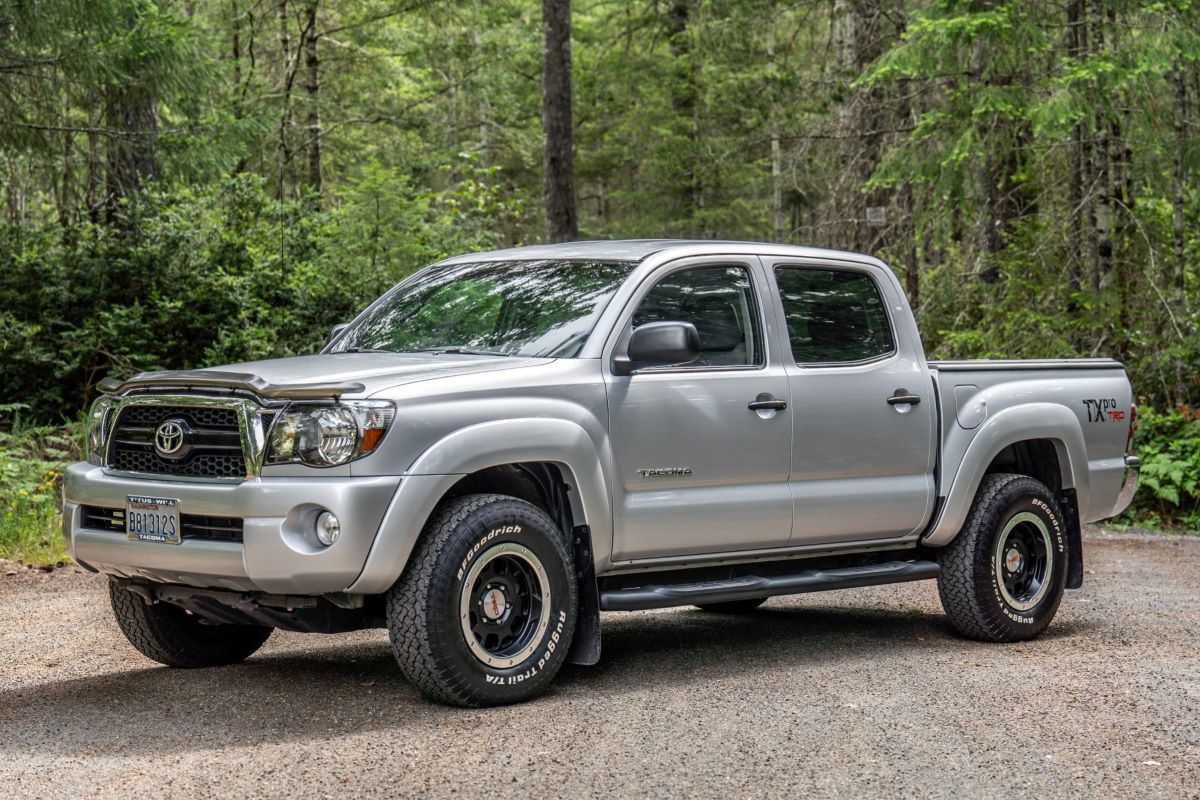
Unlike many domestic mid-size pickups that use cheaper steel for resonators, the Tacoma’s exhaust system tends to last a decade or more before requiring attention.
Even aftermarket techs in the Rust Belt often praise how rarely they need to replace OEM Tacoma mufflers.
7. Honda CR-V (2017–Present)
The Honda CR-V remains one of the best small SUVs for drivers who face heavy snow. Its AWD system isn’t the only thing that makes it a northern favorite the exhaust system also deserves credit.
Honda uses corrosion-resistant tubing that’s double-walled in certain high-moisture areas, reducing condensation buildup.
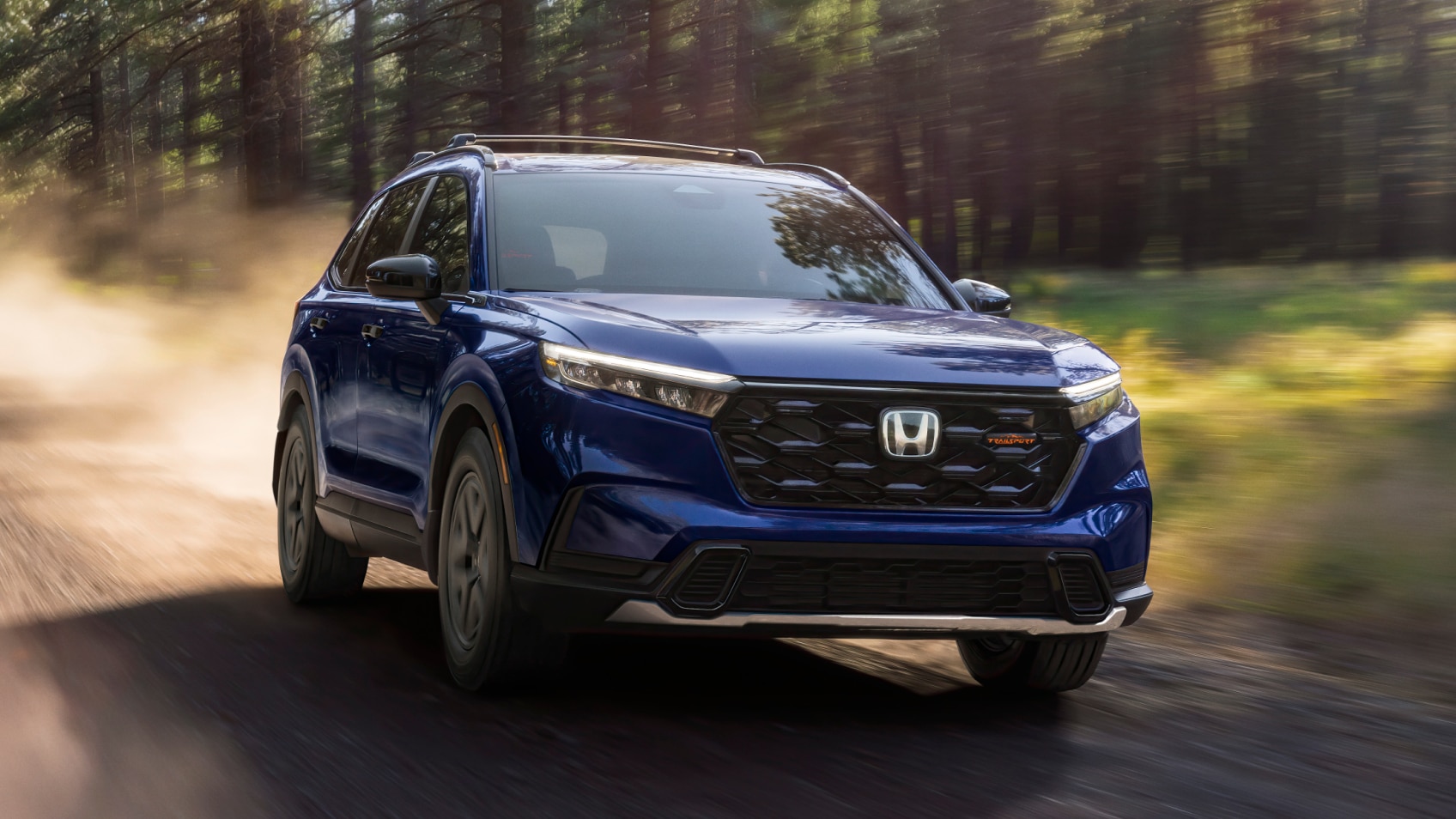
CR-Vs sold in the Midwest and New England frequently show only mild surface rust after years of exposure. Additionally, Honda’s exhaust hanger design minimizes vibration-induced cracks that can allow rust to creep in.
Honda’s fifth-generation 2017 CR-V marked a major leap forward for the brand’s best-selling compact SUV, combining smart engineering with everyday practicality.
Before introducing its first-ever turbocharged engine in the CR-V, Honda clearly did its homework, ensuring that the result was both efficient and engaging to drive.
The base LX model comes with a smooth 2.4-liter inline-four producing 184 horsepower, while the upper trims receive a more energetic 1.5-liter turbocharged inline-four rated at 190 horsepower.
Both engines are paired with one of the best continuously variable transmissions (CVTs) on the market and can be configured with front- or all-wheel drive.
The driving experience feels refined and well-balanced, acceleration is brisk but controlled, the steering precise, and the brakes responsive. The CR-V delivers a dynamic and composed ride that strikes a perfect balance between comfort and agility.
Inside, the 2017 CR-V impresses with a premium feel rarely seen in this segment. The cabin features soft-touch materials, an intuitive layout, and a spacious design that offers excellent visibility and comfort for all passengers.
On the tech front, Honda’s infotainment system remains a mixed bag. The HondaLink interface looks sleek but suffers from slow response times and touch-sensitive controls that can be frustrating to use on the move.
Thankfully, the reintroduction of a physical volume knob is a welcome change, and the inclusion of Apple CarPlay and Android Auto significantly improves usability.
8. Volvo XC60 (2018–Present)
Volvo has a long-standing reputation for building cars that survive northern climates, and the XC60 continues that legacy.
The Swedish automaker uses premium stainless steel exhaust materials paired with thick protective coatings on underbody fasteners.
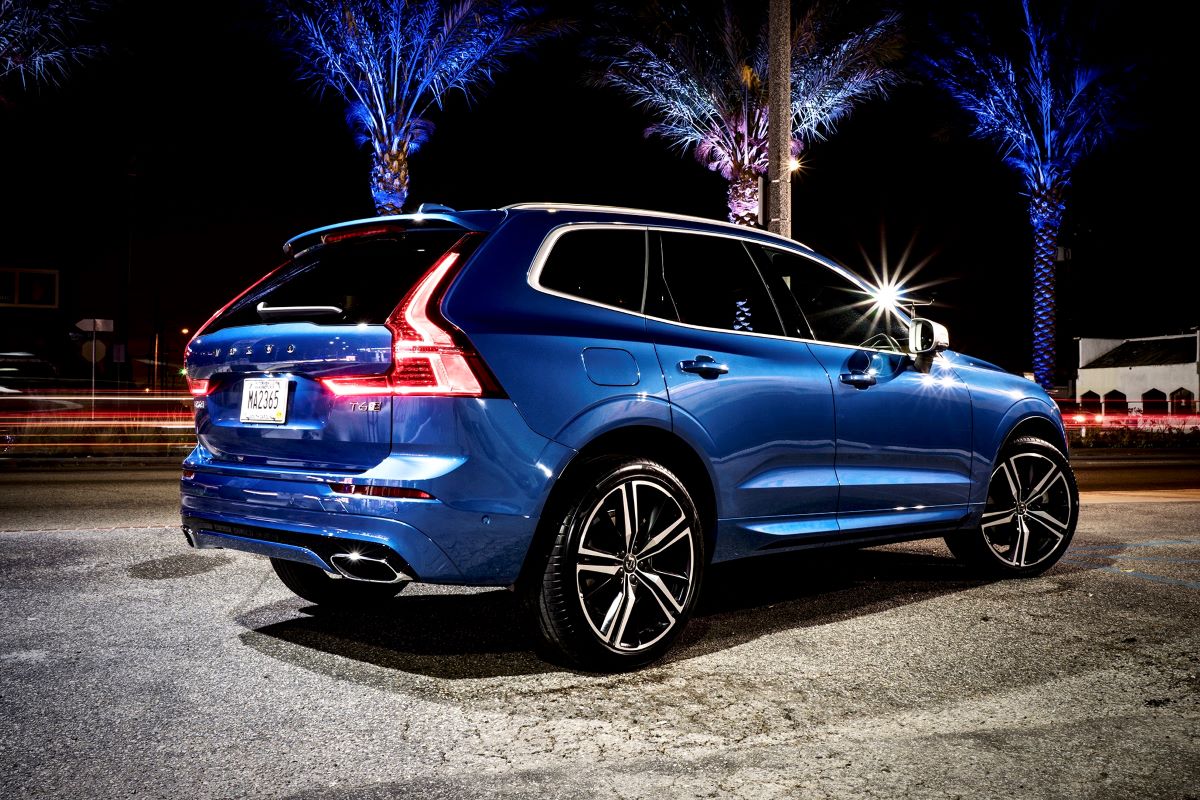
The tailpipes are integrated tightly into the bumper design, reducing exposure to slush and salt spray.
Owners in Wisconsin and Minnesota often report that even after five or six winters, the exhaust system shows almost no degradation a testament to Volvo’s winter-oriented engineering.
Built on Volvo’s advanced SPA platform, the redesigned 2018 Volvo XC60 marks a significant evolution for the brand’s compact luxury SUV.
The new generation brings a refined suspension setup, a lineup of powerful and efficient engines, including a plug-in hybrid, and a sleek, modern exterior highlighted by Volvo’s signature “Thor’s Hammer” T-shaped LED headlights.
Designed to slot below the larger XC90, the 2018 XC60 offers seating for up to five passengers and blends Scandinavian sophistication with cutting-edge safety and performance technology. Front-wheel drive comes standard on the base T5 model, while all-wheel drive is available throughout the range.
The 2018 XC60 offers three distinct powertrains. The T5 features a 2.0-liter turbocharged four-cylinder engine producing approximately 250 horsepower and 258 lb-ft of torque.
Stepping up to the T6 brings a more potent 2.0-liter engine that’s both turbo- and supercharged, delivering 316 horsepower and 295 lb-ft of torque.
At the top of the range, the T8 plug-in hybrid pairs the T6’s engine with an electric motor to generate an impressive 400 horsepower while offering extended all-electric driving compared to its larger XC90 sibling. All models are paired with an eight-speed automatic transmission for smooth and responsive performance.
Inside, the XC60’s cabin showcases Volvo’s dedication to luxury and innovation. Available features include leather upholstery, a panoramic sunroof, a premium Bowers & Wilkins sound system, and a digital instrument cluster that replaces traditional gauges.
The centerpiece of the dashboard is Volvo’s intuitive Sensus infotainment system with a vertically oriented 9-inch touchscreen offering navigation, Bluetooth, and smartphone connectivity.
As expected from Volvo, safety is paramount. The 2018 XC60 comes equipped with an extensive suite of advanced driver-assistance features, including adaptive cruise control, automatic emergency braking, pedestrian and cyclist detection, and lane-keeping assist.
New technologies such as Oncoming Lane Mitigation help reduce the risk of head-on collisions, while Pilot Assist, a semi-autonomous system, can handle steering, acceleration, and braking at speeds up to 80 mph on clearly marked roads.
Combining elegant design, intelligent engineering, and class-leading safety, the 2018 Volvo XC60 reaffirms its position as one of the most well-rounded choices in the luxury crossover segment.
9. Ford F-150 (2015–Present, Aluminum-Body Generation)
The F-150’s move to an aluminum body in 2015 didn’t just make headlines it also coincided with Ford improving its exhaust materials.
Most trims now feature stainless steel exhaust pipes and mufflers designed to handle work-truck abuse in cold-weather regions. The design minimizes low points where condensation could collect, a key factor in longevity.
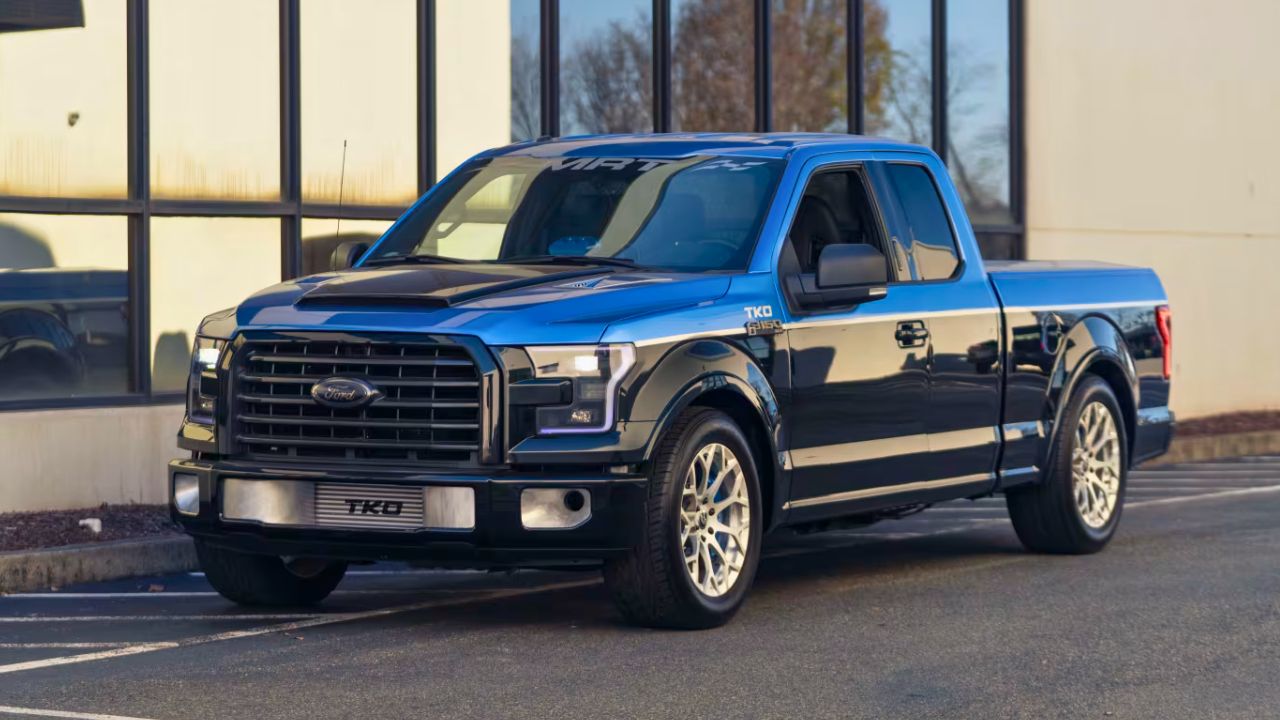
The 2017 Ford F-150 sees several key updates that strengthen its position as one of the most capable and refined trucks on the market. The most significant change is the redesigned turbocharged 3.5-liter V6 engine, now paired with a new 10-speed automatic transmission.
This powertrain combination not only increases horsepower and torque but also delivers improved fuel efficiency. Additionally, the high-performance Raptor model makes a much-anticipated return, featuring a specially tuned, high-output version of the same turbocharged V6 designed for extreme off-road dominance.
With such a diverse lineup, the 2017 F-150 easily caters to a wide range of needs, from serious work duties to family adventures. Its strong towing and payload capacities rank among the best in the light-duty class, and despite its rugged capabilities, the F-150 manages to deliver impressive fuel economy.
Inside, the cabin is quiet and well-appointed, especially in trims like the Lariat and higher. The Sync 3 infotainment system offers fast response times and smartphone compatibility through Apple CarPlay and Android Auto.
Comfort is another strong point, with spacious, supportive seating and plenty of clever storage options throughout the interior. Even with optional features like the FX4 Off-Road Package, which slightly firms up the suspension, the ride remains composed and comfortable.
When it comes to everyday usability, the F-150 shines. It’s loaded with thoughtful storage spaces, massive door pockets, a deep center armrest bin, and smartly placed compartments for small items. The bed is equally functional, with numerous anchor points for securing cargo.
10. Acura MDX (2017–Present)
Acura’s MDX blends the luxury and durability of a Lexus with Honda’s engineering discipline. Its exhaust system uses a combination of 304- and 409-grade stainless steel, providing outstanding corrosion resistance.
The system’s routing is aerodynamic and well-protected by underbody panels that also deflect salt spray. Some owners in New England have reported their factory exhausts lasting 8–10 winters with no structural rust something rare for any SUV exposed to salt brine.
Acura also uses high-quality welding and thicker steel at connection points, reducing the risk of early failure.
If you live in a road-salt-heavy state Ohio, Pennsylvania, New York, or anywhere across the upper Midwest your car’s exhaust system is under constant attack.
But as this list shows, not all exhausts are created equal. Toyota, Honda, and Lexus lead the pack with stainless systems that shrug off rust, while Volvo and Acura prove luxury can coexist with long-term durability.
The 2020 Acura MDX challenges that notion by delivering a premium driving experience without the premium cost. As one of the most affordable options in its class, this three-row crossover SUV manages to be comfortable, quiet, refined, and impressively spacious.
When equipped with Acura’s available Super Handling All-Wheel Drive (SH-AWD) system, it also brings an unexpected dose of driving enjoyment that makes it stand out from typical family haulers.
Powering the 2020 MDX is a strong and smooth V6 engine that provides ample acceleration and confident highway passing power.
Even in its base trim, the MDX comes well-equipped, offering a suite of features that includes leather upholstery, tri-zone climate control, and a host of advanced driver-assistance systems.
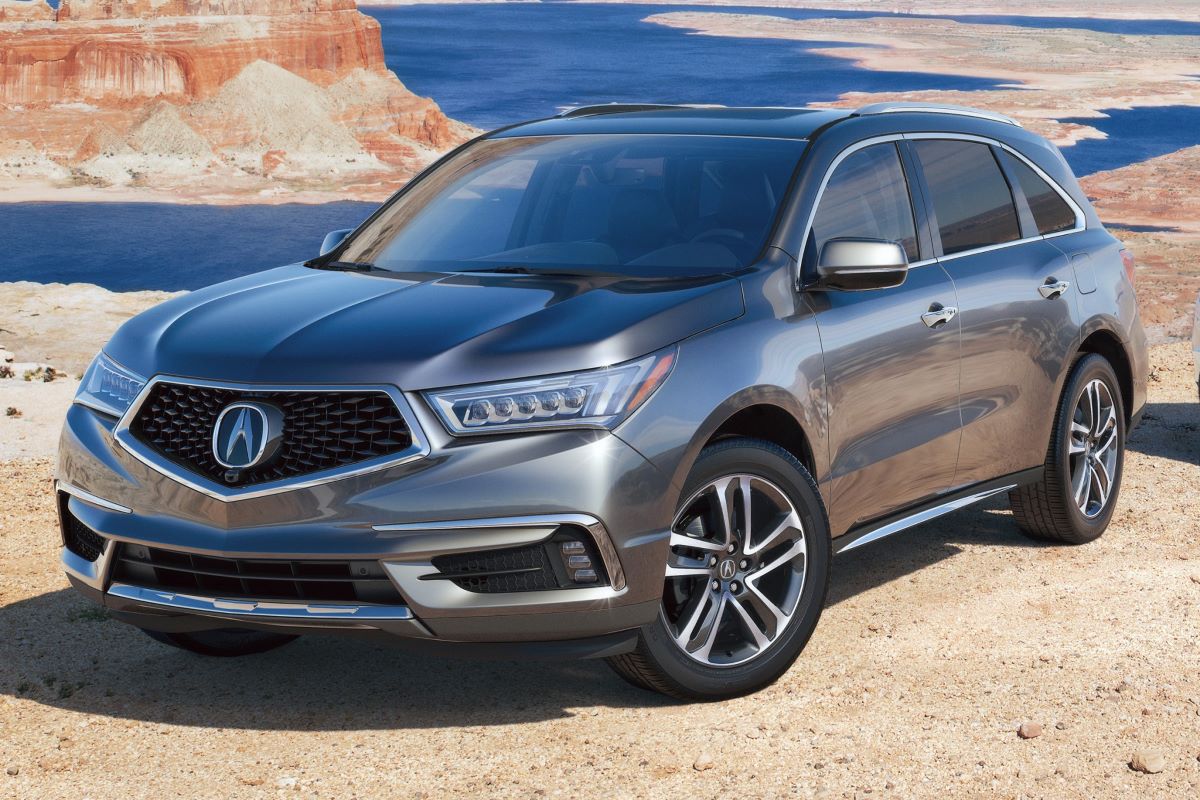
Those looking for a bit more sophistication can step up to higher trims, where luxury touches such as upgraded leather, a surround-view camera system, and USB ports for all three rows elevate the experience.
The MDX Hybrid variant adds even more appeal, blending improved performance with better fuel efficiency, a combination that’s tough to beat in the luxury midsize SUV segment.
That said, the MDX isn’t perfect. Its dual-screen infotainment system remains one of its weakest points, as it can be unintuitive and sluggish, requiring time to get used to. Additionally, while the cabin is well-designed and solidly built, the materials don’t quite match the opulence found in pricier European rivals.
Still, for many shoppers, these drawbacks are minor compared to what the MDX offers overall, reliability, performance, comfort, and luxury at a price that undercuts most competitors.
Whether you opt for the standard V6 or the efficient hybrid, the 2020 Acura MDX delivers a premium experience that proves you don’t need to pay a fortune to enjoy a true luxury SUV.
Whether you drive a sedan, SUV, or pickup, choosing a vehicle with a corrosion-resistant exhaust saves you money, time, and frustration in the long run.
The models above are proof that you don’t have to accept a rusty muffler as an inevitable part of northern car ownership.
