If there’s one thing every fleet manager knows, it’s these engines are the backbone of every mile-driven dollar. When you’re managing dozens (or hundreds) of vehicles that rack up serious mileage, your whole operation depends on one thing: reliability.
Engines that cough, seize, or die early can wipe out profits faster than fuel prices can climb. But the ones that keep ticking well past 400,000 miles? Those are the legends fleet managers talk about like old friends.
Whether it’s delivery vans that grind through stop-and-go city traffic or long-haul trucks that eat up highways, some engines just last. They shrug off abuse, poor roads, heavy loads, and brutal maintenance gaps all without blinking.
And while the automotive industry keeps trying to outdo itself with flashy hybrid systems and software-controlled powertrains, there’s still a class of traditional engines that prove endurance is an art.
These are the workhorses that don’t just perform; they survive. Fleet managers who’ve been in the game long enough know exactly which engines deserve that kind of respect.
They’ll tell you about the time an old Duramax outlived three transmissions or how a Toyota inline-six refused to quit after half a million miles.
This article dives deep into nine engines that have earned their place in the 400,000-mile club not through hype, but through years of consistent, real-world performance. Each one brings its own story of resilience, simplicity, and smart engineering that stands up to fleet-level punishment.
From heavy-duty diesels to bulletproof gas power plants, we’ll break down what makes these engines tick, why they’re so dependable, and what kind of service life you can realistically expect if you treat them right.
So, if you’re the kind of person who believes maintenance logs tell more truth than marketing brochures, keep reading. These are the nine engines fleet managers don’t just use, they swear by.
9 Engines Fleet Managers Swear By for 400,000-Mile Service
When it comes to fleet longevity, it’s never just about horsepower or torque numbers on paper. What really matters is staying power the ability to go hundreds of thousands of miles with minimal downtime, predictable maintenance costs, and no catastrophic surprises.
Fleet managers have seen plenty of engines come and go, but the ones in this list have proven something rare: they can handle constant use and still deliver consistent performance mile after mile.
These engines aren’t “new tech marvels” chasing efficiency records they’re tried-and-tested workhorses known for durability, easy repairs, and long-term cost control.
From American diesel icons like the Cummins 6.7L to globally admired gas engines like Toyota’s 2UZ-FE, each of these powerplants represents a specific type of reliability that fleet professionals rely on to keep business running.
In other words, these aren’t just engines that last; they pay off. Whether you’re managing utility trucks, delivery fleets, or high-mileage sedans, knowing which engines can consistently hit the 400,000-mile mark helps you plan smarter, spend less, and sleep easier.
Let’s break down the nine that have proven their worth over countless odometer spins.
ALSO READ: 12-90s-cars-that-are-still-affordable-future-classics
1. Cummins 6.7L Turbo Diesel (Dodge/Ram HD Trucks)
Ask any fleet manager who’s spent time around heavy-duty work trucks, and you’ll hear one name pop up again and again: Cummins.
The 6.7L Turbo Diesel has become practically synonymous with long-haul reliability. Found in Ram 2500 and 3500 models, this straight-six diesel is an absolute torque monster but more importantly, it’s an endurance machine.
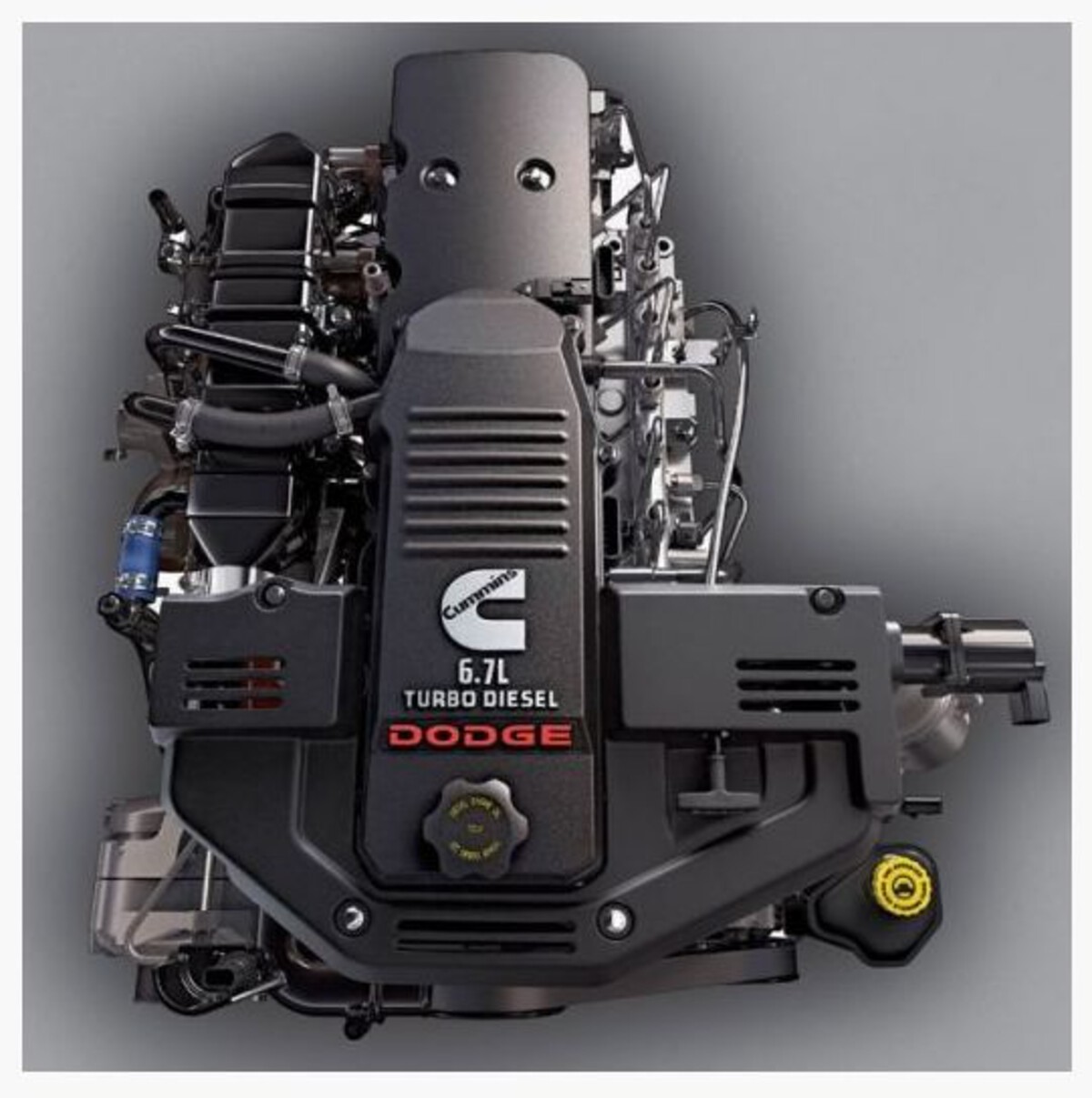
What makes the 6.7L legendary isn’t just raw output. It’s the overbuilt internals. The cast-iron block, forged steel crankshaft, and simple pushrod design give it the toughness of an old-school diesel with the refinement of modern tech.
Fleet managers love it because it doesn’t ask for much just routine oil changes, clean fuel, and occasional filter swaps. Keep up with the basics, and this engine will repay you with 400,000 (sometimes 500,000+) miles of service without major internal repairs.
The Cummins 6.7L also stands out for its serviceability. Parts are everywhere, and most mechanics already know how to tear one down blindfolded. For fleets, that means lower downtime and predictable costs crucial when every truck needs to earn its keep daily.
Even emissions-era versions with diesel particulate filters and EGR systems still hold their ground. Sure, they need occasional sensor maintenance, but the core engine stays bulletproof.
When you hear stories about trucks hauling fifth-wheels across the country with 450,000 miles on the clock and no rebuild, odds are you’re looking at a Cummins under the hood.
In short: this engine is everything a fleet manager wants powerful, proven, and easy to keep alive. There’s a reason “Cummins swap” has become a phrase of respect across the diesel community.
2. Toyota 2UZ-FE 4.7L V8 (Land Cruiser, Tundra, Sequoia)
If there’s a gas engine that can take a beating and still purr like new at 400,000 miles, it’s Toyota’s 2UZ-FE. This 4.7L V8, part of Toyota’s bulletproof UZ family, is the kind of engine that laughs in the face of abuse. Fleet managers who run Toyota Land Cruisers, Sequoias, and Tundras with this engine will tell you the same story: they just don’t die.
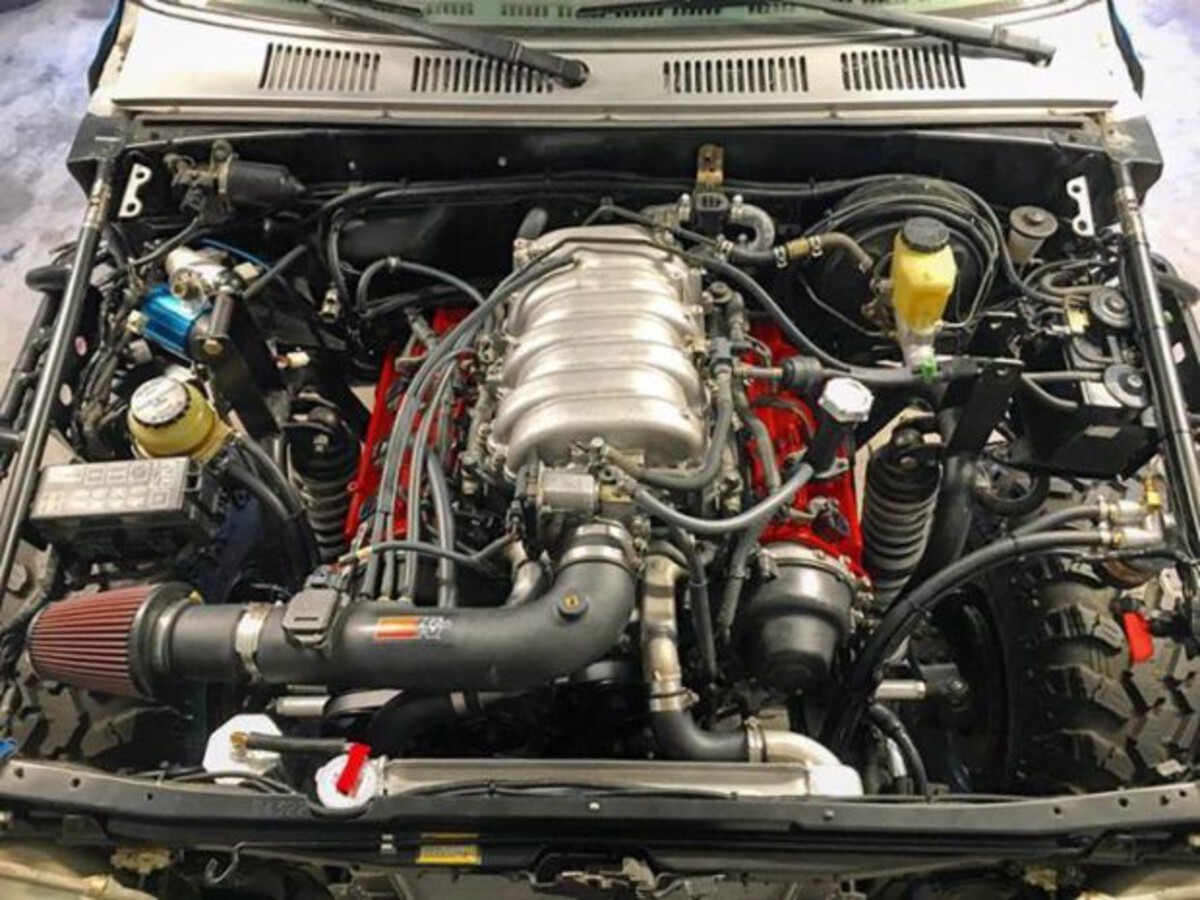
The secret to the 2UZ-FE’s longevity is its construction philosophy. Toyota over-engineered it from day one, building it with a cast-iron block and aluminum heads for strength and cooling balance.
The engine’s internals are conservative not chasing high-rev performance, but focusing on smooth, reliable operation. That restraint means minimal stress, fewer failures, and exceptional wear resistance.
Fleet operators value the 2UZ-FE for its predictable service pattern. Regular oil changes, timing belt replacements, and cooling system upkeep that’s it.
No chronic head gasket issues, no weak piston rings, no sudden failures. Even with heavy towing, long idle times, or extreme heat, these engines routinely cross the 400,000-mile mark without losing compression or consuming oil.
And here’s the kicker this engine is also ridiculously quiet and smooth, which makes it ideal for utility fleets, government vehicles, and even rural emergency services. The ease of access for repairs and widely available parts just add to its long-term appeal.
While newer Toyota V8s (like the 5.7L 3UR-FE) have taken over, fleet veterans still swear by the 2UZ-FE’s simplicity. It’s an engine that proves you don’t need flashy tech or turbo gimmicks just precision engineering and patience.
3. Ford Power Stroke 6.7L Diesel (F-Series Super Duty)
When Ford replaced the old 6.4L Power Stroke, skepticism ran high fleet managers had been burned before. But then the 6.7L Power Stroke arrived, and it quietly built a reputation as one of the toughest diesels Ford’s ever produced.
Over a decade later, it’s earned its place among the few engines that consistently cross 400,000 miles without major surgery.
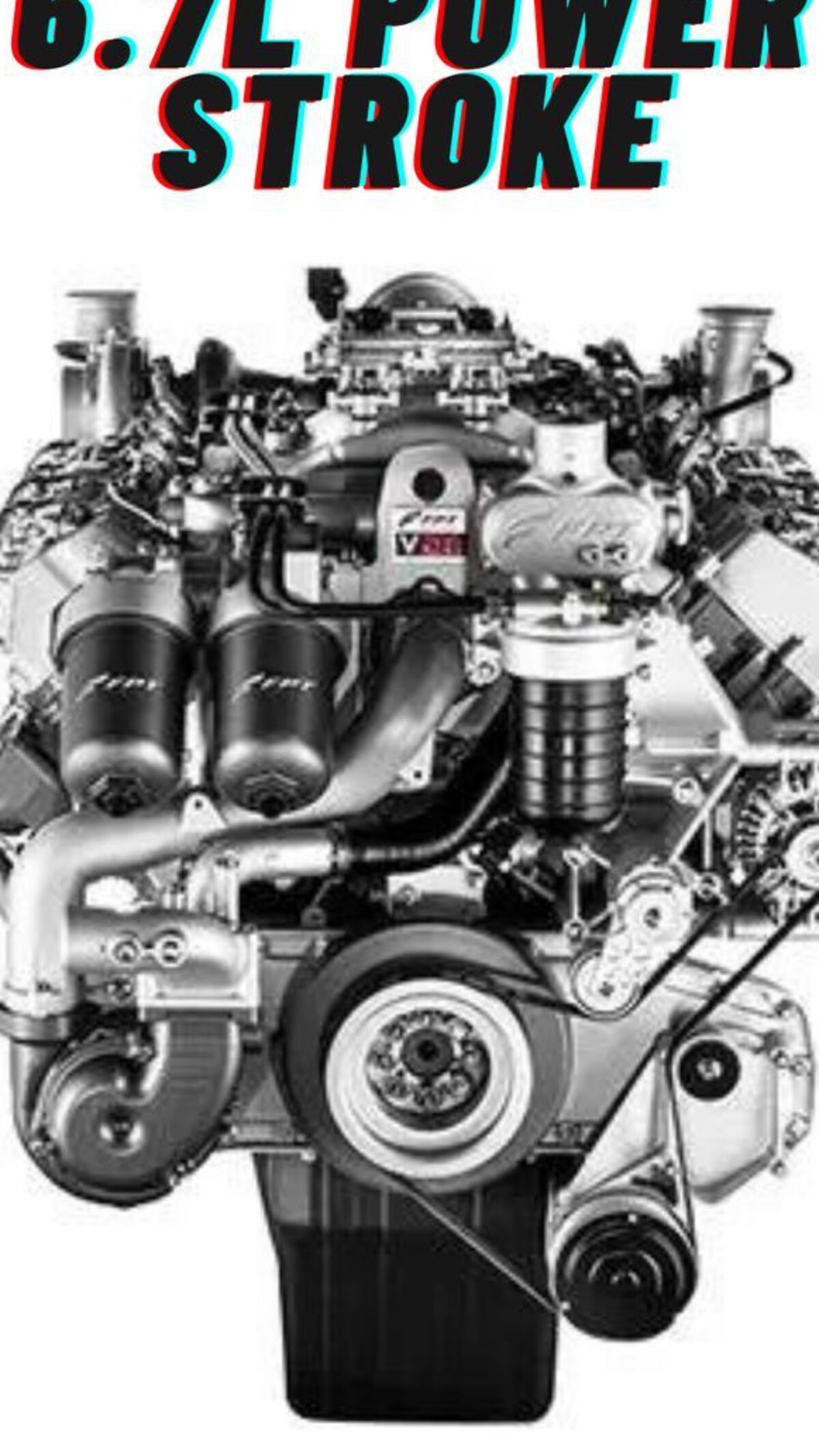
Built completely in-house by Ford, this turbocharged V8 diesel was designed for brutal workloads. The aluminum heads sit on a compacted graphite iron block lighter than cast iron but just as strong.
Inside, you’ve got forged connecting rods, a robust crankshaft, and an air-to-water intercooler that keeps everything running cool even under heavy towing loads.
Fleet managers who depend on Super Duty trucks appreciate how this engine handles consistent strain. Whether it’s municipal dump trucks or cross-country haulers, the 6.7L Power Stroke doesn’t flinch. Proper maintenance meaning timely fuel filter changes and clean oil keeps it humming well past the 400,000-mile line.
Another major plus? Ford nailed the balance between modern efficiency and mechanical durability. Despite tighter emissions standards, the 6.7L doesn’t suffer from the chronic clogging or early turbo failures seen in earlier diesels.
Its electronically controlled turbocharger is both responsive and durable, while its high-pressure fuel system provides steady power delivery.
And while the engine is undeniably complex, Ford’s dealership network and abundant parts availability make servicing straightforward for fleets.
Add in its consistent low-end torque and the ability to idle for hours without complaint, and it’s easy to see why fleet managers keep trusting the 6.7L Power Stroke for their long-term workhorses.
4. Duramax 6.6L Turbo Diesel (Chevrolet/GMC HD Trucks)
Few engines have a fanbase as loyal as the Duramax 6.6L. When GM introduced this diesel back in 2001, it quickly became the go-to for fleet operators who needed trucks that could pull, haul, and repeat without spending half their lives in the shop.
Over two decades and multiple iterations later, the 6.6L Duramax remains one of the most dependable heavy-duty powerplants ever built.
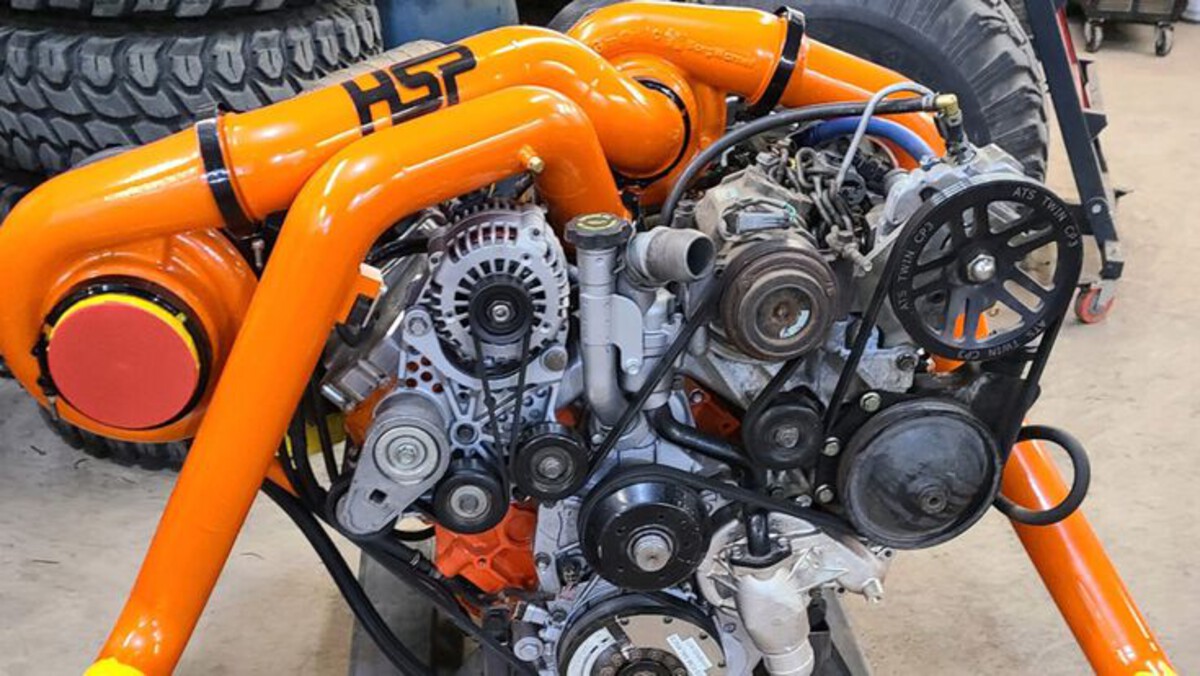
Fleet managers respect the Duramax because it blends brute strength with refined engineering. Built from a cast-aluminum head and a cast-iron block, the 6.6L was designed with durability in mind.
It’s got beefy internals, precise fuel injection, and a cooling system that manages heat better than most competitors key factors for an engine that spends its life towing loads across hundreds of miles daily.
The secret sauce, though, is balance. The Duramax delivers outstanding torque without being unnecessarily hard on components. The Allison transmission pairing is legendary smooth, reliable, and able to take just as much punishment as the engine itself. Together, they form a drivetrain that’s practically unkillable.
Fleet users who stick to regular maintenance fuel filters, DEF systems, and proper oil intervals routinely push past 400,000 miles with no internal rebuilds. Even high-idle municipal or construction fleets report minimal downtime, which makes it a financial no-brainer for long-term use.
And while the Duramax has evolved through versions like the LB7, LLY, LMM, and L5P, its core DNA hasn’t changed: a dependable, efficient diesel that handles abuse gracefully. Fleet managers know if you need a diesel that’ll run for years with minimal drama, a Duramax 6.6L is a safe bet.
5. Honda K24 2.4L Inline-Four (Accord, CR-V, Element)
On the opposite side of the truck world sits a quiet overachiever Honda’s K24 2.4L. Don’t let its compact size fool you; this inline-four gas engine has earned a cult following among both enthusiasts and fleet operators who need sedans or crossovers to keep running for the long haul.
The K24 has one job, and it does it flawlessly: stay alive. Built with a cast-iron cylinder sleeve inside an aluminum block, and paired with Honda’s precise engineering tolerances, it’s practically allergic to breakdowns.
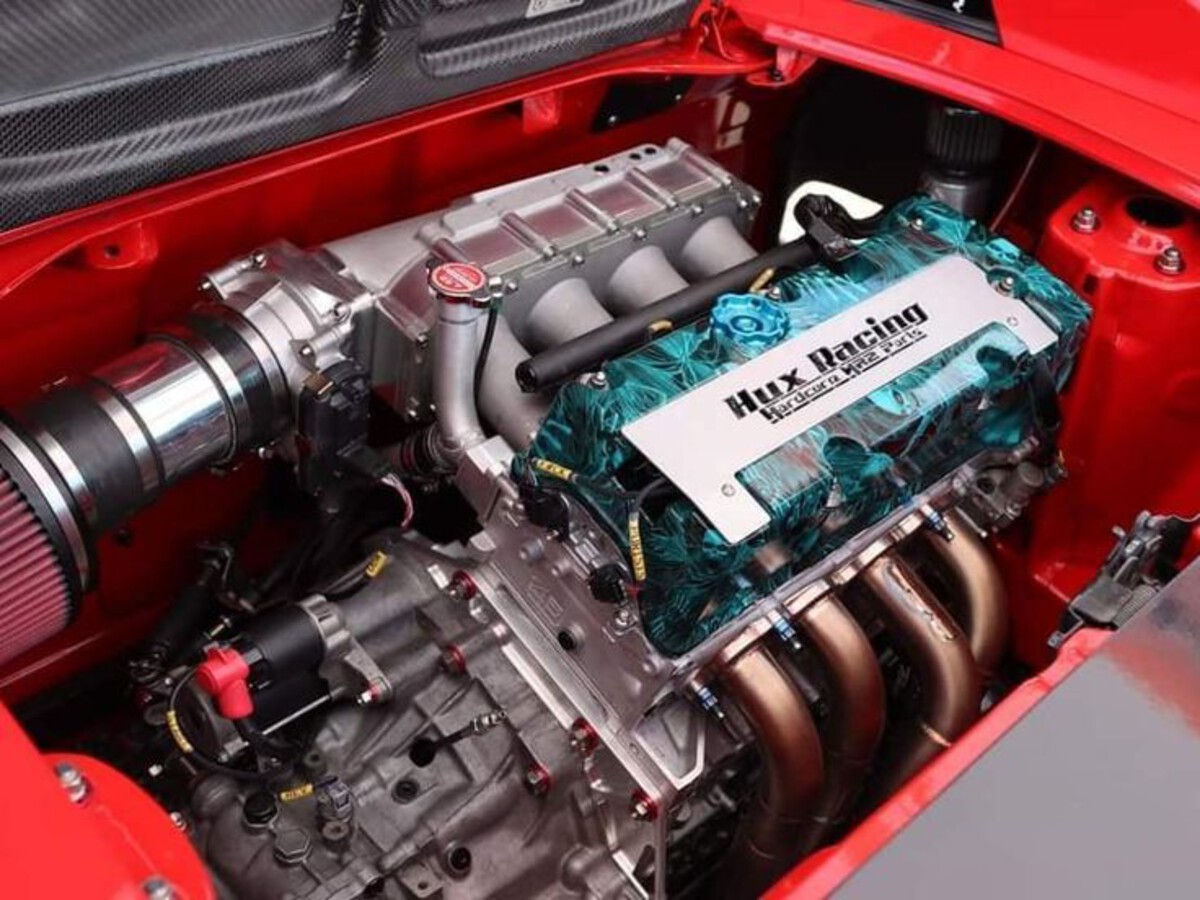
Even when neglected, this engine rarely gives up early. Fleet owners of older Accords and CR-Vs have plenty of stories of odometers hitting 400,000 miles with nothing more than valve adjustments, timing chain maintenance, and regular oil changes.
What makes the K24 especially loved is its simplicity. There’s no turbo to worry about, no fragile electronics, and no complex emissions hardware on earlier models.
It’s an engine that thrives on consistency and punishes neglect with gentle reminders not catastrophic failure. The dual overhead cam setup keeps it breathing cleanly for decades, and the timing chain means fewer service intervals than belt-driven rivals.
Fleet managers also appreciate that this engine doesn’t mind being idled, revved, or pushed on highway duty. It delivers decent power, solid efficiency, and absolute predictability. When you’ve got delivery or courier cars that rack up insane miles, predictability is gold.
In short: the K24 isn’t flashy, but it’s a mechanical masterpiece of balance low stress, high reliability, and minimal drama. For fleets that prioritize fuel economy and longevity over brute strength, it’s a no-nonsense winner.
6. Mercedes-Benz OM642 3.0L V6 Turbo Diesel (Sprinter, ML, E-Class)
If you’ve ever seen a Sprinter van still running strong after 400,000 miles of deliveries, odds are it’s got the OM642 under its hood. This 3.0L V6 diesel from Mercedes-Benz has quietly earned its reputation as one of the toughest small-displacement diesels ever made. It’s smooth, efficient, and when treated right, nearly impossible to kill.
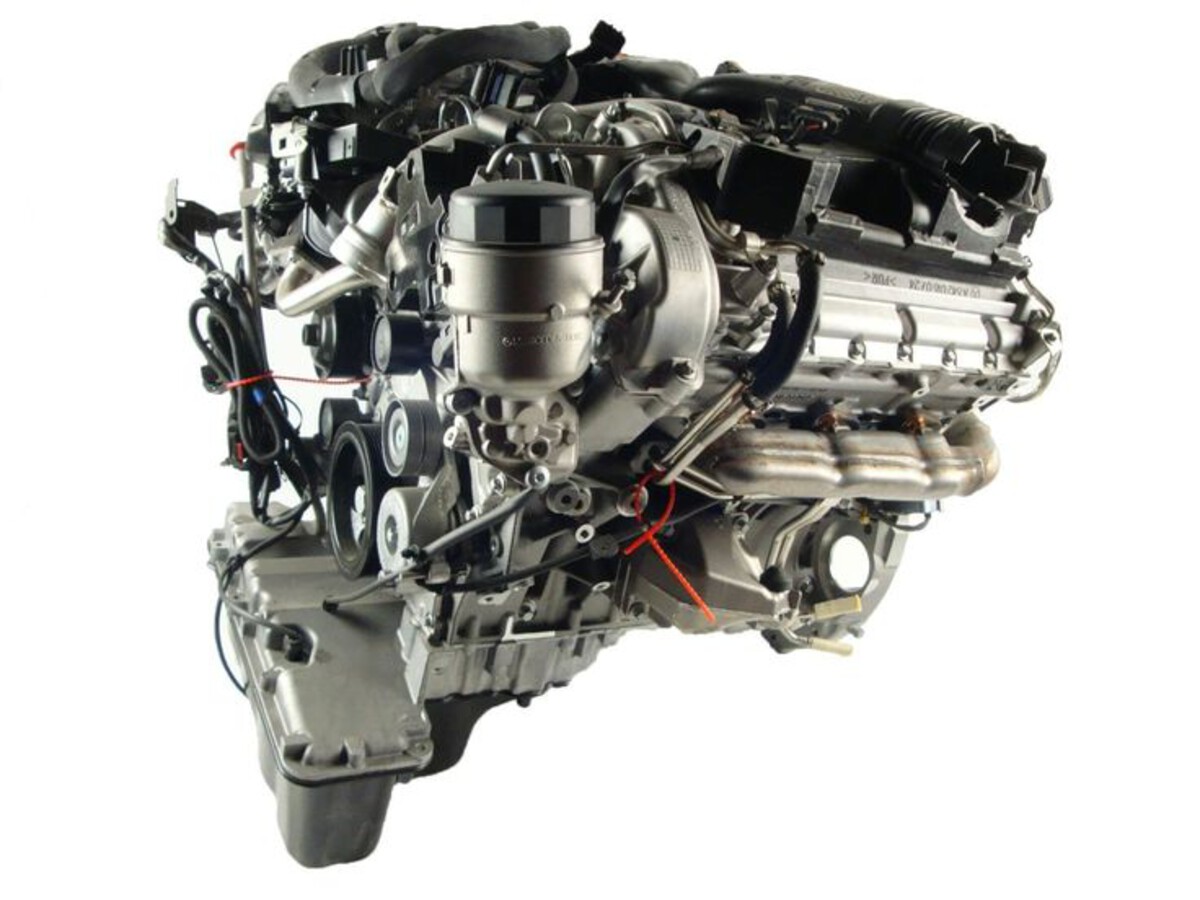
The OM642’s secret lies in its robust German design. The block is made from aluminum alloy with a cast iron liner setup, striking a balance between strength and weight. The engine uses a variable-geometry turbocharger for steady boost at low revs, which keeps torque accessible even under load a must for fleet vehicles that spend their lives hauling gear or people.
Fleet managers particularly like that the OM642 doesn’t overheat easily. Its cooling and oil systems are overbuilt, designed for long stretches of continuous operation. And because it’s used in so many vehicles Sprinters, E-Class sedans, ML SUVs parts are plentiful, and service knowledge is widespread.
Now, let’s be real: this engine isn’t totally drama-free. It’s got a few known quirks oil cooler seals, swirl flap issues, and EGR-related gunk. But here’s what makes fleet operators keep using it anyway: even with those problems, the bottom end is indestructible. With good oil, clean fuel, and regular filter changes, the OM642 will happily cruise past 400,000 miles with its compression still tight.
For delivery fleets and shuttle companies, that kind of endurance means everything. It’s an engine that’s elegant yet tough very Mercedes in spirit and it’s earned its place in the long-life club for good reason.
ALSO READ: 8-fast-suvs-that-outrun-sports-cars
7. Chevrolet 5.3L V8 (Vortec/Gen IV and Gen V EcoTec3 Series)
Few gas engines have proven as consistent over the years as Chevy’s 5.3L V8. Found in everything from Silverados and Tahoes to Suburbans and Express vans, this engine is the definition of fleet reliability. It’s not flashy, it’s not exotic but it’s the reason so many GM trucks are still out there, quietly racking up miles with little more than routine service.
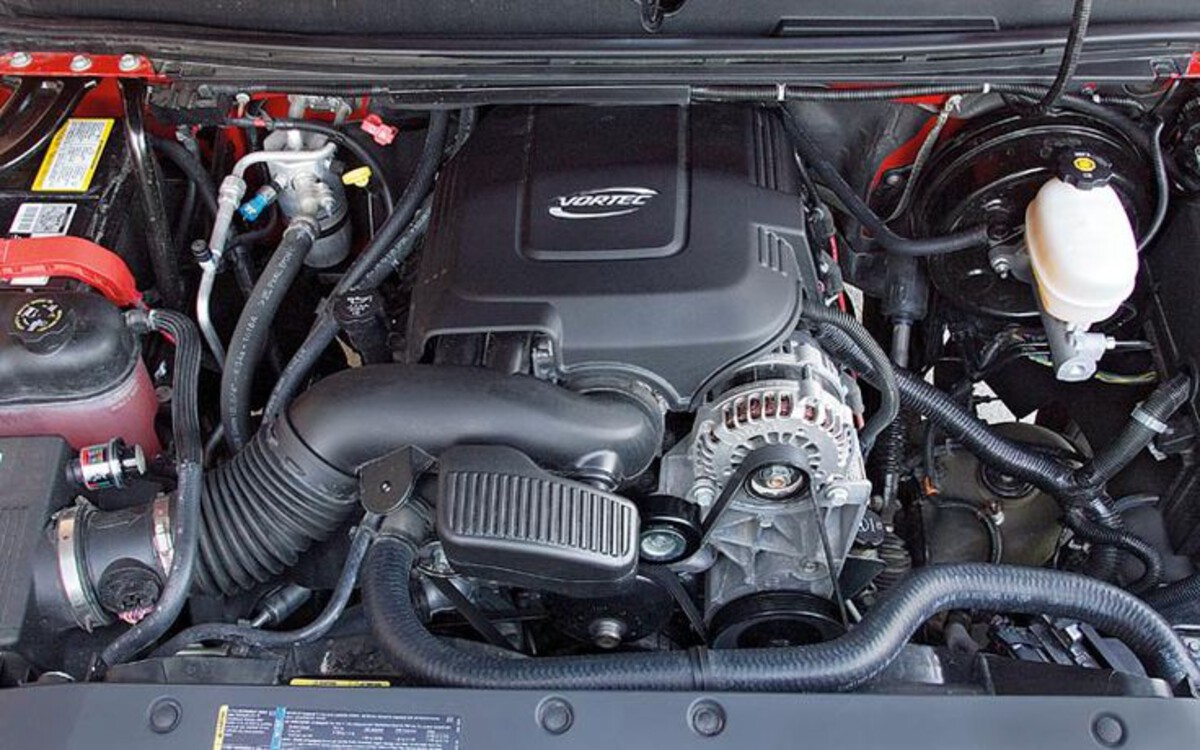
Fleet managers appreciate the 5.3L because it’s predictable. You know exactly what it needs, when it needs it, and what’ll happen if you skip maintenance no guessing games.
The Vortec versions were old-school tough, with cast-iron blocks and a straightforward pushrod setup. When GM moved to the Gen V EcoTec3 series, they added direct injection and cylinder deactivation, yet somehow kept that same reputation for lasting forever when cared for.
These engines thrive on clean oil and cooling system maintenance. Neglect those two, and you’ll fight lifter or AFM (Active Fuel Management) issues but if you stay on top of it, you’re looking at 400,000 miles of dependable grunt. Fleet operators love that they can tow, idle, or cruise for hours, and the 5.3L just shrugs it off.
Parts availability is another big win. Every auto shop in North America knows how to service a 5.3, and components are everywhere from junkyards to dealership shelves. The simplicity and ubiquity make it an easy long-term investment for fleet owners who need trucks that just work.
So, while it may not have the prestige of a diesel, the 5.3L earns its respect the hard way by outlasting expectations and doing it without complaint. It’s the quiet, unsung backbone of countless fleet operations, and it’s not slowing down anytime soon.
8. Ford 2.7L EcoBoost V6 (F-150, Transit, Edge)
Now, here’s one that surprises people Ford’s 2.7L EcoBoost. When it first came out, everyone doubted whether a small turbo V6 could last in a full-size pickup. But a decade later, fleet operators are singing a different tune. This engine has proven that efficiency and longevity can coexist when you get the engineering right.
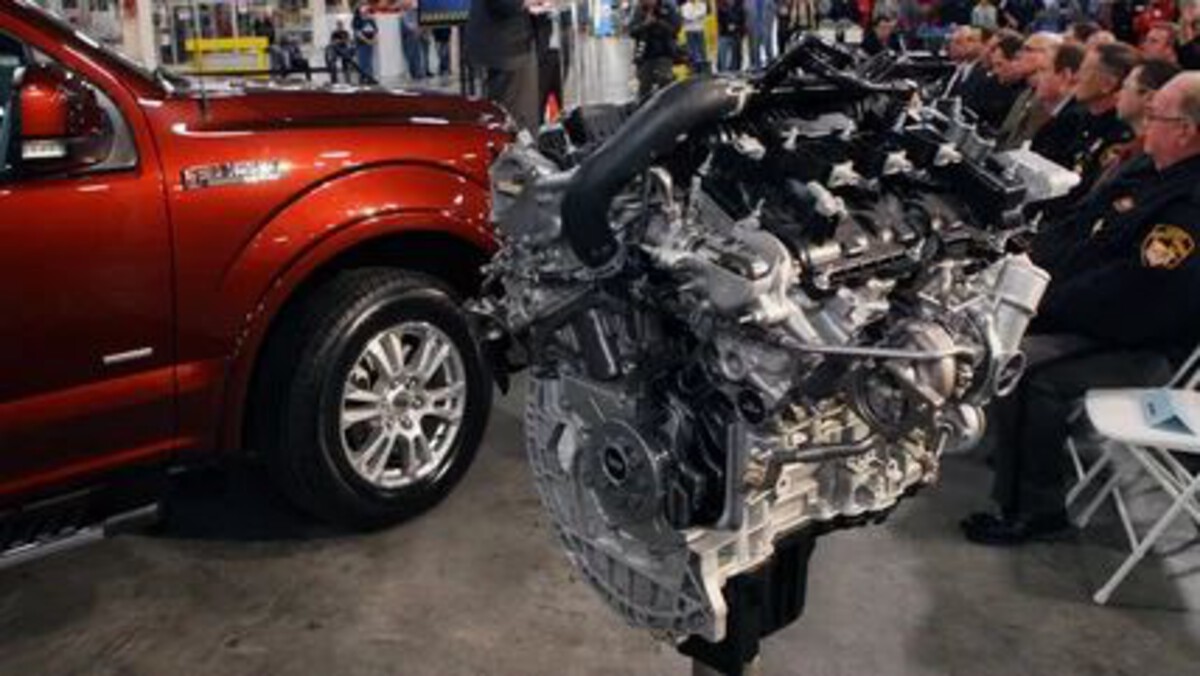
The 2.7L EcoBoost is built around a compacted graphite iron block the same super-strong material used in heavy-duty diesels. That gives it incredible rigidity while keeping weight low.
The twin turbos deliver diesel-like torque down low, perfect for city fleets or delivery trucks that live in stop-and-go conditions. And thanks to Ford’s direct-injection system and smart cooling design, it doesn’t cook itself even under constant load.
Fleet managers report seeing these engines run past 300,000 miles easily and the well-maintained ones keep pushing to 400,000. Turbo engines live and die by lubrication, and the 2.7L is no different. Stick to the intervals, keep the air filters clean, and it’ll pay you back in reliability and low operating cost.
Another reason fleets like it? Efficiency. It’s got the grunt of a V8 with the fuel burn of a four-cylinder when driven right. For logistics companies and municipalities trying to balance performance with budget, that’s a winning combo.
The 2.7L EcoBoost may be new-school, but it’s earned old-school respect especially among F-150 fleet buyers who’ve learned that toughness isn’t just about displacement anymore.
9. Toyota 1KD-FTV 3.0L Turbo Diesel (Hilux, Hiace, Prado)
If there’s a single engine that defines global reliability, it’s the Toyota 1KD-FTV. Found in Hilux pickups, Hiace vans, and Land Cruiser Prados, this 3.0L turbo diesel has carried fleets across deserts, jungles, and city grids for decades often without a hiccup. For fleet managers outside North America, this engine is the ultimate benchmark for longevity.
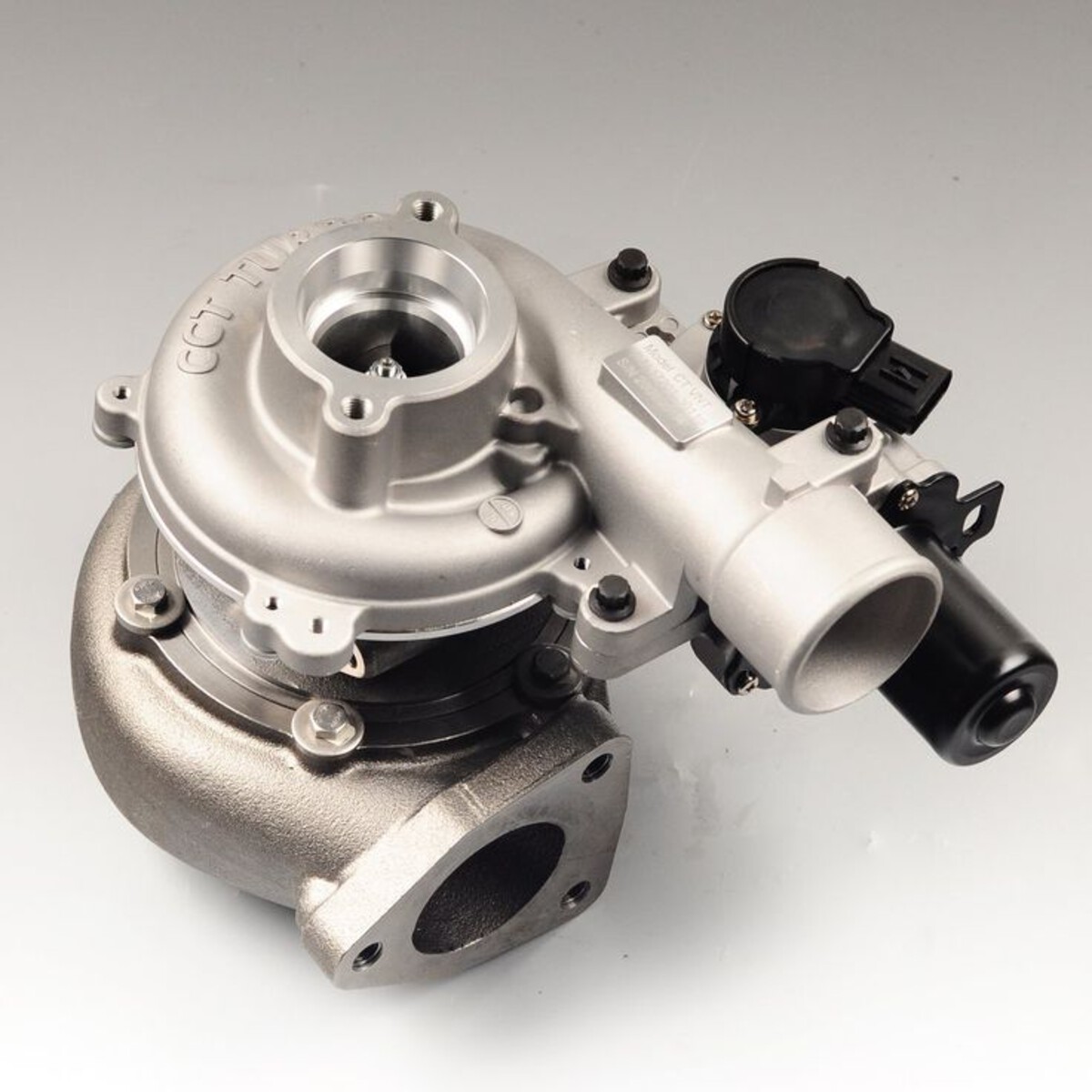
The 1KD-FTV was engineered to survive harsh environments and inconsistent maintenance, which says a lot. Its cast-iron block and forged internals can handle high compression and heat with ease.
The common-rail injection system delivers power smoothly, while the variable-geometry turbo gives it enough torque for hauling without overworking the motor.
Fleet operators love how forgiving it is. Even with poor-quality fuel or dusty conditions, the 1KD doesn’t quit easily. Routine oil and fuel filter changes are usually all it needs to keep going strong.
In many commercial fleets, it’s not uncommon to see these engines exceed 400,000 miles, sometimes nearing 500,000, before any serious overhaul.
Sure, the injector seals and EGR system need occasional attention, but the core engine? Bulletproof. It’s also incredibly easy to service in the field, a major plus for fleets operating in remote or rugged areas.
In the world of practical, real-world fleet management, the 1KD-FTV is a hero. It’s not flashy, it’s not fast, but it’s dependable in a way that few engines ever achieve. Toyota built it with one goal keep running, no matter what and it’s safe to say that goal was smashed.
In fleet management, engines aren’t just mechanical components they’re business partners. Every mile they run without drama saves time, money, and stress.
And after looking at these nine powerhouses, one thing becomes obvious: longevity doesn’t happen by accident. It’s built through solid design, consistent maintenance, and a bit of old-school toughness that modern tech can’t fake.
From the brute diesel muscle of the Cummins 6.7L and Duramax 6.6L to the refined dependability of Toyota’s 2UZ-FE and 1KD-FTV, each engine represents a philosophy that values reliability over flash.
These motors don’t chase records or trends they stick to fundamentals: strong materials, manageable service needs, and proven engineering. Fleet managers swear by them because they’ve seen them survive brutal conditions, skipped oil changes, overloaded hauls, and still keep running like nothing happened.
What’s also interesting is how newer engines like Ford’s 2.7L EcoBoost are redefining what “long-lasting” means. We’re seeing smaller, more efficient designs achieving diesel-level endurance, showing that innovation and durability don’t have to be opposites.
The takeaway? Fleet managers trust engines that respect their time. When an engine can hit 400,000 miles without eating through budgets or causing unexpected downtime, it becomes more than a machine it becomes part of the operation’s DNA.
So whether you’re managing five trucks or fifty, remember this: the right engine choice pays you back every single mile. The legends on this list have already proven it they don’t just last; they endure.