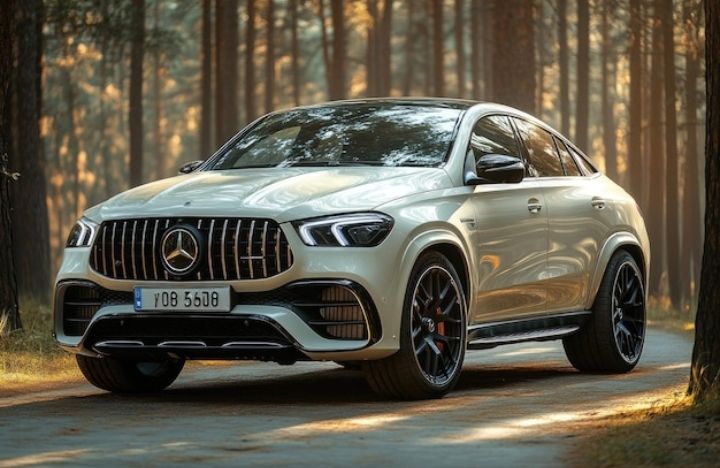
If you’ve ever driven through a snowstorm, you know it’s not just about “getting there” it’s about getting there without feeling like you’re wrestling a shopping cart on ice. That’s where a solid all-wheel-drive (AWD) system changes everything.
For drivers in snow-heavy states places like Michigan, Colorado, Vermont, and Alaska AWD isn’t a luxury; it’s survival tech.
But here’s the catch: not all AWD systems are created equal. Some perform brilliantly on dry roads but lose their magic once snow piles up. Others quietly dig in, adjust power to each wheel, and keep you moving even when the roads look like an ice rink.
Over the years, automakers have refined AWD technology from something you’d find only in rugged off-road trucks to something fine-tuned for daily driving comfort and safety.
Today’s best systems use sensors, computers, and clever torque distribution logic to predict and react to traction loss before you even notice it.
This list dives into 10 AWD systems that have earned a reputation for reliability and snow-handling performance.
From Subaru’s symmetrical setup to Audi’s legendary Quattro and Toyota’s increasingly capable hybrid AWD, each has proven itself not only in lab tests but in real-world winters where traction is life or death.
These aren’t just fancy tech names slapped onto marketing brochures; these are tried-and-tested systems that drivers trust year after year when the temperature drops and the roads vanish under a blanket of white.
Whether you’re commuting through icy city streets, climbing a snowy mountain road, or tackling frozen backroads, these AWD systems have one thing in common they don’t quit when winter bites. L
et’s break down what makes them stand out, what kind of vehicles they power, and why they’ve earned their place as the most reliable AWD systems for snow states.
ALSO READ: 5 Infotainment Units With Reliable Software vs. 5 That Are Glitchy
10 AWD Systems Known for Reliability in Snow States
Winter driving demands more than horsepower it demands confidence. The right AWD system can turn a nerve-racking drive into a calm, controlled cruise through slush, sleet, and snow.
In snow states, reliability means more than mechanical durability; it’s about how consistently an AWD system delivers traction, stability, and control no matter how unpredictable the weather gets.
The systems highlighted in this article go beyond simple “all-wheel drive.” They’re engineered for precision sending power exactly where it’s needed and reacting within milliseconds to changing surface conditions.
From mechanical limited-slip differentials to electronically controlled torque vectoring, these technologies redefine what “grip” feels like when roads turn slick.
Whether it’s Subaru’s symmetrical layout, Audi’s Quattro heritage, or Toyota’s smart hybrid configurations, each system represents years of evolution aimed at one thing: keeping you safely on the move when nature decides to test your patience.
These ten AWD setups are trusted not only by engineers and enthusiasts but by real drivers who depend on them through the harshest winters in America.
1. Subaru Symmetrical All-Wheel Drive
Subaru’s Symmetrical All-Wheel Drive system is basically the gold standard for snow-state driving. It’s not just marketing hype Subaru engineered this system with real-world traction as its core goal, not just performance stats on paper.
Unlike other setups that activate only when slippage starts, Subaru’s system is always on. Power is constantly distributed between all four wheels, ensuring instant grip even before the road gets sketchy.
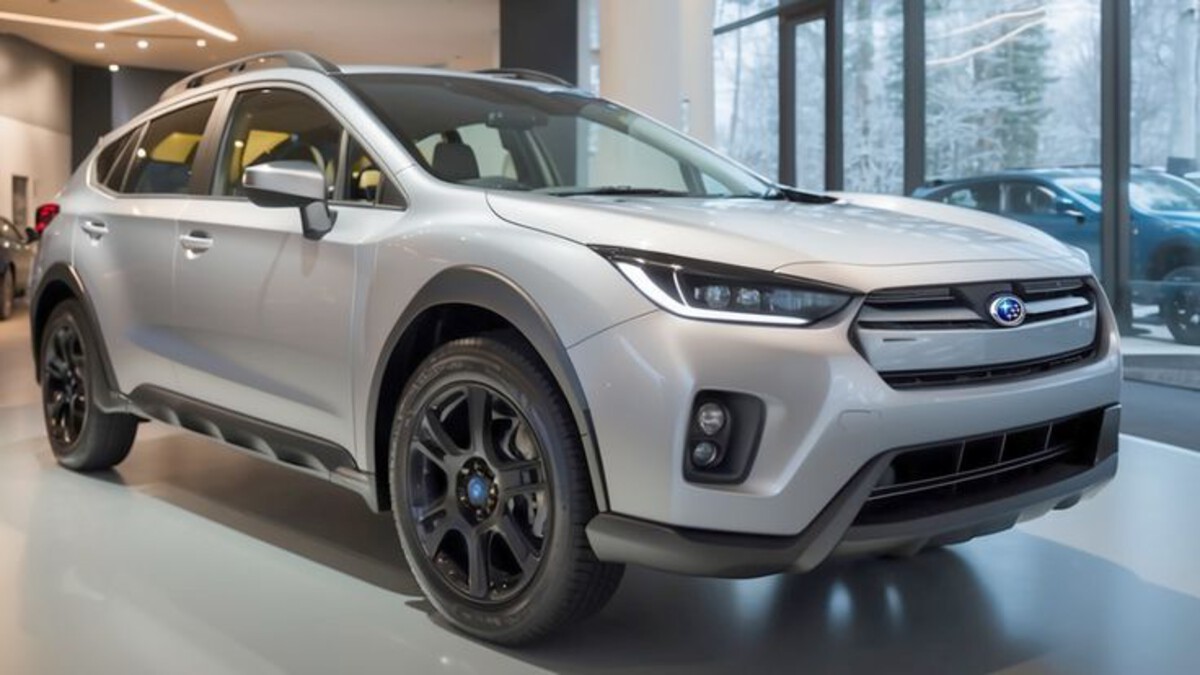
What makes it “symmetrical” is the balanced layout the engine, transmission, and driveshaft are all aligned in a straight line, which keeps the car’s weight evenly distributed.
That balance helps every wheel maintain contact with the road, even when snow piles up unevenly or when one side of the car loses grip. It’s not a reactive setup it’s proactive.
Most Subaru models (like the Outback, Forester, and Crosstrek) use a continuous AWD system with a variable torque split, typically 60/40 or 50/50 depending on conditions.
The system automatically adjusts power to whichever wheel has the most traction. On slick winter roads, that means less spinning, fewer “oh no” moments, and a whole lot of driver confidence.
Subaru has also kept the system relatively simple fewer electronic complexities mean fewer things to go wrong over time, which is why it’s known for reliability. Pair that with the brand’s love for ground clearance and all-weather tires, and you’ve got a car that feels like it was born for snow.
Whether it’s navigating icy city streets or backcountry mountain passes, Subaru’s Symmetrical AWD remains one of the most dependable and predictable systems out there. It’s not flashy. It’s not trying to impress anyone. It just works, and that’s exactly what you need when the snow hits hard.
2. Audi Quattro All-Wheel Drive
Audi’s Quattro system is legendary and not in a “once upon a time” sense. Since debuting in the 1980s rally scene, it’s evolved into one of the most technically sophisticated and road-tested AWD systems in the world.
Drivers in snowy states swear by it because it blends performance precision with winter reliability like few others can.
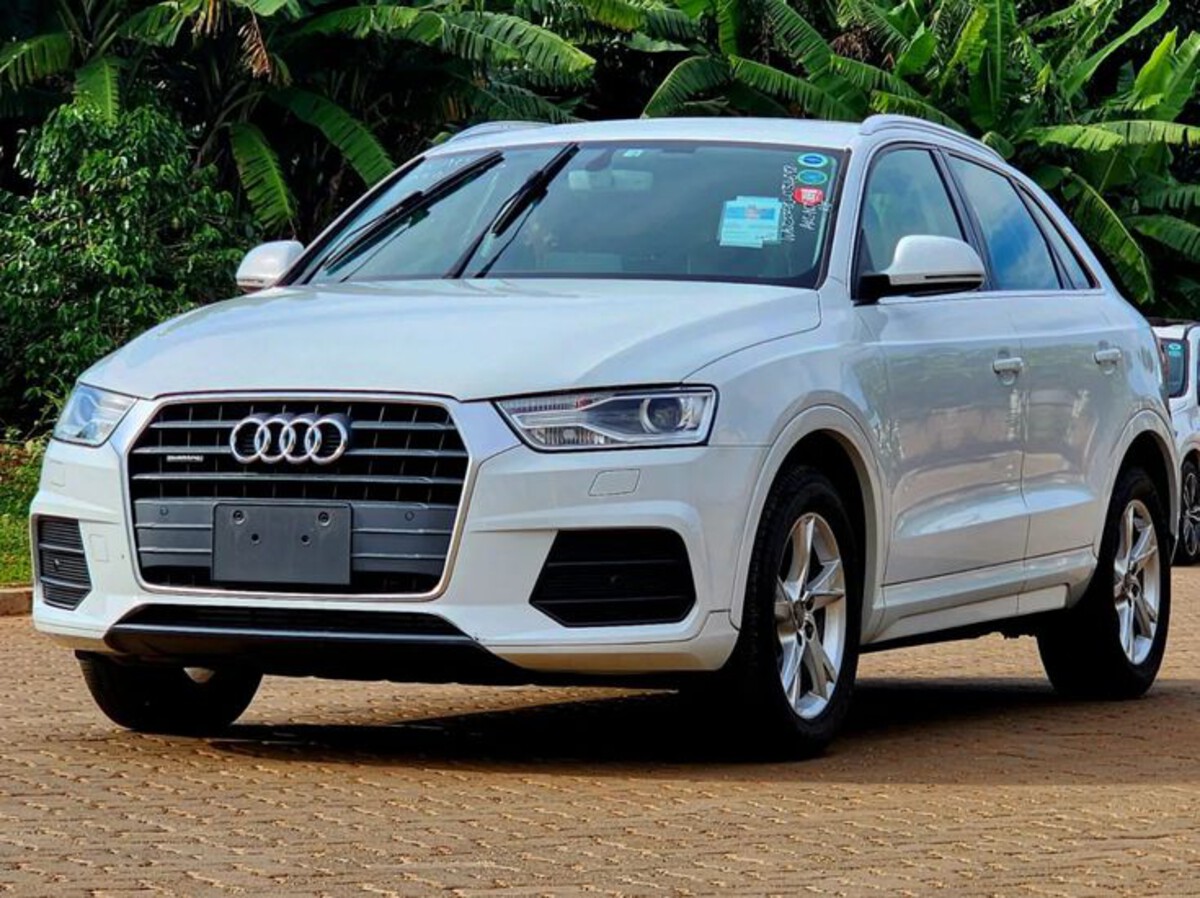
At its heart, Quattro is all about torque management. Depending on the model, Audi uses either a mechanical center differential or an electronic multi-clutch system to send power to the front and rear axles dynamically.
In most setups, it’s a 40/60 front-to-rear torque split, giving you that confident, rear-biased feel on dry roads while maintaining incredible traction when things get icy.
The real secret sauce is how quickly Quattro responds. It doesn’t wait for wheels to spin it predicts slip based on steering input, wheel speed sensors, and throttle position, shifting torque within milliseconds.
In snow, that’s the difference between sliding sideways and cruising through a corner like nothing happened.
Modern Quattro systems, especially those paired with Audi’s adaptive suspension and traction control, make driving in snow surprisingly effortless. The system constantly adjusts based on driving style and terrain, giving just enough power to each wheel without wasting traction.
What’s remarkable is how durable it’s proven to be. Even decades-old Quattro-equipped Audis are still running strong in places like Vermont and Minnesota. That’s the kind of long-term reliability that builds loyalty and explains why Audi hasn’t drifted away from the Quattro formula.
Bottom line: if you want AWD that feels athletic, intelligent, and utterly unbothered by snow, Audi’s Quattro system is still one of the best in the game.
3. Toyota AWD-i (Hybrid All-Wheel Drive)
Toyota’s AWD-i (short for “All-Wheel Drive Intelligent”) deserves major credit for making hybrid vehicles genuinely winter-friendly. A few years ago, “hybrid” and “snow-ready” didn’t belong in the same sentence until Toyota changed the rules.
Unlike traditional mechanical systems, AWD-i uses an electric motor mounted on the rear axle to drive the rear wheels when extra traction is needed.
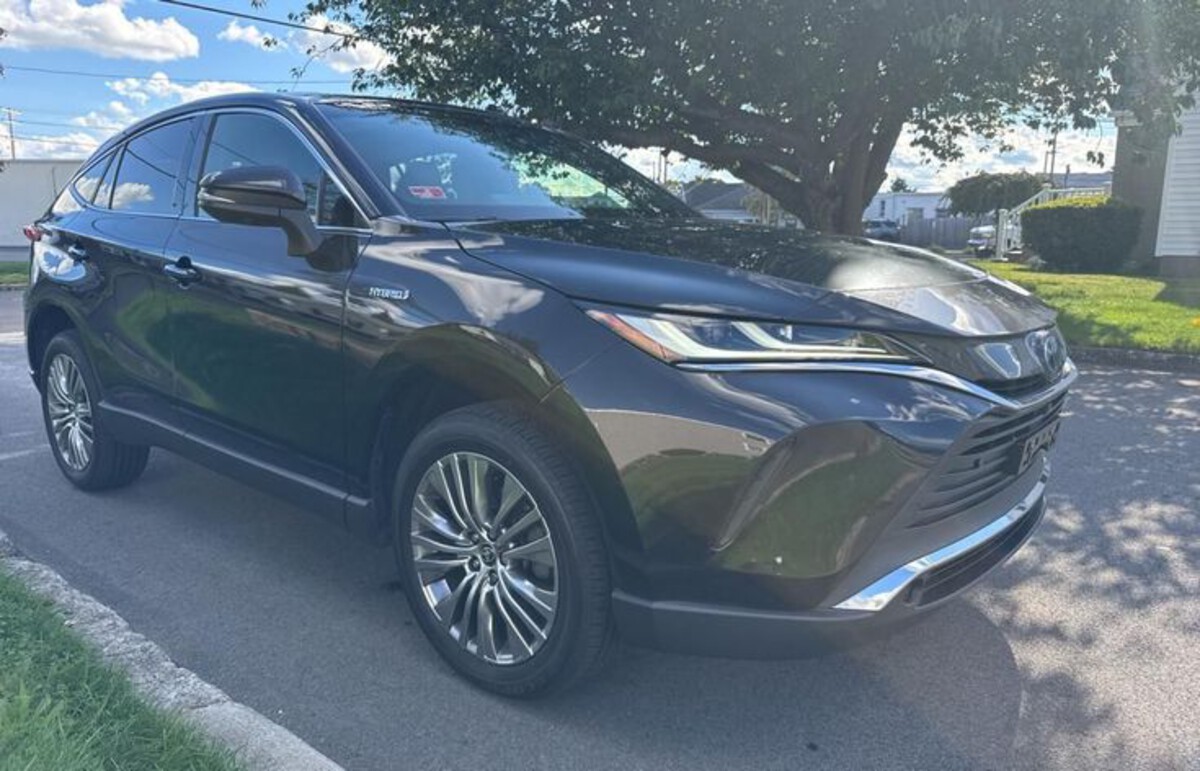
The front wheels are powered by the gas engine and electric motor combination, while the rear motor activates automatically if sensors detect slippage or acceleration on slippery surfaces. The beauty of it? No driveshaft, no transfer case fewer moving parts, and fewer headaches.
In snowy conditions, the instant torque from the rear electric motor gives AWD-i an edge. It reacts faster than traditional clutches or viscous couplings, distributing power immediately when the road gets slick. It’s especially effective on takeoff that critical moment when most front-wheel-drive cars just spin their tires.
Toyota also tuned the system for smart energy use. It doesn’t keep AWD active all the time; instead, it engages only when necessary, preserving fuel economy. This makes it ideal for drivers in snow states who need traction but don’t want to sacrifice hybrid efficiency.
Vehicles like the RAV4 Hybrid, Highlander Hybrid, and Prius AWD-e use this setup effectively, and drivers report excellent reliability no surprise, considering Toyota’s reputation for long-lasting components. The simplicity of the design also reduces wear and tear, making it perfect for daily winter commuting.
In short, Toyota’s AWD-i proves that you don’t need a gas-guzzling SUV to handle harsh winters. You just need smart engineering and that’s something Toyota has nailed with this innovative, dependable AWD system.
4. Mazda i-Activ AWD
Mazda’s i-Activ AWD system is the quiet genius of the AWD world subtle, super responsive, and ridiculously intuitive.
It doesn’t brag, it doesn’t overcomplicate things, it just works. And that’s exactly what drivers in snow-packed states like Maine or Colorado need: a system that thinks ahead instead of reacting too late.
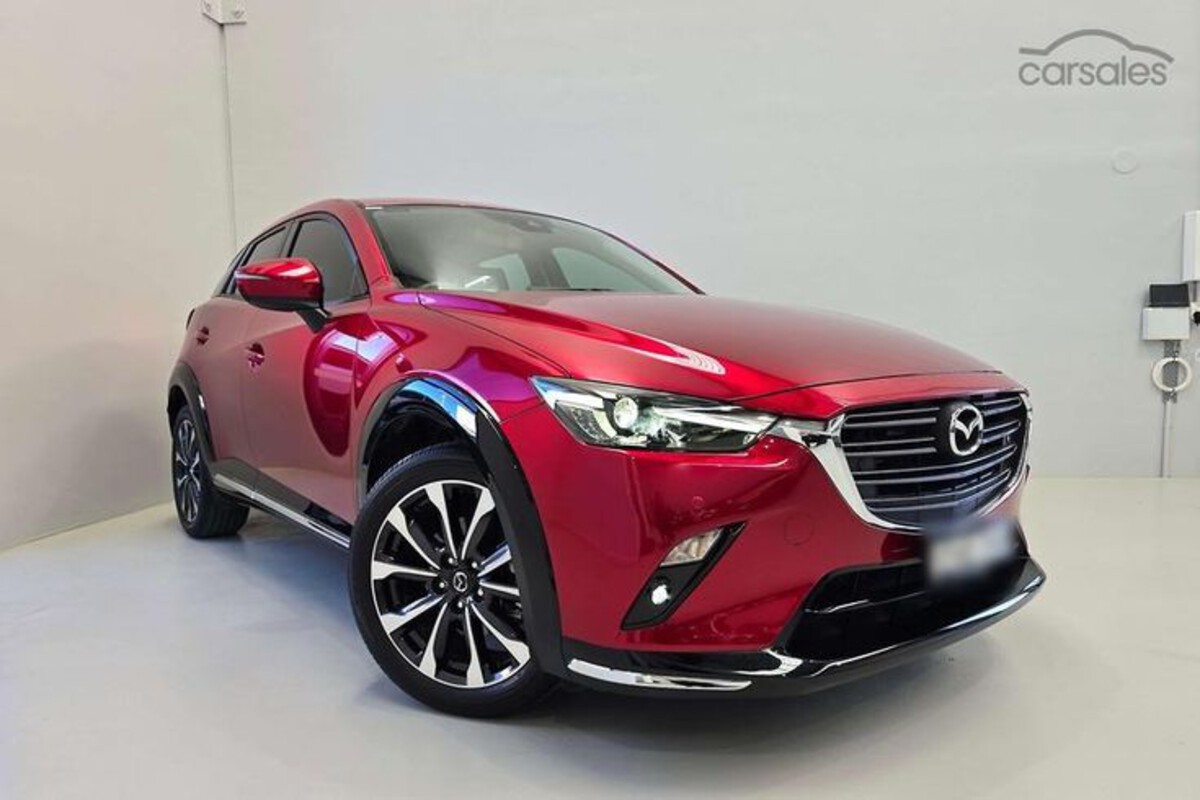
Mazda built i-Activ AWD with predictive logic. Instead of waiting for a wheel to slip, it monitors more than 25 sensors checking everything from outside temperature to steering angle, wheel rotation, and throttle position about 200 times per second.
It basically plays meteorologist and driving coach at once, figuring out when traction might drop before it happens. Then it adjusts torque distribution to prepare the car for the upcoming loss of grip.
Under normal driving, most Mazdas with i-Activ AWD stay mostly front-wheel-driven to save fuel. But when things turn slick, the system instantly splits torque to the rear wheels (sometimes up to 50%) to keep the car balanced. There’s no lag, no clunky engagement it just happens seamlessly.
Drivers in snow states love how natural it feels. You don’t get that jerky “kick” when the rear wheels engage like in older systems. It’s smooth, quiet, and confidence-boosting — especially on ice or packed snow.
Mazda also deserves credit for reliability here. The system’s electronically controlled clutch is simple and proven, and the hardware has shown great long-term durability even in cold climates. Paired with Mazda’s lightweight chassis and balanced steering, it gives that “planted” feeling usually reserved for pricier European setups.
Bottom line: i-Activ AWD doesn’t shout about its ability it just keeps you safe, stable, and surprisingly fuel-efficient when winter roads turn ugly.
5. Honda Real Time AWD with Intelligent Control
Honda’s Real Time AWD has been quietly improving for years, and the latest generation with Intelligent Control has turned it into one of the most underrated systems for winter driving. It’s practical, durable, and uncomplicated the kind of AWD setup that just refuses to let you down when things get icy.
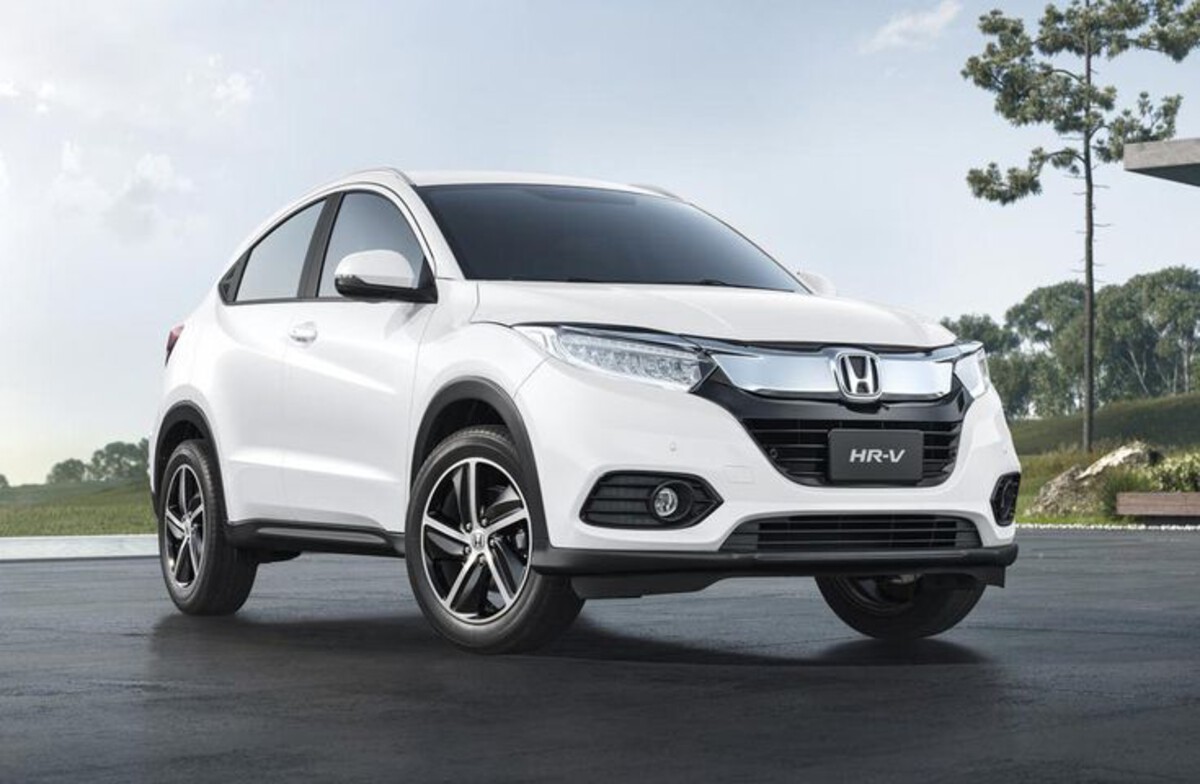
The core of Honda’s Real Time AWD is its electronically controlled hydraulic clutch. Under normal dry conditions, your Honda runs primarily as a front-wheel-drive car to save fuel.
But when sensors detect slippage, the system instantly routes power to the rear wheels. The “Intelligent Control” part ensures this happens smoothly, without any delay or harsh transition.
Where older AWD systems used mechanical triggers, this one uses predictive algorithms and driver input data. So, when you accelerate on a slippery incline, the rear wheels already have torque before your front tires even think about slipping.
You’ll find this system in vehicles like the CR-V, HR-V, and Passport, all of which have earned strong reliability reputations in snowy regions. Honda owners especially love that the system requires little to no maintenance there’s no complicated transfer case, and fluid changes are rare.
On snow-covered roads, the system’s ability to proactively balance torque makes the vehicle feel remarkably sure-footed. It’s not as aggressive as something like Audi’s Quattro, but it’s incredibly consistent and forgiving, which is exactly what you want on icy morning commutes.
Add Honda’s usual bulletproof engineering to the mix, and you’ve got a dependable AWD setup that’ll keep performing year after year without drama or mechanical headaches. In the world of “set it and forget it” snow-state AWD, Honda’s Real Time AWD earns its keep easily.
ALSO READ: 10-cars-with-rust-resistant-underbodies-in-road-salt-states
6. BMW xDrive
BMW’s xDrive system blends luxury, control, and reliability in a way that’s rare for performance-focused AWD setups. Originally designed to make sporty sedans feel stable in all weather, it’s become a powerhouse for drivers who want confidence in snow without giving up driving fun.
At its core, xDrive uses a sophisticated electronically controlled multi-plate clutch that constantly adjusts the torque split between the front and rear axles.
In normal conditions, power is sent mainly to the rear wheels (because BMW insists on keeping that signature sporty feel). But when sensors detect wheel slip or even suspect it’s about to happen xDrive can instantly send up to 100% of torque to either axle.

On snow-covered roads, that instant adaptability makes a huge difference. The system doesn’t just react it anticipates.
Combined with BMW’s dynamic stability control, xDrive can selectively brake individual wheels and shift torque around corners to keep the car tracking perfectly straight. It’s confidence-inspiring, even when the roads look like a frozen lake.
What makes xDrive shine in snow states like Colorado and New York is its consistency. BMW fine-tunes the system differently for each model from the 3 Series sedans to the X5 SUVs, but the reliability remains the same. Despite its complexity, long-term owners report minimal AWD issues and strong durability under harsh winter use.
xDrive also integrates perfectly with BMW’s chassis balance. Instead of feeling heavy or clunky like some full-time systems, it stays agile and predictable. The result is an AWD setup that doesn’t just survive in snow it thrives there, keeping the fun alive while delivering serious traction when things get slippery.
7. Mercedes-Benz 4MATIC
Mercedes’ 4MATIC system is all about effortless control. It doesn’t just make luxury cars snow-ready it makes them feel unshakable.
While most people associate Mercedes with sleek design and comfort, those living in states like Wisconsin or Maine know 4MATIC is one of the most capable and reliable AWD systems for snow and ice.
At its core, 4MATIC is a full-time all-wheel-drive system that’s constantly active. There’s no waiting for slippage, no clunky engagement power distribution happens continuously, with a default split that varies depending on the model.
In most sedans, it’s around 45/55 front to rear, while SUVs like the GLE or GLS can go up to 50/50 for maximum traction.
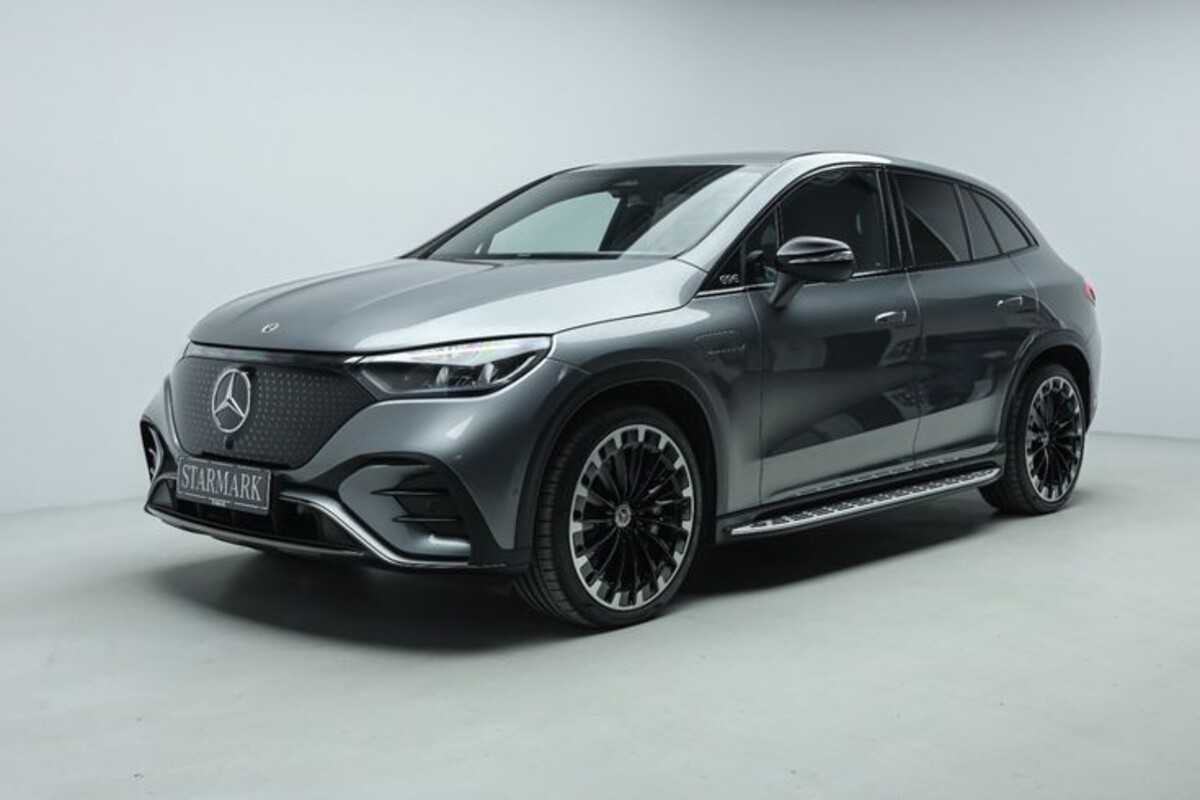
What sets 4MATIC apart is how seamlessly it integrates with Mercedes’ traction and stability control systems. The car constantly monitors wheel spin, steering angle, and driver input, adjusting torque to individual wheels in milliseconds.
That means when one side of your car hits ice while the other side’s on asphalt, you don’t get that scary fishtail moment just smooth, stable movement forward.
In heavy snow, the system shines. Combined with Mercedes’ weight balance and smart braking assist, 4MATIC vehicles dig in and maintain control even on deep, uneven snow surfaces.
Long-term owners report excellent reliability too; despite its complexity, 4MATIC systems rarely fail and are designed for long life under real-world conditions.
It’s not the flashiest AWD out there, but it’s one of the most confidence-inspiring. It quietly takes over the tough stuff, leaving you to enjoy the ride, heated seats, warm steering wheel, and all.
8. Volvo AWD
If any brand gets winter, it’s Volvo. Built in Sweden where half the year looks like a snow globe Volvo’s AWD systems are developed with icy roads and subzero mornings in mind. Over the years, the brand has perfected its AWD tech to be as reliable as it is refined.
Modern Volvos use an electronically controlled, on-demand Haldex-based AWD system. Under normal driving, most of the power goes to the front wheels to keep fuel efficiency up.
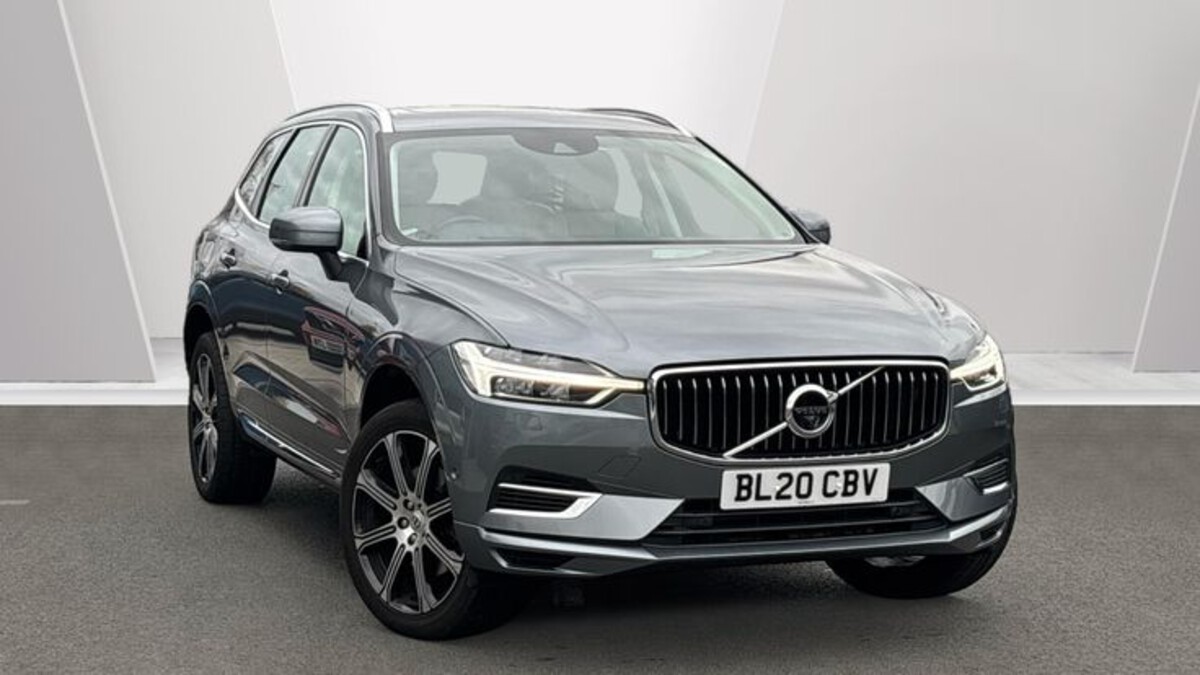
But when the system detects wheel slip, it instantly transfers torque to the rear wheels using an active clutch pack. The response is so fast it feels nearly instant way quicker than traditional mechanical systems.
Volvo has continued refining this setup with its newer e-AWD variations, especially in hybrid and electric models like the XC60 Recharge and C40. These versions use electric motors on the rear axle for instantaneous power delivery no lag, no gears, just clean torque that bites into the snow.
What makes Volvo’s AWD truly reliable isn’t just the hardware it’s the company’s obsession with safety. The system works hand-in-hand with Volvo’s traction, cornering, and braking tech to maintain total control even in unpredictable winter conditions.
Whether you’re braking on black ice or accelerating through slush, the car stays composed and predictable. And, true to Volvo’s reputation, durability is a given.
Drivers in Minnesota, Vermont, and Alaska consistently praise how well these systems hold up over years of harsh winters. It’s the definition of dependable Scandinavian engineering calm, clever, and unflappable when the roads turn white.
9. Jeep Active Drive
When you think of snow, mud, or anything messy, Jeep’s AWD systems have earned their stripes. The Jeep Active Drive setup takes that off-road toughness and translates it perfectly for winter roads making it one of the most rugged and reliable AWD systems you can buy.
Unlike most systems built mainly for pavement, Jeep’s Active Drive systems are designed to handle anything.
Depending on the model like the Cherokee, Compass, or Renegade you’ll find different versions (Active Drive I, II, and Low), but they all share the same philosophy: adapt, grip, and go.
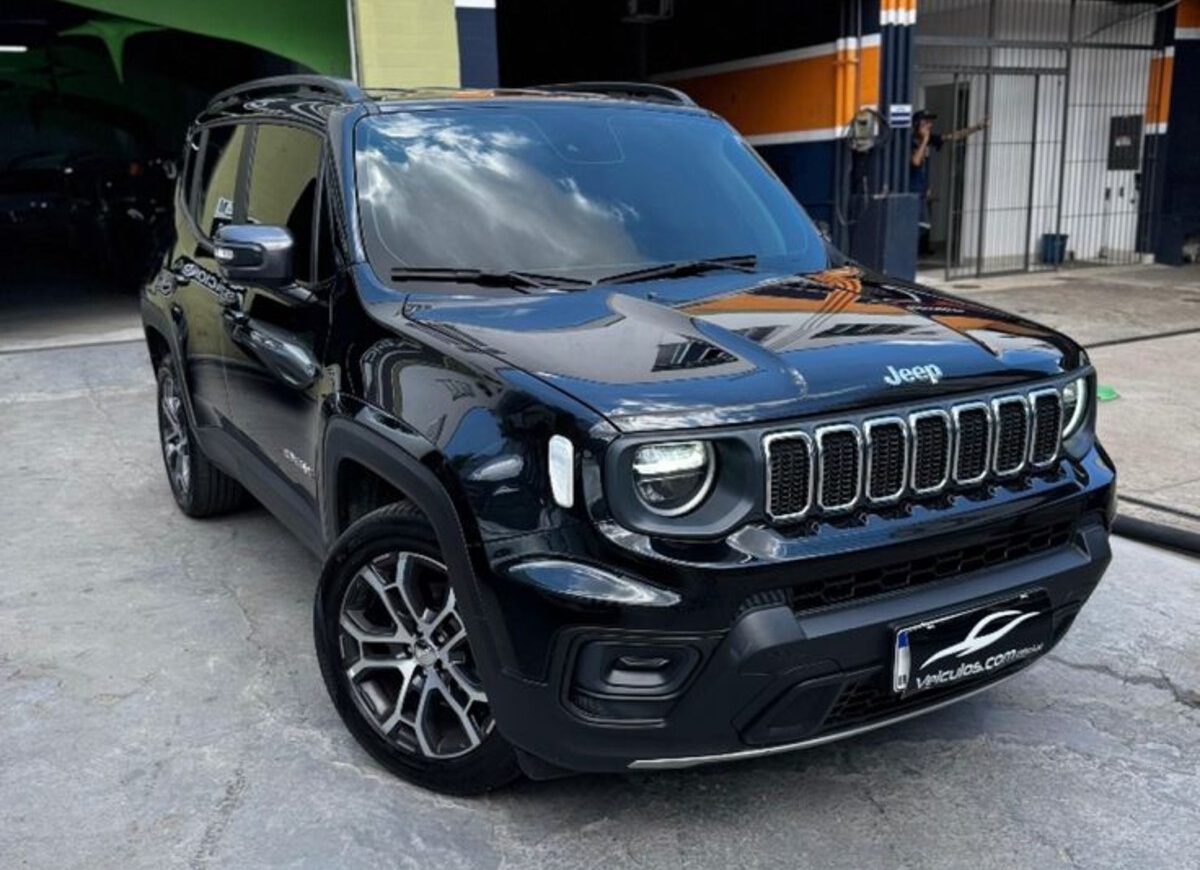
Active Drive I is a fully automatic system that detects wheel slip and seamlessly transfers power between the front and rear axles. It can even disengage the rear axle on dry pavement to save fuel.
Active Drive II adds a low-range mode for deeper snow and hill descents, while Active Drive Low in Trailhawk trims brings serious crawling ability when the snow turns to ice and slush on rough terrain.
Then there’s the Selec-Terrain system a drive mode selector that lets you choose “Snow,” “Mud,” or “Sand.” In Snow mode, the system starts the vehicle in second gear to reduce wheel spin and adjusts throttle sensitivity for smoother control.
In harsh winter climates, this adaptability is gold. Jeep’s systems are built heavy-duty with solid transfer cases and durable components that handle both city snowstorms and mountain blizzards. They’ve also proven long-term reliability; many owners run them for a decade or more without major issues.
The takeaway? Jeep Active Drive is as close as you’ll get to an all-conditions security blanket. When the road disappears under snow, it doesn’t panic it just digs in and powers through.
10. Mitsubishi Super All-Wheel Control (S-AWC)
Mitsubishi’s Super All-Wheel Control (S-AWC) system is one of those underrated gems that deserves way more credit than it gets. It’s not just another AWD setup it’s a full-on control network built to predict, adapt, and dominate in bad weather.
The S-AWC system debuted on the legendary Lancer Evolution, but Mitsubishi smartly brought the tech over to SUVs like the Outlander and Eclipse Cross, giving everyday drivers rally-level confidence in the snow.
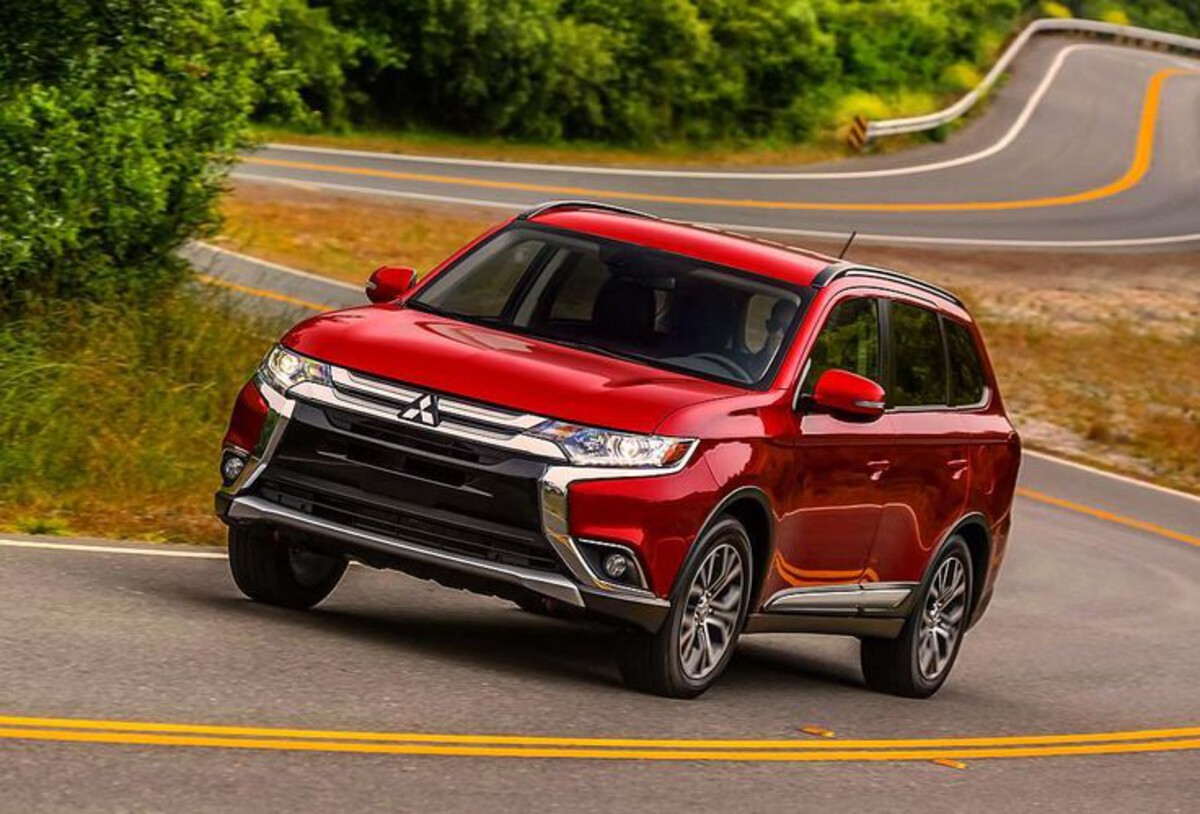
Here’s what makes it special: S-AWC isn’t just about distributing torque between front and rear wheels. It also actively controls individual wheel braking, yaw movement, and torque vectoring.
That means it’s constantly adjusting not just for traction, but also for balance and direction. It’s like the car’s brain is micro-managing every wheel, making sure power and grip are exactly where they need to be at all times.
On snowy roads, S-AWC shines because it’s both proactive and reactive. The system monitors steering input, acceleration, and wheel slip in real time then sends torque to the wheels that can use it best.
The “Snow” mode fine-tunes throttle response and torque balance to prevent fishtailing or understeering, so you stay in full control even when the surface feels like glass.
Reliability-wise, Mitsubishi nailed it. S-AWC combines mechanical dependability with electronic intelligence no fragile overengineering, just smart tech built to last.
Owners in northern states often praise how confidently their Outlanders handle in deep snow or on icy inclines, with the system constantly keeping the car stable and predictable.
In short, S-AWC brings a little rally DNA to real-world winter driving. It’s sophisticated, proven, and flat-out dependable when you need every ounce of control between you and a snow-packed road.
When winter comes knocking, reliability isn’t just about horsepower or luxury it’s about trust. These ten AWD systems have earned that trust, not through marketing fluff, but through years of consistent performance in real snow, real cold, and real driver conditions.
Whether it’s Subaru’s rock-solid Symmetrical AWD or Audi’s razor-sharp Quattro, each system has a distinct philosophy, but the same mission: to keep you moving when most cars would quit.
Subaru and Audi prove that tradition and engineering perfection can coexist. Toyota and Mazda show that efficiency and predictiveness can handle snow just as well. Honda and Volvo bring simplicity and Scandinavian logic, keeping things both dependable and refined.
BMW and Mercedes make luxury AWD systems that don’t just shine on dry roads they dig in when ice hits. And Jeep and Mitsubishi? They’re proof that ruggedness and smarts can absolutely live in the same drivetrain.
What’s common across all of them is balance, between technology and durability, between quick reactions and long-term dependability.
Snow states demand more than just clever electronics; they demand mechanical toughness and systems that can take abuse year after year. These ten AWD setups have proven they’re not just clever they’re consistent.
At the end of the day, AWD isn’t just a feature; it’s a lifeline when the road turns white. These systems don’t promise perfection they deliver confidence. And in the middle of a snowstorm, that’s worth more than any badge on the grille.