
When car owners hear the word “aftermarket,” they often think of cheap, flashy, or unreliable add-ons that void warranties and shorten a vehicle’s life.
And in many cases, that reputation is deserved poor-quality parts can throw off factory tolerances, interfere with sensors, and lead to premature wear.
But the aftermarket isn’t just for enthusiasts chasing horsepower or loud exhausts.
In fact, certain aftermarket parts, when chosen carefully and installed correctly, can actually extend a car’s life, protect key components, and make ownership cheaper over the long haul.
For US drivers dealing with everything from harsh winters to long interstate commutes, these upgrades can pay for themselves many times over.
Below are ten smart aftermarket parts that do more good than harm, the kinds that keep your car running smoother, cleaner, and longer than the factory ever intended.
1. Upgraded Engine Air Filters
A high-quality performance air filter doesn’t just help your engine breathe better it can also reduce wear over time.
Unlike the cheap paper filters most vehicles come with, reusable oiled cotton or synthetic filters from brands like K&N or AEM trap finer particles while allowing better airflow.
For US drivers in dusty regions like Arizona or Texas, that improved filtration can significantly reduce intake contamination, protecting cylinder walls and turbochargers from abrasive dust.
The key is maintenance wash and re-oil these filters regularly, and they’ll last the life of the car.
These filters are engineered to enhance airflow to your engine, which can improve combustion efficiency and potentially result in increased power and better fuel economy.
In this article, we’ll take a closer look at performance air filters, examining what they do, their advantages and disadvantages, and whether they are a suitable upgrade for your car.
Performance air filters are upgraded alternatives to the standard air filters that come with most vehicles.
Unlike conventional paper filters, high-performance air filters are typically constructed from materials such as cotton or synthetic fibers that allow for greater airflow. Some models are also treated with oil to enhance filtration efficiency.
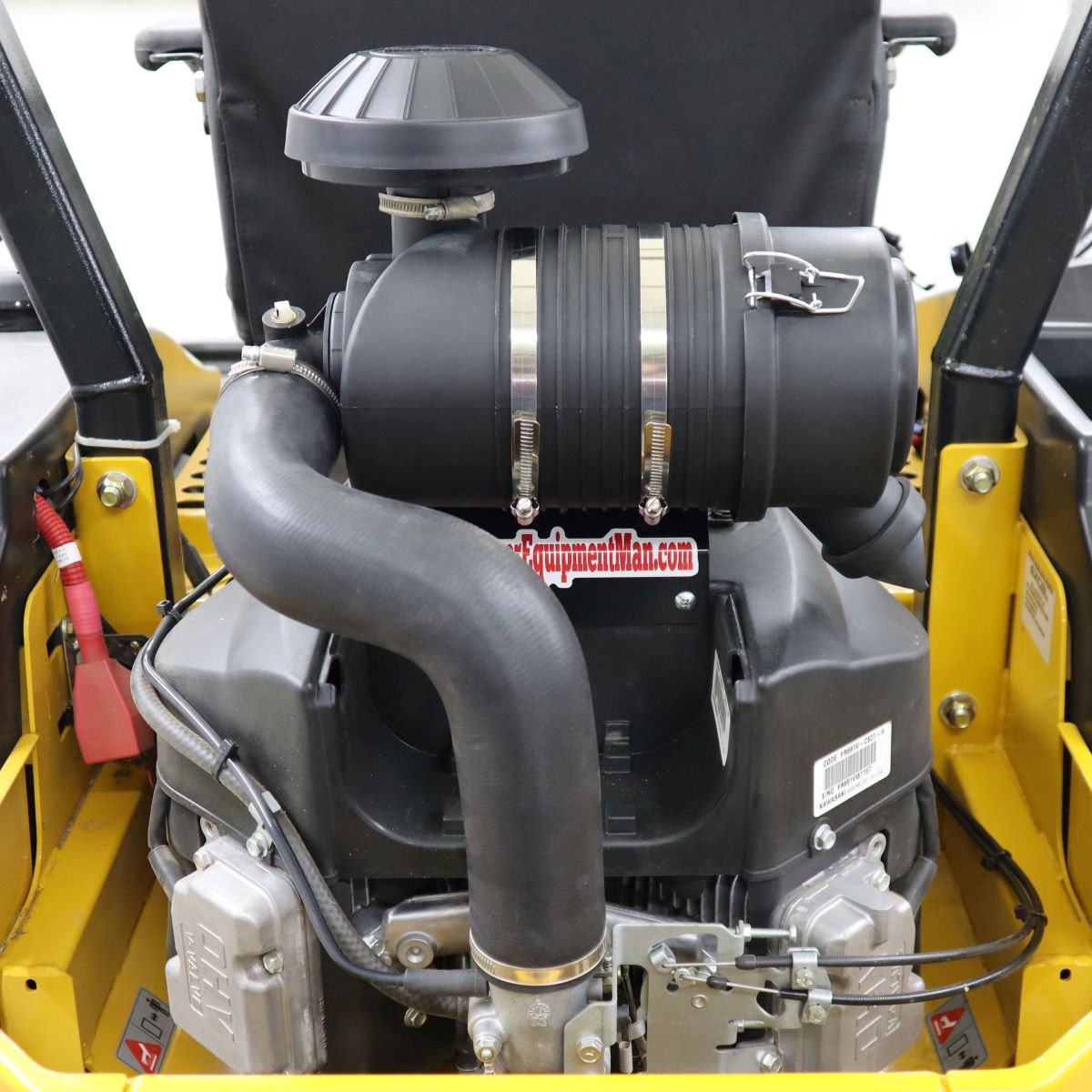
These filters are designed to trap contaminants while permitting more air to reach the engine, thereby boosting combustion efficiency.
Typically, performance air filters are installed within the engine’s intake system. Their goal is to minimize the restriction of incoming air, which can contribute to smoother and more efficient engine operation.
By enabling the engine to burn fuel more effectively, these filters can potentially improve both performance and fuel efficiency.
The main function of an air filter is to stop dirt, debris, and other harmful particles from entering the engine.
Performance air filters take this a step further by allowing air to flow more freely into the engine, which can enhance fuel combustion and generate more power.
These filters allow a higher volume of air to enter the engine, which can supply more oxygen to the combustion chamber.
With more oxygen, the engine can burn fuel more efficiently, potentially boosting performance, particularly in terms of horsepower.
Enhanced airflow allows the engine to operate more smoothly, improving throttle response and, under certain driving conditions, offering better fuel economy.
Even while promoting increased airflow, performance air filters maintain strong filtration capabilities.
The advanced materials used in these filters can capture more dirt and debris compared to standard filters.
A common question among car enthusiasts is, “Do performance air filters work?” The brief answer is yes, but the level of improvement depends on several factors, such as the type of vehicle, any existing modifications, and how the car is driven.
For high-performance vehicles, performance air filters are more likely to produce noticeable enhancements in horsepower and throttle response.
On standard cars, the improvements may be more subtle, though there can still be advantages in smoother engine performance and potential fuel economy gains.
For most drivers, particularly those with tuned or high-performance cars, performance air filters function as intended.
However, the actual gains in horsepower may not be as dramatic as some marketing claims suggest. Noticeable improvements are usually more evident in engines that are already optimized for higher performance.
Many drivers are drawn to performance air filters with the expectation that increased airflow will translate to more power.
While high-performance filters do allow more air to reach the engine, potentially increasing horsepower, the actual impact depends on several factors.
Larger or more powerful engines, like those in sports cars, benefit more from enhanced airflow than smaller engines in standard vehicles.
If your car has additional performance upgrades, such as a performance exhaust or an upgraded intake system, a high-performance air filter can complement these modifications and deliver a noticeable performance boost.
Performance air filters may yield more apparent horsepower gains during high-speed driving, when the engine demands greater airflow. Conversely, in stop-and-go city driving, the benefits might be less perceptible.
Also Read: 10 Automatic Transmissions That Rarely Need A Rebuild
2. Heavy-Duty Transmission Coolers
Heat is the number-one enemy of automatic transmissions. Whether you’re towing, hauling, or just stuck in stop-and-go Los Angeles traffic, fluid temperatures can soar above 200°F well past the safe limit.
Adding an aftermarket transmission cooler can cut those temps by 30–50°F, dramatically extending fluid life and preventing clutch pack degradation.
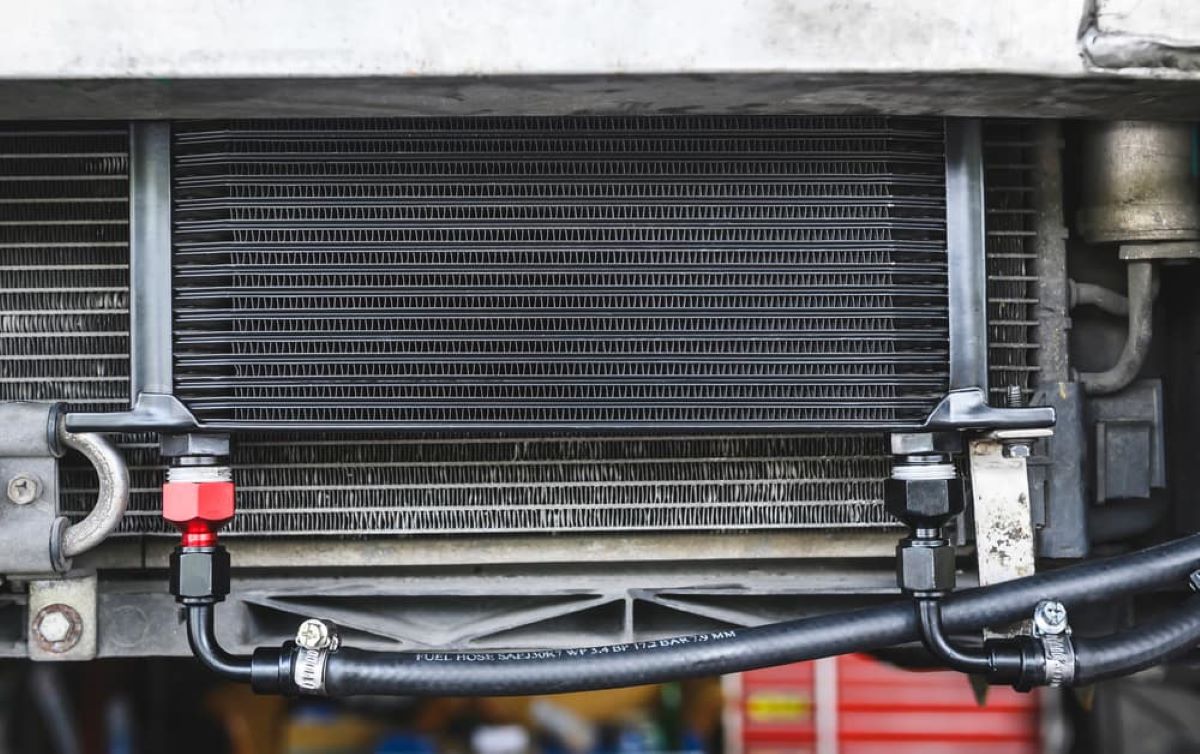
Truck owners and SUV drivers, especially those with GM 6L80 or Toyota 6-speed automatics, see the most benefit here. For the price of a weekend installation, you’re potentially avoiding a $3,000 rebuild down the road.
3. Upgraded Radiators and Fans
Factory cooling systems are fine for average use, but they can struggle under stress like steep highway climbs, southern humidity, or long idle times.
Upgrading to a high-capacity aluminum radiator or dual-fan setup keeps coolant temperatures consistent, reducing head gasket stress and oil breakdown.
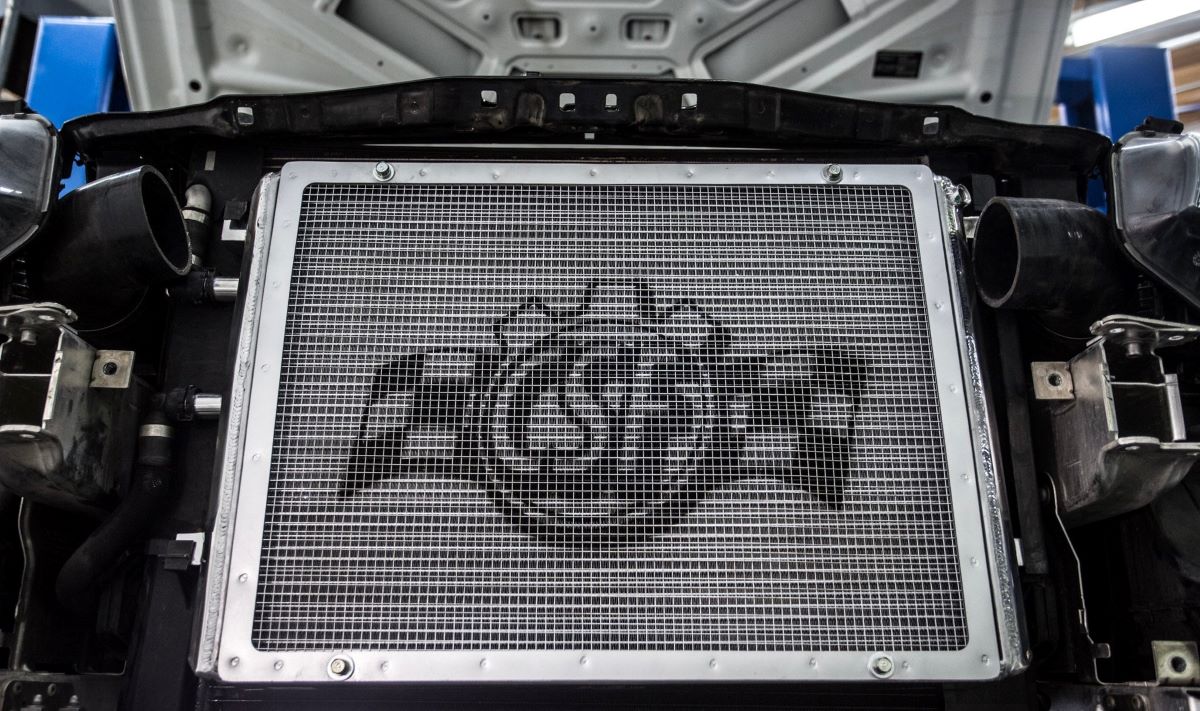
US-based brands like Mishimoto and CSF make direct-fit radiators that outperform OEM units without the tuning headaches. In older cars, this simple swap can also prevent warped cylinder heads and overheating-related failures.
The cooling system is the lifeblood of any internal combustion engine, and at the center of this system is the radiator fan.
Often overlooked, this component is critical for maintaining optimal engine temperature, particularly during low-speed driving or idling when natural airflow is insufficient.
An underperforming or failing radiator fan can result in overheating, diminished engine performance, and even long-term engine damage.
Upgrading to a high-performance radiator fan is a proactive step that can greatly improve cooling efficiency, enhance engine reliability, and boost overall vehicle performance. This article delves into the main benefits of upgrading your radiator fan and what factors to consider for a successful installation.
The primary function of the radiator fan is to pull or push air through the radiator core. This airflow is vital for dissipating the heat absorbed by the coolant from the engine.
While a vehicle in motion generally receives adequate cooling from ram air generated by forward movement, the fan becomes essential when the vehicle is stationary or moving slowly.
It ensures that heat transfer occurs efficiently, preventing the coolant temperature from reaching dangerous levels.
A high-quality fan is necessary to maintain a stable engine temperature under all conditions, whether navigating city traffic or tackling demanding off-road terrain.
Several signs can indicate that your radiator fan may be underperforming and in need of an upgrade. The most obvious warning is the engine temperature gauge moving into the red zone while idling or driving at low speeds.
Reduced air conditioning performance can also serve as a clue, since the A/C condenser often relies on the same fan for proper cooling. Unusual sounds, such as grinding or wobbling from the fan assembly, may indicate worn bearings or damaged blades.
Additionally, if the fan motor fails to turn on when the engine is hot, or operates at only a single speed on a variable-speed system, it is a clear signal that an upgrade is needed to prevent potential overheating.
4. Stainless Steel Brake Lines
While most OEM brake lines are made of rubber, stainless steel braided lines replace them with a flexible steel mesh that doesn’t expand under pressure.
This small upgrade translates into firmer pedal feel and more consistent braking performance especially as vehicles age.
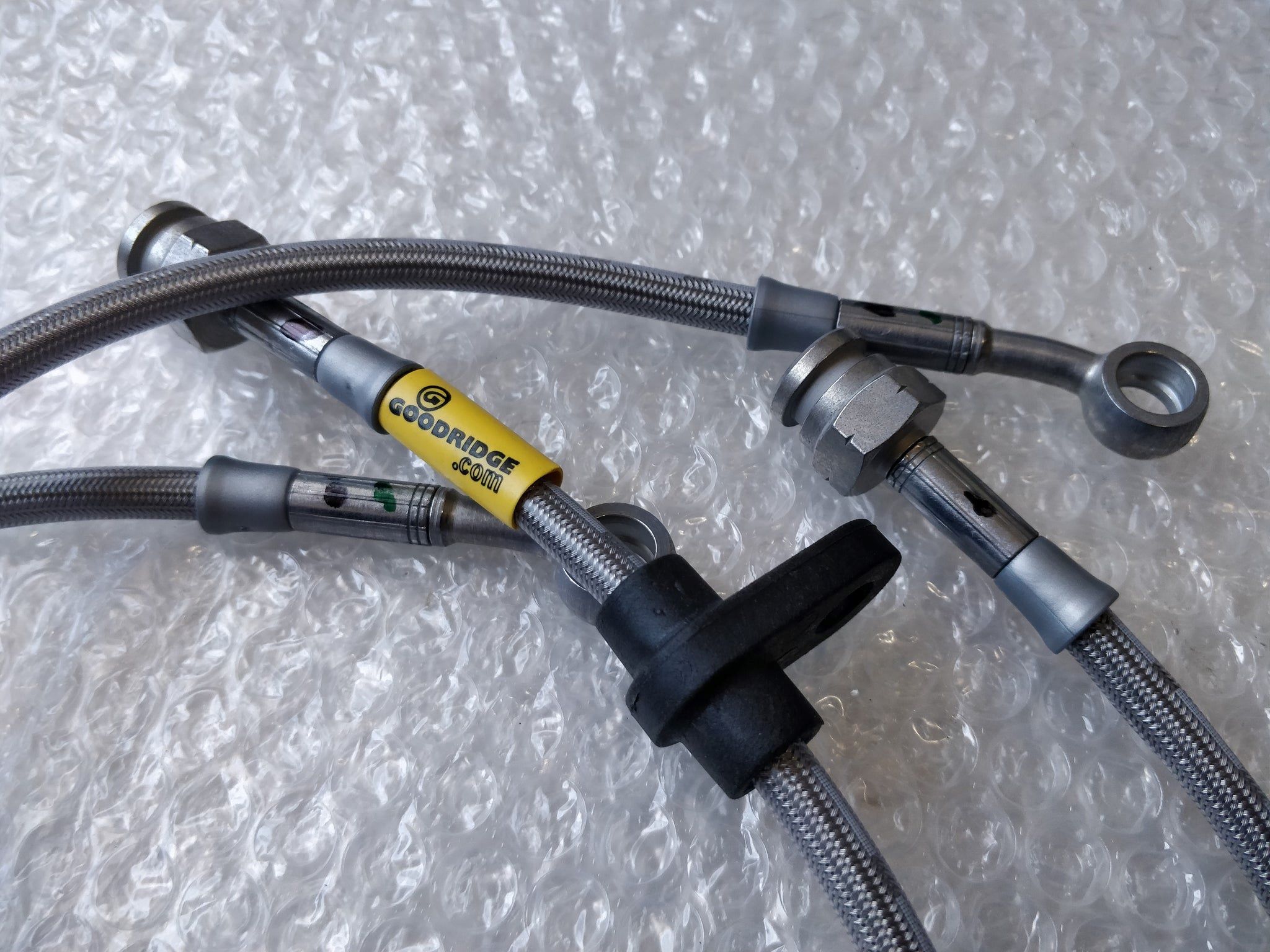
Beyond performance, these lines also resist cracking and corrosion, both common in northern states where road salt is a yearly menace. That means fewer leaks and less chance of catastrophic brake failure down the line.
5. Polyurethane Bushings
Rubber bushings in suspension and drivetrain mounts degrade over time, cracking under heat, oil exposure, and general fatigue.
Replacing them with polyurethane bushings may slightly increase vibration, but the trade-off is stability and longevity.
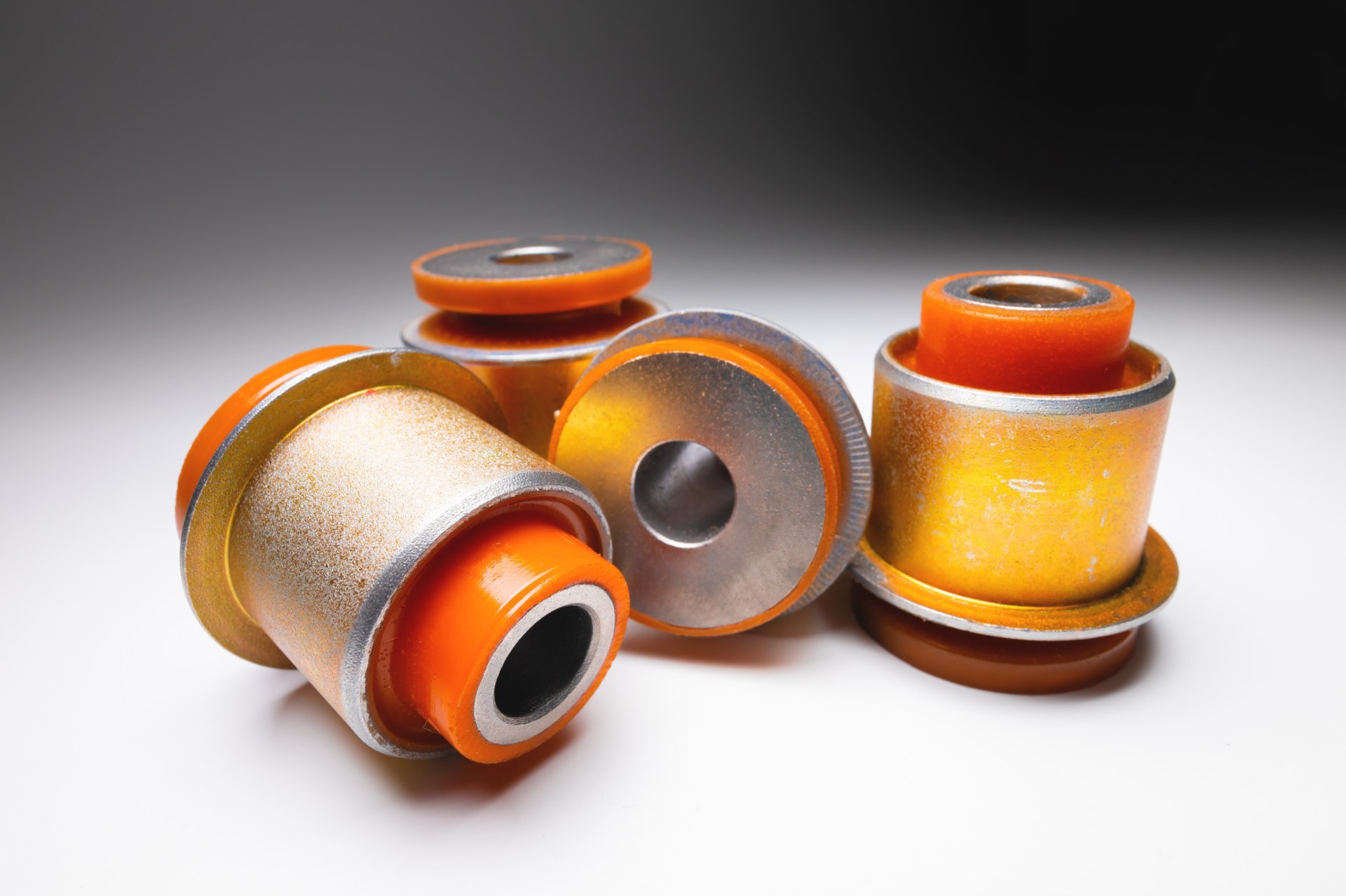
In vehicles like older Subarus, Hondas, or Mustangs, upgraded bushings help maintain proper alignment and reduce tire wear.
They also resist the dry rot that kills OEM bushings in about 8–10 years, giving your suspension components a second lease on life.
Urethane offers numerous advantages over rubber, particularly in the high-stress suspension systems where bushings are commonly used.
Compared to rubber, urethane typically has a higher load-bearing capacity, greater tear strength, improved compression set, and superior abrasion resistance. It also exhibits better tolerance to greases, oils, and ozone, making it more durable in demanding environments.
Rubber bushings, on the other hand, tend to degrade quickly over time. As rubber ages and becomes softer and more pliable, it loses its ability to resist the forces exerted upon it.
In vehicles, this reduced resistance can result in excessive movement of suspension components, accelerated tire wear, and braking instability.
Polyurethane bushings, by contrast, can withstand harsh road conditions for extended periods. When installed in a vehicle, urethane bushings provide more controlled alignment and steering, enhancing overall stability and handling.
When compared to metal bushings, urethane bushings are generally lighter and less expensive. In some situations, they also endure longer under harsh or adverse conditions.
Metal bushings, by comparison, can be manufactured from a variety of materials, including brass, bronze, or steel, each offering different performance characteristics depending on the application.
Urethane bushings are widely used across various applications, from consumer vehicles to heavy-duty commercial trucks and transportation equipment.
Their formulation, size, and durometer are carefully chosen based on factors such as the speed of operation and the load applied.
These bushings are particularly common in vehicle suspension systems, where they facilitate movement while maintaining stability, as well as in commercial machinery and heavy-duty trucks, demonstrating their versatility and reliability across a broad range of environments.
Also Read: 10 Used Cars That Rarely Need AC System Overhauls
6. Rustproofing Coatings and Underbody Treatments
For US drivers in rust belt states from Michigan to Maine corrosion is the silent killer of otherwise healthy vehicles.
While factory coatings wear off after a few winters, aftermarket rustproofing sprays like Fluid Film, Krown, or Woolwax create a self-healing barrier that keeps salt and moisture away from metal.
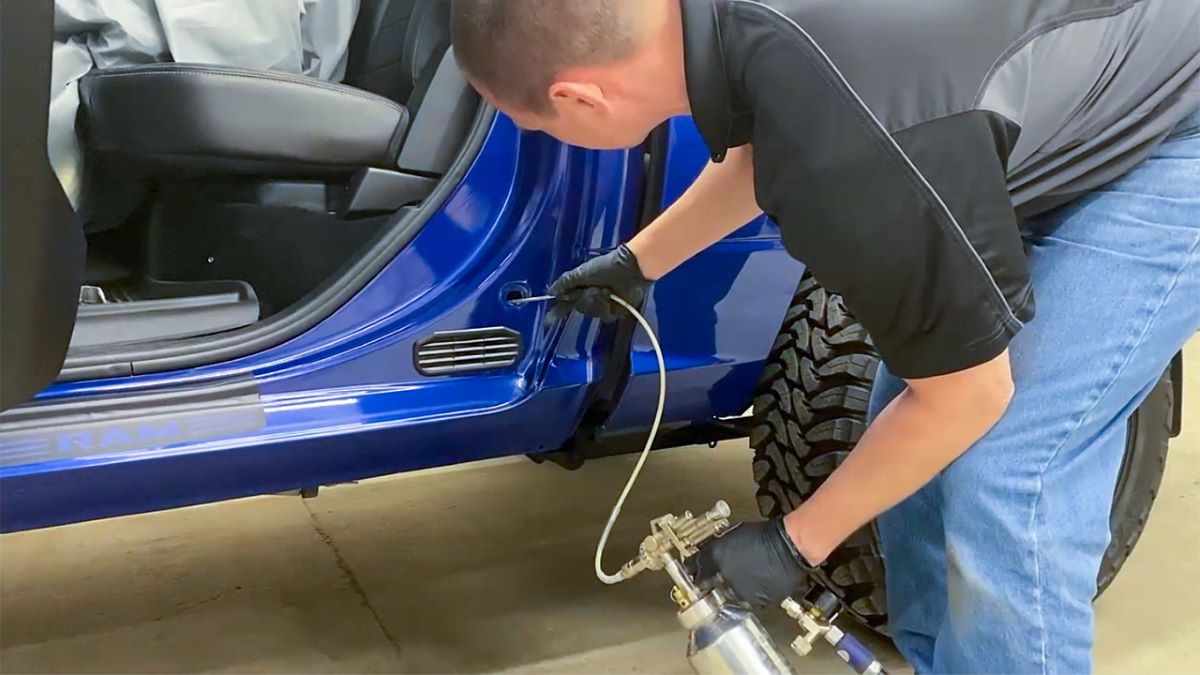
Annual applications can double or triple the usable lifespan of your frame, suspension, and brake lines. It’s one of the most cost-effective aftermarket “mods” for anyone living where roads turn white every December.
7. Upgraded Suspension Components
When people think of aftermarket suspension, they imagine slammed cars or stiff race setups. But high-quality replacements like Bilstein shocks, KYB struts, or Moog control arms often outlast factory parts while keeping ride quality intact.
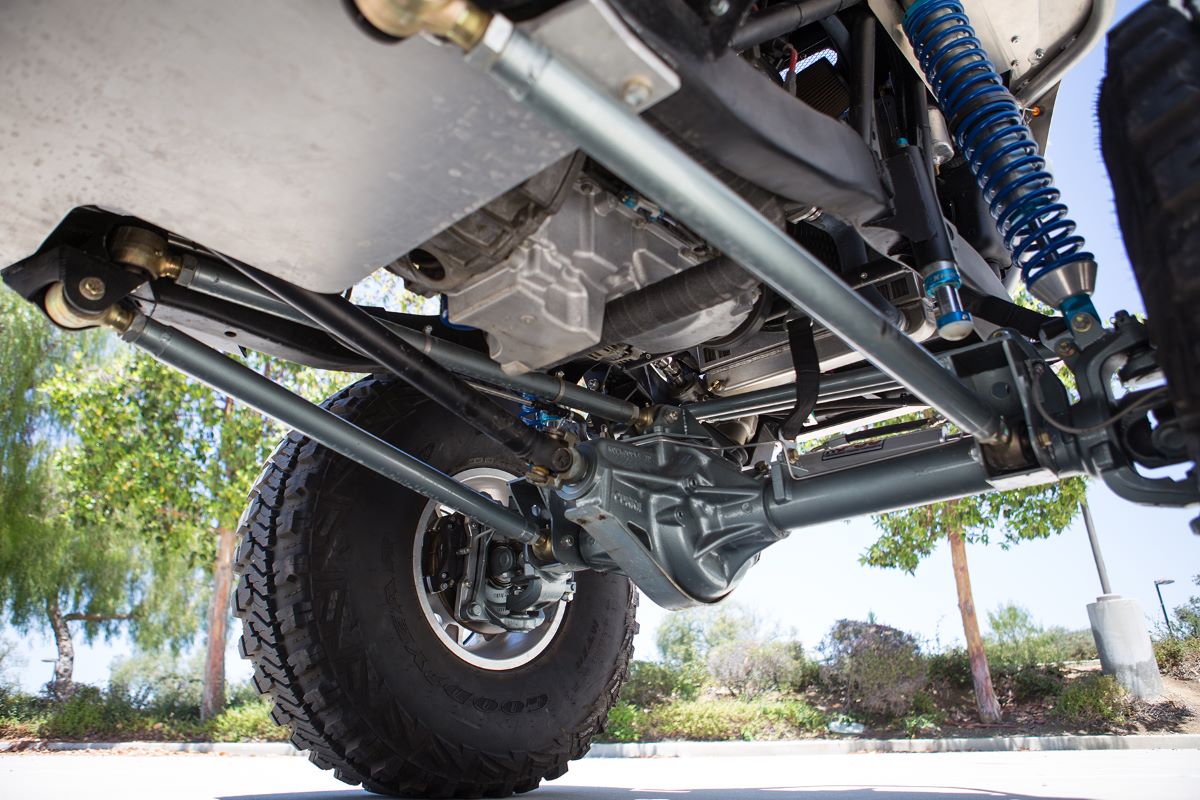
Modern monotube shocks handle heat better and resist fade, which prevents uneven tire wear and protects chassis components from harsh impacts.
Installing quality suspension parts every 60,000–80,000 miles helps maintain safety and ride comfort, while cheap factory units tend to degrade quietly over time.
When cars roll off the factory floor, they often look and feel impressive. That said, every driver has different needs and preferences.
Some owners prefer to keep their vehicles pristine, while others aren’t afraid to put their cars through the rigors of off-roading.
To accommodate these diverse driving styles, a wide range of vehicle upgrades is available, allowing drivers to tailor their cars to their specific lifestyle.
For those looking to enhance stability on the road, suspension upgrades are an excellent place to start.
Air suspension systems, for example, replace the standard springs with an “air spring,” which is an enclosed, flexible rubber membrane that inflates and deflates as needed.
In simple terms, air suspension gives you the ability to adjust your car’s height at the push of a button. One of the most praised aspects of air suspension is the comfort it brings, smoothing out rides both on and off the road.
When you encounter challenging terrain, inflating the air spring ensures safe navigation of obstacles. Conversely, if you want to lower your vehicle for a sleek, uniform appearance at a car show, that can be done effortlessly.
Ultimately, suspension upgrades allow you to tailor both performance and aesthetics to match your preferences, and personalizing a new car is one of the most rewarding aspects of ownership.
Another popular method for adjusting vehicle height is through quality coilovers. Coilovers combine coil springs and shock absorbers in a single unit, providing a convenient way to tweak your car’s handling.
Beyond height adjustment, coilovers improve control over damping, camber, and other handling factors, while also helping maintain proper weight distribution.
Lowering your car with coilovers, for instance, minimizes weight transfer during braking and acceleration, allowing the vehicle to remain stable at the desired height without compromising performance.
Additionally, reducing the wheel gap with coilovers gives your car a sleek and polished appearance for shows.
While coilovers and air suspension are two effective options for enhancing performance, there are other reliable suspension upgrades worth exploring, such as shocks and struts.
Shocks and struts are essential for maintaining proper balance on the road, which refers to how the car responds to sudden maneuvers.
Without a well-tuned suspension, sudden braking can cause the vehicle to dive, and swerving can feel unstable or jarring.
Aftermarket shocks and struts allow drivers to fine-tune how their car handles abrupt turns, stops, and other weight transfers. Although shocks and struts are separate components, they function together to ensure stable handling, so replacing one without considering the other can affect overall performance.
This principle applies to any car upgrade: all parts should work harmoniously. Precision is especially important with shocks and struts if you want to maximize handling during fast braking, sharp turns, or off-road challenges.
For example, at Springrates, our aftermarket suspension parts include shock absorbers designed to maintain stability in both on-road and off-road conditions.
Off-road terrain can be unpredictable, so having suspension components that allow safe and stable maneuvering is crucial.
Lowering springs are another effective suspension upgrade that enhances handling by reducing the vehicle’s center of gravity. This lower center of gravity improves control and provides sportier performance on the road.
What distinguishes lowering springs from the other upgrades mentioned is their cost-effectiveness. For drivers seeking a budget-friendly suspension improvement, lowering springs offer a high-quality solution without requiring a full suspension overhaul.
These springs replace the factory components while still working with your existing shocks, providing optimal control without necessitating additional upgrades
Of course, combining multiple suspension enhancements is possible, but it is vital to ensure that all upgraded and factory parts function together harmoniously.
A thoughtful approach will prevent mismatched components from compromising performance. With that in mind, the final suspension upgrade to consider is sway bars, which further enhance stability and handling.
8. High-Flow Catalytic Converters
While removing catalytic converters is illegal in the US, replacing a failing one with a high-flow legal aftermarket unit can improve exhaust efficiency and longevity.
Modern high-flow converters use better substrate materials and stainless casings that resist corrosion especially helpful in northern climates.
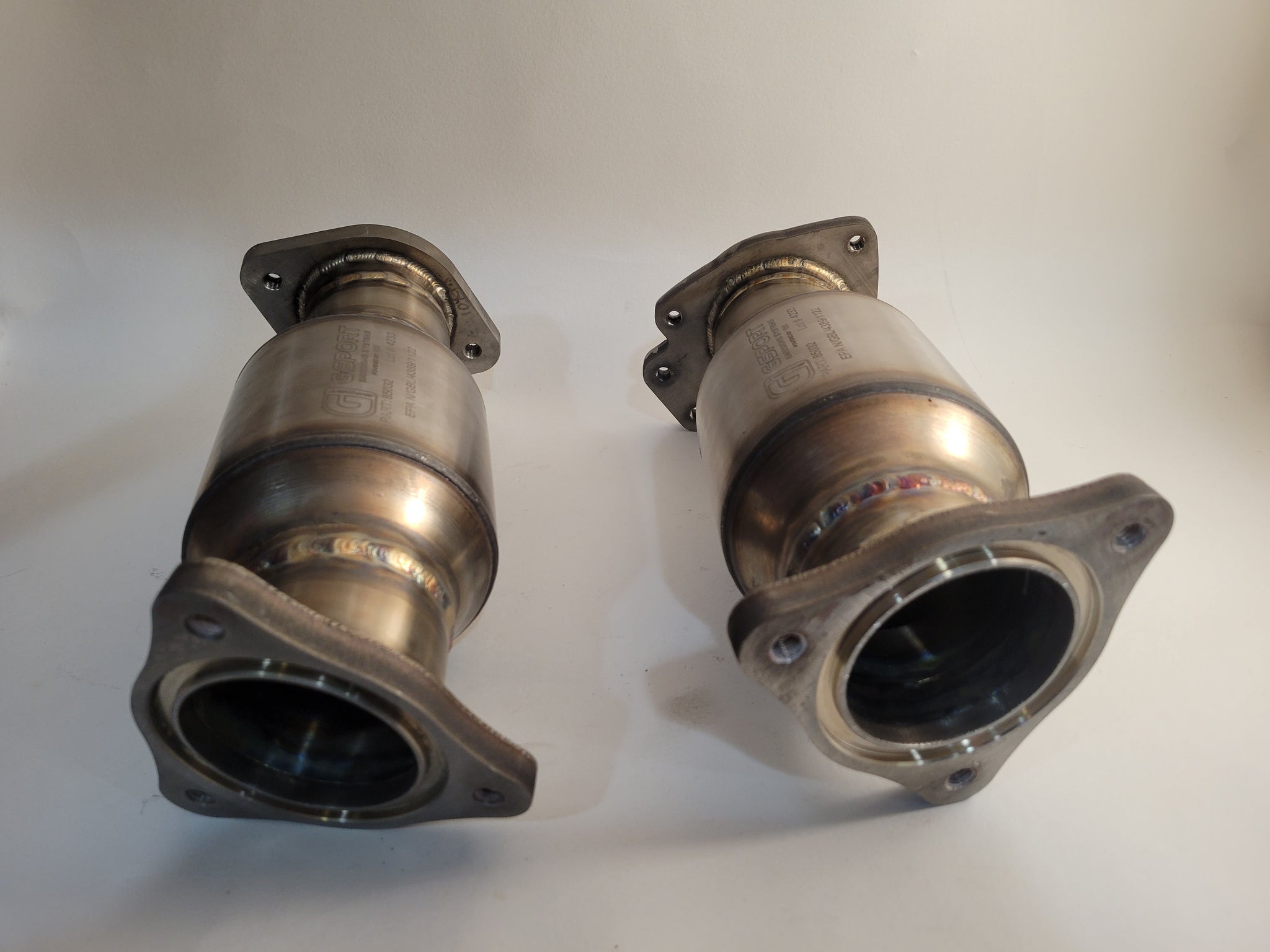
They prevent backpressure buildup that can cause overheating or engine misfires. It’s one of the few emissions-related upgrades that both satisfies EPA regulations and enhances reliability.
It’s no secret that emissions laws have long restricted performance across a wide range of vehicles, from everyday commuter cars to high-end sports coupes.
Naturally, not every driver is satisfied with heavily muffled exhausts and modest power outputs, which is why many enthusiasts turn to aftermarket upgrades to regain some performance.
Some even go so far as to install test pipes. While this might seem like an ideal workaround, it is not a legal solution in most areas and can lead to trouble with authorities.
Fortunately, there is a way to unlock extra horsepower and let your exhaust sing without violating emissions laws: high-flow catalytic converters.
These components are particularly valuable in regions with strict emissions standards, such as the sunny state, for example.
If you want to stay within legal limits while still improving performance, installing a high-flow catalytic converter is a solid choice. In this article, we’ve compiled a list of some of the best high-flow cats available for purchase.
High-flow catalytic converters, or HFCs, work by altering the chemical composition of exhaust gases to make them safe for release into the atmosphere.
Exhaust fumes pass through a honeycomb structure coated with rare metals, which facilitates the chemical reactions needed to reduce harmful emissions.
9. Oil Catch Cans
A catch can might be the most underrated engine-protecting upgrade you can install. Direct-injection engines common in modern turbocharged vehicles like the Ford EcoBoost, VW TSI, and GM LTG are notorious for carbon buildup on intake valves.
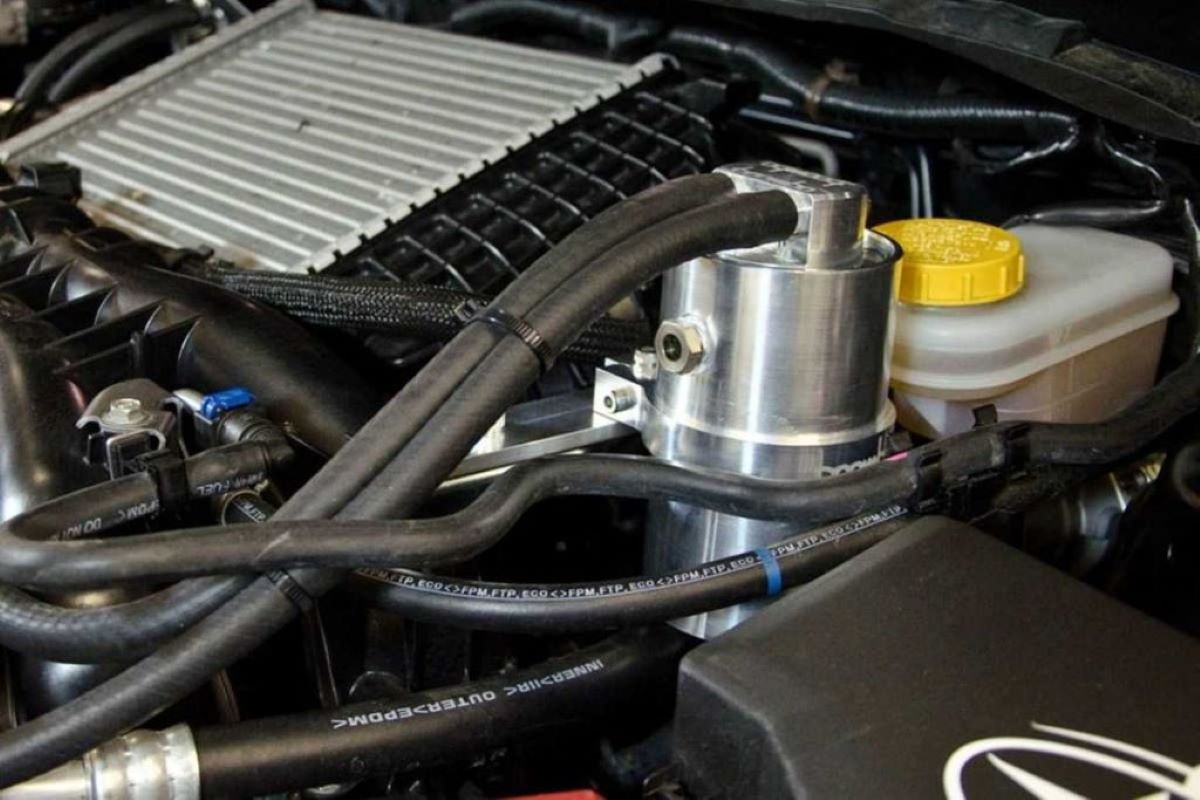
An oil catch can intercepts blow-by gases before they reach the intake tract, preventing sludge and varnish deposits.
Over time, this keeps idle smooth, compression high, and fuel economy consistent. It’s a $100–$200 investment that can save thousands in decarbonization service costs later.
10. Upgraded Lighting Systems
While not directly mechanical, lighting upgrades can extend your vehicle’s overall safety and longevity.
Replacing weak halogen bulbs with LED retrofit kits not only improves visibility but also draws less power, reducing alternator load and heat within headlight housings.
Quality kits from companies like Morimoto or Philips integrate cleanly with factory wiring and produce a clear, even beam pattern.
When paired with weather-sealed housings, they can also eliminate the fogging and cracking issues that plague OEM units after a few years.

The line between smart upgrades and harmful modifications often comes down to quality and purpose. If the part helps the engine, transmission, or chassis work less to do the same job or protect itself from wear it’s probably beneficial.
Cheap, performance-boosting parts tend to shorten life; high-quality reliability upgrades extend it.
Before buying any aftermarket part, it’s smart to research compatibility, brand reputation, and installation requirements.
In many cases, professional installation ensures you get the reliability benefits without introducing new problems.
Ultimately, not all aftermarket parts are created equal. But for US drivers who plan to keep their cars beyond 100,000 miles, these ten upgrades can mean the difference between a costly breakdown and a car that easily cruises into its third decade of service smoother, safer, and stronger than when it left the factory.