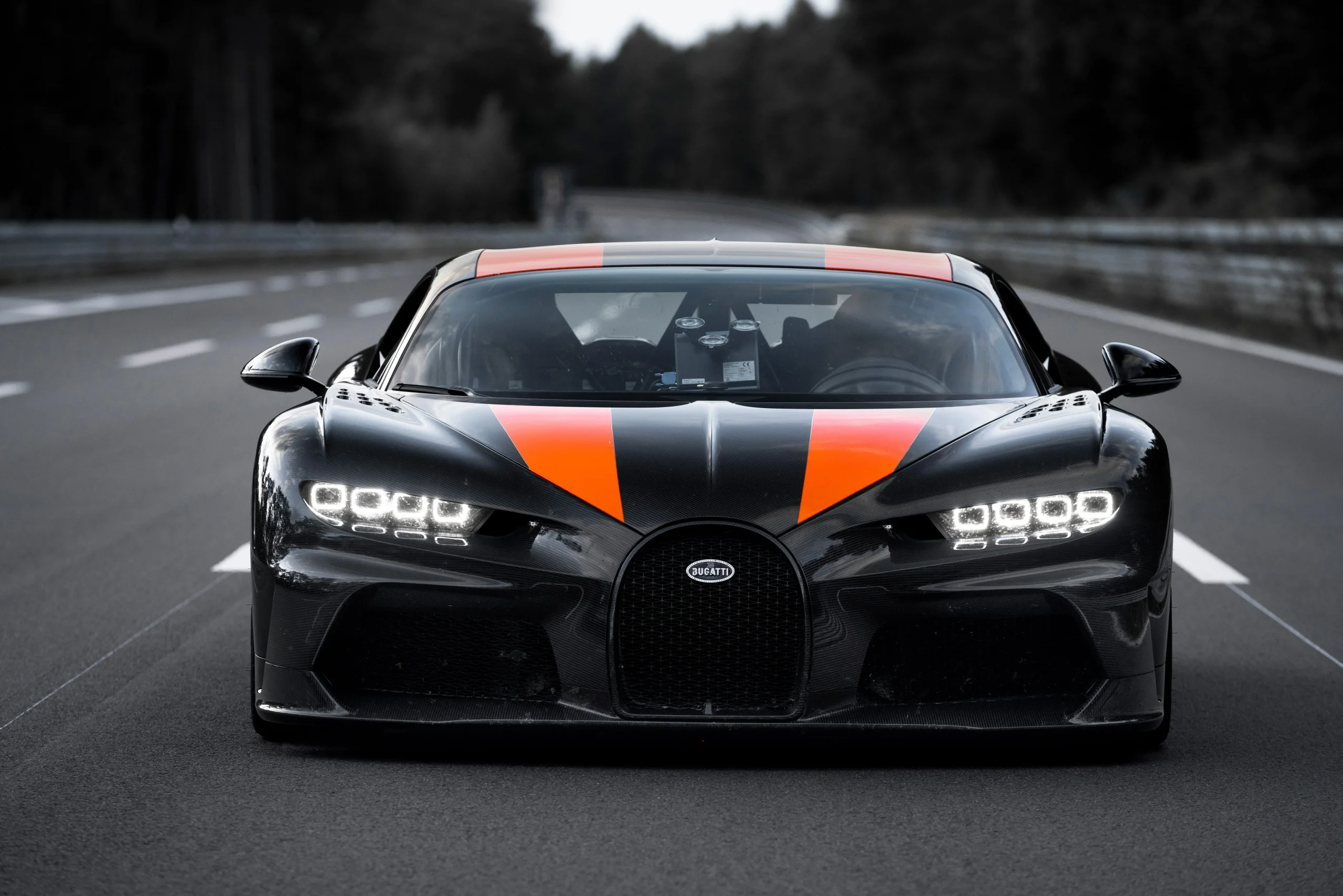
Headlights are more than functional components; they are the eyes of a car, shaping its character, presence, and personality. From the subtle elegance of classic designs to the bold flair of modern hypercars, the right lighting can make a vehicle instantly unforgettable.
In this list, we explore ten cars whose headlights are works of art, combining style, innovation, and craftsmanship. Each model shows a unique approach to design, from Bugatti’s sharp rectangular clusters to Lamborghini’s flowing curves, and from the retro charm of the Alfa Romeo SZ to the daring experimentation of the Vector W8.
These headlights reflect the vision of their creators, blending engineering precision with creativity and cultural influence. Whether designed for speed, sophistication, or statement-making appearance, these ten cars prove that the first thing people notice can define a car as much as its engine or shape.
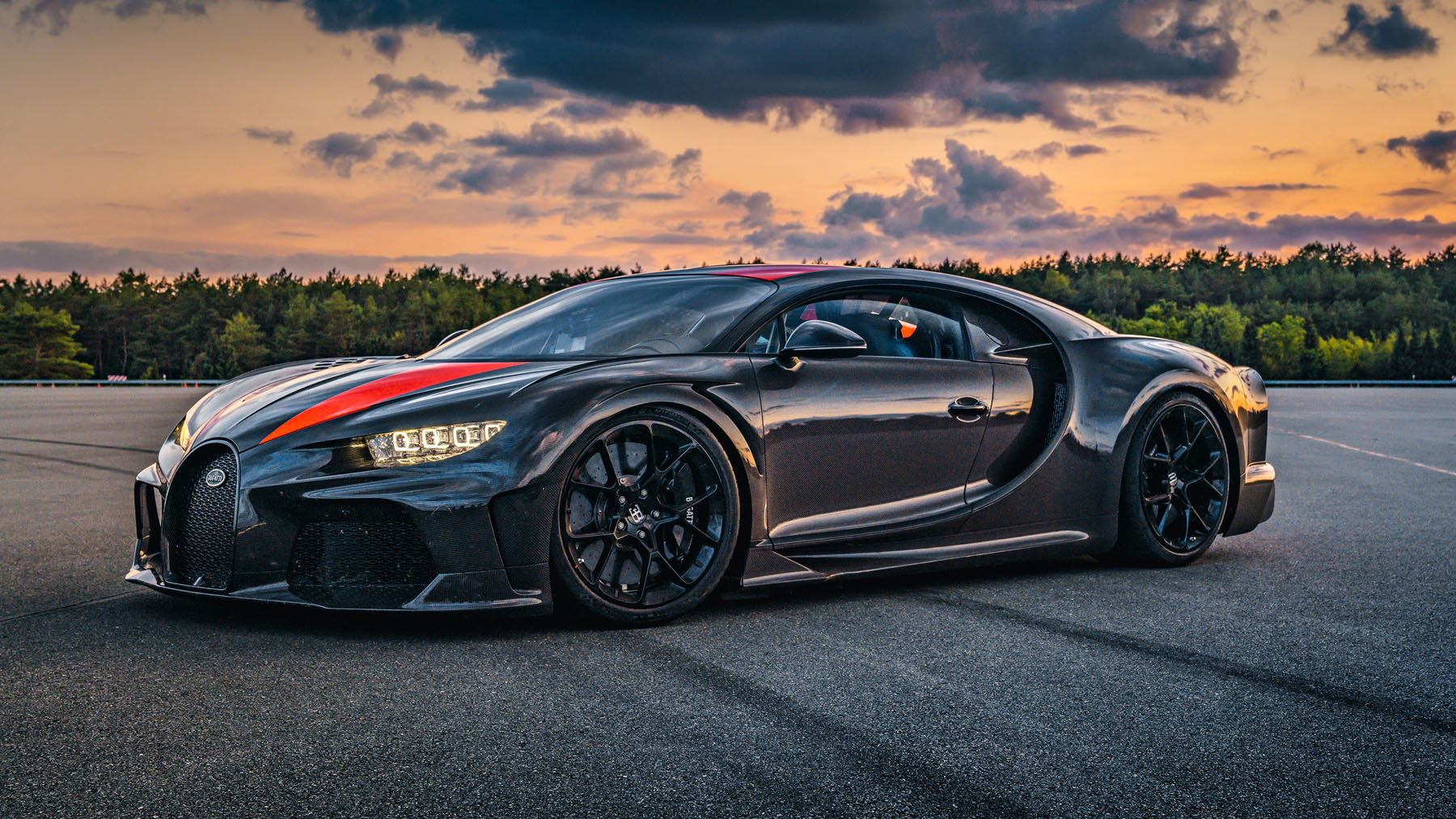
1. Bugatti Chiron Super Sport: The Ultimate Fusion of Luxury and Speed
The Bugatti Chiron Super Sport is far more than a car; it is a masterpiece of engineering, design, and exclusivity. With only 500 units produced and a price tag that can exceed four million dollars, it represents the peak of modern automotive achievement. The Chiron Super Sport manages to balance the comfort of a grand tourer with the breathtaking performance of a hypercar.
The Chiron Super Sport stands apart with its unique and aggressive styling. Unlike most cars that use round headlights, the Chiron features rectangular light clusters and square daytime running lights, giving it a bold and menacing appearance. Every detail of its body has a purpose, from the elongated tail and stacked exhaust outlets to the side air curtains that enhance aerodynamics at extreme speeds.
Stepping into a car of this caliber feels like an event. Knowing that you are about to drive something worth as much as a luxury mansion creates an experience filled with excitement and awe. The Chiron’s design captures attention instantly, turning heads wherever it goes.
Underneath its sculpted body lies an 8.0-liter W16 engine with four turbochargers. This incredible powerplant delivers 1,600 horsepower and 1,180 pound-feet of torque. The result is staggering acceleration, reaching 62 miles per hour in only 2.4 seconds. A seven-speed dual-clutch transmission and permanent all-wheel drive system ensure smooth and controlled power delivery.
The Super Sport variant of the Chiron focuses on achieving higher top speeds. It can reach 273 miles per hour, while a special edition, the Super Sport 300+, broke the 300 mph barrier.
These speeds are made possible by special Michelin Pilot Sport Cup 2 tires that were tested on equipment originally designed for the Space Shuttle. The car’s engineering precision allows it to remain stable and composed even when operating at such extreme performance levels.
The Chiron Super Sport starts at 3.825 million dollars, but most examples cost more due to extensive customization. The model tested reached 4.3 million dollars, featuring a 222,500 dollar Blue Royal Carbon paint job, a 62,000 dollar Sky View glass roof, and 56,000 dollars’ worth of black anodized interior trim.
Even small touches, like the 2,500-dollar “Hidden Delights” option, reflect the attention to detail and personalization that Bugatti offers.
Despite its immense power, the Chiron Super Sport can feel surprisingly calm and refined. In its standard driving mode, it behaves like a high-end touring car, offering a firm but comfortable ride. The front lift system helps it clear driveways and bumps with ease. Yet, a deeper press on the accelerator unleashes an astonishing rush of power, transforming the car into a ferocious speed machine.
The Bugatti Chiron Super Sport delivers an unforgettable experience. It combines extraordinary performance, exquisite craftsmanship, and technological brilliance in a way that few vehicles ever have. For those lucky enough to drive it, the Chiron is not just transportation but a journey into the limits of human engineering and imagination.
2. McLaren P1: The Perfect Balance of Power, Precision, and Poise
The McLaren P1 stands as one of the most revolutionary hypercars ever created, combining extraordinary performance with advanced hybrid technology. It represents McLaren’s vision of blending track-level capability with road-going usability, delivering an experience that is both exhilarating and refined.
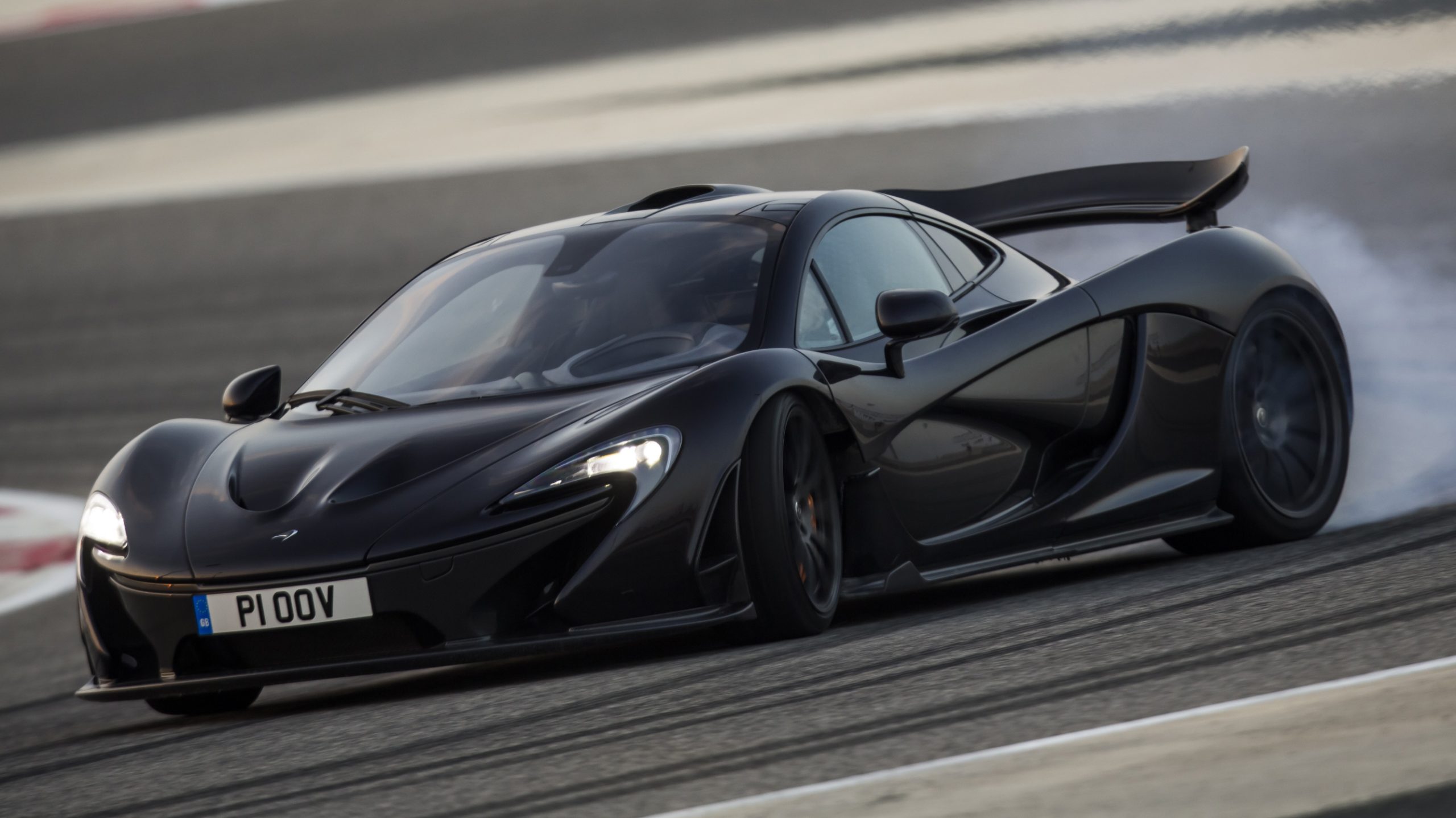
The McLaren P1 introduced the brand’s signature boomerang-shaped headlights, inspired by the company’s logo. This distinctive design was later adopted by models such as the 570S, 600LT, and 650S. Every element of the P1’s exterior serves a purpose, from the flowing body lines to the active aerodynamics that create immense downforce while maintaining efficiency.
Inside the cabin, functionality dominates. The test car featured no carpeting and exposed carbon fiber surfaces, emphasizing the P1’s race-focused character. The interior can be somewhat noisy, but that is expected from a vehicle designed with performance as the top priority. Despite this, the seats are comfortable enough for longer drives, and the cockpit’s simplicity makes the car surprisingly approachable.
At the heart of the P1 is a sophisticated plug-in hybrid powertrain that combines a twin-turbocharged V8 engine with an electric motor.
The system allows the driver to recharge the batteries while driving by pressing the “charge” button, which uses the engine to feed power to the electric motor. This feature enables the car to operate silently in electric mode during traffic and switch instantly to full hybrid performance when required.
Two key systems define the P1’s unique driving dynamics. The IPAS, or Instant Power Assist System, releases a surge of energy from both the engine and electric motor when the throttle is pressed beyond 80 percent.
The DRS, or Drag Reduction System, flattens the rear wing to reduce drag and increase top speed. Together, these features provide a dramatic burst of acceleration that feels like a shot of adrenaline for both car and driver.
Driving the McLaren P1 on regular roads requires discipline, as its speed and grip far exceed what public streets can safely handle. On the track, however, the P1 becomes a masterpiece of precision.
Activating Race mode lowers the suspension by 50 millimeters and raises the rear wing for optimal aerodynamic performance. With incredible grip and instant response, the car accelerates to nearly 200 miles per hour with breathtaking ease.
The downforce is remarkable. At high speeds, the car remains firmly planted, gliding over bumps that would unsettle most vehicles. The steering, braking, and throttle feedback are direct and immersive, allowing the driver to feel every movement. The P1 demands respect and skill but rewards precision with unmatched confidence and excitement.
The McLaren P1 is a rare blend of accessibility and intensity. It is simple to drive but immensely challenging to master. While it may not hold the title of the absolute fastest car, it delivers one of the most engaging and emotional driving experiences ever made. McLaren describes it as “the best driver’s car on road and track,” and few would disagree.
3. Alfa Romeo SZ: The Bold Icon That Redefined Design and Performance
The Alfa Romeo SZ, short for “Sprint Zagato,” is one of the most distinctive and unconventional sports cars ever produced. Created in collaboration between Alfa Romeo, Zagato, and Fiat’s design center, the SZ stood out for its futuristic styling, advanced engineering, and uncompromising driving character.
Often remembered for its sharp lines and unusual headlights, the SZ has since become a cult classic and an enduring symbol of Italian automotive artistry.
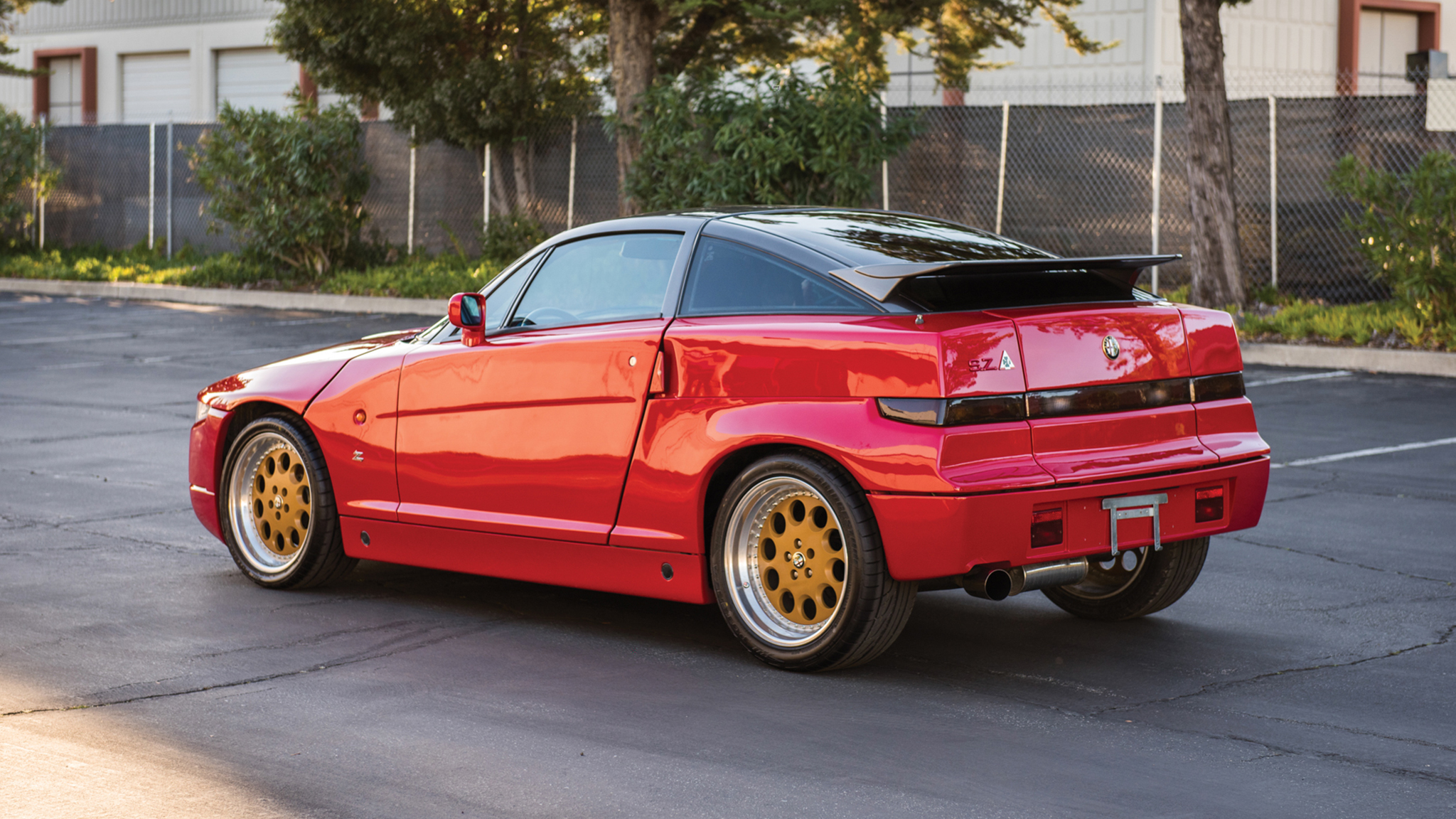
Decades before modern hypercars adopted the square headlight look, the Alfa Romeo SZ was already breaking design norms. Released in 1989, the car featured a low, wedge-shaped body with horizontal square headlights integrated into a rectangular cluster, a design element later echoed in cars like the Bugatti Chiron.
Its boxy yet aggressive profile, penned by Robert Opron at Fiat’s Centro Stile and refined by Zagato, earned it the nickname “Il Mostro,” or “The Monster.”
The SZ’s body was made of lightweight composite panels mounted on a shortened Alfa 75 chassis. Every detail was designed for aerodynamic efficiency and visual drama. Finished in the now-iconic Rosso Alfa paint with contrasting gray roof and black accents, the SZ looked like nothing else on the road. Though polarizing at first, its striking design has aged into a celebrated example of late-1980s automotive boldness.
Underneath its radical exterior, the Alfa Romeo SZ was powered by a 3.0-liter V6 engine producing 210 horsepower. The engine was paired with a five-speed manual transmission and sent power to the rear wheels. While these numbers might seem modest today, the SZ’s lightweight construction and near-perfect 50/50 weight distribution made it a formidable performer for its time.
The suspension was specially tuned by Alfa Corse, the brand’s racing division, and borrowed heavily from Alfa’s motorsport expertise. Adjustable Koni dampers and precise steering provided exceptional handling and feedback, allowing the car to corner with agility and stability.
The SZ could reach 60 miles per hour in about seven seconds and had a top speed of approximately 152 mph, but its true brilliance lay in its balance and responsiveness rather than outright speed.
Behind the wheel, the Alfa Romeo SZ delivered a raw and engaging driving experience. The car’s unassisted steering offered pure connection to the road, while the V6 engine emitted a raspy, mechanical soundtrack unique to Alfa’s heritage. On tight European roads, the SZ’s compact size and sharp handling made it feel alive, demanding skill and rewarding precision.
The interior reflected the car’s purpose, featuring a minimalist layout with deeply bolstered seats, a driver-focused dashboard, and extensive use of leather and Alcantara. Comfort took a back seat to control and feedback, creating an authentic sports car environment.
Produced between 1989 and 1991, only 1,036 units of the Alfa Romeo SZ were ever built, making it a highly sought-after collector’s item today. Its radical styling, racing-inspired engineering, and limited production have cemented its place in automotive history as one of Alfa Romeo’s most daring creations.
The SZ was more than a car; it was a design statement that challenged convention. Its mix of beauty, brutality, and brilliance continues to captivate enthusiasts, proving that the boldest ideas often age into the most iconic legends.
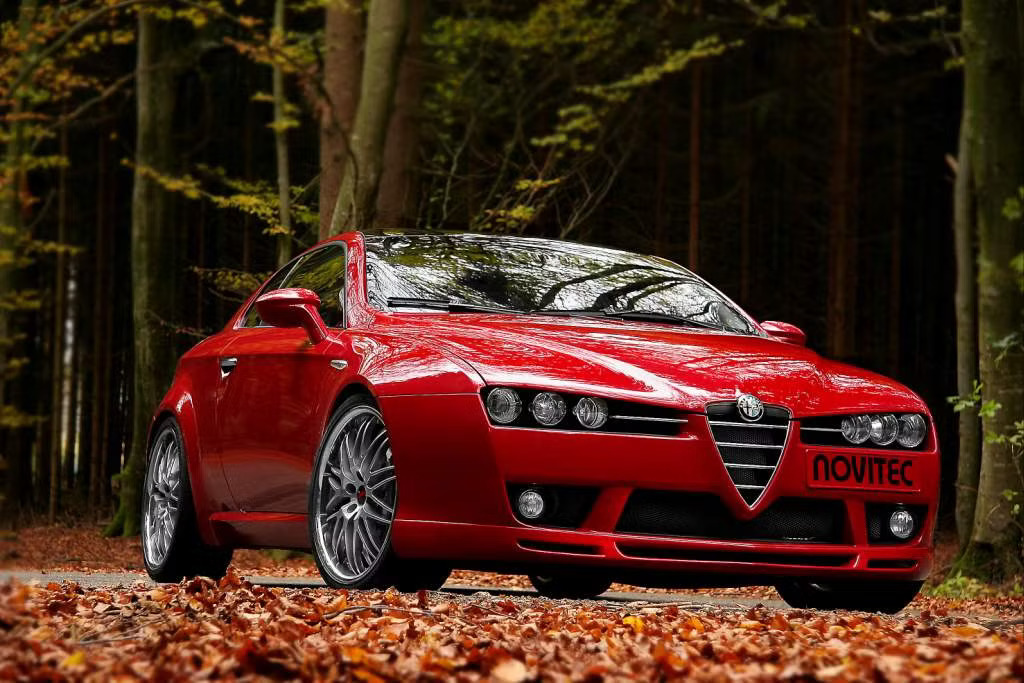
4. Alfa Romeo Brera: A Masterpiece of Style Over Substance
The Alfa Romeo Brera is one of those cars that turns heads long before it even starts its engine. Designed by the renowned Pininfarina, the Brera is a breathtaking example of Italian design that blends elegance with aggression. Yet beneath its striking beauty lies a car that struggles to match its visual promise on the road.
The Brera is an exceptionally beautiful machine. Its front end, defined by three circular headlights arranged side by side, gives it a purposeful and distinctive look. The low roofline and high waist create a muscular coupé stance, while the dark glass roof panel adds a touch of sophistication. Even today, the Brera still looks modern and alluring.
The car originated as a 2003 concept created with Maserati components, but public enthusiasm pushed Alfa Romeo to make it a production model. The final version, however, was based on the Alfa 159’s platform, sharing much of its structure, cabin design, and engine range. This decision made it more accessible to build but also introduced extra weight and limited its potential for sharp, sporty performance.
Inside, the Brera impresses immediately with its driver-focused cockpit. The aluminum-trimmed center console is angled toward the driver, and the deeply cowled dials behind the steering wheel deliver that traditional Alfa flair. The cabin feels far more refined and solid than the GTV it replaced, a sign that Alfa had worked hard to improve its quality.
However, practicality is not its strength. The seats are set too high, reducing headroom for taller drivers, especially in cars without the glass roof. The rear seats are almost unusable for adults, offering minimal legroom and headspace. The 300-liter boot is decent for a coupé, but the narrow hatch opening makes it awkward to load large items. The Brera’s cabin charms with its design and ambience, but it favors appearance over usability.
The Brera’s biggest weakness lies in how it drives. Offered with engines such as a 2.4-liter five-cylinder diesel and a 3.2-liter V6, the car looks fast but feels heavy and slow to react. The quick steering gives agility at low speeds, yet it becomes twitchy when pushed harder. Turbo lag in the diesel models dulls the experience, while the four-wheel-drive V6 suffers from understeer in corners.
As a result, the Brera works best as a comfortable grand tourer rather than a focused sports coupé. Ride comfort is acceptable in standard versions but harsh in the firmer Brera S. The manual gearbox feels notchy, and the car’s weight makes acceleration less exciting than its looks suggest.
The Alfa Romeo Brera cannot compete with sharper rivals like the Audi TT, Nissan 370Z, or BMW 1 Series Coupé in performance or handling. Yet it remains deeply desirable for its style and character. It is a car to admire, not to race a car that celebrates individuality and beauty over speed.
As used prices continue to drop, the Brera tempts enthusiasts who value design and emotion above cold precision. It stands as a symbol of Alfa Romeo’s passion for aesthetics, even if it sacrifices pure driving excitement. For those who follow their hearts, the Brera remains timeless automotive art.
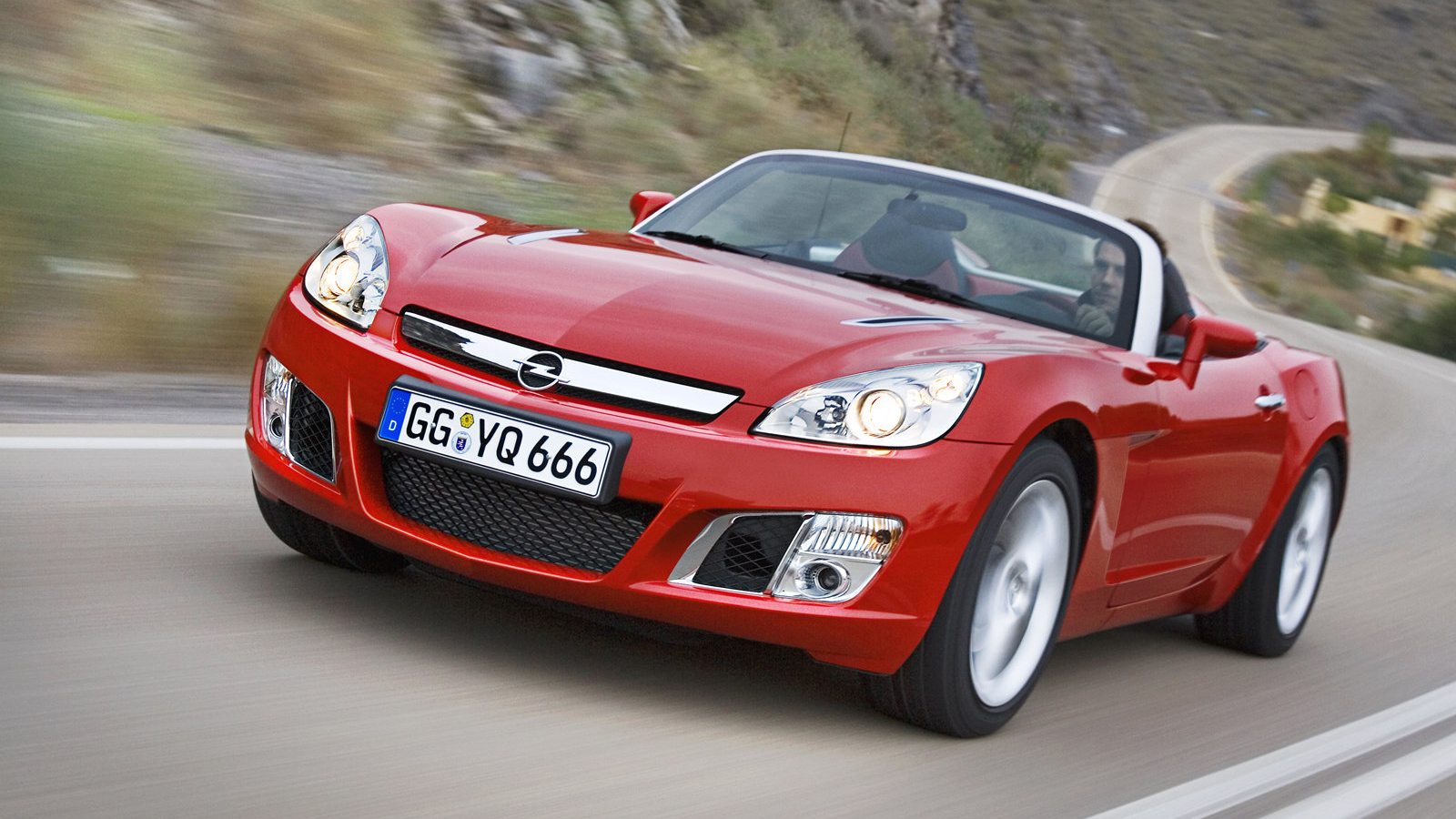
5. Opel GT: A Stylish Roadster Lost in Translation
The Opel GT stands out with its unique engineering detail, featuring headlights that swivel sideways instead of flipping up. Beneath its striking design, however, lies a car shaped by complex corporate decisions and a confused sense of purpose.
The Opel GT’s story begins in America as the Pontiac Solstice. It was later redesigned into the Saturn Sky before being styled by Vauxhall’s British design studio under Simon Cox as the Vauxhall Lightning concept. Eventually, General Motors brought it to Europe as the Opel GT but decided against producing a right-hand-drive version due to limited demand.
This global journey gave the GT an interesting heritage but left it without a clear identity. What remains undeniable is its visual appeal. The GT’s proportions are classic roadster fare, with a long hood, a short tail, and a low, planted stance.
Its sharp lines and crisp surfaces give it a modern edge, while the interior continues the theme with better materials and a clean layout that reflect a significant improvement over GM’s earlier efforts.
Power comes from a 2.0-liter turbocharged four-cylinder engine producing 260 horsepower and 260 pound-feet of torque. This power is sent to the rear wheels through a five-speed manual transmission and a limited-slip differential. The chassis uses a rigid steel structure with double wishbone suspension, providing the car with impressive strength and stability.
On paper, the GT delivers strong performance. It accelerates from 0 to 62 miles per hour in 5.7 seconds and reaches a top speed of 143 miles per hour. The engine’s wide torque band makes the car feel responsive once the turbocharger comes alive.
The handling is composed, and body roll is minimal, allowing confident cornering. Yet, despite these qualities, the GT does not feel emotionally involving. The steering lacks communication, and mid-corner adjustments feel flat and disconnected. The result is a car that performs well but fails to stir excitement.
The GT’s sturdy structure has its downsides. The cabin is tight, with limited legroom and storage. The seat adjusters are awkward to reach, and there are no door pockets. The boot is shallow, and when the roof is folded down, it becomes almost unusable. The roof mechanism itself is heavy and cumbersome, requiring the driver to exit the car to operate it.
These inconveniences might be excused if the GT offered a thrilling or comfortable drive, but it struggles to deliver either. As a cruiser, it lacks refinement, with noticeable wind noise and a confined driving position. As a sports car, it lacks the spark and precision that make competitors like the Mazda MX-5 so enjoyable.
The Opel GT is a car of contradictions. It looks stunning, goes fast, and is built on promising foundations, yet it feels neither engaging nor comfortable. It is too stiff and detached to be a true sports car and too cramped to be a capable grand tourer. Despite its beauty and power, the GT remains an example of great design limited by a confused purpose.
Also read: 5 Cars That Pass Emissions At 15 Years vs 5 That Struggle To Set Monitors
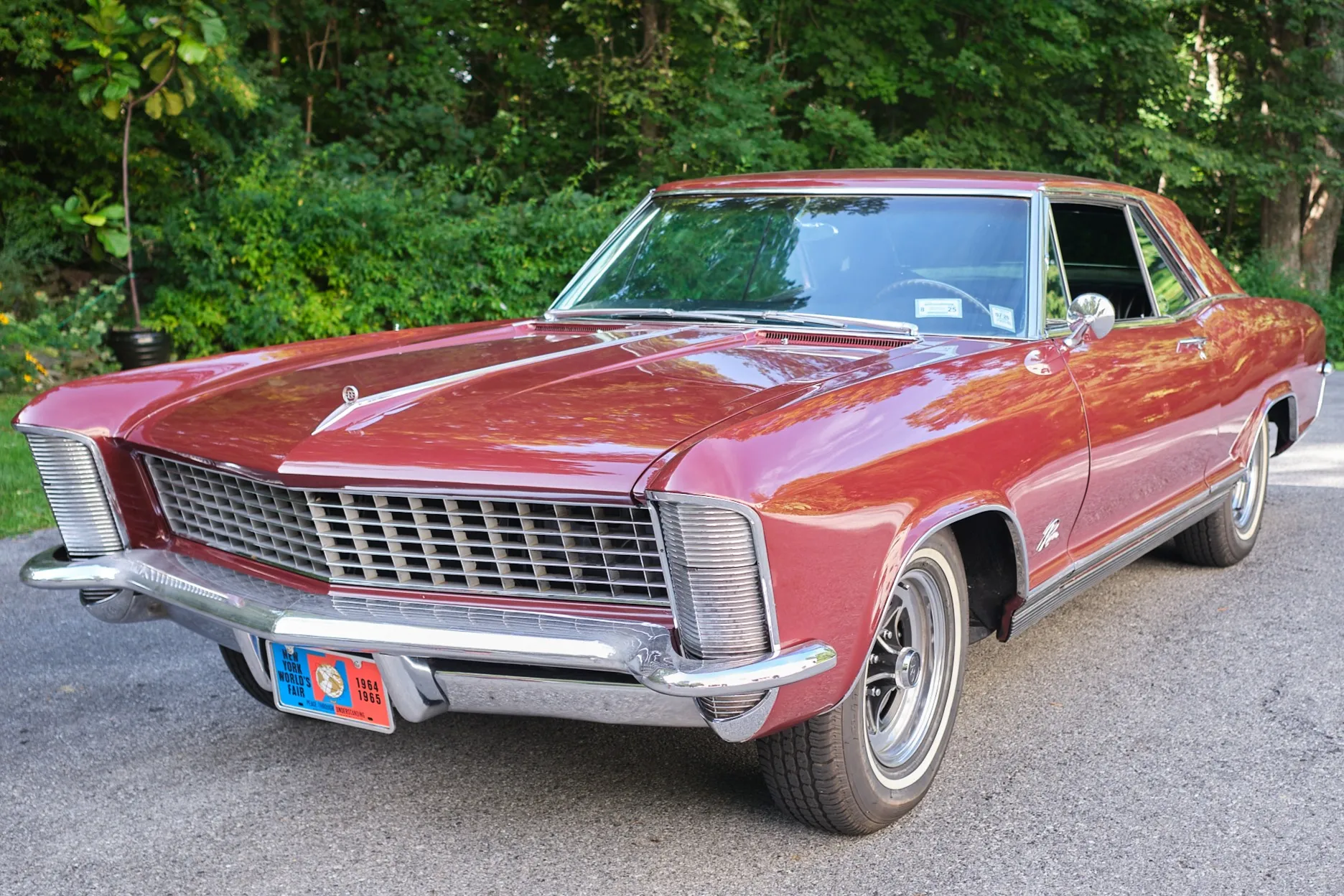
6. Buick Riviera: A Bold Expression of American Luxury and Design
The Buick Riviera has long represented American personal luxury, combining daring styling with refined performance. The 1965 model, recognized for its clamshell headlights that opened vertically to reveal stacked lamps, established the Riviera as a design icon. Over the decades, the Riviera evolved through several redesigns, each reflecting Buick’s interpretation of elegance and innovation.
The 1995 Buick Riviera continued this legacy with an adventurous and fluid design that stood apart from conventional sedans. Its body featured sweeping curves, minimal chrome trim, and a strong character line that extended from the headlights to the rear deck.
Both ends of the car tapered inward, creating a sense of motion even at a standstill. While many admired its modern proportions, others found the styling polarizing.
Inside, the Riviera presented a futuristic cabin defined by simplicity and symmetry. Circular shapes dominated the dashboard, with sixteen round elements used for gauges, vents, and warning lights. The materials blended hard and soft plastics, with plush padding placed strategically for comfort.
The leather-covered front seats were designed using research into pressure distribution to minimize fatigue during long drives. Rear passengers enjoyed generous legroom and headroom, making the Riviera one of the most spacious coupes in its class.
Power came from Buick’s supercharged 3.8-liter V6 engine that produced 225 horsepower. This allowed the 3,762-pound coupe to reach 60 mph in 7.2 seconds and complete the quarter mile in 15.6 seconds.
These numbers placed it close to more expensive V8-powered competitors such as the Lexus SC400 and Lincoln Mark VIII. The engine delivered immediate torque and operated quietly, while the four-speed automatic transmission shifted with smooth precision.
The Riviera was built on GM’s G-body front-drive platform, shared with the Oldsmobile Aurora. This structure provided excellent rigidity and reduced vibration. The suspension used front struts and rear semi-trailing arms that absorbed road imperfections effectively while maintaining composure through corners.
Steering feel improved with speed, offering good balance without becoming overly heavy. Although cornering grip measured a moderate 0.78 g, the car felt stable and predictable in everyday use.
The trunk offered a useful 17 cubic feet of space, though access was limited by a narrow opening and high liftover. Despite such inconveniences, the Riviera impressed with its comfort, quietness, and individuality.
Priced around $30,000, it provided near-luxury performance and refinement without mimicking European models. Critics noted that its styling might divide opinions, but for those attracted to its sculpted lines and confident stance, the Riviera delivered a rewarding experience.
From its 1963 debut as a personal luxury coupe to its 1990s revival as a sleek grand tourer, the Buick Riviera remained a car for those who valued style, comfort, and distinction.
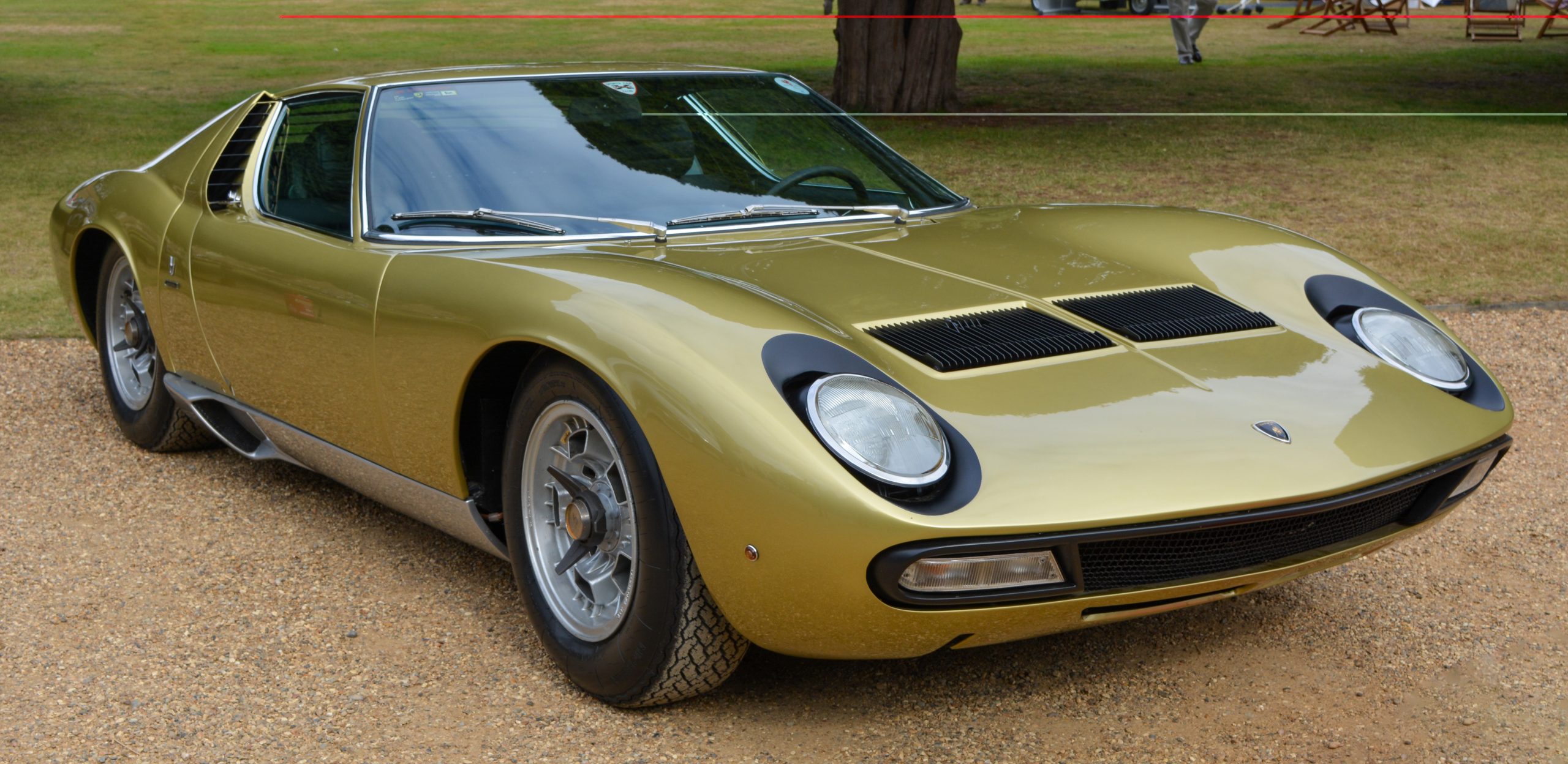
7. Lamborghini Miura: The Birth of the Modern Supercar
Introduced in the mid-1960s, the Lamborghini Miura redefined automotive design and performance, setting a new benchmark for roadgoing sports cars. During a time when Ferrari and Ford focused on racing glory, Ferruccio Lamborghini chose a different direction.
His goal was to create a car that dominated the streets rather than the racetrack. The result was the Miura, a vehicle that blended advanced engineering, striking design, and everyday usability in a single, groundbreaking package.
The Miura’s development began in 1965 under Gianpaolo Dallara, Lamborghini’s young chief engineer. He designed a chassis that placed a 4.0-liter V12 engine transversely behind the seats, an arrangement that had never been used in a production road car before.
This all-aluminum V12 produced 430 horsepower at 8000 rpm and delivered both flexibility and ferocity, capable of smooth low-speed cruising as well as thrilling acceleration. The Miura featured fully independent suspension with coil springs, Armstrong shock absorbers, and front and rear anti-roll bars, giving it impressive agility and stability.
The deep-section steel platform frame, spot-welded for rigidity and lightness, weighed only 155 pounds while supporting the 550-pound engine and gearbox. Power was sent through a five-speed transmission and a limited-slip differential to Pirelli Cinturato HS tires, which were rated for continuous speeds up to 165 mph.
Early models could accelerate from 0 to 60 mph in about five seconds and achieve top speeds above 170 mph, performance figures that were extraordinary for the 1960s.
Nuccio Bertone’s studio shaped the Miura’s mechanicals into one of the most beautiful automotive forms ever created. Its flowing curves, low stance, and “eyelash” headlight trim gave it a distinctive personality that was both elegant and aggressive.
The design was not only stunning but also functional. Louvers over the rear window allowed air to escape from the engine bay, and the body’s shape proved stable at speeds beyond 185 mph. Both the front and rear sections of the aluminum body could tilt upward for full access to the mechanical components, revealing an aircraft-like internal structure.
Inside, the Miura offered a minimalist yet luxurious environment. The cabin featured leather-trimmed bucket seats, a simple dashboard with clear gauges, and a roof-mounted switch panel.
Though tight for taller drivers, the interior provided good visibility and effective sound and heat insulation. Practical touches such as adjustable air vents and triple windshield defrosters made the Miura suitable for long-distance driving.
On the road, the Miura combined power, refinement, and precision. The steering was light but communicative, the brakes powerful, and the chassis stable even at very high speeds. It could cruise smoothly in city traffic and transform instantly into a high-speed touring car.
Ferruccio Lamborghini’s decision to stay out of racing allowed him to focus on creating the ultimate road car. The Miura became the first true supercar, a machine that brought racing performance and luxury together in perfect harmony. It remains one of the most admired automobiles ever built and a symbol of Lamborghini’s vision, ambition, and engineering excellence.
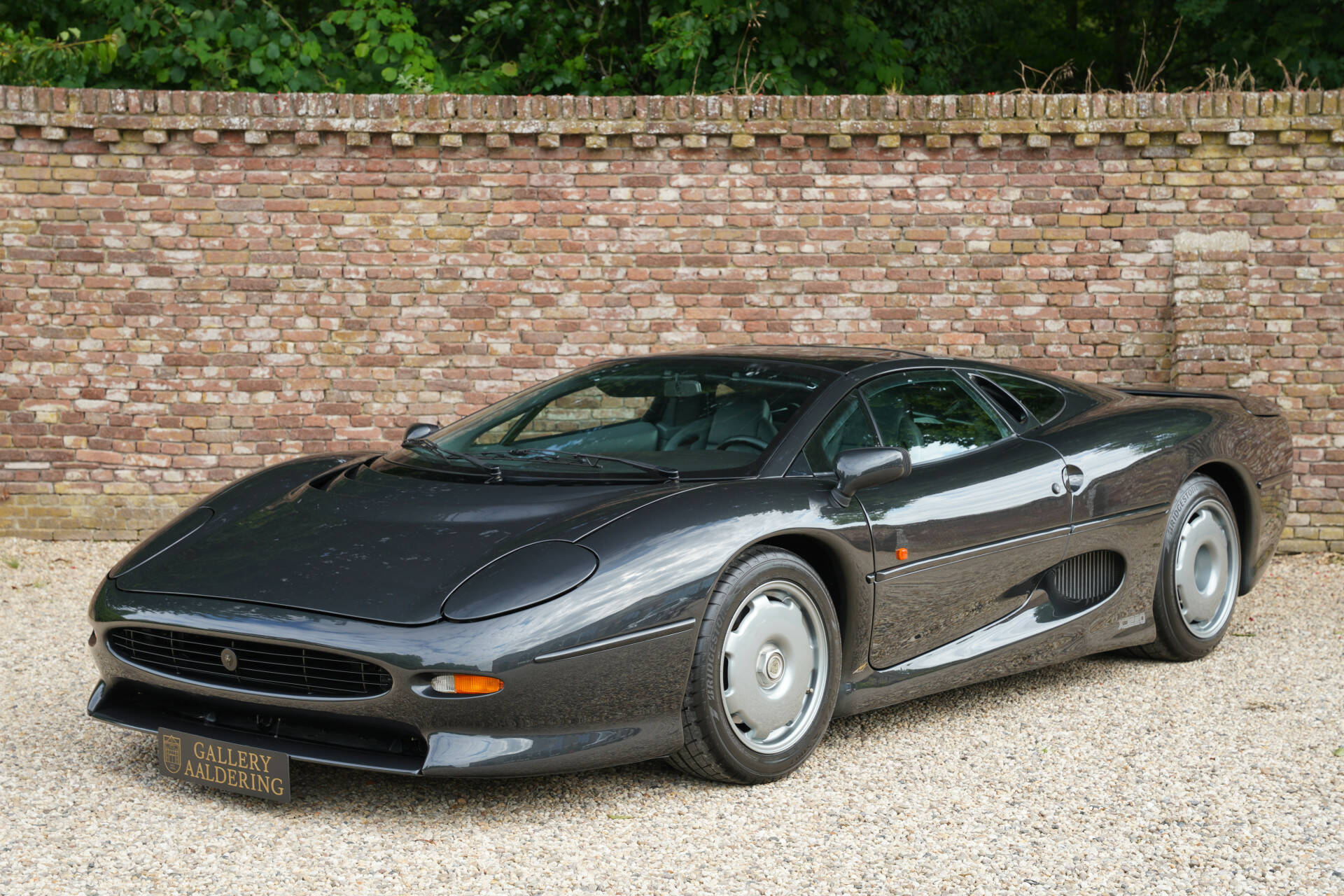
8. Jaguar XJ220: The Supercar That Defined 1990s Speed
The Jaguar XJ220 remains one of the most fascinating supercars of the 1990s, blending extraordinary performance with British engineering ambition.
At its debut, it was not only the fastest production car in the world but also the most expensive, commanding a price of £415,000 ($705,500). Despite its exclusivity, the XJ220’s story is one of both triumph and controversy, defined by its breathtaking speed, complex development, and unmistakable presence.
The XJ220 began life as a V12-powered concept at the 1988 Birmingham Motor Show, instantly making Jaguar the star of the event. The car’s striking design and performance promise attracted overwhelming interest, leading Jaguar’s affiliate, JaguarSport, to announce a limited production run in 1989.
However, the production model differed from the original concept. The V12 engine and all-wheel-drive system were replaced by a 3.5-liter twin-turbocharged V6 producing 542 horsepower, driving the rear wheels through a five-speed manual transmission. Although this change disappointed some enthusiasts, it still delivered staggering performance.
Only 350 examples were planned, each requiring an $80,000 deposit from prospective buyers. The initial excitement saw 1400 applications pour in, including rumored interest from celebrities like Prince Charles and Elton John. Yet, as the global economy dipped and prices rose, many buyers backed out of their contracts, leaving Jaguar with an expensive but remarkable creation.
The XJ220’s technical setup was inspired by Group C race cars, evident in its aerodynamics, chassis, and braking system. Weighing around 3400 pounds, it achieved a remarkable top speed of 217 mph at Italy’s Nardò test track, setting a production car record at the time. Acceleration was equally impressive: 0 to 60 mph in 3.5 seconds and 0 to 100 mph in 7.3 seconds.
Despite its V6 engine’s less melodic sound compared to a Ferrari V12, the XJ220’s driving dynamics were razor-sharp. Its handling was balanced, with a touch of understeer for stability, and its massive Bridgestone tires provided immense grip. The unassisted steering and brakes demanded strength and precision, offering an authentic, race-like driving feel.
The XJ220’s sleek, aerodynamic body gave it a low, purposeful stance, while its interior provided comfort and luxury uncommon in such extreme cars. The leather-lined cabin, air conditioning, and smooth torque delivery made it surprisingly usable on regular roads, though practicality was limited by a small luggage space.
Ultimately, the Jaguar XJ220 was a supercar of contrasts powerful yet elegant, raw yet refined. It captured the daring spirit of its era and secured its place in automotive history as one of the most iconic symbols of 1990s performance engineering.
9. Vector W8: America’s Ambitious Supercar Dream
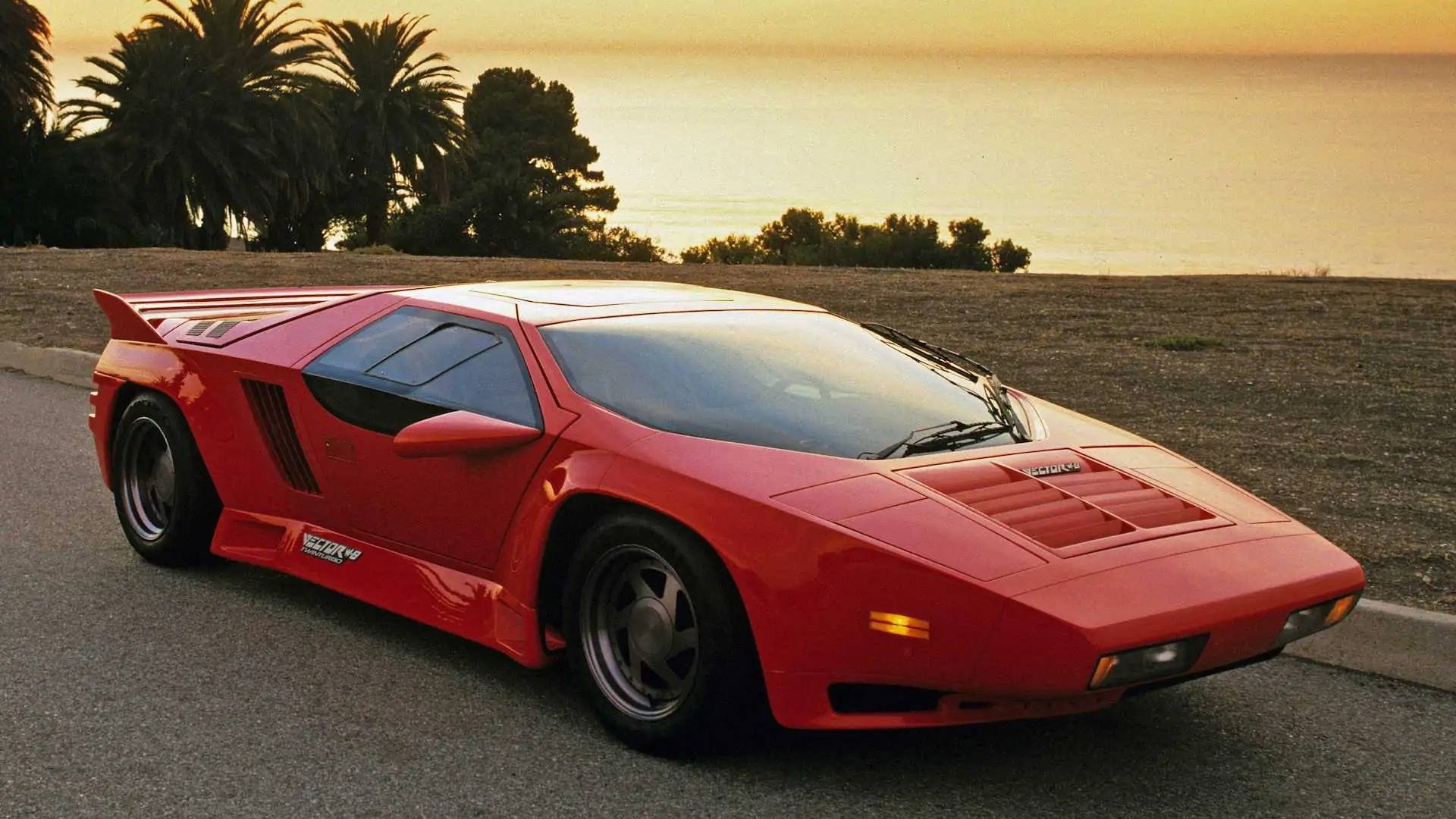
In the early 1990s, when European icons like Ferrari and Lamborghini dominated the supercar scene, the United States made an unexpected entry with the Vector W8.
Created by Gerald Wiegert and his Los Angeles-based Vector Aeromotive Corporation, the W8 embodied American engineering ambition through aerospace technology, bold styling, and immense power. Though its legacy is complex, the W8 remains one of the most daring supercars ever built.
Vector Aeromotive was founded in 1972 with the goal of creating an advanced, aerospace-inspired automobile capable of rivaling Europe’s best. The company gained attention with the W2 prototype in 1978, which covered more than 100,000 miles of real-world testing.
This concept evolved into the Vector W8, a production-ready supercar that debuted in the late 1980s. Built with carbon fiber, Kevlar, and aluminum, it represented cutting-edge technology far ahead of its time.
Inside, the W8 resembled a fighter jet more than a traditional car. The digital dashboard displayed data such as speed, temperature, and turbo boost, while switches and knobs replaced conventional controls. The cabin was lined with premium leather and suede, featuring adjustable Recaro seats and air conditioning, balancing comfort with high-performance design.
At the heart of the W8 was a 6.0-liter twin-turbocharged V8 engine producing 625 horsepower and 649 lb-ft of torque, paired with a three-speed automatic transmission. This setup propelled the car from 0 to 60 mph in 4.2 seconds and through the quarter-mile in 12 seconds at 124 mph. Theoretical top speed estimates reached 218 mph, with internal tests reportedly hitting 242 mph at the Bonneville Salt Flats.
The chassis was equally advanced, using aerospace-grade materials and race-inspired suspension with adjustable Koni shocks and anti-roll bars. Massive Alcon brakes and wide Michelin tires gave it race-car-like grip and stopping power. Reviewers admired its handling precision, though reliability issues limited its success.
Despite its technological brilliance, the Vector W8’s success was short-lived. Financial difficulties, rising production costs, and inconsistent reliability restricted its appeal.
Priced initially at $250,000 but later exceeding $450,000, it became one of the most expensive cars of its time. Only 17 customer cars were built before the company collapsed following internal disputes and a takeover by Indonesian firm Megatech in 1993.
The W8’s downfall also stemmed from its lack of brand heritage, negative publicity such as the dispute with tennis star Andre Agassi, and competition from stronger rivals like the Ferrari F40 and McLaren F1.
Though commercial success eluded it, the Vector W8 has achieved cult status among collectors for its rarity, extreme design, and daring vision. Today, surviving examples command prices exceeding $1 million. Gerald Wiegert’s creation stands as a bold testament to American innovation, a supercar that dared to challenge the world’s finest and left behind an enduring legacy of ambition, ingenuity, and determination.
10. Aston Martin V12 Vantage: The Final Roar of a Legend
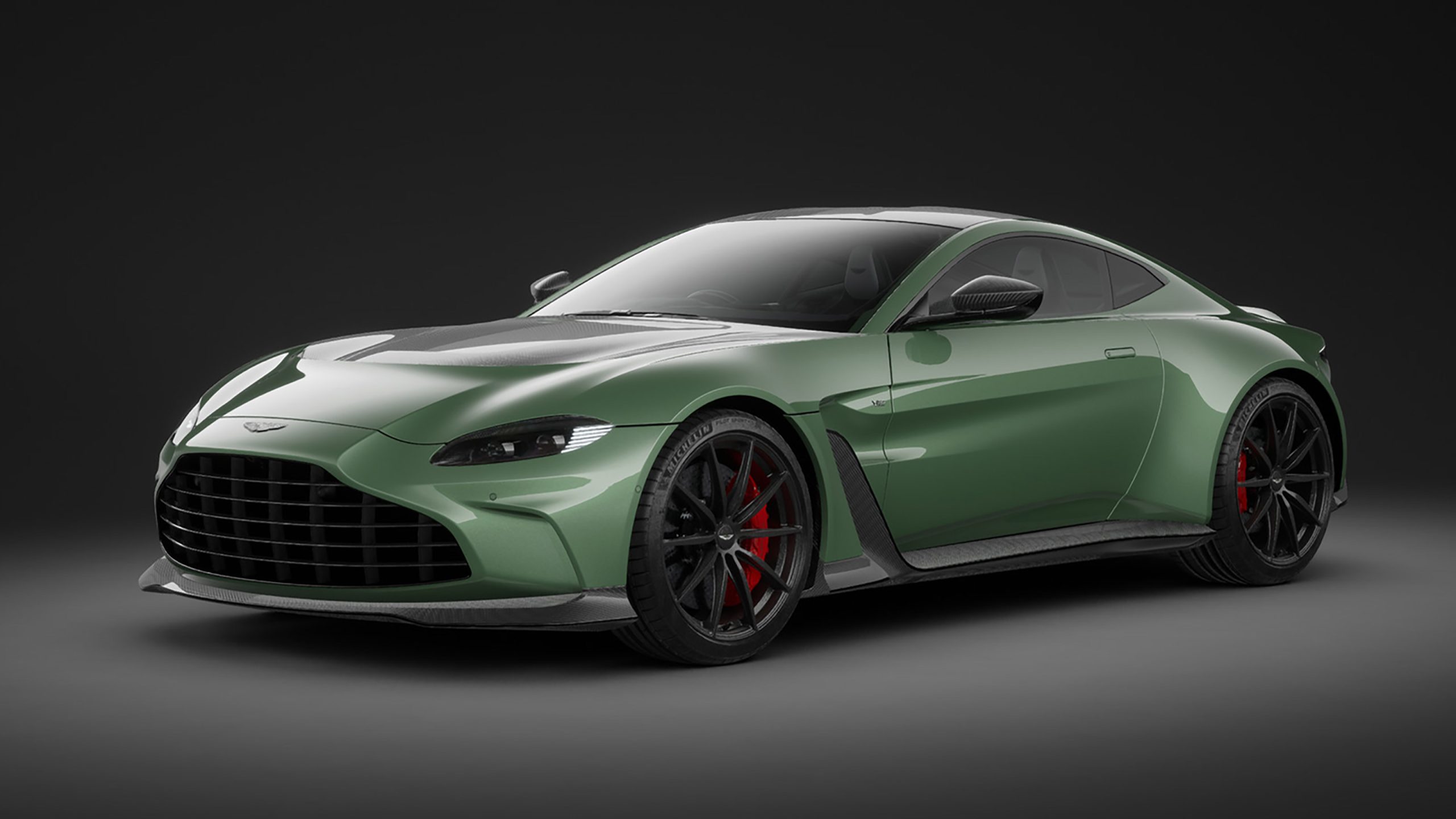
The Aston Martin V12 Vantage stands as a dramatic farewell to one of the brand’s most iconic powertrains. By fitting a 5.2-liter twin-turbocharged V12 engine from the DB11 and DBS Superleggera into the smaller Vantage body, Aston Martin has created a machine that perfectly blends elegance, aggression, and power.
Limited to only 333 units, this model serves as the final chapter in the V12 Vantage story as the company moves toward hybrid and electric performance cars.
At its core, the V12 Vantage is powered by a 5.2-liter twin-turbo V12 that delivers 690 horsepower and 555 lb-ft of torque, sent exclusively to the rear wheels. The car accelerates from 0 to 60 mph in just over 3.5 seconds and reaches a top speed of nearly 200 mph. The acceleration is fierce, and the exhaust note has the deep, resonant tone that only a V12 can provide.
Although the car’s numbers are extraordinary, the driving experience feels more grand tourer than track weapon. Power delivery is smooth and progressive rather than explosive. The turbochargers slightly mute the high-pitched drama that defined older naturally aspirated V12s, but the result is still intoxicating. The V12 Vantage thrives on long stretches of open road, delivering consistent, controlled force at every speed.
The exterior design is both aggressive and sculpted, with a 40mm wider track giving it a powerful stance. The body features extensive use of carbon fiber across the front bumper, hood, roof, and rear diffuser.
A horseshoe-shaped vent on the hood improves airflow and cooling, while an optional rear wing enhances downforce and stability. Even without the wing, Aston Martin says the car maintains exceptional high-speed balance, producing up to 450 pounds of downforce at 200 mph with the full aerodynamic package.
Efforts to reduce weight are visible throughout the car. The lightweight exhaust system saves about 16 pounds, the optional carbon-fiber seats remove another 16 pounds, and the standard carbon-ceramic brakes cut around 50 pounds compared to traditional steel units.
Despite these savings, the V12 Vantage still weighs roughly 330 pounds more than the V8 version, confirming its focus on power and presence rather than minimalism.
Behind the wheel, the V12 Vantage feels alive. The steering is sharp, the chassis is solid, and the performance is relentless. Priced at around $340,000, it is significantly more expensive than the $180,000 V8 Vantage F1 Edition, yet its exclusivity and emotional impact make it special.
As Aston Martin moves into a new era of electrified performance, this V12 Vantage serves as a fitting finale. It celebrates the raw energy, sound, and beauty of traditional combustion engines one last time. Like a final firework that lights up the night, the V12 Vantage goes out in a blaze of glory, leaving behind a lasting reminder of what makes Aston Martin truly exceptional.
These ten cars demonstrate that headlights are not just practical features, but defining elements that show a vehicle’s identity and style. They capture attention, express character, and often become iconic symbols of their era.
From the Bugatti Chiron Super Sport’s aggressive rectangular lights to the Aston Martin V12 Vantage’s sculpted shapes, each example blends design, technology, and emotion into a statement that goes beyond illumination. The headlights set the tone, making cars appear elegant, fierce, or futuristic before they even move.
They show how thoughtful design can create a lasting impression, influence trends, and reflect the ambitions of the people who built them. Whether you admire futuristic daring, classic charm, or bold innovation, these ten cars show that the right headlights can define a car as much as its performance, turning it into a machine that is remembered long after it passes.
Also Read: 12 Cars That Deliver Comfort of SUVs Without the Bulk