
Every winter, Americans living in the Snow Belt rediscover the same truth: not all all-wheel-drive systems are created equal. While “AWD” might look the same on paper, in practice, the performance can vary dramatically depending on the engineering philosophy behind it.
Some systems are purpose-built for tackling snow-covered roads and slick mountain passes, while others are designed more for marketing appeal than real-world traction.
To separate the serious snow performers from the pretenders, we’ve rounded up five AWD systems that handle winter like seasoned pros, and five that can leave you spinning when the flakes start to fall.
Systems That Conquer Snow
When winter storms roll in and roads turn slick with snow and ice, a good all-wheel-drive system can make the difference between confident control and white-knuckle panic.
Not all AWD systems are created equal, some are engineered with advanced torque management, predictive sensors, and rugged drivetrains that can handle even the harshest winter conditions.
These are the systems designed for drivers who refuse to stay parked when the snow starts falling. In this section, we’ll explore the champs, the AWD systems that truly conquer snow, offering exceptional traction, stability, and peace of mind when the weather takes a turn for the worse.
1. Subaru Symmetrical All-Wheel Drive
If there’s one name synonymous with snow driving, it’s Subaru. The automaker’s Symmetrical AWD system is arguably the most balanced and predictable all-wheel-drive layout available in mainstream vehicles.
Found across models like the Outback, Forester, and Crosstrek, Subaru’s system uses a longitudinally mounted boxer engine paired with a full-time AWD layout that evenly distributes power between the front and rear axles.
This balance helps maintain stability even when traction is inconsistent, like on ice patches or slushy pavement. Unlike part-time systems that react after a wheel slips, Subaru’s setup is proactive, always on, always adjusting.
Combine that with standard features like X-Mode (for low-speed traction enhancement) and hill descent control, and you’ve got one of the best snow-handling setups money can buy.
Subaru has built its legacy on reliability, innovation, and the confidence to go where the pavement ends. Long before SUVs and crossovers became the norm, Subaru was already ahead of the curve, developing vehicles that balanced everyday comfort with rugged, all-weather capability.
Central to that reputation is the brand’s signature Subaru Symmetrical All-Wheel Drive (SAWD) system, a drivetrain so effective and well-engineered that it continues to define Subaru’s identity more than 50 years after its introduction.
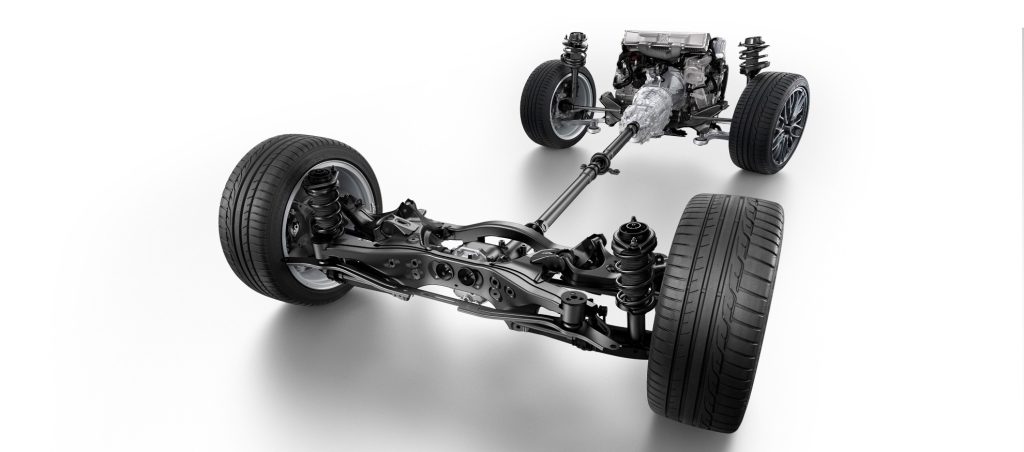
What sets Subaru’s SAWD apart is its perfectly balanced design. Unlike traditional AWD systems that simply adapt a front- or rear-wheel-drive layout, Subaru’s approach starts from the ground up with symmetry in mind.
Its horizontally opposed “boxer” engine sits low and flat, directly aligned with the drivetrain for a smooth, even distribution of power to all four wheels.
This layout doesn’t just improve traction, it enhances stability, cornering, and overall control on any terrain. The result is a system that feels inherently planted and predictable, whether you’re navigating a snowy mountain pass or a rain-soaked backroad.
Of course, every automaker has its own take on AWD. Audi’s Quattro system, for instance, uses advanced electronics and a rally-bred pedigree to dynamically adjust torque.
Ford’s setup can redirect 100% of power to the front or rear as conditions demand, while Acura’s Super Handling All-Wheel Drive (SH-AWD) prioritizes cornering precision and directional stability.
Yet, Subaru’s Symmetrical AWD remains one of the few systems designed specifically for balance and consistency rather than reactive correction.
Its straightforward mechanical connection provides continuous power to all four wheels, making it especially reliable when grip is scarce, a fact Subaru fans often cite when choosing their vehicles for outdoor adventures or unpredictable weather.
Since its debut in the 1972 Subaru Leone 4WD Estate Van, the company has sold more than 20 million vehicles equipped with SAWD worldwide. The system’s popularity exploded in the U.S. market with the 1975 DL/GL wagon, one of the first “on-demand” 4WD systems available to mainstream buyers.
It quickly became a favorite among outdoor enthusiasts, climbers, campers, and off-road explorers, who wanted something more capable than a regular wagon but less cumbersome than a truck.
Over time, Subaru evolved that same DNA into modern icons like the Outback, which helped pioneer the crossover SUV trend decades before it became mainstream.
Each benefits from the same core principles of symmetry, stability, and sure-footedness that have defined the brand for generations. The only outlier is the Subaru BRZ, a rear-wheel-drive sports coupe co-developed with Toyota and based on the shared 86/FR-S platform.
Though it lacks SAWD, it still carries Subaru’s attention to engineering precision, offering sharp handling and driver-focused balance that align with the company’s performance ethos.
Five decades after its debut, Subaru’s Symmetrical All-Wheel Drive remains a benchmark for dependable traction and balance.
Whether it’s powering through deep snow, hugging a gravel switchback, or simply keeping a family safe on slick highways, SAWD continues to deliver what Subaru has always promised, confidence in motion.
2. Audi Quattro (Full-Time Mechanical Version)
Audi’s Quattro system has been an icon in performance and snow driving for decades, and for good reason. Originally developed for rally racing, the full-time mechanical Quattro system uses a center differential to continuously manage torque between the front and rear axles.
Modern versions, like those in the Audi A4 Allroad and Q7, employ a self-locking center differential that can send up to 70% of power to the front or 85% to the rear, depending on conditions.
Unlike slip-then-grip systems that wait for wheelspin before intervening, Quattro anticipates changes in traction, providing surefooted handling even in deep snow or on icy grades. Drivers in northern states swear by it, and if you’ve ever seen an Audi carving up a snow-packed mountain road, you’ll understand why.
Audi currently offers five distinct iterations of its quattro all-wheel-drive (AWD) system. However, the brand’s official website doesn’t always specify which version comes equipped with each model, which can make things a bit confusing for potential buyers.
The information provided here is based on the Audi Canada website, but since model configurations can change over time, it’s always wise to confirm that the vehicle you’re purchasing includes the exact AWD system you’re looking for.
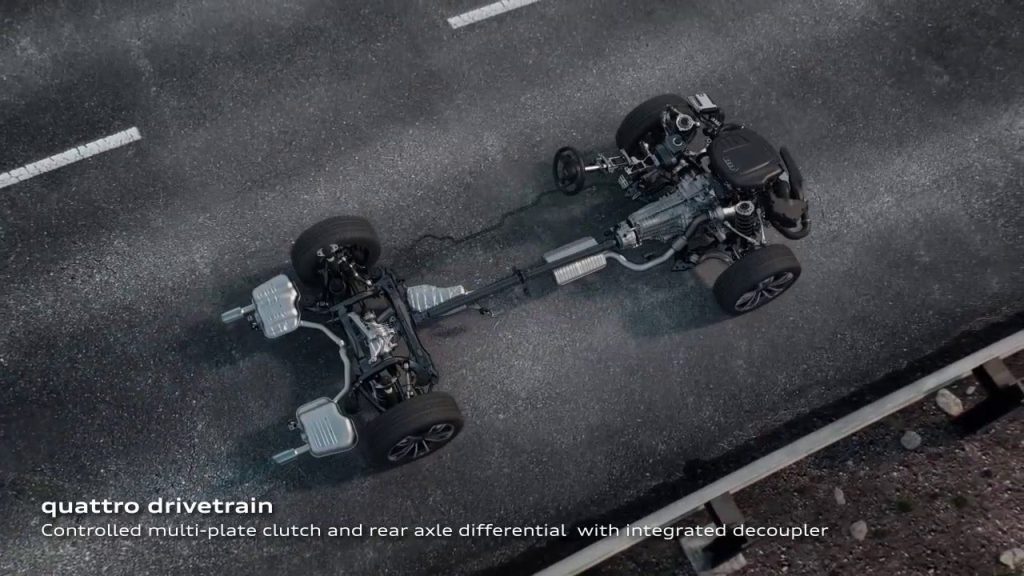
The most commonly used version of Audi’s quattro AWD system is the self-locking centre differential. This setup is primarily found in the brand’s performance-oriented models, including the S4, S5, and RS5; S6 and RS6; S7 and RS7; A8 and S8; SQ5; Q7 and SQ7; as well as Q8, SQ8, and RS Q8.
This is a permanent, full-time AWD system designed to deliver optimal traction and handling balance. By default, it sends 60 percent of available torque to the rear axle and 40 percent to the front. However, the system can automatically adjust this distribution when it detects a loss of traction.
If the rear wheels start to slip, up to 70 percent of torque can be redirected to the front wheels. Conversely, if the front wheels lose grip, the system can push as much as 85 percent of torque to the rear.
In addition to this intelligent torque distribution, the self-locking centre differential version also integrates brake-based torque vectoring. During cornering, the system applies braking force to the inside wheel, channeling more torque to the outer wheels.
This process enhances cornering precision, improves handling stability, and contributes to Audi’s reputation for confident, performance-focused driving in all conditions.
Also Read: 12 Cars That Shock Drivers With Unstoppable Reliability
3. Toyota Dynamic Torque Control AWD
Toyota’s Dynamic Torque Control AWD, used in vehicles like the RAV4 and Highlander, represents an excellent blend of efficiency and capability.
This electronically controlled system primarily sends power to the front wheels but can instantaneously transfer up to 50% of torque to the rear when needed. What sets it apart is its predictive logic, using input from wheel speed sensors, throttle position, and yaw data to anticipate traction loss before it happens.
The result is a composed, stable drive even in heavy snowfall or on frozen backroads. Paired with the Multi-Terrain Select feature, which optimizes performance for snow, mud, or sand, Toyota’s AWD system proves that a mainstream SUV can deliver true all-weather dependability.
Distributing power to all four wheels helps a vehicle maintain control and confidence in challenging conditions, ensuring it can keep moving forward even when the terrain gets tricky.
However, many all-wheel-drive (AWD) systems tend to increase fuel consumption because of the extra mechanical effort involved, even when additional traction isn’t necessary.
Toyota’s Dynamic Torque Control All-Wheel Drive was specifically designed to solve this problem by intelligently managing power delivery while improving efficiency.
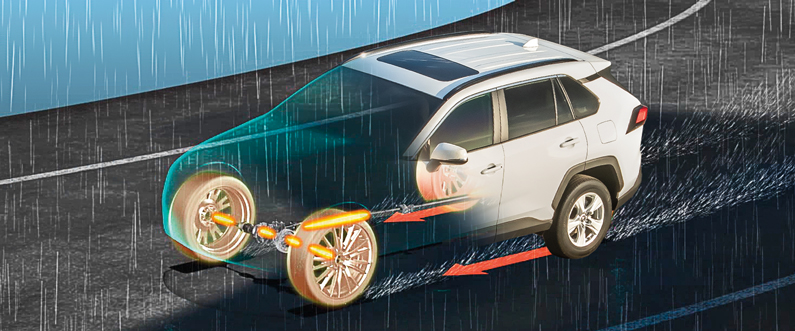
First introduced on the 2013 Toyota RAV4, Toyota’s Dynamic Torque Control AWD system actively distributes torque between the front and rear axles, as well as between the two rear wheels.
It uses an electromagnetic coupling located ahead of the rear differential to engage or disengage the rear wheels when needed. This smart design provides better traction and improved driving stability in a wide range of conditions.
The system, also found in models like the Highlander and other Toyota AWD vehicles, relies on a network of sensors that monitor various parameters such as vehicle speed, yaw rate, and driver input, including steering, throttle, and braking.
By analyzing this data, it determines when and how to distribute torque to the rear axle and how to balance that torque between the two rear wheels for optimal performance.
In everyday driving, particularly during straight-line cruising, all of the engine’s torque is directed to the front wheels.
Operating primarily in front-wheel drive helps reduce mechanical resistance and boost fuel efficiency. However, depending on road and driving conditions, the system can send anywhere from 10 to 50 percent of engine torque to the rear wheels.
During acceleration, the rear axle is powered to enhance grip, while in certain steering conditions, the electromagnetic coupling engages to send torque rearward. This reduces the load on the front tires, sharpens cornering response, and enhances vehicle stability.
4. Jeep Quadra-Trac II
Jeep has built its reputation on go-anywhere capability, and the Quadra-Trac II system found in the Grand Cherokee and Wrangler is no exception.
This full-time AWD setup employs a two-speed transfer case and electronically controlled clutch packs that can send up to 100% of torque to the axle with the most grip.
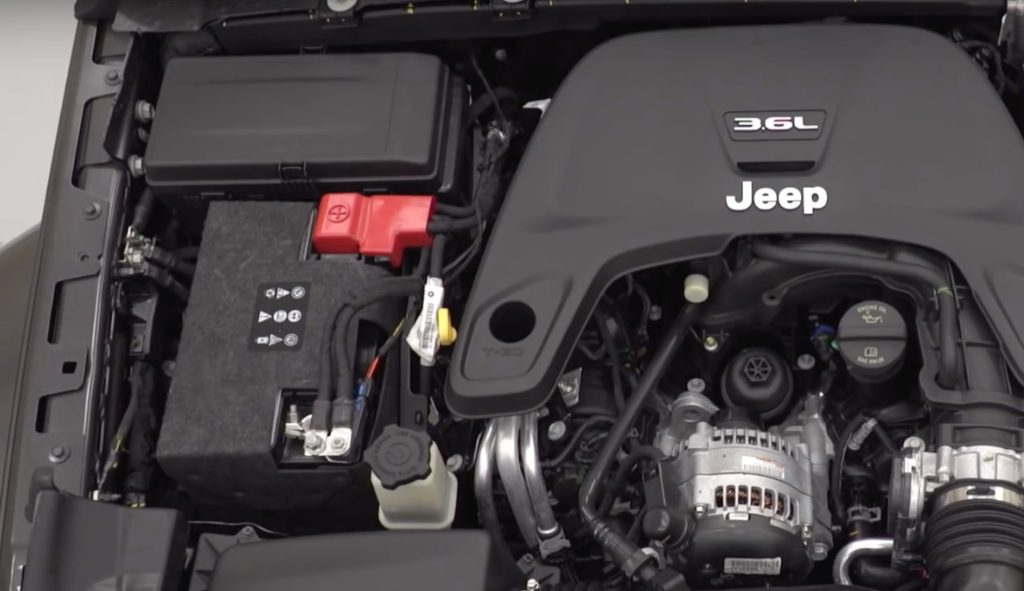
When conditions deteriorate, the system’s “4WD Low” mode and Selec-Terrain traction management make it easy to tailor performance for snow, ice, or even deep powder.
Unlike lighter-duty crossovers, vehicles with Quadra-Trac II can push through snowbanks and slushy inclines without losing composure. For drivers in places like Colorado or Vermont, this system turns winter from a challenge into an adventure.
5. Volvo AWD with Instant Traction
Volvo’s AWD with Instant Traction is another standout system for winter warriors. Found in models like the XC60 and XC90, it uses a Haldex-based coupling that can pre-charge the rear differential, ensuring torque is available before slip occurs.
This proactive design means there’s almost no lag when road conditions change suddenly, a common occurrence when transitioning from plowed pavement to icy intersections.
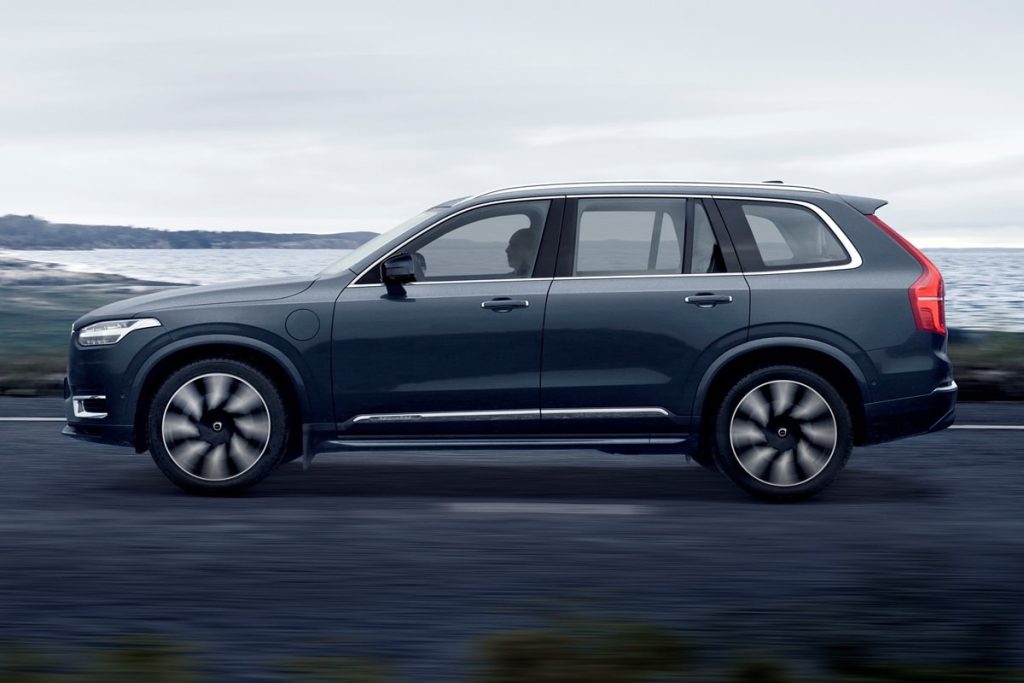
Add in Volvo’s well-tuned stability control and cold-weather calibration, and you get an AWD system that feels refined yet confident, maintaining grip even on slick Scandinavian-style roads. It’s a perfect match for those who value comfort and control equally during winter commutes.
Also Read: 5 Cars With Dependable Start-Stop Systems and 5 That Annoy Owners
The Strugglers: Systems That Leave You Spinning
While some AWD systems inspire confidence when the snow starts to pile up, others simply aren’t up to the task. Not every system wearing an “all-wheel drive” badge can actually deliver when traction is scarce and the roads are slick.
Some are tuned more for light rain or mild gravel than for deep snow or icy hills, leaving drivers frustrated, and sometimes stranded.
In this section, we’ll take a closer look at the strugglers, the AWD systems that leave you spinning, highlighting where they fall short, why they struggle in wintry conditions, and what drivers should know before trusting them to take on serious snow.
1. Honda Real Time AWD
Honda’s Real Time AWD, commonly found in models like the CR-V and HR-V, performs admirably in light rain and mild slush, but it’s out of its element in deep snow. This on-demand system relies on sensors to detect front wheel slip before sending limited torque to the rear.
Because it’s a reactive setup, there’s often a delay before all four wheels engage, meaning traction can be lost momentarily on icy surfaces.
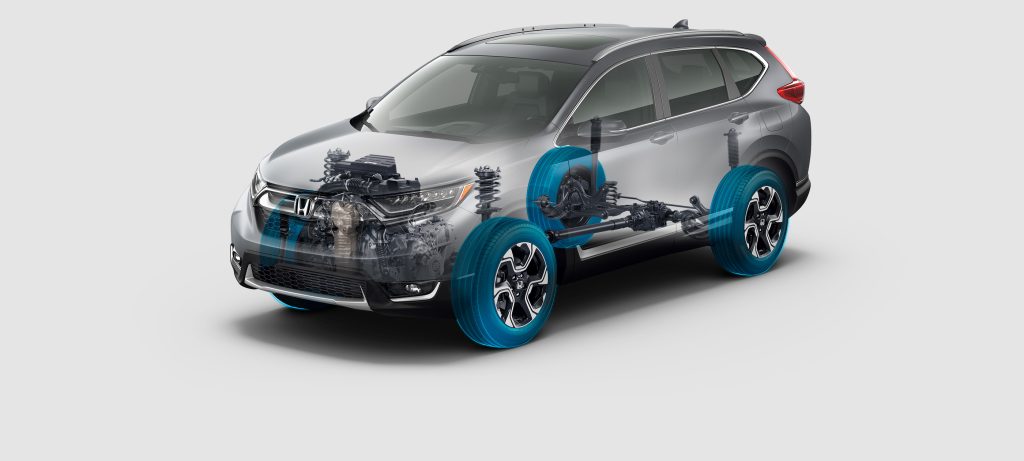
While recent updates have improved responsiveness, it still lacks the full-time capability and low-speed torque distribution of more advanced systems. For moderate climates, it’s fine; for harsh winters, not so much.
2. Mazda i-ACTIV AWD
Mazda’s i-ACTIV AWD system prioritizes sporty handling and efficiency over rugged traction, and while it works well in rain, it struggles in heavier snow. The system uses predictive sensors to manage power flow but remains primarily front-wheel-biased.
When conditions get tough, say, when climbing an icy hill or plowing through wet snow, the rear engagement can lag just enough to break traction.
Its traction control system can also cut power abruptly when wheels spin, leading to frustrating stalls. It’s fine for occasional snow, but not the setup you want when the forecast calls for a blizzard.
Mazda’s i-ACTIV All-Wheel Drive (AWD) system is a sophisticated and intelligent technology engineered to improve vehicle handling, stability, and safety, particularly in challenging driving conditions.
Rooted in Mazda’s philosophy of “oneness” between driver and vehicle, the i-ACTIV system ensures that every input, from steering to acceleration and braking, is accurately translated into the car’s response.
This seamless communication creates a sense of confidence and connection, allowing drivers to feel in complete control, no matter the road conditions.
Unlike traditional front- or rear-wheel-drive systems that send power to only two wheels, the i-ACTIV AWD system dynamically distributes torque between the front and rear axles.
While some all-wheel-drive systems operate at fixed ratios like 50/50 or 70/30, Mazda’s system continuously adjusts power flow based on real-time data.
It uses an intricate network of sensors that constantly monitor wheel speed, steering angle, throttle position, temperature, and even whether the windshield wipers are active. These inputs allow the system to analyze road conditions and vehicle behavior with remarkable precision.
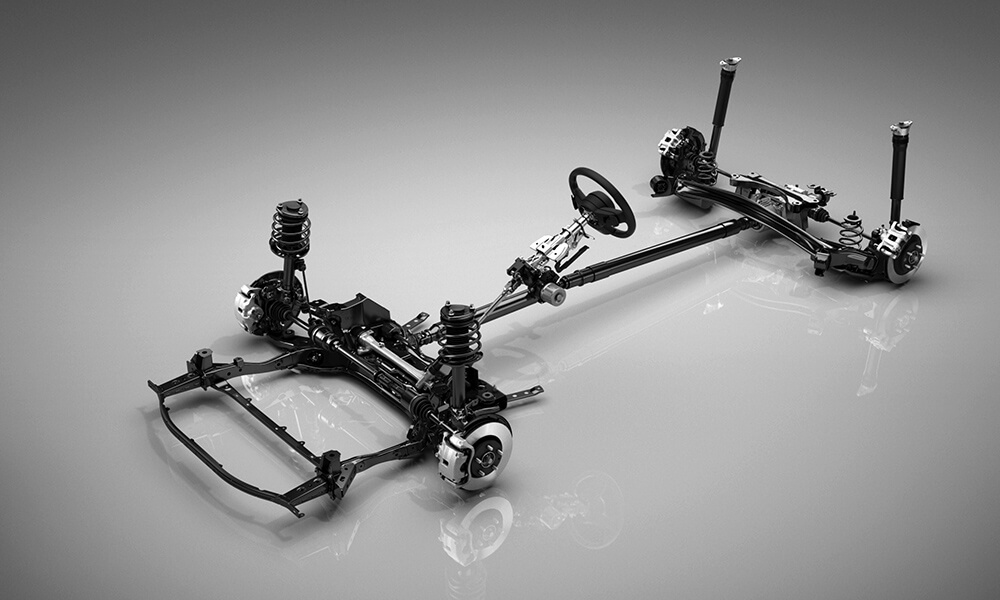
What truly sets Mazda’s i-ACTIV AWD apart is its predictive capability. Most AWD systems react only after wheel slip occurs, but Mazda’s system anticipates the need for additional traction before slip happens.
Using data gathered from its sensors, the system can identify subtle indicators of changing road conditions and automatically engage the rear wheels when necessary. This proactive approach ensures smoother transitions, enhanced stability, and better overall control.
Torque distribution in the i-ACTIV AWD system is continuously variable, meaning it can send more or less power to the front or rear wheels depending on what’s required at any given moment.
On dry roads, it primarily operates in front-wheel drive to reduce mechanical strain and improve fuel economy.
However, when conditions demand more grip, such as during acceleration, cornering, or driving on slippery surfaces, it seamlessly transfers power to the rear wheels to maximize traction and stability.
The benefits of i-ACTIV AWD are extensive. It significantly enhances traction on wet, snowy, or icy roads, ensuring that power is always directed where it’s needed most.
The system also improves handling and cornering performance by maintaining a balanced distribution of torque between the front and rear wheels, providing drivers with a more responsive and composed feel.
Moreover, its efficiency-focused design allows the system to operate only when necessary, contributing to better fuel economy compared to traditional full-time AWD setups.
Safety is another major advantage of Mazda’s i-ACTIV AWD. The system’s ability to predict and adapt to changing road conditions reduces the likelihood of wheel slip and loss of control, offering drivers greater peace of mind in adverse weather.
By combining advanced engineering with predictive technology, Mazda has created an AWD system that not only delivers impressive performance but also enhances safety and efficiency, making driving in any condition smoother, more confident, and more enjoyable.
3. Nissan Intelligent AWD
Despite its name, Nissan’s Intelligent AWD often feels more cautious than clever. Found in models like the Rogue and Murano, it’s a part-time, front-biased system that only sends power rearward after slippage occurs.
While it improves stability compared to a pure FWD vehicle, the system’s delay in torque transfer can leave you momentarily spinning before traction kicks in.
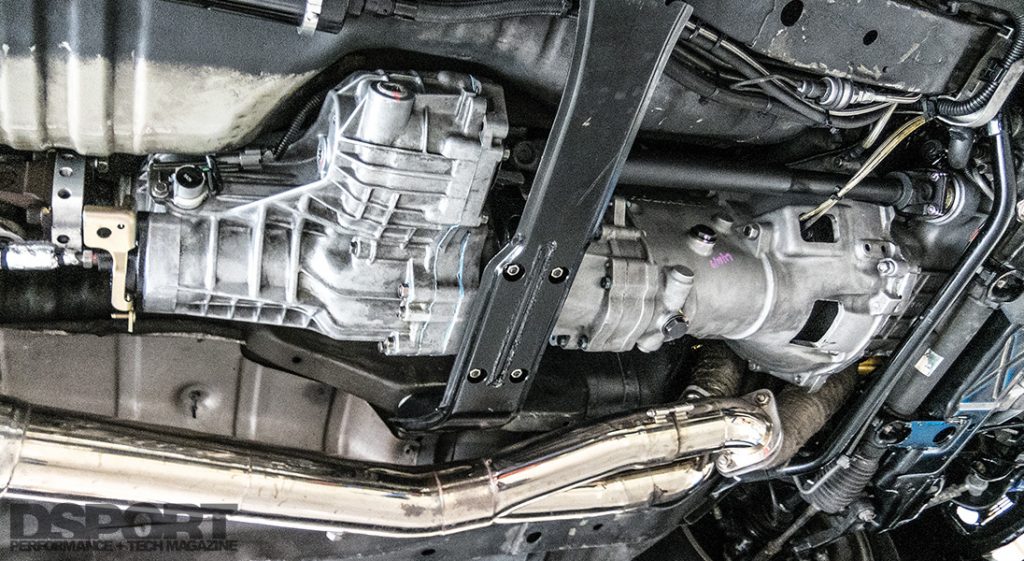
On dry or wet pavement, it’s unobtrusive and smooth. On snow or ice, however, the lag can be unnerving, especially when pulling out onto slick roads or navigating unplowed driveways.
4. Chevrolet Equinox AWD
Chevrolet’s AWD system in the Equinox is another case of “good enough, but not great.” This optional on-demand setup requires driver activation in some trims, meaning it’s not always ready to help when you need it.
It also limits torque distribution, rarely sending more than 50% to the rear wheels. While the Equinox can handle a dusting of snow, deeper accumulations or steep icy grades expose its limitations.
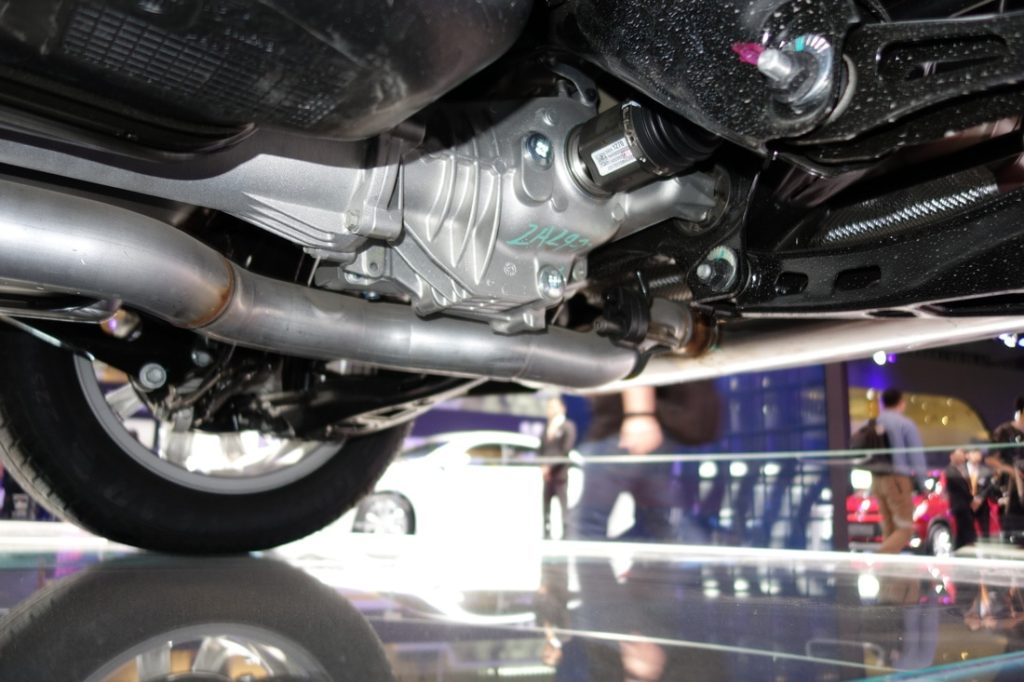
It’s designed for fuel savings and stability, not deep-snow performance, a compromise that winter drivers in northern states will notice immediately.
5. Ford Intelligent AWD (Escape and Edge)
Ford’s Intelligent AWD, found in vehicles like the Escape and Edge, aims for a balance between traction and fuel efficiency, but in practice, it leans too heavily on the latter.
This on-demand system continuously monitors traction but doesn’t engage the rear axle until slippage occurs. The delay is subtle but enough to cause hesitation when accelerating on slick surfaces.
While Ford’s Terrain Management modes help somewhat, the system’s calibration favors mild conditions over serious snow driving. For those who regularly face heavy snowfall, Ford’s truck-based 4WD systems (like in the F-150) are a far better choice.
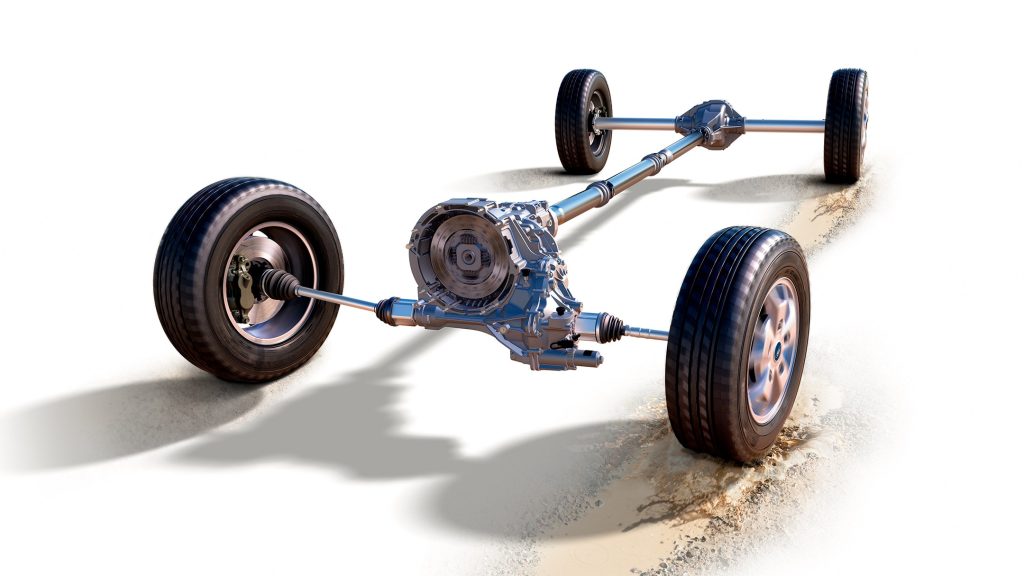
AWD badges might look similar across brands, but the performance difference in snow can be night and day. Systems like Subaru’s Symmetrical AWD and Audi’s Quattro were designed from the ground up with traction and balance in mind, making them ideal for snowy climates and unpredictable winter commutes.
On the other hand, on-demand systems built primarily for fuel economy, like those in many crossovers, can struggle when traction is truly limited.
If you live in the northern U.S., where black ice, lake-effect snow, and steep hills are part of daily life, choosing the right AWD system isn’t just about performance, it’s about safety and confidence. When winter hits, the best AWD systems don’t just move you forward; they keep you in control.
