
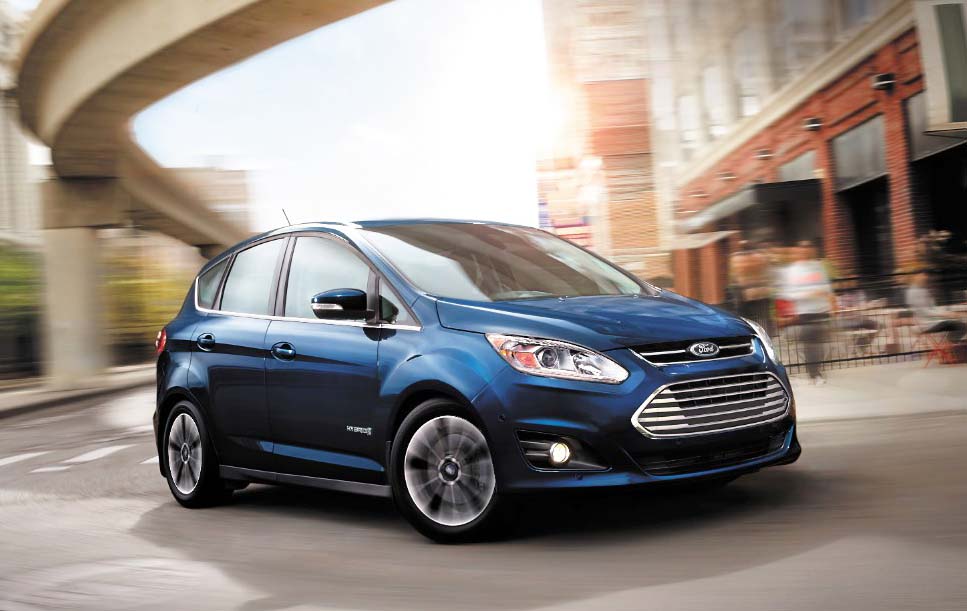
The popularity of hybrid vehicles has skyrocketed in the U.S. over the past decade, and with good reason.
They bridge the gap between traditional combustion engines and fully electric vehicles, offering fuel efficiency and reduced emissions without the anxiety of charging infrastructure. However, not all hybrids are created equal, especially when it comes to their transmissions.
Most modern hybrids rely on E-CVTs (Electronic Continuously Variable Transmissions), which use a combination of electric motors and a planetary gear system to deliver smooth, efficient power.
Unlike conventional automatic transmissions with physical gears, an E-CVT blends the power of the gas engine and electric motor electronically, offering seamless acceleration and optimized efficiency.
When well-designed, this system can last hundreds of thousands of miles with minimal issues. But when poorly engineered or overly complex, it can lead to expensive power-split device failures, a problem that has plagued several hybrid models over the years.
Let’s explore five hybrids known for their trouble-free, durable E-CVTs, followed by five models notorious for costly power-split or transmission-related issues that buyers should be aware of.
5 Hybrids With Trouble-Free E-CVTs
Hybrid vehicles have come a long way since their early days, offering a balance of fuel efficiency, reliability, and smooth performance. One of the key components that make hybrids so distinctive is their transmission system, specifically, the electronic continuously variable transmission, or E-CVT.
Unlike traditional automatic or manual gearboxes, an E-CVT uses electric motors and planetary gearsets to seamlessly manage power between the gas engine and electric motor. When engineered well, it delivers near-effortless acceleration and impressive longevity.
However, not all E-CVTs are created equal. Some hybrid models have earned a reputation for bulletproof reliability, while others have been plagued with costly power-split unit issues that can lead to expensive repairs.
In this article, we’ll focus on the positive side of the equation, highlighting five hybrids known for their trouble-free E-CVTs. These vehicles not only offer peace of mind but also deliver the smooth, efficient driving experience that hybrid fans expect.
Also Read: 5 Cheap Cars That Offer Top-Tier Build Quality vs 5 That Don’t Work
1. Toyota Prius (All Generations)
If there’s one vehicle that perfected the art of the E-CVT, it’s the Toyota Prius. Since its U.S. debut in 2000, the Prius has become the gold standard for hybrid reliability.
Its E-CVT, part of Toyota’s Hybrid Synergy Drive system, uses two motor-generators and a planetary gearset that seamlessly balances power from the gas engine and electric motors.
The genius of this setup lies in its simplicity and durability, there’s no traditional clutch, no belt, and no gear-shifting components to wear out.
It’s not uncommon for Priuses to exceed 250,000 miles with minimal maintenance beyond regular fluid changes. Toyota’s conservative engineering and over two decades of refinement have made its E-CVT virtually bulletproof.
When Toyota launched the first-generation Prius in 1997, it introduced the world to the concept of a mass-produced hybrid vehicle.
By combining a gasoline engine with an electric motor, Toyota aimed to enhance fuel efficiency and reduce emissions, a groundbreaking innovation at the time. The company invested nearly a billion dollars into developing this hybrid technology, a move that would forever change the automotive landscape.
It didn’t take long for the Prius to make an impact. With its cutting-edge engineering and environmentally friendly design, it quickly became the go-to car for drivers eager to minimize their carbon footprint.
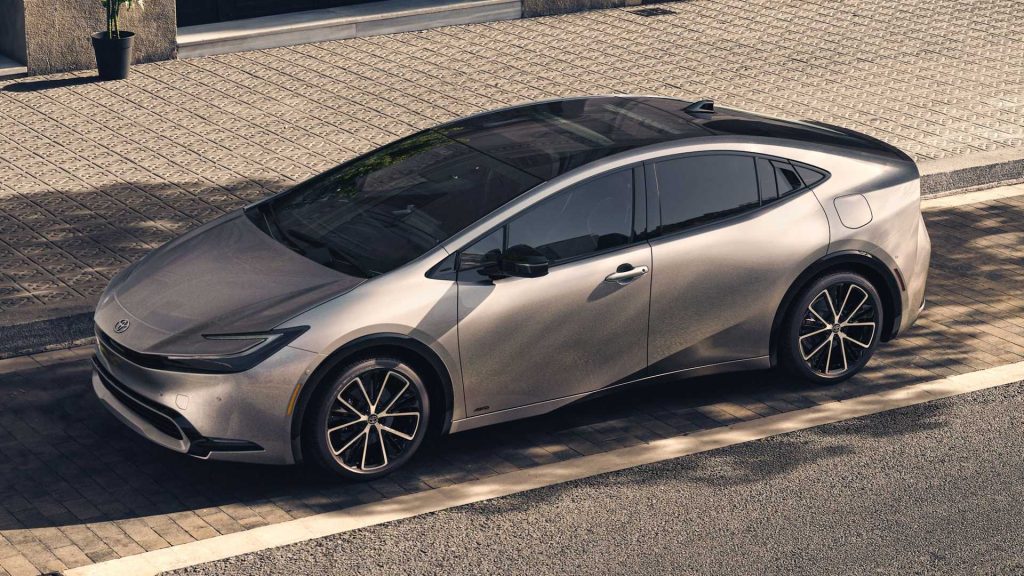
The first-generation Prius featured the dependable 1.5-liter 1NZ-FXE engine, paired with an electric motor, a setup that proved both efficient and reliable.
In 2004, Toyota unveiled the second-generation Prius, which underwent a major transformation. It evolved from a compact sedan into a mid-size hatchback, offering a more spacious cabin, greater rear legroom, and a larger luggage area. These improvements made the car more practical for families and commuters alike.
By 2009, the third-generation Prius arrived, bringing further advancements. The model became more compact and lightweight, while its power output rose from 67 to 98 horsepower thanks to a new 1.8-liter engine.
Toyota engineers also refined the electric motor, increasing its performance to 60 kW. This version quickly became one of the best-selling hybrids on the market.
Then came the fourth-generation Prius in 2015, the first to be built on Toyota’s modular platform. It sported a sleeker, more modern design and a race-inspired rear suspension, improving both comfort and handling.
Under the hood, it combined a 98-horsepower gasoline engine with an upgraded electric motor, delivering a total system output of 122 horsepower and offering an extended electric driving range.
Unveiled in 2022, the fifth-generation Prius marked another significant leap forward. For the Japanese market, it introduced two transmission options.
The first used Toyota’s series-parallel hybrid system and came with 1.8-liter and 2.0-liter engine variants, producing up to 140 hp and 199 hp, respectively, both available with all-wheel drive.
The second was a plug-in hybrid configuration featuring a 2.0-liter engine, an electric motor, and lithium-ion batteries, delivering an impressive 223 horsepower total.
As global environmental awareness continues to grow, so too does the Prius’ popularity. By 2019, Toyota had sold over 4.4 million units of its flagship hybrid, setting an industry benchmark and solidifying the Prius as the gold standard for eco-friendly innovation.
2. Lexus RX 450h
The Lexus RX 450h takes Toyota’s proven hybrid technology and wraps it in a luxury package. Its E-CVT, shared with the Highlander Hybrid, has been widely praised for smoothness and reliability.
The system’s integration of a V6 engine with electric assist ensures effortless acceleration without the “rubber-band” feel often associated with CVTs.
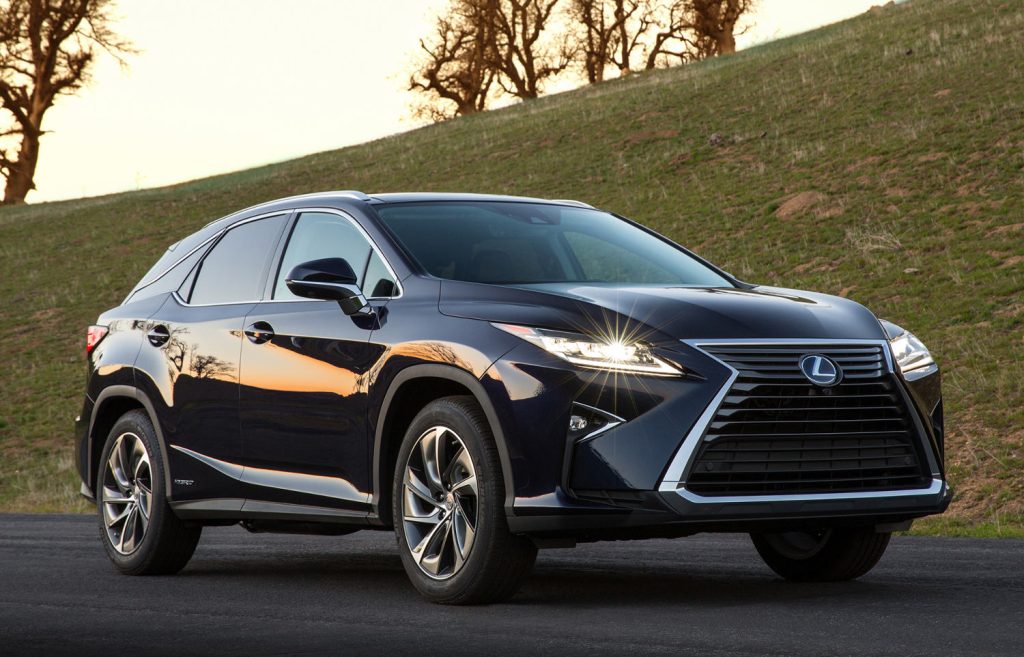
Owners routinely report long-term dependability, with few mechanical failures even after years of use. Routine maintenance and fluid checks are typically all that’s required. The RX’s transmission longevity contributes significantly to its high resale value, an important factor for luxury buyers.
3. Ford Escape Hybrid
The Escape Hybrid, especially the 2020 and newer models, benefits from Ford’s collaboration with Toyota during the early 2000s, which helped shape the design of its power-split E-CVT system.
The transmission provides impressive fuel efficiency without the harshness sometimes found in earlier American hybrid attempts.
Owners often praise its seamless integration of electric and gasoline power and low maintenance costs. Ford’s hybrid transmission assembly, produced in Michigan, has proven durable enough to power not only the Escape but also hybrid versions of the Maverick and Lincoln Corsair.
The 2025 Ford Escape Hybrid delivers a composed and confident ride, offering smooth and stable handling whether on city streets or highways.
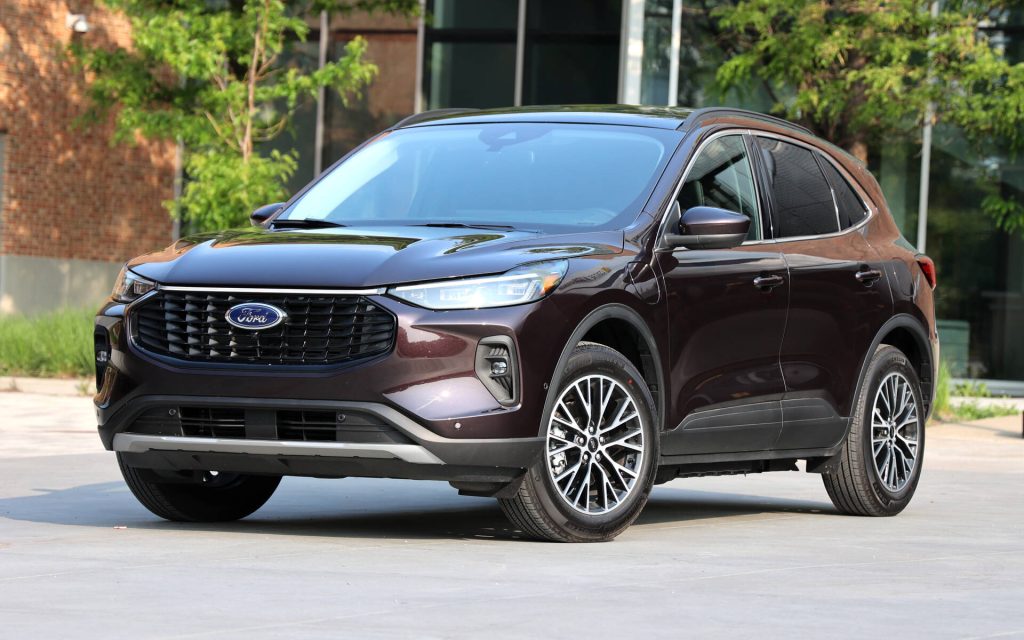
Its suspension effectively absorbs bumps and road imperfections, ensuring passengers remain comfortable throughout the drive. The light, responsive steering enhances maneuverability, giving the Escape a driving feel that’s more akin to a car than a traditional SUV.
Under the hood, the hybrid setup features a 2.5-liter four-cylinder engine paired with an electric motor to produce a combined 192 horsepower. Power is sent through a continuously variable automatic transmission (CVT) to the standard front-wheel-drive system.
The Escape Hybrid accelerates briskly from a stop, with ample strength for highway merging and passing.
While the CVT operates smoothly, it can produce a noticeable droning sound under hard acceleration. When properly equipped, the Escape Hybrid also offers respectable utility, with a towing capacity of up to 1,500 pounds.
4. Honda Accord Hybrid
The Honda Accord Hybrid uses a unique two-motor E-CVT system that eliminates a conventional gearbox entirely. Instead, one motor acts as a generator, while the other powers the wheels. The gas engine directly drives the wheels only at highway speeds for maximum efficiency.
This design reduces the number of moving parts dramatically, which means fewer potential points of failure.
Accord Hybrids are known for their buttery-smooth transitions between power sources, and owners rarely report transmission-related failures, even beyond 150,000 miles. The simplicity of Honda’s setup makes it one of the most efficient and reliable hybrids on the market.
When Honda first introduced the Accord Hybrid over 15 years ago, it debuted with a powerful V6 hybrid powertrain, an ambitious setup that, unfortunately, didn’t deliver a major boost in fuel efficiency compared to the standard gasoline model.
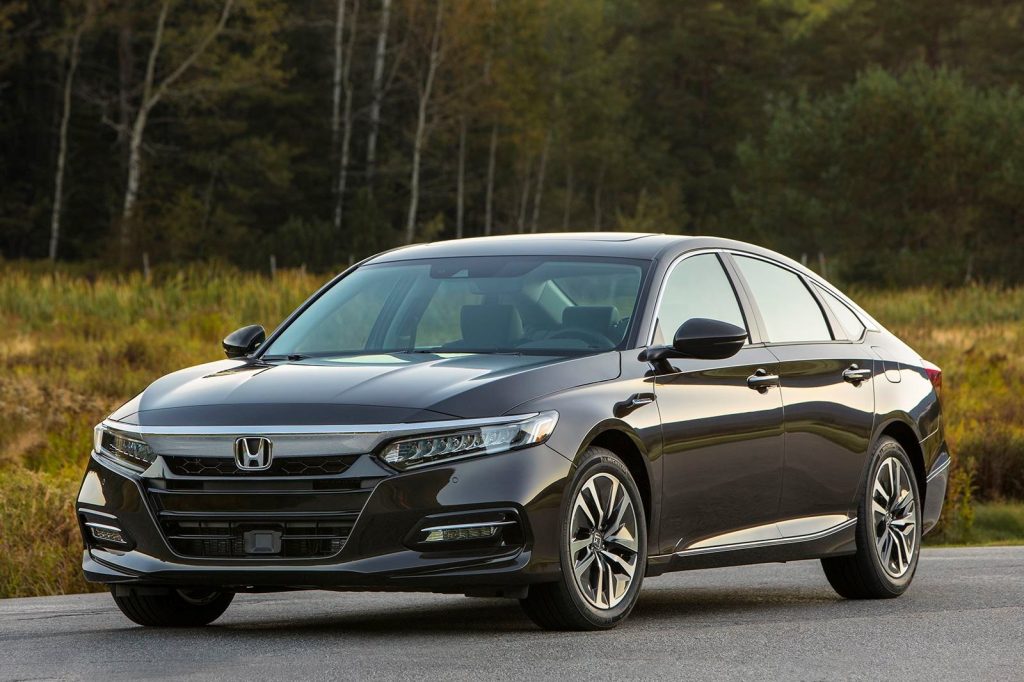
Fast forward to today, and the Accord Hybrid has transformed into a refined, highly efficient sedan that still retains the engaging driving dynamics the Accord name is known for.
For the 2022 model year, Honda expanded the lineup with a new Sport trim, adding 19-inch alloy wheels and enhanced features beyond those of the base LX model.
It’s hard not to be enthusiastic about the Accord. With its precise handling, roomy interior, and strong overall value, it consistently outshines much of the midsize sedan competition.
The Accord Hybrid preserves the same engaging character as the standard version but with far superior fuel efficiency, allowing certain models to travel over 600 miles on a single tank of gas.
Performance remains a strong point, too. The hybrid version accelerates briskly, even outpacing some rivals in the 0–60 mph sprint.
Unlike many hybrids, the Accord’s braking feels smooth and natural, free from the spongy pedal feel that plagues other models. That said, ride comfort on the Touring trim, equipped with 19-inch wheels, can feel a bit firm when driving over uneven pavement.
Inside, the Accord Hybrid offers generous passenger space and maintains the same cargo capacity as its gas-powered counterpart. The cabin’s design feels premium, highlighted by elegant matte wood-like trim across the dashboard, though the instrument cluster could use a more modern look.
While its fuel economy doesn’t quite reach the lofty numbers of the Toyota Prius, the Accord Hybrid delivers a far more enjoyable and well-rounded driving experience. For those seeking a midsize hybrid sedan that blends efficiency, comfort, and driving pleasure, the Accord Hybrid remains one of the most compelling options on the market.
5. Toyota RAV4 Hybrid
Rounding out the trouble-free list is the Toyota RAV4 Hybrid, which uses the same robust Hybrid Synergy Drive system as the Prius but adapted for SUV duty. Its E-CVT has proven exceptionally resilient under both city driving and light off-road conditions.
The RAV4 Hybrid’s transmission benefits from Toyota’s conservative tuning, keeping engine speeds moderate and thermal loads low.
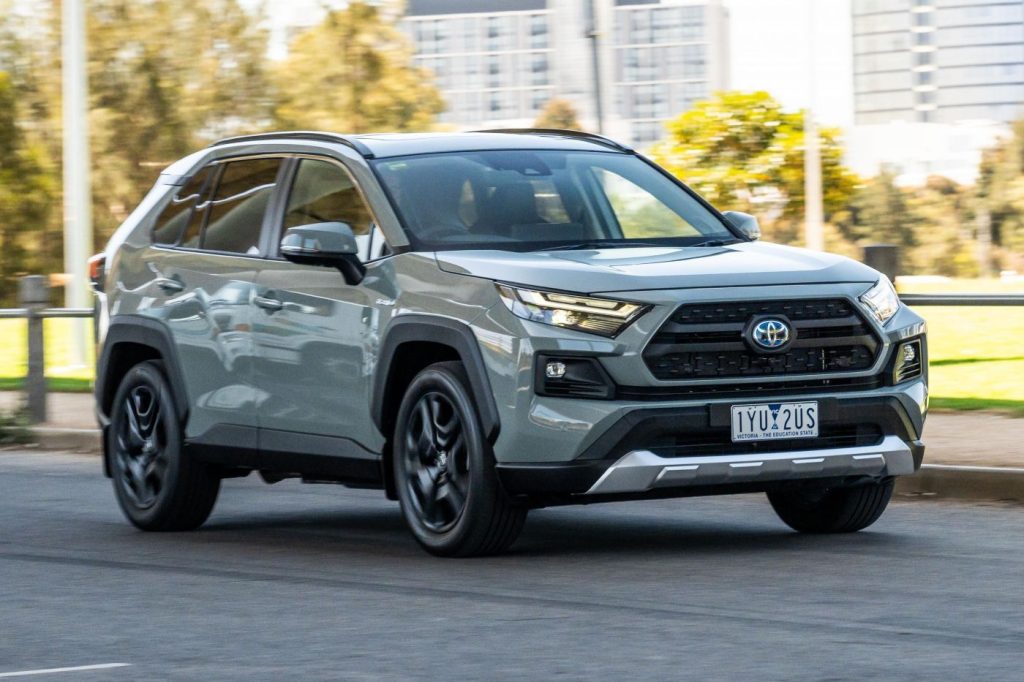
Many owners report hundreds of thousands of miles without a single transmission issue. For those seeking an SUV with the dependability of a compact car, the RAV4 Hybrid’s E-CVT is a standout.
Also Read: 12 Best SUVs That Remain Dependable Forever
5 Hybrids With Costly Power-Split or E-CVT Issues
Hybrid cars are often praised for their seamless performance and excellent fuel economy, thanks largely to their electronic continuously variable transmissions (E-CVTs) or power-split systems.
These advanced drivetrains blend electric and gasoline power for optimal efficiency, making them a cornerstone of hybrid technology. But while many hybrids deliver years of trouble-free driving, others have earned a reputation for expensive repair bills once the transmission starts acting up.
An E-CVT or power-split unit failure can easily turn an eco-friendly investment into a costly headache, with replacement costs running into the thousands. From design flaws to overheating and poor software calibration, these problems often show up after warranty coverage ends, leaving owners with tough choices.
In this article, we’ll take a closer look at five hybrids known for costly power-split or E-CVT issues. Whether you’re shopping used or just curious about hybrid reliability, these examples highlight why it pays to research the drivetrain beneath the surface before signing on the dotted line.
1. Ford C-Max Hybrid
When Ford launched the C-Max Hybrid in 2012, it was intended to challenge the Prius head-on. Unfortunately, the model was plagued by software and mechanical issues, especially with the transmission’s power-split device.
Owners frequently reported shuddering, whining noises, and eventual failure of the hybrid transaxle, sometimes requiring replacement at costs exceeding $5,000.
Though some issues were covered under warranty, reliability concerns ultimately hurt the C-Max’s reputation, leading to its discontinuation in 2018.
By 2018, rumors were already swirling that Ford would end U.S. sales of the C-Max by the end of the year. The plug-in Energi version was discontinued after the 2017 model year, leaving only the standard hybrid model to continue unchanged.
The 2018 lineup consisted of just two trims: the SE, priced at $24,995, and the Titanium, starting at $28,150. With no plug-in option and few configurations to choose from, decisions were simple for buyers.
While the SE offered a decent base setup, the Titanium trim added more comfort and luxury with features like leather upholstery, heated front seats, Ford’s Sync 3 infotainment system, and rear parking sensors, making it the more desirable choice for most shoppers.
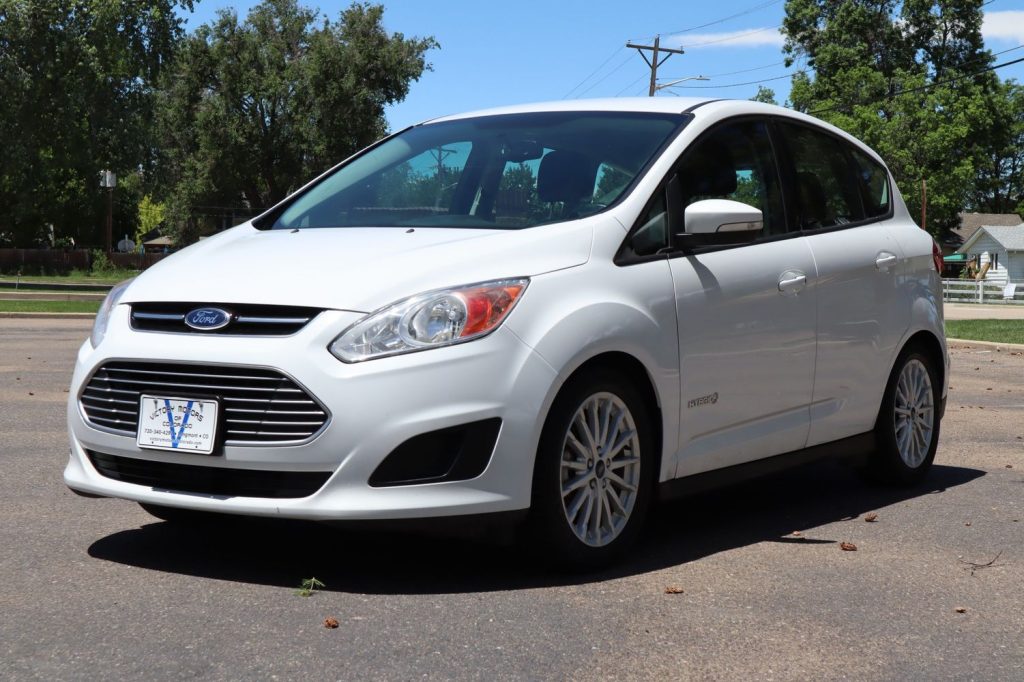
Under the hood, the C-Max Hybrid combines a 2.0-liter four-cylinder gasoline engine with two electric motors, a battery pack, and front-wheel drive, all managed by a continuously variable automatic transmission (CVT).
The hybrid system is smooth and well-integrated, with seamless transitions between electric and gasoline power. On the track, the C-Max achieved a 0–60 mph time of 7.9 seconds, which is quick for a hybrid, though it lacks the sporty feel some drivers might expect.
Built on the same platform as the Ford Focus, the C-Max inherits much of that car’s precise steering and solid road manners, offering a driving experience that feels more engaging than many competitors in its class.
However, its tall stance leads to noticeable body lean in corners, and its skidpad results show only average handling capability.
Overall, the 2018 Ford C-Max Hybrid remains a blend of comfort, practicality, and light performance, but in an increasingly competitive hybrid market, its outdated styling, moderate fuel efficiency, and lack of innovation have caused it to fall behind newer and more advanced rivals.
2. Nissan Pathfinder Hybrid (2014–2015)
The short-lived Pathfinder Hybrid used a system co-developed with Toyota supplier Aisin but implemented poorly. Its E-CVT relied on a complex one-motor, two-clutch design that struggled to balance the heavy SUV’s demands.
Drivers complained about jerky transitions, battery synchronization failures, and frequent “Check Hybrid System” warnings. Repairs were not only costly but also difficult due to limited technician experience with the setup. Nissan quietly phased out the hybrid variant after only two years on the market.
ChatGPT said:Replacing the traditional 3.5-liter V-6 gasoline engine found in non-hybrid Pathfinders, the hybrid version is powered by a supercharged 2.5-liter four-cylinder engine paired with a continuously variable transmission (CVT) and a 20-horsepower electric motor positioned between them. This setup is identical to the hybrid powertrain used in the Infiniti QX60 Hybrid.
The hybrid’s powertrain features a supercharged and intercooled DOHC 16-valve Atkinson-cycle 2.5-liter inline-four producing 230 horsepower and 243 lb-ft of torque, combined with a permanent-magnet AC synchronous electric motor that adds 20 horsepower and 29 lb-ft of torque.
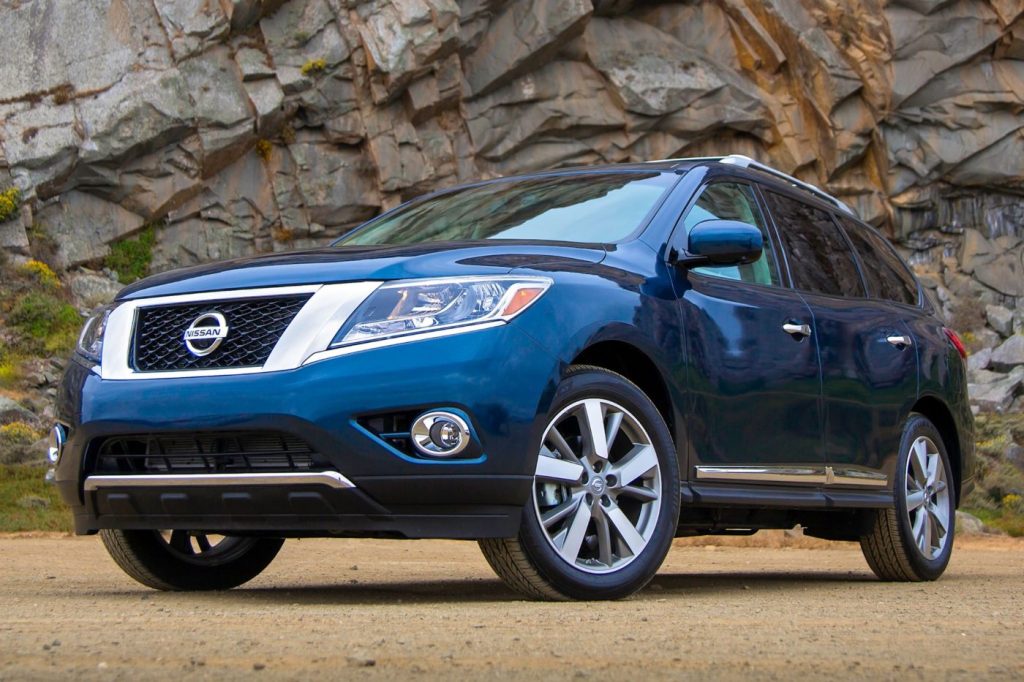
Power is supplied by a 0.6-kWh lithium-ion battery pack, while the smooth-shifting CVT ensures seamless power delivery.
In terms of dimensions, the Pathfinder Hybrid rides on a 114.2-inch wheelbase and measures 197.2 inches long, 77.2 inches wide, and 69.6 inches tall, with a curb weight of 4,788 pounds.
Performance figures from testing show that it accelerates from 0 to 60 mph in 7.6 seconds, reaches 100 mph in 22.0 seconds, and completes the quarter-mile in 16.1 seconds at 88 mph.
It manages a top speed of 117 mph (governor-limited) and comes to a stop from 70 mph in 175 feet. Additional performance metrics include a 5–60 mph rolling start of 7.9 seconds, a 30–50 mph top gear run in 3.8 seconds, and a 50–70 mph pass in 4.9 seconds.
When it comes to efficiency, the EPA rates the Pathfinder Hybrid at 25 mpg city and 27 mpg highway, while Car and Driver’s observed fuel economy came in at 19 mpg during testing
3. Hyundai Sonata Hybrid (2011–2015)
Early models of the Hyundai Sonata Hybrid featured a belt-driven transmission design that didn’t age gracefully. Though technically not a pure E-CVT, its hybrid drive unit attempted to mimic one electronically, but with mixed results.
Owners experienced premature wear of the starter-generator system, rough shifting, and eventual failure of the hybrid drive control unit.
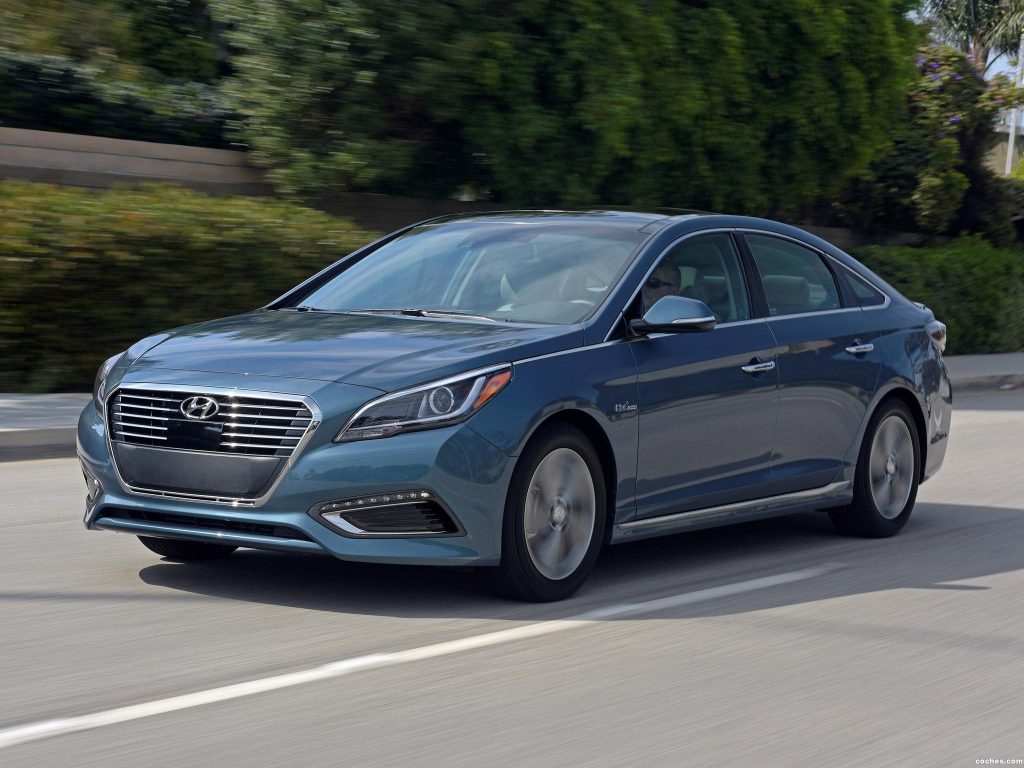
Replacing these parts often cost thousands, erasing the car’s fuel savings advantage. Hyundai improved the setup in later generations, but early models remain risky buys on the used market.
4. Lincoln MKZ Hybrid (2013–2016)
While the Lincoln MKZ Hybrid shares some of its underpinnings with the Ford Fusion Hybrid, early model years suffered from transmission control module failures and mechanical breakdowns of the power-split planetary system.
Repair costs could soar beyond $6,000, particularly when out of warranty. Many owners also reported loss of power while driving, often traced back to the hybrid transaxle’s internal bearings.
Later versions improved reliability, but early adopters faced significant expenses for what was marketed as a “maintenance-free” hybrid system.
The 2014 Lincoln MKZ comes with a 240-horsepower, 2.0-liter turbocharged four-cylinder engine and a six-speed automatic transmission. A 300-horsepower 3.7-liter V6 engine is optional.
The EPA reports that the 2014 MKZ with the turbocharged four-cylinder gets 22/33 mpg city/highway, which is better than the fuel economy of most upscale midsize cars. The V6 model achieves 19/28 mpg city/highway.
If you’re looking for even better fuel economy, the 2014 Lincoln MKZ Hybrid gets an EPA-estimated 38/37mpg city/highway, which is decent for an upscale midsize car and quite good for a hybrid luxury car.
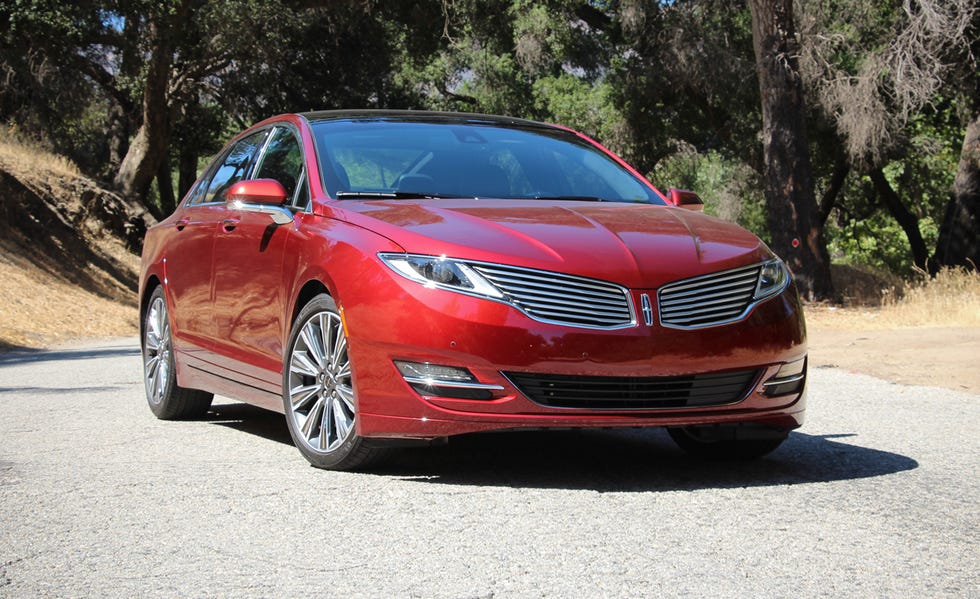
The MKZ Hybrid is powered by a 2.0-liter four-cylinder engine and an electric motor that combine to make 141 horsepower. The hybrid powertrain is mated to a continuously variable transmission (CVT).
Several reviewers mention that they prefer the base turbocharged four-cylinder model over the V6 because its acceleration is decent and it gets much better fuel economy. However, critics think that the V6 provides strong acceleration.
One automotive journalist also says the V6 has a pleasant exhaust note, while several criticize the turbo four for sounding raspy and unrefined.
Most test drivers agree that the six-speed automatic transmission shifts smoothly. Not as many reviewers have tested the MKZ Hybrid, but those who have say that it provides decent performance.
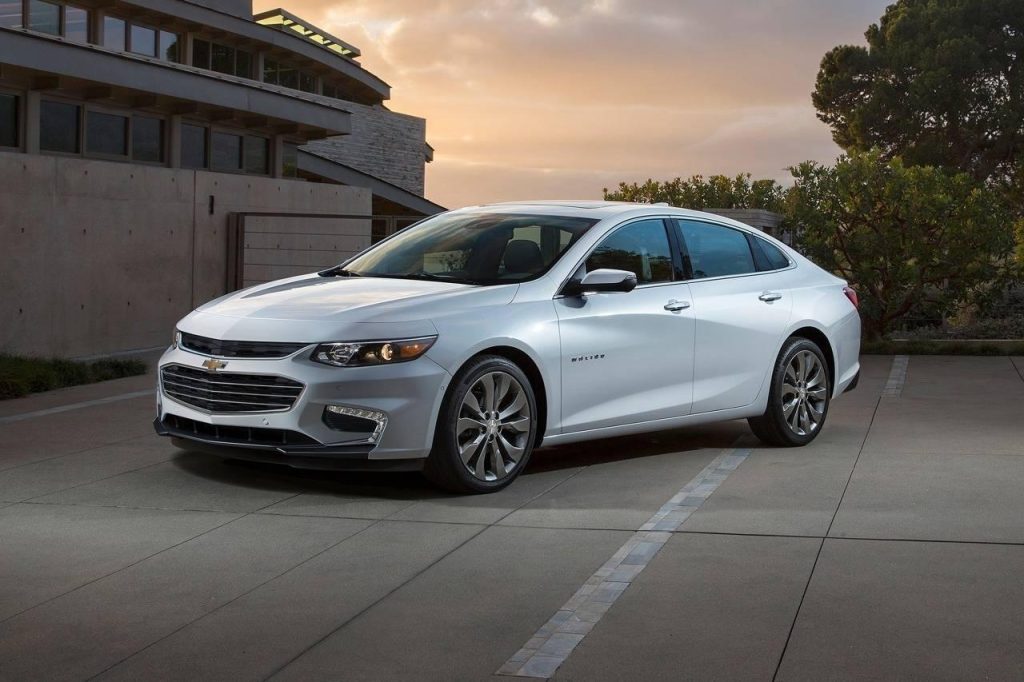
5. Chevrolet Malibu Hybrid (2016–2019)
GM’s Malibu Hybrid borrowed its powertrain from the Volt, but its E-CVT was more complex and less durable. The problem stemmed from thermal stress on the electric motors within the transaxle, which could lead to overheating and eventual failure.
Drivers also noted delayed acceleration and “reduced propulsion” warnings, which sometimes resulted in the car entering limp mode. Out-of-warranty transmission replacements were eye-wateringly expensive, often $7,000 or more, making used examples a gamble.
E-CVTs are among the most efficient and mechanically simple transmission designs in modern vehicles, but their reliability depends heavily on how they’re engineered and implemented.
Automakers like Toyota and Honda have spent decades perfecting their hybrid systems, resulting in transmissions that rarely fail.
On the other hand, brands that rushed to compete in the hybrid market often introduced overly complicated or poorly tested systems that led to expensive power-split issues.
For U.S. buyers considering a hybrid, it pays to do your homework. Stick with models that have proven E-CVT track records, such as the Prius, RAV4 Hybrid, or Accord Hybrid, and steer clear of those with histories of transmission complaints.
Hybrids can offer remarkable longevity and fuel economy, but only if their most critical component, the E-CVT, is engineered for the long haul.
