
When shopping for a small car, many buyers focus on fuel economy, tech features, and affordability, but long-term durability is what truly separates the great from the forgettable.
In the U.S. market, where many people keep their vehicles well past 100,000 miles, it’s not unusual to see compact sedans and hatchbacks soldier on deep into six-figure mileage.
Some age gracefully, maintaining tight handling and minimal wear, while others begin to feel like creaky old houses, their interiors rattling and their suspensions groaning.
If you’re planning to buy a small car and hold onto it for years, or are shopping used with six digits on the odometer, here’s a look at five small cars that feel new at 150,000 miles and five that don’t age quite as well.
5 Small Cars That Feel New at 150,000 Miles
For many drivers, hitting 150,000 miles is the point when a car starts to show its age, creaks in the suspension, faded interiors, and that vague feeling that every trip could be its last.
But not all small cars are built the same. Some manage to hold onto their tight steering, smooth ride, and fresh feel well past that milestone, making them incredible long-term companions for commuters and budget-conscious drivers alike.
In this list, we’re highlighting five small cars that still feel surprisingly new even after 150,000 miles, models that prove durability and refinement aren’t reserved for luxury nameplates. Whether you’re shopping used or just curious which compact rides go the distance, these standouts deserve a closer look.
1. Toyota Corolla
There’s a reason the Toyota Corolla has been America’s best-selling compact for decades. It’s not exciting, but it’s virtually unkillable. Even after 150,000 miles, most Corollas feel tightly screwed together, with minimal squeaks or rattles and engines that idle smoothly.
The continuously variable transmission (CVT) Toyota uses in newer Corollas has proven far more reliable than those from Nissan or Subaru, and the suspension remains compliant yet solid over time.
Routine maintenance is inexpensive, and owners often report that their Corollas still feel solid at double that mileage. While it won’t win any drag races, it will feel surprisingly fresh after years of commuting and cross-country drives.
The 2016 Toyota Corolla manages to breathe some life into the compact sedan segment with a design that feels modern and even a touch stylish, a rare compliment for a car class often accused of being bland. Its cabin is well thought out, featuring a user-friendly infotainment system with clear displays and intuitive controls.
Rear-seat passengers also enjoy impressive legroom, rivaling even some midsize sedans. Combine that with stellar crash-test ratings, excellent fuel efficiency, and one of the strongest resale values in its class, and the Corolla stands out as a small car that delivers lasting satisfaction rather than disappointment.
That said, enthusiasts seeking excitement behind the wheel may find the Corolla lacking. While it’s competent and comfortable, it’s not exactly thrilling to drive.
If you want a more engaging small car, alternatives like the agile and polished Mazda 3, the lively Ford Focus, or even the stylish Hyundai Elantra offer a bit more personality. The refreshed Honda Civic and Volkswagen Jetta also bring strong overall appeal.
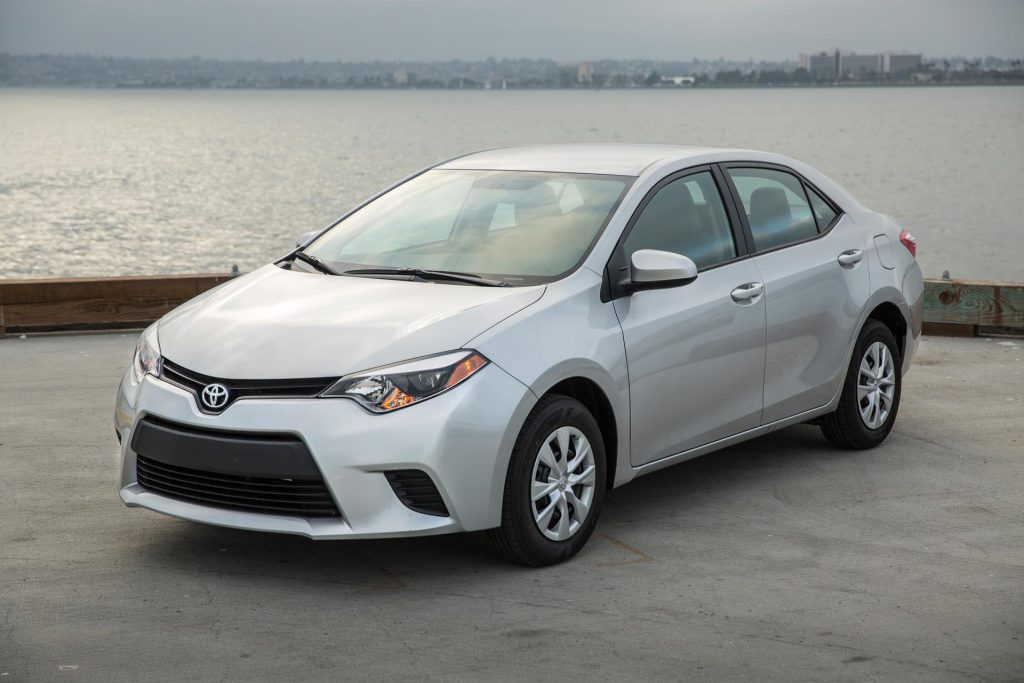
Under the hood, the 2016 Corolla is powered by a 1.8-liter four-cylinder engine available in two variations. Most trims produce 132 horsepower and 128 lb-ft of torque, while the LE Eco model adds Toyota’s Valvematic variable valve timing system for slightly improved efficiency and output, 140 hp and 126 lb-ft of torque.
Transmission options include a six-speed manual on the base L trim, a four-speed automatic, and a continuously variable transmission (CVT) for most other trims. The S Plus model gives drivers a choice between the CVT and the six-speed manual for those who prefer a more hands-on experience.
Also Read: 5 Limited-Edition Cars Now Worth More Used vs 5 Once-Popular Ones Worthless
2. Honda Civic
Few small cars are as satisfying to own long-term as the Honda Civic. Whether you choose a hatchback, coupe, or sedan, Civics are engineered with longevity in mind.
The 1.5-liter turbo and 2.0-liter naturally aspirated engines both have reputations for going well past 150,000 miles when properly maintained. The chassis balance and precise steering hold up over time, and the interior materials resist wear better than most rivals.
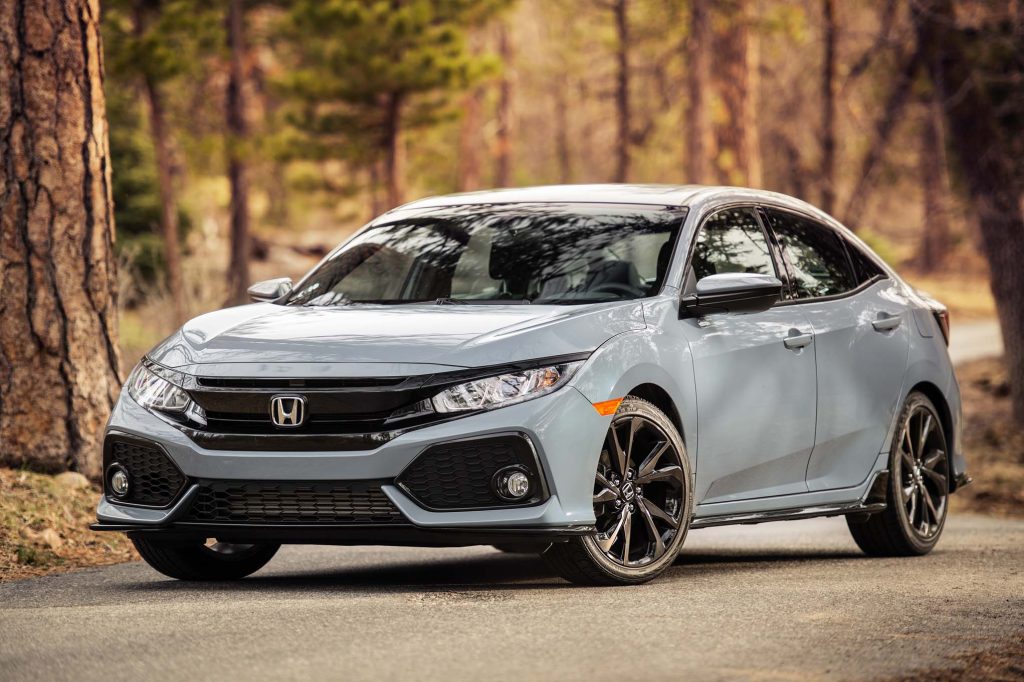
Even older Civics from the 2010s rarely develop dashboard rattles or sagging headliners. It’s a compact that continues to feel eager and composed long after its warranty expires.
3. Mazda3
The Mazda3 is proof that a small car can be both durable and fun. Mazda’s engineering focus on driving dynamics means its suspension components and steering are built to higher tolerances.
Owners frequently praise how solid their Mazda3 feels even after a decade on the road, with minimal body flex or interior deterioration.
The Skyactiv engines are designed for efficiency without sacrificing reliability, and the 6-speed automatic transmission remains one of the most robust in the compact class.
The paint quality and interior trim materials also hold up impressively, making the Mazda3 feel far newer than its odometer suggests.
What stands out most about the Mazda 3 is how it manages to deliver such impressive performance and refinement while remaining both affordable and fuel-efficient.
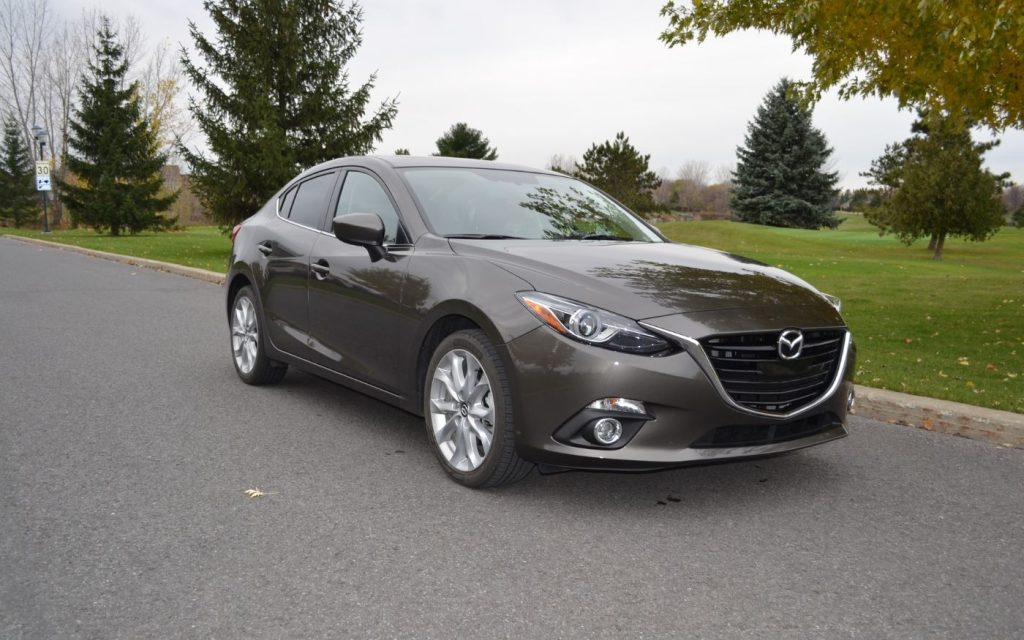
Still, it may not be the ideal choice for everyone. During our long-term test of a 2014 Mazda 3, we discovered that the ride on the highway can be somewhat firm and noisy, particularly on uneven or broken pavement and when equipped with the larger 18-inch wheels and tires.
Cabin space is another area where the Mazda 3 doesn’t quite excel, rear-seat legroom and trunk capacity are fairly average. Fortunately, Mazda offers a hatchback variant that adds a dose of practicality with its more flexible cargo area.
The Ford Focus, for example, offers an equally engaging drive along with an upscale cabin and a wealth of advanced technology features. The sleek 2015 Kia Forte may not be as thrilling to drive, but its outstanding value is hard to overlook.
Likewise, the ever-reliable Honda Civic and the premium-feeling 2015 Volkswagen Golf are also top-tier choices worth exploring. Choosing among them won’t be easy, but if you want a small car that blends efficiency, driving fun, and style, the 2015 Mazda 3 is a standout option.
Under the hood, the 2015 Mazda 3i trims come with a 2.0-liter four-cylinder engine producing 155 horsepower and 150 pound-feet of torque. Power is sent to the front wheels through either a six-speed manual or an available six-speed automatic transmission.
The manual transmission model is close behind at 33 mpg combined (29/41), and the hatchback delivers similar results. During a 116-mile evaluation route, the Mazda 3i hatchback achieved an impressive 39.4 mpg.
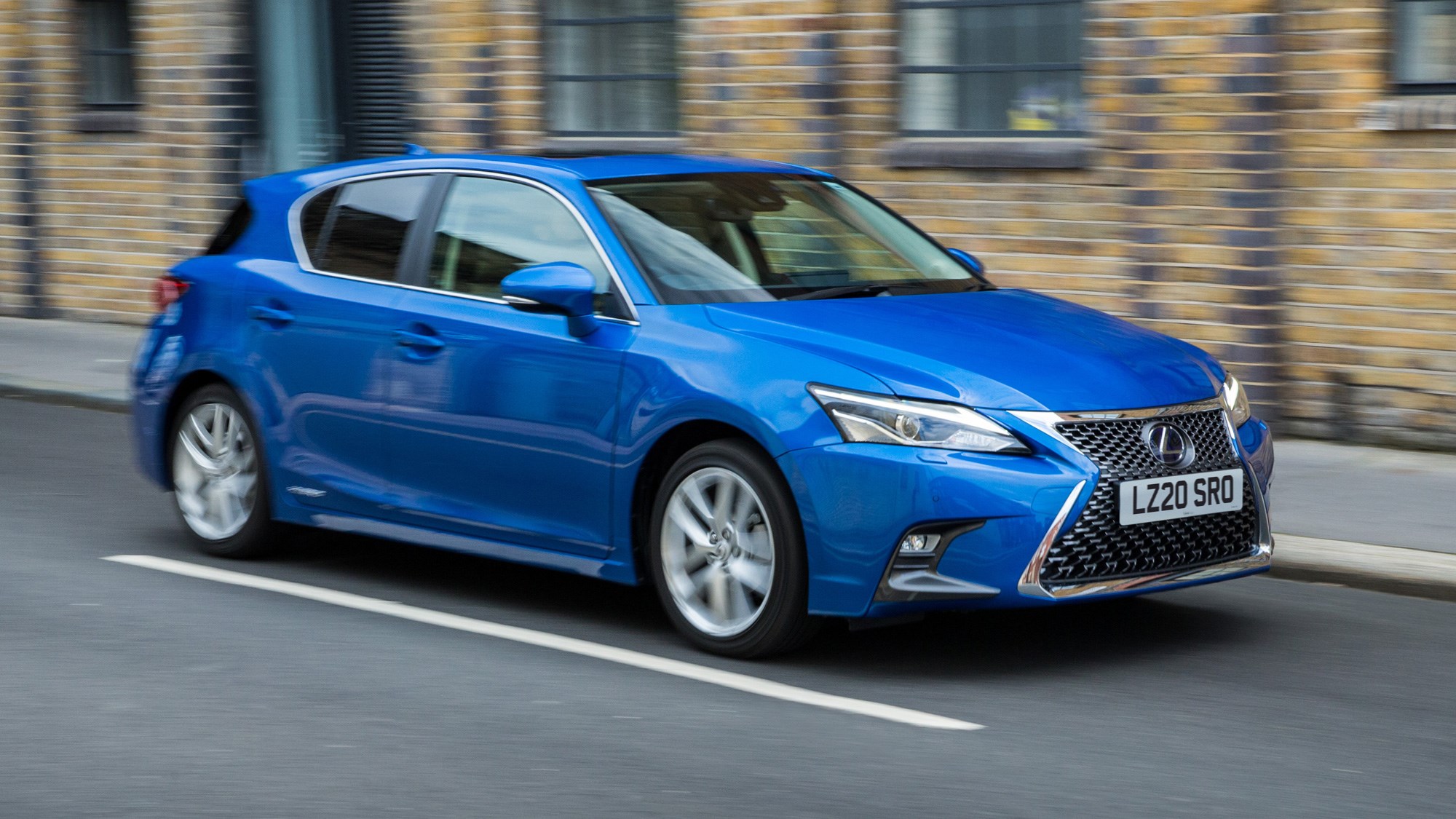
4. Lexus CT 200h
While technically a luxury hybrid, the Lexus CT 200h is built on Toyota’s Prius platform, and it inherits that car’s near-bulletproof powertrain. The hybrid system can easily surpass 200,000 miles without major issues, and the electric components are some of the most reliable in the business.
The difference is that the CT 200h offers a tighter suspension and higher-quality interior than a standard Prius. Even after years of use, the cabin feels solid, the controls remain firm, and the hybrid drivetrain hums along smoothly. It’s a small car that combines Toyota’s legendary dependability with Lexus-level refinement.
The 2025 Lexus CT 200h marks the second generation of Lexus’ hybrid electric compact hatchback, combining a 2.0-liter four-cylinder engine with an electric motor to deliver smooth and efficient performance.
First introduced in 2011, the CT 200h returns with notable upgrades that make it more refined and capable than ever. This new version features a more powerful engine, a more efficient electric motor, and a roomier cabin for added passenger comfort.
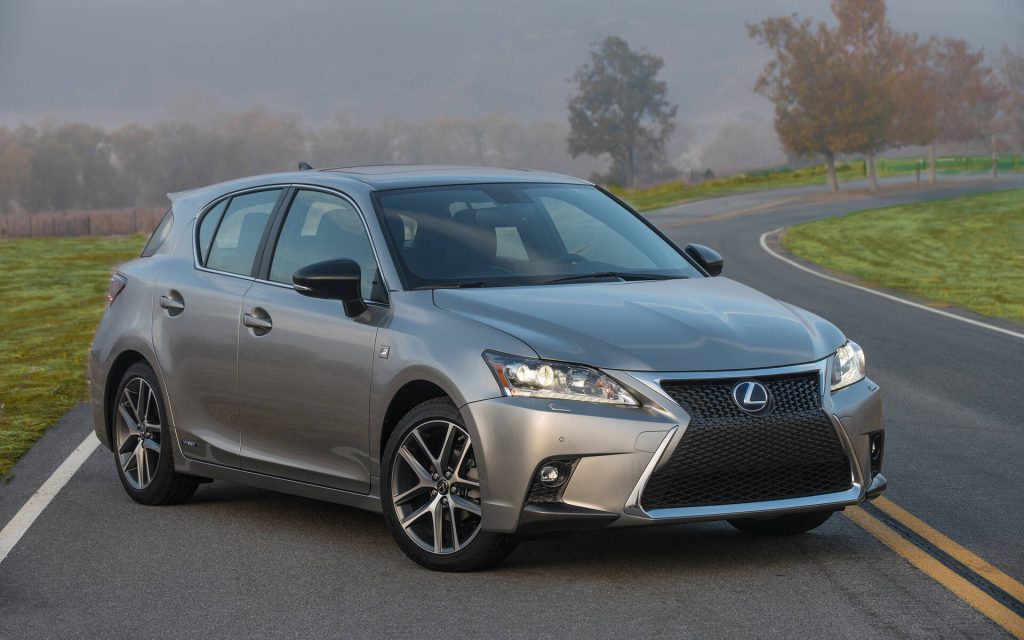
It also comes equipped with several new high-end features, including a standard 10.3-inch touchscreen infotainment system, a head-up display, and an advanced suite of active safety technologies that enhance both convenience and driver confidence.
The 2025 CT 200h is an appealing choice for anyone seeking a vehicle that combines fuel efficiency, eco-friendliness, and luxury. It’s especially well-suited for drivers who want a compact car that doesn’t compromise on comfort or technology.
With its refined design, safety features, and premium interior, it stands out as a smart, stylish, and environmentally responsible choice for daily commuting or family use.
One of the biggest advantages of the 2025 Lexus CT 200h is its fuel efficiency. The pairing of a 2.0-liter gasoline engine with an electric motor allows it to achieve an estimated 40 mpg in the city and 43 mpg on the highway.
This outstanding efficiency not only reduces trips to the gas station but also results in significant fuel savings over time. According to EPA estimates, CT 200h owners can save up to $750 annually on fuel costs compared to those driving traditional gasoline-only vehicles.
In addition to saving money, the CT 200h’s hybrid design contributes to a cleaner environment. Producing fewer emissions than a standard gas-powered car, it helps reduce air pollution and lowers the vehicle’s overall carbon footprint.
Its hybrid system intelligently combines the gasoline engine and electric motor to deliver seamless power. The electric motor can operate the car at lower speeds to conserve fuel, while the gasoline engine engages when more power is required, creating a balance between efficiency and performance.
The CT 200h also benefits from regenerative braking, a technology that captures energy normally lost during braking and uses it to recharge the vehicle’s battery.
This helps extend the electric motor’s range and further boosts fuel economy. Together, these innovations make the CT 200h a well-rounded hybrid that delivers strong performance, excellent mileage, and meaningful environmental benefits.
As a compact luxury hatchback, the 2025 Lexus CT 200h is designed for convenience and agility. Its smaller size makes maneuvering through tight city streets and parking spaces effortless, while its refined build and upscale materials maintain the sense of luxury expected from the Lexus brand.
Lightweight yet solid, the CT 200h offers an ideal balance of practicality, comfort, and sophistication, making it an excellent option for urban drivers who want both efficiency and elegance in a single package.
Also Read: Top 10 Pickups That Rarely Need Engine Swaps
5. Hyundai Elantra (2017 and newer)
Hyundai has made remarkable progress over the past decade, and the Elantra is one of the best examples of that transformation. The 2017 redesign brought vastly improved materials, more rigid construction, and a refined powertrain lineup.
Owners who’ve crossed 150,000 miles often report that the car still drives like new, with tight steering and minimal vibration. Hyundai’s long warranty also means many early owners maintained their cars diligently, which helps them age gracefully.
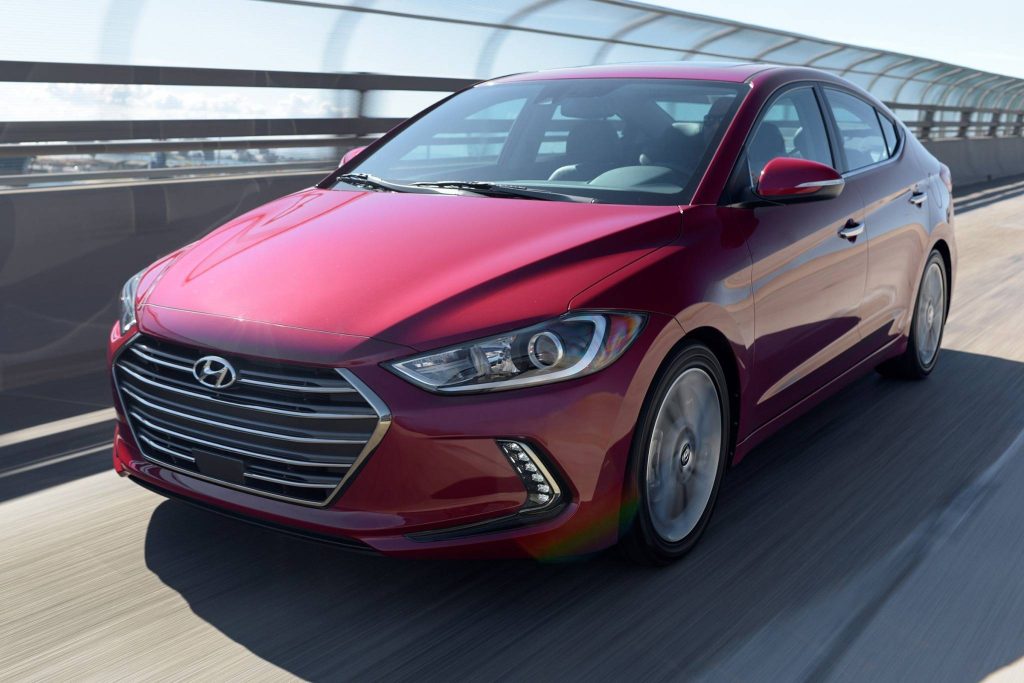
The latest Elantras also feature improved corrosion protection, something that used to be a weakness in older Hyundais.
5 Small Cars That Creak Like Old Houses
Not every small car ages gracefully. Some may look charming when new, but after 150,000 miles, they start to rattle, groan, and squeak like an old house in a storm.
From worn-out suspensions to cracking interiors and fading performance, these models often remind owners that cheaper build quality and cost-cutting measures eventually catch up.
In this list, we’re looking at five small cars that tend to lose their composure over time, vehicles that might feel every bit of their mileage once the odometer climbs. If you’re planning to buy used or keep your current car for the long haul, these are the models you’ll want to approach with caution.
1. Nissan Sentra
The Nissan Sentra’s biggest problem isn’t getting to 150,000 miles, it’s how it feels once it gets there. The infamous CVT transmission used in most Sentras from 2013 to 2020 is prone to shuddering, slipping, and premature wear.
Even if it avoids total failure, the transmission often makes the car feel sluggish and unrefined over time. Interior materials haven’t aged gracefully either; dashboards and door panels are prone to squeaks and soft-touch coatings peeling away.
While newer models are better, the previous generations are classic examples of cars that feel old long before they actually are.
Following a significant refresh in 2016, the standard Nissan Sentra models remain largely unchanged for the 2017 model year.
The cabin benefits from thicker glass that helps reduce outside noise, while a redesigned center console offers improved storage capacity. Nissan also added some excitement to the lineup with the introduction of two sportier variants for 2017: the Sentra SR Turbo and the Sentra NISMO.
The Nissan Sentra occupies a key position in the competitive compact car segment. It sits above the smaller subcompact Versa sedan and Versa Note hatchback in Nissan’s lineup, yet below the larger midsize Altima and the more upscale Maxima sedans.
This placement gives the Sentra a strong balance between affordability, practicality, and comfort, appealing to drivers seeking a capable compact with solid value.
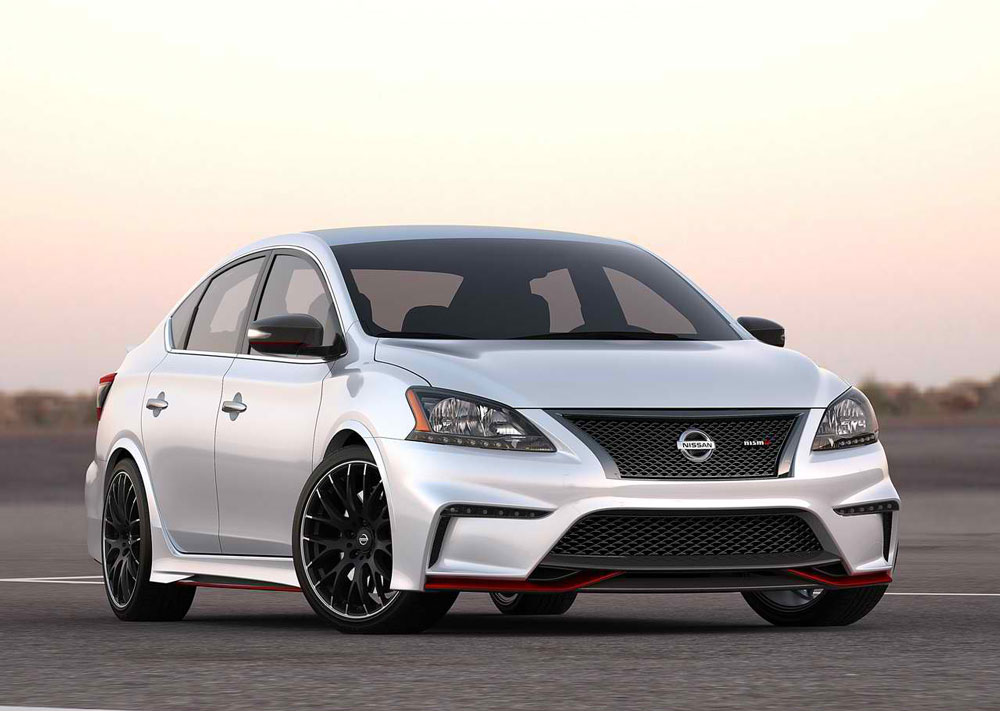
For 2017, the standard Nissan Sentra is offered in four trims: S, SV, SR, and SL. These versions are powered by a 1.8-liter four-cylinder engine producing 124 horsepower and 125 lb-ft of torque.
The base S trim can be equipped with either a six-speed manual transmission or Nissan’s Xtronic continuously variable transmission (CVT), while all other trims come standard with the CVT.
Performance enthusiasts will be drawn to the Sentra SR Turbo and Sentra NISMO models, both of which feature a turbocharged and intercooled 1.6-liter four-cylinder engine delivering 188 horsepower and 177 lb-ft of torque.
These trims are available with either a six-speed manual transmission or a CVT tuned with a wider gear ratio range for a sportier feel.
The SR Turbo rides on 17-inch wheels and benefits from a specially tuned suspension system, featuring stiffer front springs and upgraded front and rear dampers to enhance handling. Its electric power steering uses a larger steering motor and revised tuning for sharper response.
Nissan also upgraded the front brakes from 11.0 inches to 11.7 inches and fine-tuned the Active Understeer Control system for improved cornering stability. To complete the package, a power moonroof comes standard on the SR Turbo, giving it both performance and premium appeal.
2. Chevrolet Cruze
The Chevrolet Cruze was praised early on for its quiet cabin and strong fuel economy, but its long-term reliability hasn’t held up. Many owners report turbocharger issues, coolant leaks, and electrical gremlins after 100,000 miles.
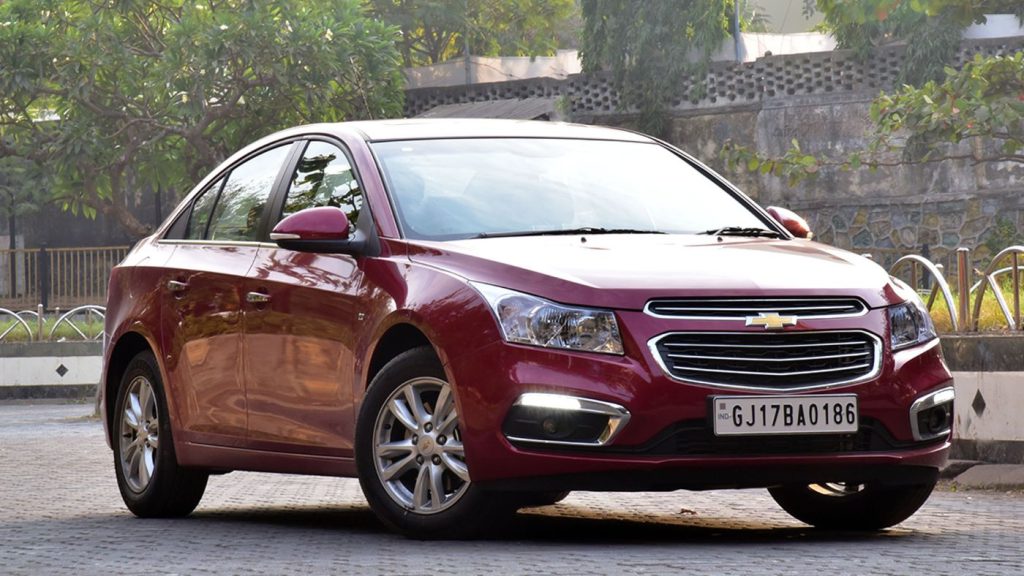
The interior plastics, which felt premium at launch, often develop creaks and rattles, especially in cold weather. Suspension bushings wear prematurely, leading to clunks and loose handling. By 150,000 miles, even well-maintained Cruzes tend to feel tired and less cohesive than their Japanese or Korean rivals.
3. Volkswagen Jetta
Volkswagen’s small sedans deliver European driving feel, but that precision often fades with age. The Jetta’s solid-feeling doors and confident handling are offset by interior materials that degrade quickly in hot climates and electronics that can turn temperamental after 100,000 miles.
DSG transmissions, while slick when new, can develop jerky behavior with age, and replacement costs aren’t cheap.
By the time a Jetta hits 150,000 miles, it may still look decent, but many owners describe creaky suspensions, worn trim, and constant check-engine lights that make it feel far older than its mileage.
For the 2025 model year, the Volkswagen Jetta receives a refreshed exterior and interior design, bringing a more modern and refined look to this long-standing compact sedan.
Among the updates, automatic climate control now comes standard across all trim levels, enhancing comfort and convenience for every driver.
However, one key change is the removal of the manual transmission option from all non-GLI Jetta models. Enthusiasts need not worry, though, the performance-oriented GLI variant proudly retains its manual gearbox for 2025, preserving its sporty character.
The Jetta remains Volkswagen’s most classic offering, embodying the traditional compact sedan formula with its familiar three-box silhouette. Its proportions lean toward the larger side of the compact class, offering a sense of space that feels closer to a midsize car.
The 2025 redesign gives the Jetta a sharper, more aerodynamic presence, highlighted by a narrower front grille and a sleek horizontal band integrated into the lower front bumper that contributes to a lower, more planted stance.
The GLI models stand out with their signature black and red trim accents, though they maintain the same overall body shape as the standard versions.
Inside, the cabin receives thoughtful updates aimed at improving both usability and style. A new 8.0-inch touchscreen now sits prominently at the top of the dashboard, positioned above the central climate vents for easier visibility and access.
GLI trims distinguish themselves further with black and red interior accents, as well as more aggressively bolstered front seats that enhance support during spirited driving.
Under the hood, the 2025 Jetta offers two turbocharged powertrains. The base S, Sport, SE, and SEL trims are powered by a 1.4-liter turbocharged four-cylinder engine that generates 158 horsepower, paired exclusively with an eight-speed automatic transmission.
The sportier GLI variant upgrades to a more potent 2.0-liter turbo-four producing an impressive 228 horsepower.
Buyers can choose between a six-speed manual transmission for a traditional driving experience or a seven-speed dual-clutch automatic for quicker, seamless shifts.
As always, all Jetta models feature front-wheel drive, maintaining the blend of efficiency, comfort, and practicality that has defined the model for decades.
4. Ford Focus
The Ford Focus, especially from the 2012–2018 model years, is a cautionary tale in small-car longevity. The dual-clutch “PowerShift” transmission was designed for fuel efficiency but became infamous for shuddering and hesitation as it aged.
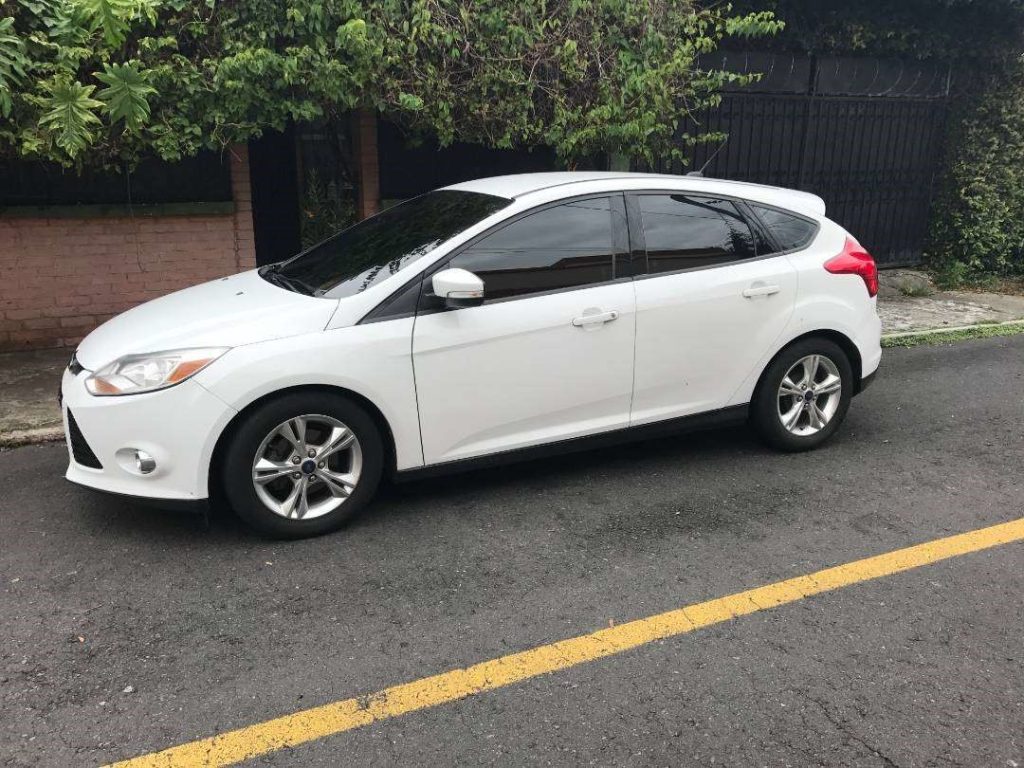
Even beyond the transmission, many Focuses suffer from suspension noise and body flex after 100,000 miles. The steering remains sharp, but the overall refinement diminishes, with the car feeling loose and rattly inside. The 2.0-liter engine is generally solid, but it’s attached to a platform that simply doesn’t hold its composure over the long haul.
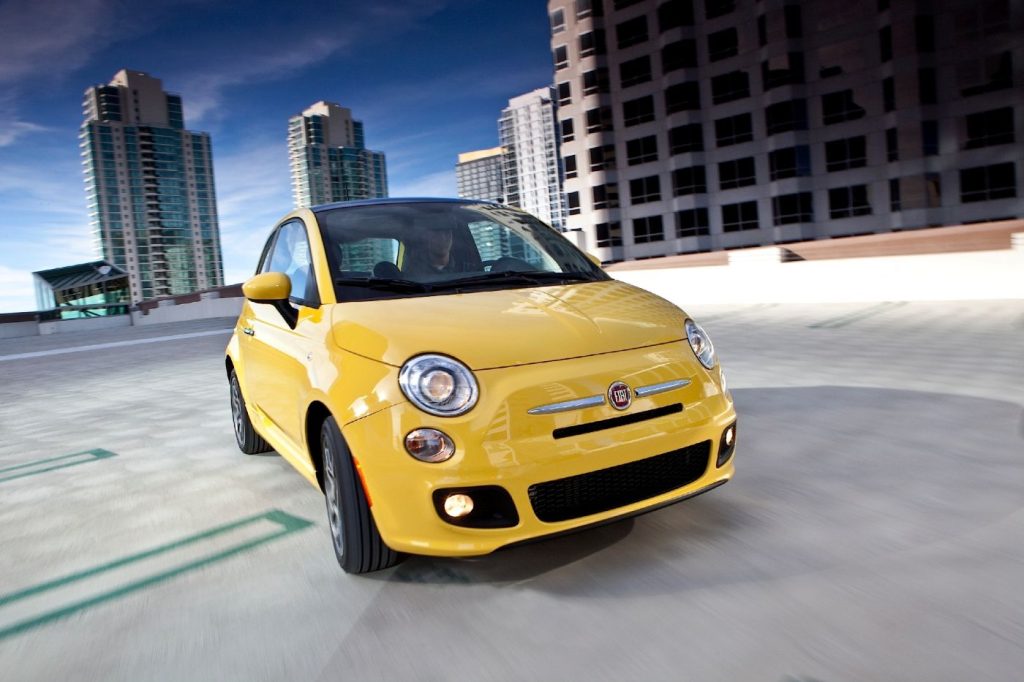
5. Fiat 500
Quirky, charming, and undeniably stylish, the Fiat 500 brings a smile when new, but by 150,000 miles, that smile often fades.
The interior plastics are prone to squeaks, and the suspension wears out quickly on rough American roads. Transmission issues are common, especially with the automatic models, and parts availability can be spotty.
While it’s a fun city car, the 500 doesn’t handle aging gracefully; the body and interior begin to feel loose, and the driving experience loses its initial pep. For a brand that only recently returned to the U.S. market, long-term durability remains a weak spot.
A car that “feels new” at 150,000 miles doesn’t necessarily mean it’s trouble-free, but rather that its structure, drivetrain, and interior have held up in a way that still inspires confidence.
The Toyota Corolla and Honda Civic remain benchmarks for long-term dependability, while the Mazda3 adds a dose of driver engagement without sacrificing reliability. Even newer contenders like the Hyundai Elantra prove that affordable cars can feel solid after years of use.
On the other hand, models like the Sentra, Cruze, and Focus show how cost-cutting or flawed engineering choices can haunt a car’s later life. They might reach the mileage milestone, but they’ll sound and feel every bit of it.
For American drivers who hold onto their cars for a decade or more, choosing a small car that stays tight and composed well past 100,000 miles isn’t just a matter of comfort, it’s financial wisdom.
After all, the difference between a car that still feels fresh and one that rattles over every bump can be the difference between a satisfied long-term owner and someone counting down the days to trade-in time.
