
For American drivers, the average commute has ballooned to nearly an hour per day, translating to over 200 hours spent in the driver’s seat each year.
In this context, a car seat is far more than a place to sit; it is an ergonomic throne that can either preserve your spinal health or become a source of chronic, nagging pain.
While automotive marketing dazzles us with horsepower, fuel economy, and infotainment screens, the long-term integrity and support of the driver’s seat are often an afterthought in reviews and a hidden cost of ownership. The truth is, not all seats are created equal.
The quality of foam density, the design of the lumbar support, and the robustness of the underlying structure are engineering choices that have profound consequences years down the road.
Through a combination of long-term tester feedback, owner surveys, and insights from automotive ergonomists, a clear divide emerges between sedans that are built for the long haul and those that are destined for the chiropractor’s office.
Here is an unflinching look at five sedans whose seats will feel supportive for the life of your loan and five whose cushions will have you feeling every bump in your spine by the three-year mark.
5 Sedans with Seats That Stand the Test of Time
The sedans on this list share a common philosophy: the driver’s interface with the car is paramount.
Manufacturers invest in high-resilience foam, multi-adjustable lumbar systems, and robust bolsters that maintain their shape through thousands of entries and exits.
Toyota Avalon (Final Generation, 2019-2022)
Often hailed as a secret masterpiece of comfort, the now-discontinued Avalon was Toyota’s flagship comfort cruiser. Its seats were a lesson in sophisticated support.
They used a combination of a firm, deep foundation layer with a softer top layer, a technique that prevents the “hammocking” effect common in cheaper seats.
The 10-way power-adjustable driver’s seat, standard on most trims, included adjustable lumbar support that actually conformed to the curve of the lower back, not just punched in and out.
Long-term testers with over 50,000 miles reported no discernible sagging, a testament to the quality of materials Toyota reserved for its top-tier sedan. For a used car buyer, an Avalon represents a sanctuary of lasting comfort.
The 2019 Toyota Avalon, in its XLE Sedan trim, has a starting MSRP of $35,650. Its key specifications are presented in the following overview.
This full-size sedan measures 195.9 inches in length, 72.8 inches in width, and 56.5 inches in height. It offers seating for five passengers and provides a cargo capacity of 16.1 cubic feet.
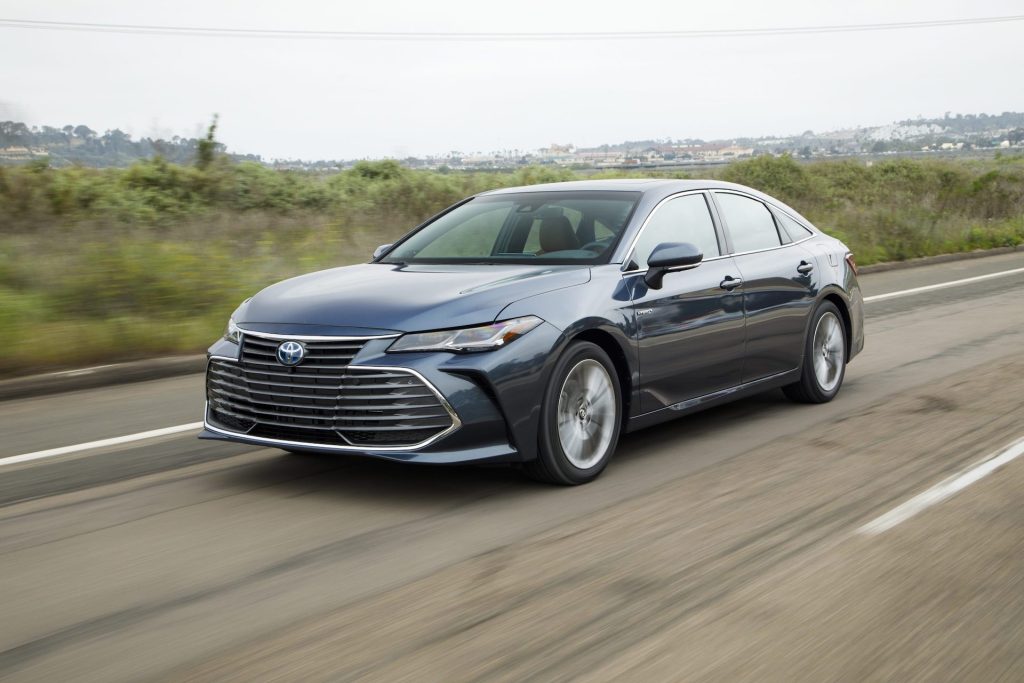
For occupant comfort, the interior dimensions include 37.4 inches of front headroom and 37.5 inches of rear headroom. Legroom is measured at 42.1 inches in the front and 40.3 inches in the rear, while shoulder room comes in at 58.3 inches front and 57.1 inches rear.
The vehicle has a curb weight of 3,560 pounds and is powered by a 3.5L V6 engine. This engine generates 301 horsepower at 6,600 RPM and 267 lb.-ft. of torque at 4,700 RPM. The powertrain is paired with an ECT-i automatic transmission that features a manual mode and drives the front wheels.
It runs on unleaded fuel and achieves a standard fuel economy rating of 22 city/32 highway miles per gallon, yielding a driving range of approximately 377 miles. The cylinder configuration is a V-type, and the car features a total of six cylinders. The body style is a sedan, and the transmission type is an automatic.
Also Read: 12 Top Sedans With the Best Dashboard Layouts
Genesis G80
As Hyundai’s luxury division, Genesis understands that perceived quality is felt as much as it is seen. The seats in the G80 are arguably best-in-class, rivaling those found in far more expensive German rivals.
They are available with premium Nappa leather and ergonomic piping that is not just decorative but functional, creating distinct zones of support.
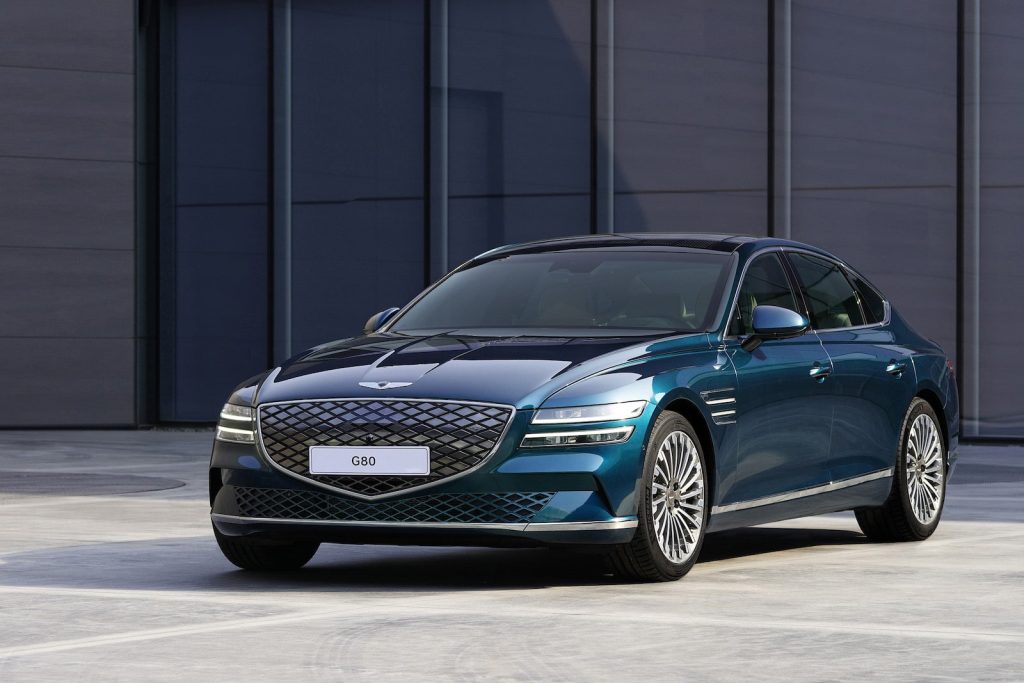
The key to their longevity is the use of multi-density foam, where the bolsters are firmer to hold you in place during corners, while the central seating area is calibrated for plush, long-distance comfort without bottoming out.
Owners frequently cite the “16-way power-adjustable driver’s seat with lumbar extension” as a primary reason for their satisfaction, noting that after years of ownership, the seat still feels as structured and enveloping as the day they bought it.
Subaru Legacy (Touring Trim)
Subaru has built its reputation on practicality and all-weather capability, but with the Legacy, especially in the top Touring trim, it offers one of the most durable and comfortable seats in the mainstream segment.
The star feature here is the standard driver’s seat upholstered in StarTex vinyl and most importantly, heated and ventilated, Nappa leather-appointed upholstery. The ventilation isn’t just a luxury; it reduces the heat and moisture that can break down foam and materials over time.
Furthermore, Subaru’s focus on robust, no-nonsense engineering extends to the seat frames and high-resilience foam they use, which is designed to withstand the rigors of a long lifespan without collapsing. It’s a seat built for the 200,000-mile journey, not just the first 20,000.
For the 2018 model year, the Subaru Legacy has been revised, featuring updated styling at the front and rear of the vehicle.
The cabin benefits from higher-quality materials, and a more expansive 6.5-inch display is now standard, incorporating smartphone integration technology. A newly designed air-conditioning system provides more powerful climate control.
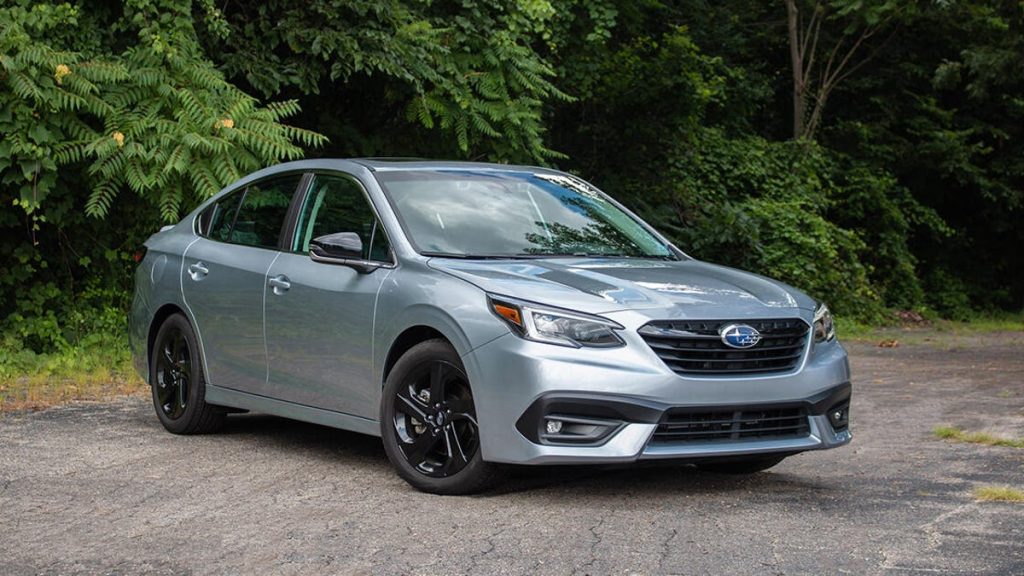
According to Subaru, engineers have also retuned the Legacy to deliver smoother acceleration characteristics and a more comfortable ride quality. The steering has been adjusted for a sportier feel, and measures have been taken to reduce wind and road noise when traveling at highway speeds.
The primary drawback associated with the Legacy involves its engine choices. The standard 2.5-liter four-cylinder engine is fuel-efficient but does not deliver robust power.
A more powerful 3.6-liter six-cylinder engine is available; however, even this upgraded engine does not provide the same level of acceleration as the enhanced powerplants found in competing sedans, and it consumes more fuel.
Overall, though, we like the Legacy. Even if you reside in an area that enjoys sunshine all year round, the car’s compelling combination of features, interior spaciousness, and safety technology solidifies its status as a worthwhile choice.
Volvo S90
For decades, Volvo has invested in orthopedically correct seating, collaborating with medical experts to design seats that promote health and well-being. The S90 is the pinnacle of this philosophy.
The seats are not overly soft; in fact, some find them firm at first sit. This is by design. The firmness comes from a sophisticated spring and foam system that provides consistent, even support across the entire seat pan and backrest, preventing pressure points that lead to squirming and back pain on long trips.
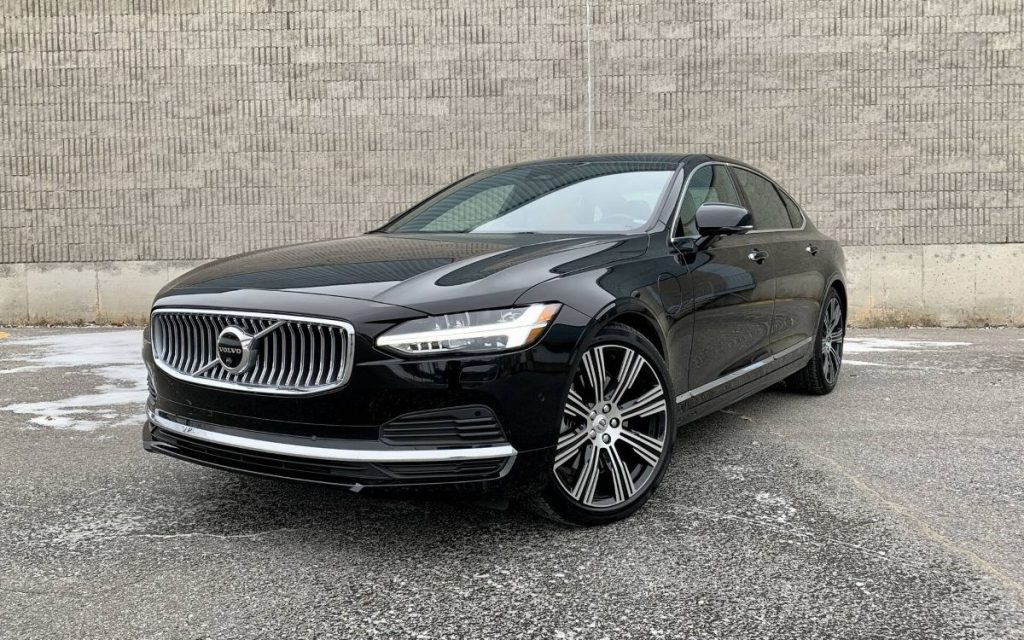
The side bolsters are substantial but not restrictive, and the available multi-contour seats with multiple massage programs encourage micro-movements in your back, reducing fatigue. These seats are engineered like premium office chairs, and like a good Herman Miller, they only prove their worth after hours of continuous use.
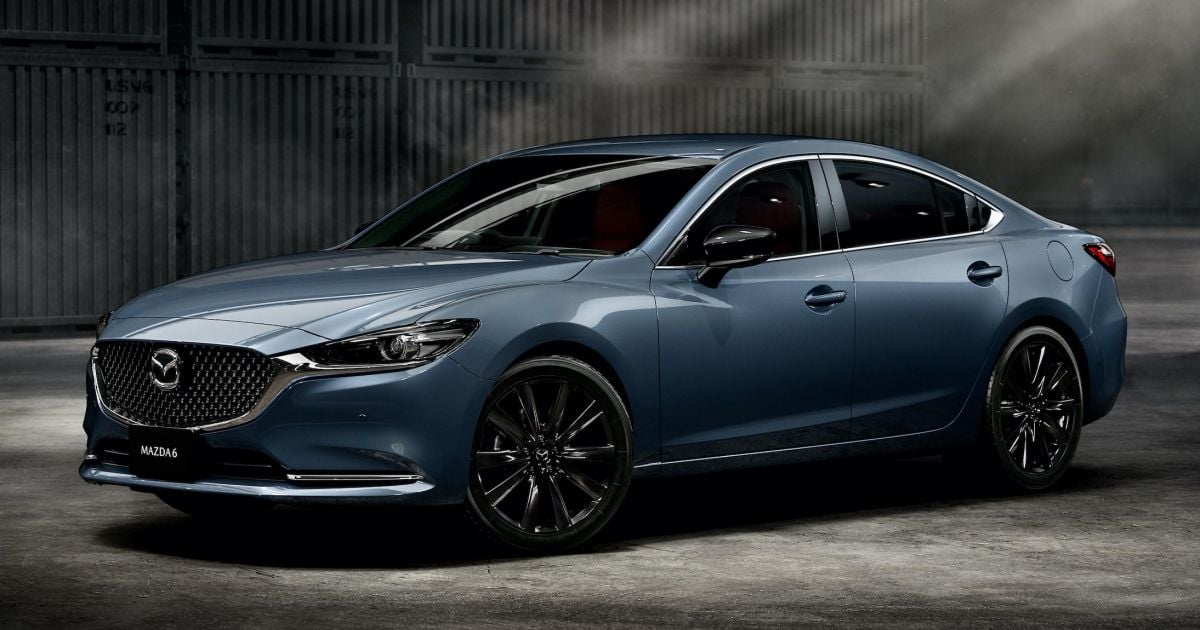
Mazda6 (with Signature Trim Seats)
While the base Mazda6 seats are competent, the seats in the top Signature trim are in a different league. Trimmed in rich, deeply colored Caturra Brown Nappa leather, they feature a unique stitching pattern that minimizes stress on the hide, preventing premature stretching and wear.
More importantly, the underlying cushioning is uniquely formulated to be both supple and deeply supportive. Mazda’s “Jinba Ittai” (horse and rider as one) philosophy extends to how the driver interacts with the seat, ensuring it holds you in a perfect, stable position that minimizes fatigue.
Long-term tests have shown these seats resist the center-crease sagging that plagues many leather-trimmed interiors, maintaining their sculpted, form-fitting feel well into the car’s life.
Among other midsize sedans, the 2021 Mazda 6 possesses an abundance of stylistic flair and continues to emphasize driving pleasure and a high-quality cabin environment. If one were to consider the top-tier Signature trim, for instance, it could quite effortlessly be mistaken for an entry-level luxury vehicle from a brand such as Acura or Lexus.
The surge of acceleration delivered by the 6’s available turbocharged powerplant is also rather compelling. It is important to note, however, that this particular generation of the Mazda 6 is now in its seventh year of production.
A number of its key competitors, including the Kia K5, Honda Accord, and Toyota Camry, feature designs that are significantly more contemporary.
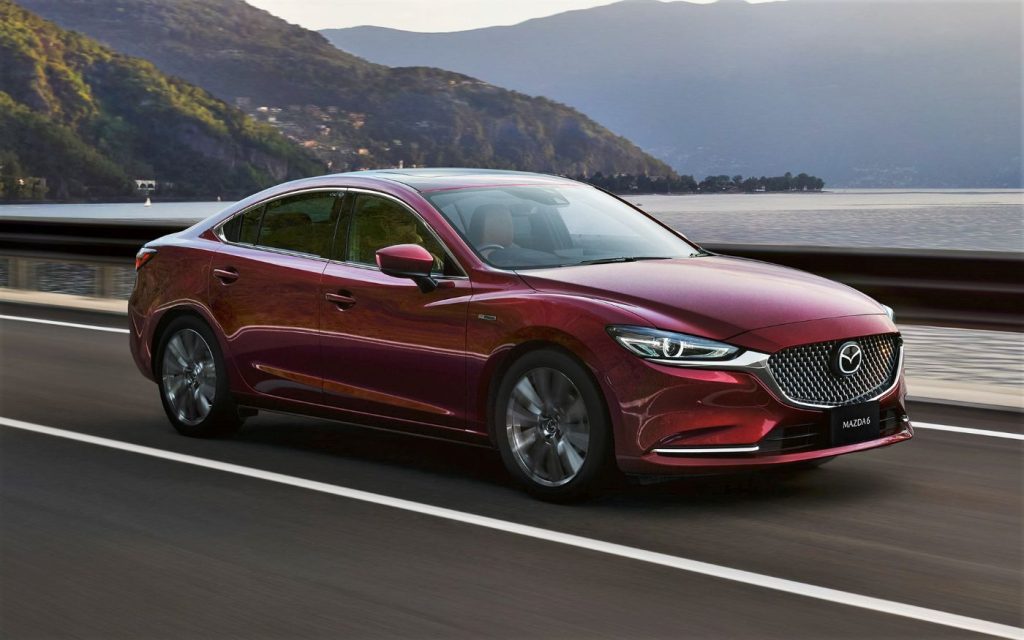
Furthermore, if a supremely comfortable and relaxed ride is your primary objective, you may want to consider other options. Yet, on the whole, this is a minor concession to make for what is otherwise a strikingly sleek and attractive sedan.
The optional turbocharged four-cylinder engine is strong off the line, though its thrust diminishes at highway speeds, and the six-speed transmission, while behind the times in gear count, shifts quickly and smoothly.
For comfort, which scores an 8, the front seats are firm and contoured to prevent movement during hard driving yet remain comfortable on long cruises, especially with available leather and ventilation; however, the sport-tuned suspension results in a ride that is stiffer than competitors, prioritizing driving thrills over plushness, though the cabin is otherwise calm and well-insulated.
The interior, also an 8, is praised for easy entry and exit thanks to wide-opening doors, with plenty of front-seat space, though tall rear-seat passengers may find headroom compromised by the sloping roofline, and legroom is less than in an Accord or Camry.
The central control knob is easy to operate, but the steering wheel controls are fiddly, and the touchscreen has a lockout feature while in motion.
Value is rated an 8, with Mazda succeeding in creating a borderline-luxury sedan at an affordable price, featuring excellent fit and finish, a refined design, and a composed ride, making it one of the most fun models in its class to drive.
Also Read: 5 Cars With Perfect Driver Seating Position And 5 That Make You Hunch
5 Sedans with Seats That Falter Prematurely
The sedans on this list often sacrifice seat quality to meet a price point or prioritize style over substance. They use lower-density foam that compresses quickly, offer anemic lumbar support, or have designs that create pressure points for an average-sized American frame.
The Nissan Altima (Base SV and S Trims)
The Nissan Altima is a sales staple, but its seats, particularly in the lower trims, are a common point of complaint among long-term owners. The primary issue is the use of low-resilience foam in the seat bottom that loses its springiness quickly.
Within two to three years, drivers often find themselves sitting on the seat frame rather than in the cushion, leading to tailbone discomfort and a noticeable “sagged” appearance.
The standard lumbar support is a simple, single-chamber bladder that provides a blunt, often ineffective push in the lower back rather than a conforming support, causing more fatigue than it relieves on a long drive.
Despite its corporate lineage of crafting notable performance cars and agile sports sedans, the 2025 Nissan Altima proves to be somewhat underwhelming from a driving dynamics perspective.
The vehicle is propelled by a 188-horsepower engine, a figure that is reduced to 182 horsepower in configurations equipped with all-wheel drive, and is paired exclusively with a continuously variable automatic transmission (CVT).
This powertrain combination results in sluggish acceleration from a standstill, though it does yield the compensatory benefit of excellent fuel efficiency.
The Altima’s handling capabilities are another area of compromise; while it delivers a generally comfortable experience on highway journeys, versions outfitted with the available 19-inch alloy wheels transmit a noticeably harsher ride quality.
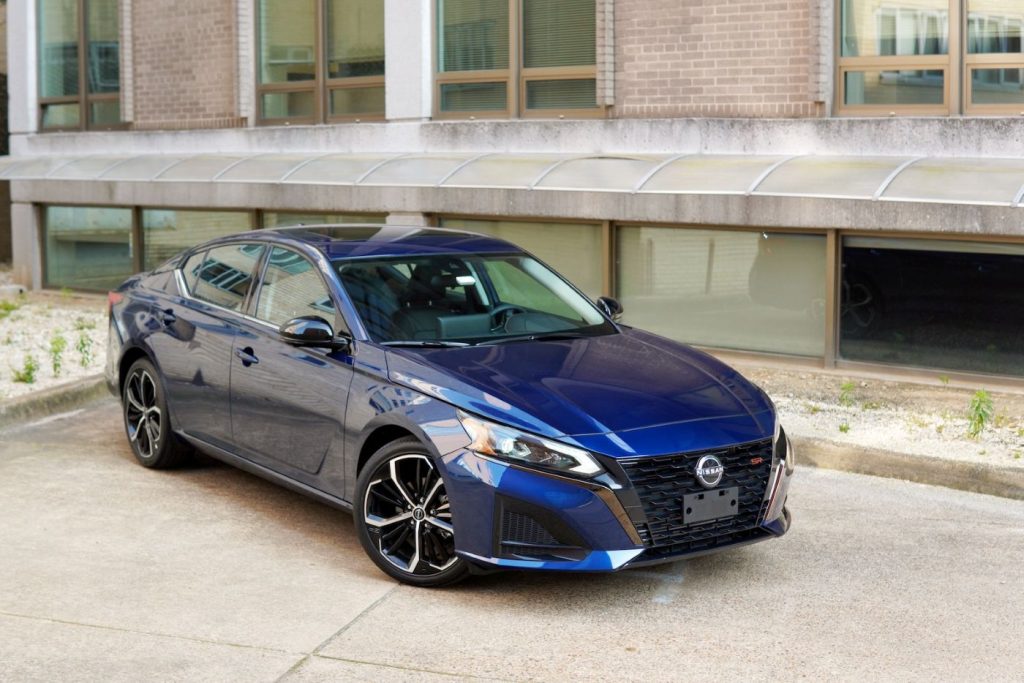
A further drawback is the tendency of the CVT to produce a monotonous drone while operating at highway speeds. Indeed, fuel economy stands out as one of the most positive attributes of the 2025 Altima. The S and SV trims with front-wheel drive achieve an EPA-estimated 27 mpg in the city and 39 mpg on the highway.
SR and SL models with front-wheel drive see a slight decrease to 27 mpg city and 37 mpg highway. Every Altima trim level specified with all-wheel drive returns ratings of 25 mpg city and 34 mpg highway.
These estimates position the Altima favorably within the competitive midsize sedan category, with the base front-wheel-drive model theoretically capable of exceeding 599 miles of driving range on a single tank of fuel.
The Chevrolet Malibu (LS and LT Trims)
GM has struggled with seat comfort for years in its mid-size sedans, and the Malibu is a prime example. The seats are broadly flat and lack significant lateral or thigh support.
The foam is soft initially, giving a deceptively comfortable first impression, but it packs down prematurely. This creates a dish-shaped depression that makes it difficult to get out of the car and can promote poor posture.
The standard lumbar adjustment is minimal, and many drivers find it impossible to find a truly neutral spinal position, leading to lower back stiffness after a commute.
The 2025 Malibu presents itself as a fundamentally straightforward vehicle to operate, characterized by steering that is direct and offers an adequate sense of the road. However, this does not translate into a particularly engaging experience when navigating winding roads; the sedan is not tuned for spirited cornering.
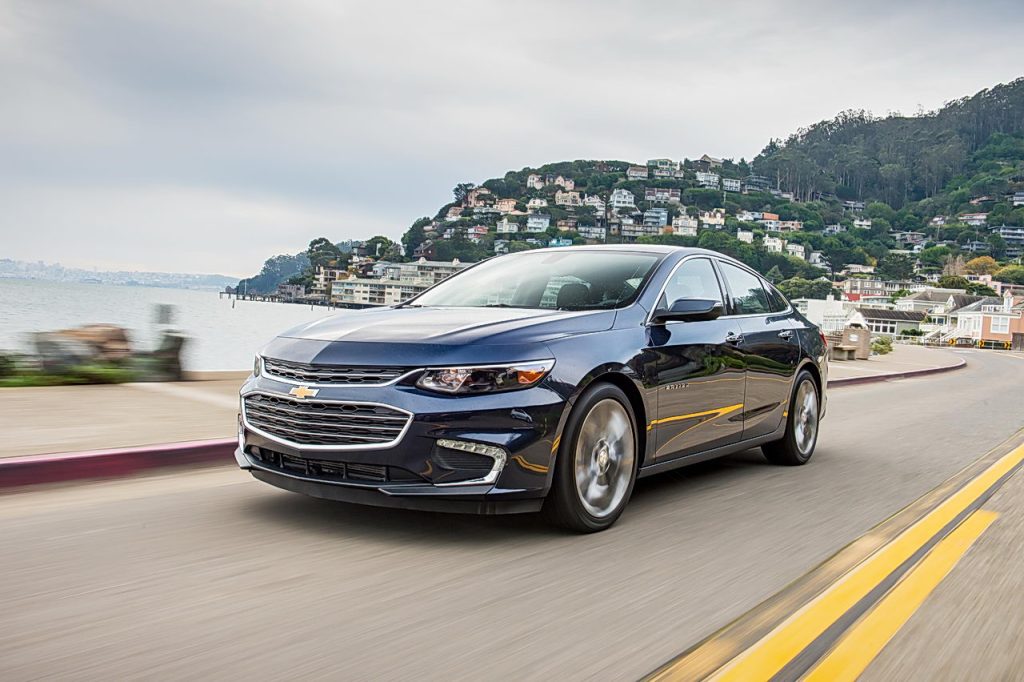
Its primary focus is instead on delivering a comfortable and composed ride quality, an objective it meets with considerable success. Under the hood, every Malibu is uniformly powered by a turbocharged 1.5-liter four-cylinder engine generating 163 horsepower, channeled to the front wheels through a continuously variable automatic transmission (CVT).
This specific powertrain configuration proves to be perfectly sufficient for the demands of typical daily commuting, and the car demonstrates respectable urgency from a standing start. The primary drawback emerges during highway merging or passing, where the engine’s output feels noticeably insufficient for confident acceleration at higher speeds.
Honda Civic (Base LX Trim)
The Honda Civic is rightly praised for its engineering, fuel economy, and fun-to-drive nature. However, in the pursuit of weight savings and cost-efficiency, the seats in the base LX model are a notable weak point.
They are thin, lack sufficient padding, and are mounted on a relatively rudimentary frame. The fabric itself is durable, but the scant cushioning underneath means that drivers begin to feel the hard points of the seat structure far too soon.
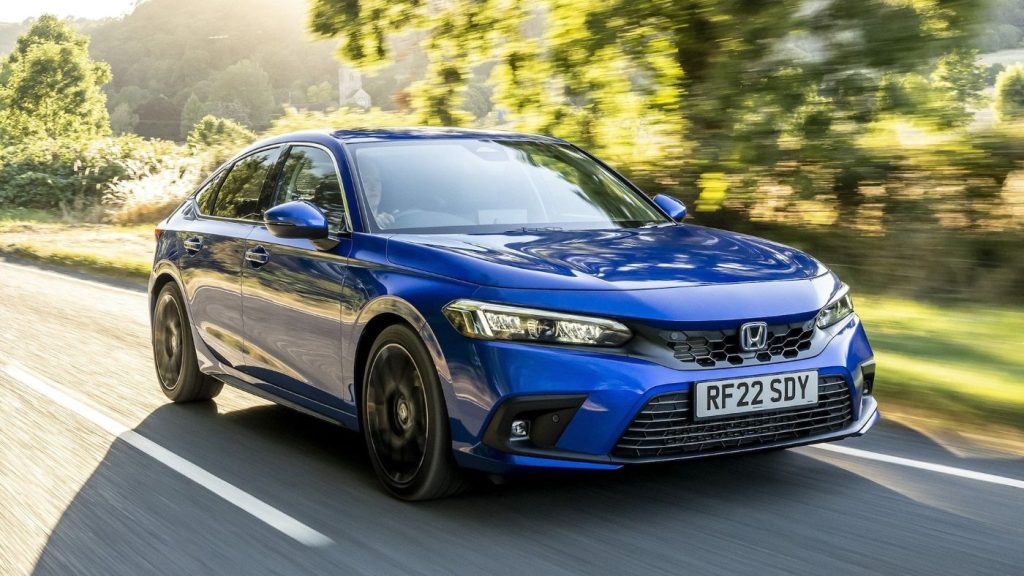
For a young buyer, it might be acceptable, but for anyone with existing back concerns or a daily highway commute, the lack of long-term support becomes a genuine liability.
Hyundai Elantra (Base SE Trim)
Like its corporate cousin, the Kia Forte, the base-model Elantra features seats that prioritize slim, space-efficient design over long-term comfort.
The seatbacks are particularly flat, offering little in the way of scapular relief, causing shoulder and upper back tension.
The foam composition is a single density that feels adequate for a test drive but lacks the deep, resilient support needed for daily use.
Within a few years, the point where your thighs meet the seat cushion shows significant compression, creating a hard edge that can impede circulation and cause numbness on long journeys.
The 2023 Hyundai Elantra lineup is structured around five primary trim levels: the base SE, the mid-level SEL, the sport-themed N Line, the premium Limited, and the high-performance N model.
Additionally, the Elantra is offered in a Hybrid variant, which is available in either Blue or Limited trim configurations. The entry-level SE trim serves as the foundation for the model range, equipping the vehicle with a 147-horsepower 2.0-liter four-cylinder engine paired with a continuously variable automatic transmission (CVT).
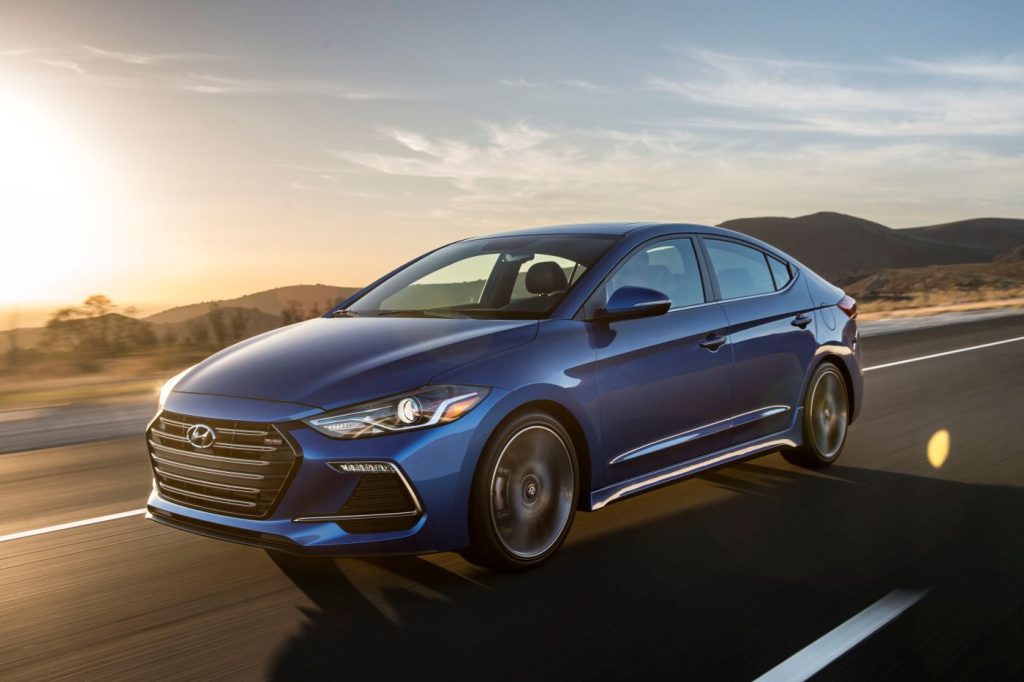
The interior features cloth upholstery, a height-adjustable driver’s seat, and manually adjustable air conditioning. Technology is anchored by an 8-inch touchscreen that includes standard wireless Android Auto and Apple CarPlay smartphone integration, dual USB ports, and a four-speaker audio system.
A comprehensive suite of standard safety equipment is included across all Elantra trims. This suite encompasses forward collision mitigation, which can warn of an impending impact and automatically apply the brakes in specific situations.
It also includes blind-spot collision-avoidance assist, which provides alerts for vehicles in the blind spot and can apply brakes to prevent or reduce a collision, and a similar rear cross-traffic collision-avoidance assist for safer reversing.
Additional features are a lane keeping assistance system that steers the car back into its lane if it drifts, a driver attention warning to alert fatigued drivers, a safe exit warning to caution passengers before they open doors into traffic, a lane keeping system for minor steering corrections to maintain lane center, and rear automatic braking that activates if an imminent collision is detected while in reverse.
Chrysler 300 (Base Touring Trim)
This one may be surprising, as the Chrysler 300 presents itself as a large, comfortable American cruiser. However, there is a stark difference between the plush seats in the higher trims and the budget-friendly units in the base model.
The Touring trim seats are surprisingly firm in all the wrong ways, with poorly positioned bolsters that can dig into the thighs of larger-framed drivers.
The lumbar support is overly aggressive and centralized, creating a pressure point in the lower back rather than distributing support evenly.
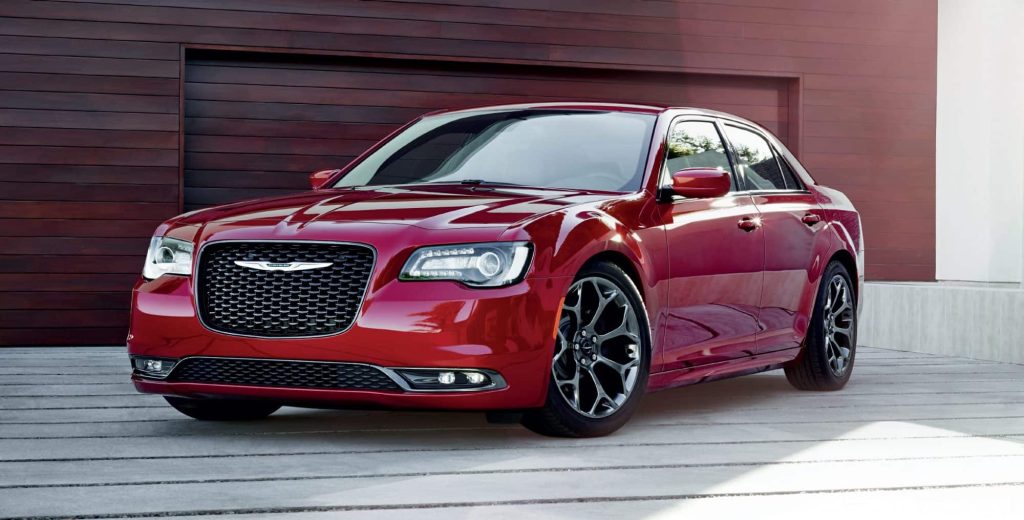
The result is a seat that feels like it was designed for a different vehicle altogether, causing occupants to fidget and shift to find relief long before the lease is up.
Your choice of a sedan is an investment not just in transportation, but in your physical well-being. The extra few thousand dollars spent on a model, or a higher trim level, known for its durable, orthopedically sound seats is not a luxury.
It is a direct investment in your comfort and health, paying dividends in pain-free miles for years to come. Before you sign on the dotted line, look beyond the sticker price and the glossy brochure.
Spend a significant amount of time in the driver’s seat, and consider the long-term owner reviews that mention comfort. Your back, three years from now, will thank you for the due diligence.
