
For many American drivers, an SUV represents more than just practicality; it’s a ticket to adventure. It’s the vehicle that can handle the weekly school run with equal aplomb to a weekend escape down a forgotten forest service road or a dusty trail to a remote campsite.
However, not all SUVs are created equal when the pavement ends. One of the most telling signs of an SUV’s fundamental build quality and long-term durability is how it handles the persistent, insidious vibrations of unpaved terrain.
While some vehicles feel as solid and hushed on a washboard dirt road as they do on the interstate, others begin to betray their cost-cutting origins with an unsettling symphony of squeaks, rattles, and buzzes after just a few miles.
This isn’t just about comfort; it’s a preview of long-term ownership costs and residual value. Here, we delve into five SUVs renowned for their rattle-free resilience and five that are prone to loosening up faster than a kid’s tooth, providing the context behind their performance.
5 SUVs Built to Withstand the Shake
In the world of automotive ownership, the first rattle is a moment of quiet betrayal. It’s a sound that often begins subtly, a faint buzz from the dashboard on a cold morning, an intermittent creak from the cargo area over a specific bump, a plastic-on-plastic sigh from the door panel when the stereo’s bass hits a certain note.
For many drivers, this marks the beginning of a frustrating and often losing battle, a sign that their vehicle’s initial showroom solidity is giving way to a looser, less refined reality.
This gradual decay isn’t just an annoyance; it’s a direct reflection of an SUV’s fundamental build quality, structural integrity, and the manufacturer’s commitment to long-term durability.
While countless modern SUVs are engineered for comfort, efficiency, and cutting-edge tech, only a select few are built to a higher standard, one of silent, resilient fortitude.
These are the vehicles engineered not just for the smooth, welcoming pavement of the dealership, but for a lifetime of real-world abuse: the pothole-riddled streets of urban America, the washboard ripples of desert fire roads, and the relentless vibration of daily commutes that slowly pick apart lesser machines.
This article is a tribute to those exceptional SUVs that stand firm against the tide of time and tremor. We will delve into the five production SUVs that are truly built to withstand the shake, exploring the engineering philosophies, overbuilt components, and proven track records that make them bastions of quiet confidence in a noisy world.
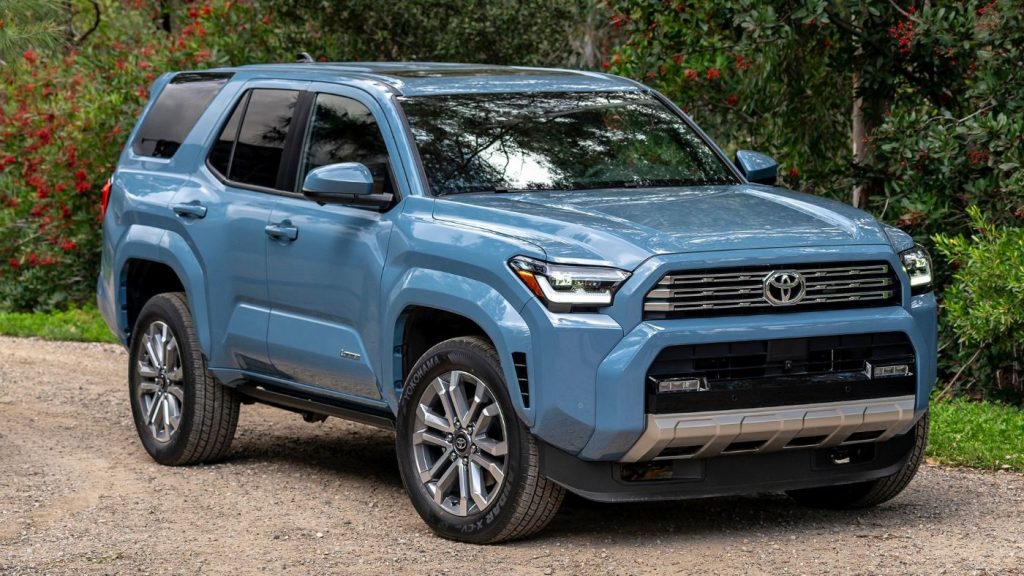
Toyota 4Runner
Often described as a “relic” in the best possible way, the Toyota 4Runner’s refusal to adopt a modern unibody construction is the very secret to its preternatural quietness off-road.
Its body-on-frame architecture, shared with the Tacoma pickup truck, means the ladder frame absorbs the primary impacts and twists of the terrain.
The passenger cabin is then bolted atop this rigid, forgiving structure with substantial isolation. Furthermore, Toyota’s interior trim, while not always luxurious, is famously overbuilt and screwed together with a focus on durability over flash.
Dashboard panels, door cards, and switchgear are designed to withstand decades of sun and vibration. The 4Runner doesn’t feel quiet because it’s packed with sound-deadening foam (though it has some); it feels quiet because nothing in its construction is prone to flexing or micro-movements that cause noises in the first place.
In the meticulously curated landscape of the modern American SUV market, where crossovers blend into an indistinguishable blob of aerodynamic curves and tablet-style screens, the Toyota 4Runner stands as a deliberate anachronism.
To the uninitiated, it’s easy to dismiss the 2017 model as a dinosaur, a relic clinging to a bygone era of truck-based brutalism.
Its body-on-frame construction harkens back to a time when SUVs were derived from pickups, its interior design feels stubbornly utilitarian, and its five-speed automatic transmission was a relic even when it was new.
Yet, to label it obsolete is to profoundly misunderstand its purpose and its cult-like appeal. The 4Runner is less a dinosaur and more like a Komodo dragon: an ancient, powerful design that has survived not by adapting to every trend, but by perfecting its niche.
It is a vehicle built for a specific American ideal of adventure, one that involves genuine dirt, rock, and isolation, not just the suggestion of it.
This wasn’t just a name change; it was a strategic alignment with Toyota’s performance sub-brand, a move that resonated deeply with a market increasingly hungry for factory-backed off-road credibility.
Along with TRD floormats and badges, this shift cemented the 4Runner’s identity not as a compromised family hauler, but as a dedicated tool for exploration.
This was further emphasized by the continued presence of the ultra-capable TRD Pro series, which offered bespoke off-road suspension and aggressive styling. While competitors were adding more chrome and comfort, Toyota was doubling down on dirt.
Under the hood, the 4Runner’s heart was its most controversial feature. The 4.0-liter 1GR-FE V6 engine, producing 270 horsepower and 278 lb-ft of torque, was a known quantity, reliable to a fault but underwhelming in an era of turbocharging and high-efficiency engines.
Paired with a five-speed automatic transmission that most of the industry had abandoned, the powertrain felt agricultural. Acceleration was sluggish, and highway merging required planning. On-paper fuel economy was dismal, often dipping into the high teens in real-world use.
This focus on capability was most apparent in its chassis and drivetrain options. The body-on-frame construction, while contributing to on-road clumsiness, provided immense strength and durability for off-highway punishment.
The TRD Off-Road trims added Toyota’s ingenious Kinetic Dynamic Suspension System (KDSS), which used hydraulic cylinders to disconnect the sway bars for incredible axle articulation off-road, then reconnect them for on-road stability.
The top-tier Limited model took a different approach, employing a full-time all-wheel-drive system with a Torsen limited-slip center differential, making it a capable all-weather cruiser, albeit a less pure off-roader.
The materials were hard-wearing and plastic-heavy, with a focus on durability over plushness. A CD player was still standard, a feature rapidly disappearing from the automotive landscape. Yet, this spartan approach had its virtues.
The controls were easy to operate with gloves on. The vast, flat surfaces were easy to clean after a day at the beach or on the trail.
The sheer volume of interior storage cubbies was legendary, perfect for stashing maps, gear, and gadgets. While it lacked the available heated steering wheels and massaging seats of its competitors, it offered something they couldn’t: an interior that felt built to withstand decades of hard use without showing its age.
The infotainment system, Toyota’s Entune, was a simple and intuitive setup, though its graphics and screen resolution were a generation behind. Its very simplicity, however, meant it was less prone to the glitches and lag that often plagued more complex systems.
For a community of owners who valued function over flash, it was sufficient. Similarly, the 4Runner’s safety story was unique. It lacked the comprehensive suite of active safety features becoming standard elsewhere, but its core structure was immensely strong.
Also Read: 12 Cars That Shock Drivers With Unstoppable Reliability
Jeep Wrangler
This may seem counterintuitive to anyone who has driven a Wrangler on the highway, where wind noise is pronounced. However, in the specific context of dirt-road rattles, the Wrangler is brilliantly, purposefully simple. Its interior is famously spartan, with removable doors and a fold-down windshield.
What this means is there are far fewer of the complex, interlocking plastic trim pieces that plague modern car interiors. There are no delicate, integrated climate vents that can buzz, no long spans of unsupported dashboard veneer, and no power seats with a dozen tiny motors.
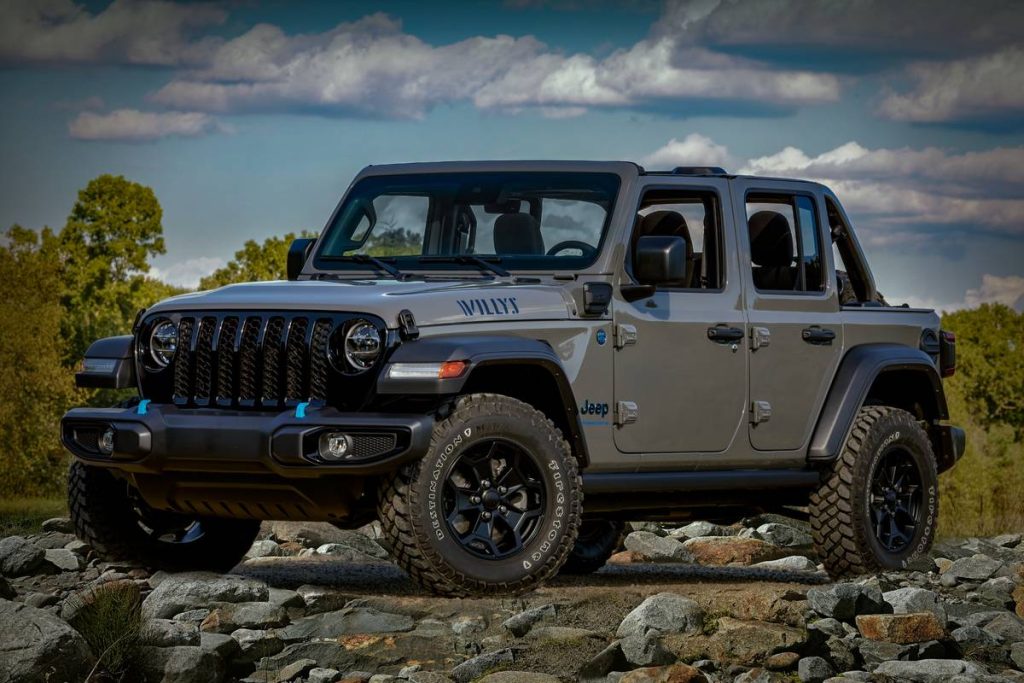
The noises a Wrangler makes are loud, honest, and mechanical, the hum of the off-road tires, the wind, not the maddening, intermittent plastic-on-plastic squeak from the glove box that signals a poorly assembled vehicle. It’s built like a toolbox, and tools don’t rattle themselves loose.
Land Rover Defender
The modern Defender represents a masterclass in combining luxury with rugged capability. Land Rover engineers knew that to justify its price and legacy, it had to feel impeccably solid. This was achieved through an immensely stiff aluminum monocoque (unibody) chassis, dubbed the D7x.
This rigidity is key; a flexible body is a noisy body. On top of this solid foundation, every interior component is mounted with meticulous attention to its tolerance and ability to dampen vibration.
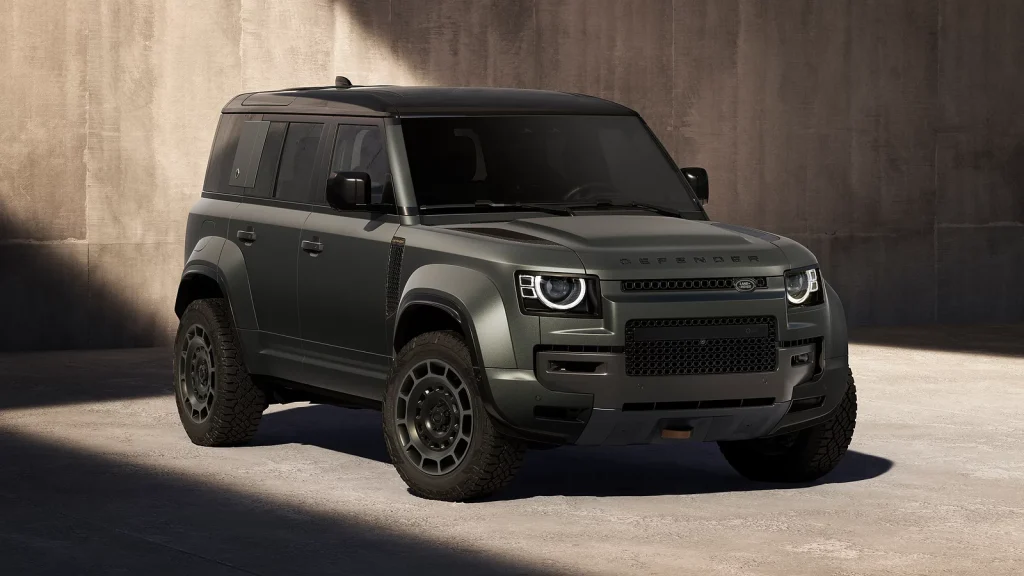
Buttons have a damped, precise feel, trim pieces are securely fastened with robust clips and occasional screws instead of just flimsy plastic tangs, and critical areas are laden with advanced acoustic laminates and sound-deadening materials.
The Defender proves that a unibody SUV can be exceptionally rattle-free, but it requires an uncompromising and expensive commitment to engineering that most manufacturers are unwilling to make.
Lexus GX
Think of the Lexus GX as the 4Runner’s more refined, tuxedo-clad cousin. It shares the same robust body-on-frame underpinnings but elevates the experience with a Lexus-level commitment to cabin quietness.
This is a double-barreled approach: you get the inherent vibration resistance of a truck frame, combined with layers of high-quality sound-deadening materials, acoustic laminated glass, and interior trim that is both more luxurious and just as securely fastened as its Toyota sibling.
The GX’s switches, knobs, and panels are designed not just for durability, but for a silent, damped operation. It’s a vehicle that isolates you from the chaos outside, whether that chaos is city traffic or a deeply rutted trail, making it one of the most serene vehicles money can buy for backroad exploration.
In the highly segmented world of American luxury automobiles, where every vehicle is meticulously engineered to fulfill a specific consumer fantasy, the 2019 Lexus GX 460 exists as a glorious, perplexing paradox.
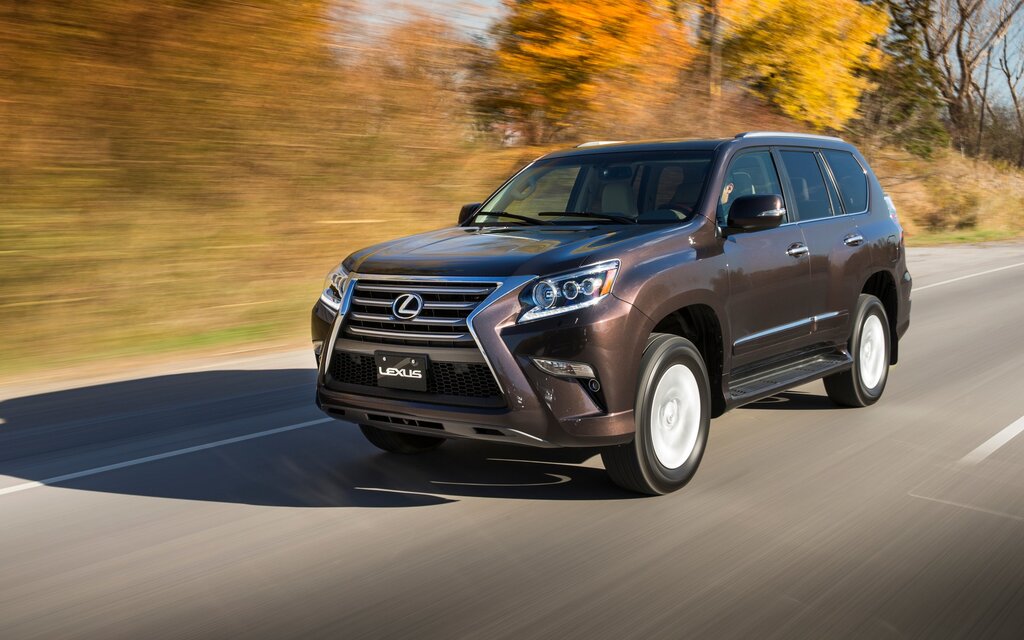
It is a vehicle with a profound identity crisis, a schism in its very soul that is both its greatest weakness and its most compelling strength. On one hand, it is a bona fide luxury SUV, swathed in soft-touch leather and polished wood, bearing the prestigious Lexus badge that promises serenity and refinement.
On the other, it is a hardcore, body-on-frame off-roader with a transfer case and a ladder chassis, its fundamental DNA shared with workhorse vehicles designed to conquer the Rubicon Trail.
This is not a seamless fusion of purposes; it is a forced marriage of two opposing automotive philosophies, and the 2019 GX 460 is the living, breathing testament to the compromises such a union demands.
For a certain American buyer, however, these very compromises are what make it the last of a dying breed, an unapologetic, rugged aristocrat in a sea of softly sprung crossovers.
To understand the GX 460, one must first look beneath the sculpted sheet metal. Its body-on-frame construction is the cornerstone of its identity and the primary source of its on-road dissonance.
In an era where virtually every competitor, from the Acura MDX to the Volvo XC90, has adopted car-like unibody platforms for a smoother, quieter, and more efficient ride, the GX 460 clings to a truck-based architecture.
This design is phenomenal for off-road durability, as the separate body and frame can flex and twist independently over brutal terrain without stressing the passenger cabin. However, on paved surfaces, this translates to a ride quality that feels decidedly dated.
It communicates every imperfection in the tarmac, every tar strip, every pothole patch, with a firm, jiggly feedback that modern crossovers expertly isolate.
The seats, often criticized for being flat and lacking long-term comfort support, do little to mitigate this, forcing occupants to endure the truck-like character that Lexus’s sound-deadening efforts can only partially mask.
The powertrain tells a similar story of rugged tradition over modern efficiency. Under the hood resides a 4.6-liter V8 engine, a configuration that is becoming as rare as a manual transmission in the luxury segment.
This naturally aspirated powerplant is a masterpiece of smooth, linear power delivery. There are no turbochargers to spool up, just immediate, sonorous torque that builds predictably, a trait that is invaluable when delicately crawling over rocks or towing a 6,500-pound boat.
Its reliability is the stuff of legend, engineered to last for hundreds of thousands of miles with basic maintenance. Yet, this commitment to a large-displacement, naturally aspirated engine comes at a severe cost at the pump.
Where this compromise truly pays dividends is when the pavement disintegrates into gravel, dirt, and rock. The GX 460’s off-road prowess is not an afterthought or a marketing gimmick; it is engineered into its core.
It is a vehicle that can confidently transport its occupants in third-row luxury to a remote campsite that would leave its competitors stranded with a scratched-up bumper and a low-grade sense of panic.
Also Read: 5 Cars That Stay Popular for Years vs 5 That Fade Quickly
Ford Bronco
Ford learned from the Wrangler’s playbook but added a layer of modern refinement. While even base Broncos are robust, the higher trim levels (Badlands, Wildtrak) and those equipped with the Lux package receive a significant infusion of sound-deadening material.
More importantly, for the hardtop models, Ford went through extensive revisions to address early complaints of roof panel noise. The mounting points and seals were engineered for a tighter, more secure fit to prevent the creaks and groans that can plague removable tops.
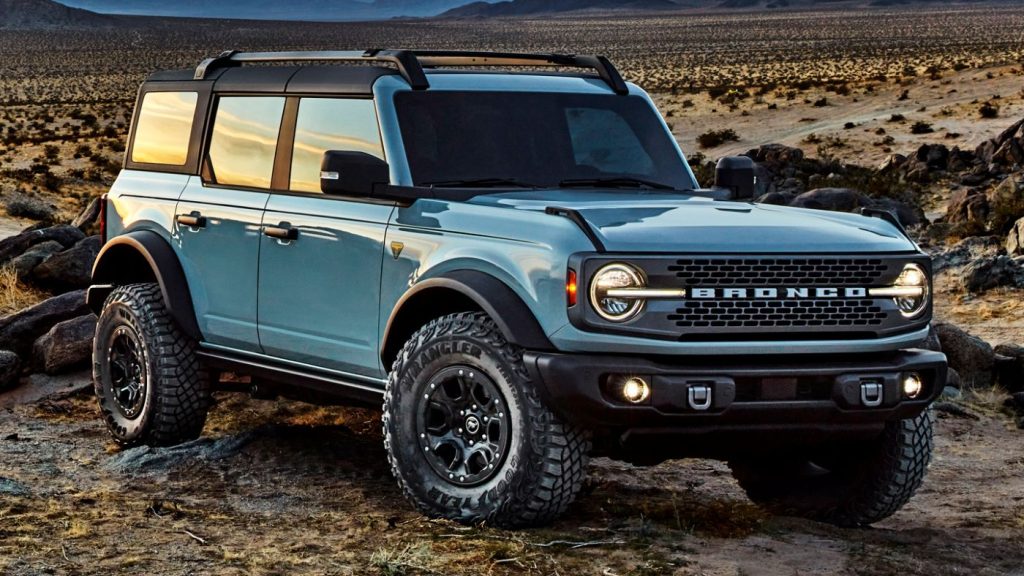
Its interior strikes a clever balance, offering a modern, tech-friendly cabin but using materials and fastening methods that feel capable of handling the shock and vibration of high-speed off-road driving without complaining.
5 SUVs That Succumb to the Shake
You bought it for the image, the promise of adventure, the aura of capability, the sleek lines that looked so perfect in the showroom. For the first thousand miles, it was everything you wanted. But then, the soundtrack of your daily commute began to change.
The satisfying thunk of the doors was joined by a new, unwelcome percussion section: a plastic-on-plastic squeak from the center console, a disconcerting buzz from the B-pillar, a mysterious groan from the rear seats.
This isn’t the rugged symphony of a vehicle being put to good use; it’s the sound of compromise, of cost-cutting, of an SUV that simply wasn’t engineered to stay tight.
While some vehicles feel like a solid bank vault for years, others feel like a collection of parts waiting to disagree with each other. Here are the five SUVs most prone to developing these maddening quirks, vehicles that succumb to the shake far too easily.
The Nissan Rogue
As one of the best-selling compact SUVs in America, the Rogue is a master of on-paper value. However, this value often comes from cost-saving measures in areas buyers can’t easily see. To keep weight and cost down, sound-deadening materials are used sparingly, and the interior trim relies heavily on lightweight, thin plastics secured with simple plastic clips.
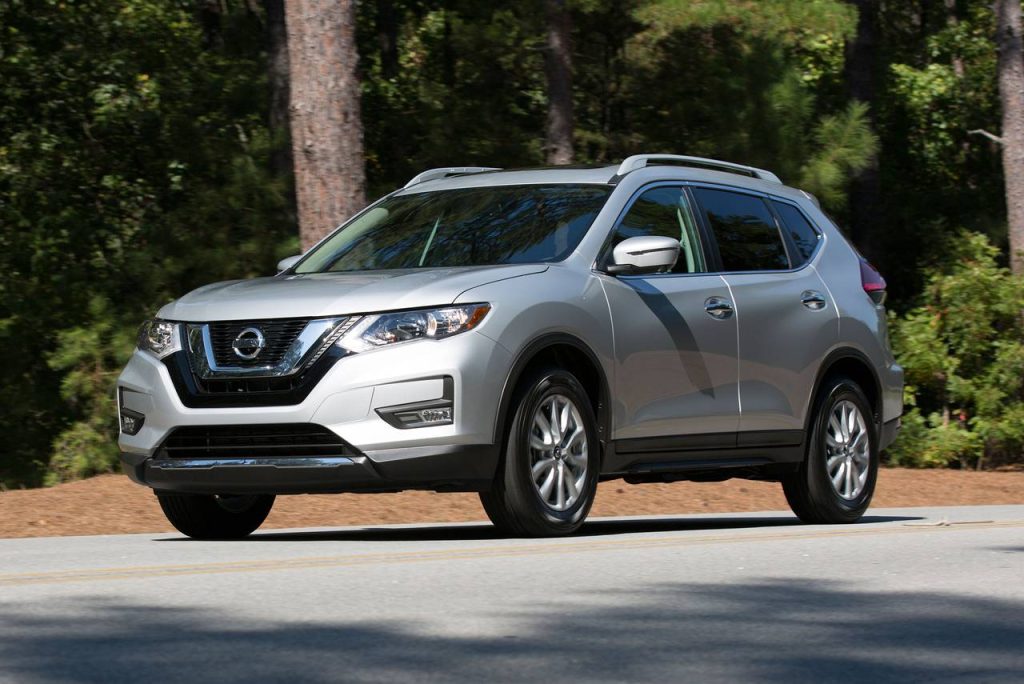
On smooth roads, this is adequate. But introduce the high-frequency vibrations of a dirt road, and these cost-saving measures become apparent. The large swaths of dashboard plastic can begin to resonate, the panels in the cargo area may buzz, and the various clips holding the A-pillar and door trims in place can loosen over time, leading to a chorus of minor, yet irritating, sounds.
The Jeep Cherokee
Unlike its purpose-built Wrangler sibling, the Cherokee is a unibody crossover designed primarily for the pavement. To stand out in a crowded segment, it packs in complex technology and styling, but this complexity can be its Achilles’ heel off-road.
The intricate dashboard design, with its multiple separate vents and screens, creates more potential failure points for squeaks and rattles. The suspension, tuned for a balance of comfort and handling on pavement, transmits more sharp, high-frequency impacts directly into the cabin structure.
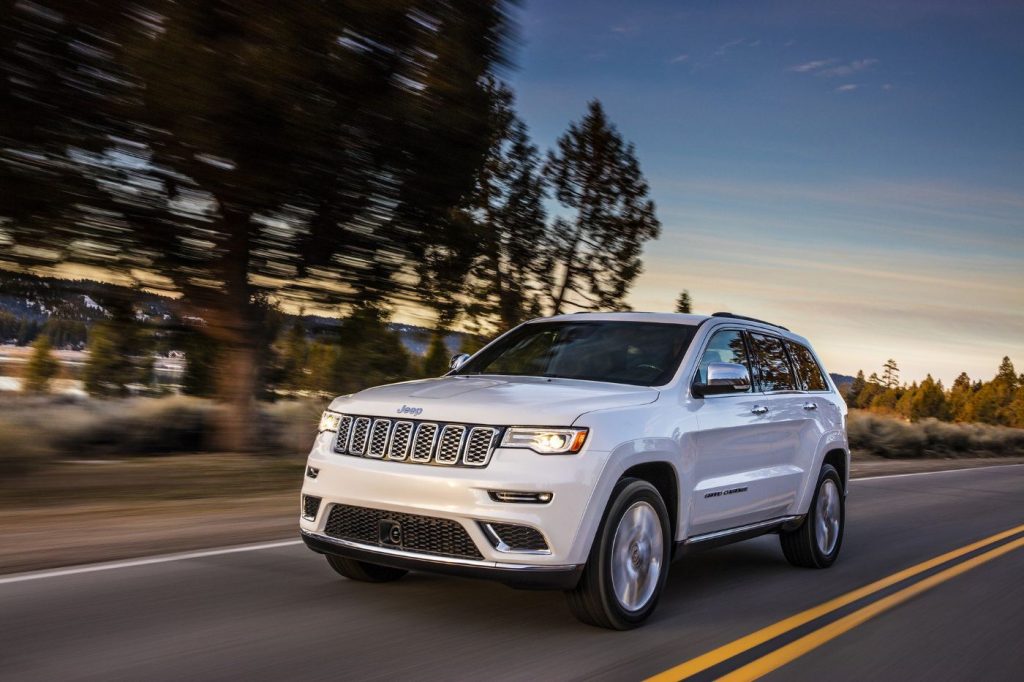
Without the immense rigidity of a Defender or the simple, bolt-down interior of a Wrangler, these vibrations quickly find their way to the least secure interior component, resulting in a cabin that can feel less “together” than its rivals after repeated rough-road use.
Hyundai Tucson / Kia Sportage
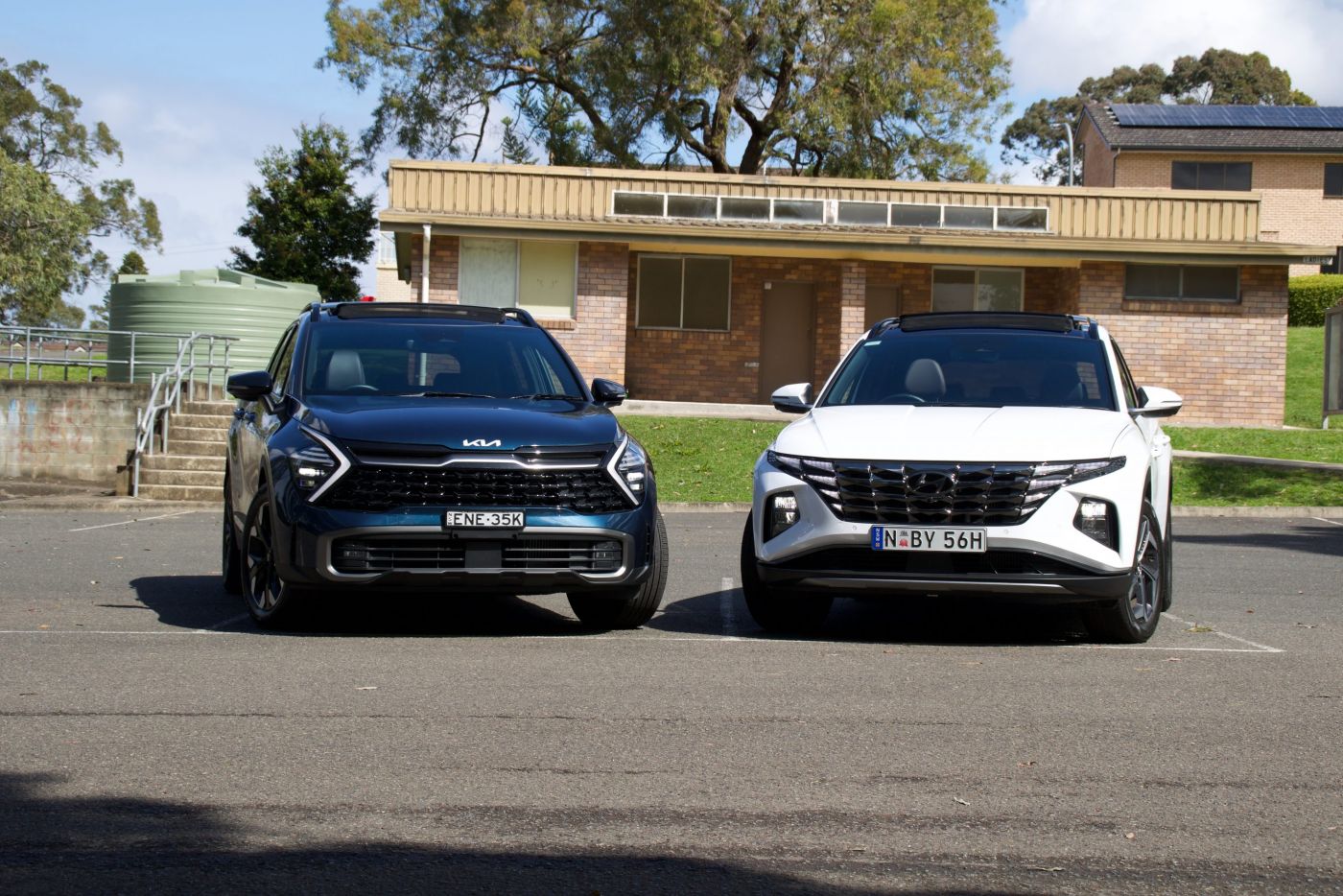
These twin models are darlings of the automotive press for their stunning design, generous features, and strong value proposition. However, their dramatic, avant-garde interiors, featuring complex, sweeping shapes and intricate ambient lighting strips, are a potential nightmare for long-term NVH (Noise, Vibration, and Harshness) integrity.
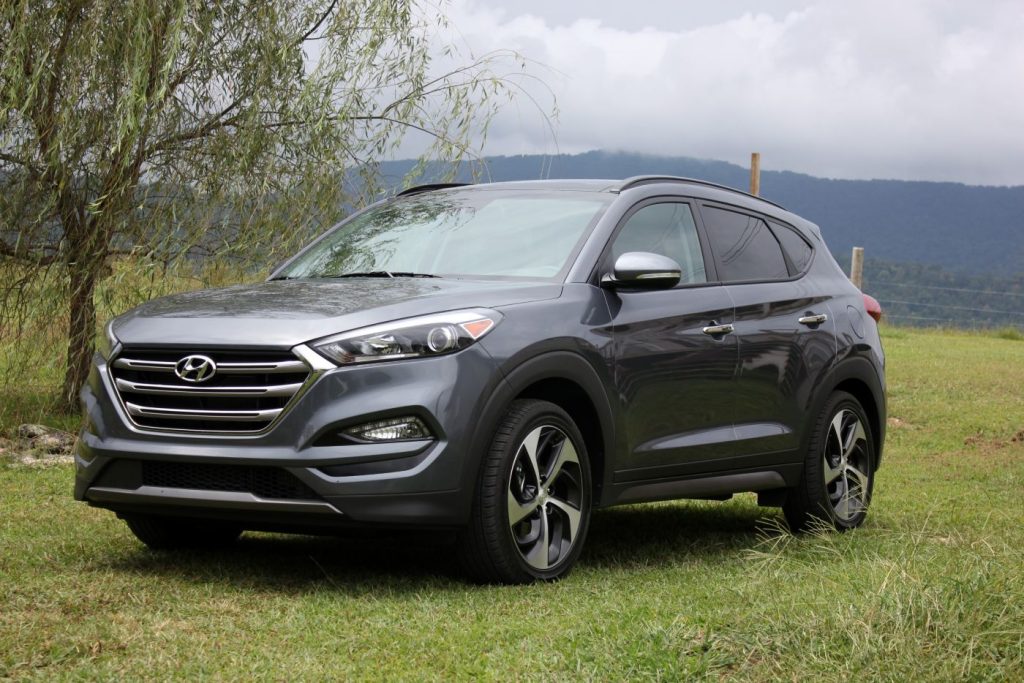
Every seam between two different materials, every long, unsupported piece of trim, and every delicate light bar is a potential source of noise when subjected to the torsional flex and vibrations of uneven ground. While their warranty is superb, a persistent rattle is often considered a characteristic, not a defect, and can be notoriously difficult for service departments to permanently fix.
Chevrolet Equinox / GMC Terrain
GM’s compact SUV duo has long been popular for their efficient engines and practical packaging. Yet, a common critique across multiple generations has been the use of hard, hollow-sounding interior plastics. On a smooth highway, this merely feels cheap. On a dirt road, these large, unyielding panels become sounding boards.
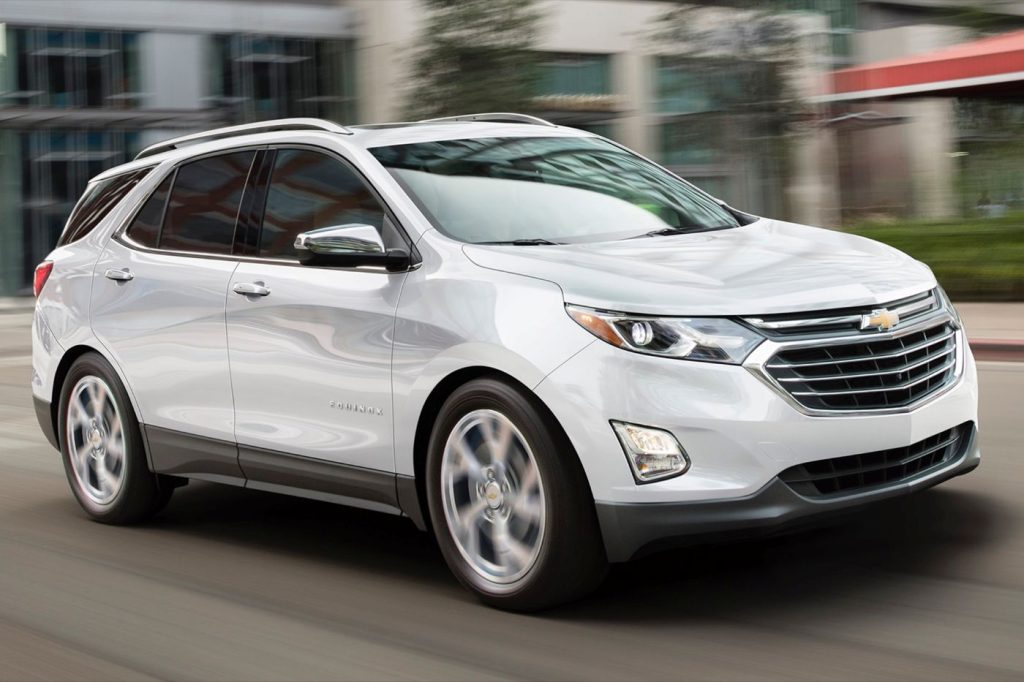
The lack of inherent dampening in the materials themselves means vibrations are amplified rather than absorbed. Doors, dashboards, and center consoles can transmit a low-frequency drumming sound, and the various components mounted to these panels are more likely to develop audible play over time. It’s a testament to how fundamental material choice is to a vehicle’s long-term sense of solidity.
Subaru Outback (in later years)
This is a controversial pick, given the Outback’s legendary off-road prowess and rugged reputation. Historically, Subarus were known for their tank-like solidity. However, as the Outback has moved upmarket, becoming larger, more comfortable, and packed with more technology, some of that legendary robustness has been diluted.
Owners of newer models have reported issues with rattles emanating from the large tablet-style infotainment screen, the complex eye-sight camera housing near the rearview mirror, and the panoramic sunroof on higher trims.
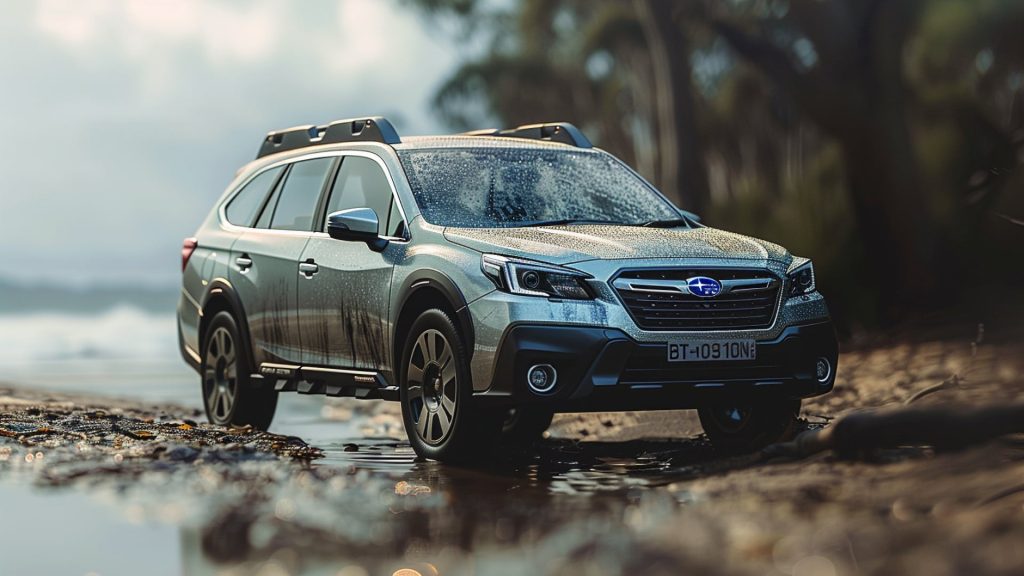
These are complex, heavy components that are challenging to isolate perfectly from vibration. While the powertrain and Symmetrical AWD system remain bulletproof, the cabin’s tolerance for silent, rough-road travel has, according to some long-time enthusiasts, diminished in the pursuit of modern refinement and features.
An SUV’s propensity to rattle on a dirt road is not a random occurrence but a direct reflection of its fundamental design philosophy, material quality, and assembly integrity.
The vehicles that remain quiet are those built with a primary focus on structural rigidity and durable, well-fastened interiors, whether that’s through old-school body-on-frame construction or a thoroughly engineered unibody.
The ones that loosen up fastest are often those where value, style, or on-road comfort has been prioritized at the expense of the overbuilt, vibration-resistant engineering required for silent, long-term durability off the beaten path.
When choosing your next adventure vehicle, listening closely on a test drive down a rough road might tell you more about its future than any spec sheet ever could.
