For families across the U.S., a three-row SUV represents more than just a vehicle it’s a daily workhorse that handles school runs, road trips, and weekend getaways.
But while features like infotainment systems, safety tech, and towing capacity often dominate buying decisions, long-term reliability remains the real differentiator.
One of the biggest repair costs many SUV owners face is transmission failure, often appearing around or just past the 100,000-mile mark.
Fortunately, a few standout models have proven themselves over time or been built with the kind of engineering that makes them far less likely to need transmission replacements even at 120,000 miles or more.
These 12 new three-row SUVs combine strong drivetrains, smart cooling systems, and proven transmissions that keep working long after most rivals falter.
1. Toyota Highlander
Toyota’s long-standing reputation for reliability continues with the Highlander, especially when it comes to transmission longevity.
The eight-speed automatic paired with the 3.5-liter V6 (or hybrid system in newer models) rarely suffers major issues.
Toyota uses a torque converter design that minimizes heat stress, and the factory fluid can easily last over 100,000 miles with only minor maintenance.
It’s one of the few modern three-row SUVs that can confidently exceed 120,000 miles without transmission troubles, even under mixed city and highway driving.
Since its initial debut in the year 2000, Toyota has consistently provided updates to the popular Highlander crossover, introducing new features over the years.
The most recent update occurred slightly less than a year ago with the launch of the 2024 model year vehicle, which featured a larger 12.3-inch touchscreen panel and made a hands-free power liftgate standard equipment across all trim levels.
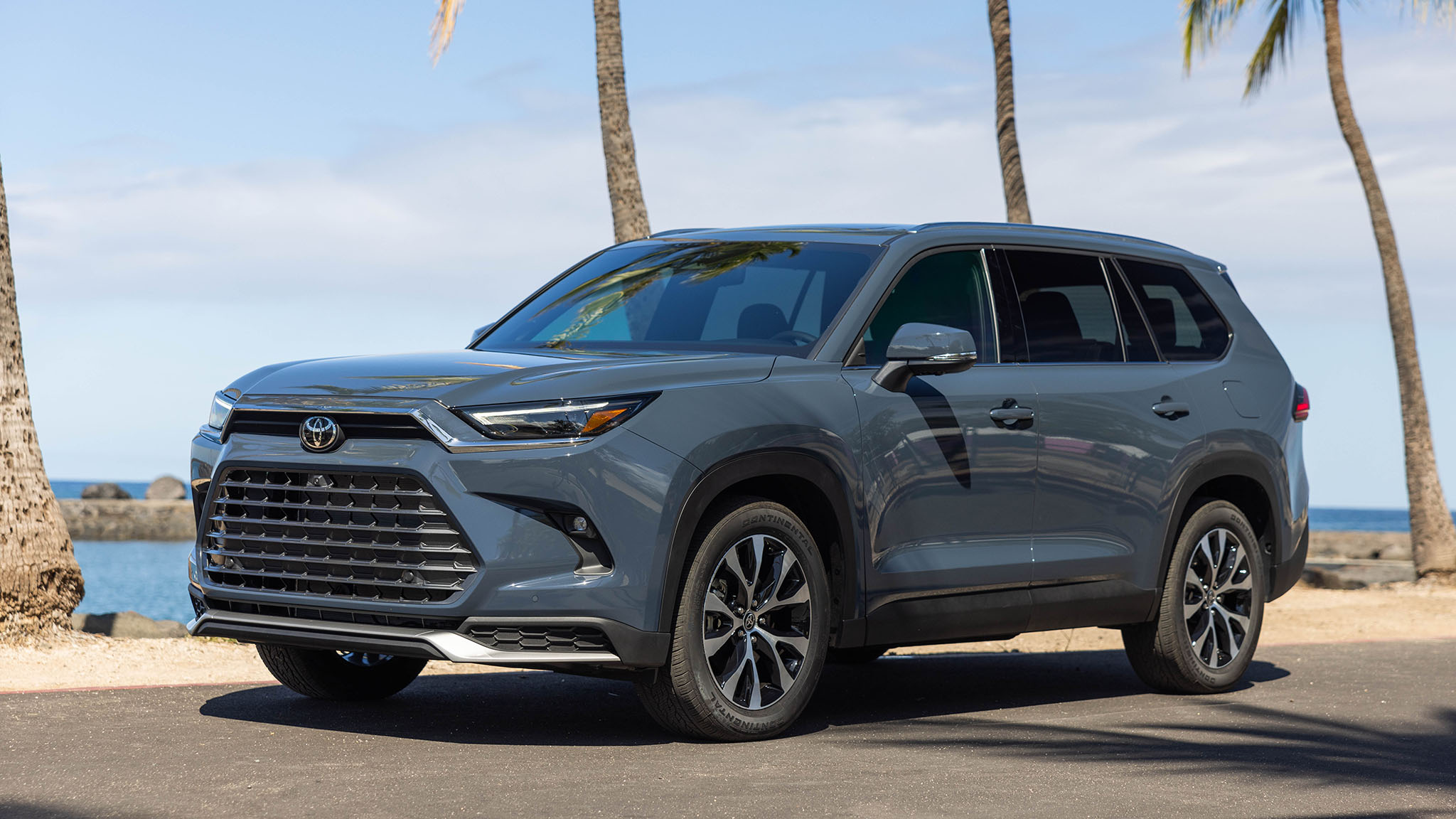
Prior to that, Toyota also introduced a larger version of the vehicle, the 2024 Toyota Grand Highlander, which provided comfortable seating for full-sized adults in the third row while still offering ample cargo space for luggage.
Significant changes for the 2025 Highlander include the availability of an all-wheel-drive (AWD) option on every Hybrid model. These hybrid vehicles also receive a newly designed “Beyond Zero HEV” badge. Toyota will continue to offer the Highlander with a conventional, non-hybrid powertrain as well.
In addition to the standard Highlander variants, Toyota has announced an all-new 25th Edition model to commemorate the Highlander’s silver jubilee. This special edition is offered exclusively with a Hybrid powertrain and features unique styling and branding elements to set it apart from other trims.
To fully comprehend the complete 2025 Toyota Highlander lineup, it is essential to recognize that Toyota offers the vehicle with two distinct engine options: a standard gasoline model equipped with a 2.4-liter engine, and a second Hybrid Electric Vehicle (HEV) that combines a 2.5-liter gasoline engine with an electric motor.
The standard, non-hybrid variant of the Toyota Highlander is powered by Toyota’s proven 2.4-liter turbocharged four-cylinder engine, which generates 265 horsepower and a robust 310 lb-ft of torque.
This variant of the Highlander also incorporates a Stop and Start Engine system designed to enhance fuel efficiency. This engine is paired with a Direct Shift 8-speed Electronically Controlled Automatic Transmission that offers several selectable driving modes.
2. Honda Pilot
Honda refined the Pilot’s transmission design after early issues in older models, and the latest generation uses a 10-speed automatic that’s both durable and smooth.
Built with an improved torque management system and robust clutch packs, it’s designed for longevity even in family-hauling duty.
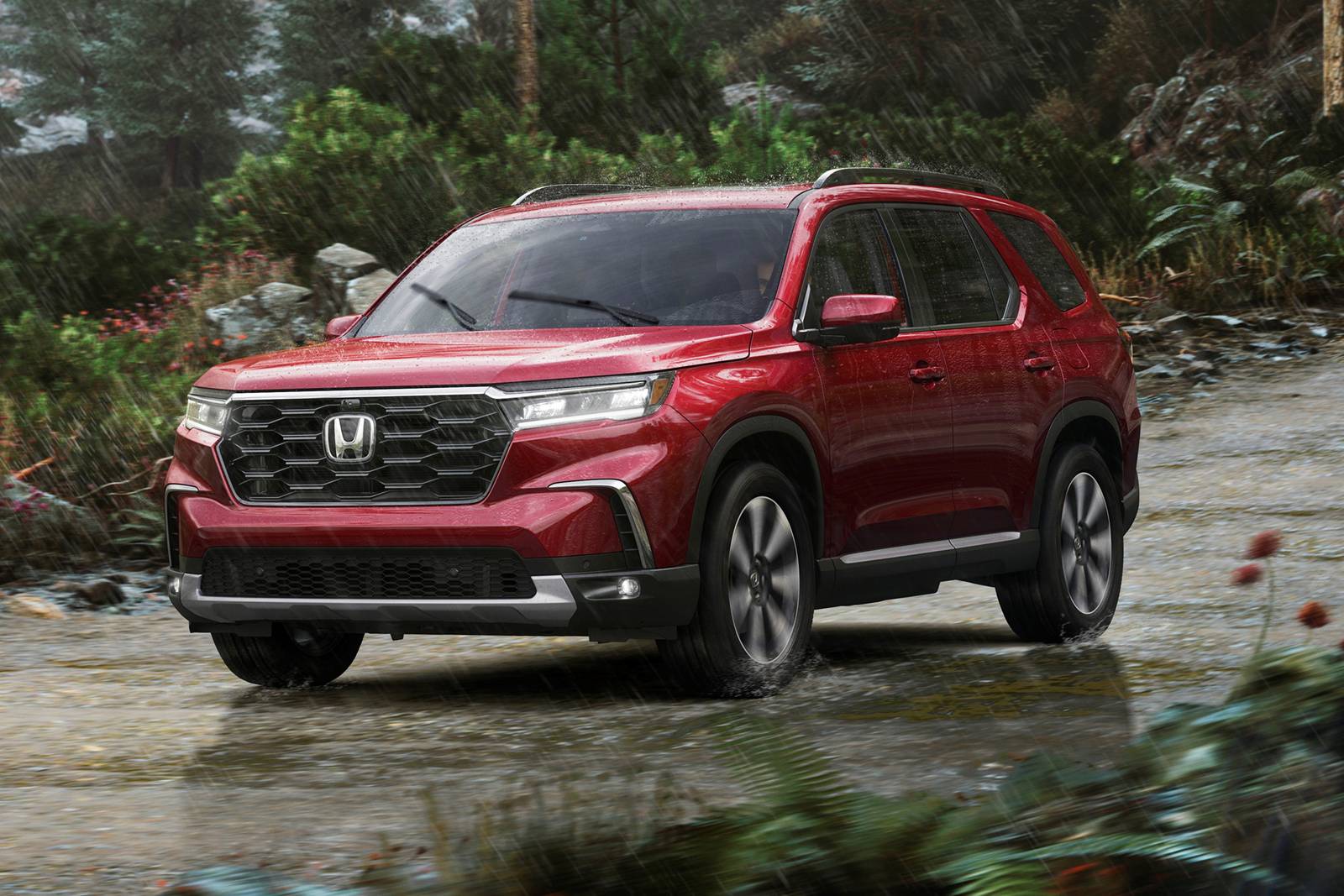
Regular fluid changes are cheap insurance, but failures before 150,000 miles are rare. The Pilot’s powertrain setup shared with the Acura MDX has proven resilient in real-world conditions, from mountain highways to suburban commutes.
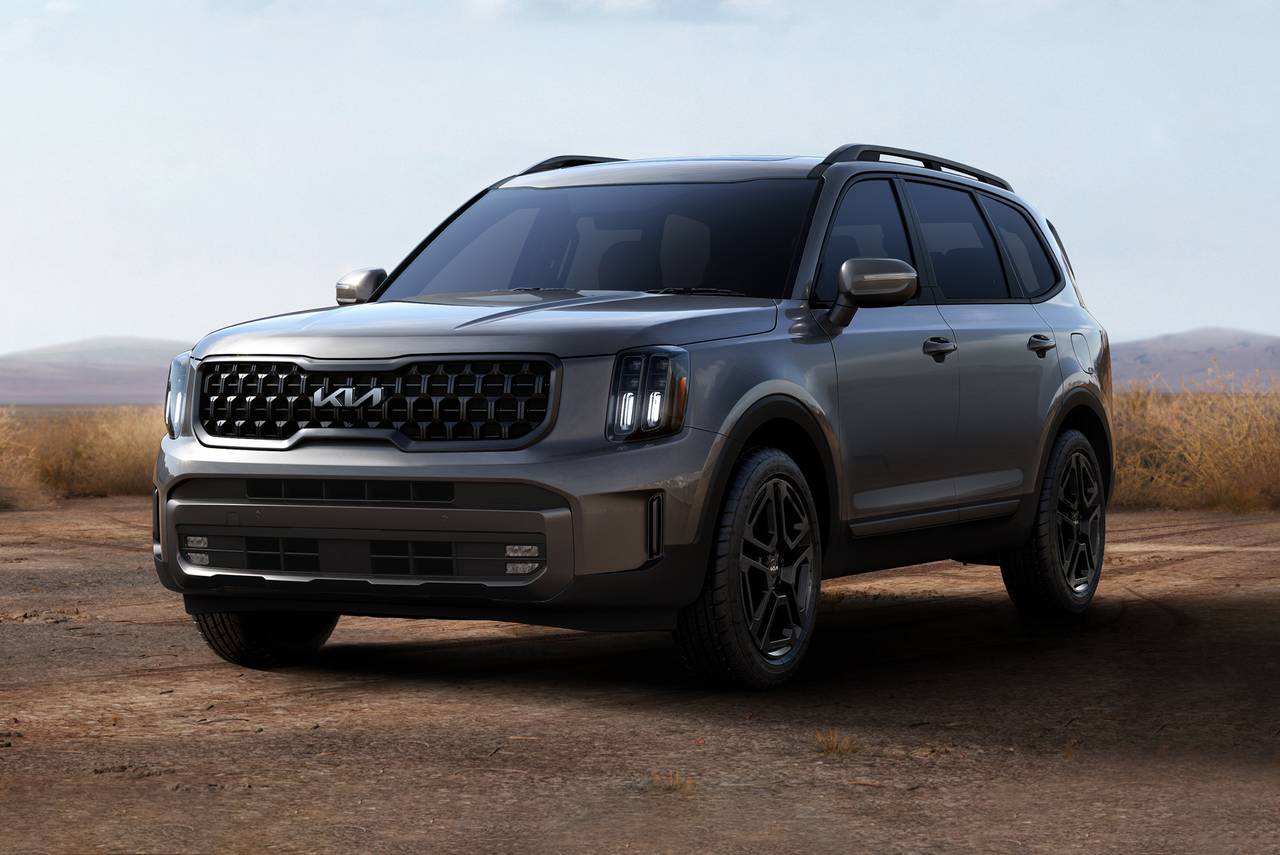
3. Kia Telluride
Kia’s Telluride quickly gained a loyal U.S. following, and part of that success stems from its rock-solid drivetrain. Its 8-speed automatic, co-developed with Hyundai, has a strong reliability record thanks to improved cooling pathways and clutch material upgrades.
Many owners report smooth shifting past 120,000 miles with minimal servicing. Combined with the robust 3.8-liter V6, the Telluride offers peace of mind for long-term ownership something not every new SUV can claim.
Its handsome exterior styling has aged gracefully since the model’s initial introduction, and the subsequent updates implemented by Kia have successfully maintained this family hauler’s position among the very best SUVs available.
Notable strengths include a spacious and well-crafted interior, complemented by a comfortable and refined ride quality. An available SX X-Pro trim level further enhances the Telluride by providing slightly improved off-road capability and greater visual presence on the road.
A few notable drawbacks prevent the Kia from securing the top position in our Ultimate Car Rankings for its category. Being offered with only a single engine option, the Telluride’s V-6 powerplant delivers middling fuel economy.
Furthermore, the third-row seating area is more cramped than the ideal, and the mechanism for folding the seats can be somewhat fiddly to operate.
These shortcomings do little to diminish our overall enthusiasm for the Telluride. In a comprehensive seven-way comparison test, the Telluride secured a strong second-place finish, finishing just behind its corporate cousin, the Hyundai Palisade.
As has been the case in previous years, every 2025 Telluride is equipped with a 3.8-liter V-6 engine that produces 291 horsepower and 262 lb-ft of torque.
This engine is paired with an eight-speed automatic transmission. Front-wheel drive (FWD) is the standard configuration, while all-wheel drive (AWD) is either optional or standard, depending on the chosen trim level.
The EPA has rated the Telluride’s fuel economy at 20 mpg city and 26 mpg highway for FWD models, and 18 mpg city and 23 mpg highway for models equipped with AWD.
4. Hyundai Palisade
Mechanically similar to the Telluride, the Hyundai Palisade benefits from the same drivetrain architecture and reliability engineering.
However, Hyundai’s transmission control logic tuning adds smoother gear transitions under load, helping to reduce internal wear.
The Palisade’s drivetrain is known for handling high-mileage road trips without noticeable degradation, and Hyundai’s extended warranty coverage adds another layer of confidence for families planning to keep their SUV long-term.
The redesigned Palisade will offer a choice between two new powertrains for the 2026 model year. The SUV continues to feature a standard naturally aspirated V-6 engine, though this new powerplant generates slightly less output.
It may, however, deliver improved fuel economy. A hybrid powertrain utilizing a 2.5-liter turbocharged inline-four engine serves as the upgraded option.
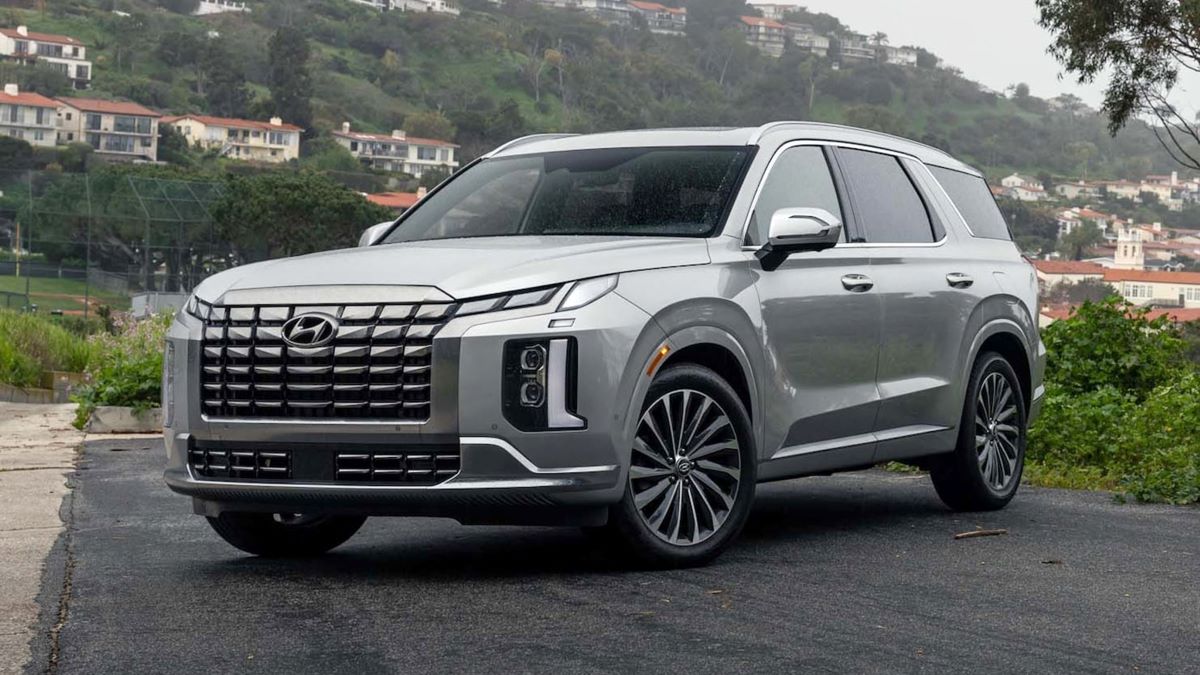
The conventional gasoline-only powertrain consists of a 3.5-liter six-cylinder engine that produces an estimated 287 horsepower and 260 lb-ft of torque. This replaces the previous Palisade’s 3.8-liter V-6, which generated 291 horsepower and 262 lb-ft.
In both configurations, the engine is connected to an eight-speed automatic transmission. Even if fuel economy figures see improvement, we anticipate the gains will be relatively modest compared to the outgoing model, which achieves 19 mpg city and 26 mpg highway with front-wheel drive, and 19 mpg city and 24 mpg highway with all-wheel drive.
The Palisade’s inaugural hybrid powertrain combines a turbocharged four-cylinder engine with a pair of electric motors that are integrated into the SUV’s six-speed automatic transmission.
Hyundai has set performance targets of 329 horsepower and 339 lb-ft of torque for this system, along with a highway fuel economy rating exceeding 30 mpg and a maximum driving range of up to 619 miles.
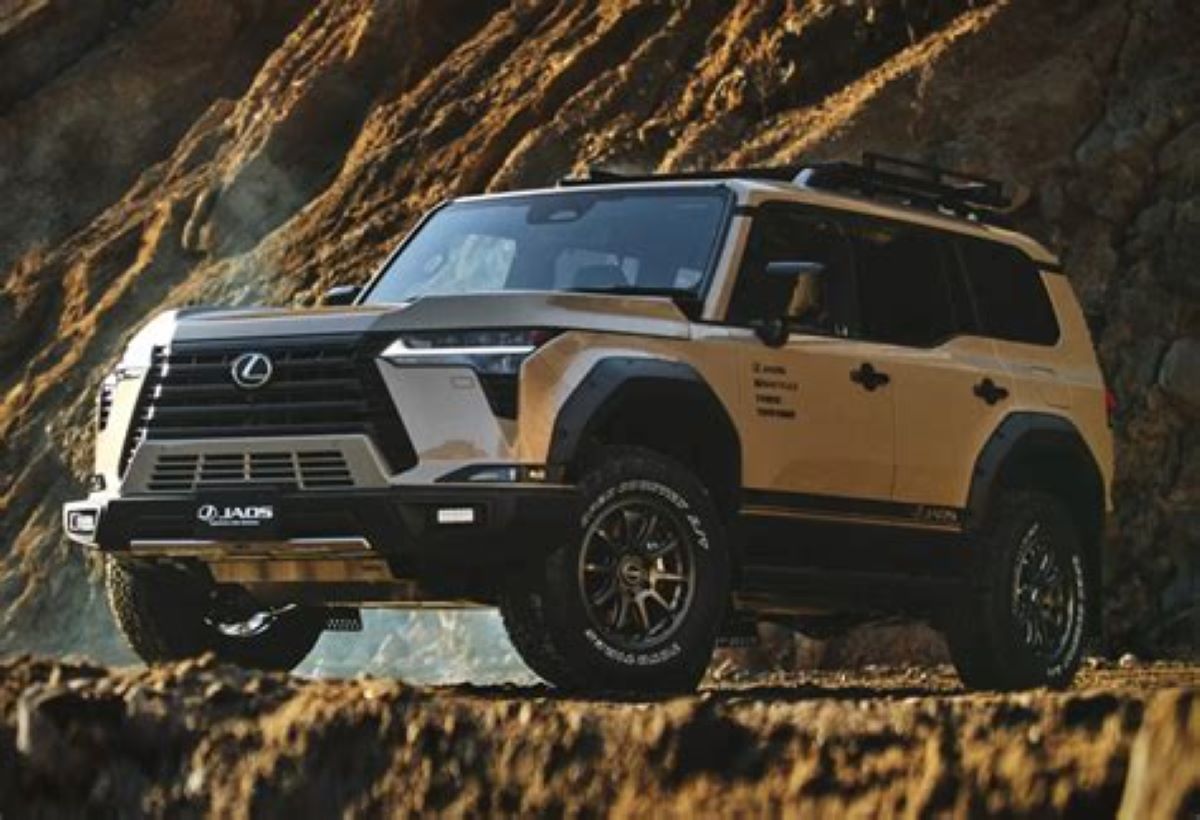
5. Lexus GX 550
Lexus took the proven body-on-frame toughness of its predecessors and evolved it with a modern 10-speed automatic that’s designed for endurance.
The GX 550’s transmission uses heavy-duty internals shared with Toyota’s truck lineup, meaning it’s built to manage heat and torque far beyond typical SUV duty.
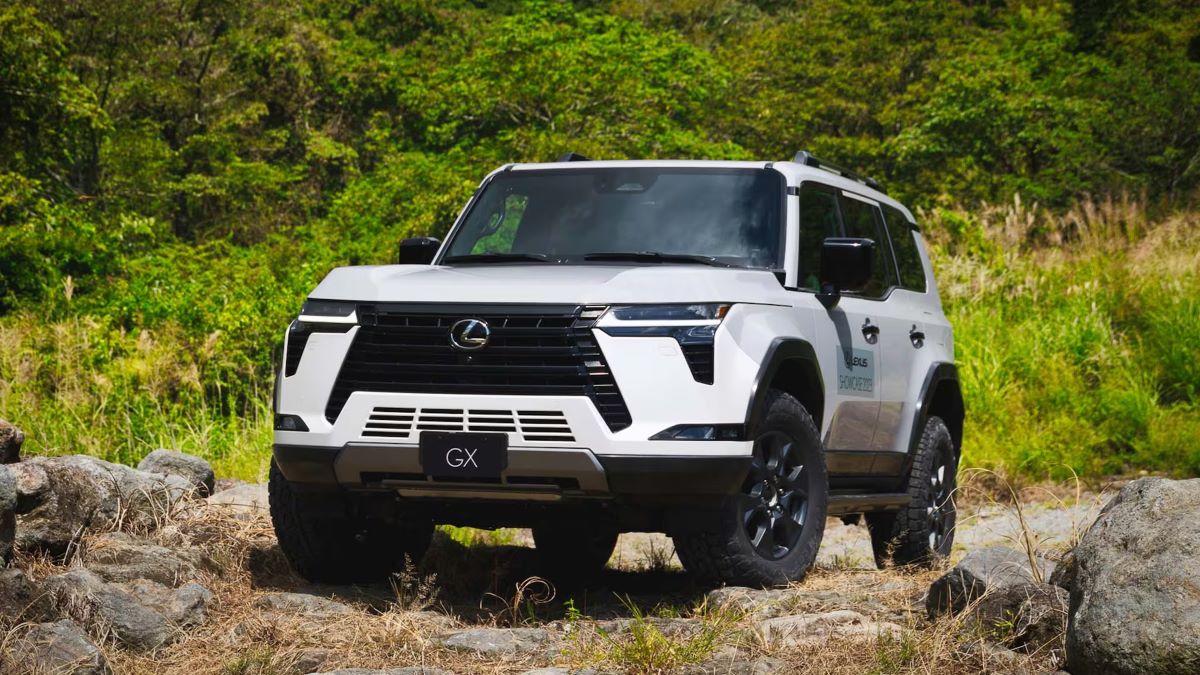
Lexus also uses advanced synthetic fluid that lasts longer under pressure, and with proper servicing intervals, most owners will never need a transmission replacement even past 200,000 miles.
6. Chevrolet Traverse
GM’s 9-speed automatic in the Chevrolet Traverse has matured into a reliable gearbox after early teething issues in older models.
By the 2022 redesign, GM had improved the hydraulic circuits and software mapping, leading to significantly fewer failures.
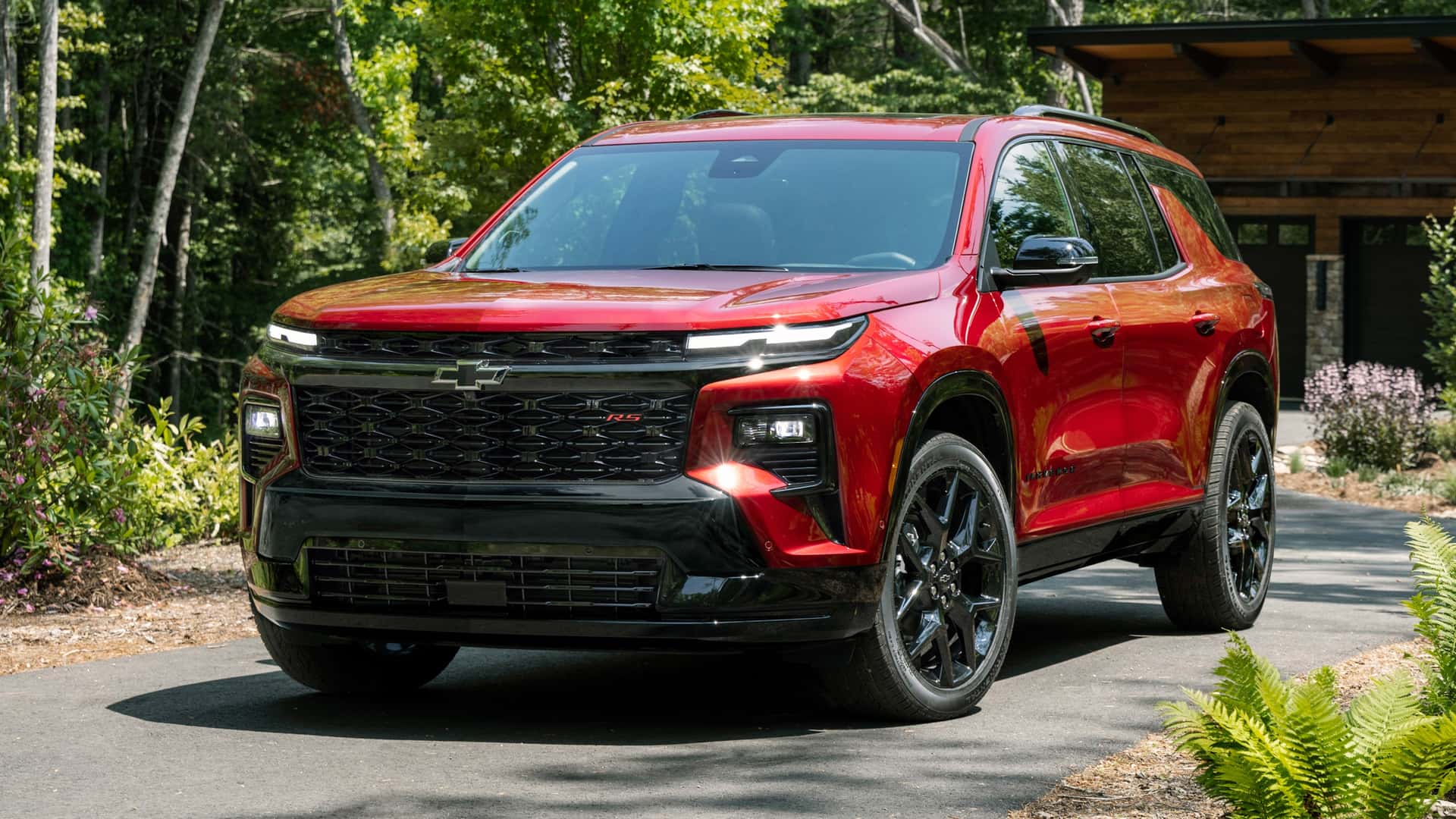
With its 3.6-liter V6 and well-tuned torque converter, the Traverse’s transmission operates efficiently without the constant shifting stress seen in some competitors.
When maintained properly, it’s a unit that’s expected to last well beyond 120,000 miles without issue.
7. Mazda CX-90
Mazda’s new CX-90 introduces an inline-six engine paired with a fresh eight-speed automatic but this isn’t a risky first attempt.
The transmission was engineered in-house for durability, using a multi-plate clutch and integrated electric motor (for the mild hybrid system) that reduces wear during shifts.
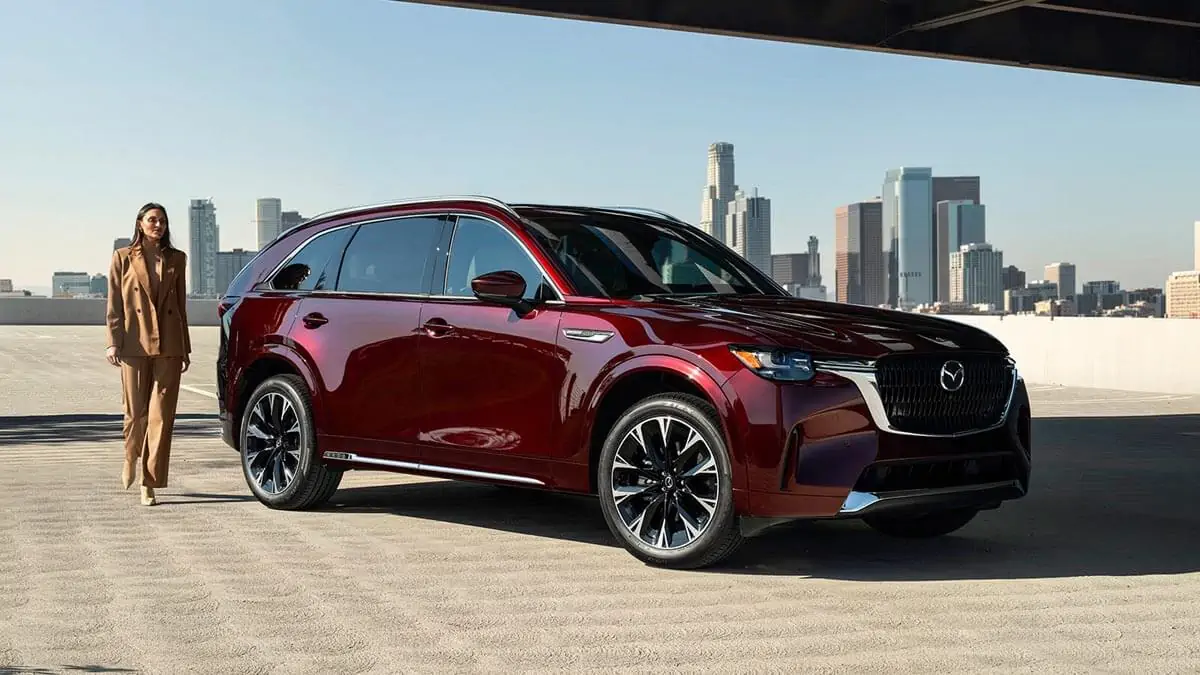
The design minimizes friction losses and heat buildup two major enemies of transmission longevity. Mazda’s meticulous focus on mechanical precision makes the CX-90 one of the most promising new three-row SUVs for long-term reliability.
The CX-90 represents the inaugural Mazda model to utilize a newly developed turbocharged 3.3-liter inline-six engine, which is supplemented by a 48-volt hybrid system. According to Mazda, this powertrain generates 280 horsepower in non-S trim levels and 340 horsepower in S trims.
The implementation of an inline-six-cylinder engine is a characteristic feature of premium SUVs such as the BMW X5 and the Land Rover Range Rover Sport, indicating Mazda’s strategic intention to further position its brand toward the premium segment of the automotive market.
A plug-in hybrid variant is also available, employing the same 323-horsepower configuration found in the European-market CX-60 SUV, though we will evaluate that particular model in a separate review.
All versions of the CX-90 are equipped with an eight-speed automatic transmission and, consistent with the remainder of the Mazda SUV family, the CX-90 comes with all-wheel drive as standard equipment.
During our initial evaluation, we had the opportunity to experience the top-tier S model, which provided abundant power for both urban and highway driving situations.
The 340-horsepower inline-six engine operates with notable smoothness; however, we were disappointed by the noticeable lag associated with the steering-wheel-mounted paddle shifters and concluded it is preferable to allow the eight-speed automatic transmission to manage gear changes independently.
At our test facility, the inline-six-powered CX-90 achieved a 60 mph acceleration time of 6.3 seconds but produced some unrefined acoustic notes that contrasted with the engine’s otherwise polished operational character.
Despite this, the vehicle demonstrated sophisticated on-road behavior, maintaining the athletic driving dynamics for which Mazda vehicles are renowned.
We have added a CX-90 Turbo S to our long-term test fleet and plan to thoroughly assess its durability through 40,000 miles of varied use, including extended road trips, routine grocery shopping, school transportation duties, and home improvement-related errands.
8. Toyota Grand Highlander
The Grand Highlander inherits Toyota’s best drivetrain traits but scales them up for larger families.
Whether you choose the hybrid MAX powertrain or the traditional gas setup, both systems use tried-and-true components with robust transmissions that Toyota developed to handle heavier loads.
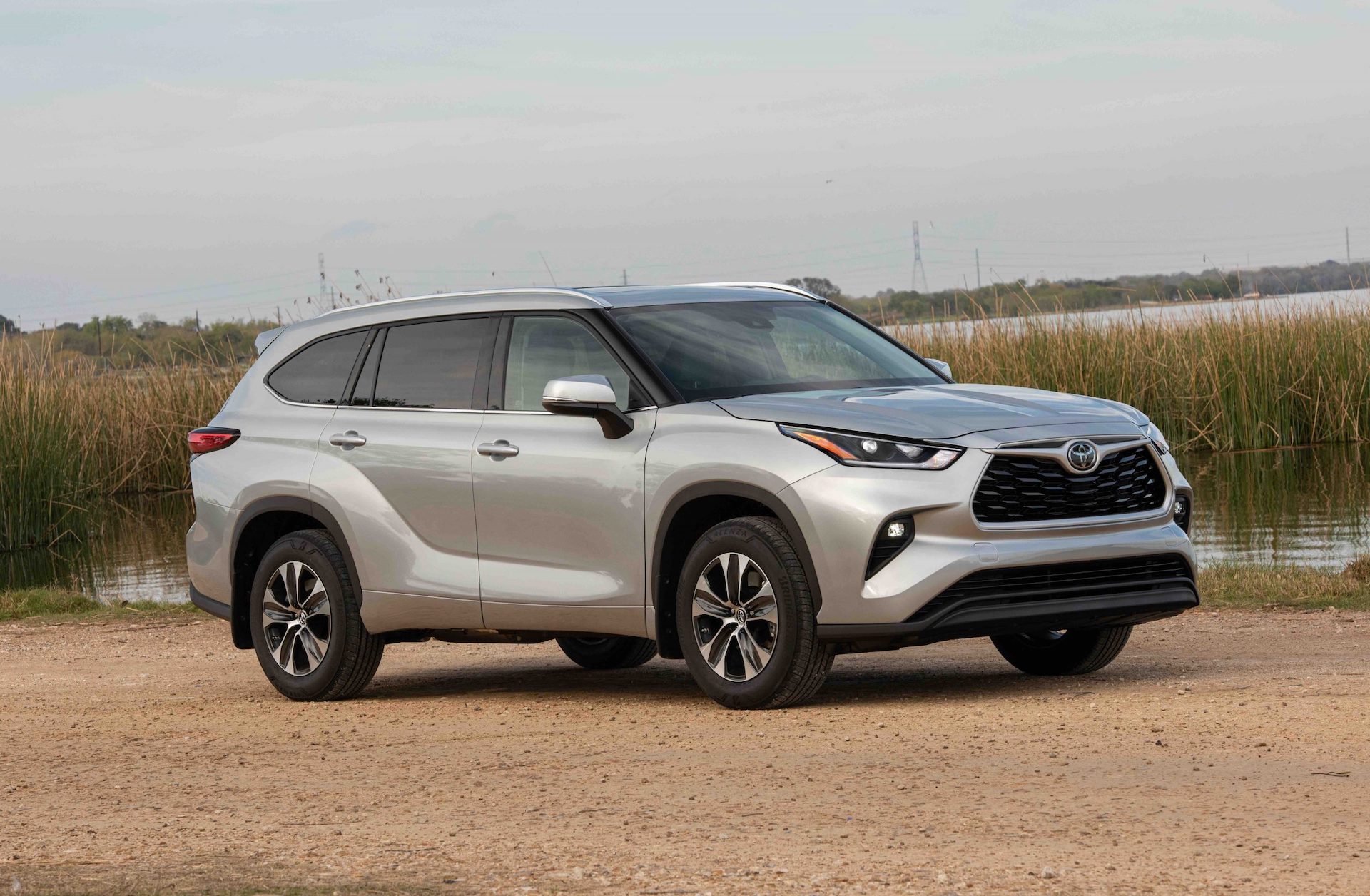
Even with added power and towing capacity, the gearbox remains impressively resilient.
Toyota’s conservative shift logic and superior thermal management design keep transmission replacements off the radar for 120,000 miles and beyond.
The standard configuration for the non-hybrid Grand Highlander consists of a 265-horsepower, turbocharged 2.4-liter four-cylinder engine, paired with front-wheel drive and an eight-speed automatic transmission; all-wheel drive is available as an optional feature.
This vehicle proves to be a sufficiently pleasant crossover to operate, offering more-than-adequate acceleration for a family-oriented people-mover, complemented by a composed ride quality and light steering effort, all characteristics that tend to become unobtrusive during daily use.
The turbocharged four-cylinder engine produces a slightly hoarse acoustic note during acceleration but becomes significantly quieter when maintaining a constant speed, contributing to the Grand Highlander’s quiet cabin, which registers a 67-decibel sound level at 70 mph.
While the Grand Highlander is not engineered to elevate a driver’s excitement on a winding road, this is perfectly acceptable from our perspective: It fulfills its intended role effectively and is thoughtfully configured for completing daily errands, transporting children, and embarking on long-distance road trips.
9. Acura MDX
The MDX shares much of its DNA with the Honda Pilot but adds performance refinement and additional testing for its 10-speed automatic.
Acura’s tuning favors precision over aggressiveness, resulting in less internal stress. Owners of past MDX generations often report reaching 150,000 miles before even minor transmission maintenance is required.
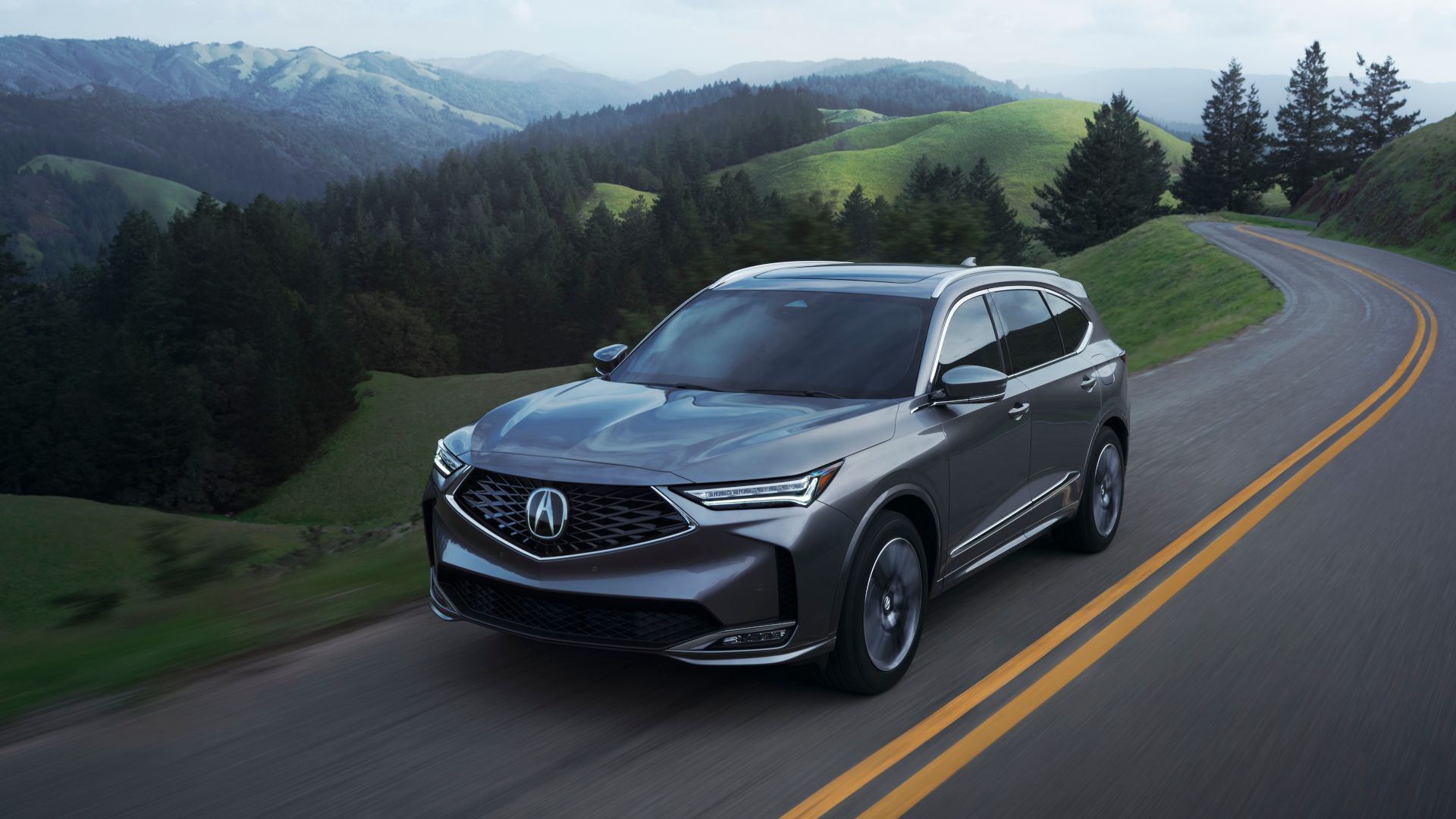
With its advanced SH-AWD system managing torque distribution efficiently, the MDX ensures smoother operation and less wear across drivetrain components.
10. Subaru Ascent
Subaru’s use of a Lineartronic CVT in the Ascent initially raised eyebrows, but the large SUV’s transmission has proven surprisingly dependable.
Unlike older CVTs that suffered from belt slippage, Subaru’s latest version uses a stronger chain design and improved fluid cooling.
Routine maintenance can easily keep it functioning smoothly past 120,000 miles. For families seeking AWD confidence and minimal long-term repair risk, the Ascent’s powertrain is a smart, underrated choice.
Three-row SUVs represent an extremely popular vehicle category in the current automotive market. In fact, their popularity has become so pronounced that certain manufacturers attempt to forcibly incorporate a third row of seating into vehicles whose original designs never accommodated such a feature.
The Subaru Ascent, however, does not fall into this category. The Japanese automaker specifically developed and introduced this vehicle to serve buyers seeking a genuinely capable people carrier.
The final product is one that incorporates Subaru’s core engineering philosophy into every facet of its design.
Despite this focused approach and the overall popularity of the three-row SUV segment, the Ascent has never achieved stellar sales success for the brand. While Subaru delivered over 81,000 units in 2019, annual sales have failed to reach 70,000 since that time.
The 2024 model year represented the vehicle’s worst full-year sales performance since its initial introduction, and the situation does not appear to be improving.
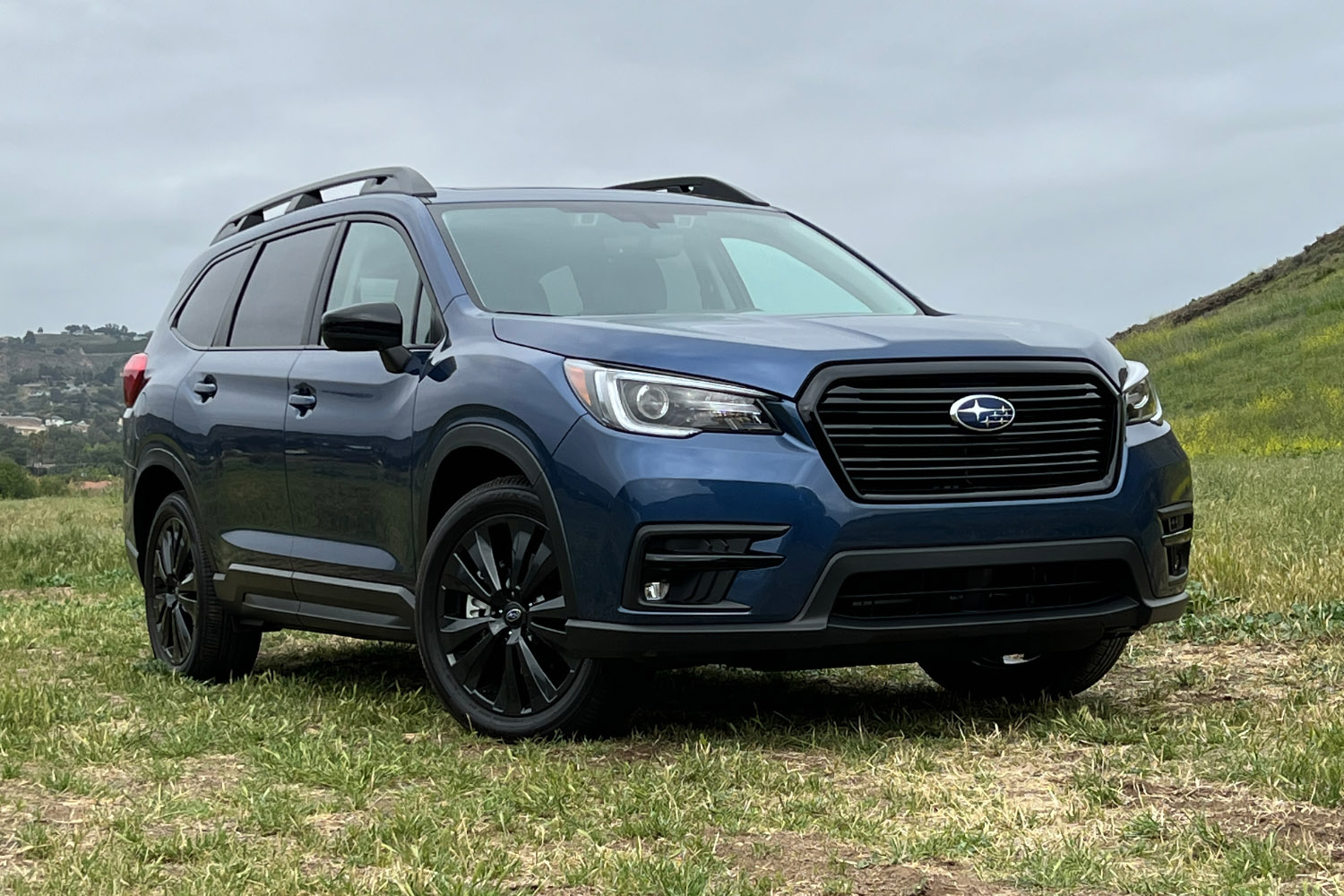
The Ascent’s exterior appearance is certainly not its primary weakness. The vehicle features angular, rugged styling, and our test vehicle, an Onyx Edition, included comprehensively blacked-out badging throughout its exterior.
This treatment extended to the wheels, a black roof rack, and various black plastic cladding elements. The overall design shares enough commonality with most crossovers that it is likely to be considered inoffensive by most observers.
The vehicle also incorporates several trademark Subaru design cues, particularly in the headlight and taillight housing designs.
While it is a minor detail, I particularly appreciate the functional air ducting that provides cooling for the turbocharged engine. This feature is discreetly positioned at the top of the grille and directs airflow directly onto the intercooler.
Overall, however, the design likely feels somewhat busy. The design specifications appear to have included directives such as “isn’t there anything else we can put on,” and “let’s incorporate a compound curve on top of this hard-edged belt line.” The wheels could also probably be slightly larger to more adequately fill the wheel wells.
That being said, it is not as though the majority of crossover shoppers base their entire purchasing decision on external aesthetics. Frequently, the interior experience is what truly determines the final choice.
Subaru genuinely approaches interior design in its own distinctive manner, and the Ascent’s cabin serves as an excellent illustration of this philosophy. The front seats are not the most plush we have ever encountered, but they are distinctive within this vehicle class.
They are well-bolstered, provide excellent support, and offer a greater range of adjustability than I had anticipated. The driver’s seat even incorporates a manual thigh extension adjustment, which is particularly beneficial for taller drivers like myself.
The center console features an asymmetrical armrest designed to comfortably accommodate both the driver and front passenger in a manner that is thoughtfully considered for each occupant.
The upholstery materials and stitching throughout the cabin provide excellent visual and tactile quality. The steering wheel controls are satisfying to operate and notably avoid the use of piano black plastic in favor of straightforward matte black finishes. This represents a step in the right direction for interior design.
The central control stack and dashboard also exhibit their own unique design language. While this aesthetic distinctiveness is acceptable, unfortunately, the controls themselves leave considerable room for improvement.
The 11.6-inch infotainment screen presents well visually, and its vertical portrait orientation feels familiar; however, the system’s occasional lag is frustrating, particularly when utilizing media controls.
Rapidly switching between radio stations can cause the system to become unresponsive. Fortunately, both Android Auto and Apple CarPlay integration appear to improve the system’s overall smoothness and responsiveness.
That said, the bezel surrounding the infotainment display feels like a step back into the 2010s, incorporating extensive piano black plastic and somewhat bulky, unattractive physical buttons.
11. Volkswagen Atlas
Volkswagen’s Atlas employs an Aisin 8-speed automatic transmission a supplier also trusted by Toyota and Volvo. Aisin’s transmissions are renowned for their endurance, with the Atlas’s version tuned for higher torque from VW’s turbocharged four- and six-cylinder engines.
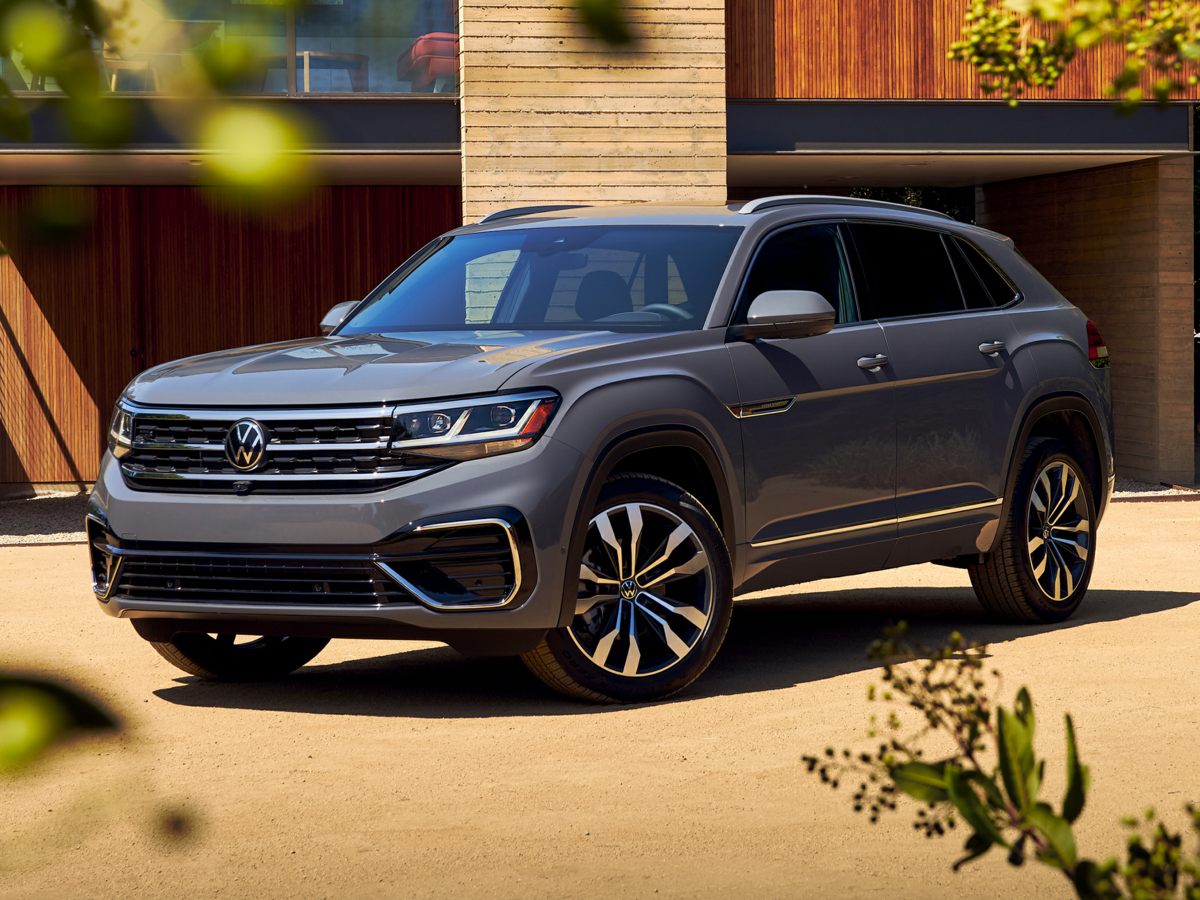
The Atlas’s transmission cooling and fluid filtration systems are especially robust, helping prevent the kind of varnish buildup that kills gearboxes prematurely.
Long-term reliability data from fleet operators shows impressive consistency beyond the 120,000-mile mark.
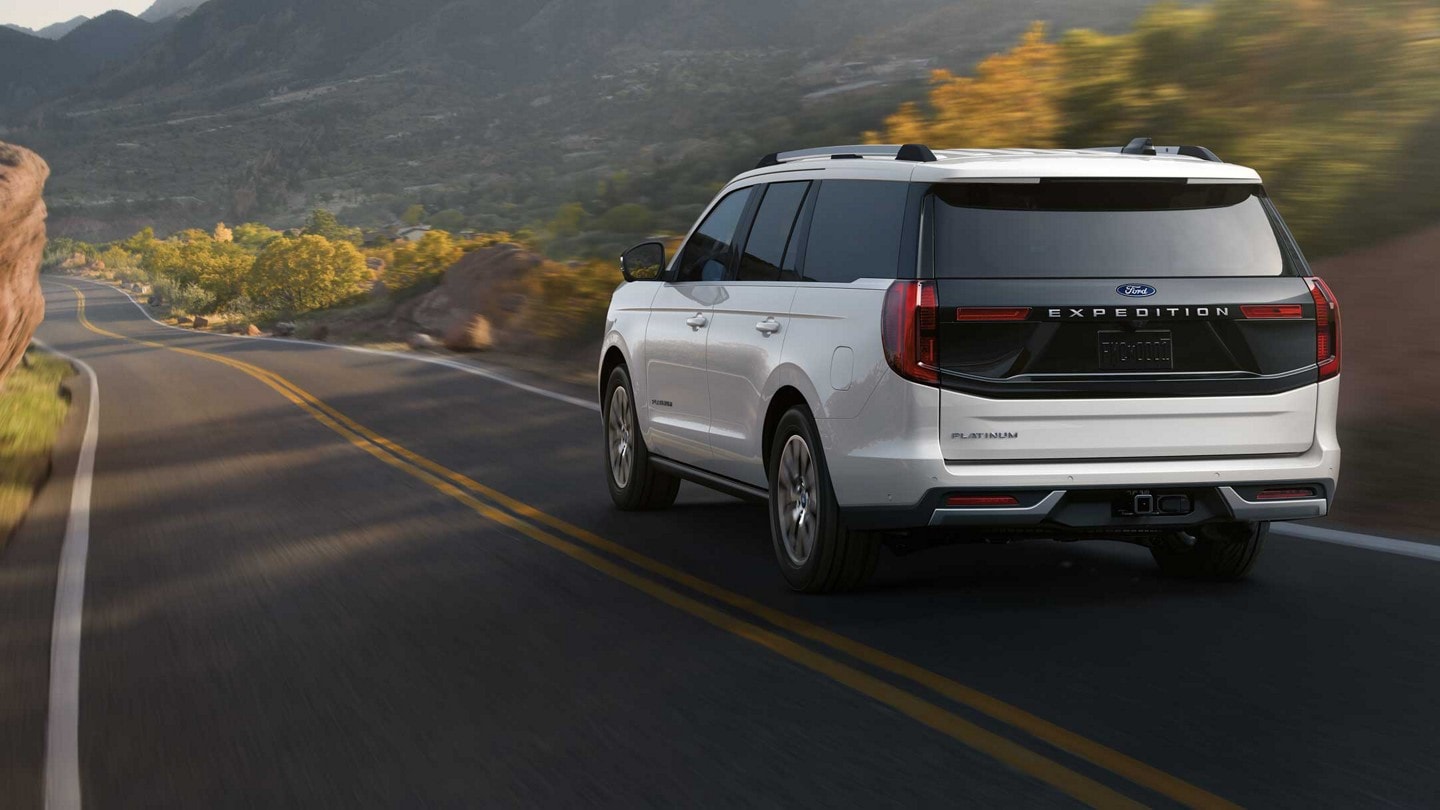
12. Ford Expedition
Rounding out the list is the Ford Expedition, a large three-row SUV that leverages Ford’s 10-speed automatic co-developed with GM.
This unit has seen service in both heavy-duty pickups and performance models, and its durability credentials are solid. It uses a high-capacity oil pump and reinforced clutches to handle towing and city traffic alike.
For families who need space and strength, the Expedition’s transmission is one of the toughest on the market rarely requiring more than fluid service during its first 150,000 miles.
Even the most reliable transmissions benefit from preventive care. Following manufacturer fluid change intervals, using OEM or approved synthetic fluids, and keeping the cooling system in top condition are key.
Driving habits also play a role avoiding abrupt shifts, heavy towing without auxiliary coolers, or ignoring warning lights can mean the difference between a gearbox that lasts 80,000 miles and one that exceeds 200,000.
The best news for modern SUV buyers is that today’s transmissions especially those in the models listed above are more robust and heat-resistant than ever before.
Whether you’re planning to buy new or keep your current three-row SUV for the long haul, choosing a model with proven transmission engineering is one of the smartest financial decisions you can make.