When shopping for a used car, reliability and peace of mind often top the list of buyer priorities. Nothing sours the ownership experience faster than that dreaded amber glow of a check-engine light.
While all vehicles can develop issues over time, some models consistently demonstrate rock-solid dependability, minimal engine trouble codes, and strong long-term durability.
In the U.S. used-car market where millions of drivers rely on older vehicles for commuting, road trips, and everyday life certain cars stand out for keeping that warning light off far longer than most.
Below are ten used cars known for rarely triggering a check-engine light, based on data from repair shops, consumer reliability studies, and owner experiences.
These models represent brands with proven engineering, conservative powertrains, and a track record of consistent maintenance histories.
1. Toyota Corolla
Few cars in history have matched the Toyota Corolla’s reputation for reliability. Whether you’re looking at a 2012 model or a 2019, the Corolla’s simple four-cylinder engine and conventional automatic transmission make it nearly bulletproof.
Owners report extremely few instances of the check-engine light coming on, often related only to minor issues like a loose gas cap or old oxygen sensor after many years.
Toyota’s strict quality control and focus on long-lasting parts help the Corolla remain one of the least troublesome cars in America.
If the 2015 Toyota Corolla were somehow a contestant on a reality television program, it would likely be eliminated in the initial rounds. It is simply not an automobile that commands attention.
However, for a large segment of small sedan shoppers, owning a vehicle that avoids drama is precisely the objective. If you are an individual who primarily desires a straightforward, fuss-free ownership experience, you will probably discover much to appreciate about the 2015 Corolla.
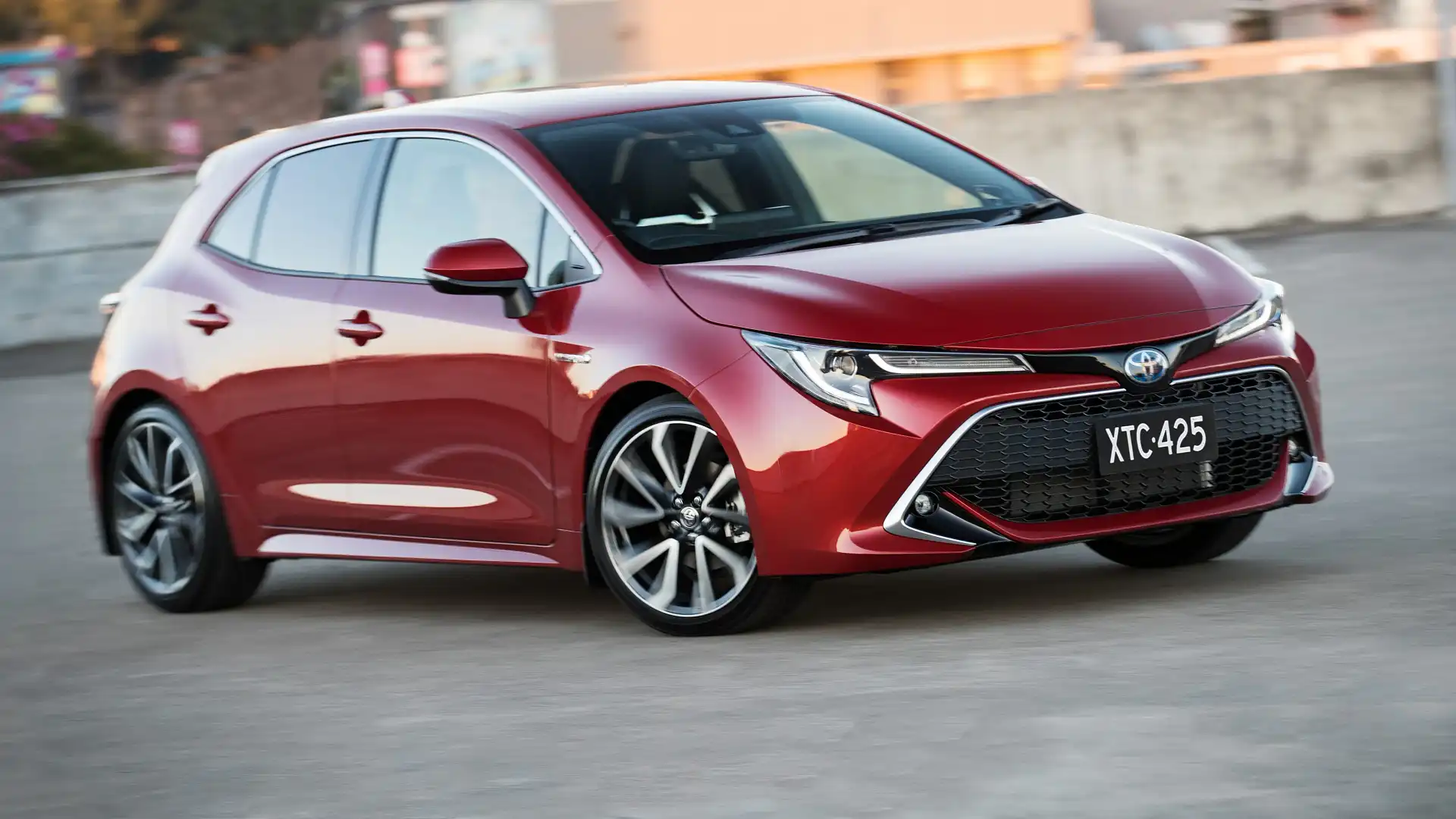
Following a comprehensive redesign the previous year, the latest Corolla’s refreshed exterior styling is unlikely to amaze you, but its new interior represents a significant improvement, introducing a modern sense of style along with widely available amenities like an intuitive touchscreen and automatic climate control.
The rear seat offers cavernous legroom, granting the compact Corolla passenger space that approaches midsize dimensions, while the continuously variable transmission (CVT) contributes to stellar fuel economy.
It is important to remember that if you prioritize driver engagement, the Corolla continues to be one of the least inspiring choices in this category. More dynamic alternatives include the sophisticated and similarly fuel-efficient 2015 Mazda 3 and the economical yet fun-to-drive Ford Focus.
Although the 2015 Hyundai Elantra lacks a sporty character, it provides substantial style at an attractive price, and the perennially popular Honda Civic and Volkswagen Jetta have been redesigned into strong all-around contenders.
The 2015 Toyota Corolla is powered by a 1.8-liter four-cylinder engine that is offered in two distinct versions.
On every trim level except for the LE Eco, it generates 132 horsepower and 128 pound-feet of torque. The more efficient version in the LE Eco also produces slightly more power, rated at 140 hp and 126 lb-ft of torque.
The base Corolla L comes standard with a six-speed manual transmission, offering a four-speed automatic as an option. The other trims feature a continuously variable transmission (CVT), though the S can also be ordered with the six-speed manual.
In Edmunds performance testing, a Corolla LE Eco sauntered to 60 mph in 9.2 seconds, comparable to a CVT-equipped Honda Civic but nearly a full second behind the Ford Focus and Mazda 3.
EPA-estimated fuel economy varies depending on which Corolla you choose. It checks in at 31 mpg combined (27 city/36 highway) with the four-speed automatic and also 31 mpg combined (28/37) with the six-speed manual.
Also Read: 5 Hybrids That Stay Fuel Efficient Forever vs 5 That Don’t
2. Honda Civic
Another small sedan that practically defines “trouble-free,” the Honda Civic blends performance and reliability in equal measure.
Generations from 2010 through 2018 are especially well-regarded, as they use naturally aspirated engines with few complex systems.
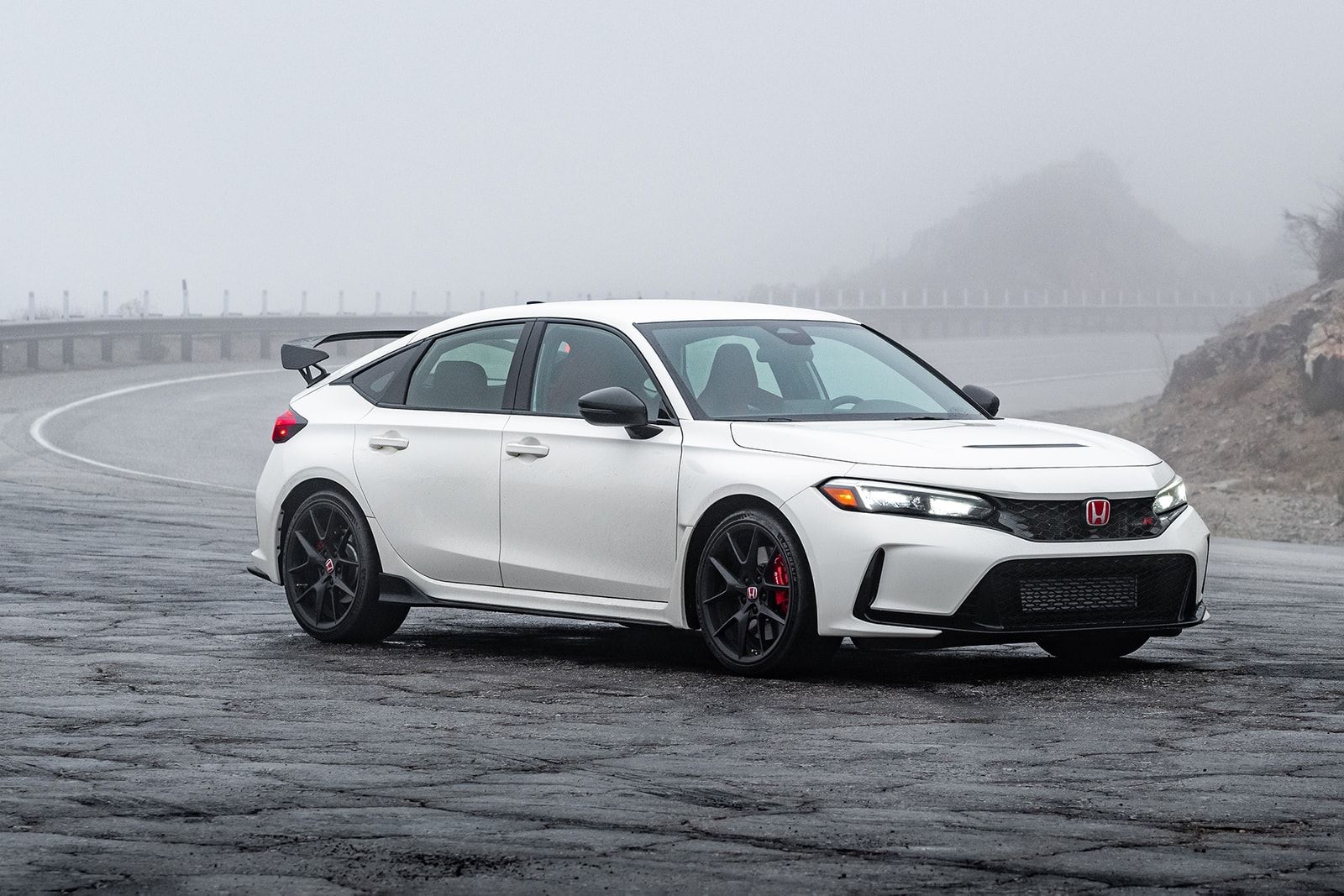
The check-engine light on a Civic typically stays off for over 100,000 miles if maintenance is kept up.
Simple oil changes, reliable ignition components, and excellent emissions systems make this car a staple for students, commuters, and first-time buyers who want to avoid costly diagnostics.
3. Toyota Camry
For those needing a larger sedan, the Toyota Camry stands as the gold standard for dependability. Its 2.5-liter four-cylinder and optional 3.5-liter V6 engines are famous for going hundreds of thousands of miles with minimal drama.
The Camry’s check-engine light is one of the least likely to illuminate, according to national repair data.
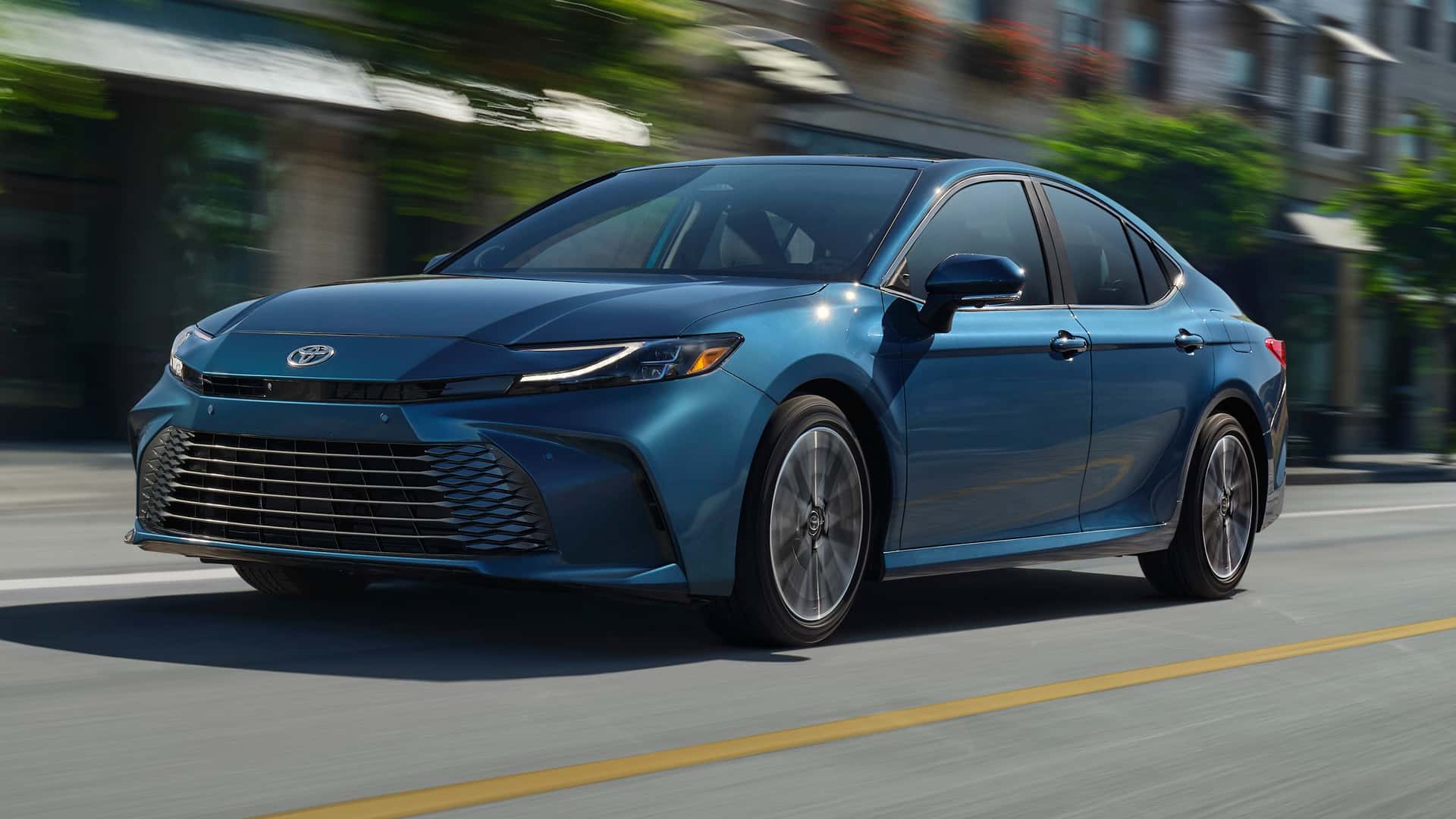
Even when it does, the cause is usually minor such as a misfiring spark plug or aging catalytic converter after long-term use. It’s the kind of car that rewards routine maintenance with years of uneventful ownership.
4. Lexus ES 350
Luxury and reliability don’t often go hand in hand, but the Lexus ES 350 is an exception. Sharing much of its hardware with the Toyota Camry, the ES adds refinement without introducing complexity that leads to mechanical issues.
Used models from 2013 to 2019 are particularly praised for their smooth V6 engines that rarely throw engine codes.
The ES 350’s advanced electronics are robustly built, and even at higher mileages, this sedan tends to stay free of emissions or sensor-related warnings.
The 2022 ES is a good used car. This sedan possesses a quiet, luxurious cabin and delivers an exceptionally smooth ride. Choosing the F Sport model enhances the ES’s handling responsiveness with only a slight compromise in ride comfort.
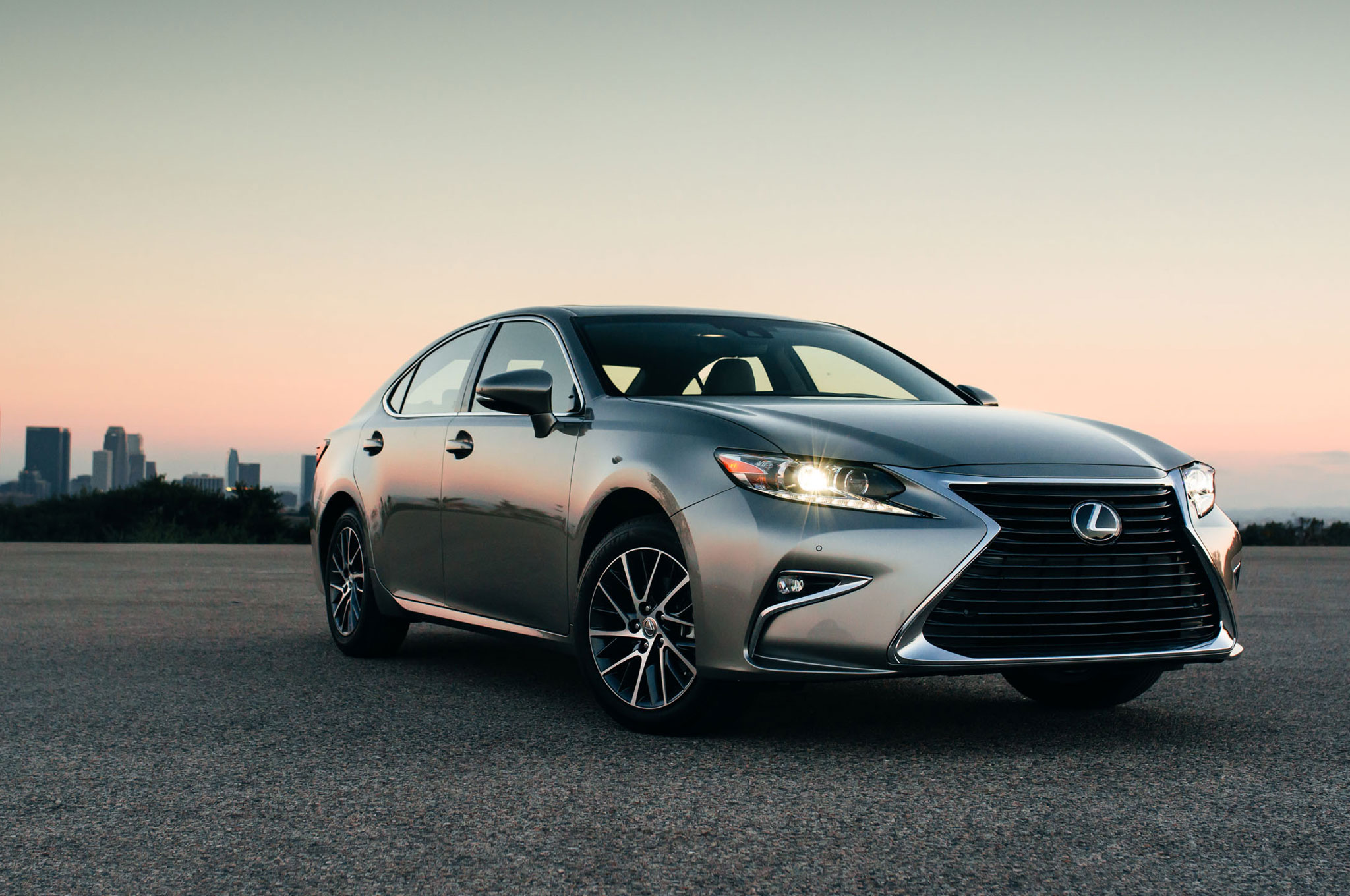
The only significant criticisms of this Lexus are that its infotainment system can be challenging to operate, and its base engine feels somewhat underpowered. Its reliability rating is excellent, and the 2022 model’s projected five-year ownership costs are low for the luxury midsize car segment.
If you are interested in a sportier alternative, consider the Lexus IS. It is constructed on a rear-wheel-drive platform and therefore possesses a different driving character than its sibling, although it offers most of the same luxury amenities and technology features.
Another option is the mainstream counterpart to the ES: the Toyota Avalon. It may appear to be a step down from the Lexus, but it is mechanically very similar and provides a comfortable ride, relaxed handling dynamics, and a spacious rear seat.
5. Mazda3
Mazda has built a quiet reputation for engineering excellence, and the Mazda3 is a perfect example. Its SkyActiv-G engines, used since 2012, are designed with efficiency and reliability in mind.
Owners of the Mazda3 frequently report that the check-engine light is a rare sight and when it does appear, it’s often due to minor emissions components or a sensor replacement rather than a major mechanical failure.
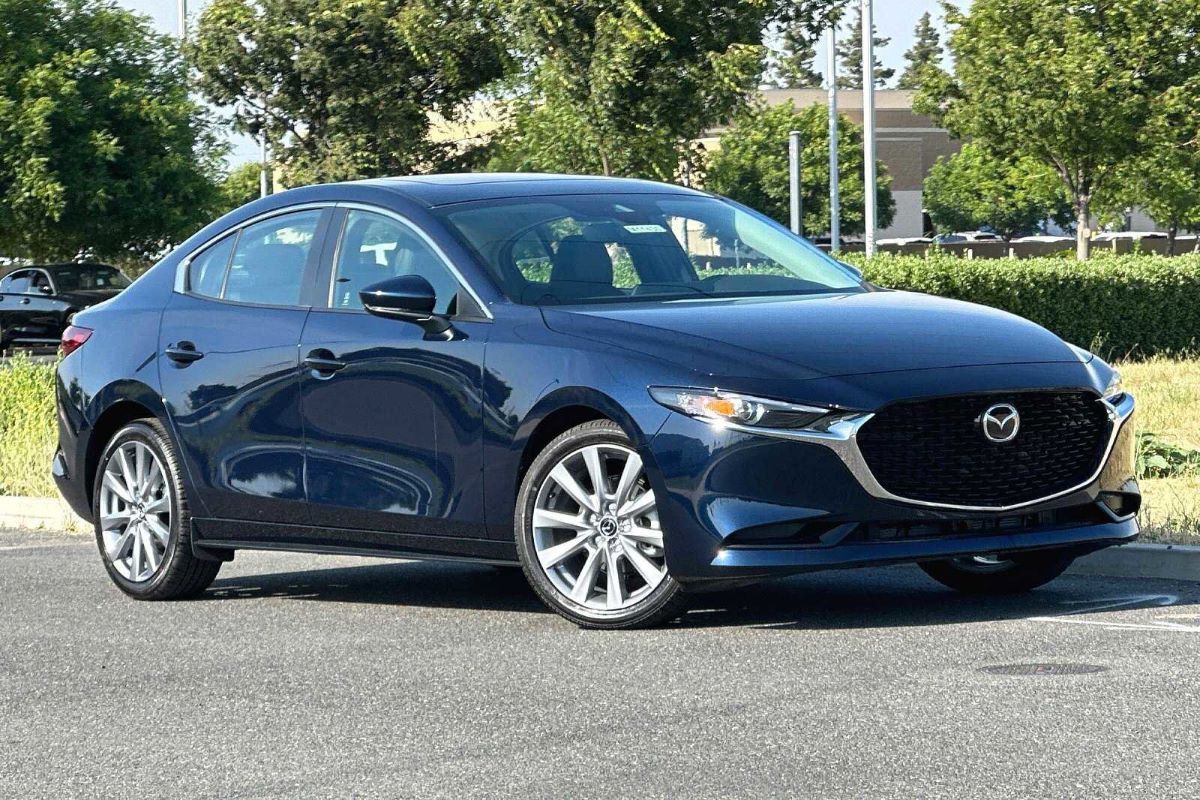
Combined with its sporty handling and stylish design, the Mazda3 offers one of the most satisfying low-maintenance ownership experiences in the compact class.
Mazda provides two distinct engine options for the 3, commencing with a base 186-horsepower 2.5-liter four-cylinder. This powerplant is available with either front-wheel drive or all-wheel drive. A six-speed manual transmission is offered if you select front-wheel drive and choose the hatchback body style.
Choosing the all-wheel-drive system requires a six-speed automatic transmission. A more powerful 250-horsepower turbocharged 2.5-liter engine is available, but exclusively on the top-tier Turbo trims. The Turbo models come standard with all-wheel drive and the automatic transmission.
While every version of the 3 responds promptly to accelerator input, only the turbocharged engine makes the 3 satisfyingly quick. Both the hatchback and sedan body styles feel composed on both straight highways and winding roads, and they deliver a refined ride quality.
We have commended the new Mazda 3 for preserving much of the enjoyable driving character of the previous model. It features taut body control, natural-feeling steering, and a well-managed ride that successfully avoids punishing occupants on rough road surfaces.
Also Read: 12 Diesel Engines Still Popular With Collectors
6. Subaru Outback (with 2.5-liter engine)
Subaru’s Outback has evolved into a dependable crossover alternative with car-like comfort and SUV practicality.
Models equipped with the 2.5-liter four-cylinder engine (especially 2015–2020) tend to have fewer check-engine issues compared to the older turbocharged or six-cylinder variants.
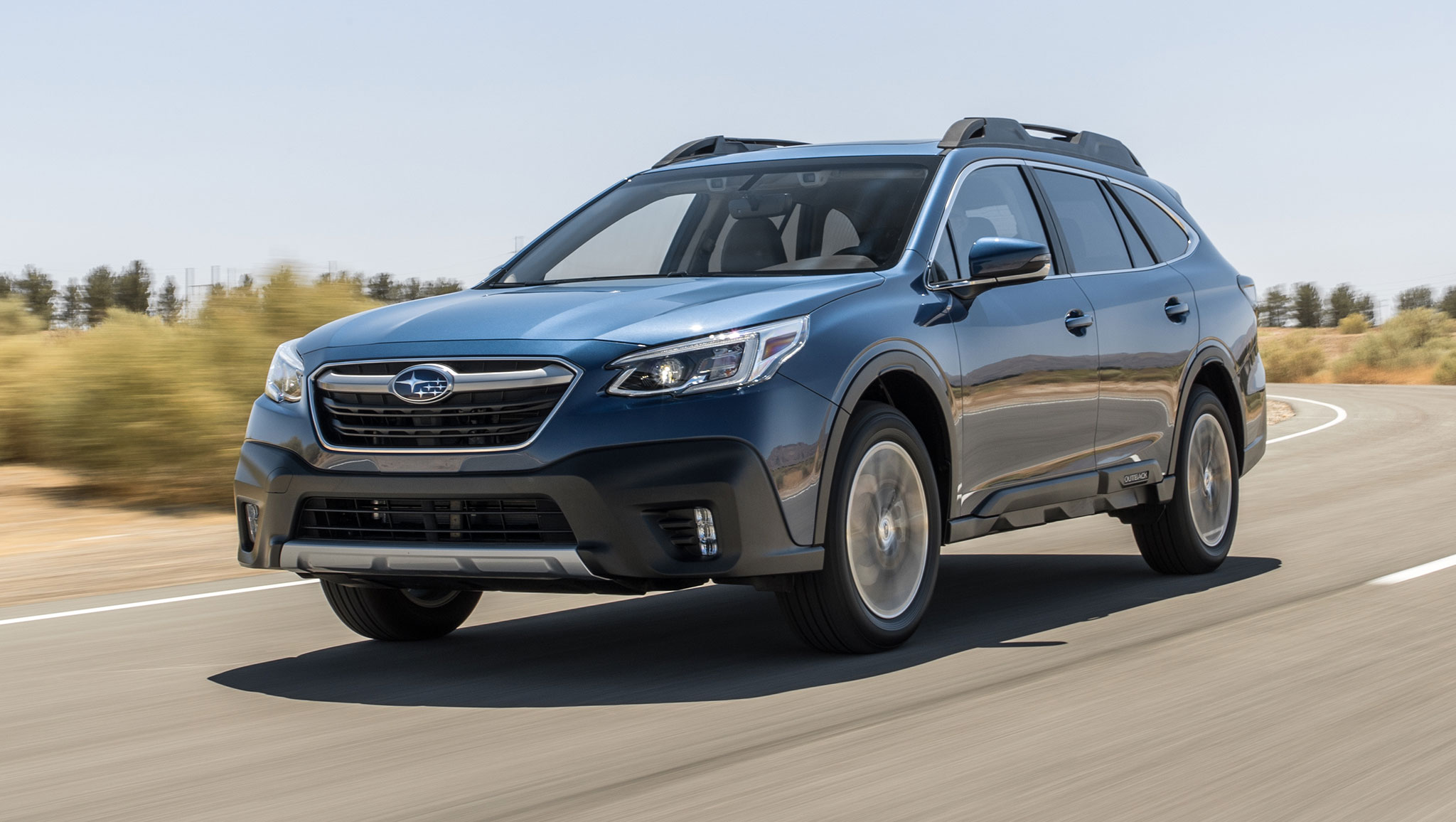
When maintained with proper oil changes and fresh fluids, the Outback’s naturally aspirated engine can run trouble-free for well over 150,000 miles.
The symmetrical all-wheel-drive system is also known for durability, making this a great used option for drivers in snowy regions.
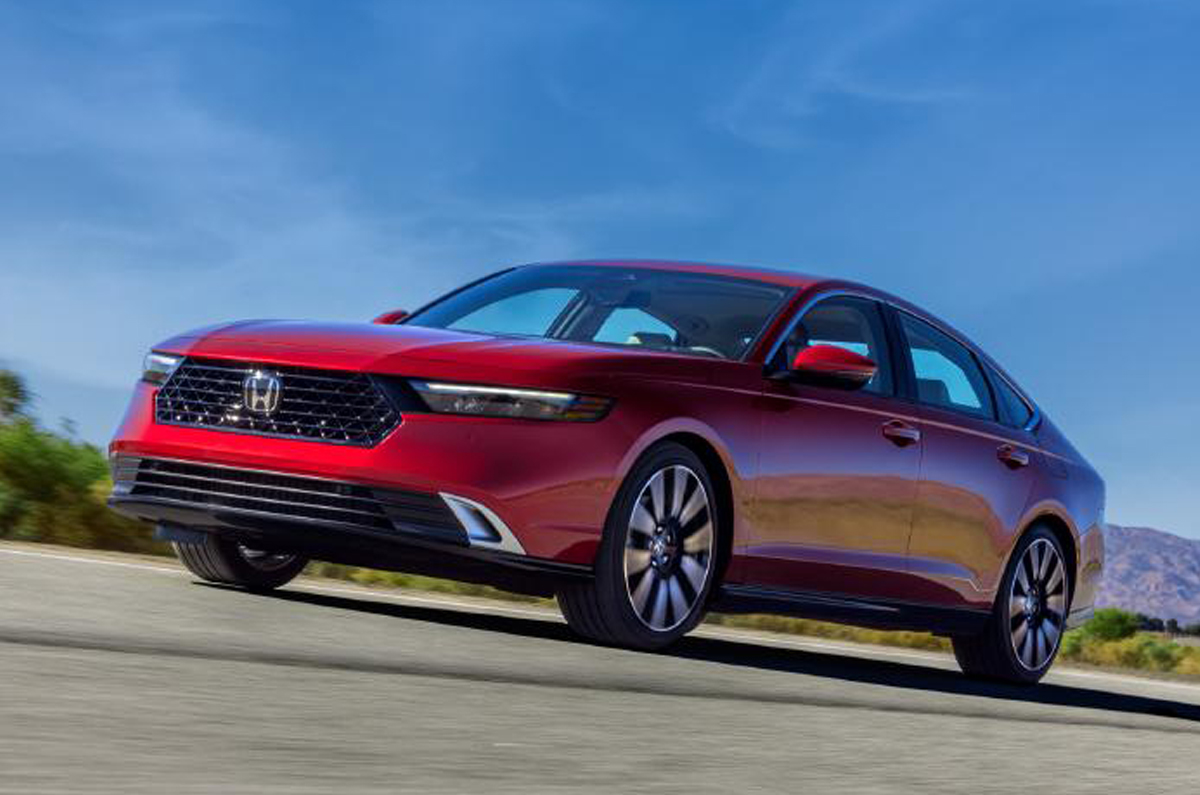
7. Honda Accord
Like its smaller sibling, the Civic, the Honda Accord delivers bulletproof reliability just with more space and comfort.
The 2013–2017 generation is particularly beloved by owners for its smooth operation and lack of warning lights. Honda’s 2.4-liter and 3.5-liter engines are time-tested designs that hold up well with regular servicing.
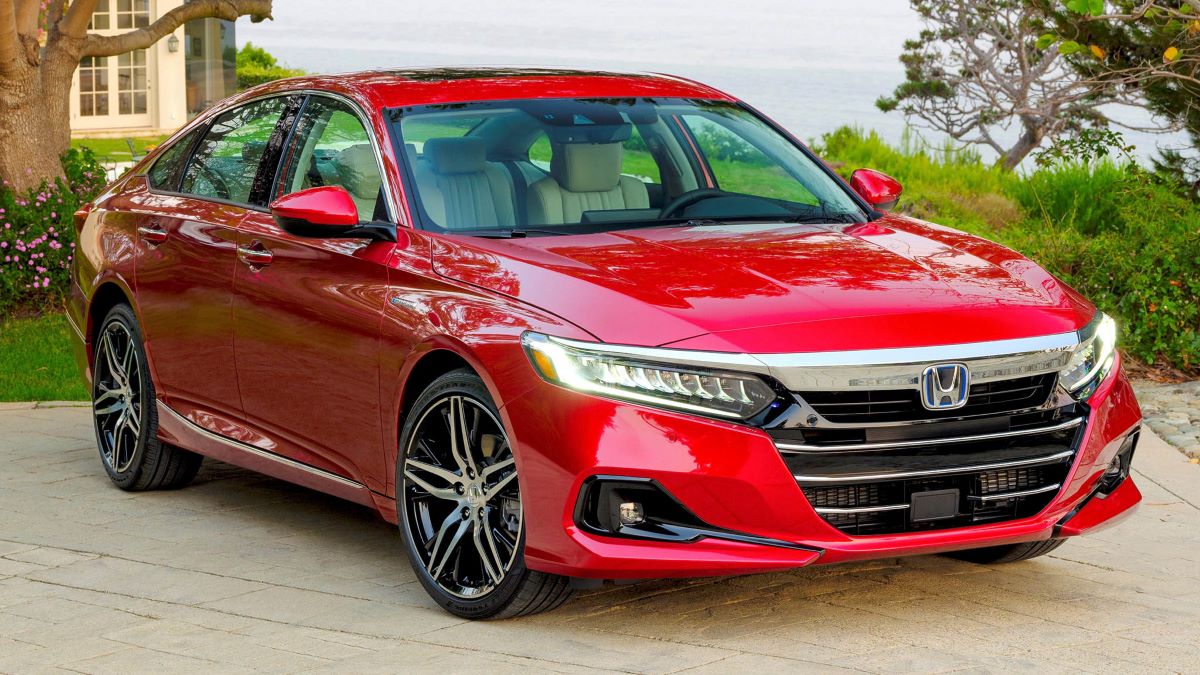
The check-engine light on an Accord usually only appears for wear-related issues like aging sensors or emissions valves after extensive mileage.
It’s one of the few midsize sedans that you can buy used with confidence and drive cross-country without anxiety.
The 2018 Honda Accord offers two turbocharged four-cylinder engine choices, which include a 1.5-liter unit producing 192 horsepower and 192 lb-ft of torque. The non-hybrid upgrade is a 2.0-liter engine that delivers 252 hp and 273 lb-ft of torque.
A six-speed manual transmission is offered on the Sport trims for both of these engines. The available automatic transmissions consist of a CVT for the 1.5-liter engine and a 10-speed automatic for the more powerful 2.0-liter unit.
The Accord Hybrid returns with a revised version of Honda’s two-motor hybrid system; this setup combines a 2.0-liter I-4 engine with two electric motors and a lithium-ion battery pack to generate a total system output of 212 hp. In contrast to several rivals, the Honda Accord Hybrid does not use a conventional geared transmission.
EPA fuel economy ratings are 30 mpg city/38 mpg highway for the 1.5-liter engine equipped with the CVT in all trims except for the Sport and Touring, which are rated at 29 mpg city/35 mpg highway.
Selecting the manual transmission on the 1.5T model results in fuel economy ratings of 26 mpg city/35 mpg highway. The fuel economy ratings for both versions of the 2.0-liter engine and for the hybrid model had not been released at the time of this writing.
Trunk space for all variants is 16.7 cubic feet; this includes the Accord Hybrid, which now features its battery pack positioned beneath the rear seats.
8. Hyundai Elantra (2014–2019)
Hyundai’s reliability has improved dramatically over the past decade, and the Elantra has become one of its most trustworthy models.
With straightforward four-cylinder engines and simplified emission systems, the Elantra rarely develops the kind of engine or sensor faults that trigger a warning light.
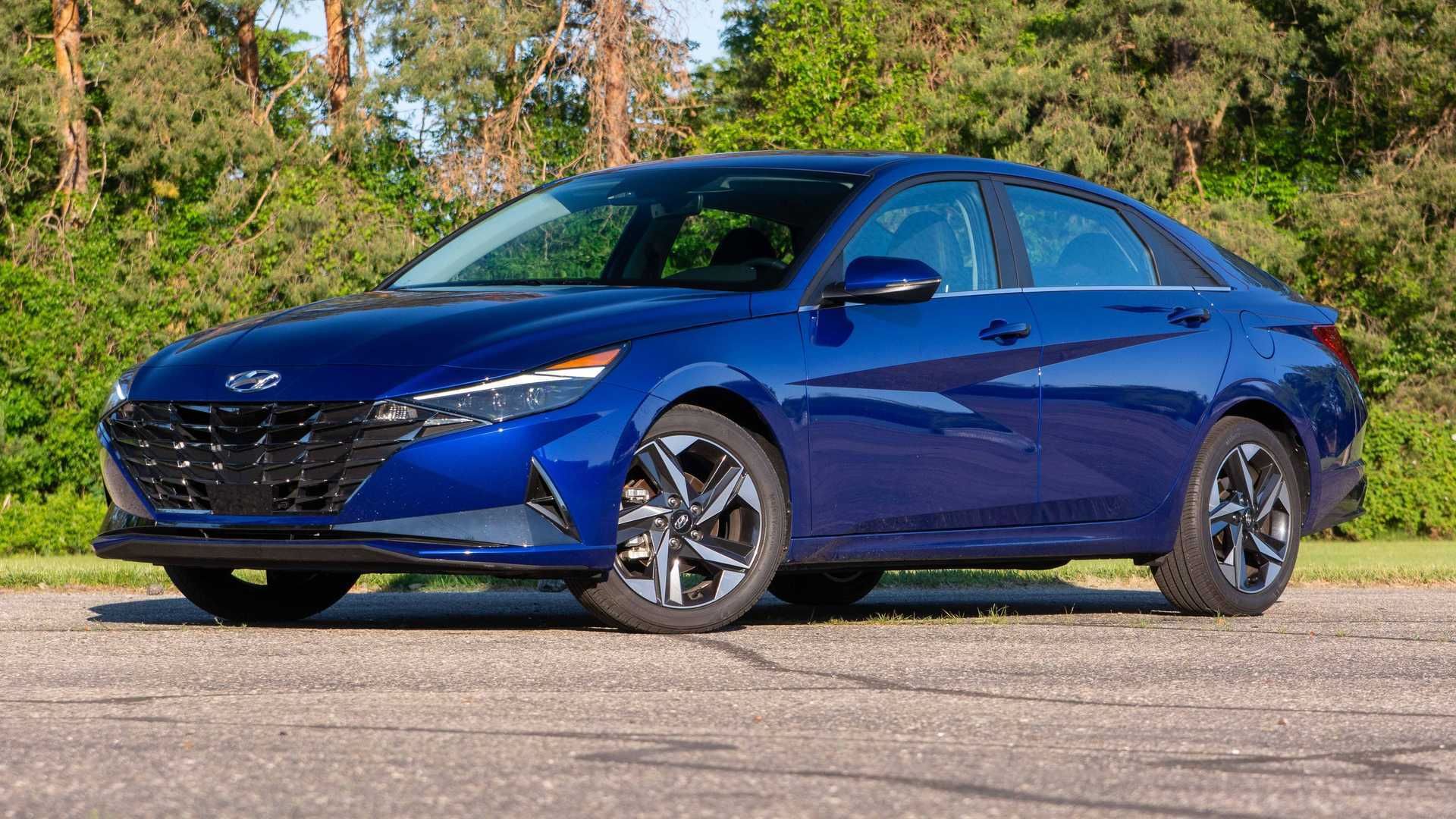
The 2017 refresh, in particular, introduced more robust ignition coils and improved engine management software, further reducing false positives.
Affordable to buy and maintain, the Elantra offers used-car dependability that now rivals Toyota and Honda in real-world ownership.
The 147-horsepower 2.0-liter four-cylinder engine that is standard on most trim levels would not be our primary selection. It is reasonably refined and delivers adequate performance, but the 128-horsepower turbocharged 1.4-liter four-cylinder available in the Elantra Eco is more compelling.
Its greater torque output gives the Elantra Eco a noticeably more responsive feel during everyday driving conditions. Within the lineup of 2.0-liter Elantras, a six-speed manual transmission is exclusively offered on the base SE model, which is not equipped with many standard or optional features.
The available six-speed automatic transmission shifts smoothly. The Elantra Eco is offered solely with a seven-speed dual-clutch automatic transmission, which enhances acceleration, even though it is prone to clunkier operation at low speeds.
A spirited 1.6-liter turbocharged inline-four engine is standard in the Elantra Sport trim. This engine generates 201 horsepower and 195 pound-feet of torque.
When equipped with the six-speed manual transmission, the Elantra Sport achieved a mid-pack result in its class during our acceleration testing. With a composed ride quality and an overall feeling of solidity, the Elantra is both competent and comfortable.
However, we would not characterize it as fun to drive, primarily due to its lackluster steering feedback. The Elantra’s suspension is firm without being harsh, providing a controlled ride that effectively soaks up road imperfections.
9. Ford Fusion (2.5-liter engine)
American brands have a mixed reputation when it comes to long-term reliability, but the Ford Fusion bucks that trend.
The 2.5-liter naturally aspirated engine, shared with several other Ford and Mazda products, has proven extremely reliable and rarely trips a check-engine light.

Avoiding the turbocharged versions can pay dividends, as the simpler setup eliminates potential boost and sensor issues.
For U.S. buyers wanting a domestic midsize sedan that runs quietly for years, the Fusion 2.5L models from 2014–2018 are an excellent, underrated choice.
If you are an enthusiast of Ford vehicles, you are likely aware that one of the most well-regarded powerplants has been the 2.5-liter Duratec, a legendary engine in development since the 1990s that continues to be produced and installed in several popular models.
It is known for being the most durable option for vehicles like the Fusion and the Escape, which have been offered with a variety of engines, but the most durable, long-lasting, and largely problem-free among them was the 2.5-liter Duratec, which itself has been produced in several modifications with varying horsepower and torque outputs.
Regarding its durability, while any engine can theoretically reach half-a-million miles with extensive part replacements, we measure its lifespan up to the first expensive repair, such as when it begins consuming excessive oil and requires disassembly.
At that point, repair often exceeds the vehicle’s value, leading us to assert a reliable lifespan of about 250,000 miles, after which an investment can potentially yield another 100,000 miles, though minor problems like timing chain failure can appear around 100,000 miles, requiring costly replacement.
The main problems identified include oil heat-exchanger issues leading to troublesome leaks and necessary replacement, a cooling system that is not completely reliable and can clog or rust quickly with non-original antifreeze, a weak phase regulator that often knocks before 100,000 miles and is costly to replace.
Other than that, a fuel injection system that, while generally reliable, can cause significant expense, especially with poor fuel quality, and natural oil consumption that can become excessive, signaling a need for expensive repair.
Finally, while you can technically turbocharge these engines, doing so would cause them to lose their durability and reliability, and they are not the most powerful units but sufficient for the Fusion and Escape’s tasks, so for sports racing, an EcoBoost Fusion is better, and we do not recommend turbocharging as it would invite numerous problems and minor issues and risk transmission failure, as it is not engineered for the increased torque.
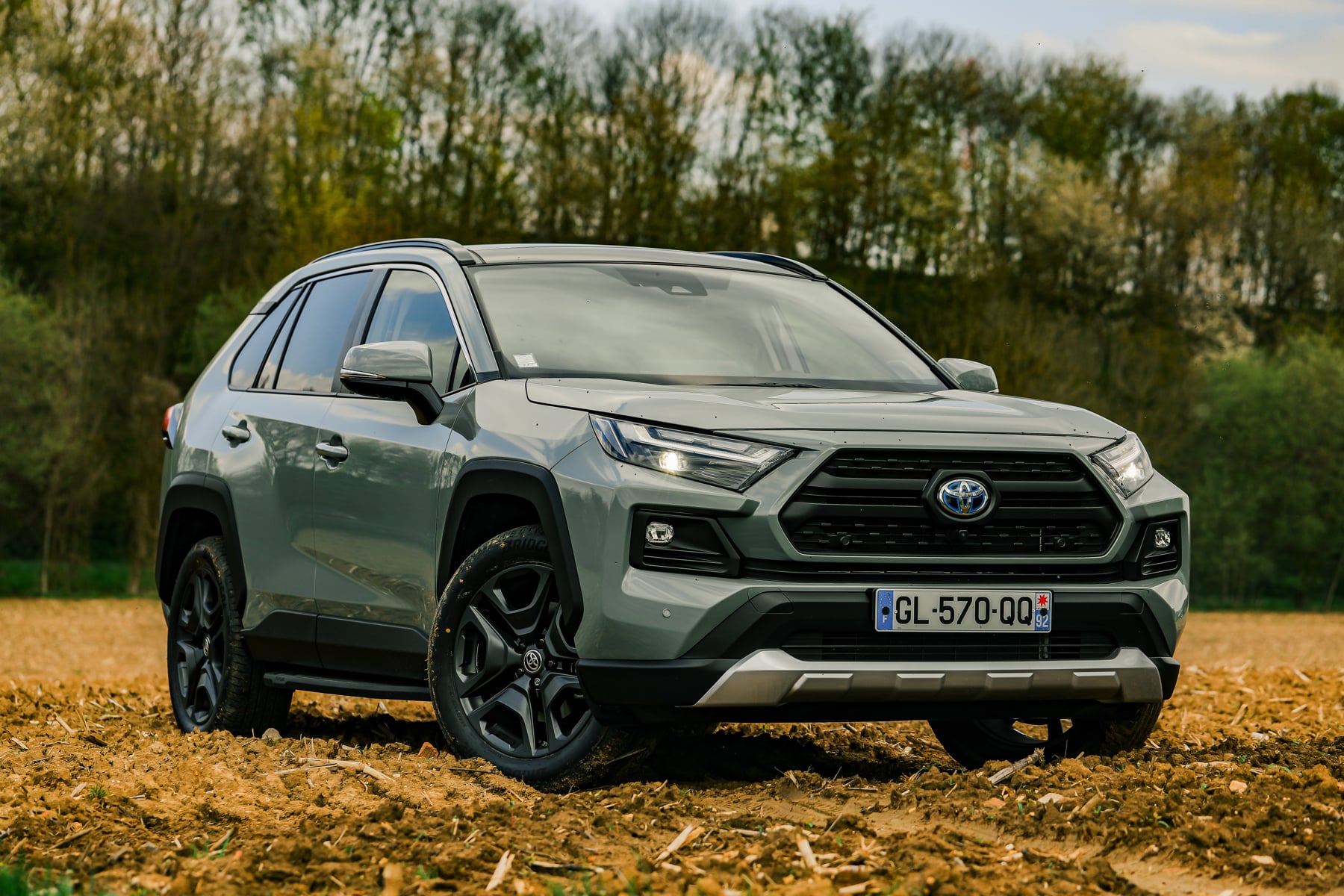
10. Toyota RAV4
The Toyota RAV4 rounds out this list as a compact SUV that’s as dependable as any sedan. Whether you go for the 2013 gasoline model or a 2016 hybrid, the RAV4’s powertrain is engineered to handle high mileage without significant trouble codes.
Many U.S. mechanics praise this SUV for its strong ignition system, clean emissions design, and trouble-free engine management.
The RAV4’s check-engine light often stays off well beyond 150,000 miles, making it a top pick for families who need something dependable but still versatile.
For U.S. car buyers seeking a reliable used vehicle, one of the simplest ways to measure peace of mind is how often a model triggers a check-engine light.
A perennially best-selling SUV, the Toyota RAV4 offers a trim level to suit every budget. The price-leading LE trim is fairly basic, but the high-end Limited model can challenge the Lexus NX with its numerous luxury features.
The new TRD Off-Road model promises improved capability on the trails, and its rugged styling makes it look perfectly at home alongside the Toyota 4Runner SUV and the Toyota Tacoma pickup truck.
The vehicle’s driving dynamics tend toward the mundane side of the spectrum, but most consumers will find the 2020 RAV4’s ride comfortable and its handling agreeable. Adult passengers will be pleased with the generous amount of legroom in both the front and rear seats.
Cargo room is also competitive with the best vehicles in the segment. If fuel economy is your primary concern, you should consider the RAV4 Hybrid, which we review separately.
For the 2020 model year, Toyota has introduced the TRD Off-Road model, which comes with model-specific 18-inch wheels, all-terrain tires, a TRD-tuned suspension kit with red coil springs, and numerous TRD logos on the interior and exterior.
Toyota has also added SiriusXM satellite radio and Android Auto compatibility as standard features. The XLE model now includes a power-adjustable driver’s seat, but the sunroof is no longer standard; you will need to select the Convenience package if you want it.
The mid-range Adventure trim gains a leather-wrapped steering wheel and shift knob, but its power liftgate is now optional. The Limited trims now come with the premium JBL audio system as standard. A car value calculator is available to determine your car’s worth.
The price of the 2020 Toyota RAV4 starts at $27,125 and goes up to $36,455 depending on the trim and options, with the LE at $27,125, the XLE at $28,420, the XLE Premium at $31,125, the Adventure at $34,230, the Limited at $35,655, and the TRD Off-Road at $36,400 and $36,455.
Toyota makes its suite of driver-assistance features standard across the entire lineup, so there is little reason to choose a pricier trim unless you really want features like ventilated seats. You can compare the 2020 Toyota RAV4 to other vehicles you are interested in with a comprehensive comparison tool.
The 2020 RAV4 uses a 203-horsepower 2.5-liter four-cylinder engine paired with an eight-speed automatic transmission. Front-wheel drive is standard, but Toyota now offers a choice of all-wheel-drive systems depending on the trim.
The Adventure model we drove was equipped with an all-wheel-drive system that can disconnect the rear axle when needed to improve fuel economy. At our test track, the RAV4 proved to be quicker than its predecessor, with a recorded 60-mph time of 8.0 seconds for the 2019 model and 8.3 seconds for the 2018 model.
The dutiful four-cylinder can be noisy, particularly during highway-passing attempts, and the transmission on our test vehicle seemed to stumble when called upon for a downshift
The RAV4 Hybrid, reviewed separately, achieved an even quicker 7.4-second 60-mph time in our testing. The RAV4 feels solid and stable when cruising on the interstate and holds its own on twisty roads, but it does not inspire the same level of confidence as our segment favorite, the Mazda CX-5.
The vehicles above share a few traits: conservative engine design, proven drivetrains, and minimal reliance on experimental tech. That’s why they’re favorites among long-term owners and mechanics alike.
While any car can develop issues without proper maintenance, these ten models show that it’s possible to own a used vehicle that spends more time on the road and less time at the repair shop.
For those who value reliability above all else, these are the cars that keep the dashboard clear and your mind at ease.