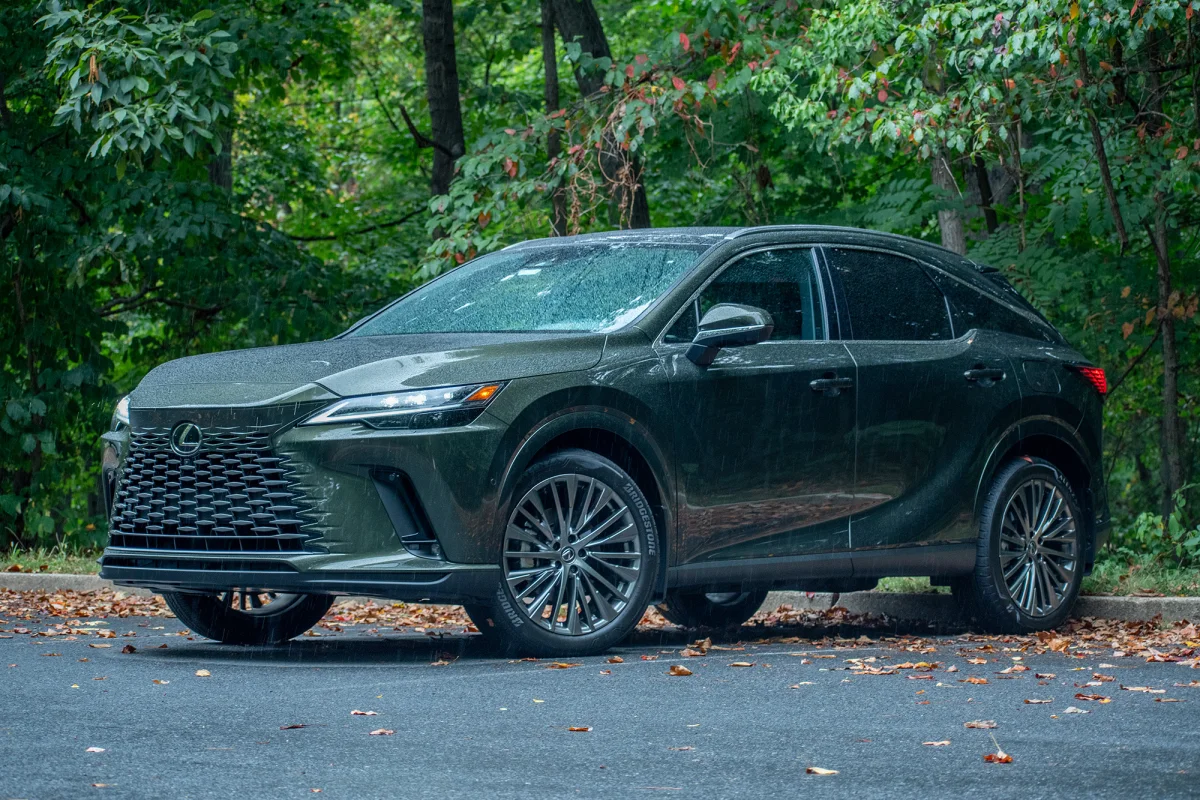
When investing in a car, longevity is just as important as performance or style. Hybrid cars, once considered experimental, have now proven their worth as some of the most durable and efficient vehicles on the road.
The best models combine advanced engineering with sustainable technology, offering drivers an impressive mix of fuel economy, reliability, and long-term value. However, not all hybrids are created equal.
Some begin to show their age after only a few years, while others continue to run smoothly well past the 150,000-mile mark with minimal maintenance. In this list, we highlight 10 hybrid cars that age gracefully, maintaining performance, comfort, and efficiency even after years of daily driving.
Whether you are a commuter seeking dependability or a budget-conscious buyer looking for lasting quality, these hybrids prove that eco-friendly driving can go hand in hand with endurance and lasting performance.
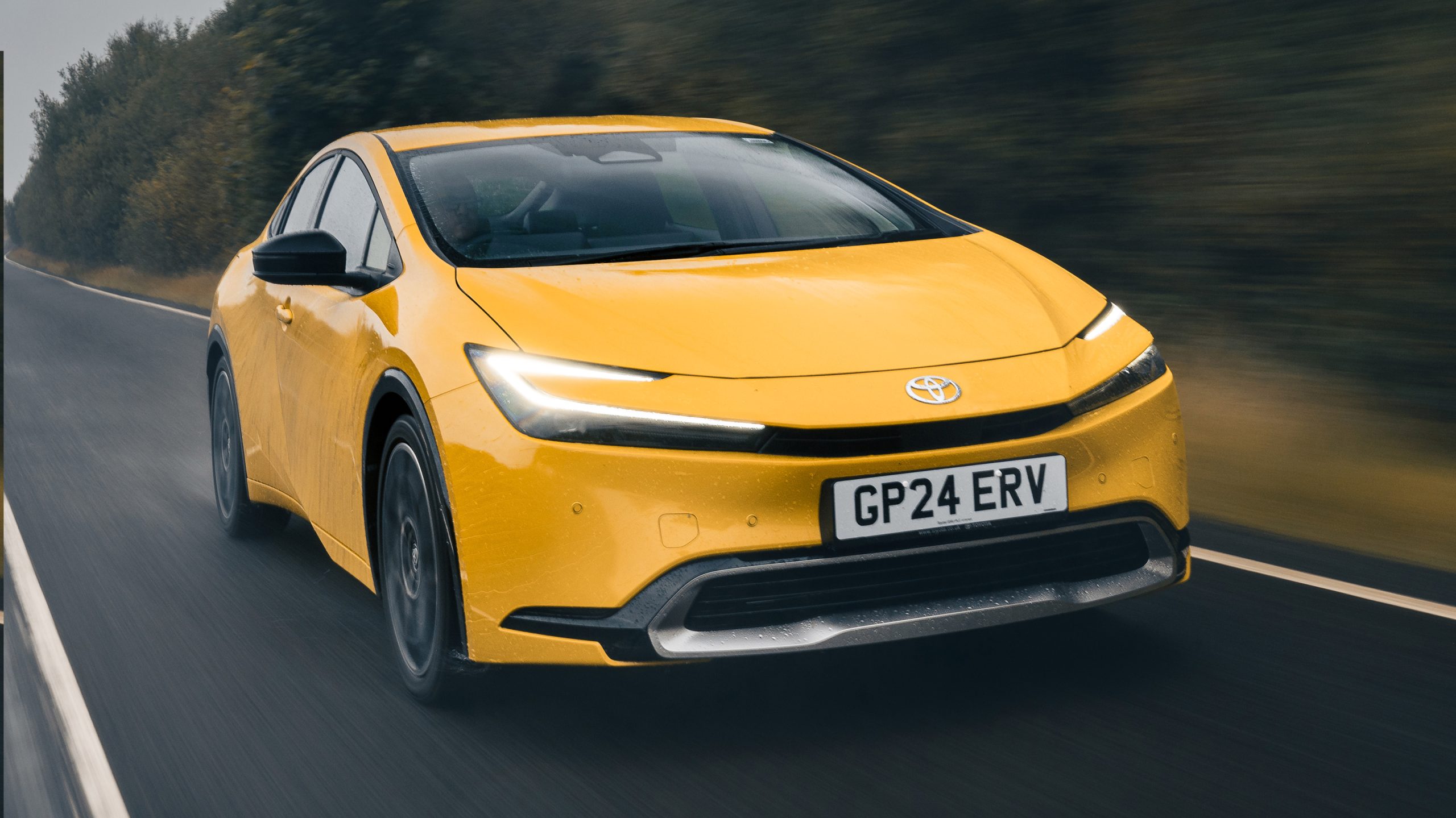
1. Toyota Prius: The Gold Standard of Hybrid Reliability and Efficiency
The Toyota Prius continues to set the benchmark for hybrid vehicles, offering exceptional longevity, fuel economy, and dependability. Known for easily surpassing 200,000 miles with minimal repairs, the Prius’s durable engineering and proven hybrid battery technology have earned it a near-legendary reputation.
Consistently rated at the top for reliability by Consumer Reports and J.D. Power, it has secured a devoted customer base seeking long-term value and low maintenance costs.
Behind the wheel, the Prius delivers a smooth and capable driving experience. It accelerates from 0 to 60 mph in 7.7 seconds, outperforming the Kia Niro (9.7 seconds) but slightly slower than the Honda Civic Hybrid (6.6 seconds).
Handling is stable and predictable, although its economy-focused tires limit cornering grip. Ride quality is composed, easily absorbing bumps and rough surfaces, while the hybrid system transitions seamlessly between electric and gasoline power.
Advanced driver-assist features enhance everyday usability. Adaptive cruise control operates fluidly, and the Proactive Driving Assist subtly hints when to slow down or accelerate, adding a layer of intuitive safety. However, rear visibility remains compromised because of the sharply angled rear window and thick pillars.
Inside, the Prius offers commendable front-seat comfort with supportive cushioning ideal for long drives. Rear-seat space provides good legroom but limited headroom, making it less suitable for taller passengers. The lack of dual-zone climate control and noticeable noise at higher speeds slightly detracts from cabin serenity.
The ergonomic layout is mostly intuitive, though the digital driver display is poorly positioned and often obscured by the steering wheel. While the cabin materials are improved over past generations, some hard plastics and tinny door sounds show cost-saving compromises. Heated and ventilated front seats, available on higher trims, add a touch of luxury.
Technology in the Prius is modern and functional. The 12.3-inch touchscreen (available on Limited trims) features a clean interface with Google-powered navigation, wireless Apple CarPlay, and Android Auto. Charging options are abundant, with six USB-C ports and an optional wireless charging pad, though it lacks cooling and can overheat phones during long use.
Cargo capacity measures 20.3 cubic feet, offering more flexibility than most sedans but less space than rivals like the Kia Niro. Interior storage solutions, including a deep center console and large cupholders, add everyday practicality.
Toyota backs the Prius with an impressive 10-year/150,000-mile battery warranty, emphasizing its long-term reliability. With EPA ratings up to 57 mpg combined, the Prius remains unmatched in fuel economy. Its combination of futuristic styling, strong efficiency, and enduring dependability makes it not just a hybrid icon but a smart, sustainable choice for modern drivers.
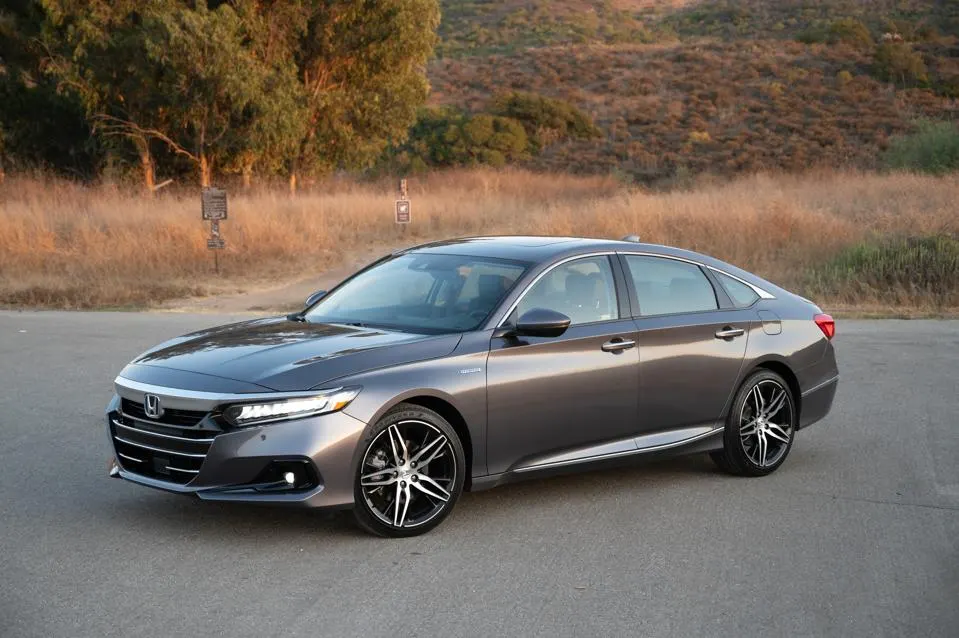
2. Honda Accord Hybrid: A Perfect Blend of Efficiency, Comfort, and Reliability
The Honda Accord Hybrid continues to set the standard for midsize sedans by combining performance, comfort, and long-term dependability. Built with durability in mind, it remains one of the most reliable hybrid options available. For those seeking a practical yet refined vehicle that balances efficiency with everyday usability, the Accord Hybrid represents a smart and lasting investment.
The Accord Hybrid offers one of the most balanced driving experiences in its class. The Sport-L trim delivers strong acceleration and impressive fuel economy, reaching 0 to 60 mph in seven seconds, which is about a second quicker than many midsize hybrid competitors.
The continuously variable transmission (CVT) is designed to mimic a traditional automatic, making the drive feel natural and engaging. Handling is precise and confident, and steering provides good feedback. Although the current Accord is larger and less athletic than older versions, it still maintains solid control and stability.
Ride comfort is another standout feature. Even with 19-inch wheels, the Accord absorbs bumps smoothly, and the EX-L trim with smaller wheels offers an even softer ride. Visibility is excellent, thanks to thin windshield pillars and a large rear window that make driving more reassuring. The Honda Sensing suite of safety features performs effectively, although the lane-keeping system can sometimes feel a bit intrusive.
Inside, the Accord Hybrid emphasizes simplicity and spaciousness. Wide door openings make entry and exit easy, though taller passengers in the rear may need to lower their heads slightly due to the sloping roofline. Both front and rear seats provide ample legroom.
The driver’s seat could use a bit more cushioning, but it offers enough adjustment options for comfort. The interior layout is straightforward, with large, clearly labeled buttons and knobs that make it easy to control the climate and audio systems. Sound insulation is excellent, keeping outside noise to a minimum. The LATCH system for child seats is simple to access, and the rear seat is wide enough for multiple car seats.
Technology in the Accord Hybrid is modern and practical. The 12.3-inch touchscreen features wireless Apple CarPlay and Android Auto, providing a seamless connection for smartphones. However, Google Assistant integration is limited to the top Touring trim, which could be frustrating for buyers choosing lower trims. Cargo space is generous at 16.7 cubic feet, easily accommodating large items like golf bags or suitcases.
In terms of value, the Accord delivers excellent build quality. There are no rattles, gaps, or cheap materials, and the car feels built to last. However, lower trims could use more standard features compared to competitors like the Hyundai Sonata. Honda’s warranty coverage includes a three-year or 36,000-mile basic and a five-year or 60,000-mile powertrain warranty, along with standard roadside assistance.
The Accord Hybrid achieves an EPA-estimated 44 to 48 mpg combined, depending on wheel size. While real-world tests show slightly lower results, efficiency remains very competitive within the segment.
Although it may not be the most exciting or innovative sedan on the market, the Honda Accord Hybrid excels in reliability, comfort, and practicality. It is a well-rounded car that delivers strong performance, long-term value, and a smooth driving experience, making it an excellent choice for anyone seeking a dependable and efficient midsize sedan.
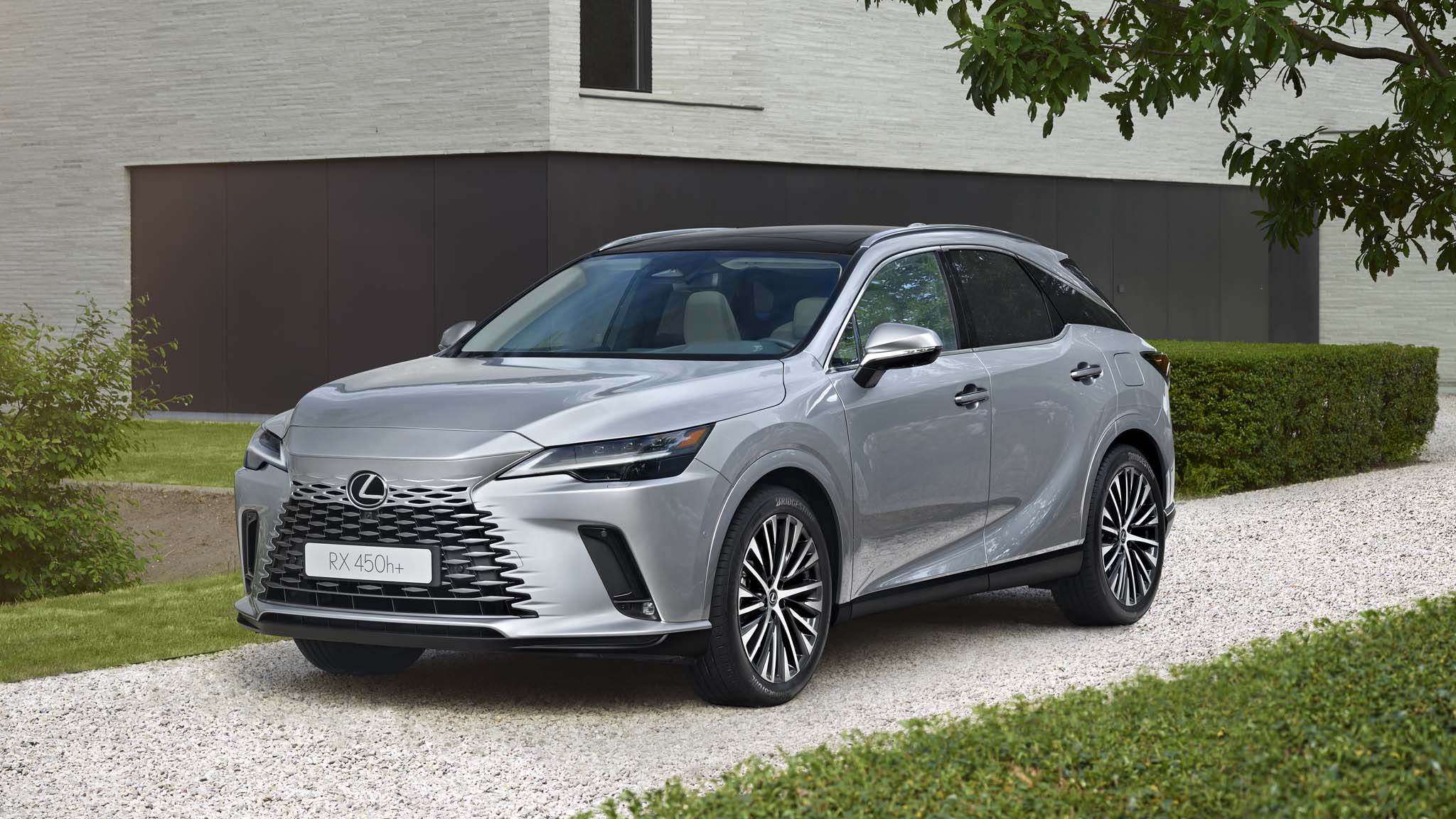
3. Lexus RX 450h: A Refined Blend of Luxury, Efficiency, and Reliability
The Lexus RX 450h stands as a benchmark in the luxury hybrid SUV segment, combining refined comfort with Toyota’s legendary reliability. Known for its durable hybrid system, the RX 450h offers both performance and longevity, appealing to buyers who want upscale comfort without sacrificing dependability.
The RX 450h delivers a smooth, confident driving experience with its hybrid powertrain, offering quicker acceleration than the non-hybrid RX 350. The 3.5-liter V6 engine paired with electric motors generates a responsive drive, reaching 0–60 mph in 7.3 seconds. Its brake-by-wire system ensures seamless stops an impressive feat for hybrids that often struggle with brake feel.
Updates to the suspension enhance agility, effectively countering the added hybrid weight. While not as fast as competitors like Volvo’s hybrid SUVs, the RX 450h balances performance with refinement, making every drive poised and composed.
Comfort remains a defining strength of the RX lineup. The RX 450h’s spacious, quiet cabin offers a serene ride thanks to exceptional insulation from wind and road noise.
The front seats are broad and accommodating, though the cushions could offer more support. Rear passengers enjoy reclining seats, enhancing long-trip comfort. The hybrid’s added mass can create a slight floatiness over bumps, yet the ride quality remains plush and tranquil, making it easy to hold a conversation even at highway speeds.
The interior exudes Lexus luxury, featuring premium materials, meticulous craftsmanship, and intuitive design. The cabin provides ample space for tall occupants, though visibility can be tricky without the optional 360-degree camera. Lexus has modernized its infotainment by integrating a touchscreen interface alongside a touchpad, offering improved usability.
The Mark Levinson sound system, crisp display, and seamless smartphone connectivity enhance the in-car experience. While Android Auto can occasionally glitch, Bluetooth performance remains solid. Tech features like adaptive cruise control and lane keeping assist add convenience, though the latter can feel overly active.
With 16 cubic feet of cargo space, the RX 450h isn’t class-leading but offers flexible usability through 40/20/40-split folding rear seats. The interior provides clever storage options, including adjustable cupholders and generous space for personal items. Its 3,500-pound towing capacity allows for light trailer use, expanding versatility.
Delivering an EPA-rated 30 mpg combined, the RX 450h offers strong efficiency for its class, outperforming most non-hybrid rivals. Real-world mileage tends to fall slightly below expectations but remains commendable.
Starting around $47,000, the RX 450h offers impressive value for a luxury hybrid SUV, featuring a premium interior, strong reliability record, and generous Lexus warranties. The RX 450h remains a top choice for luxury hybrid SUV buyers seeking longevity, comfort, and understated sophistication.
4. Toyota Camry Hybrid: A Perfect Balance of Efficiency, Comfort, and Reliability
The Toyota Camry Hybrid stands out as one of the most dependable sedans available today, combining outstanding fuel efficiency with Toyota’s reputation for long-term reliability.
Designed for everyday practicality and endurance, its hybrid system often surpasses 150,000 miles with ease. Ideal for families and commuters, the Camry Hybrid offers a driving experience that blends performance, comfort, and advanced technology.
Behind the wheel, the Camry XSE Hybrid delivers smooth acceleration and confident power. It reaches 0–60 mph in 7.8 seconds, making it slightly quicker than rivals such as the Honda Accord and Hyundai Sonata hybrids.
The sport-tuned suspension and precise steering create a stable, composed ride that feels firmly connected to the road, avoiding the light, detached sensation of earlier models. The upright driving position enhances visibility, while the Toyota Safety Sense suite adds modern driver assistance features.
Systems like adaptive cruise control, lane tracing, and the optional Traffic Jam Assist make city and highway driving easier and more secure, even allowing limited hands-free operation at low speeds.
Inside, the Camry Hybrid emphasizes support and functionality. The front seats may feel firm initially, but they provide excellent back support on long drives. Both front and rear rows offer generous legroom and headroom, and the wide door openings make entering and exiting effortless.
The upright seating position adds comfort and convenience. Installing child seats is simple thanks to clearly marked LATCH anchors. The cabin remains quiet at highway speeds, with only minor engine noise during strong acceleration. The interior layout is well organized, with clearly labeled buttons and an efficient climate control system that maintains consistent comfort for all passengers.
Technology is one of the Camry Hybrid’s strengths. Most trims feature a 12.3-inch touchscreen with wireless Apple CarPlay and Android Auto for seamless smartphone integration.
The wireless charging pad performs reliably, while the optional nine-speaker JBL audio system offers clear and balanced sound, although it still trails some competitors’ premium setups. Toyota’s infotainment interface is intuitive and easy to navigate, providing quick access to key functions without distraction.
The Camry Hybrid’s 15.1-cubic-foot trunk provides ample space for luggage and groceries, despite appearing smaller on paper than some rivals. The cabin includes multiple compartments for personal items, along with large door pockets for bottles.
Toyota’s decision to make every Camry a hybrid offers buyers a wide range of trims to fit different budgets and preferences. The package also includes two years of complimentary maintenance and roadside assistance, enhancing its long-term value.
Fuel economy is another highlight, with ratings between 44 and 51 mpg combined, depending on trim. During testing, the Camry Hybrid achieved 45.9 mpg, slightly below Toyota’s estimate but ahead of many competitors in its class.
The Toyota Camry Hybrid has moved far beyond its reputation as a plain, practical sedan. With a strong balance of performance, comfort, and technology, it provides a refined and efficient driving experience. Reliable, stylish, and fun to drive, it remains one of the most complete hybrid sedans for drivers seeking long-term value and everyday enjoyment.
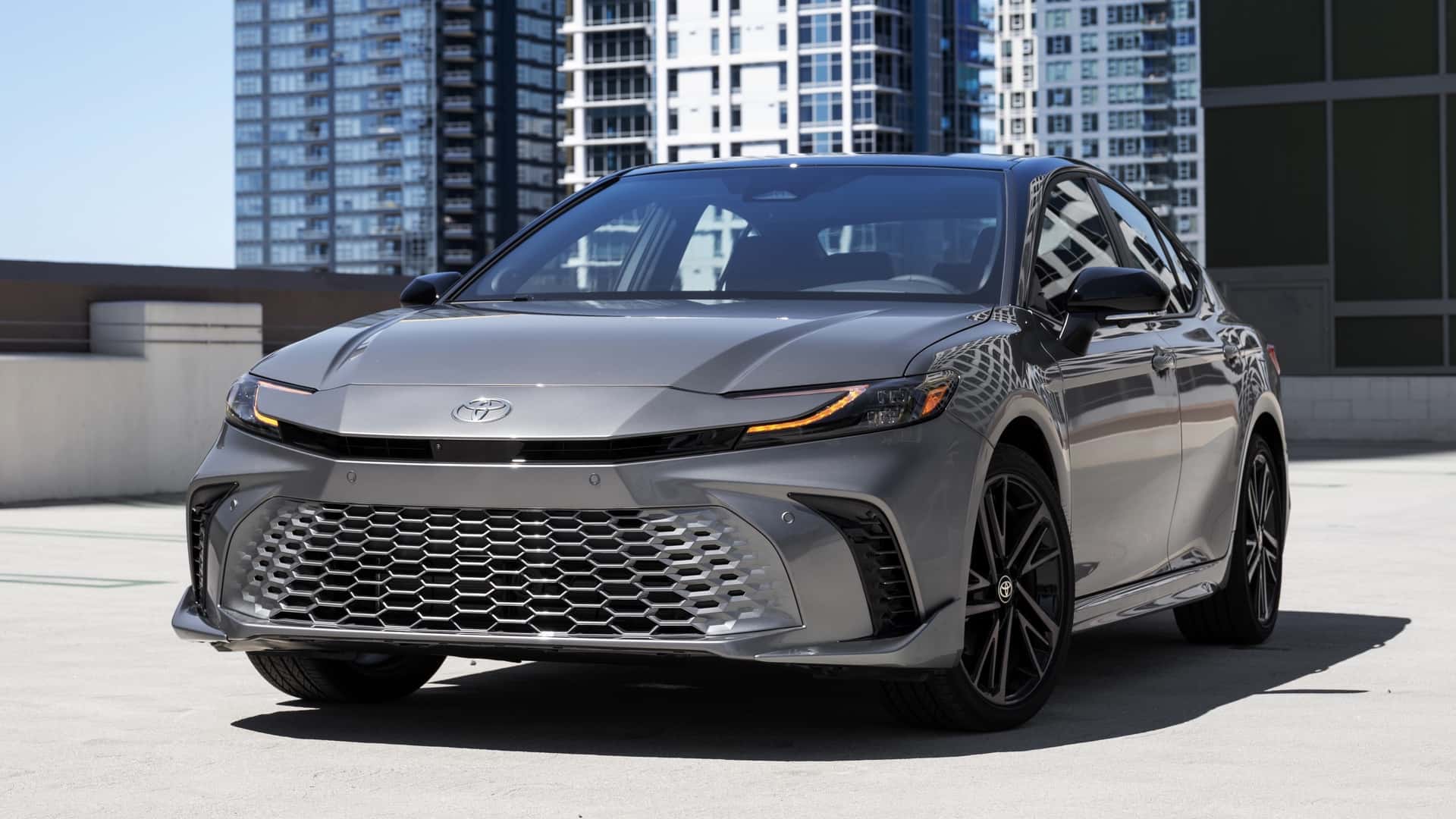
5. Ford Escape Hybrid: A Reliable and Efficient Compact SUV for Everyday Use
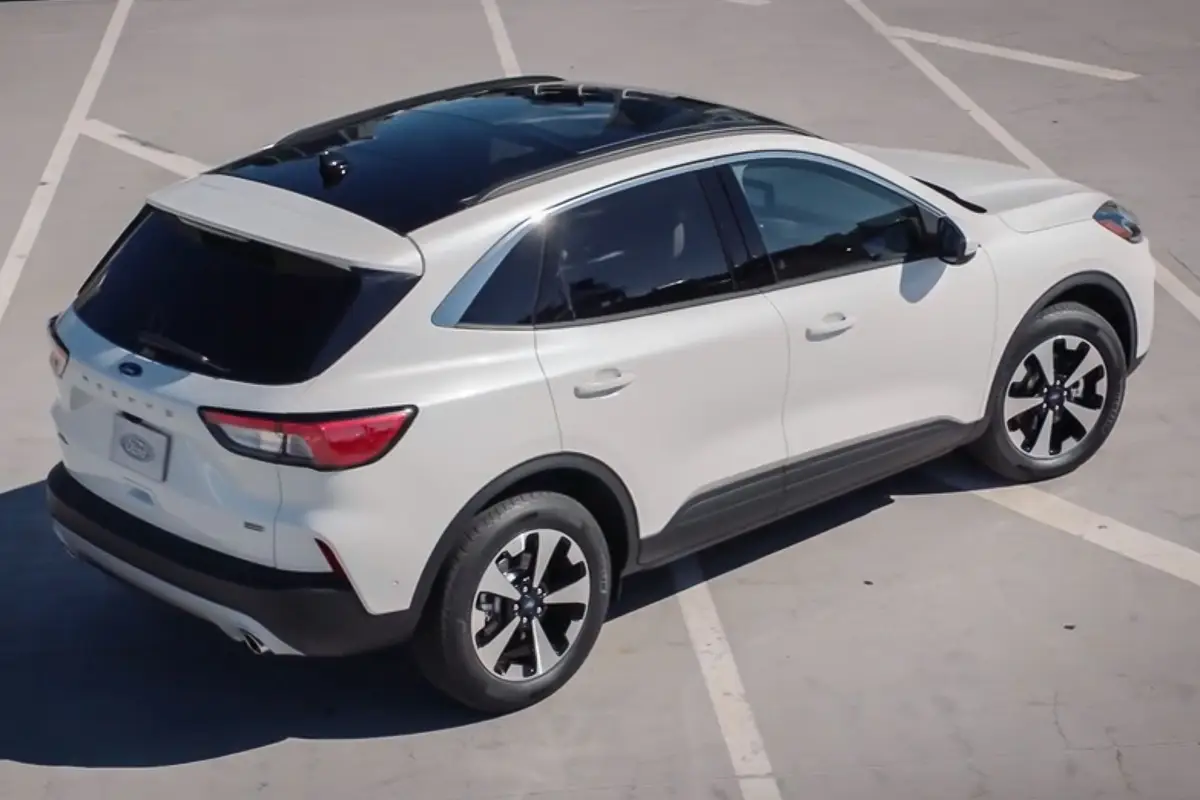
The Ford Escape Hybrid earns its place among the most dependable compact SUVs thanks to its balance of efficiency, performance, and practicality. Many early models are still in use today, a reflection of Ford’s well-engineered hybrid systems.
The latest version enhances that reputation with updated technology, improved comfort, and refined driving dynamics. With its spacious interior, impressive fuel economy, and low maintenance costs, the Escape Hybrid remains a dependable option for both families and commuters.
The Escape Hybrid offers a responsive and confident driving experience. Despite its focus on fuel savings, it does not feel underpowered. In testing, it reached 0 to 60 mph in 8.5 seconds, which is comparable to hybrid competitors such as the Honda CR-V and Toyota RAV4. Around town, it feels quick and agile, making city driving effortless.
The continuously variable transmission (CVT) provides smooth gear transitions, delivering a quieter and more relaxed ride than the standard eight-speed automatic. The only drawback is that the Sport mode could offer better engine response for more spirited driving.
Ride quality is comfortable and stable, with the suspension absorbing bumps effectively. The Escape Hybrid also handles corners with more composure than the regular gas version. The braking system transitions smoothly between regenerative and traditional friction braking, offering consistent control.
Ford’s driver assistance technology performs exceptionally well, with the lane-centering feature keeping the vehicle steady on highways without frequent steering corrections.
Inside, the Escape Hybrid provides supportive seating and a well-thought-out cabin. The front seats are soft yet firm enough for long-distance comfort, while the rear seats offer suitable thigh support for adults.
The cabin remains quiet at high speeds, with only mild road noise entering the space. A dual-zone climate control system enhances comfort for both driver and passengers, though ventilated front seats and heated rear seats are still unavailable.
Families will find the LATCH anchors conveniently placed near the seatbacks for easy child seat installation. There is also sufficient room for a rear-facing seat without compromising front-seat legroom. The design of the cabin prioritizes ease of use, making daily operation simple and convenient.
Technology is one of the strongest aspects of the Escape Hybrid. The infotainment system is intuitive, responsive, and well-organized. Every model includes wireless Apple CarPlay and Android Auto, along with multiple USB ports and charging outlets throughout the cabin.
The six-speaker audio system delivers clear sound quality, while the optional 10-speaker B&O system provides richer, more dynamic audio that enhances the driving experience.
The cargo area is slightly smaller than that of some rivals, but the low floor and high seatbacks allow for excellent vertical storage space. The rear seats do not fold completely flat, yet loading larger items remains simple. Inside, there are generous storage cubbies, large door pockets, and secure cupholders equipped with anti-tip tabs.
Pricing for the Escape Hybrid is competitive within the compact SUV category. The cabin features a combination of soft-touch materials and textured plastics, giving it a modern and durable appearance.
Some minor inconsistencies in panel fit and lightweight door handles are noticeable but not deal-breaking. Ford’s warranty includes three years or 36,000 miles of basic coverage and five years or 60,000 miles of powertrain coverage, with roadside assistance included.
Fuel economy is excellent, with the all-wheel-drive Escape Hybrid achieving 39 mpg combined according to EPA estimates. Real-world testing showed 38.4 mpg, proving that it performs efficiently under typical driving conditions.
The Ford Escape Hybrid may not stand out for bold styling, but it excels in dependability, comfort, and practicality. Its refined hybrid system, efficient fuel economy, and modern features make it an appealing choice for drivers who value reliability and low operating costs.
The Escape Hybrid combines smart design, advanced technology, and long-lasting performance to remain one of the most versatile compact SUVs on the market.
Also Read: 5 Cars That Rarely Break in Shops vs 5 That Constantly Do
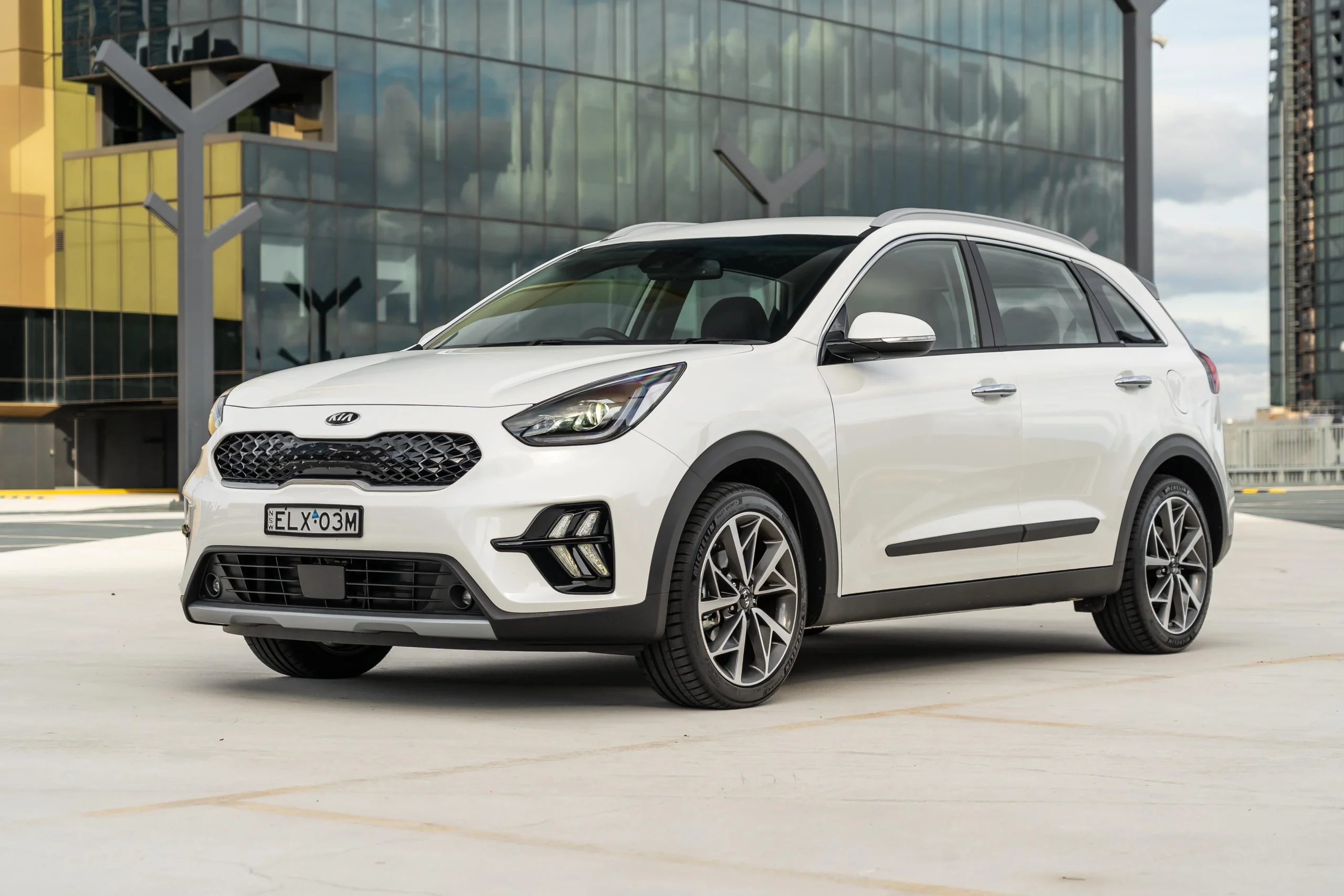
6. Kia Niro Hybrid: Practical Efficiency with Lasting Value
The Kia Niro Hybrid has earned a strong reputation among hybrid crossover buyers by focusing on everyday usability, low ownership costs, and long-term dependability.
Known for its reliable performance and minimal maintenance needs, it appeals to drivers who want efficiency without sacrificing comfort or practicality. Competing confidently with brands like Toyota and Honda, the Niro Hybrid stands out as a smart choice for those seeking both value and peace of mind.
The Niro Hybrid is powered by a 1.6-liter four-cylinder engine paired with an electric motor, producing a combined output of 139 horsepower. This setup is linked to a six-speed dual-clutch automatic transmission and comes exclusively with front-wheel drive.
While the standard hybrid prioritizes fuel efficiency over spirited driving, a plug-in-hybrid (PHEV) version is available for those who want more power. The PHEV increases total output to 180 horsepower and delivers noticeably quicker acceleration.
In performance testing, the plug-in hybrid reached 60 mph in 7.5 seconds, making it the more responsive of the two. The standard hybrid model is slower, taking 8.9 seconds to reach the same speed. Although neither version aims to be sporty, both are smooth and predictable on the road, making them ideal for daily commuting.
The plug-in hybrid model features an 11.1-kWh battery that provides around 33 miles of all-electric driving per charge. When using a Level 2 charger, the battery can be replenished in under three hours. Real-world testing showed that the PHEV can run for about 25 miles on the highway before switching to gasoline power.
Fuel economy is one of the Niro Hybrid’s strongest advantages. According to EPA ratings, the base LX trim achieves up to 53 mpg in the city and 54 mpg on the highway. Other trims offer similar city mileage but slightly lower highway results. In highway testing, the Niro Hybrid EX Touring recorded 39 mpg, while the plug-in hybrid averaged 37 mpg.
Inside, the Niro features a modern design that incorporates eco-friendly materials, including recycled elements and natural fibers. The cabin comfortably seats up to four adults, and the cargo space is competitive for a compact crossover. The hybrid model offers generous luggage capacity, while the PHEV sacrifices a bit due to its larger battery.
Technology features vary by trim. The base model includes an 8-inch touchscreen, while higher trims offer a 10.3-inch display with navigation, Apple CarPlay, and Android Auto. Upper trims also add a wireless charging pad and an upgraded Harman/Kardon audio system.
Standard safety features include automated emergency braking, lane-keeping assist, and blind-spot monitoring. Adaptive cruise control with lane-centering is optional. Kia also provides one of the strongest warranties in the industry, including a 10-year/100,000-mile powertrain warranty, though complimentary maintenance is not included.
The Kia Niro Hybrid delivers efficiency, comfort, and reliability making it a standout option for drivers prioritizing long-term value and fuel savings.
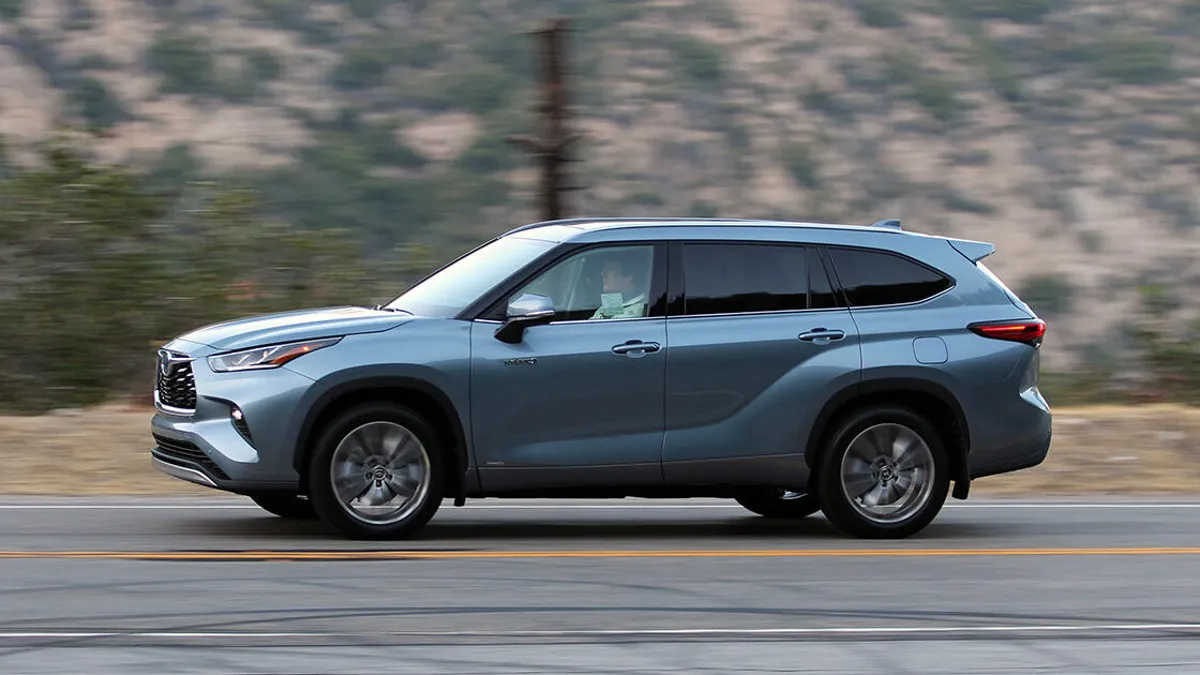
7. Toyota Highlander Hybrid: Practical Efficiency in a Three-Row SUV
The Toyota Highlander Hybrid stands as one of the few electrified three-row midsize SUVs currently available, appealing to drivers who prioritize fuel efficiency without abandoning family-friendly utility. While not the flashiest option in its class, the Highlander Hybrid delivers smooth performance, solid comfort, and notable fuel savings, making it a sensible and dependable everyday vehicle.
On the road, the Highlander Hybrid provides a calm and predictable driving experience. It accelerates from 0 to 60 mph in about 8.2 seconds slower than most non-hybrid competitors, but still responsive enough for daily use. Power delivery is smooth, and braking feels consistent, contributing to a relaxed drive.
The Highlander isn’t built for sporty handling; it stays controlled rather than athletic, smoothing out bumps and offering a comfortable ride on highways and city streets.
Drivers benefit from good forward visibility thanks to a low hood, though thick rear pillars limit rear sightlines. Standard driver-assist features such as adaptive cruise control and blind-spot monitoring add convenience, but more advanced aids require moving into higher trims.
The Highlander Hybrid offers comfortable seating in the first and second rows, especially with optional captain’s chairs. However, the third row remains a drawback thin cushions and limited legroom make it impractical for most adults.
Noise insulation is generally good at cruising speeds, though road noise becomes noticeable on highways. Interior ergonomics are mixed: climate and infotainment controls are intuitive, but the driving position may feel high for some, and armrests lack ideal placement. On a positive note, the second row accommodates rear-facing child seats easily, although there are no car-seat anchors in the third row.
The Highlander Hybrid’s infotainment display is sharp and responsive, with user-friendly menu navigation and standard wireless Apple CarPlay and Android Auto. Storage space within the cabin is adequate, with useful shelves and practical door pockets. However, the vehicle offers fewer charging ports than some newer rivals, which may feel limiting for families with multiple devices.
Fuel efficiency remains one of the Highlander Hybrid’s strongest advantages, achieving around 35 mpg combined significantly better than the standard gasoline version.
However, as newer competitors and Toyota’s own Grand Highlander arrive with more space and updated features, the value of the standard Highlander Hybrid becomes less compelling. For buyers needing the best third-row usability and storage, the Grand Highlander Hybrid will likely feel like the more complete and modern choice.
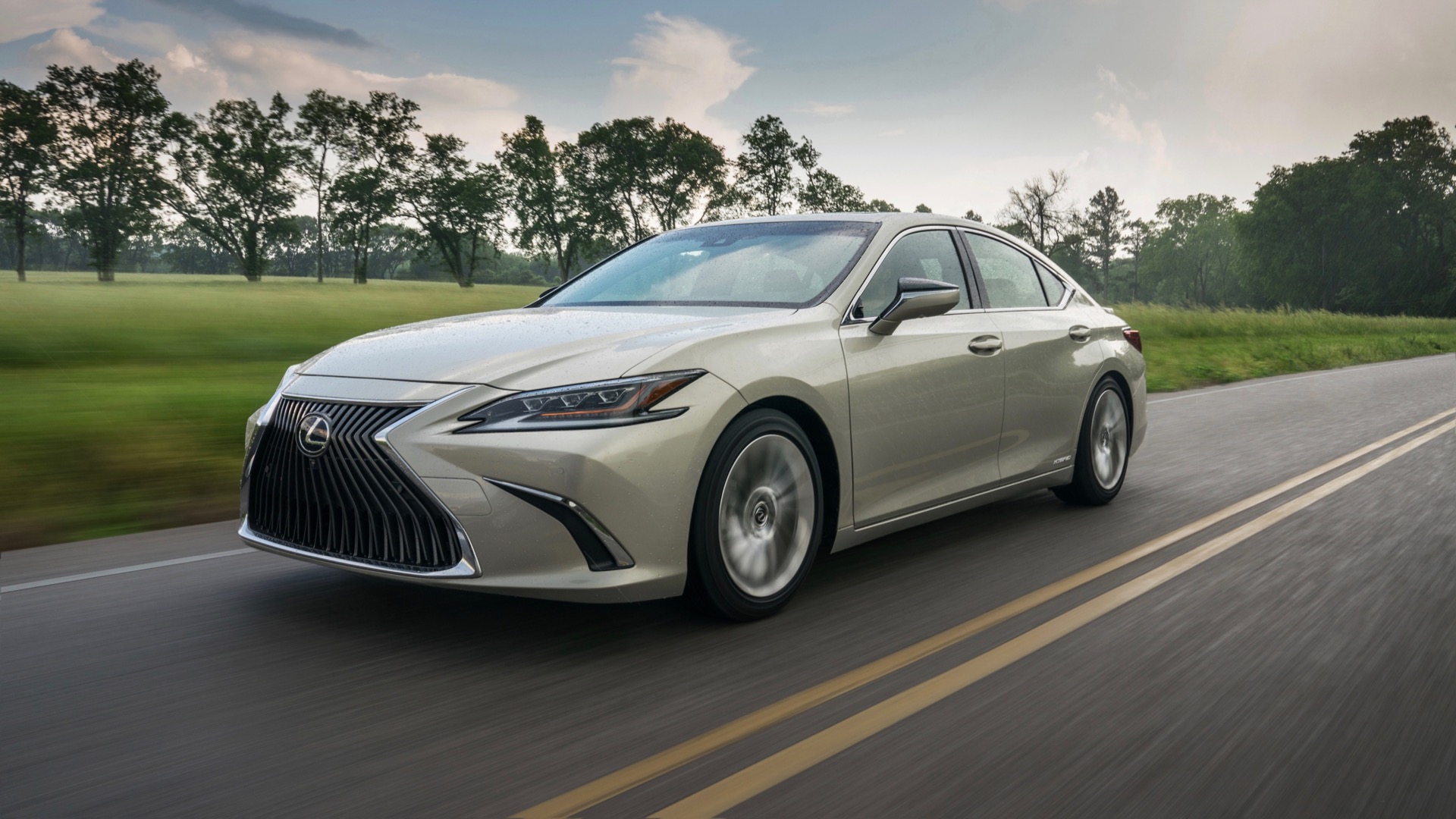
8. Lexus ES 300h: A Luxury Sedan Built for Longevity and Serenity
The Lexus ES 300h blends Toyota’s proven hybrid technology with Lexus’ signature refinement, resulting in a sedan widely appreciated for reliability, comfort, and long-term durability.
Many owners report the ES 300h remains smooth and trouble-free even after years of use, reinforcing its reputation as a luxury vehicle that excels at aging gracefully. With its calm ride and upscale features, the ES 300h appeals to drivers who value quiet confidence over sporty performance.
The ES lineup prioritizes smoothness and ease, and the ES 300h is no exception. While it is not the quickest hybrid sedan in its class, its acceleration is steady and refined, making daily driving feel effortless.
Steering is nicely weighted, creating a composed feel during turns, even though the car is tuned more for comfort than dynamic handling. The driving experience encourages relaxation light steering inputs, smooth electric-assisted power delivery, and quiet transitions between engine and hybrid system define its character.
Around town, the ES feels like it glides across the road, making commutes and city traffic noticeably less stressful. Standard driver-assist systems, such as blind-spot monitoring, adaptive cruise control, and lane keeping assistance, help support safe daily driving without overwhelming the driver.
Though it lacks some of the most advanced new assistance features found in more recently updated competitors, the systems it includes work reliably and intuitively.
Comfort remains one of the ES 300h’s strongest qualities. The interior is impressively insulated from noise and vibration, giving the cabin a serene “sealed-off” environment similar to larger flagship sedans. Both front and rear seats are supportive for long drives, offering firm padding without restrictive bolstering.
Wind noise is minimal at highway speeds, and road noise is exceptionally well controlled, making conversations and music clearer. The hybrid powertrain adds to the tranquility, with the gasoline engine rarely noticeable unless under heavy acceleration.
Higher trims include an updated 12.3-inch infotainment screen that responds quickly to touch inputs, while wireless Apple CarPlay and Android Auto come standard.
Voice command functions also allow access to navigation, audio, and climate controls. Storage inside the cabin is practical, and the trunk provides 13.9 cubic feet of space adequate for everyday luggage. However, the rear seats do not fold down, which limits cargo flexibility for longer items.
The ES 300h delivers a luxury experience at a price that remains attractive compared to many rivals. High-quality materials, precise interior craftsmanship, and Lexus’ well-regarded dealer support contribute to its strong value.
Fuel economy is another benefit, with the ES 300h typically outperforming traditional gasoline luxury sedans in real-world driving. Ultimately, the ES 300h offers a peaceful, long-lasting driving experience, making it a smart choice for those who prioritize reliability and comfort above all.
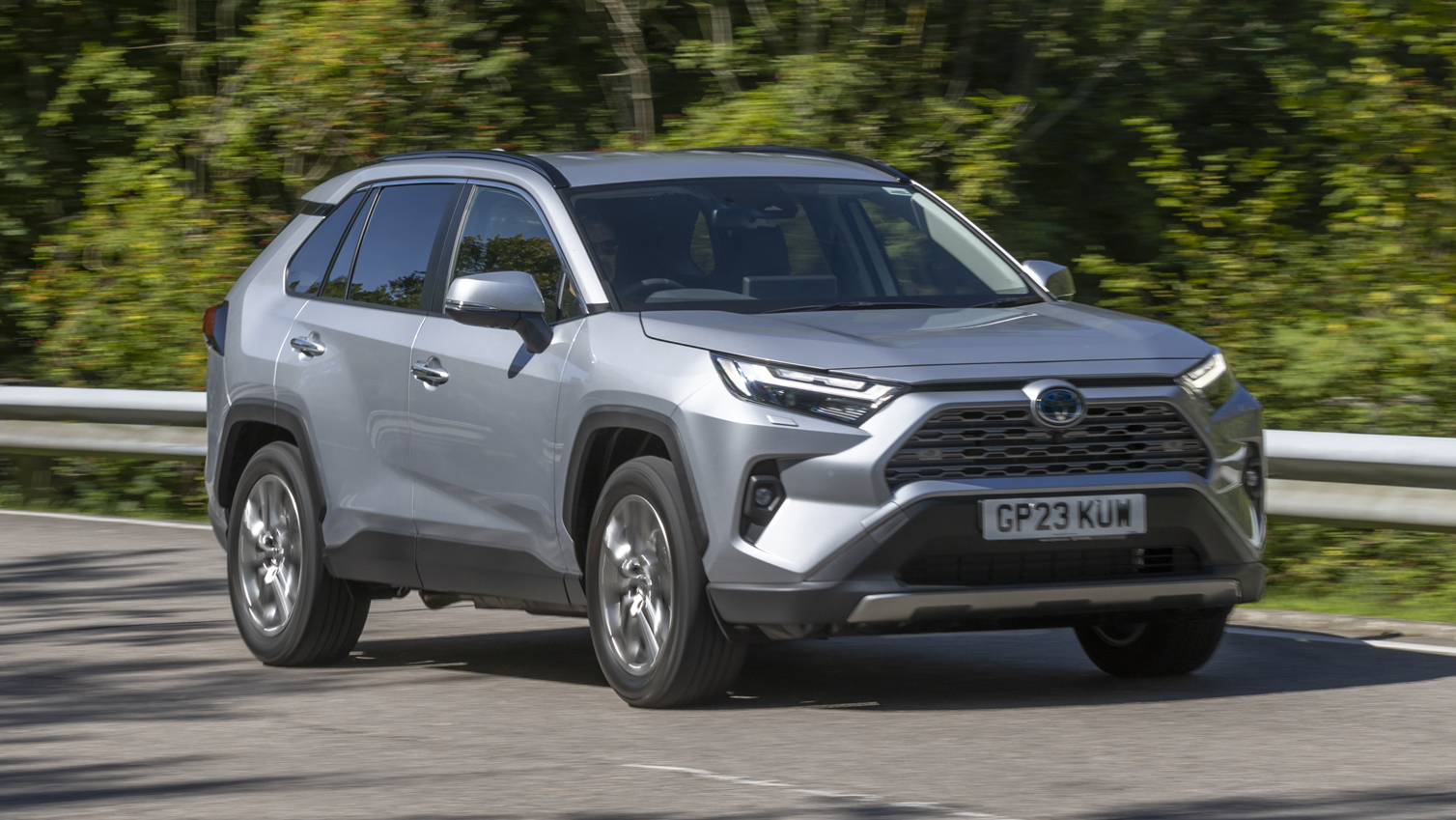
9. Toyota RAV4 Hybrid: A Durable, Efficient, and Versatile Everyday SUV
The Toyota RAV4 Hybrid has built a strong reputation as one of the most reliable and practical hybrid SUVs on the market. Owners and experts consistently praise its longevity, with many reporting trouble-free operation past 100,000 miles.
By combining Toyota’s proven hybrid engineering with the RAV4’s rugged construction and versatile SUV layout, the RAV4 Hybrid stands out as a dependable long-term choice for families, commuters, and active drivers alike.
The RAV4 Hybrid delivers surprisingly quick acceleration, making it more engaging than many expect from an efficiency-focused SUV. It can reach 0–60 mph in about 7.8 seconds over a second faster than the standard gas RAV4.
This responsiveness helps with merging, passing, and everyday city driving. Standard all-wheel drive provides additional traction in slippery conditions, though it is not optimized for heavy off-roading.
However, the driving experience is not without drawbacks. The brakes feel soft and lack strong feedback, and handling is more functional than sporty. Models with the sport-tuned suspension, such as the XSE trim, feel more controlled around turns, but steering remains somewhat numb. Ride quality is generally pleasant, smoothing out rough pavement and bumps while keeping the cabin comfortable.
Inside, the RAV4 Hybrid offers easy entry and exit with ample room for up to four adults to sit comfortably. The front seats are well-shaped, though they may feel flat on longer trips, and the passenger seat lacks extensive adjustment options.
Tall drivers may find the front seat height difficult to lower to their preference, while the rear seats sit comparatively lower. For families, child-seat installation is straightforward thanks to accessible lower anchors.
Noise levels are moderate. At everyday speeds, the cabin stays fairly quiet, but the engine becomes louder when accelerating hard. The hybrid system also produces some faint electrical sounds, which are common among Toyota hybrids. Climate control performance is strong, quickly cooling or heating the interior.
The RAV4 Hybrid comes standard with an 8-inch infotainment screen, with a larger 10.5-inch display available. While the system is easy to operate, it can be slow to respond and uses graphics that feel dated. Some features require an ongoing subscription. The base audio system is average, so the optional JBL upgrade is worth considering for better clarity and sound depth.
Cargo capacity is one of the RAV4 Hybrid’s major strengths. With 37.5 cubic feet of space behind the rear seats, it offers class-leading storage, and the hybrid battery does not take away any cargo room. The interior also includes useful small storage areas, including a rubberized dash shelf for phones and wallets.
The RAV4 Hybrid balances cost and quality well. It feels sturdily built, with soft-touch materials and thoughtful interior touches. It also offers significantly better fuel economy than the gas version, achieving around 38 mpg combined. While real-world results may vary, careful driving can bring economy close to 40 mpg.
With strong efficiency, utility, and proven durability, the Toyota RAV4 Hybrid remains one of the most compelling hybrid SUVs available today.
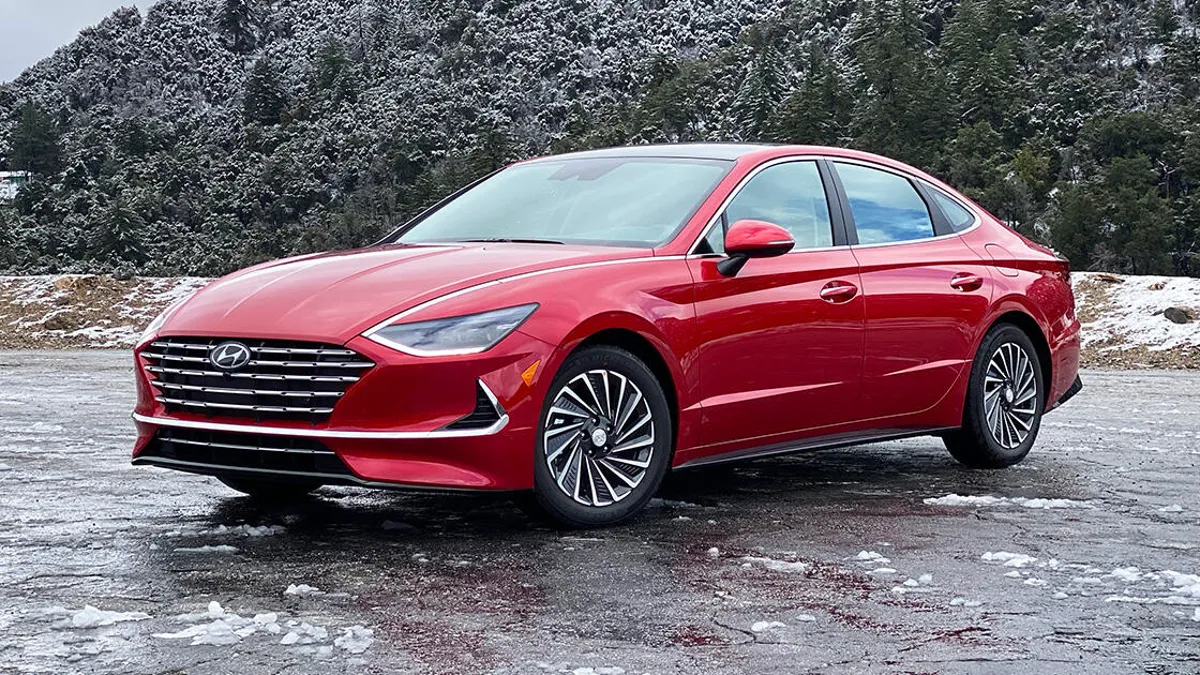
10. Hyundai Sonata Hybrid: A Practical, Comfortable, and Value-Focused Hybrid Sedan
The Hyundai Sonata Hybrid has earned recognition as a dependable and affordable midsize sedan, appealing to drivers who want strong fuel efficiency, low maintenance demands, and a comfortable everyday driving experience.
Recent model years continue to perform well in reliability surveys, and the hybrid system is designed to operate smoothly with minimal upkeep. For buyers seeking a long-lasting sedan that delivers solid features without stretching the budget, the Sonata Hybrid remains a compelling choice.
In everyday driving, the Sonata Hybrid feels responsive and lively at low speeds, making it particularly enjoyable around town. Acceleration, however, tapers off during highway merging and passing, and it is slower than some hybrid competitors like the Honda Accord Hybrid and Toyota Camry Hybrid. In testing, the Sonata Hybrid reached 0–60 mph in 8.3 seconds, which is acceptable for its class.
Ride comfort is one of the Sonata Hybrid’s strongest attributes. Its suspension strikes a pleasant balance between soaking up bumps and maintaining control around corners. However, the steering lacks road feel, and the tires lose grip relatively quickly, resulting in handling that feels somewhat vague.
On the positive side, Hyundai includes a robust suite of driver assistance features. The systems work cohesively to enhance safety, and the sideview cameras that activate during lane changes are particularly useful. Rear visibility is somewhat limited due to the sloping roofline and thick rear pillars.
The Sonata Hybrid’s cabin provides generous space for both front and rear passengers. The front seats are supportive in shape but may feel firm over longer trips, while the outboard rear seats are comfortable for everyday use. The middle rear seat is noticeably less cushioned. Drivers should appreciate the wide range of adjustments for both the seat and steering wheel, which makes it easy to find a comfortable driving position.
Child seat installation is mostly straightforward, with clearly marked lower anchors. However, the upper anchors can be a bit tight to access. The climate control system performs well, offering strong cooling and accurate temperature regulation. Road and wind noise are more noticeable than in some competitors, and the engine can sound strained during highway acceleration.
The Sonata Hybrid offers a class-leading infotainment experience, with a responsive touchscreen and wireless Apple CarPlay and Android Auto included. Voice commands function naturally, and parking is made easier with an available surround-view camera system.
Cargo capacity measures 16 cubic feet, placing the Sonata Hybrid between its main rivals. The trunk is easy to load, and multiple storage compartments throughout the cabin add everyday practicality.
Value is where the Sonata Hybrid truly excels. It comes with a strong list of standard features, impressive warranty coverage that includes a 10-year/100,000-mile powertrain warranty, and solid build quality throughout. While some interior materials feel less refined than those in competitors, the Sonata Hybrid remains a smart, reliable, and efficient choice for long-term ownership.
As hybrid technology continues to advance, modern models are being designed with greater resilience and smarter battery systems than ever before. Even so, the 10 hybrid cars featured here have already earned their reputation for aging gracefully beyond 150,000 miles, setting the benchmark for reliability in the hybrid market.
Their enduring performance is not just a coincidence; it is the result of careful engineering, high-quality components, and brands committed to building vehicles that last.
For drivers who want to make a smart long-term investment while reducing their environmental impact, these hybrids offer the perfect balance of sustainability and strength.
Whether you are purchasing a used car or planning to keep yours for many years, choosing one of these proven hybrids means fewer repairs, lower costs, and many more miles of confident, efficient driving. A great hybrid should save fuel and stand the test of time.
Also Read: 10 Cars That Still Look Brand-New With a Simple Wash