When buying a sedan, reliability and longevity matter just as much as comfort and design. Some cars are built to go the distance, crossing 300,000 miles with ease, while others start showing serious problems long before that.
The difference often lies in engineering, build quality, and how well the car is maintained. Let’s look at five sedans known for their long-lasting nature and five that tend to wear out earlier than expected.
Also read:5 Trucks Great for Long Drives vs 5 That Wear You Out
Sedans That Comfortably Cruise Past 300,000 Miles
When it comes to longevity, not every vehicle is built to last, but some sedans defy the odds and keep going mile after mile, year after year. In an era where SUVs dominate the spotlight, these unassuming four-door champions quietly boast some of the highest odometer readings you’ll ever see.
With proper care and routine maintenance, certain sedans can comfortably drive past the 300,000-mile mark, offering exceptional value, reliability, and peace of mind along the way.
1) Toyota Camry
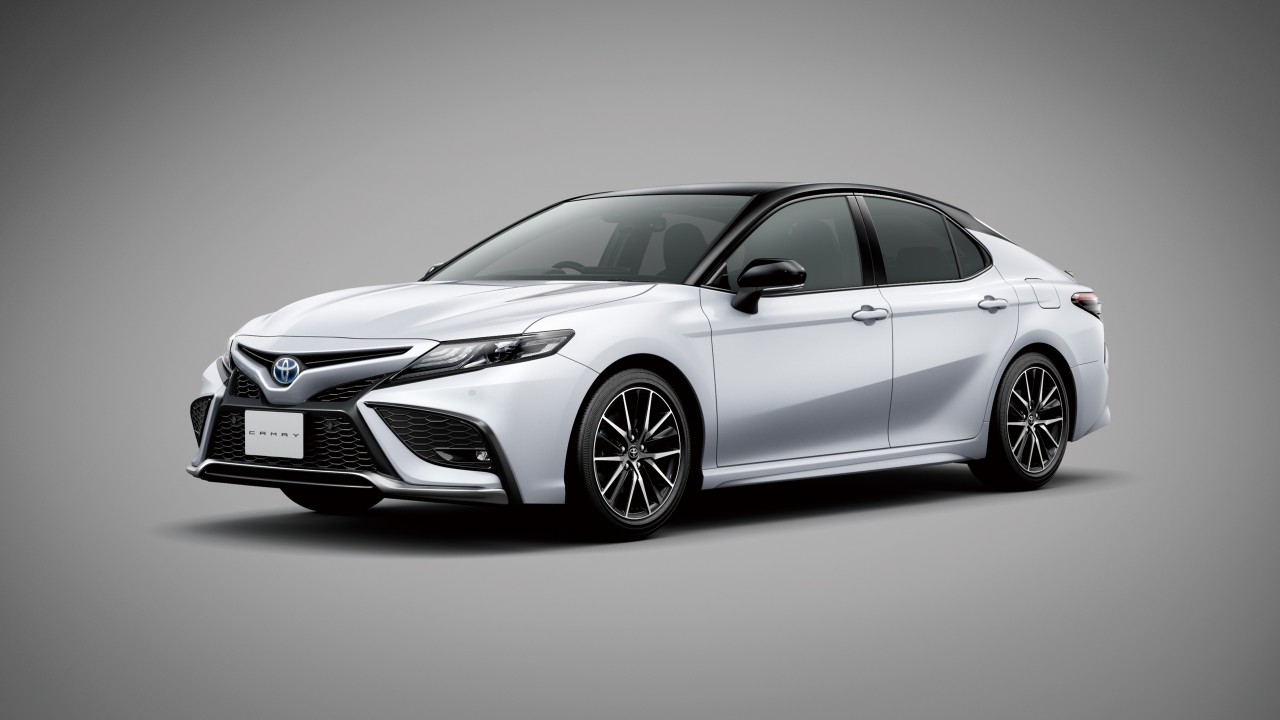
The Toyota Camry is one of the most popular sedans in the world and is known for its long life and excellent dependability. It has built a strong reputation over the years for being a car that owners can trust completely.
The Camry’s design focuses on durability rather than complexity. Toyota engineers have always believed in keeping things simple, which helps the car avoid unnecessary breakdowns. This approach makes the Camry easy to repair, maintain, and keep running for many years.
Most Camrys come with a strong and efficient four-cylinder engine. These engines are built to handle long journeys, city driving, and tough weather conditions. They use high-quality parts that last longer, allowing the engine to run smoothly even after many miles.
Toyota also offers a V6 version for drivers who want more power without sacrificing reliability. This engine provides strong acceleration and still maintains the same level of dependability that Camry owners have come to expect from the brand over decades.
The transmission system in the Camry is another reason for its legendary reliability. It shifts smoothly, works efficiently, and rarely causes problems. Regular fluid changes and simple maintenance keep it performing like new for hundreds of thousands of miles.
Comfort is another area where the Camry shines. The suspension system absorbs bumps and rough roads easily, giving passengers a soft and quiet ride. Its comfortable seats and spacious cabin make long drives enjoyable for families and daily commuters alike.
When it comes to maintenance, the Camry is one of the easiest sedans to care for. Spare parts are easily available and affordable. Many independent mechanics know the Camry well, so finding someone to service it is never difficult.
One of the biggest reasons the Camry lasts beyond 300,000 miles is the way Toyota builds it. The car’s body, frame, and components are tested to handle wear and tear over time. This solid build quality ensures reliability and safety.
2) Honda Accord
The Honda Accord is another sedan that has proven its ability to go beyond 300,000 miles with ease. Known for its excellent engineering and smart design, the Accord delivers a perfect balance of comfort, reliability, and long-term value for its owners.
Honda has always focused on building engines that last. The Accord’s four-cylinder and V6 engines are both strong and efficient. These engines can handle years of daily driving without major issues when maintained properly, showing Honda’s dedication to lasting performance.
One of the main reasons for the Accord’s long life is its smooth transmission. Whether it’s an automatic or manual version, the gearbox is designed to shift effortlessly. With regular fluid changes, it continues to perform reliably for hundreds of thousands of miles.
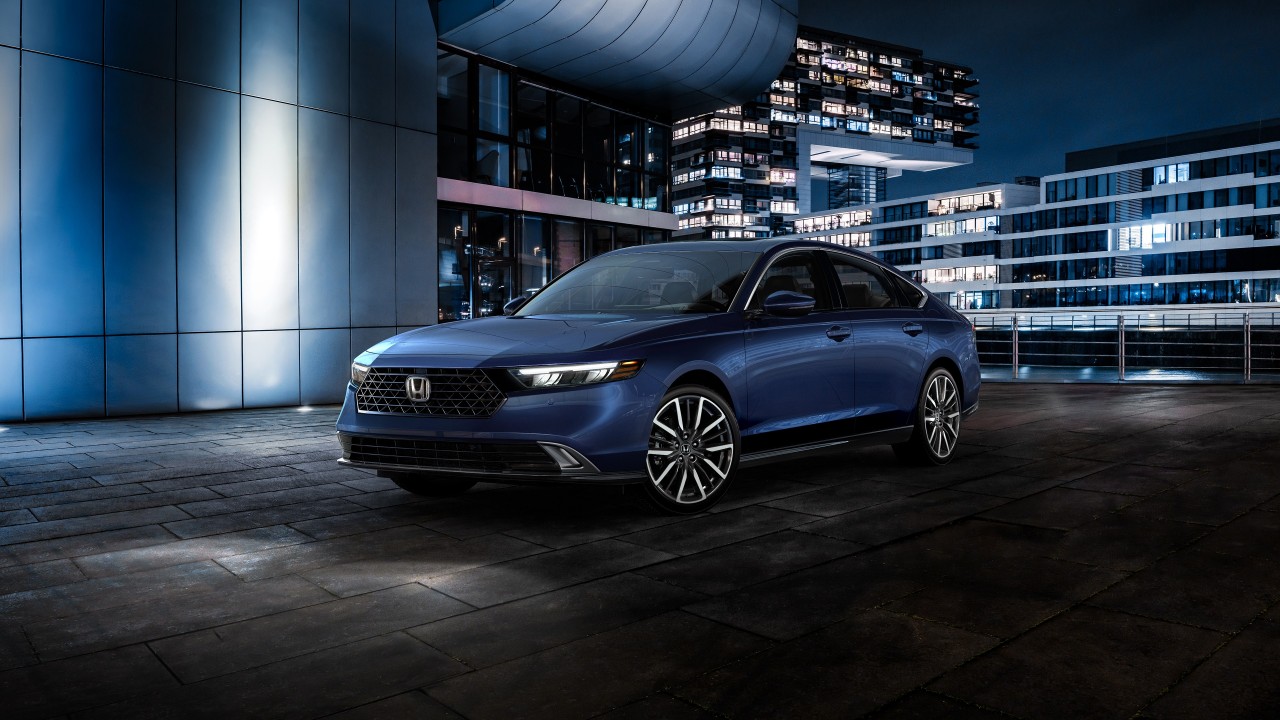
The Accord’s body and suspension are built to handle daily use comfortably. It feels stable on highways, smooth on rough roads, and quiet inside the cabin. This strong structure reduces wear on mechanical parts, helping the car stay in great condition for years.
Honda also uses high-quality materials inside the Accord. The seats, dashboard, and controls are built to resist aging, keeping the car’s interior looking good even after long use. This makes it not only reliable but also pleasant to drive every day.
Regular maintenance is simple and affordable. Oil changes, filter replacements, and brake checks are easy to perform and inexpensive. Because of its popularity, spare parts for the Accord are always available, and most mechanics know how to service it well.
3) Lexus ES 300/350
The Lexus ES 300 and ES 350 are luxury sedans known for their smooth performance, comfort, and impressive reliability. Built by Toyota’s premium brand, the ES combines high-end features with the same dependable engineering that makes Toyota vehicles last for decades.
The Lexus ES uses a strong V6 engine that delivers both power and long-term durability. This engine is smooth, quiet, and well-balanced, allowing the car to handle highway speeds effortlessly. With regular servicing, it easily lasts beyond 300,000 miles.
One of the reasons for the ES’s long lifespan is its careful construction. Lexus builds every car with tight quality control and top-grade materials. The engine, transmission, and body components are designed to handle years of heavy use without major failures.
The automatic transmission in the ES 300 and ES 350 is extremely refined. It shifts seamlessly and rarely gives trouble when maintained properly. Many owners have reported that their transmissions continue to run like new even after two decades of driving.
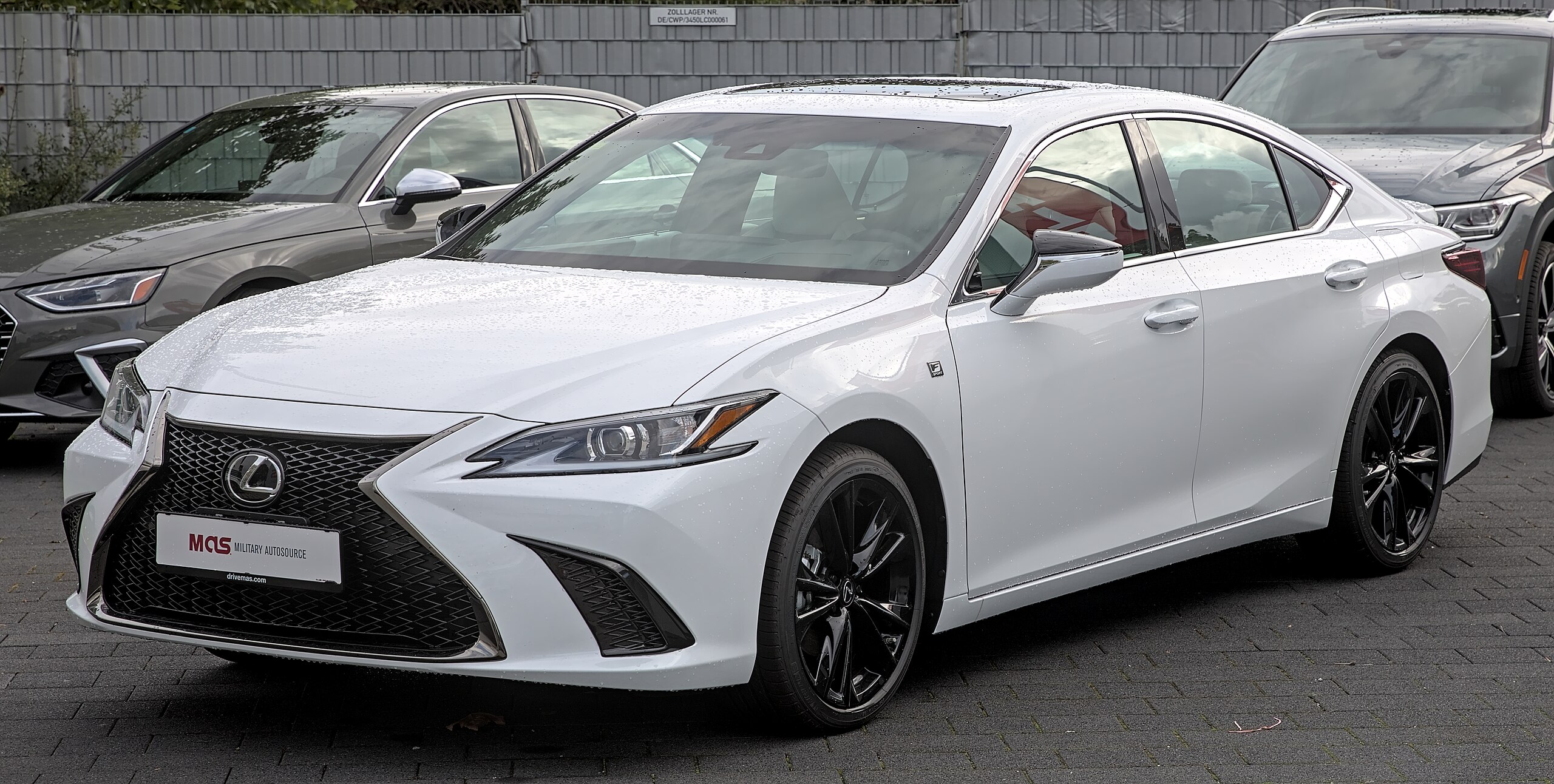
Comfort is a key reason people love the Lexus ES. The interior is designed to provide a quiet, luxurious experience. High-quality leather seats, soft-touch materials, and excellent sound insulation make long drives peaceful and enjoyable for passengers.
The suspension system of the ES adds to its comfort and reliability. It absorbs bumps and rough roads smoothly, reducing stress on the car’s frame and mechanical components. This not only makes the ride smoother but also helps extend the car’s overall life.
Maintenance for the Lexus ES is straightforward, especially since it shares many parts with Toyota models. This means that replacement parts are affordable and easy to find, making long-term ownership practical even for a luxury vehicle.
4) Subaru Legacy
The Subaru Legacy is a sedan that has earned a solid reputation for its durability, safety, and long-lasting performance. With its dependable all-wheel-drive system and strong boxer engine, it easily stands out as a car built to last over 300,000 miles.
One of the Legacy’s greatest strengths is its unique engine design. The horizontally opposed “boxer” engine gives the car a lower center of gravity, improving stability and balance. This design also reduces engine vibration, keeping it smooth over long periods of use.
The all-wheel-drive system in the Subaru Legacy is one of the most reliable in the industry. It provides excellent traction on all types of roads wet, dry, or snowy. This system also distributes power evenly, reducing wear on the tires and drivetrain.
Subaru builds the Legacy with strong materials and precise engineering. Its chassis and frame are made to handle rough weather and challenging terrain. Because of this toughness, the car experiences less structural fatigue even after years of continuous driving.

The interior of the Legacy is comfortable and practical. Subaru uses simple yet durable materials that last through daily wear. The cabin remains quiet and pleasant even after many miles, making it a reliable choice for long commutes and family trips.
Maintenance is key to keeping a Legacy running smoothly. Regular oil changes, timing belt replacements, and routine checkups can make a huge difference. Owners who stay consistent with maintenance often see their cars last well past 300,000 miles.
Subaru also emphasizes safety in every Legacy model. Features like symmetrical all-wheel drive, strong brakes, and advanced stability control systems help prevent accidents and protect passengers. These systems are built to perform reliably for the entire life of the car.
5) Chevrolet Impala (2006–2016)
The Chevrolet Impala is one of the most reliable American sedans ever built. Between 2006 and 2016, it became known for its solid construction, smooth performance, and ability to run comfortably for over 300,000 miles with regular maintenance and care.
One of the Impala’s biggest strengths is its simple, proven design. Chevrolet focused on practicality instead of complicated systems. This makes repairs easier and cheaper, helping owners keep their cars in top shape for a very long time.
The transmission in the Impala is also highly dependable. It shifts smoothly and doesn’t require frequent repairs when maintained properly. Many owners have reported driving their Impalas for more than a decade without facing serious transmission or engine problems.
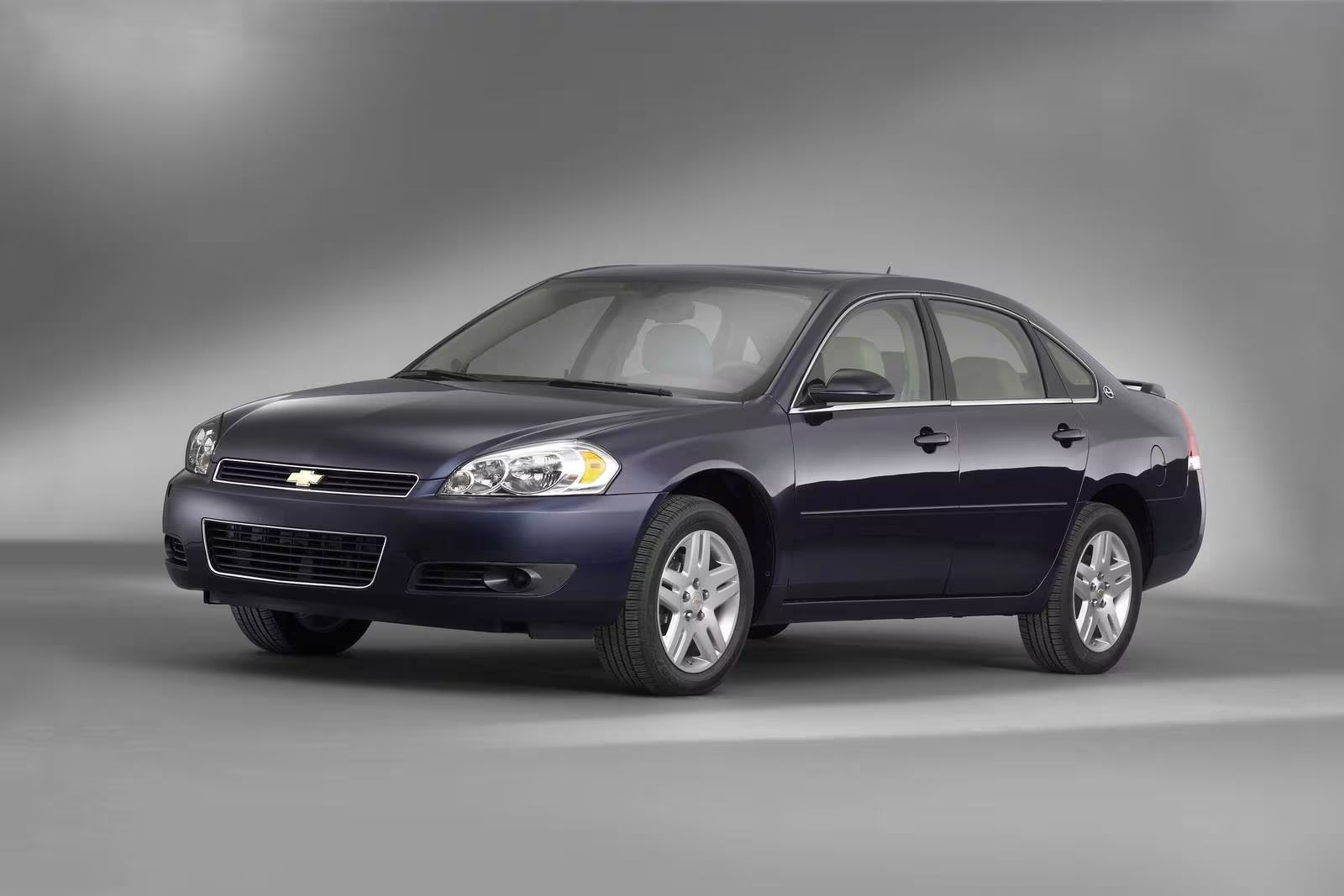
Comfort plays a big part in why people love the Impala. The cabin is large and quiet, with wide seats and good legroom for all passengers. Its suspension system absorbs bumps well, making long drives comfortable and relaxing even after years of use.
Another advantage of the Impala is its affordability. Replacement parts are widely available and reasonably priced. This keeps maintenance costs low and ensures that even older models can stay on the road without expensive repairs.
Chevrolet also gave the Impala a strong body and frame. Its solid build makes it safe in accidents and helps the car resist wear and tear from daily driving. This durability is one of the reasons it maintains good performance at high mileage.
Also read:5 Trucks That Outlive Their Owners vs 5 That Retire Early
Sedans That Tire Out Early
While some sedans earn a reputation for running well past the 300,000-mile milestone, others don’t share the same endurance. Not every car is engineered for the long haul, and even with regular maintenance, some models start showing signs of fatigue far sooner than expected.
From mounting repair costs to drivetrain failures and premature wear, these sedans may look appealing at first glance, but they often struggle to keep up over the years.
1) Chrysler 200
The Chrysler 200 was designed to be a stylish midsize sedan with modern features and comfort. However, while it looked promising on the surface, it quickly developed a reputation for poor reliability and short lifespan compared to its competitors.
One of the biggest problems with the Chrysler 200 lies in its transmission system. Many owners reported jerky shifting, hesitation, and complete failures well before 100,000 miles. The complex nine-speed automatic transmission proved difficult and expensive to repair or replace.
The car’s electrical system is another weak point. From malfunctioning sensors to dashboard warning lights that appear without reason, these issues often leave owners frustrated. Electrical faults tend to worsen over time, increasing repair costs and reducing the car’s reliability.
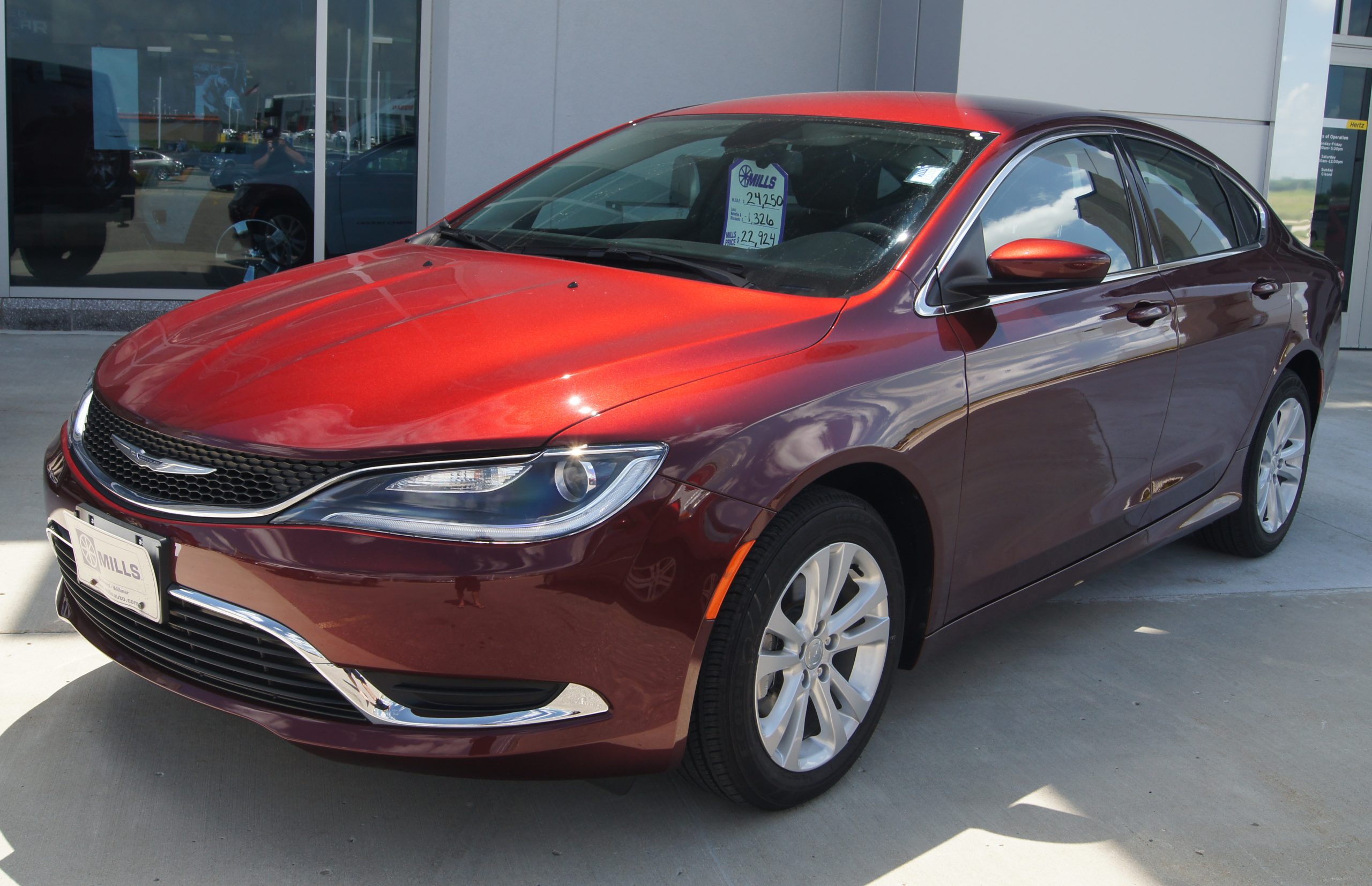
Although the Chrysler 200 has a sleek design and comfortable cabin, its build quality doesn’t match its looks. Interior materials wear out quickly, and the fit and finish aren’t consistent. Over time, rattles and squeaks become common, especially as the mileage increases.
The engines offered in the 200 both the four-cylinder and V6 deliver good power, but they aren’t built for endurance. The four-cylinder feels strained under heavy use, while the V6 consumes more fuel and develops leaks and overheating issues with age.
Maintenance costs also add up faster than expected. Replacement parts are costly, and some components are hard to access, making repairs time-consuming. This often discourages owners from keeping the car for the long term, reducing its average lifespan.
Another drawback is the car’s poor resale value. Due to its reliability issues and reputation for frequent repairs, used Chrysler 200 models sell for much less compared to other sedans in the same category, such as the Toyota Camry or Honda Accord.
2) Nissan Altima (2013–2018)
The Nissan Altima from 2013 to 2018 was designed to offer comfort, sleek styling, and good fuel efficiency. However, despite its modern features, this generation of the Altima has gained a reputation for early wear and serious reliability concerns.
At the heart of most problems is the continuously variable transmission (CVT). While CVTs are meant to provide smooth acceleration and better fuel economy, the Altima’s version often fails prematurely. Many owners experience slipping, jerking, or total breakdowns before reaching 100,000 miles.
Replacing or repairing the CVT is extremely costly, often reaching thousands of dollars. Even after repair, issues sometimes return, leaving owners frustrated. This transmission problem alone is a major reason why the Altima struggles to last as long as competitors.
The engine options a 2.5-liter four-cylinder and a 3.5-liter V6 are capable and efficient but are held back by the weak transmission. The engine itself can perform well with good maintenance, but when paired with the unreliable CVT, longevity is limited.
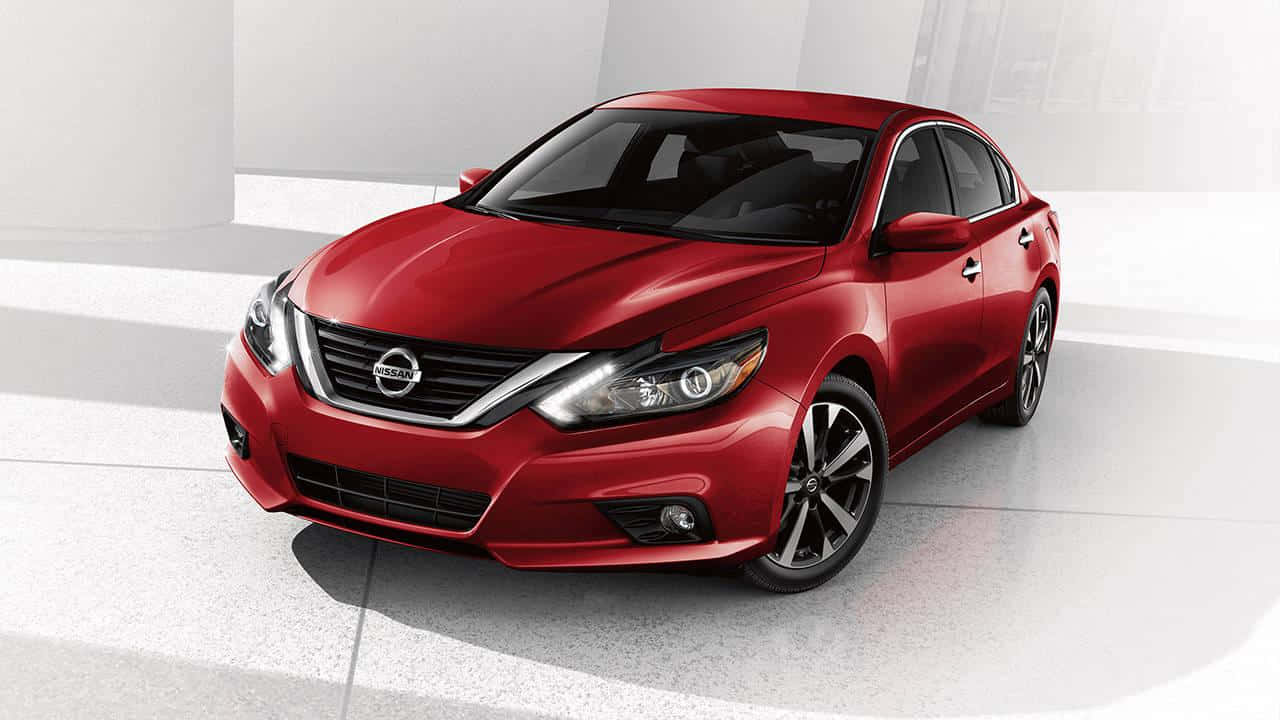
The Altima’s interior and ride comfort are impressive at first. It offers smooth handling, comfortable seats, and a quiet cabin. However, as the car ages, interior materials begin to wear out, and squeaks or vibrations become noticeable during daily driving.
Another issue is with the car’s suspension components. Struts, bushings, and control arms wear out sooner than expected, leading to a rougher ride and expensive repairs. These problems are more noticeable on cars driven in rough or hilly regions.
The electrical system also brings minor frustrations. Sensors and dashboard lights often malfunction, requiring diagnostic checks. While not dangerous, these problems add up and make the ownership experience more stressful over time.
3) Volkswagen Passat (2012–2016)
The Volkswagen Passat from 2012 to 2016 was praised for its elegant design, smooth ride, and refined European feel. However, beneath its premium image, the Passat struggles with several reliability issues that often prevent it from lasting beyond 200,000 miles.
One of the main concerns lies in its turbocharged engines. While these engines offer great performance and fuel economy, they require very precise maintenance. Missing oil changes or using the wrong oil type can lead to turbo failure, engine sludge, or overheating problems.
The transmission is another area where the Passat tends to disappoint. Owners have reported issues with hesitation, delayed shifting, and costly repairs. The dual-clutch automatic versions, in particular, are smooth when new but can become jerky and unreliable over time.
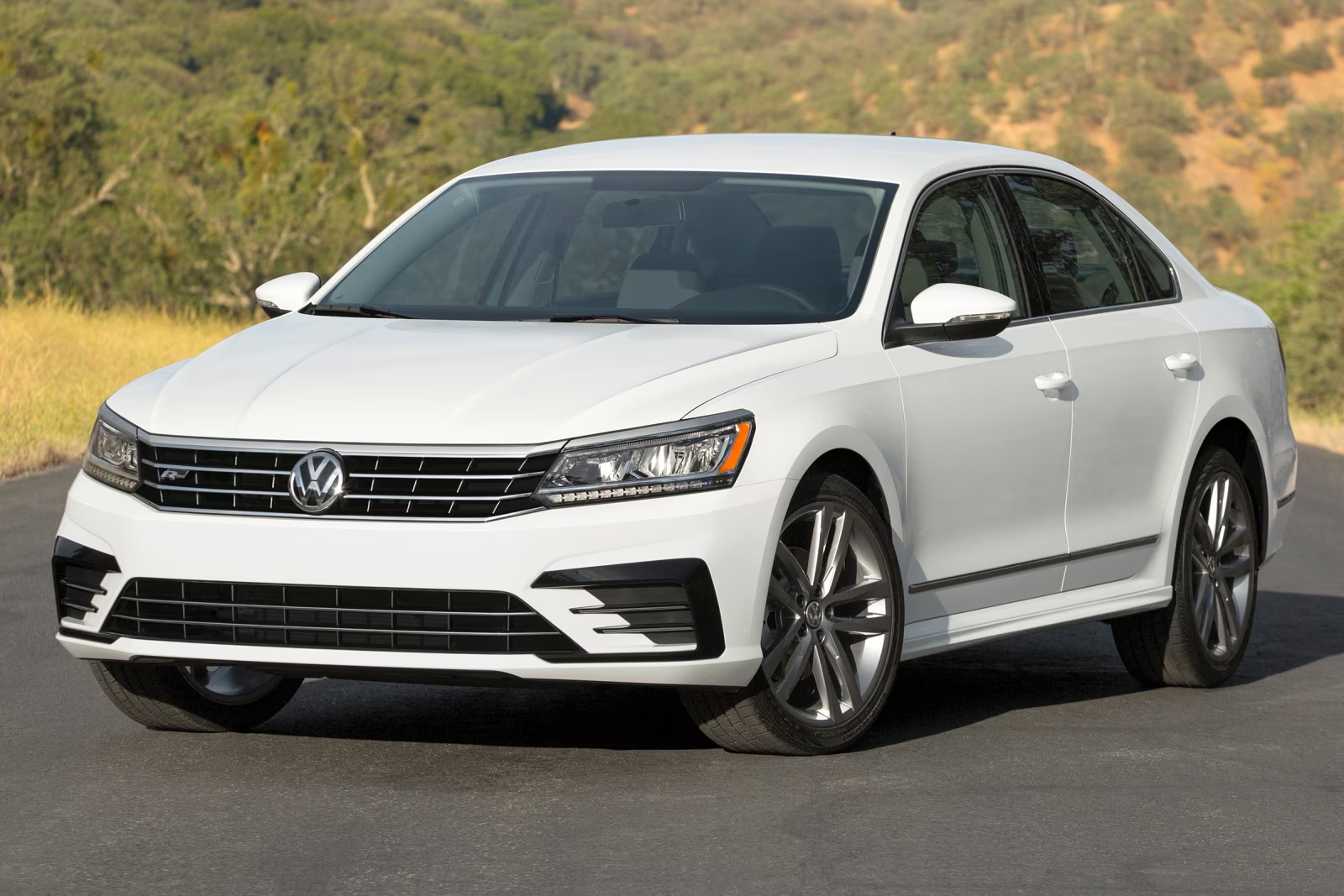
Electrical issues are also common. Problems with the sensors, infotainment system, and warning lights often appear after a few years. These might seem minor at first, but fixing them can be expensive, as diagnostics and parts for European cars cost more.
The Passat’s suspension and steering components also show wear earlier than expected. Noises from the front suspension and vibrations at higher speeds become noticeable after 70,000–100,000 miles, leading to further maintenance costs.
While the interior feels comfortable and stylish, long-term durability isn’t its strength. Buttons fade, trim pieces loosen, and leather seats show wear faster than expected for a midrange sedan. This affects both comfort and resale value over time.
4) Ford Fusion (2010–2015)
The Ford Fusion from 2010 to 2015 was one of Ford’s most stylish and comfortable midsize sedans. It offered a smooth ride, modern looks, and strong engine choices. However, when it comes to long-term reliability, the Fusion often falls short of lasting expectations.
Many owners enjoy the Fusion’s solid handling and comfortable interior during the first few years, but problems begin to appear as mileage increases. The most common issue is transmission failure, often showing up between 80,000 and 130,000 miles. Repairs are costly and frequent.
The automatic transmission sometimes slips, hesitates, or makes clunking sounds. Even after repair, similar problems can return later, making it one of the main reasons why the Fusion rarely reaches 300,000 miles without major mechanical work.
Another issue lies in the engine’s cooling and oil systems. The 2.5-liter and 1.6-liter EcoBoost engines are known to develop leaks, overheating, or head gasket problems. These can lead to costly repairs if not caught early through regular maintenance.
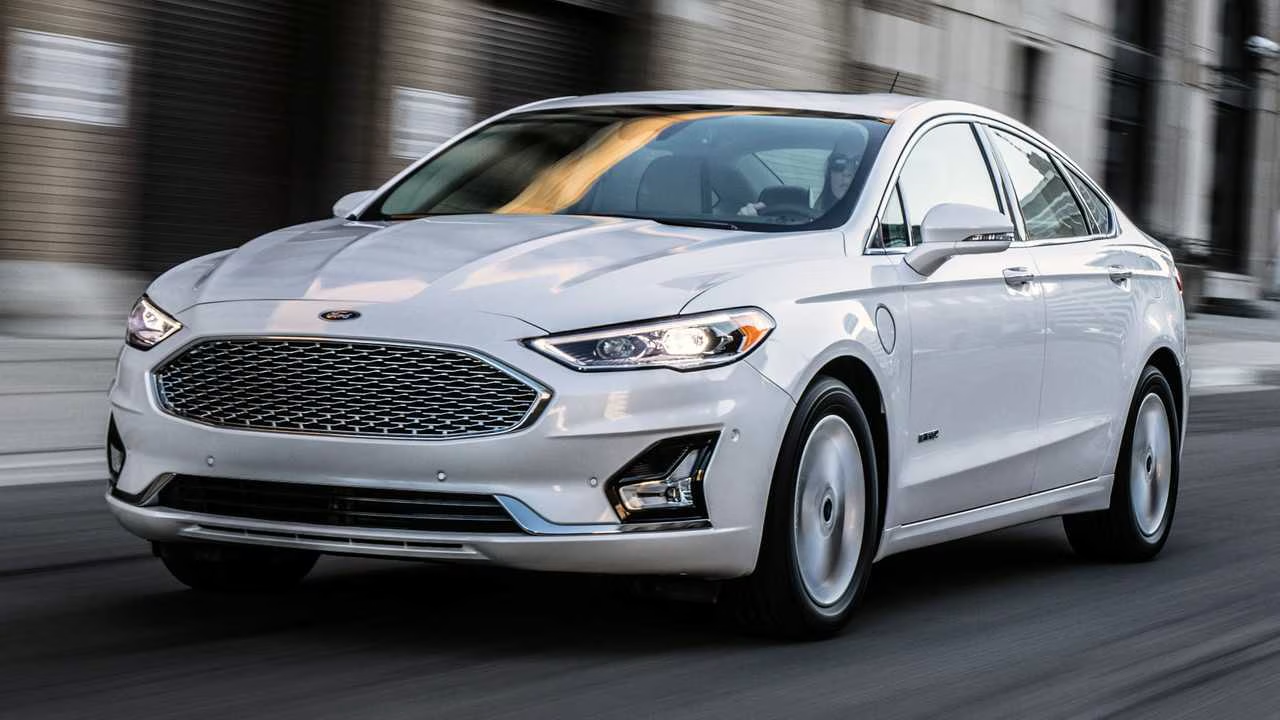
Electrical problems are also fairly common in the Fusion. Faulty sensors, power steering issues, and malfunctioning dashboard displays often frustrate owners. While these don’t always stop the car from running, they add to the growing list of repair expenses.
The Fusion’s suspension and steering parts also tend to wear out sooner than expected. Bushings, ball joints, and control arms may need replacement before 100,000 miles, especially for cars driven on rough or uneven roads.
Inside, the Fusion offers good comfort and space, but the materials are not as durable as those in Toyota or Honda sedans. Over time, interior plastics can crack or fade, and the seats may lose support after years of daily use.
Maintenance costs for the Fusion are moderate but become more frequent with age. Owners who keep up with oil changes, fluid checks, and timely repairs can extend its life, but ignoring small problems often leads to expensive breakdowns later.
5) BMW 5 Series (2011–2016)
The BMW 5 Series from 2011 to 2016 is admired for its luxury, power, and advanced technology. It delivers a refined driving experience that few sedans can match. However, despite its premium image, the 5 Series is not known for long-term reliability.
Under the hood, these models feature powerful turbocharged engines that offer smooth acceleration and excellent performance. Yet, these engines require meticulous maintenance. Even a missed oil change or a delay in servicing can cause serious problems like oil leaks or turbo failure.
The 5 Series is filled with high-tech systems from adaptive suspensions to digital displays which work wonderfully when new but often become troublesome with age. Electronic components and sensors frequently malfunction, leading to expensive diagnostic and repair costs.
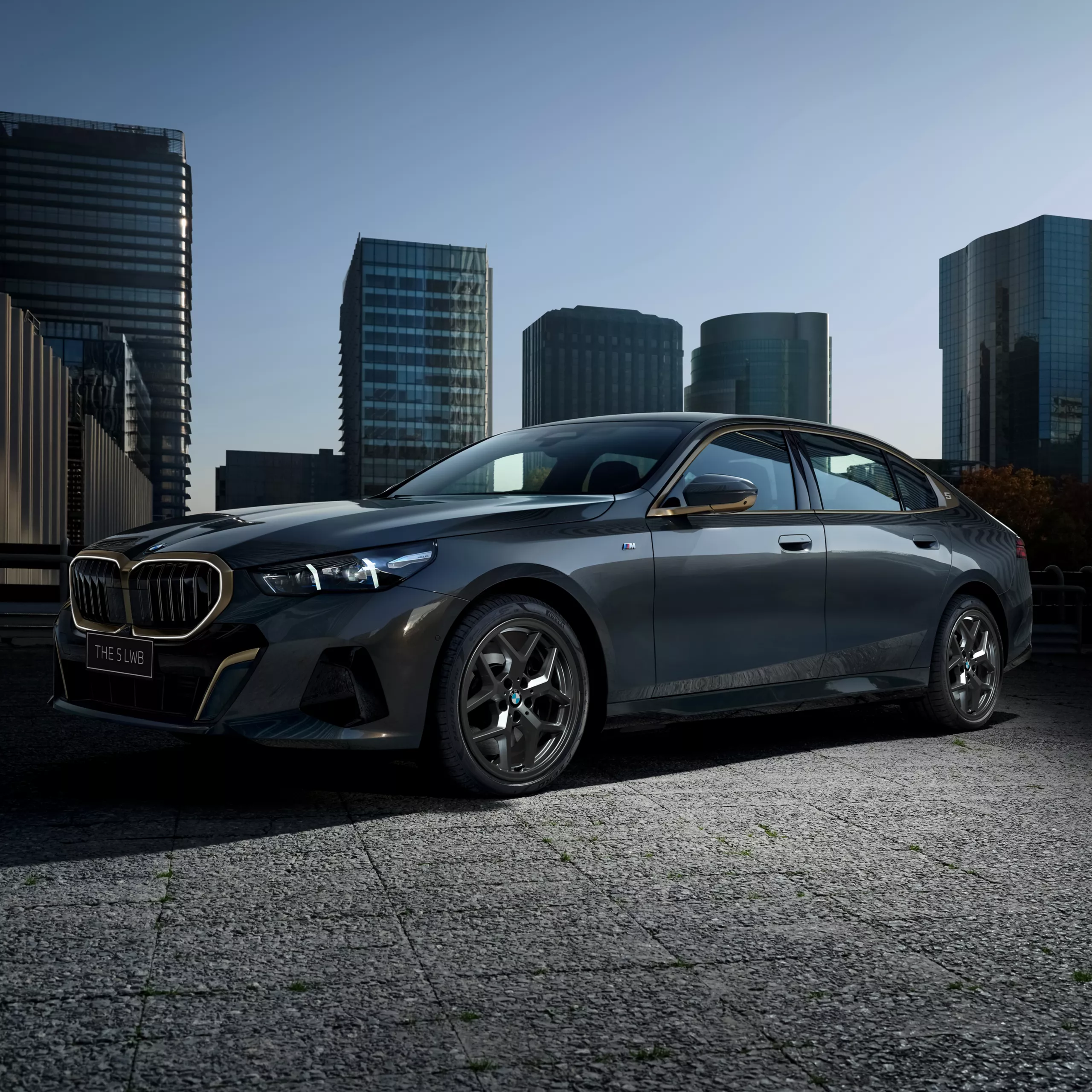
Another common issue with the 5 Series is cooling system failure. Water pumps, thermostats, and radiators are known to wear out early, often before 100,000 miles. Overheating can cause significant engine damage if not repaired immediately, costing owners thousands.
The automatic transmission, while smooth and responsive, also demands careful upkeep. Fluid changes are crucial, yet many owners skip them due to the car’s “lifetime fluid” claim. Over time, this neglect leads to rough shifting or total transmission failure.
BMW’s focus on performance comes with a price. The car’s suspension system, with its advanced control arms and bushings, wears down faster than simpler setups. Replacing these components regularly adds to the already high cost of maintaining the car.
Also read:5 Best Sedans With Seats That Don’t Sag vs 5 That Hurt Your Back by Year Three