
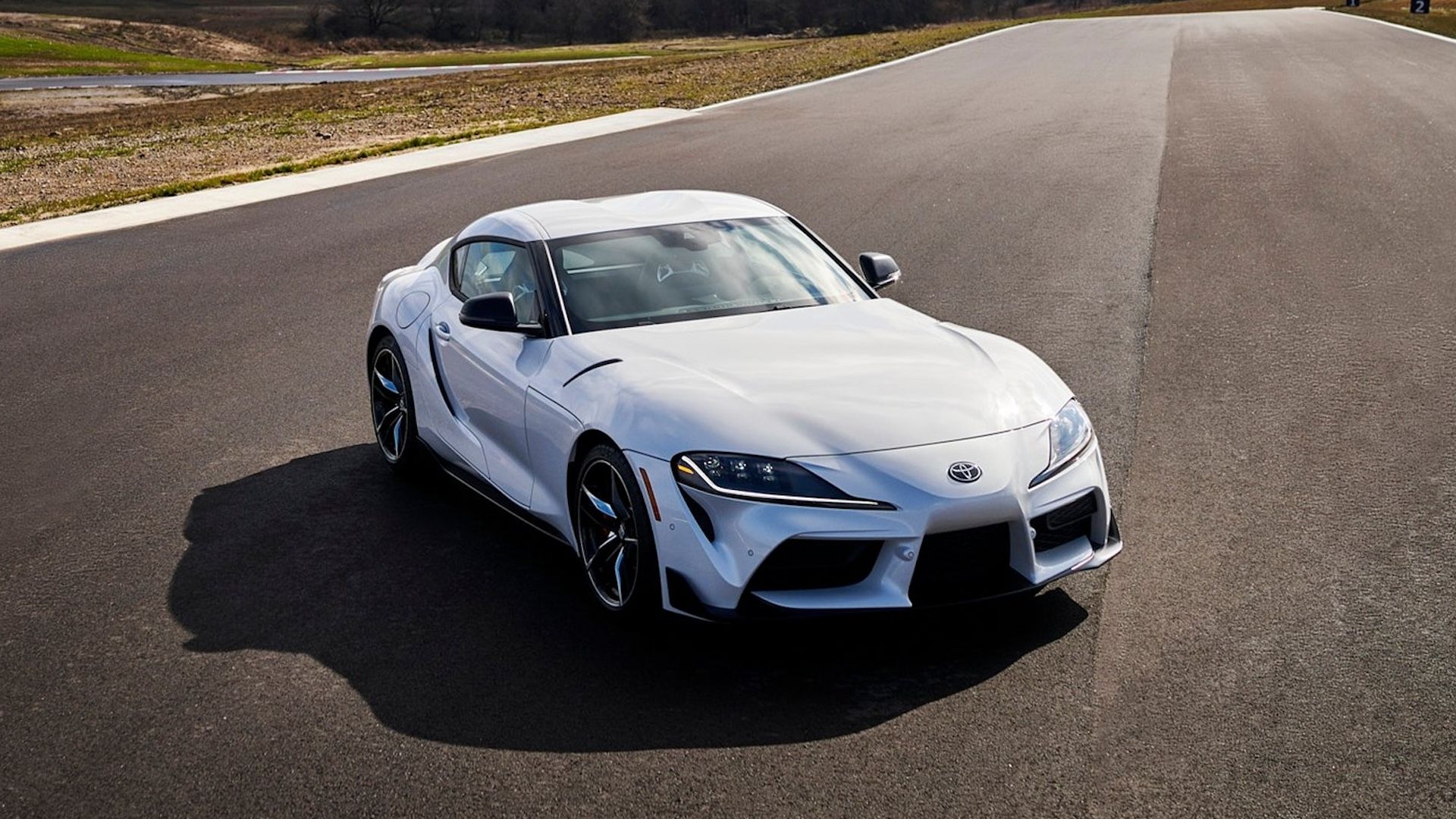
The allure of performance cars is undeniable. The symphony of a finely tuned engine, the rush of acceleration that pins you to your seat, and the precision handling that makes every corner a thrill these are experiences that car enthusiasts live for.
However, the dream of owning a high-performance machine can quickly turn into a financial nightmare if you choose the wrong vehicle. While the sticker price might be manageable, it’s the long-term ownership costs that separate the smart buyers from those who find themselves drowning in repair bills.
The performance car market is fascinatingly diverse, ranging from accessible sports cars that offer thrilling drives without breaking the bank on maintenance, to exotic supercars where a simple oil change can cost more than most people’s monthly mortgage payment. Understanding this distinction is crucial for anyone considering joining the performance car community.
The difference between reasonable and ruinous ownership costs often comes down to several key factors: parts availability, engineering complexity, brand philosophy regarding customer service, and whether the manufacturer designed the car with long-term ownership in mind or purely for maximum performance regardless of cost.
What many aspiring performance car owners don’t realize is that the purchase price is merely the entry fee. The real cost of ownership reveals itself over time through routine maintenance, unexpected repairs, and the availability of qualified technicians who can work on your specific vehicle.
A $50,000 sports car with reasonable repair costs can actually be more affordable to own over five years than a $40,000 performance car with astronomical maintenance expenses. This reality has caught countless enthusiasts off guard, leading to sold dreams and bitter disappointments.
In this comprehensive guide, we’ll explore both ends of this spectrum: five performance cars that offer excitement without the financial punishment, and five that have earned their reputation as budget destroyers.
Whether you’re a first-time performance car buyer or a seasoned enthusiast looking for your next purchase, understanding these distinctions could save you thousands of dollars and countless headaches.
5 Cars That Won’t Punish Your Wallet
These exceptionally engineered vehicles feature high-performance powertrains using shared components with mainstream models, straightforward mechanical layouts providing accessible service points, and widespread parts availability through normal retail channels enabling cost-effective maintenance and repairs throughout ownership without requiring exotic specialty tools or dealer-exclusive diagnostic equipment.
Their thoughtful engineering includes naturally aspirated engines avoiding complex turbocharger systems, conventional manual or automatic transmissions sharing architecture with volume production models, and suspension designs utilizing standard replacement components rather than proprietary performance-specific pieces that command premium pricing.
From routine brake service using readily available performance pads and rotors to engine maintenance requiring only standard tools and procedures, these remarkable performance cars deliver thrilling driving experiences without imposing punishing ownership costs.
1. Chevrolet Corvette C7/C8 (2014-Present)
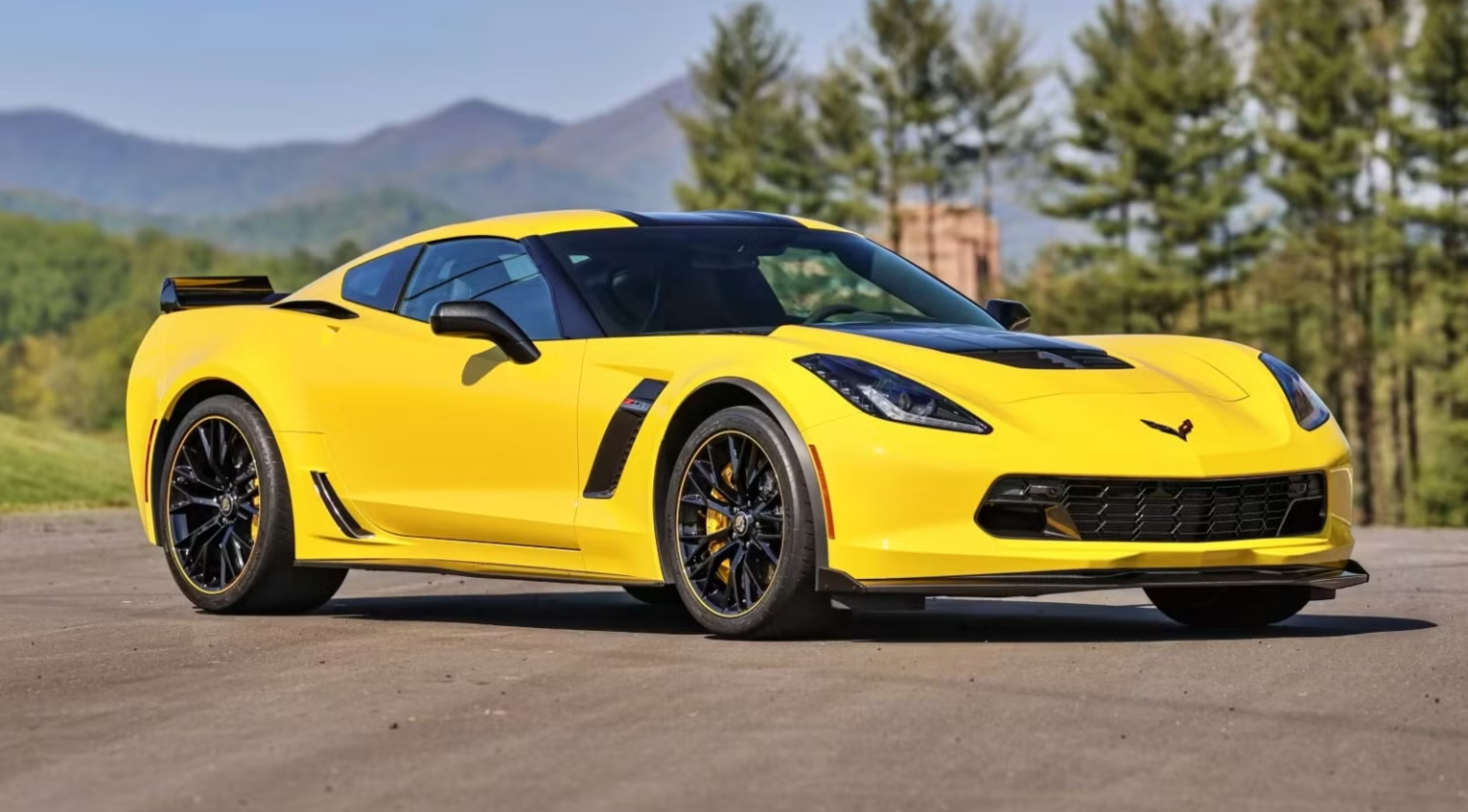
The Chevrolet Corvette represents perhaps the single best value proposition in the entire performance car world, offering supercar-level performance with mainstream maintenance costs.
This American icon has evolved through multiple generations, but the C7 (2014-2019) and current C8 (2020-present) models stand out as particularly impressive from both performance and ownership cost perspectives.
With the C8’s mid-engine layout delivering 0-60 mph times under three seconds and handling that rivals European exotics costing three times as much, it’s easy to forget that underneath all that performance lies a fundamentally practical vehicle.
The Corvette’s affordability stems from Chevrolet’s brilliant engineering philosophy: use proven, high-volume components wherever possible.
The naturally aspirated 6.2-liter LT1 V8 in the base C7 and C8 shares architecture with engines found in more pedestrian Chevrolet trucks and SUVs, meaning parts are manufactured in huge quantities and widely available.
This isn’t some hand-built exotic powerplant requiring specialized tools and rare components it’s an American pushrod V8 that any competent mechanic can work on.
Oil changes typically run between $80-150, which is reasonable considering the vehicle’s performance capability. Brake pads and rotors, even for the performance Z51 package, cost a fraction of what you’d pay for comparable European sports cars.
The Corvette’s extensive dealer network provides another crucial advantage. With Chevrolet dealerships blanketing North America, you’re never far from factory-trained technicians and genuine parts.
Unlike exotic car owners who might drive hours to reach a qualified service center, Corvette owners enjoy the convenience of local service.
This accessibility also creates healthy competition among service providers, keeping labor rates reasonable. Independent shops comfortable working on American V8s are abundant, providing alternatives to dealer service without sacrificing quality.
Consumables like tires, while certainly a consideration for any performance car, remain manageable on the Corvette. The C8 rolls on Michelin Pilot Sport 4S tires as standard, which are high-performance but not exotic-specific compounds with extreme price premiums.
A full set typically costs $1,200-1,800, which is entirely reasonable for a car capable of legitimate supercar performance.
Compare this to Italian exotics requiring $4,000-6,000 tire sets, and the Corvette’s value becomes even clearer. Even track-focused variants like the Z06 and ZR1, while certainly more expensive to maintain than base models, remain shockingly affordable compared to their European competitors.
The Corvette’s reliability has also improved dramatically in recent generations. The C7 and C8 haven’t suffered from the gremlins that plagued earlier models, with most owners reporting trouble-free ownership. When issues do arise, warranty coverage is competitive, and out-of-warranty repairs don’t require selling a kidney.
The community support is exceptional, with vast online forums, abundant aftermarket support, and a wealth of knowledge shared freely among owners. This ecosystem means you’re never truly alone when problems arise, and solutions are typically well-documented and accessible.
2. Porsche 718 Cayman/Boxster (2016-Present)
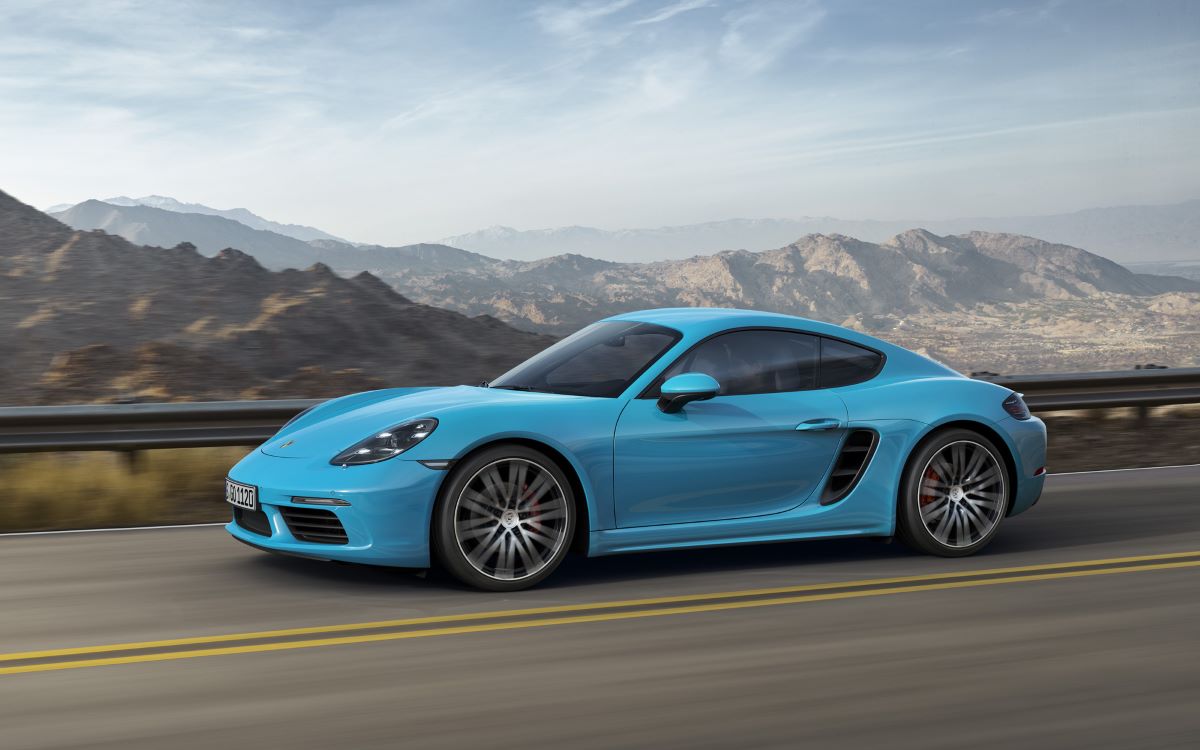
Porsche has long held a reputation for expensive maintenance, but the 718 Cayman and Boxster models buck this trend significantly, offering genuine Porsche performance and quality with surprisingly reasonable ownership costs.
These mid-engine sports cars deliver the pure driving experience Porsche is famous for, with telepathic steering, perfectly balanced handling, and sufficient power from their turbocharged four-cylinder engines (or naturally aspirated flat-six in GTS 4.0 models) to keep enthusiasts thoroughly entertained.
What makes these cars particularly noteworthy is that Porsche has engineered them with reliability and accessibility in mind, resulting in ownership costs that, while certainly not cheap, are manageable for middle-class enthusiasts.
The key to the 718’s reasonable maintenance costs lies in Porsche’s parts sharing strategy across their lineup and the simplification that came with the turbocharged four-cylinder engines.
Many components are shared with other Porsche models and even some Volkswagen/Audi Group vehicles, increasing availability and reducing costs through economies of scale.
Oil changes at Porsche dealerships typically run $300-400, which seems expensive until you compare it to other European sports cars where similar services can easily exceed $600-800.
Independent Porsche specialists, which exist in most major metropolitan areas, can perform the same service for $150-250 using quality oils and filters, providing significant savings without sacrificing quality.
The 718’s turbocharged 2.0-liter and 2.5-liter four-cylinder engines have proven remarkably reliable, avoiding the catastrophic IMS bearing failures that plagued earlier Porsche flat-sixes and became legendary for destroying engines.
These modern turbocharged units are fundamentally robust, derived from racing programs, and engineered to withstand both daily driving and occasional track use.
Major service intervals occur every two years or 20,000 miles, with costs typically ranging from $800-1,500 depending on what needs attention.
This is entirely reasonable for a precision-engineered German sports car and significantly less than comparable offerings from BMW M, Mercedes-AMG, or Audi RS divisions.
Brake maintenance on the 718 is surprisingly affordable, especially if you avoid the optional carbon-ceramic brakes (which, while phenomenal performers, carry astronomical replacement costs).
Standard steel brakes with performance pads and rotors can be serviced for $1,500-2,500 for all four corners, which is reasonable considering the car’s performance envelope.
Tire costs are moderate, with the Cayman typically running 235/40R19 fronts and 265/40R19 rears that can be replaced for $1,200-1,600 per set from reputable manufacturers like Michelin, Continental, or Bridgestone. These aren’t exotic-specific sizes, meaning healthy competition among tire manufacturers keeps prices in check.
Porsche’s warranty coverage is comprehensive, and the brand’s reputation for engineering excellence means most 718s require nothing beyond routine maintenance during their early years.
The convertible Boxster variant adds minimal complexity and cost compared to the Cayman coupe, with roof mechanisms proven reliable over decades of production.
The aftermarket and enthusiast community supporting these cars is massive, providing abundant resources for DIY-inclined owners and keeping independent specialists competitive on pricing.
Insurance costs, while higher than average vehicles, remain far below exotic territory, with many owners reporting annual premiums in the $1,500-2,500 range for comprehensive coverage.
3. Toyota GR Supra (2020-Present)
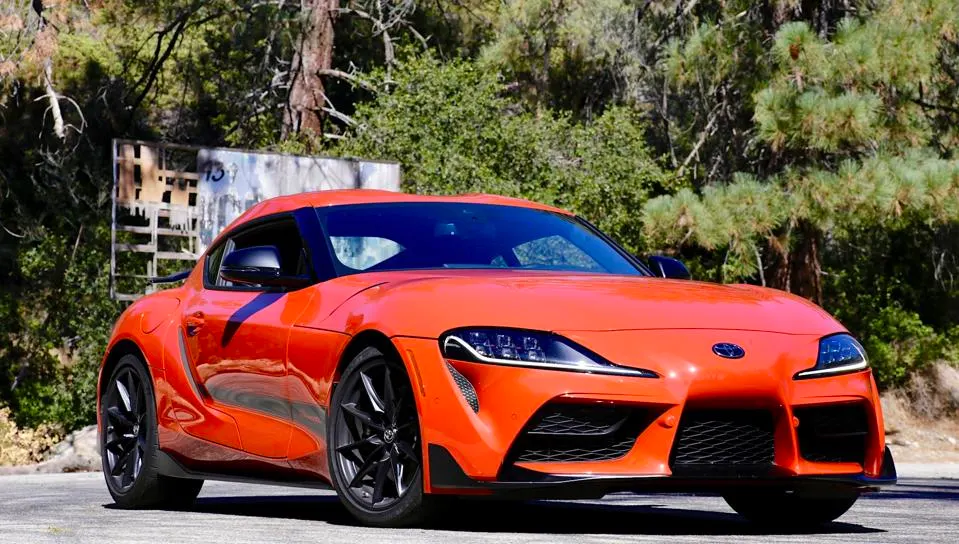
The reborn Toyota Supra represents a fascinating collaboration between Toyota and BMW, resulting in a sports car that delivers BMW’s driving dynamics with Toyota’s legendary reliability and reasonable ownership costs.
Sharing its platform, engine, and many components with the BMW Z4, the Supra benefits from German engineering while maintaining Japanese quality control and customer service philosophy.
The turbocharged inline-six engine produces thrilling power, the chassis is beautifully balanced, and the styling turns heads everywhere it goes. For enthusiasts seeking legitimate performance car thrills without the financial terror of European exotic ownership, the GR Supra hits a remarkably sweet spot.
Toyota’s involvement transforms what could have been an expensive BMW-badged sports car into something far more accessible for long-term ownership.
While the powertrain and chassis are fundamentally BMW B58 engine and CLAR platform derivatives, Toyota’s quality control processes and dealer network make a significant difference.
Oil changes at Toyota dealerships typically cost $80-150, dramatically less than BMW dealerships charge for similar services on the Z4.
The B58 inline-six engine, while BMW-designed, has proven exceptionally reliable across multiple BMW models and is widely regarded as one of the best engines BMW has produced in recent decades, avoiding the reliability issues that plagued earlier turbocharged BMW engines.
Maintenance intervals on the Supra are reasonable, with major services recommended every 10,000 miles and more comprehensive inspections at 30,000-mile intervals.
These services, while certainly more expensive than maintaining a Camry, remain far more affordable than comparable European sports cars. Brake service costs are moderate, with quality pads and rotors available from both OEM and aftermarket suppliers at competitive prices.
The Supra uses reasonably sized performance tires 255/35R19 fronts and 275/35R19 rears that are popular sizes across multiple performance car lines, ensuring competitive pricing and wide availability.
A complete set typically costs $1,000-1,500, which is eminently reasonable for a car capable of 0-60 mph in under four seconds.
The BMW connection provides both advantages and considerations. On one hand, BMW’s extensive parts network means components are readily available, and BMW specialists comfortable working on these cars are abundant. On the other hand, some parts carry BMW pricing, which can be steep.
However, Toyota’s warranty coverage is superior to BMW’s, with longer coverage periods and a dealer network reputation for treating customers fairly rather than seeking every opportunity to deny claims. This provides crucial peace of mind during the early ownership years and adds substantial value to the Supra proposition.
The enthusiast community surrounding the Supra has exploded, with extensive modification support, abundant online resources, and rapidly developing expertise among independent shops.
The B58 engine responds exceptionally well to modifications, with simple ECU tuning unlocking substantial power gains safely and reliably.
This tuning potential, combined with reasonable maintenance costs, makes the Supra an outstanding platform for enthusiasts who want to personalize their cars without fear of catastrophic reliability consequences.
Insurance costs are moderate for the performance offered, typically running $1,800-3,000 annually depending on driver history and location.
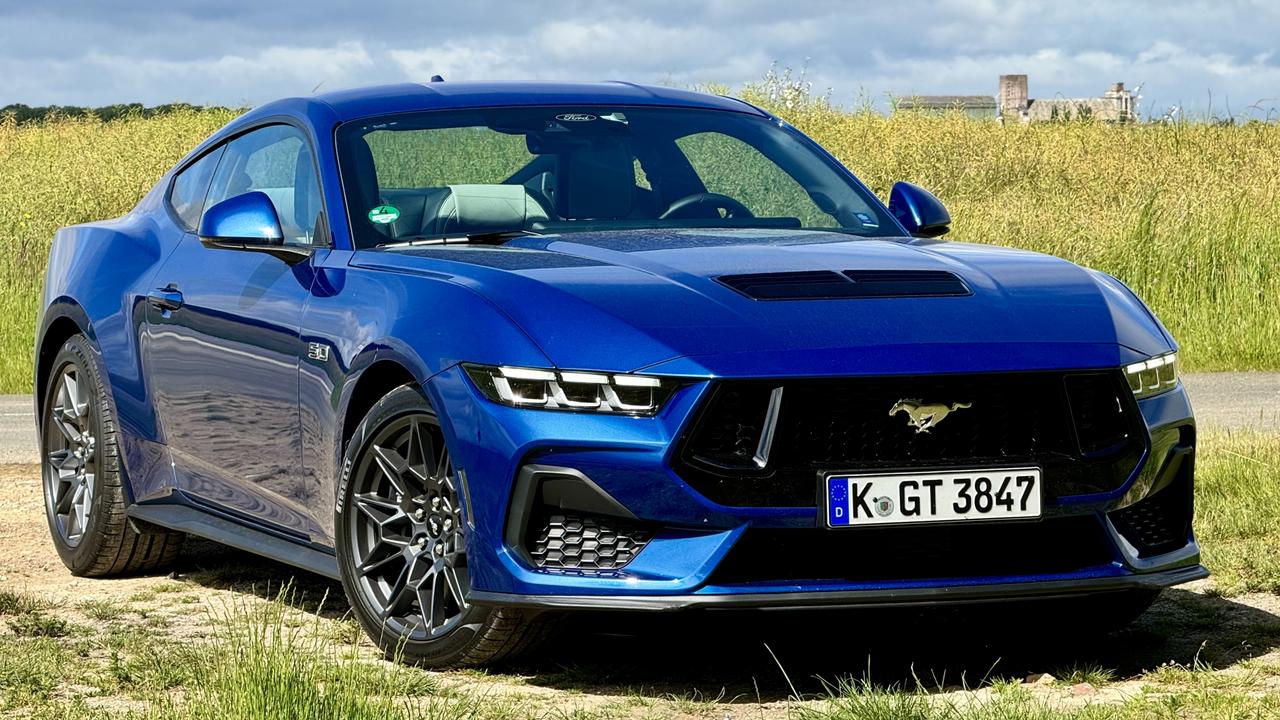
4. Ford Mustang GT (2015-Present)
The Ford Mustang GT represents the democratization of V8 performance, offering thrilling power, respectable handling (especially in recent generations), and iconic American muscle car style at prices that make performance accessible to mainstream buyers.
The S550 generation (2015-2023) and current S650 generation (2024-present) have transformed the Mustang from a straight-line specialist into a legitimate sports car capable of embarrassing far more expensive European machinery on both road and track.
What makes the Mustang GT particularly appealing for budget-conscious enthusiasts is that Ford has engineered these cars to be maintained affordably, with widespread parts availability and straightforward mechanical designs that don’t require exotic expertise.
The heart of the Mustang GT’s value proposition is its legendary Coyote V8 engine, available in 5.0-liter naturally aspirated form producing 460-500+ horsepower depending on model year.
This engine is fundamentally robust, engineered to withstand both daily commuting and occasional track abuse without catastrophic failures.
Unlike complicated turbocharged engines with intercoolers, wastegates, and heat management challenges, the Coyote is a relatively straightforward naturally aspirated V8 that any competent mechanic can service.
Oil changes cost $60-100, even when using quality synthetic oil appropriate for the engine’s demands. Spark plugs, air filters, and other routine consumables are inexpensive and widely available from multiple sources, from Ford dealerships to any auto parts store.
Ford’s massive dealer network ensures you’re never far from qualified service, and the Mustang’s popularity means independent shops comfortable working on these cars are everywhere.
This creates healthy competition on labor rates, keeping costs reasonable. Brake service is surprisingly affordable, with quality pads and rotors for all four corners typically costing $800-1,500 depending on whether you choose OEM or aftermarket components.
Even the optional Brembo brake package, while certainly more expensive to service than standard brakes, remains far more affordable than exotic car brake systems. Performance brake pads from reputable manufacturers like Hawk, EBC, or Carbotech provide excellent stopping power at reasonable prices.
Tire costs for the Mustang GT are manageable, despite the car’s substantial power output. The standard 275/40R19 rear and 255/40R19 front tire setup uses common sizes that benefit from competitive pricing among manufacturers.
A full set of quality performance tires typically costs $800-1,200, which is outstanding value for a 480+ horsepower vehicle.
Even dedicated track tires, for owners who participate in track days or autocross events, are available in Mustang fitments at reasonable prices. The car’s mechanical limited-slip differential (or optional electronically controlled unit) provides excellent traction without the maintenance nightmares of some more complex systems.
The Mustang’s reliability has improved dramatically over previous generations, with most owners reporting trouble-free ownership when the car is properly maintained.
The manual transmission is robust and capable of handling the V8’s torque, while the 10-speed automatic transmission (in later models) has proven reliable despite initial skepticism from the enthusiast community. When problems do arise, parts are inexpensive and readily available, often with overnight shipping from numerous suppliers.
The aftermarket support is absolutely massive, with every conceivable modification, upgrade, and performance part available at competitive prices. This abundance of options means you can personalize and enhance your Mustang GT affordably, creating a truly unique vehicle without exotic car expenses.
Also Read: 5 Budget Hybrids That Still Feel Quick vs 5 That Struggle Merging
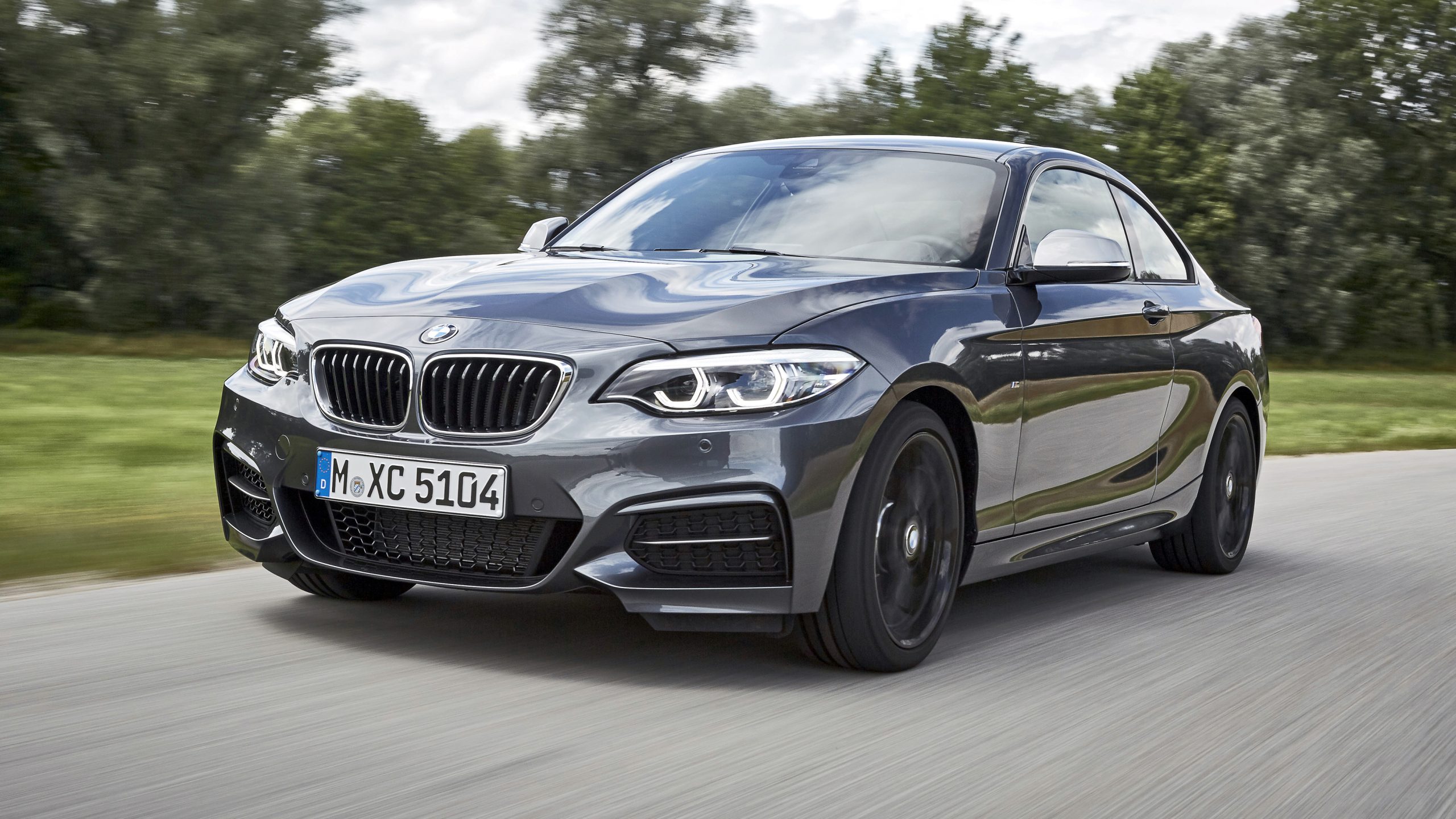
5. BMW M240i/M440i (2016-Present)
The BMW M240i and its larger sibling, the M440i, represent the sweet spot in BMW’s lineup for enthusiasts seeking genuine performance without the extreme ownership costs of full M Division models like the M2, M3, or M4.
These cars offer turbocharged inline-six power, rear-wheel or all-wheel drive configurations, and BMW’s renowned driving dynamics at price points and ownership costs that remain accessible to upper-middle-class buyers.
While certainly more expensive to maintain than Japanese or American alternatives, these BMWs avoid the catastrophic costs associated with full M cars while delivering 80-90% of the performance and driving experience.
The key to these models’ relatively reasonable ownership costs lies in BMW’s modular engine strategy and parts sharing across their lineup.
The B58 turbocharged inline-six engine powering both the M240i and M440i is the same fundamental powerplant found in numerous BMW models, from the Supra discussed earlier to various X-series SUVs and even some larger sedans.
This high-volume production means parts are manufactured in substantial quantities, improving availability and moderating costs compared to low-volume exotic engines.
The B58 has proven exceptionally reliable, avoiding the high-pressure fuel pump failures, timing chain issues, and other gremlins that plagued earlier BMW turbocharged engines.
Oil changes cost $150-250 at BMW dealerships, or $100-150 at independent BMW specialists, which is reasonable for a precision German engine.
Maintenance intervals are sensible, with routine oil changes recommended every 10,000 miles and more comprehensive inspections at 30,000-mile intervals. These longer service intervals mean you’re not constantly scheduling maintenance appointments, reducing ownership hassle and costs.
The B58’s single twin-scroll turbocharger design is simpler and more reliable than twin-turbo setups, with fewer components to potentially fail. When turbocharger service is eventually required (typically well past 100,000 miles with proper maintenance), costs are manageable compared to exotic car forced induction systems.
Cooling system maintenance, traditionally a BMW weak point, has improved significantly with better hose and connector materials that don’t deteriorate as rapidly as earlier generations.
Brake maintenance costs are moderate for the performance offered, with quality pad and rotor sets available for $1,000-1,800 for all four corners. Tire costs depend on specific wheel options, but even the larger 19-inch wheel packages use reasonably common sizes that don’t carry extreme premiums.
A set of quality performance tires typically costs $1,200-1,800, which is entirely appropriate for cars capable of 0-60 mph in under four seconds.
The all-wheel-drive xDrive system in some configurations adds minimal maintenance complexity and cost while providing tremendous all-weather capability and launching performance.
BMW’s warranty coverage, while not as generous as some Japanese manufacturers, provides adequate protection during early ownership. Extended warranty options are available at reasonable prices, providing peace of mind for buyers concerned about potential repairs.
The extensive network of BMW dealerships and independent specialists means qualified service is readily available in most areas, and the enthusiast community provides abundant resources for DIY-inclined owners.
Parts availability is excellent, with both genuine BMW components and quality aftermarket alternatives readily available from suppliers like FCP Euro, ECS Tuning, and BimmerWorld.
These models also retain their value reasonably well compared to full M cars, making them sensible financial choices for enthusiasts planning to sell or trade within 5-7 years.
5 Cars That Will Bankrupt Owners
These problematic vehicles suffer from exotic powertrains using proprietary components available only through manufacturer channels at exorbitant prices, complex mechanical packaging requiring complete disassembly for routine service access, and sophisticated electronic systems demanding dealer-exclusive diagnostic equipment that makes independent repair impossible while generating astronomical labor charges for even minor maintenance procedures.
Their flawed engineering includes turbocharged or supercharged engines with specialized internal components requiring complete engine removal for service, dual-clutch transmissions with mechatronic units costing five-figure sums when failing predictably outside warranty coverage, and carbon-ceramic brake systems where single rotor replacements exceed costs of complete brake jobs on conventional vehicles.
From routine oil changes requiring specialized tools and procedures costing hundreds to catastrophic transmission or engine failures generating repair estimates exceeding vehicle values, these troublesome performance cars create financial nightmares.
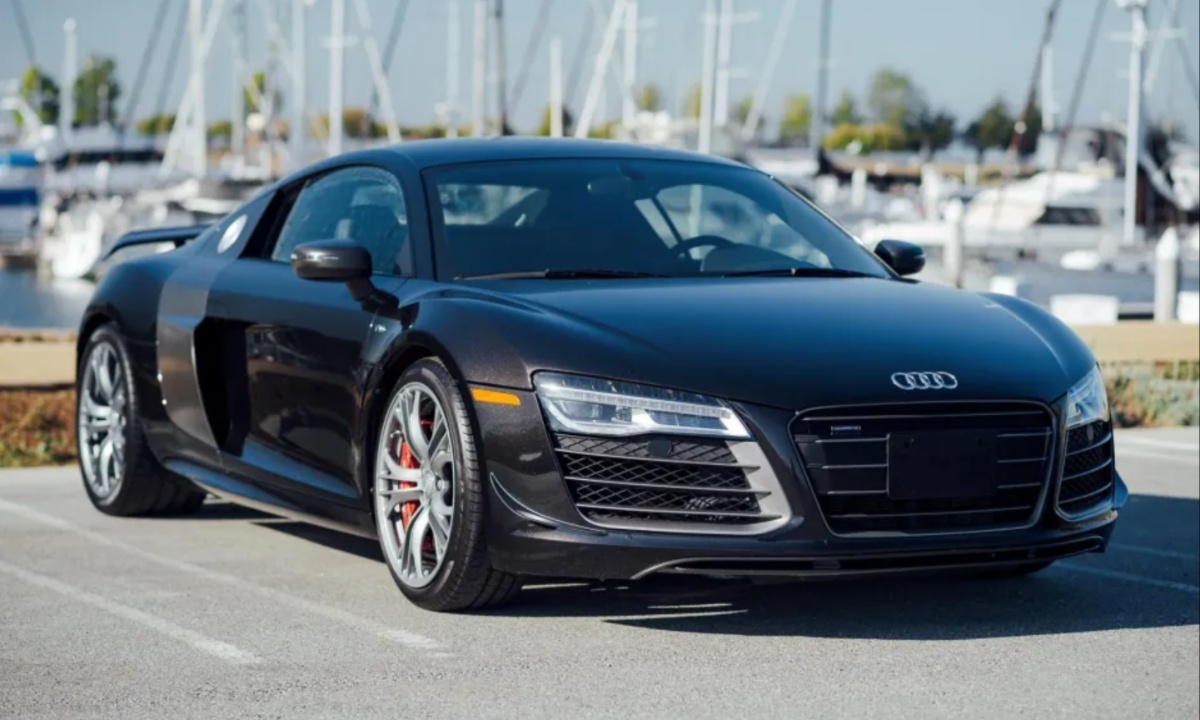
1. Audi R8 V10 (2007-Present)
The Audi R8 represents Volkswagen Group’s foray into exotic supercar territory, delivering stunning looks, intoxicating V10 soundtrack, and legitimate supercar performance.
With its mid-mounted naturally aspirated V10 engine shared with the Lamborghini Huracán, all-wheel-drive Quattro system, and aluminum/carbon fiber construction, the R8 offers an ownership experience that feels genuinely exotic.
Unfortunately, it also delivers exotic-level maintenance costs that can absolutely devastate unprepared owners’ finances. The R8 epitomizes the trap of “affordable exotics” used examples have depreciated to seemingly reasonable purchase prices, but the cost of keeping them running remains firmly in supercar territory.
The R8’s 5.2-liter V10 engine, while absolutely glorious and generally reliable when properly maintained, requires specialist service that doesn’t come cheap.
Oil changes require 9+ quarts of specialized synthetic oil and can cost $600-1,000 at Audi dealerships, even for this relatively routine service.
The dry-sump lubrication system adds complexity and cost to what should be straightforward maintenance. Major service intervals occur every 20,000 miles and involve extensive inspections, fluid changes, and adjustments that can easily exceed $3,000-5,000.
The V10’s timing chain service, while not required as frequently as belt changes on some exotics, remains a substantial undertaking costing $8,000-12,000 when needed, typically around 100,000 miles.
The R8’s dual-clutch transmission, while lightning-fast and engaging, represents a ticking time bomb for many owners. Clutch replacement, typically required every 30,000-50,000 miles depending on driving style, costs $8,000-15,000 for parts and labor.
This isn’t a simple clutch job like a manual transmission might require the transmission must be removed, disassembled, and rebuilt with specialized tools and expertise.
Many independent shops won’t touch this job, forcing owners to dealerships where labor rates can exceed $200 per hour. The magnetic fluid in the transmission’s rear differential requires periodic changes, and the all-wheel-drive Haldex system adds additional maintenance points that accumulate costs over time.
Brake maintenance on the R8 enters truly shocking territory, especially if the car is equipped with optional carbon-ceramic brakes. Standard steel brake systems require pads and rotors every 20,000-30,000 miles, with costs typically running $4,000-6,000 for all corners using genuine Audi components.
Carbon-ceramic brakes, while lasting significantly longer, cost $15,000-25,000 to replace when they eventually wear out a mind-boggling sum that exceeds the entire value of most used cars.
Tire costs are similarly painful, with the R8 requiring staggered high-performance tire setups that cost $2,500-4,000 per set and last perhaps 10,000-15,000 miles with spirited driving.
The R8’s aluminum space frame construction, while brilliant for weight savings and rigidity, means bodywork repairs are extraordinarily expensive.
Many body shops won’t work on aluminum structures, and those that do charge premium rates for the specialized welding equipment and techniques required.
Even minor parking lot incidents can result in five-figure repair bills. Suspension components, exhaust systems, and electrical gremlins all carry exotic car price tags despite the Audi badge.
Parts availability can be spotty, with some components requiring months of waiting for delivery from Germany. Insurance costs reflect the car’s supercar status, often running $4,000-8,000 annually for comprehensive coverage, even for experienced drivers with clean records.
2. Mercedes-AMG GT (2015-Present)
The Mercedes-AMG GT represents AMG’s first ground-up sports car design, and it’s an absolute marvel of engineering a proper supercar alternative with a hand-built twin-turbocharged V8, sophisticated electronics, and stunning design that turns heads everywhere it goes.
Available in numerous variants from the “base” GT to the track-focused GT R and convertible GT Roadster, these cars deliver intoxicating performance and a surprisingly comfortable daily-driving experience for a mid-engine sports car.
However, this German sophistication comes with ownership costs that can quickly overwhelm even well-heeled enthusiasts, particularly once warranty coverage expires and the full reality of maintaining a hand-built AMG becomes apparent.
The AMG GT’s beating heart is its M178 twin-turbocharged 4.0-liter V8, hand-assembled by a single technician whose signature appears on a plaque on the engine.
This theatrical detail hints at the engine’s boutique nature and corresponding maintenance costs. Oil changes require specialized AMG synthetic oil and substantial quantities, costing $500-800 at Mercedes dealerships even for this routine service. The twin-turbocharger system, while generally reliable, represents substantial expense when issues arise.
Turbocharger replacement costs $8,000-12,000 per unit, and if both require replacement simultaneously not uncommon since they experience similar wear you’re looking at a $20,000+ repair bill. Intercoolers, wastegates, diverter valves, and associated plumbing all represent potential failure points carrying four-figure price tags.

The AMG GT’s seven-speed dual-clutch transmission delivers lightning-fast shifts and engaging performance, but like all dual-clutch transmissions, clutch replacement eventually becomes necessary.
This service costs $10,000-15,000 and typically becomes required around 40,000-60,000 miles, sooner if the car sees aggressive driving or track use. The transmission’s mechatronic unit the complex electro-hydraulic control system can fail catastrophically, requiring complete replacement at costs exceeding $8,000.
The rear-mounted transaxle layout means transmission service requires extensive disassembly, driving labor costs through the roof. Mercedes’ AIRMATIC adaptive suspension, when equipped, provides phenomenal ride quality and handling adjustability but adds another expensive maintenance consideration, with individual suspension struts costing $1,500-2,500 each.
Brake service on the AMG GT, particularly on higher-performance variants like the GT R, enters stratospheric territory. Standard steel brake systems require replacement every 20,000-30,000 miles depending on driving style, with costs typically exceeding $5,000 for all four corners.
The optional carbon-ceramic brakes, while providing fade-free stopping power for track work, cost an absolutely staggering $25,000-35,000 to replace when worn a figure that exceeds many new car purchase prices.
Tire costs are similarly shocking, with the AMG GT R requiring specific Michelin Pilot Sport Cup 2 tires in staggered sizes costing $3,500-5,000 per set.
These track-focused tires last perhaps 8,000-12,000 miles with enthusiastic driving, meaning annual tire budgets can easily reach $5,000+ for active drivers.
The AMG GT’s electronic complexity introduces numerous potential failure points, from the complex COMAND infotainment system to the digital instrument cluster to the sophisticated traction and stability control systems.
Mercedes’ electrical issues are legendary, and while recent models have improved, problems still arise with depressing frequency. Diagnostic procedures require specialized Mercedes STAR diagnostic equipment, forcing owners to dealerships where labor rates often exceed $250 per hour.
Parts availability can be problematic, with some components requiring months of waiting for delivery from Germany. Insurance costs are substantial, typically running $4,000-7,000 annually for comprehensive coverage, reflecting the car’s high repair costs and theft desirability.
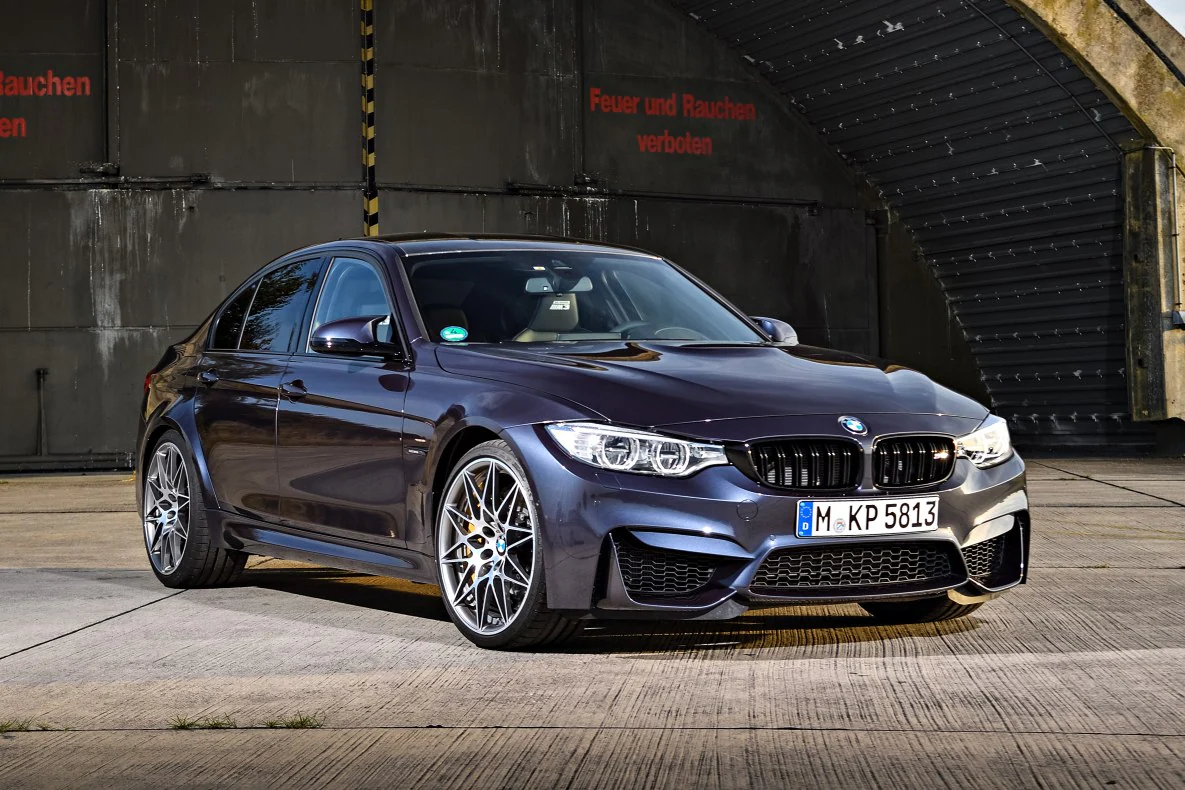
3. BMW M3/M4 (F80/F82 Generation, 2014-2020)
The F80/F82 generation BMW M3 sedan and M4 coupe represent BMW M Division’s most controversial models, replacing the beloved naturally aspirated V8 of the previous generation with a twin-turbocharged inline-six engine that delivered more power and efficiency but lost some of the raw, emotional character that defined earlier M cars.
While these cars are undeniably fast capable of 0-60 mph in under four seconds and offering phenomenal handling they’ve earned a well-deserved reputation as maintenance nightmares that can absolutely devastate owners’ finances, particularly after warranty coverage expires.
The combination of complex forced induction, problematic engine components, and BMW’s infamous nickeling-and-diming of customers creates a perfect storm of ownership pain.
The S55 twin-turbocharged inline-six engine powering these cars produces impressive power figures but has suffered from numerous well-documented reliability issues that BMW has been slow to address.
Crank hub failures, where the crankshaft’s main pulley literally comes loose, can cause catastrophic engine damage and have affected numerous owners, often around 60,000-80,000 miles.
The repair requires complete engine disassembly and can cost $15,000-25,000, and BMW has largely refused to cover these failures under warranty or goodwill, leaving owners holding the bag.
Rod bearing failures, another S55 problem, can destroy engines if not caught early through expensive ($600-1,000) oil analysis testing. Preventative rod bearing replacement, often recommended around 60,000 miles, costs $8,000-12,000.
The S55’s twin-turbocharger system adds substantial complexity and cost. Turbocharger failure, while not universal, affects enough owners to be concerning, with replacement costs ranging from $6,000-10,000 per turbocharger. The associated charge air coolers can develop leaks, requiring $3,000-5,000 in repairs.
High-pressure fuel pumps, a common BMW weak point, fail with distressing regularity, costing $2,000-3,000 to replace. Injectors, both port and direct, can fail, with replacement costs exceeding $2,500 for parts and labor.
The complex cooling system features multiple pumps, thermostats, and miles of hoses that inevitably develop leaks, with complete cooling system refurbishment easily exceeding $5,000-7,000.
The dual-clutch M-DCT transmission, while phenomenal when functioning correctly, requires clutch replacement every 40,000-70,000 miles depending on driving style, at costs of $5,000-8,000.
The manual transmission option, while more engaging for purists, features a problematic pressure plate design prone to failure, with replacement costs around $3,000-4,000.
The M differential requires fluid changes with expensive specialized BMW fluid, and rebuilds when worn can cost $4,000-6,000. Carbon fiber driveshaft replacements, when the center support bearing fails, exceed $2,000.
Suspension bushings wear rapidly, and rear subframe mount reinforcement necessary to prevent catastrophic tearing costs $1,500-2,500 if not already performed.
Consumables on the F80/F82 M3/M4 accumulate costs rapidly. Brake pads and rotors require replacement every 20,000-30,000 miles, costing $2,000-3,500 for all corners.
The optional carbon-ceramic brakes cost $15,000-20,000 to replace. Tires in staggered high-performance configurations cost $1,500-2,500 per set and last 12,000-18,000 miles. Oil changes, while not terribly expensive at $150-250, are required every 7,500 miles to protect the stressed engine.
Annual maintenance costs for these cars easily exceed $5,000-8,000 when amortizing major service items, and unexpected failures can add another $5,000-10,000 in any given year. Insurance costs reflect the cars’ high performance and theft desirability, typically running $2,500-4,500 annually.
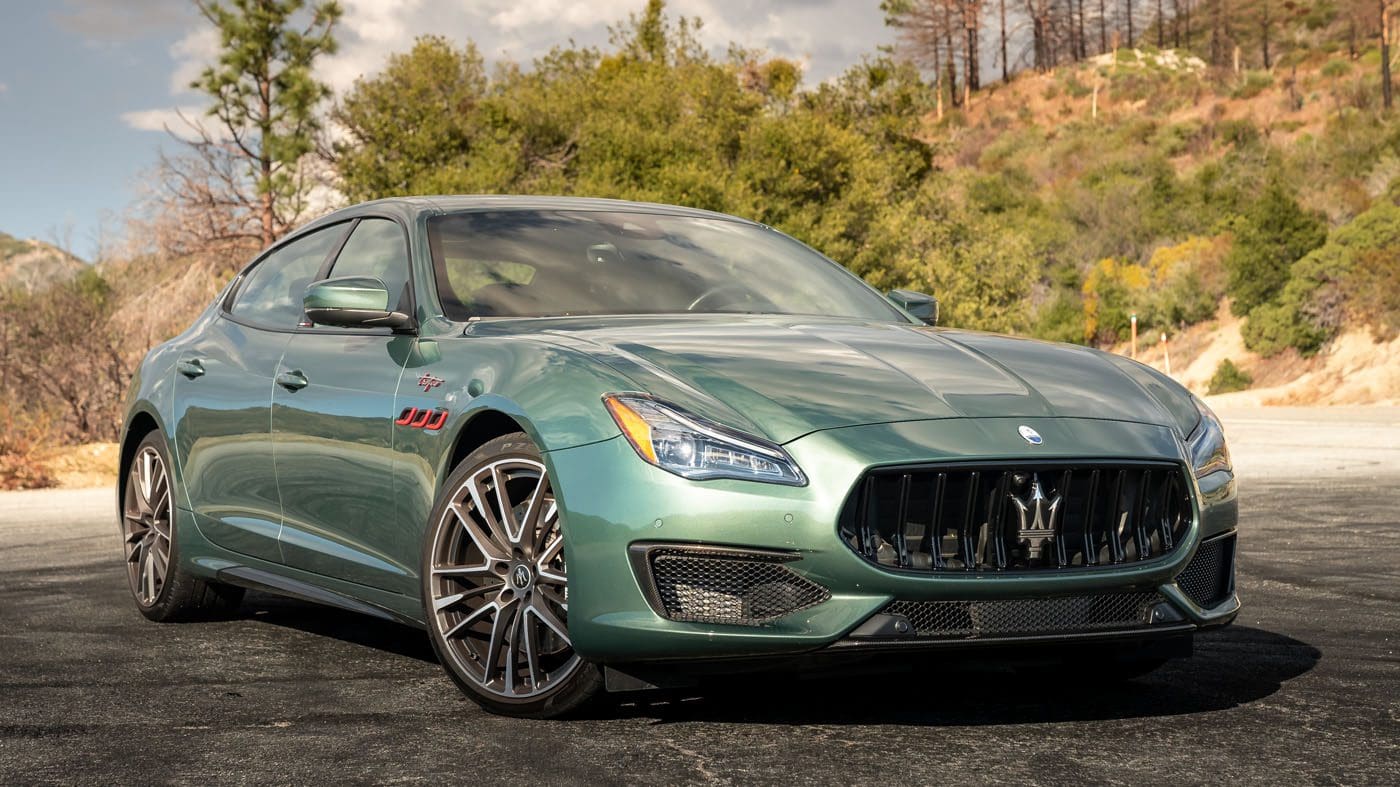
4. Maserati Quattroporte/Ghibli (2013-Present)
The Maserati Quattroporte and its smaller sibling, the Ghibli sedan, represent Italian luxury and performance at seemingly accessible prices—particularly in the used market where these cars depreciate like stones dropped from cliffs.
With beautiful styling, intoxicating exhaust notes from Ferrari-derived engines, and the prestige of the Maserati trident, these sedans attract buyers seeking exotic flair without supercar purchase prices.
However, these cars represent perhaps the worst ownership proposition in the entire automotive world, combining catastrophic reliability with astronomical repair costs and abysmal dealer support.
Maserati’s quality control and parts supply chain issues transform these “affordable” luxury sedans into financial black holes that swallow money at rates that would embarrass legitimate supercars.
The Quattroporte and Ghibli suffer from systemic quality issues affecting virtually every system. The ZF eight-speed automatic transmission, while generally reliable in other applications, experiences frequent failures in Maseratis, requiring replacement or complete rebuild at costs of $15,000-25,000.
Electronics gremlins are legendary, with the infotainment system, digital gauge clusters, and various control modules failing with alarming frequency. A single malfunctioning module can cost $2,000-5,000 to replace, and many owners experience multiple electronic failures.
The air suspension system, standard on Quattroportes and optional on Ghiblis, fails catastrophically, with individual air struts costing $2,500-3,500 each and compressor replacement exceeding $3,000. Converting to conventional springs and dampers costs $5,000-8,000 but eliminates this expensive headache.
Engine issues vary by specific powerplant but universally expensive. The twin-turbocharged Ferrari-derived V6 and V8 engines, while sonorous and powerful, suffer from turbocharger failures, coolant leaks, oil consumption problems, and electrical issues affecting engine management systems.
Turbocharger replacement costs $8,000-12,000 per unit, and if both fail simultaneously not uncommon you’re facing a $25,000+ repair. Coolant hose failures can cause catastrophic overheating and head gasket failures, requiring $8,000-15,000 in repairs.
Oil consumption requiring top-ups between oil changes is common, and diagnosing causes involves expensive teardown procedures. Timing belt service on older engines costs $3,000-5,000, while timing chain issues on newer variants can require $10,000+ in repairs.
Routine maintenance costs for Maseratis are shockingly expensive, even for basic services. Oil changes cost $400-600 at Maserati dealerships, using specialized Mopar/FCA synthetic oil and expensive Maserati-specific filters.
Annual services easily exceed $2,000-3,000 for routine items, and major 30,000-mile services can reach $5,000-8,000.
Brake service costs $3,000-5,000 for all four corners, using expensive Brembo components that Maserati charges premium prices for. Tires in staggered high-performance configurations cost $2,000-3,000 per set and wear rapidly.
The biggest problem isn’t just the cost it’s the unpredictability. Owners routinely report $10,000-20,000 in unexpected repair bills annually, transforming these cars into financial nightmares.
Parts availability represents another catastrophic problem. Maserati’s parts supply chain is notoriously dysfunctional, with even basic components requiring weeks or months of waiting.
Cars often sit at dealerships for months awaiting parts, completely immobilizing the vehicle and leaving owners with no transportation and mounting rental car costs.
Maserati’s dealer network is sparse, with many regions having no nearby service centers, forcing owners to trailer cars hundreds of miles for repairs.
Dealer service quality is inconsistent at best, with many technicians lacking adequate training on these complex vehicles. Independent shops largely refuse to work on modern Maseratis, recognizing the parts availability nightmare and liability of working on poorly-engineered vehicles.
Warranty coverage, while initially provided, is routinely denied for various technicalities, leaving owners exposed to crushing repair costs.
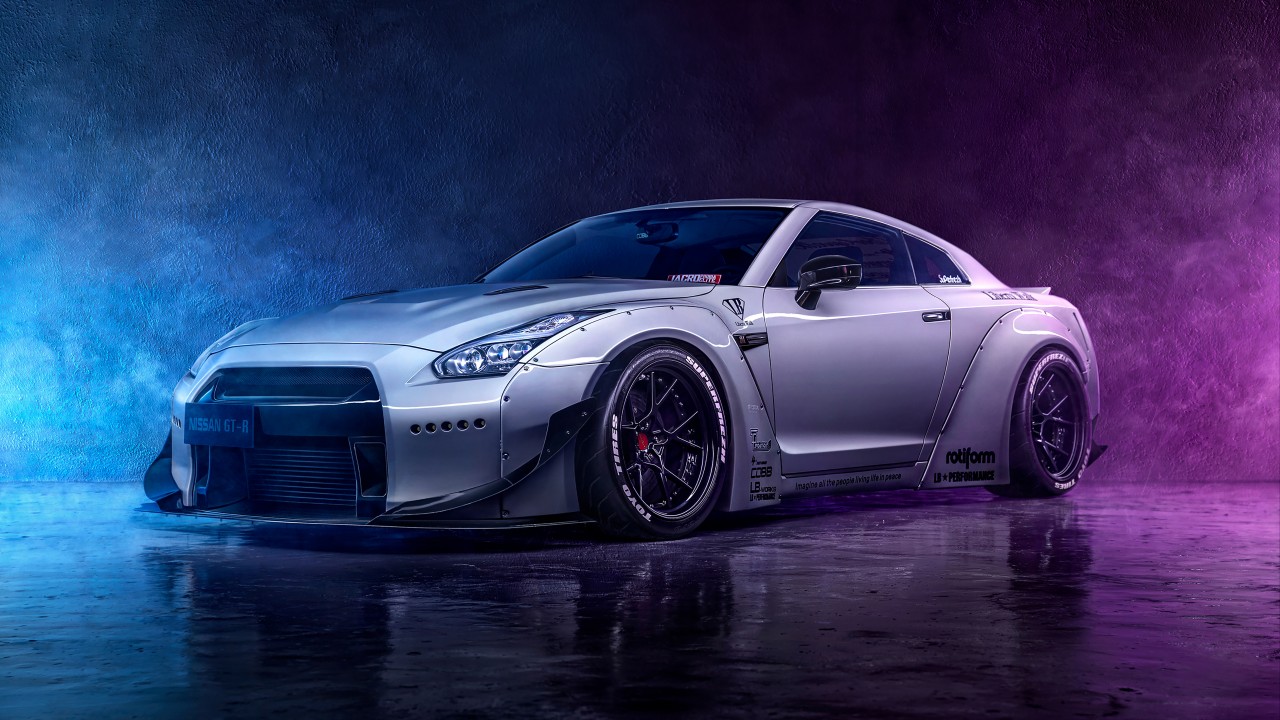
5. Nissan GT-R (R35, 2009-Present)
The Nissan GT-R represents one of the automotive world’s most fascinating contradictions a car capable of embarrassing supercars costing three times as much, engineered with obsessive attention to performance detail, yet burdened with ownership costs that can absolutely devastate unprepared enthusiasts.
“Godzilla” earned its legendary status through jaw-dropping performance benchmarks, sophisticated all-wheel-drive systems, and technological wizardry that allows relatively inexperienced drivers to achieve lap times that would require extraordinary skill in other vehicles.
However, this Japanese supercar’s maintenance costs, particularly for the dual-clutch transmission and consumables, have ruined countless owners financially, especially those who purchased used examples without understanding the brutal reality of GT-R ownership expenses.
The GT-R’s VR38DETT twin-turbocharged 3.8-liter V6 engine is a masterpiece of engineering, hand-assembled by specially trained technicians and capable of producing anywhere from 485 horsepower in early models to 600+ horsepower in current NISMO variants.
While the engine itself is relatively robust when properly maintained, the maintenance requirements are absolutely brutal. Oil changes require specialized Nissan GT-R synthetic oil and must be performed every 3,750 miles yes, you read that correctly.
At dealership rates of $200-300 per oil change, you’re looking at $800-1,200 annually in oil changes alone, assuming relatively modest mileage.
The transmission requires its own specialized fluid changes every 18,000 miles at costs of $500-800, and the differentials require service at similar intervals for another $400-600. Just keeping fluids fresh in a GT-R easily costs $2,000-3,000 annually before anything actually breaks.
The GT-R’s dual-clutch transmission represents the single most terrifying ownership aspect, a mechanical sword of Damocles hanging over every owner’s head.
This transmission, while capable of lightning-fast shifts and handling the engine’s substantial torque, is essentially a racing transmission forced into street duty.
Clutch replacement typically becomes necessary every 20,000-40,000 miles depending on driving style, and this isn’t a simple clutch job it’s a complete transmission-out procedure requiring specialized tools, equipment, and expertise.
The cost ranges from $5,000-8,000 at Nissan dealerships, and many independent shops refuse to touch this job due to its complexity.
Owners who launch control their cars frequently or participate in drag racing can burn through clutches in as little as 10,000 miles, creating a situation where transmission costs exceed fuel costs. Transmission rebuilds, when internal components fail beyond just clutch wear, can reach $15,000-20,000.
The GT-R’s advanced all-wheel-drive system, while phenomenal for performance, adds substantial maintenance complexity and costs.
The transfer case requires fluid changes with expensive specialized fluid, and rebuilds when problems arise cost $8,000-12,000. The front and rear differentials, both electronically controlled units packed with sophisticated technology, require their own maintenance and can fail catastrophically.
Tire costs are absolutely devastating the GT-R requires specific run-flat tires in aggressive staggered sizes: 255/40R20 fronts and 285/35R20 rears.
A complete set of Dunlop SP Sport Maxx GT 600 DSST CTT tires the OEM specification costs $2,500-3,500 and lasts perhaps 10,000-15,000 miles with spirited driving.
Many owners report going through two or even three sets of tires annually, creating tire budgets exceeding $5,000-7,000 per year. Even switching to non-run-flat alternatives only moderately reduces costs while potentially affecting the car’s carefully calibrated handling.
The most insidious aspect of GT-R ownership is that these costs don’t decrease as the car ages they accelerate.
A 10-year-old GT-R with 60,000 miles is approaching or has surpassed multiple major service intervals, likely needs transmission work, definitely needs new tires and brakes, and probably requires suspension refresh and various other accumulated maintenance items.
The total cost can easily reach $20,000-30,000 to bring a neglected GT-R back to proper operating condition.
This reality explains why used GT-R prices have dropped dramatically savvy buyers recognize the financial nightmare awaiting them, while naive buyers purchase based on the appealing sticker price only to be destroyed by maintenance costs they never anticipated.
Also Read: 5 Engines That Tolerate Long Oil Changes vs 5 That Sludge If You Blink
