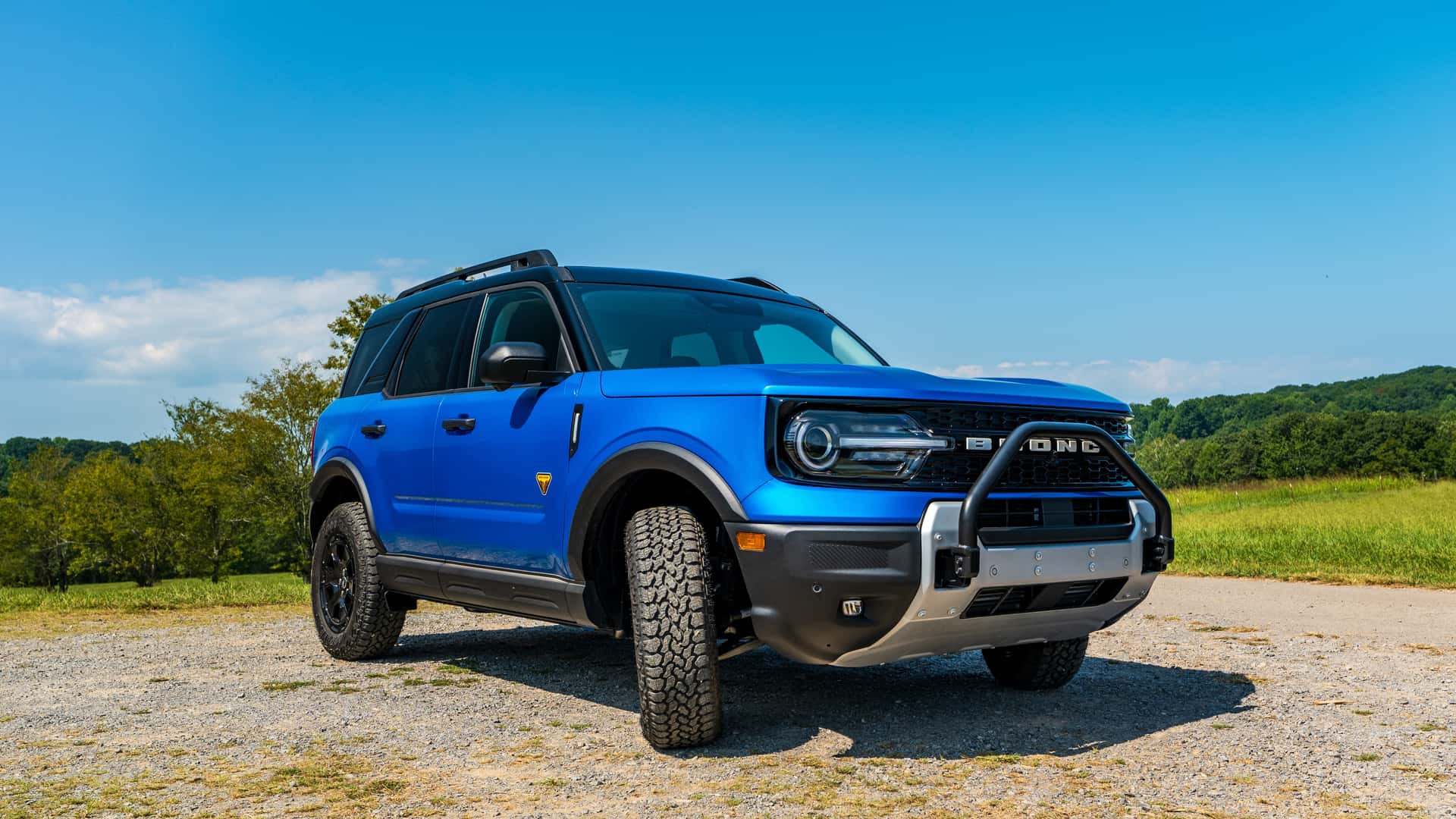
Driving on rough or uneven roads doesn’t mean you have to sacrifice comfort, capability, or style. Today’s compact cars and SUVs are more refined than ever, offering suspension systems, traction control, and smart drivetrains that handle broken pavement, gravel, and dirt trails with surprising ease.
While traditional off-road vehicles like the Jeep Wrangler or Toyota 4Runner are built for serious terrain, many smaller models now deliver a smoother, more confident ride without the bulk or fuel consumption of larger SUVs.
From the balanced Subaru Outback to the adventure-ready Ford Bronco Sport, these vehicles prove that compact size can coexist with real-world durability.
Whether your daily route includes rural roads, city potholes, or weekend mountain getaways, this list of 12 compact cars that actually ride well on rough roads highlights models that combine comfort, traction, and resilience, giving you confidence no matter where the road takes you.
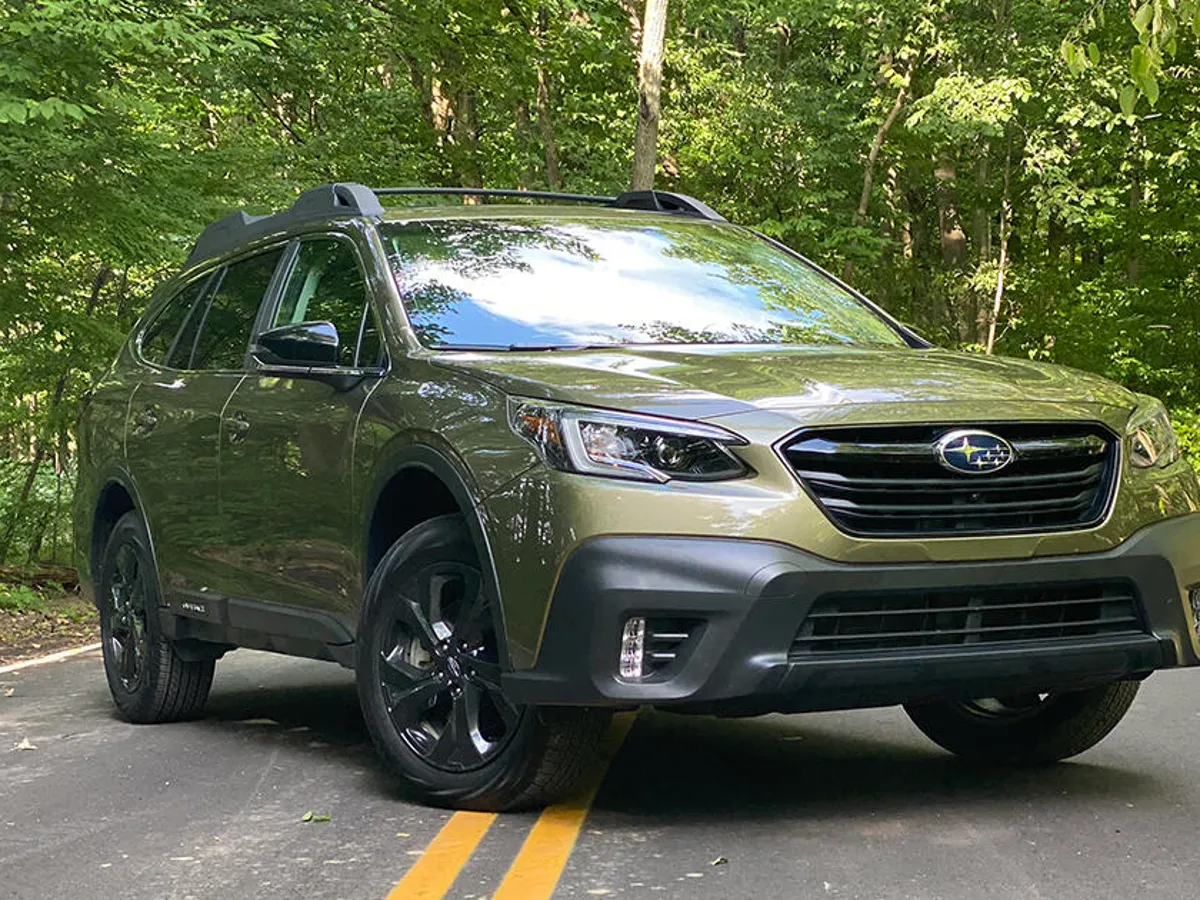
1. 2020 Subaru Outback: A Balanced Blend of Comfort, Capability, and Practicality
The 2020 Subaru Outback continues the brand’s legacy as a capable and comfortable crossover SUV designed for versatility. It delivers a smooth, car-like driving experience on pavement while maintaining off-road readiness. Standard features include Subaru’s symmetrical all-wheel-drive system, X-Mode with Hill Descent Control, and Active Torque Vectoring, which enhance traction and control in diverse conditions.
With 8.7 inches of ground clearance and up to 9.5 inches on the Wilderness trim, the Outback can confidently handle light to moderate off-road trails. However, it lacks specialized off-road hardware such as a low-range transfer case and heavy-duty axles, which limits its potential for extreme terrain.
The Outback offers two 4-cylinder engine options, including an optional 2.4-liter turbocharged engine. The turbo model accelerates from 0 to 60 mph in 6.5 seconds, which is a noticeable improvement over the base engine’s slower performance.
While capable, the handling feels less controlled than some midsize competitors because of body roll and slow steering response, requiring more input during turns or parking. The standard all-wheel drive and generous ground clearance keep it competent in most driving conditions.
Subaru’s suite of driver assistance features, such as lane keeping, driver attention warning, and automatic emergency braking, adds safety but can be overly sensitive, often activating when unnecessary and creating frustration for drivers.
Comfort remains one of the Outback’s main strengths. The ride quality is soft and compliant, easily absorbing bumps and rough roads. The front seats are well-cushioned and supportive, making them suitable for long drives, and both heating and ventilation functions are available.
Cabin space is excellent for passengers and luggage, though some drivers might prefer a more upright seating position. The touchscreen-based control system detracts from convenience, as it is slow and unresponsive, forcing users to navigate through multiple menus for simple adjustments.
Subaru’s focus on reducing interior buttons led to a large touchscreen interface that struggles with speed and clarity. Its resolution and responsiveness lag behind competitors, and smartphone integration can be inconsistent.
Still, the Outback includes physical knobs for volume and tuning and provides multiple charging ports for convenience. Cargo capacity is slightly below that of taller SUVs, but the low, flat load floor and versatile roof rails make loading easy.
The Outback’s turbo engine delivers 25 mpg combined, a figure consistent with EPA estimates. Pricing remains competitive, providing solid value for its features, although higher trims approach traditional SUV price ranges. The 2020 Subaru Outback suits drivers who want comfort, mild off-road ability, and practicality, even with its dated technology and intrusive driver aids.
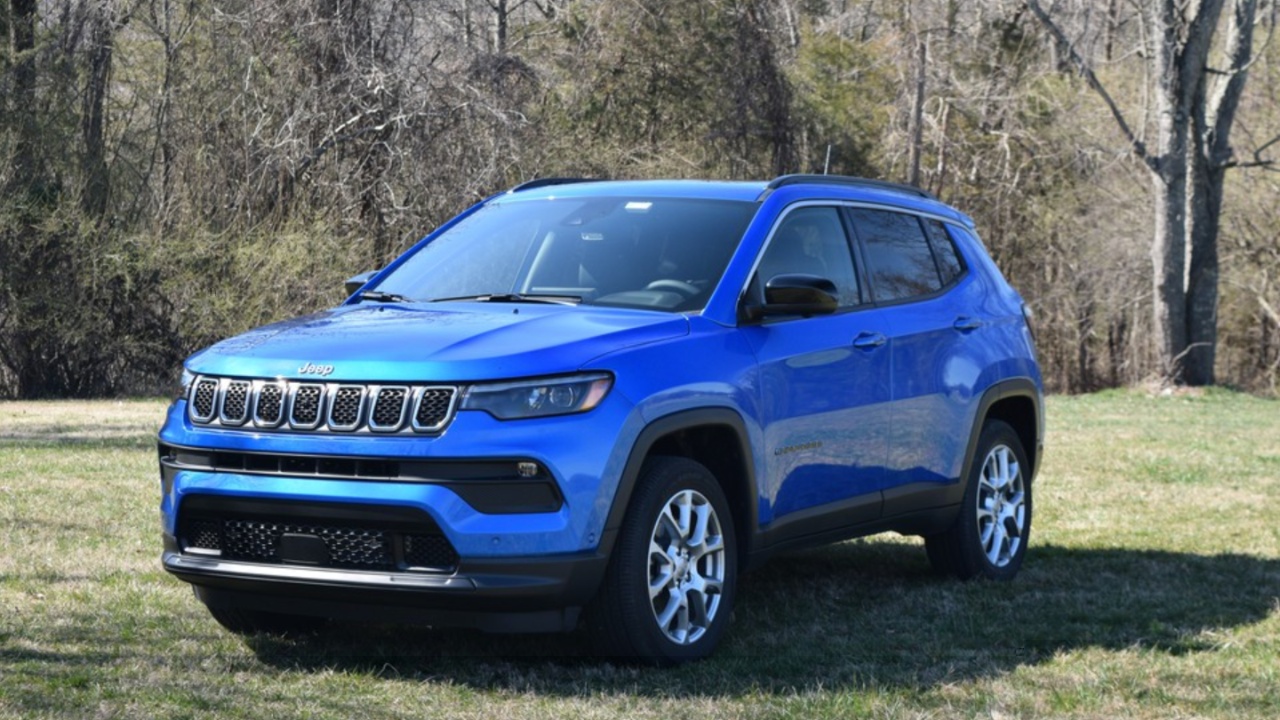
2. 2023 Jeep Compass: A Capable Compact SUV with Mixed Results
The 2023 Jeep Compass stands out as a small crossover that merges everyday usability with genuine off-road ability. All versions come equipped with a turbocharged 2.0-liter four-cylinder engine producing 200 horsepower and 221 lb-ft of torque, paired with an eight-speed automatic transmission and standard four-wheel drive.
The Compass can tow up to 2,000 pounds and climb steep terrain with ease. Jeep’s Selec-Terrain Traction Management System allows drivers to tailor performance to various surfaces, while the Trailhawk trim adds off-road enhancements such as low-range gearing, skid plates, tow hooks, and higher ground clearance. These features give the Compass a level of adventure readiness uncommon in its class.
The Compass accelerates from 0 to 60 mph in 8.3 seconds, which is quicker than many rivals in the extra-small SUV segment. However, its transmission tends to upshift too soon and downshift too slowly, causing hesitation during passing maneuvers.
Ride comfort is impressive, yet the vehicle struggles with body roll around corners and grabby brakes at low speeds. Drivers who select the Trailhawk trim gain superior trail performance compared to competitors like the Subaru Crosstrek.
Visibility can be an issue due to thick pillars and a high beltline, though the optional surround-view camera alleviates this concern. The Compass includes several driver assistance features, but systems such as lane keeping can feel twitchy, and frequent warning sounds can become intrusive.
Inside, the front seats are soft but lack support, and the head restraints tilt too far forward for comfort. Cabin space is generous for front occupants, with decent rear legroom but limited headroom. Entry and exit can be awkward due to narrow door openings.
The climate control system regulates temperature effectively, though fan noise and constant engine and road sounds detract from cabin serenity. Control placement is confusing, as several functions are mixed among the climate and infotainment controls or buried within the touchscreen menus.
The 10.1-inch touchscreen offers crisp graphics but suffers from lag and occasional freezing. The interface can be difficult to navigate, though its customizable home screen and smooth wireless Apple CarPlay and Android Auto integration are bright spots. Cargo capacity is strong for its class at 27.2 cubic feet, but small-item storage is lacking due to narrow door pockets and a small center console.
With an EPA estimate of 27 mpg combined, the Compass trails several competitors in efficiency, and real-world tests show closer to 25 mpg. Pricing places it in the compact SUV range despite its smaller size and limited refinement. The 2023 Jeep Compass offers credible off-road ability, modern styling, and solid utility, but its noisy cabin, sluggish transmission, and confusing controls keep it from reaching the top of its class.
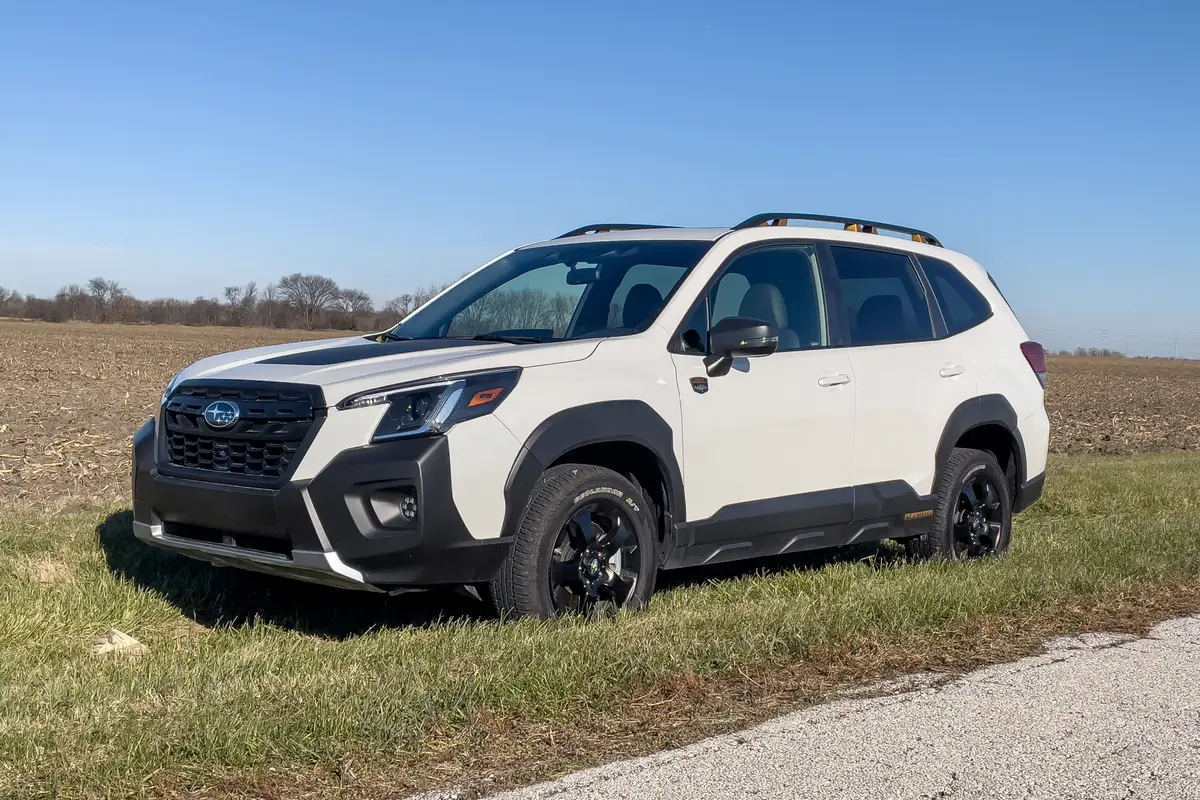
3. 2022 Subaru Forester: Dependable Adventure Meets Everyday Practicality
The 2022 Subaru Forester continues Subaru’s tradition of building reliable, capable, and practical compact crossovers. It stands out for its symmetrical all-wheel drive system, which distributes power evenly to all four wheels for improved traction and stability across a variety of terrains.
The X-Mode system further enhances off-road control by adjusting the engine, transmission, and braking systems. Among its different trims, the Wilderness edition is the most off-road ready, offering all-terrain tires, a skid plate, low-speed gearing, and 9.2 inches of ground clearance.
A front-view camera helps the driver see obstacles ahead, providing extra confidence on rough trails. While the Forester cannot match the Jeep Wrangler’s ruggedness, it performs better off-road than most compact SUV rivals.
All Forester models come with a 2.5-liter four-cylinder engine that produces 180 horsepower. Acceleration is underwhelming, taking 9.2 seconds to reach 60 mph, which makes highway merging and overtaking more difficult.
The continuously variable transmission (CVT) and limited low-end torque contribute to its sluggish response. The ride quality is another weak point, as the suspension can feel busy and unsettled on uneven roads. The adaptive cruise control and lane-centering assist systems also react slowly and can be inconsistent.
Handling and braking are competent, with good grip and stability, though they remain average compared to class leaders. When the road turns unpaved, the Forester proves its worth with impressive traction and ground clearance that allow it to perform well in outdoor conditions.
One of the Forester’s best traits is its ease of entry and exit. Wide door openings and ideal seat heights make it comfortable for people of all ages to get in and out. The cabin provides generous headroom and supportive seating, especially in the front, where the well-padded seats fit a wide range of body types.
The interior is functional and features an 11.6-inch tablet-style touchscreen with large icons that are easy to read. The climate controls are simple and always visible, while physical switches such as those for the heated seats are practical and straightforward.
Road and wind noise are moderate, and the engine stays quiet during normal driving but sounds coarse during strong acceleration.
The infotainment system is not as modern as those in newer rivals like the Kia Sportage, but it is intuitive and simple to operate. The available Harman Kardon sound system provides clear, rich audio.
Connectivity features include USB-A and USB-C ports, wireless charging, and wireless smartphone integration, though the charging pad lacks grip. Small-item storage is limited, with average door pockets and a small center console, but cargo space is generous.
Despite modest official measurements, the Forester can hold more luggage than many competitors, matching the Toyota RAV4 and Hyundai Tucson. Standard roof rails add practicality, and towing capacity is 1,500 pounds, suitable for small trailers or equipment.
The 2022 Subaru Forester offers an appealing mix of capability, comfort, and practicality at a fair price. Its standard all-wheel drive, solid safety reputation, and strong reliability make it a good choice for adventure-oriented drivers and families.
However, slow acceleration, average refinement, and limited cabin storage hold it back from being a top contender. For buyers who value off-road ability and everyday versatility, the Forester remains a dependable and well-rounded compact SUV.
4. 2023 Jeep Cherokee: Rugged Capability Meets Everyday Comfort
The 2023 Jeep Cherokee continues its reputation as a compact SUV that blends rugged off-road strength with daily driving comfort. Offered in two trims, the Cherokee comes standard with four-wheel drive and offers two powertrains, the most capable being the turbocharged 2.0-liter four-cylinder engine that produces 270 horsepower and 295 lb-ft of torque.
The Trailhawk trim is designed for adventure, equipped with all-terrain tires, skid plates, tow hooks, a locking rear differential, and low-range gearing. With 8.7 inches of ground clearance, a Selec-Terrain system with five drive modes, and features like hill descent control, the Cherokee delivers confident performance on challenging trails while maintaining comfort on paved roads.
The Cherokee surprises with its responsive steering and balanced handling, offering a sense of stability often missing in off-road-oriented SUVs. The nine-speed automatic transmission can feel hesitant, but the turbo engine makes up for it with strong power delivery and smooth acceleration.
The brake pedal feels natural and allows for easy, controlled stops, while off-road performance remains above average in this class. Drivers can choose from trims with varying levels of off-road equipment, allowing customization based on driving needs.
The ride comfort is solid on rough roads, though it struggles slightly on wavy pavement where body motions are more noticeable. The seats are comfortable and feature breathable materials, offering support for long trips without feeling restrictive. Road and wind noise levels are moderate, keeping the cabin fairly quiet for everyday driving.
The climate control system performs well, with controls that are simple to locate and operate. Seat and steering wheel heaters activate quickly and automatically appear on the touchscreen at startup, adding convenience during cold weather.
Inside, the Cherokee offers ample headroom and legroom, especially in the rear. Visibility is excellent thanks to large windows and minimal blind spots. The Uconnect infotainment system is intuitive, with clear menus, responsive controls, and large knobs for easy adjustment.
The available 8.4-inch touchscreen enhances visibility and usability. Apple CarPlay and Android Auto integration come standard, along with multiple USB ports and optional premium audio. Voice commands work smoothly for phone calls, media, and climate control. Higher trims include driver assistance features such as adaptive cruise control and lane keeping assist.
Cargo space measures 24.6 cubic feet, which is smaller than some rivals, but the adjustable load floor and low liftover height improve practicality. Cabin storage is generous, with multiple compartments for small items.
Child seat anchors and tethers are easy to access, and the optional tow package boosts towing capacity to 4,500 pounds, one of the best figures in its class. Fuel economy for the V6 engine averages 22 mpg, while the turbo 2.0-liter offers better efficiency and stronger performance.
The 2023 Jeep Cherokee delivers genuine off-road capability, comfortable seating, and easy-to-use technology, making it appealing for drivers seeking adventure without sacrificing daily comfort. While it trails competitors in fuel economy and cargo volume, its rugged construction, available Trailhawk features, and Jeep heritage make it a dependable and capable choice in the compact SUV segment.
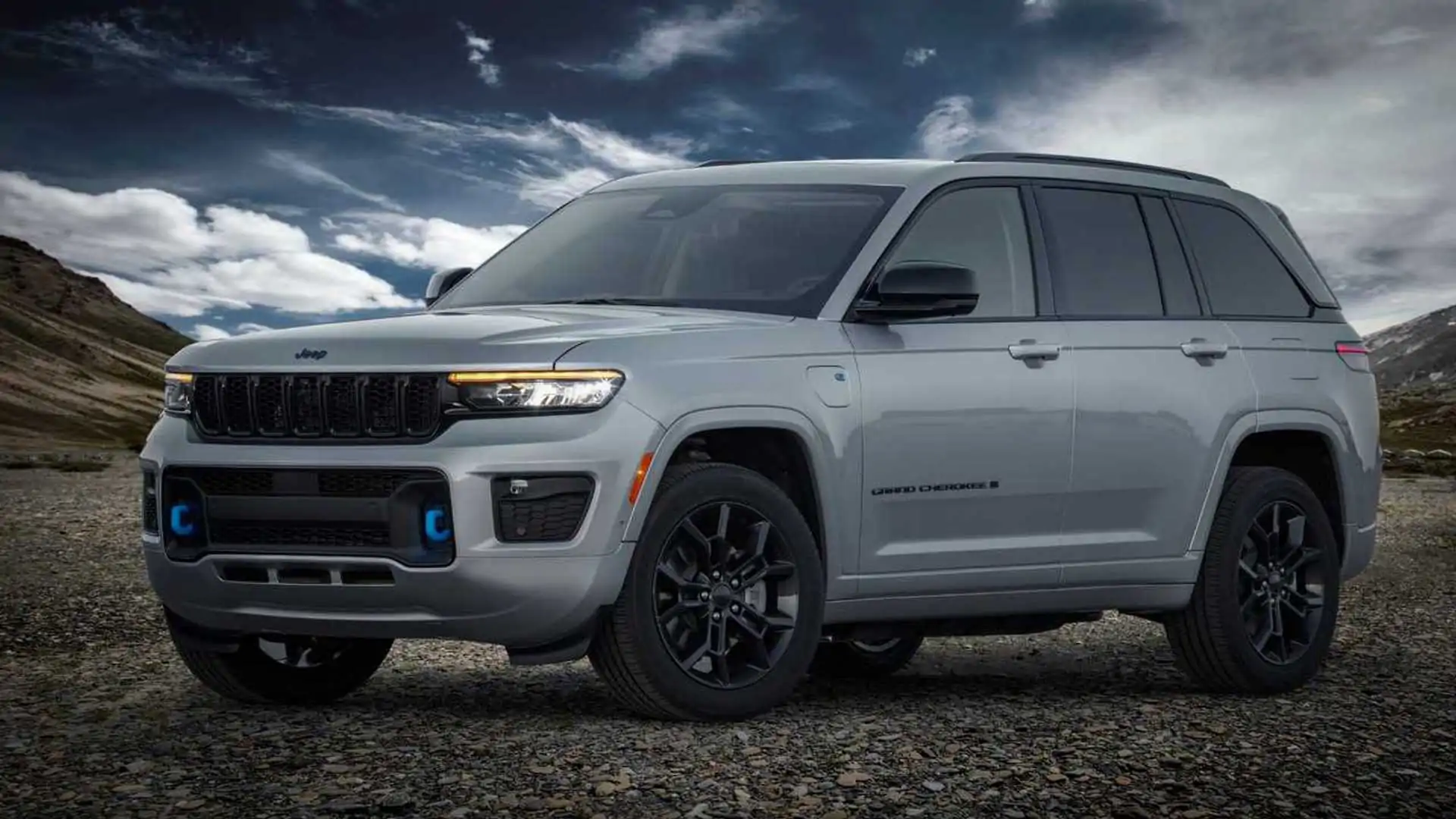
5. 2023 Land Rover Discovery Sport: Luxury, Versatility, and True Off-Road Confidence
The 2023 Land Rover Discovery Sport stands out as a compact luxury SUV that blends refinement with real off-road ability. Since its debut in 2014, it has appealed to adventure-minded drivers who want capability without sacrificing comfort or style.
Every model comes with standard all-wheel drive, hill descent control, and Terrain Response 2 drive modes that adjust traction for different surfaces. An available wading sensor system and All Terrain Progress Control further enhance confidence on trails or in harsh weather. With seating for up to seven passengers and a towing capacity of 4,409 pounds, the Discovery Sport offers practicality wrapped in premium appeal.
The Discovery Sport uses a 2.0-liter turbocharged four-cylinder engine that produces 246 horsepower. While it delivers solid power, there is some turbo lag and slow acceleration, taking 7.5 seconds to reach 60 mph, which is slower than many rivals such as the Mercedes-Benz GLC.
The nine-speed automatic transmission and standard all-wheel drive make it smooth and sure-footed on various terrains. It can even wade through 23.6 inches of water, demonstrating its strong off-road credentials. Handling is not particularly sharp, but the Discovery Sport provides a comfortable and composed ride, especially suited for long-distance cruising.
The Discovery Sport’s EPA estimates of 19 mpg city, 23 mpg highway, and 20 mpg combined are below average for the luxury compact SUV class. In real-world testing, it achieved 21 mpg on the highway, which is less efficient than competitors like the BMW X3 M40i and Acura RDX. Fuel economy remains one of its weaker points.
Inside, the Discovery Sport reflects Land Rover’s premium craftsmanship with a clean dashboard design and high-quality materials. The cabin can be fitted with sustainable upholstery, heated seats, and a panoramic glass roof.
The 12-way power-adjustable front seats and dual-zone climate control create a refined and comfortable environment for long trips. With 28 cubic feet of cargo space behind the second row, it offers more room than the Audi Q5 but slightly less than the Cadillac XT5. Optional third-row seats add flexibility for families needing occasional extra seating.
The newest Pivi Pro infotainment system features an 11.4-inch touchscreen and a digital instrument cluster. Wireless Apple CarPlay, Android Auto, Amazon Alexa, and an 11-speaker Meridian audio system come standard. Optional features such as a head-up display and Wi-Fi hotspot improve convenience and connectivity.
The Discovery Sport includes advanced safety systems such as adaptive cruise control, lane-keeping assist, and automatic emergency braking with pedestrian detection. Land Rover provides a four-year or 50,000-mile warranty that matches most rivals, although free maintenance is not included.
For drivers who value style, comfort, and authentic off-road performance, the 2023 Land Rover Discovery Sport offers an appealing balance of luxury and adventure. It may not be the fastest or most efficient option, but its capable chassis, refined interior, and versatile design make it a strong choice for those seeking both sophistication and rugged ability.
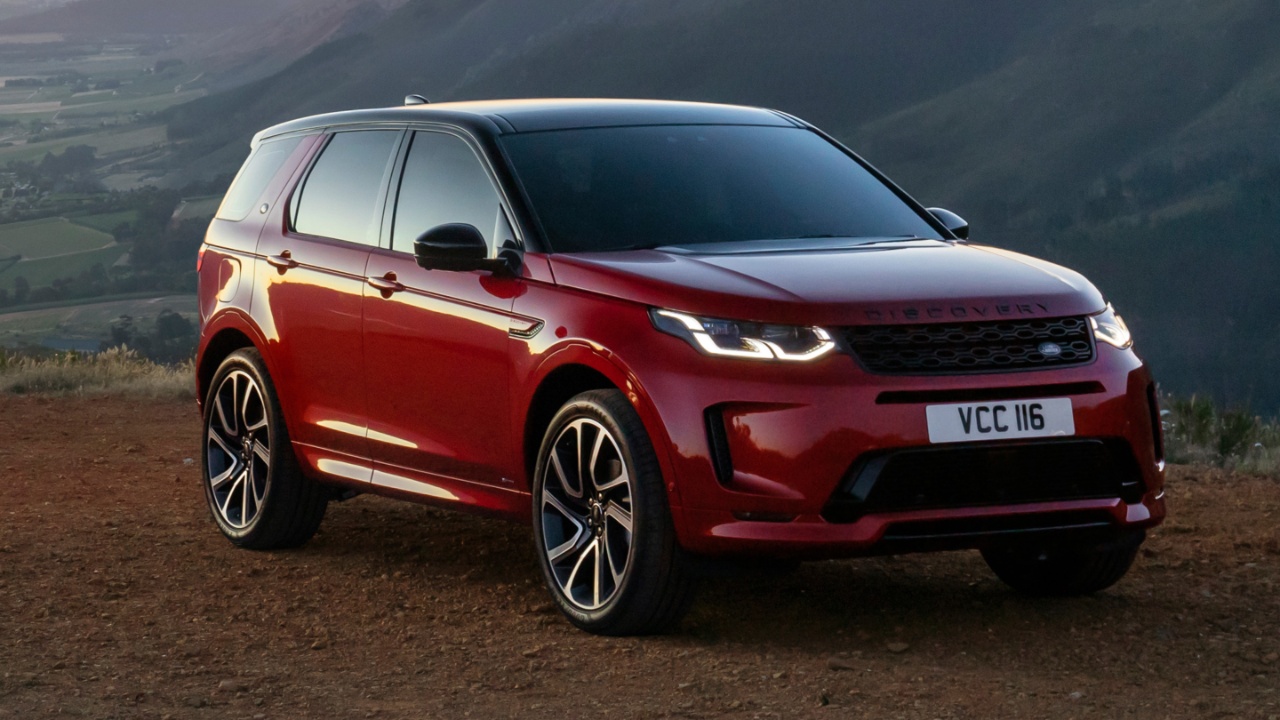
6. 2023 Toyota 4Runner: A Classic Off-Roader Built for Adventure
The 2023 Toyota 4Runner continues its legacy as one of the most capable off-road SUVs available today. Celebrating over 40 years of exploration, the latest model embraces its rugged heritage while introducing a special edition with unique exterior and interior touches.
Power comes from a 4.0-liter V6 engine that delivers 270 horsepower and 278 lb-ft of torque, paired with a five-speed automatic transmission. Built on a body-on-frame design, the 4Runner offers strength and durability ideal for off-road adventures.
The 4Runner is designed for the trail rather than the highway. It includes a locking rear differential, a two-speed transfer case, and skid plates for protection on rough terrain.
Systems such as Multi-Terrain Select, Crawl Control, and a multiview terrain camera enhance its off-road performance and make it one of the most trail-ready vehicles in its class.
On pavement, the V6 engine provides solid acceleration, reaching 0–60 mph in 8.2 seconds, though handling and ride quality lag behind more road-focused rivals. The suspension feels busy, and there is noticeable body roll on turns.
Steering requires more input than expected, but it remains light and predictable. The 4Runner does, however, excel in reliability and safety, offering adaptive cruise control, lane keeping assist, and blind-spot monitoring as standard features.
Inside, the 4Runner prioritizes function over form. The front seats are comfortable and supportive, but rear-seat legroom and headroom are tight, making long rides less pleasant for passengers.
The small rear doors also make installing child seats difficult. While the cabin insulation is decent, engine noise becomes noticeable during hard acceleration. The climate control system is a highlight, featuring large, tactile knobs that are easy to use, even with gloves on.
Cargo space is generous, with 48.4 cubic feet behind the second row and a maximum towing capacity of 6,000 pounds, allowing for solid utility. However, with the optional third-row seats up, cargo capacity shrinks significantly to 12.1 cubic feet. Interior storage is average, but the cabin includes practical touches like door pockets, a small dashboard shelf, and a clever bin near the shifter.
Depending on the trim, buyers get either an 8-inch or 14-inch touchscreen with wireless Apple CarPlay and Android Auto. Toyota’s built-in navigation and voice command system works smoothly, though continued access requires a paid data plan after a trial. Multiple USB ports and an available wireless charger keep devices powered on the go.
The 4Runner is not fuel-efficient by modern standards, averaging 21 mpg combined for 4WD models and 22 mpg for 2WD versions. The hybrid variant improves slightly to 23 mpg. Pricing varies widely, from relatively affordable base models to TRD Pro and Trailhunter trims exceeding $60,000. Despite its cost, the build quality is excellent, and it feels solid both on and off the road.
The 2023 Toyota 4Runner is not built for comfort or efficiency but for those who seek adventure, dependability, and genuine off-road strength. It performs best when taken off the beaten path, where its rugged design, strong V6 engine, and advanced trail systems prove why it remains a favorite among outdoor enthusiasts.
Also Read: 10 Cars That Still Look Brand-New With a Simple Wash
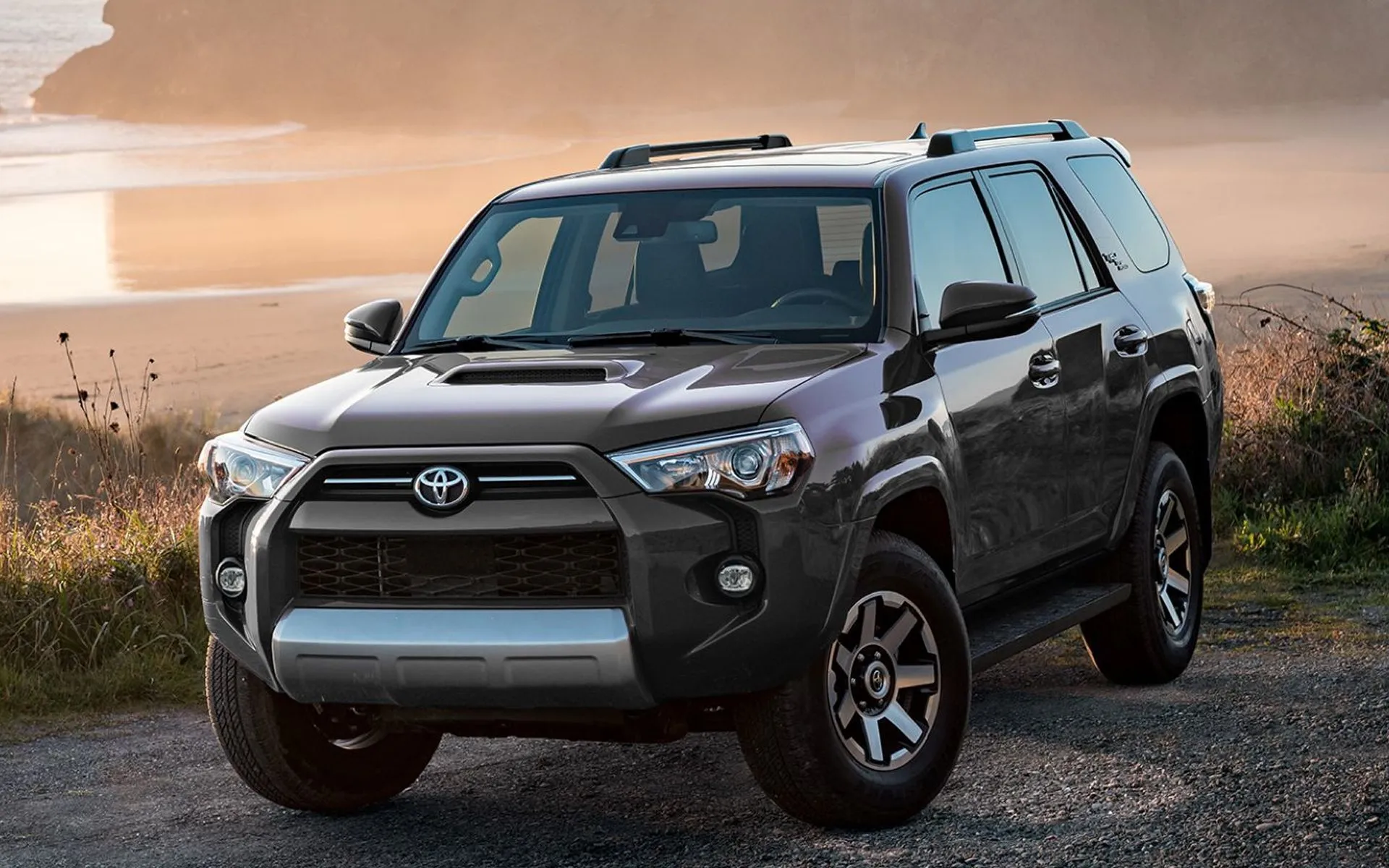
7. 2023 Suzuki Jimny: A Compact Legend That Blends Charm and True Off-Road Capability
The Suzuki Jimny is one of the most recognizable small SUVs ever made, combining rugged performance with irresistible charm. First launched in 1970, the Jimny is now in its fourth generation, continuing to deliver genuine off-road ability in a tiny, capable package.
Built on a ladder-frame chassis with solid axles, coil springs, and a low-range transfer gear, it is designed to handle mud, snow, sand, and rocky trails with ease. Its compact size, ample ground clearance, and impressive approach and departure angles make it one of the most agile off-roaders on the market. The Jimny is not just a vehicle but a lifestyle statement for those who crave adventure and simplicity.
Despite its compact proportions, the Jimny carries bold, rugged styling that recalls larger icons like the Mercedes G-Class but in a more approachable scale. Under the hood sits a 1.5-liter four-cylinder petrol engine producing 100 horsepower and 95 lb-ft of torque. It is paired with a five-speed manual transmission and standard four-wheel drive.
The automatic variant, with a four-speed gearbox, is slower and less engaging. The Jimny’s acceleration is modest, taking roughly 12 seconds to reach 62 mph, but that’s beside the point; it thrives off-road rather than on highways. Its top speed is around 90 mph, though efficiency is not its strong suit, with an average of 36.7 mpg and 173 g/km CO₂ emissions.
The Jimny’s performance comes from its traditional engineering approach. It remains one of the few vehicles in its class with a true ladder-frame construction and low-range gearing, which allows it to crawl over difficult terrain. While it may feel bouncy and slow on paved roads, the Jimny shines in nature, where its simplicity and reliability become its greatest strengths.
Inside, the cabin is as functional as the exterior is charming. The dashboard layout is simple, with wipe-clean surfaces and easy-to-reach controls suited for outdoor use. There’s a sense of honesty in its design; nothing feels unnecessary.
The Jimny’s compact footprint does limit space, but it is surprisingly comfortable for front passengers. Later models include hill descent control, a larger boot, and hill hold assist for extra convenience.
Suzuki offers both a two-seater Light Commercial Vehicle (LCV) version and limited passenger variants. Because of emissions regulations, Jimnys were briefly withdrawn from Europe in 2020 and reintroduced as commercial models in 2021. Supply remains extremely limited, making used Jimnys highly sought after, often selling above their original retail price.
The Jimny is not fast, refined, or luxurious, but it is full of character. It is a pure, purpose-built off-roader that prioritizes function over form. Its flat roof, boxy proportions, and steel wheels highlight its utilitarian focus, while its adorable styling and compact size make it deeply appealing.
On the road, it feels old-fashioned but endearing, requiring deliberate steering and gear changes. Off the road, it transforms into a fearless machine capable of tackling terrain that would stop many larger SUVs.
The 2023 Suzuki Jimny is an antidote to the modern crossover, an unpretentious, capable, and fun off-roader. It may have flaws like limited space and average safety ratings, but its spirit, design, and joyful driving experience make it a true cult favorite. For those lucky enough to find one, the Jimny offers something rare today: genuine adventure in a compact, charming form.
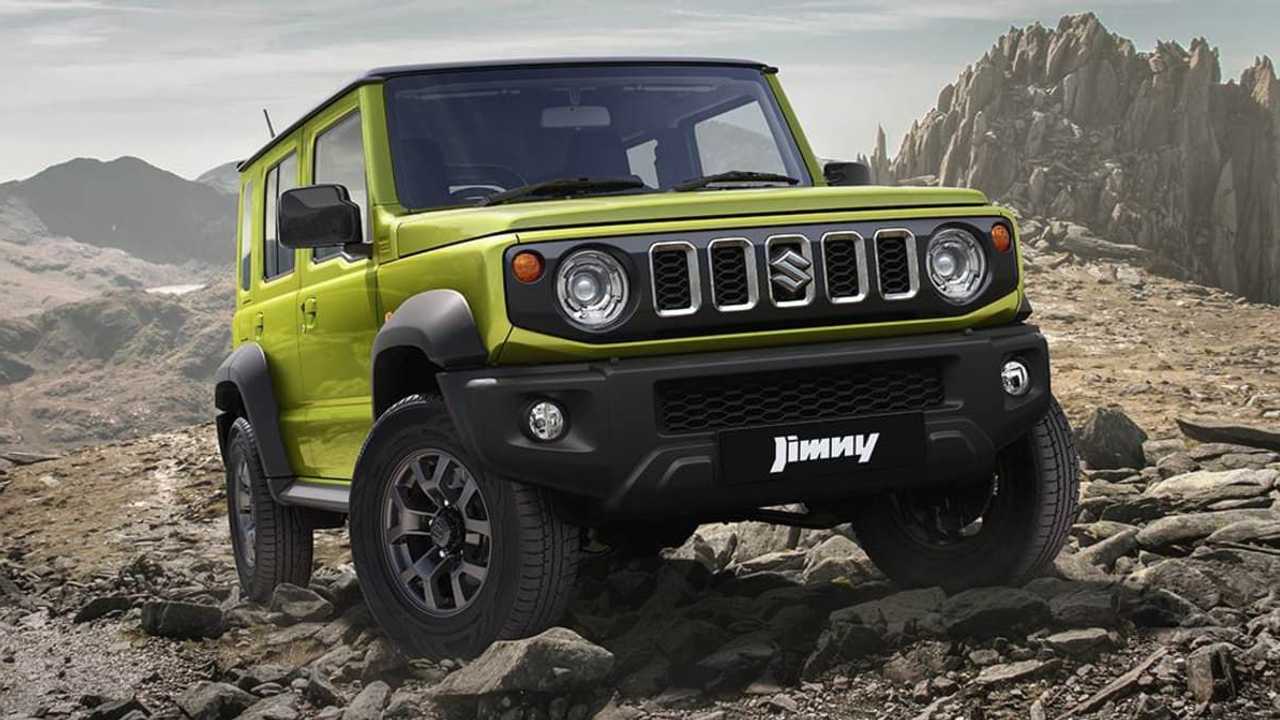
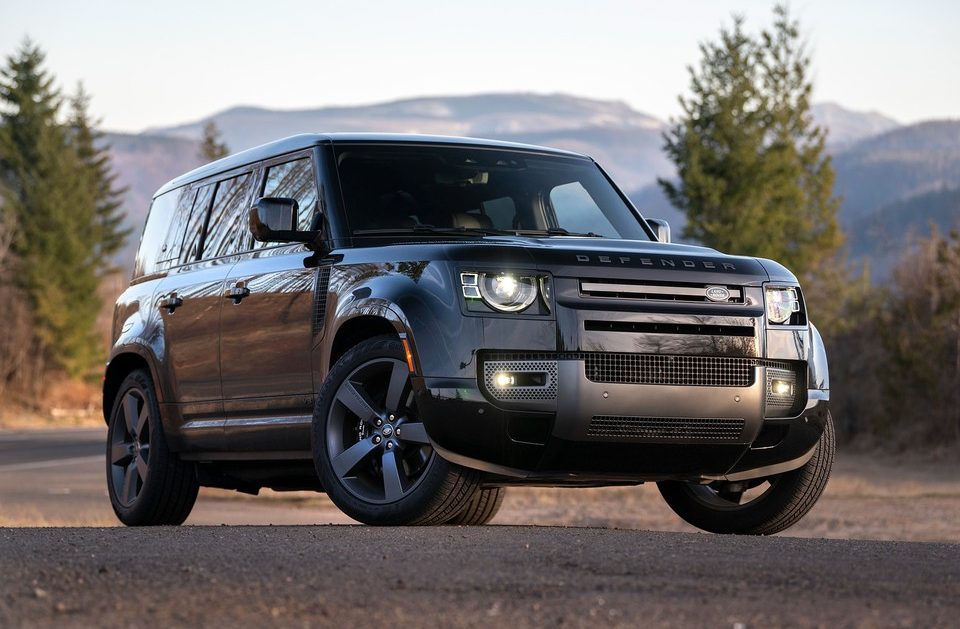
8. 2023 Land Rover Defender: Blending Heritage with Modern Strength
The 2023 Land Rover Defender carries forward one of the most recognized names in off-road history while embracing modern refinement and technology. Once a purely utilitarian vehicle built for exploration, the latest Defender evolves into a sophisticated yet rugged SUV capable of handling both wilderness trails and city streets.
Built on a rigid unibody platform instead of the old body-on-frame design, it delivers exceptional stiffness and stability, improving comfort and handling without compromising durability.
At its core, the Defender remains an off-road specialist. Features such as adaptive air suspension, Terrain Response modes, and a two-speed transfer case allow it to tackle nearly any environment.
The suspension can raise ground clearance to 11.5 inches, and systems like ClearSight Ground View and wade sensing enhance visibility and confidence on challenging terrain. The Defender can ford water up to 35.4 inches deep, and available accessories like a snorkel intake emphasize its adventurous intent.
The powertrain lineup is led by a 395-horsepower inline six-cylinder engine, which delivers smooth acceleration and strong towing ability. The Defender 110 reaches 60 mph in 6.7 seconds, while the smaller Defender 90 does it in 6.2 seconds.
Despite its hefty 5,500-pound weight, the Defender maintains composed performance and responsive braking. On paved roads, it feels surprisingly stable, with precise steering and an air suspension that softens bumps effectively.
Inside, the Defender balances utility and comfort. The cabin offers ample headroom and legroom, with upright seating that provides excellent visibility. The Defender 110 easily accommodates passengers in both rows, while the Defender 90 offers a cozier setup with tighter rear access.
The driver’s seat has broad adjustment options, and available heating and ventilation add a premium touch. Practical touches such as grab handles, rubberized surfaces, and large windows highlight the Defender’s focus on usability.
The dashboard features durable materials and a simple, functional layout, though the shared climate and drive mode dials may take some getting used to.
A large touchscreen infotainment system, Apple CarPlay, Android Auto, and a digital gauge cluster come standard. The system responds quickly, while the surround-view camera aids both parking and trail driving.
The Defender 110 provides 34 cubic feet of cargo space, and its air suspension can be lowered for easier loading. The side-hinged tailgate adds character but limits convenience in tight spaces. When properly equipped, the Defender can tow up to 8,200 pounds, making it one of the most capable vehicles in its class.
Starting near $55,000, the Defender offers a compelling mix of luxury, durability, and capability, often undercutting pricier rivals like the Toyota Land Cruiser and Mercedes-Benz G-Class. While some early units showed minor fit issues, the Defender’s robust build and engineering excellence stand out.
The 2023 Land Rover Defender redefines what an adventure SUV can be, combining classic toughness with advanced technology and modern comfort a true evolution of an off-road legend.
9. 2023 Jeep Wrangler: The Legendary Off-Roader Built for Adventure
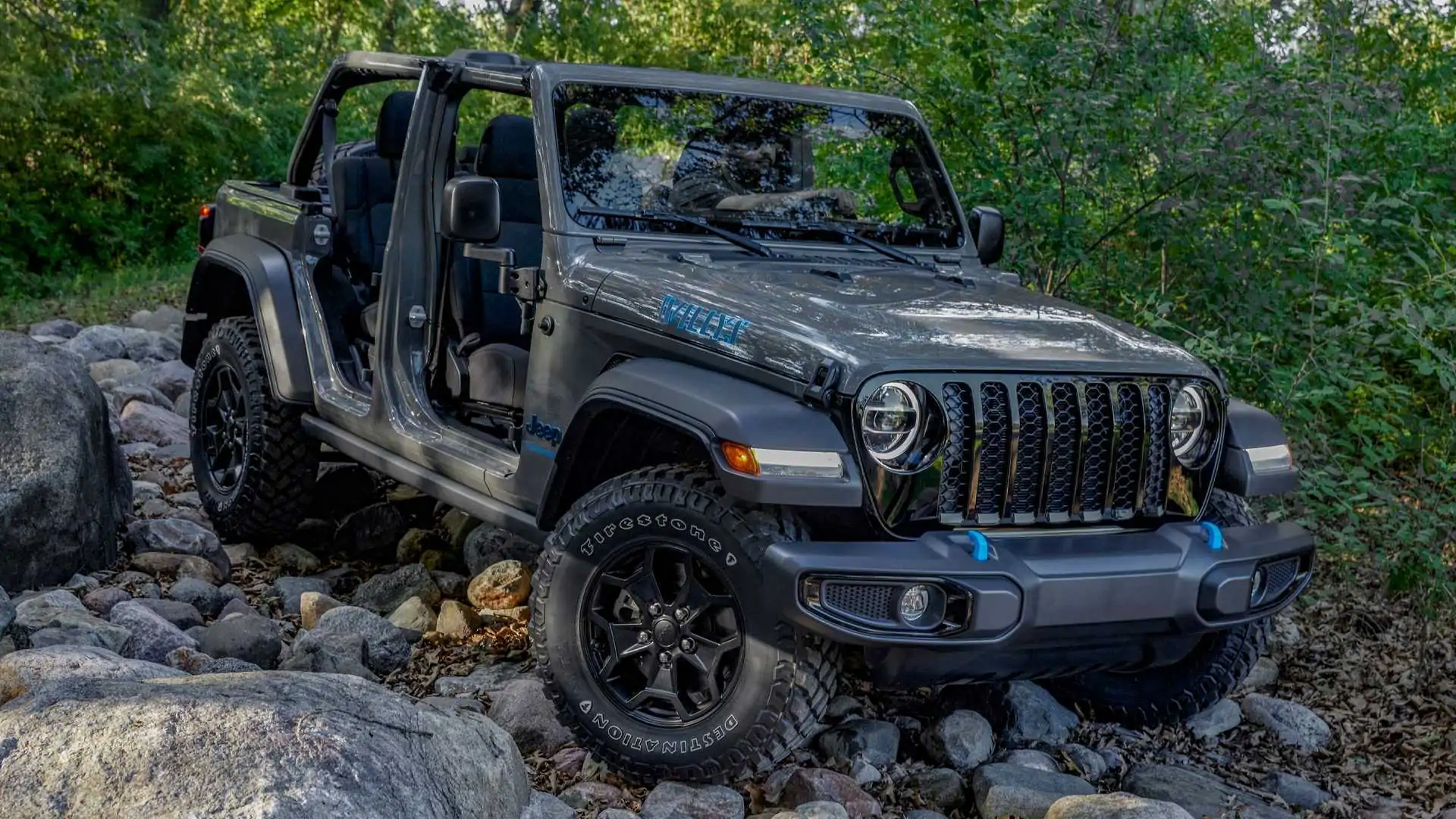
The Jeep Wrangler has been the symbol of rugged exploration since it first appeared in 1986. With roots that go back to the World War II military Jeep, it remains one of the most capable and distinctive off-road vehicles on the market.
The 2023 model continues that heritage with standard four-wheel drive, skid plates, and a two-speed transfer case designed for serious terrain. Depending on the trim, buyers can add 33-inch all-terrain tires, locking differentials, and rock rails, giving it as much as 12.9 inches of ground clearance.
The available 6.4-liter V8 engine produces 470 horsepower and 470 lb-ft of torque, providing the power needed for demanding trails.
The Wrangler truly shines when the pavement ends. The Rubicon trim and optional Xtreme off-road package increase its already impressive ability with 37-inch tires and extra ground clearance. Whether crossing rocks, mud, or sand, the Wrangler is built to handle nearly any challenge with confidence. The suspension softens impacts effectively, allowing it to remain stable even on rough terrain.
Driving on city streets or highways reveals a different side. The steering feels loose and often requires small corrections to stay centered, and the V6 engine delivers modest acceleration. Braking distances are long compared to some rivals. Despite this, available driver-assist features such as blind-spot warning and adaptive cruise control help improve convenience, although these features are optional for most trims.
Comfort is not the Wrangler’s main focus. The front seats are flat and firm, and long drives can be tiring. Wind and tire noise are noticeable, especially when the roof or doors are removed. The narrow cabin and upright windshield create a classic, utilitarian atmosphere, though competitors like the Ford Bronco provide more interior room.
The step-in height is quite tall, which may make entry difficult for shorter passengers. Once inside, the driver enjoys a commanding view of the road and a set of simple, clearly marked controls. Installing a child seat in the four-door Unlimited model is straightforward, but space can be tight with larger seats.
The Uconnect touchscreen is bright, responsive, and easy to use. Wireless Apple CarPlay and Android Auto are standard, and off-road apps add useful features for trail enthusiasts. Cargo space benefits from the Wrangler’s boxy shape, but the Ford Bronco offers a bit more room. The Wrangler can tow up to 5,000 pounds and can also be flat-towed behind an RV.
Fuel economy ranges from 17 to 21 mpg combined, depending on trim and engine choice, which is typical for an off-road SUV.
The 2023 Jeep Wrangler remains a true icon for adventure lovers. It may be noisy and firm on highways, but its heritage, customization options, and unmatched off-road strength make it one of the most authentic and capable SUVs ever created.
10. 2023 Ford Bronco: The Reborn Icon of Off-Road Adventure
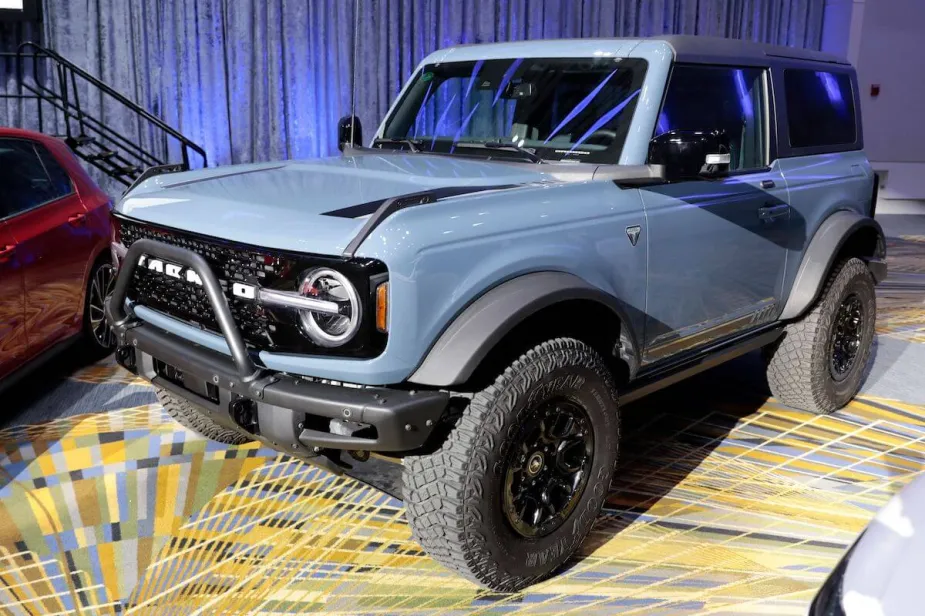
After a 25-year break, the Ford Bronco has returned as one of the most capable and versatile off-road SUVs available. Every model comes equipped with four-wheel drive, a rugged chassis, and a variety of off-road tools.
Depending on trim, ground clearance ranges from 8.3 to 13.1 inches, and the Terrain Management System offers up to seven GOAT (Goes Over Any Terrain) modes. Features such as locking differentials, multiple skid plates, and an intake snorkel enhance its trail ability, while higher trims add V6 engines, 12-inch touchscreens, and oversized all-terrain tires. Drivers can also remove the roof and doors for a true open-air experience.
The Bronco performs well both off-road and on pavement. With either the turbocharged four-cylinder or the more powerful turbocharged V6, power delivery feels strong and consistent.
The 10-speed automatic transmission shifts smoothly, and acceleration tests recorded times between 8.4 seconds and 7 seconds, depending on engine and body style.
Braking distances are longer than average for the class, partly due to the aggressive tire setup, but steering precision is a standout feature. The independent front suspension helps the Bronco remain stable at highway speeds, setting it apart from traditional truck-based rivals.
Ride quality is firm but not harsh, maintaining a good balance between ruggedness and comfort. The rearview camera system offers excellent clarity, improving confidence when maneuvering in tight spaces or rough environments.
Inside, the Bronco feels more refined than its closest competitor, the Jeep Wrangler. The front seats are supportive, and the driving position provides ample room without forcing an upright posture. Both rows offer generous space, and the second row can easily accommodate rear-facing child seats.
The climate system performs well, and heated seats warm up quickly on cold days. However, the removable hardtop allows noticeable wind noise at higher speeds, and some rattles appeared during testing.
The Sync 4 infotainment system is easy to use, with clear menus and useful off-road features such as “Include 4×4 roads” when planning routes. It includes wireless Apple CarPlay and Android Auto, six USB ports, and several off-road apps.
Cargo space benefits from the Bronco’s larger size compared to the Wrangler. The swing gate opens sideways, and the rear glass lifts easily on hardtop models. Most trims can tow up to 3,500 pounds, while the Raptor version increases that to 4,500 pounds.
The Bronco provides serious off-road hardware across a wide price range, making it more accessible than some competitors. While interior materials can feel basic in places, they are designed for durability. Fuel economy ranges from 18 to 20 mpg combined, typical for this class, with real-world averages around 16 to 17 mpg for V6 versions.
The 2023 Ford Bronco combines rugged strength with surprising refinement. Its capable performance, open-air freedom, and nostalgic design make it one of the most engaging off-road SUVs on the market today.
11. 2025 Toyota RAV4: The Original Crossover Refined for Modern Life
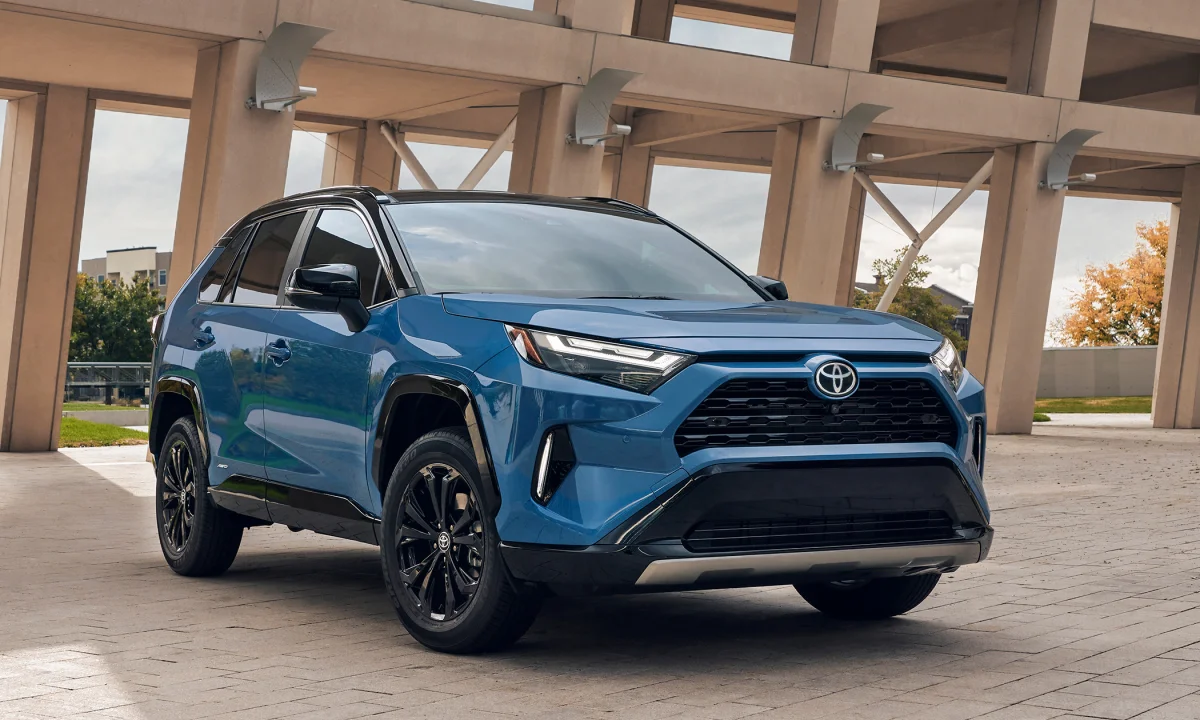
The Toyota RAV4 is often credited with creating the crossover SUV segment. Since its debut in the 1990s, it has evolved into one of the most popular vehicles in the world, combining practicality, efficiency, and light off-road ability.
The current generation, entering the 2026 model year, continues this legacy with refreshed styling, updated technology, and a fully hybrid lineup. Available trims cater to a wide range of drivers, from commuters to adventure seekers, with the Woodland Edition standing out for its off-road capability thanks to raised ground clearance, all-terrain tires, and standard all-wheel drive.
The RAV4 delivers a smooth and confident ride that makes it a strong choice for everyday use. Its 2.5-liter inline-four hybrid engine provides between 226 and 320 horsepower, depending on configuration.
Around town, acceleration is adequate, though not exciting. In testing, a non-hybrid RAV4 reached 60 mph in 9.1 seconds, slower than some rivals. Steering precision is one of its weaker points, as the system can feel vague and light at the center.
The Limited trim benefits from an upgraded all-wheel-drive system featuring torque vectoring and hill descent control, giving it better-than-average off-road performance for a compact SUV. The driver assistance suite, including adaptive cruise control, lane keeping assist, and automatic emergency braking, comes standard and functions reliably, though some competitors offer more advanced features.
Comfort is one of the RAV4’s strengths. The driving position is natural, with easy entry and exit, though the front passenger seat is positioned high and lacks height adjustment on many trims. Controls are clearly labeled and within reach, with large rubberized climate dials and a logical layout. Rear seating is spacious, and installing child safety seats is straightforward thanks to well-placed LATCH anchors.
The RAV4 includes an 8-inch touchscreen on base models and a 10.5-inch display on the Limited trim. Both use Toyota’s latest infotainment system, which supports wireless Apple CarPlay and Android Auto.
Voice commands and navigation are simple to use, and menus are easy to access. Cargo capacity is excellent, offering 37.5 cubic feet behind the rear seats and 69.8 cubic feet when folded. Numerous interior storage bins and shelves add everyday practicality.
Fuel economy is a major selling point, with EPA ratings between 28 and 30 mpg combined, and real-world averages near 29 mpg. Interior materials feel durable and well-assembled, particularly on higher trims featuring synthetic leather upholstery and soft-touch surfaces. Toyota’s two years or 25,000 miles of free maintenance adds value to its average warranty coverage.
The 2025 Toyota RAV4 remains one of the most well-rounded compact SUVs. It balances efficiency, comfort, and practicality with just enough off-road capability to handle adventure when called upon.
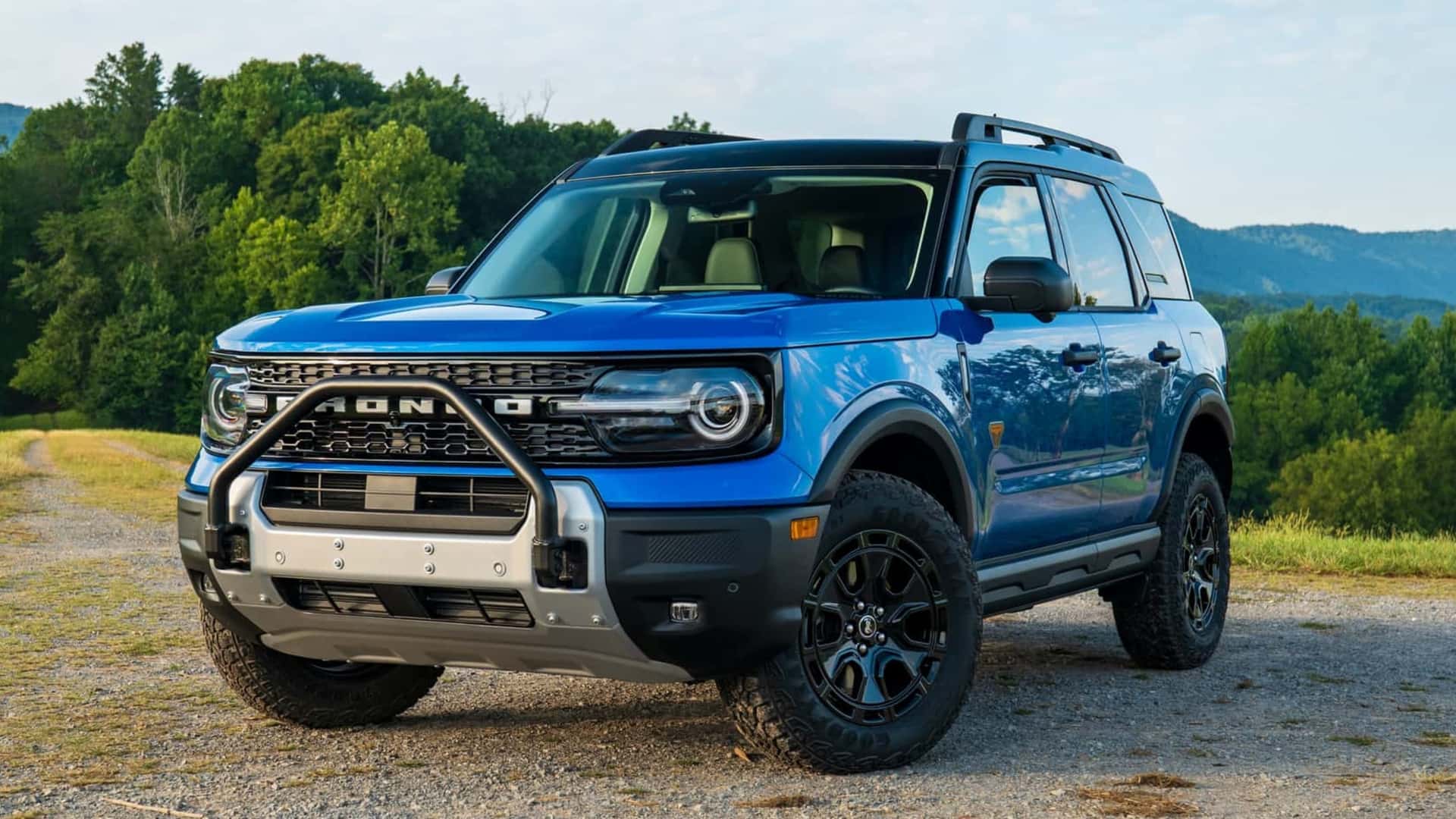
12. 2025 Ford Bronco Sport: Compact Size, Big Off-Road Personality
The Ford Bronco Sport brings rugged adventure to the compact SUV segment. Introduced in 2020 as the smaller sibling to the full-size Bronco, it blends the brand’s off-road heritage with the practicality of a crossover.
Built on Ford’s C2 platform, which it shares with the Maverick and Escape, the Bronco Sport captures the spirit of its larger counterpart with retro-inspired styling and genuine capability. The 2025 model year introduces new updates, including underbody protection, modular bumpers, and accessory-ready switches, enhancing its readiness for outdoor exploration.
The Bronco Sport offers two turbocharged engine options: a 1.5-liter three-cylinder with 180 horsepower and a 2.0-liter four-cylinder with 250 horsepower. The larger engine, standard in the Badlands trim, delivers lively acceleration and strong low-end torque, reaching 0–60 mph in about six seconds. While the smaller engine handles daily driving well, it feels modest under heavy loads.
Ride quality depends on trim and tire choice. The off-road-focused Badlands model, especially when paired with the Sasquatch package, gains all-terrain tires, skid plates, and a locking rear differential, making it one of the most capable small SUVs off-road.
However, those same features bring a firmer, bouncier ride and longer braking distances on pavement. The G.O.A.T. (Goes Over Any Terrain) modes and Trail Control system simplify tackling rough terrain. Standard driver-assist features such as adaptive cruise control and lane keeping work smoothly and add convenience.
Inside, the Bronco Sport offers a roomy and functional cabin. The front seats provide good adjustability, including lumbar support, though they lack side bolstering. Rear headroom is generous, but legroom is tighter, and the narrow rear doors make installing child seats tricky.
Visibility is excellent, and most controls are easy to reach. The digital instrument cluster and climate system are user-friendly, though most climate functions are housed in the touchscreen.
Every Bronco Sport includes wireless Apple CarPlay and Android Auto, a 12.3-inch digital cluster, and a 13.2-inch infotainment screen. The system is clear and quick to use, though built-in navigation requires a subscription after the first year.
Cabin storage is well thought out, featuring rubberized cargo flooring, hooks, and under-seat compartments. The Badlands trim even adds rear underseat storage. Cargo versatility is enhanced with a two-tier organizer that can serve as a shelf or table.
The 1.5-liter engine delivers an estimated 27 mpg combined, while the 2.0-liter version achieves 23 mpg. Though not segment-leading, these figures are acceptable for a standard all-wheel-drive SUV. The Bronco Sport emphasizes durability over luxury, with sturdy materials that suit its rugged purpose. Pricing varies by trim, but each includes a robust tech suite and strong off-road credentials.
The 2025 Ford Bronco Sport successfully bridges everyday usability and true off-road fun, offering adventurous drivers a capable, compact SUV with unmistakable character.
The modern compact SUV and crossover segment offers more than just practicality it delivers true versatility for drivers who want comfort on the commute and confidence on unpaved roads.
Each model on this list balances size, efficiency, and ruggedness in its own way, from the luxury of the Land Rover Discovery Sport to the classic toughness of the Jeep Wrangler.
Features such as adaptive suspensions, advanced all-wheel-drive systems, and intelligent traction controls now make compact vehicles surprisingly capable when the pavement ends. These improvements show that you don’t need a full-size off-roader to enjoy stability and comfort on rough surfaces.
Whether you value affordability, fuel efficiency, or all-terrain performance, these 12 compact cars that actually ride well on rough roads prove that strength and refinement can coexist in one package, perfect for those who want to explore with ease while staying comfortable every mile of the journey.
Also Read: 5 Cars Mechanics Call Indestructible vs 5 They Don’t Trust