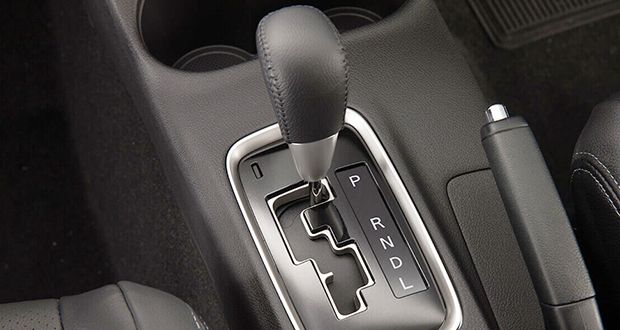
There’s something raw and addictive about rowing your own gears. That perfectly balanced clutch bite, that seamless engagement, it’s not just driving, it’s a conversation between man and machine.
But here’s the kicker: not all manuals are created equal. Some cars deliver buttery, long-lasting clutch performance that never gives up on you, while others?
They feel like they’re on borrowed time from day one. The difference comes down to engineering choices, materials, and how well the clutch system complements the transmission and torque output.
A good manual clutch should feel predictable, progressive, and built to take abuse, whether that’s spirited city shifts or high-speed weekend fun.
It should engage smoothly, resist glazing under heat, and last a decent 100,000 km or more with reasonable driving. But many manufacturers miss that mark.
Some modern manuals, especially those paired with turbocharged engines or lightweight flywheels, sacrifice durability for sharper response, which ends up being more frustrating than fun over time.
This article breaks down 5 manuals known for their tough, satisfying clutches the ones enthusiasts still rave about and 5 that let their owners down too soon, either by slipping early, costing a fortune to replace, or simply not feeling right from the start.
We’ll cover why they stand out (or fall short), what owners experience after years of use, and how the clutch feel actually translates to driving satisfaction.
Whether you’re looking to buy a used manual car or just want to nerd out about proper clutch engineering, this list tells it straight no fanboy filters, no manufacturer excuses. Just the real clutch heroes and heartbreakers.
5 Best Manuals With Satisfying, Long-Lived Clutches
These are the cars that remind you why manuals will never die. The clutch feels organic you can sense every bit of engagement through your foot. They bite consistently, hold torque without fuss, and seem to shrug off years of hard shifting like it’s nothing.
Whether it’s a nimble hatch or a muscular coupe, these five cars prove that a durable clutch doesn’t mean a stiff pedal or clunky engagement. Instead, they balance mechanical feel with long-term reliability, something most modern transmissions can’t quite match anymore.
Each of these manuals has been tested, driven, and loved by people who care about feel more than flash. The clutches don’t slip prematurely, don’t chatter at low RPMs, and don’t require rebuilds after 50,000 km.
Instead, they stay smooth, predictable, and ready for more abuse. If you’re planning to buy a manual car that’ll stay faithful for years, these are your safest bets built with real-world driving in mind, not just marketing buzzwords.
ALSO READ: 5 Diesel SUVs That Start in Sub-Zero Temps vs 5 That Hate the Cold
1. Honda Civic Type R (FK8) — Built to Take a Beating
If there’s one car that reminds everyone why Honda still rules the manual game, it’s the Civic Type R FK8. That clutch is an absolute gem not just because of how it bites, but how it never gives up.
Honda’s engineering team got it right by balancing a lightweight flywheel with a clutch plate that actually lasts. Even after years of track days, daily abuse, and way too many 6,000 rpm shifts, it just keeps going.
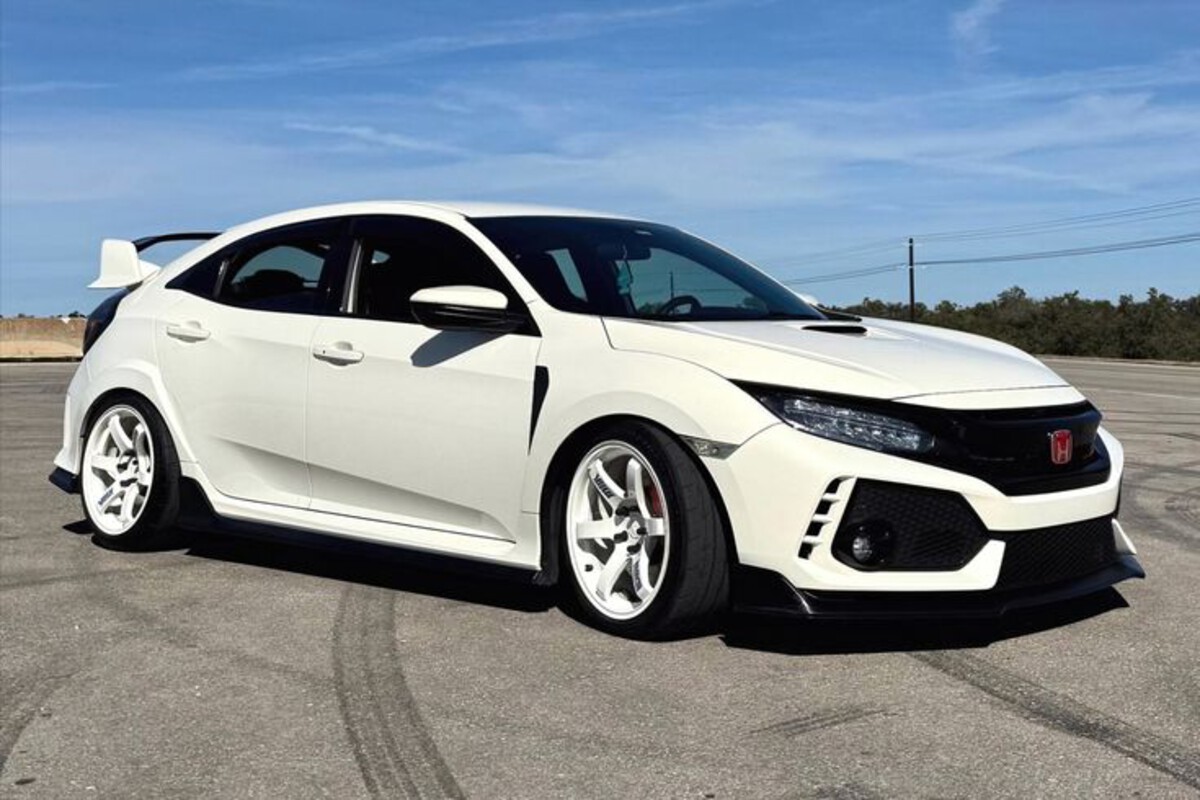
The clutch pedal feel is bang-on light enough for traffic, heavy enough to remind you it’s not a toy. Engagement is sharp and predictable, and unlike many high-performance manuals, it doesn’t get lazy when things heat up.
The hydraulic actuation system holds up beautifully even under aggressive shifting, and the bite point doesn’t wander with age like some turbocharged rivals.
Most owners report clutch life easily crossing 100,000 km if driven halfway decently that’s rare for something pushing over 300 horsepower through the front wheels.
And when the time finally comes to replace it, the parts aren’t astronomical. The FK8 proves you can have a manual that’s exciting and dependable no drama, no slippage, just clean, confident power every single time you dump the clutch.
2. Mazda MX-5 Miata (ND) — The Gold Standard of Manual Feel
You can’t make a “best manuals” list and leave out the Miata. It’s not the fastest car, but that clutch-transmission combo? Practically perfect.
The ND-generation MX-5 nails everything a manual should be light, direct, and incredibly communicative. The clutch take-up feels like it’s synced to your heartbeat; you don’t even have to think about it.
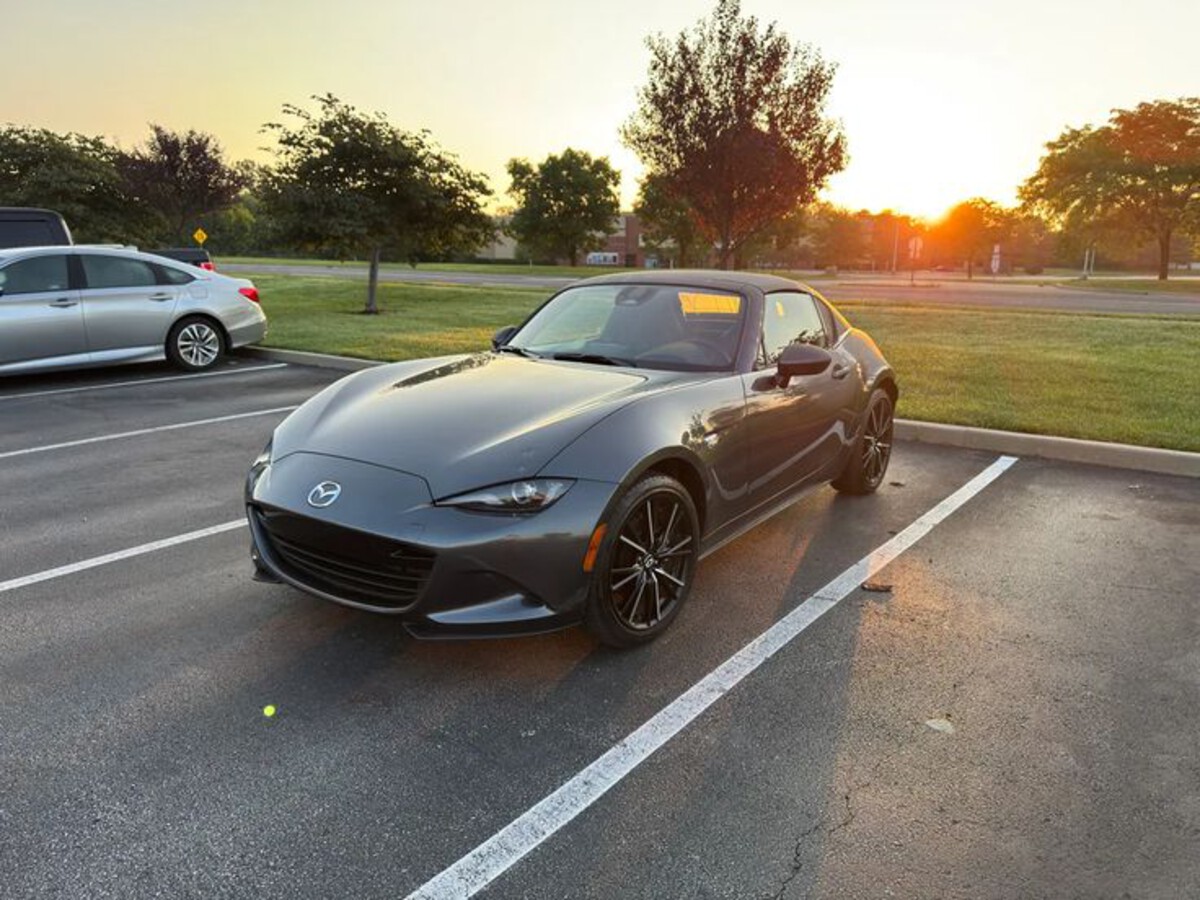
Mazda kept things simple here: single-disc clutch, no silly dual-mass flywheel setups, and a gearbox that feels like it was designed by people who actually love driving. The result? Engagement that’s smooth at low speeds but still razor-sharp when you’re flat-out in second gear on a twisty road.
And the best part these clutches last. Unless you’re constantly riding the pedal, most ND owners see well beyond 120,000 km before needing a change.
It’s also remarkably forgiving. You can be a little clumsy on downshifts, and it won’t punish you with judder or slip. It’s a driver’s car through and through not just because of the lightweight chassis, but because the clutch feels like an extension of your leg.
If you’re chasing that old-school manual magic that never fades, the Miata still owns the crown.
3. Toyota GR86 / Subaru BRZ — The Balanced Twins
Toyota and Subaru really pulled it off with this one. The GR86 and BRZ may be identical under the skin, but they share something rare in modern cars a clutch setup that feels just right.
Firm pedal, crisp engagement, and zero drama even under repeated high-RPM launches. You can tell these cars were tuned by people who actually care about mechanical feel, not just 0–100 times.
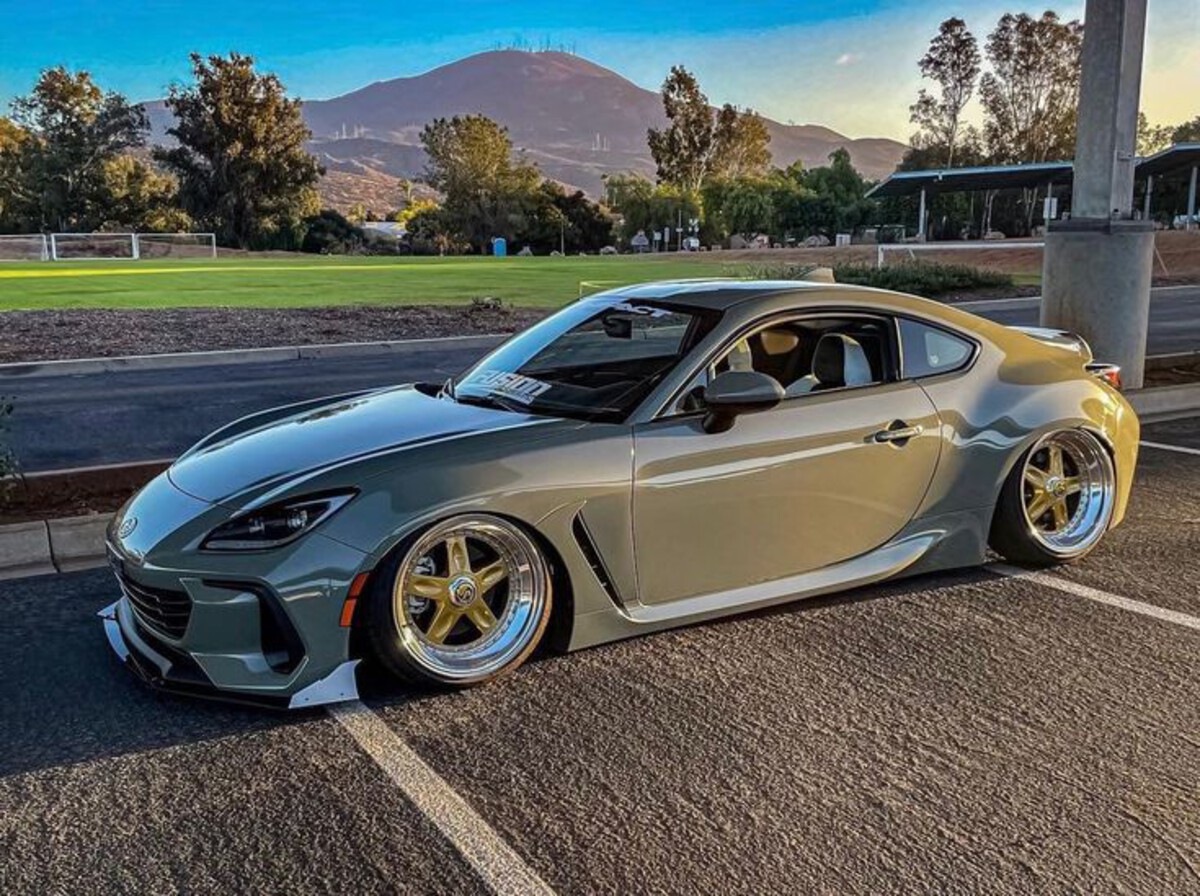
What makes their clutches so satisfying is how progressive the bite is. There’s no “on/off” switch feel it’s linear, so you can modulate easily whether you’re crawling through traffic or power-shifting on a backroad.
Plus, these cars are rear-wheel drive with a naturally aspirated engine, which means the clutch doesn’t have to fight against turbo torque. That alone adds years of life.
Long-term owners praise how durable the clutch is even after heavy use. It’s not uncommon for the stock unit to survive past 130,000 km with regular spirited driving.
And when replacement time comes, aftermarket options are abundant and affordable. The GR86 and BRZ remind everyone that driving engagement isn’t about numbers it’s about feel. And here, that clutch feel is close to perfect.
4. BMW M2 (F87) — The Gritty Performer That Keeps Pulling
The BMW M2’s manual setup is a sweet spot between raw muscle and German precision. It’s got that solid, mechanical clutch feel that enthusiasts crave weighty, but not a leg workout.
The F87’s 6-speed gearbox pairs perfectly with the clutch; it’s not vague or mushy like some of BMW’s earlier manuals. Instead, every shift feels decisive, every bite predictable. You get real feedback through your left foot the kind that tells you exactly when power’s about to hit the rear wheels.
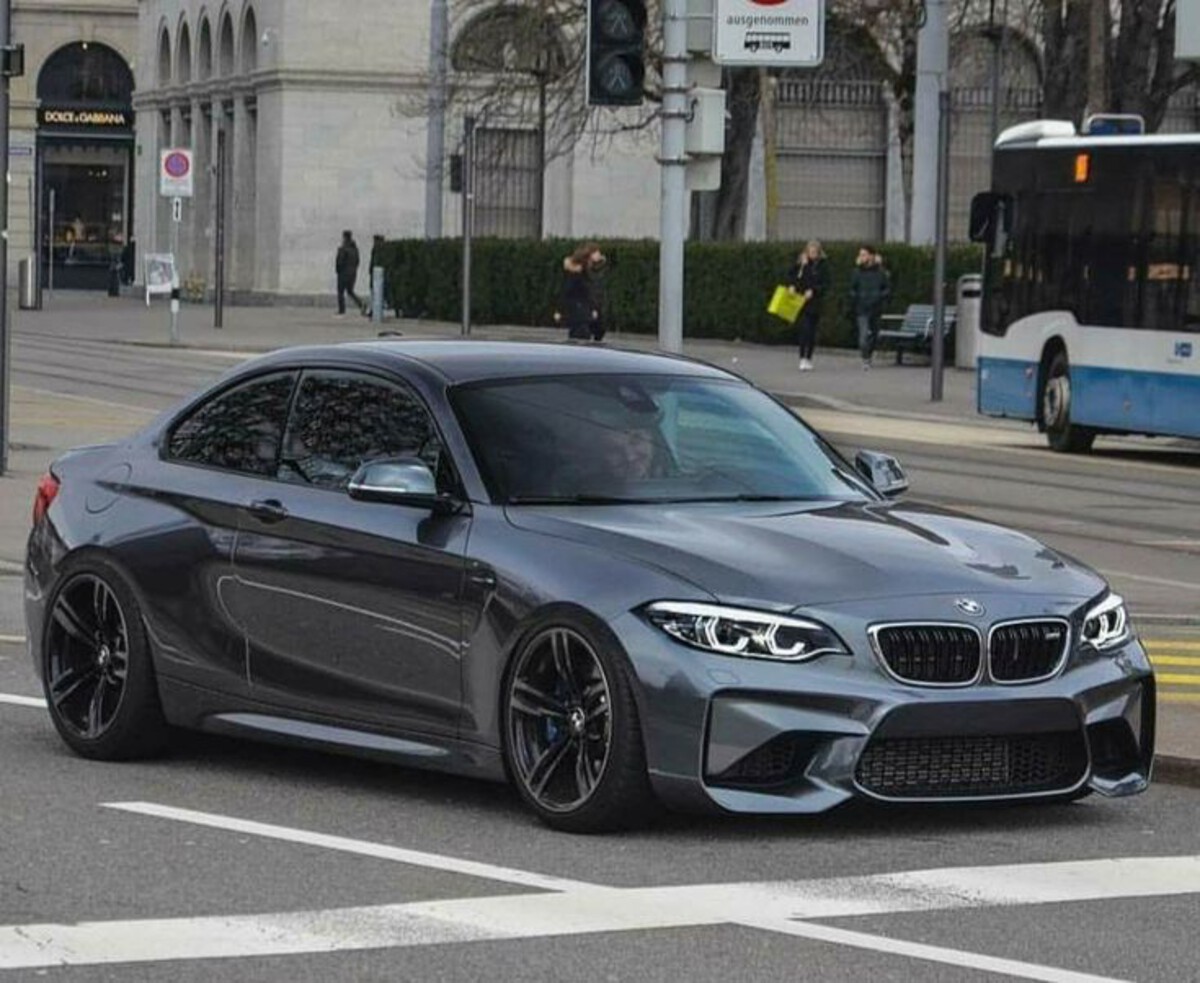
The M2’s clutch isn’t just tough; it’s impressively long-lived for something managing serious torque. Most owners who actually drive their cars (not baby them) report stock clutch life well beyond 100,000 km.
The key is the clutch’s compound BMW used a high-friction organic mix that grips reliably without the harsh chatter of aggressive race setups. It’s forgiving in traffic, but when you’re hammering down a backroad, it feels like it was made for abuse.
There’s also no early slipping or fading, even with hard launches. The clutch’s heat management is top-tier, and its engagement point stays consistent regardless of wear.
In short, it’s what every performance clutch should be strong, consistent, and unbothered by years of spirited driving. If you want a powerful rear-wheel-drive machine that won’t burn through clutches like tissues, the M2 stands tall.
5. Ford Mustang GT (S550) — Old-School Strength Done Right
The Mustang GT’s clutch setup has that old-school toughness baked in. It’s the kind of clutch that makes you feel like you’re driving a car, not a computer with wheels.
The S550 generation, especially with the MT-82 six-speed, was built to handle the 5.0-liter V8’s torque without crying for mercy. It’s heavy, sure, but that’s part of its charm it feels mechanical, real, and deliberate.
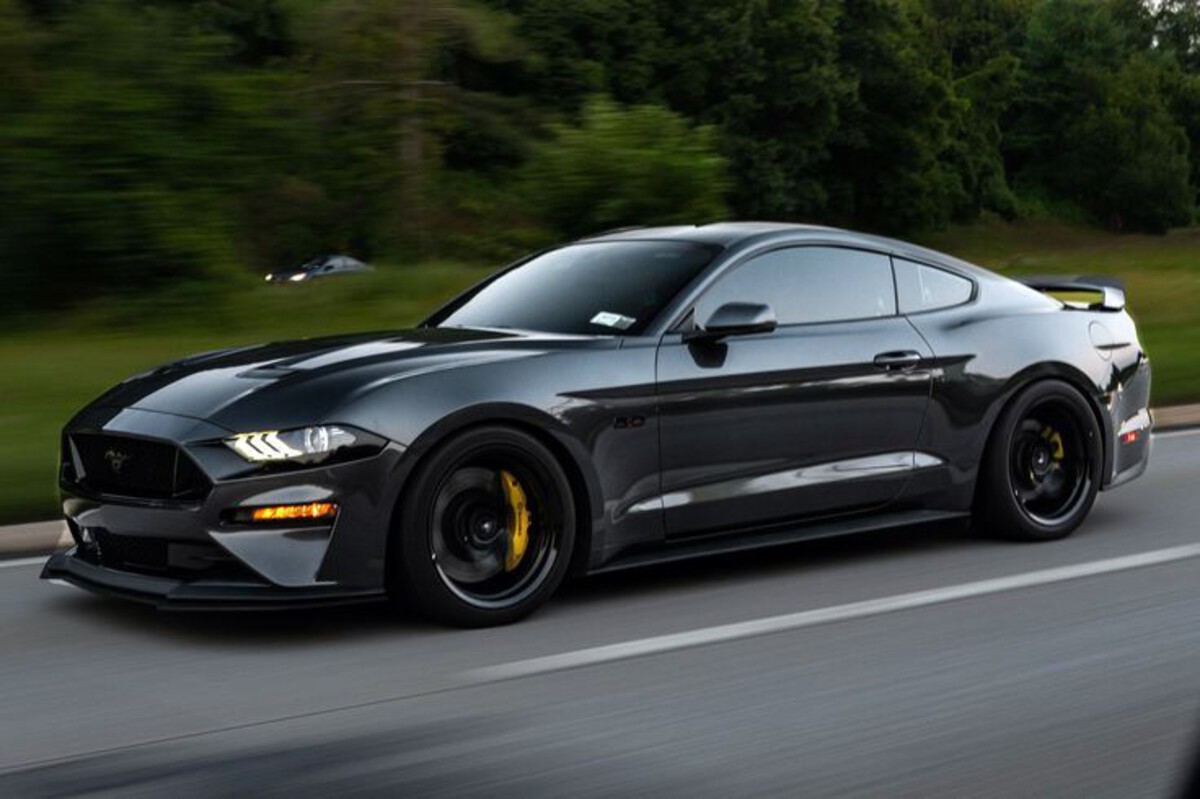
Durability-wise, the Mustang’s clutch is nearly bulletproof if treated right. The factory unit easily lasts 120,000 km or more, even with the occasional burnout or drag run.
Its friction plate and pressure assembly are designed to deal with heat and repeated launches without slipping, and the engagement zone stays remarkably stable over time. You won’t get that vague, floaty feel that plagues softer setups.
And despite its muscle-car roots, the clutch isn’t unbearable in daily traffic. Ford nailed the engagement balance, aggressive enough for performance, yet manageable enough for city drives.
Owners love how it bites cleanly, even under load, and rarely needs adjustment. It’s a proper driver’s clutch, tough, honest, and fully capable of handling everything that big V8 dishes out.
The S550 proves that traditional engineering still works when it’s done right and its clutch, like the car itself, is pure muscle that never quits.
5 That Slip Too Soon
Now, here’s the ugly side of the story cars that should’ve been great manuals but ended up with weak, short-lived clutches. You know the type: they start fine at first, then before you know it, you’re smelling burnt friction material every time you launch.
The bite point gets vague, engagement gets jerky, and suddenly you’re budgeting for a clutch replacement way too early. It’s not always the driver’s fault; sometimes it’s bad design, subpar materials, or an engine setup that overpowers the clutch.
These five are the frustrating examples of how carmakers sometimes overpromise and underdeliver.
Whether it’s a sporty hatch that can’t handle its own torque, or a supposedly “performance” sedan that feels like it’s slipping its way into early retirement they teach one lesson: not all manuals deserve your left foot.
If reliability and consistency matter to you, steer clear of these unless you enjoy frequent trips to the workshop.
ALSO READ: 5 City-Proof Compacts and 5 That Hate Stop-and-Go
1. Volkswagen Golf GTI (Mk7) — Too Much Torque, Not Enough Clutch
The Mk7 Golf GTI is an icon for hot hatch lovers, but its clutch setup. While the car’s turbocharged 2.0 TSI engine delivers fantastic low-end torque, the stock clutch just wasn’t built to handle it long-term especially once the boost builds.
Even completely stock, many owners report clutch slipping as early as 40,000–50,000 km. Throw in a Stage 1 tune, and the problem shows up almost instantly.
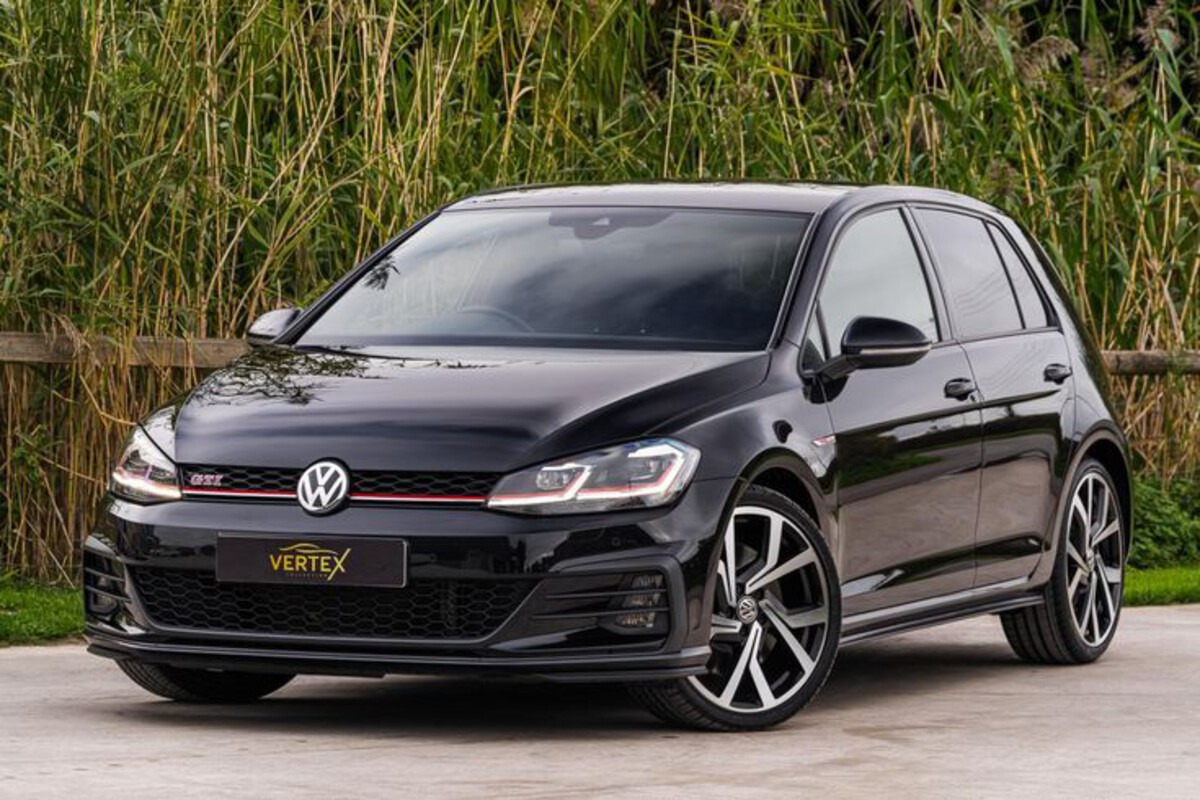
The issue lies in VW’s choice of clutch material and pressure plate strength. The pedal feel is light and pleasant great for commuting but that softness translates into less clamping force.
In short, it’s too gentle for the torque it’s supposed to manage. Under hard acceleration or aggressive shifting, you’ll feel it start to flare, especially in higher gears.
The aftermarket fix is easy stronger clutch kits are everywhere but that’s beside the point. A car with “GTI” on the badge shouldn’t need an upgrade just to handle its own stock power. The engagement also feels a bit vague, lacking the crisp, mechanical feedback you’d expect in a driver’s car.
So while the Mk7 GTI nails performance, handling, and comfort, its clutch lets the experience down. It’s a case of a great car saddled with a weak link and one that slips too soon, too often.
2. Subaru WRX (2015–2019) — The Turbo Killer of Its Own Clutch
Subaru’s WRX is supposed to be all about rally-bred toughness but the clutch on the 2015–2019 generation just doesn’t live up to the hype.
Despite having a beefy 2.0-liter turbocharged engine and a proper six-speed manual, the clutch struggles to handle repeated hard launches or aggressive shifts.
It’s not uncommon for WRX owners to experience premature slipping or glazing by 60,000 km, especially if the car sees spirited driving.
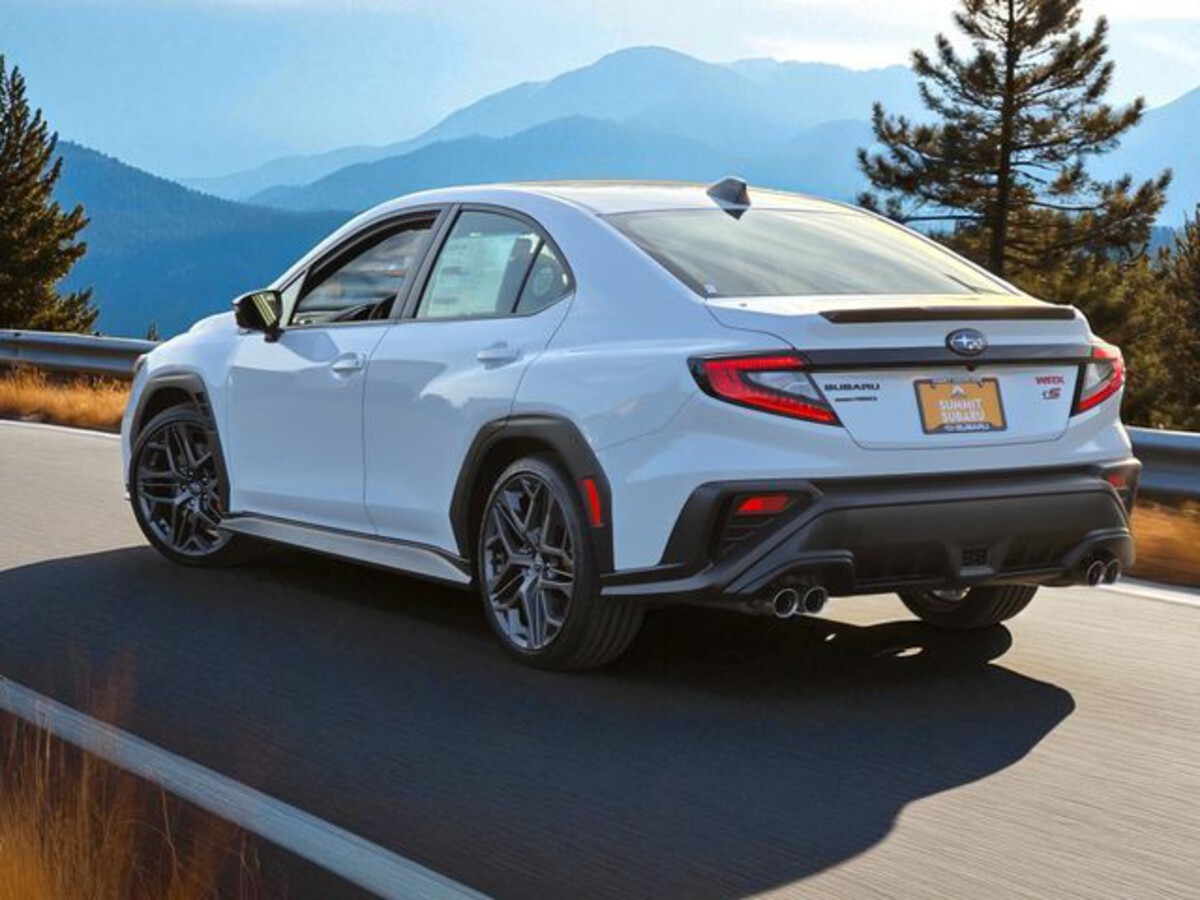
Subaru’s factory clutch was designed with comfort in mind rather than performance. The engagement feels soft and vague, and once the disc gets hot, it starts to fade.
The clutch pedal is also inconsistent it can feel normal one day and spongy the next, which kills confidence behind the wheel.
Even worse, replacement costs aren’t cheap, and OEM parts don’t solve the issue entirely. The WRX’s turbo torque just overwhelms the stock clutch setup.
Enthusiasts who push their cars even a little usually end up upgrading to an aftermarket kit early on. It’s a frustrating flaw in what should’ve been a perfect all-wheel-drive manual setup.
So while the WRX has rally DNA, its clutch behaves more like a city commuter’s a mismatch that leaves performance fans disappointed.
3. Mini Cooper S (R56) — Fun Until the Clutch Gives Up
The Mini Cooper S is one of those cars that makes you grin the second you drive it punchy turbo engine, go-kart handling, all wrapped in a stylish little package.
But that fun doesn’t last forever. The R56 generation (2006–2013) is notorious for early clutch wear. Many owners report slipping and chatter as early as 40,000 km, even on unmodified cars.
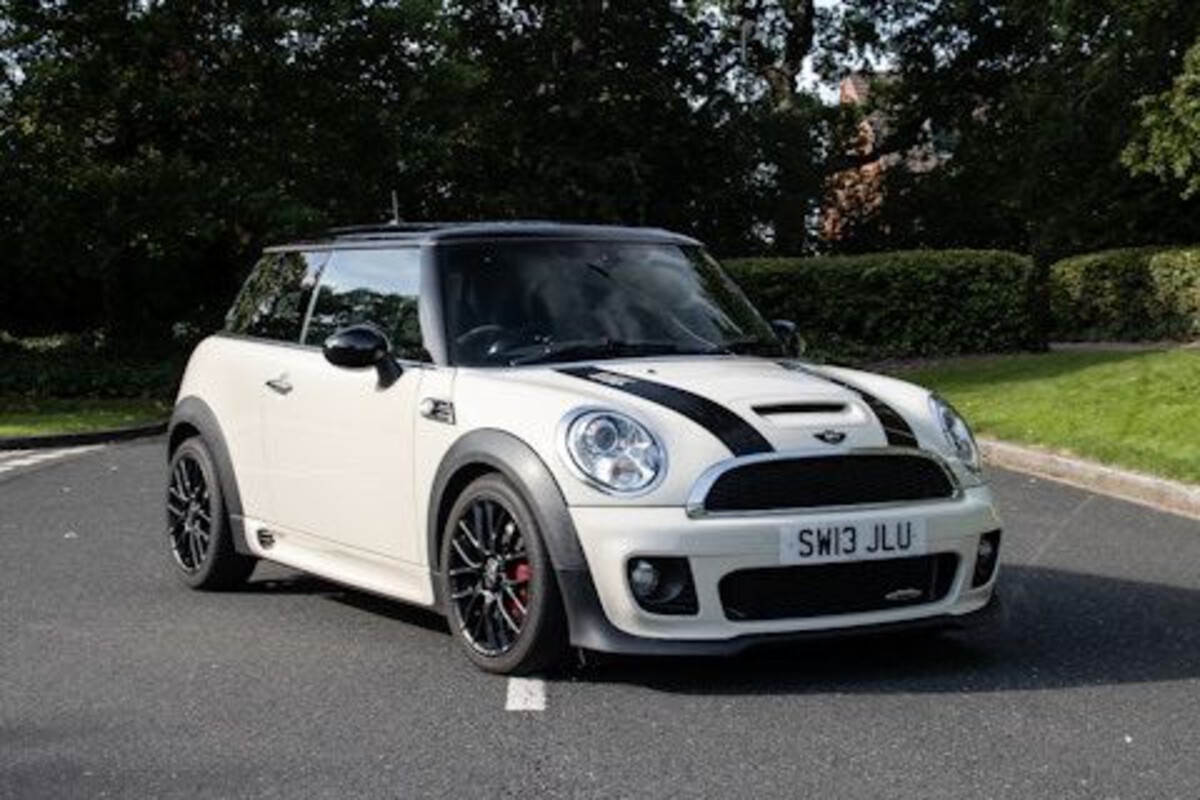
The culprit is a mix of high engine heat and a clutch assembly that’s just too light-duty for the torque it’s handling.
The pedal feel is short and sharp, which makes for quick shifts until it starts slipping under load. Once the clutch begins to wear, engagement becomes inconsistent, and you’ll often smell burnt friction material after a few spirited runs.
It’s a shame, because the gearbox itself is slick and enjoyable. The clutch just can’t keep up. Mini tried to balance performance and refinement but ended up with a system that’s fine for casual driving, not for the hard launches or aggressive shifts the Cooper S practically encourages.
In short: it’s fun while it lasts, but the “while” doesn’t last long. If you’re planning to keep one of these for the long haul, budget for a clutch replacement maybe two.
4. Hyundai Veloster Turbo — Style Over Substance
Hyundai nailed the Veloster’s design sporty, quirky, and fun to look at but the clutch system in the manual Turbo models just couldn’t keep pace with the car’s attitude.
The 1.6-liter turbo engine pushes a healthy dose of torque, but the stock clutch isn’t up for the challenge. Drivers report slipping as early as 35,000–50,000 km, often without any signs of abuse. That’s far too soon for a performance-oriented car.
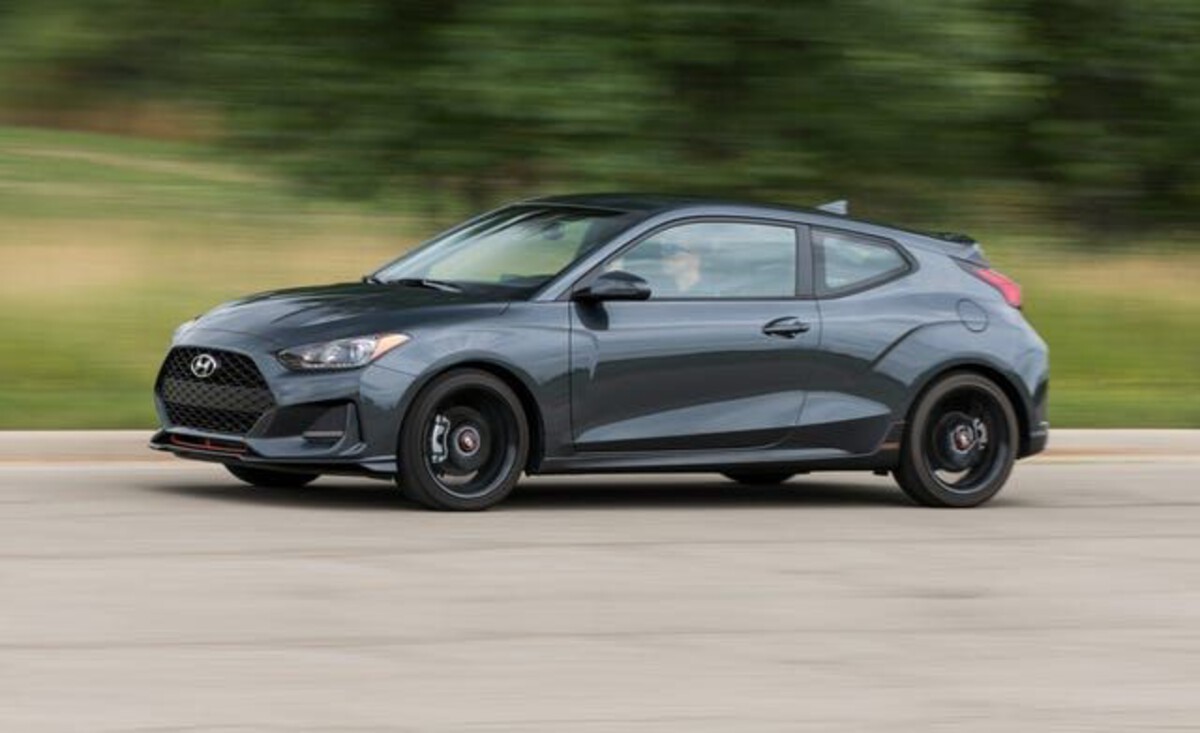
The problem mostly comes down to material choice and poor heat resistance. The Veloster Turbo’s clutch plate tends to overheat quickly during spirited driving, and once glazed, it never fully recovers.
The pedal feel also lacks feedback it’s either fully in or out, which makes it tricky to drive smoothly at low speeds. Over time, that snappy engagement only accelerates wear.
Owners who replace the clutch often notice a massive difference once they switch to aftermarket kits especially those designed for better torque handling. But again, that’s not something you should need to do this early.
Hyundai’s later models improved things slightly, but the early Veloster Turbo manuals taught a hard truth: you can’t fake performance with numbers alone. If the clutch can’t hang, the fun fades fast.
5. Fiat 500 Abarth The Charming Disaster
The Fiat 500 Abarth has plenty of personality snappy exhaust, punchy turbo engine, and that old-school European vibe. It’s the weakest part of an otherwise cheeky little car.
The issue isn’t just early wear; it’s how unpredictable it becomes as it ages. Engagement goes from smooth to jerky, and slipping starts creeping in way too soon sometimes before 50,000 km.
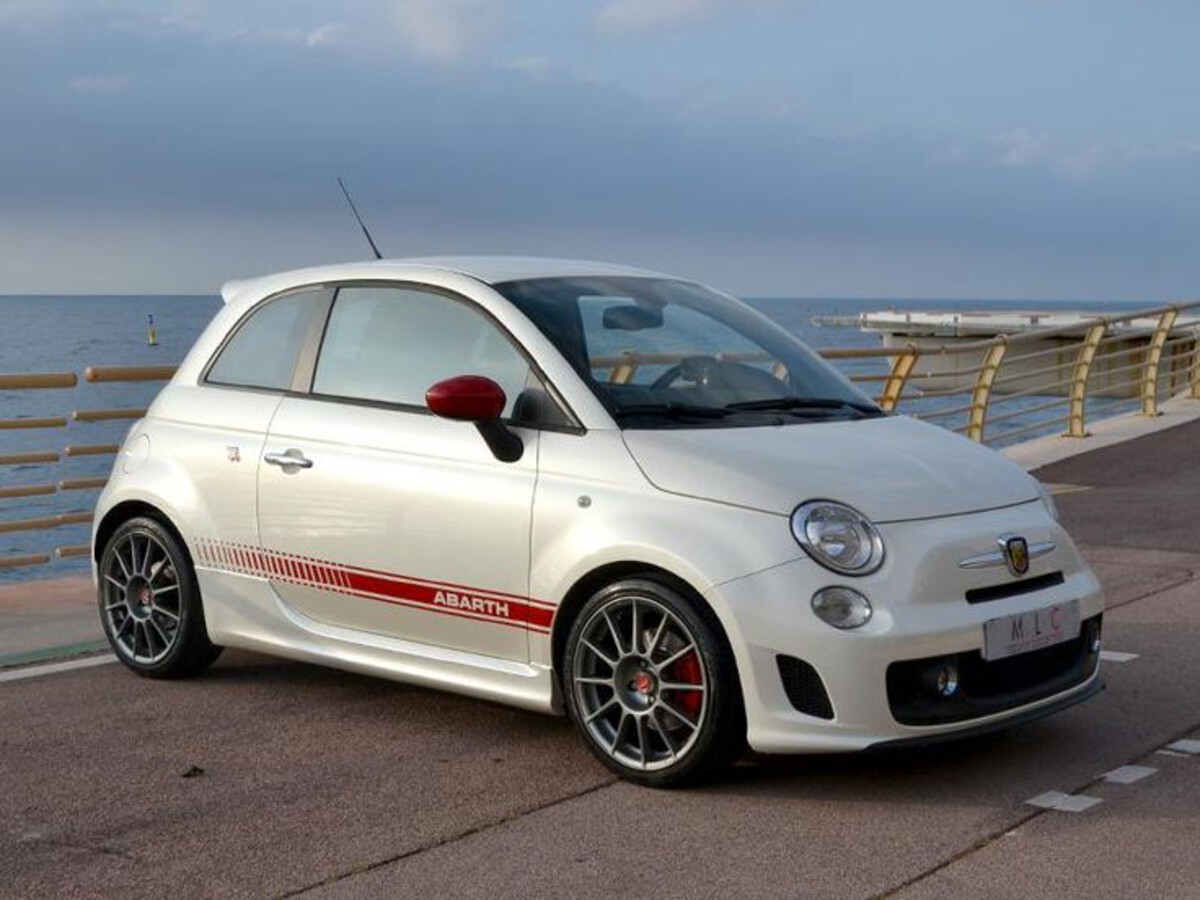
The Abarth’s lightweight flywheel and compact clutch setup make for quick revs, but they also leave very little thermal capacity.
That means if you drive it the way it begs to be driven fast, often, and aggressively the clutch starts to fade quickly. Throw in some stop-and-go city driving, and the wear accelerates even more.
To make things worse, replacing the clutch isn’t a cheap or simple job due to tight engine bay packaging. So not only does it wear out early, but it’ll also cost you a chunk of change to fix.
The Abarth still delivers smiles on a good day, but the inconsistent clutch engagement steals the joy from an otherwise lively experience. It’s the kind of car you love to drive until it starts slipping mid-launch and reminds you that charm doesn’t equal quality.
When Clutch Feel Decides the Whole Story
At the end of the day, a good manual car isn’t just about horsepower or lap times it’s about how connected you feel every time you press that clutch pedal. A satisfying, long-lived clutch gives you confidence. It lets you push harder, shift faster, and enjoy the drive without worrying about that burnt smell creeping in.
The best ones like the Civic Type R, Miata, or GR86 prove that with the right materials, tuning, and balance, you can have both engagement and endurance. They make driving feel natural, like every shift was exactly where it should be.
Then there are the others the ones that feel great for the first few months but start slipping before you’ve even broken them in.
Cars like the WRX or Golf GTI show that even performance names can get it wrong if the clutch system can’t match the engine’s torque. It’s not always about bad drivers; sometimes the hardware just can’t take the heat literally.
If you’re hunting for a manual car that’ll still feel sharp after years of real-world driving, pick the ones with proven clutch durability over flashy torque figures.
A strong clutch transforms a car from “fun for now” to “fun for life.” Because once you’ve felt a perfectly tuned manual that satisfying click into gear, that predictable engagement every single time you realize something simple but true: a great clutch doesn’t just move the car, it makes the car.