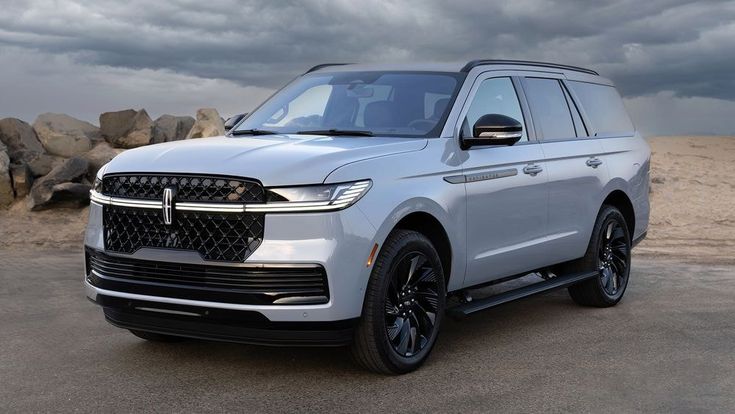
Luxury SUVs promise comfort, confidence, and capability but one system that often defines how they ride is their air suspension. When it works well, it’s the difference between gliding over bumps and bouncing like a brick. But when it fails, it can cost a small fortune to fix.
Air suspension systems replace traditional steel springs with air-filled bags that automatically adjust to maintain ride height, handling, and comfort. This makes them brilliant for luxury SUVs that switch between smooth highway drives and rougher off-road terrain.
But there’s a catch these systems are only as good as their engineering and materials. Some automakers have nailed the formula with air suspensions that last for years without drama, while others have left owners staring at repair bills that could buy a small hatchback.
Drivers love air suspensions for their adaptability. You can raise your SUV for off-roading, lower it for better aerodynamics, and still enjoy the “floating” ride quality luxury buyers expect. But the reality is, not all air suspensions are created equal.
Some brands like Lexus, Porsche, and Mercedes-Benz have mastered the durability aspect, building systems that can handle age, temperature changes, and everyday use.
Others especially early systems from Land Rover or Audi have gained a reputation for leaks, compressor failures, and costly replacements.
The goal here isn’t just to praise or criticize it’s to help buyers know what they’re getting into. Air suspension can make or break your ownership experience.
A reliable one enhances everything ride comfort, handling, and resale value. A problematic one, on the other hand, can make even the fanciest SUV feel like a financial trap.
So, if you’re looking for a luxury SUV that offers that signature “cloud-like” drive without the headache, you’ll want to pay attention.
Let’s break down five models that have proven to deliver rock-solid, leak-resistant air suspensions, and five that tend to let owners down literally and financially.
5 Luxury SUVs With Rock-Solid Air Suspensions
These SUVs show how luxury meets reliability. Their air suspension systems are not just marketing talk they actually work, year after year. Whether you’re cruising on a highway or taking on rough terrain, these models deliver stability and smoothness without the anxiety of leaks or compressor issues.
Brands like Lexus, Porsche, and Mercedes-Benz have invested heavily in long-term dependability, using high-grade components and refined engineering to prevent moisture buildup and wear.
The SUVs in this category don’t just ride well they stay consistent even after 80,000 miles. Their systems are intelligently tuned for both performance and comfort, offering minimal maintenance and excellent durability.
For buyers who don’t want to babysit their suspension system every year, these vehicles are the definition of peace of mind.
ALSO READ: 5 Cars With Dependable Start-Stop Systems and 5 That Annoy Owners
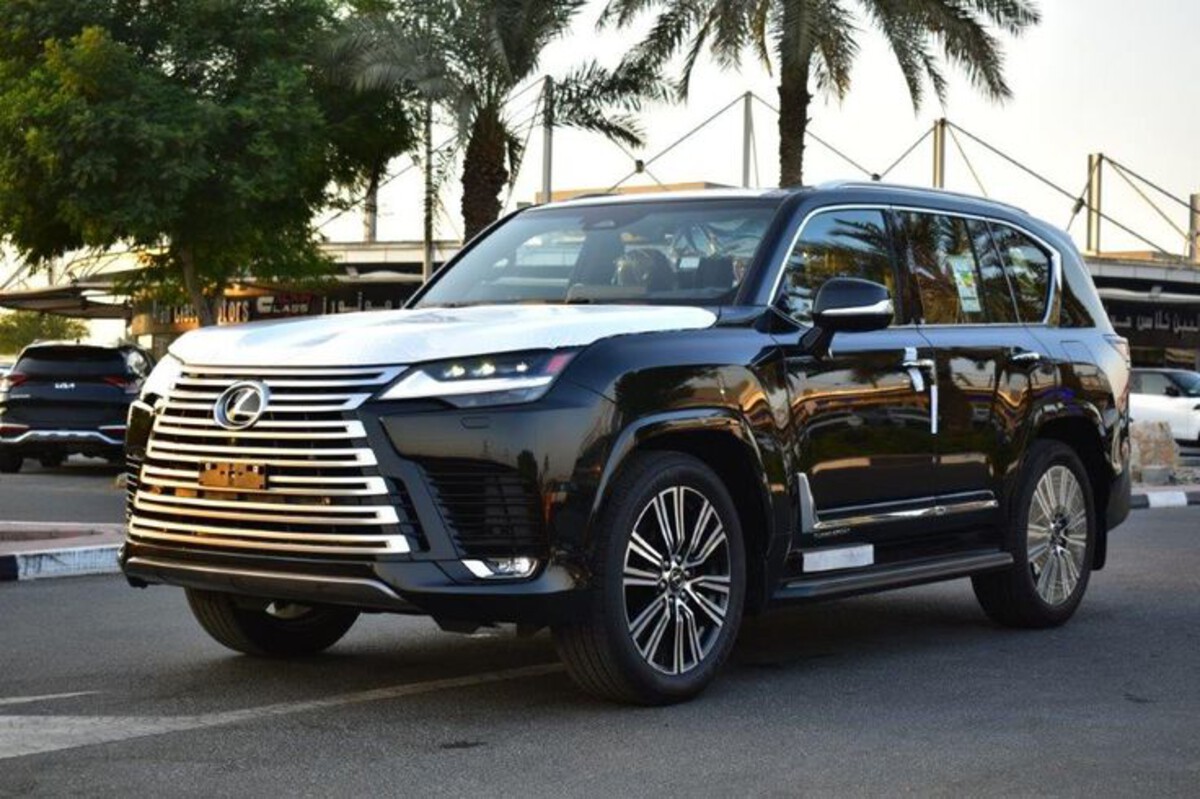
1. Lexus LX 600 – Built for Smoothness and Survival (≈360 words)
When it comes to long-lasting luxury, the Lexus LX 600 is practically bulletproof. Lexus has always played the long game with reliability, and their air suspension system is one of the most underrated examples of that.
The LX 600 uses a four-corner Adaptive Height Control (AHC) system that automatically adjusts ride height and damping in real time.
Whether you’re off-roading or cruising the highway, the transition feels effortless no clunky compressor noises, no uneven ride height after parking overnight.
What sets Lexus apart is how conservatively they tune the system. While other brands chase ultra-soft or aggressively sporty setups, Lexus focuses on consistency.
Their suspension components are overengineered, built to handle heat, dust, and humidity without developing the leaks that plague many European luxury SUVs. Owners routinely report the system lasting 10+ years without needing a major repair unheard of in this category.
Even better, the AHC can raise or lower the SUV by several inches, giving you ground clearance when you need it and better aerodynamics when you don’t.
The comfort setting feels like riding on air (literally), but the handling remains composed thanks to Lexus’ electronically controlled damping.
While it’s not the most “flashy” SUV, the LX 600 nails what matters durability and dependability.
You can drive it in desert heat, mountain cold, or city traffic, and it won’t flinch. It’s a big reason the LX keeps its value absurdly well. For anyone who wants an air suspension system that just works and keeps working this is your safest bet.
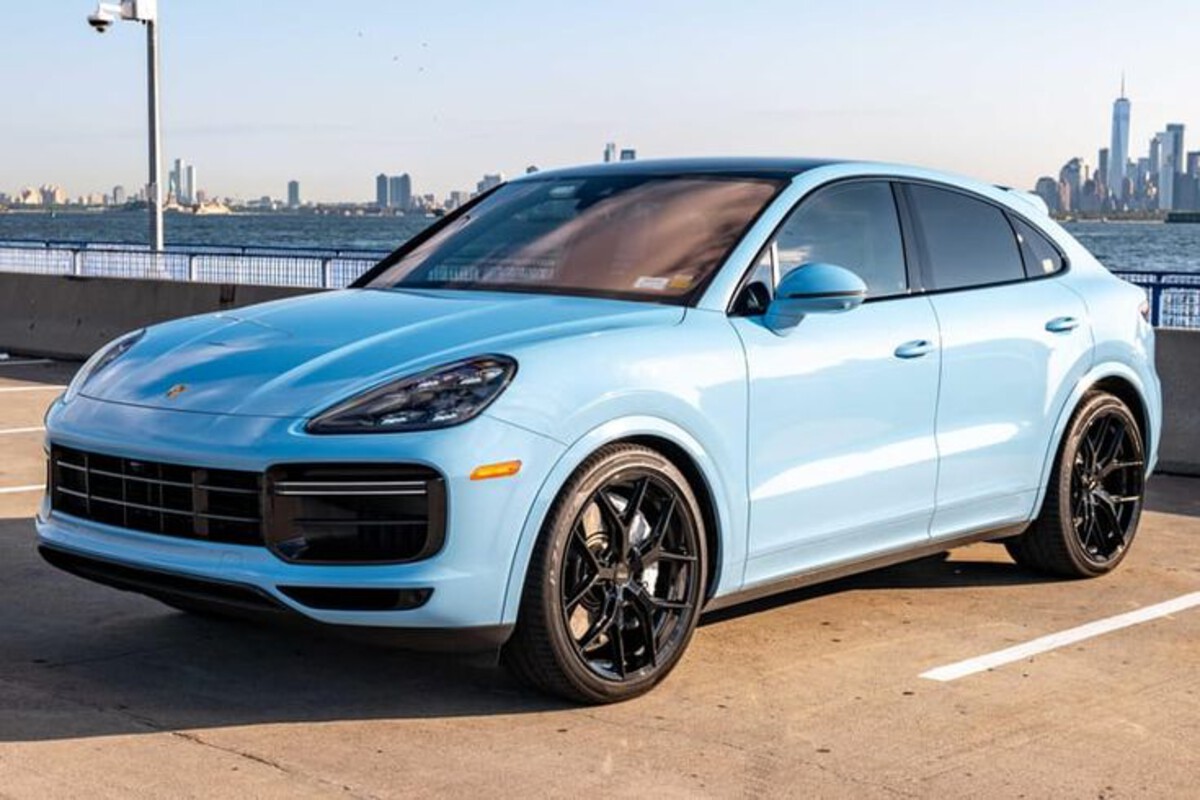
2. Porsche Cayenne – The Precision King
The Porsche Cayenne isn’t just about performance it’s proof that sportiness and air suspension durability can coexist.
Porsche’s PASM (Porsche Active Suspension Management) and three-chamber air suspension setup deliver one of the best-balanced rides in the luxury SUV world.
What makes the Cayenne’s air suspension so reliable is its engineering depth. Each corner adjusts independently, with sensors constantly reading road conditions and adjusting damping within milliseconds.
The system uses top-tier materials and seals, drastically reducing the risk of leaks or compressor fatigue. In typical Porsche fashion, every component is tested to survive high-stress driving and extreme climates.
Drivers notice it immediately: minimal body roll, ultra-smooth highway manners, and the uncanny ability to stay level no matter the load.
Unlike some luxury SUVs where air suspensions sag over time, the Cayenne maintains ride height precision even after years of use. Porsche’s focus on airtight fittings and moisture-resistant compressors keeps failures rare.
What’s even better is how versatile it feels you can go from a soft, comfortable ride to a taut, corner-carving setup at the touch of a button. The transitions are instant, seamless, and reassuringly solid.
While maintenance costs for Porsches can be high in general, the Cayenne’s air suspension system is one of the few that doesn’t commonly fail before 100,000 miles.
That’s Porsche-level discipline at work attention to detail that ensures this luxury SUV performs perfectly whether you’re cruising through a city boulevard or hammering down a twisty mountain road.
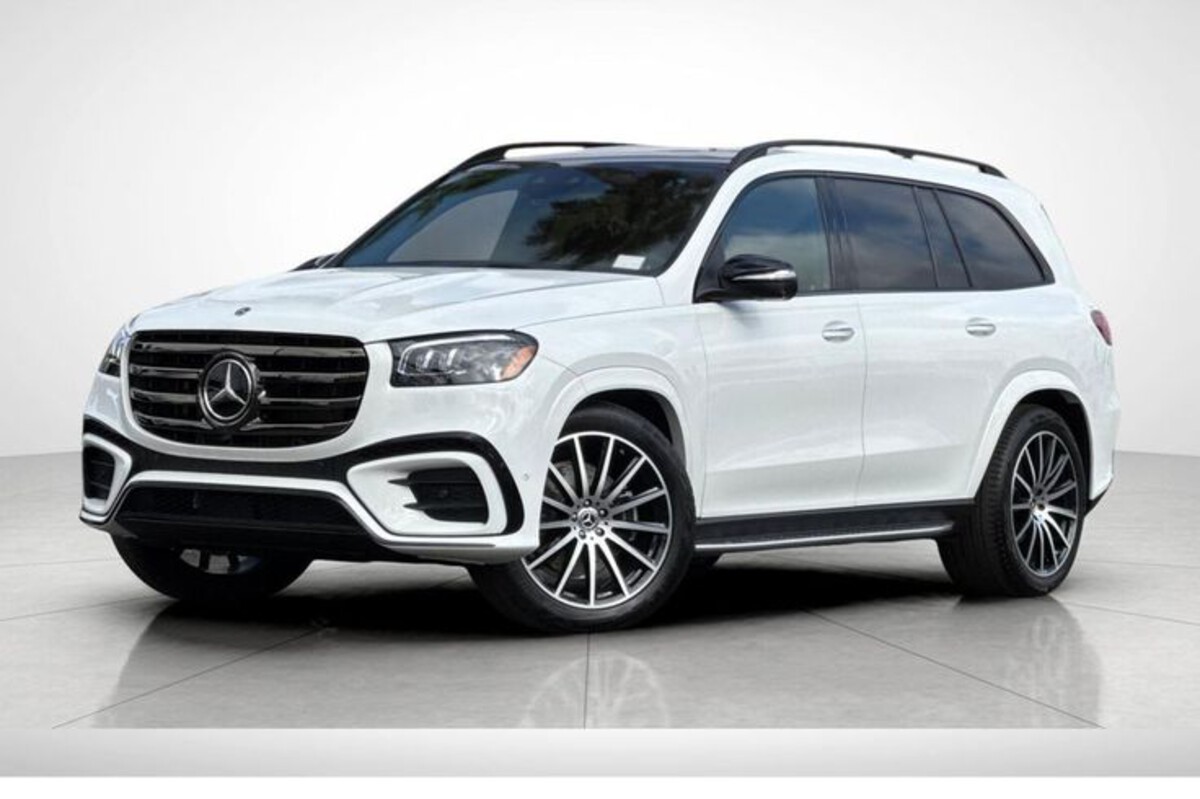
3. Mercedes-Benz GLS 580 – The Silent Comfort Master
Mercedes has long been obsessed with ride comfort, and the GLS 580 proves it. Its AIRMATIC® air suspension with Adaptive Damping System+ is one of the smoothest, most reliable setups in the segment. Every bump feels like it’s being erased before it even reaches the cabin.
The system constantly monitors load weight, road surface, and driving speed to adjust air pressure and damping force for each wheel independently. The result? A perfectly balanced ride that feels planted even at high speeds.
Mercedes learned from past generations (like the older ML-Class, which had notorious air leaks) and upgraded the materials, seals, and compressor durability in the latest GLS.
The secret sauce is redundancy and sealing. The valves are double-protected against moisture intrusion, one of the main culprits behind leaks. And unlike many competitors, the GLS’ system automatically equalizes air pressure after shutdown, preventing overnight sagging.
Owners also appreciate how quiet it is. There’s no hissing or compressor whine just serene, floaty comfort that makes long drives addictive.
The suspension also pairs beautifully with Mercedes’ E-Active Body Control (available on top trims), which literally “reads” the road using cameras and adjusts each corner proactively.
Long story short: the GLS 580 gives you first-class comfort without the reliability anxiety that usually comes with air suspensions. It’s luxury done responsibly smooth, solid, and engineered to last.
4. BMW X7 – The Balanced Beast
BMW’s flagship SUV, the X7, doesn’t just look commanding it rides like it owns the road. The air suspension setup here is a dual-axle system that adjusts automatically for load, speed, and terrain. What’s impressive is how BMW’s engineers have made this complex tech reliable.
Earlier BMWs with air suspensions (like older 7-Series models) had a bad rep for premature leaks. But the X7 flipped that narrative.
The system now uses reinforced air bellows, improved compressor seals, and smarter electronic management to keep everything airtight and durable over time. The result? Smooth, consistent ride height and fewer system failures compared to past generations.
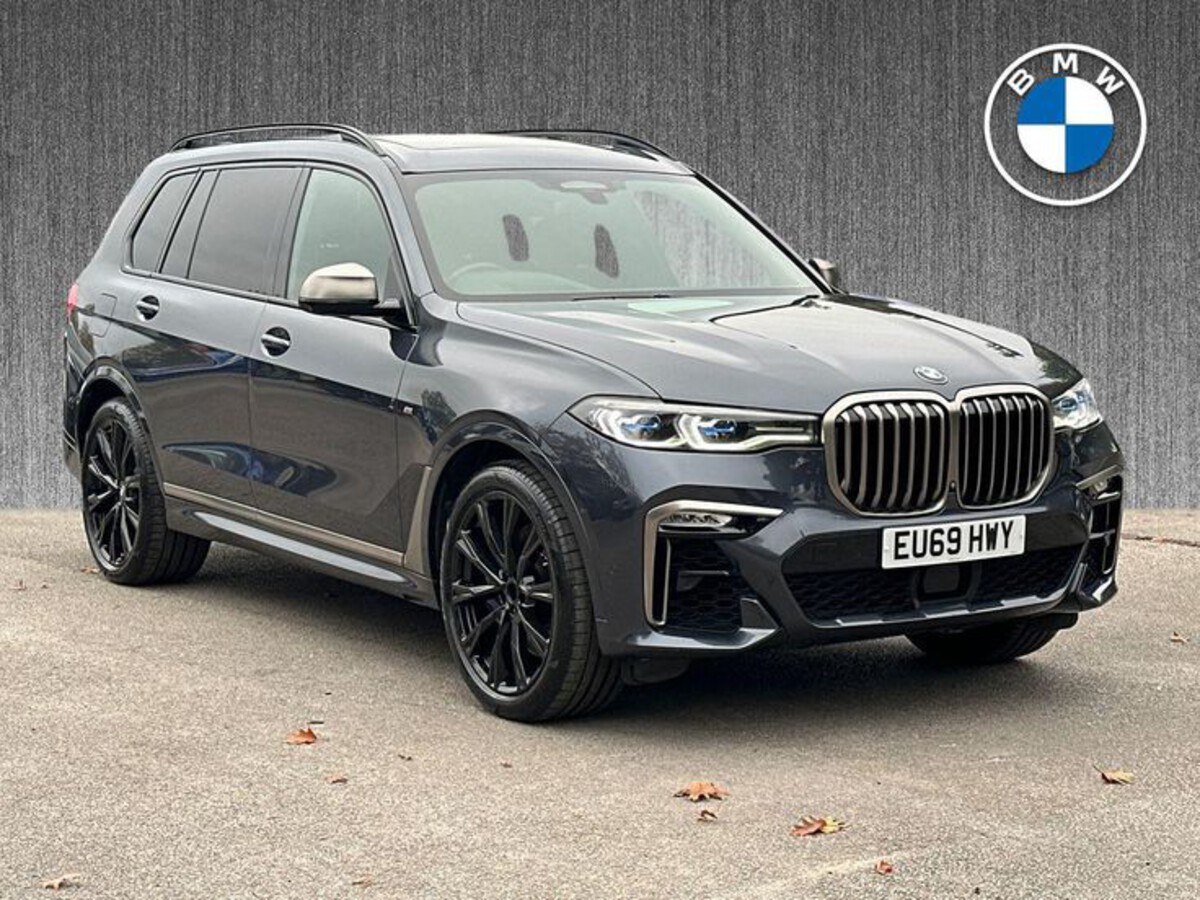
On the road, it’s everything you’d expect from BMW confident, responsive, and balanced. The suspension can raise the SUV by up to 40 mm for rough roads or drop it 20 mm for highway cruising.
It constantly adapts between comfort and control, with minimal body roll. Even with all three rows filled, the X7 doesn’t sag or struggle it stays level like a champ.
Maintenance-wise, BMW made it easier for techs to service or recalibrate the system if needed. So even when something minor crops up, it’s not a full-blown nightmare. Owners report that, unlike many European rivals, the X7’s air system rarely develops major leaks before 100,000 miles.
For a full-size luxury SUV that can haul your family, tow heavy loads, and still float down the road, the X7 hits the sweet spot. It’s one of those few air-suspended SUVs where performance and reliability coexist without constant trips to the workshop.
5. Range Rover (2023+) – The Redemption Story
Now, this one’s a bit of a plot twist. Older Range Rovers were infamous for air suspension failures, ask any mechanic, and they’ll have horror stories about sagging rear ends or collapsed systems. But the 2023 and newer Range Rovers? Totally different animal.
Land Rover finally took customer pain seriously and overhauled their suspension tech. The current Electronic Air Suspension features stronger, multi-layer air springs, corrosion-resistant fittings, and a new generation of compressors designed for longevity.
The control software also keeps the system “active” even after shutdown, equalizing pressure to avoid the dreaded overnight sag.
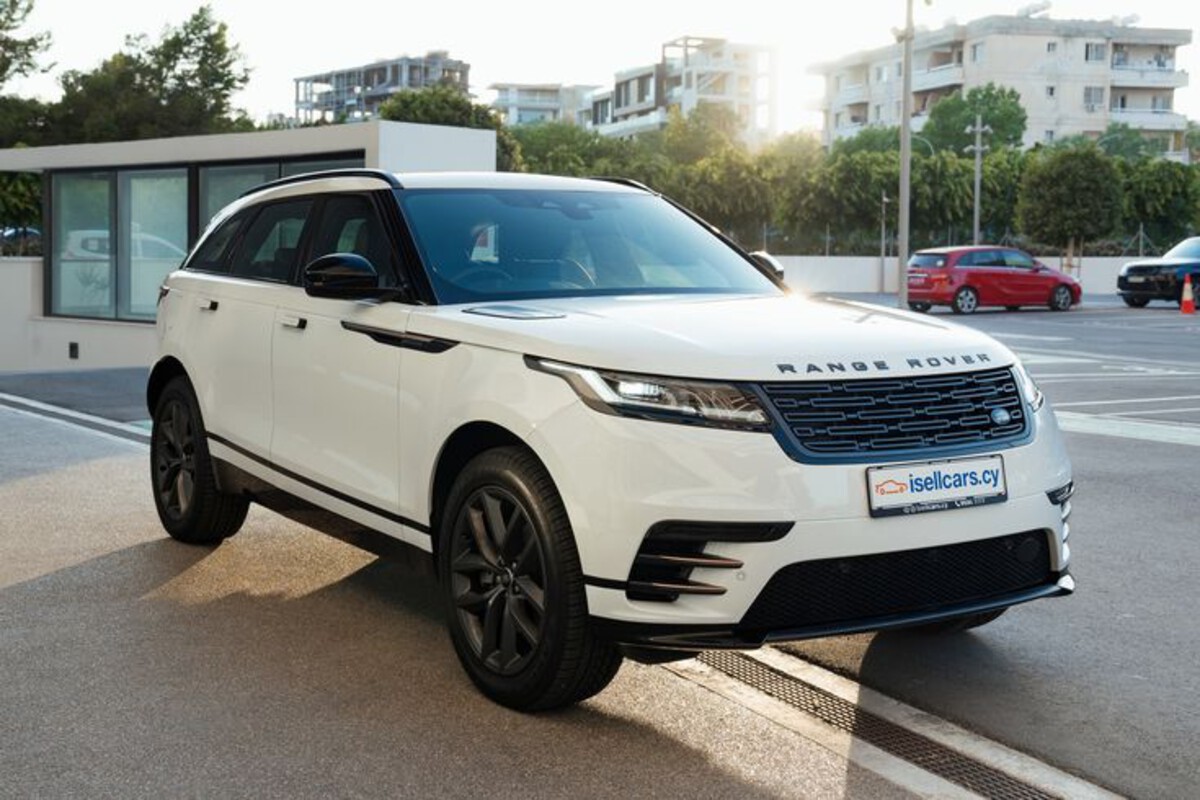
Drivers now get silky comfort and solid reliability. The ride is buttery smooth, whether you’re coasting through city streets or crawling over uneven ground. You can raise the body by 135 mm for off-road clearance or lower it for easy access, all within seconds.
Where older systems struggled with water ingress and worn seals, the latest version has improved drainage and protection, drastically reducing moisture-related leaks.
Many owners have reported over 50,000 miles with zero air suspension issues something that was unheard of in the pre-2020 Range Rovers.
It’s not just comfort it’s confidence. You still get that majestic, “commanding” Range Rover feel, but now without the lurking fear of a $4,000 compressor replacement.
So yes, Range Rover deserves some redemption here. It’s gone from being the warning example to one of the strongest contenders in air suspension reliability.
For luxury buyers who want comfort, capability, and confidence in one elegant package, the latest Range Rover has finally earned its stripes.
5 Luxury SUVs Prone to Costly Leaks
Now, here’s the other side of the coin the SUVs that look the part but can burn a hole in your wallet once the air suspension starts acting up.
These vehicles often have overcomplicated setups, poorly sealed air lines, or moisture-prone compressors. What starts as a mild sag on one corner often ends with the whole system collapsing and repair bills shooting past $3,000.
Brands like Land Rover, Audi, and BMW have struggled to balance performance with reliability in certain models.
While the ride quality is undeniably plush when new, many owners report premature leaks or compressor failures around the 60,000-mile mark. In climates with extreme heat or humidity, the problem only worsens.
These SUVs are a reminder that luxury can come with strings attached. They’re gorgeous to drive when everything’s working but owning one without a warranty can feel like walking on eggshells.
ALSO READ: 12 Pickups That Offer the Best Ride Comfort
1. Land Rover Discovery – Comfort That Costs You
The Land Rover Discovery is one of those SUVs that nails the luxury and off-road combo until its air suspension reminds you who’s boss.
The Discovery’s Electronic Air Suspension (EAS) offers a cloud-like ride and adjustable height, but it’s also one of the most failure-prone systems in the segment.
Owners often report sagging rear ends, uneven stance after parking overnight, or that dreaded “suspension fault” warning light on the dash. The biggest issue?
Air leaks caused by worn-out seals, corroded fittings, and aging compressor valves. Once one corner starts dropping, the system overcompensates, leading to compressor burnout and a snowball of costly repairs.
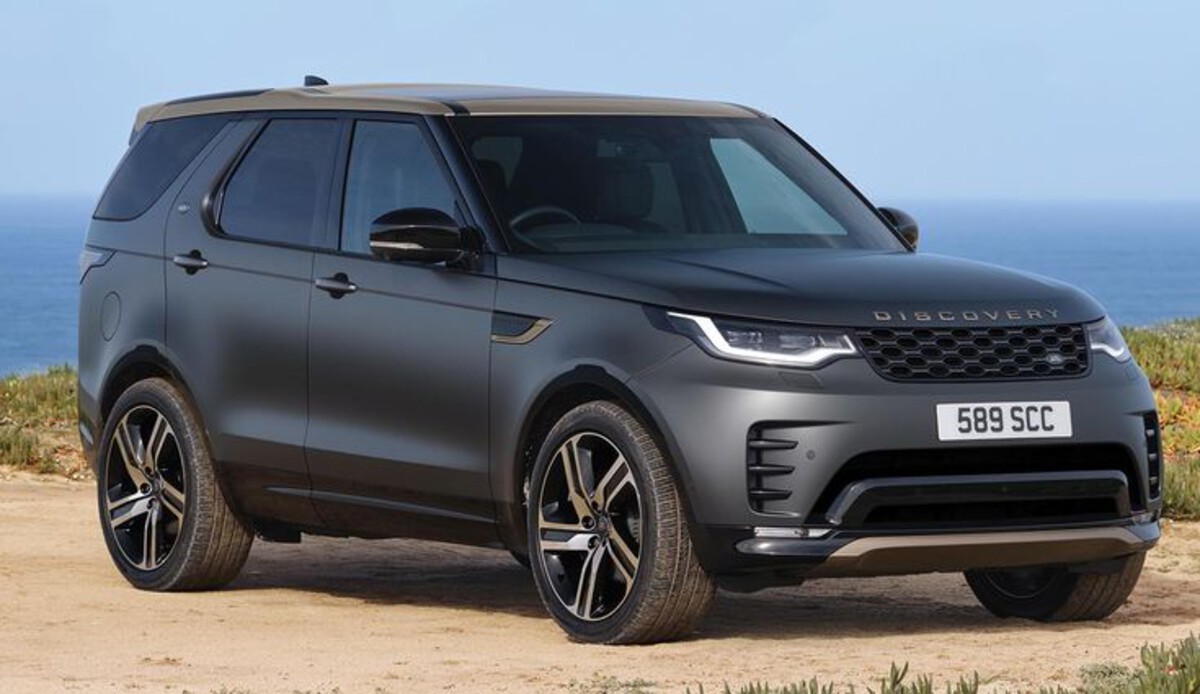
Replacing even one air spring can cost upwards of $1,500, and a full system replacement easily crosses $5,000.
The frustrating part is that the Discovery’s suspension feels incredible when it works smooth, floaty, and confident across rough terrain. But the reliability simply hasn’t caught up with its comfort ambitions.
Even newer models haven’t completely escaped this curse. Land Rover improved material quality but didn’t fully solve moisture infiltration and pressure-loss issues.
Combine that with high service costs and limited independent repair options, and it’s clear why many buyers tread carefully.
In short: the Discovery gives you a luxurious ride until it doesn’t. It’s the SUV version of “high maintenance,” both literally and financially.
2. Audi Q7 – The Leaky Performer
The Audi Q7 is elegant, quick, and refined—everything a luxury SUV should be. But underneath that polished surface lies one weak spot: its adaptive air suspension system.
While the Q7’s suspension offers outstanding comfort and cornering stability, it’s become notorious for premature airbag leaks and compressor issues.
The problem stems from two things: moisture accumulation and rubber fatigue. Over time, small cracks develop in the air bladders, and the compressor has to work overtime to maintain pressure.
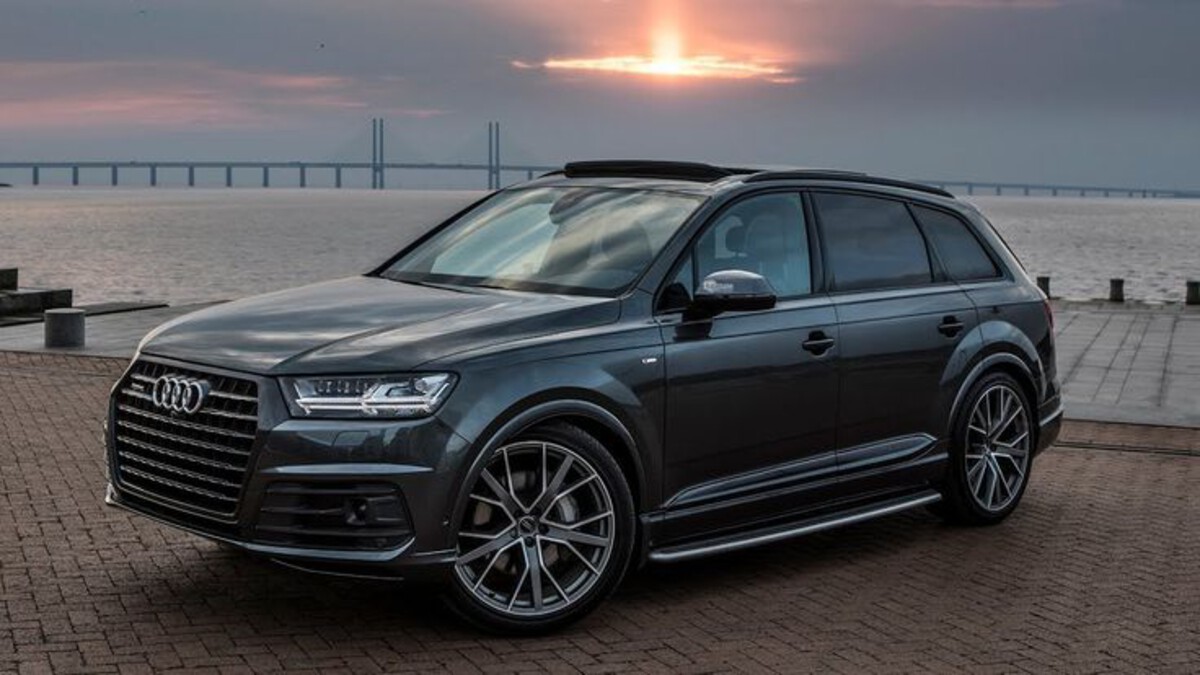
This not only drains power but shortens the compressor’s life dramatically. Many Q7 owners start seeing air suspension problems around the 60,000-mile mark, and by 80,000 miles, it’s often a ticking time bomb.
To Audi’s credit, the ride itself is sublime when everything’s working soft in Comfort mode, tight in Dynamic, and level under load. But one leaky valve or air line can turn that smoothness into a frustrating, expensive repair cycle.
Replacing a single air strut can cost over $1,200, and if the compressor goes, you’re easily looking at $3,000+. Some drivers even opt to ditch the system entirely and retrofit coil springs to avoid recurring issues.
The Q7 delivers an incredible ride, but it’s a gamble. It’s the kind of SUV that spoils you when new but tests your patience (and your wallet) down the line.
3. BMW X5 (F15 & Early G05) – The Usual Suspect
The BMW X5 is one of the best-handling luxury SUVs out there, but its air suspension history is… messy. Especially in the F15 generation (2014–2018) and early G05 (2019–2020) models, where rear air springs and compressors were frequent failure points.
BMW’s system is meant to automatically level the vehicle regardless of load, but it often struggles with air leaks at the rear bellows and deteriorating O-rings.
Once a small leak forms, the compressor runs constantly to keep things level, eventually burning out. The result? A sagging rear end that makes your $80,000 SUV look like it’s kneeling in defeat.
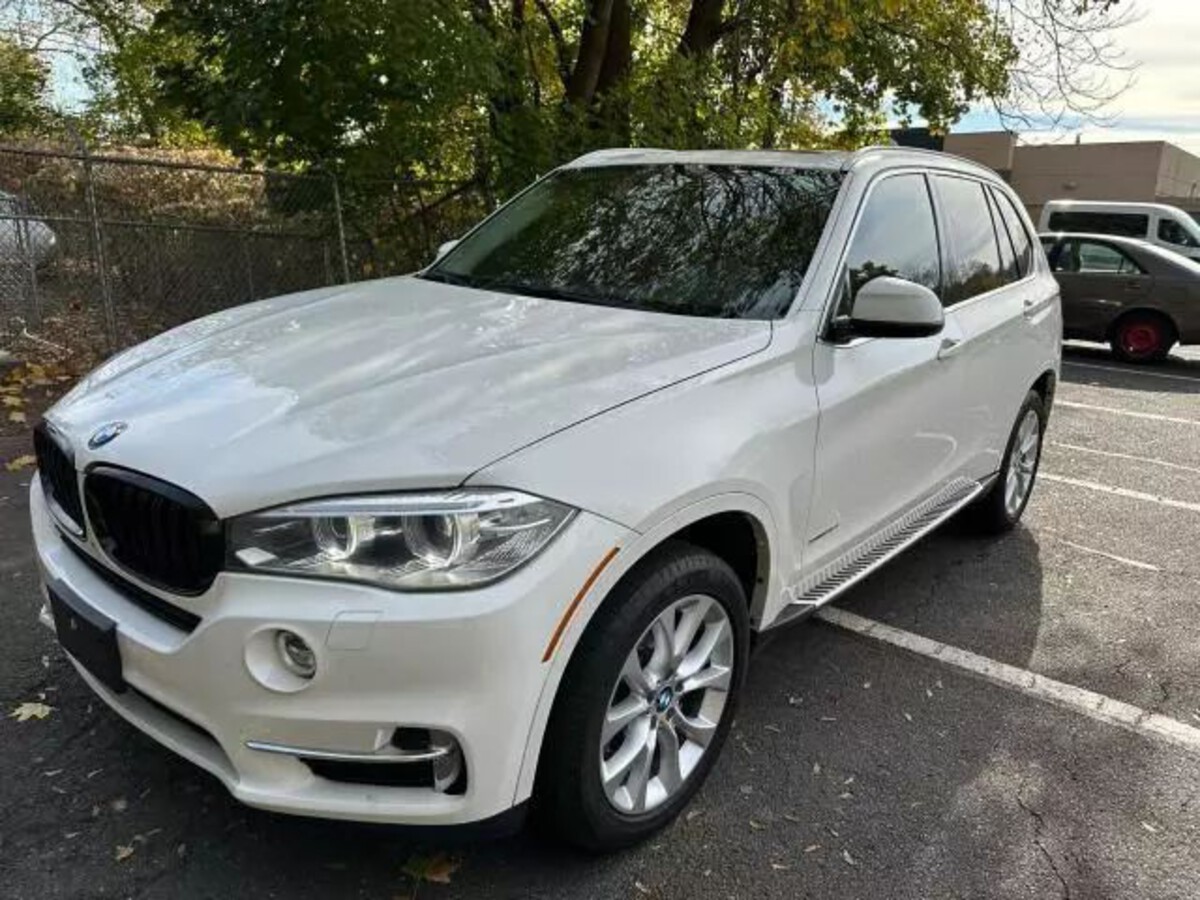
The repair costs aren’t small either. A single rear air spring replacement costs about $1,000–$1,500, and the compressor replacement can run another $2,000.
For a brand that prides itself on “precision engineering,” the X5’s early air suspension problems were a real letdown.
The good news: BMW eventually redesigned parts for the later G05 models, improving reliability. But if you’re buying used, it’s a roll of the dice. Many owners replace the air setup with traditional coil conversions to save money long-term.
Don’t get it wrong the X5 drives beautifully when everything’s working right. But that silky comfort comes with a silent risk: one leaky seal away from a costly headache. It’s a great SUV… just not one you’d want to keep past warranty if you value your peace of mind.
4. Mercedes-Benz GL/GLS (Pre-2019 Models) – The Overengineered Problem
Before Mercedes got their act together with the newer GLS lineup, the GL-Class (and early GLS models) were notorious for air suspension headaches.
These SUVs came with AIRMATIC systems that sounded futuristic on paper auto-leveling, adaptive damping, load compensation but in practice, they were money pits once the warranty expired.
The biggest issue was air spring deterioration and compressor fatigue. The rubber bellows would dry out and crack, especially in warmer or dusty climates, causing slow leaks that worsened over time.
Then the compressor, forced to refill the system constantly, would overheat and fail too. You could wake up one morning to find your luxury SUV leaning to one side like a tired camel.
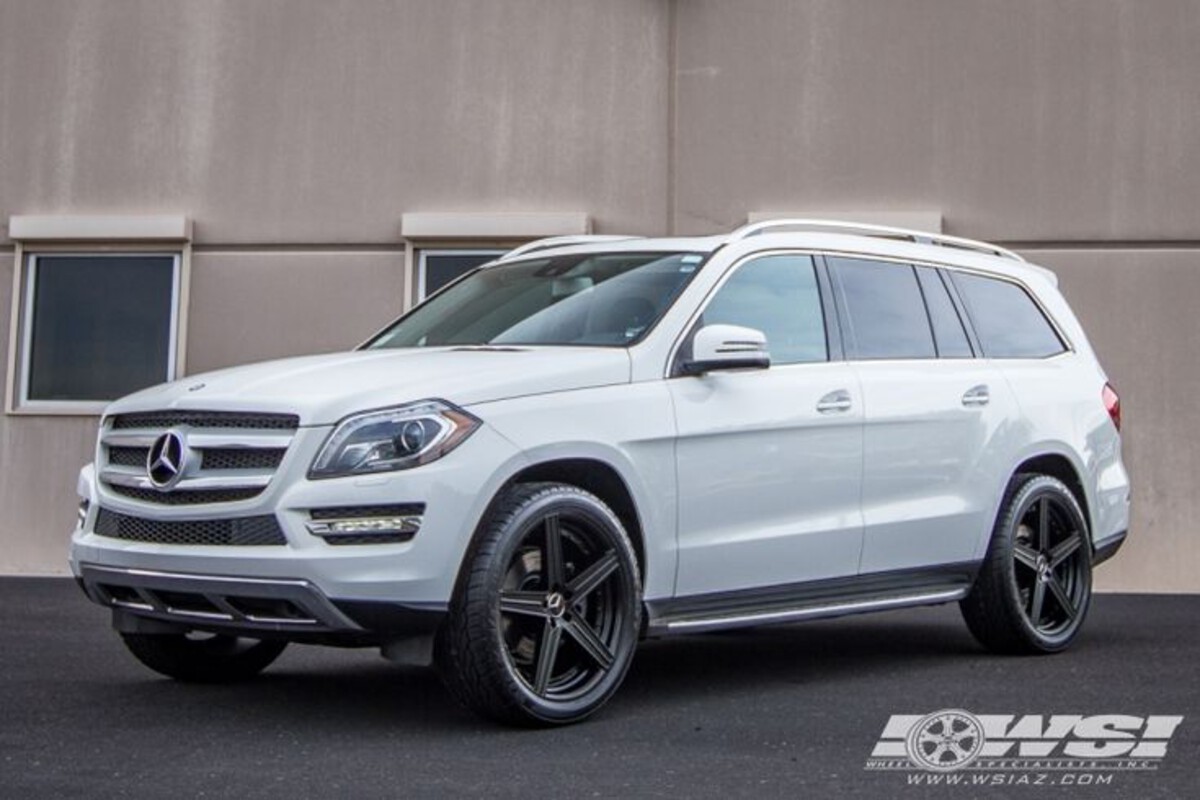
Owners also complained about uneven ride height and that annoying “Visit workshop” alert that seemed impossible to clear without dealership intervention.
And since the system was tightly integrated with the electronics, even minor sensor faults triggered expensive diagnostic sessions.
Mercedes eventually learned from the disaster and improved the design post-2020, but those earlier GL and GLS models are cautionary tales. When new, they’re blissfully comfortable, like driving on a cushion of air. But give it 60,000–70,000 miles, and you could be facing thousands in repairs.
If you’re eyeing a pre-2019 GL or GLS, be prepared: the suspension might be whispering luxury now, but it’s probably planning a wallet attack later.
5. Jaguar Range Rover Sport (Pre-2022) – The Leak Legend
The Range Rover Sport has long been the face of British luxury off-roaders and sadly, also the poster child for air suspension failures.
Models built before 2022 are infamous for persistent air leaks, compressor burnout, and valve block malfunctions that can turn routine drives into repair-shop appointments.
The system itself is impressive on paper: adjustable height, terrain response, and even active leveling. But in practice, early designs suffered from weak seals and poor moisture management.
Over time, tiny leaks cause the compressor to overwork, which leads to overheating and eventual failure. Some owners report replacing two or three compressors during the life of the vehicle.
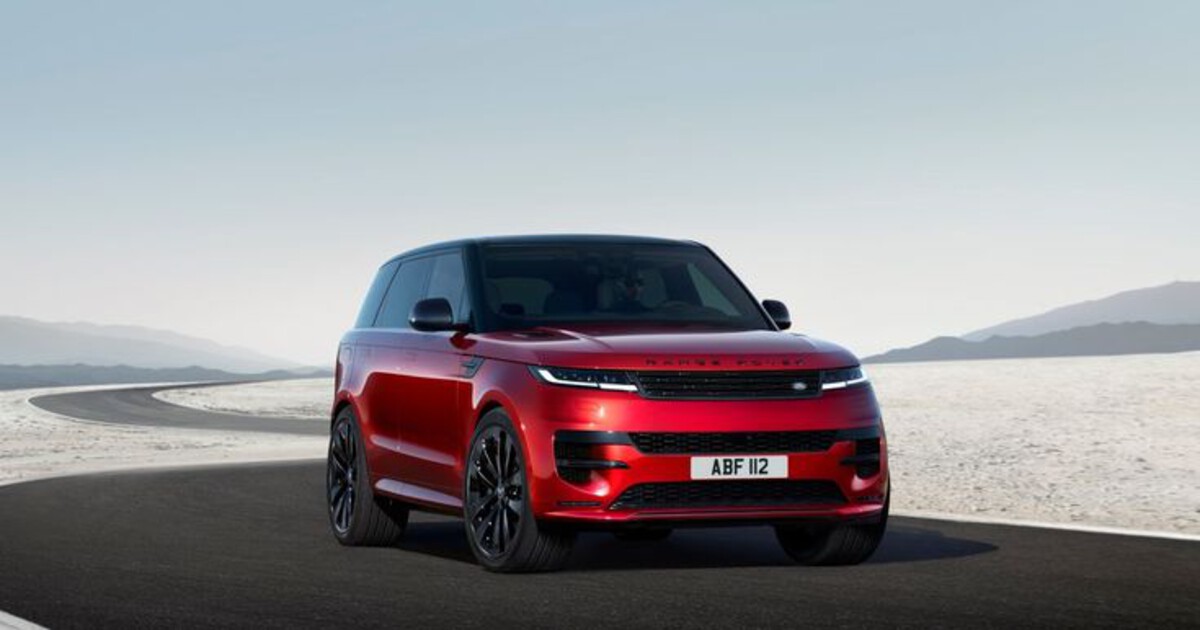
To make things worse, the system isn’t quick to diagnose. A slight drop in ride height might go unnoticed until it becomes a full-blown sag, and by then, multiple parts are compromised. The repair bills are brutal often crossing $5,000 for full replacements.
When everything works, the Range Rover Sport is unbeatable in comfort and road presence. It glides effortlessly over potholes and rough terrain. But that short-lived smoothness comes with strings attached constant vigilance and frequent repairs.
The newer 2022+ models finally addressed these flaws with better air lines and a stronger compressor system, but the older ones remain a gamble. It’s the classic luxury trap: perfect on the outside, unpredictable underneath.
Air suspension systems are one of those brilliant ideas that can either make a luxury SUV feel like a flying carpet or make ownership feel like a financial drain. They’re complex, sensitive, and expensive so the line between “dream ride” and “repair nightmare” is thin.
On the flip side, models like the Land Rover Discovery, Audi Q7, BMW X5, older Mercedes GL/GLS, and pre-2022 Range Rover Sport remind us that luxury tech can age poorly.
Their systems often struggle to handle long-term wear, heat, and moisture, which eventually lead to costly repairs. The ride may be flawless when new, but the peace of mind fades as soon as the warranty runs out.
Air suspension is worth it only if it’s built right, and maintained right. It’s not a feature to ignore when buying a used SUV. Always check service history, suspension height behavior, and compressor sound before signing the dotted line.
At its best, air suspension gives you unmatched smoothness and adaptability. At its worst, it’s a slow leak that drains your wallet instead of your tires.
So if you’re shopping for a luxury SUV, don’t just fall for the badge, look beneath the body, and pick the one that won’t leave you stranded with a sagging ride and an empty bank account.