
Curb impacts can reveal more about a crossover’s engineering than most owners realize. A slight brush against a parking curb or a misjudged corner at low speed can knock wheels out of alignment, leading to uneven tire wear, wandering steering, and expensive suspension repairs. Yet, not all crossovers are equally vulnerable.
Some retain their straight-line tracking even after mild hits thanks to stronger subframes, smarter suspension geometry, and bushings designed to absorb shock before metal components bend.
Modern crossover buyers often assume all-wheel drive or electronic stability systems protect them from alignment shifts, but those features only address traction, not structural resilience.
The true difference lies beneath the sheet metal, in how the front suspension cradle, control arms, and tie rods are engineered to handle lateral impact. Vehicles with high-quality metallurgy and multi-link setups tend to fare far better when subjected to curb strikes.
In this comparison, we examine two sides of the same story: five crossovers that keep their alignment steady even after real-world bumps, and five that easily lose it.
Each has been chosen based on owner feedback, suspension design traits, and workshop trends observed in vehicles over 50,000 miles.
Whether you’re a daily commuter, suburban family driver, or a fleet manager, understanding which models resist misalignment can save you money and frustration in the long run.
What separates a resilient chassis from a fragile one often comes down to a few millimeters of tolerance and how well engineers predicted everyday mishaps.
5 Crossovers That Keep Their Alignment After Curb Hits
Not all crossovers crumble at the first brush with a curb. Some are engineered to take the small mistakes of urban driving in stride. These are the models whose suspension systems have proven their toughness through years of daily use, potholes, and tight city parking maneuvers.
Their design philosophy balances ride comfort with underbody protection, ensuring that alignment settings hold steady even after mild lateral shocks.
The best performers in this category use reinforced control arms, high-tensile subframes, and well-tuned bushing systems. Instead of transferring every ounce of force to the wheel hub, they distribute impact energy evenly across the front axle.
This prevents toe and camber angles from shifting suddenly, the main reason steering drifts after a curb strike. Additionally, robust alignment retention often correlates with predictable steering feel and slower suspension wear over time.
These vehicles also tend to come from brands that test heavily on rough surfaces, not just smooth proving grounds. In some cases, engineers even simulate curb impacts at different approach angles to gauge recovery. For drivers, that means fewer trips to alignment shops and longer tire life.
Below are five crossovers that consistently demonstrate strong alignment retention after curb impacts, both in owner experience and mechanical inspection. Each one represents a well-engineered approach to real-world durability rather than lab perfection.
From Japan to Europe and North America, these crossovers prove that thoughtful suspension design and sturdy underpinnings can make the difference between a smooth, centered drive and a constant steering correction fight.
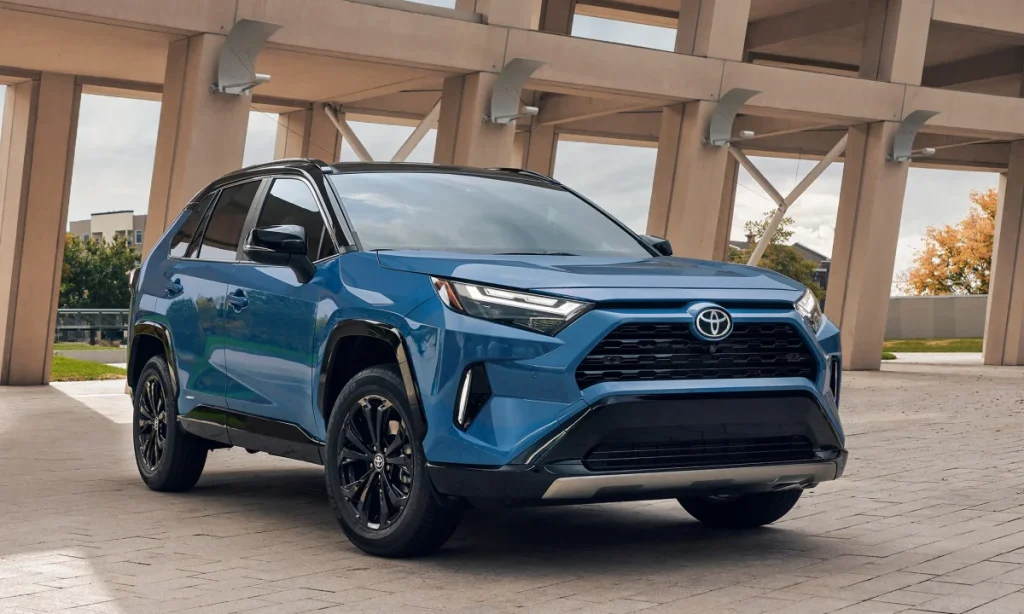
1. Toyota RAV4
The Toyota RAV4 is known for shrugging off everyday abuse, and that includes curb hits. Its MacPherson strut front suspension is supported by a rigid subframe that resists deformation even under side loads. This means when a front wheel meets a curb, the forces are spread through reinforced mounting points instead of bending control arms or tie rods.
Owners and alignment technicians often note how the RAV4 holds its steering center well past 100,000 miles.
Even when potholes or tight turns push the suspension hard, the alignment rarely drifts outside of tolerance. Toyota’s precise manufacturing tolerances and heat-treated suspension joints play a major role in that stability.
In hybrid variants, the extra battery weight improves balance, reducing stress on the front suspension during low-speed bumps. That weight distribution, combined with well-engineered shock absorbers, helps the vehicle settle quickly after impact without pulling to one side.
Toyota’s global testing standards also help. The RAV4 platform endures repeated curb impact simulations during development.
Engineers specifically assess camber stability after glancing hits to ensure the crossover can take real-world punishment. The result is a vehicle that feels composed even after city driving mishaps.
For urban commuters and light adventurers alike, the RAV4’s durability saves owners from frequent alignments. It’s a small engineering edge that pays off in long-term ownership satisfaction and lower maintenance costs.
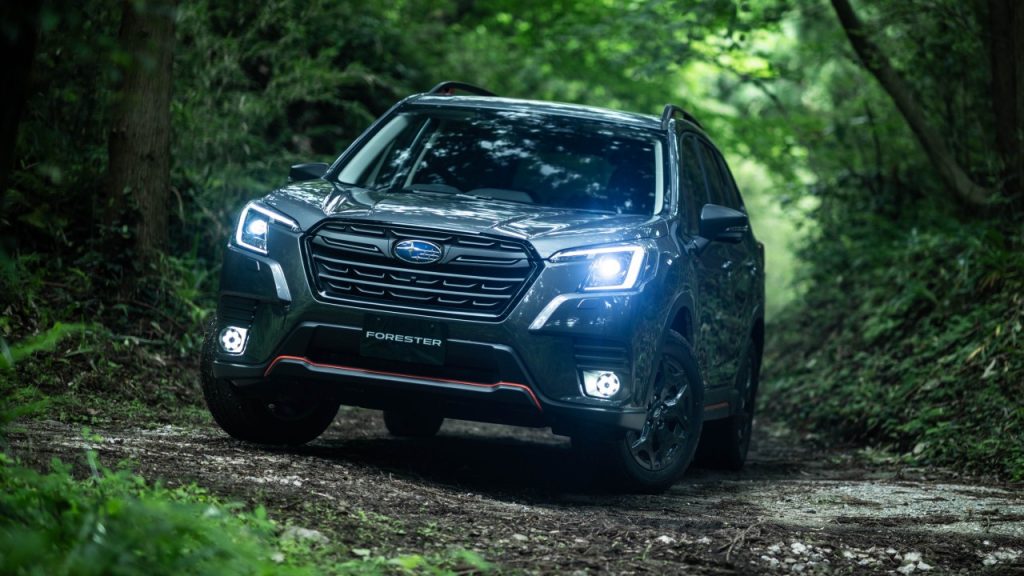
2. Subaru Forester
The Subaru Forester is another crossover that rarely loses its alignment after minor curb contact. Built on Subaru’s Global Platform, it benefits from a body structure that’s 70 percent stiffer than earlier generations.
That rigidity translates into minimal flex under lateral stress, keeping alignment settings steady even after hard bumps or off-center impacts.
Subaru’s signature symmetrical all-wheel-drive layout also distributes weight evenly across the chassis. This balanced load reduces the chance of one corner absorbing excessive side force during a curb strike.
The Forester’s suspension geometry is designed for rugged terrain, which naturally strengthens its resilience in urban mishaps as well.
Owners often report that even after light collisions with curbs or potholes, the steering remains true and doesn’t pull.
Workshops find alignment readings for these vehicles stay consistent unless there’s severe wheel damage. The reinforced aluminum control arms and well-damped bushings absorb minor shocks effectively.
Another factor is Subaru’s emphasis on safety and predictability. Engineers intentionally tuned the suspension to maintain consistent tire contact patches, meaning slight impacts don’t throw off steering accuracy. Combined with its tall ride height and robust shock towers, the Forester handles curb hits like a champ.
The end result is a crossover that not only delivers confidence in snow or gravel but also resists costly alignment drift from daily mishaps. It’s practical, resilient, and clearly designed for real-world wear.
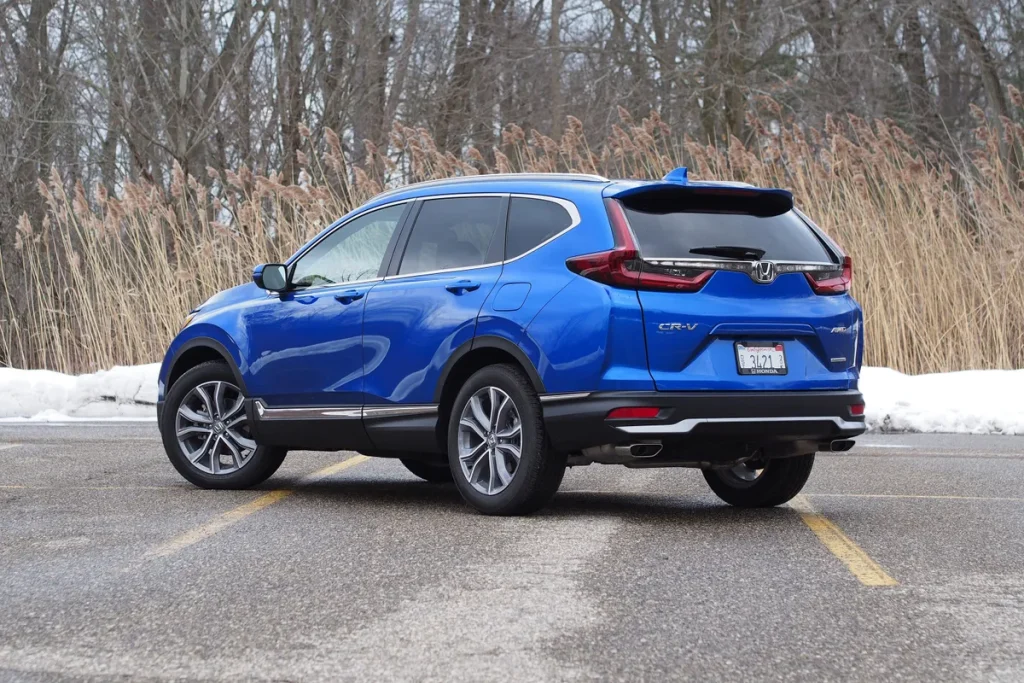
3. Honda CR-V
The Honda CR-V has built a reputation for everyday durability, and its suspension geometry deserves a lot of credit.
Honda engineers designed the front structure with reinforced subframe mounts and precise camber control, allowing the CR-V to stay aligned even after minor run-ins with parking curbs or uneven driveways.
Its front MacPherson strut system, paired with a multi-link rear setup, keeps both ends balanced under stress. When a wheel takes a side hit, the energy is absorbed across several links rather than concentrated on a single arm. This distribution helps protect alignment points from twisting or bending.
Honda also uses hydraulic bushings that dampen shock energy before it reaches alignment-critical joints. This smart isolation prevents toe and caster angles from shifting after quick impacts, one reason many owners notice their CR-V still tracks straight after years of city driving.
In workshop evaluations, technicians often find that CR-Vs maintain alignment even after small curb encounters that would typically send other vehicles off-center. The chassis rigidity and consistent manufacturing tolerances minimize post-impact variation.
Another hidden strength lies in Honda’s subframe bracing, which limits lateral movement between the suspension mounts. Together, these factors make the CR-V a low-maintenance choice for drivers who often navigate crowded urban streets or tight parking spots.
With balanced ride comfort and resilient underpinnings, the CR-V continues to stand out as one of the most alignment-stable crossovers in its class.
4. Mazda CX-5
The Mazda CX-5 combines precision handling with excellent impact tolerance. Its suspension is tuned for sharp response, but what many drivers don’t realize is that Mazda built in remarkable durability against lateral stress including mild curb hits that often disrupt alignment in rivals.
Mazda’s G-Vectoring Control Plus system subtly reduces engine torque during steering input, which helps distribute weight evenly across all tires. This technology not only improves cornering stability but also limits sudden stress on the front suspension when a wheel makes unexpected contact with a curb.
Structurally, the CX-5’s Skyactiv-Chassis employs ultra-high-tensile steel around the front shock towers and control arm anchors.
These reinforced zones resist deflection under impact, keeping camber and toe angles steady. Even repeated contact with small curbs during tight city parking rarely shifts alignment beyond measurable limits.
Mechanics often praise the CX-5 for its predictable alignment readings even at higher mileages. Its suspension bushings use a blend of natural and synthetic rubber compounds to absorb shock without sacrificing steering feel. That combination ensures long-term precision without excessive wear.
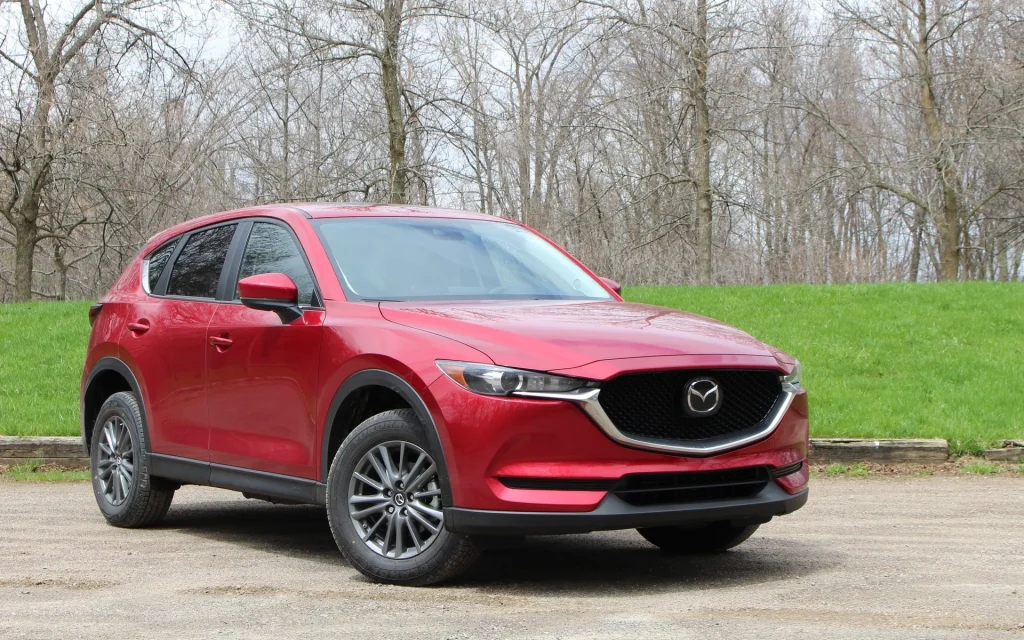
Mazda’s engineering philosophy focuses on driver engagement, but it also results in superior real-world resilience.
The CX-5 feels connected to the road because its structure holds geometry intact, even when drivers make small mistakes. It’s an understated but meaningful trait that separates well-built crossovers from those that drift and wander after every impact.
5. Volvo XC60
Volvo’s XC60 takes alignment resilience to a premium level, thanks to its strong Scandinavian engineering approach. Built on Volvo’s SPA platform, the XC60 features an exceptionally rigid chassis that resists deformation under impact, including glancing curb hits that typically disturb suspension geometry.
Its double wishbone front suspension is a standout. Unlike simpler strut systems, it offers greater control over wheel alignment under stress. When a tire hits a curb, the XC60’s forged-aluminum arms absorb the shock without transmitting excessive force to the tie rods or steering knuckles.
Volvo also equips the XC60 with adaptive dampers that adjust instantly to surface impacts, cushioning the hit before it disturbs alignment-critical angles. Over time, this technology significantly reduces wear on control arm bushings and prevents minor alignment drift.
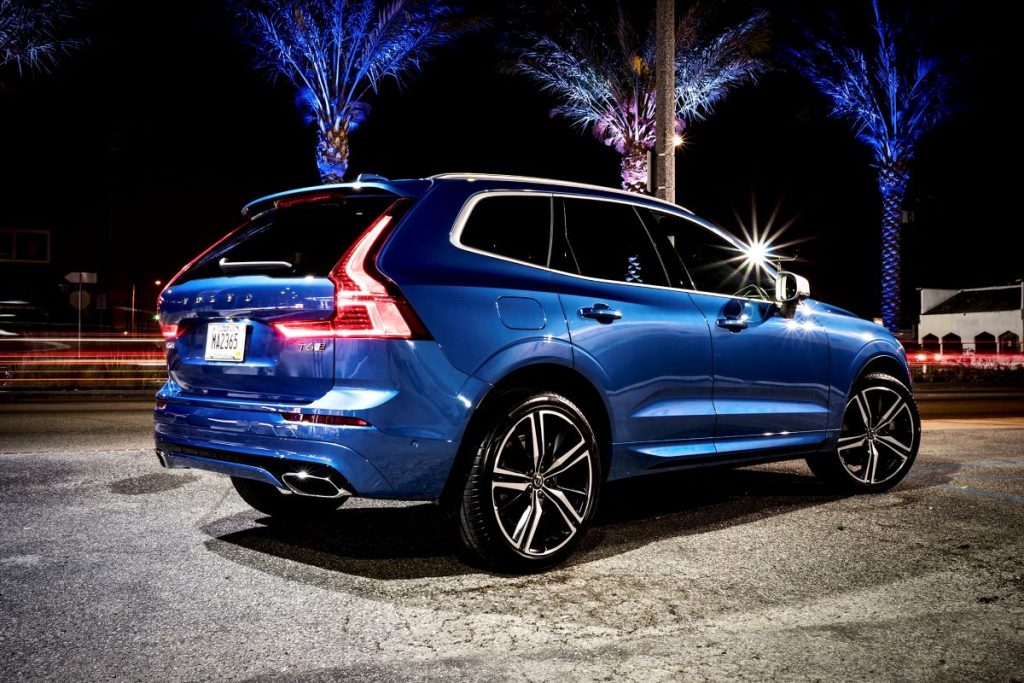
Service centers report that the XC60 often retains factory alignment even after years of city use, provided no major wheel or tire damage occurs.
Its robust suspension mounts and tight assembly tolerances are key reasons. Combined with thick anti-roll bars and smart weight distribution, the XC60 resists sudden camber or caster changes after small collisions.
For drivers who value both comfort and resilience, the XC60 stands as one of the best-engineered luxury crossovers. It doesn’t just ride smoothly it maintains its composure and alignment accuracy long after lesser designs would have shifted.
5 Crossovers That Don’t Keep Their Alignment After Curb Hits
While some crossovers are engineered to stay steady after minor curb strikes, others show their weakness almost immediately.
A quick bump on a parking divider or a tight turn into a driveway can leave the steering wheel off-center, tires wearing unevenly, or the suspension geometry thrown out of tolerance.
These models often rely on lighter front-end components, less rigid subframes, or cost-focused suspension layouts that can’t absorb impact stress effectively.
Alignment loss after curb hits doesn’t always point to bad build quality, but it often signals compromises in design. Vehicles that prioritize comfort and fuel efficiency sometimes use softer bushings and thinner control arms, which bend or shift easily under sudden force.
The result is a suspension system that feels plush but doesn’t hold its geometry once stressed. Over time, this leads to frequent trips to alignment shops and higher tire replacement costs.
Another issue comes from budget engineering. In some cases, the steering knuckles or tie rods are made from cast alloys that don’t flex back after impact. Even a mild strike can create lasting misalignment. Owners often notice subtle symptoms a slight steering pull, vague feedback, or premature edge wear on front tires.
This section highlights five crossovers that have earned a reputation for losing alignment easily after curb contact. While each has strengths in comfort, design, or value, their suspension durability under stress leaves something to be desired.
Understanding their weak points helps drivers anticipate maintenance and avoid unnecessary wear, especially in dense city environments where curbs and parking edges are an everyday hazard.
1. Nissan Rogue
The Nissan Rogue is a popular family crossover, but its front suspension layout has long struggled to hold alignment after mild impacts. The MacPherson strut setup, while smooth on the road, uses relatively thin lower control arms and bushings that deform easily when hit from the side.
Owners and technicians often report that even light curb contact can throw off the front toe angle. Once this happens, the Rogue may begin pulling slightly to one side, and uneven tire wear follows shortly after. Realignment is simple but tends to become a recurring need if the vehicle sees frequent curb bumps or pothole strikes.
Part of the problem lies in Nissan’s focus on ride comfort. The soft suspension tuning absorbs vibration well, but that same softness means energy isn’t distributed effectively during impact. The load concentrates at the arm bushings, which shift slightly, throwing geometry out of specification.
In workshops, it’s common to find that the alignment drifts out again within months if the vehicle is used in rough urban environments. The subframe isn’t as rigid as those found in sturdier competitors, which means it flexes more during impacts.
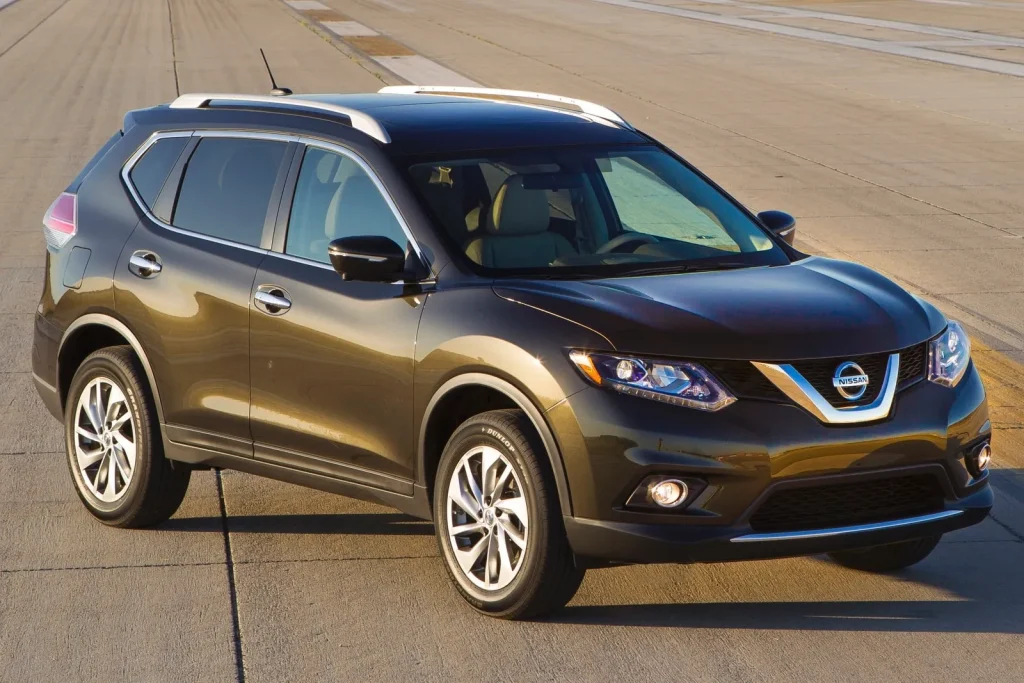
Despite this weakness, the Rogue remains an appealing crossover for smooth-road driving. But drivers who frequently maneuver tight parking spaces or hit curbs occasionally may find themselves scheduling alignments more often than expected.
2. Chevrolet Equinox
The Chevrolet Equinox delivers comfort and space, but its front suspension design has a tendency to go out of alignment even after relatively minor curb hits. The issue primarily stems from the geometry of its strut assembly and the lightweight materials used in the lower control arms.
When the front wheel encounters a curb, the Equinox’s components flex more than they should, allowing the wheel hub to shift slightly. That movement changes the toe and camber settings, causing the steering wheel to sit off-center and the vehicle to drift gently under acceleration.
Service shops frequently note this behavior among city-driven Equinox models. The cost of realignment isn’t high, but the frequency of visits becomes frustrating for owners. GM’s use of cost-effective suspension materials in older generations, particularly pre-2021 models, contributes to the problem.
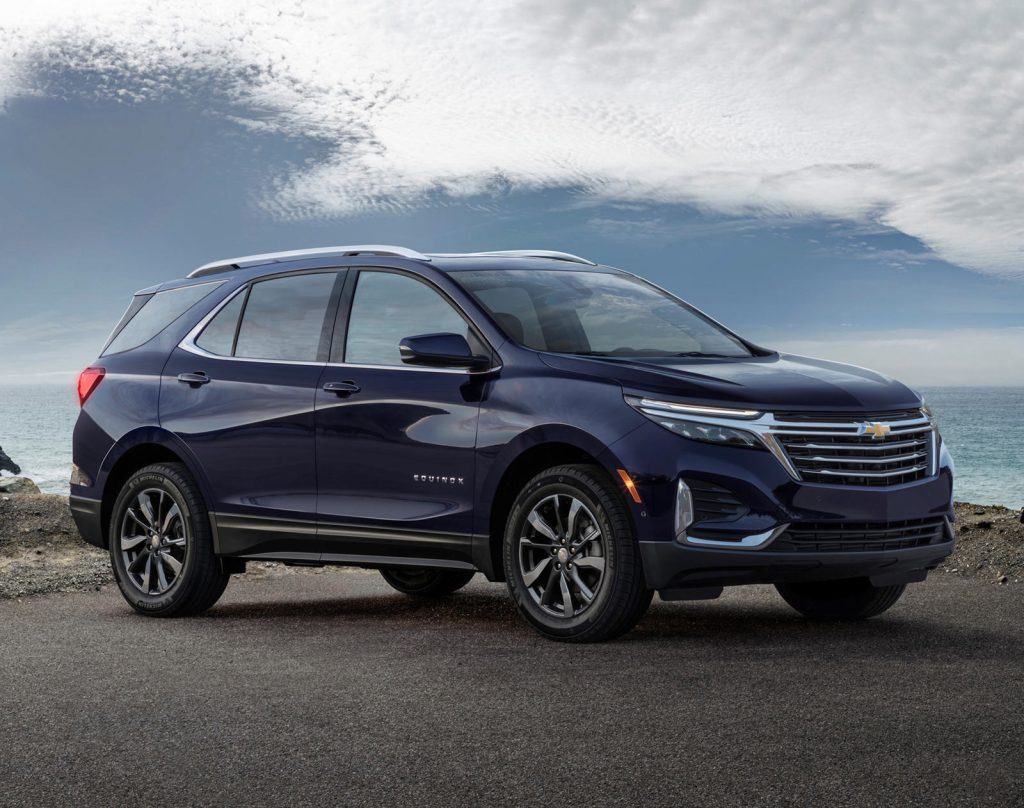
The Equinox’s relatively soft suspension bushings also allow more lateral movement than ideal. While this improves ride comfort, it doesn’t protect the alignment geometry from side impact forces. A curb strike at low speed can be enough to alter steering feel noticeably.
Owners looking to reduce this issue often upgrade to firmer aftermarket bushings or invest in frequent wheel checks. Still, the fundamental design means the Equinox struggles to maintain precision alignment compared to sturdier crossovers in its segment.
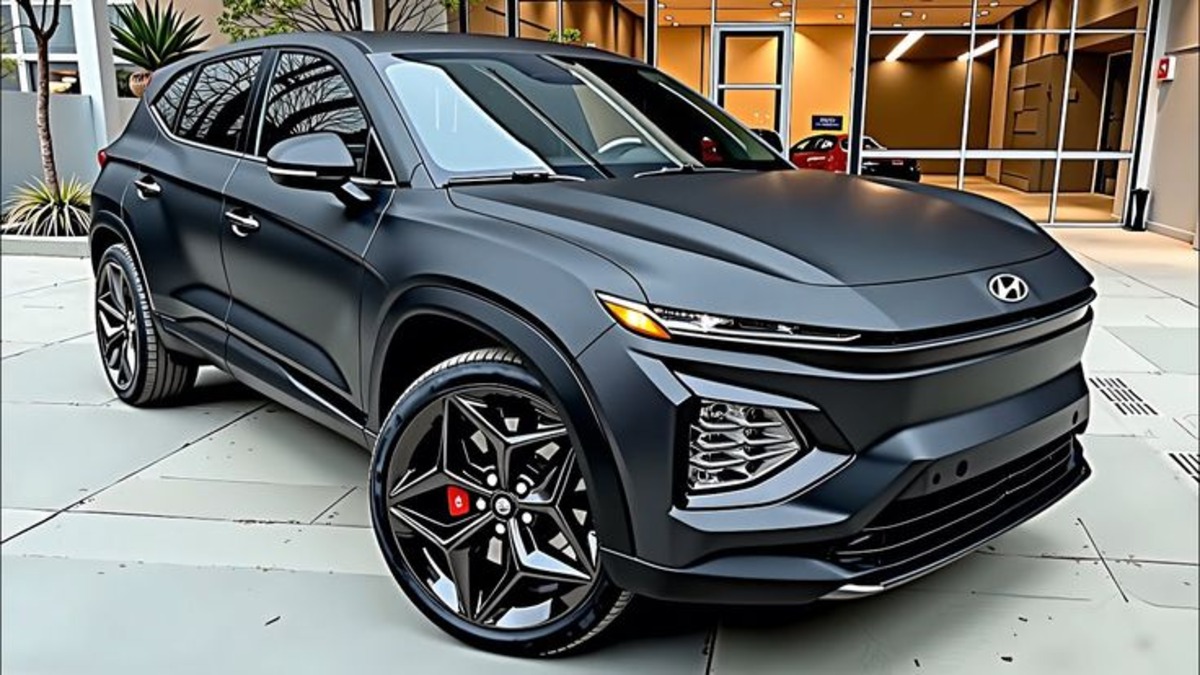
3. Hyundai Tucson
The Hyundai Tucson impresses with design and features, but alignment durability isn’t one of its strongest traits. Its front suspension, tuned for comfort, uses components that can shift slightly after even moderate curb hits. This often leads to a mild steering pull or uneven front tire wear.
The Tucson’s front strut layout combines lightweight alloy knuckles with softer bushings. These parts absorb road vibration well, but they also allow minor play under impact. When a wheel contacts a curb, that movement translates into measurable toe or camber changes that require correction.
Technicians frequently report that alignment readings on the Tucson drift out of factory tolerance faster than on similarly sized Japanese rivals. The subframe and control arm mounts tend to flex under pressure, especially on earlier model years before chassis reinforcement improvements.
Hyundai’s emphasis on quietness and ride comfort contributes to the issue. The insulation and soft bushings filter out harshness but compromise structural rigidity in low-speed collisions with parking barriers. Even a light bump can unsettle the suspension geometry if it happens repeatedly.
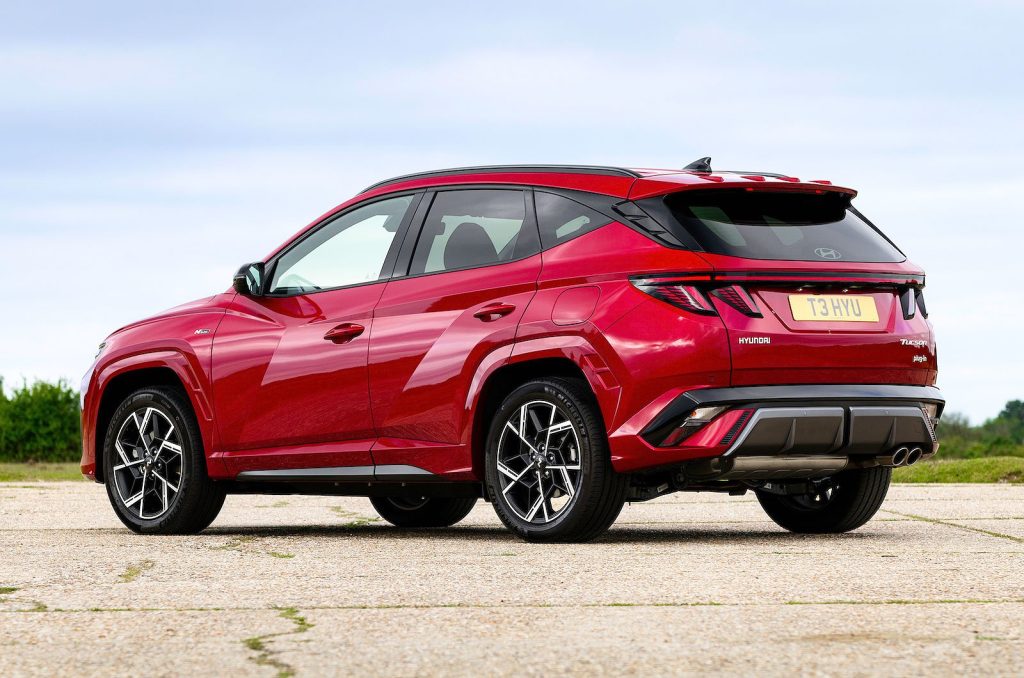
While the Tucson remains reliable overall, city drivers who often brush curbs or navigate tight urban spaces may find it loses alignment quicker than expected. Regular wheel checks and cautious parking help minimize this, but its alignment sensitivity remains a known characteristic.
4. Ford Escape
The Ford Escape blends agility and practicality, but alignment stability isn’t its strong suit. Many owners report that even gentle curb strikes can cause steering drift or front-end pull. The root cause lies in the front subframe design, which allows more flex under lateral loads than ideal.
Ford’s suspension setup uses thin-gauge steel control arms and relatively soft rubber bushings. While this helps isolate noise and vibration, it also makes the geometry prone to shifting during impact. A light curb hit at parking speed can alter toe alignment just enough to affect handling.
Workshops see frequent realignments for Escapes that have encountered urban obstacles. In some cases, repeated corrections point to minor subframe distortion rather than easily adjustable settings. The Escape’s steering knuckles and tie rods don’t always return perfectly to their original position after a hit, especially on earlier model years.
The problem becomes more noticeable as the suspension ages. After 40,000 to 60,000 miles, the factory bushings soften further, amplifying the tendency for the front wheels to go out of spec. Drivers may notice uneven tire wear long before steering feedback changes.
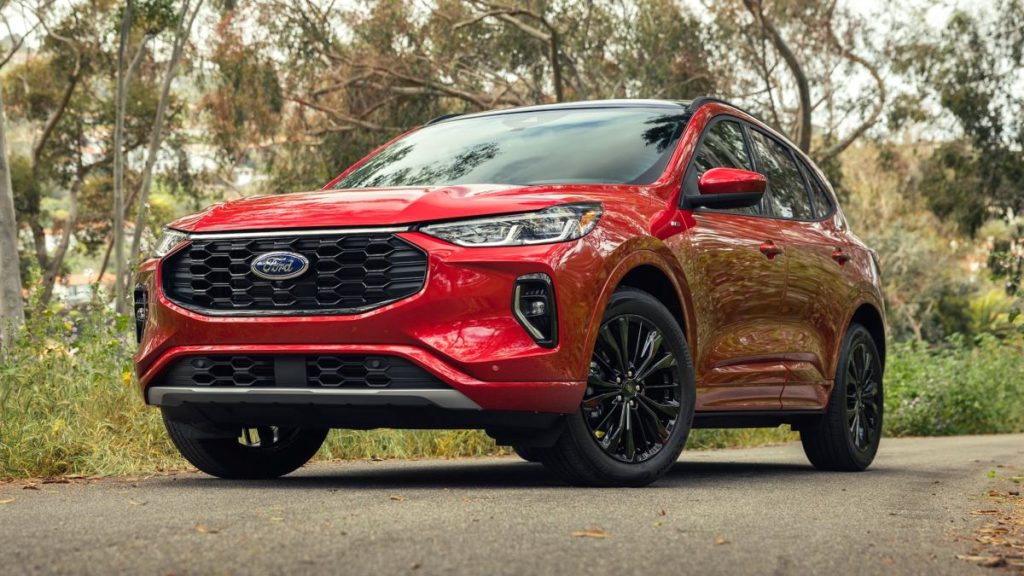
Despite these drawbacks, the Escape’s ride remains smooth and predictable under normal use. It’s only when curbs or sharp potholes come into play that its alignment resilience shows weakness a reminder that comfort tuning often comes at the expense of long-term geometric stability.
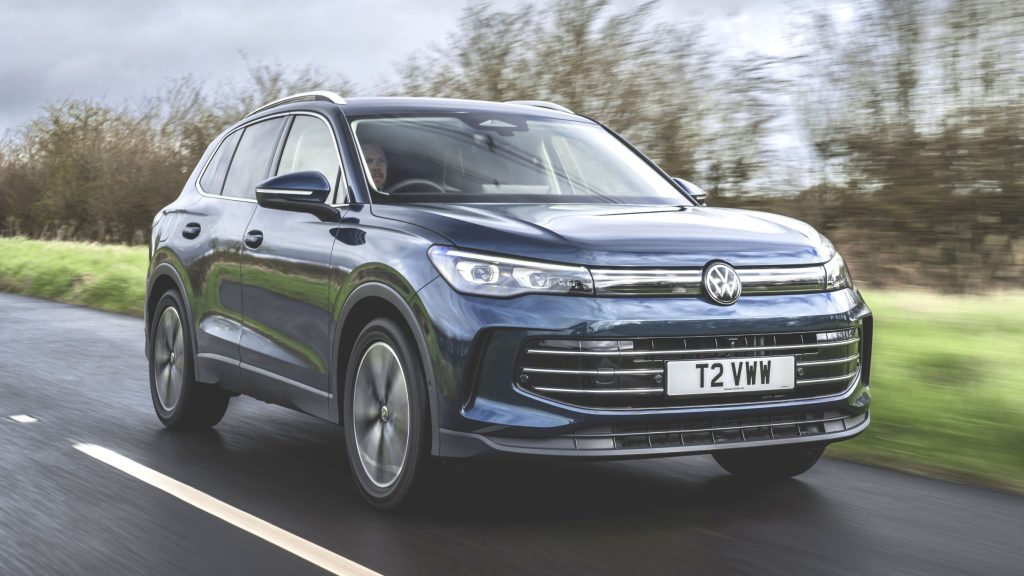
5. Volkswagen Tiguan
The Volkswagen Tiguan delivers refined handling and premium feel, yet its suspension alignment can be surprisingly delicate. Even light curb bumps can throw off its precision, resulting in subtle steering pull or off-center wheel alignment. This issue stems from its compact, performance-oriented front-end setup.
The Tiguan’s suspension uses aluminum components and tightly tuned geometry for crisp steering. However, that same precision leaves little room for impact tolerance. A minor jolt from a curb can alter alignment angles because the lightweight arms and narrow bushing clearances don’t absorb enough shock.
Owners often report that alignment issues appear earlier than expected, particularly on vehicles driven in cities.
Technicians find that while the Tiguan’s control arms and subframe mounts are high-quality, their stiffness doesn’t translate to resilience against side impacts. Once geometry shifts, it stays off until professionally corrected.
Part of the issue lies in Volkswagen’s focus on handling sharpness. Engineers tuned the steering response to feel direct and linear, but that tuning sacrifices forgiveness in everyday bumps. The system simply doesn’t have the flexibility to absorb curb strikes without measurable effects.
Though it handles beautifully on smooth pavement, the Tiguan demands careful driving in tight urban spaces. Owners who value precision steering may find the frequent alignments frustrating, but they come as a tradeoff for its sporty, European-style handling characteristics.
Curb hits test more than just driver awareness they expose how well a crossover’s suspension is engineered to handle real-world impacts.
Models like the Toyota RAV4, Subaru Forester, and Volvo XC60 showcase how robust design, rigid subframes, and smart geometry can protect alignment and keep steering true. They’re proof that thoughtful engineering pays off in reduced maintenance and longer tire life.
On the other hand, crossovers such as the Nissan Rogue, Ford Escape, and Volkswagen Tiguan remind drivers that not every suspension setup can recover easily from small mistakes. Softer bushings, lighter arms, and flexible mounts may enhance comfort or agility but leave the alignment vulnerable after curb contact.
For buyers and owners, the takeaway is clear: durability in suspension design isn’t just about off-road toughness it affects everyday reliability. Choosing a crossover that holds alignment after a hit means fewer shop visits, less tire wear, and more consistent handling throughout the vehicle’s life.
Also Read: 5 Best Manuals With Satisfying, Long-Lived Clutches vs 5 That Slip Too Soon
