
Heated seats may seem like a small luxury feature, but in high-end SUVs, they represent the kind of everyday comfort owners expect to work flawlessly year after year.
When temperatures drop, a seat heater that warms up quickly and evenly makes a huge difference in perceived quality. However, not all luxury SUVs deliver the same long-term durability.
Some brands engineer seat heaters that outlast the vehicle itself, while others use fragile elements that fail just as the warranty expires.
The performance and longevity of seat heaters often depend on the materials used, wiring design, and the level of heat control integration. Well-designed systems use evenly distributed heating grids and high-quality resistive wiring that can handle years of thermal cycling without breaking.
In contrast, cheaper or rushed designs may develop hot spots that eventually cause shorts, broken elements, or even sensor malfunctions. When that happens, the repair bill can be steep since replacing a single heating pad often means dismantling the seat upholstery or ordering custom components.
This comparison highlights two distinct sides of luxury SUV ownership. On one hand, some models maintain dependable seat heating over hundreds of thousands of miles.
On the other, a handful of expensive SUVs suffer from premature burnout either due to weak materials, poor heat management, or overly complex electronic control modules.
The goal isn’t just to separate the good from the bad, but to give real-world insight into how these comfort systems hold up over time.
A seat heater may seem minor, but its reliability can reflect the overall build quality of a luxury vehicle. Let’s start with five luxury SUVs known for their durable seat heaters, the ones that warm consistently year after year with minimal maintenance headaches.
Also Read: 5 Platforms With Durable Under-tray Fasteners vs 5 That Rip Out in Snow
5 Luxury SUVs With Durable Seat Heaters
Luxury SUVs are built to deliver comfort in every climate, and few features showcase that better than a well-designed seat heater.
A good system doesn’t just heat quickly; it distributes warmth evenly, avoids hotspots, and lasts for the long haul without breaking internal wires or blowing fuses.
In this section, we’ll look at five luxury SUVs with seat heaters known for their durability, based on owner feedback, design quality, and long-term reliability.
Manufacturers that get this right typically use multi-zone heating grids, thicker heating filaments, and better thermal insulation beneath the seat covers.
They also focus on balanced power output to prevent repeated heating and cooling cycles from stressing the wiring over time. It’s a small but critical detail especially in vehicles that see years of cold-weather use.
Brands like Lexus, Mercedes-Benz, Volvo, Acura, and BMW have refined their approach to interior heating.
Their systems not only perform reliably but are also integrated into the vehicle’s climate control electronics for smooth temperature regulation. The result is a system that works seamlessly and often outlasts the upholstery itself.
Durable seat heaters are more than just a comfort advantage; they’re a sign of a manufacturer’s attention to detail. When a luxury brand invests in consistent quality down to the seat wiring, it usually means the rest of the vehicle’s build follows the same philosophy.
These SUVs prove that reliability can coexist with refinement, and that true comfort comes from smart engineering, not just high-end materials.
Let’s take a closer look at five luxury SUVs that keep their heated seats working strong well past the 100,000-mile mark starting with one of the most dependable names in the business, the Lexus RX.
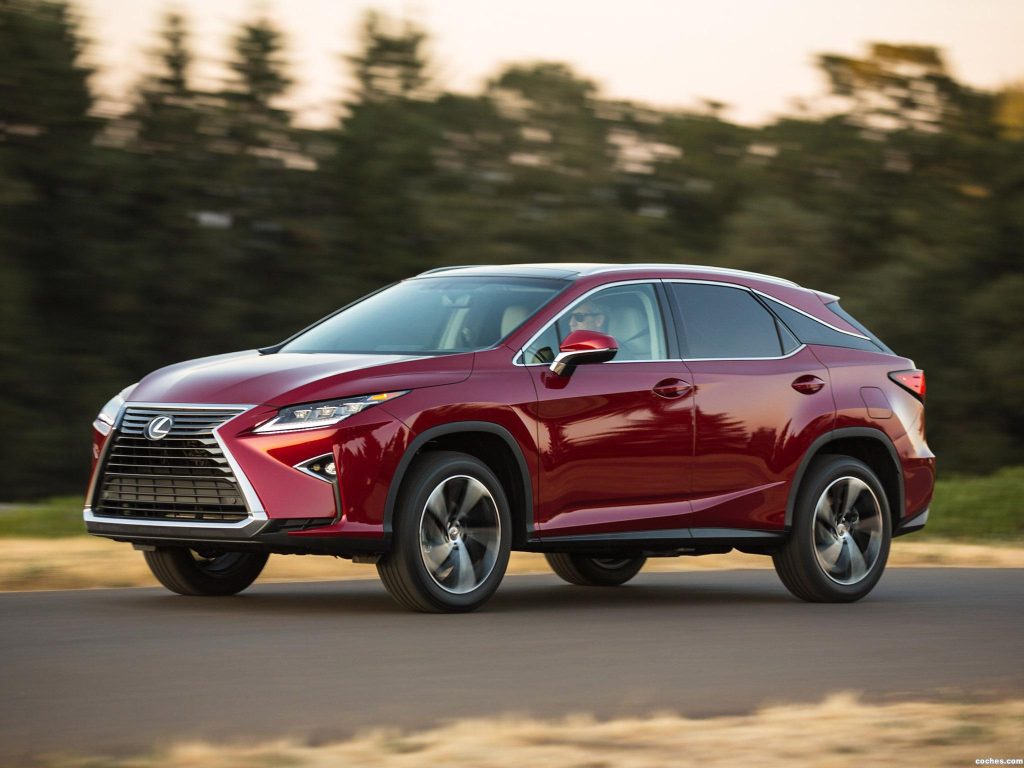
1. Lexus RX
The Lexus RX has built its reputation on quiet comfort, and its seat heaters reflect that same philosophy of dependable luxury. Owners frequently note that even after a decade of winter use, the seat heaters still warm up quickly and evenly.
That’s because Lexus engineers rely on reinforced carbon-fiber heating elements that resist fatigue and breakage over time. Unlike cheaper metallic wires, these elements handle repeated heat cycles without developing hot spots.
Another reason the RX performs so well in this area is its integration with the climate control system. Instead of a simple on/off function, the heating adjusts automatically based on cabin temperature, preventing overuse and prolonging component life.
The padding materials also help distribute heat more evenly, protecting the wiring from compression wear a common failure point in older SUVs.
Lexus’s focus on reliability extends to serviceability too. Should a failure occur, parts availability is excellent and labor time is moderate, keeping repair costs manageable compared to many European competitors.
It’s rare for owners to even face that scenario, which is why the RX consistently earns top marks for interior durability.
In essence, the Lexus RX represents what luxury should feel like warmth that works every time, no matter the weather or mileage. It’s one of those SUVs where comfort and engineering meet in perfect harmony.
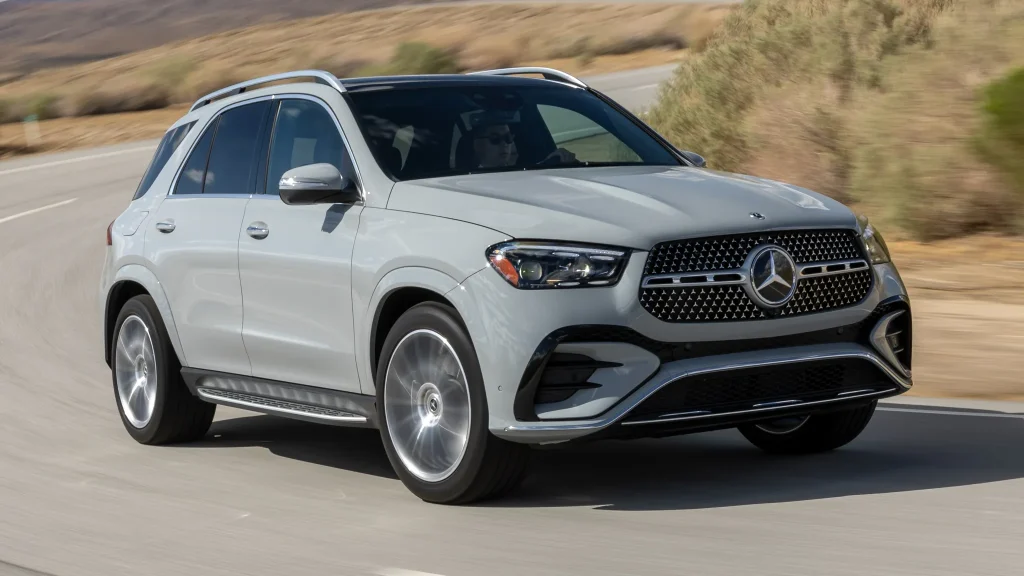
2. Mercedes-Benz GLE
The Mercedes-Benz GLE combines elegance with robust engineering, and its seat heater system exemplifies that. Mercedes uses multi-layer heating mats embedded deep within the seat foam, ensuring even distribution and reduced wear on wiring joints.
This thoughtful construction helps the GLE maintain consistent heating performance long after similar systems in rivals have weakened.
Owners often praise how fast the seats warm up typically within seconds of ignition. The secret lies in Mercedes’ dual-zone heat control, allowing precise temperature management between the seat base and backrest. This fine-tuning prevents overstressing any single element, effectively extending its lifespan.
The wiring quality is another key strength. Each heating mat uses insulated copper strands with flexible sheathing, protecting against breakage from seat movement or driver weight shifts. This is especially valuable in climates where the system runs daily for months.
From a maintenance standpoint, the GLE’s heaters are remarkably stable. Failures are rare, and when they occur, Mercedes dealerships can replace just the affected grid section instead of the whole seat a huge cost advantage compared to full reupholstery jobs in less service-friendly models.
The GLE showcases how Mercedes balances comfort with smart engineering. Its heaters don’t just provide warmth; they deliver consistency, efficiency, and dependability qualities that define true luxury longevity.
3. Volvo XC90
The Volvo XC90 stands as a benchmark for cold-weather luxury, and its seat heaters are a perfect reflection of that Scandinavian practicality. Volvo equips the XC90 with graphite filament heating grids, known for their flexibility and even heat distribution.
Unlike metallic wires that can crack or corrode, graphite filaments maintain consistent warmth over years of daily use.
One of the main reasons for their durability is balanced thermal control. Instead of overworking the heating pad to achieve instant heat, the system warms gradually and evenly, reducing strain on both the seat foam and electrical elements. This prevents the hot spots that often lead to early burnout in lesser systems.
Volvo also uses high-resilience foam and treated leather, which resist the repeated compression and heat exposure that can wear out seat wiring.

As a result, even vehicles surpassing 150,000 miles continue to provide smooth, reliable heating. Owners from snowy regions frequently mention how the seats perform just as effectively after a decade of winters.
Serviceability is another strong point. If a failure does occur, Volvo’s modular design allows technicians to access and replace only the affected section instead of the entire pad. That thoughtful engineering makes the XC90 a quiet winner when it comes to long-lasting seat comfort.
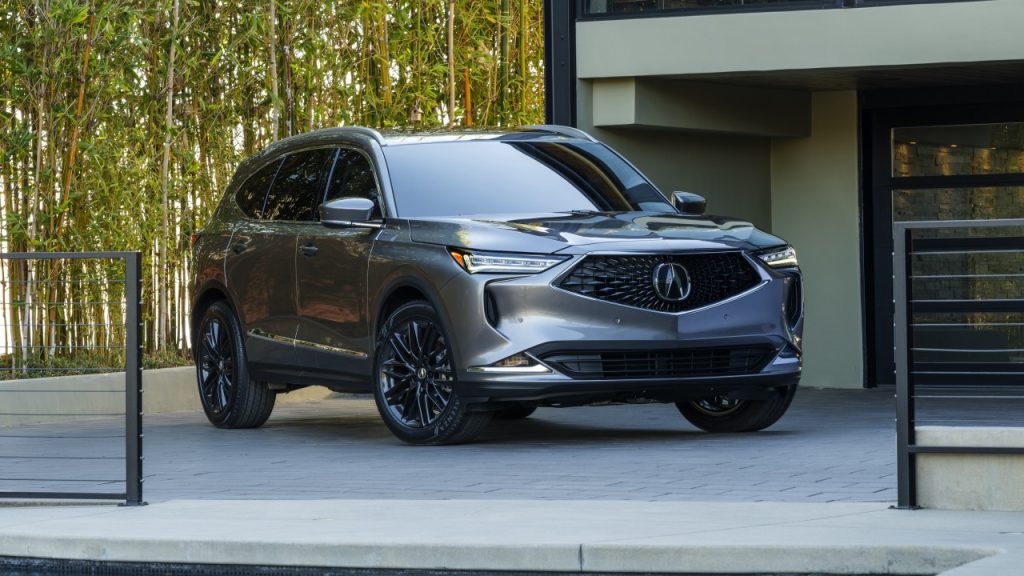
4. Acura MDX
The Acura MDX is often praised for its combination of luxury and long-term dependability, and its seat heaters are no exception. Acura relies on durable copper wire heating grids embedded within flexible foam layers, creating an ideal balance between performance and longevity.
Each heating element is protected by multi-layer insulation, ensuring that repeated movement, compression, or exposure to cold doesn’t lead to wire breakage. This robust construction allows the MDX’s heaters to last well over 100,000 miles with minimal degradation.
The system’s responsiveness also stands out. Within a minute of activation, both the seat base and backrest reach comfortable temperatures without overloading the system. Because Acura integrates the seat heaters into the broader climate control system, they automatically adjust to cabin temperature, preventing overheating and unnecessary electrical stress.
Another practical benefit is service cost. Acura designed the MDX so that heating pads can be replaced independently of upholstery, keeping repairs far less expensive than those on most European SUVs.
Owners appreciate the MDX’s blend of comfort and consistency. It’s proof that a luxury SUV can deliver lasting warmth without driving up maintenance costs, a hallmark of Acura’s reliability-focused engineering.
5. BMW X5
The BMW X5 combines performance, comfort, and precision engineering and its seat heating system follows that same philosophy. BMW’s approach focuses on balanced temperature control and durable wiring design, ensuring its seat heaters continue to perform smoothly long after the warranty period.
The X5 uses carbon-fiber heating elements instead of traditional metallic wires. These filaments are both lightweight and extremely flexible, allowing the seats to maintain consistent warmth without suffering from wire fatigue.
The system’s thermal management is also smartly tuned it warms up quickly but not aggressively, protecting both the seat foam and internal circuits from long-term stress.
One of the standout features of the X5’s seat heaters is the independent dual-zone control. The seat base and backrest can operate at different intensity levels, giving users finer control and preventing overuse of any single grid section. This even heat distribution is a major reason behind the X5’s long-term reliability in cold climates.
BMW also ensures excellent electrical insulation and sensor feedback to prevent overheating. If the temperature rises too fast, the system automatically balances output, avoiding stress that could cause burnout or shorts.

In terms of serviceability, BMW’s modular heating design allows for targeted repairs without full seat disassembly. Replacement parts are accessible, and the system’s fault diagnostics help pinpoint specific issues something few rivals offer.
Overall, the BMW X5 shows how engineering precision translates into everyday comfort. It’s not just a quick heater; it’s a system built to endure years of real-world use. With dependable performance and minimal failures even past 150,000 miles, the X5 proves that German luxury can also mean long-term reliability when designed right.
5 Luxury SUVs With Seat Heaters That Burn Out Fast
Luxury SUVs promise year-round comfort, but not every model lives up to that expectation when it comes to long-term reliability. Seat heaters, in particular, can be a weak spot in some premium vehicles, despite their high price tags.
When they work, they’re wonderful warm, responsive, and easy to control. But when they fail, repairs can quickly spiral into four-figure bills because of the labor required to remove and reassemble complex seat designs.
The main culprits behind early seat heater burnout are fragile heating elements, poor thermal insulation, and excessive power draw. In some models, manufacturers prioritize rapid heating speed over durability, which strains the thin wires or carbon grids inside the seats.
Over time, repeated expansion and contraction from heat cycles cause those filaments to crack or break. Once that happens, even a small section failure can disable the entire seat heater.
In luxury SUVs, where craftsmanship and comfort are selling points, that kind of failure feels unacceptable yet it happens more often than buyers expect. Some European and American brands, known for complex interiors, are particularly prone to expensive heater replacements.
Labor costs skyrocket because technicians must remove and reupholster seats, and in some cases, the heating pad is only available as part of a larger assembly.
This section looks at five luxury SUVs where seat heater reliability falls short. These models are known for early burnout issues, inconsistent heating, or painful repair bills once the system fails.
It’s not meant to discourage ownership but to help buyers understand what to expect if comfort systems stop working. Luxury isn’t just about initial feel it’s about how well those features hold up after years of use.
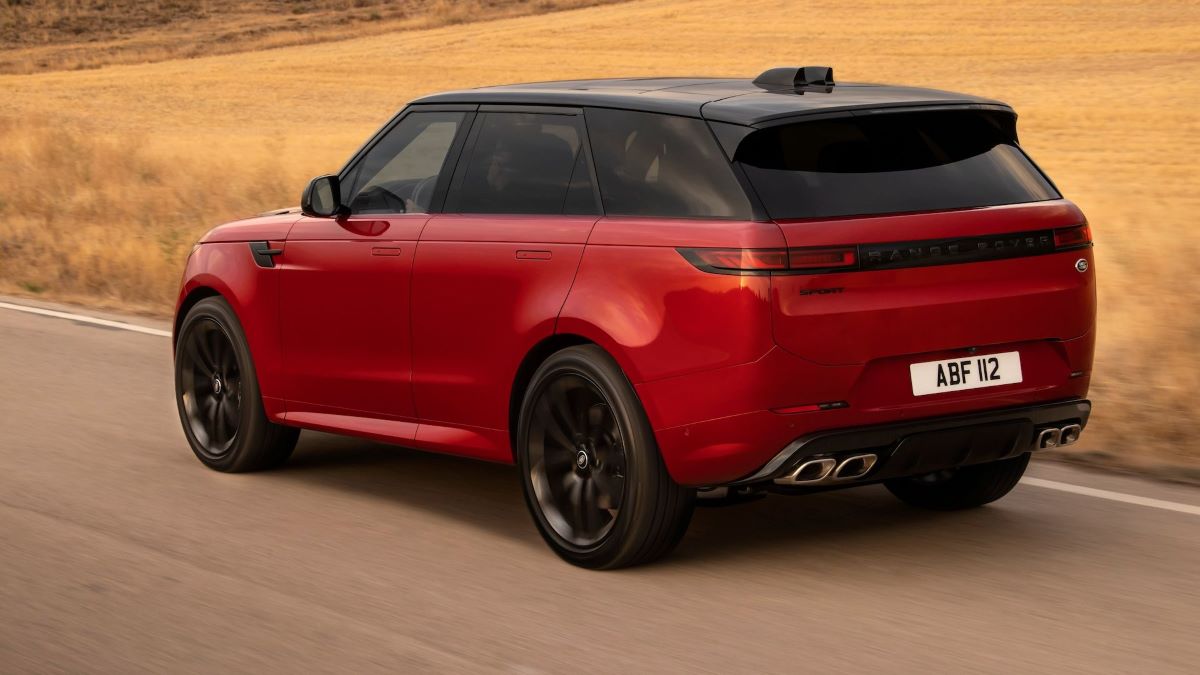
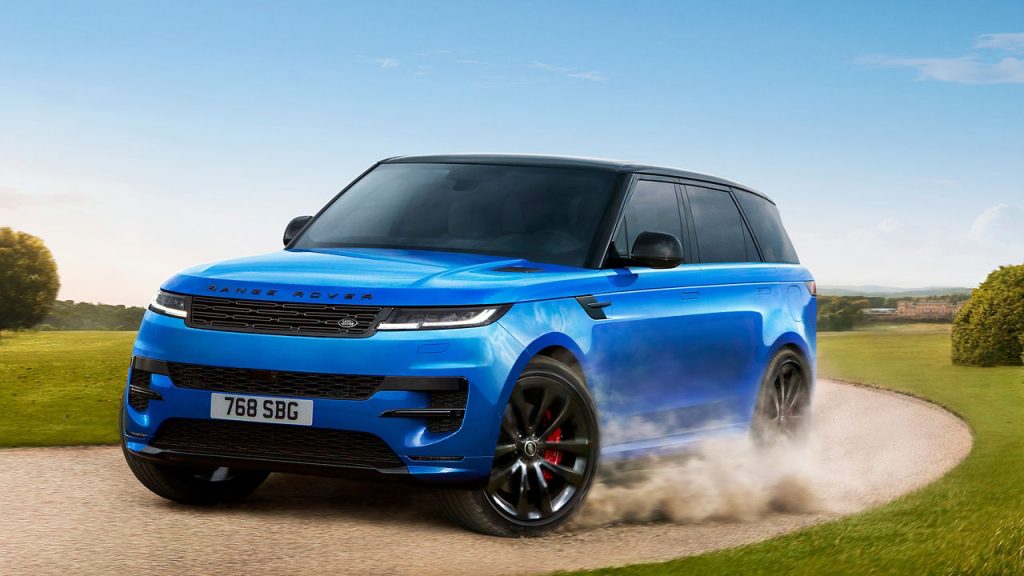
1. Range Rover Sport
The Range Rover Sport offers opulent interiors and impressive ride comfort, but its seat heaters have earned a reputation for early burnout and costly repairs. Owners frequently report that the heating elements fail within five to seven years, especially on models with perforated leather and ventilated seats.
The issue usually stems from thin heating filaments that can’t withstand repeated heating and cooling cycles, leading to wire breaks deep within the seat cushion.
Because of the SUV’s complex seat construction, replacing a heating pad can require complete seat disassembly, with labor times reaching six to eight hours.
Even a single failed grid often means replacing the entire pad, adding thousands to the repair bill. Some technicians note that Land Rover’s design prioritizes quick heating performance but compromises long-term durability.
The electrical system can also contribute to early failures. Voltage spikes from the comfort module occasionally overheat circuits, shortening the lifespan of the heater mats. Combined with the vehicle’s premium upholstery and tight assembly tolerances, even minor repairs become labour-intensive.
Despite its luxury image, the Range Rover Sport’s seat heater system reflects a recurring issue in British SUVs comfort that feels great when new but doesn’t always stand the test of time. Owners love the initial warmth but often find that maintaining it comes at a steep cost.
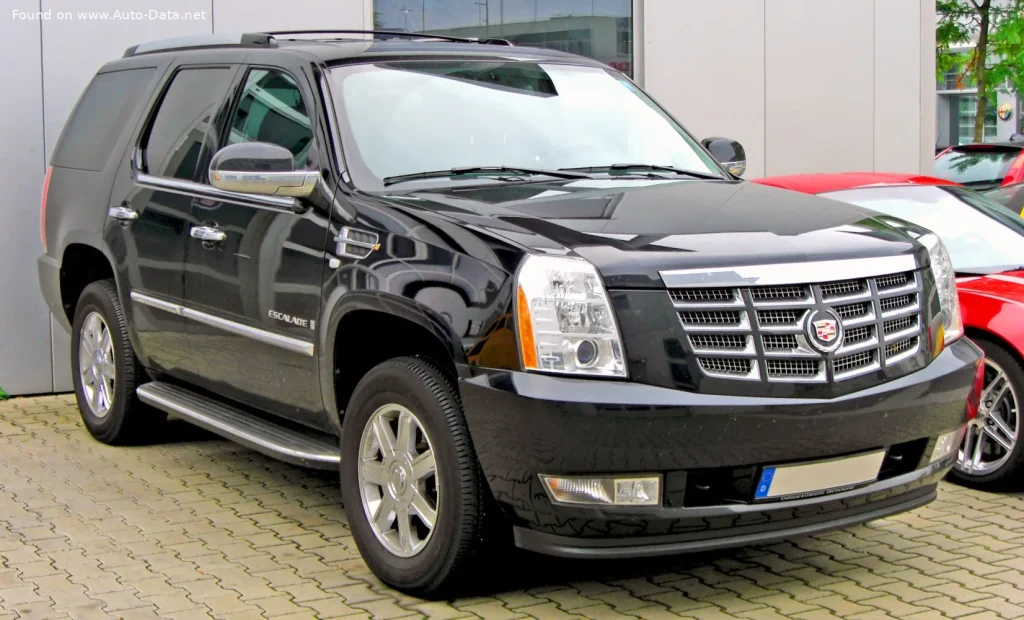
2. Cadillac Escalade
The Cadillac Escalade sets a high bar for American luxury, but its seat heater durability hasn’t always matched its reputation. Many owners of earlier and even some recent models report intermittent heating failures caused by broken internal wires and faulty seat control modules.
The problem tends to appear between 60,000 and 100,000 miles, often due to stress from frequent seat adjustments and the weight of larger occupants.
Cadillac’s seat heater design uses metallic heating filaments that heat up quickly but don’t tolerate bending or compression well.
Over time, the constant shifting of the seat foam can cause the wiring to fatigue and break, especially along the edges of the seat bottom. Once a single wire breaks, the system often shuts down entirely as a safety precaution.
Repairing an Escalade’s seat heater is not cheap. The seat cushion must be disassembled, and in many trims, the heater pad is sewn directly into the leather cover forcing a full replacement. Labor times average five to six hours per seat, with parts and labor combined often exceeding $1,000.
While the Escalade delivers impressive warmth when new, its long-term heating reliability leaves room for improvement.
Owners in cold climates frequently mention that the seat ventilation feature, while convenient, adds complexity that shortens heater life. Comfort is certainly there, but longevity is not its strong suit.
3. Porsche Cayenne
The Porsche Cayenne blends sports car precision with luxury SUV comfort, but its seat heaters have been a weak link for many owners over time. Reports show that the heating elements, especially in earlier generations, tend to burn out prematurely due to high heat output and thin carbon fiber grids.
Porsche tuned the system for rapid warmth, but this aggressive heating curve often causes internal wiring fatigue within just a few years.
Owners have also noted uneven heat distribution in the seat base, where certain sections stop working while others remain hot.
This usually happens when the conductive mesh fractures under stress from frequent seat movement or weight shifts. Because Porsche’s seat design integrates both heating and cooling functions into one assembly, failures are difficult to isolate and repair.
The real sting comes from repair costs. To replace the heater mat, technicians must remove the seat cover and sometimes the entire seat, depending on the model year. Parts availability and labor intensity push total costs near $1,500 per seat. Some owners even opt to live without the function due to the high expense.

Despite these flaws, the Cayenne remains a refined performer overall. Yet when it comes to long-term interior comfort, its seat heater system lacks the endurance you’d expect from a premium badge. What feels luxurious in year one can turn into a maintenance headache by year six.
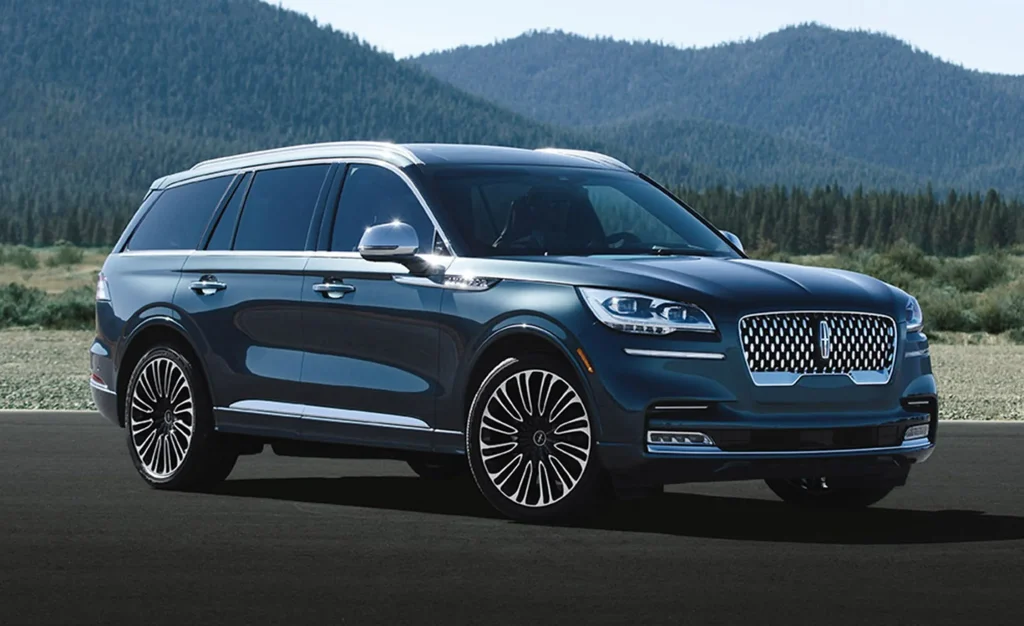
4. Lincoln Aviator
The Lincoln Aviator offers modern American luxury with powerful features and rich interior materials, but its seat heaters often show premature wear compared to segment leaders. Many owners report failures in the lower seat cushion heating grids after only a few winters, especially in regions with prolonged cold weather.
Lincoln’s issue lies in its thin metallic heating wires, which are efficient but fragile. The automaker prioritized fast heating speed and comfort integration over long-term resilience.
Repeated compression from seat adjustments or occupant movement gradually fatigues these wires, causing cracks or shorts. Once that happens, the seat heater either stops working or becomes uneven.
Another concern is the placement of the heater mats within the foam. Because the Aviator’s seats use multiple ventilation channels for cooling, the heating elements are placed closer to the surface. This makes them more vulnerable to wear and moisture, which can degrade the connectors faster.
Repair costs are steep as well. Lincoln requires full seat disassembly to access the heater mats, and parts are often bundled with the leather upholstery. Labor typically runs between five and seven hours, putting total repair costs above $1,200.
The Aviator delivers premium warmth when it works, but that reliability fades too soon. While Lincoln excels in overall comfort design, its seat heater system reminds owners that rapid heating doesn’t always mean lasting performance.
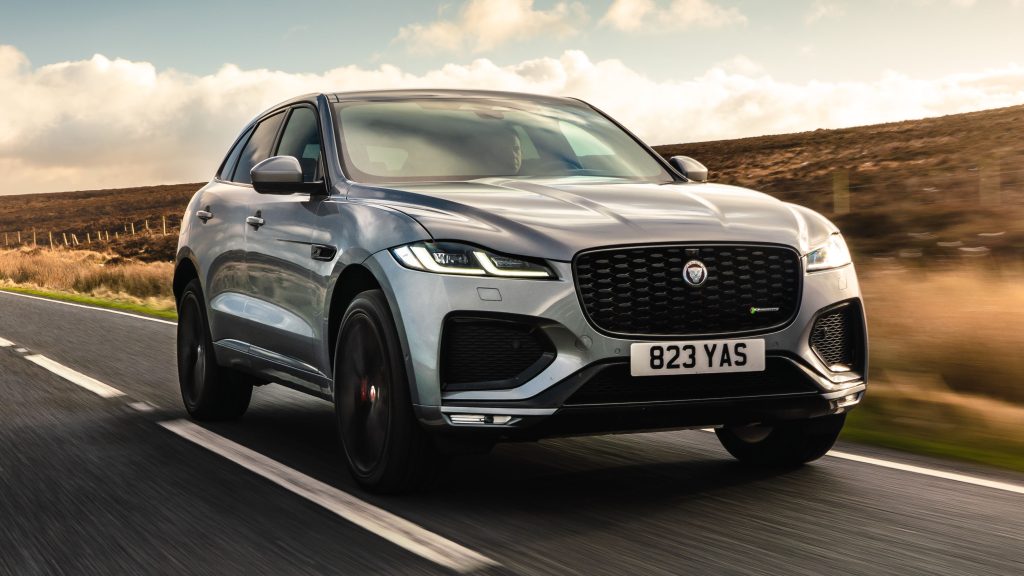
5. Jaguar F-Pace
The Jaguar F-Pace is admired for its sleek design and dynamic handling, but its long-term seat heater reliability often disappoints owners.
Multiple model years have seen complaints about burned-out heating elements and inconsistent temperature regulation, especially in the driver’s seat. These issues typically surface around 60,000 to 80,000 miles much earlier than most expect in a luxury SUV.
Jaguar’s problem stems from delicate heating grids made from fine metallic wires that are prone to breakage under compression.
Over time, the repeated flexing of the seat foam and the natural movement of occupants cause these wires to fatigue and separate. Once a small section fails, the system either loses power entirely or develops hot and cold zones across the seat.
Unlike other brands that allow targeted replacements, Jaguar integrates the heating elements directly into the seat upholstery.
This design means that even a minor heater failure often requires replacing the entire seat cover, which can cost well over $1,500 in parts and labor. Technicians must also recalibrate the seat sensors afterward, adding to the bill.
Another factor contributing to early burnout is the lack of gradual heat ramp-up. The F-Pace’s heaters tend to spike quickly to maximum temperature before leveling off, putting extra stress on the thin wiring.
Combined with Jaguar’s tight seat construction and limited parts availability, the result is one of the most expensive seat heater repairs among midsize luxury SUVs.
While the F-Pace delivers a refined driving experience and stylish interior, its seat heaters are a clear weak point in an otherwise polished package. It’s a reminder that luxury isn’t just about immediate comfort it’s about how that comfort holds up over time.
Also Read: 5 Crossovers With Seat Motors That Last vs 5 That Fail Out of Warranty
