
Electric vehicles aren’t just about batteries and range anymore. As the EV ecosystem matures, the digital infrastructure especially navigation and charging data, has become just as vital as motors and inverters.
The ability of an EV to receive live updates, show accurate charging station availability, and reroute through reliable over-the-air (OTA) maps determines how convenient the ownership experience truly is.
Some EVs excel at this. Their map systems receive frequent updates over cellular or Wi-Fi connections, integrating traffic, charging status, and even weather-based route optimization.
They adapt in real time, ensuring drivers don’t end up stranded or misrouted. Others, however, struggle with outdated mapping, broken links to charging networks, or connectivity bugs that drop Supercharger or fast-charger listings entirely.
This article compares both sides of that digital divide. We’ll first look at five EVs known for their dependable, well-integrated OTA navigation systems models that keep maps fresh, chargers visible, and trips effortless.
Then we’ll examine five that lose Superchargers or charging data frequently, exposing how fragile or poorly supported some software ecosystems remain.
Understanding this difference matters because EV navigation isn’t static it’s a living system that shapes every long drive. As automakers shift toward connected services, reliable OTA mapping defines whether a car feels cutting-edge or frustratingly disconnected.
This comparison highlights which EVs truly deliver a connected experience and which still treat software as an afterthought.
Also Read: 10 ’80s European Classics That Are Worth Restoring in 2025
5 EVs With Reliable Over-the-Air Maps
A good EV isn’t just powered by electrons it’s powered by data. Modern electric sedans and crossovers rely on over-the-air updates to keep maps current, charger locations accurate, and routes efficient.
This constant digital refresh ensures drivers never face a dead screen or missing station icon halfway through a road trip.
For this list, we’ve chosen five EVs that excel in OTA mapping reliability. These vehicles stand out not because of flashy graphics but because they quietly, consistently deliver correct navigation info every time you drive.
Their systems integrate seamlessly with real-time charger networks, display accurate energy forecasts, and update in the background without user input.
Each car here reflects a different philosophy toward data resilience. Some use cloud-backed architectures with redundancy, ensuring updates arrive even during spotty coverage. Others leverage partnerships with mapping leaders like Google or HERE to push incremental updates that prevent system lag or data loss.
I’m writing about these five EVs because they represent the future of reliability through software a crucial, often-overlooked dimension of EV ownership.
Drivers shouldn’t need to worry about manually updating navigation cards or searching online for missing stations. These cars handle it themselves, making electric mobility genuinely convenient.
From Tesla’s precision planning to Hyundai’s steady system evolution, each model in this group has proven that great hardware needs great software to match. Together, they set a benchmark for how connected EVs should operate consistently, intelligently, and invisibly.
1. Tesla Model Y
Tesla’s Model Y remains the gold standard for live map reliability.
Its built-in navigation system integrates deeply with the company’s Supercharger network, ensuring real-time station availability, stall counts, and estimated wait times are always current. Over-the-air updates occur seamlessly through Wi-Fi or LTE without driver involvement.
The mapping engine recalculates dynamically based on battery percentage, weather, and even elevation changes.
If a Supercharger goes offline, the system reroutes automatically to the next available site, something many competitors still can’t match. It’s not just convenient; it’s what makes long-distance EV travel genuinely effortless.
Tesla’s constant OTA refinements also add small but vital improvements, like new route algorithms, expanded charger icons, and charging speed predictions. Even in rural regions, the car stays accurate because Tesla owns both the charging network and its software layer, reducing third-party dependency.

I’m writing about the Model Y because it showcases what happens when software and hardware are built as one ecosystem. Unlike traditional automakers who depend on outsourced map providers, Tesla’s vertical integration ensures reliability that few can rival.
For EV owners, this means confidence on every trip no missing chargers, no outdated map tiles, and no “cannot connect to server” errors mid-journey. It’s proof that OTA maps aren’t a luxury they’re the digital fuel that keeps electric travel stress-free.
2. Hyundai Ioniq 6
The Hyundai Ioniq 6 is a technological leap not only in aerodynamics and efficiency but also in its smart navigation infrastructure. Its connected system, backed by Hyundai’s Bluelink platform, pushes frequent OTA map and charger updates directly to the dashboard without dealership visits.
The Ioniq 6’s navigation seamlessly integrates with EV Route Planner, automatically factoring in charging stops, nearby availability, and live pricing.
It also supports updates through both Wi-Fi and cellular data, ensuring the system stays refreshed even when parked. The updates include new highway data, charger reliability scores, and real-time traffic flow.
Unlike older Hyundai models that required manual updates, the Ioniq 6 can now receive map patches overnight, improving convenience and reliability. The interface is built around a HERE-based platform known for stability and global coverage which reduces mapping glitches and data gaps.
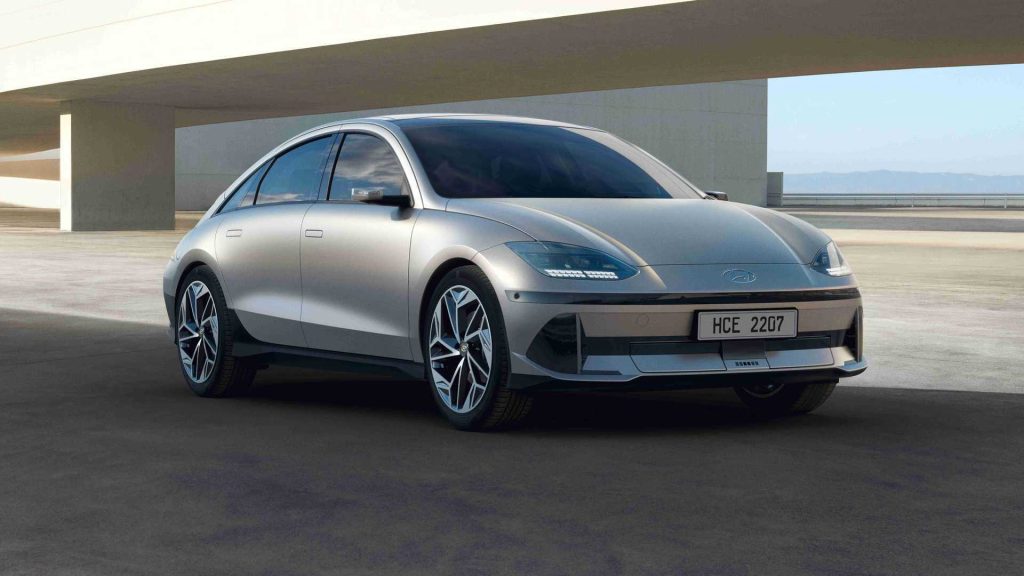
I’m including the Ioniq 6 because it shows how a mainstream automaker can deliver premium-level connected consistency. The navigation remains accurate across regions and doesn’t lose charger icons or route logic, even after months without manual refresh.
For EV buyers, that means smoother long-distance driving and fewer detours to dead chargers. Hyundai’s commitment to software improvement through OTA updates marks its evolution into a data-driven manufacturer. The Ioniq 6 is proof that great connectivity can be as vital as fast charging or range efficiency.
3. BMW i4
The BMW i4 proves that luxury EVs can combine driver engagement with top-tier digital precision. Its iDrive 8 infotainment system connects continuously to BMW’s cloud servers, delivering incremental OTA map updates several times a month.
These aren’t just aesthetic refreshes they recalibrate route data, charging station info, and terrain-based range predictions.
BMW’s partnership with HERE Maps adds a reliability edge. The mapping engine automatically integrates EV charging data from multiple networks, showing real-time charger status, power level, and availability. It even filters results by plug type and maximum charge rate, ensuring you never arrive at a mismatch.
The i4 also uses Predictive Battery Management, adjusting route plans on the fly if energy use rises faster than expected. If road conditions or cold weather lower range, the car immediately suggests alternative chargers, all updated OTA without manual input.
What sets the i4 apart is BMW’s strong focus on regional data accuracy. In Europe, Asia, and North America, map updates arrive simultaneously no delays based on market or dealership schedules. The car effectively eliminates the “stale map” problem that plagues older systems.
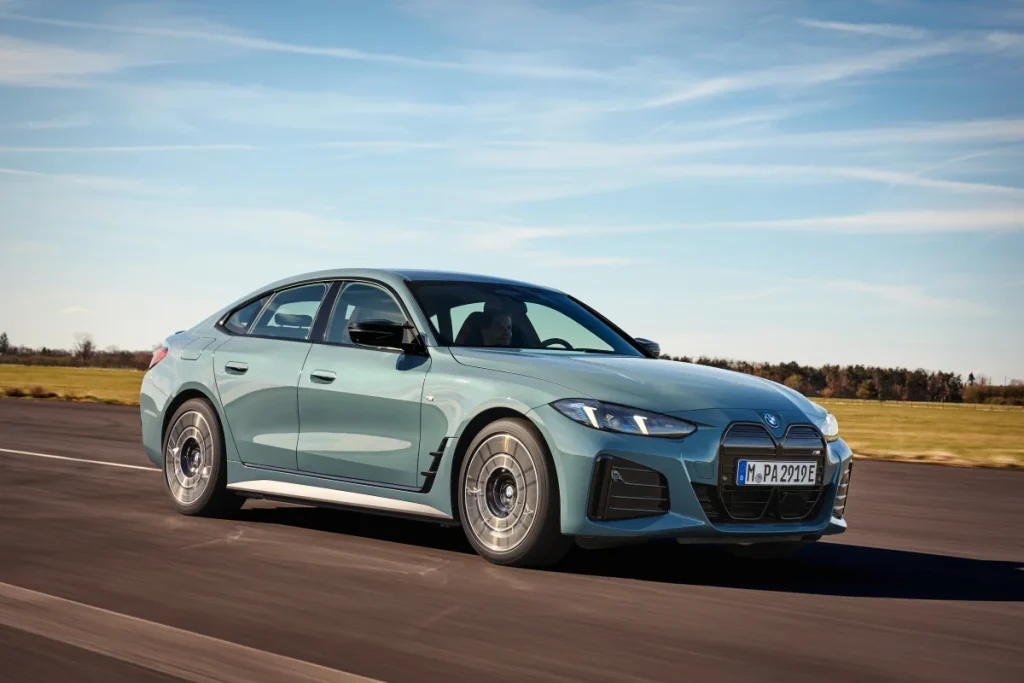
I’m including the i4 because it represents BMW’s new era of software dependability. Unlike many luxury EVs that rely on annual USB updates, the i4 constantly evolves. Owners don’t need to think about updating anything; the system simply works, day after day.
That invisible reliability is what defines great OTA mapping consistent updates that enhance convenience without demanding attention. The BMW i4 achieves that balance perfectly, making every drive as digitally precise as it is mechanically smooth.
4. Polestar 2
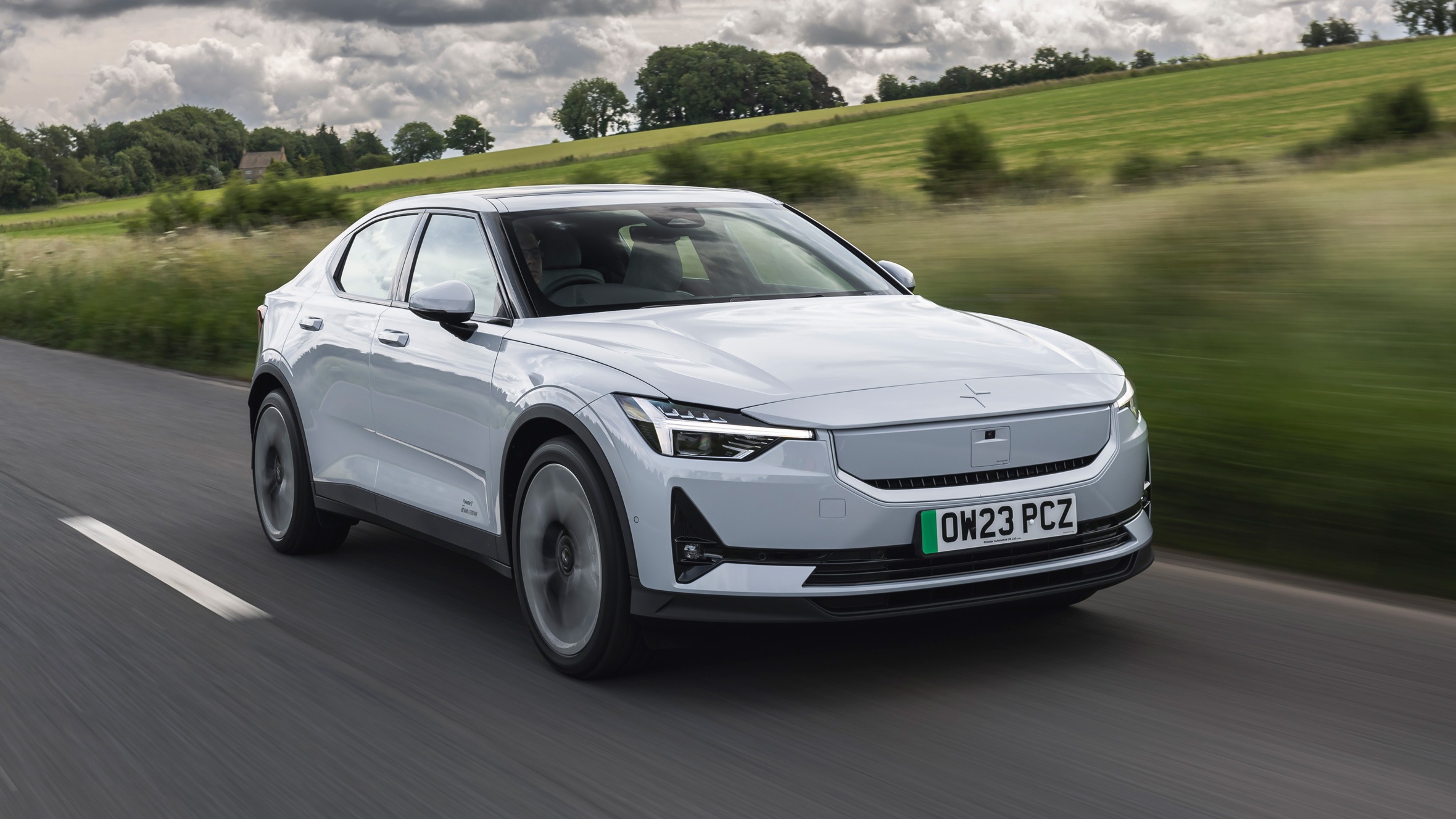
The Polestar 2 stands out for its Google-based infotainment system, one of the most stable OTA navigation platforms available. Because it runs native Google Maps software, its updates roll out continuously, ensuring road changes, charger additions, and traffic rerouting stay accurate globally.
Unlike systems that depend on automaker servers, Polestar’s approach uses Google’s vast cloud backbone.
Every Polestar 2 benefits from the same refresh cycles that update Android devices worldwide, which means new chargers appear almost instantly. The integration of PlugShare and real-time network data adds reliability beyond the manufacturer’s own database.
Polestar also allows background updates while parked or charging, so navigation stays synchronized even during downtime. OTA patches include everything from map detail improvements to predictive routing enhancements based on climate and terrain data.
The system’s ability to calculate range and suggest optimized charging stops based on driver behavior is among the most accurate on the market. Even after multiple software updates, owners rarely report missing charger icons or incorrect distances issues common in legacy systems.
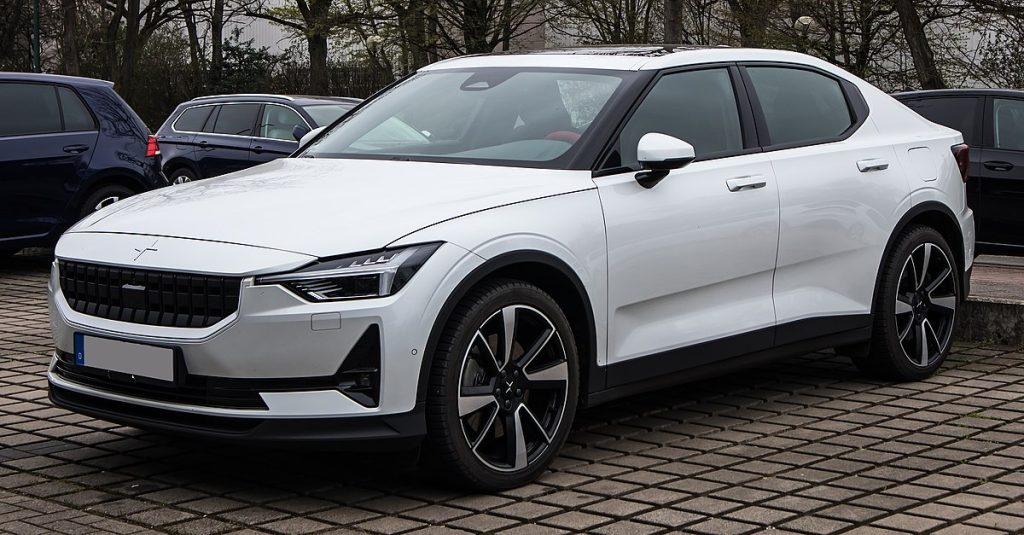
I’m writing about the Polestar 2 because it represents a software-first philosophy in EV design. Polestar understood early that the map system is not an accessory but a core utility for electric mobility.
The car’s seamless updates, constant connectivity, and intuitive Google integration eliminate the outdated notion of static navigation. For drivers who want dependable OTA accuracy without ever touching a manual update button, the Polestar 2 delivers exactly that effortless, intelligent consistency.
5. Kia EV9
The Kia EV9 is Kia’s flagship EV SUV, and it also showcases how far the brand has come with over-the-air reliability. Its connected navigation system, powered by Kia Connect, now receives real-time OTA updates for roads, points of interest, and charging infrastructure without visiting a service center.
The EV9’s system supports bi-weekly incremental updates, meaning small data packets keep maps continuously current rather than relying on major yearly revisions. This method ensures new charging locations appear quickly essential as networks expand across regions.
Kia’s navigation also integrates with real-time charger status feeds, showing plug compatibility, stall availability, and estimated occupancy. The user interface clearly differentiates fast chargers from slower AC points, minimizing confusion during trips.
A standout feature is Dynamic Routing, which adjusts the plan mid-journey based on power use, climate, and elevation. The car automatically downloads updated map tiles during the drive, maintaining accuracy even in areas with poor signal.
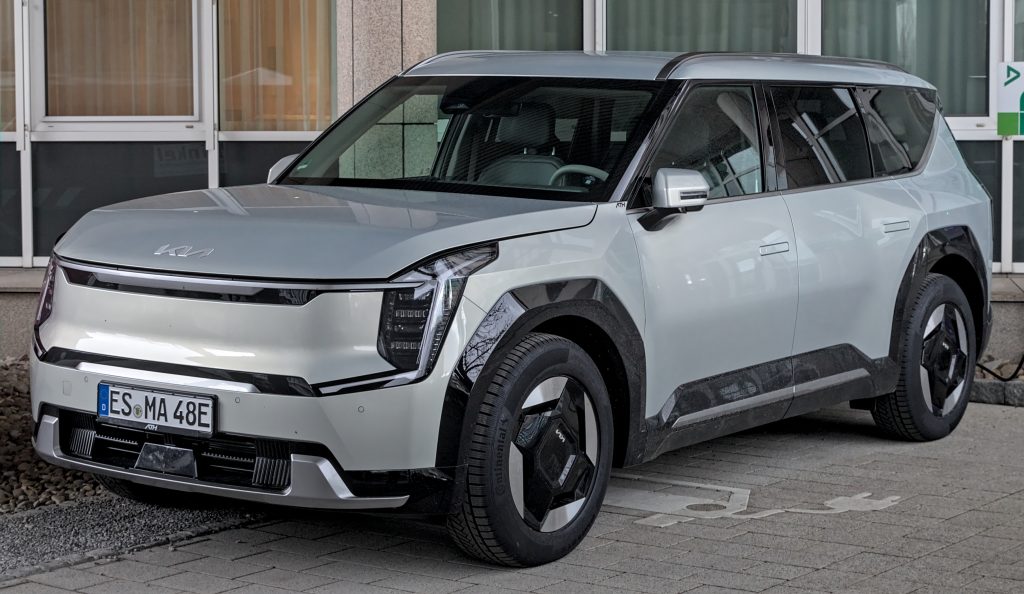
I’m including the EV9 because it demonstrates Kia’s commitment to long-term OTA support. The company’s investment in data infrastructure ensures that owners in both major and secondary markets benefit from equal mapping precision.
In a world where many EVs still require manual USB updates, the EV9 feels years ahead. It’s built for families and long-haul drivers who rely on real-time accuracy and its reliability in delivering consistent, correct map data shows how OTA technology can turn a big SUV into a genuinely smart vehicle.
5 EVs That Lose Superchargers
While many electric vehicles today boast impressive over-the-air intelligence, not all systems age gracefully. Some EVs suffer from a frustrating weakness that creeps in after software updates or network changes the sudden loss or inaccessibility of charging stations, especially high-speed ones.
When an EV “loses” Superchargers or fast chargers on its map, it doesn’t necessarily mean they disappear physically, but that the car fails to recognize or connect with them digitally. The result is confusion, wasted time, and lost trust in the car’s ecosystem.
These breakdowns can happen for several reasons. Software updates might disrupt compatibility with charger databases, automaker partnerships may change, or the navigation system might fail to refresh its real-time charging data.
In some cases, an OTA update that’s meant to improve the system instead introduces bugs that hide or mislabel stations. For EV owners, especially those who rely on road trips or daily fast charging, this can feel like losing part of the car’s utility overnight.
In this section, we’ll look at five EVs that have struggled with keeping their Supercharger or fast-charging networks consistent and visible. Each example tells a cautionary story about how delicate digital ecosystems can be and how a single missing data link can undermine a great drivetrain or design.
I’m writing about these vehicles not to criticize innovation, but to highlight the importance of robust, stable digital infrastructure in the EV era. A car can have the longest range and fastest acceleration, yet still frustrate owners if it fails to find the charger it needs most.
These five examples show that in electric mobility, reliability now extends far beyond the battery it depends on data integrity, partnership stability, and software maturity.
1. Nissan Ariya
The Nissan Ariya launched with optimism, symbolizing Nissan’s return to EV prominence after the Leaf. But many early owners soon discovered that the Ariya’s navigation system struggled to maintain reliable charging data.
Over time, OTA updates failed to synchronize properly with certain fast-charging networks, leaving some stations invisible or mislabeled on the in-car map.
This problem wasn’t always due to hardware it often came from software lag. Nissan’s data partner updates didn’t always roll out globally in sync, which meant U.S. and European models received map refreshes weeks apart.
That delay sometimes caused Ariya drivers to lose sight of entire regional DC fast-charger networks until the next patch arrived.
Owners also reported that even after reconnecting to the NissanConnect app, the system occasionally refused to display compatible CCS chargers unless manually refreshed. The result was inconvenient detours, missed charging opportunities, and a growing reliance on third-party apps like PlugShare.
I’m writing about the Ariya because it demonstrates how a good EV can be weakened by inconsistent digital maintenance.
The vehicle itself is quiet, refined, and efficient, yet its OTA management undercut driver confidence especially during long-distance travel. A car this advanced should never make its owner question whether nearby chargers exist.
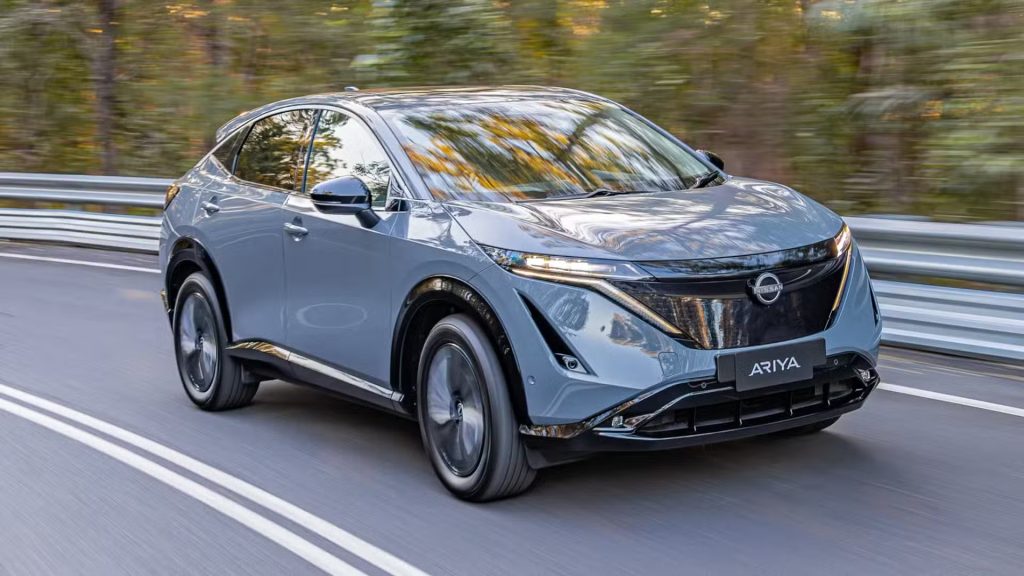
Nissan has since rolled out corrective updates, but some of the early frustration still lingers in the owner community. It highlights how critical seamless map integration is for modern EVs.
The Ariya’s story is a lesson for automakers: electric mobility isn’t just about range or power. It’s about information continuity.
If the map fails to track the world accurately, even the best engineering underneath can’t save the experience. The Ariya shows that losing charger visibility can quickly turn a premium EV into a guessing game.
2. Ford Mustang Mach-E
The Ford Mustang Mach-E is a stylish and capable EV, but it’s also been one of the most vocal examples of how software hiccups can ruin long-distance confidence.
Many Mach-E owners have reported losing access to Electrify America chargers within their onboard navigation after certain OTA updates, leaving the map filled with outdated or missing station data.
This issue isn’t limited to one region. In both the U.S. and Europe, Ford’s Power My Trip system occasionally fails to load charger availability, forcing drivers to use mobile apps or external navigation.
The most frustrating part is that the system may show a charger icon, but mark it “unavailable” or “restricted,” even when it’s fully operational in real life.
Much of this stems from syncing issues between Ford’s SYNC 4A software and its back-end servers. When the servers push incomplete charger lists or encounter brief outages, the Mach-E navigation can appear fine but lack half the relevant data.
I’m writing about the Mach-E because it reveals how interconnected EV software ecosystems must be to work reliably. Ford’s hardware is excellent, but the occasional data lapses create a feeling of digital instability. When a car loses connection to its charging backbone, even for a few hours, it undercuts consumer trust.
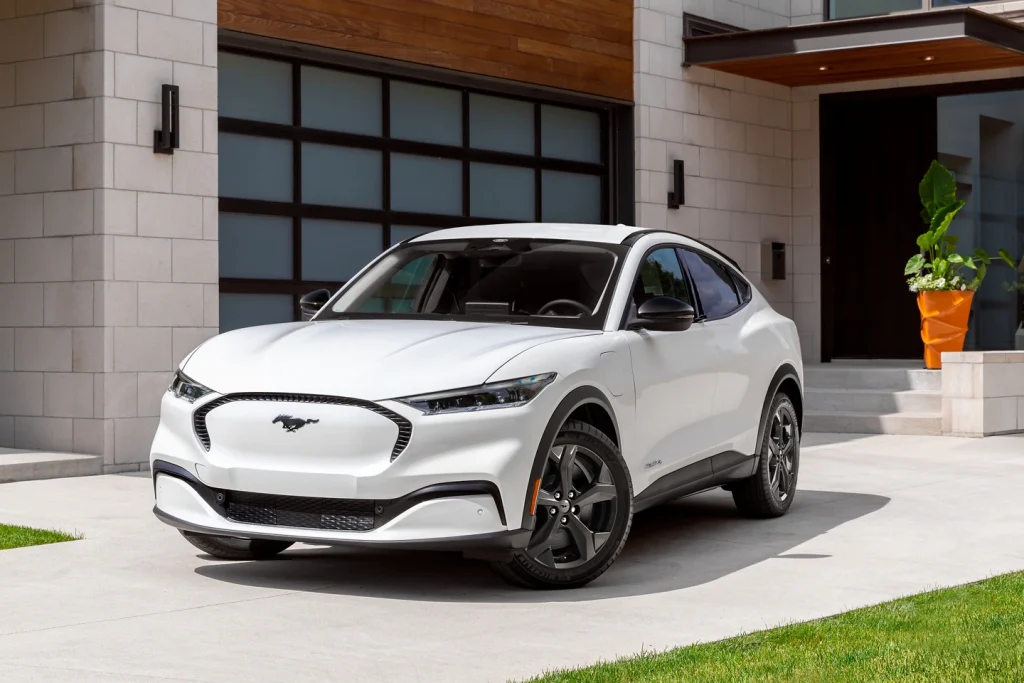
Ford has improved its OTA cadence recently, but early missteps remind us how critical server reliability is in the EV age. A missed charger icon can turn a 20-minute stop into a two-hour detour.
3. Volkswagen ID.4
The Volkswagen ID.4 has solid engineering and impressive range, yet its navigation system has struggled to retain charger visibility particularly during updates tied to software versions 3.0 and 3.1. After certain OTA patches, drivers reported missing Ionity and Electrify America stations that had previously been listed.
VW’s problem often lies in how its charging partner data integrates with its in-car We Connect system. The ID.4’s maps sometimes update correctly, but its charging database fails to sync. This creates scenarios where the car’s route planner suggests a long detour, bypassing chargers that actually exist nearby.
In Europe, the issue became especially noticeable when Ionity expanded. Some new chargers appeared in the mobile app days before the car recognized them. Drivers had to restart the infotainment system or reconnect their profile to trigger a manual refresh.
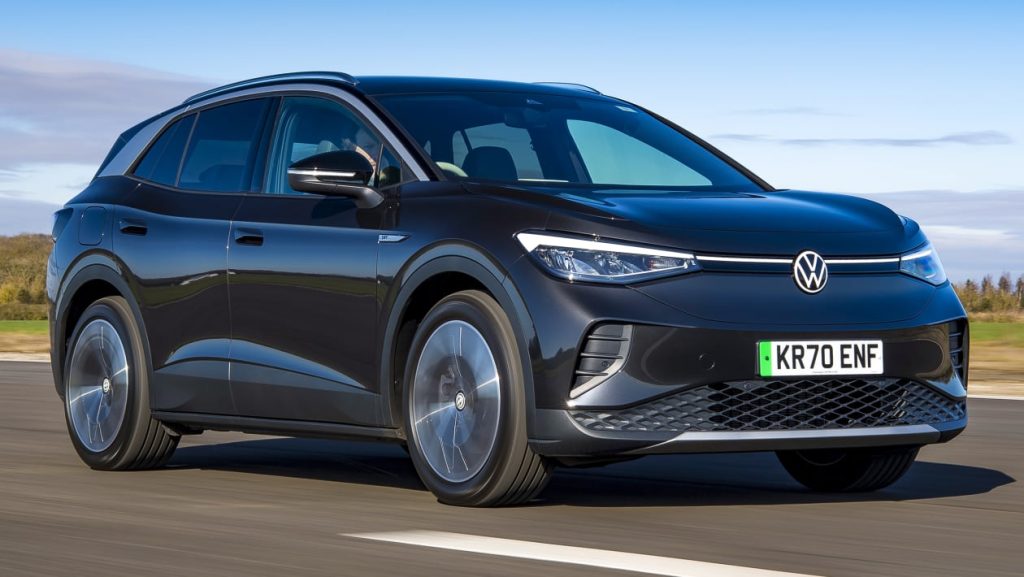
I’m including the ID.4 here because it shows that even well-funded EV ecosystems can falter when digital coordination lags behind physical expansion. Volkswagen’s hardware and efficiency are commendable, but the company’s slow OTA distribution can make road trips unpredictable.
The ID.4’s navigation frequently improves after major updates, but those updates don’t arrive often enough. This intermittent accuracy creates uncertainty for owners, especially in rural areas where every visible charger matters.
Volkswagen continues refining its Car-Net infrastructure, yet the ID.4 remains a reminder that consistent OTA mapping isn’t optional it’s a lifeline for EVs. When the car forgets where the chargers are, the driver loses trust in the system altogether.
4. Jaguar I-PACE
The Jaguar I-PACE was one of the first premium EVs to challenge Tesla head-on, but its digital system has long struggled to keep pace.
While the vehicle’s performance and comfort remain strong, many owners have experienced repeated map inconsistencies particularly with missing or outdated fast chargers after over-the-air updates.
Jaguar’s InControl Touch Pro Duo system relies on a blend of HERE Maps and partner databases. When updates roll out, they often replace older map segments but fail to sync charging network overlays correctly.
This means Superchargers, Ionity hubs, or third-party CCS chargers may vanish from the car’s live view until another patch arrives.
In early versions, the I-PACE even required manual reinstallation of map data through USB when OTA patches corrupted navigation files. While newer updates have improved stability, reports of “ghost chargers” or empty charging corridors still appear after major system refreshes.
The problem reflects how legacy luxury automakers adapted slowly to real-time software demands. Jaguar built an incredible EV drivetrain but underestimated the importance of digital uptime.
Losing charger visibility turns long trips into a guessing game and forces drivers to depend on external apps like Zap-Map or A Better Routeplanner.
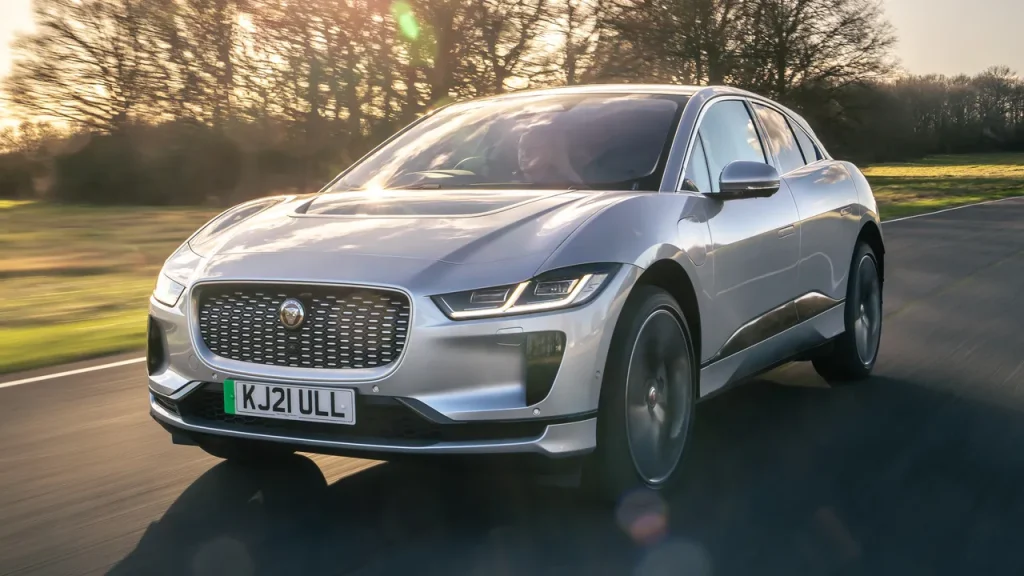
I’m including the I-PACE because it illustrates how traditional car companies must evolve beyond mechanical excellence. EV success now depends on agile data systems that never sleep. Jaguar has announced improvements through its new JLR software hub, but the I-PACE’s early struggles remain a cautionary tale.
For drivers, a car that occasionally “forgets” where to charge undermines its own strengths. The I-PACE’s lost Superchargers show how even premium craftsmanship can stumble without digital precision to back it up.
5. Subaru Solterra
The Subaru Solterra, developed jointly with Toyota, entered the EV scene with high hopes of reliability and range confidence. Yet its mapping system and charger database have caused repeated frustration for owners who discovered their cars losing fast-charging icons after software updates.
Because the Solterra shares its platform with the Toyota bZ4X, it also inherits the same lag-prone navigation software that sometimes fails to pull updated charging data from regional providers. This often leaves new DC fast chargers invisible on the map weeks after installation, especially outside major cities.
In some cases, OTA updates actually reset charger data rather than expanding it. Drivers would find previously visible stations gone until the system completed a full sync a process that could take days depending on network connection strength.
Subaru’s limited OTA infrastructure compounds the issue. Unlike brands that push frequent updates, the Solterra’s refresh schedule is slow, meaning bugs linger longer than they should. When chargers vanish or show “inactive,” it adds anxiety to trips that rely on accurate navigation.
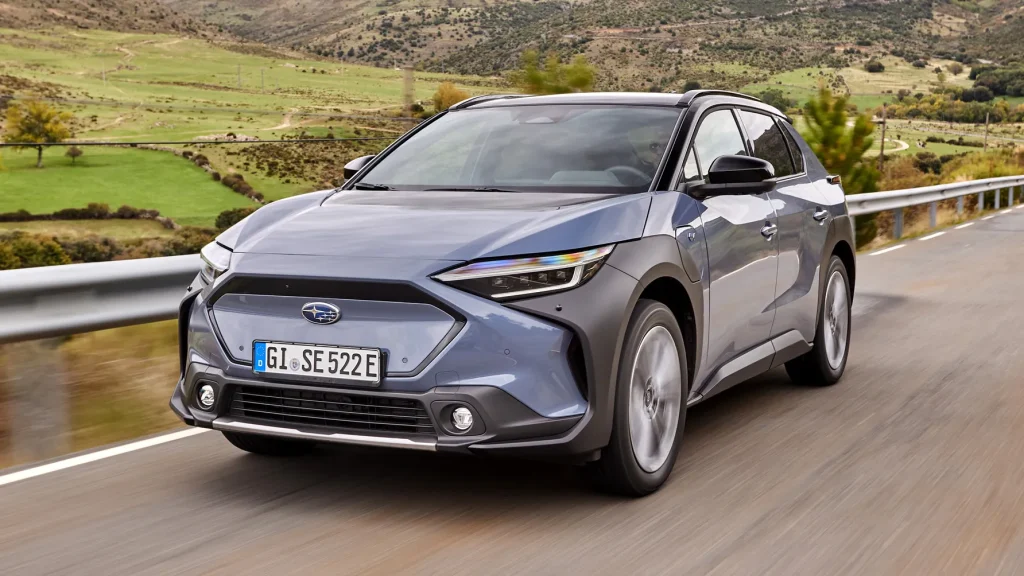
I’m including the Solterra here because it reflects the growing pains of new EV entrants. Subaru built a dependable chassis and solid range figures, but digital reliability wasn’t given the same priority. The loss of charging visibility directly undermines consumer confidence in what’s otherwise a capable EV.
The Solterra’s situation highlights a larger truth: in the EV world, real-time software consistency can matter more than horsepower or handling. A great electric SUV must not just drive well it must stay connected, updated, and aware of its energy lifelines. Subaru’s missed updates prove how fragile that ecosystem still is.
Also Read: 5 Family SUVs with Third Rows Adults Can Use vs 5 Pretenders
