
When it comes to sedans, long-term durability is often measured in how quietly they age. Paint can shine, engines can purr, and interiors can gleam for years but when rust starts to creep in at the seams, the illusion of quality fades fast.
Rust is the true equalizer of all cars, attacking budget commuters and premium cruisers alike. Yet, not all sedans fight back with equal force.
Some are fortified with robust galvanization, wax-injected cavities, and advanced coatings that protect them from years of salted roads and humid climates. Others, however, start to bubble at the fender hems long before their engines ever give up.
This comparison looks at five sedans that genuinely resist corrosion, earning reputations in markets from Scandinavia to Japan for staying clean-bodied even after a decade.
Then, we contrast them with five others that tend to bubble, blister, or flake, often due to poor sealing, thin undercoating, or trapped moisture in door seams.
The goal here is to separate the genuinely rust-resilient from the rust-prone pretenders. These insights aren’t just for collectors or enthusiasts but for anyone who wants their investment to stay solid beyond the warranty period.
Because in the end, a sedan that stays structurally sound and rust-free is worth far more than one that only looks sleek in the showroom.
Also Read: 5 SUVs That Don’t Warp Rotors on Mountain Passes vs 5 That Do
5 Sedans With True Rust Protection
Rust protection is more than marketing it’s a science. The sedans that earn praise for corrosion resistance combine smart engineering, high-quality steel, and thoughtful finishing.
These are cars that spend winters in coastal towns or drive through monsoons without developing brown scars around the wheel arches. They use hot-dip galvanization, sealed weld points, and polymer underbody coatings that keep oxygen and salt from bonding with bare metal.
In creating this list, the focus is on real-world longevity, not just laboratory claims. These models are known across continents for holding up even in tough climates like Canada, Scandinavia, and northern Japan.
We’re not talking about short-term protection or one-off wax treatments but about cars engineered from the factory to resist corrosion at their core.
Each sedan here reflects a commitment to long-term value. Owners report minimal rust even after a decade, used car inspections show intact seams, and community forums highlight how these models stand apart when rivals begin bubbling near the door hems or trunk lids.
I’m writing about these five sedans because they represent an underrated form of automotive excellence: the ability to age gracefully.
They show that great engineering isn’t just about horsepower or touchscreens it’s about integrity in every bolt and panel. These cars are worth spotlighting not because they’re flashy, but because they endure where others crumble.
1. Toyota Camry
The Toyota Camry is a benchmark for rust protection in the mid-size segment. Toyota’s corrosion control program is among the most comprehensive, involving multi-layer galvanization, precise seam sealing, and factory-applied wax-based cavity coatings. These measures extend even to hidden areas like the subframe mounts and rocker panels.
Camrys sold globally from humid Southeast Asia to icy Canada demonstrate similar resistance. Many 10-year-old Camrys show no bubbling at door seams or trunk edges. Toyota’s use of zinc-coated sheet metal plays a major role, and the paint’s clear coat is UV-stable, preventing surface cracks that invite rust.
Another advantage is Toyota’s design discipline. Drainage points are placed intelligently to prevent standing water.
Even in older models, door seals and underbody guards stay tight, minimizing salt intrusion. When other sedans start showing rust around the fuel filler or wheel arch lips, the Camry often stays pristine.
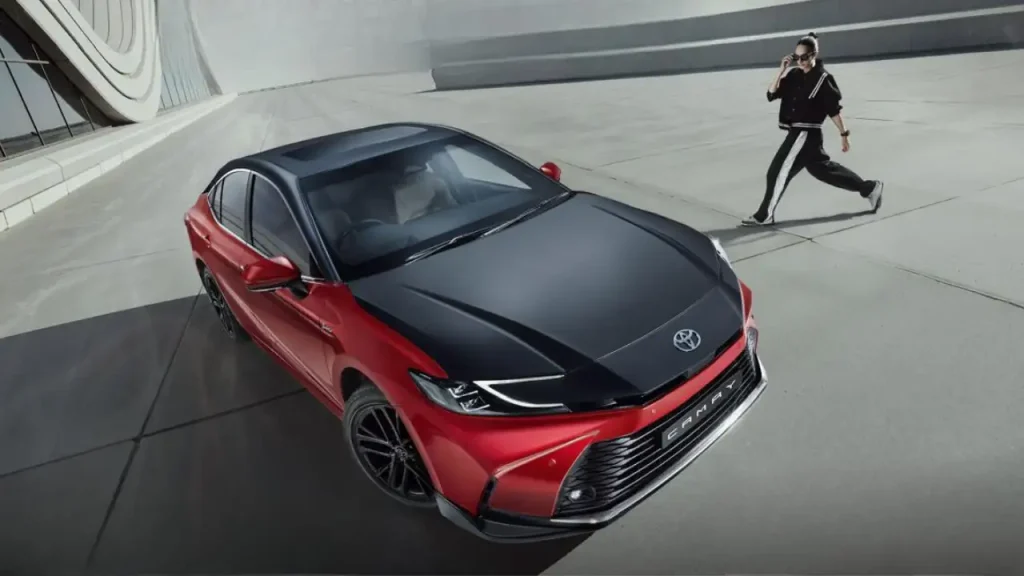
I’m including the Camry because it’s proof that practicality and longevity can coexist. It’s not exciting in the traditional sense, but it’s a masterclass in long-term engineering.
Owners worldwide report minimal corrosion even with basic care, making it one of the few sedans that can easily reach 300,000 km without turning brown at the edges.
The Camry stands as a quiet hero of rust prevention, a car that holds its body integrity almost as well as its resale value.
2. Honda Accord
The Honda Accord earns its spot for its balanced mix of performance, design, and excellent corrosion protection.
Honda uses two-sided galvannealed steel for most outer panels, which combines zinc resistance with paint adhesion strength. This prevents both visible rust and under-paint blistering, especially near the fender and sill joints.
Modern Accords also use a unique anti-rust wax injection system in the doors, pillars, and frame channels. These cavities are sealed after coating, limiting oxygen exposure inside the structure. The results show many Accords from the late 2000s still have clean wheel wells and floor pans despite long winters.
Honda’s surface coatings use a phosphate pre-treatment that enhances corrosion bonding resistance. Even stone chips don’t spread quickly into rust patches, unlike what you’ll see in cheaper models. Additionally, the brand’s paint system incorporates high-solid primers that reduce water permeability.
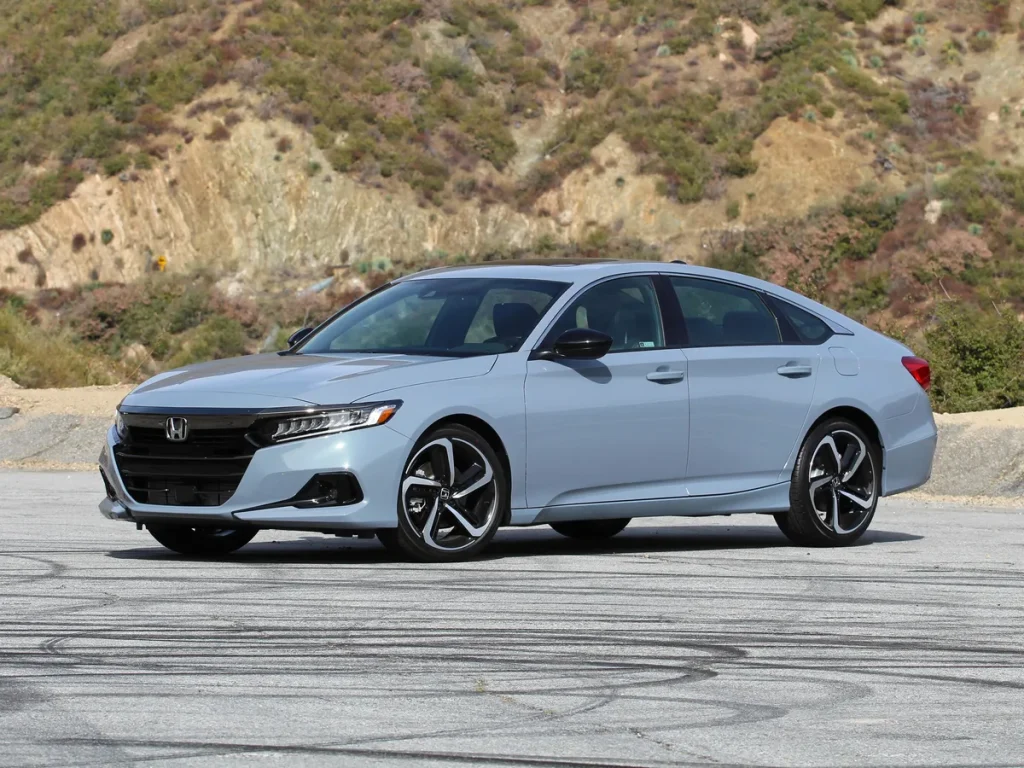
I’m writing about the Accord because it exemplifies how mainstream automakers can deliver luxury-level durability. While some rivals focus heavily on electronics, Honda engineers focused on preventing the kind of rot that quietly kills resale and safety.
It’s also notable how Accords fare in countries with harsh road salt usage. Scandinavian owner reports, for instance, praise its longevity versus European sedans of similar price.
The combination of proper drainage, robust paint layers, and zinc-treated components makes the Accord a truly rust-resistant sedan that doesn’t just look good it stays solid underneath.
3. Mazda6
The Mazda6 often surprises people who still associate the brand with early rust issues from the 2000s. But this modern sedan completely reverses that image.
Mazda invested heavily in galvanization and paint technology starting with the Skyactiv generation, making the Mazda6 one of the most corrosion-resistant midsize sedans in the world today.
Its secret lies in the “Three-Layer Paint and Coating System”, which includes a zinc-rich undercoat, an anti-chip intermediate layer, and a water-based topcoat that resists salt spray.
Underneath, the car’s chassis and subframes receive hot-dip galvanizing before assembly, so every weld and seam is protected from the start.
Another thoughtful touch is Mazda’s closed-frame design, which prevents moisture from entering the cavities of doors and sills.
Many owners in northern climates report spotless seams even after several winters. The company also applied extensive rustproofing wax inside rocker panels and near suspension mounts areas that often fail first on other sedans.
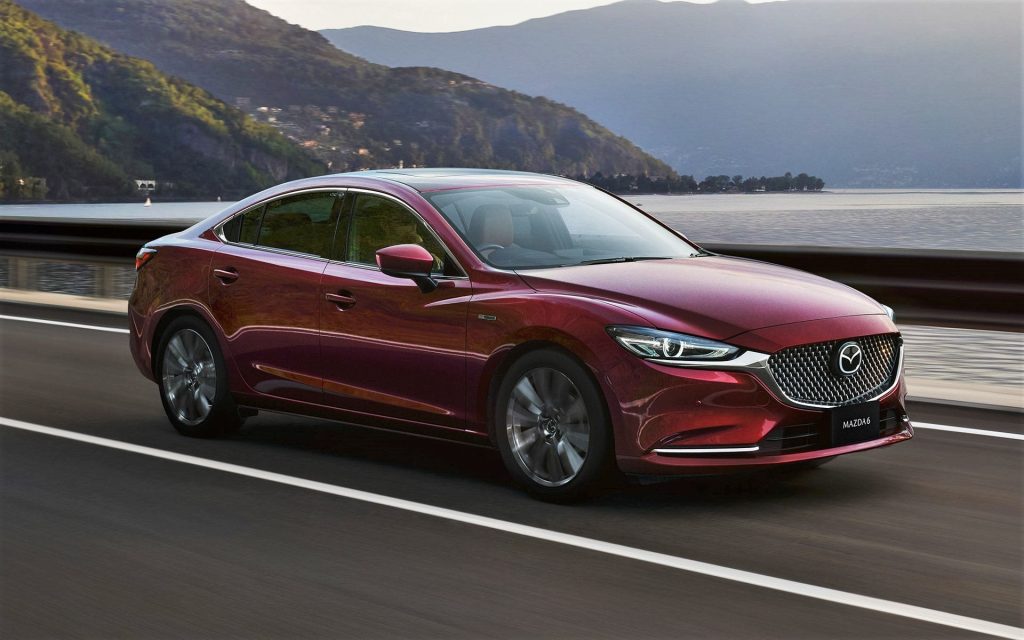
I’m writing about the Mazda6 because it represents redemption. Mazda’s reputation for early corrosion problems in the early 2000s has been completely turned around by this model’s build quality. It shows how engineering focus and materials science can transform a brand’s legacy.
From Canada to Norway, real-world users have proven that the Mazda6 keeps its paint and panels intact long after similar-age rivals begin to bubble.
It’s not just a stylish, driver-focused sedan it refuses to corrode, quietly proving that lessons learned from the past can create something truly durable for the future.
4. Volvo S60
The Volvo S60 is built with one obsession: longevity. Scandinavia’s salted roads and freezing winters demand it, and Volvo has engineered the S60 to handle that punishment better than most.
The car uses fully galvanized steel for its body, treated with zinc before forming, which keeps corrosion from creeping in through seams or welds.
Volvo’s underbody receives multiple layers of epoxy coating, bitumen sheets, and wax protection. These aren’t mere marketing additions they’re part of Volvo’s “Lifetime Body Integrity” program that has been tested for decades in the company’s Gothenburg corrosion tunnels. Even the bolts and fasteners are zinc-nickel coated to reduce surface rust.
Drainage design is another strong point. Water easily exits from the sills and trunk channels, preventing trapped moisture, one of the leading causes of rust in other sedans. Volvo’s paint process also includes a cataphoretic electrocoat, which electrically bonds anti-corrosion primers to every inch of metal.
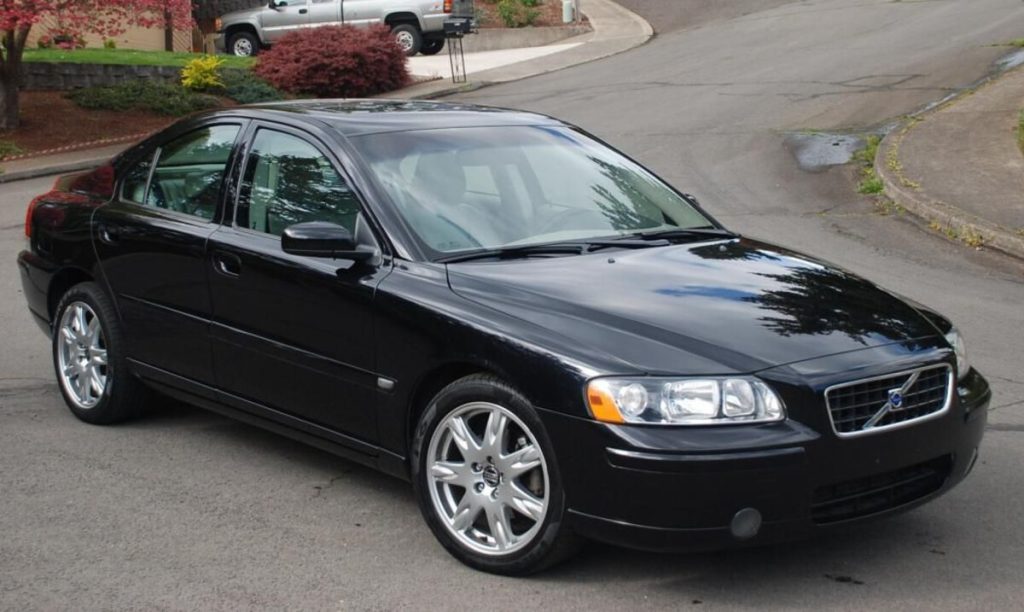
I’m writing about the S60 because it embodies real-world rust resistance. You can find 12-year-old models in Sweden with clean wheel wells and factory-original underbodies, a rare feat even among premium cars. It’s a sedan built for harsh environments yet executed with precision and longevity in mind.
This level of protection reflects Volvo’s heritage engineering cars that survive decades of snow, road salt, and rough weather without losing structural strength. The S60 doesn’t just resist rust; it sets an industry benchmark for corrosion control among luxury sedans.
5. Lexus ES
The Lexus ES might not shout for attention, but when it comes to rust resistance, it’s nearly unmatched. Lexus builds this sedan to last decades, not just warranty periods.
The brand uses high-strength galvanized panels across the body, along with advanced sealants that are applied robotically for consistent coverage.
One of the key factors behind the ES’s durability is its multi-step corrosion-prevention process, which includes zinc-plated fasteners, E-coat immersion of the entire body shell, and precise application of urethane undercoating. The result is an incredibly sealed structure that shrugs off moisture and road salt.
In humid or coastal regions, the ES stands out because its undercarriage remains solid while rivals begin to show orange tint around seams. Lexus engineers also use a specialized cavity wax that seeps into hidden joints, stopping corrosion before it can even begin.
I’m writing about the Lexus ES because it represents the quiet perfection of Toyota’s luxury division. It’s proof that refinement and longevity can coexist effortlessly. Where some luxury sedans focus on tech, the ES emphasizes timeless build quality and rust protection is a core part of that.
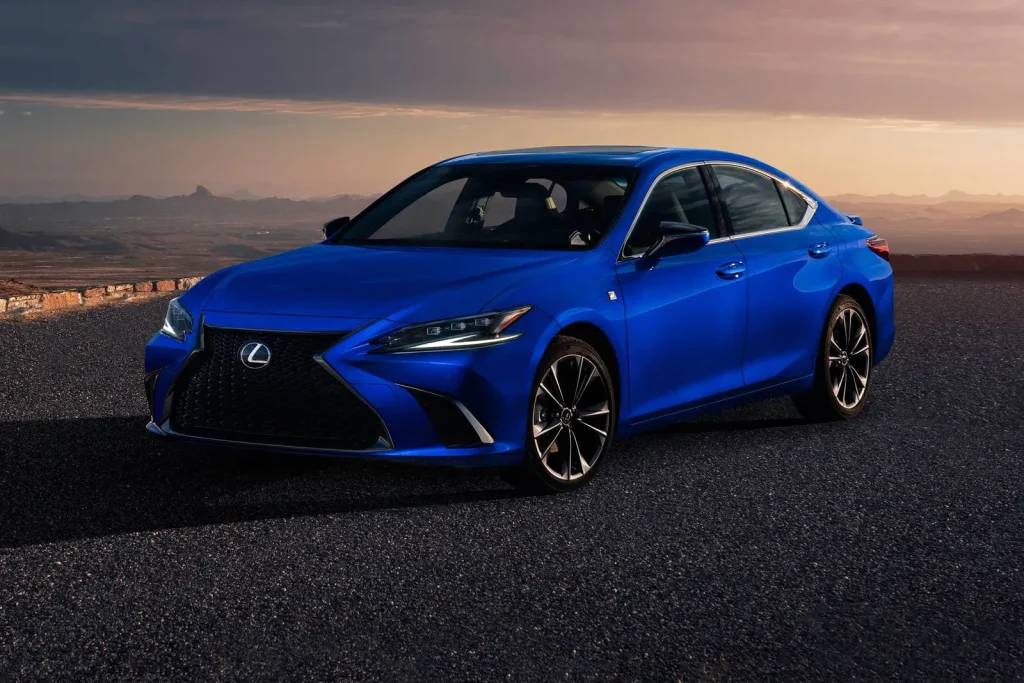
Owners consistently report decade-old ES models with clean wheel arches and spotless doors, even in high-salt markets.
Its integrity over time contributes to Lexus’s reputation for reliability and resale strength. Simply put, the Lexus ES doesn’t just resist corrosion it ignores it entirely, standing as one of the longest-lasting sedans money can buy.
5 Sedans That Bubble at the Hems
Rust rarely announces itself early. It starts quietly beneath paint, behind trim, or under seam sealant before creeping outward in small, unsightly bubbles.
For some sedans, these bubbles are almost inevitable, often the result of thin coatings, poor drainage, or cost-cutting in underbody protection.
What looks like minor surface corrosion can quickly turn into a structural issue that eats through fenders, rocker panels, and door edges within a few years.
This section focuses on five sedans known for their weak rust protection, especially at critical points like wheel wells, door hems, and trunk seams.
These models may deliver excellent driving comfort or performance but fall short in one of the most fundamental tests of build quality long-term corrosion resistance.
It’s important to clarify that none of these cars are “bad” in the traditional sense. Many offer solid reliability, good interiors, and strong resale appeal early in their life. But once exposed to harsh winters, salted roads, or coastal air, their bodies can begin to show the dreaded brown freckles far too soon.
Rust can destroy a car faster than mechanical wear, and buyers in humid or cold regions should know which models are prone to bubbling and flaking. These aren’t catastrophic failures just quiet reminders that beauty without durability doesn’t last.
The following five sedans each tell a story of where manufacturers cut corners or failed to adapt to regional climates. They may shine on the showroom floor, but their real test comes after a few winters and that’s where the bubbling begins.
1. Volkswagen Jetta
The Volkswagen Jetta offers European refinement and solid performance, but when it comes to rust protection, several generations have shown troubling weak spots. Many owners report bubbling at the fender hems and trunk lids as early as five years in northern climates.
The root cause lies partly in thin galvanization and seam sealer gaps. Earlier Jettas, especially pre-2018 models, used partial galvanization instead of full-panel zinc coating.
This left exposed metal edges vulnerable once stone chips or scratches penetrated the clear coat. In snowy regions, road salt enters those cracks and accelerates rust formation.
Another problem is the water drainage design in the door sills. Moisture can collect around the bottom edges, and if the car isn’t driven frequently, it doesn’t dry out fast enough. Over time, you see bubbles forming around those seams an early sign of corrosion spreading from the inside out.
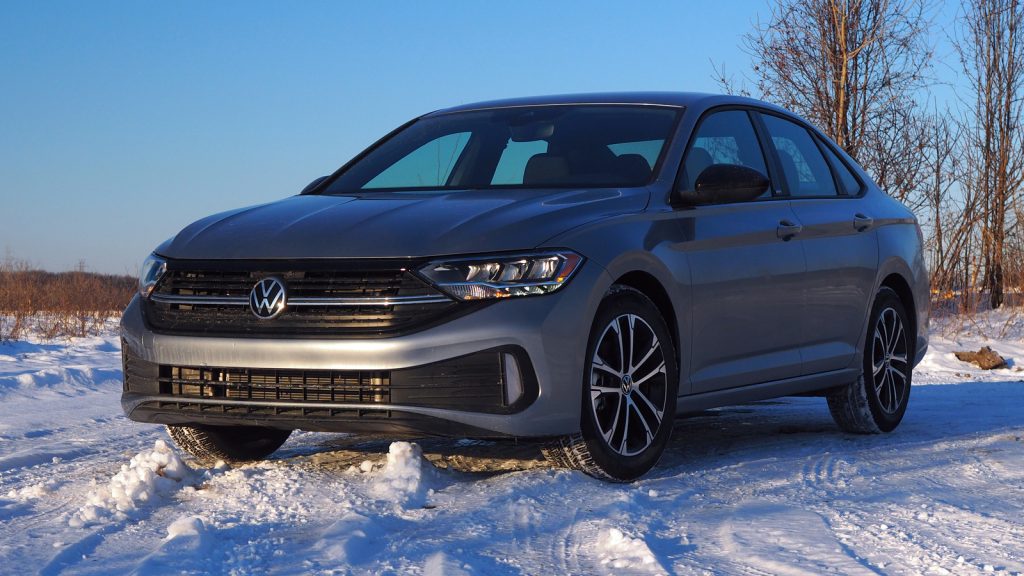
Volkswagen made improvements on newer MQB-based versions, but even they haven’t completely eliminated reports of minor bubbling under the paint. The issue seems to be a mix of material choice and paint thickness great for aesthetics, but not for longevity.
I’m writing about the Jetta because it shows how engineering priorities can shift over time. The car drives beautifully and feels solid, yet rust complaints persist in online communities from Canada to Northern Europe. Buyers drawn to its European feel should keep this in mind and consider professional rustproofing early on.
The Jetta is a cautionary tale: a sedan with premium aspirations that still hasn’t fully solved a fundamental issue protecting its own metal from the elements.
2. Ford Fusion
The Ford Fusion is admired for its sharp styling and balanced ride, but corrosion has often been its weak point. Many owners, especially in colder U.S. states and parts of Europe, report rust forming around wheel arches, trunk seams, and door hems well before the car reaches ten years old.
One recurring issue lies in Ford’s paint prep process. Certain model years received inconsistent primer application along the lower body panels, leaving thin or uncoated spots vulnerable to moisture intrusion. Once road salt or dirt gets in, bubbling starts beneath the paint, eventually flaking off.
Another design flaw involves the rear wheel wells, where road spray collects behind the plastic liners. If not cleaned regularly, debris traps moisture and slowly eats through the fender lip. Even newer Fusions show oxidation at the fuel filler area a common sign of trapped salt exposure.
Ford improved its corrosion warranty over time, but by then, thousands of owners had already dealt with repairs or repaints. While the mechanical reliability of the Fusion is decent, its body longevity remains inconsistent, especially compared to Japanese rivals.
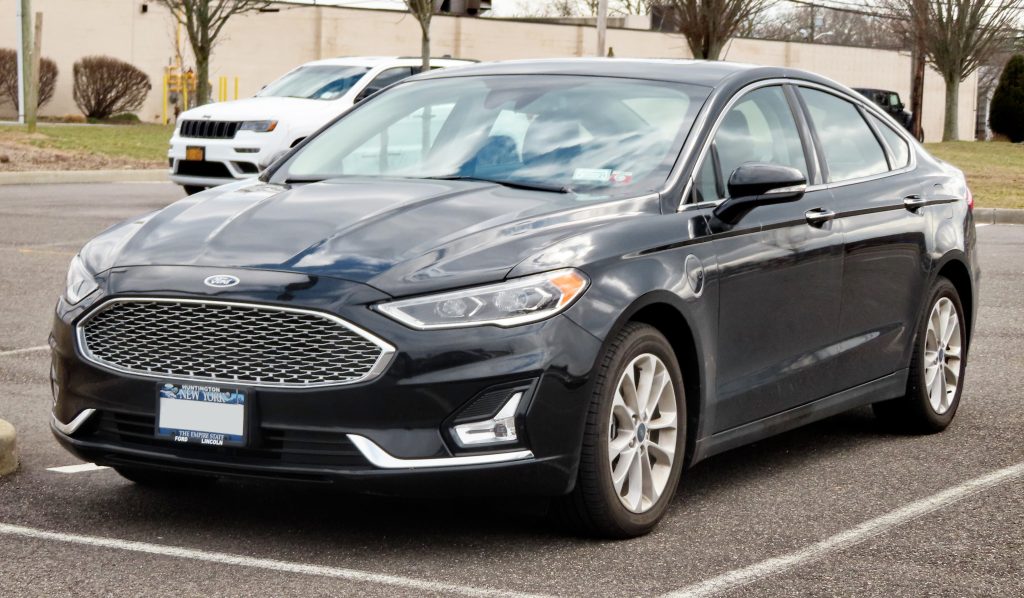
I’m including the Fusion because it highlights a classic case of strong design undermined by weak protection.
Ford prioritized looks and aerodynamics but didn’t back it with the same rust resistance found in competitors. For drivers in rust-prone regions, frequent washing and additional undercoating become mandatory if they want the body to last.
The Fusion proves that even a well-built car can suffer from early bubbling when attention to small details, like seam sealing and drainage falls short. It’s a reminder that long-term durability requires more than a great design; it needs real commitment to corrosion prevention.
3. Hyundai Elantra
The Hyundai Elantra has come a long way in design and performance, but when it comes to rust protection, it’s still not among the strongest in its class.
Several older and mid-generation models, particularly between 2011 and 2018, developed rust bubbles around the rear wheel arches and lower door hems surprisingly early.
The issue often begins where the fender liner meets the wheel lip. Dirt and salt collect in the tight gap, and with limited drainage, moisture sits trapped against the metal. Over time, even galvanized sections start to oxidize from the inside, leading to bubbling paint and brown streaks.
Hyundai did apply corrosion warranties, but many owners noted that by the time rust was visible, it had already spread from behind the panels making repairs costly. Later generations improved with better seam sealing, yet reports of surface rust near the rocker panels and subframe continue in harsher climates.
Part of the problem lies in the cost-saving paint process. The Elantra’s lower body areas received thinner coatings than upper panels. That’s fine in mild environments, but once road salt enters the equation, thin primer layers lose the fight quickly.
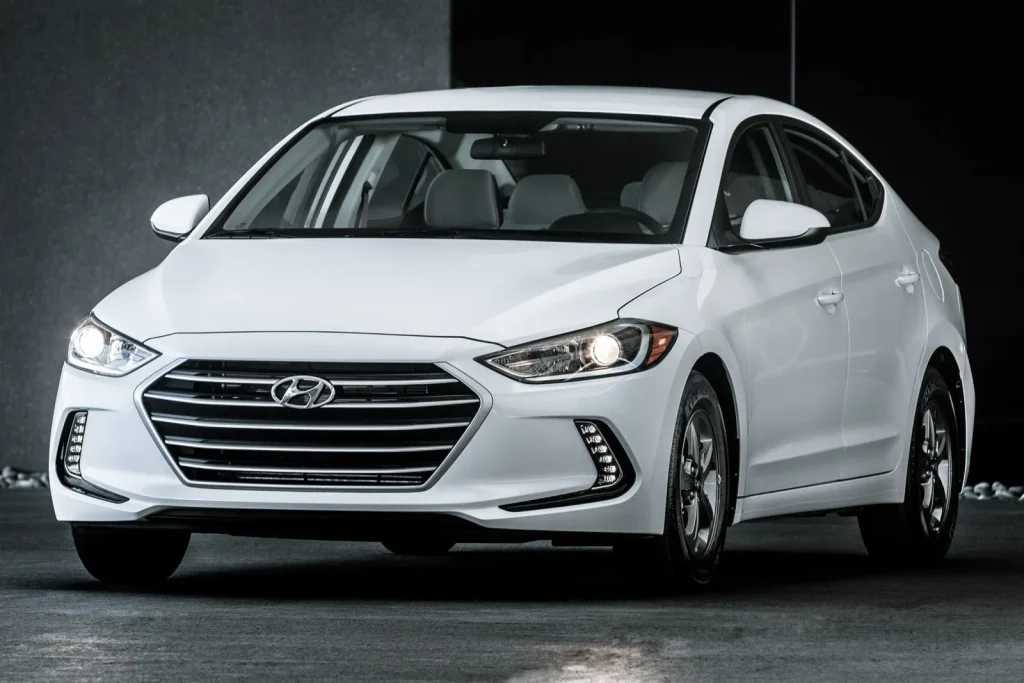
I’m including the Elantra because it reflects how even modern sedans can fall behind in rust protection when production costs outweigh material quality. While Hyundai’s mechanical reliability has surged, long-term body integrity hasn’t caught up everywhere.
Buyers in coastal or snowbelt regions should consider additional undercoating early in ownership. The Elantra is stylish and efficient, but without proactive care, it’s one of those sedans that can start bubbling at the hems before its warranty runs out.
4. Chevrolet Malibu
The Chevrolet Malibu’s sleek design hides a recurring weakness rust development at the door bottoms, fender lips, and trunk seams. Although GM’s latest models boast modern styling and improved ride comfort, the car’s rust protection hasn’t always matched its mechanical advancements.
Owners of 2010–2018 Malibus have consistently reported bubbling around the lower door panels, often traced back to insufficient drainage holes and poor seam sealing.
Once water accumulates behind the door skin, it creates a perfect environment for corrosion. The problem is made worse by thinner paint layers applied to save production costs.
The Malibu’s underbody also lacks the comprehensive wax and bitumen coatings found on many imports. In snowy regions, road salt quickly finds its way into crevices around the wheel wells and suspension mounts, where it begins to eat into unprotected metal. By the time surface rust appears, the corrosion underneath is already extensive.
GM made some improvements in later versions, including a stronger e-coat primer and better sealant coverage, but early corrosion patterns persist in many used models on the market. Even cars that appear clean outside can have bubbling under the paint along door seams or fuel filler areas.
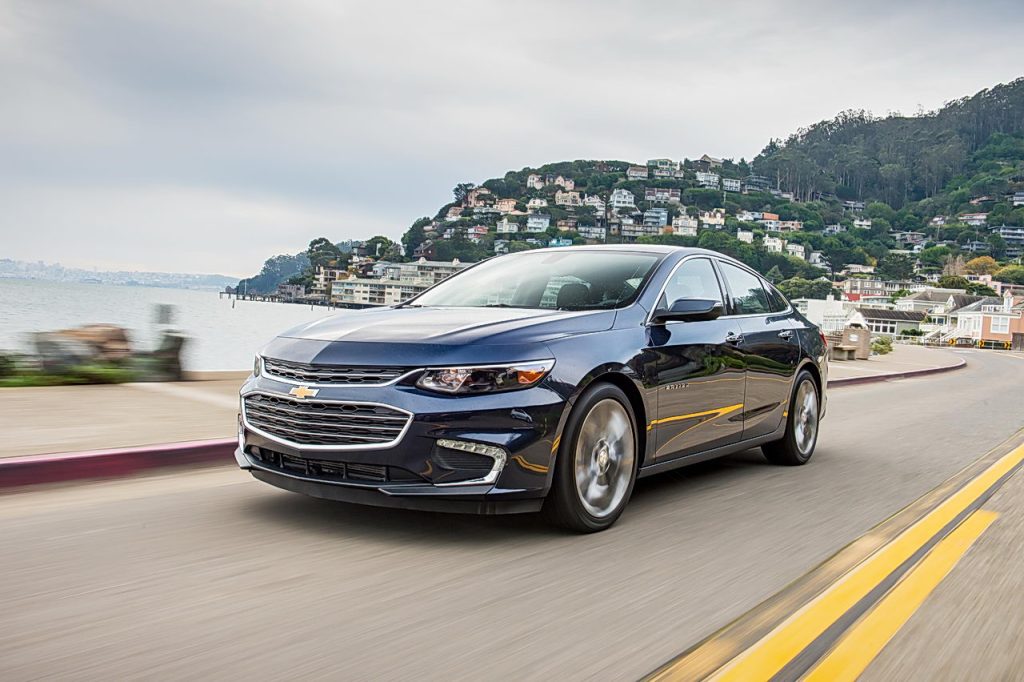
I’m writing about the Malibu because it illustrates how inconsistent factory protection can undermine an otherwise capable sedan. It drives well and offers good comfort, yet its body longevity falls short of expectations especially when compared with Japanese or Korean rivals that mastered corrosion prevention.
For those buying a used Malibu, a thorough underbody inspection and early rustproofing are essential. Without it, this handsome sedan may not age as gracefully as its design suggests.
5. Nissan Altima
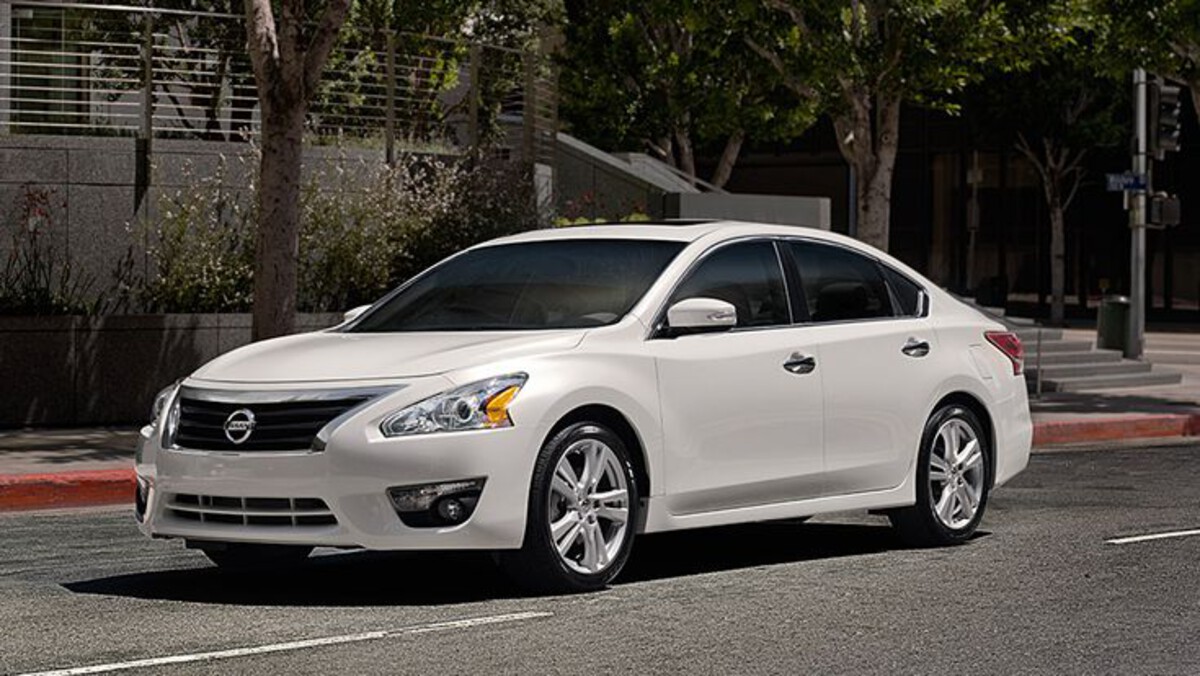
The Nissan Altima is a crowd favorite for comfort and reliability, but when it comes to resisting rust, it shows clear weaknesses that have followed several generations. Many Altimas, especially those produced between 2007 and 2017, suffer from rust at the rear wheel arches, rocker panels, and trunk edges.
The problem stems from limited underbody coatings and insufficient cavity wax application. Nissan used galvanized steel in certain areas but skipped full coverage in non-visible sections.
Once winter grime and salt start accumulating, these untreated parts become vulnerable, and rust begins to spread outward beneath the paint.
Another contributor is the foam insulation behind the fender liners, which traps moisture instead of repelling it. In regions like the Midwest or Canada, Altimas often show visible bubbles within five to seven years of use an early sign of corrosion from within.
Despite improvements in later models, long-term owner feedback remains mixed. Even new-generation Altimas, though more refined, can show minor surface rust along the subframe and suspension mounts after just a few winters if not maintained carefully.
I’m writing about the Altima because it shows how small oversights in protection can hurt a car’s otherwise strong reputation. Mechanically, it’s solid and dependable, but the lack of comprehensive rustproofing makes it age faster in harsh climates.
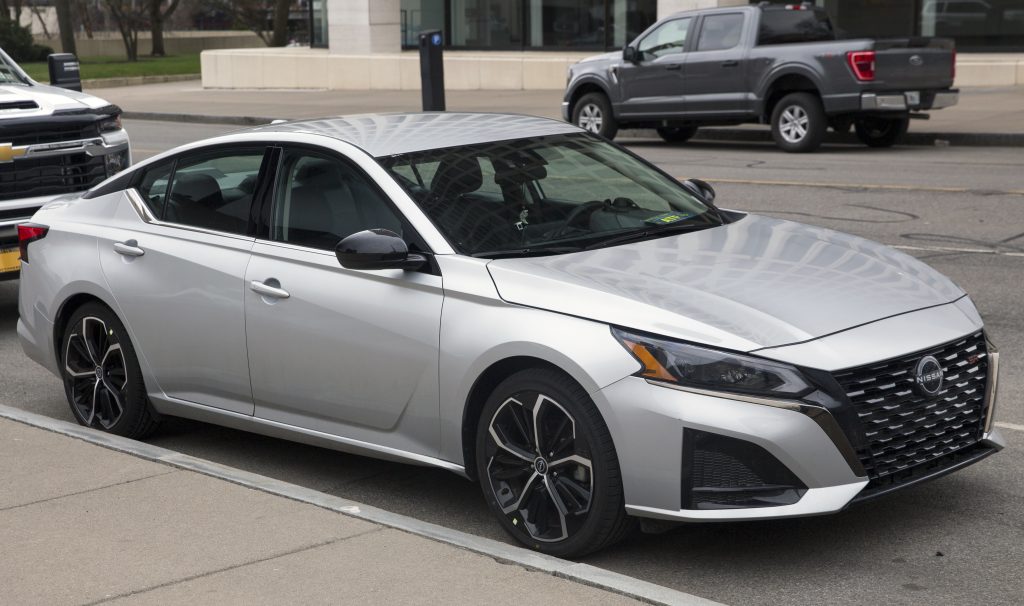
The Altima’s corrosion issues aren’t catastrophic, but they’re persistent enough that buyers in humid or salted environments should take extra steps frequent washing, wax coating, or even aftermarket underbody sprays, to prevent long-term damage.
Without that, it’s another sedan that ends up bubbling at the hems far too soon, diminishing an otherwise reliable package.
Also Read: 5 Sedans That Sip Fuel On Highways vs 5 Thirsty Cruisers
