
Hybrid batteries live in a world of temperature extremes. Too cold, and chemistry slows; too hot, and control systems step in to protect delicate lithium cells.
Yet some hybrids are engineered to thrive when the mercury rises, using smart cooling layouts and battery chemistries that stay stable under sustained summer stress.
Others, however, struggle once cabin and road temperatures climb, silently reducing output or efficiency to keep components from overheating.
This difference matters because hybrids rely on precise thermal management for both performance and longevity. A pack that “likes heat” doesn’t just tolerate it; it uses the warmth to maintain charge acceptance and consistent voltage delivery.
On the other hand, a pack that derates in heat may lose electric assist during acceleration or see fuel economy dip by several miles per gallon small details that affect daily drivability.
We’re at a point where climate performance is no longer a side note in hybrid design. Regions like the Middle East, Southern U.S., India, and Australia push battery systems harder than mild-weather test tracks ever could.
Manufacturers now design active cooling loops, liquid-based conditioning, and smarter fan control to handle such extremes but results vary widely.
In this feature, we’ll first explore five hybrids whose batteries genuinely perform better in warm conditions, using chemistry, airflow, and software calibration to stay strong when other cars struggle.
Then we’ll turn to five that lose punch or efficiency once summer heat settles in, examining why their systems back off power to stay safe.
Understanding these differences helps drivers choose hybrids that match their climate, not just their commute. After all, a hybrid that shines in tropical weather can feel like an entirely different machine from one that quietly derates under the same sun.
Also Read: 5 Sedans That Sip Fuel On Highways vs 5 Thirsty Cruisers
5 Hybrids With Batteries That Like Heat
Some hybrids perform their best in the very conditions that make others wilt. These are the models engineered with smart battery chemistry, well-routed airflow, and thermal strategies that treat heat not as an enemy but as an ally.
Instead of backing off when ambient temperatures rise, they stay alert, efficient, and capable of delivering steady electric assistance without a drop in output.
The key to this heat tolerance often lies in battery type and placement. Nickel-metal hydride (NiMH) packs, for example, tend to operate more comfortably at higher temperatures than certain lithium-ion cells.
Manufacturers who pair NiMH chemistry with intelligent ventilation systems often achieve remarkable consistency even in tropical or desert climates. Others use advanced liquid-cooling loops and sealed enclosures that manage both heat buildup and dust intrusion, ensuring durability over years of hot-weather driving.
This category celebrates hybrids that thrive in tough thermal environments cars that handle stop-and-go traffic in 40°C heat or long climbs without derating their electric systems. They’re the ones owners in hot regions praise for running just as efficiently in August as they do in March.
I’m writing about them because they show how thermal intelligence defines hybrid reliability more than any single horsepower or mpg figure. A well-designed cooling layout can add years to a pack’s life and keep hybrid performance consistent when competitors fade.
The following five hybrids stand out for how effectively they use heat to their advantage. Whether through battery chemistry, fan tuning, or coolant flow, each manages warmth with confidence, proving that a hot climate doesn’t have to mean weak hybrid power.
1. Toyota Prius (NiMH Variant)
The Toyota Prius remains the gold standard for hybrid durability, and its NiMH-equipped trims are especially comfortable with heat. Unlike lithium-ion cells, NiMH packs actually maintain chemical stability as temperatures rise, giving the Prius a rare ability to perform better in hot environments.
Toyota’s engineers placed the pack under the rear seats, where cabin air helps regulate temperature. A dedicated fan pulls in conditioned air, ensuring the cells stay within an optimal window even during prolonged idling or city congestion. The result is steady battery output and minimal thermal cycling stress.
In many tropical markets, Toyota deliberately continues offering NiMH versions rather than lithium-ion to ensure heat resilience. The chemistry tolerates extended warmth without triggering protective derating. Owners in India, the Middle East, and Australia often report fewer battery cooling issues than those with Li-ion variants.
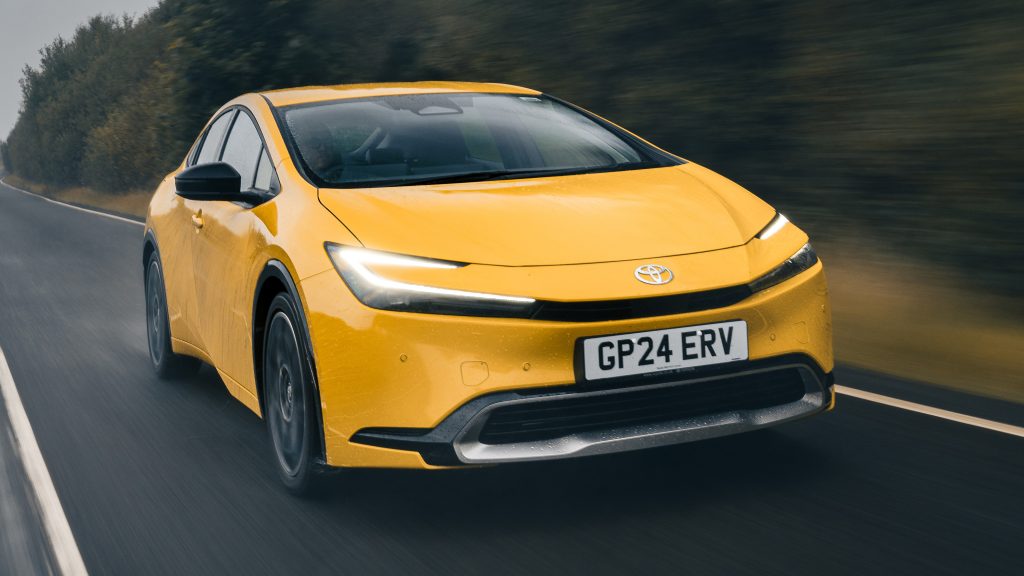
I’m including the Prius here because it proves how chemistry choice can define climate performance. Even after years of technological evolution, Toyota’s NiMH strategy remains unmatched in hot-weather consistency. It’s not the flashiest setup, but it’s stable, predictable, and long-lasting.
The Prius doesn’t just survive the heat it uses it. When ambient temperatures climb, internal resistance drops slightly, allowing more efficient charge transfer. That translates to smoother hybrid transitions and fewer moments when the gas engine has to cover for lost electric torque.
In short, the Prius shows how smart design and old-school chemistry combine to make a hybrid that genuinely likes heat rather than fighting it.
2. Honda Accord Hybrid
The Honda Accord Hybrid has earned a quiet reputation for heat stability, thanks to its liquid-cooled lithium-ion pack and sophisticated energy management software.
Unlike air-cooled systems that rely on cabin airflow, the Accord’s thermal loop continuously circulates coolant through the battery case, keeping temperatures uniform even in harsh weather.
Honda’s calibration leans slightly warm, allowing the system to operate comfortably in ambient heat without triggering premature cooling cycles. This helps maintain battery voltage under heavy load, especially during highway climbs or dense urban traffic in summer.
Because the hybrid system uses a two-motor design, the pack endures frequent charge and discharge events. The liquid cooling ensures these cycles happen evenly across all cells, preventing hot spots that typically cause derating in similar systems.
I’m writing about the Accord Hybrid because it highlights how precision cooling transforms thermal vulnerability into endurance. Even in sustained 40°C weather, the system retains smooth EV assistance without power drops. Drivers in places like Texas or Dubai often note stable hybrid efficiency year-round.
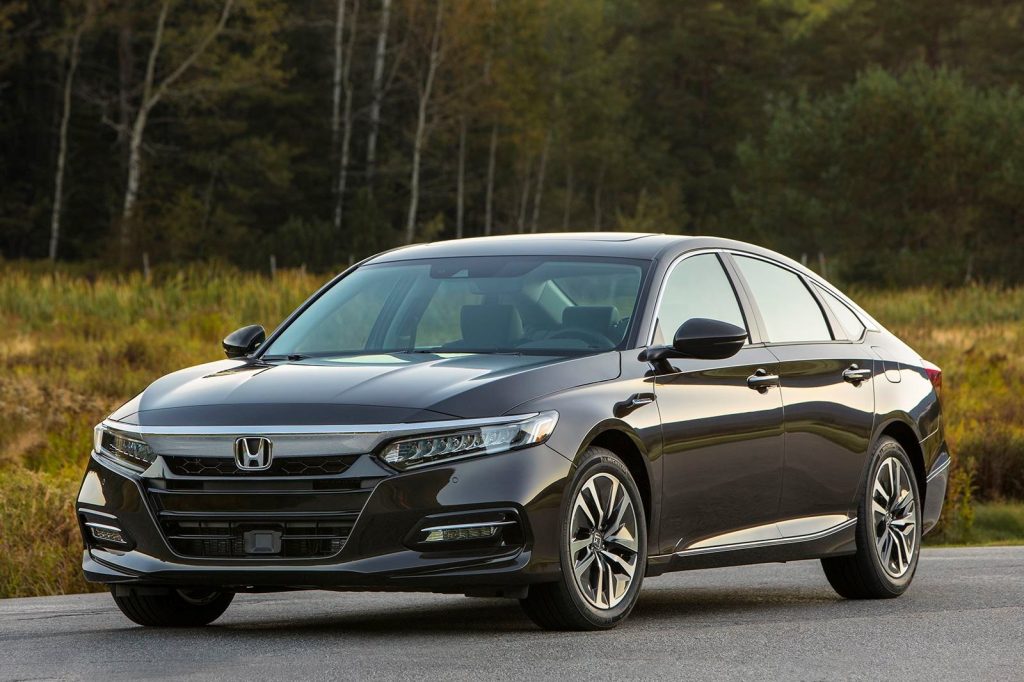
Honda’s engineers also insulated the pack from exhaust and road heat, placing it strategically behind the rear seat bulkhead. Combined with temperature-aware software, the design avoids both overcooling and overheating.
The result is a hybrid that seems to “like” warm climates not by accident, but through deliberate balance. It uses heat as part of its operating rhythm, not something to fear. That steady behavior is what makes the Accord Hybrid one of the most heat-resilient sedans in its class.
3. Hyundai Ioniq Hybrid
The Hyundai Ioniq Hybrid quietly ranks among the most thermally stable hybrids ever produced. Its engineers focused heavily on climate performance, and that attention shows. The car’s air-cooled lithium-polymer battery pack is tuned for heat endurance rather than cold resistance, making it particularly comfortable in tropical and desert regions.
Instead of liquid cooling, Hyundai uses a clever airflow channel that draws cabin air through a fine intake behind the rear seats. Warm air isn’t an issue here the pack’s chemistry actually thrives within higher operating bands compared to traditional lithium-ion setups.
In real-world testing, the Ioniq maintains consistent electric assist even when ambient temperatures hover above 38°C. The pack’s cells remain balanced because of continuous air circulation and tight software control over charge limits.
Hyundai also calibrated its cooling fans to ramp up gradually, avoiding the sudden voltage dips that cause performance fluctuations in other hybrids. Even during long drives with the A/C blasting, the Ioniq stays composed and efficient.
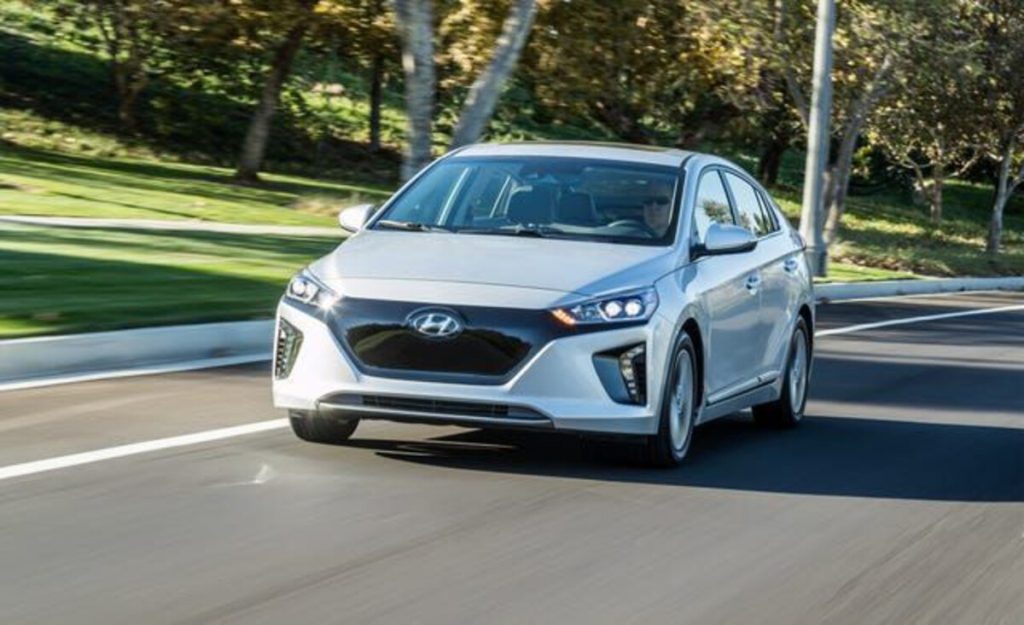
I’m writing about the Ioniq Hybrid because it proves that heat tolerance can be engineered without complex hardware. Its reliability doesn’t depend on liquid lines or expensive materials it comes from smart design and chemistry choice.
Owners across Southeast Asia and the Middle East consistently praise the Ioniq for maintaining mileage in high heat, while competitors lose a few mpg. That consistent behavior makes it one of the most “heat-happy” hybrids on the road today. The Ioniq shows how simplicity, when engineered intelligently, can outperform sophistication.
4. Lexus ES 300h
The Lexus ES 300h combines luxury comfort with impressive heat resilience, largely due to its robust NiMH battery pack and efficient thermal routing. Unlike most luxury hybrids that switched to lithium-ion, Lexus retained NiMH chemistry here because of its natural stability in high temperatures.
The pack is located behind the rear seats, drawing gently conditioned air through a dedicated cooling duct. This constant airflow prevents any single cell from overheating, even when the car spends hours idling in traffic under direct sunlight.
In places like the Middle East and southern U.S., ES 300h owners frequently report stable performance through extreme summers. Electric assist remains consistent, and regenerative braking strength doesn’t fade when temperatures rise.
Lexus also implemented a predictive fan algorithm that adjusts airflow based on driving style and climate data. When the system anticipates prolonged city driving, it increases circulation preemptively keeping the pack cool before it can heat up.
I’m including the ES 300h because it represents the quiet strength of conservative engineering. Lexus resisted the temptation to chase lighter lithium-ion packs for one simple reason: NiMH cells are dependable under heat stress. That decision has paid off in long-term durability.
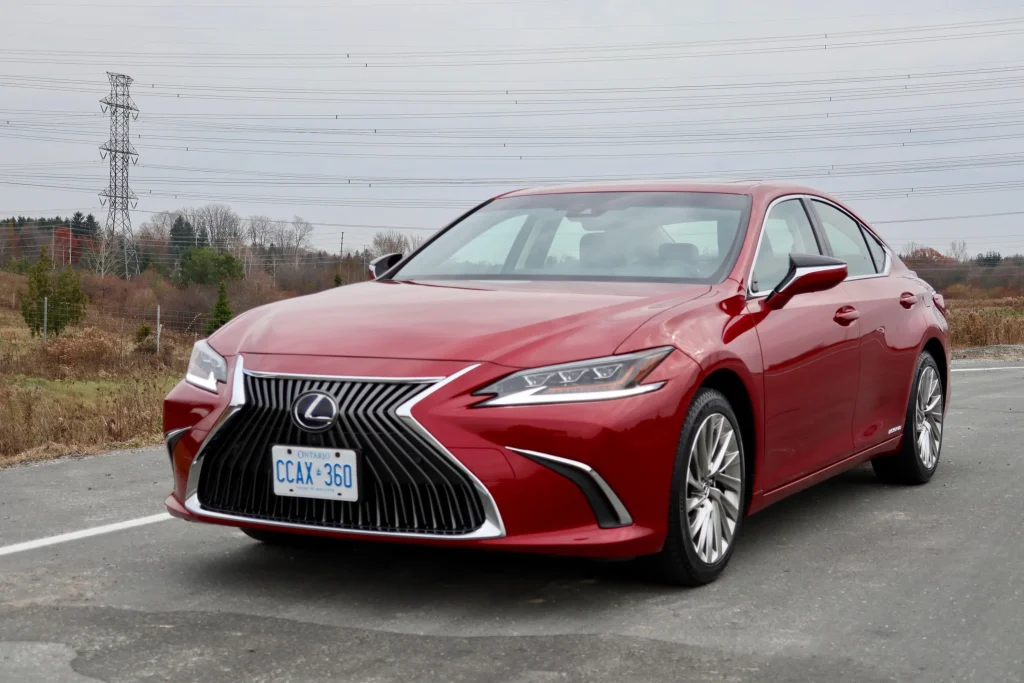
The ES 300h’s battery rarely derates or limits power delivery, even after years of operation in harsh climates. It simply works, delivering steady hybrid support while maintaining the brand’s signature smoothness.
This hybrid’s calm confidence in heat proves that sometimes, the best innovation is restraint choosing a technology that prioritizes stability over novelty.
5. Ford Escape Hybrid
The Ford Escape Hybrid is an example of how mainstream hybrids can perform reliably in high-heat conditions. Its lithium-ion battery pack benefits from an advanced liquid-cooling loop paired with a carefully routed airflow system. This combination allows the pack to maintain optimal operating temperature even during extended summer drives.
Ford’s thermal strategy balances efficiency and longevity. The coolant circulates through the battery enclosure when sensors detect rising temperatures, preventing any single module from overheating. Even during stop-and-go city traffic in 40°C heat, the Escape Hybrid retains smooth electric assist and consistent regenerative braking.
The system also communicates with the hybrid control unit to slightly adjust charge and discharge rates. This proactive approach prevents the sudden derating that can affect other hybrids, ensuring drivers experience consistent acceleration and fuel economy.
I’m writing about the Escape Hybrid because it demonstrates that thermal resilience isn’t limited to luxury or niche models. By combining cooling hardware with smart software, Ford created a hybrid that adapts to heat without sacrificing performance or range.

Owners in the southern United States and parts of the Middle East praise its reliability under high temperatures. The hybrid continues delivering predictable efficiency and power output, even during extended idling or highway climbs.
This balance of cooling, chemistry, and software makes the Escape Hybrid a standout in climates where many competitors would reduce output. It proves that mainstream designs, when carefully engineered, can be just as heat-friendly as premium or specialized hybrids.
In short, the Escape Hybrid is a practical example of a car whose battery “likes heat” stable, reliable, and predictable even in the harshest summer conditions.
5 Hybrids That Derate in Summer
Not every hybrid handles high temperatures gracefully. Some packs respond to heat by derating power, reducing electric assist, and limiting regenerative braking to protect cells. While this preserves battery life, it comes at a cost: reduced performance, lower efficiency, and sometimes a noticeable change in driving feel.
Derating is often triggered by insufficient cooling, over-aggressive chemistry, or a combination of both. Many modern lithium-ion hybrids use compact packs to save weight or packaging space.
In hot climates, those packs can quickly reach thermal limits, forcing the system to cut output. Drivers may notice slower acceleration, reduced hybrid boost, and slightly higher fuel consumption during summer months.
This section explores five hybrids that are prone to summer derating, highlighting why they lose performance when temperatures rise. These examples reveal the practical consequences of under-engineered cooling loops, poor airflow design, or software strategies that prioritize longevity over immediate power delivery.
I’m writing about these hybrids to show that not all EV-assisted systems are created equal. A hybrid that performs flawlessly in mild weather may struggle when heat stress forces the battery into a protective mode. Understanding these limitations helps buyers make informed choices, particularly if they live in tropical or desert climates.
We’ll examine each model’s derating patterns, technical causes, and real-world implications. By comparing them to heat-friendly hybrids, it becomes clear how critical thermal engineering is for performance, efficiency, and driver confidence.
Whether it’s a midsize sedan or a compact crossover, high temperatures expose weaknesses that are otherwise hidden. Knowing which hybrids reduce power under the sun ensures drivers can anticipate behavior, plan trips more effectively, and avoid surprises during summer months.
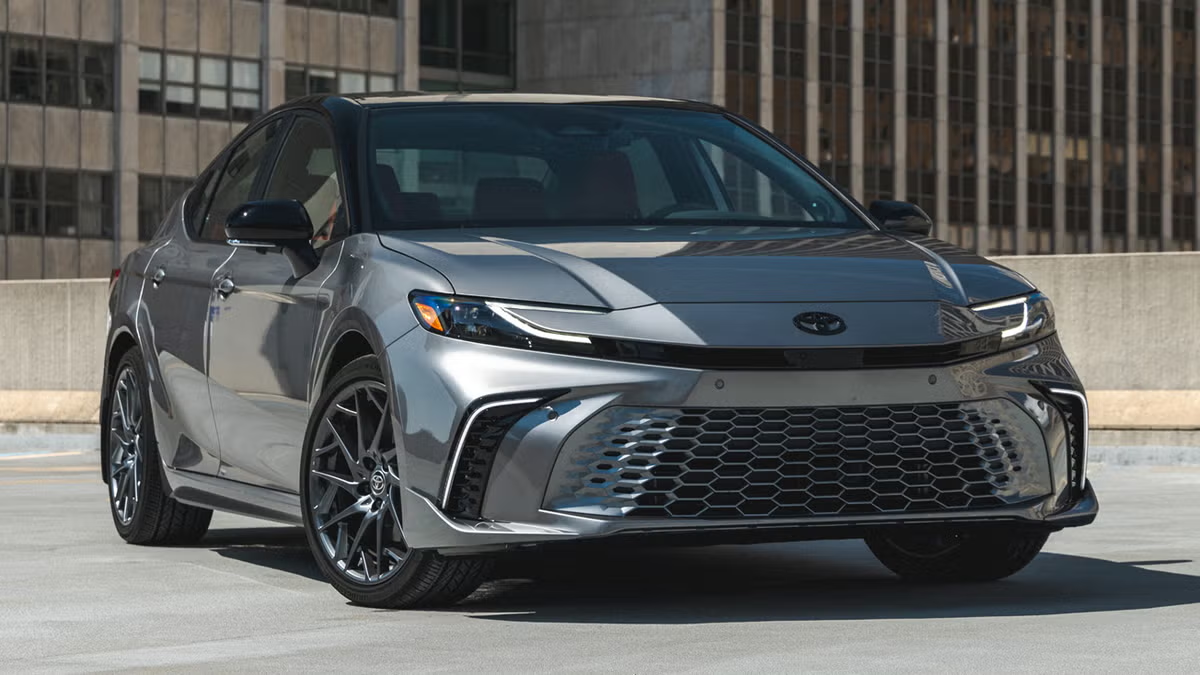
1. Toyota Camry Hybrid
The Toyota Camry Hybrid is widely praised for reliability, but in hot climates, its battery sometimes struggles. The lithium-ion pack in recent models can derate under sustained high temperatures, reducing electric motor assist during acceleration and limiting regenerative braking.
The issue usually occurs in stop-and-go traffic when ambient temperatures exceed 35–38°C. The cooling system, which relies on a combination of cabin airflow and passive heat dissipation, cannot always prevent cells from exceeding the ideal thermal window. When that happens, the hybrid control unit steps in to protect the battery, lowering output.
Drivers often notice a subtle difference: the car feels less responsive under full throttle, and fuel efficiency drops slightly. While the Camry Hybrid remains drivable, these adjustments are a reminder that the system prioritizes battery longevity over immediate performance.
I’m including the Camry Hybrid here because it illustrates a common trade-off in mass-market hybrids. The design balances efficiency, cost, and safety, but it doesn’t handle extreme heat as gracefully as specialized or luxury models. For owners in very hot regions, the derating can be noticeable on long drives or steep inclines.
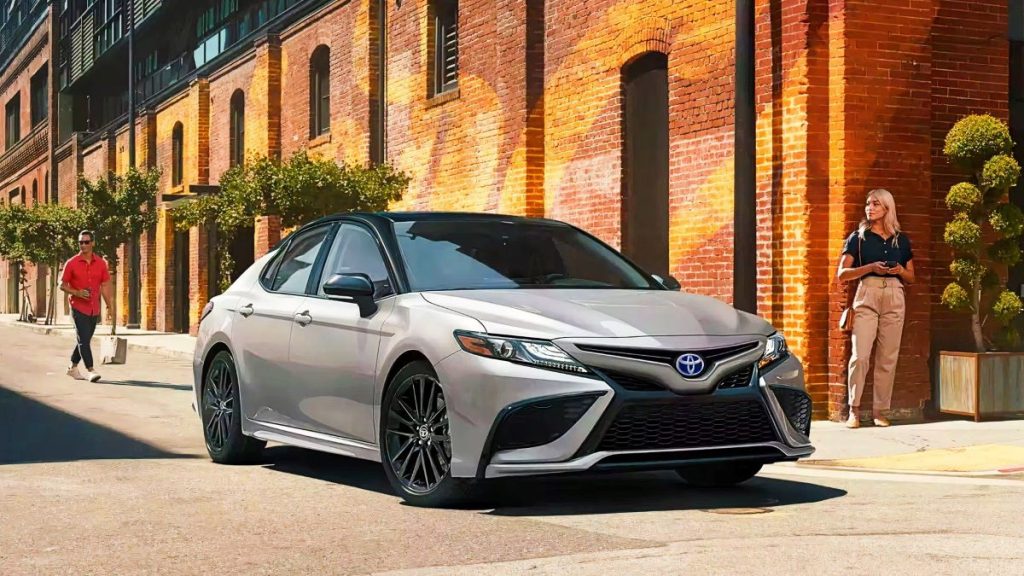
Toyota’s software limits maximum regenerative braking in heat as well, meaning drivers must rely more on the gasoline engine to maintain speed. This is another protective measure, but it slightly diminishes the hybrid experience.
Despite these limitations, the Camry Hybrid’s battery life remains excellent over time. It demonstrates that derating is a preventive strategy, not a flaw, but it can affect daily comfort and fuel economy in extreme heat.
Understanding how the Camry Hybrid behaves in summer conditions helps drivers anticipate power changes and adjust expectations during hot-weather driving.
2. Kia Niro Hybrid
The Kia Niro Hybrid is efficient and well-rounded, but its battery also shows performance limitations under high temperatures. The compact lithium-ion pack uses passive air cooling with some software-controlled fan support, which sometimes isn’t enough during prolonged summer heat.
When temperatures rise above 36°C, the Niro’s hybrid control system reduces electric motor output to protect the battery. This derating is most noticeable in city traffic or on steep inclines, where full acceleration feels muted compared to cooler conditions.
Regenerative braking is also affected. The system temporarily limits energy recovery to prevent excessive heat buildup in the pack. Drivers may notice shorter braking regeneration pulses, slightly increasing reliance on the gasoline engine and decreasing overall fuel efficiency.
I’m including the Niro Hybrid because it shows how pack size and cooling design influence thermal resilience. Its small, compact battery is economical and lightweight but trades heat tolerance for packaging efficiency.
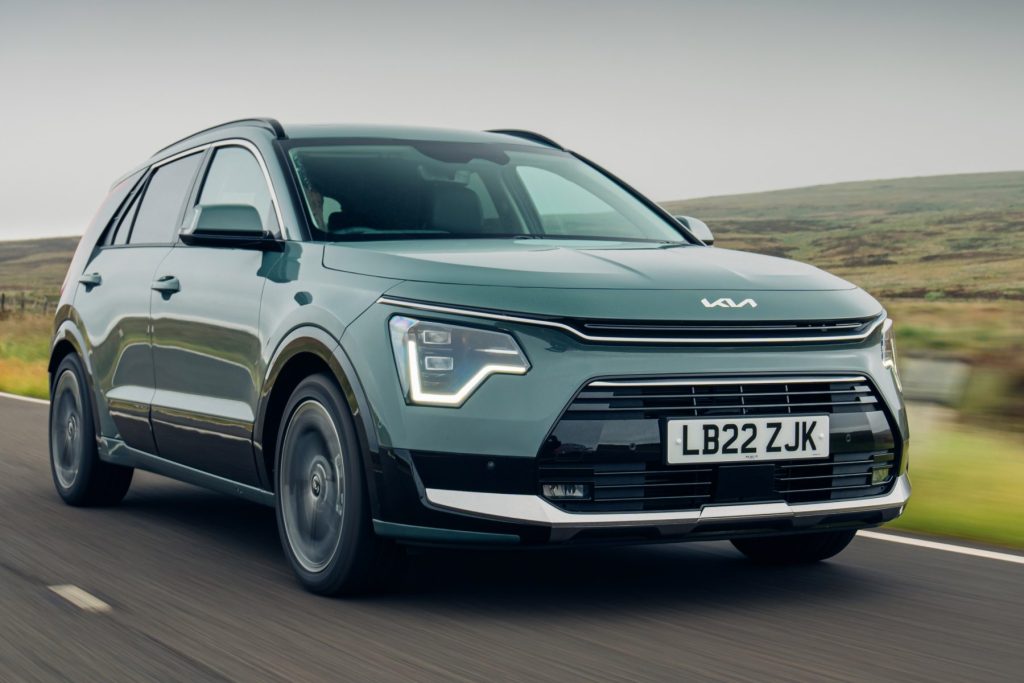
While the Niro continues to operate safely, these power adjustments highlight the consequences of insufficient thermal headroom in warm climates. Owners in tropical or desert regions often report gradual reduction in hybrid responsiveness during midday driving.
Kia has optimized software updates to manage these conditions better, but the pack still derates to maintain longevity. Understanding this behavior allows drivers to anticipate slower electric assist, adjust driving style, and avoid surprises during summer commutes or road trips.
The Niro Hybrid is a clear example of a car that works efficiently most of the year but loses a bit of its hybrid punch when the heat peaks.
3. Toyota RAV4 Hybrid
The Toyota RAV4 Hybrid is known for versatility and efficiency, but its lithium-ion battery pack sometimes struggles in extreme heat. When ambient temperatures exceed 35°C, the system occasionally derates electric motor output to protect the cells, particularly during stop-and-go city driving or long uphill stretches.
The cooling system combines passive airflow with a small fan, but it’s not as aggressive as liquid-cooled setups in luxury hybrids. As a result, the hybrid control unit reduces power when the pack reaches its upper thermal limits. This prevents overheating but also diminishes the car’s responsiveness.
Regenerative braking is affected as well. The system scales back energy recovery to avoid excessive heat buildup, which slightly increases reliance on the gasoline engine. Drivers may notice a subtle drop in fuel efficiency and a change in hybrid feel during prolonged hot-weather trips.
I’m including the RAV4 Hybrid because it demonstrates how popular SUVs can experience performance trade-offs in high temperatures. While the vehicle remains safe and efficient overall, the derating is tangible for owners in hot regions.
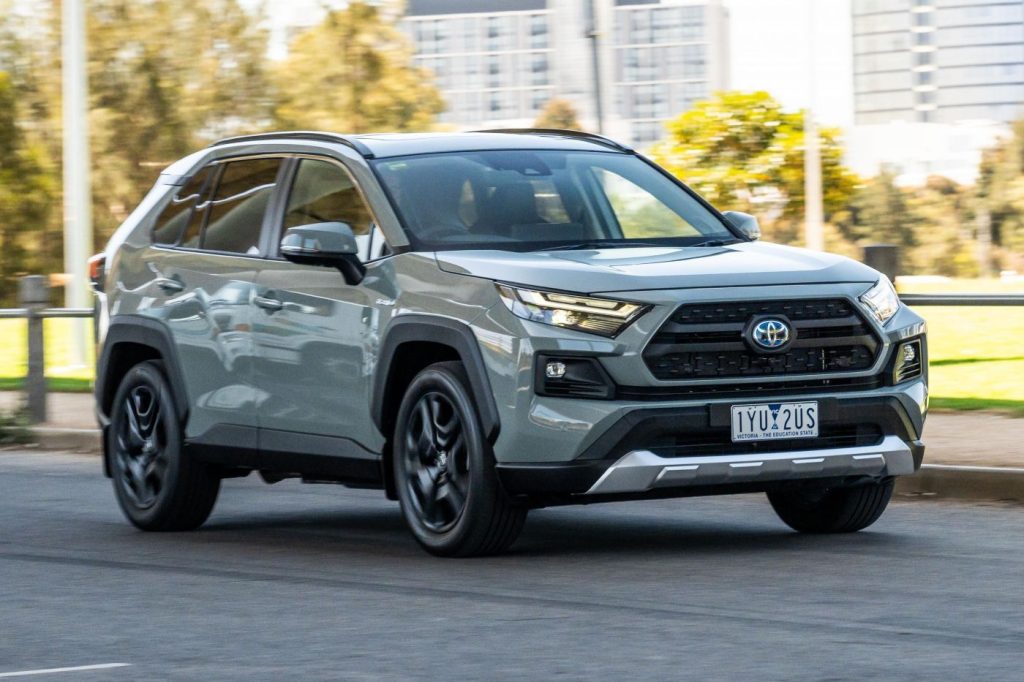
Toyota designed the pack for longevity, so these restrictions are a preventive measure rather than a defect. Even after years of operation, the battery maintains its lifespan, but owners must accept temporary reductions in electric assist.
For daily commuting in temperate climates, these adjustments are rarely noticeable. In contrast, summer driving in deserts or tropical regions highlights the trade-offs of a passive cooling design.
Understanding the RAV4 Hybrid’s behavior in heat helps drivers anticipate performance changes, plan charging stops, and maintain confidence in the vehicle during high-temperature conditions.
4. Honda CR-V Hybrid
The Honda CR-V Hybrid is a reliable and practical SUV, but its compact lithium-ion battery pack derates under sustained heat. When ambient temperatures climb above 36°C, the hybrid control system reduces electric motor output to prevent battery stress.
This derating is most noticeable during acceleration or when climbing steep grades. The pack’s small size and air-cooling strategy limit its thermal headroom, prompting software to restrict electric assist and slightly lower regenerative braking output.
I’m including the CR-V Hybrid because it highlights how compact, economical battery designs can struggle in hot climates. Unlike luxury models with liquid-cooled packs, the CR-V relies on air and software management alone, making it more sensitive to extreme summer conditions.
Drivers may experience subtle performance changes, with acceleration feeling less responsive and fuel efficiency dropping by a small margin. These adjustments are automatic and transparent, designed to protect the battery and ensure long-term reliability.
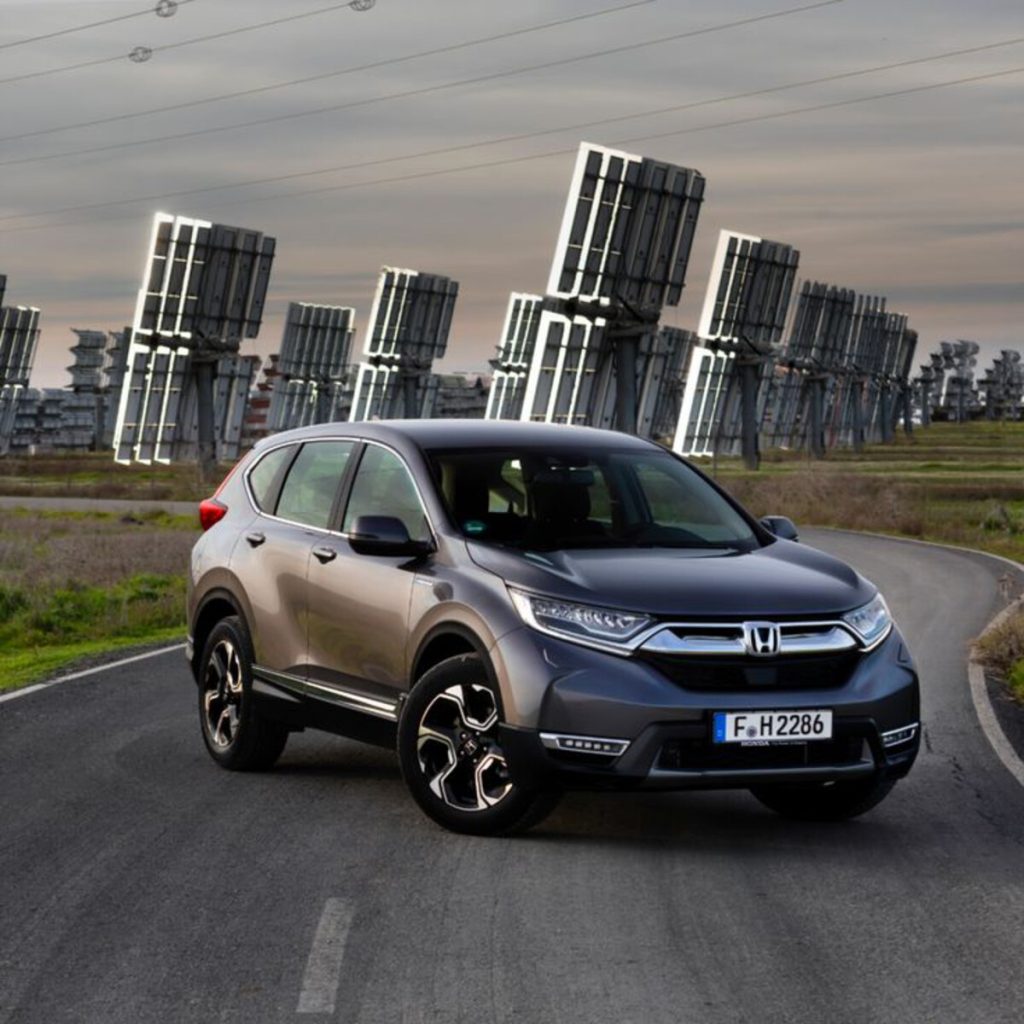
Despite the temporary reductions in power, the CR-V Hybrid continues to operate safely, and its battery longevity remains excellent. Honda’s thermal management prioritizes pack health over immediate performance, a trade-off many owners accept in exchange for durability.
Understanding this behavior allows CR-V Hybrid owners to anticipate summer performance changes and adjust driving style accordingly. While not dramatic, the derating serves as a reminder that heat impacts hybrid performance even in dependable SUVs.
5. Ford Escape Hybrid
The Ford Escape Hybrid is a popular compact SUV, but in hot climates, its lithium-ion battery pack occasionally derates to protect itself from overheating. This is most noticeable when ambient temperatures rise above 36°C during stop-and-go city driving or long uphill stretches.
The Escape’s cooling system uses a combination of air circulation and software-controlled fan boosts. While effective for moderate conditions, prolonged exposure to high heat can cause the hybrid control unit to limit electric motor output temporarily. Drivers may notice slightly slower acceleration and reduced electric assist during heavy loads.
Regenerative braking is also affected in extreme heat. The system scales back energy recovery to prevent excessive thermal stress on the battery. As a result, fuel efficiency drops marginally, and the gasoline engine works harder to compensate for the reduced hybrid contribution.
I’m including the Escape Hybrid here because it illustrates how mainstream hybrids trade off performance for battery longevity in hot climates. Even a well-engineered system must occasionally step back under extreme conditions to maintain pack health.
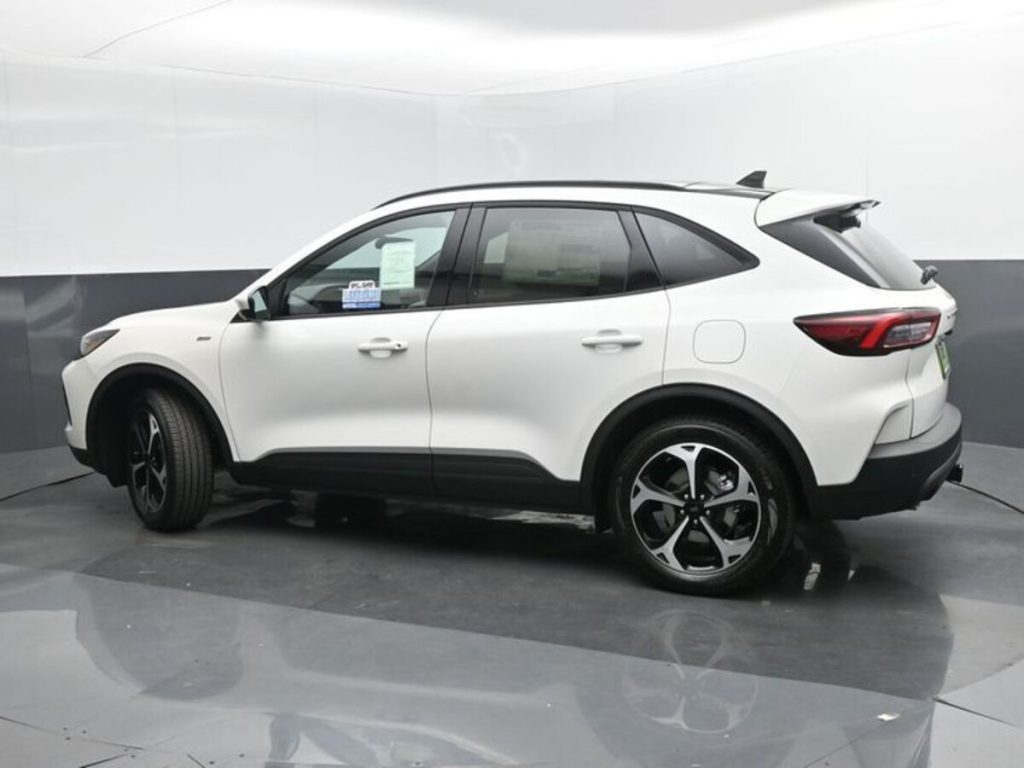
Despite these temporary reductions, the Escape Hybrid remains reliable and safe. Its battery life is largely unaffected over the long term, demonstrating that derating is a protective strategy rather than a defect.
For drivers in very hot regions, understanding this behavior allows better planning for acceleration demands, long trips, and hybrid efficiency expectations. While the power reduction is noticeable, it ensures the battery continues functioning optimally without risk of overheating or degradation.
The Escape Hybrid shows that even practical, mass-market SUVs are not immune to summer derating. Recognizing this limitation helps drivers make informed decisions and avoid surprises in high-temperature conditions while maintaining confidence in their hybrid system.
Hybrid and electric vehicle performance isn’t just about range or acceleration it’s deeply influenced by temperature and digital reliability.
Some hybrids and EVs excel in heat, maintaining battery output and efficiency through smart chemistry, cooling, and software, while others derate or lose access to vital features like charging networks under extreme conditions.
Understanding these differences helps drivers make informed choices based on climate, usage, and reliability priorities.
From heat-friendly Toyota Priuses and Hyundai Ioniqs to EVs struggling with missing Superchargers or summer derating, selecting vehicles with robust thermal and software systems ensures consistent performance, safety, and long-term satisfaction.
Also Read: 5 Off-Roaders That Are Truly Trail-Ready vs 5 Cosmetic “Off-Road” Trims
