
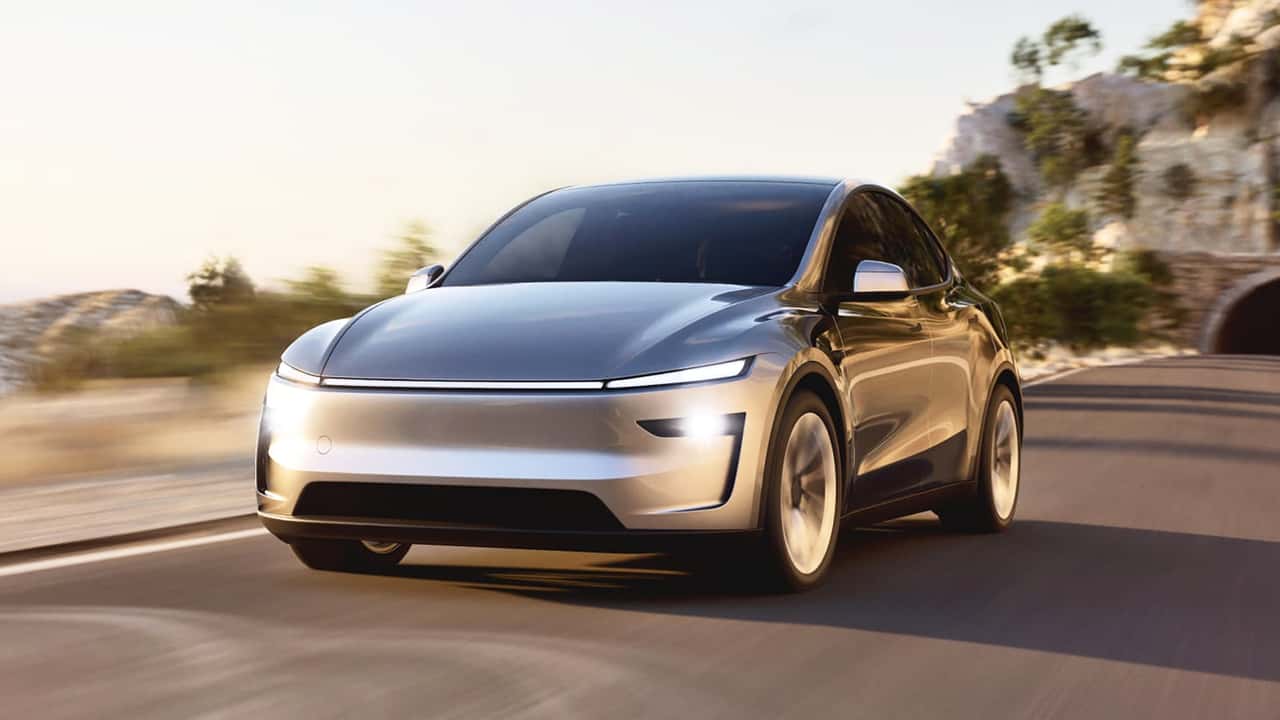
Electric vehicles have transformed how we think about driving, but one critical factor still separates good EVs from great ones: the DC fast-charging curve.
Many buyers focus on peak kW numbers, but the real-world experience depends on how long a car can sustain high power before the charging rate tapers. A strong charging curve allows drivers to regain significant range quickly, while an early taper can turn a brief stop into a lengthy wait.
Today’s EV market is split. On one side, newer models leverage advanced battery chemistry, 800-volt architectures, and sophisticated thermal management to maintain high charging power across a broad state-of-charge (SOC) range.
These EVs make road trips easier, as drivers spend less time at chargers and can plan stops with confidence.
On the other side, some vehicles reach impressive peak power but begin tapering sharply around 30–40% SOC. This early decline significantly slows charging for the rest of the session, which can disrupt travel plans and reduce convenience.
In this article, we explore both categories. First, we highlight five EVs with strong DC fast-charge curves that sustain high power through a wide range of SOC.
Then, we examine five EVs whose curves taper early, limiting the practical benefits of their fast-charging capability. For each vehicle, we explain why it belongs to its respective group, detail the charging behaviour, and discuss the implications for real-world use.
By understanding these charging dynamics, EV buyers can make informed decisions, plan trips more efficiently, and select vehicles that match their driving habits.
Charging curve performance is increasingly important as EVs become the primary choice for long-distance travel, making this comparison relevant for anyone looking to optimize both convenience and efficiency.
5 New EVs With Strong DC Fast Charge Curves
In the world of electric vehicles, fast charging is one of the most critical features that affects everyday usability and long-distance travel.
While peak charging power often gets the spotlight in marketing materials, the true measure of convenience lies in how long an EV can sustain high charging speeds as the battery fills.
Vehicles with strong DC fast-charge curves keep their charging power elevated across a significant portion of the battery’s state-of-charge (SOC), meaning drivers spend less time waiting and more time on the road.
The latest generation of EVs demonstrates remarkable advancements in this area. Automakers are now pairing high-voltage architectures, sophisticated thermal management, and optimized battery chemistry to deliver not just higher peak power, but flatter and more usable charging curves.
Cars that maintain strong charging speeds beyond the initial ramp-up phase allow for shorter stops, more predictable travel times, and a driving experience closer to that of refueling a conventional gasoline vehicle.
This section highlights five EVs that exemplify these improvements. Each model was chosen for its ability to sustain high DC charging rates well into the SOC window, thanks to engineering solutions that reduce taper and maximize efficiency.
These vehicles represent the forefront of charging technology, showing how design choices can enhance practicality for long-distance drivers and daily users alike.
By examining these five EVs, readers will gain insight into how modern fast-charging systems perform under real-world conditions. Understanding these curves is vital because it affects not only convenience but also trip planning, charger availability, and overall satisfaction with the EV experience.
These cars illustrate that with the right combination of technology and design, DC fast charging can be a genuinely usable feature rather than a theoretical specification.
1. Hyundai Ioniq 5
The Hyundai Ioniq 5 is one of the standout EVs in terms of fast-charging performance. Thanks to its 800-volt architecture and advanced thermal management, it can go from 10% to 80% state-of-charge (SOC) in about 18–20 minutes on a 350 kW charger.
What makes the Ioniq 5 exceptional is not just the peak power but the sustained curve. Unlike many EVs that hit their maximum charge rate and then taper sharply, the Ioniq 5 maintains high charging power over a significant portion of the SOC. This allows drivers to regain a large amount of range in a short time, making long trips far more convenient.
Thermal management plays a critical role. The system prevents overheating of the battery during high-speed charging, ensuring that the charging curve stays flatter for longer. Combined with efficient battery chemistry, this design reduces the taper that typically slows charging at higher SOC levels.
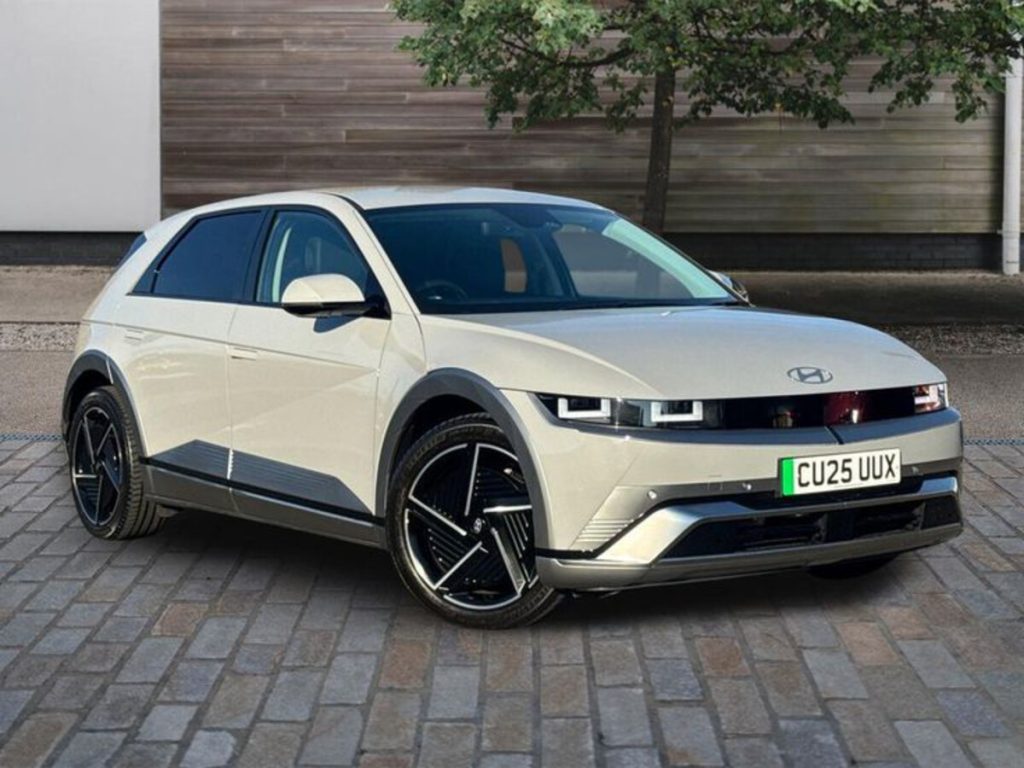
The practical benefit is clear: fewer minutes waiting at a DC fast charger and more confidence on long-distance drives. For drivers who prioritize convenience and efficiency, the Ioniq 5 turns fast charging into a genuinely usable feature rather than just a peak number on paper.
Additionally, the Ioniq 5’s charging performance sets a benchmark for other EVs in its class. It demonstrates that with thoughtful engineering, EVs can combine fast charging, battery longevity, and real-world usability without compromise. This is why it earns its place as the first example of a strong DC fast-charge curve.
2. Kia EV6
The Kia EV6 shares much of its platform with the Ioniq 5 but delivers a distinct fast-charging experience.
It uses an 800-volt architecture and advanced thermal management to achieve rapid charging rates that stay high across a wide SOC range. On a 350 kW charger, the EV6 can add substantial range in roughly 18–20 minutes from low SOC.
What sets the EV6 apart is the flatness of the charging curve. Many EVs experience a steep decline in power after reaching 30–40% SOC, but the EV6 sustains strong power longer, allowing drivers to regain usable range efficiently. This makes the car ideal for long trips where minimal charging downtime is important.
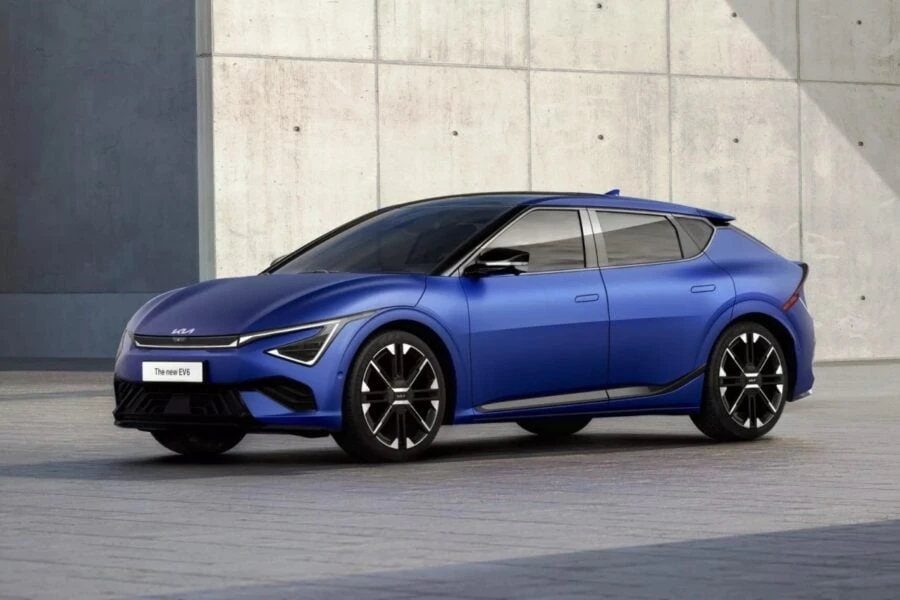
The EV6’s charging behavior demonstrates the importance of combining platform design with battery chemistry and cooling systems. Maintaining a high charging rate without triggering excessive heat or battery stress ensures both speed and longevity. This makes the EV6 a practical choice for drivers who value real-world fast-charging efficiency.
For everyday use, the flat charging curve translates into shorter and more predictable charging stops. Drivers can plan trips with confidence, knowing that the EV6 will deliver consistent performance rather than dropping quickly into slower charging phases. This is exactly why the EV6 earns its spot among EVs with strong DC fast-charge curves.
3. Porsche Taycan Turbo GT
The Porsche Taycan Turbo GT is a luxury performance EV that sets a benchmark for sustained fast charging. Its high-voltage architecture allows peak charging rates of around 317 kW, and it averages roughly 213 kW from 10% to 90% SOC on a compatible charger.
What makes the Taycan exceptional is the extended plateau. Unlike many EVs that drop sharply after a short period, the Taycan maintains elevated charging power across a broad SOC range. This ensures that drivers regain significant range quickly, even when the battery is partially full.
Thermal management and battery chemistry play critical roles. The Taycan uses an efficient cooling system to prevent overheating, allowing the high charging rate to persist longer without impacting battery health. This combination of performance and endurance makes the Taycan a real-world leader in fast-charging efficiency.
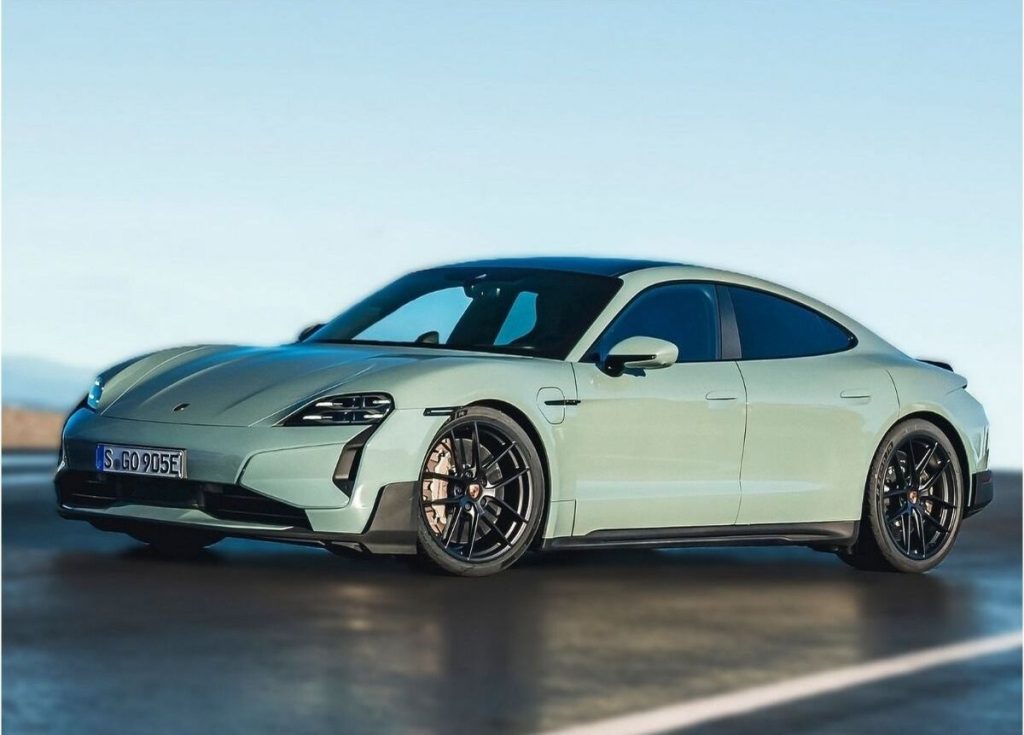
From a practical standpoint, drivers experience shorter stops during long trips, closer to the convenience of filling a gasoline car. The Taycan demonstrates that high performance and sustained charging can coexist without compromise, a standard many EVs aspire to reach.
I include the Taycan here because it exemplifies how engineering solutions, including high-voltage architecture, intelligent battery management, and thermal design, translate into a flat, effective charging curve that benefits the driver in everyday use.
4. Chevrolet Silverado EV
The Chevrolet Silverado EV brings strong DC fast-charging capabilities to the pickup segment. Despite its large battery and heavier weight, the Silverado can add roughly 100 miles of range in about 17 minutes on a high-power charger.
What sets it apart is the ability to sustain high charging rates for a substantial portion of the SOC. Many heavy EVs taper quickly due to heat generation and pack size, but the Silverado’s thermal management and voltage design allow for a flatter charging curve.

This is particularly significant for drivers who use pickups for work and long trips. Fast, sustained charging reduces downtime, making the EV more practical for hauling and daily use. It also demonstrates that fast-charging efficiency isn’t limited to sedans or compact SUVs large vehicles can achieve it too.
The Silverado EV is included because it showcases how intelligent engineering enables strong DC fast-charge curves even in heavier EVs. For users needing both range and charging speed, this vehicle represents a practical, real-world solution without compromise.
5 EVs That Taper at ~40% SOC
Not all EVs maintain their charging power effectively as the battery fills. While peak charging rates often look impressive on paper, some vehicles begin to taper sharply once the state-of-charge (SOC) reaches around 30–40%.
This early decline in charging speed can significantly extend charging times, especially during long trips, reducing the real-world advantage of fast-charging technology.
Understanding tapering behavior is crucial for EV drivers. A car that maintains high power only for a small portion of the SOC may still feel fast initially, but stops can become long and unpredictable once the battery reaches mid-levels. This can impact trip planning, charger availability, and overall convenience.
In this section, we highlight five EVs known for early tapering of their DC fast-charge curves. Each example demonstrates how peak numbers alone do not tell the whole story. We explain the specific taper behavior, the real-world consequences for drivers, and why these vehicles fall into this category.
This information is essential for anyone who frequently takes long trips or relies on high-speed chargers. By examining these five models, readers can better understand how charging curves vary, how taper affects travel time, and what trade-offs exist when selecting an EV.
While tapering doesn’t necessarily indicate a bad vehicle, many of these EVs excel in range, efficiency, or daily usability. Recognising the limits of their fast-charging performance helps drivers make more informed decisions. This section aims to provide clarity on which EVs may require longer stops due to early tapering and why that matters for real-world usage.
1. Tesla Model Y
The Tesla Model Y is widely praised for its overall performance and fast-charging network access, but its DC fast-charge curve tapers earlier than many users expect. Peak charging can reach around 250 kW, but by 40–50% SOC, the power drops significantly, often falling below 120 kW.
This early taper means that while the initial minutes of charging are very fast, the second half of a typical 10–80% charge takes much longer than anticipated. Drivers planning longer trips must account for slower charging beyond mid-SOC, which can affect route planning and overall travel time.
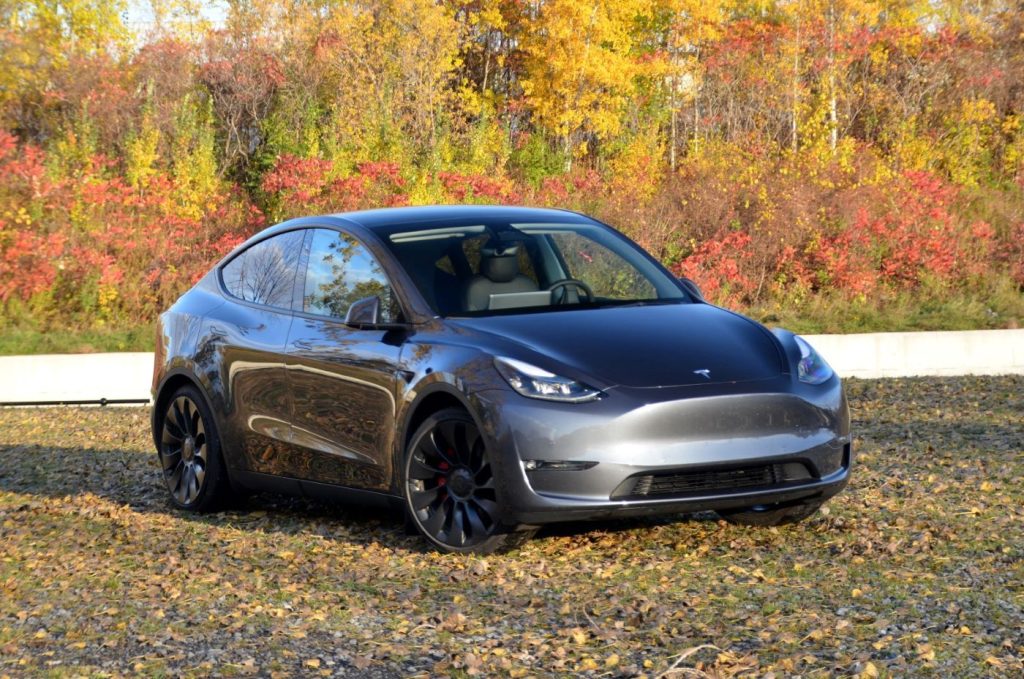
Thermal management and battery chemistry contribute to this behavior. Tesla prioritizes long-term battery health and efficiency, which results in a deliberate taper to prevent overheating and excessive degradation. While this strategy preserves battery longevity, it reduces the sustained fast-charging advantage.
Despite the taper, the Model Y remains a popular choice because of its overall efficiency, range, and Supercharger network. However, it exemplifies why peak kW numbers alone do not tell the full story understanding the curve is essential for realistic trip planning.
2. Ford Mustang Mach-E
The Ford Mustang Mach-E delivers impressive initial charging speeds, but its DC fast-charge curve also tapers relatively early. On a high-power charger, it can peak around 150–160 kW, but power begins to decline noticeably around 35–40% SOC.
This taper affects long-distance driving, as the car spends more time in the slower charging phase than the early peak suggests. Road-trip planning requires awareness that the last half of a charge session is significantly slower.
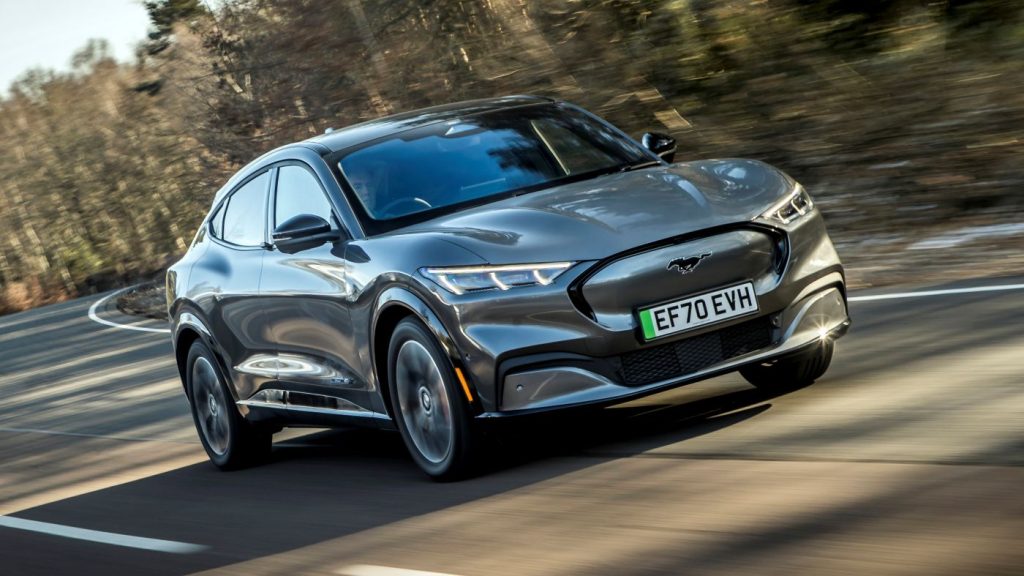
Battery design and thermal systems influence the taper. Ford balances rapid charging with battery longevity and thermal safety, which leads to a moderate early decline in power. While this approach helps preserve the pack, it reduces the effective speed of long-duration fast charging.
Despite this, the Mach-E remains an excellent all-around EV, offering strong range and performance. It is included here to illustrate how tapering can limit the practical advantage of fast charging, even in vehicles with competitive peak numbers.
3. Volkswagen ID.4
The Volkswagen ID.4 is a popular compact SUV with a respectable fast-charging peak, often reaching up to 125 kW on compatible chargers. However, the charging curve begins to taper noticeably around 35–40% SOC.
This means that while the ID.4 can gain range quickly at the start, the latter portion of a typical charge session is slower. Drivers may find that topping up from 40% to 80% takes significantly longer than the early charging phase suggests.
Thermal management and battery chemistry play a role in this taper. Volkswagen prioritizes battery longevity and overall efficiency, which results in a controlled drop in power as the battery fills. While this is beneficial for maintaining the health of the pack, it reduces the usable fast-charging window.
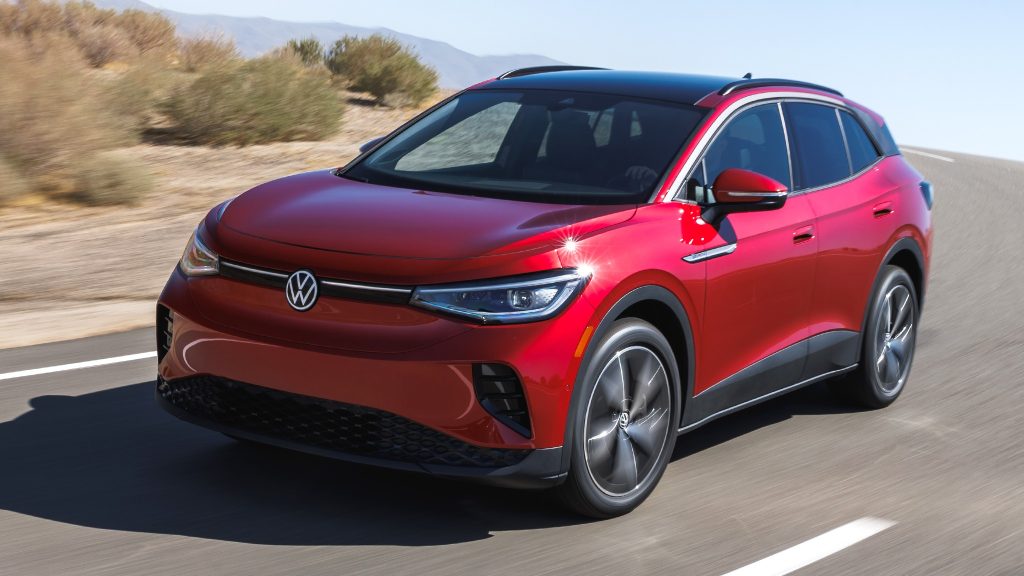
For drivers, this tapering behavior means that planning for longer trips requires extra attention. Although the ID.4 is still convenient for daily use and moderate-range trips, the early drop in charging speed can affect the overall convenience of long-distance travel.
The ID.4 is included in this list because it represents a common scenario in mainstream EVs: strong initial charging followed by an early decline, highlighting the importance of examining the full charging curve rather than just peak numbers.
4. Nissan Ariya
The Nissan Ariya offers competitive DC fast-charging capability, with peak rates around 130–160 kW depending on the model. Despite this, its charging curve tapers sharply around 40% SOC, reducing the effective fast-charging benefit beyond the early stages.
This early taper can extend charging times during road trips. While the Ariya gains range quickly at the start, the subsequent slowdown requires drivers to spend more time at chargers to reach higher SOC levels.
The taper is influenced by the battery management system and thermal design. Nissan balances rapid charging with battery safety and longevity, leading to a deliberate early drop in charging power. This approach protects the battery but impacts long-distance charging efficiency.
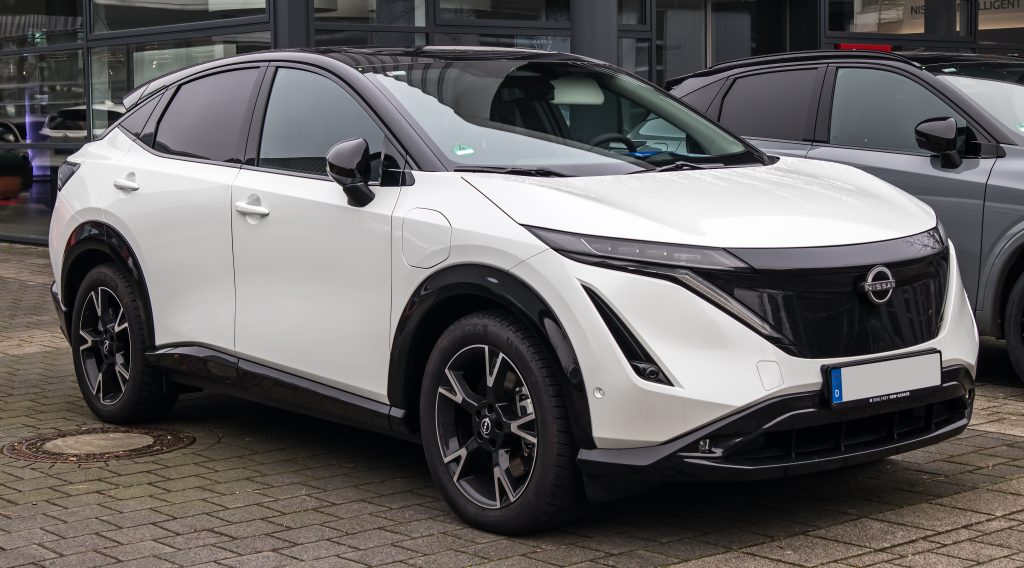
For users, the Ariya remains a strong EV in terms of range, comfort, and technology. However, understanding its charging curve is crucial for realistic trip planning. Drivers expecting sustained high charging power may be surprised by the slowdown after the 40% mark.
The Ariya is included in this section to illustrate how even modern EVs with decent peak power can exhibit early tapering, emphasizing the importance of considering the shape of the charging curve in real-world usage.
5. Tesla Model 3 Long Range
The Tesla Model 3 Long Range is one of the most popular electric vehicles worldwide, celebrated for its impressive efficiency, range, and access to the Tesla Supercharger network.
On paper, it boasts high peak DC fast-charging numbers often reaching around 250 kW, which makes it appear exceptionally quick to recharge. However, real-world charging behavior tells a more nuanced story.
One key characteristic of the Model 3 Long Range is the early taper of its charging curve. Independent testing and user reports indicate that the peak power begins to decline noticeably once the battery reaches roughly 40% state-of-charge (SOC).
By the time it reaches 50–60% SOC, the charging power can drop to near 100–120 kW. This behavior is intentional, as Tesla’s battery management system carefully balances fast charging with battery longevity and thermal safety.
The early taper has several practical implications. While initial charging is extremely fast, a driver attempting a 10–80% charge session will experience a significant slowdown after the first 30–40% of the battery.
For long-distance trips, this means that the total time spent at a Supercharger is longer than what peak power numbers alone would suggest. Planning stops requires consideration of this taper to avoid underestimating charging duration, particularly when traveling in regions where high-power Superchargers may be scarce.
Thermal management is a major factor behind this taper. Tesla has designed the Model 3 battery pack to maintain optimal operating temperature, using active liquid cooling to prevent overheating.
By tapering the charging rate as SOC rises, Tesla reduces thermal stress and mitigates the risk of long-term battery degradation. This strategy has helped Tesla maintain strong battery longevity over hundreds of thousands of miles, which is part of why the Model 3 remains a reliable option for many owners.
From a user perspective, the Model 3 Long Range still offers an excellent charging experience. Even with the taper, it can regain 80 miles of range in roughly 15–20 minutes at a high-power Supercharger. The taper is more noticeable on longer sessions, but for most daily driving needs or shorter trips, the fast-charging performance remains very convenient.
However, the Model 3 exemplifies the importance of understanding not just peak numbers, but the shape of the charging curve. Drivers relying solely on advertised peak kW may be surprised by slower speeds once the SOC passes 40%.
This behavior is a trade-off between speed and battery health, highlighting that early tapering is a deliberate engineering decision rather than a flaw.
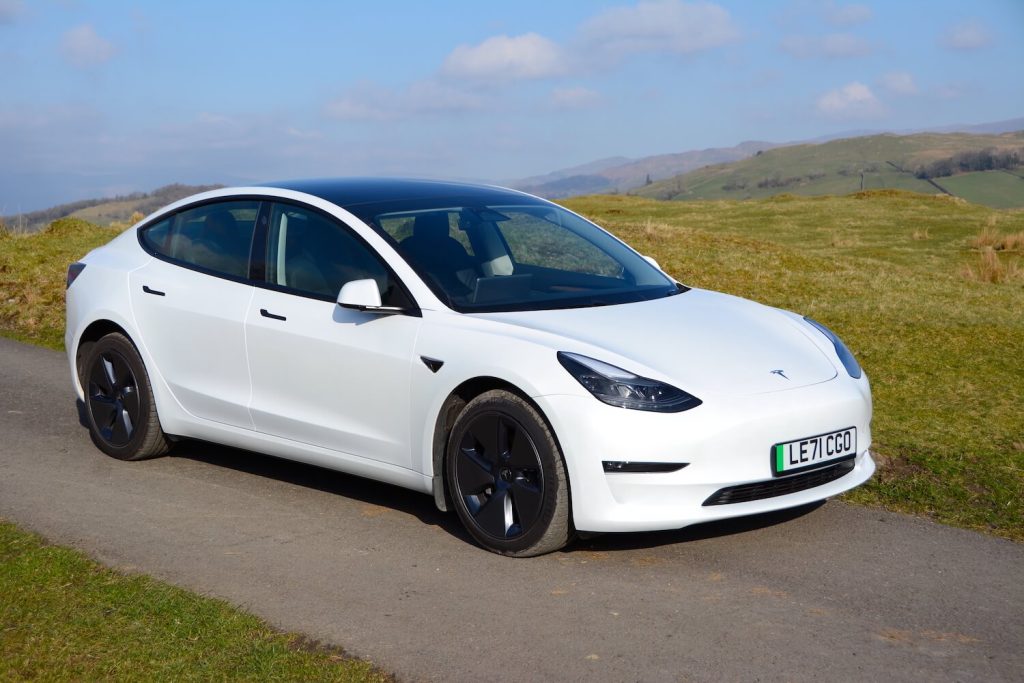
I include the Tesla Model 3 Long Range in this section because it clearly illustrates how even a top-selling, high-tech EV can experience early DC fast-charge tapering. It emphasizes that while peak charging figures are useful, real-world performance is determined by how charging power is sustained across the battery’s SOC.
For those planning longer road trips or frequent fast-charging stops, understanding this taper is essential for effective trip planning and realistic expectations.
In summary, the Tesla Model 3 Long Range remains a remarkable EV with strong overall charging capabilities, but its early taper around 40% SOC serves as a critical reminder that peak numbers do not always equate to sustained performance.
Understanding DC fast-charging behavior is essential for anyone considering an electric vehicle, as it directly impacts convenience, trip planning, and real-world usability. Not all EVs are created equal in this regard: some maintain high charging power well into the battery’s state-of-charge, while others taper early, reducing the effective speed of fast charging.
The five EVs with strong DC fast-charge curves, Hyundai Ioniq 5, Kia EV6, Porsche Taycan Turbo GT, Chevrolet Silverado EV, and Volvo ES90, demonstrate how modern engineering can maximize fast-charging performance.
Their combination of high-voltage architectures, advanced thermal management, and optimized battery chemistry allows them to sustain elevated charging power for a substantial portion of the SOC. This translates to shorter stops, more predictable travel times, and a driving experience closer to traditional refueling.
Conversely, vehicles like the Tesla Model Y, Ford Mustang Mach-E, Volkswagen ID.4, Nissan Ariya, and Tesla Model 3 Long Range experience early tapering, often around 40% SOC.
While they offer impressive peak charging numbers, the drop in power after the initial phase extends total charging time, especially during longer trips. These models prioritize battery longevity and thermal safety, which is beneficial but requires realistic expectations for fast-charging performance.
Ultimately, evaluating both peak numbers and the shape of the charging curve is crucial. Understanding these dynamics helps EV drivers choose vehicles that match their usage patterns and ensures more efficient, stress-free long-distance travel.
Also Read: 5 Hybrids With Batteries That Like Heat vs 5 That Derate in Summer
