
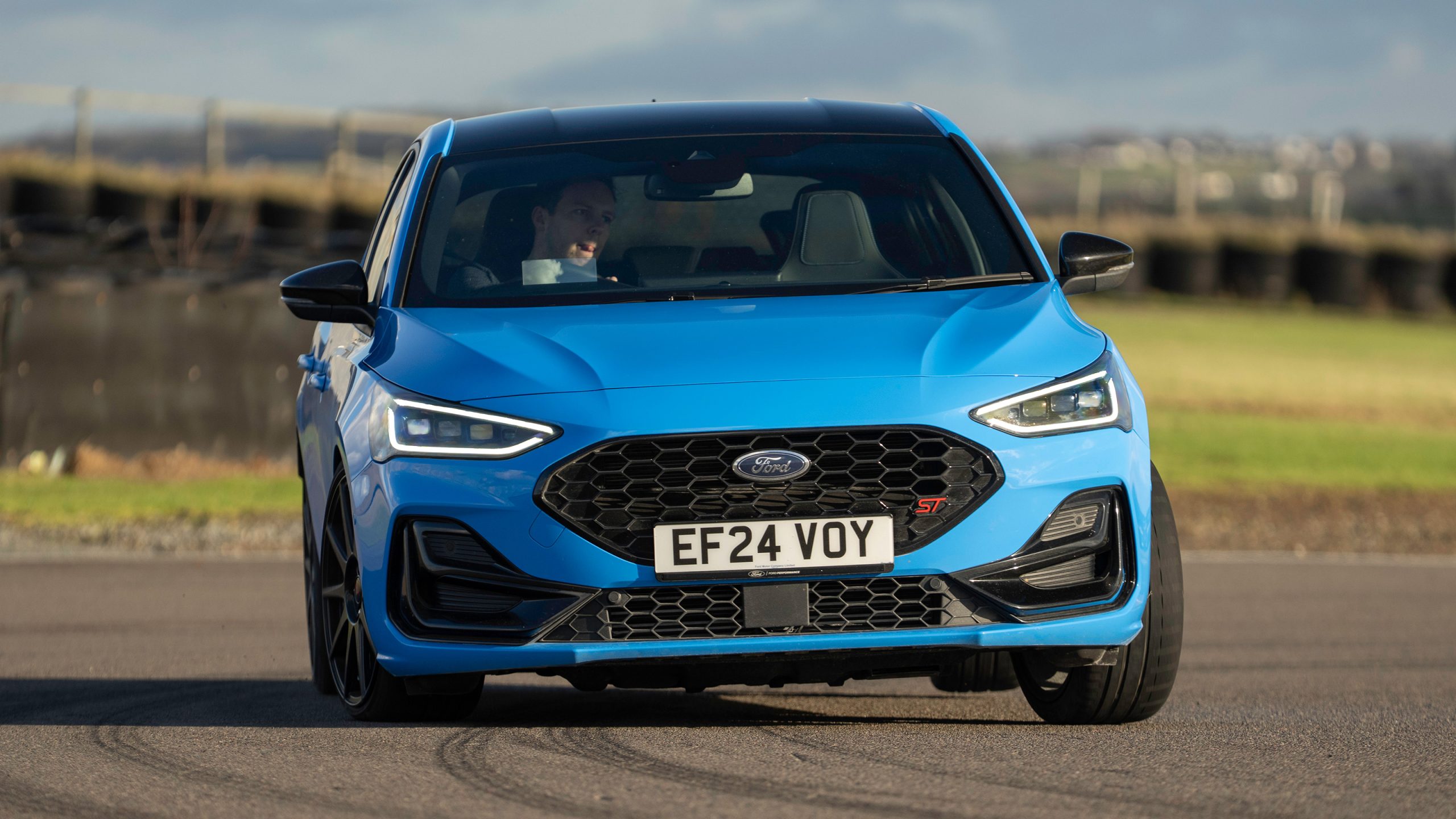
The continuously variable transmission, or CVT, has transformed how modern sedans deliver power and fuel efficiency. Unlike traditional automatics that rely on fixed gears, CVTs use pulleys and belts or chains to maintain optimal engine speed.
This helps improve mileage and smoothness, but long-term reliability varies widely across manufacturers. Some CVTs last for hundreds of thousands of miles with minimal maintenance, while others become costly headaches well before 100,000 miles.
In this article, we explore both sides of that story sedans whose CVTs have proven durable and dependable, and those known for weak components or early failure.
The goal isn’t to criticize technology but to help car buyers and owners understand what sets the good designs apart from the bad. By identifying which systems hold up under stress and which ones don’t, you can make better long-term ownership decisions.
Durable CVTs typically feature stronger belt materials, improved lubrication systems, and thoughtful software tuning that prevents overheating. In contrast, problematic designs often suffer from cheap internal parts, poor cooling, or inadequate fluid maintenance intervals that lead to slipping or whining.
I’m writing about these sedans because CVT technology is now widespread, yet its reputation remains divided. Some drivers swear by the smoothness and economy, while others view it as an expensive gamble.
Understanding which cars get it right can save thousands in repair costs and frustration. Whether you’re buying new, used, or just curious about what keeps a CVT alive, this breakdown of ten real-world examples will give a balanced view of which systems deserve your confidence and which deserve caution.
Also Read: 5 SUVs With Smart Cargo Hooks, Rails & Cubies vs 5 Cargo-Area Afterthoughts
5 Sedans With Durable CVTs
Not all CVTs are created equal. While some gained a poor reputation early on, several automakers have invested heavily in improving their design, materials, and cooling to make them last. The sedans in this section represent the success stories vehicles where the CVT delivers long-term durability without compromising performance or comfort.
A durable CVT is usually defined by three things: smart engineering, proper fluid management, and real-world testing over many years.
Some brands, especially from Japan, have mastered this balance. They’ve refined their systems to handle torque smoothly and avoid the belt slippage or overheating that plagued early CVT generations.
Drivers of these sedans often report smooth, consistent operation even after years of use, with fluid changes being the only real maintenance needed. In some cases, CVTs in these cars outlast even the engines themselves, proving that careful design can overcome the stigma of fragility that haunts this transmission type.
I’m writing about these five sedans because they show that CVTs can be both efficient and tough when built correctly. These aren’t just lucky exceptions they’re examples of manufacturers who took customer feedback seriously and engineered solutions that work.
Each sedan chosen here demonstrates that a well-tuned CVT can deliver the best of both worlds: fuel savings and long-term reliability.
Whether you commute daily, drive in city stop-and-go traffic, or cruise on highways, these models are built to last without the slipping, whining, or jerking that once defined the technology’s early days.
1. Toyota Corolla (2014–Present)
The Toyota Corolla has long been a benchmark for reliability, and its CVT system is no exception. Starting with the 2014 redesign, Toyota introduced its “Shiftmatic” CVT a transmission that combines smooth operation with impressive longevity.
Instead of relying solely on a belt, Toyota built a mechanical first gear into the CVT to handle initial acceleration, reducing strain on the belt and pulleys.
This innovation immediately set Toyota apart. By removing the heaviest workload from the belt during takeoff, the CVT experiences less heat buildup and wear. The result is a transmission that feels more like a traditional automatic but lasts far longer than most competitors’ early CVTs.
Regular fluid changes every 40,000 to 60,000 miles are the only real maintenance this transmission needs. Many Corolla owners report reaching over 200,000 miles without major CVT issues a rare feat for this type of system. Toyota’s use of high-quality CVT fluid and well-calibrated software also contributes to reduced internal friction and smoother shifts.
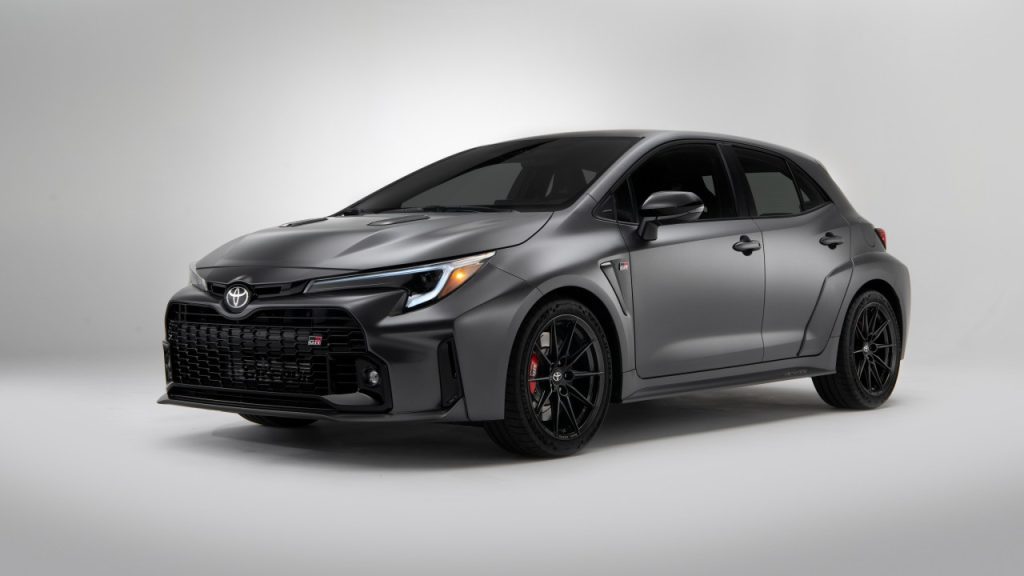
I’m writing about the Corolla because it shows how thoughtful engineering can overcome the weaknesses of early CVTs. Toyota didn’t just copy existing designs they improved them through practical innovation.
It’s one of the few cars where even skeptics of CVT technology have found little to complain about. For budget-conscious drivers who prioritize long-term dependability, the Corolla’s CVT is among the best examples of what this transmission can achieve when properly executed.
2. Subaru Impreza (2017–Present)
Subaru’s Lineartronic CVT has come a long way since its introduction, and the latest version in the Impreza is among the most durable units in its class. It pairs smoothly with Subaru’s flat-four engine and symmetrical all-wheel-drive system, creating a balanced and stress-free power delivery that contributes to longevity.
What makes Subaru’s CVT stand out is its use of a steel chain instead of a traditional belt. The chain-based design is stronger and resists stretching, which prevents the slipping and whining noises that plague weaker CVTs.
The transmission also benefits from a robust cooling system designed to keep temperatures steady during long drives or hill climbs.
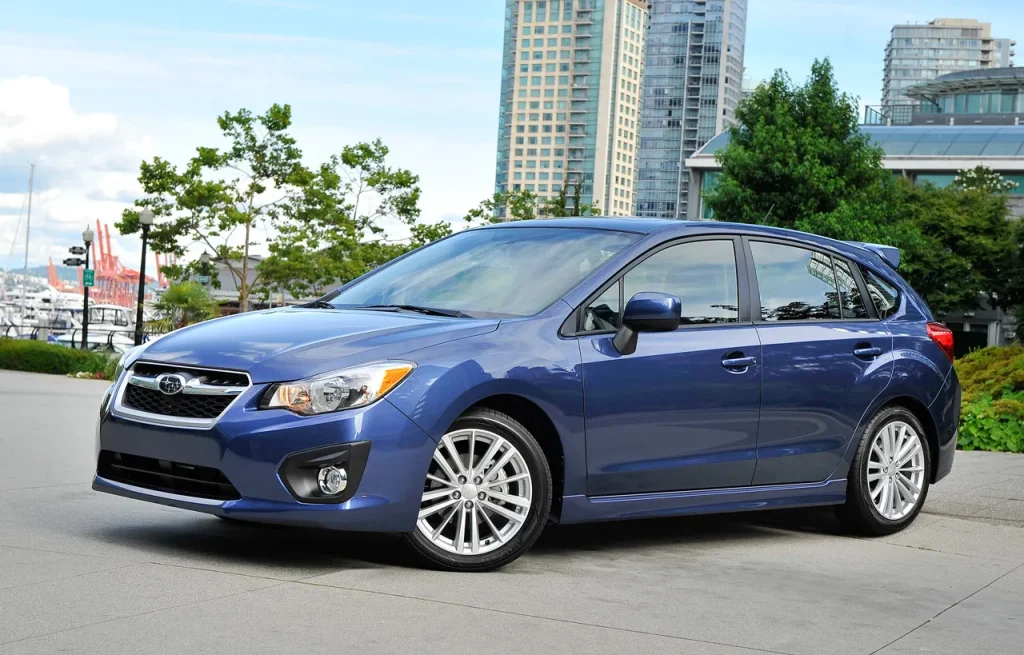
Another key factor in its reliability is software tuning. Subaru refined the CVT’s logic to mimic gear shifts under heavy throttle, reducing the high-RPM strain that can wear components prematurely. Owners consistently report smooth, predictable operation and minimal mechanical issues when proper fluid maintenance is observed.
I’m writing about the Impreza because it’s proof that CVTs can thrive even in demanding AWD setups. Subaru took early criticism seriously and addressed every major weakness through stronger materials and better control logic.
The result is a sedan that not only feels refined but also maintains its reliability across hundreds of thousands of miles a major win for CVT engineering.
3. Nissan Altima (2019–Present)
Nissan was one of the earliest adopters of CVT technology, and while early units had problems, the current-generation Altima proves how much progress the brand has made.
Its latest Xtronic CVT is a completely re-engineered system that has earned a reputation for smooth performance and strong longevity when properly maintained.
The key to its improvement lies in the revised hydraulic control system and reinforced steel belt. Nissan increased the internal oil flow rate to enhance cooling, while the belt itself now features a more durable alloy composition that reduces stretch over time. This means less heat buildup and fewer chances of the dreaded CVT shudder.
The Altima’s transmission also uses adaptive software that adjusts shift ratios based on driving habits. This not only makes the car feel more responsive but also minimizes stress on the pulleys and bearings. As a result, owners report far fewer transmission failures compared to the pre-2017 designs.
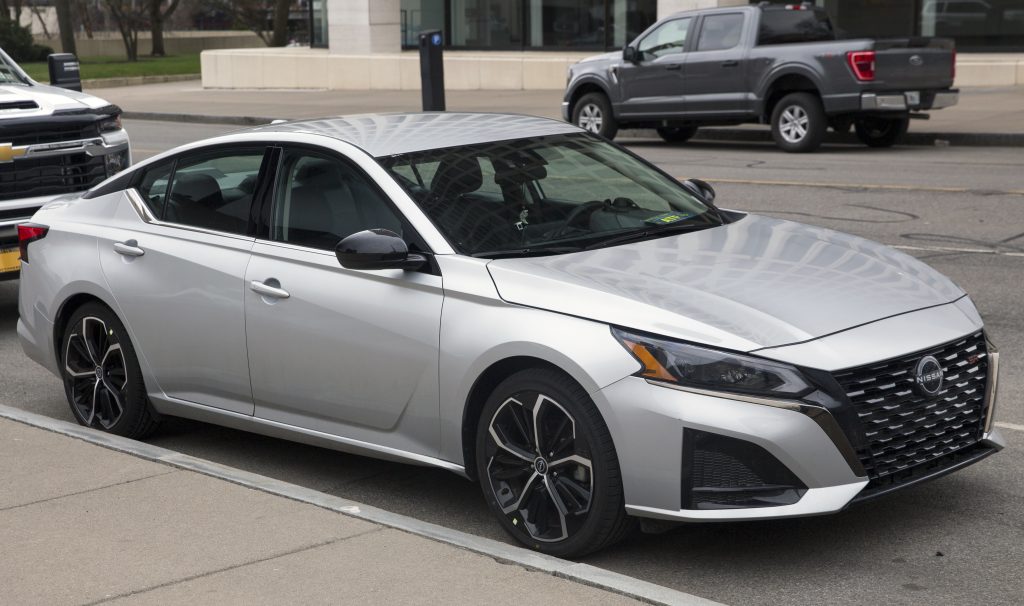
I’m writing about the Altima because it represents a genuine comeback for Nissan’s CVT technology. Once known for premature wear, the brand invested heavily in solving those issues and it worked.
With routine fluid changes and proper care, the new Xtronic CVT can easily exceed 200,000 miles. It’s a standout example of how innovation and persistence can turn a weak point into a strength.
4. Honda Accord (2018–Present)
Honda’s CVT system in the Accord has quickly become a benchmark for balance and durability. Designed in-house, this transmission blends efficiency with the responsive feel of a conventional automatic, while maintaining the long-term reliability that Honda is famous for.
The Accord’s CVT uses a wide gear ratio spread, allowing the engine to stay in its ideal power band without straining the internal belt. High-quality metal belt components, combined with advanced lubrication, keep wear to a minimum even under heavy throttle.
Honda also implemented superior fluid cooling and pressure control, helping prevent overheating one of the most common CVT killers.
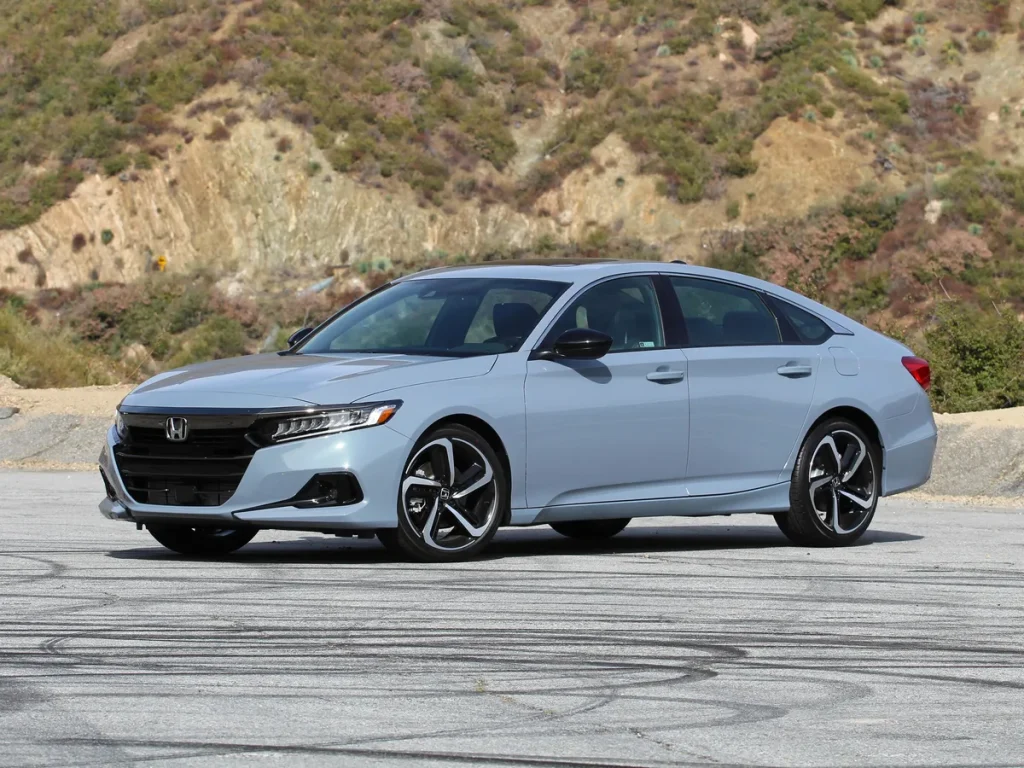
Unlike some brands that program fake “shift points,” Honda’s calibration feels natural and consistent. Drivers experience smooth acceleration without the rubber-band sensation that CVTs are often criticized for. Real-world owner data backs this up, with high-mileage Accords showing very few CVT-related problems.
I’m writing about the Accord because it proves that CVTs don’t have to sacrifice durability for comfort. Honda took the time to perfect the balance between smoothness and strength, and the results speak for themselves.
For drivers who value refinement and reliability in equal measure, the Accord’s CVT remains one of the most trusted designs on the market today.
5. Mitsubishi Lancer (2014–2017)
The Mitsubishi Lancer’s final generation quietly proved that CVTs could survive tough, real-world use without drama. While the car itself may have faded from showrooms, its Jatco-supplied CVT became known for being one of the brand’s most reliable and well-balanced transmissions.
Mitsubishi’s engineers tuned this CVT differently from Nissan’s early versions, prioritizing cooling and fluid longevity. It used a larger oil pump and a dedicated transmission cooler, ensuring that the belt and pulleys stayed within safe operating temperatures even during extended city driving or mountain climbs.
These small but effective design choices helped extend the transmission’s life far beyond initial expectations.
The Lancer’s relatively lightweight design and modest torque output also played a role. Because the CVT wasn’t constantly overloaded, its internal components faced less stress. Many owners report surpassing 150,000 miles with no major transmission repairs provided the CVT fluid was changed regularly using Mitsubishi’s specific formulation.
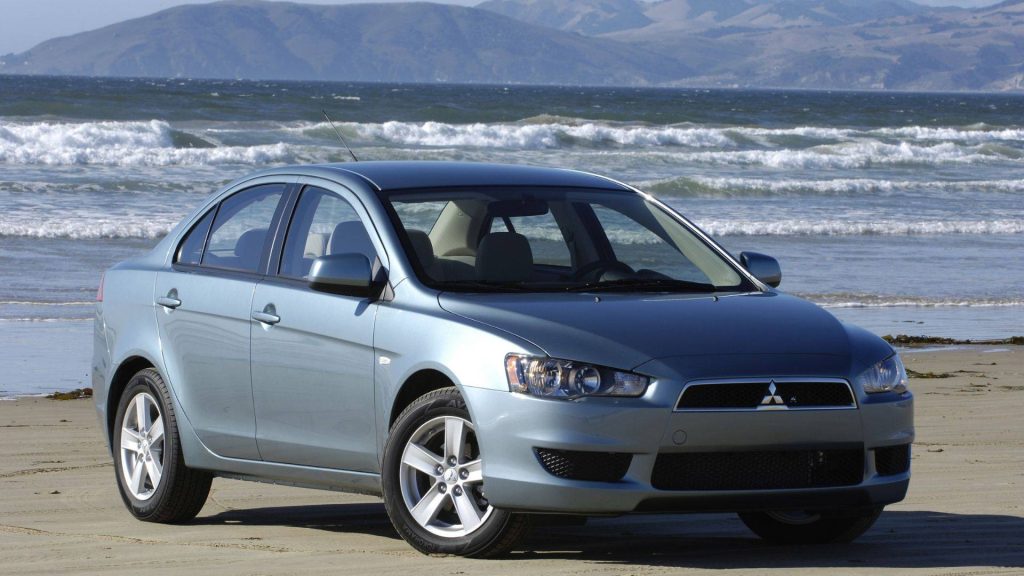
I’m writing about the Lancer because it’s an overlooked example of CVT durability done right. At a time when many automakers were struggling with early CVT failures, Mitsubishi quietly refined theirs into a dependable system that rarely made headlines precisely because it didn’t break.
Even though the Lancer is no longer in production, its transmission remains one of the better-built CVTs of its era. For drivers looking at used sedans with affordable maintenance and proven reliability, the Lancer stands out as a smart and underrated choice.
Its performance may not be flashy, but its transmission’s endurance speaks volumes about how thoughtful engineering can make a controversial design work dependably in the long run.
5 CVTs You Should Avoid
While some carmakers managed to make their CVTs strong and dependable, others struggled to get the formula right. For every smooth, long-lasting transmission like the ones in the Subaru Legacy or Toyota Corolla, there’s another that frustrated owners with jerks, slipping, whining, and early failure.
These unreliable CVTs didn’t just create inconvenience they often led to expensive repairs that could easily exceed the value of the car itself. Many of them suffered from poor fluid circulation, weak belt materials, or software calibration that caused excessive heat buildup.
Once those problems set in, the transmission’s life expectancy dropped fast, often before the odometer reached 80,000 miles.
I’m writing about these CVTs because knowing what to avoid is just as important as knowing what to buy. With used car markets full of attractive deals, some of these sedans look great on paper affordable price, good fuel economy, and sleek design but their transmissions can turn them into costly mistakes.
These problematic CVTs were often early-generation units, rushed into production as brands tried to meet fuel economy targets. Manufacturers have since learned from these missteps, but many of these cars are still on the road and still causing trouble for owners unaware of their weak points.
In this section, we’ll look at five sedans with CVTs that earned poor reputations for reliability. From transmission shuddering and overheating to total failure after warranty, each of these examples shows what happens when innovation moves faster than durability testing.
If you’re shopping for a used car or want to understand which systems to approach with caution, these five sedans highlight the most important lessons in CVT history and why careful research always pays off before buying.
1. Ford Focus (2012–2018)
The third-generation Ford Focus adopted a CVT to improve fuel economy, but it quickly became notorious for reliability issues. Owners reported juddering at low speeds, slipping during acceleration, and sudden loss of power while driving.
These problems were caused by a combination of weak belt materials and overheating. The transmission fluid tended to degrade quickly under stop-and-go traffic, which accelerated wear on the pulleys and electronic components. Ford issued software updates to reduce the issues, but many vehicles still experienced early failures.
Labor-intensive repairs added to the frustration. Accessing certain CVT components required partial removal of the engine covers and associated sensors, driving repair bills into the thousands.
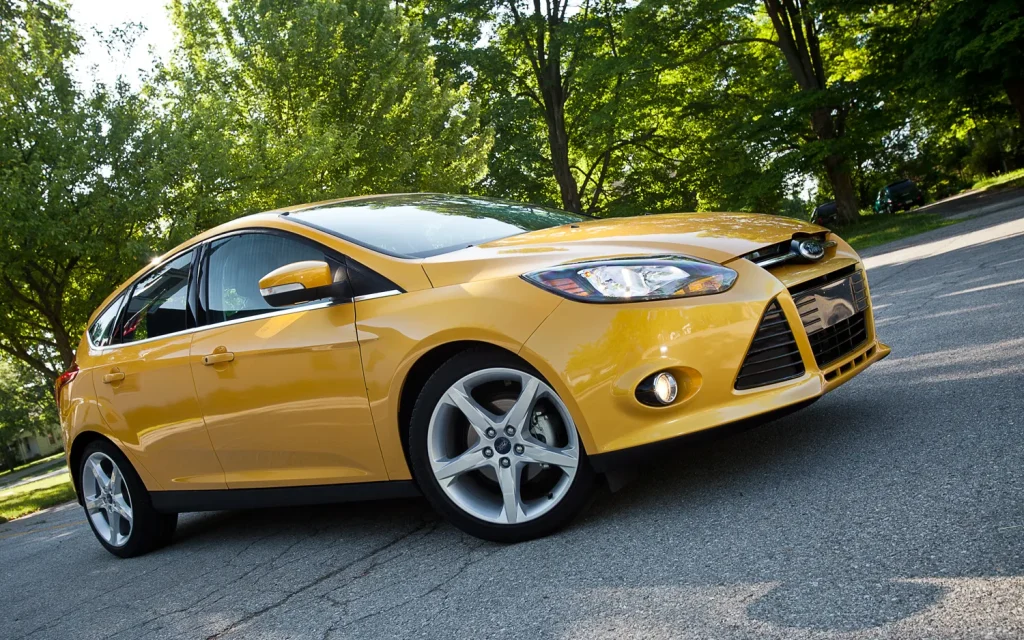
I’m writing about the Focus because it shows that even mainstream sedans with solid engines can be undermined by a poorly engineered CVT. Its fuel efficiency advantage came at the cost of reliability, making it a cautionary example for budget-conscious buyers.
2. Chevrolet Malibu (2016–2018)
Chevrolet’s sixth-generation Malibu featured a CVT in some trims, aiming to boost fuel economy. While smooth at first, the system proved prone to shuddering, delayed throttle response, and occasional overheating under moderate loads.
The CVT belt and pulley system could wear prematurely due to insufficient cooling and weak internal components. Owners reported noise during acceleration and jerky operation, particularly in warm climates or heavy traffic. Fluid change intervals were strict, but even adherence did not fully prevent failures.
The CVT’s design also made DIY fixes nearly impossible. Accessing the unit for repairs required specialized tools and diagnostic equipment, increasing dependence on dealership service and higher costs.
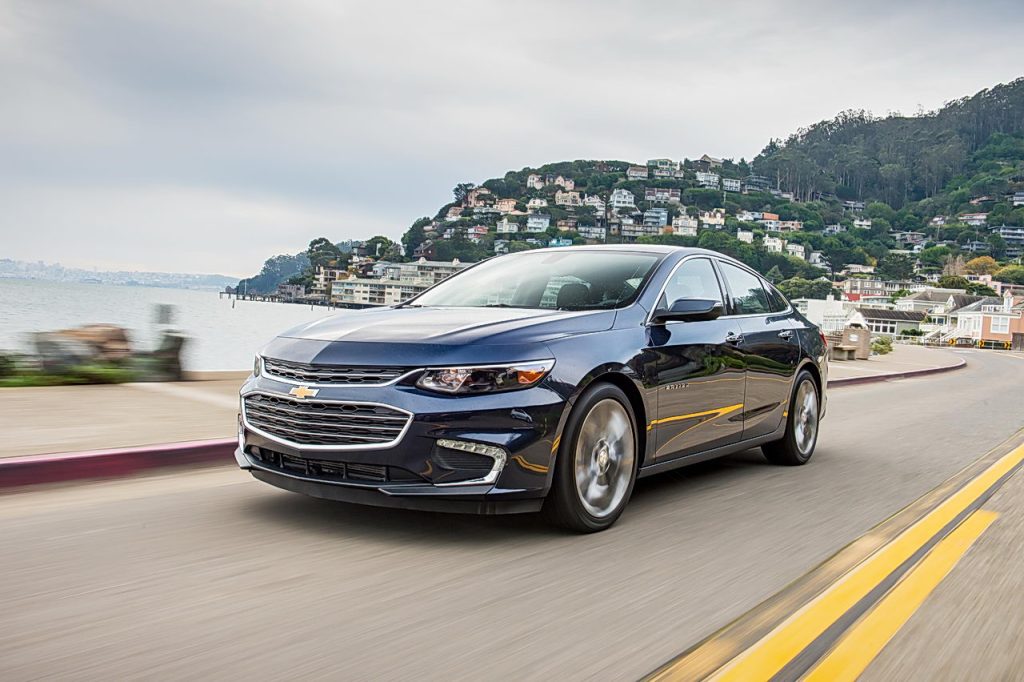
I’m writing about the Malibu because it illustrates that efficiency-driven CVTs can create more problems than they solve. Despite the car’s comfortable ride and stylish design, the transmission’s unpredictability made ownership frustrating and expensive.
3. Jeep Cherokee (2014–2018)
The Jeep Cherokee’s 9-speed CVT, used in some 4-cylinder trims, was marketed for efficiency and smooth off-road capability. In practice, it earned a reputation for unreliability. Drivers reported jerky acceleration, hesitation when climbing hills, and occasional complete loss of drive.
Much of the trouble stemmed from weak belt and pulley design combined with complex software calibration. Overheating was common, particularly during stop-and-go driving or towing, which caused premature wear and erratic performance.
Owners often noted a “rubber-band” feeling during acceleration, making the vehicle feel disconnected from the engine.
Repair costs were high. The CVT’s tight packaging and electronic integration meant that even minor issues often required dealer-level diagnostics and expensive parts. Many owners reported failures before 80,000 miles, leading to class-action suits in some regions.
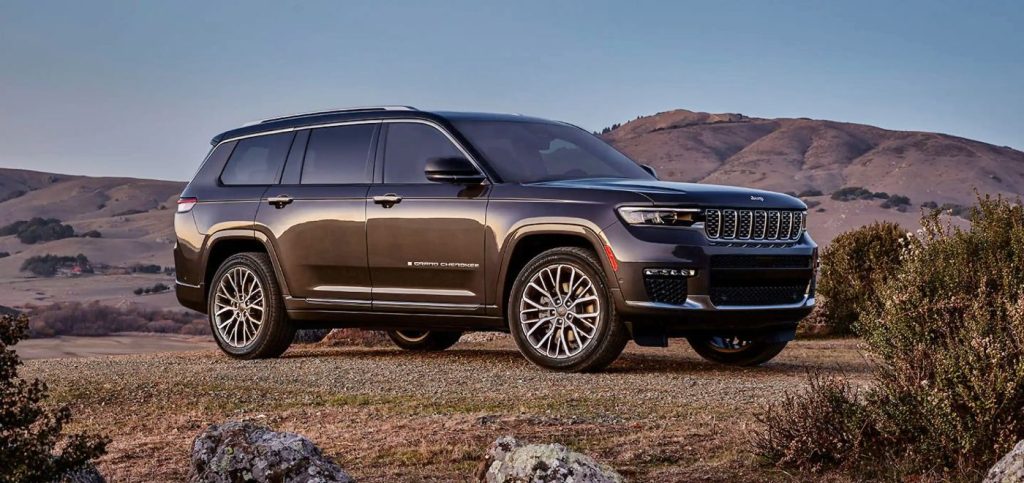
I’m including the Cherokee here because it highlights how even well-known brands can struggle when adopting CVT technology. While Jeep marketed it as advanced, the real-world durability fell short, turning efficiency gains into costly maintenance headaches.
4. Fiat 500L (2013–2017)
The Fiat 500L offered a compact, stylish package but came with a CVT that proved problematic. Early models experienced frequent belt slippage, jerky starts, and overheating issues, particularly in hot climates or urban traffic.
The CVT’s small, lightweight components were not designed for long-term durability, and fluid breakdown accelerated internal wear. Many owners reported transmission warning lights and sudden loss of acceleration, often requiring expensive replacement or rebuilds.
Additionally, the Fiat 500L’s engine bay design made servicing the CVT labor-intensive. Replacing belts or performing major repairs required specialized tools and dealership involvement, further inflating ownership costs.

I’m writing about the 500L because it’s an example of poor early CVT design in European small cars. While the car had charm and efficiency, the transmission undermined reliability, making it a cautionary tale for buyers seeking long-term dependability.
5. Honda HR-V (2016–2019)
The Honda HR-V, despite being a popular subcompact SUV, earned a spot on the “CVTs You Should Avoid” list due to its early-generation continuously variable transmission.
While Honda had mastered CVTs in models like the Accord and Civic, the HR-V’s CVT faced unique challenges because of the vehicle’s lighter platform and the torque demands of all-wheel-drive configurations.
Owners frequently reported delayed throttle response, “rubber-band” acceleration, and occasional shuddering under normal city driving conditions. The transmission seemed to struggle with the repeated stop-and-go traffic typical of suburban commuting.
In many cases, this behavior was exacerbated in hot climates, where fluid overheating accelerated wear on the pulleys and belt system.
The HR-V’s CVT also suffered from less robust cooling compared to its larger Honda siblings. While the Accord and Civic used additional fluid circulation and advanced lubrication, the HR-V’s compact design left little room for heat management improvements.
This resulted in a higher likelihood of premature wear, even for careful owners who maintained proper fluid intervals.
Repairing the CVT was not straightforward. Accessing internal components often required partial disassembly of the engine bay and removal of the intake manifold in some AWD models.
Replacement CVT units, whether rebuilt or new, carried a high price tag often approaching $4,000, making it one of the most expensive maintenance issues in this segment.
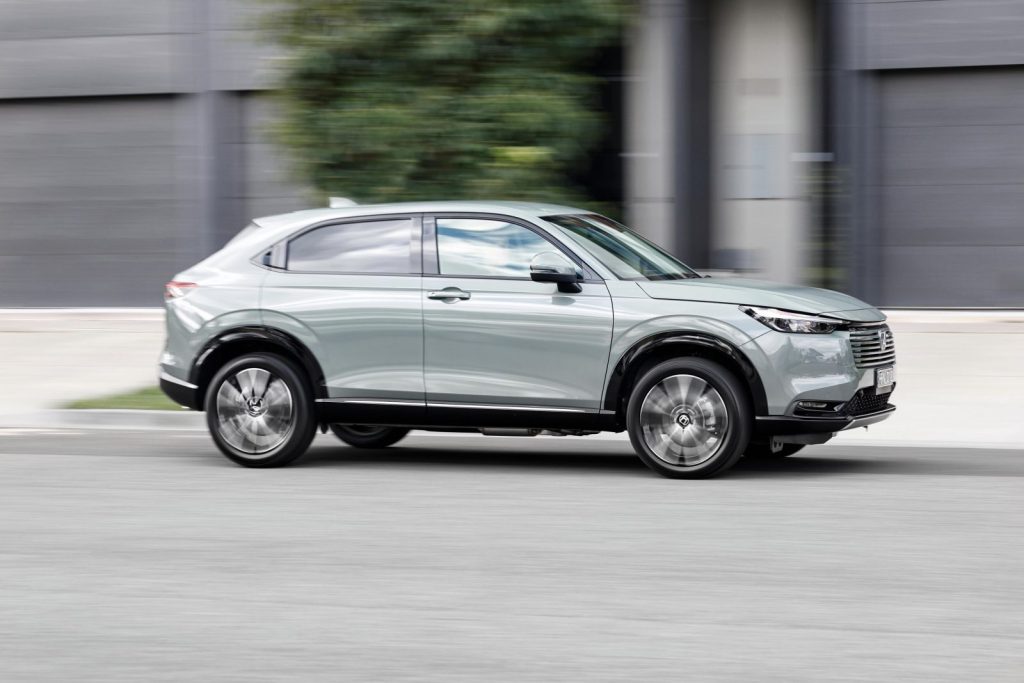
I’m writing about the HR-V because it illustrates that even brands with a reputation for CVT reliability can produce problem models. The HR-V was appealing for its compact size, practicality, and fuel efficiency, but these advantages were overshadowed by transmission issues that left owners frustrated.
For buyers in the used market, the 2016–2019 HR-V serves as a cautionary example. Its CVT can turn everyday commuting into a source of stress, requiring expensive repairs or replacement.
This makes it a clear reminder that even a well-designed vehicle platform cannot overcome weak transmission engineering, and careful research is critical before purchasing.
Continuously variable transmissions offer smooth driving and improved fuel efficiency, but their reliability varies widely across models.
Some sedans, like the Toyota Corolla, Subaru Impreza, Honda Accord, Nissan Altima (latest generation), and Mitsubishi Lancer, have CVTs that prove durable over hundreds of thousands of miles.
These systems benefit from stronger belts or chains, advanced cooling, and thoughtful software tuning, allowing drivers to enjoy smooth, efficient performance with minimal maintenance.
On the other hand, some CVTs have earned poor reputations due to weak components, inadequate cooling, and problematic software.
Vehicles like the Ford Focus, Chevrolet Malibu, Jeep Cherokee, Fiat 500L, and Honda HR-V highlight the risks of early-generation or poorly engineered CVTs. These transmissions often develop slipping, shuddering, or delayed acceleration, and repairs can be labor-intensive and costly.
Understanding the difference between reliable and problematic CVTs is essential for buyers, especially in the used car market. While CVTs can enhance efficiency and smoothness, choosing a model with a proven track record ensures long-term satisfaction.
Conversely, avoiding models with a history of failures can save thousands in repair bills and reduce stress. In the end, careful research and attention to CVT reliability remain key factors for confident sedan ownership.
Also Read: 5 Vehicles With Affordable Common Tire Sizes vs 5 Odd Sizes That Cost More
