
Ignition systems sit at the heart of every modern engine, quietly transforming electrical energy into the spark that brings combustion to life. Yet the cost of maintaining those systems varies wildly between engines that look similar on paper.
Some designs use simple, inexpensive coil packs that can be replaced in minutes, while others bury delicate components beneath intake manifolds or require complex, high-voltage modules that cost hundreds per cylinder.
For owners and technicians alike, that difference can turn a tune-up into either a quick afternoon job or a wallet-draining service appointment.
Over the years, automakers have experimented with different ignition layouts to meet tightening emissions standards and performance demands. Coil-on-plug systems improved precision and power, but some engines took that design too far placing coils in cramped spaces where heat and moisture shorten their lifespan.
On the other hand, several manufacturers managed to keep things accessible and affordable, using durable, interchangeable parts that cost less than a dinner out.
This comparison focuses on both ends of that spectrum. The first group highlights engines known for cheap, easy-to-replace coil packs that make ownership straightforward and budget-friendly. The second examines engines infamous for high ignition part prices, labor-heavy replacements, or proprietary components that drive up long-term costs.
I’m writing about these engines because ignition systems often get overlooked in maintenance discussions. Drivers think of timing belts or turbochargers as major expenses, but a single failed coil can be just as disruptive and the price difference between one engine’s setup and another’s can be shocking.
Understanding which powertrains offer affordable ignition care helps buyers choose vehicles that stay reliable without draining their wallets. It’s a reminder that true engineering value isn’t only about horsepower, it’s about how much it costs to keep that power sparking.
Also Read: 5 SUVs With Smart Cargo Hooks, Rails & Cubies vs 5 Cargo-Area Afterthoughts
5 Engines With Cheap Coil Packs
For drivers who like to maintain their own cars or keep service bills reasonable, the ignition system is one of the first areas that reveals how well an engine was designed. Coil packs, in particular, can tell you whether a manufacturer thought about long-term ownership or just assembly line efficiency.
Some engines use affordable, easy-to-reach coils that can be swapped in minutes with a single socket wrench. Others use modular coil packs shared across multiple models, keeping prices low and parts widely available.
Engines with cheap coil packs are usually straightforward in design. They often rely on simple coil-on-plug setups, mounted neatly on top of the spark plugs with minimal wiring and no hidden bolts.
Replacement costs for these systems can range from ₹1,000 to ₹3,000 per coil in many markets a small fraction compared to luxury engines that can demand five or ten times that. For DIY owners, the difference is not just financial; it’s also about time and accessibility.
A coil that takes ten minutes to replace means no waiting for service appointments or paying high labor charges.
These five engines stand out for their affordability, reliability, and repair simplicity. They’re not necessarily the most powerful, but they prove that good engineering doesn’t have to be complicated. Their coil packs are durable, inexpensive, and available everywhere key traits for anyone who values low-cost maintenance.
I’m writing about these engines because they remind us that some of the smartest automotive designs are the simplest ones. When an ignition coil costs less than a set of wiper blades and takes less time to replace, the engine behind it earns a special kind of respect.
These examples represent thoughtful engineering that favors owners over dealerships, making them ideal for long-term use and affordable upkeep.
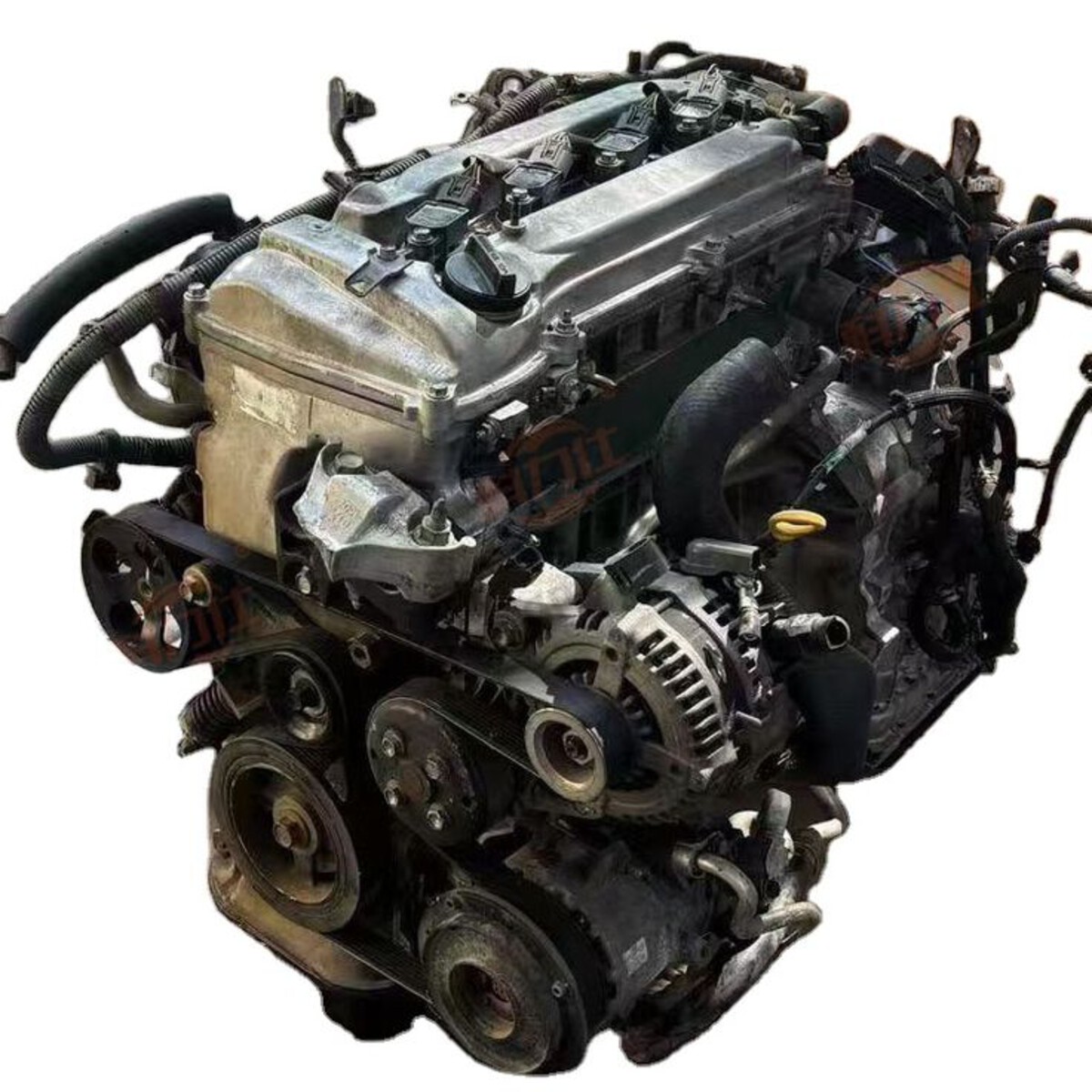
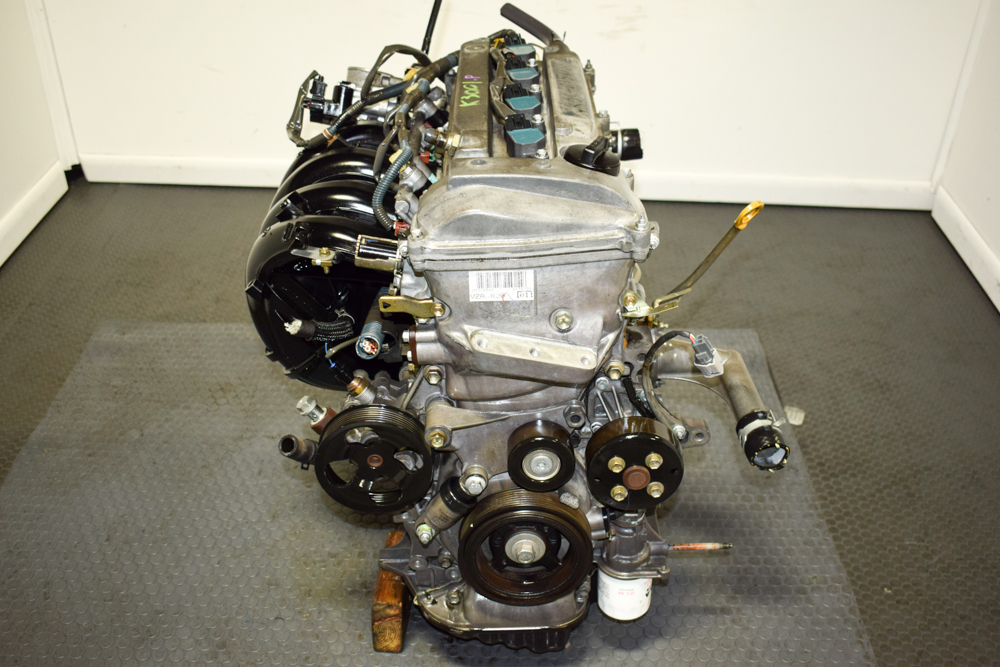
1. Toyota 2.4L 2AZ-FE
The Toyota 2AZ-FE four-cylinder engine, found in models like the Camry, RAV4, and Scion tC, is a perfect example of smart, affordable engineering. It’s simple, reliable, and refreshingly easy to maintain especially when it comes to its ignition system.
This engine uses individual coil-on-plug ignition units that are widely available and inexpensive.
Replacing a failed coil costs very little, and the job itself can be done in minutes with basic tools. The coils sit right on top of the spark plugs under a lightweight plastic cover, with no obstructions or complex wiring harnesses to remove.
Even aftermarket coil packs for the 2AZ-FE are well-tested and abundant. Owners can find direct-fit replacements from reputable brands for a fraction of the cost of OEM units. Because the engine has been used across multiple models and years, part compatibility is excellent.
What makes this engine stand out is its serviceability. Every coil is independent, so if one fails, it doesn’t affect the others. That simplicity not only keeps costs down but also makes diagnosis straightforward for both professional and home mechanics.
I’m writing about the 2AZ-FE because it captures what many modern engines have forgotten the importance of easy, affordable maintenance.
Toyota designed this motor for daily drivers, not just technicians, and its cheap coil packs prove that reliability can go hand in hand with low ownership costs. For anyone who values practicality over prestige, this engine remains one of the most owner-friendly four-cylinders ever built.
2. Ford 3.0L Vulcan V6
The Ford 3.0L Vulcan V6 is an old-school engine that earned its reputation for toughness and simplicity. Found in vehicles like the Ford Taurus, Ranger, and early Escape models, this pushrod V6 may not win any power awards, but its coil pack setup makes it one of the easiest and cheapest engines to maintain.
Instead of individual coils for each cylinder, the Vulcan uses a single three-coil pack mounted on top of the engine. This design keeps things inexpensive and straightforward. When one coil fails, replacing the entire pack is quick often a fifteen-minute job.
Aftermarket replacements cost very little, making tune-ups affordable even after hundreds of thousands of miles.
Because the engine was produced for decades with minimal changes, parts are still widely available. Even premium-quality coil packs rarely exceed modest pricing, and most owners can replace them without professional help.
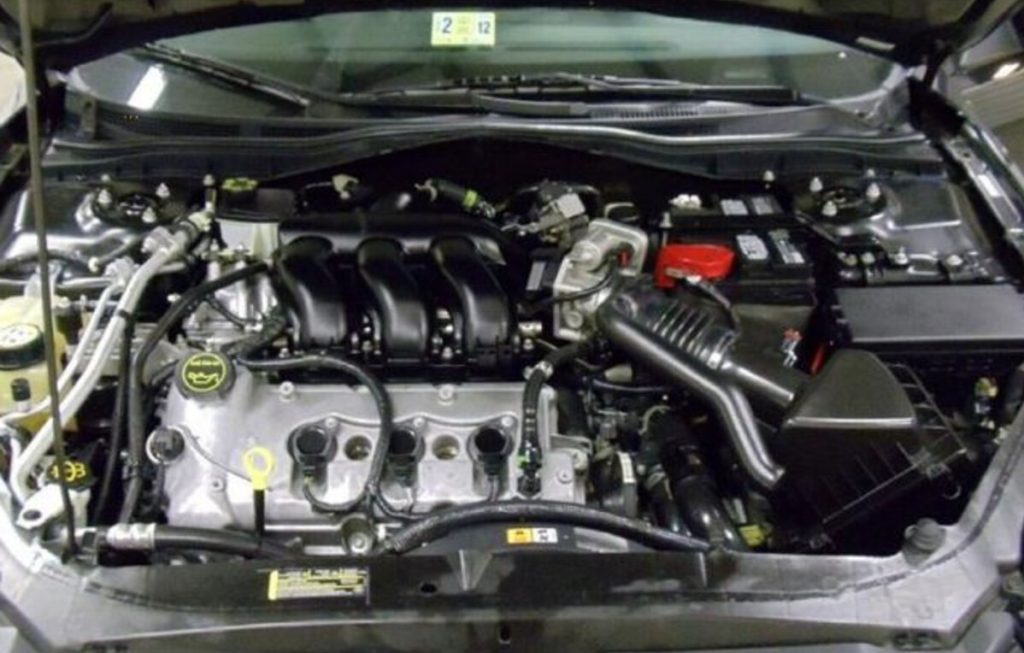
The layout of the Vulcan engine makes coil access incredibly easy no intake manifolds to remove, no hidden bolts, and no complex electronics. That mechanical openness is one of the reasons why these engines are still running strong in older Fords today.
I’m writing about the 3.0L Vulcan because it symbolizes an era when engines were built for simplicity, not service revenue. Its cheap, easy-to-replace ignition components remind us how accessible vehicle maintenance used to be and why some older engines remain legendary for reliability and cost control.
3. Volkswagen 1.8T 20-Valve (1998–2006)
Volkswagen’s 1.8T 20-valve turbo engine gained fame for its blend of power and durability, but another strength often overlooked is its simple and inexpensive ignition setup. Unlike newer direct-injection engines with costly, fragile coils, the 1.8T’s coil packs are budget-friendly and remarkably easy to replace.
Each cylinder uses an independent coil-on-plug system positioned neatly across the top of the valve cover. Access is straightforward remove the engine cover, disconnect a clip, and pull the coil. The job requires no special tools, and aftermarket replacements are available everywhere at very low prices.
Because this engine was used in a wide range of models from the VW Golf GTI to the Audi A4 and Passat, coil pack designs became standardized and mass-produced. That global availability keeps prices extremely low, with a complete set often costing less than a single coil for some modern luxury engines.
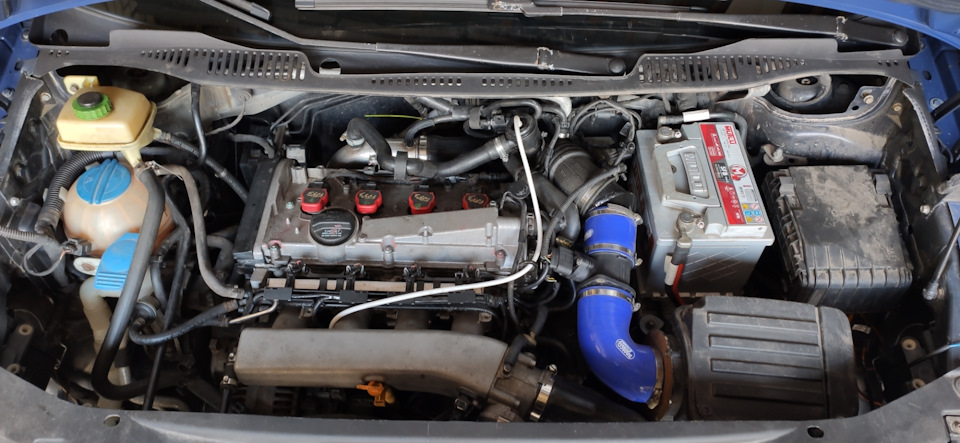
Even with turbo heat under the hood, the coils are known to be durable and easy to upgrade. Many owners keep spares on hand simply because they’re so affordable. The 1.8T’s combination of performance tuning potential and easy serviceability made it a favorite among DIY enthusiasts.
I’m writing about the 1.8T because it represents one of Volkswagen’s best compromises between complexity and practicality. It delivers strong performance yet remains surprisingly cheap to maintain. In a world of rising part costs, the 1.8T’s coil packs are proof that German engineering doesn’t always have to mean expensive upkeep.
4. Hyundai 2.0L Beta II (2001–2012)
Hyundai’s 2.0L Beta II engine powered popular models like the Elantra, Tiburon, and Tucson through the early 2000s and became known for one thing above all else: affordable maintenance. The coil pack setup in this engine is simple, reliable, and inexpensive to service.
Instead of using one coil per cylinder, the Beta II relies on a dual-coil pack that fires in pairs. It’s mounted right on top of the engine, requiring only two bolts and a plug connector for removal. Replacement packs are widely available for very low prices, both OEM and aftermarket.
The layout of this engine makes ignition service quick. There’s no need to remove covers or deal with buried components, so even first-time DIY owners can change the coil pack in minutes.
Hyundai’s use of common coil pack designs across multiple models also keeps prices consistently low, as suppliers continue producing them in high volumes.
The Beta II may not be as refined as later Hyundai engines, but it wins when it comes to simplicity and durability. Its ignition system rarely fails, and when it does, the fix is cheap and fast.
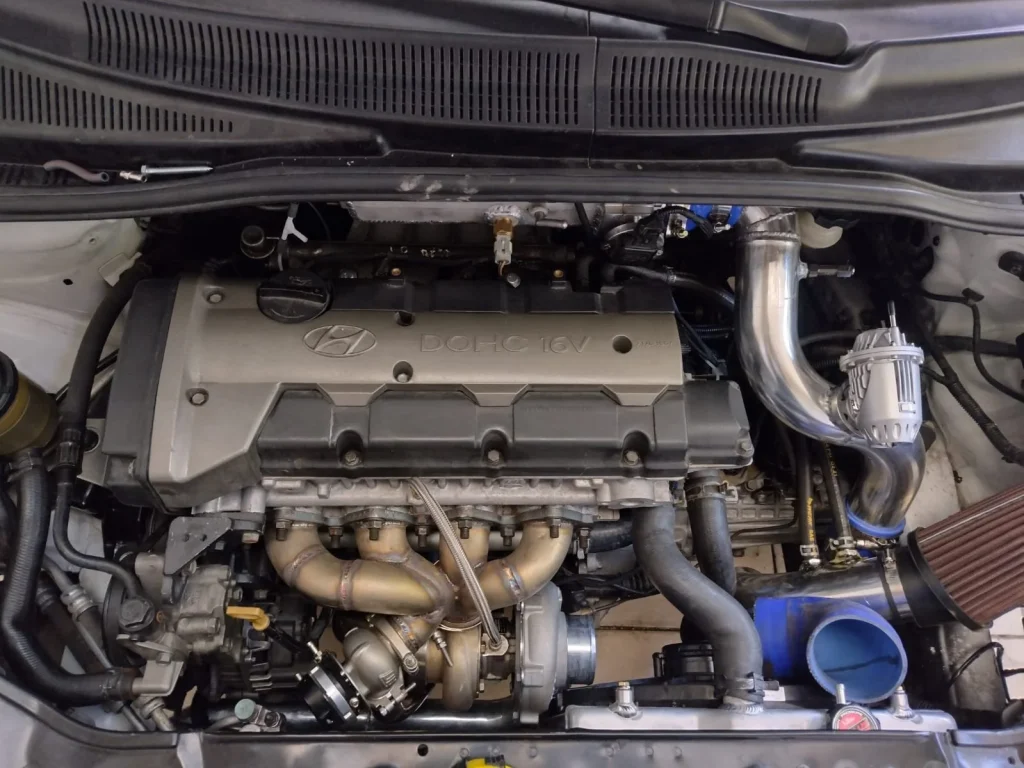
I’m writing about the Beta II because it shows how practical engineering can still deliver reliability without complexity. This is the kind of engine that rewards owners who maintain their own cars, proving that smart design doesn’t need to come with a luxury price tag.
5. Honda 1.5L L15 Earth Dreams (2015–Present)
Honda’s 1.5L “L15” turbo engine, part of the Earth Dreams series, powers popular models like the Civic, HR-V, and CR-V. Beyond its efficient design and strong torque, this engine stands out for its affordable and easily serviceable ignition system. The coil packs on the L15 are small, uniform, and designed with practicality in mind.
Each coil sits right atop its spark plug, held by a single bolt and easily accessible once the engine cover is removed. Honda made the setup so compact and straightforward that coil replacement takes under ten minutes with basic tools. There’s no need for proprietary software, alignment steps, or deep engine disassembly.
The real advantage is price. Since this engine powers millions of cars worldwide, replacement coil packs are produced at massive scale, driving costs down. A set of four high-quality coils can be bought for less than half the price of a single coil on many luxury engines.
That global supply chain keeps parts affordable across markets and ensures that even local garages stock replacements.
Durability is another plus. These coils are rarely known to fail unless exposed to water intrusion or oil leaks. They hold up well under turbocharged conditions, and Honda’s consistent electrical design helps minimize voltage stress.
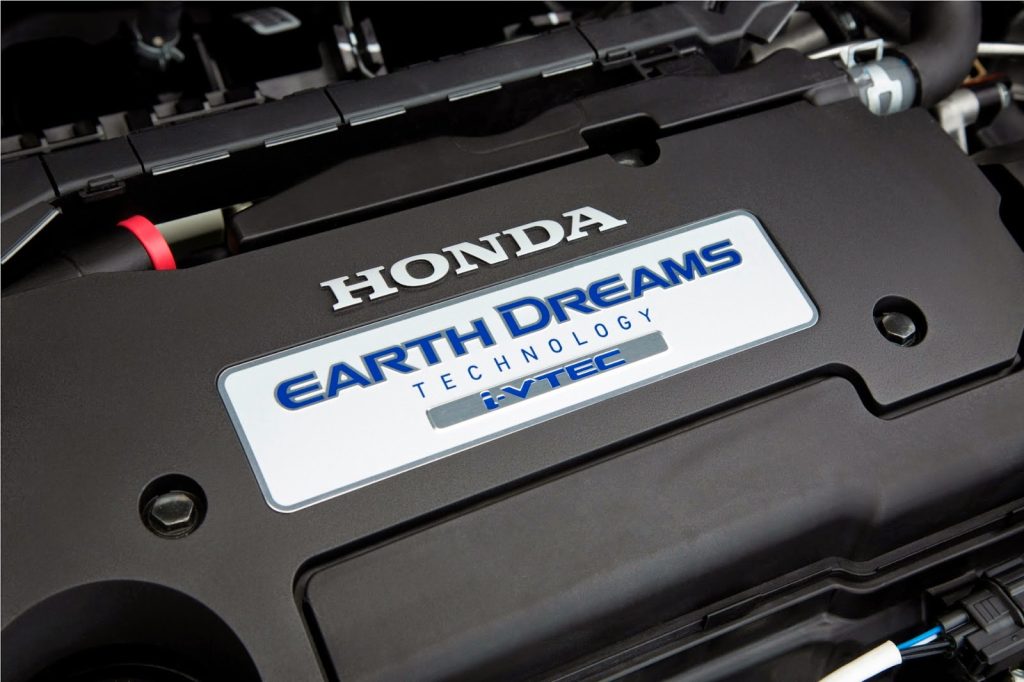
I’m writing about the L15 because it proves modern engines can stay DIY-friendly and inexpensive to maintain. Despite its technology direct injection and turbocharging, the ignition system remains one of the easiest to service in its class. It’s a smart example of how efficient engineering doesn’t have to mean costly upkeep.
For owners who value reliability without repair anxiety, the 1.5L L15 is a reminder that modern Honda design still keeps the practical side alive.
5 Engines With Pricey Ignition Parts
While some engines reward owners with affordable maintenance, others can surprise them with sky-high ignition part costs.
In this section, we look at five engines whose coil packs, ignition modules, or plugs carry premium prices, often due to complex designs, limited availability, or brand exclusivity. These engines may perform exceptionally well, but they come with an expensive twist whenever the ignition system needs attention.
High-end luxury vehicles and certain performance engines tend to fall into this group. Their ignition coils are often designed for unique packaging or tuned for higher voltage outputs, which drives up both manufacturing and replacement costs.
Some systems even integrate sensors or microcontrollers within the coil itself, meaning a simple misfire can result in a four-figure service bill.
Even outside the luxury segment, several modern engines feature tightly packed engine bays or coils buried under intake manifolds. This makes simple maintenance jobs labor-intensive, adding hours of technician time before the part is even replaced.
In many cases, owners can’t perform the repair themselves because of software resets or coding requirements that lock the system until a dealer tool reactivates it.
I’m writing about these engines not to criticize their engineering quality, but to highlight the hidden realities of ownership. When technology pushes performance and emissions to new levels, it often brings increased complexity and higher parts pricing along with it.
For drivers looking to balance thrill and practicality, understanding which engines come with expensive ignition systems can save major repair costs in the long run.
1. BMW N55 Inline-Six (2009–2019)
BMW’s N55 turbocharged inline-six engine is known for its silky power delivery and responsiveness, but maintaining that smoothness can come at a steep price.
One area where costs climb quickly is the ignition system. The N55 uses advanced Bosch or Delphi coil packs, which are specific to the engine’s tuning and voltage requirements.
Each coil costs several times more than those used in mass-market engines, and BMW discourages aftermarket replacements because of potential misfire codes and performance inconsistencies. Even high-quality aftermarket coils rarely match OEM specifications, forcing many owners to pay dealership prices to avoid check engine lights.
The layout also adds to the expense. Though access isn’t the worst among BMW engines, the job often requires removing covers, seals, and, in some cases, intake components for proper fitment. The N55’s ignition system is electronically tied to the ECU, meaning that a coil change sometimes requires recalibration using BMW diagnostic tools.
Failures aren’t particularly common, but when they occur, the cost adds up fast. A full coil and plug replacement can exceed $600 just for parts, excluding labor.
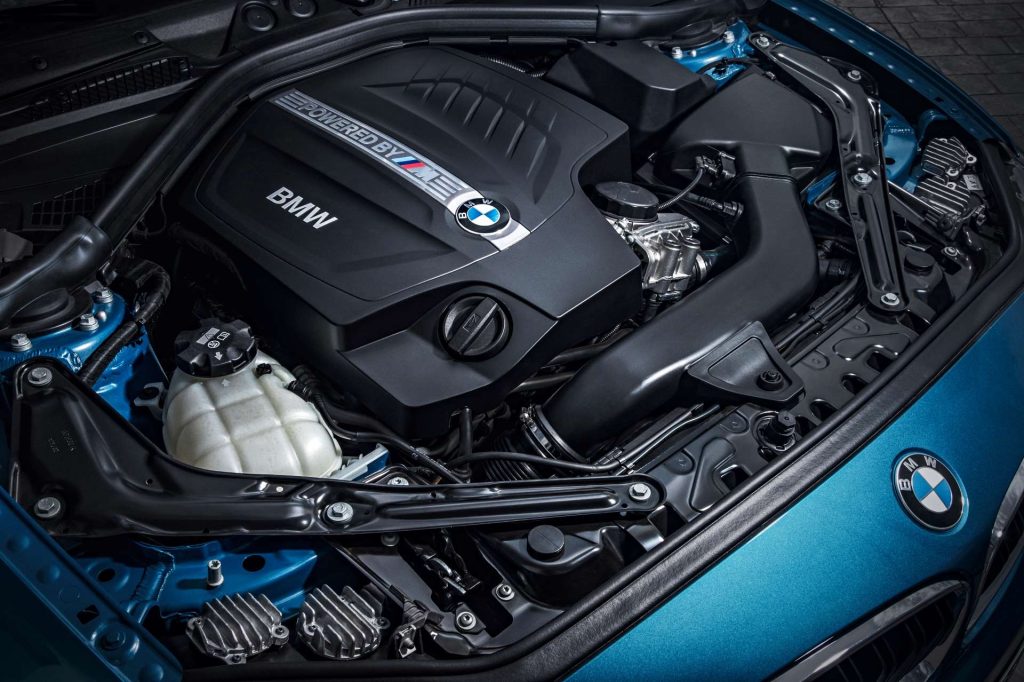
I’m writing about the N55 because it represents the real cost of high-end engineering. BMW designed it to deliver precision, but that precision comes with tight tolerances and proprietary parts.
For enthusiasts, the payoff is smooth turbo power and strong performance but when ignition issues arise, they’re reminded that excellence often demands an expensive trade-off.
2. Lexus 3.5L 2GR-FSE V6 (2006–Present)
Toyota’s luxury division is known for reliability, yet even Lexus has engines that test budgets during maintenance. The 2GR-FSE 3.5L V6, found in the IS, GS, and RC models, uses high-performance direct-injection technology and that’s where ignition costs begin to climb.
The engine employs high-output Denso coil packs tuned for both port and direct injection firing cycles. Each coil features built-in resistors and temperature monitoring to prevent premature failure.
This precision makes them extremely reliable, but it also drives up cost. OEM coils can run over $100 each, and Lexus discourages aftermarket replacements due to potential interference with the injection system.
Accessing the rear bank of coils in longitudinal setups like the IS350 requires partial intake manifold removal, adding several hours of labor. Even basic spark plug changes can turn into dealership-level jobs, as the rear coils sit tightly against the firewall.
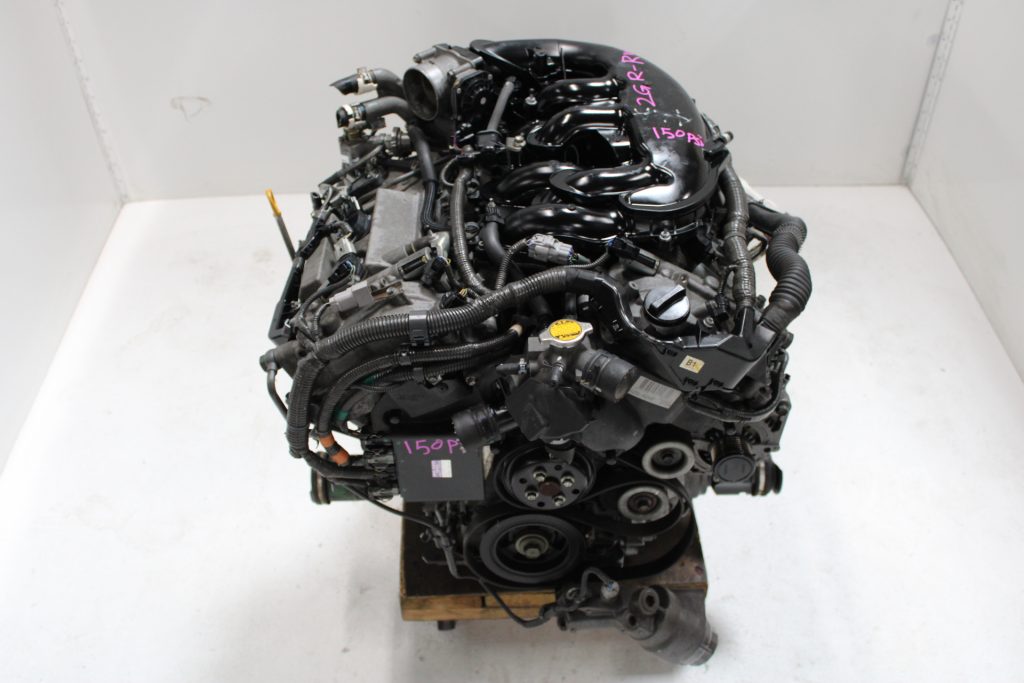
Owners love this engine for its smoothness and performance, but it’s not DIY-friendly. A full ignition service often approaches $1,000 at dealerships, even for routine maintenance.
I’m writing about the 2GR-FSE because it highlights how engineering for performance and emissions efficiency can complicate basic servicing. It’s a masterpiece of durability, but one where even a simple ignition job reflects luxury-grade pricing.
3. Audi 3.0 TFSI Supercharged V6 (2009–2017)
Audi’s 3.0 TFSI V6, found in models like the A6, S4, and Q7, blends smooth performance with remarkable efficiency. But beneath that refinement lies an ignition system that’s as sophisticated as it is costly to maintain.
The supercharged setup demands precise spark timing and high-voltage coils that can withstand intense combustion pressures.
Audi uses specialized NGK or Bosch coils designed specifically for this engine’s charge pressure and heat environment.
Unlike conventional units, these coils feature integrated amplifiers and insulation built to survive temperatures that would melt standard designs. That durability comes at a steep cost, with each coil priced several times higher than a regular unit.
Accessibility also poses challenges. On some variants, the supercharger housing must be partially lifted to reach certain coils, making what should be a simple replacement a several-hour procedure. Even minor misalignment during reinstallation can lead to vacuum leaks or misfire codes.
Owners often pay premium labor rates at Audi dealerships since coil replacement involves careful disassembly and sensor resets. The process can easily exceed $1,200 for parts and labor.
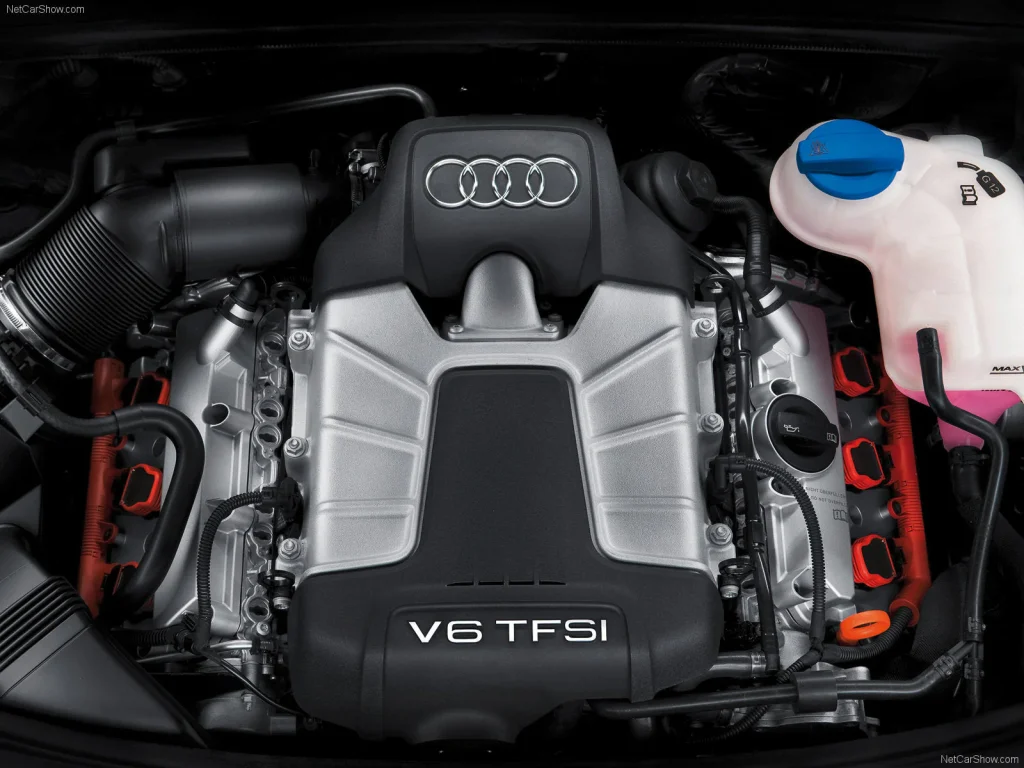
I’m writing about the 3.0 TFSI because it perfectly illustrates how advanced performance engineering drives up maintenance costs. Audi designed this engine to deliver luxury smoothness and consistent boost, but the price for that refinement is an ignition system that’s anything but budget-friendly.
4. Mercedes-Benz M278 4.6L Biturbo V8 (2011–2017)
Mercedes-Benz’s M278 biturbo V8, used in models like the S550 and E550, is a powerhouse that delivers quiet strength and instant torque. Yet, behind that composure is one of the most expensive ignition systems to maintain in its segment.
Each cylinder uses an advanced coil unit built with integrated igniters, allowing precise timing control under high boost pressures.
These are not interchangeable with coils from other Mercedes engines, as each coil is calibrated for the M278’s dual-turbo firing sequence. OEM replacements can cost over $150 per coil, with all eight adding up quickly before labor even begins.
Accessing the rear coils is challenging, particularly in longitudinal engine layouts with tight packaging. The process often requires removing intake pipes and trim covers, adding labor hours to an already pricey job.
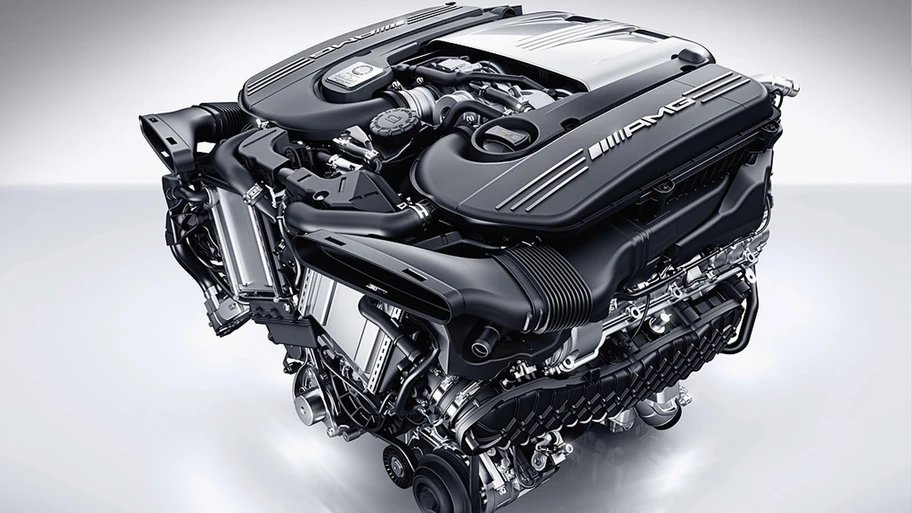
Moreover, the M278’s ignition system is sensitive to voltage irregularities. If one coil fails, Mercedes recommends replacing all coils simultaneously to maintain balance and avoid ECU misfires. This preventive approach drives repair costs even higher.
I’m writing about the M278 because it demonstrates how complex luxury engines trade simplicity for performance. Its power delivery and refinement are stunning, but every spark comes from hardware designed for precision rather than affordability. It’s a prime reminder that luxury engineering often carries luxury-level upkeep.
5. Jaguar 5.0L AJ133 V8 (2009–Present)
Jaguar’s 5.0L AJ133 V8, found in models like the F-Type, XF, and Range Rover, is one of the most refined and powerful British-built engines of the modern era. However, its performance comes with one clear drawback an ignition system that’s both costly and labor-intensive to service.
The AJ133 uses a set of eight high-output coil packs designed specifically for its supercharged and naturally aspirated variants. Each coil is tightly calibrated to handle the engine’s extreme combustion pressures and heat levels, especially in supercharged trims producing over 500 horsepower.
Because of this unique specification, only OEM or high-end aftermarket coils are suitable, and they cost a premium.
A single coil can exceed $160, and replacing all eight can quickly push the total parts cost beyond $1,200. Accessing the rear coils is another challenge, particularly in models with tight engine bays like the F-Type and Range Rover Sport.
The coils sit buried beneath intake runners, requiring partial disassembly and precise reinstallation to avoid air leaks or wire damage.
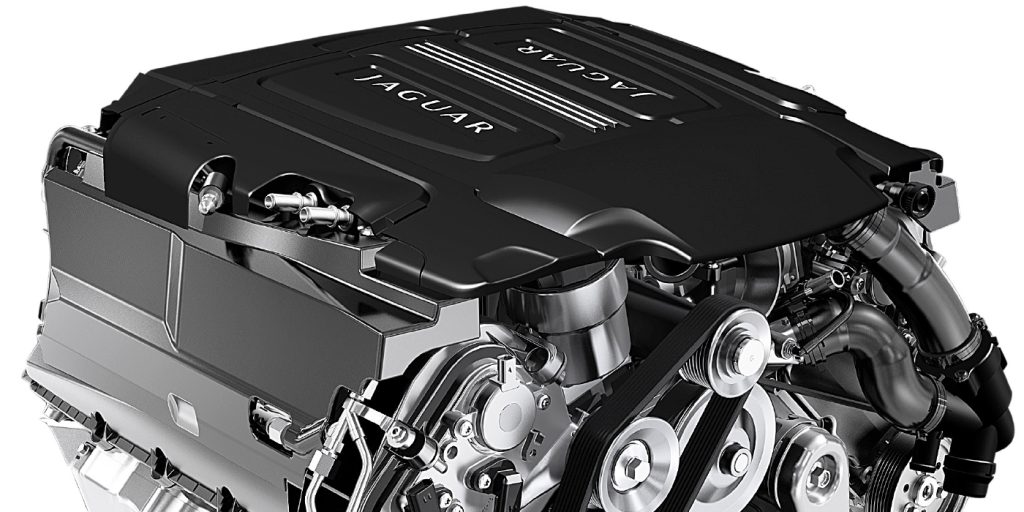
Additionally, the ignition system’s sensitivity means even minor deviations in coil performance can trigger misfire codes or limp-mode errors. Many Jaguar specialists recommend replacing the entire coil set at once, raising the overall cost even further.
I’m writing about the AJ133 because it symbolizes the fine line between sophistication and service expense. This engine delivers breathtaking performance and a beautiful exhaust note, but its ignition components reflect the exclusivity of British luxury engineering.
It’s a masterpiece for enthusiasts, but one that demands both technical care and a well-padded maintenance budget when ignition work comes due.
Across the spectrum of engine design, ignition systems reveal a lot about a manufacturer’s priorities. Some engines are built around practicality, simplicity, and cost efficiency, while others chase refinement and performance often at the expense of maintenance affordability.
The comparison between engines with cheap coil packs and those with pricey ignition parts shows how differently automakers approach serviceability.
Engines like the Toyota 1NZ-FE, Honda L15, and Hyundai Beta II remind us that reliability and accessibility still matter. Their coil packs are simple, affordable, and easy to replace, keeping ownership costs low and repairs quick.
These designs emphasize the value of widespread parts support and smart engineering choices that prioritize the driver’s budget without compromising longevity.
In contrast, high-performance and luxury engines like BMW’s N55, Audi’s 3.0 TFSI, and Jaguar’s AJ133 illustrate how power and precision often come with complexity. Their ignition systems are specialized, tightly integrated, and sometimes exclusive to specific models.
That exclusivity leads to higher part prices and longer service times, turning routine maintenance into a costly affair.
This divide is more than just a financial one it reflects the ongoing trade-off between innovation and practicality.
Simpler engines tend to be more forgiving for DIY owners, while advanced engines demand specialized tools and expert care. Both have their place, but understanding this balance helps buyers make smarter long-term choices.
Ultimately, the lesson is straightforward: performance and prestige often cost more to maintain, while everyday engines reward reliability and simplicity.
Knowing which side an engine falls on can save owners frustration, time, and hundreds of dollars down the road. Whether you value thrill or thrift, coil pack costs tell a surprising story about what truly drives automotive design.
Also Read: 5 Vehicles With Affordable Common Tire Sizes vs 5 Odd Sizes That Cost More
