
Hybrid cars are often praised for their efficiency and advanced electrical systems, but one small component still causes big headaches the 12-volt battery.
Unlike traditional cars that rely solely on an alternator, hybrids depend on both their high-voltage traction battery and a smaller 12V battery to manage start-up, accessories, and system initialization.
When that small battery dies, even the most advanced hybrid can refuse to start. The difference between a well-engineered hybrid and a frustrating one often comes down to how intelligently the car maintains and charges this crucial component.
Some hybrids handle it perfectly. Their systems use smart charging strategies, efficient converters, and software that keeps the 12V battery topped up even during long parking periods.
These vehicles can sit for weeks without losing power, offering the kind of low-maintenance reliability owners expect from modern technology.
Others, however, are notorious for draining their 12V batteries during cold months or short trips. Poorly managed charging logic, excessive standby drain from infotainment systems, and weak low-voltage batteries often leave owners stranded especially in winter when electrical demand spikes.
In this article, we’ll explore both sides: five hybrids that have proven remarkably gentle on their 12V batteries, and five that seem to chew through them every season. Each model has been chosen based on real-world reliability reports, service data, and owner experiences from multiple markets.
I’m writing about these cars because the humble 12V battery often decides whether your hybrid starts on a freezing morning or leaves you searching for jumper cables. Understanding which systems manage this better gives buyers the power to choose long-term dependability over constant maintenance.
Also Read: 5 Crossovers With Tight Turning Circles vs 5 Parking-lot Pains
5 Hybrids That Don’t Eat 12V Batteries
A good hybrid should make life simpler, not more stressful. And one of the clearest signs of smart hybrid design is how well the vehicle manages its 12V battery. In traditional cars, the alternator constantly keeps the small battery charged.
But in hybrids, that task falls to the DC-DC converter, which pulls power from the high-voltage battery to charge the 12V system. When this process is managed intelligently, it results in long-lasting, trouble-free operation even in cold weather or after long periods of parking.
These hybrids stand out because they get that balance right. Their systems monitor battery voltage continuously, top off charge levels automatically, and shut down background drains that could otherwise pull the battery flat.
Even when temperatures drop below freezing, these cars wake up ready to go. Owners rarely need to replace 12V batteries early or carry portable jump packs a small but important sign of excellent engineering.
In many cases, the success comes from refined software tuning rather than bigger components. Automakers that invest in proper battery management logic often deliver vehicles that maintain healthy voltage levels regardless of how they’re driven.
This prevents electrical wear, saves replacement costs, and gives peace of mind to owners who depend on their cars daily.
I’m writing about these five hybrids because they prove that reliability isn’t just about engines or fuel economy it’s also about attention to the smallest electrical details.
These vehicles represent what hybrid ownership should be: worry-free, efficient, and resistant to the kind of seasonal battery issues that frustrate so many others. They are examples of smart engineering done right, offering a dependable experience that lasts long after the novelty of hybrid technology fades.
1. Toyota Prius
The Toyota Prius has long been the gold standard for hybrid reliability, and one of its most overlooked strengths is how well it manages its 12V battery.
Toyota’s hybrid system is engineered to constantly monitor the low-voltage circuit, ensuring that the 12V battery stays properly charged even when the car sits idle for long periods.
Unlike many competitors, the Prius doesn’t rely on short drives to keep its battery alive the DC-DC converter maintains a steady voltage balance every time the system powers on.
The result is a car that rarely surprises its owner with a dead battery. Even in freezing temperatures, the Prius’ 12V system remains remarkably stable because it’s isolated from unnecessary parasitic loads.
Components such as the infotainment system and keyless entry are carefully regulated to avoid draining power when the vehicle is off. This intelligent power management is a hallmark of Toyota’s hybrid philosophy.
Prius owners frequently report that their factory 12V batteries last five to seven years, often outliving those in conventional vehicles. That level of reliability comes from precise electrical calibration and decades of hybrid experience.
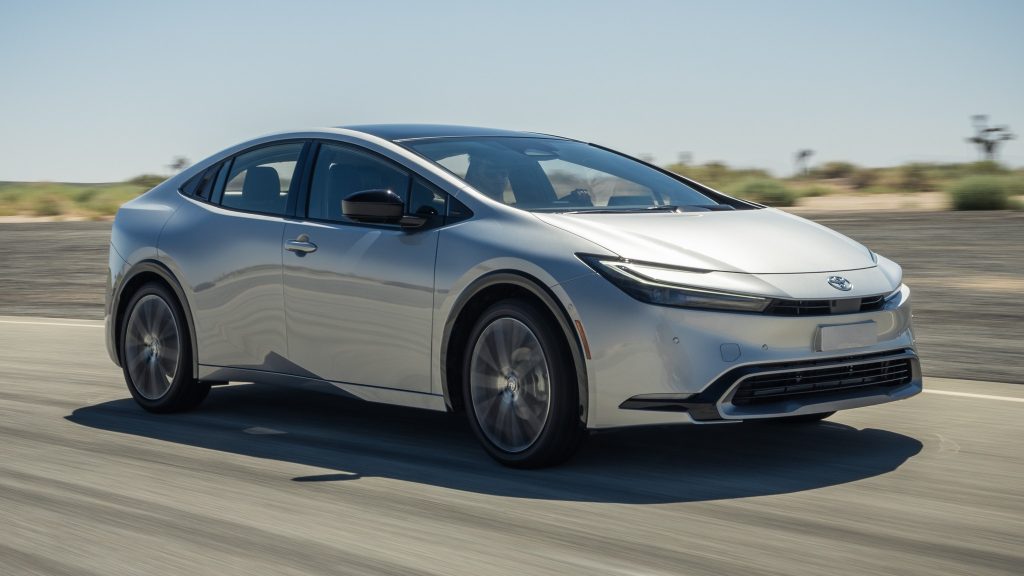
I’m writing about the Prius because it demonstrates that reliability in hybrids is more than just fuel economy it’s about designing every electrical component to work in harmony.
The Prius may not always excite in styling or speed, but its dependable low-voltage system ensures it always starts, no matter how cold or how long it’s been parked. That’s the kind of quiet dependability that keeps it a global benchmark for hybrid design.
2. Volvo XC60 Recharge
The Volvo XC60 Recharge proves that plug-in hybrids can also deliver exceptional electrical stability. Despite packing advanced hybrid architecture, this Scandinavian SUV manages its 12V battery with precision.
Volvo uses a sophisticated power distribution module that continually balances charge flow between the high-voltage system and the auxiliary 12V circuit, ensuring no component starves for power.
What makes the XC60 Recharge impressive is its seamless voltage management. Whether driving in full-electric mode or hybrid mode, the 12V battery remains consistently charged through the DC-DC converter.
The system even activates briefly during parked periods to maintain battery health, preventing the kind of slow drain that plagues other plug-in hybrids.
Owners appreciate that the car starts reliably even after sitting unused for weeks a rare trait among plug-in vehicles. Volvo’s electrical software also limits background draw from sensors and communication modules when the vehicle is locked, reducing parasitic loss.
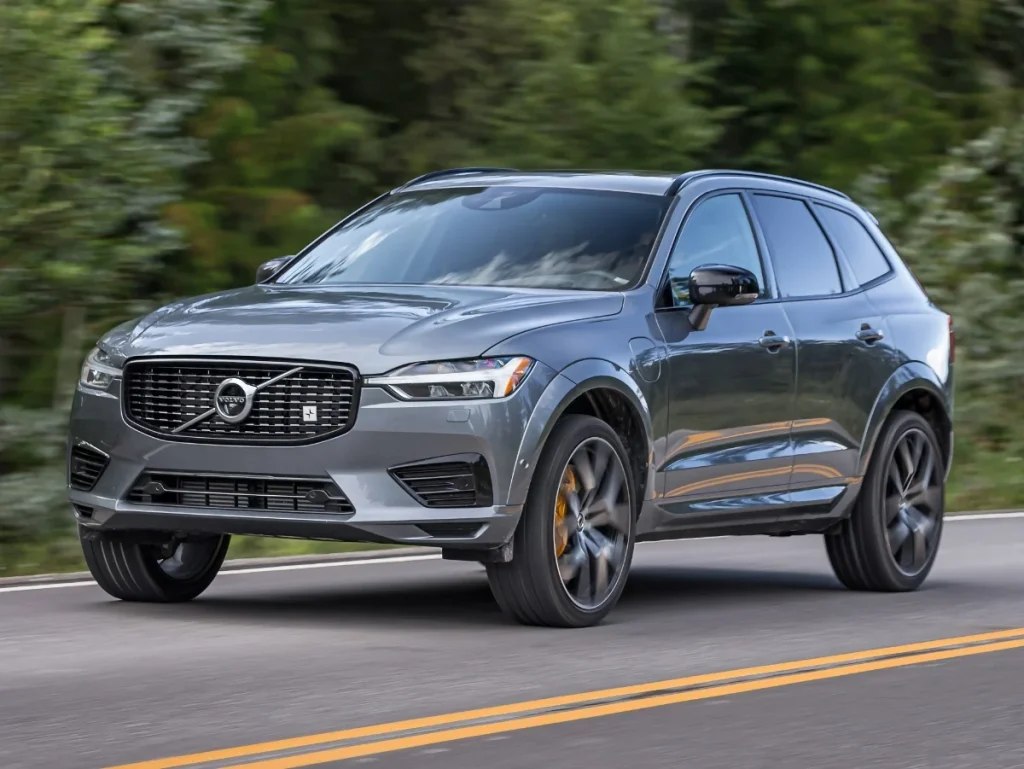
I’m writing about the XC60 Recharge because it reflects a growing trend among premium hybrids: combining power and sustainability without sacrificing reliability. Volvo has clearly prioritized electrical robustness alongside safety and comfort.
The result is a hybrid that feels engineered for real-world use in harsh Nordic winters, where cold weather starts often exposes weak electrical systems.
The XC60 Recharge shows how smart system design and well-regulated power flow can eliminate one of the most common hybrid headaches a dead 12V battery on a frosty morning.
3. Ford Escape Hybrid
The Ford Escape Hybrid is one of the most balanced hybrids sold in North America, and one of its quiet strengths is its robust 12V battery management. Ford’s latest hybrid architecture uses a finely tuned DC-DC converter that keeps the 12V system consistently charged, even during frequent short trips or heavy accessory use.
This attention to electrical health helps the Escape Hybrid avoid the early battery failures seen in many rivals.
The system is smart enough to detect voltage drops and automatically activate charging from the high-voltage pack. That means even if the car sits parked for days, it periodically wakes up to top off the 12V battery. Owners report that their cars start reliably after long periods of inactivity a huge plus in winter when electrical demand rises sharply.

Ford also designed the Escape’s software to minimize background current draw. The infotainment and telematics systems enter deep-sleep mode after shutdown, reducing the risk of parasitic drain. Combined with a well-sized AGM battery, this hybrid handles harsh climates better than expected.
I’m writing about the Escape Hybrid because it shows how mainstream automakers can achieve Prius-level reliability without overcomplicating the design. It’s a vehicle that proves hybrids don’t need constant maintenance or battery replacements to stay dependable.
For daily commuters or families in cold regions, the Escape Hybrid’s ability to preserve its 12V system year-round offers exactly the kind of practical reliability drivers appreciate.
4. Hyundai Ioniq Hybrid
The Hyundai Ioniq Hybrid is a standout in efficiency, but what often gets overlooked is its exceptional electrical durability.
Hyundai engineered the Ioniq’s power electronics to manage the 12V circuit automatically through its high-voltage lithium-ion pack, removing the need for a traditional alternator. This setup continuously maintains optimal voltage and prevents the common hybrid issue of undercharging.
Even in colder climates, the Ioniq starts without hesitation. Its system automatically compensates for temperature-related voltage drops by adjusting the DC-DC converter’s output. The onboard computer ensures the 12V battery never dips below critical levels, meaning drivers don’t face sudden failures during winter.
Another advantage is Hyundai’s use of lightweight lithium-polymer 12V batteries in later versions, which resist deep discharge and recover faster than lead-acid types. Combined with minimal parasitic drain from the infotainment system, this setup results in excellent long-term reliability.
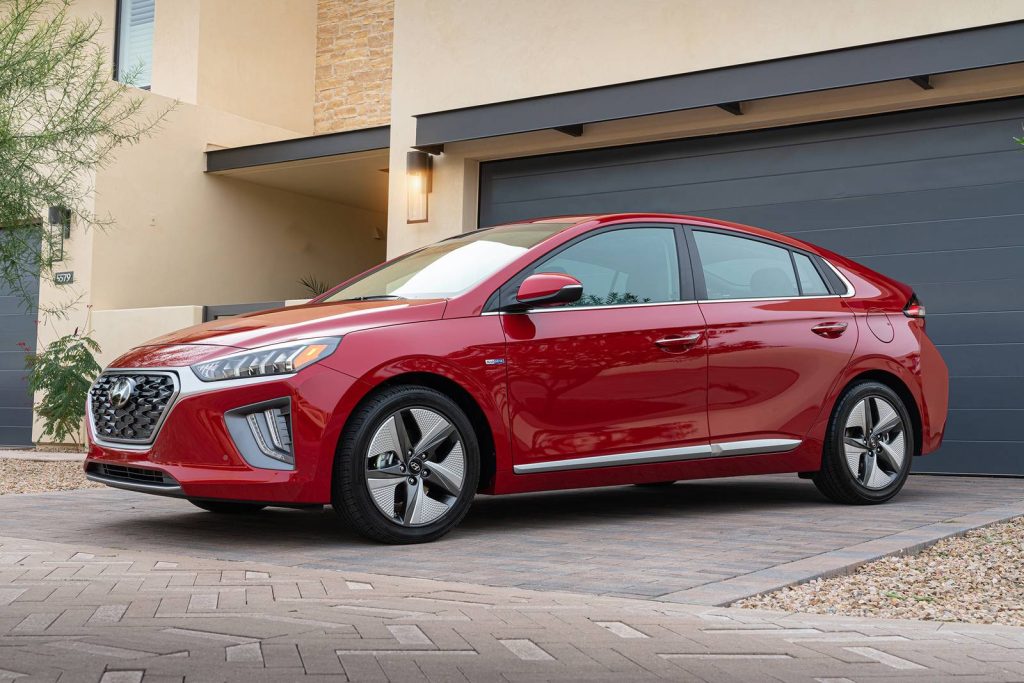
I’m writing about the Ioniq Hybrid because it exemplifies how clever design choices can make hybrids nearly maintenance-free. Hyundai didn’t just build an efficient powertrain; it built a smart electrical ecosystem.
The result is a hybrid that avoids one of the most common ownership frustrations dead batteries in cold weather, while setting a standard for how future models should manage low-voltage systems.
5. Lexus ES 300h
The Lexus ES 300h represents what happens when reliability meets refinement. Built on Toyota’s proven hybrid platform, it inherits the same bulletproof electrical logic that has made the Prius legendary but with added luxury and durability.
One of its strongest traits is how it manages its 12V battery. Lexus engineered the ES 300h to maintain voltage stability across all conditions, from scorching summers to sub-zero winters.
Unlike many luxury hybrids that struggle with electrical drain, the ES 300h’s DC-DC converter keeps the 12V battery charged with precision. The system monitors charge levels in real time and automatically draws energy from the high-voltage pack as needed.
Even during long periods of non-use, such as when parked for weeks, the car can preserve enough charge to start without issue.
Owners often praise how rarely they need to replace the 12V battery. Many report five to eight years of use without a single failure impressive given the number of electronics inside the vehicle. Lexus also uses premium AGM batteries that resist cold-weather degradation better than standard lead-acid units.
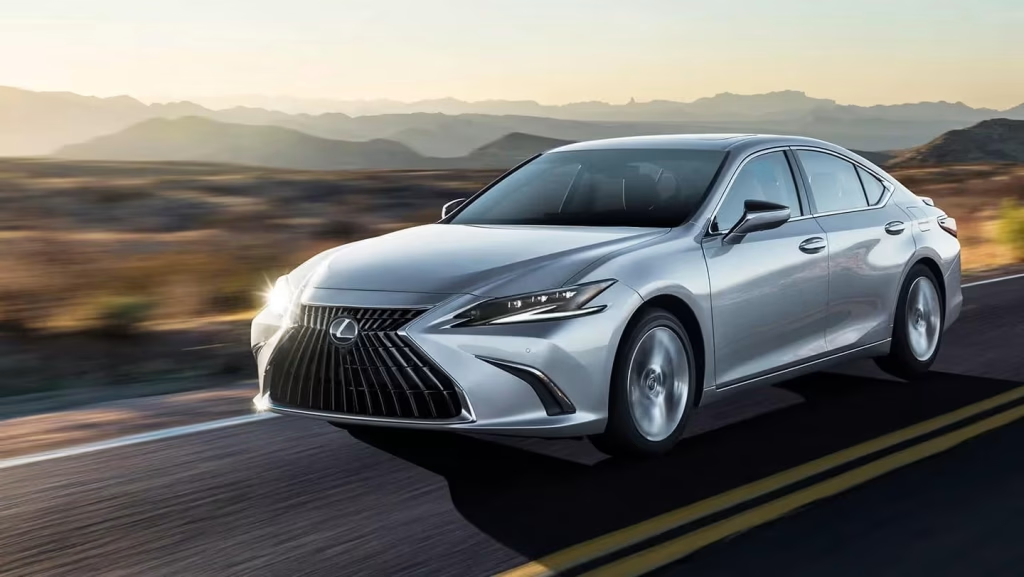
I’m writing about the ES 300h because it embodies how luxury can coexist with practical dependability. It’s a hybrid that not only drives smoothly but also stays operational when others might falter in winter.
Every part of its electrical system reflects Lexus’ attention to long-term reliability. For drivers who value peace of mind as much as efficiency, the ES 300h remains one of the most complete and worry-free hybrid sedans ever built.
5 Hybrids That Do Every Winter
Hybrid technology has come a long way, but not every system handles real-world conditions equally well. The cold months often expose weaknesses that summer hides and one of the most common failures happens quietly under the hood: the death of the 12V battery.
When temperatures drop, chemical reactions inside the battery slow down, and if the car’s charging system isn’t calibrated properly, voltage levels dip too low to start the vehicle. In hybrids, where there’s no traditional alternator, this problem can turn into a yearly ritual of jump-starts and battery replacements.
These hybrids, unfortunately, have earned a reputation for that exact issue. Their 12V systems either drain power too quickly when parked or fail to recharge efficiently from the main high-voltage pack.
The reasons vary from weak DC-DC converters to constant background drains from infotainment, sensors, or remote communication modules that stay active even when the car is off.
In winter, the combination of short drives, high accessory use, and low temperatures becomes too much. Owners often report waking up to warning lights or total shutdowns after a few cold nights. Even newer models equipped with advanced software still struggle with parasitic loss if left parked for several days.
I’m writing about these hybrids not to criticize their engineering entirely, but to highlight how small oversights in electrical design can affect reliability.
These vehicles often excel in fuel efficiency and ride comfort, but their low-voltage systems need better cold-weather resilience.
Understanding which models struggle with 12V battery longevity helps future buyers make informed decisions and reminds automakers that reliability isn’t just about mileage, but also about surviving the winter without a jump-start.
1. Lexus NX 350h (2022–Present)
The Lexus NX 350h is a refined luxury hybrid that impresses with efficiency and comfort, yet its 12V battery system has drawn criticism from cold-weather owners. Despite Lexus’ reputation for reliability, many NX drivers report waking up to a completely dead vehicle after a few icy nights.
The problem isn’t the main hybrid pack it’s the small 12V auxiliary battery that powers control units and door locks. When temperatures fall below freezing, this battery loses charge faster than the car can replenish it during short commutes. The result is a surprising “no start” message, even in a nearly new luxury crossover.
Part of the issue lies in how Lexus configured the charging cycle. The DC-DC converter doesn’t maintain the 12V system continuously once the hybrid shuts off. Meanwhile, systems like the key fob sensor and cellular modem continue to draw current. This parasitic load adds up overnight, particularly when the vehicle sits for multiple days.
Owners have learned to connect battery maintainers or disable some features during winter, which feels disappointing for a premium hybrid. The 12V battery’s compact size, chosen for packaging and weight, simply isn’t suited for harsh climates.
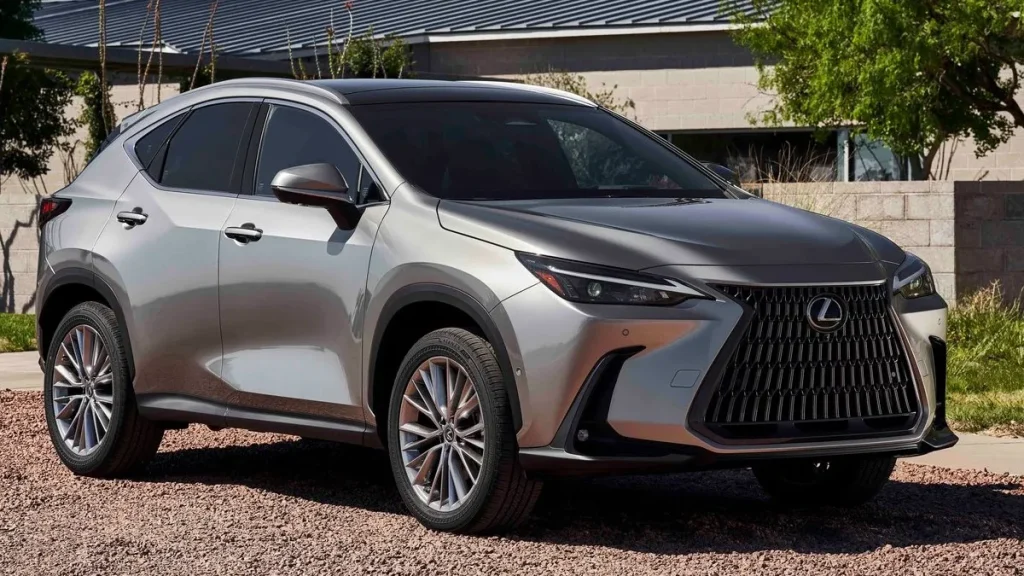
I’m writing about the NX 350h because it demonstrates that even luxury hybrids can overlook small but critical real-world weaknesses. The car feels advanced and effortless on the road, yet something as simple as a 12V voltage drop can render it completely immobile.
For buyers in snowy regions, the NX’s elegant engineering could benefit from a more robust low-voltage solution one that doesn’t punish owners for parking overnight.
2. Kia Niro Hybrid (2020–Present)
The Kia Niro Hybrid offers outstanding fuel economy and modern tech, but its 12V battery struggles have become a familiar frustration in colder climates. Many owners report being stranded by a drained system, especially after leaving the car unused for several days in winter.
The reason lies in the Niro’s unconventional setup. Instead of a traditional 12V lead-acid battery, early models used a compact lithium-based “virtual battery” that relies on the hybrid’s main pack for support.
While clever in theory, it proved unreliable in extreme cold, where lithium chemistry loses voltage quickly. Later models returned to a small AGM battery, but the underlying issue of parasitic drain remains.
When the car sits, modules like telematics, the security system, and even the climate preconditioning controller can continue drawing power. In sub-zero conditions, the voltage drop accelerates, leaving drivers unable to start the system. Short winter commutes often fail to restore enough charge.
Kia has updated firmware and replaced batteries under warranty, but owners in Canada and the northern U.S. still report annual replacements. It’s a reminder that software fixes can’t overcome physical battery limitations.
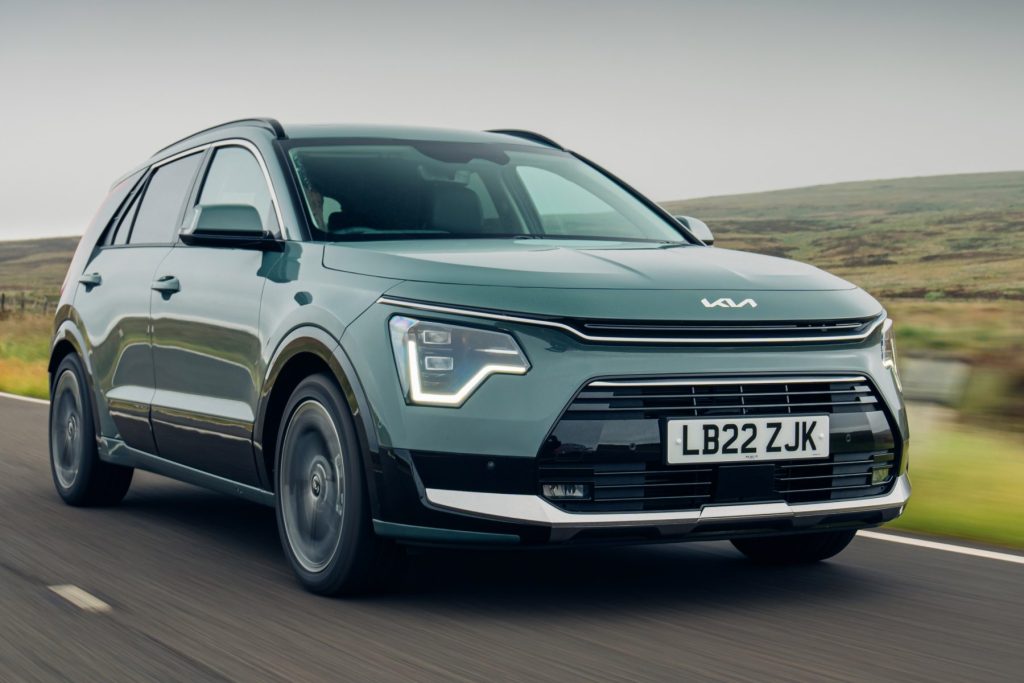
I’m writing about the Niro because it perfectly illustrates the balance between innovation and dependability. Its hybrid system is efficient, but the supporting low-voltage network hasn’t evolved at the same pace. In cold weather, this gap becomes obvious, turning a fuel-sipping commuter into a car that demands careful maintenance.
For urban hybrid users in frosty regions, the Niro is a great drive but it needs a stronger electrical backbone to live up to its year-round promise.
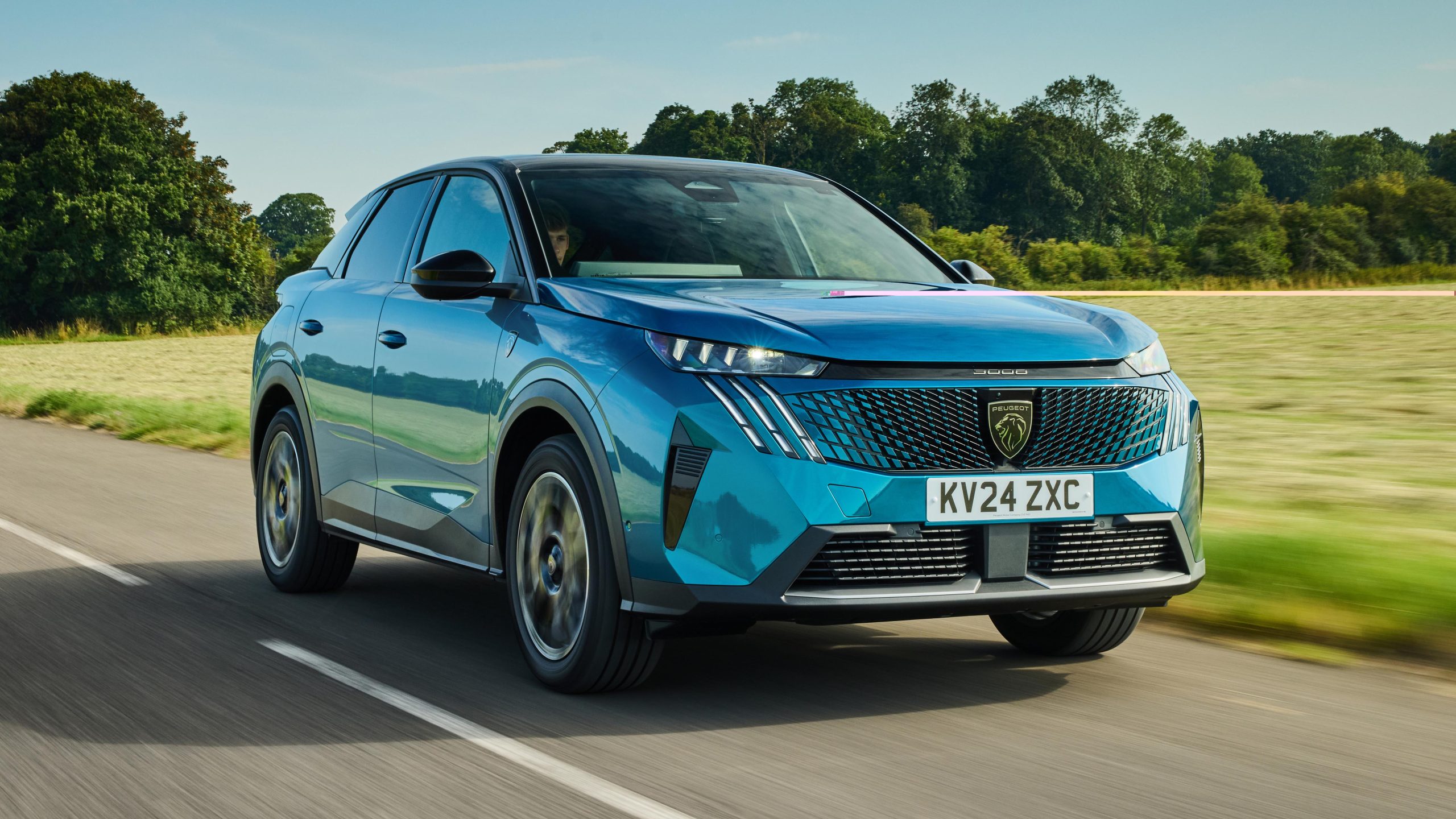
3. Peugeot 3008 Hybrid4 (2020–Present)
The Peugeot 3008 Hybrid4 is one of Europe’s more stylish plug-in crossovers, known for its upscale cabin and strong electric range. However, many cold-weather owners have learned that its 12V electrical system doesn’t share the same strength as its hybrid drivetrain.
When temperatures drop below freezing, the 3008 Hybrid4 can experience 12V battery drain severe enough to prevent startup.
This happens because, like many plug-in hybrids, it relies on a DC-DC converter to keep the auxiliary system charged but that converter only activates when the car is awake. When parked, background systems such as remote communication, door modules, and alarm sensors quietly drain the 12V side.
In colder European countries like Sweden, Norway, and Poland, drivers have reported that the car becomes completely unresponsive after sitting for three or four days without use.
Peugeot’s software updates have reduced power consumption slightly, but the issue persists because of the small size of the 12V battery and its location in a thermally exposed compartment.
Short winter trips also make matters worse, as the hybrid battery doesn’t stay online long enough to replenish the 12V system. Owners have been advised to use trickle chargers or disable certain connected features, an inconvenience for a vehicle marketed as futuristic and effortless.
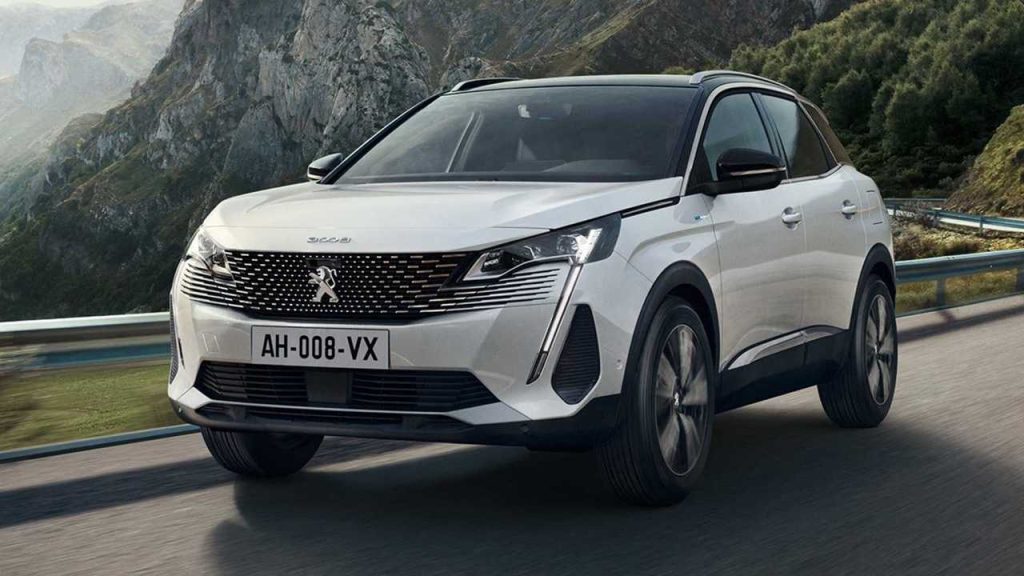
I’m writing about the 3008 Hybrid4 because it represents a common issue among European plug-in hybrids: beautiful engineering paired with fragile low-voltage durability.
Peugeot built a car that feels cutting-edge, but the 12V subsystem needs reinforcement to match the expectations of northern drivers. For all its innovation, it still struggles with one of the oldest automotive challenges keeping a small battery alive in deep winter.
4. Honda Accord Hybrid (2018–Present)
The Honda Accord Hybrid is known for refined efficiency and long-term dependability, but its 12V battery system remains a weak link during winter. Owners in colder states often discover their cars completely dead after a few nights of below-freezing weather, despite minimal use.
Unlike many hybrids, the Accord’s 12V battery is small and lightly supported by its DC-DC converter.
When the vehicle shuts down, the hybrid battery is isolated, and several systems including remote key detection, radio memory, and monitoring sensors, continue to draw power. Over time, this parasitic drain quietly discharges the 12V battery, especially when the car isn’t driven daily.
Honda’s hybrid management system prioritizes efficiency, keeping the engine off as long as possible. However, in short, cold-weather trips, this means the 12V battery often doesn’t get enough charge cycles to stay healthy. Many owners resort to portable jump packs or maintainers, especially in northern climates.
While Honda has addressed the issue in newer firmware updates, the physical limits of a small battery in sub-zero conditions remain. The problem is more noticeable in hybrids than conventional Accords because there’s no alternator constantly replenishing voltage.
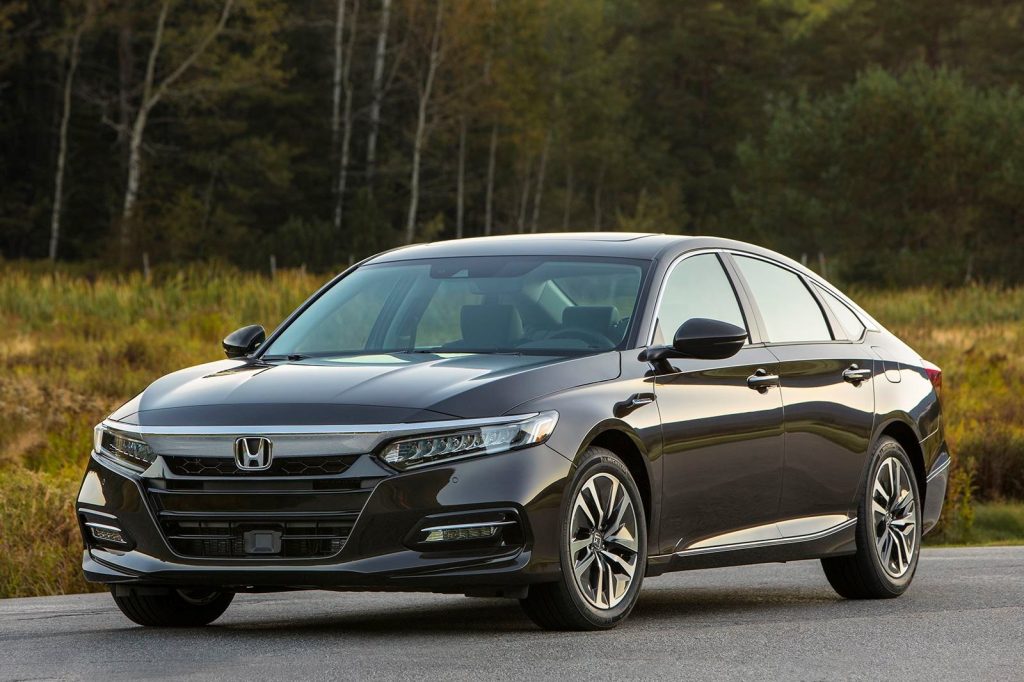
I’m writing about the Accord Hybrid because it highlights how even highly reliable brands can face winter-specific electrical issues. The car’s mechanical systems are bulletproof, yet its electrical endurance in cold weather doesn’t match its overall dependability.
For buyers in warm regions, it’s flawless; for those in snowy ones, it’s a car that needs careful battery management.
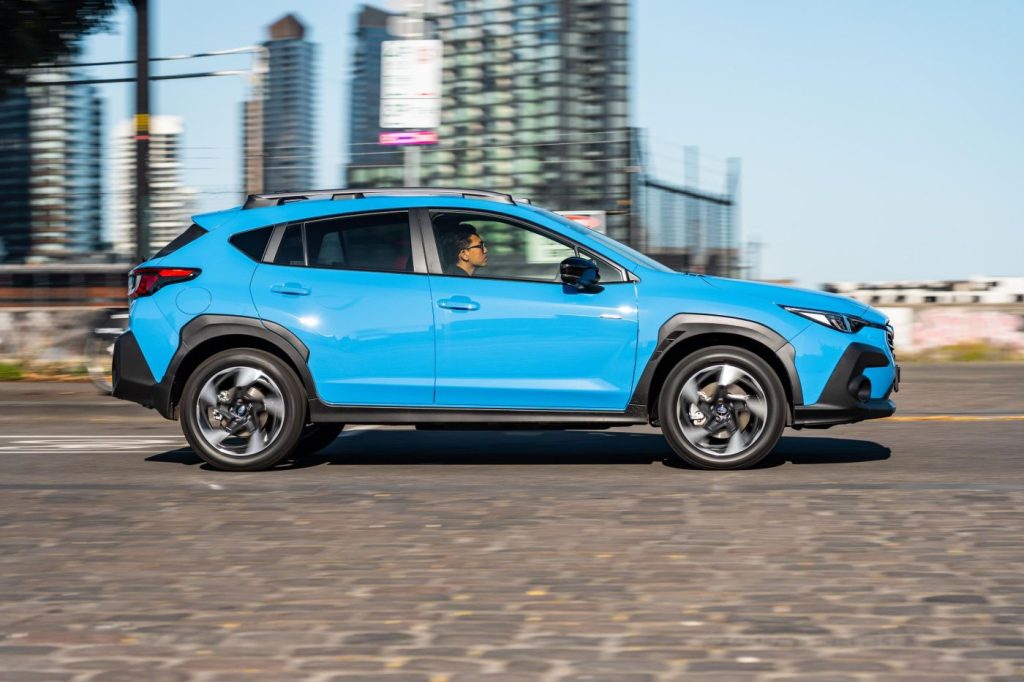
5. Subaru Crosstrek Hybrid (2019–Present)
The Subaru Crosstrek Hybrid blends rugged capability with plug-in efficiency, but its 12V electrical system has become one of the model’s weakest points, especially in cold regions. Many owners across the northern U.S. and Canada report waking up to a silent car during winter, even when the hybrid battery is fully charged.
The issue centers around the Crosstrek’s dual-battery setup. The vehicle uses a small 12V battery to activate its computers and relays before drawing power from the main high-voltage pack. In theory, this setup works efficiently.
In practice, cold weather exposes its flaws. When parked for long periods, the 12V battery drains quickly due to constant draws from the security system, keyless entry, and telematics module.
The problem worsens because Subaru’s system does not trickle-charge the 12V battery when the car is off. Even short commutes in winter aren’t long enough to restore the lost voltage, leading to sudden no-start conditions. Many owners have found themselves jump-starting their Crosstreks multiple times each season.
Subaru has updated its software and recommended battery maintainers, but for a car designed for outdoor adventure, requiring an extension cord in winter feels ironic. Some owners have even swapped to higher-capacity 12V batteries to avoid the recurring issue.
I’m writing about the Crosstrek Hybrid because it highlights how even adventure-focused hybrids can be undermined by simple electrical oversights. The car performs well on snowy trails and delivers great hybrid efficiency, but its low-voltage system simply doesn’t keep up with its rugged image.
For a brand built on all-weather reliability, the Crosstrek Hybrid’s 12V struggles serve as a reminder that hybrid systems need to be engineered with more real-world cold-weather experience in mind. Toughness isn’t just about traction, it’s also about starting every morning without a jump.
Cold weather is the ultimate test of a hybrid’s electrical resilience, and these five models Lexus NX 350h, Kia Niro Hybrid, Peugeot 3008 Hybrid4, Honda Accord Hybrid, and Subaru Crosstrek Hybrid reveal how complex technology can stumble on something as simple as a 12V battery.
Each of these vehicles delivers impressive fuel savings and smooth hybrid performance, yet all suffer from small-capacity batteries, parasitic power drains, and charging systems that don’t stay active when parked.
In freezing temperatures, these flaws become obvious. Low-voltage batteries lose charge quickly, and the car’s numerous electronic modules continue drawing power overnight. Owners often face a dead system by morning, even when the main hybrid pack remains full.
Manufacturers have released software updates and service bulletins, but many fixes rely on workarounds battery maintainers, frequent driving, or component replacements.
The lesson from these models is simple: hybrid sophistication doesn’t guarantee electrical endurance. As hybrids rely more on computers and sensors, their low-voltage systems must be designed for longer idle periods and harsher climates.
For buyers in cold regions, understanding which hybrids struggle with 12V reliability can prevent yearly winter frustrations and help automakers refine future systems for real-world durability.
Also Read: 5 EVs With Reliable Heat Pumps in Mild Climates vs 5 Resistive-heater Hogs
