
In modern sedans, seamless smartphone connectivity has become just as important as horsepower or comfort. Wireless Apple CarPlay is one of the most desired features because it connects the driver’s iPhone instantly, allowing navigation, music, and messages to appear on the infotainment screen without a single cable.
But as convenient as it sounds, not every system delivers a flawless experience. Some sedans handle the connection perfectly every time, while others are known for frustrating dropouts, lag, and random disconnections that ruin the experience.
CarPlay reliability depends on far more than just software. The vehicle’s Wi-Fi antenna design, Bluetooth module quality, and the way its infotainment processor handles multitasking all play major roles.
When any of these are poorly engineered, the result is an unreliable connection. On the other hand, a well-tuned system pairs instantly, stays connected even on long trips, and seamlessly resumes after a restart.
This comparison highlights both ends of that spectrum sedans with wireless CarPlay setups so solid they feel hardwired, and those that frequently drop or freeze. Some brands have mastered software integration between phone and vehicle, while others still struggle to balance convenience with stability.
For everyday drivers, reliable CarPlay isn’t a luxury anymore; it’s part of how we navigate, communicate, and listen on the go. A car’s infotainment stability directly affects how pleasant or stressful a commute feels.
In this article, we’ll explore the five sedans praised for flawless wireless CarPlay performance and five that often disappoint their owners with constant drops or glitches. Knowing which cars handle this tech right can save buyers a lot of frustration and a lot of cables.
Also Read: 5 Cars With Intuitive Physical Climate Controls vs 5 Buried in Screens
5 Sedans With Reliable Wireless CarPlay
When it works flawlessly, wireless Apple CarPlay feels like pure convenience. You get into your car, start the engine, and within seconds your phone’s interface appears on the dashboard screen no cables, no menus, just instant connectivity.
But behind that effortless feel lies precise engineering. Reliable wireless CarPlay depends on strong Wi-Fi antennas, stable Bluetooth pairing, powerful infotainment processors, and smart software integration between Apple’s system and the car’s operating platform. Only a handful of sedans truly get all these details right.
In these vehicles, the connection remains steady even through long drives, network interference, or when switching between multiple devices. They connect instantly, resume without lag, and maintain consistent audio quality for calls and music.
What makes these sedans special isn’t only their hardware but also the manufacturers’ commitment to frequent software updates and responsive infotainment design.
For modern drivers, that reliability adds real comfort. Navigation never freezes mid-route, music doesn’t stutter, and messages sync seamlessly. These sedans make daily commutes feel smoother and more connected, while also setting a benchmark for others to follow.
This section explores five sedans known for their dependable wireless CarPlay performance across various price ranges and regions.
Some are luxury models with cutting-edge tech, while others are mainstream cars that simply execute their software better. Each one has been chosen for its proven reliability, minimal user complaints, and overall integration quality.
I’m writing about these sedans because technology should enhance the driving experience, not complicate it. These vehicles show that when manufacturers invest in proper system design, drivers can enjoy the promise of wireless convenience without the usual frustration of disconnections.
1. Toyota Camry
The Toyota Camry is one of the most consistently reliable sedans on the road, and its wireless CarPlay performance matches that reputation.
Toyota engineered its infotainment system with strong Wi-Fi modules and a stable software platform that maintains a solid connection even in areas with heavy interference. Owners often mention that the system connects within seconds of starting the engine and rarely drops during long commutes.
Unlike many rivals, the Camry’s system doesn’t struggle with heat or multitasking. The processor running the interface handles navigation, streaming, and background functions without lag or freezing. Whether you’re using Apple Maps, Spotify, or making a call, the transition between apps remains smooth.
The key advantage is Toyota’s conservative tuning. They favor reliability over flashy animation or unnecessary complexity. That approach gives the Camry a consistency that users notice right away it simply works every time.
Regular over-the-air software updates also help maintain compatibility with newer iPhone versions, preventing the kind of disconnections that plague other sedans.
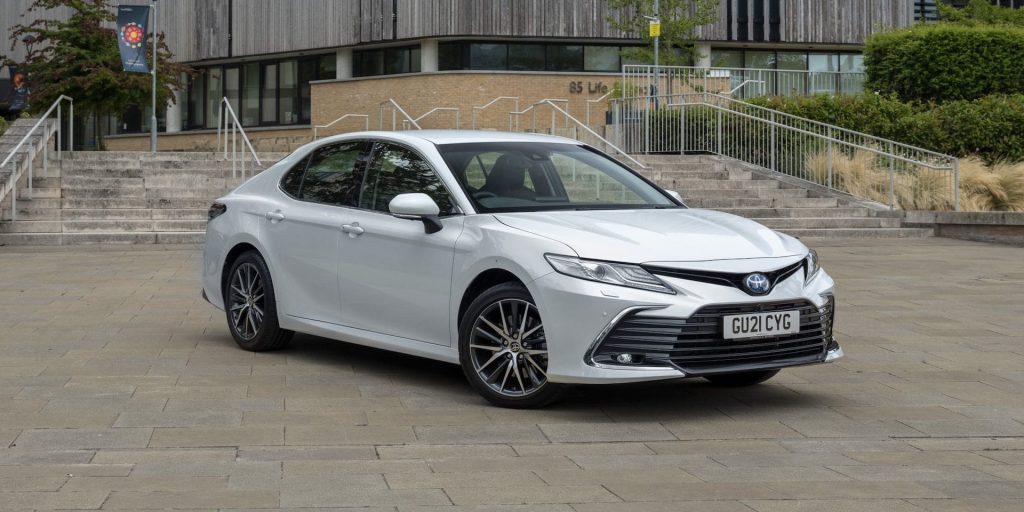
I’m including the Camry because it represents the sweet spot between everyday practicality and flawless tech reliability. In an era where connectivity can feel unpredictable, the Camry delivers dependable wireless CarPlay performance that aligns with its reputation for long-term stability and ease of use.
2. BMW 5 Series
The BMW 5 Series has long been a benchmark for tech integration, and its wireless CarPlay setup is among the most polished in the industry. BMW was one of the first automakers to adopt wireless CarPlay, and years of refinement have made its system remarkably stable.
The car connects automatically on startup, and the interface feels nearly identical to a wired connection crisp, fluid, and lag-free.
BMW’s advantage lies in its high-bandwidth Wi-Fi system paired with the powerful iDrive operating software. It handles complex tasks, such as running Apple Maps and the built-in navigation simultaneously, without disconnecting or buffering.
Drivers appreciate that phone calls and music never cut out, even when switching between Bluetooth devices or restarting the car.
Another strength is BMW’s frequent software updates. The company actively maintains its infotainment platforms, ensuring compatibility with the latest iOS versions. As a result, the 5 Series rarely suffers from the random drops that affect less-supported systems.
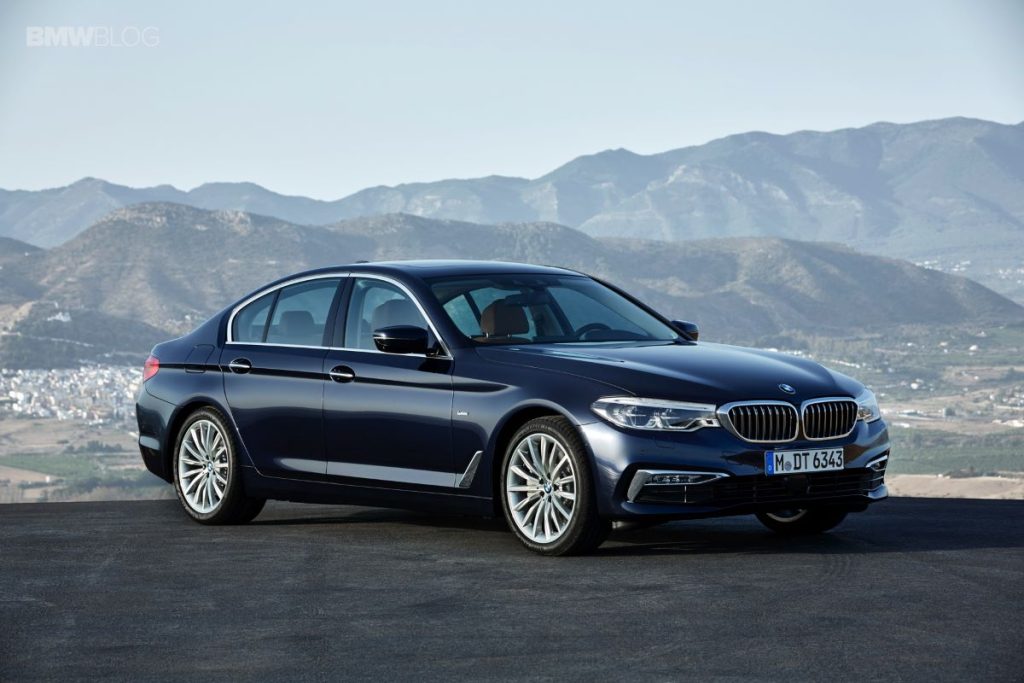
I included the 5 Series because it shows how premium engineering and consistent updates can make wireless CarPlay truly seamless. It’s a sedan that feels as connected as it is luxurious, blending cutting-edge technology with the kind of dependability that drivers expect from a flagship European car.
3. Cadillac CT5
The Cadillac CT5 proves that American luxury can keep pace with the best when it comes to tech stability. Its wireless Apple CarPlay system is among the most reliable in its class, supported by General Motors’ advanced infotainment platform.
The system connects quickly, often before the driver even fastens the seat belt, and maintains the link throughout the journey without lag or dropouts.
Cadillac’s use of a powerful processor and a dual-band Wi-Fi antenna gives the CT5 a technical edge. Even when multiple devices are paired, the CarPlay signal remains strong and audio quality stays crystal clear. The interface runs smoothly, and voice commands respond instantly, reflecting GM’s focus on fast processing and optimized software integration.
Another key strength is the intuitive interface design. Cadillac kept menus simple and minimized transition delays between native apps and CarPlay functions.
The result is a seamless experience that feels effortless, whether using Apple Maps or streaming music. Drivers rarely need to reconnect their phone manually, which reduces day-to-day frustration.
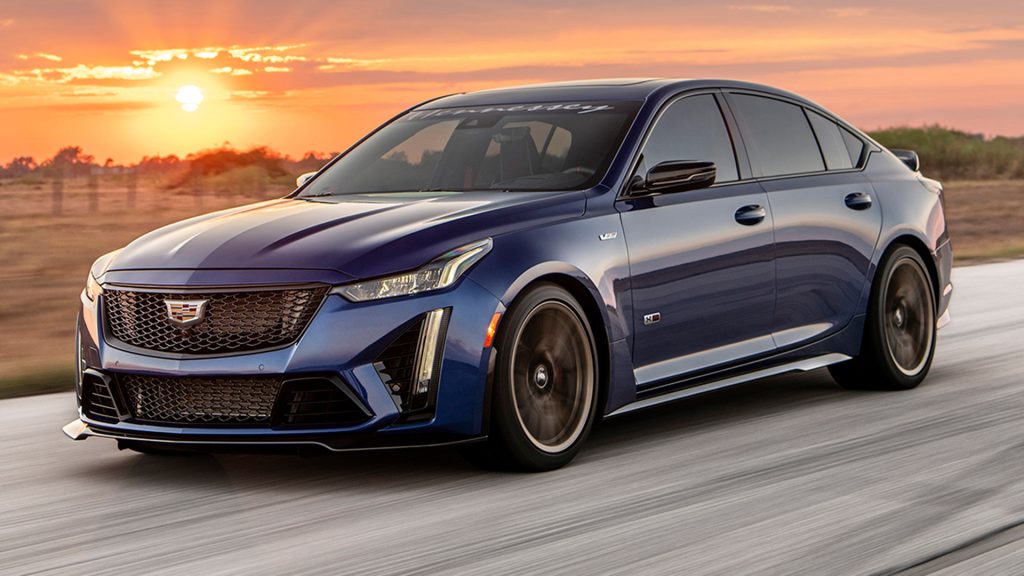
I’m including the CT5 because it showcases how well American engineering can deliver high-end tech when manufacturers focus on refinement instead of gimmicks.
It’s a sedan that combines style, power, and smooth connectivity all backed by consistent performance. For drivers who want luxury without the tech headaches, the CT5 is one of the most stable CarPlay performers you can find.
4. Hyundai Sonata
The Hyundai Sonata has quietly become a leader in infotainment stability. Its wireless CarPlay setup connects instantly and maintains a flawless connection across various iPhone models.
Hyundai’s engineering team focused on optimizing antenna placement and reducing software latency, resulting in one of the most reliable systems in the midsize sedan category.
Owners often praise how effortlessly the Sonata links to CarPlay no need to search, pair repeatedly, or restart the system. The interface remains responsive even when running multiple apps, and call quality stays consistent without interruptions.
Hyundai’s head units also receive regular firmware updates, which helps keep them compatible with newer Apple software releases.
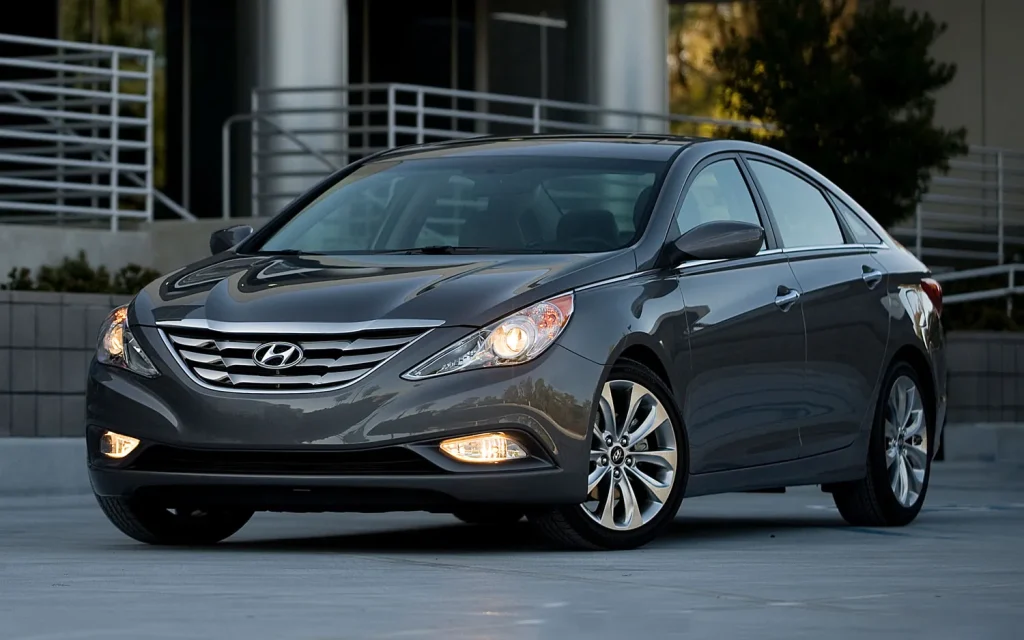
The Sonata’s strength lies in its balance between hardware and user experience. Hyundai didn’t overload the interface with unnecessary graphics or features that slow performance. Instead, the company refined stability and responsiveness, which translates to fewer connection drops.
I included the Sonata because it represents how a mainstream sedan can outperform some premium brands in tech reliability. Hyundai proves that dependable wireless CarPlay isn’t reserved for expensive vehicles it’s the result of thoughtful design, consistent software support, and a focus on user satisfaction.
5. Audi A6
The Audi A6 delivers one of the most refined wireless CarPlay experiences available in any sedan today. Known for its precise German engineering, Audi ensures its MMI (Multi Media Interface) system runs smoothly, quickly, and without the frequent dropouts that plague lesser setups. Once paired, the A6 reconnects instantly every time the engine starts, making it feel completely effortless.
Audi’s secret lies in its advanced antenna network and data-handling architecture. The car uses a dedicated Wi-Fi module for Apple CarPlay, keeping it separate from other wireless traffic.
This design prevents interference and maintains a steady high-bandwidth connection even on long drives or in areas with multiple wireless signals. The result is crisp audio, stable navigation, and lag-free performance.
Owners consistently report that the A6’s wireless CarPlay feels as reliable as a wired link. Even when running multiple apps like navigation, streaming, and calls the connection rarely wavers. Audi also pushes frequent software updates through dealerships and online channels, ensuring compatibility with new iPhone models and iOS versions.
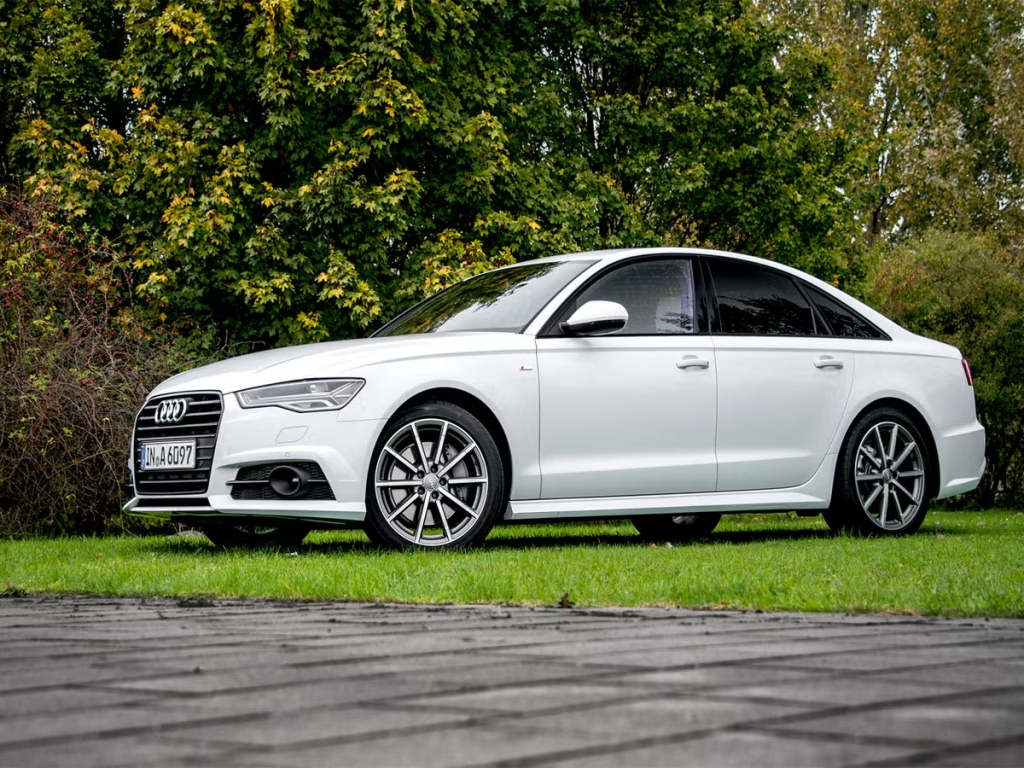
I’m writing about the A6 because it perfectly demonstrates how premium hardware and disciplined software design work together. It’s not just about speed; it’s about consistency. Drivers never have to think about the system it simply functions flawlessly in the background.
In the world of luxury sedans, where technology defines first impressions, the Audi A6 stands out for offering one of the most dependable and polished wireless CarPlay experiences money can buy.
5 Sedans That Constantly Drop
When wireless Apple CarPlay first appeared, it promised a cable-free driving experience that blended convenience with sophistication. Yet, for many sedan owners, that dream quickly turned into frustration.
Connection drops, lagging screens, frozen audio, and repeated pairing attempts have become everyday annoyances. While the technology itself is sound, the difference lies in how each manufacturer implements it.
Some sedans use underpowered hardware, poorly shielded antennas, or outdated software systems that simply can’t keep up with Apple’s demanding data protocols.
Frequent disconnections can ruin the experience. Imagine losing navigation mid-route or having your playlist cut off during a phone call small issues that add up to big irritation. These sedans often perform well on paper, but in real-world use, their infotainment systems fail to maintain consistent wireless links.
The problem isn’t just Apple’s end; it’s often the car’s Wi-Fi signal strength, processor speed, or firmware that hasn’t been optimized to handle the connection load.
In many cases, owners find themselves resorting to wired connections just to keep CarPlay usable. The convenience that once felt futuristic quickly becomes a reminder of inconsistent software support and hardware cost-cutting.
This section focuses on five sedans that have gained a reputation for unstable wireless CarPlay. These aren’t bad cars overall many drive beautifully and offer solid performance but their connectivity flaws have frustrated enough users to make them stand out. The goal isn’t to criticize, but to highlight how overlooked engineering details can affect everyday usability.
Let’s look at five sedans that often test the patience of tech-savvy drivers by dropping wireless CarPlay connections when it matters most.
1. Chevrolet Malibu
The Chevrolet Malibu is a stylish and comfortable midsize sedan, but when it comes to wireless CarPlay, many owners have found the experience far less smooth.
On paper, the Malibu’s infotainment system seems capable a large touchscreen, built-in Wi-Fi hotspot, and a user-friendly layout. However, its wireless CarPlay implementation often struggles to maintain a stable link beyond short drives.
The main issue lies in how the system manages Wi-Fi and Bluetooth handoffs. When signal interference occurs, the Malibu’s module tends to drop the connection rather than recover automatically.
Drivers frequently report that their phones disconnect mid-call or that navigation freezes when moving between cell zones. Worse, the system sometimes refuses to reconnect unless the phone is manually re-paired.
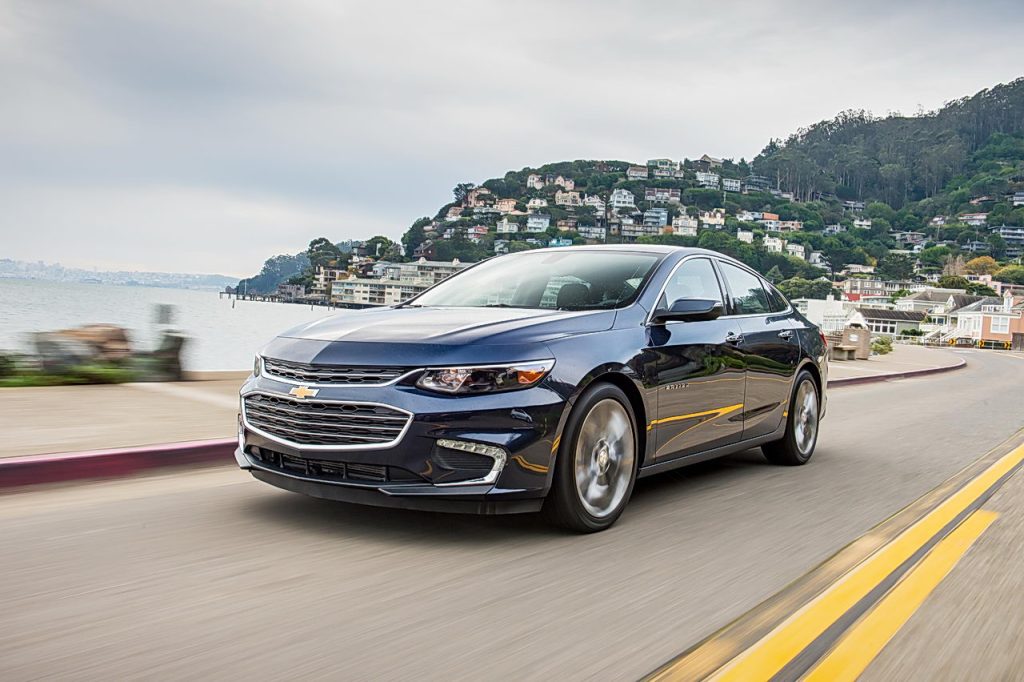
This inconsistency becomes particularly frustrating during commutes or road trips. Instead of enhancing convenience, the wireless feature feels unreliable, leading many users to revert to a wired setup. Chevrolet’s firmware updates have improved performance somewhat, but they’ve never fully eliminated the underlying stability problem.
I’m writing about the Malibu because it represents how a mid-tier car with solid fundamentals can still falter due to overlooked software optimization. Its connectivity woes highlight how even good hardware can feel unfinished without tight system integration.
The Malibu’s case serves as a reminder that technology isn’t just about features it’s about dependable execution that truly supports daily driving.
2. Toyota Camry
The Toyota Camry is one of the world’s best-selling sedans, valued for its reliability and efficiency.
Yet its wireless CarPlay system, especially in certain early production years, has drawn criticism for frequent disconnections and lag. While Toyota’s Entune software suite is generally well-built, it sometimes fails to maintain strong Wi-Fi stability with Apple devices.
The issue tends to appear during long trips or when switching between apps. Drivers often notice CarPlay cutting out when transitioning from navigation to music streaming or while using Siri. The Camry’s infotainment unit occasionally drops the link altogether, displaying “Connection Failed” messages that force the user to restart the pairing process.
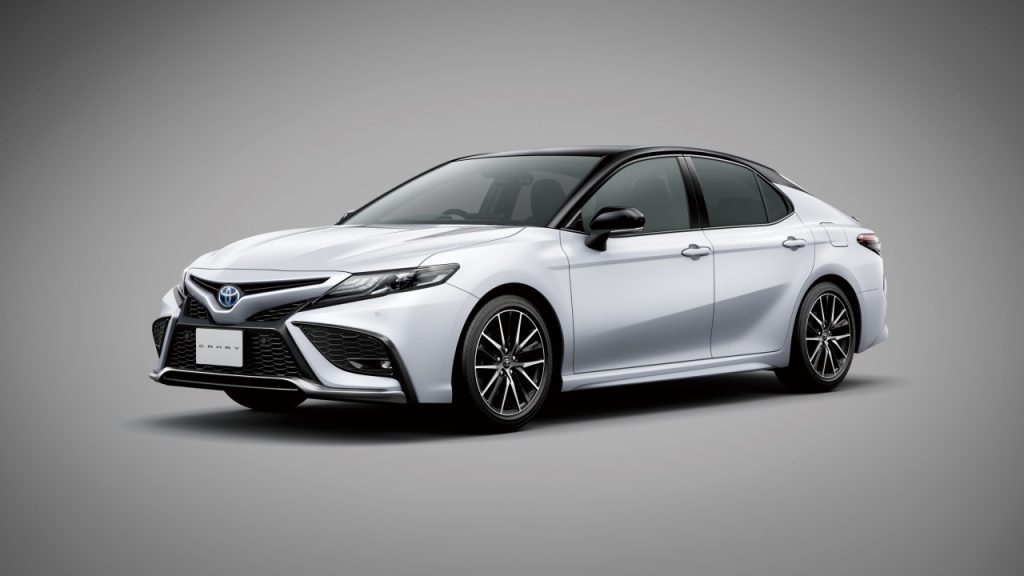
Some updates have improved matters, but even newer Camrys can experience short interruptions when phone signals fluctuate. Ironically, Toyota’s otherwise bulletproof reputation for reliability makes these software hiccups feel even more noticeable. The car runs flawlessly, yet its digital side seems inconsistent.
I’m writing about the Camry because it shows how even brands known for mechanical perfection can stumble in software refinement. Wireless CarPlay should make daily use simpler, but in this case, it sometimes does the opposite.
The Camry’s struggles illustrate how attention to electronic detail is now just as crucial as tuning engines or suspensions in the modern sedan era.
3. Volkswagen Passat
The Volkswagen Passat combines German refinement with dependable engineering, but its wireless CarPlay has frustrated many owners who expected seamless performance.
On short trips, the system usually connects without issue. Yet during extended drives or when the cabin has multiple paired devices, the connection can suddenly cut off, leaving users staring at a blank infotainment screen.
The problem often stems from the Passat’s older-generation infotainment unit. It uses a shared antenna for Wi-Fi and Bluetooth traffic, and when too many signals compete, the system can drop CarPlay altogether. While the screen stays responsive, it often fails to reconnect automatically, forcing drivers to restart the system manually.
Another common complaint involves lag the Passat sometimes takes up to 20 seconds to launch wireless CarPlay after ignition. For those used to instant responses in other vehicles, that delay feels like an eternity.
Volkswagen has since addressed some of these issues in newer models, but many earlier Passats still exhibit inconsistent wireless performance.
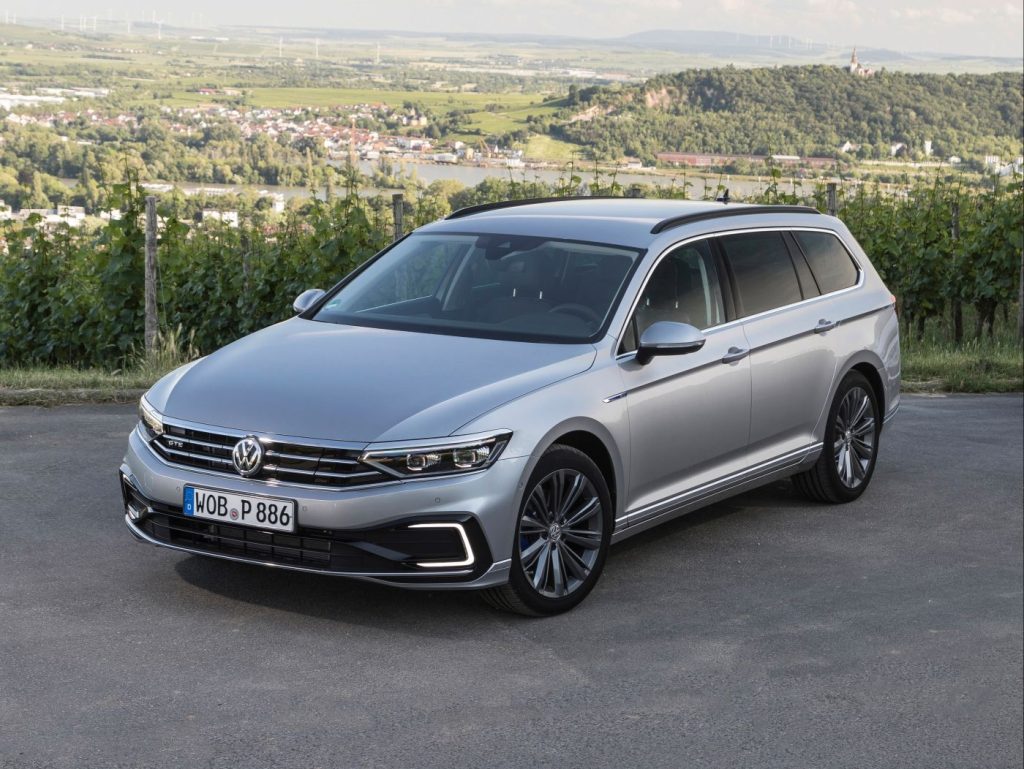
I’m writing about the Passat because it demonstrates how great hardware can be let down by small but significant software decisions. The car drives beautifully, feels solid, and handles with classic VW poise, yet its tech integration feels a generation behind.
For a brand that prides itself on German precision, the occasional dropouts and lag remind drivers that infotainment quality can be just as important as mechanical craftsmanship.
4. Kia K5
The Kia K5 stands out for its bold design, comfortable cabin, and impressive value. But when it comes to wireless CarPlay, this sedan often leaves drivers frustrated. While Kia’s newer infotainment systems look sleek and respond quickly, their wireless connectivity can be unpredictable.
Many owners report that CarPlay randomly disconnects mid-drive, especially when multiple devices are paired in the vehicle.
The K5’s issue seems to stem from inconsistent Wi-Fi signal prioritization. If the driver’s phone briefly loses signal strength, the system sometimes fails to re-establish the connection automatically.
Instead, users must manually reconnect, breaking the seamless flow that wireless CarPlay promises. Even minor vibrations or system restarts can trigger dropouts, particularly during long drives.
Kia has pushed software updates that help, but the underlying instability remains. Some drivers note lag between voice commands and screen response or sudden freezes when switching apps. For a sedan that otherwise feels advanced and tech-savvy, these moments stand out sharply.
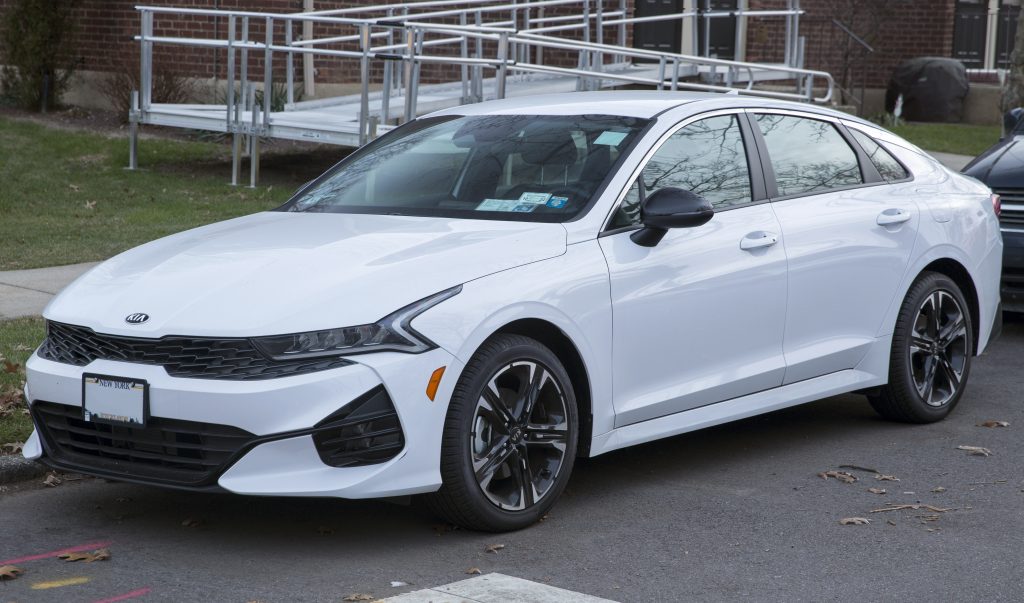
I’m writing about the K5 because it represents how close automakers can come to near-perfection and yet still miss in subtle but impactful ways. Kia clearly understands what modern drivers want: simplicity, style, and wireless integration.
But until its software consistently delivers that reliability, the K5 remains a reminder that wireless convenience can’t just look good on the spec sheet; it has to work flawlessly in the real world.
5. Jaguar XF
The Jaguar XF exudes elegance, British luxury, and strong driving dynamics. But beneath its refined surface lies an infotainment system that struggles to keep up with the expectations of modern connectivity.
Wireless CarPlay, in particular, has been a sore spot for XF owners who report frequent signal drops and sluggish performance during normal use.
Jaguar’s InControl Touch Pro system, while beautifully designed, is notorious for lag and unstable wireless performance. The XF’s Wi-Fi module sometimes overheats or loses handshake synchronization with iPhones during longer drives.
When this happens, CarPlay can abruptly disconnect and refuse to relink without a full system restart. Some users even experience distorted audio or voice command delays before total dropout.
The frustrating part is that Jaguar has the right hardware large screens, strong processors, and premium interfaces. What undermines the experience is the inconsistent software execution. Updates from Jaguar have improved overall performance, but the wireless CarPlay connection still lags behind rivals in reliability.
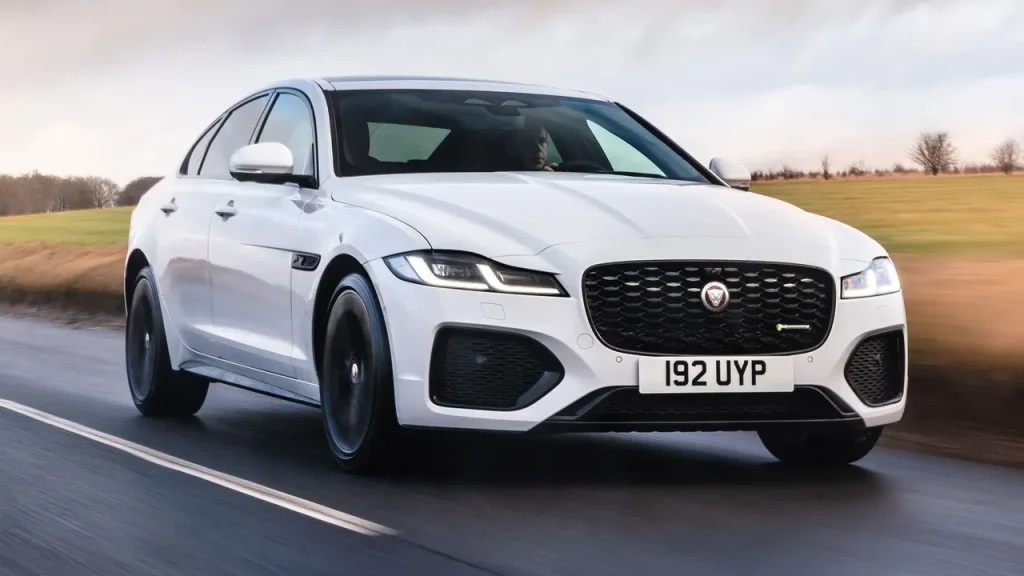
I’m writing about the XF because it illustrates how luxury doesn’t always guarantee technological polish. The sedan looks and feels like a top-tier executive car, yet the wireless CarPlay connection can remind drivers of budget systems from smaller brands.
It’s a lesson that elegance and refinement must extend beyond the materials and performance to include software dependability especially when seamless connectivity has become an essential part of modern motoring.
Also Read: 5 Trucks With Easy DIY Service Access vs 5 That Require Dealer Tools
