
Owning an SUV is often about balancing comfort, utility, and reliability. One aspect that significantly impacts ownership satisfaction but is often overlooked is maintenance. Some SUVs are engineered with realistic maintenance intervals, allowing owners to enjoy their vehicles without frequent trips to the service center.
Regular servicing, such as oil changes, fluid checks, and scheduled inspections, is predictable and manageable, making long-term ownership cost-effective and convenient.
On the other hand, certain SUVs demand constant attention. Frequent maintenance requirements, short service intervals, and unexpected repairs can make ownership stressful and expensive.
Even minor issues can become major headaches if the vehicle requires specialized tools or dealer-only services. High-maintenance SUVs often have complex electronics, sensitive drivetrains, or components that wear faster than usual, resulting in recurring service visits and mounting costs.
This article explores both ends of the spectrum. First, we highlight five SUVs that excel in providing realistic maintenance intervals. These vehicles are engineered for longevity and reliability, giving owners peace of mind with predictable service schedules.
We will examine the design, materials, and engineering choices that contribute to their low-maintenance reputation, emphasizing why these SUVs are ideal for buyers seeking hassle-free ownership.
Then, we focus on five SUVs notorious for requiring constant service. These vehicles, despite their appeal in terms of style or performance, can become burdensome to maintain.
By exploring the causes of frequent servicing, we aim to provide a clear picture of the challenges owners may face and help prospective buyers make informed decisions.
Understanding maintenance demands is crucial for SUV buyers. A vehicle with realistic intervals minimizes stress, reduces ownership costs, and enhances satisfaction, while high-maintenance SUVs can erode enjoyment despite their capabilities.
Also Read: 5 Models With Cheap Parts & DIY Ease vs 5 Dealer-Only Nightmares
5 SUVs With Realistic Maintenance Intervals
One of the most important factors in long-term SUV ownership is how often the vehicle needs servicing. SUVs with realistic maintenance intervals are designed to minimize downtime, reduce ownership costs, and provide peace of mind.
Manufacturers achieve this through durable components, robust engineering, and well-planned service schedules that match real-world usage.
Vehicles in this category often feature high-quality materials for engines, transmissions, and suspension components.
Fluids, filters, and wear items are engineered to last longer, reducing the frequency of replacements. These SUVs also tend to rely on proven technologies rather than highly complex or experimental systems that may require constant monitoring.
For owners, this translates to fewer service visits, predictable costs, and less inconvenience. Scheduled maintenance can often be planned around natural usage cycles, such as annual check-ups or mileage-based intervals, without the stress of unexpected repairs.
Even with daily driving, towing, or off-road use, these SUVs maintain reliability and performance over the long term.
In this section, we highlight five SUVs that are exemplary in providing realistic maintenance intervals. We will explore the design choices, engineering philosophies, and material quality that contribute to their low-maintenance reputation.
By understanding why these SUVs perform well in terms of service requirements, prospective buyers can make informed decisions about vehicles that minimize ownership stress and maximize reliability.
These SUVs serve as benchmarks for practical, worry-free ownership. By analyzing their features and performance, readers will gain insight into what makes a vehicle truly low-maintenance, helping them prioritize reliability alongside style, comfort, and capability.
1. Toyota RAV4
The Toyota RAV4 is widely recognized for its reliability and low-maintenance design. Its components are engineered to last, with high-quality materials used for the engine, transmission, and suspension.
Standard service intervals are generous, often requiring only basic maintenance like oil changes, tire rotations, and filter replacements every 10,000–12,000 kilometers, depending on usage.
Toyota’s straightforward mechanical design helps minimize complexity, reducing the chances of unexpected issues. The RAV4 avoids unnecessary electronics that may fail prematurely, focusing on durability and proven technology.
Even hybrid variants benefit from regenerative braking and other systems that reduce wear on traditional components, contributing to longer service intervals.
Owners frequently praise the RAV4 for its predictable and affordable maintenance schedule. Parts are widely available, and the vehicle does not require specialized dealer-only service for routine upkeep.
This makes long-term ownership convenient and cost-effective, allowing drivers to plan service around natural usage cycles.
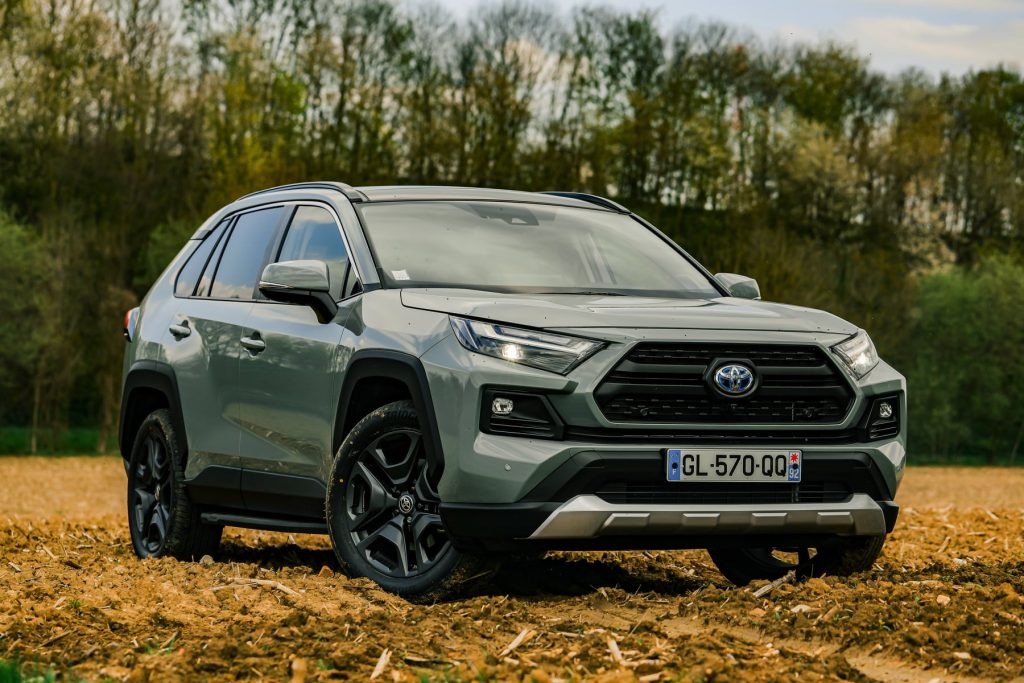
Highlighting the RAV4 illustrates how a combination of durable engineering, straightforward design, and smart material choices results in a vehicle with realistic maintenance intervals.
For drivers seeking reliability without constant attention, the RAV4 represents a benchmark in practical SUV ownership.
2. Honda CR-V
The Honda CR-V is another SUV known for its low-maintenance demands. Regular servicing is simple and predictable, with key intervals like oil changes, brake inspections, and filter replacements spaced to reduce inconvenience for owners.
Honda emphasizes durability in engine and drivetrain design, allowing many components to function effectively for well over 200,000 kilometers with minimal intervention.
The CR-V’s mechanical simplicity contributes to its low-maintenance nature. Honda avoids overly complex electronics or untested systems in favor of proven technologies that are easy to service.
Even in hybrid versions, regenerative braking and efficient powertrains reduce wear on key components, extending service intervals and lowering overall ownership costs.
Owners report minimal unexpected repairs, highlighting the reliability of the CR-V. Maintenance is affordable, parts are widely available, and the service schedule is easy to follow, making ownership stress-free.
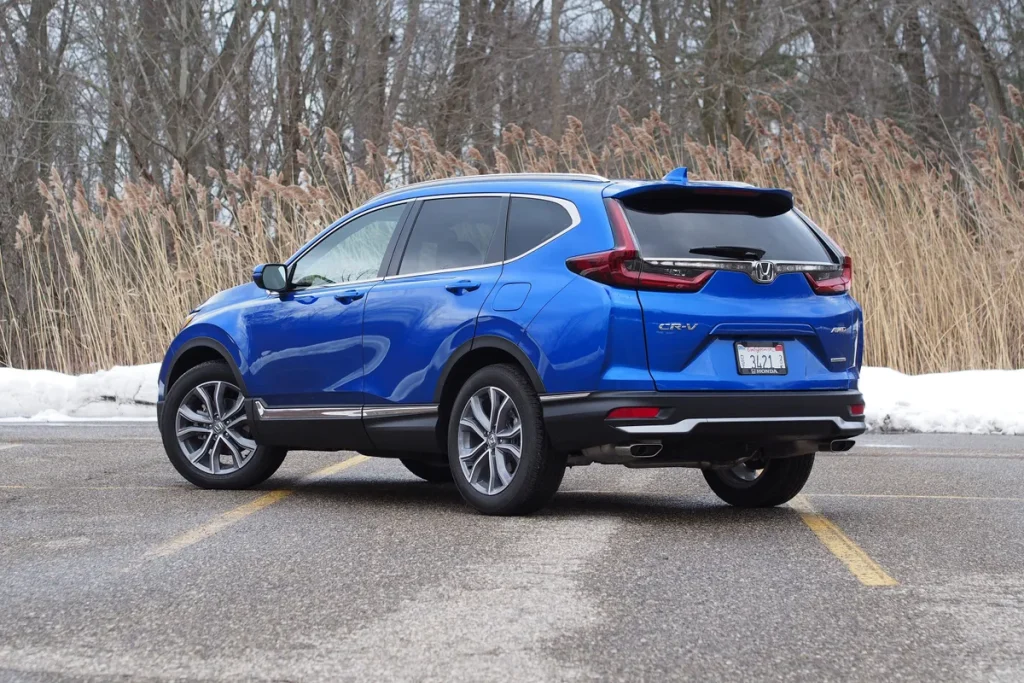
We highlight the Honda CR-V because it demonstrates how thoughtful engineering and practical design choices result in a durable, low-maintenance SUV.
Its predictable service intervals and long-term reliability make it ideal for buyers prioritizing hassle-free ownership and cost-effective maintenance.
3. Subaru Forester
The Subaru Forester is renowned for its reliability and practical design, making it one of the most low-maintenance SUVs in its class.
Regular service intervals are spaced to match real-world usage, typically requiring oil changes and inspections every 10,000–12,000 kilometers, depending on driving conditions.
Subaru emphasizes durability in its mechanical components. The boxer engine design lowers the center of gravity and distributes stress evenly, reducing wear on critical parts.
The all-wheel-drive system is robust and simple enough to avoid frequent repairs, while suspension components are engineered for longevity even in harsh climates.
Owners frequently praise the Forester for its predictable maintenance schedule and minimal unexpected repairs. Standard service items, including filters, fluids, and brake checks, are straightforward and affordable, making long-term ownership hassle-free.
The vehicle’s practical engineering ensures that maintenance is accessible and does not require specialized dealer-only intervention.
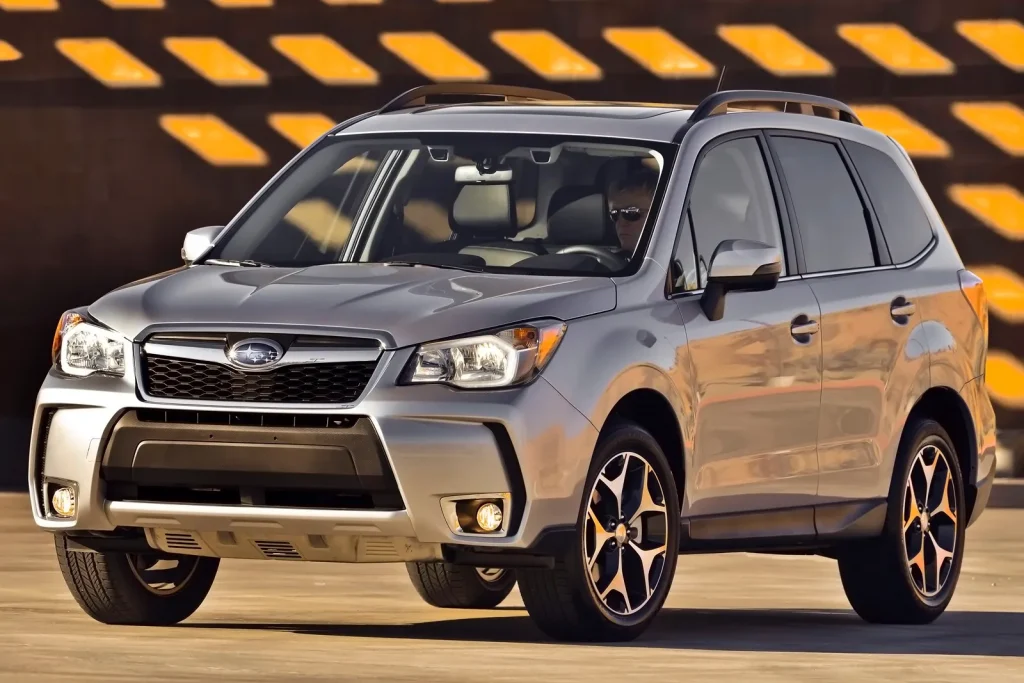
Highlighting the Subaru Forester illustrates how thoughtful engineering, proven mechanical design, and durable materials create a low-maintenance SUV.
For buyers who prioritize reliability, predictable service costs, and minimal downtime, the Forester remains a benchmark in practical ownership.
4. Mazda CX-5
The Mazda CX-5 combines style, performance, and low-maintenance reliability. Its mechanical components are designed for longevity, and the service schedule is realistic, with routine maintenance spaced out to reduce inconvenience for owners.
Oil changes, fluid inspections, and brake checks are typically required every 10,000–12,000 kilometers, depending on driving conditions.
Mazda focuses on durable engine and transmission design while avoiding overly complex electronic systems that might require constant attention. This approach ensures that the CX-5 maintains performance without frequent repairs.
Hybrid versions also benefit from regenerative braking and efficient power management, which reduces stress on mechanical components.
Owners report that maintenance is predictable, parts are widely available, and service costs are reasonable. Unexpected repairs are rare, and the vehicle remains reliable over long-term use, contributing to a stress-free ownership experience.
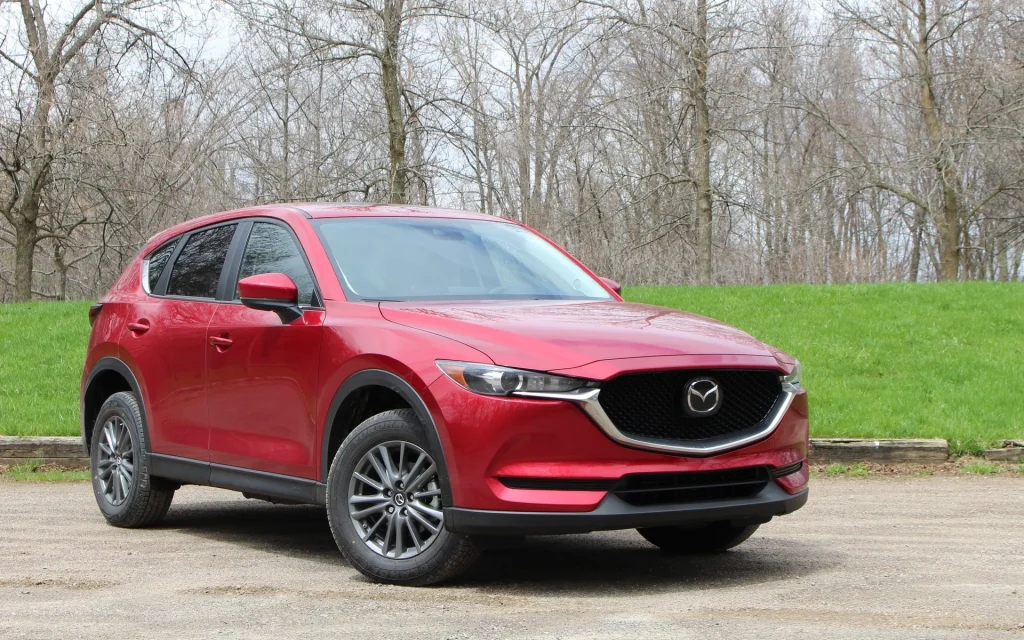
We highlight the Mazda CX-5 because it demonstrates how practical engineering, high-quality materials, and thoughtful design contribute to realistic maintenance intervals. Drivers seeking a dependable, low-maintenance SUV can rely on the CX-5 for both everyday commuting and long-term reliability.
5. Hyundai Tucson
The Hyundai Tucson is a versatile and reliable SUV with a reputation for low-maintenance ownership. Its components are engineered for durability, and service intervals are designed to be practical, typically requiring oil changes, fluid checks, and filter replacements every 10,000–12,000 kilometers.
Hyundai emphasizes robust mechanical design, ensuring the engine, transmission, and suspension components withstand daily driving and occasional off-road use.
Even the hybrid variants benefit from regenerative braking and efficient powertrain management, which reduce wear on mechanical parts and extend maintenance intervals.
Owners frequently report minimal unexpected repairs, with routine servicing being straightforward and cost-effective. Replacement parts are widely available, and the vehicle does not require specialized dealer-only services for regular maintenance, making long-term ownership convenient and affordable.
Highlighting the Hyundai Tucson demonstrates how thoughtful engineering, high-quality materials, and a practical service schedule can combine to create a low-maintenance SUV.
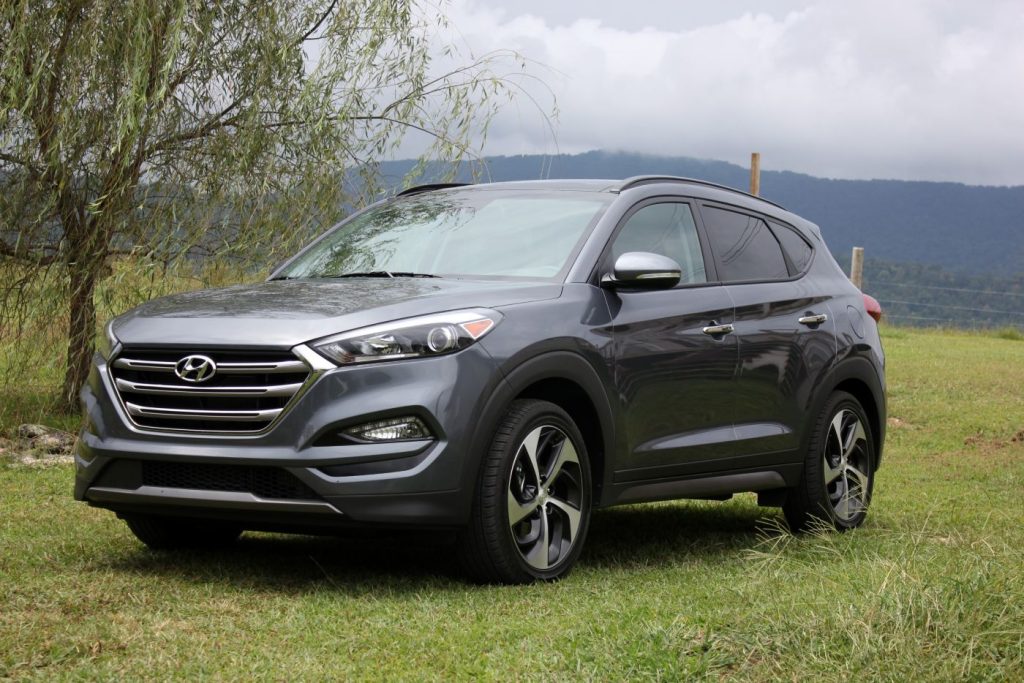
Its reliability and predictable upkeep make it ideal for drivers seeking convenience and peace of mind. Tucson owners can enjoy their vehicles without frequent service visits, knowing that the SUV is built to endure daily use while keeping maintenance requirements manageable.
For buyers who value dependability, affordability, and realistic servicing intervals, the Hyundai Tucson represents a strong choice. Its low-maintenance nature ensures that owners can focus on driving enjoyment and versatility rather than constantly worrying about repairs or service schedules.
5 SUVs With Constant Service
Not all SUVs are created equal when it comes to maintenance demands. Some models, despite their appeal in design, technology, or performance, require frequent service and constant attention to remain in optimal condition.
These SUVs often feature complex drivetrains, advanced electronics, or specialized components that increase the likelihood of recurring maintenance issues.
Frequent service can manifest in several ways. Short oil change or inspection intervals, sensitive electronics, high-wear components, and dealer-only service requirements can make ownership stressful and expensive.
Even minor issues can become major headaches if specialized tools or trained technicians are required, resulting in frequent trips to the service center.
SUVs that require constant service often prioritize advanced technology or high performance, which can inadvertently increase maintenance demands. Sophisticated infotainment systems, turbocharged engines, and complex hybrid drivetrains may be appealing on paper but can generate persistent upkeep challenges in real-world usage.
Drivers may find themselves scheduling routine visits more often than anticipated, paying for repairs that exceed expectations, and managing unpredictable costs.
In this section, we highlight five SUVs known for demanding constant service. We will explore the reasons behind their frequent maintenance needs, including engineering complexity, material choices, and technology integration.
By understanding these challenges, prospective buyers can make informed decisions, balancing features, performance, and the practical realities of ownership.
Awareness of which SUVs require constant attention is essential for anyone seeking a stress-free ownership experience. Frequent maintenance can reduce enjoyment and increase costs, even in vehicles that are otherwise stylish, capable, or technologically advanced.
Recognizing these trade-offs helps buyers prioritize reliability and convenience alongside design and performance.
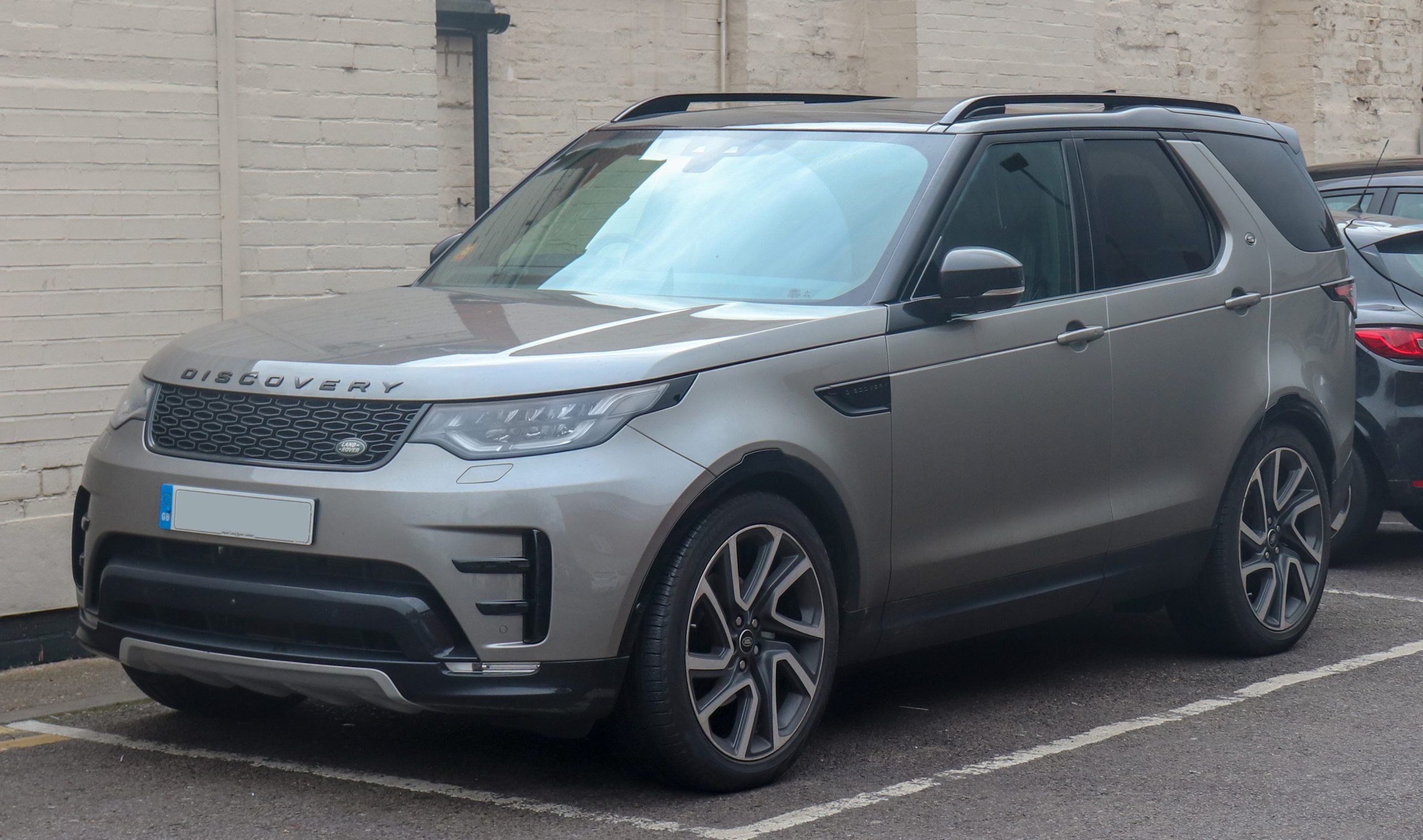
1. Land Rover Discovery
The Land Rover Discovery is renowned for its off-road capability, luxury, and advanced technology. However, it is equally known for its high-maintenance demands.
Frequent service intervals, complex electronics, and sensitive drivetrains make the Discovery a vehicle that requires constant attention to remain reliable.
Even routine maintenance can be involved. Oil changes, fluid checks, and inspections often need to be performed more frequently than average, and many repairs require specialized tools or dealer-only service. Advanced systems like air suspension, traction control, and infotainment components can also fail or need recalibration, adding to the service burden.
Owners often report that minor issues quickly escalate into service visits, whether it’s a sensor recalibration, software update, or brake system adjustment. The combination of sophisticated engineering and sensitive components results in ownership that can feel stressful, particularly for those expecting low-maintenance performance.
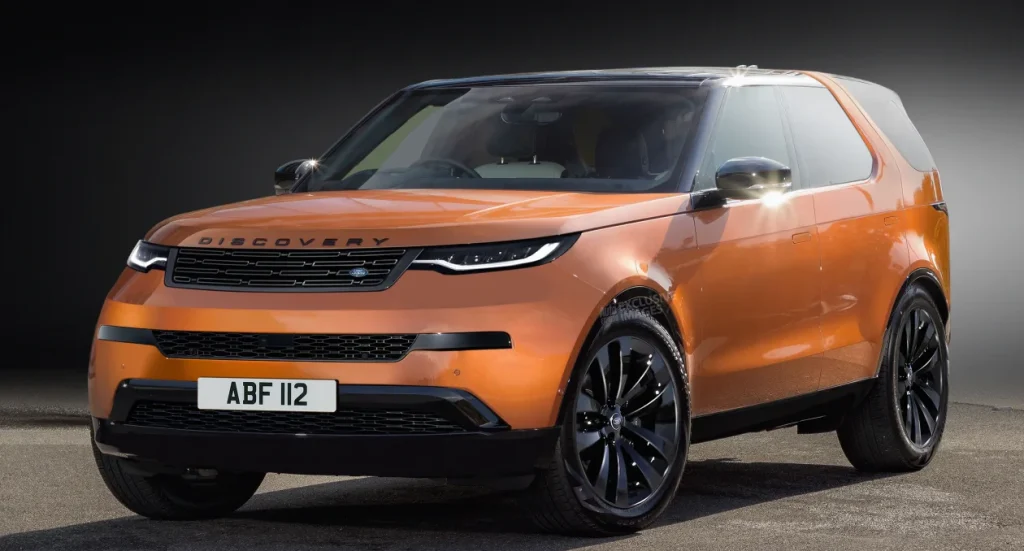
We highlight the Land Rover Discovery to illustrate how advanced capability and luxury can come at the cost of practicality.
While it excels in off-road performance, towing, and comfort, the constant maintenance demands make it a challenging SUV for buyers prioritizing reliability and minimal service.
Awareness of these requirements helps prospective owners weigh the trade-off between capability and ownership convenience.
2. BMW X5
The BMW X5 is a popular luxury SUV that delivers excellent performance, comfort, and technology. However, its advanced electronics, turbocharged engines, and complex drivetrain systems make it prone to requiring frequent service. Regular maintenance intervals are often shorter than those of mainstream SUVs, and minor issues can necessitate dealer visits.
Turbocharged engines, high-tech infotainment systems, and sophisticated suspension setups can be costly and time-consuming to maintain. Even routine oil changes or brake inspections may require specific procedures and specialized tools, increasing the time and cost of service.
Owners report that the X5 can demand frequent attention for electronics, sensors, and other high-tech components. While the vehicle performs exceptionally on the road, keeping it in optimal condition requires diligence and regular servicing, which can be challenging for owners expecting a low-maintenance luxury SUV.
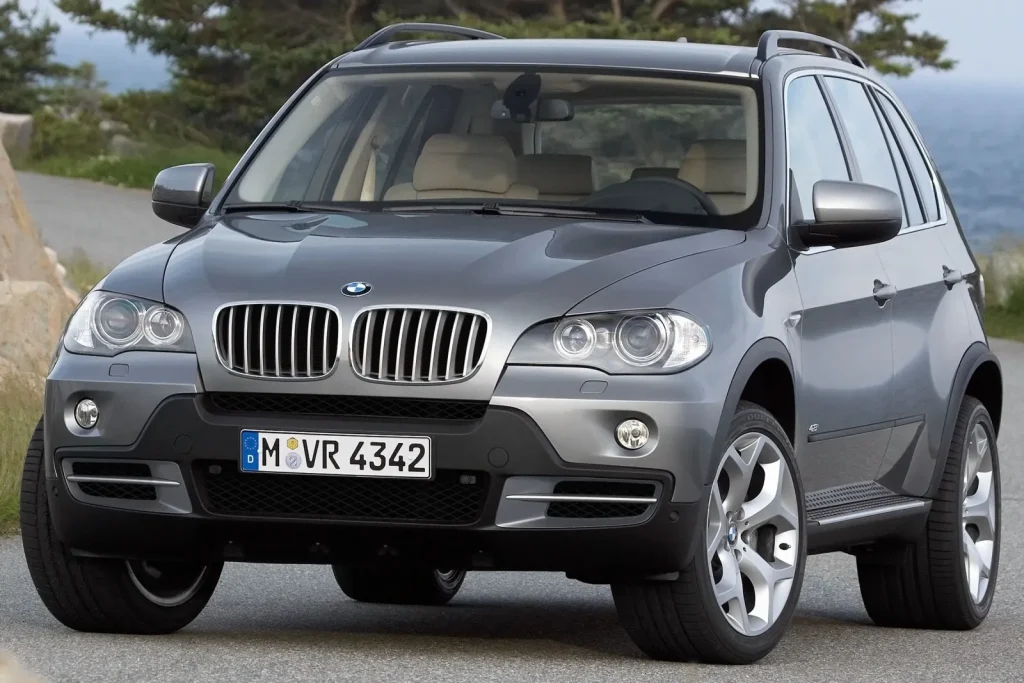
We highlight the BMW X5 to demonstrate how luxury and technology often come with a trade-off in maintenance.
While it excels in driving dynamics and comfort, its constant service needs make it less practical for buyers prioritizing ease of ownership and low upkeep costs. Understanding this balance is essential for informed decision-making.
3. Mercedes-Benz GLE
The Mercedes-Benz GLE is a luxury SUV offering advanced technology, refined interiors, and strong performance. However, its maintenance demands are notably high. The GLE features complex electronic systems, air suspension, and multiple drive modes, all of which require frequent monitoring and servicing.
Routine maintenance intervals are shorter than average, with oil changes, fluid checks, and inspections needed more often. Even minor issues with electronics, sensors, or the infotainment system can necessitate dealer service.
Components like turbocharged engines and electronically controlled suspensions add complexity, increasing both service frequency and cost.
Owners frequently report that the GLE requires constant attention, whether for software updates, sensor recalibration, or system diagnostics. These frequent service needs can reduce ownership convenience and increase long-term costs, particularly for buyers expecting low-maintenance luxury.
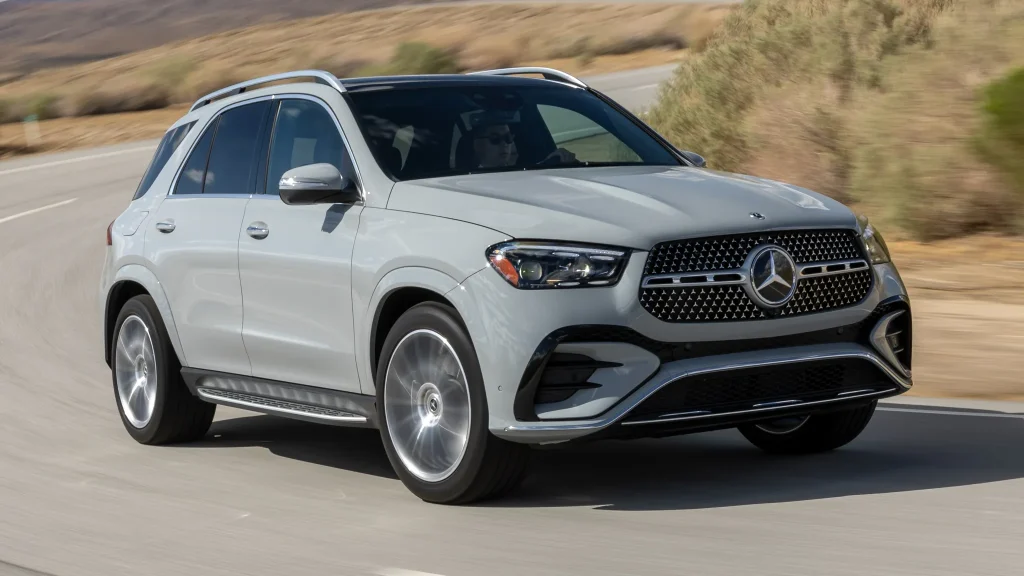
We highlight the Mercedes-Benz GLE to show how advanced engineering and high-tech features can lead to increased upkeep.
While the SUV excels in driving experience, comfort, and safety, its constant service requirements make it less practical for owners seeking worry-free maintenance. Awareness of these demands allows buyers to balance luxury and technology against maintenance expectations.
4. Audi Q7
The Audi Q7 is a large luxury SUV praised for performance, handling, and interior refinement. Despite its strengths, the Q7 is known for requiring frequent maintenance due to complex electronics, sophisticated drivetrains, and high-performance engines.
Turbocharged engines, adaptive air suspension, and advanced infotainment systems demand regular service. Oil changes, brake inspections, and fluid replacements often occur at shorter intervals compared to mainstream SUVs. Minor electronic issues can also result in additional dealer visits, contributing to a perception of constant maintenance.
Owners report that even routine upkeep can be more involved and expensive than anticipated. Software updates, sensor calibrations, and component wear require regular monitoring, making the Q7 a high-maintenance SUV.
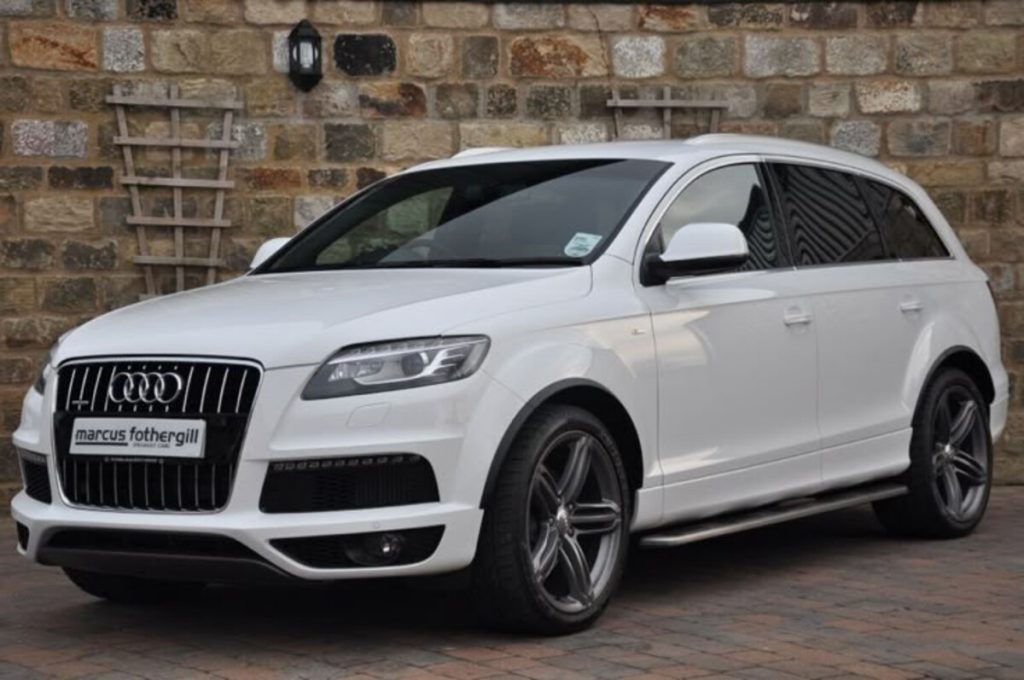
While the vehicle delivers exceptional driving dynamics and luxury, the ownership experience can be stressful for those unprepared for frequent service.
We highlight the Audi Q7 to demonstrate that advanced technology and performance often come at the cost of ownership convenience.
Buyers seeking luxury and capability must be aware that the Q7 demands vigilance in maintenance to ensure reliability and performance. Understanding these requirements helps owners plan service schedules and manage long-term costs effectively.
5. Volvo XC90
The Volvo XC90 is a premium SUV offering safety, comfort, and advanced technology. However, it is known for its frequent maintenance demands, making it one of the higher-maintenance vehicles in its class.
The XC90 incorporates complex electronics, hybrid powertrains, and sophisticated safety systems that require regular monitoring and service.
Routine maintenance intervals are shorter compared to mainstream SUVs, with frequent oil changes, brake inspections, and fluid replacements needed to keep the vehicle running optimally. The XC90’s hybrid and turbocharged engines also require specialized attention, adding complexity to regular servicing.
Owners report that minor electronic glitches, sensor recalibrations, or software updates often lead to dealer visits, increasing both time and cost for maintenance. The combination of advanced systems, electronics, and luxury components results in a vehicle that demands constant care to maintain performance and reliability.
We highlight the Volvo XC90 to illustrate how premium features and safety technologies, while highly desirable, can create higher maintenance requirements. Frequent service needs may reduce convenience and increase ownership costs, particularly for buyers seeking low-maintenance ownership.
Understanding the XC90’s maintenance demands is essential for prospective owners. While it excels in safety, comfort, and performance, the SUV requires diligence to ensure long-term reliability.
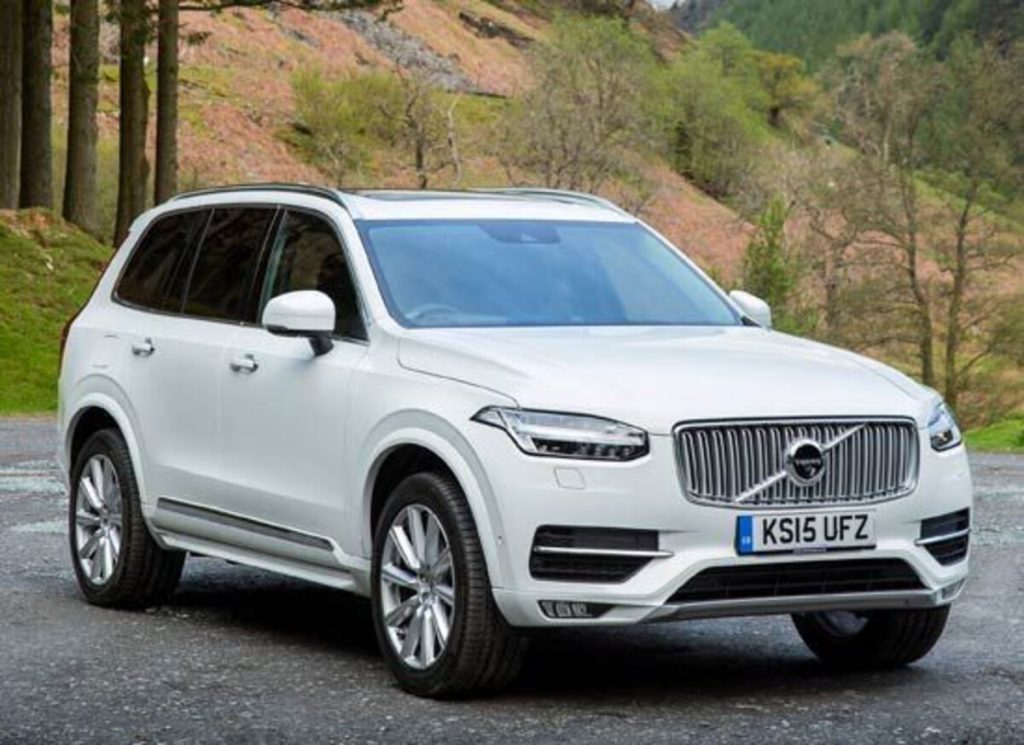
Awareness of its service frequency allows buyers to plan for regular upkeep, manage costs, and maintain the vehicle’s premium performance over time. The XC90 serves as a reminder that even well-engineered luxury SUVs can come with a significant maintenance commitment.
Maintenance requirements play a critical role in SUV ownership, influencing convenience, cost, and long-term reliability. Some SUVs are designed with realistic maintenance intervals, allowing owners to enjoy their vehicles with minimal stress and predictable service schedules.
Examples include the Toyota RAV4, Honda CR-V, Subaru Forester, Mazda CX-5, and Hyundai Tucson. These SUVs utilize durable materials, robust engine and drivetrain designs, and straightforward electronics to minimize the frequency of maintenance.
Routine services, such as oil changes, brake inspections, and filter replacements, are spaced out realistically, reducing downtime and ownership costs. Owners benefit from widely available parts, minimal unexpected repairs, and the ability to plan service around natural usage cycles.
On the other hand, some luxury or high-tech SUVs require constant attention to remain in optimal condition.
Vehicles like the Land Rover Discovery, BMW X5, Mercedes-Benz GLE, Audi Q7, and Volvo XC90 demand frequent service due to complex drivetrains, advanced electronics, turbocharged engines, and hybrid systems.
Even minor issues often necessitate dealer visits, and routine maintenance is more involved and costly. Owners may face software updates, sensor recalibrations, and other high-tech service needs that make ownership stressful despite the vehicles’ performance, luxury, and capability.
Understanding the differences between low-maintenance and high-maintenance SUVs helps buyers make informed decisions. SUVs with realistic maintenance intervals prioritize reliability, affordability, and convenience, enhancing the ownership experience.
In contrast, high-maintenance models require diligence, planning, and a willingness to invest in frequent upkeep. Prospective owners can weigh these factors against features, technology, and performance to select an SUV that balances capability with practical long-term ownership considerations.
Choosing the right SUV involves more than style or capability it requires understanding how often the vehicle needs attention and how that impacts cost, convenience, and peace of mind over time.
Also Read: 5 Budget Cars with Luxury-Quiet Cabins vs 5 Buzzy, Loud Rides
