
The hybrid car market has grown tremendously over the past two decades, offering drivers the perfect blend of fuel efficiency and modern technology. Among the most critical components of these vehicles is the electric motor.
Unlike traditional internal combustion engines, hybrid motors should ideally operate silently and smoothly. Yet, not all hybrids live up to this expectation.
Some models maintain a serene, whisper-quiet drive even after hundreds of thousands of kilometers, while others develop noticeable motor whines or even severe bearing failures.
Understanding which hybrids fall into these categories can save owners significant repair costs and maintain long-term driving comfort.
Motor whine in hybrids is often a subtle but telling symptom. It can indicate the quality of the motor design, the precision of bearings, and overall build durability. On the flip side, bearing failures are a more severe issue.
They may not appear immediately but can lead to loud noises, vibration, and costly repairs if left unchecked. By comparing hybrids with trouble-free motors against those prone to bearing failures, potential buyers and enthusiasts can make informed decisions.
This article focuses on two sides of the same coin: longevity and reliability in hybrid motor performance. First, we’ll explore five hybrids whose motors never whine, highlighting their engineering excellence, smooth power delivery, and quiet operation.
Then, we’ll examine five hybrids that have faced bearing issues, analyzing the reasons behind these failures and offering insights for future owners.
By the end, readers will gain a clear picture of which hybrids combine efficiency with serenity and which might require extra caution to avoid long-term motor headaches.
Also Read: 5 Budget Cars with Luxury-Quiet Cabins vs 5 Buzzy, Loud Rides
5 Hybrids Whose Motors Never Whine
In the world of hybrid vehicles, smooth and quiet operation is one of the key reasons people choose them.
Unlike traditional engines that naturally produce mechanical noise, a well-engineered hybrid motor should feel almost invisible, delivering power seamlessly without any high-pitched whines or mechanical hums.
However, not all hybrids achieve this standard. While some models maintain serene, whisper-quiet performance even after hundreds of thousands of kilometers, others can develop irritating motor noises over time, signaling potential wear or design weaknesses.
Choosing a hybrid with a motor that never whines is not just about comfort it’s also about long-term reliability and maintenance costs. A motor that runs quietly generally indicates well-made components, precise engineering, and durable bearings.
These factors reduce the risk of premature failures and ensure that the hybrid continues to deliver its efficiency and smooth driving experience for many years. For drivers who spend hours commuting, long road trips, or city driving, this quietness significantly enhances the driving experience.
This section focuses on five hybrids renowned for their whisper-quiet motors. Each of these vehicles has proven, through real-world usage and owner feedback, to deliver consistently smooth, silent operation.
We will explore why these hybrids achieve such performance, from engineering choices to hybrid system design. By examining these models, prospective buyers and enthusiasts can better understand what makes a hybrid motor truly reliable and quiet.
Ultimately, this guide serves as a resource for anyone seeking a hybrid that combines efficiency, comfort, and long-lasting peace of mind.
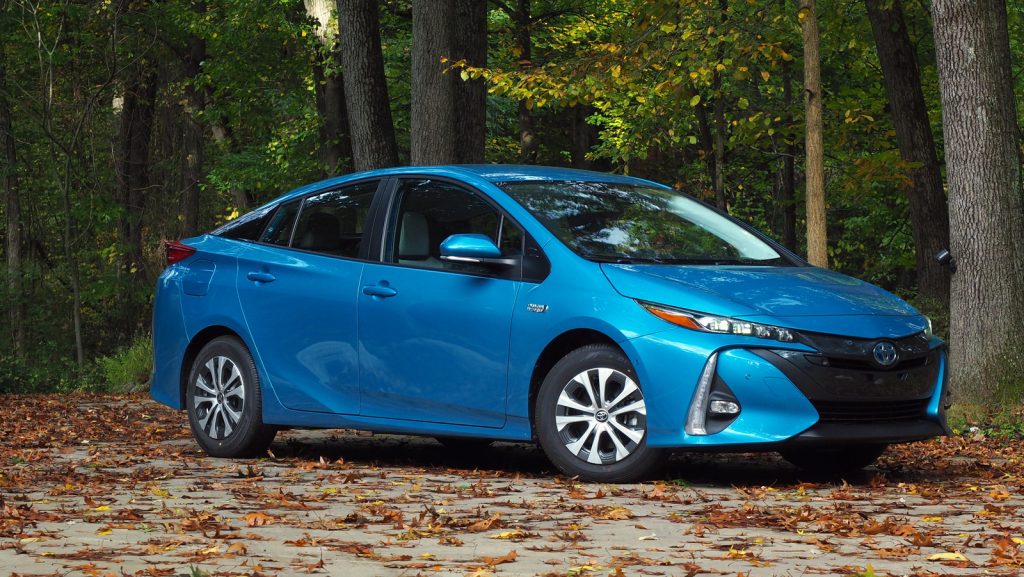
1. Toyota Prius Prime
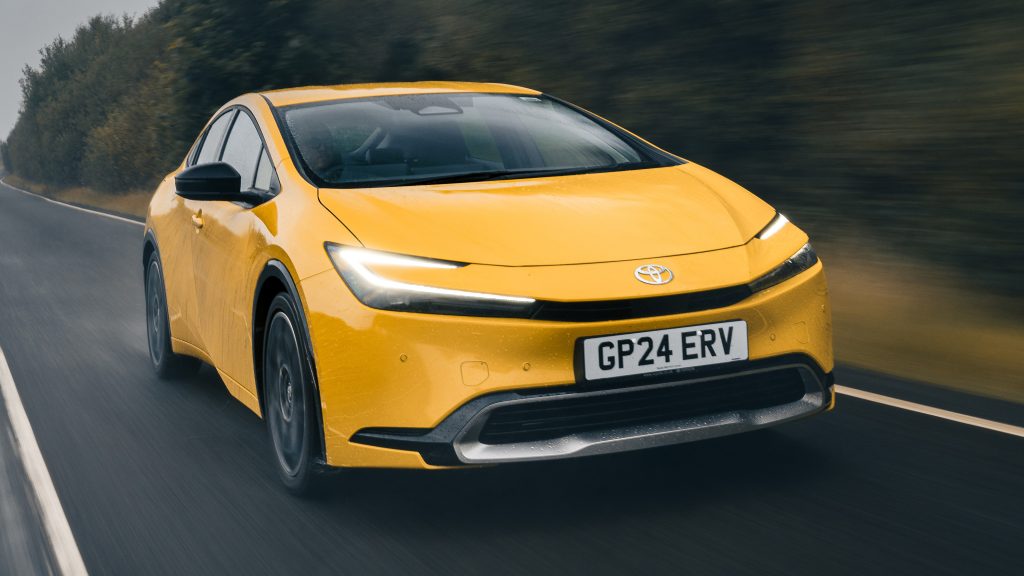
The Toyota Prius Prime has long set the benchmark for hybrid reliability and smooth operation. Its electric motor delivers power quietly, ensuring the cabin remains serene even during full acceleration.
Many owners report that the motor remains nearly inaudible even after high mileage, making it one of the most dependable hybrids on the market.
Toyota achieves this level of refinement through precise engineering and high-quality bearings. The rotor and stator are machined to tight tolerances, which reduces friction and eliminates vibrations that can lead to whining.
Additionally, the hybrid synergy drive seamlessly blends gasoline and electric power, preventing sudden torque spikes that could stress the motor components.
The Prius Prime’s quiet motor contributes not just to comfort but also to longevity. Because there’s minimal mechanical strain, wear on the motor is reduced, leading to fewer repairs and lower maintenance costs.
This combination of reliability, efficiency, and silent operation makes the Prius Prime a standout for daily commuters and long-distance drivers alike.
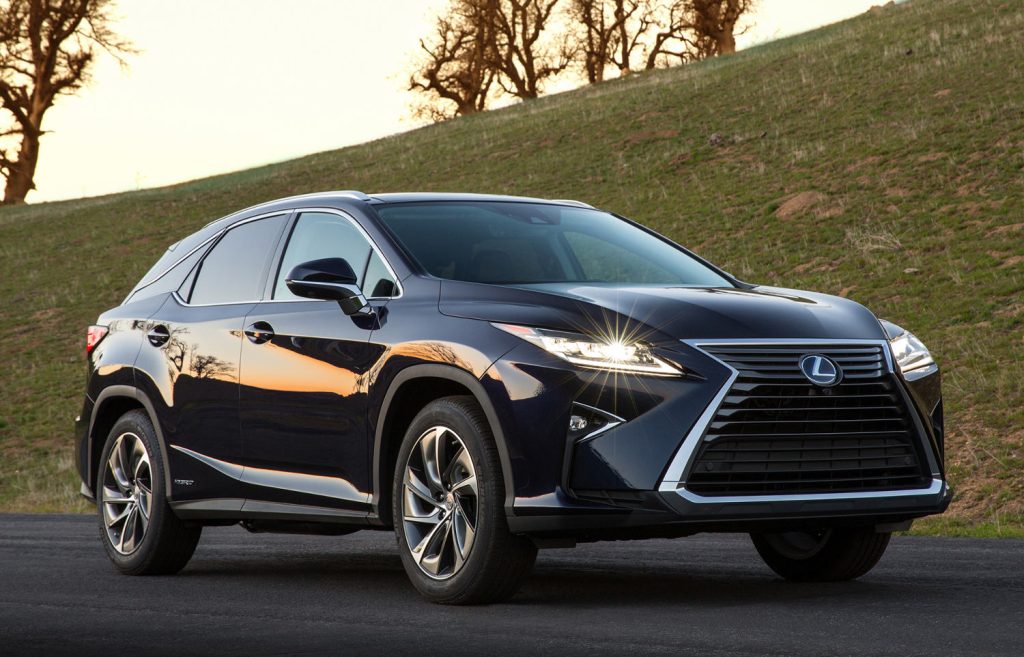
2. Lexus RX 450h
The Lexus RX 450h brings luxury-level refinement to the hybrid segment without sacrificing reliability. Its electric motor is notably silent, contributing to a hushed cabin even under high load. Unlike some hybrids that develop a high-pitched whine over time, the RX 450h remains smooth and quiet even after years of use.
The secret lies in Lexus’s engineering approach. The motor features robust, precision bearings and high-quality components that resist wear.
The hybrid transmission is carefully tuned to deliver seamless acceleration transitions, reducing stress on the electric motor. Combined with excellent noise, vibration, and harshness (NVH) insulation, the RX 450h ensures a whisper-quiet driving experience.
This hybrid is particularly appealing for those who prioritize comfort and long-term reliability. Owners report minimal maintenance issues related to the motor, even after 200,000 kilometers. The RX 450h proves that luxury and durability can coexist in hybrid vehicles, offering a model for quiet, dependable operation that drivers can trust for years.
3. Honda Accord Hybrid
The Honda Accord Hybrid is a perfect example of a mainstream hybrid that combines reliability with near-silent operation. Its electric motor runs smoothly, producing almost no audible whine, even under acceleration or city stop-and-go conditions.
Owners often highlight the calm, refined cabin experience, which makes long commutes or highway driving far more comfortable.
Honda achieves this quiet performance through precision engineering. The motor’s bearings and internal components are built to exacting standards, reducing friction and preventing the high-frequency vibrations that cause motor whine.
The hybrid system also carefully manages torque delivery, ensuring that the motor operates efficiently without sudden spikes that could stress its components.
Another advantage of the Accord Hybrid is its seamless integration between the electric motor and gasoline engine. The transition is so smooth that it feels natural, with no abrupt noises or vibration.
This not only enhances comfort but also contributes to long-term durability, as the motor and associated components experience less mechanical stress over time.
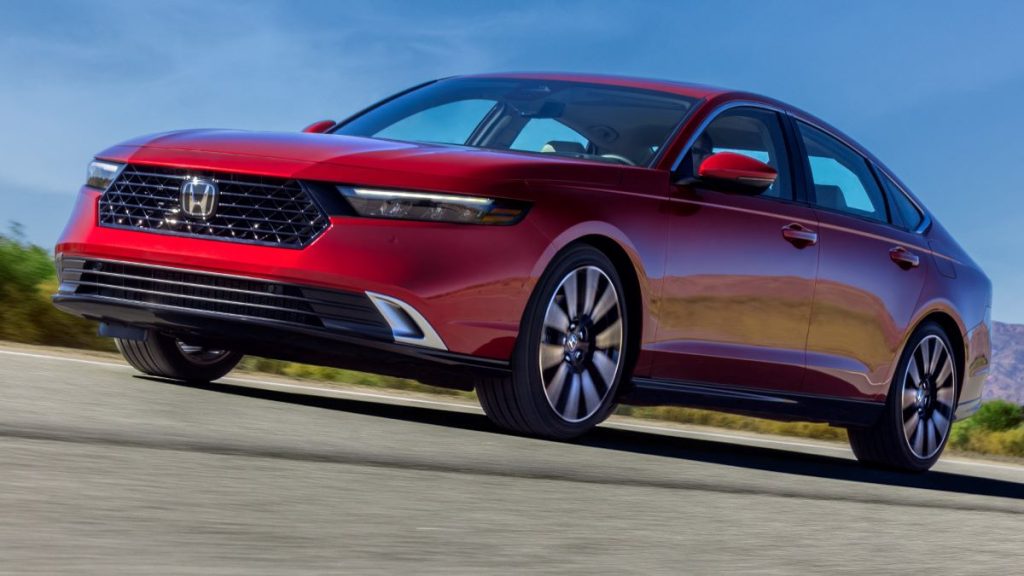
We highlight the Honda Accord Hybrid because it shows that hybrid reliability isn’t limited to luxury vehicles. Its quiet and durable motor makes it a strong choice for buyers seeking a dependable, stress-free driving experience.
This model demonstrates that mainstream engineering can match premium hybrids when it comes to silent, long-lasting motor performance.
4. Toyota Camry Hybrid
The Toyota Camry Hybrid has earned a solid reputation for dependability, and its electric motor is central to that story. This motor delivers power smoothly and quietly, with very few reports of audible whine even after extensive use. The result is a refined, comfortable cabin where the motor seems almost invisible.
Toyota ensures this quiet operation through robust motor design and high-quality bearings. The hybrid synergy drive system is carefully tuned to prevent sudden torque spikes, which reduces mechanical strain on the motor. Even under full load, the Camry Hybrid maintains a whisper-quiet performance that remains consistent over time.
Drivers consistently praise the Camry Hybrid for its serene driving experience. The electric motor works seamlessly with the gasoline engine, producing minimal vibration or mechanical noise. This makes the vehicle ideal for commuting, long trips, and city driving, where constant acceleration changes could otherwise highlight motor flaws.
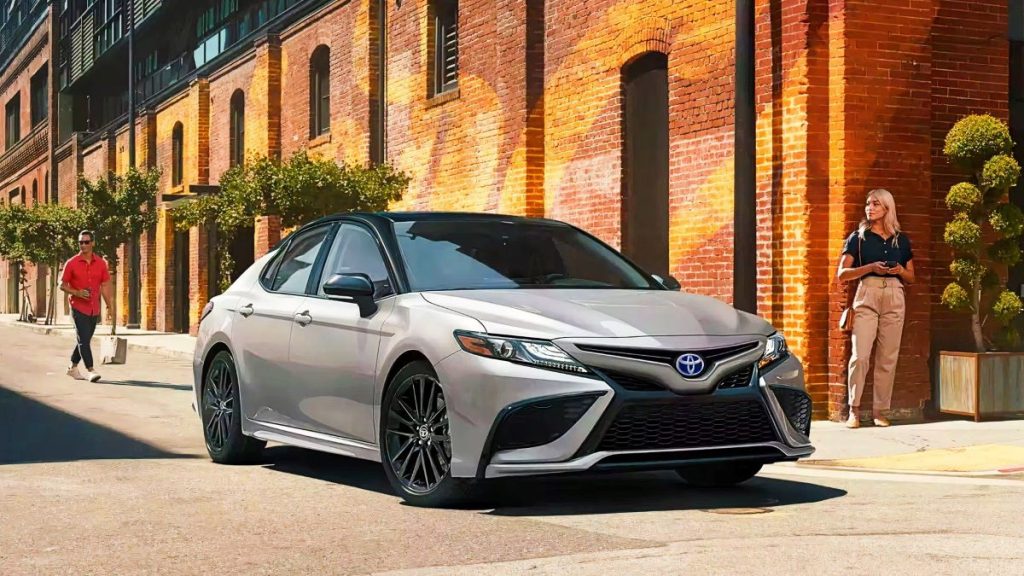
We include the Camry Hybrid because it demonstrates that hybrid reliability extends beyond smaller hatchbacks or luxury models. Its quiet, durable motor makes it a dependable option for families and commuters alike, showing that Toyota continues to set the standard for long-lasting, whisper-quiet hybrid operation.
5. Hyundai Ioniq Hybrid
The Hyundai Ioniq Hybrid is a modern example of a hybrid that prioritizes quiet, efficient operation. Its electric motor is engineered for precision, with low-friction components and high-quality bearings that significantly reduce noise and prevent the high-pitched whine common in lesser-built hybrids.
Hyundai’s hybrid system is carefully calibrated to deliver smooth torque and seamless power transitions. This not only enhances driver comfort but also protects the motor from stress and premature wear. Even during prolonged city driving or rapid acceleration, the motor remains whisper-quiet, making the Ioniq Hybrid one of the most refined vehicles in its class.
Owners consistently praise the serenity of the cabin. The electric motor blends effortlessly with the gasoline engine, producing minimal vibration and virtually no audible mechanical noise. This smooth operation is especially noticeable compared to older or cheaper hybrids, where whines can develop after a few years of driving.
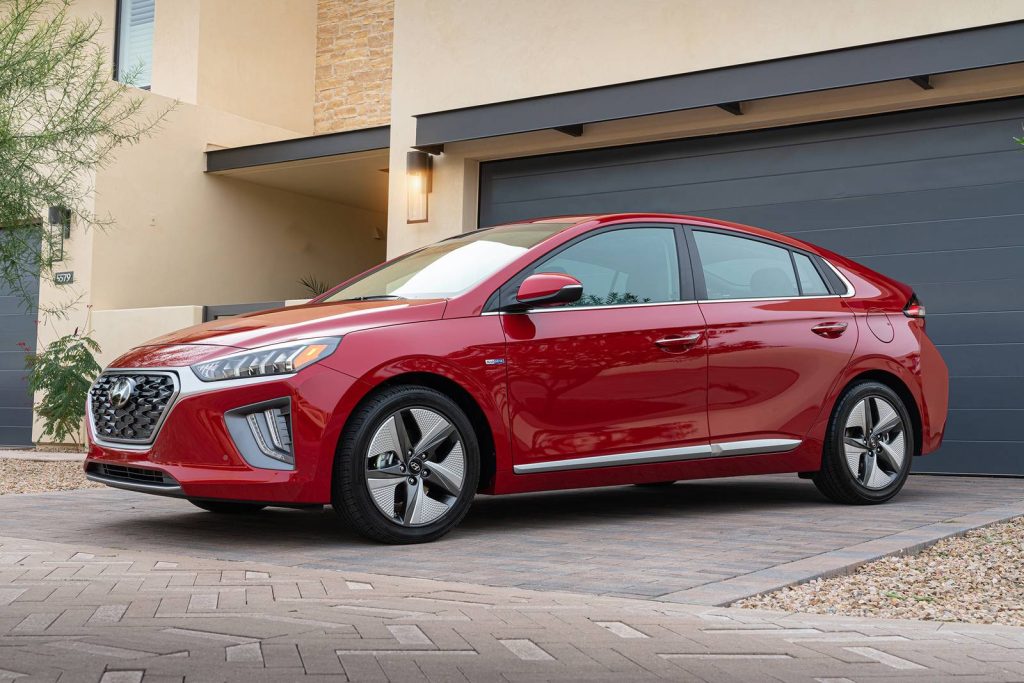
The Ioniq Hybrid is also designed for long-term reliability. Its quiet operation reflects not just comfort but also durability, as well-engineered motors and bearings tend to have fewer failures and lower maintenance costs over time.
We highlight the Hyundai Ioniq Hybrid because it demonstrates that newer brands can compete with long-established players like Toyota and Honda in producing silent, durable hybrids.
For buyers seeking a modern, efficient hybrid that prioritizes peace of mind, smooth performance, and long-lasting motor reliability, the Ioniq Hybrid stands out as an excellent choice.
5 Hybrids With Bearing Failures
While hybrid vehicles are celebrated for their efficiency and smooth, quiet operation, not all models achieve long-term reliability in their electric motors. One of the most common issues reported in certain hybrids is motor bearing failure.
Bearings are critical components that allow the electric motor to spin smoothly. When they wear out or fail prematurely, the motor can produce a noticeable whining sound, vibration, or even mechanical damage, leading to expensive repairs.
Bearing failures can occur for a variety of reasons. In some cases, it’s due to cost-cutting measures during manufacturing, resulting in lower-quality components.
In others, it stems from design limitations, excessive torque loads, or inadequate lubrication under heavy city use. Regardless of the cause, the result is the same: a hybrid that no longer delivers the whisper-quiet, stress-free driving experience that owners expect.
Understanding which hybrids have a history of bearing issues is essential for prospective buyers and current owners alike. It can help avoid costly repairs and prepare for proactive maintenance.
Unlike minor cosmetic issues, motor bearing failures directly impact the core performance of the hybrid system and can influence overall reliability, resale value, and driving comfort.
In this section, we focus on five hybrids known to have faced bearing problems in real-world usage. By examining these models, we’ll explore the reasons behind their failures, the symptoms to watch for, and the lessons they offer to hybrid owners.
This guide serves as a practical resource for anyone looking to balance efficiency with durability, ensuring they can make informed decisions when choosing or maintaining a hybrid vehicle.
1. Ford Fusion Hybrid
The Ford Fusion Hybrid is known for its fuel efficiency and smooth ride, but some models have experienced motor bearing issues over time.
Owners have reported a noticeable whining or humming sound coming from the electric motor, particularly during acceleration or at highway speeds. This noise often indicates early bearing wear.
The problem is primarily linked to the design of the electric motor and the type of bearings used. While efficient, these components can degrade faster in stop-and-go traffic, heavy city use, or high-temperature climates. Once the bearings begin to fail, the motor may produce vibration and a persistent whine, affecting overall comfort.
Owners note that the whine may start subtly but gradually intensifies, signaling the need for inspection or replacement. If left unchecked, bearing wear can lead to costly motor repairs, as hybrid systems require specialized servicing.
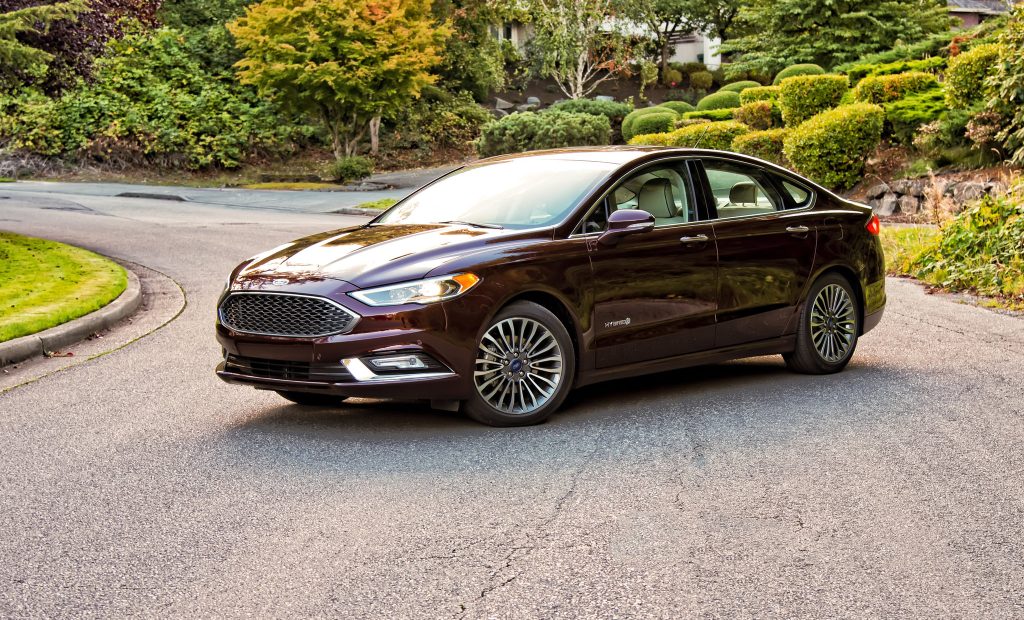
Despite this issue, the Fusion Hybrid remains a solid option for drivers focused on fuel economy. Awareness of potential bearing problems allows owners to monitor early signs and schedule preventive maintenance.
Highlighting this vehicle emphasizes the importance of understanding hybrid motor durability and being proactive with maintenance.
2. Chevrolet Volt (1st Generation)
The first-generation Chevrolet Volt is an innovative plug-in hybrid, but it has had a history of motor bearing concerns. Users have reported a faint, high-pitched whine developing in the electric motor after several years or high mileage.
Bearing wear in the Volt often occurs due to high torque output combined with limited lubrication in the early motor designs.
Although the car is generally reliable, prolonged city driving or frequent heavy acceleration can accelerate the degradation of the bearings. Once they fail, the motor produces audible noise, which can affect comfort and driving experience.
Owners emphasize that while the vehicle remains functional, ignoring bearing wear can lead to expensive motor repairs. Replacement motors or specialized bearing kits are costly, highlighting the importance of early detection.
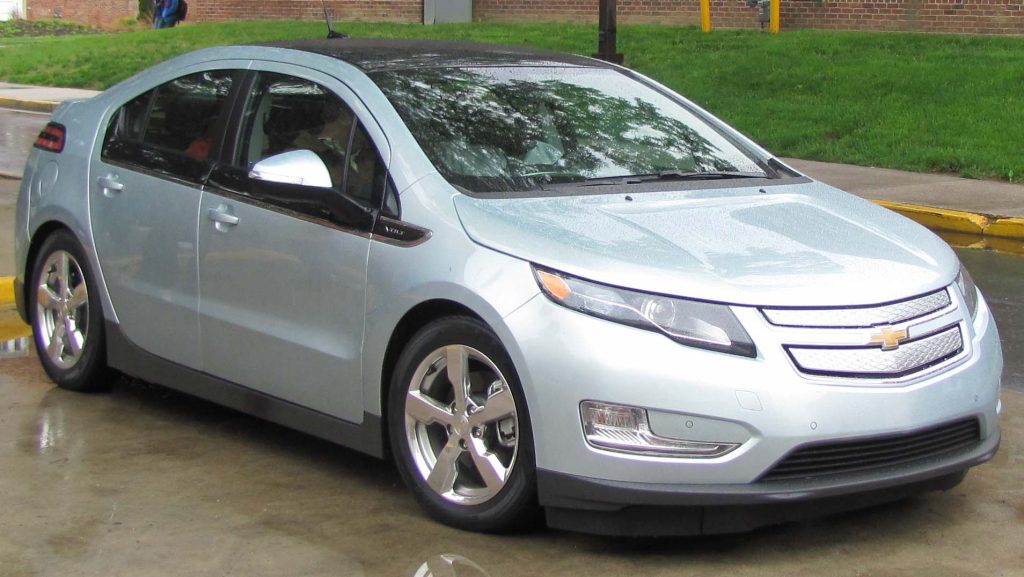
Including the first-generation Volt demonstrates that even technologically advanced hybrids can face motor reliability challenges. Recognizing these issues allows buyers to make informed decisions and underscores the importance of monitoring motor health to prevent long-term problems.
3. Toyota Prius (2nd Generation)
The Toyota Prius 2nd Generation is one of the most popular hybrids ever, celebrated for its reliability and fuel efficiency. However, some early models have shown electric motor bearing issues, particularly after high mileage. Drivers have reported a subtle whining sound coming from the motor, which gradually intensifies with use.
The bearing problem in this Prius generation is often related to the design of the electric motor. While Toyota focused on efficiency, certain motor components were prone to wear over time, especially in vehicles that experienced frequent city traffic, high loads, or extreme temperature variations. Bearings can degrade, causing noise, vibration, and a less smooth driving experience.
Owners have noted that the whine can be intermittent at first, usually noticeable during acceleration or deceleration, but it tends to become more persistent with age. If ignored, it can result in costly repairs, as motor replacement is expensive and requires specialized hybrid service.
Despite these issues, the Prius 2nd Generation remains a reliable and efficient hybrid, with many vehicles reaching well over 200,000 kilometers without major problems. Being aware of potential bearing wear helps owners take preventive measures, such as routine inspections and early servicing.
We highlight the 2nd Gen Prius to show that even highly regarded hybrids can have motor component weaknesses. Understanding these potential issues helps buyers and current owners protect their investment and maintain the smooth, quiet operation that hybrids are meant to deliver.
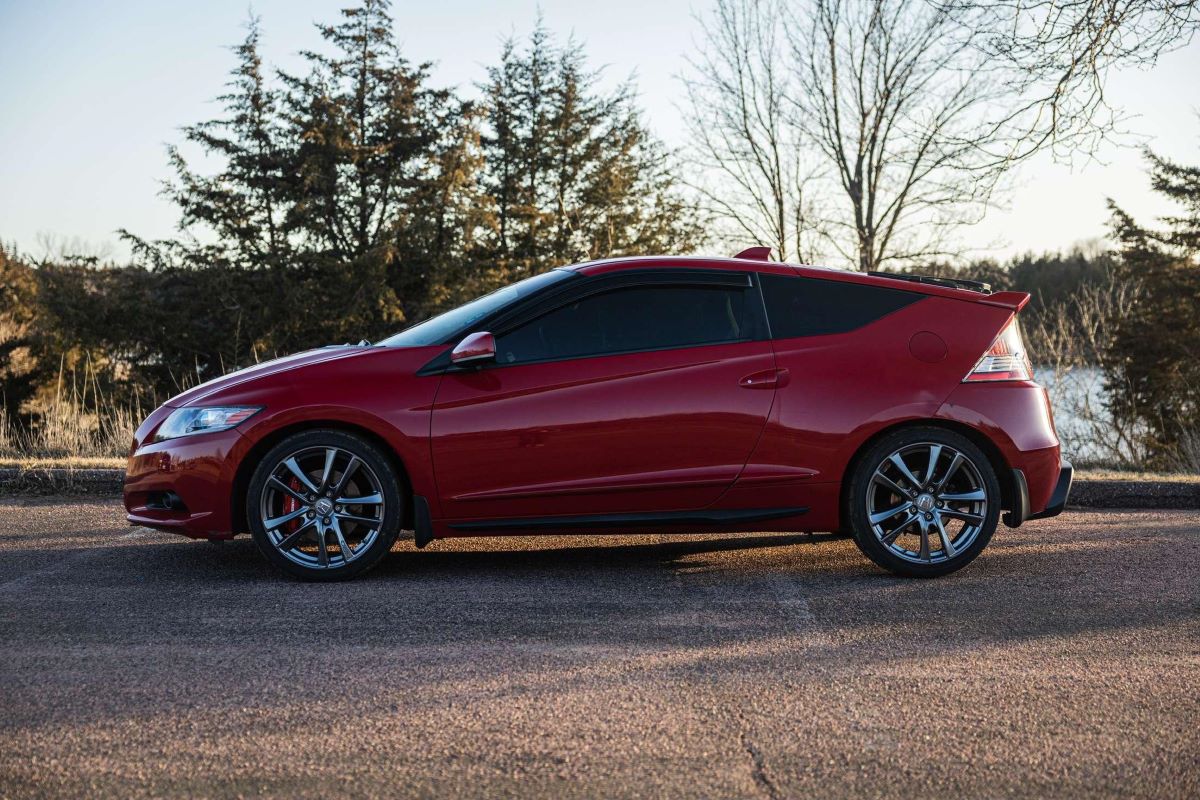
4. Honda CR-Z
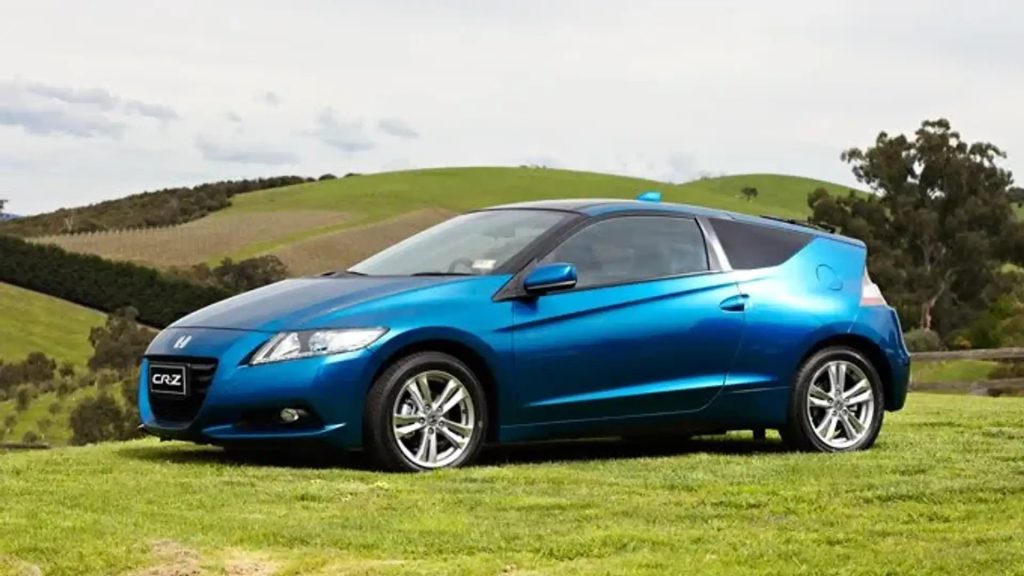
The Honda CR-Z is a sporty compact hybrid that combines efficiency with a fun driving experience. However, several owners have reported electric motor bearing problems after extended use, often manifesting as a high-pitched whine during acceleration.
The CR-Z’s hybrid motor operates under relatively high torque in a lightweight chassis. Over time, the bearings can experience wear, particularly in vehicles with frequent city driving or spirited acceleration. This wear leads to noise, vibration, and a noticeable reduction in the motor’s smoothness.
Owners note that the whine often starts subtly but becomes louder and more persistent as the bearings degrade. If left unaddressed, it may require motor servicing or even replacement, which is costly due to the specialized components in Honda’s hybrid system.
Despite this, the CR-Z remains popular for its balance of efficiency and sporty performance. Awareness of potential bearing failures allows owners to monitor motor condition and schedule preventive maintenance, helping to extend the life of the hybrid system.
We include the Honda CR-Z to illustrate that even compact, well-engineered hybrids can face durability issues. Recognizing these motor weaknesses is key for maintaining long-term reliability and ensuring that hybrid ownership remains enjoyable rather than costly.
5. Ford C-Max Hybrid
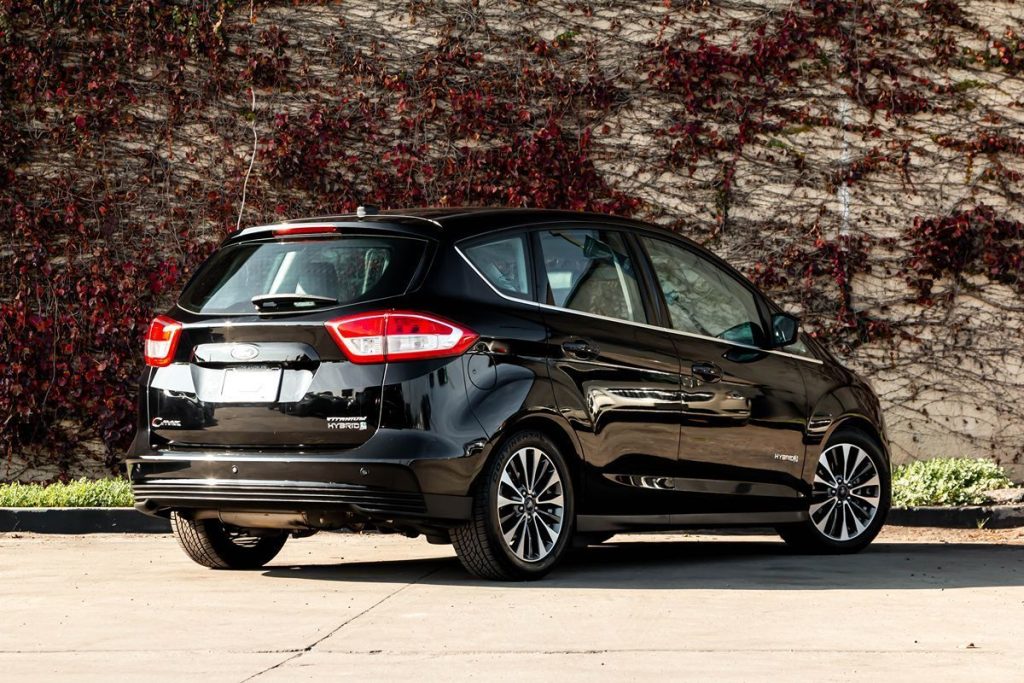
The Ford C-Max Hybrid is a practical, compact hybrid that offers good fuel economy and versatile interior space. However, certain model years have experienced electric motor bearing issues, resulting in a noticeable whine or humming sound from the motor during acceleration.
These bearing problems are often linked to the motor’s design and the type of bearings used. While the system is efficient, repeated city driving, frequent stop-and-go traffic, or sustained heavy loads can accelerate wear.
Once the bearings begin to degrade, the motor may produce audible noise, vibration, and even slightly reduced performance.
Owners report that the whine usually starts subtly but becomes increasingly pronounced over time. If ignored, it can lead to more serious motor issues that require specialized hybrid servicing. Replacement of the motor or bearings can be expensive, highlighting the importance of early detection and proactive maintenance.
Despite these issues, the C-Max Hybrid remains a popular choice for those seeking a compact, efficient hybrid. Knowledge of potential bearing failures helps owners monitor their vehicles for early warning signs, such as unusual motor noises or vibrations, allowing them to address problems before they escalate.
We highlight the Ford C-Max Hybrid to demonstrate that even reliable, well-regarded hybrids can face mechanical challenges. Understanding these potential weaknesses empowers buyers and current owners to take preventive steps, ensuring a smoother and more trouble-free ownership experience.
Hybrid vehicles offer a blend of efficiency, smooth performance, and modern technology. However, not all hybrids are created equal when it comes to electric motor reliability.
Some models, like the Toyota Prius Prime, Lexus RX 450h, Honda Accord Hybrid, Toyota Camry Hybrid, and Hyundai Ioniq Hybrid, are engineered to run quietly and smoothly for hundreds of thousands of kilometers.
These vehicles benefit from precise motor assembly, high-quality bearings, and well-calibrated hybrid systems that prevent torque spikes and minimize mechanical stress. Drivers enjoy serene cabins, minimal vibration, and long-term peace of mind, making these hybrids ideal for both daily commuting and long-distance travel.
In contrast, certain hybrids have experienced motor bearing failures that compromise performance and comfort.
Models like the Ford Fusion Hybrid, first-generation Chevrolet Volt, Toyota Prius 2nd Generation, Honda CR-Z, and Ford C-Max Hybrid have shown a tendency for whines, humming, or vibrations as bearings wear over time.
These issues often arise due to design limitations, high torque loads, or long-term city driving, and can lead to expensive repairs if not addressed early.
Understanding these differences allows prospective buyers and current owners to make informed decisions.
Choosing a hybrid with a durable, quiet motor ensures both a smooth driving experience and lower maintenance costs, while awareness of bearing-prone models helps mitigate potential risks.
Also Read: 5 Snow-Friendly AWD Systems vs 5 “AWD” That Underwhelm
