Oil leaks have always been a defining measure of an engine’s real-world durability. While modern engines are far more advanced in sealing technology than older designs, not all are created equal.
Some stay bone dry for hundreds of thousands of miles, resisting time, heat, and pressure without a single drop escaping. Others develop gasket seepage far earlier than expected, leaving telltale spots on the driveway and frustration for owners who thought maintenance would be worry-free.
The divide between these two types often comes down to engineering detail how well gaskets are seated, the quality of materials used, and how effectively crankcase ventilation keeps internal pressures balanced.
Engines that don’t leak a drop usually have superior sealing architecture, precise machining, and smartly designed valve cover and oil pan layouts. In contrast, those that suffer from common seepage often use cost-optimized gasket materials or poorly placed seals that harden, shrink, or loosen over time.
This comparison looks at both sides: five engines that have earned a reputation for staying completely dry and five that are more likely to develop small but persistent gasket leaks. The goal isn’t to criticize or praise blindly it’s to understand what makes the difference.
I’m writing about these engines because oil control defines long-term ownership satisfaction. A leak-free motor doesn’t just look clean under the hood it reflects tight tolerances, balanced heat cycles, and genuine design maturity. A seeping one, however, often reveals where corners were cut or where design trade-offs caught up with reality.
Whether you’re buying used, maintaining your own vehicle, or just curious about what makes an engine age gracefully, these ten examples show exactly how design, materials, and assembly choices shape the line between spotless reliability and oily regret.
Also Read: 5 Models With Headliners That Don’t Sag vs 5 That Drop by Year Eight
5 Engines That Don’t Leak A Drop
A leak-free engine is a quiet mark of engineering excellence. It doesn’t just speak to how well a powerplant performs, but how precisely it was built and how intelligently its seals were designed.
Some engines stay completely dry year after year, with no oil mist under the valve covers, no damp spots on the oil pan, and no stubborn streaks along timing covers.
These engines represent the best combination of tight tolerances, quality materials, and smart ventilation systems that keep internal pressure from forcing oil past the seals.
I’m writing about these five engines because they’ve proven, in real-world use, that a clean engine bay doesn’t have to fade with time.
Owners often report no visible leaks even after 150,000 or 200,000 miles, with only routine gasket replacements needed during major services. That kind of consistency doesn’t happen by luck it happens through attention to detail in casting, sealing, and assembly.
Many leak-free engines share key traits: aluminum surfaces machined with near-perfect flatness, modern RTV sealant applied precisely at joint corners, and durable rubber or metal-reinforced gaskets that don’t shrink or harden under heat.
They also feature crankcase ventilation systems that regulate pressure effectively, preventing blow-by gases from pushing oil out.
These are the engines that don’t stain driveways, don’t fog the undercarriage, and don’t leave technicians hunting for the source of a slow seep. They reflect a higher level of engineering discipline, where the design goal was not just to meet emissions and performance targets but to endure time without leaking.
The five engines in this list stand as proof that with proper design, clean sealing is possible. They are examples of mechanical confidence, where precision and quality make every gasket line hold true for years.
1. Toyota 2.5L A25A-FKS
The Toyota 2.5L A25A-FKS, found in models like the Camry, RAV4, and Highlander, is one of the cleanest-running four-cylinder engines of the modern era.
Owners frequently note that even after years of use, the engine bay remains spotless no oil film near the valve cover, no damp spots around the oil filter housing, and no telltale weeping at gasket joints. Toyota designed this engine with sealing integrity as a core goal, not an afterthought.
I’m writing about the A25A-FKS because it shows how precision machining and material choice can prevent leaks entirely. The engine uses high-quality rubber-coated steel gaskets at the valve cover and timing cover junctions, combined with Toyota’s own heat-resistant RTV sealant that retains elasticity over time.
Every bolt torque is specified to prevent distortion, ensuring that no corner of the aluminum block warps or opens gaps.
The PCV (Positive Crankcase Ventilation) system is also perfectly balanced. It relieves internal pressure efficiently, reducing the likelihood of oil being forced past seals during high-RPM operation. This design means that the engine maintains its clean look and function, even after extended use or long oil change intervals.
Owners who perform basic maintenance, oil changes, and occasional valve cover inspections regularly report no leaks beyond 150,000 miles. Even mechanics praise the engine for its “bone-dry undercarriage,” a rarity among high-compression modern four-cylinders.
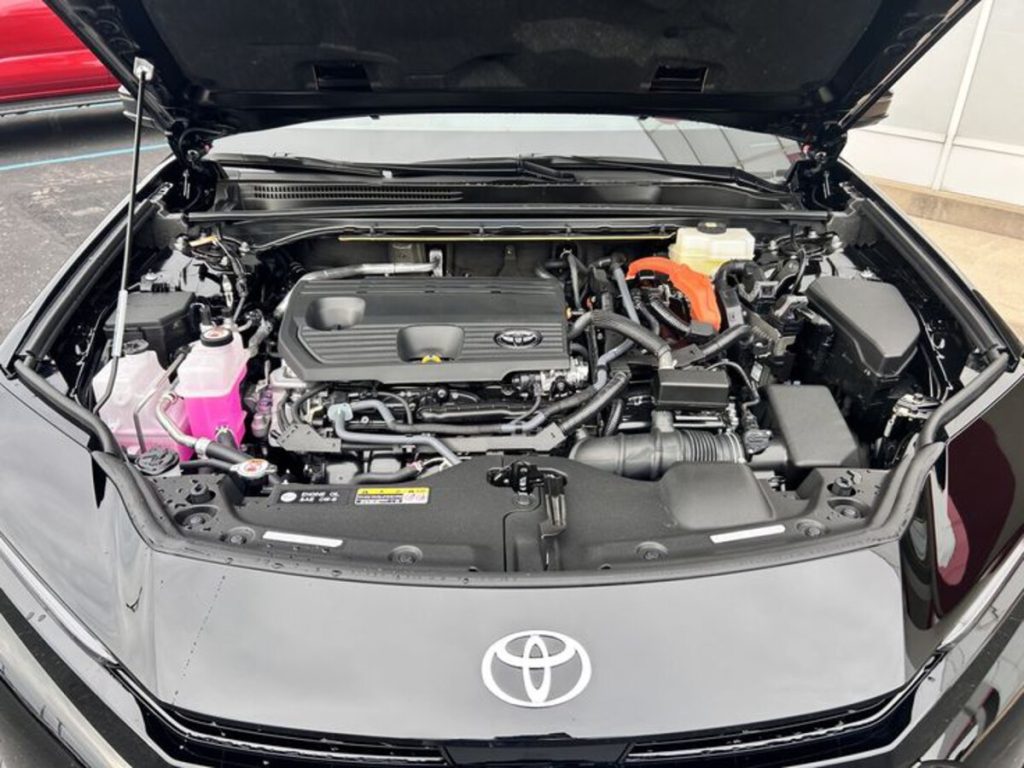
The A25A-FKS proves that efficiency and reliability can coexist. Toyota’s careful attention to sealing surfaces and gasket chemistry resulted in an engine that doesn’t just perform quietly but stays visually and mechanically clean for life.
It’s a benchmark for modern engine design, showing that good engineering still starts with the basics: fit, finish, and flawless sealing.
2. Honda 2.4L K24
The Honda 2.4L K24 engine has earned legendary status for its balance of performance, simplicity, and leak-free operation. Used in vehicles like the Accord, CR-V, and Element, it has a reputation for staying perfectly dry even past 200,000 miles.
Open the hood of an older K24-powered car, and you’ll often find a clean block and valve cover that looks freshly installed.
I’m writing about the K24 because it’s one of the best examples of old-school Honda engineering discipline. The aluminum block and head are machined with tight tolerances, allowing gaskets to seal perfectly even under constant thermal cycling.
Honda used high-grade rubber and silicone for critical seals, while metal-reinforced valve cover gaskets maintain uniform pressure across their surface.
The engine also benefits from a well-designed PCV system that prevents excess internal pressure. This keeps oil where it belongs circulating through the system instead of seeping through joints.
Combined with a well-ventilated crankcase and stable operating temperatures, the K24 simply doesn’t develop the typical leaks that plague other four-cylinder engines of its era.
Even with years of exposure to heat and vibration, the timing cover, oil pan, and valve cover remain tightly sealed. Independent mechanics frequently remark that it’s one of the few engines they can clean once and not see oil residue again for tens of thousands of miles.
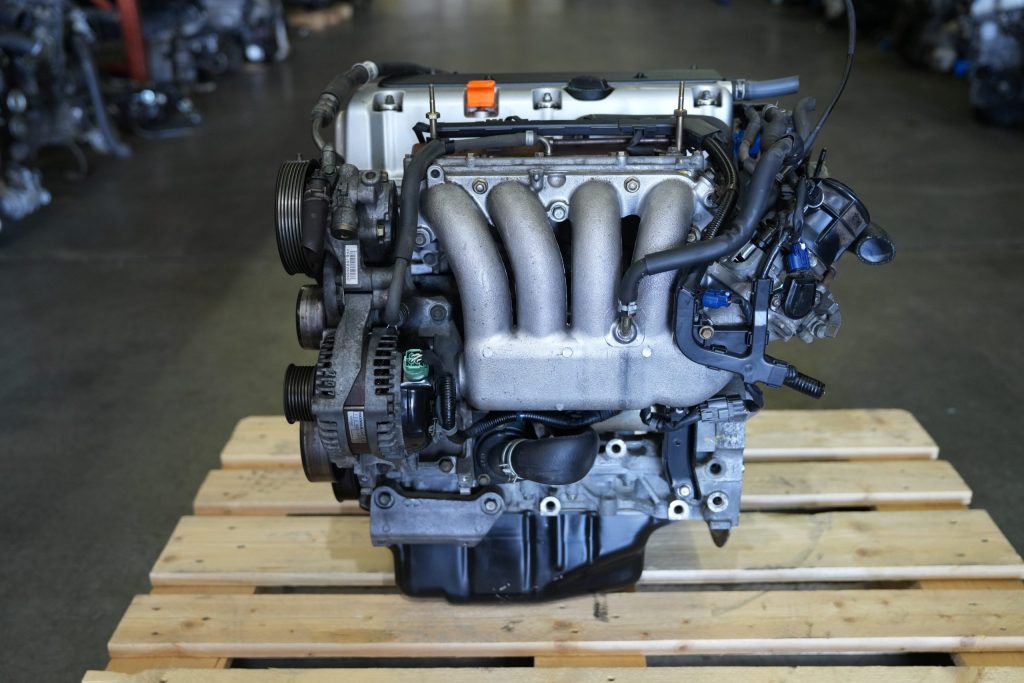
The K24’s reliability goes beyond its strong internals, it’s a lesson in smart sealing design. By prioritizing durable gasket materials and proper bolt spacing, Honda created an engine that stands the test of time. It’s a powerplant that proves longevity and cleanliness are the natural result of engineering precision.
3. Mazda 2.0L Skyactiv-G
The Mazda 2.0L Skyactiv-G is one of the most precisely engineered small engines in recent memory. Found in the Mazda3, CX-30, and early CX-5 models, this powerplant is known not only for its efficiency but also for its spotless record when it comes to oil leaks.
Even after years of city driving and high-mileage highway use, the Skyactiv-G engine bay typically remains bone dry, reflecting Mazda’s meticulous attention to sealing and pressure balance.
I’m writing about the Skyactiv-G because it represents how innovation in compression and combustion can still be matched with bulletproof reliability. Mazda built the engine with extremely tight manufacturing tolerances, using reinforced gaskets and laser-welded sealing surfaces to ensure no oil escapes over time.
The crankcase ventilation system is tuned to manage internal pressure precisely, minimizing oil mist and blow-by that often lead to early seepage.
Another key factor is the use of lightweight yet thermally stable materials. The engine block and head expand evenly under heat, preventing the kind of micro warping that causes gasket gaps in other designs. Even after thousands of heat cycles, the Skyactiv-G’s seals hold firm, requiring little more than periodic inspection.
Technicians often describe this engine as “clean-running by design.” The oil pan and valve cover interfaces use premium silicone-based gaskets that resist hardening, while the timing cover features a multi-layer seal that eliminates the need for constant re-torquing.
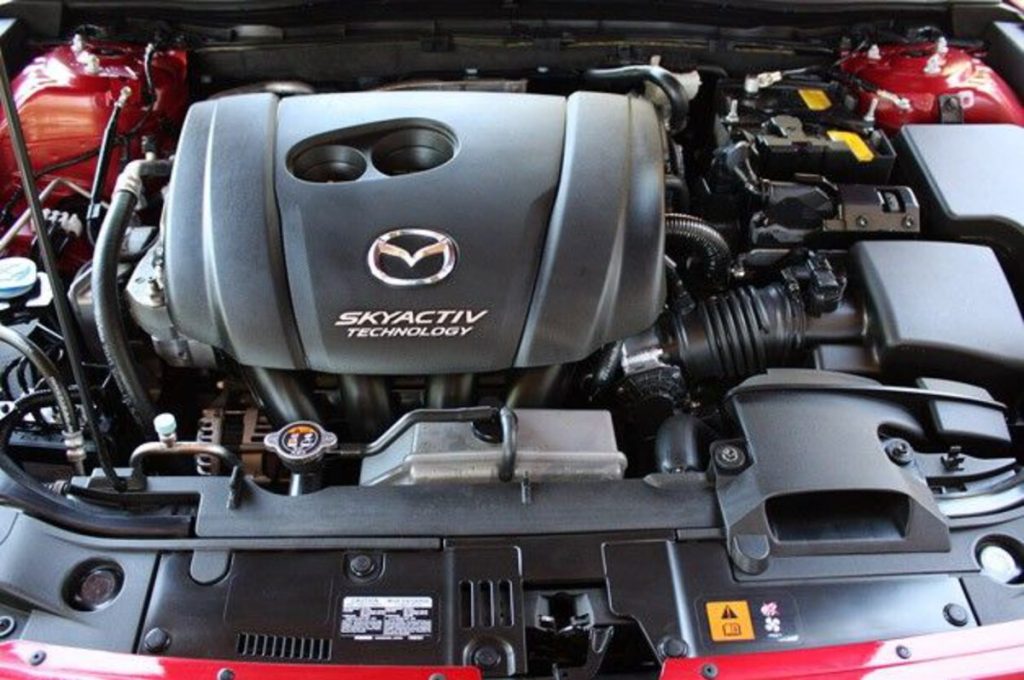
Owners routinely report no leaks at 100,000 miles and beyond, a rare feat among high-compression four-cylinders. The Skyactiv-G stands as proof that efficiency doesn’t have to come with maintenance trade-offs. It’s an engine that rewards precision running clean, lean, and completely dry year after year.
4. Lexus 3.5L 2GR-FKS
The Lexus 3.5L 2GR-FKS V6 is a masterclass in smoothness, refinement, and mechanical integrity. Found in models like the RX 350, ES 350, and Toyota Highlander, it carries forward Toyota’s long-standing focus on durability while improving performance and emissions.
One thing owners consistently agree on this engine doesn’t leak. Even after years of use, the underside remains spotless, and the gasket joints stay dry.
I’m writing about the 2GR-FKS because it showcases how luxury engineering can deliver both power and long-term reliability. Lexus paid attention to every joint and seal, using precision-cut metal and multi-layer rubber gaskets that retain elasticity for years.
The valve cover, oil cooler, and timing chain covers are all secured with exact torque values to prevent any uneven stress that could lead to leaks.
Another major advantage is the engine’s positive crankcase ventilation design. It maintains constant internal balance, ensuring that no excess pressure builds up inside the block. This helps seals stay seated correctly without being pushed outward by trapped gases a common cause of leaks in other engines.
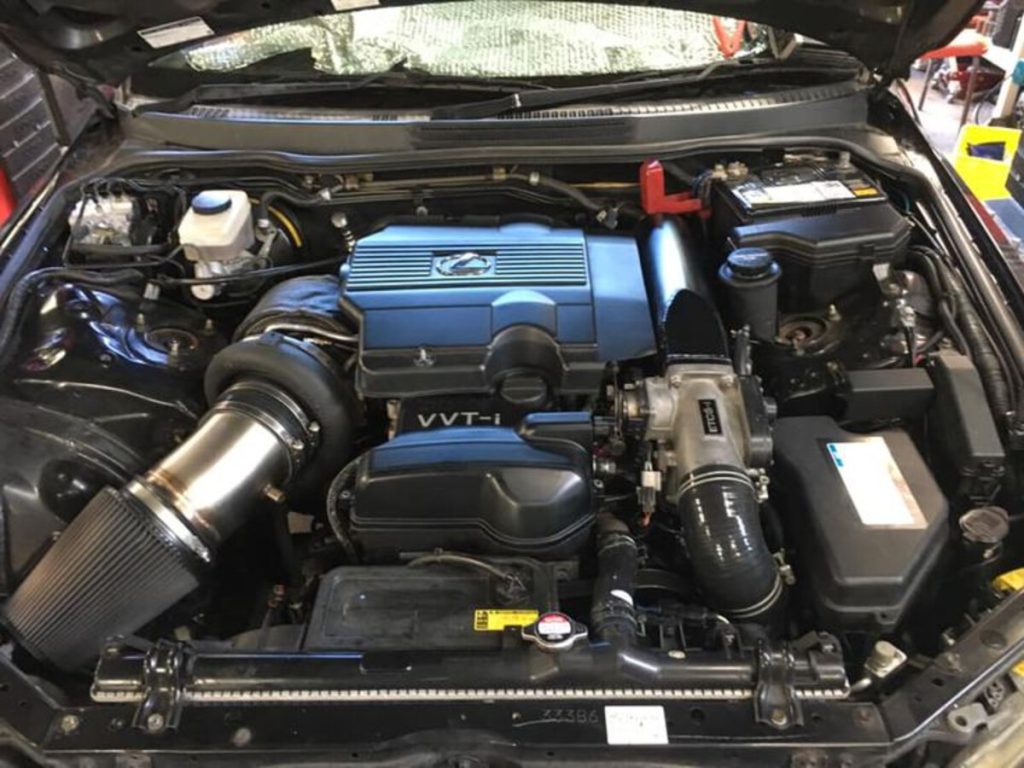
The engine’s materials also play a role in its cleanliness. The aluminum block and head resist corrosion and expansion mismatch, keeping the gasket lines perfectly mated. Lexus’s use of advanced sealant compounds ensures that even after thousands of heat cycles, the joints remain tight.
Technicians often say that the 2GR-FKS is the kind of engine you can trust to stay dry even past 200,000 miles. It’s quiet, smooth, and free from the messy oil stains that appear on many similar V6s. In a segment where refinement is expected, Lexus went further engineering a V6 that not only runs flawlessly but stays immaculate from top to bottom.
5. BMW B58
The BMW B58 inline-six engine has earned near-universal praise for its power, refinement, and durability but it also deserves recognition for staying remarkably leak-free.
Found in models like the BMW 340i, Z4, and Toyota Supra, this turbocharged 3.0-liter engine represents a major leap forward in sealing reliability compared to BMW’s older N-series motors.
Where past engines were notorious for valve cover and oil filter housing leaks, the B58 stays tight and dry even after years of performance driving.
I’m writing about the B58 because it shows what happens when a manufacturer learns from decades of sealing issues. BMW redesigned nearly every gasket interface, using reinforced aluminum covers, integrated oil passages, and advanced polymer seals that resist both pressure and heat.
The result is an engine that delivers strong performance without the oily residue that once defined German reliability jokes.
The closed-deck block design helps too. By keeping the cooling channels rigidly contained, thermal distortion is minimized, preventing gasket gaps under high load or temperature swings. The valve cover and timing covers are secured with evenly spaced fasteners and silicone-reinforced seals that maintain their shape even after years of boost and vibration.
Another reason for the B58’s clean reputation is its integrated PCV system, which regulates crankcase pressure efficiently, preventing oil mist from being forced past seals. This careful balance keeps the internal environment stable, extending gasket life and maintaining a dry exterior.
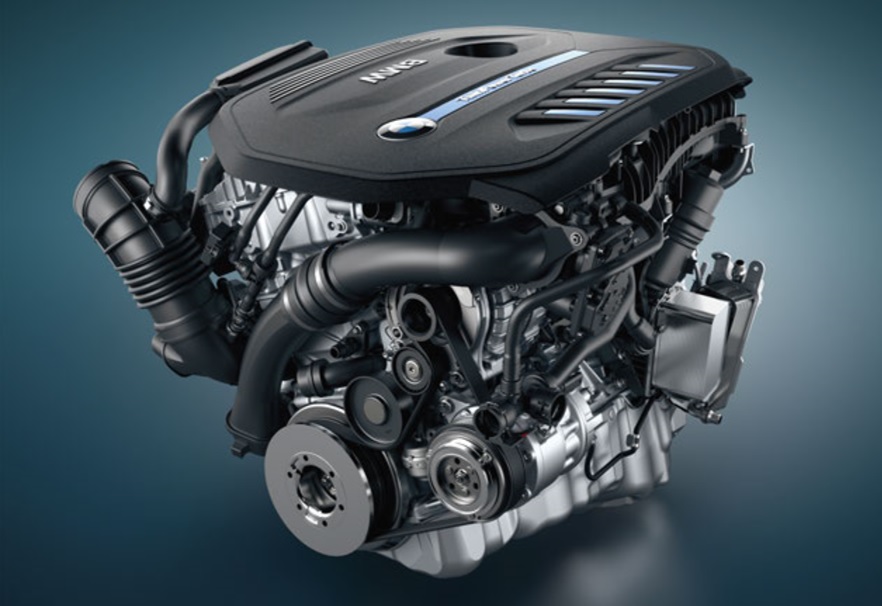
Technicians often describe the B58 as “the engine that fixed BMW’s leaks.” It represents a genuine turning point in the brand’s reliability image.
Owners report spotless engine bays even at 100,000 miles, a feat that seemed impossible in previous generations. The B58 stands as proof that performance and precision sealing can coexist when engineering priorities are aligned.
5 Engines With Common Gasket Seepage
Every car owner dreads the sight of oil misting around the valve cover or spotting the driveway after a long park. While some engines stay bone-dry for life, others seem destined to develop gasket seepage as they age.
It might not be a catastrophic failure, but it hints at deeper engineering or material compromises that reveal how long-term reliability was balanced against cost, temperature range, or ease of assembly.
This section looks at five engines known to develop common gasket leaks not as a criticism, but as a practical insight into why they do.
I’m writing about these engines because gasket seepage is one of the most visible symptoms of design shortcuts or overlooked aging factors. It’s rarely about maintenance neglect alone. Sometimes, the gasket material simply can’t keep up with the engine’s heat cycles.
In others, the design of the head, oil pan, or timing cover creates uneven pressure, slowly working the seal loose. By understanding which engines are prone to this, enthusiasts and buyers can plan ahead inspecting the right areas, budgeting for re-seals, or even choosing improved aftermarket gaskets when rebuilding.
Seepage doesn’t always mean poor quality either. Some engines are otherwise bulletproof, with only minor weeps that never progress into real leaks.
In many cases, these small seeps are the result of thermal expansion differences between aluminum and steel components, or early seal material formulations that harden after repeated heat exposure.
The engines covered here are chosen because they are common, well-documented, and widely serviced. They show how even great designs can have weak spots that age differently than expected. Understanding their behavior isn’t just about fixing leaks it’s about reading the long-term story of how an engine was engineered to balance power, longevity, and cost.
1. BMW N52 Inline-6
The BMW N52 engine, found in models like the 328i and 530i, earned praise for its smoothness and magnesium-aluminum construction.
Yet, it’s also known for developing gasket seepage over time, particularly at the valve cover and oil filter housing. These are not sudden leaks but slow seeps that form around the 70,000 to 100,000-mile mark.
I’m writing about the N52 because it perfectly illustrates how material innovation can clash with long-term sealing. BMW’s decision to use a lightweight composite valve cover paired with an aluminum head made thermal expansion differences a real issue.
As the engine heats and cools, the cover shifts slightly, stressing the rubber gasket until it starts to seep oil along the edges.
The oil filter housing gasket, located at the engine’s front, is another weak point. A small leak here can coat the serpentine belt, leading to slippage or premature wear. Owners often notice a burning oil smell before visible drips appear.
While these seeps rarely cause major mechanical damage, they do lead to grime buildup and unnecessary service costs. Replacing the gaskets can be time-consuming because of the engine’s tight packaging. Still, once resealed with upgraded materials, the N52 remains a solid performer.
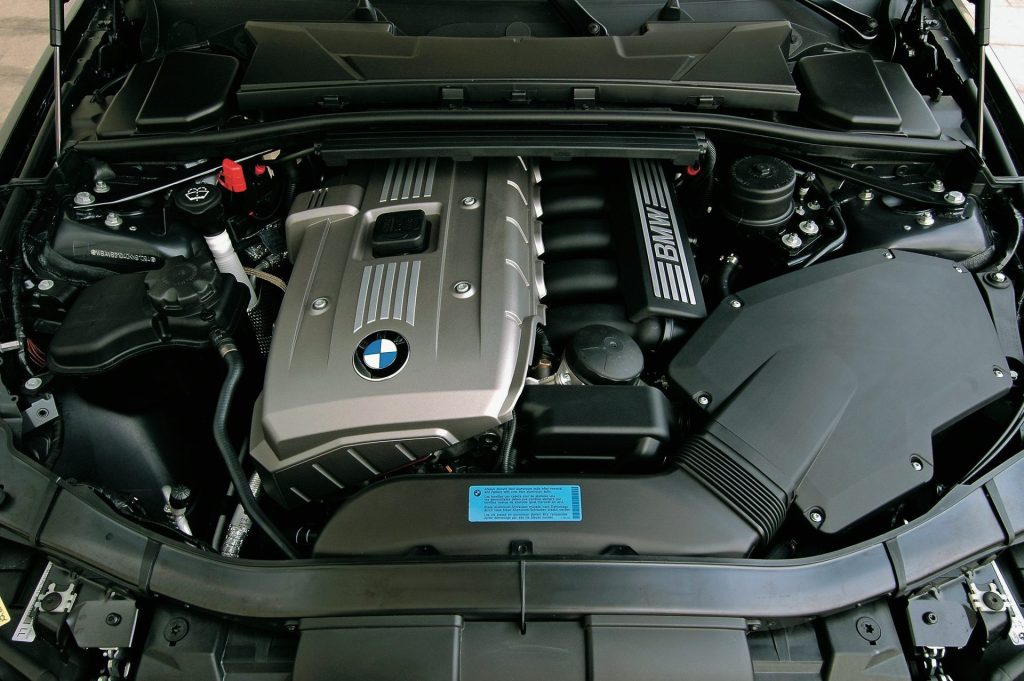
The reason this engine is worth discussing is its balance of engineering ambition and practicality. BMW tried to make it lighter and more efficient, but the sealing materials never fully matched its thermal behavior.
For owners and mechanics, the N52 is a reminder that a clean undercarriage doesn’t always mean lasting tightness it takes design compatibility, not just good assembly, to keep an engine dry.
2. Subaru EJ25 Flat-4
The Subaru EJ25 engine, used in Foresters, Outbacks, and Imprezas, is famous for its reliability off-road but infamous for gasket seepage. The horizontally opposed layout makes sealing its cylinder heads more complex than in inline or V engines. Over time, this design invites slow coolant or oil seeps from the head gaskets.
I’m writing about the EJ25 because it became one of the most widely discussed engines for gasket issues in the late 1990s and early 2000s. Subaru eventually redesigned the gasket materials, but even later versions tend to weep slightly after high heat cycling or when coolant pH drifts from ideal.
Unlike catastrophic gasket failures, these leaks start small a faint coolant smell, or dampness near the block’s mating line. It’s not dangerous if caught early, but left unattended, it can escalate to external coolant loss or internal mixing. The challenge is that repair requires removing the engine to reach both sides, making early detection important.
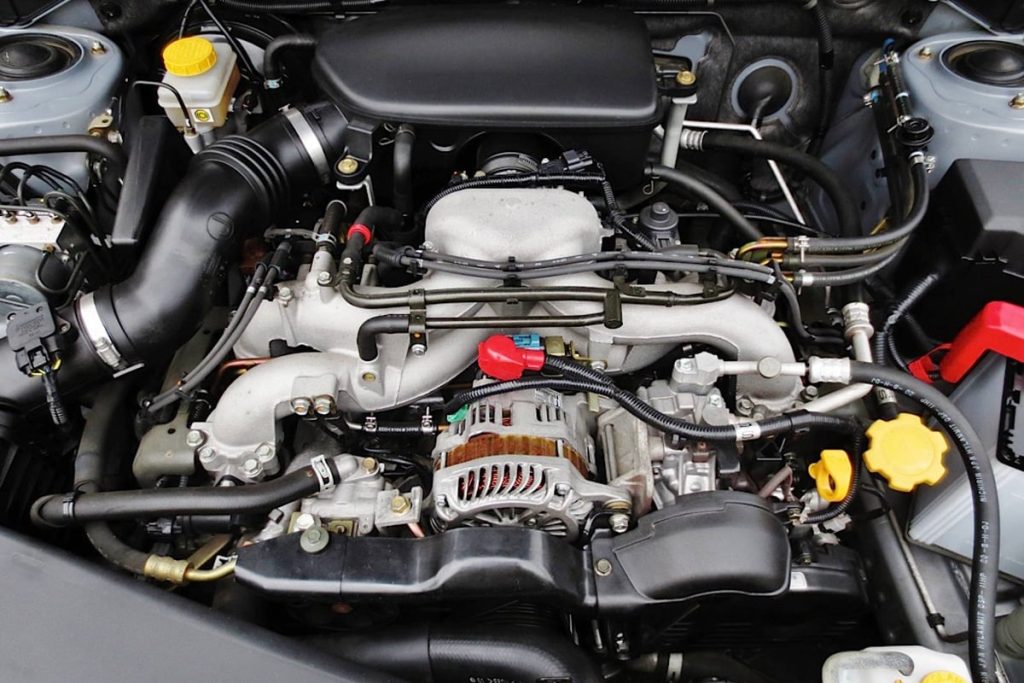
Despite the seepage, the EJ25’s reputation for durability remains strong. Its rugged block design and timing belt accessibility make it easy to maintain otherwise. Many Subaru specialists even preemptively reseal the heads during clutch or timing belt work to prevent future seepage.
This engine deserves mention because it shows how a fundamentally strong platform can be let down by a single design vulnerability.
The gasket’s job is to manage both pressure and temperature, and the EJ25’s side-mounted layout constantly challenges that balance. Subaru’s later switch to multi-layer steel gaskets largely solved the issue, but earlier composite ones aged poorly.
The EJ25 remains a lesson in mechanical empathy understanding how engine layout and material evolution can affect sealing over time, even in otherwise tough and long-lived designs.
3. Ford 3.0L Duratec V6
The Ford 3.0L Duratec V6, found in the Fusion, Escape, and Taurus, is one of Ford’s longest-running designs. It’s smooth, simple, and reliable in most areas, but it has a consistent reputation for minor gasket seepage around the oil pan and valve covers. These leaks are rarely catastrophic but are frustratingly common as the miles add up.
I’m writing about the Duratec because it represents a case where great mechanical longevity meets average sealing durability. The aluminum block and heads expand at different rates from the steel gaskets, leading to small oil weeps at the seams.
In particular, the rear valve cover and the oil pan corners tend to develop oily residue around 90,000 to 120,000 miles.
The issue doesn’t affect the engine’s performance or life expectancy, but it does make maintenance messy. Many owners only notice the problem after oil collects dust and creates a dark grime layer on the transmission bell housing or subframe. Ford’s factory RTV sealant also hardens over time, which adds to the problem when heat cycles become frequent.
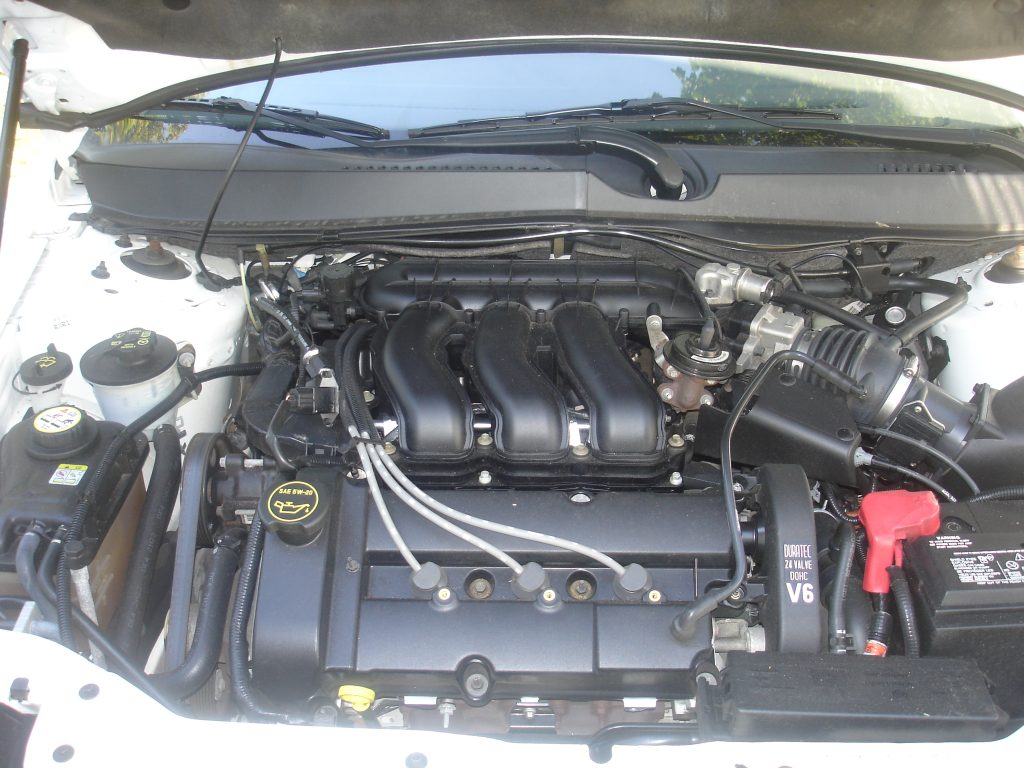
These seepages are usually solved with resealing jobs using modern, flexible gasket materials. Once done correctly, they rarely return. But because the repair labor is high compared to the leak’s severity, many owners simply clean and monitor instead of tearing down.
This engine is worth discussing because it highlights a common trade-off in mass-market engineering.
Ford designed it for efficiency and accessibility, but gasket longevity didn’t keep pace with mechanical durability. The Duratec can easily run past 250,000 miles if maintained but it will probably mist a little oil somewhere along the way.
4. Toyota 2AZ-FE Inline-4
Toyota’s 2AZ-FE engine, found in the Camry, RAV4, and Scion tC, is often praised for its long life and fuel efficiency. Yet, even this dependable powerplant isn’t immune to gasket seepage, particularly at the timing chain cover and valve cover areas.
I’m writing about the 2AZ-FE because it’s a perfect example of how even Toyota’s precision engineering can’t always prevent minor oil leaks with age. The front timing cover, sealed with factory-applied liquid gasket, tends to weep oil after 100,000 miles. It’s not a severe failure, but it can leave a faint film on the lower engine bay and undertray.
The main cause is heat cycling combined with the engine’s aluminum block. As the sealant ages and loses elasticity, it allows a slow bleed along the cover edges.
While this rarely results in low oil levels, it can trigger smell or smoke if oil contacts hot surfaces. Owners often confuse this with valve cover leaks, but the real culprit is the hardened sealant behind the timing cover.
Toyota’s choice of form-in-place gaskets made assembly easy but resealing difficult. Replacing the sealant requires removing multiple accessories and resealing the entire cover. Despite this hassle, once refreshed, the engine remains oil-tight for years afterward.
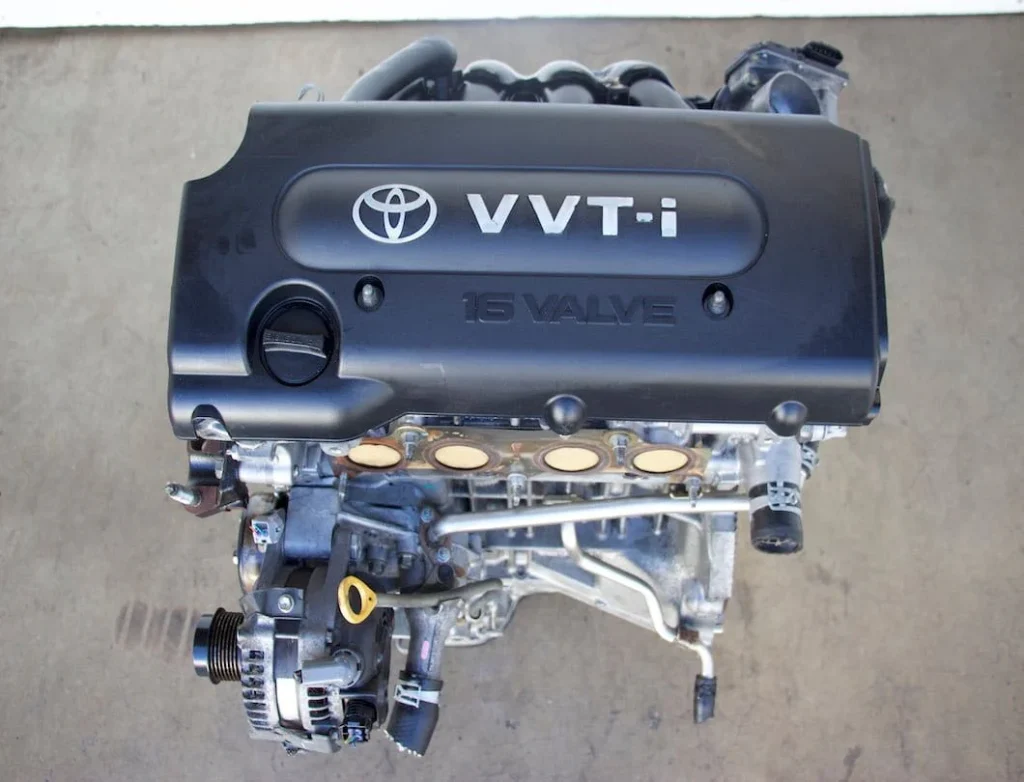
The 2AZ-FE deserves attention because it shows how even an ultra-reliable engine can develop age-related quirks unrelated to wear or abuse.
It’s also a reminder that sealant technology has advanced since the 2000s. Modern silicone and polymer-based gaskets now outperform factory originals, preventing future seepage when done correctly.
For a design that otherwise lasts beyond 300,000 miles, a little oil film is a small price to pay but it’s an important lesson in how time and temperature quietly test every gasket’s endurance.
5. Chevrolet 5.3L V8 (Gen IV LS-Based)
The Chevrolet 5.3L V8, used across Silverado, Tahoe, and Suburban models, is a powerhouse known for torque, simplicity, and long life. Yet even this legendary LS-based engine isn’t completely free from age-related seepage. Over time, minor oil leaks develop at the rear main seal, oil pan gasket, and occasionally the valve cover corners.
I’m writing about the 5.3L because it represents the most realistic kind of reliability one that comes with small imperfections. These seepages rarely disable the truck or demand immediate repair, but they do underline the wear patterns seen in engines with long heat cycles, towing duty, or extended idle time.
The rear main seal is often the most discussed issue. It tends to harden and lose flexibility, leading to slow oil weeping between the crankshaft and transmission housing.
The oil pan gasket, made of molded rubber, also compresses unevenly with time, allowing a light mist to form along the seam. While these leaks don’t typically drip on the ground, they do coat nearby surfaces with residue that traps dust and grime.
General Motors improved the sealing compounds in later revisions, but earlier engines especially those built before 2011, are more prone to seepage. The design itself is durable, but the combination of block flex, heat from catalytic converters, and long oil change intervals accelerates seal degradation.
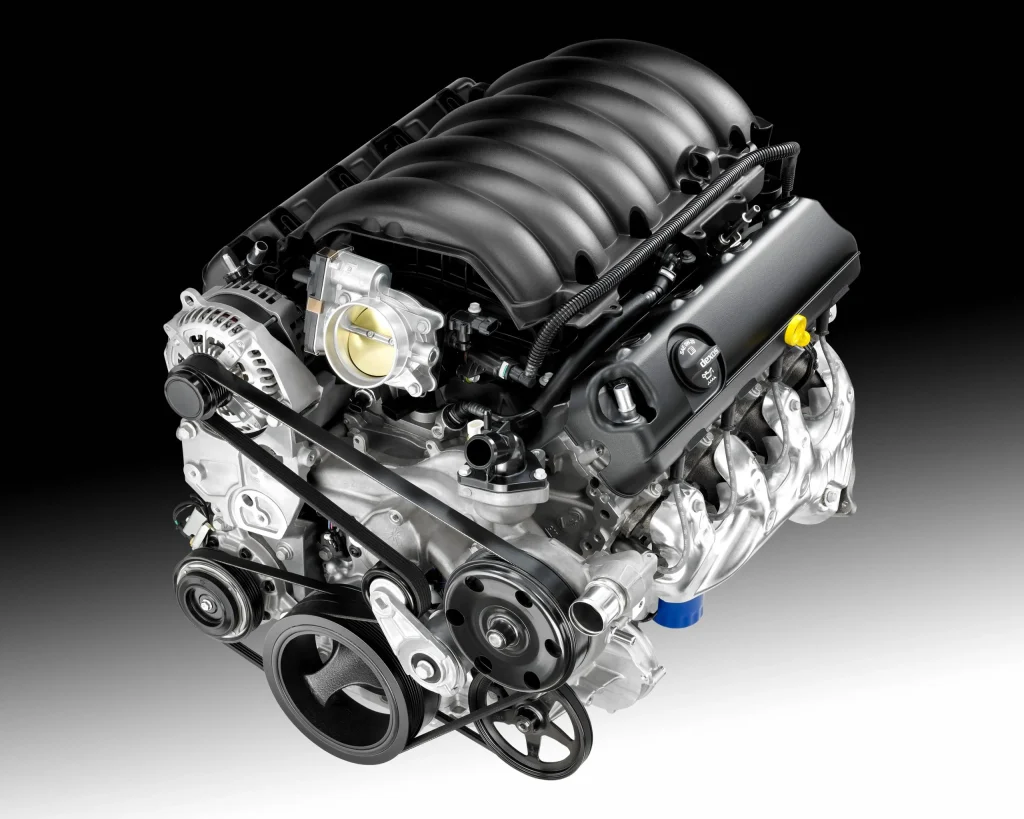
The reason this engine belongs on the list is because it teaches an important distinction between “leaking” and “seeping.” The 5.3L doesn’t gush oil or fail suddenly; it slowly breathes through its aging gaskets like a machine that’s earned its miles.
With regular inspection and upgraded gaskets, these V8s continue to power daily drivers and work trucks past 300,000 miles. It’s a reminder that even icons can sweat a little, yet still stand strong.
Also Read: 5 Trucks With Cabins That Don’t Creak vs 5 That Sound Like Ships