

Subframe bushings may not get the attention of engines, gearboxes, or infotainment screens, but they play a massive role in how a crossover feels after years of use.
These rubber or hydraulic mounts sit between the subframe and body, absorbing road noise, vibration, and harshness. When designed well, they make a vehicle feel solid, composed, and refined even after tens of thousands of miles.
When designed poorly, they start to creak, thump, or transmit every bump directly into the cabin, turning even a premium crossover into something that feels worn before its time.
Some automakers have perfected the art of bushing durability. They use carefully tuned compounds that resist compression set, high temperatures, and fluid leaks. These vehicles remain silent and smooth long after their rivals start to groan.
The difference isn’t just comfort it’s the preservation of structural harmony. A quiet subframe bushing keeps alignment geometry stable, dampens chassis resonance, and prevents the hollow “thunk” that signals early degradation.
Others, unfortunately, have gone the opposite way. In pursuit of ride comfort or lightweight design, some crossovers use soft or fluid-filled bushings that degrade prematurely. By 60,000 miles, they start transmitting clunks during braking or cornering, frustrating owners who expected better.
I’m writing about these two sides the crossovers that stay quiet versus those that thump earl because bushing quality is a hidden indicator of engineering depth. It separates vehicles built for lasting refinement from those tuned for showroom softness.
Over time, it’s these unseen components that define whether a crossover continues to feel tight and composed or loose and noisy.
The next sections explore both categories: first, five crossovers that keep their subframe bushings whisper-silent well past 100,000 miles, and then five that start announcing their age far too soon.
Also Read: 5 EVs That Hold Their Power in the Summer Heat vs. 5 That Throttle
5 Crossovers With Subframe Bushings That Stay Quiet
Subframe bushings are among the most overlooked parts of a crossover’s long-term comfort equation.
They sit deep under the body, isolating the suspension and drivetrain from the cabin. When properly engineered, they allow a car to feel solid yet supple, even after years of exposure to heat, moisture, and road salt.
For many drivers, the difference between a crossover that still feels “new” at 100,000 miles and one that sounds tired by 60,000 often comes down to how these bushings perform.
The best crossovers in this category use robust materials and smart subframe designs. Some use dual-compound rubber or fluid-filled hydraulic bushings that are tuned for frequency-specific damping.
Others rely on strategically placed aluminum brackets to prevent unwanted flex that accelerates bushing fatigue. The goal is the same: maintain a quiet, composed ride without introducing harshness or resonance.
I’m writing about these five because they represent engineering done right at a structural level. They don’t just resist noise they resist time.
Owners report thousands of miles of driving without a single clunk, even on rough pavement. These cars prove that durability doesn’t have to come at the expense of comfort.
Each one on this list was chosen not for marketing claims, but for real-world behavior: minimal thumping on speed bumps, no subframe shift noises during braking, and consistent ride quality deep into ownership. In many cases, the silence comes from subtle details, thicker bushing shells, better heat resistance, or smarter mounting geometry.
These crossovers show that quietness isn’t just about insulation; it’s about mechanical refinement.
Their bushings aren’t flashy components, but they define how the car feels every day. And when they’re done right, they make even aging vehicles feel factory-fresh long after the odometer climbs past six figures.
1. Toyota RAV4
The Toyota RAV4 has long been known for durability, and part of that reputation comes from its remarkably quiet underbody structure. The subframe bushings in the RAV4 are designed with long-term elasticity and high heat resistance, allowing them to stay silent even after years of daily driving.
Unlike some rivals that use soft fluid-filled bushings, Toyota relies on a reinforced rubber compound that resists compression set and cracking.
Owners frequently report that even at 100,000 miles, the RAV4’s chassis still feels tight, with no hollow clunks or subframe shift noises when braking or accelerating.
That’s because Toyota uses a multi-layer subframe design with bushings positioned at load-distribution points rather than vibration nodes. This geometry keeps noise frequencies from reaching the cabin, which explains why the RAV4’s ride feels refined even as it ages.
I’m writing about the RAV4 because it represents practical engineering done with longevity in mind. Toyota could have prioritized early softness or comfort, but instead, they engineered for consistency.
These bushings maintain their damping characteristics over time, preventing the telltale thump that often appears when bushing material hardens or detaches from its sleeve.
The payoff is subtle but noticeable. On rough asphalt, the RAV4 maintains composure with no metallic feedback or rear-end chatter. Even when towing or carrying heavy loads, the structure remains quiet, showing how much thought went into the isolation design.
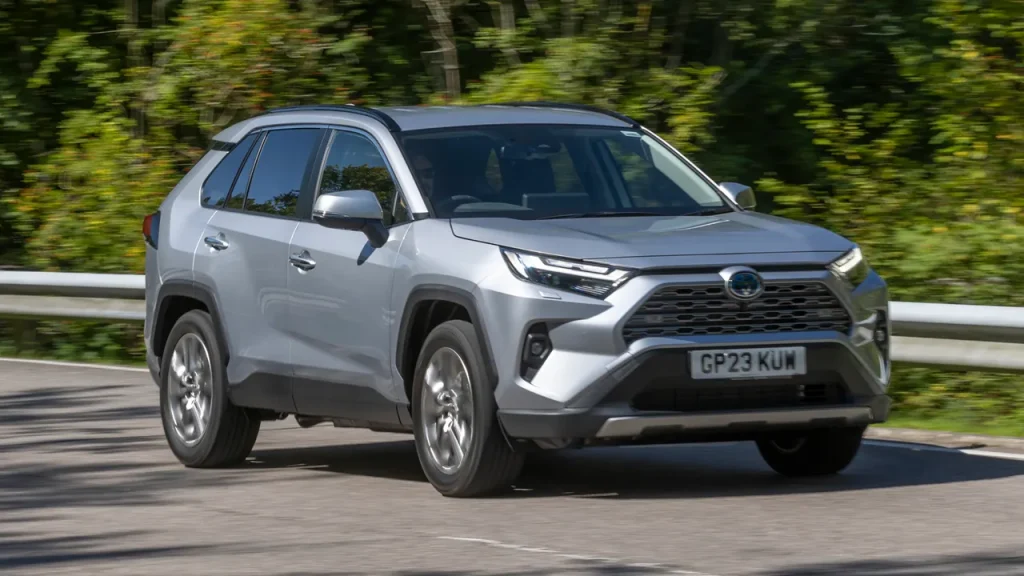
While many drivers never think about subframe bushings, the RAV4 proves that they matter. Its silence after years of driving isn’t luck it’s Toyota’s methodical approach to material science, manufacturing precision, and testing under harsh conditions. The result is a crossover that still feels cohesive and solid long after lesser designs start to make noise.
2. Honda CR-V
The Honda CR-V earns its place on this list for maintaining exceptional structural quietness deep into its lifespan. One reason is the design of its subframe bushings, which are engineered to balance flexibility and stiffness across different load conditions.
Honda uses a high-density rubber mix that resists hardening from ozone, heat, and moisture three factors that commonly age bushings prematurely.
Even after years of urban use, CR-V owners rarely report subframe thumps or vibration-related noises. The car’s suspension geometry channels impacts through the bushings in a way that spreads stress evenly, reducing long-term deformation.
Combined with Honda’s rigid front subframe design, the system absorbs bumps without letting unwanted resonance reach the cabin.
I’m writing about the CR-V because it shows how precision in small components builds a reputation for refinement. Honda’s engineers studied the frequency spectrum of chassis noise and tuned the bushings to suppress those exact vibrations. The result is a crossover that feels tight even when the suspension is working hard.
At higher mileages, the CR-V still maintains the sense of mechanical harmony it had when new. It doesn’t develop the dull thuds or metal-on-rubber shifts that plague many crossovers around 60,000 miles. Even during hard braking or sharp turns, the subframe remains firmly planted without audible feedback.
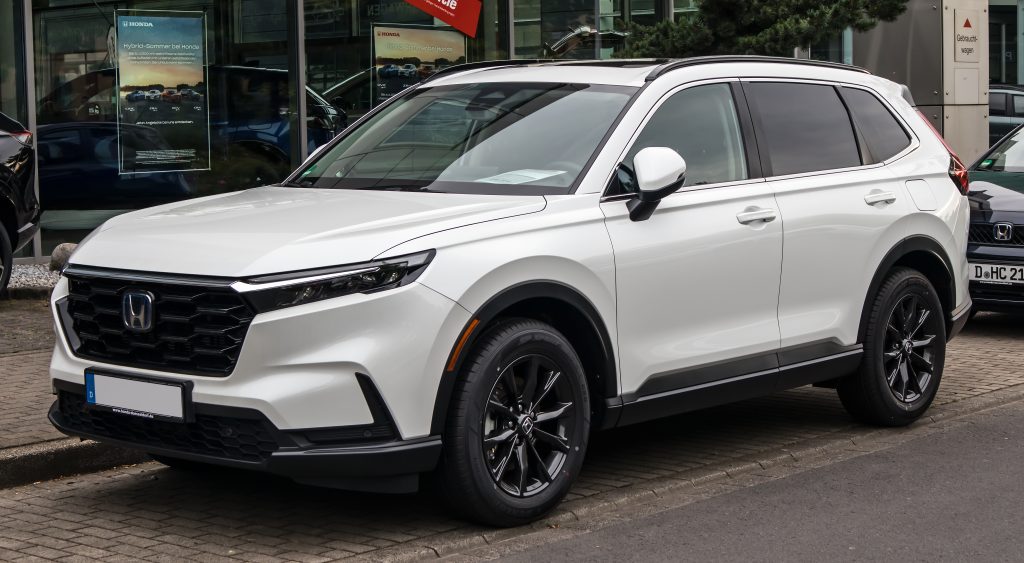
Honda’s use of well-balanced rubber hardness and strategically placed voids within the bushing ensures both durability and ride comfort. This small but critical detail means that the CR-V continues to feel polished long after others have started to sound loose.
It’s proof that true refinement starts in the details and that quietness often comes from components most drivers never see.
3. Subaru Forester
The Subaru Forester has built its reputation on rugged dependability, but one of its most impressive traits is how quiet it stays as the miles climb. Subaru’s engineers pay close attention to structural isolation, and the subframe bushings play a major part in that.
Using high-durometer rubber with tuned void patterns, the Forester’s bushings absorb low-frequency vibration without transmitting thumps or hollow knocks into the body.
Unlike some competitors that use fluid-filled mounts, Subaru prefers solid rubber bushings with integrated steel sleeves.
This design resists both fluid leakage and deterioration under cold climates a key reason Foresters in snowy regions remain silent even after years of winter exposure. The materials are also ozone-resistant, preventing the cracking and stiffness that cause noise in older vehicles.
I’m writing about the Forester because it demonstrates that durability and quietness can coexist in a vehicle built for real-world conditions. Subaru’s design philosophy focuses on long-term mechanical harmony rather than early softness.
Even at 120,000 miles, many owners report that their Foresters feel structurally cohesive, with minimal vibration from the rear subframe or suspension mounts.
The symmetrical all-wheel-drive layout helps too. By distributing torque evenly across the drivetrain, the bushings endure less rotational stress, slowing wear. Combined with a stiffer rear subframe design in later models, this reduces the twisting motion that can cause audible shifting or popping sounds under load.
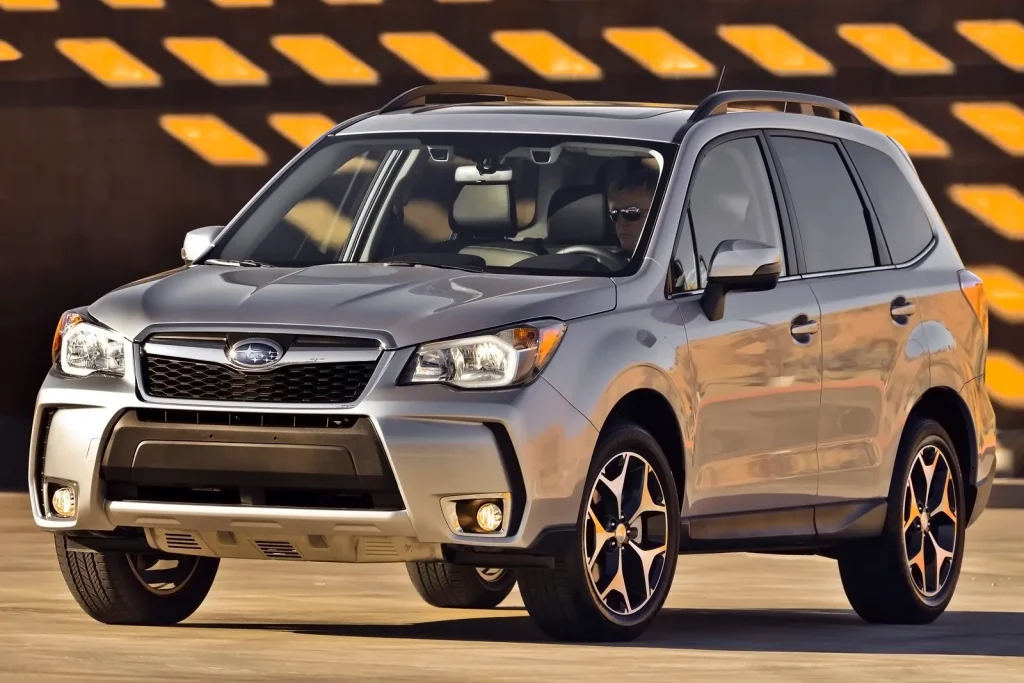
Driving a Forester on rough roads reveals the payoff: muted impacts, no dull “thud” over potholes, and a sense of structural integrity that doesn’t fade.
Subaru engineered the bushings for the long haul, and that attention to mechanical silence makes the Forester a crossover that feels just as solid at 150,000 miles as it did when new.
4. Mazda CX-5
The Mazda CX-5 earns its spot here because it’s one of the few crossovers that blends sporty handling with long-term structural quietness. Mazda uses exceptionally stiff subframe bushings tuned for frequency-specific damping designed not just to control motion, but to preserve refinement deep into ownership.
These bushings have a high natural frequency, allowing them to block harsh vibrations while still maintaining steering precision.
Over time, this design choice pays off. Owners consistently report that even after years of spirited driving, the CX-5 doesn’t develop the subframe thumps or hollow knocks that often appear in sport-tuned vehicles. The chassis feels tight, and the suspension continues to operate silently through sharp corners or uneven pavement.
I’m writing about the CX-5 because it represents the rare case of a driver’s crossover that doesn’t sacrifice quietness for agility. Mazda’s engineers applied lessons from the MX-5 Miata’s bushing geometry, modifying it for crossover weight and comfort levels.
The result is a vehicle that handles responsively without transmitting unwanted impact noise into the cabin.
The bushings themselves are made of a heat-resistant compound and mounted with asymmetric stiffness to handle both vertical load and lateral cornering force. This helps maintain silence when transitioning between acceleration, braking, and turning conditions that normally stress softer bushings.
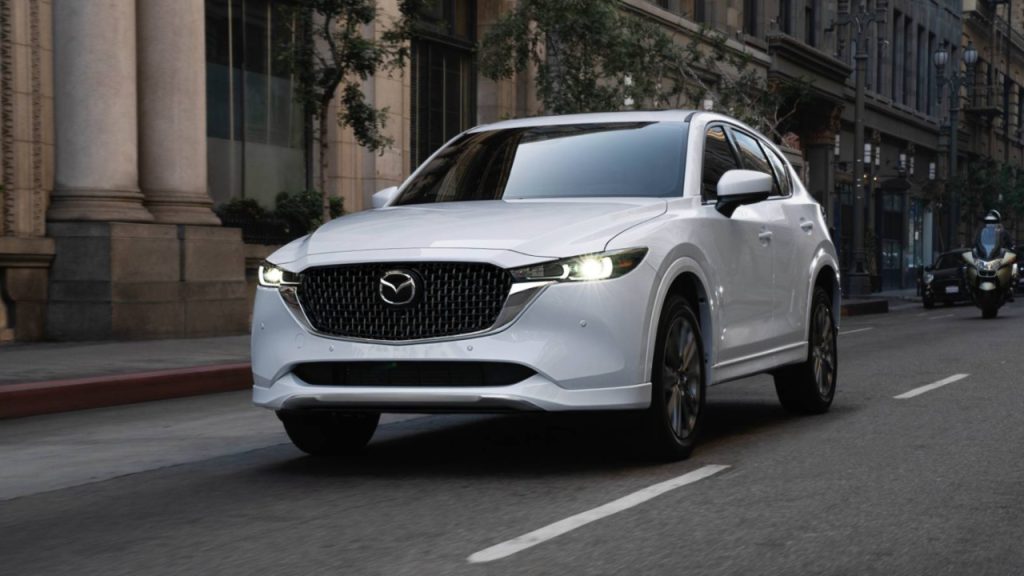
Even after 100,000 miles, the CX-5 retains its composed ride and precise feel. There are no subframe shifts during braking, no dull impacts over expansion joints, and no increase in vibration through the floor.
The quietness isn’t artificial; it’s the product of intelligent mechanical tuning. Mazda proves that with proper engineering, long-term silence can coexist with genuine driver involvement.
5. Lexus NX
The Lexus NX is often praised for its plush ride and refined interior, but its real achievement lies beneath the surface in the way its subframe bushings preserve serenity over years of use.
Lexus engineers spent significant time developing multi-layer rubber bushings that isolate vibration across multiple frequencies, keeping both road noise and mechanical thumps at bay.
These bushings feature a dual-density core that allows soft absorption of small vibrations while maintaining stiffness against heavier suspension impacts. The result is a ride that stays consistent, even as the car ages.
Many owners report that their NX models continue to feel whisper-quiet well past 100,000 miles, with no creaks or dull impacts when driving over rough roads or speed bumps.
I’m writing about the NX because it showcases what happens when precision meets patience. Lexus didn’t rush to make the suspension overly soft; instead, it aimed for a sense of calm born from structural harmony.
The subframe mounting points use corrosion-resistant bolts and thick rubber isolators that remain flexible even in extreme heat or cold. This keeps the connection between chassis and suspension smooth and consistent, reducing long-term stress on the bushings.
One of the NX’s hidden strengths is how little its ride character changes over time. While some luxury crossovers start to develop faint thumps or metallic clicks as the suspension ages, the NX continues to glide. Even in older models, the subframe remains tightly coupled, and the cabin stays silent.
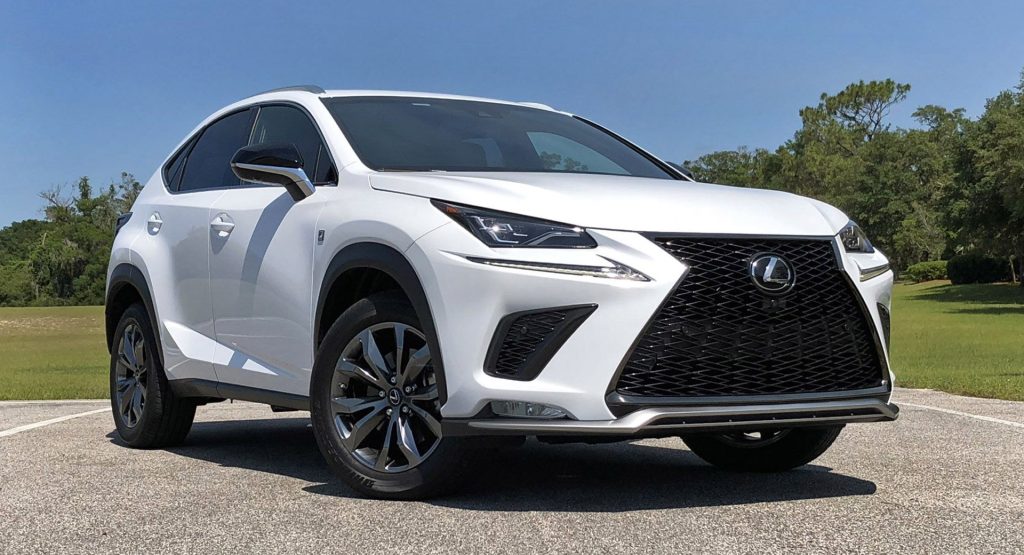
The NX stands as proof that longevity in ride quality comes from invisible details rubber chemistry, mount geometry, and torque retention.
These elements might not be glamorous, but they define what Lexus calls “quiet craftsmanship.” It’s why the NX still feels composed, solid, and luxurious years after the showroom shine fades.
5 Crossovers That Thump at 60k
Every crossover starts life feeling tight, composed, and quiet. But by the time the odometer rolls past 60,000 miles, some begin to lose that smooth character.
One of the first symptoms is a dull thump from beneath the cabin a sound that creeps in over speed bumps, braking transitions, or even light acceleration. That noise often points to worn subframe bushings, a problem that many drivers underestimate until it becomes impossible to ignore.
Subframe bushings take the brunt of structural movement between the chassis and suspension. When they start to degrade, vibrations and impacts travel directly into the body, creating an audible and tactile reminder that something beneath isn’t happy.
Some manufacturers cut costs here, using softer compounds or bushings that lack corrosion protection. The result is early wear, sloppy handling, and a constant reminder of every road imperfection.
I’m writing about these five crossovers because they illustrate how inconsistent bushing design can undo an otherwise solid vehicle. They aren’t poorly built overall in fact, most are reliable and comfortable in other areas but they share a common flaw in structural refinement.
Their bushings often dry out, tear, or separate from their sleeves before 70,000 miles, especially in climates with temperature extremes or salted winter roads.
The thumping starts subtly maybe a faint clunk under braking, a dull pop when turning, or a vibration on acceleration. Over time, it becomes a permanent soundtrack. What makes these cases interesting is that the problem isn’t catastrophic, but it erodes the driving experience piece by piece.
These crossovers remind us that silence isn’t guaranteed. Behind their smooth exteriors, a small component like a bushing can decide whether a vehicle feels solid or sounds worn long before its time.
1. Ford Escape
The Ford Escape has a lot going for it efficient engines, roomy cabin, and confident handling. But beneath its strengths lies a weak spot that shows up sooner than expected: the rear subframe bushings.
Many Escape owners notice dull thumps or hollow knocks around 55,000 to 65,000 miles, especially when driving over uneven roads or braking suddenly.
These noises come from bushings that lose elasticity and start to allow metal-to-metal contact between the subframe and chassis.
Ford used relatively soft rubber to keep the ride smooth when new, but the material doesn’t handle repeated compression and temperature swings well. Once it begins to harden or tear, every suspension movement echoes through the cabin.
I’m writing about the Escape because it highlights how comfort-focused design can backfire long-term. The vehicle feels plush at first, but the same softness that makes it appealing early on accelerates wear later. The issue doesn’t usually affect safety, but it undermines the car’s refinement a problem that’s hard to ignore once you’ve noticed it.
Some drivers report that the noise worsens in cold weather, where the rubber stiffens and loses flexibility.
Others find that even after replacing the bushings, the fix doesn’t last if aftermarket parts are used. That’s because the underlying subframe design transmits more vertical load into the bushings than similar vehicles, hastening wear.
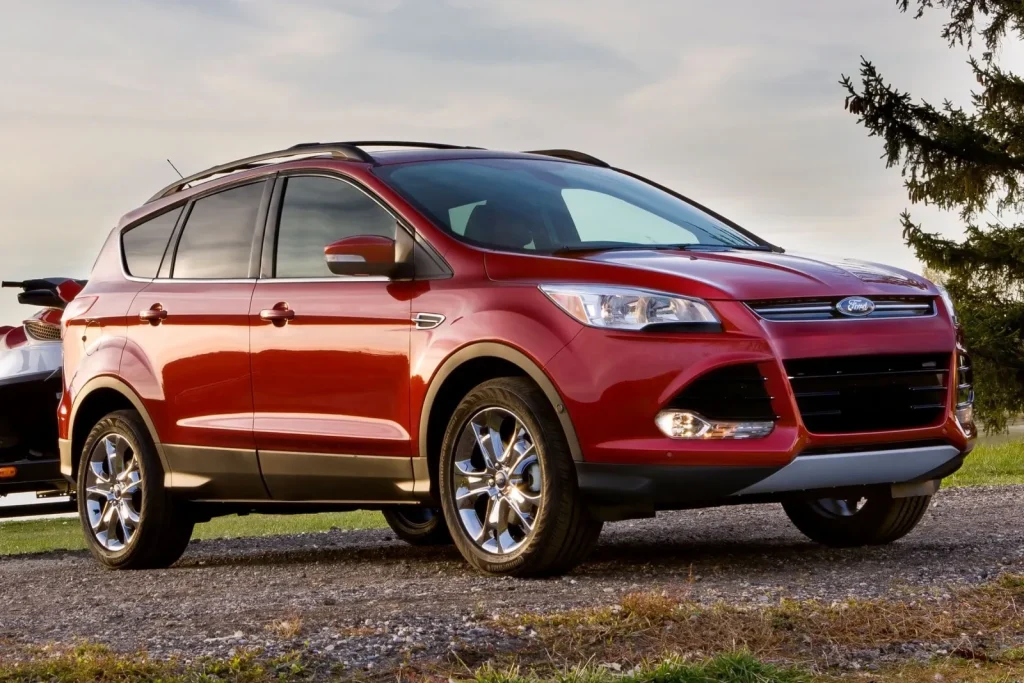
In daily driving, the Escape’s once-solid composure gives way to subtle vibrations and dull, rhythmic thumps at highway speeds. It’s a reminder that engineering comfort requires not just soft materials but durable ones.
The Escape’s early thumping issue doesn’t ruin its reputation, but it shows how a small design compromise can echo loudly through the life of an otherwise dependable crossover.
2. Chevrolet Equinox
The Chevrolet Equinox offers practicality and good value, but owners often notice one persistent flaw as mileage builds a growing chorus of subframe thumps and suspension clunks.
Around 60,000 miles, many Equinox models begin to sound less composed, particularly over broken pavement or when pulling into driveways. The culprit? Prematurely aging subframe bushings.
Chevrolet’s decision to use relatively basic rubber mounts with minimal corrosion protection has long been a weak link.
These bushings tend to dry out and separate from their metal sleeves, allowing small shifts in the subframe with every bump. Once the separation starts, even minor road imperfections create dull impacts that resonate through the floor.
I’m writing about the Equinox because it illustrates how overlooked components can hurt the perception of quality. The engine and transmission remain smooth, but the body feels unsettled not because of major mechanical issues, but because those bushings can’t keep the structure tight over time.
Some owners notice the noise sooner if they drive in regions with harsh winters or salted roads, where corrosion creeps into the mounts and accelerates failure. The rear subframe is particularly prone to this, as moisture tends to collect near the mounting points.

Even though the Equinox rides comfortably when new, the loss of structural isolation at moderate mileage changes its character. The once-quiet cabin develops faint tapping or thudding under acceleration and braking. Replacing the bushings restores some silence, but it’s an expensive fix considering the vehicle’s class.
The Equinox’s case reminds us that durability isn’t just about engines or transmissions. It’s about how the smallest parts hidden beneath the car hold everything together. When they falter early, even a well-designed crossover starts to sound tired far too soon.
3. Nissan Rogue
The Nissan Rogue is one of the most popular crossovers in its class, known for practicality and efficiency. But around the 60,000-mile mark, many owners start to report a dull, rhythmic thump that appears during braking, over bumps, or even while accelerating on rough roads.
This noise usually traces back to the rear subframe bushings, which begin to lose their structural integrity far sooner than expected.
The problem stems from the Rogue’s cost-conscious bushing design. Nissan uses rubber compounds that prioritize softness and vibration absorption early in life, but the material becomes brittle with heat cycles and exposure to road salt.
Once the bushing surface cracks or separates from the inner sleeve, small gaps appear, allowing the subframe to shift slightly during suspension travel. That subtle movement produces the distinct thump many drivers describe.
I’m writing about the Rogue because it demonstrates how small shortcuts in materials engineering can undermine an otherwise dependable platform.
The vehicle’s drivetrain is reliable, and its fuel economy solid, yet the constant low-frequency noise makes it feel prematurely old. It’s a clear case where refinement fades faster than mechanical strength.
The issue is particularly noticeable in northern climates, where freeze-thaw cycles accelerate deterioration. Owners often spend months trying to isolate the sound, mistaking it for worn shocks or sway bar links, before discovering that the subframe bushings have hardened or torn.

Replacing them restores the car’s composure, but it’s a labor-intensive job, often requiring subframe removal. That cost discourages many from fixing it immediately, allowing the noise to persist.
The Rogue’s case shows that even a well-built crossover can feel neglected if its foundational parts aren’t engineered for endurance. Quietness, once lost, is rarely regained without a deep repair.
4. Hyundai Tucson
The Hyundai Tucson offers comfort, good technology, and attractive pricing, but it struggles with long-term structural silence. Many Tucson owners start noticing thumping or dull popping noises under the floor around 55,000 to 65,000 miles.
The cause lies in the subframe bushings, which harden and shrink with age, allowing excessive metal-to-metal contact.
Hyundai’s suspension setup emphasizes softness and compliance when new. The subframe bushings are designed to cushion minor vibrations, but their rubber formulation lacks resilience against prolonged heat exposure.
Over time, this leads to micro-cracking and loss of elasticity, especially in regions with extreme temperature swings. The result is an audible clunk when driving over potholes or speed bumps a sound that grows more pronounced as the bushings continue to degrade.
I’m writing about the Tucson because it highlights a trade-off often seen in modern crossovers: early comfort versus long-term composure.
The Tucson feels impressively smooth in its first few years, yet that same softness turns into looseness later on. Even though suspension components like struts and links may still be fine, the bushing deterioration makes the vehicle sound far older than it is.
Owners often describe the sensation as a faint subframe movement, especially noticeable during braking or quick steering changes. The noise doesn’t always mean imminent failure, but it robs the cabin of its refined feel.

Replacing the bushings can restore quietness, but like many crossovers in this list, the job isn’t simple. It often involves lowering the subframe, which adds cost and complexity.
The Tucson’s early thumping serves as a reminder that soft comfort tuning must be backed by durable materials otherwise, that calm ride won’t last as long as the car itself.
5. Volkswagen Tiguan
The Volkswagen Tiguan delivers a refined driving experience when new, with a solid European feel and sharp road manners. But by the time it reaches 60,000 miles, many owners begin to hear a dull, rhythmic thump from underneath most noticeable over rough surfaces or during braking.
The issue often traces back to worn rear subframe bushings, which start to degrade earlier than expected due to material fatigue and moisture exposure.
Volkswagen’s design uses fluid-filled bushings to filter out high-frequency vibration, a technique that provides an excellent ride initially. However, those bushings are also prone to internal fluid leaks and rubber hardening over time.
Once the internal damping liquid dries out or escapes, the bushing loses its ability to cushion impacts effectively. The subframe then moves slightly during load changes, producing a hollow, repetitive thud.
I’m writing about the Tiguan because it represents how sophisticated engineering can sometimes work against long-term durability.
The fluid-filled design feels luxurious when new, but it doesn’t always survive years of temperature extremes. Cold weather thickens the remaining fluid, while summer heat accelerates evaporation and seal breakdown.
Many Tiguan owners describe the sound as a faint knock during gear changes or suspension compression. The rest of the chassis remains tight, which makes the noise stand out even more. Ironically, the Tiguan’s solid build quality amplifies the problem when everything else feels premium, that one repetitive thump becomes impossible to ignore.
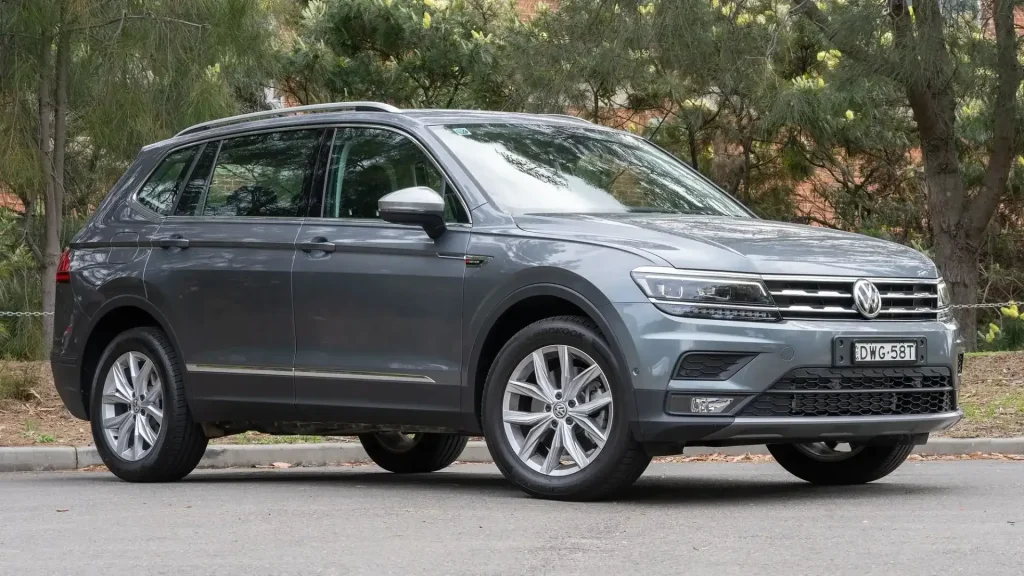
Fixing it requires replacing all four subframe bushings, a labor-intensive task that can cost as much as major suspension work. It’s not a catastrophic failure, but it compromises the quiet composure that defines a Volkswagen.
The Tiguan reminds us that refinement should last, not fade. Even the most advanced mounts must balance comfort with endurance if true quality is to be sustained.
Also Read: 5 Minivans with Truly Easy Fold-Flat Seating vs 5 Seat-Stow Headaches
