

Modern automotive platforms increasingly rely on electronic control units (ECUs), sensors, and programmable modules to manage everything from engine performance to safety systems.
For enthusiasts, mechanics, and fleet operators, the ability to access, reprogram, or update these modules can make a significant difference in terms of convenience, cost, and flexibility.
Some platforms feature easy-to-program modules, allowing users to reflash, update, or modify settings with minimal tools or software.
These platforms prioritize user accessibility and support aftermarket solutions, making DIY maintenance, tuning, or software updates much more manageable.
On the other hand, certain platforms are tightly controlled, requiring specialized dealer tools for any programming or reconfiguration. These systems often incorporate proprietary security protocols, encrypted software, or complex interdependent ECUs.
While this approach can enhance security and reduce tampering, it limits accessibility for independent mechanics, enthusiasts, or fleet operators. Even minor updates or troubleshooting often demand dealer visits, increasing downtime and maintenance costs.
This article explores both sides of the spectrum. First, we examine five platforms known for their easy-to-program modules.
We will discuss the design philosophies, software accessibility, and user-friendly features that make these platforms attractive for DIY enthusiasts and professional tuners alike.
By understanding these platforms, readers can appreciate the convenience and flexibility that accessible programming provides, from simple module updates to performance enhancements.
Then, we will explore five platforms that require dealer tools. These systems highlight the challenges associated with highly secure or proprietary platforms, including restricted access, expensive service requirements, and limited aftermarket support.
Understanding these limitations is essential for anyone managing fleets, performing independent repairs, or seeking tunable vehicles.
By comparing accessible and dealer-dependent platforms, readers can make informed decisions about which vehicles best suit their technical capabilities, maintenance approach, and long-term ownership goals.
Also Read: 5 Hybrids That Don’t Eat 12V Batteries vs 5 That Do Every Winter
5 Platforms With Easy-Program Modules
Some automotive platforms are designed with accessibility in mind, allowing users, mechanics, and aftermarket specialists to easily program or update vehicle modules. These platforms prioritize flexibility, user-friendly software, and open protocols that reduce reliance on proprietary tools.
Easy-to-program modules provide significant advantages, including cost-effective maintenance, simplified troubleshooting, and the ability to implement performance or functional updates without dealer intervention.
Manufacturers who emphasize accessible programming often provide clear documentation, widely compatible software, and plug-and-play module options.
This approach benefits fleet operators who need quick updates, hobbyists who enjoy tuning, and independent mechanics who aim to minimize service costs. It also enhances vehicle longevity, as timely updates and adjustments can be performed without waiting for dealer appointments.
Platforms with easy-to-program modules often feature intuitive interfaces, standardized communication protocols like OBD-II, and support for aftermarket tools. This enables users to monitor performance, flash ECUs, adjust software parameters, or reset sensors with minimal technical hurdles.
Vehicles based on these platforms tend to foster a community of enthusiasts and professionals who can share knowledge, tips, and software solutions, further improving accessibility and reliability.
In this section, we highlight five automotive platforms known for their accessible programming capabilities. Each platform exemplifies how thoughtful design, open software architecture, and user-centric engineering reduce barriers to module programming.
By exploring these platforms, we provide insight into the benefits of easy-to-program systems, illustrating why these vehicles are preferred by independent mechanics, fleet operators, and DIY enthusiasts who value control over software and electronics.
These examples serve as benchmarks for accessible automotive technology, showing how manufacturers can balance complexity, security, and usability in modern vehicles.
1. Ford Modular Platform
The Ford Modular platform, used in vehicles such as the F-150 and Mustang, is renowned for its accessible module programming.
Its ECUs and other programmable modules are designed to be compatible with standard OBD-II tools, allowing independent mechanics and enthusiasts to perform updates, reflashes, and diagnostics without requiring dealer-exclusive software.
This platform emphasizes simplicity and flexibility. Engine control modules, transmission controllers, and body control modules can be reprogrammed or updated using widely available software like Ford’s IDS or compatible aftermarket solutions.
This accessibility reduces downtime, lowers maintenance costs, and allows for customization, including tuning for performance or efficiency improvements.
Owners appreciate the Ford Modular platform for its transparency and ease of access. Independent workshops can handle most software updates, sensor recalibrations, or system resets without needing a dealership visit. This also benefits fleet operators who require timely updates to maintain optimal vehicle performance.

Highlighting the Ford Modular platform demonstrates how thoughtful design and standardized protocols can empower users.
By minimizing dependence on dealer tools, the platform encourages a DIY-friendly environment while still supporting professional-level diagnostics and tuning. It serves as a benchmark for accessible, well-documented automotive platforms.
2. Toyota TNGA Platform
The Toyota New Global Architecture (TNGA) platform is another example of a vehicle design that facilitates easy programming of modules.
Used across models like the Corolla, RAV4, and Camry, TNGA features ECUs and control modules designed for compatibility with standard programming tools and diagnostic software.
The platform prioritizes modularity and user accessibility. Engine control, hybrid system modules, and body electronics can be updated or reflashed using commonly available tools, reducing reliance on dealer-only software.
This enables timely maintenance, sensor resets, and performance tuning in a user-friendly way. Owners and independent mechanics benefit from TNGA’s straightforward architecture, which simplifies software updates and diagnostics.
Even hybrid systems, which are typically more complex, are designed with programming accessibility in mind, ensuring reliability without constant dealer intervention.
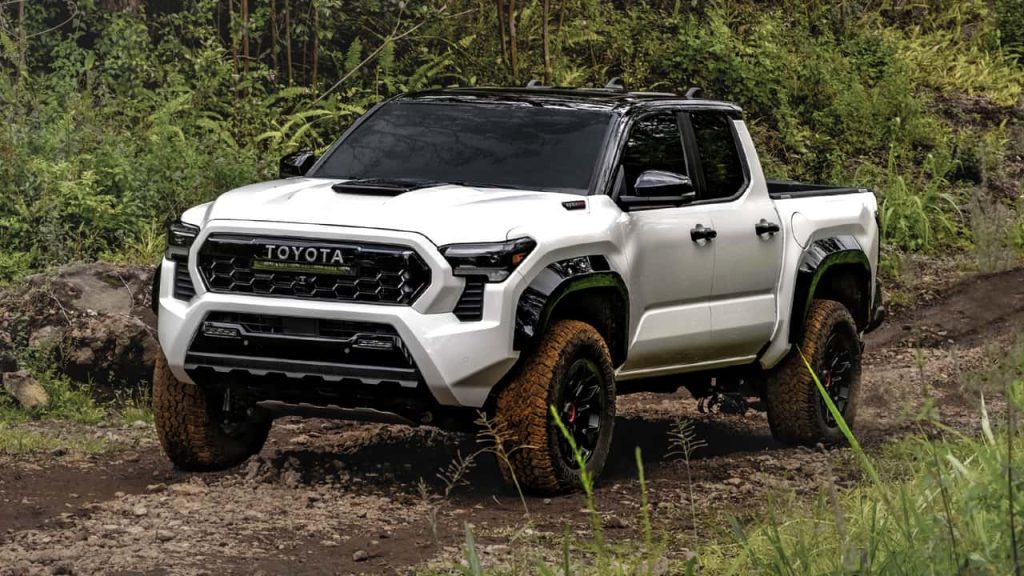
We highlight the Toyota TNGA platform because it illustrates how manufacturers can combine modern, feature-rich vehicles with accessible software management.
By providing clear interfaces and compatible tools, TNGA enhances ownership convenience, reduces service costs, and encourages safe DIY and professional updates. It sets a standard for platforms that balance advanced technology with practical usability.
3. Volkswagen MQB Platform
The Volkswagen MQB (Modular Transverse Matrix) platform, used in models like the Golf, Tiguan, and Passat, is known for its modular design and easy-to-program electronic modules.
This platform emphasises standardisation across vehicles, making ECUs, infotainment systems, and driver-assistance modules accessible to independent technicians and aftermarket tuners.
MQB’s architecture supports OBD-II compatibility and widely available software interfaces. Engine control, transmission, and body modules can be reflashed or updated without relying solely on dealer tools.
This accessibility reduces maintenance costs, allows timely updates, and supports customization, whether for performance enhancements or software optimizations.
Owners appreciate the MQB platform for its reliability and DIY-friendly programming options. Common maintenance tasks, like sensor resets or ECU updates, can often be performed with minimal specialized equipment.
The platform also encourages a community of enthusiasts who share tuning and software solutions, further improving accessibility and knowledge sharing.

Highlighting the Volkswagen MQB platform demonstrates how modular architecture and standardized communication protocols enable user-friendly programming.
It shows that modern vehicles can maintain advanced technology while still allowing independent access to electronic modules, benefiting both professional mechanics and informed vehicle owners.
4. General Motors Gamma Platform
The General Motors Gamma platform, which underpins vehicles like the Chevrolet Sonic, Trax, and Spark, is another example of a user-friendly, easy-to-program system. Its electronic control modules are designed for accessibility, supporting standard diagnostic tools and aftermarket software for reflashing and updates.
Gamma platform vehicles offer simplified electronic architecture that allows independent mechanics and fleet operators to perform updates, resets, and minor adjustments without needing dealer-only tools. Engine control, body control, and infotainment modules can be managed efficiently, reducing downtime and maintenance costs.
Owners value the Gamma platform for its straightforward design and user accessibility. Frequent software updates, sensor recalibrations, and minor programming tasks can often be handled without dealership visits, enhancing convenience and affordability.

We highlight the GM Gamma platform to demonstrate that even compact and mainstream vehicles can provide a user-friendly electronic ecosystem.
By prioritizing easy module programming, this platform ensures that vehicle maintenance and tuning are manageable, promoting long-term reliability and practical ownership.
5. Honda Global Small Car Platform
The Honda Global Small Car platform, used in models like the Honda Fit, HR-V, and Civic, is designed with modularity and accessibility in mind.
Its electronic control units and programmable modules are compatible with standard OBD-II tools and widely available software, making updates and diagnostics feasible for independent mechanics and DIY enthusiasts.
This platform emphasizes simplicity and durability. Engine, transmission, and body control modules can be reflashed or updated without relying solely on proprietary dealer software. This accessibility allows for timely maintenance, sensor resets, and software adjustments, enhancing vehicle reliability and reducing service costs.
Owners of vehicles built on this platform often appreciate the convenience of being able to perform minor updates and troubleshooting without a dealership visit. Even hybrid versions of these vehicles maintain user-friendly programming interfaces, ensuring that complex systems remain manageable.
Highlighting the Honda Global Small Car platform demonstrates how thoughtful engineering can balance advanced technology with practical usability. By providing standardized communication protocols and supporting accessible tools, Honda ensures that maintenance and programming are achievable for a wide range of users.
This approach promotes long-term reliability, empowers independent technicians, and encourages safe DIY and professional updates.
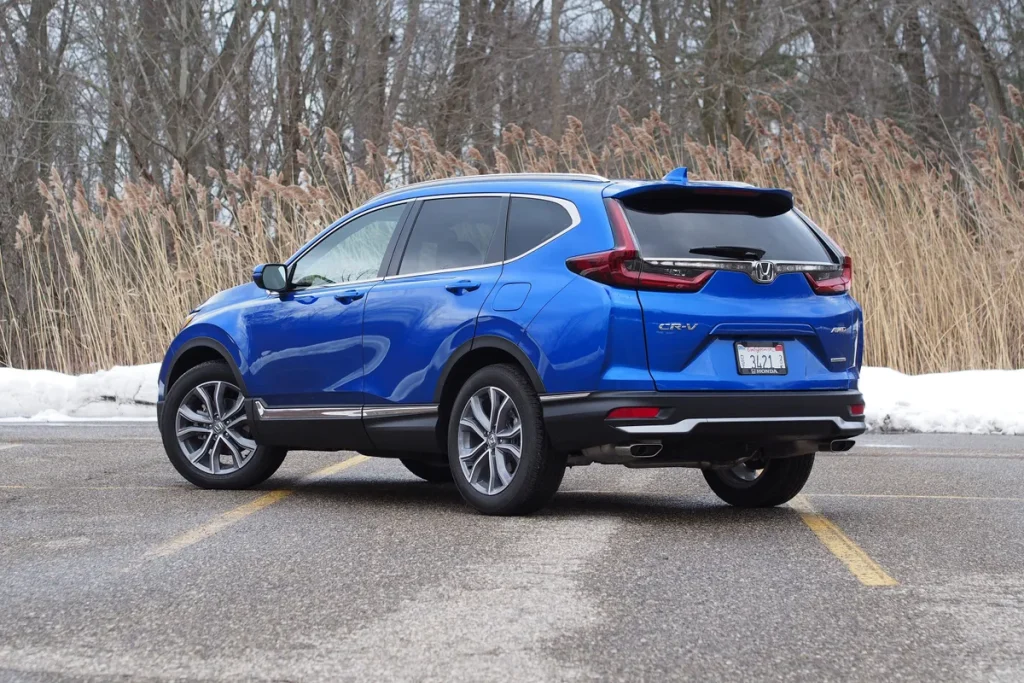
The Honda Global Small Car platform serves as a benchmark for accessible automotive electronics, showing that even compact, feature-rich vehicles can maintain user-friendly programming while supporting modern functionality.
Its design philosophy highlights the importance of modularity, standardization, and owner-friendly software access in reducing maintenance complexity and improving ownership experience.
5 Platforms That Require Dealer Tools
While some automotive platforms prioritize accessibility, others are designed with high security and proprietary software, requiring dealer tools for programming, diagnostics, and module updates.
These systems often incorporate advanced electronic architectures, encrypted communication protocols, and interdependent ECUs, which enhance vehicle security and prevent unauthorized tampering.
Platforms that require dealer tools are common in luxury, high-performance, and technologically advanced vehicles. While these systems provide precise calibration, enhanced safety, and optimized performance, they also restrict access for independent mechanics and DIY enthusiasts.
Even minor software updates, sensor recalibrations, or module replacements often necessitate specialized dealer tools or proprietary software, leading to increased downtime and higher maintenance costs.
The reliance on dealer tools is a trade-off. By locking modules behind secure systems, manufacturers reduce risks of improper programming or software corruption, which can compromise safety or performance.
However, this also limits flexibility for owners who want to perform updates themselves or leverage aftermarket tuning solutions. Independent workshops often face challenges servicing these vehicles, as access to specialized tools and software can be expensive or restricted.
In this section, we highlight five automotive platforms known for requiring dealer-only tools for module programming and software updates.
Each example demonstrates the challenges of working with highly secure, proprietary systems and shows how manufacturers balance advanced technology with controlled access.
By understanding the limitations of these platforms, readers can make informed decisions about which vehicles align with their maintenance capabilities, DIY preferences, and ownership priorities.
Awareness of dealer-tool-dependent platforms is essential for enthusiasts, fleet operators, and mechanics who value control and accessibility. Recognizing these constraints helps plan maintenance, anticipate service costs, and understand the trade-offs between security, technology, and ease of programming.
1. BMW CLAR Platform
The BMW CLAR (Cluster Architecture) platform, used in models like the 3 Series, 5 Series, and X5, relies heavily on proprietary software and dealer-only tools for programming and diagnostics.
ECUs, infotainment systems, and advanced driver-assistance modules are tightly integrated, and even minor updates or calibrations typically require access to BMW’s ISTA diagnostic suite.
This high level of security ensures that software updates are precise, system dependencies are maintained, and unauthorized modifications are minimized. While this reduces the risk of improper programming and preserves performance and safety, it also restricts independent access.
Independent mechanics or fleet operators often cannot perform module updates, sensor resets, or software reflashes without specialized dealer tools.
Owners of CLAR-based vehicles frequently report that even routine software updates or minor calibration tasks require dealer visits, which increases maintenance time and cost. The platform’s complex network of ECUs and encrypted communication protocols further limits the feasibility of DIY programming.

We highlight the BMW CLAR platform to illustrate how advanced engineering and security measures can result in limited programming accessibility.
While this ensures system integrity and performance optimization, it demonstrates the trade-off between technology and convenience for vehicle owners and independent service providers.
2. Mercedes-Benz MRA Platform
The Mercedes-Benz MRA (Modular Rear Architecture) platform, used in vehicles like the C-Class, E-Class, and GLC, requires dealer-only tools for most module programming and ECU updates. Its sophisticated electronics, including adaptive suspension, advanced infotainment, and safety modules, are protected by proprietary software.
Even routine maintenance tasks, such as sensor recalibration or minor ECU updates, often necessitate Mercedes’ Star Diagnostic System (Xentry). This dependency increases service costs and limits independent mechanics’ ability to perform updates efficiently.
Owners report that software updates, system resets, and electronic adjustments cannot be performed without dealership intervention. The platform’s integration of high-tech components ensures safety and performance but restricts flexibility for DIY enthusiasts and independent workshops.

Highlighting the Mercedes-Benz MRA platform demonstrates the challenges of dealer-tool-dependent systems. While it excels in technology and vehicle performance, the lack of independent programming access increases ownership complexity and emphasizes the trade-off between advanced features and maintenance convenience.
3. Audi MLB Evo Platform
The Audi MLB Evo platform, found in vehicles like the A6, Q7, and e-tron series, is highly advanced but heavily reliant on dealer tools for module programming. ECUs, infotainment systems, and driver-assistance modules are interconnected and protected by proprietary software, which ensures precision and security.
Even minor updates, such as recalibrating sensors or reflashing ECUs, require Audi’s proprietary diagnostic software. Independent mechanics or DIY enthusiasts have limited ability to access these modules, as standard OBD-II tools are insufficient for programming.
Owners of MLB Evo-based vehicles report that routine software maintenance, including updates for adaptive cruise control, lane-keeping systems, or infotainment enhancements, cannot be performed outside authorized service centers.
While this guarantees optimal performance and reduces the risk of incorrect programming, it increases service costs and dependence on the dealership network.

We highlight the Audi MLB Evo platform to demonstrate the trade-off between advanced technology and restricted accessibility.
The platform exemplifies how manufacturers prioritize system integrity, security, and performance, but at the expense of independent programmability and user flexibility.
Understanding these limitations is crucial for buyers who value control over vehicle software and maintenance convenience.
4. Jaguar iQ[AI] Platform
The Jaguar iQ[AI] platform, used in models like the I-PACE and F-PACE, integrates complex electronics and high-level software systems that demand dealer-only tools for programming. ECUs controlling powertrain, battery management, and infotainment modules are secured by proprietary encryption protocols.
Routine maintenance, including battery recalibration, software updates, or sensor resets, cannot be completed without Jaguar’s specialized diagnostic tools. Independent workshops or DIY enthusiasts have very limited access, making dealer visits essential for even minor adjustments.
Owners report that software and module updates often require appointments and significant waiting periods, adding to maintenance costs. While this platform ensures system reliability and high performance, it reduces flexibility for users who prefer hands-on control or faster, independent servicing.

We highlight the Jaguar iQ[AI] platform to illustrate how advanced, security-focused systems increase dependence on dealership tools.
The platform’s design prioritizes safety, performance, and system integrity but demonstrates the challenges associated with limited programming access for independent operators or tech-savvy owners.
5. Porsche MSB Platform
The Porsche MSB (Modular Standardized Architecture) platform, used in vehicles like the Panamera, Cayenne, and Taycan, is highly sophisticated and relies almost entirely on dealer-only tools for module programming.
ECUs, infotainment systems, chassis control, and high-performance drivetrain modules are secured with proprietary software, making independent programming virtually impossible.
Even routine maintenance tasks, such as sensor recalibration, battery management updates, or ECU reflashes, require Porsche’s specialized diagnostic equipment. This ensures precision, safety, and optimized vehicle performance, but it also significantly increases service costs and dependence on authorized dealerships.
Owners of MSB-based vehicles report that minor software updates or module adjustments cannot be performed without a dealership visit. While this guarantees reliability and reduces risks of incorrect programming, it limits flexibility for DIY enthusiasts, independent mechanics, and fleet operators.
We highlight the Porsche MSB platform to illustrate the trade-offs associated with dealer-tool-dependent systems. While the platform excels in performance, safety, and advanced technology, it demonstrates how proprietary software and secure architectures restrict accessibility.

Buyers must consider this factor when evaluating ownership convenience, maintenance costs, and the ability to perform updates independently.
The MSB platform serves as a prime example of how luxury and high-performance vehicles prioritize system security and optimization over accessibility.
Understanding the constraints of dealer-only programming helps prospective owners plan for maintenance, anticipate service costs, and make informed decisions about vehicles that may require frequent, specialized support.
In modern vehicles, the accessibility of electronic control units (ECUs) and programmable modules plays a crucial role in ownership convenience, maintenance costs, and customization options.
Some platforms are designed with easy-to-program modules, allowing independent mechanics, fleet operators, and enthusiasts to perform software updates, reflashes, and diagnostics without relying on dealer-exclusive tools.
Examples include the Ford Modular, Toyota TNGA, Volkswagen MQB, GM Gamma, and Honda Global Small Car platforms. These platforms prioritize modularity, standardized communication protocols, and user-friendly software, making maintenance more affordable and updates more efficient.
Owners benefit from the ability to manage sensor recalibrations, engine tuning, and minor software modifications quickly, reducing downtime and encouraging DIY solutions.
In contrast, certain luxury, high-performance, or technologically advanced platforms require dealer-only tools for programming and updates.
Platforms such as BMW CLAR, Mercedes-Benz MRA, Audi MLB Evo, Jaguar iQ[AI], and Porsche MSB rely on proprietary software, encrypted communication protocols, and tightly integrated ECUs.
While this ensures precise calibration, system security, and optimized performance, it limits accessibility for independent mechanics and owners who prefer hands-on control. Even minor updates, sensor recalibrations, or routine software maintenance often require dealership intervention, increasing costs and reducing flexibility.
Understanding the difference between these two approaches is essential for prospective buyers, mechanics, and fleet operators. Platforms with easy-to-program modules offer affordability, flexibility, and convenience, while dealer-tool-dependent systems prioritize security, performance, and advanced technology.
Choosing the right platform depends on ownership priorities whether convenience and DIY accessibility are valued, or if advanced features and system integrity outweigh the limitations in independent programmability.
Ultimately, being aware of a platform’s programming accessibility helps owners plan maintenance, manage costs, and make informed decisions about long-term vehicle usability and ownership satisfaction.
Also Read: 5 Sedans With Durable CVTs vs 5 CVTs You Should Avoid
