
The way an electric vehicle slows down tells you more about its character than its acceleration ever could. One-pedal driving where lifting off the accelerator immediately engages strong regenerative braking, has become a defining feature of modern EVs.
When executed well, it feels natural, smooth, and confidence-inspiring. It allows drivers to modulate speed with precision while recovering energy efficiently.
But as EV software evolves, not all cars maintain that feel. Some retain their perfectly tuned response for years, while others lose their edge after over-the-air updates or firmware changes.
One-pedal driving consistency is about more than comfort; it reflects the engineering maturity behind the powertrain and brake blending logic. Automakers that maintain the same pedal feedback through updates show restraint and confidence in their calibration.
They understand that drivers develop muscle memory and expect predictability every time they lift their foot. When that feedback changes even slightly, it can make an otherwise polished EV feel unfamiliar or disconnected.
In this article, we’ll explore both sides of this delicate balance. First, we’ll look at five EVs that have earned praise for keeping their one-pedal driving feel consistent over time.
These are cars that drivers trust to behave the same on every software version, whether new or old. Then we’ll examine five that, despite promising starts, lost that perfect control through software tweaks, powertrain updates, or attempts to improve efficiency.
I’m writing this to highlight how software tuning directly affects driver confidence and long-term satisfaction. As EVs become more connected and update-dependent, the stability of features like one-pedal driving will define their usability as much as range or speed.
Consistency, as simple as it sounds, has become a rare and valuable trait in the evolving world of electric mobility.
Also Read: 5 Trucks With Bulletproof V8s vs 5 Problematic Engines
5 EVs That Keep One-Pedal Feel Consistent
One-pedal driving has become one of the most intuitive and satisfying aspects of electric cars. It turns every slowdown into an energy recovery moment and gives drivers fine control over vehicle motion using just the accelerator.
When properly tuned, it eliminates the need to constantly switch between throttle and brake, creating a smoother, more relaxed driving experience. Yet not every automaker gets it right, and fewer still manage to keep it right after years of software updates and firmware revisions.
The EVs in this section stand out because their braking and regenerative behaviour are predictable over time. They feel the same whether driven in summer heat or winter chill, on version one firmware or after several updates.
That consistency doesn’t come by chance. It’s the result of careful integration between battery management, motor control, and brake blending logic all of which must communicate seamlessly to deliver uniform deceleration.
Some manufacturers, like Tesla and Nissan, built their early reputations on driver confidence and familiarity. Others, like Polestar and Hyundai, refined their systems quietly, ensuring every software upgrade preserved the tactile balance drivers loved.
Maintaining that stability builds trust, especially for owners who drive their EVs daily in traffic or hilly terrain where one-pedal control is crucial.
I’m writing about these cars because they represent an often-overlooked side of EV engineering: restraint. In a world where updates frequently change how cars behave, these manufacturers chose to protect what already worked.
Their consistency shows a deep respect for driver habits and reinforces the idea that great calibration doesn’t need constant correction. These five EVs have proven that when one-pedal feel stays true to its original design, it can make an electric car feel timeless regardless of what’s happening in the code underneath.
1. Tesla Model 3
The Tesla Model 3 remains one of the best examples of consistent one-pedal driving in the EV world. From its launch, Tesla emphasized regenerative braking that felt natural, progressive, and powerful enough to bring the car to a near stop without touching the brake pedal.
Unlike many competitors, Tesla has kept that signature feel remarkably stable across software updates, despite frequently improving range and efficiency through new firmware.
Tesla achieves this consistency by deeply integrating motor control, traction response, and battery management. The system instantly adjusts regeneration strength based on speed, temperature, and battery state, yet the driver never feels abrupt changes.
Even in cold conditions, where many EVs reduce regen, the Model 3 smoothly blends motor braking with friction brakes so that pedal feel remains predictable.
I’m writing about the Model 3 because it set the industry benchmark for how refined one-pedal driving can feel and how important it is to preserve that feel. Tesla updates its vehicles constantly, but one area it hasn’t tampered with is the throttle-to-deceleration mapping that drivers rely on.
The regen response today feels almost identical to what early owners experienced years ago, which speaks volumes about Tesla’s confidence in its calibration.
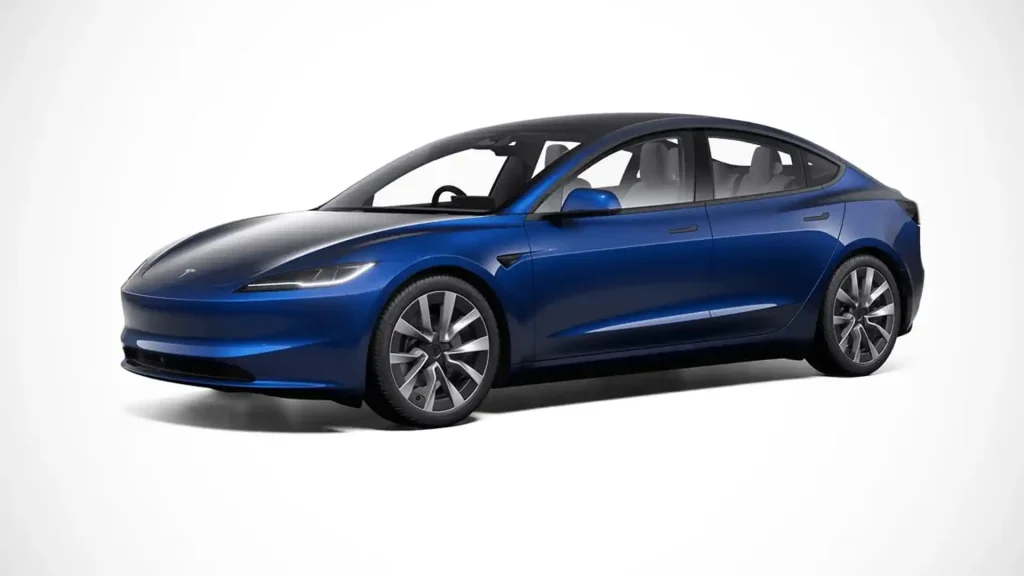
Another reason this car deserves mention is its transparency. Tesla allows drivers to choose between “Standard” and “Low” regen modes, but neither option changes unexpectedly through updates. This stability builds trust and enhances safety, especially for those who drive primarily in one-pedal mode.
The Model 3 proves that consistency can coexist with innovation. While software evolves behind the scenes, the physical feedback that steady, intuitive slowdown the moment you lift off remains unchanged. It’s a rare case of software-driven hardware that never loses its human touch.
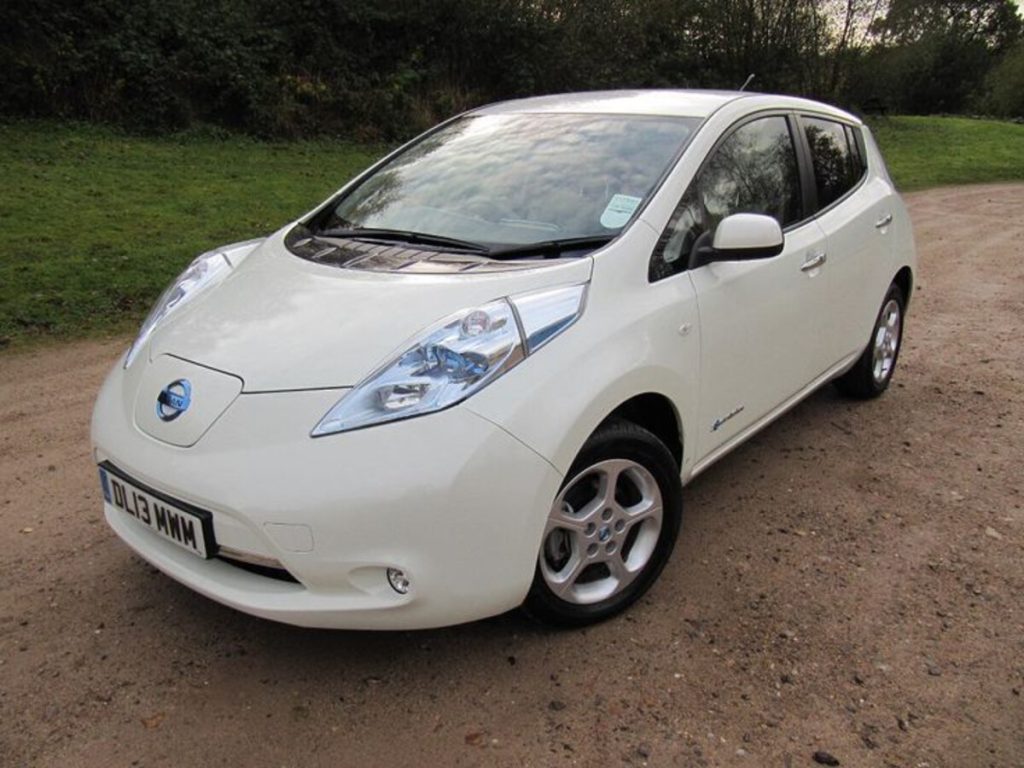
2. Nissan Leaf
Long before most automakers even considered one-pedal driving, Nissan introduced it with confidence in the Leaf. Since its debut, the Leaf’s e-Pedal system has provided strong and predictable regenerative braking that feels almost mechanical in its reliability.
Whether driving a 2015 model or a recent version, owners praise how uniform the deceleration feels, update after update.
The secret lies in Nissan’s early investment in electric drivetrain tuning. The Leaf’s motor controller precisely measures throttle lift-off and instantly adjusts regenerative current without sudden spikes.
It also smoothly blends hydraulic braking only when necessary, maintaining consistent deceleration even as the battery’s charge state changes. This design ensures that every Leaf, regardless of year or battery pack, behaves nearly identically when driven in one-pedal mode.
I’m writing about the Leaf because it deserves credit for pioneering dependable one-pedal control before it was fashionable.
While other EVs have experimented with variable regen strength or “adaptive” braking that changes behavior over time, Nissan has kept its system refreshingly familiar. That predictability means new drivers adapt quickly, and longtime owners never have to relearn their car’s stopping habits.
Even during major software updates, Nissan engineers have maintained the same core response curve. The company prioritizes predictability over aggressive energy recovery, preferring a consistent feel to chasing marginal efficiency gains.
That decision reflects a deep understanding of everyday driving psychology; comfort often matters more than performance metrics.
The Leaf’s one-pedal tuning is a quiet success story. It doesn’t grab headlines, yet it delivers precisely what EV owners value most: reliability in how their car behaves. Years later, the Leaf continues to prove that sometimes the best updates are the ones that leave what’s already perfect untouched.
3. Polestar 2
The Polestar 2 stands out for maintaining its one-pedal driving precision across all software revisions. From its early versions to the latest over-the-air updates, the way it decelerates when lifting off the accelerator remains steady, linear, and confidence-inspiring.
Drivers praise its natural transition from acceleration to regen braking, describing it as one of the most balanced systems in the EV world.
Polestar’s approach comes from its engineering roots under Volvo, where safety and predictability are central values. The brand built the Polestar 2’s regenerative behavior to feel mechanical and human, not overly digital.
It offers selectable levels of regen, yet even those settings haven’t been quietly altered through updates, a problem that plagues some EVs. Whether the driver prefers “Standard” or “Low,” the feedback curve remains identical.
I’m writing about the Polestar 2 because it shows that software doesn’t have to be a moving target. In an era when many manufacturers tweak pedal mapping remotely, Polestar’s restraint is admirable.
Its developers fine-tuned one-pedal mode through thousands of hours of testing before launch and then wisely left it alone. The car’s sense of weight, momentum, and braking response has remained consistent through every firmware evolution.
What also sets the Polestar 2 apart is its thermal and energy management. Even in cold weather or with a near-full battery, the car doesn’t suddenly reduce regen power in a jarring way.
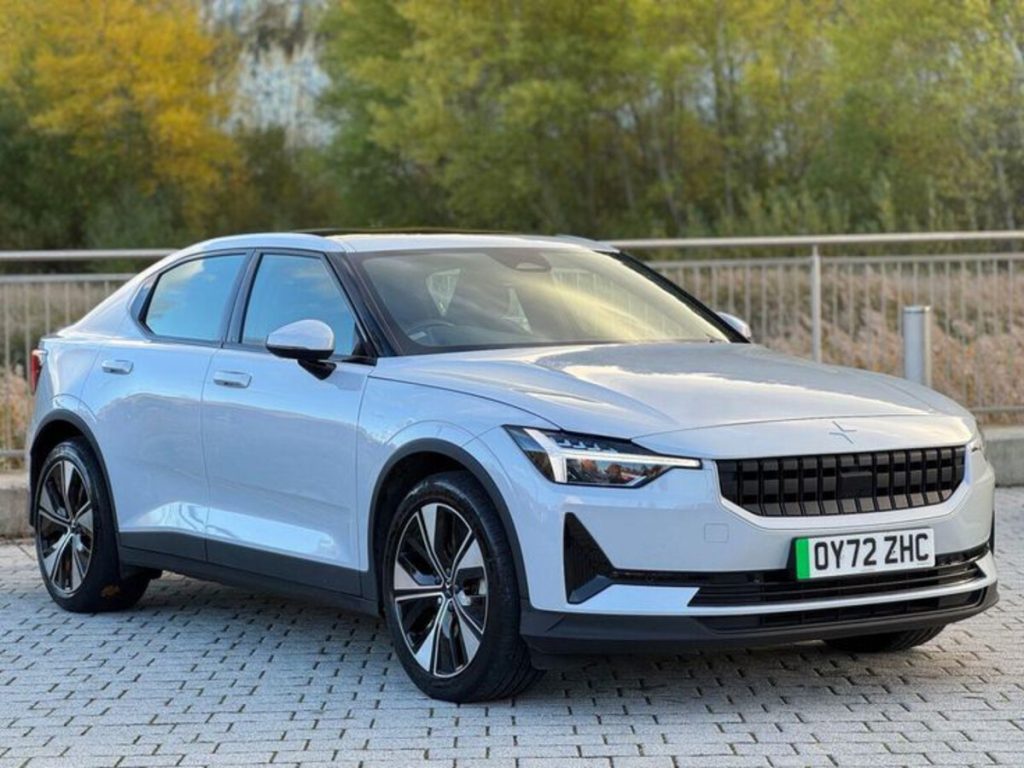
Instead, it gradually blends regenerative and friction braking so that the driver never feels the difference. This seamless logic ensures that confidence never fades, no matter the conditions.
The Polestar 2 proves that a well-calibrated driving feel is a form of engineering artistry. Once perfected, it shouldn’t be rewritten and Polestar understands that better than most.
4. Hyundai Ioniq 5
The Hyundai Ioniq 5 is another EV that delivers a remarkably stable and consistent one-pedal driving experience. Its i-Pedal mode lets drivers come to a full stop using only the accelerator, and what makes it special is that this behavior hasn’t been altered through countless system updates and software refinements.
The deceleration response feels identical whether you’re driving an early production model or the latest one.
Hyundai achieved this by locking the relationship between throttle position, regenerative strength, and brake blending early in the car’s development. Engineers intentionally prioritized driver familiarity over adaptive changes. The result is a car that behaves the same whether it’s driven in urban traffic or descending steep hills.
I’m writing about the Ioniq 5 because it highlights Hyundai’s quiet commitment to preserving a human-centered experience in an increasingly digital space. Many EV makers use updates to alter regen response for range optimization, but Hyundai resisted that temptation.
Drivers appreciate how predictable the car feels, especially when navigating tight or stop-and-go environments where consistency builds rhythm and comfort.
Another reason for its inclusion is the way Hyundai handles thermal limits. When the battery is too cold or nearly full, the Ioniq 5 slightly adjusts regen levels but still keeps pedal feedback constant. This means the driver never experiences a “sinking” or “dead” pedal only subtle compensation that maintains the same deceleration curve.
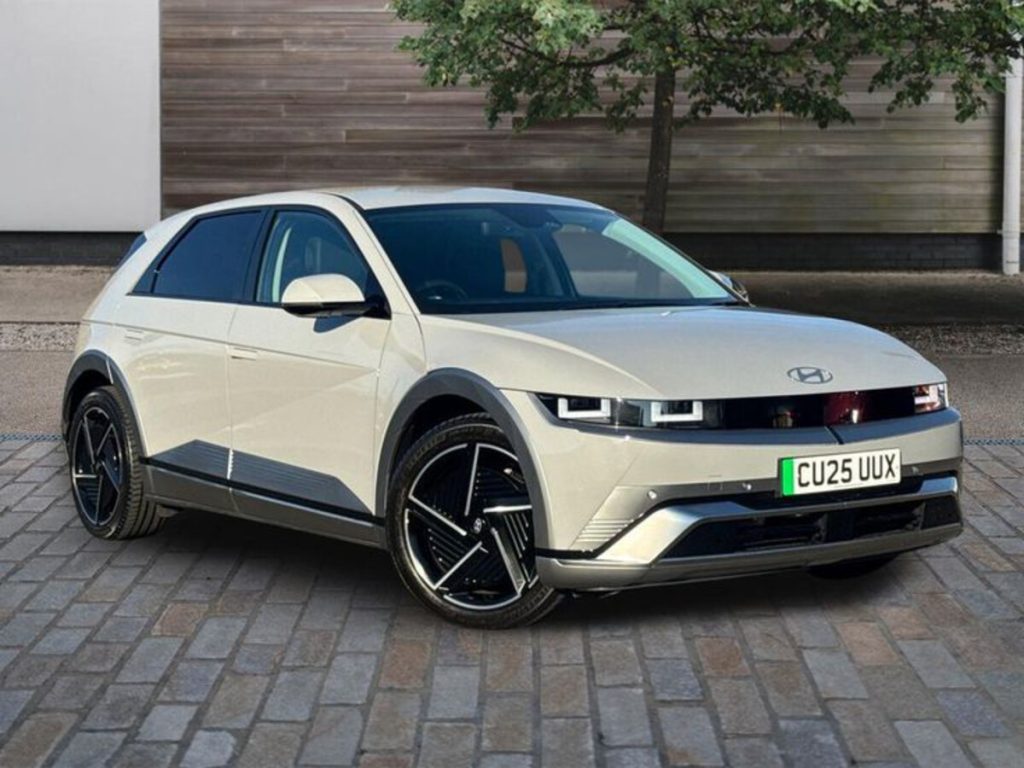
Even after two years of updates, reviews and owner feedback confirm the same story: the Ioniq 5 feels familiar every time.
Hyundai’s refusal to alter core tuning shows confidence in its calibration and respect for the drivers who build habits around it. It’s a masterclass in engineering discipline proving that sometimes, the smartest update is no change at all.
5. Chevrolet Bolt EV
The Chevrolet Bolt EV has quietly built a reputation for being one of the most consistent one-pedal driving cars available, especially among affordable electric vehicles. From the first model year, its regenerative braking system has remained firm, linear, and intuitive.
It allows the driver to manage almost all braking through the accelerator pedal, and that feel has barely changed despite numerous software patches and hardware revisions over the years.
GM’s engineers designed the Bolt’s regen system to behave more like an extension of the driver’s foot than a digital switch. The strength of deceleration increases smoothly as the pedal lifts, allowing fine control whether easing off slightly or coming to a complete stop.
Even better, updates targeting range improvements or torque delivery have never altered this response curve, keeping the driving experience consistent from one version to the next.
I’m writing about the Bolt EV because it’s an underrated example of engineering maturity in the budget EV space. Where many competitors chase constant change, Chevrolet has instead focused on refinement and stability.
The car’s brake blending logic how it transitions between regenerative and mechanical braking, is among the most seamless in its class, which is crucial for maintaining one-pedal confidence.
Another strength of the Bolt EV lies in its adaptability. Even when the battery is fully charged, and regenerative power is limited, the car adjusts automatically without changing pedal behavior. The deceleration remains smooth, preventing surprises or jerks that can unsettle the driver.
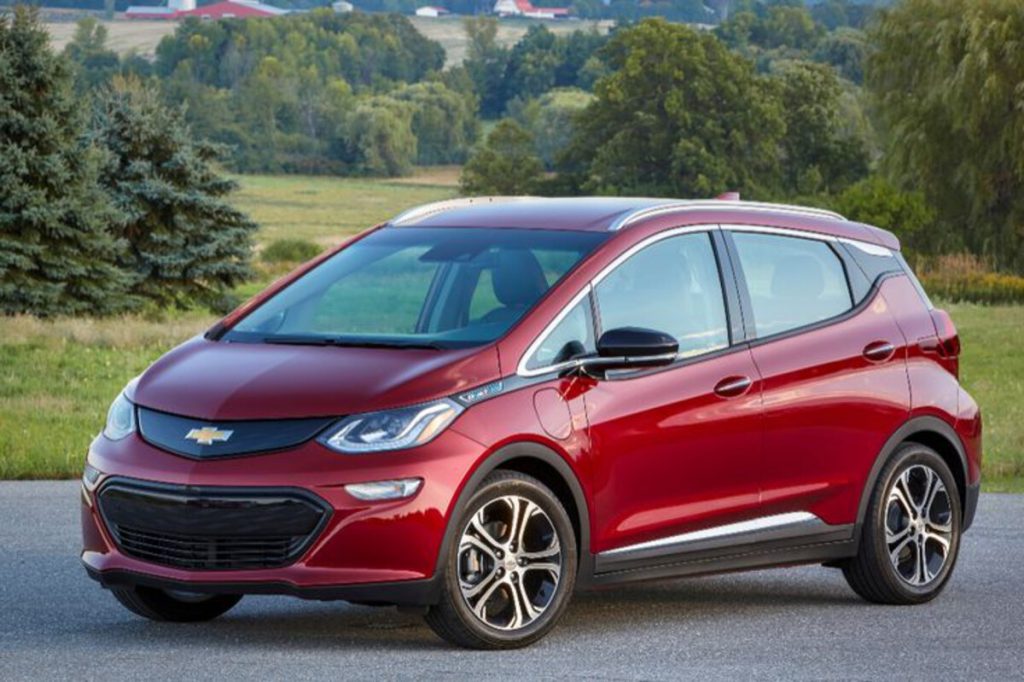
Over time, GM has made updates to the Bolt’s user interface and battery management, but its core driving calibration remains untouched. That stability is why many longtime owners say the car feels exactly as it did on day one a rare accomplishment in an era of evolving EV firmware.
5 EVs That Weaken After Updates
One-pedal driving feels magical when it works perfectly, but for many EV owners, that magic fades over time. After software updates or firmware revisions, some electric cars lose the strong, predictable regenerative braking they once had.
The deceleration becomes weaker, the response less linear, and the sense of control that once made driving so fluid begins to erode. This issue isn’t mechanical it’s digital. And it reveals how small coding changes can dramatically alter how an EV feels on the road.
These vehicles didn’t start out flawed. In fact, most of them were praised at launch for their intuitive one-pedal systems. The problem came later, often after updates meant to improve efficiency, comfort, or battery life.
Automakers frequently modify regen tuning in the name of smoothness or extended range, but these tweaks can dull the driver’s connection to the car. For those who rely on one-pedal control daily, such changes can make the car feel unfamiliar or even unsafe.
I’m writing about these EVs because they show how fragile driving character can be when it depends on software. Unlike mechanical components, which wear gradually, firmware can change instantly and permanently.
Owners often report that after a routine update, their car no longer slows as it used to, forcing them to retrain muscle memory that once felt automatic.
These five examples demonstrate how digital intervention can undo great engineering. Each model here once offered a confident, responsive one-pedal experience only to lose part of it through software evolution.
Whether the cause was battery preservation or regulatory adjustments, the result was the same: a diluted, inconsistent feel that left drivers nostalgic for the car they first drove off the lot.
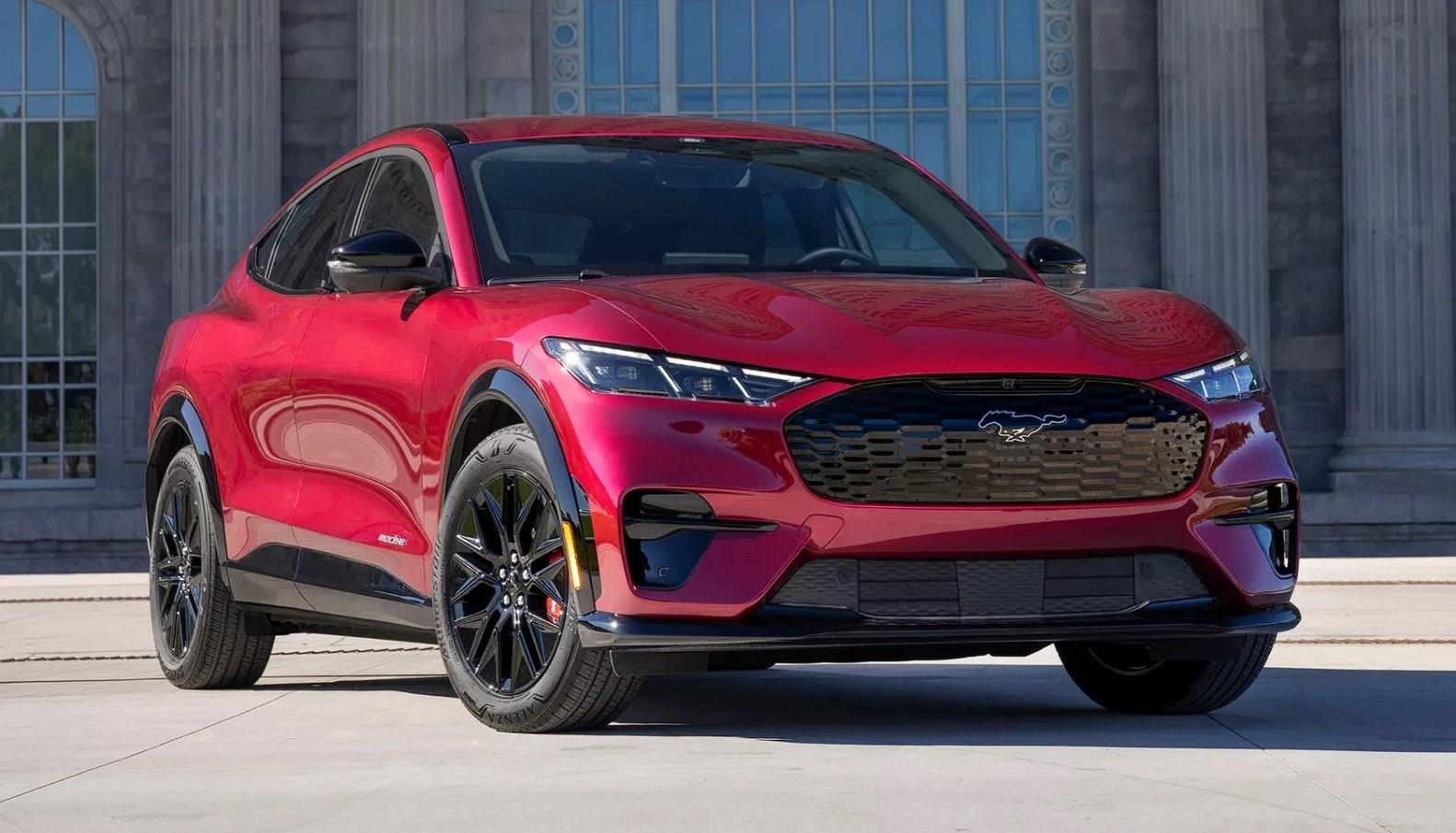
1. Ford Mustang Mach-E
When the Ford Mustang Mach-E first arrived, its one-pedal mode was praised for its strength and smoothness. It allowed easy modulation through the accelerator, bringing the car to a complete stop in traffic without ever needing the brake pedal.
Owners loved how natural it felt, especially for a first-generation EV from a traditional automaker. But after a series of software updates, that confident feel began to fade.
Several updates, aimed at refining battery management and extending range, quietly altered the regenerative braking map. What had once been a firm, predictable slowdown became softer and less linear.
Drivers noticed they needed to press the brake pedal more often, particularly at lower speeds where the original system could hold the car still. The transition between regen and friction braking also became more noticeable, disrupting the seamless control early owners enjoyed.
I’m writing about the Mach-E because it highlights how easily a software change can shift driving feel. Ford’s intentions were good to improve comfort and efficiency, but the result diluted one of the Mach-E’s most engaging traits. Owners who had built muscle memory around strong one-pedal operation suddenly had to adjust their habits.
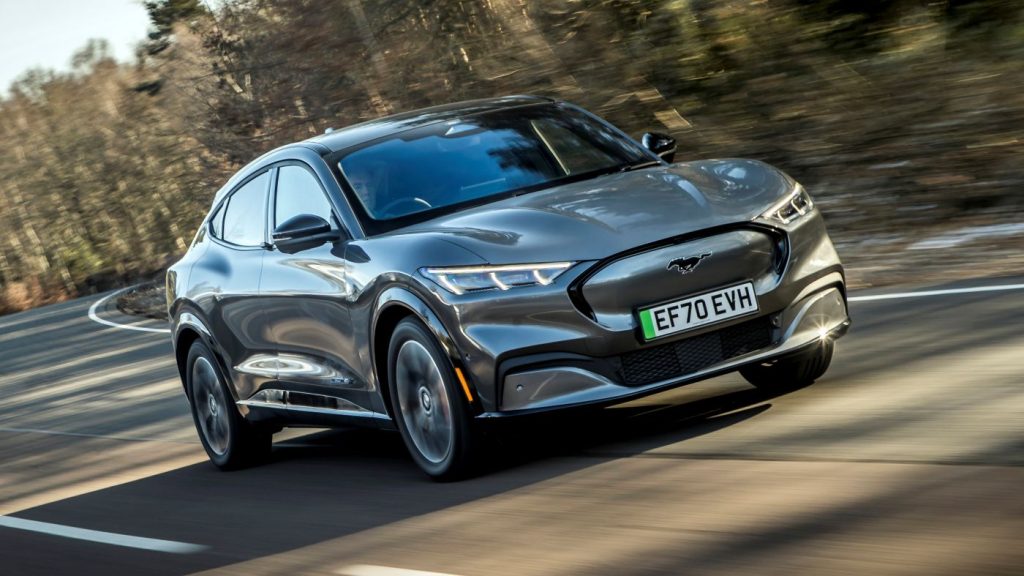
Even more frustrating, these changes weren’t reversible. Once an update was installed, the old calibration couldn’t be restored. That lack of choice alienated some of Ford’s most loyal early adopters, who felt their car had been changed without consent.
The Mach-E still drives well and offers capable regen, but it no longer feels as intuitive or satisfying as before. Its story serves as a reminder that in the world of software-defined vehicles, even small digital tweaks can dramatically alter what drivers love most the way a car responds to their touch.
2. Volkswagen ID.4
The Volkswagen ID.4 entered the market with a well-balanced one-pedal system that was praised for being intuitive and responsive. Early models offered firm regenerative braking, allowing the car to slow efficiently when drivers lifted off the accelerator.
However, after updates rolled out through the company’s over-the-air platform, many owners began noticing weaker deceleration and more reliance on the brake pedal.
Volkswagen had modified the regeneration curve to prioritize smoother transitions and protect the battery from frequent high-current regen events.
While this decision helped long-term durability, it also softened the one-pedal experience that had made the ID.4 feel lively in city driving. Drivers accustomed to strong initial regen found the new setup less engaging, describing it as “floaty” or “delayed.”
I’m writing about the ID.4 because it illustrates how corporate caution can override driver satisfaction. Volkswagen’s updates may have improved system longevity, but they came at the expense of dynamic feel.
The newer software made regen braking more subtle, perhaps better for first-time EV drivers, but disappointing for those who appreciated the original precision and feedback.
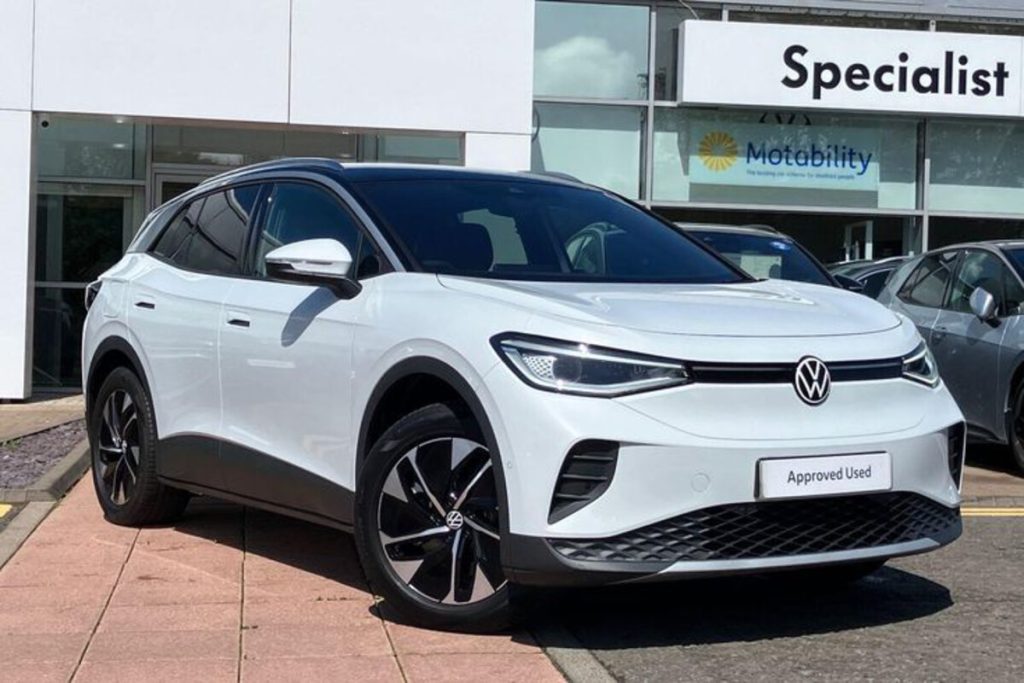
Even worse, the changes weren’t optional. The car’s “B-mode,” which once delivered near-complete one-pedal control, now feels muted compared to early models. What used to bring the car smoothly to a stop now often requires extra brake pedal pressure an annoying adjustment for daily commuters.
The ID.4’s situation reflects a broader trend in the EV industry: updates designed for safety and comfort sometimes remove the very traits that made a car distinctive. Volkswagen’s attempt to standardize driving feel ended up diluting it, turning one of its most satisfying electric crossovers into something less personal and more generic.
3. Volvo XC40 Recharge
The Volvo XC40 Recharge debuted with the same one-pedal brilliance as its sibling, the Polestar 2. At launch, it delivered a confident, controlled deceleration that felt natural and strong enough for everyday driving.
You could lift off the accelerator and bring the car almost to a stop without ever touching the brakes. Owners praised it for being predictable, smooth, and perfectly matched to Volvo’s focus on comfort and safety.
But after a series of software updates, many drivers began noticing subtle yet frustrating differences. The one-pedal feel became weaker, especially at lower speeds or when the battery was cold.
What once felt direct now seemed hesitant. Some updates also altered how quickly the car transitioned between motor braking and hydraulic brakes, creating a slight lag that drivers described as “rubbery.”
I’m writing about the XC40 Recharge because it represents how even premium EVs can lose their identity through over-the-air updates.
Volvo’s updates were designed to harmonize performance across models and improve overall efficiency, but in doing so, they dulled one of the most engaging parts of the driving experience.
For long-time owners, the car began to feel less confident in traffic, particularly when expecting the strong regen that used to define it.
Volvo’s goal was understandable: smoothness over sharpness. Yet the result disappointed those who had built trust in the car’s original response. Instead of the consistent, linear feedback that made early drives effortless, the newer calibration demands more conscious braking.
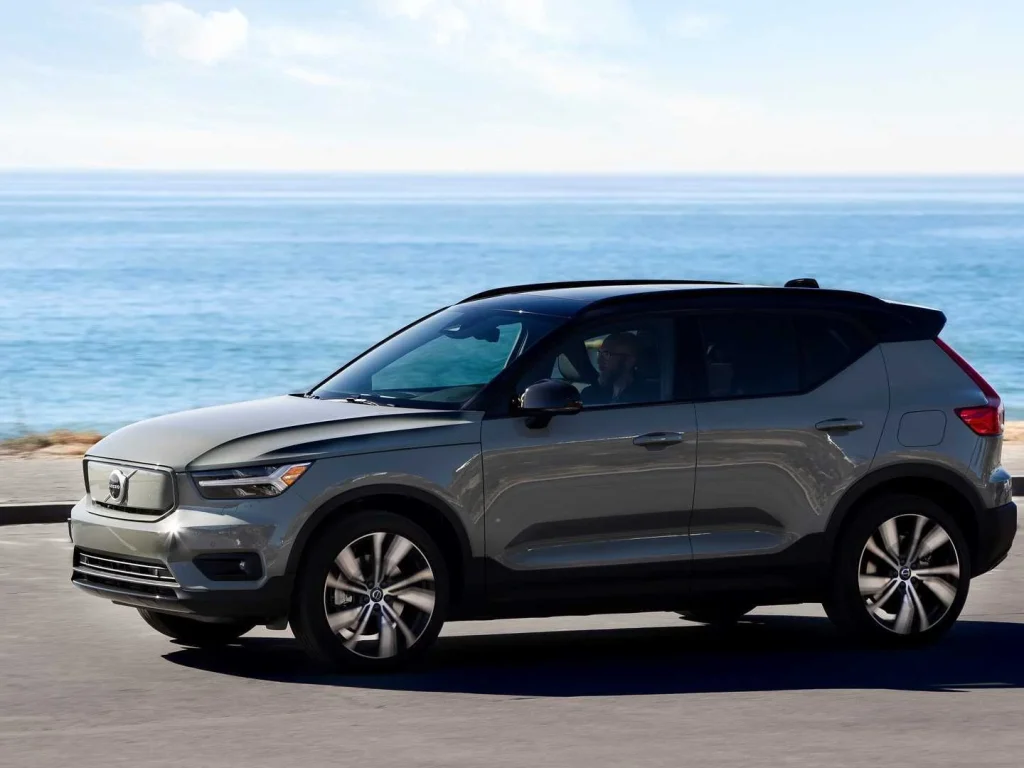
The XC40 Recharge still remains a capable and refined EV, but its story is a lesson in how small digital decisions can ripple through real-world driving habits. Once that intuitive connection fades, it’s hard to get it back even in a brand built on precision.
4. Kia EV6
The Kia EV6 launched with one of the most advanced regenerative systems in its class. Its adjustable regen levels and “i-Pedal” mode gave drivers full one-pedal control, right down to a smooth stop.
Early testers praised the car’s ability to blend braking naturally while maintaining strong feedback through the accelerator. It felt precise, modern, and consistent a true highlight of Hyundai-Kia’s E-GMP platform.
However, things changed after several software updates rolled out across different markets. Owners began reporting that one-pedal strength had softened, particularly in i-Pedal mode. Deceleration was no longer as assertive, forcing drivers to use the brake pedal more often.
Kia had adjusted the regen mapping to enhance efficiency and comfort, but in doing so, it muted the immediacy that once defined the EV6’s driving character.
I’m writing about the EV6 because it captures the frustration many EV owners face their car changes subtly over time, even when nothing mechanical has been replaced. The EV6’s updates were meant to make transitions smoother and less abrupt for new drivers, but they inadvertently removed the muscle memory that regular users had built up.
The impact was most noticeable in stop-and-go traffic. Where the car once stopped confidently using just regen, newer versions require light brake input to come to a full halt. That small change altered the entire rhythm of city driving.
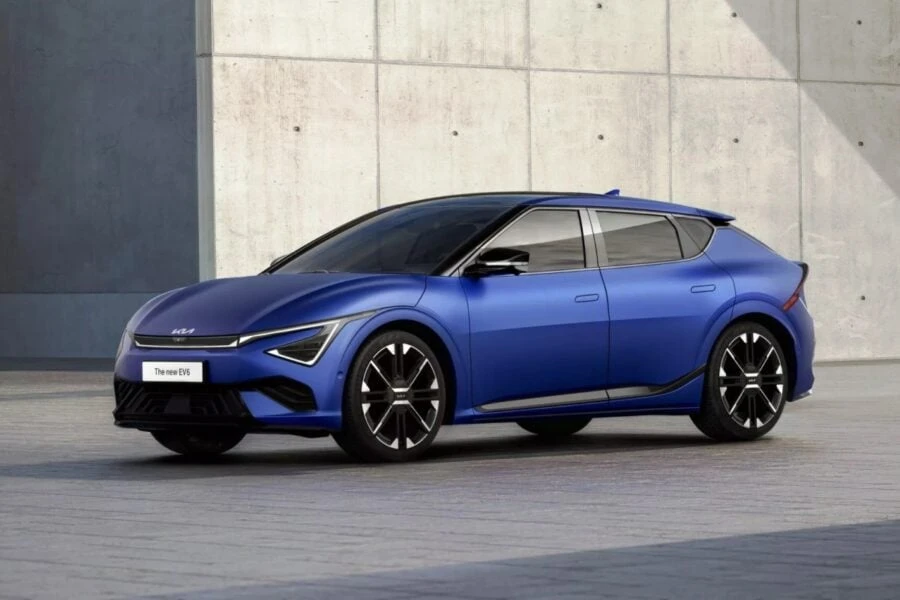
Kia’s decision likely came from balancing feedback across global markets, but it also diluted a system that had near-perfect calibration at launch. The EV6 remains one of the best-engineered EVs overall, yet its evolution shows that even great hardware can’t save a car from software that second-guesses its strengths.
5. BMW i4
The BMW i4 began its life with one of the most refined and confidence-inspiring regenerative systems in the luxury EV market. It offered an engaging one-pedal experience that perfectly matched BMW’s performance DNA.
The response was firm but fluid, allowing precise modulation with just the accelerator. Early reviews praised it for striking a near-perfect balance between sporty control and smooth everyday usability.
But as BMW rolled out new software updates, subtle changes crept into the driving feel. What was once a sharp and predictable slowdown began to feel lighter and less consistent. The deceleration curve softened, especially at mid-range speeds where the original setup allowed decisive one-pedal operation.
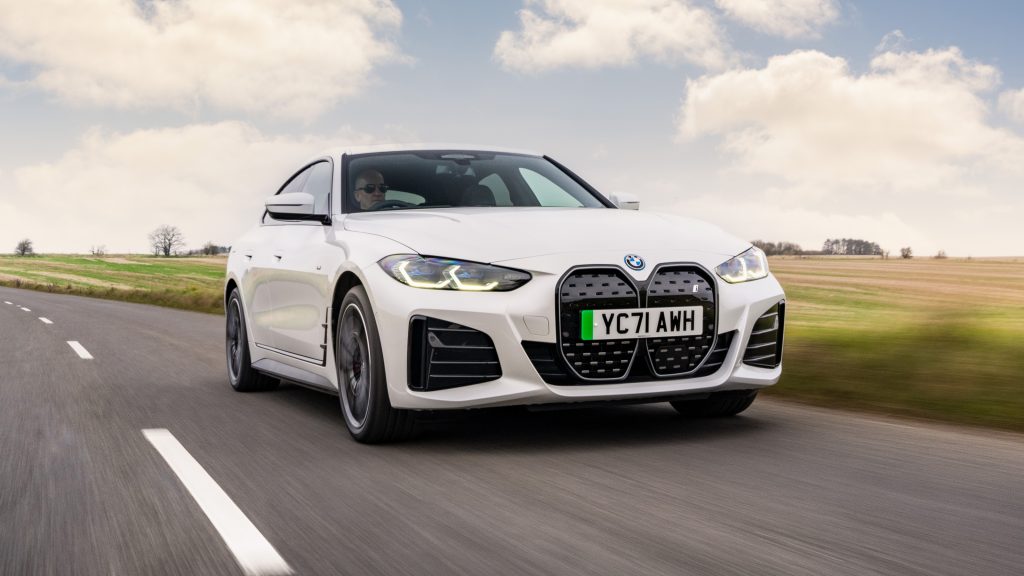
BMW’s reasoning was to make the i4 feel more “refined” and to harmonize it with upcoming EVs like the iX and i5 but the trade-off came at the expense of driver engagement.
I’m writing about the i4 because it illustrates how easily software can dilute character, even in a car built by one of the most driver-focused brands in the world.
The original tuning gave instant feedback, rewarding those who mastered throttle control. After the update, that precision dulled into something smoother but less communicative, leaving enthusiasts disappointed.
The most noticeable change appears when coasting downhill or approaching a full stop. Earlier models provided consistent deceleration regardless of battery charge, but newer versions taper regen strength more conservatively to protect long-term battery health.
That’s a sound engineering move, but one that changes how the car “feels” to the driver a reminder that performance isn’t just about numbers, but sensations.
The BMW i4 remains a technologically brilliant EV, yet its softened one-pedal calibration demonstrates how even top-tier automakers sometimes prioritize uniformity over individuality.
What began as a precise driver’s tool now feels slightly detached, showing how digital optimization can unintentionally drain emotion from motion.
