Door seals might seem like a small detail in car design, but they make a huge difference in how a vehicle feels, sounds, and lasts.
The soft rubber that lines each door keeps wind noise out, prevents water leaks, and helps maintain cabin comfort over years of temperature changes.
Some cars manage to keep their seals flexible for decades, while others develop hard, cracked, or squeaky edges that need constant attention. This difference often comes down to materials, manufacturing, and how well a brand understands long-term climate exposure.
This article compares five cars whose door seals stay supple with five that tend to need annual replacement. The goal isn’t to criticize but to understand the engineering decisions behind durability.
Cars that preserve their rubber seals typically use higher-quality elastomers, often silicone-based or UV-resistant blends. These hold up better in sun, humidity, and cold. In contrast, vehicles that suffer from brittle or shrinking seals often rely on cheaper synthetic rubbers that don’t handle environmental stress as gracefully.
I’m writing about this because door seals are one of the most overlooked parts of car ownership. When they dry out, they lead to whistling at highway speeds, water intrusion, and even uneven door alignment over time.
Replacing them every year becomes both costly and frustrating. Yet, in well-built cars, the seals can remain pliable for a decade or more, needing little more than occasional cleaning and conditioner.
By exploring ten examples five that resist aging and five that fail early, this piece reveals how something as simple as rubber can separate a refined driving experience from a noisy, leaky one. These cases also highlight how thoughtful material choices protect comfort and value long after the warranty ends.
Also Read: 5 Trucks With Bulletproof V8s vs 5 Problematic Engines
5 Cars Whose Door Seals Stay Supple
When a car feels solid after years on the road, it’s not just about the engine or suspension. The quiet thud of a closing door and the absence of wind noise often come down to one small but vital component the door seal.
A supple, flexible seal can make a ten-year-old car feel like new, keeping out dust, moisture, and harsh road sounds. Some automakers clearly take this detail seriously, testing their seals for years of sun, heat, and pressure changes to ensure they last as long as the car itself.
I’m writing about cars with long-lasting seals because they represent the hidden quality that defines true craftsmanship. When you open and close a car door, you’re feeling the result of material science and design precision.
Softer seals that stay elastic are usually made from silicone or EPDM rubber blends. These resist UV cracking, temperature swings, and the hardening that ruins the watertight barrier over time.
Cars in this category have proven that thoughtful sealing can make ownership easier and more enjoyable. Owners report doors that stay whisper-quiet, windows that glide smoothly, and cabins that stay dry through years of rain and sun.
These vehicles show that the best engineering isn’t always visible it’s felt in the silence on a highway drive and the clean interior after a storm.
The following five cars were chosen for their consistent record of seal longevity and real-world owner satisfaction. Each one demonstrates how good material choices and smart door-frame design can eliminate squeaks, rattles, and leaks for years.
They remind us that true durability isn’t flashy it’s found in the little things that quietly hold a car together long after the new-car smell fades.
1. Lexus RX
The Lexus RX has long been praised for its quiet cabins and soft ride, and much of that comfort comes from something few notice its door seals. Owners consistently report that even after ten years, the seals stay soft, flexible, and airtight.
The RX’s engineering approach focuses on insulation at every level, and Lexus uses multi-layer EPDM rubber blends that resist UV damage and ozone cracking.
I’m writing about the RX because it sets the benchmark for seal longevity. Many mid-size SUVs develop slight whistling or door creaks after years of use, but the RX avoids this by combining precision door fitment with resilient sealing materials.
Even in hot climates, the rubber edges retain their shape, preventing water intrusion and keeping the signature Lexus quietness intact.
Part of the success lies in the car’s assembly standards. Each door is robot-aligned and pressure-tested at the factory to ensure even compression along the entire frame. This means the seals never have to overwork to create a tight closure, reducing fatigue over time.
Another reason the RX stays so refined is Lexus’ maintenance recommendations. The brand suggests light silicone treatment during detailing, which helps keep the rubber hydrated without swelling. Owners who follow this find their door seals feel new even past 150,000 miles.
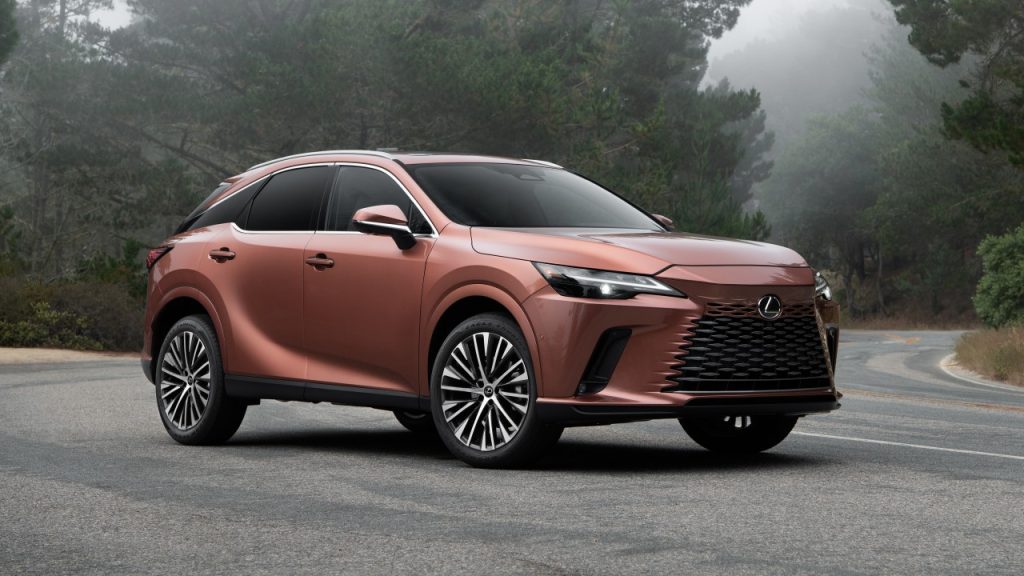
This vehicle deserves mention because it shows how consistency in material and design leads to long-term refinement. The RX doesn’t rely on gimmicks it uses durable rubber chemistry and tight tolerances to protect against age. It’s proof that a luxury feel isn’t about the badge alone; it’s about keeping the car sealed, silent, and soft to the touch year after year.
2. Honda Accord
The Honda Accord earns its place for a different reason simplicity and precision. While not a luxury model, its door seals consistently outlast competitors, even in harsh weather. Many Accords from the early 2000s still have original seals that remain pliable and watertight.
I’m writing about the Accord because it demonstrates how everyday engineering excellence can achieve luxury-like durability. Honda uses dense, ozone-resistant rubber formulations that maintain flexibility through extreme heat and cold.
Unlike cheaper materials that shrink or stiffen, Accord seals stay springy, keeping wind and rain out effectively even after a decade.
The secret lies in Honda’s manufacturing consistency. Each door frame is laser-measured for uniform compression, ensuring that the rubber isn’t over-squeezed at any point. This balanced tension prevents hard spots and cracking, the main causes of leaks in cheaper designs.
Owners in humid regions also praise how the seals resist mold and stickiness. The composition includes anti-fungal additives, which prevent surface deterioration a small but thoughtful detail that keeps the interior clean and odor-free.
Even without regular conditioning, Accord door seals tend to hold up, but with occasional silicone or glycerin-based treatment, they stay nearly new in feel. The quiet ride on long highway drives reflects this tight sealing system that blocks noise and dust better than most mid-range sedans.
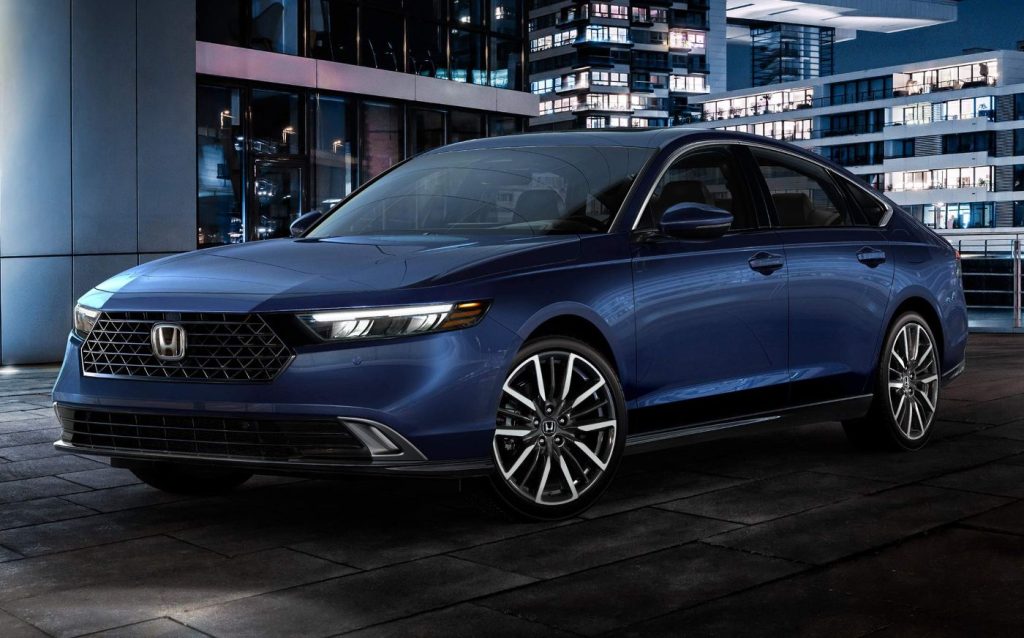
This car is worth highlighting because it proves that good sealing doesn’t require premium pricing. The Accord’s long-term resilience reflects Honda’s focus on real-world use, not just lab tests. It’s a sedan that keeps its integrity without needing costly replacements, showing that smart material selection can achieve silent strength where it counts the most.
3. Volvo XC60
The Volvo XC60 stands out for its attention to quietness and climate resistance. Designed in Sweden, where temperature swings and snow exposure are routine, the XC60’s door seals are built to last. Owners across both cold and coastal regions report that the rubber around the doors stays supple and noise-free even after ten years.
I’m writing about the XC60 because it showcases how environmental engineering influences long-term durability. Volvo uses high-quality EPDM rubber infused with silicone oil during production. This blend prevents hardening in subzero weather while staying stable in high heat, a balance few other manufacturers achieve.
The door design also helps. Volvo’s double-lip seal setup isolates the cabin from both water and dust. Even after years of compression, the seals return to their shape instantly when the door opens, showing resilience that keeps the car quiet and leak-free.
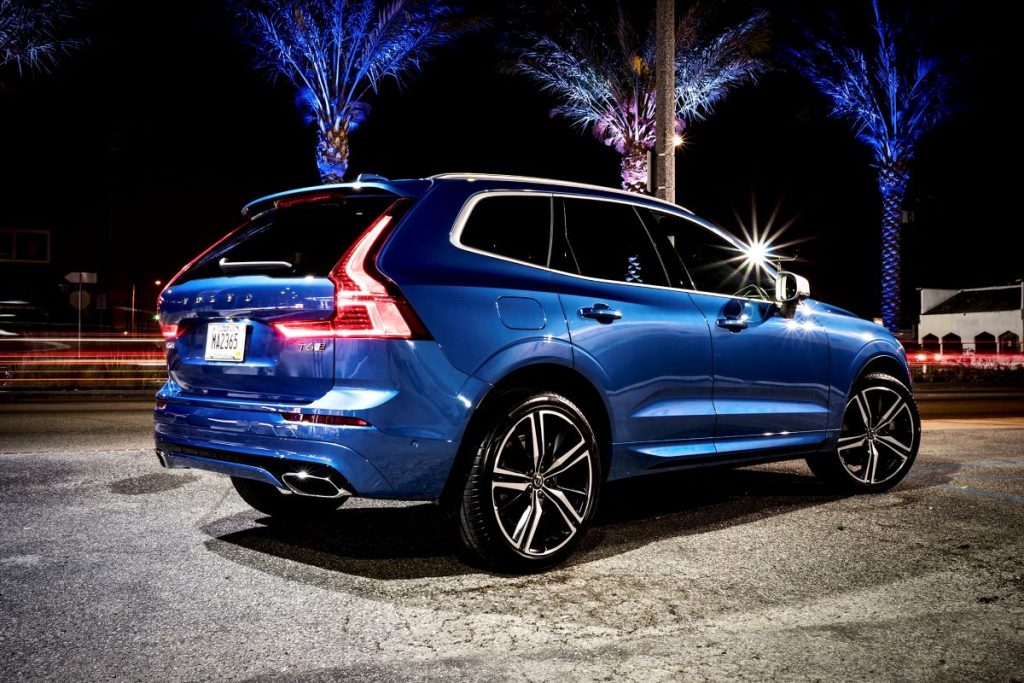
Another reason the XC60 deserves recognition is its use of UV-resistant coatings. Many vehicles suffer seal fading or surface cracking from sun exposure, but Volvo’s chemical treatment blocks ozone degradation. This means fewer signs of aging like squeaks or door sticking.
The brand also encourages gentle cleaning with mild soap and silicone-based lubricant every six months a simple care routine that extends lifespan dramatically. Combined with the vehicle’s solid door frames, the seals maintain their elasticity and shape far beyond warranty life.
This car earns its place because it’s engineered for endurance, not just luxury. The XC60 proves that even in freezing mornings or blazing summers, the right rubber formula can protect comfort. It shows how Volvo’s Scandinavian design philosophy prioritizes long-term usability and calm refinement one door seal at a time.
4. Mazda CX-5
The Mazda CX-5 is often celebrated for its engaging drive, but few mention its remarkable door seal durability. This crossover combines sporty construction with thoughtful material use, and the result is a cabin that stays tight and quiet long after many rivals start to rattle.
I’m writing about the CX-5 because it represents a new era in affordable precision. Mazda reengineered its seals to match luxury-level softness, using thermoplastic elastomers that resist shrinking and drying. These materials maintain flexibility through years of sunlight and dust exposure, a critical trait for markets with intense seasonal change.
What makes the CX-5 special is its focus on real-world noise control. Mazda tested its seals under repeated open-close cycles exceeding 100,000 operations.
The result is consistent compression that prevents air leaks or door thuds. Even after long highway drives, wind intrusion remains minimal, proving how effective the seals are at maintaining their profile.
The car’s KODO body design also supports this. Smooth door curves ensure even pressure along the seal, reducing localized wear. Unlike vehicles with misaligned frames, the CX-5’s precision assembly keeps seal stress low and uniform.
Owners frequently note that their CX-5s retain the same soft, pliant feel after years of use, with no brittleness or hard spots. Routine cleaning with a light silicone spray is enough to preserve the rubber’s natural elasticity.
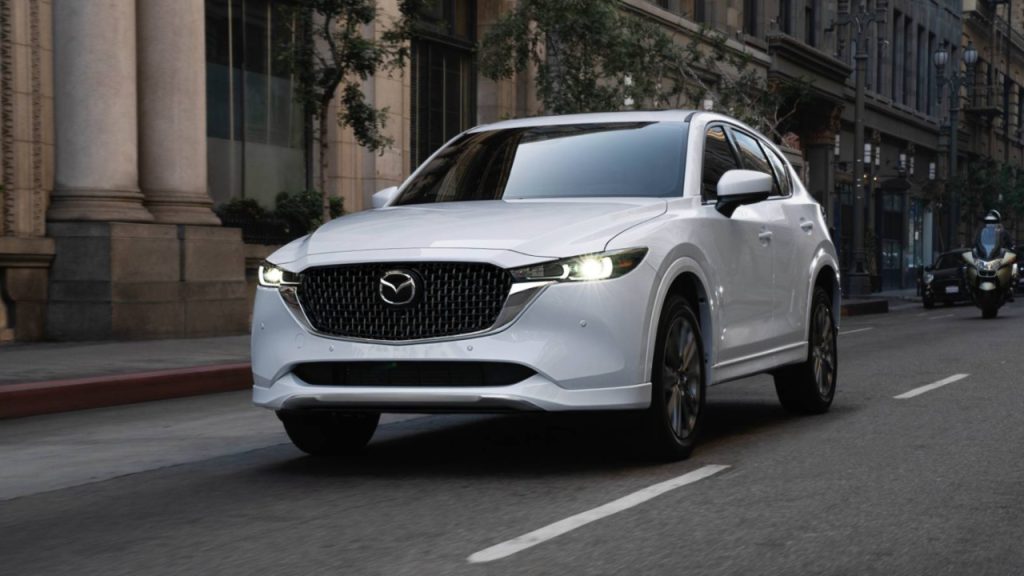
This car earns its place because it shows how Mazda bridges passion and practicality. While it’s known for handling, the CX-5’s quiet ride proves that attention to detail extends beyond driving dynamics. Its long-lasting door seals are part of what makes it feel solid, refined, and far more upscale than its price suggests.
5. Toyota Highlander
The Toyota Highlander has earned a long-standing reputation for reliability, but one of its less-discussed strengths is how well its door seals age.
Owners consistently report that the rubber remains soft and watertight for more than a decade, even in regions with high UV exposure or temperature swings. It’s one of those quiet details that contribute to the Highlander’s long-term comfort.
I’m writing about the Highlander because it shows Toyota’s consistency in material engineering. The brand uses high-grade EPDM rubber, formulated to resist both ozone cracking and compression set. That means the seals return to their shape after years of pressure from closing doors, instead of flattening or hardening like cheaper alternatives.
The vehicle’s body structure also helps maintain even seal pressure. Toyota’s door frames are reinforced for rigidity, which ensures the seals compress uniformly around the entire perimeter. This prevents weak spots that typically allow wind or rain to sneak in. The result is a tight, quiet cabin one of the Highlander’s signature qualities.
Another key factor is Toyota’s surface finish on the rubber itself. A thin silicone-like coating is applied at the factory, reducing friction and preventing sticking during hot weather. This surface treatment also slows down the loss of natural oils within the rubber, helping it stay supple longer.
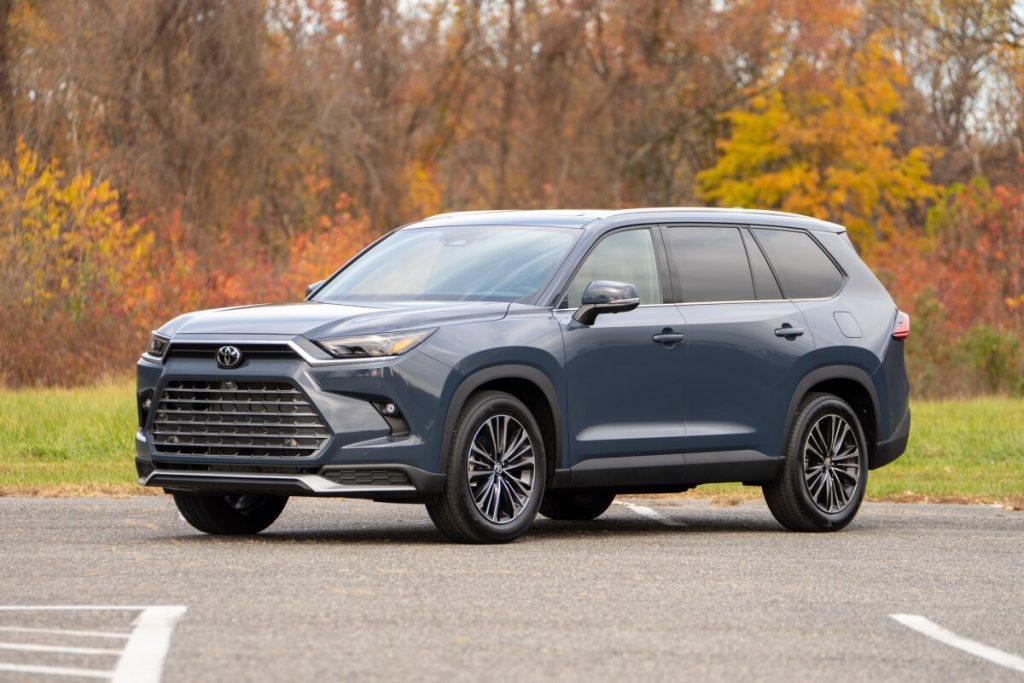
Even after 150,000 miles, Highlanders tend to keep their seals pliable with minimal care. Owners who occasionally clean and condition them report no squeaks, no leaks, and no tearing. It’s a subtle but crucial part of why the Highlander ages gracefully, often feeling newer than its mileage suggests.
This SUV deserves mention because it embodies quiet endurance. While other parts of a car get attention for reliability, Toyota’s commitment to high-quality seals ensures every drive feels composed, insulated, and comfortable for years to come.
5 Cars That Need Annual Replacement
Not all door seals are built to last. Some vehicles, even well-made ones, require annual attention or replacement to keep the cabin quiet and dry.
Rubber can dry out, shrink, or crack from repeated exposure to sunlight, heat, humidity, and even road chemicals. When seals degrade, the results are immediately noticeable whistling wind noise, water leaks, and sometimes difficulty closing doors.
This section highlights five cars whose door seals tend to age quickly, requiring yearly maintenance or replacement. The goal isn’t to condemn these vehicles, but to explore how material choice, design, and climate susceptibility affect long-term durability.
In many cases, these cars use cheaper synthetic rubbers or tight-fitting designs that stress the seals every time a door closes. Over time, repeated flexing and UV exposure compromise the elasticity, causing early wear.
I’m writing about these vehicles because understanding seal longevity is a crucial, yet often overlooked, part of car ownership. Even premium cars can struggle if the door frame design or rubber formulation isn’t optimized for temperature changes.
When seals harden or shrink, owners experience more than just minor annoyances they affect interior comfort, noise insulation, and even vehicle resale value.
Some of the models in this list are common daily drivers, while others are sporty or luxury-oriented. In every case, the recurring theme is that material choice and engineering decisions dictate how often replacement is necessary.
By examining these examples, readers can plan maintenance schedules, budget for replacements, or adopt preventive care routines that minimize premature wear.
The following five cars demonstrate how something as small as a rubber seal can shape ownership experience. While the engines, suspension, and interiors might remain reliable for years, weak door seals remind us that longevity isn’t just mechanical it’s also about attention to detail, materials, and real-world resilience.
1. Ford Mustang (2015–2022)
The Ford Mustang is a performance icon, but its door seals are a known weak point. Owners report that the rubber hardens and shrinks quickly, especially in hot climates, leading to wind noise, rattles, and occasional water seepage. Even with gentle care, these seals often require replacement every year or two to maintain proper cabin insulation.
I’m writing about the Mustang because it highlights how high-performance design can compromise seal longevity. The tight-fitting doors and sporty chassis prioritize handling over gentle compression of the rubber, causing stress on the edges of the seals.
Combined with thinner, less UV-resistant rubber, this leads to hardening and cracking sooner than expected.
Another factor is sun exposure. Many Mustangs are driven in open, sunny areas, and the seals, often composed of standard EPDM without silicone additives, struggle with prolonged UV radiation. Owners notice visible fading, stiffness, and small tears along the edges within a few seasons.
Mechanics and enthusiasts frequently suggest using silicone-based lubricants or conditioning sprays to slow degradation. Without this, doors may whistle at highway speeds or develop minor leaks around the window frame. While these issues rarely affect safety, they do compromise comfort and quietness, which are key parts of the Mustang experience.
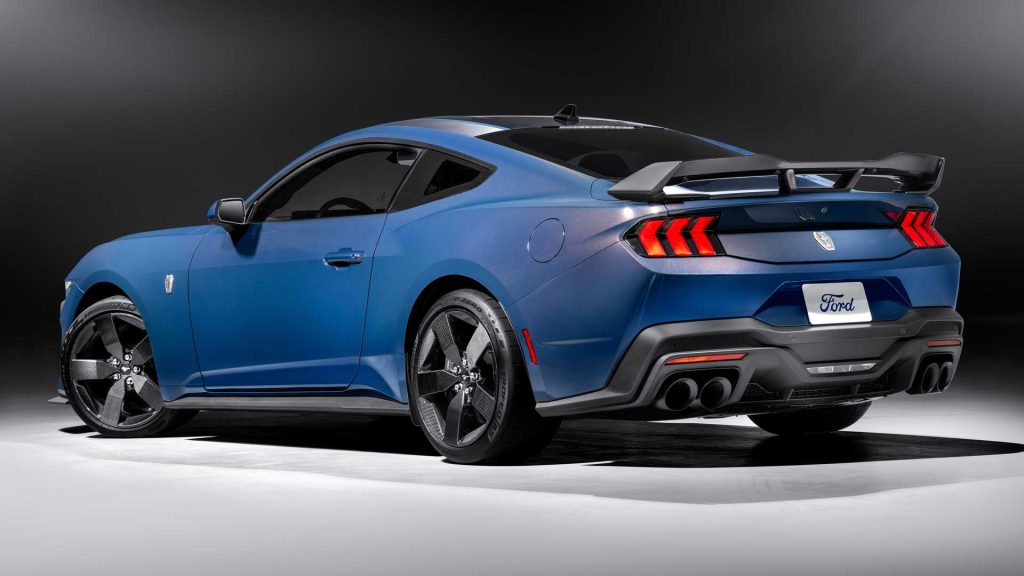
The Mustang earns a spot here because it shows that even a well-engineered sports car can have hidden durability challenges.
While the engine, suspension, and body panels may last for decades, the rubber seals are a consumable item. Awareness and preventive care are essential for maintaining the iconic cabin feel and minimizing annual replacement costs.
2. Mini Cooper
The Mini Cooper, with its tight, retro-inspired body, often suffers from door seal wear. Owners report that the seals become stiff, curl at the edges, and sometimes fail to keep water or wind out after just a year or two. The combination of small door frames and thin rubber makes them especially vulnerable to compression set and UV damage.
I’m writing about the Mini Cooper because it exemplifies how compact design can stress rubber components. The doors are small and hinged to close with a precise, sporty “thunk,” which puts repeated pressure on the seals. Over time, this repeated flexing reduces elasticity, causing gaps, whistling, and minor leaks.
Climate also plays a role. The standard rubber formulation used in many Minis lacks added silicone, making it prone to hardening in hot summer months and becoming brittle in winter. Moisture exposure can further accelerate the problem, especially in coastal or rainy regions.
Routine conditioning can help, but many owners find that replacement every year is the only reliable way to maintain a tight, quiet cabin. Mechanics often suggest aftermarket silicone-enhanced seals as a long-term solution, but the factory seals are known to degrade quickly.
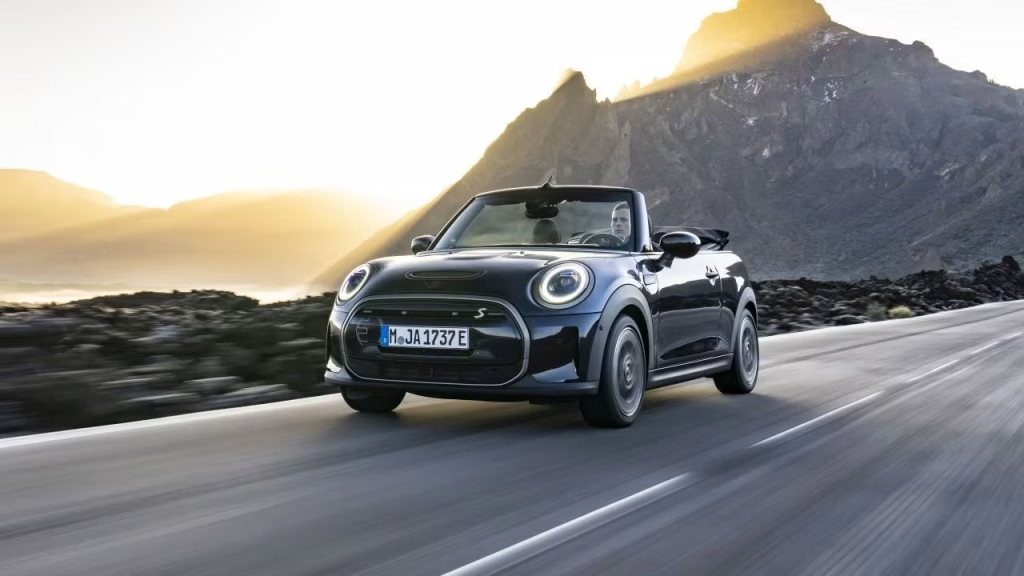
The Mini Cooper belongs on this list because it demonstrates that compact, sporty vehicles face unique challenges in sealing. While its driving dynamics and styling remain exceptional, the door seals require constant attention. Without annual care or replacement, the cabin comfort and sound insulation deteriorate rapidly.
3. Jeep Wrangler
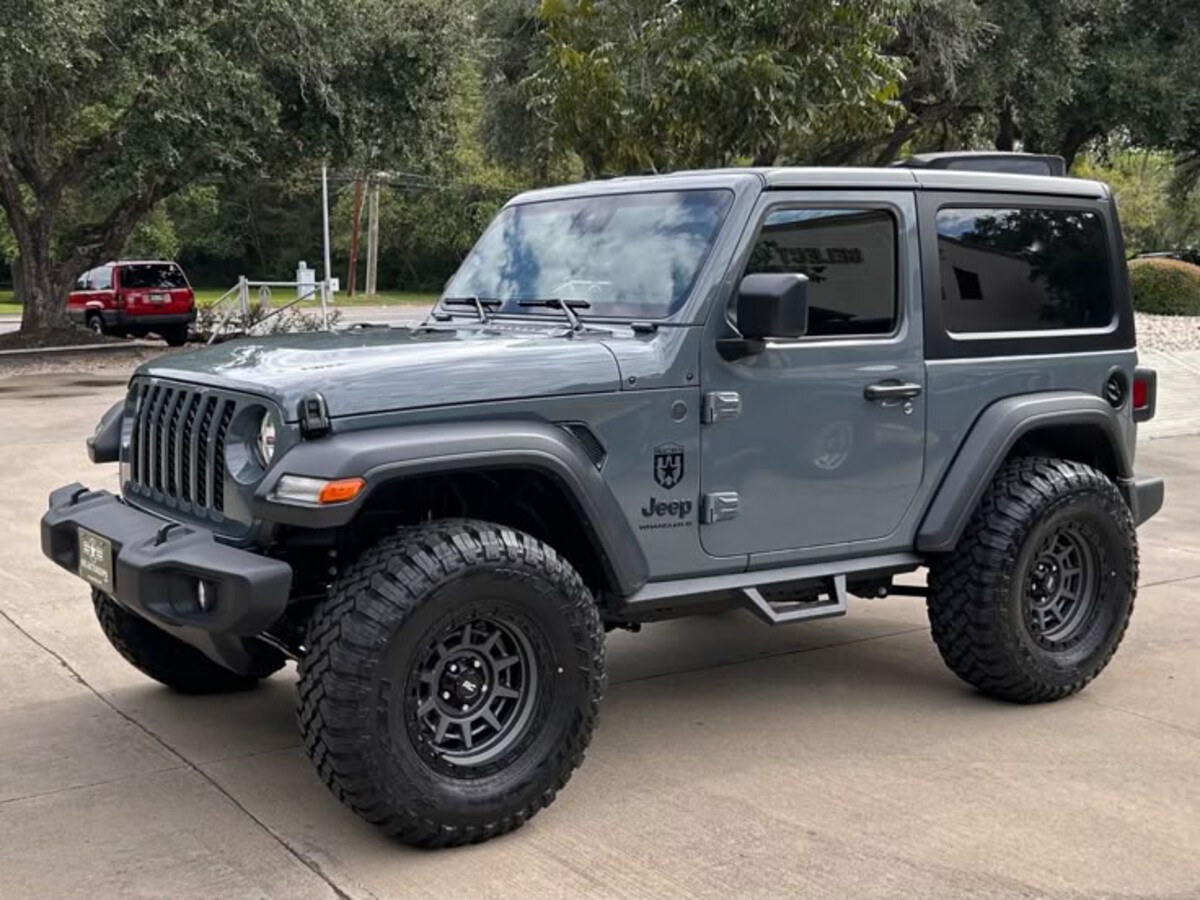
The Jeep Wrangler is legendary for off-road capability, but its door seals are notoriously fragile. Owners report that even with light daily driving, the seals harden, shrink, and lose elasticity within a year or two. This leads to wind noise, water leaks, and a generally drafty cabin.
I’m writing about the Wrangler because it highlights how rugged design can compromise comfort components. The doors are removable and mounted on heavy-duty hinges, which can warp the rubber seals over repeated cycles. The combination of frequent door movement and exposure to sun, dirt, and water accelerates degradation.
Another challenge is material choice. Jeep uses standard EPDM rubber without UV or ozone additives in many models. While this works well in the short term, the harsh elements typical for Wrangler owners desert sun, mud, and salt, quickly reduce flexibility.
Owners often find that doors start squeaking or failing to close tightly within a year. Regular application of silicone spray helps temporarily, but replacement is usually required to restore the proper seal. Some aftermarket options improve durability, but factory seals consistently need annual attention.
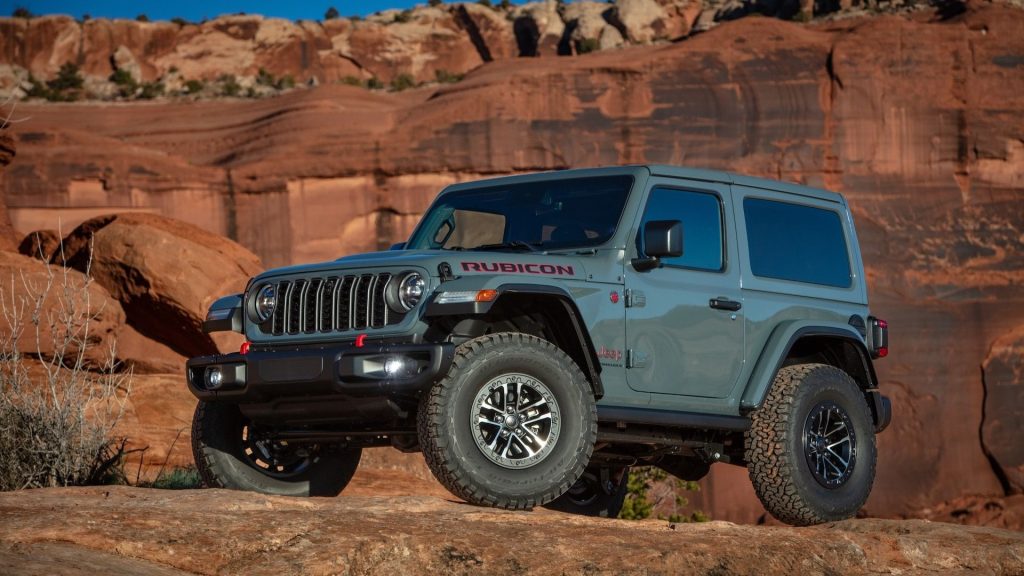
The Wrangler’s inclusion here shows that even vehicles built for durability can have weak points in comfort and convenience.
While the drivetrain and chassis can last hundreds of thousands of miles, the door seals are a consumable item, reflecting the tension between rugged off-road performance and everyday refinement.
4. Chevrolet Camaro
The Chevrolet Camaro, a high-performance coupe, suffers from accelerated seal wear due to its sporty design and tight door fitment. Owners commonly report that the seals stiffen and crack within one to two years, causing noticeable wind noise and occasional water intrusion during rainstorms.
I’m writing about the Camaro because it demonstrates the trade-off between aggressive styling and practical durability.
The doors are engineered for a precise, firm closure, which repeatedly compresses the rubber and leads to premature hardening. This is compounded by the factory rubber formulation, which lacks long-term UV and temperature resistance.
Sun exposure exacerbates the problem. Camaro owners in sunny climates often notice visible fading, brittleness, and curling along the top and bottom of the seals within a single season. Cold weather can make the seals even more prone to cracking and loss of elasticity.
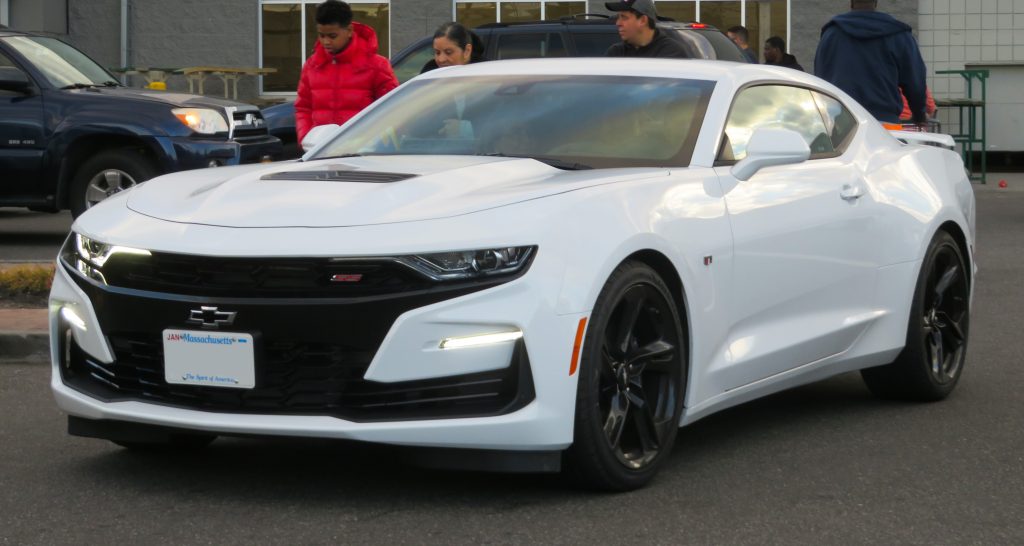
Mechanics often suggest using silicone-based conditioners or replacing the seals entirely to restore cabin comfort. Without this, the coupe experiences wind whistling and compromised insulation, detracting from its otherwise refined interior.
The Camaro earns its spot because it shows how even modern, well-built sports cars can face minor but persistent durability issues.
While performance, suspension, and engine reliability remain strong, the seals require consistent attention. Annual replacement or conditioning becomes a practical necessity for owners who want a quiet, leak-free cabin.
5. Fiat 500
The Fiat 500, while iconic for its compact size and Italian flair, has one notable downside: its door seals age quickly. Owners frequently report that the rubber hardens, shrinks, and loses flexibility within a year, causing wind noise, leaks during rain, and doors that don’t close with the same solid feel as when new.
I’m writing about the Fiat 500 because it highlights how small, lightweight cars often compromise durability in favor of styling and tight packaging.
The doors are designed to be thin and lightweight, putting extra stress on the seals every time they close. This repeated compression combined with thin, standard EPDM rubber contributes to rapid wear.
Climate and sun exposure worsen the issue. In hot or sunny regions, the seals fade and stiffen faster, while cold weather can make them brittle and prone to cracking. Moisture exposure also accelerates deterioration, meaning drivers in rainy or coastal areas often experience leaks sooner.
Owners frequently attempt preventive care using silicone sprays or conditioners, but even with regular maintenance, replacement within a year is often required to maintain a quiet, dry cabin. Factory seals are not reinforced for long-term elasticity, making annual attention almost unavoidable.
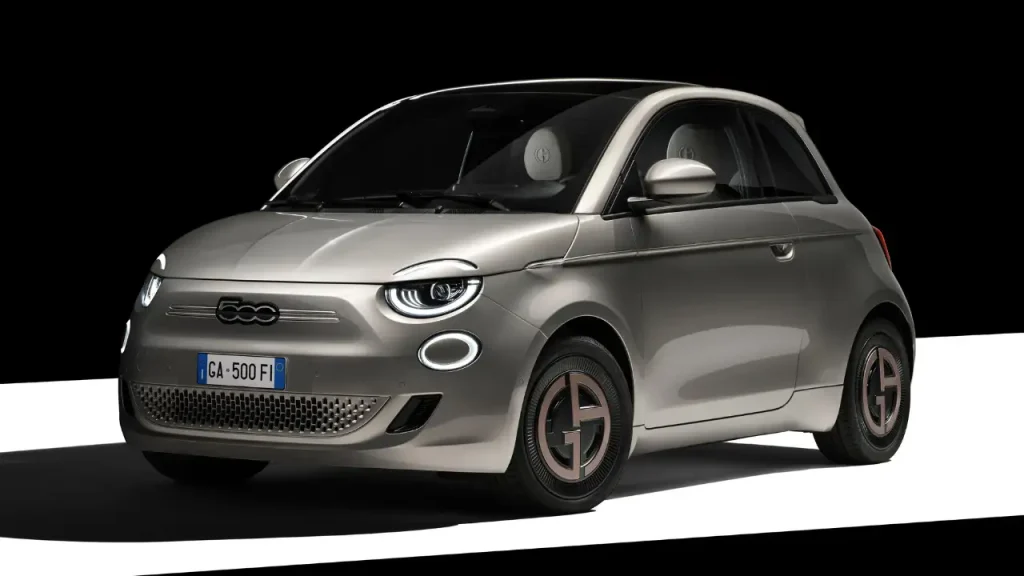
The Fiat 500 earns its place on this list because it demonstrates that even charming, well-loved vehicles can have hidden weaknesses.
While it offers playful driving and retro styling, the seals demand consistent care to preserve comfort. Without annual replacement or conditioning, the cabin quickly becomes noisy and drafty, which detracts from the car’s otherwise enjoyable experience.
This vehicle reminds owners that small, stylish cars can be highly vulnerable in seemingly minor areas. Door seals may appear insignificant, but their condition dramatically affects interior comfort, quietness, and long-term enjoyment.
In the Fiat 500, attention to this detail is essential for preserving the fun and refinement that first attracted buyers.
Also Read: 5 Cars Easy to Service at Home vs 5 With Hidden Fasteners