
Exhaust durability is a crucial yet often overlooked aspect of SUV ownership, particularly in regions where winter road salt accelerates corrosion.
Stainless steel, coated alloys, and quality flange design can make the difference between an exhaust system that lasts the life of the vehicle and one that fails prematurely. Rusted flanges, cracked pipes, and holes are not only costly to repair but also affect performance, emissions, and noise levels.
This article compares five SUVs with exhausts that outlast winter salt with five that commonly rot at flanges. Understanding these differences is vital for buyers who live in colder climates or use their SUVs for long-term, high-mileage driving.
A well-protected exhaust can maintain performance, reduce repair costs, and preserve vehicle value, while a poorly designed system can lead to frequent visits to the shop and compromised reliability.
I’m writing about these SUVs because exhaust corrosion is influenced by materials, coating, design, and welding quality. Stainless steel and aluminized steel resist oxidation, while high-quality flanges with protective coatings prevent rust accumulation at critical joints.
Conversely, mild steel or poorly coated flanges and pipes succumb quickly to road salt and moisture, leading to leaks and structural failure.
The vehicles selected for both categories demonstrate real-world durability. Some manufacturers prioritize rust resistance, using thicker stainless steel, well-sealed joints, and corrosion-resistant hangers.
Others cut costs with cheaper materials or minimal coatings, which often fail after a few winters. By highlighting both strong and weak performers, this article provides practical guidance for SUV owners concerned with exhaust longevity.
Through these examples, readers can see the impact of material choice and engineering on durability. Whether commuting in urban snow or tackling rural backroads, the right exhaust system can mean fewer repairs, quieter operation, and peace of mind, showing that even small design choices have long-term consequences.
Also Read: 5 Platforms With Easy-Program Modules VS 5 That Require Dealer Tools
5 SUVs With Exhausts That Outlast Winter Salt
Exhaust durability is a key factor in long-term SUV ownership, especially for drivers in regions with harsh winters. Road salt, moisture, and temperature fluctuations can quickly corrode exhaust components, causing leaks, noise, and costly repairs. A high-quality exhaust system resists these elements, maintaining performance and reducing maintenance needs.
I’m writing about SUVs with durable exhausts because they demonstrate how material choice, coating, and engineering influence longevity. Stainless steel, aluminized steel, and corrosion-resistant flanges provide significant advantages over cheaper mild steel systems.
These materials resist oxidation, maintain structural integrity, and keep joints and pipes intact despite years of exposure to salt, slush, and moisture.
Beyond materials, design plays a major role. Well-engineered exhausts feature welded flanges, corrosion-resistant hangers, and thoughtful routing that minimizes exposure to road spray and debris.
Some systems include extra coatings or wraps to shield vulnerable areas, extending lifespan even further. A strong exhaust ensures consistent engine performance, prevents noise issues, and keeps emissions systems operating properly.
The SUVs featured in this section have earned reputations for robust exhausts that withstand winter conditions. Owners report minimal rust, few leaks, and long-lasting performance even after high-mileage use.
These systems demonstrate that investing in quality materials and design pays off, especially for buyers who drive in snow-prone or coastal areas where salt exposure is unavoidable.
Highlighting these vehicles helps readers understand what to look for in a durable exhaust system. Longevity is not just about avoiding repairs it’s about preserving performance, safety, and resale value.
By examining these SUVs, readers can make informed decisions, ensuring their vehicle’s exhaust continues to perform reliably through harsh winters and beyond.
1. Toyota 4Runner
The Toyota 4Runner is renowned for its ruggedness, and its exhaust system is no exception. Owners report that even in regions with heavy winter salt, the stainless steel pipes and corrosion-resistant flanges remain intact for well over a decade. The 4Runner’s exhaust maintains performance without leaks, noise, or rust issues.
I’m writing about the 4Runner because it demonstrates how careful material selection and engineering contribute to longevity. The exhaust uses high-grade stainless steel that resists oxidation, and flanges are coated to prevent rust accumulation at joints.
Even in salty conditions, these components maintain structural integrity, reducing the need for expensive repairs.
Design also plays a role. The 4Runner’s exhaust is routed to minimize contact with road spray and debris, and hangers are positioned to avoid stress points.
Welded connections are robust, reducing the risk of leaks and flange corrosion. This thoughtful engineering ensures that the exhaust system remains durable under real-world conditions, from snowy highways to muddy trails.
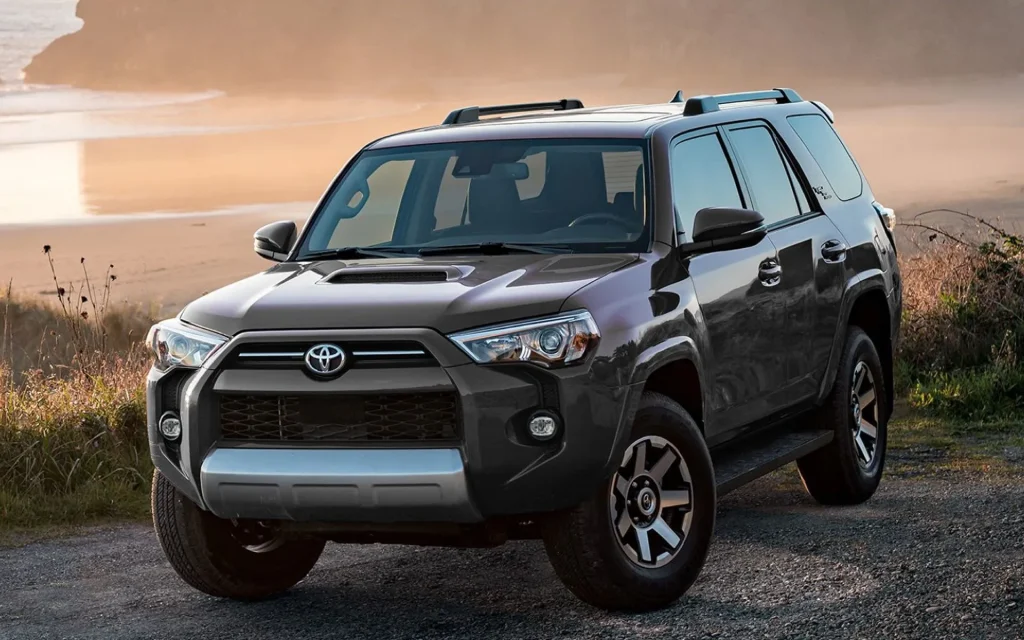
The practical benefits are clear. Owners experience minimal maintenance, quiet operation, and a reliable system that keeps emissions functioning properly. Unlike vehicles with cheaper exhausts, the 4Runner doesn’t require frequent flange replacement or rust repairs, making it ideal for winter-heavy regions.
The 4Runner earns its spot because it shows that investment in quality materials and design pays off over the long term.
A durable exhaust system not only preserves performance but also enhances reliability, resale value, and owner confidence, making the 4Runner a standout choice for SUV buyers concerned with winter salt exposure.
2. Honda Passport
The Honda Passport features a robust exhaust system that handles winter conditions exceptionally well. Owners report that stainless steel pipes and aluminized flanges resist corrosion, maintaining structural integrity even after years of exposure to salt, snow, and moisture. The system continues to perform quietly and efficiently.
I’m writing about the Passport because it highlights how material and design choices impact long-term durability. Stainless steel resists oxidation, while flanges are coated or aluminized to prevent rust at critical connection points.
These measures protect the exhaust system from one of the most common causes of failure in cold-weather regions: salt-induced corrosion.
The routing and hangers also enhance longevity. The exhaust is positioned to minimize exposure to road spray, and reinforced hangers prevent stress fractures during normal driving. Welded joints are robust, ensuring the system remains leak-free and fully functional over many years of use.
Practical benefits include reduced maintenance, fewer repairs, and consistent emissions performance. Owners rarely experience flange corrosion or pipe failure, even after winter driving in snowy or coastal areas. The Passport demonstrates that a well-engineered exhaust system can endure harsh environments without compromising performance.

The Honda Passport earns its place because it shows that careful engineering, quality materials, and thoughtful design combine to create a system that outlasts winter salt. This SUV proves that corrosion-resistant exhausts are achievable, providing peace of mind for long-term ownership in challenging climates.
3. Subaru Outback
The Subaru Outback is widely recognized for its all-weather capability, and its exhaust system reflects the same durability. Stainless steel pipes and corrosion-resistant flanges allow the system to endure heavy winter salt exposure without developing leaks or rust. Owners report that even after many winters, the exhaust maintains performance and quiet operation.
I’m writing about the Outback because it demonstrates how careful material selection prolongs component life. The pipes are made from high-quality stainless steel, while flanges receive protective coatings to prevent corrosion at joints.
This combination significantly reduces rust formation, a common cause of premature exhaust failure in snow-prone regions.
Design and installation contribute further. The exhaust is routed to minimize contact with road spray and debris, while reinforced hangers support the system, preventing stress-induced cracks. Welded joints are executed with precision, ensuring that the exhaust remains leak-free and structurally sound over long-term use.
The benefits for owners are clear. Maintenance is minimal, exhaust noise stays low, and emissions remain within proper limits. The Outback avoids the common pitfalls of cheaper systems that corrode quickly under winter conditions, reducing repair costs and preserving resale value.
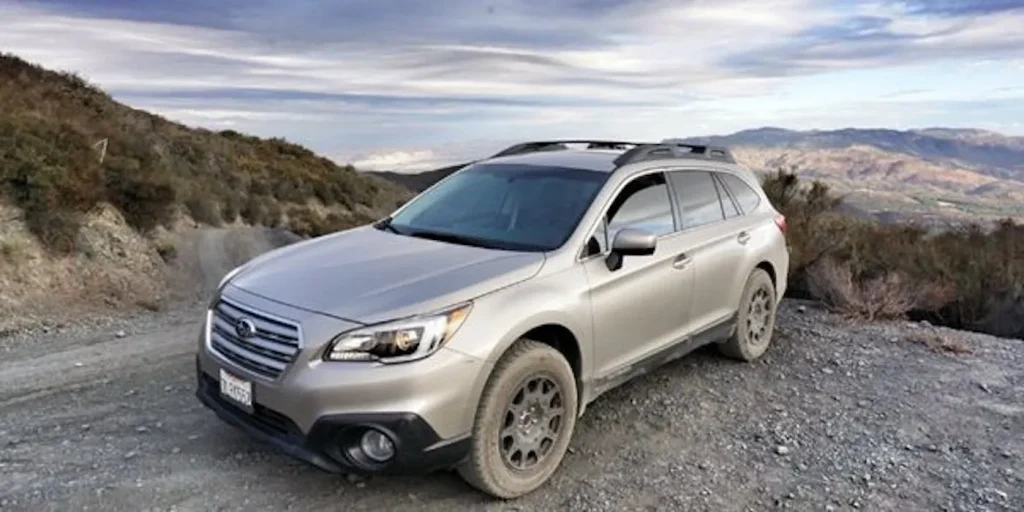
The Subaru Outback earns its place because it highlights how high-quality materials, precise design, and thoughtful engineering combine to create a long-lasting exhaust system.
For drivers facing snow, road salt, and moisture, the Outback offers reliability and peace of mind, proving that durability in harsh climates is achievable without compromising performance.
4. Jeep Grand Cherokee
The Jeep Grand Cherokee is a rugged SUV with a strong reputation for longevity, including its exhaust system. Owners in northern climates note that stainless steel pipes and coated flanges resist corrosion even after years of exposure to winter salt, keeping the system leak-free and fully functional.
I’m writing about the Grand Cherokee because it illustrates how design and material choices affect long-term durability. High-grade stainless steel prevents oxidation, and corrosion-resistant flanges ensure joints remain strong despite repeated exposure to moisture, salt, and road debris.
Exhaust routing also contributes to longevity. The pipes are positioned to minimize road spray exposure, and reinforced hangers prevent stress points that could lead to cracks or joint failure. Welded connections provide additional protection, ensuring the system remains structurally sound over time.
Owners experience tangible benefits: reduced maintenance, reliable emissions performance, and quiet, leak-free operation even after years of winter driving. Unlike lower-quality systems, the Grand Cherokee’s exhaust rarely requires flange replacement, saving money and preserving vehicle reliability.

The Grand Cherokee earns its spot because it demonstrates that investment in quality materials, precise installation, and corrosion protection pays off. Its exhaust system outlasts harsh winter conditions while maintaining performance, highlighting how SUV design can ensure long-term durability in challenging environments.
5. Ford Explorer
The Ford Explorer combines performance and durability, and its exhaust system is engineered to withstand harsh winter conditions. Stainless steel pipes and corrosion-resistant flanges help prevent rust, leaks, and structural failure, even after years of exposure to road salt, snow, and moisture.
I’m writing about the Explorer because it demonstrates how materials and design extend exhaust longevity. The stainless steel resists oxidation, while flanges are coated to protect critical joints from rusting. This ensures that the system remains leak-free and maintains optimal performance over long-term use.
Routing and hangers are equally important. The exhaust is positioned to reduce contact with road spray and debris, and reinforced hangers prevent stress points from forming under heavy loads or normal driving. Welded joints provide a durable, permanent connection that holds up under repeated thermal expansion and contraction.
Practical benefits for owners include quiet operation, consistent emissions performance, and minimal maintenance. Unlike vehicles with cheaper exhausts, the Explorer avoids frequent flange replacements or rust-related repairs, reducing downtime and preserving resale value.

The Ford Explorer earns its place because it illustrates how thoughtful engineering, high-quality materials, and corrosion-resistant coatings work together to create a system that outlasts winter salt.
For owners in snowy or coastal regions, this durability ensures reliability, low maintenance costs, and continued performance, making the Explorer a standout SUV for long-term, all-weather driving.
5 SUVs That Rot At Flanges
While some SUVs feature exhaust systems that withstand harsh winter conditions, others experience premature corrosion, particularly at the flanges.
Flanges are critical connection points in the exhaust, and when they rust, leaks, noise, and costly repairs often follow. Rusted flanges are a common problem in regions with road salt, moisture, and fluctuating temperatures.
This section highlights five SUVs whose exhausts commonly rot at flanges, even if the rest of the system appears intact. Material choice, coating, welding quality, and routing all affect how susceptible the flanges are to corrosion.
Many of these vehicles use mild steel or inadequately coated components, which quickly oxidize under exposure to salt and moisture.
I’m writing about these SUVs because flange corrosion is one of the most frequent causes of exhaust failure. A rusted flange can compromise the system’s structural integrity, cause leaks, reduce performance, and increase emissions.
Owners often face expensive repairs, including flange replacement or entire exhaust section swaps. Understanding which models are prone to this issue helps buyers make informed decisions, either by choosing corrosion-resistant alternatives or planning preventive maintenance.
The vehicles featured here demonstrate common design and material pitfalls. Even a well-built exhaust pipe cannot compensate for flanges that corrode quickly. Weak coatings, improper welding, and poor placement can expose flanges to constant moisture and salt, accelerating deterioration.
By examining these five SUVs, readers can understand the importance of flange protection, material choice, and maintenance. Preventing flange corrosion preserves exhaust performance, reduces repair costs, and ensures long-term reliability.
This section emphasizes that even small components, like flanges, play a major role in overall durability, especially in harsh climates, highlighting how overlooked design elements can impact ownership experience and vehicle longevity.
1. Jeep Compass
The Jeep Compass is a popular compact SUV, but owners in colder climates often report flange corrosion in its exhaust system. Road salt and moisture accumulate at the joints, leading to rust, leaks, and noisy operation within a few winters.
I’m writing about the Compass because it illustrates how even reliable vehicles can suffer from poor flange protection. The exhaust uses mild steel flanges with minimal corrosion-resistant coating, making them vulnerable to oxidation. Unlike stainless steel alternatives, these flanges deteriorate quickly under exposure to winter conditions.
Design also plays a role. Flanges are located in areas exposed to road spray and debris, and hangers do little to shield them from salt and water. Welded joints can also fail once corrosion sets in, creating leaks that affect performance and emissions.
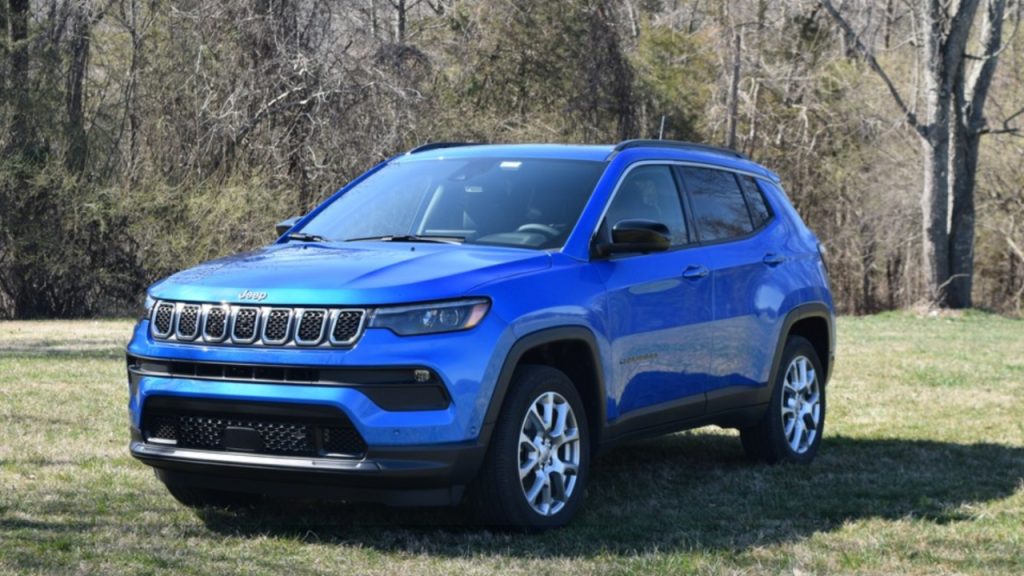
Practical consequences are significant. Owners often face flange replacements or partial exhaust swaps, which are costly and time-consuming. Leaks may also lead to excessive noise, decreased efficiency, and potential failed emissions tests.
The Jeep Compass earns its place because it shows that material and coating choices directly impact exhaust longevity. Even a moderately priced SUV can have hidden vulnerabilities that shorten component life. Awareness and preventive measures, such as applying anti-rust coatings or using aftermarket stainless flanges, can mitigate these risks.
2. Chevrolet Equinox
The Chevrolet Equinox is a widely owned SUV, but many owners report premature flange rust on its exhaust system, especially in regions with heavy winter salt. Mild steel flanges and insufficient coatings accelerate corrosion at critical joints.
I’m writing about the Equinox because it demonstrates the consequences of poor material selection. Rusted flanges lead to leaks, increased noise, and eventual system failure. Even if the pipes remain intact, compromised joints reduce overall performance and can require expensive repairs.
Routing contributes to the problem. Flanges are exposed to road spray, debris, and moisture without sufficient shielding. Over time, corrosion weakens bolts and joints, making the system prone to leaks and structural failure.
Practical impacts are clear. Owners frequently need flange replacement or partial exhaust section swaps, which are labor-intensive and costly. Leaks can also affect emissions, trigger check engine lights, and reduce engine efficiency.
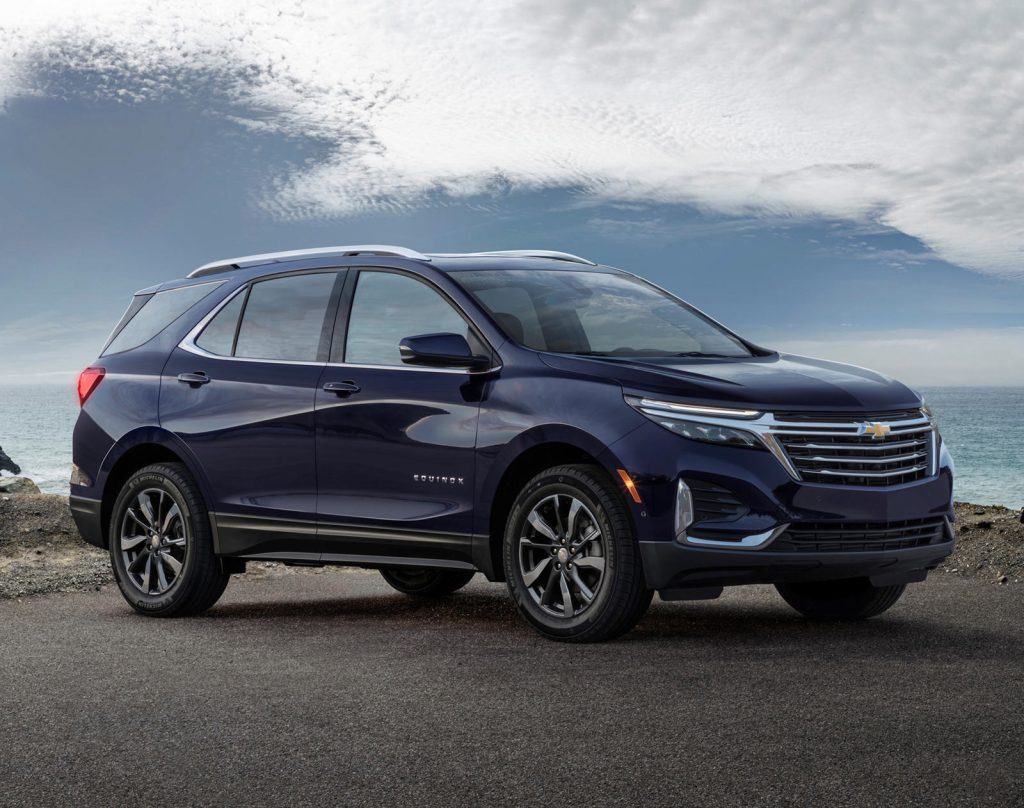
The Equinox earns its spot because it highlights how critical flange quality is for long-term reliability. Awareness of these weaknesses allows owners to take preventive steps, such as corrosion-resistant coatings, stainless replacements, or regular inspections, reducing the likelihood of early failure.
3. Ford Escape
The Ford Escape is a popular compact SUV, but its exhaust system is prone to flange corrosion in regions with heavy winter salt. Owners report rust forming at the joints within just a few years, leading to leaks, noise, and potential emissions issues.
I’m writing about the Escape because it highlights how critical flange material and protection are for durability. The stock flanges use mild steel with limited anti-corrosion coating, making them highly susceptible to oxidation under wet and salty conditions. Even well-maintained pipes cannot compensate for weak flanges.
Placement and exposure compound the problem. Flanges are positioned where road spray, slush, and debris frequently hit, accelerating rust formation. Welded connections at these points can deteriorate, causing leaks that reduce performance and may trigger emissions faults.
The practical consequences for owners include noisy exhaust, decreased efficiency, and costly repairs. Many Escape owners must replace flanges or sections of the exhaust system sooner than expected, which is both labor-intensive and expensive.
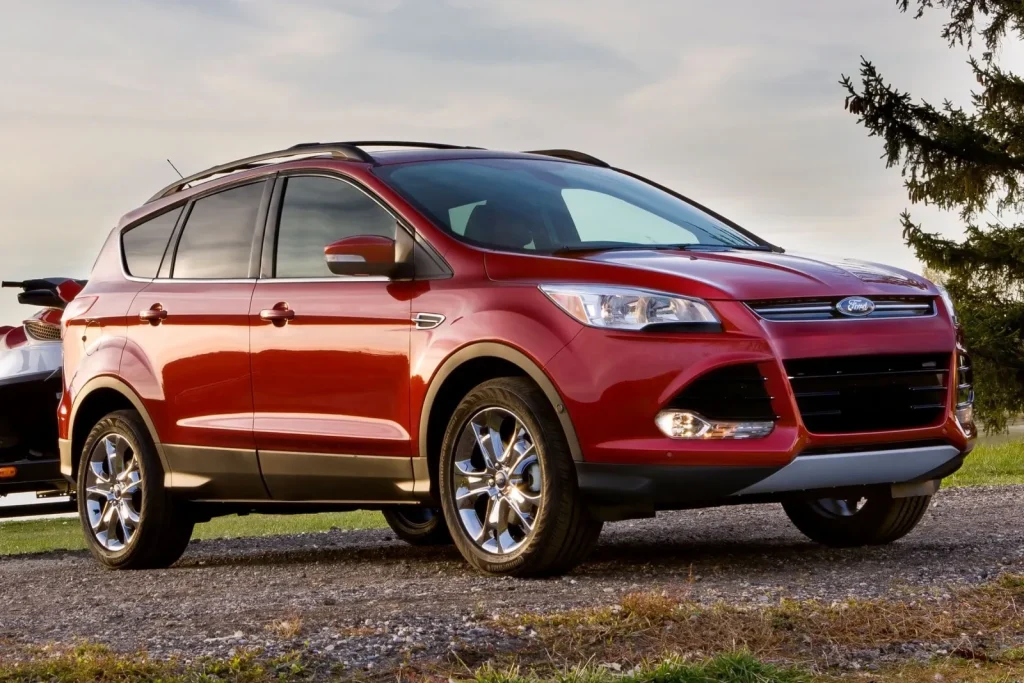
The Ford Escape earns its place because it shows that material choice and design directly affect long-term performance. Awareness of this common problem allows owners to consider preventive measures, like aftermarket stainless flanges, protective coatings, or regular inspections, extending exhaust life and maintaining reliability.
4. Nissan Rogue
The Nissan Rogue, while a reliable compact SUV in many respects, frequently experiences flange rust on its exhaust system in areas with winter salt. Mild steel flanges and insufficient coating result in corrosion at joints, often within three to five years of exposure.
I’m writing about the Rogue because it demonstrates how small design decisions can have large effects on durability. Even though the exhaust pipes themselves may resist rust, corroded flanges lead to leaks, noise, and reduced system integrity.
Flange placement is another factor. Exposed to road spray and winter debris, these joints quickly deteriorate if not properly shielded. Rusted bolts and compromised welds worsen the problem, sometimes requiring partial exhaust replacement to restore performance.
Owners face practical challenges: flange corrosion increases maintenance costs, may cause exhaust leaks that trigger check engine lights, and affects overall vehicle reliability. Preventive maintenance like anti-rust coatings or early flange replacement is often needed to avoid larger repairs.
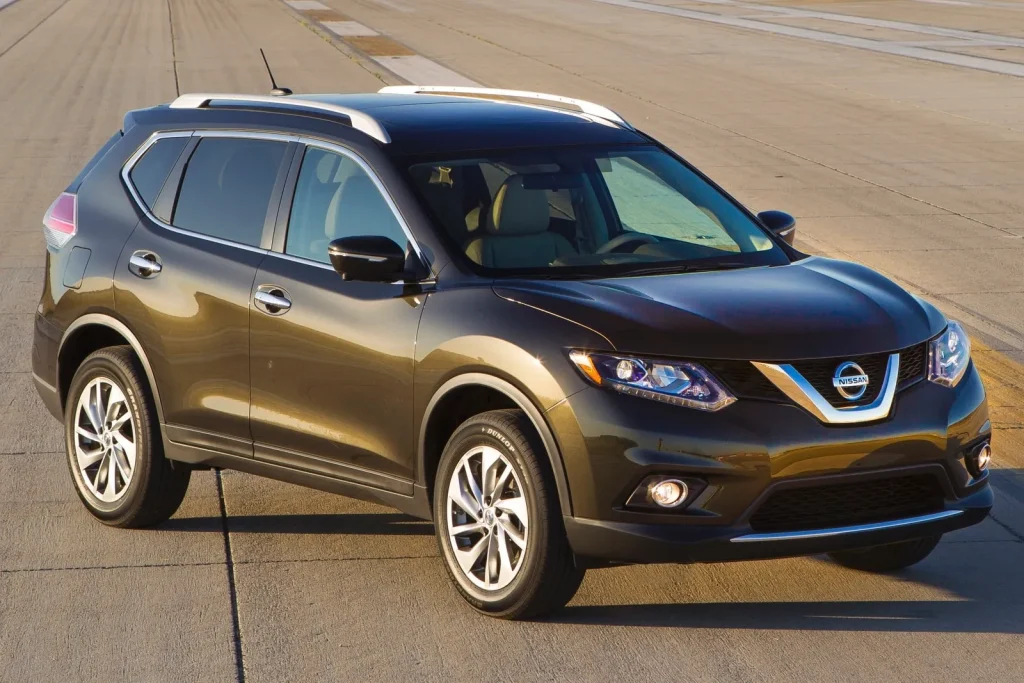
The Nissan Rogue earns its spot because it highlights a common vulnerability in compact SUVs. Understanding the risks associated with flange corrosion can help owners take action before damage occurs, preserving performance, safety, and long-term vehicle value.
5. Hyundai Santa Fe
The Hyundai Santa Fe is a mid-size SUV with a generally reliable reputation, but its exhaust system is prone to flange corrosion in regions with heavy winter salt. Owners report rust forming at the joints and flanges within a few years, leading to leaks, noise, and potential performance issues.
I’m writing about the Santa Fe because it demonstrates how material and coating choices impact exhaust longevity. The factory flanges are typically mild steel with minimal protective coating, making them vulnerable to oxidation. Even high-quality pipes cannot compensate for weak flange protection, leading to early failures in snowy or coastal climates.
Design and placement exacerbate the issue. Flanges are located where road spray, salt, and debris frequently hit, while welded joints are exposed to moisture. Over time, corrosion weakens the structure, resulting in leaks, rattling, and potential emission problems.
Practical consequences for owners include increased maintenance costs, the need for partial exhaust replacement, and compromised reliability. Rusted flanges may also affect emissions and reduce vehicle efficiency, while repairs are often labor-intensive and expensive.

The Hyundai Santa Fe earns its place because it highlights a common vulnerability in mid-size SUVs. Awareness of these weaknesses allows owners to take preventive action, such as applying anti-rust coatings, performing regular inspections, or upgrading to stainless steel replacements. These steps can significantly extend exhaust life, reduce repair costs, and maintain vehicle performance.
By examining the Santa Fe along with the other SUVs in this list, readers can see how overlooked components like flanges can impact durability.
Proper material selection, protective coatings, and thoughtful design are crucial for long-term exhaust reliability, especially in regions prone to salt exposure and harsh winter conditions.
Exhaust durability is a critical yet often overlooked aspect of SUV ownership, particularly in regions exposed to winter salt and harsh weather conditions. Road salt, moisture, and fluctuating temperatures accelerate corrosion, especially at vulnerable points like flanges and welds.
A well-designed exhaust system, using corrosion-resistant materials and coatings, can endure these conditions for years, maintaining performance, quiet operation, and emissions compliance. Conversely, poor design or inferior materials can lead to early failure, costly repairs, and decreased vehicle reliability.
The SUVs highlighted with exhausts that outlast winter salt demonstrate the benefits of investing in high-quality materials and thoughtful engineering.
Models like the Toyota 4Runner, Honda Passport, Subaru Outback, Jeep Grand Cherokee, and Ford Explorer use stainless steel or aluminized steel components, reinforced hangers, and corrosion-resistant flanges. Their exhaust routing minimizes exposure to road spray and debris, while welded joints remain structurally sound under repeated thermal cycles.
These vehicles maintain quiet operation, consistent performance, and reduced maintenance needs, even in areas with heavy salt use. Owners report fewer leaks, minimal rust, and long-term reliability, illustrating that quality engineering pays off over time.
On the other hand, some SUVs struggle with flange corrosion due to material choice, coating limitations, and design flaws. Vehicles such as the Jeep Compass, Chevrolet Equinox, Ford Escape, Nissan Rogue, and Hyundai Santa Fe commonly experience rust at exhaust flanges.
Mild steel flanges with inadequate protective coatings, combined with exposure to road spray and debris, create ideal conditions for oxidation. Once corrosion sets in, exhaust leaks, noise, and potential emission issues follow, often requiring partial exhaust replacement.
These models highlight that even a robust exhaust pipe cannot compensate for poorly protected flanges, emphasizing the importance of flange quality and preventive maintenance.
Understanding the differences between these two categories helps SUV owners make informed decisions.
Selecting vehicles with corrosion-resistant materials and well-engineered exhaust systems can reduce long-term maintenance costs, preserve performance, and maintain resale value.
For models prone to flange rot, preventive measures such as anti-rust coatings, stainless steel upgrades, or regular inspections can mitigate damage.
In conclusion, exhaust durability depends on a combination of material quality, flange protection, routing, and maintenance.
SUVs with well-designed systems withstand winter salt, ensuring reliable performance, while those with weak flanges are susceptible to rust and premature failure. Awareness of these factors enables owners to protect their vehicles, save on repairs, and enjoy long-term reliability even in harsh climates.
Also Read: 5 Platforms With Easy-Program Modules VS 5 That Require Dealer Tools