
Dashboard cracking ruins vehicle interiors faster than any other visible deterioration problem. Sunny climates turn poorly engineered dashboards into cracked eyesores within just a few years of ownership.
Arizona, Texas, California, Florida, and Nevada residents watch helplessly as their dashboards develop spiderweb cracks despite the regular use of sunshades and protectants. This cosmetic damage destroys resale value while making otherwise nice vehicles look neglected and cheap.
Material science determines whether dashboards survive decades of sun exposure or crack within five years.
Quality manufacturers use UV-stabilized plastics with proper additives that prevent degradation from ultraviolet radiation. These materials cost more initially but maintain their appearance under extreme conditions.
Budget manufacturers skimp on UV protection, using cheap plastics that become brittle and crack quickly. This penny-wise, pound-foolish approach frustrates owners who expect modern vehicles to resist basic environmental challenges.
Dashboard replacement costs range from $800 to $2,500, depending on the vehicle and installation method. Many owners cannot afford this repair, living with cracked dashboards that continue to worsen each year.
Dash covers provide temporary, band-aid solutions, but cannot restore the original appearance or structural integrity. Understanding which vehicles have properly engineered dashboards helps buyers in sunny regions avoid this frustrating and expensive problem entirely.
Now let us examine twelve vehicles, split evenly between dashboard quality champions and sun-state disasters. Six models demonstrate proper material engineering that resists UV damage through extended ownership.
Six others develop embarrassing cracks despite being newer vehicles. Understanding these differences helps buyers make informed decisions while rewarding manufacturers that invest in quality materials. Let’s examine these contrasting approaches to dashboard engineering.
UV-Resistant Dashboard Champions

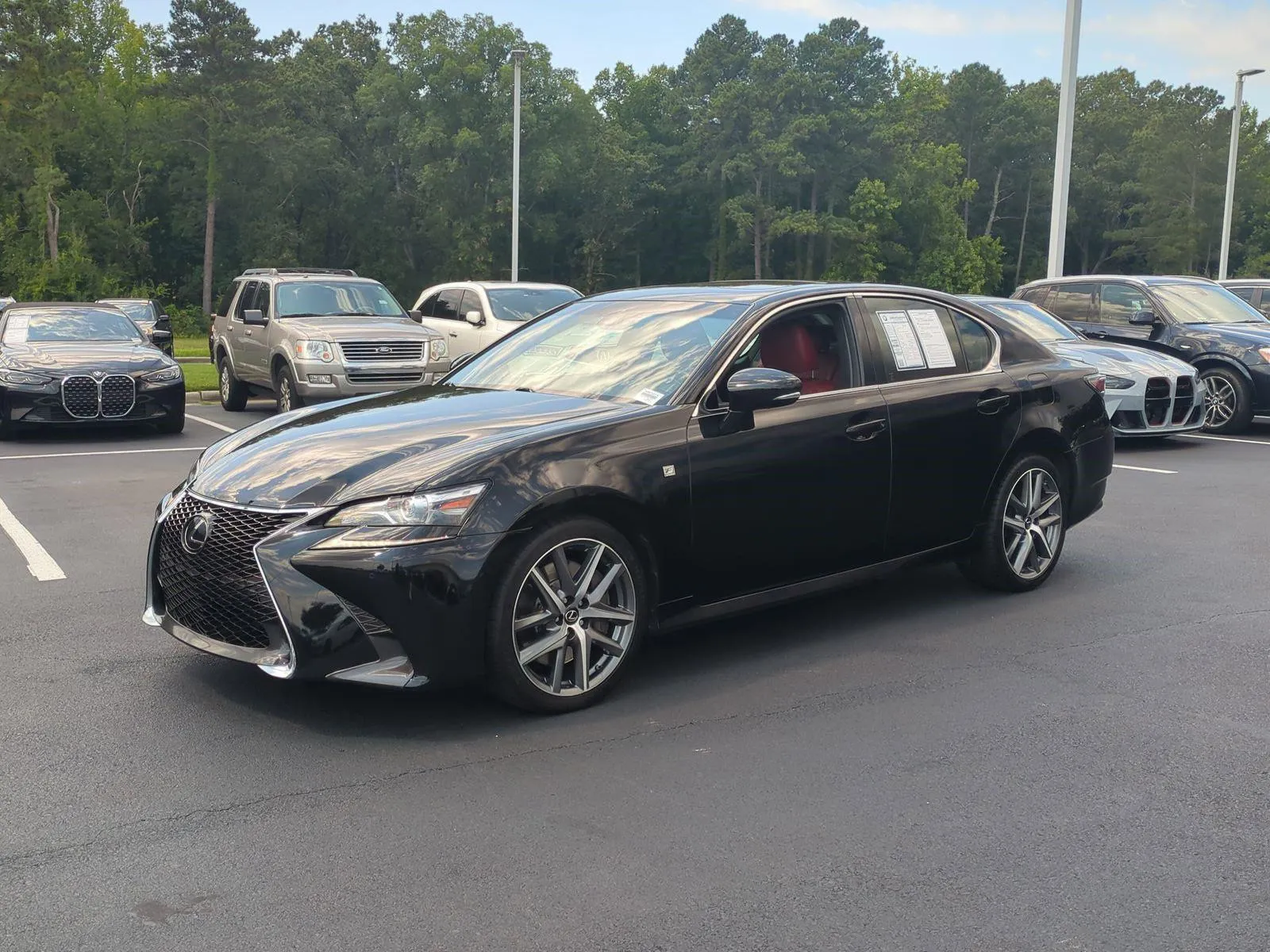
1. Lexus GS 350 (2013-2020)
Premium Japanese engineering features dashboard materials that withstand intense sunlight. Thick UV-stabilized plastics resist degradation after years of Arizona parking lot exposure.
Multiple UV-blocking additives prevent polymer breakdown from radiation. Even after ten years in harsh sun states, these dashboards maintain their factory appearance without a single crack.
Material selection prioritizes long-term durability over short-term cost savings. High-grade thermoplastics include stabilizers that protect the molecular structure from UV damage.
Chemical additives absorb harmful radiation before it breaks polymer bonds. This investment in material science creates dashboards that endure conditions that destroy lesser alternatives.
Manufacturing processes ensure consistent material quality throughout the dashboard structure. Injection molding parameters are optimized for proper UV stabilizer distribution.
Quality control testing verifies that material composition meets specifications. This manufacturing discipline provides reliable protection across the entire production run rather than limited examples.
Grain texture design conceals minor surface wear while providing a non-reflective finish. Subtle patterns prevent glare that could distract drivers during sunny conditions. The texture depth offers visual appeal without trapping dust. This aesthetic approach combines practicality with lasting appearance.
Soft-touch upper dashboard sections use premium materials that retain flexibility through temperature extremes. Proper plasticizer selection prevents hardening from heat exposure and aging.
Materials remain pliable instead of becoming brittle after a long time. This flexibility prevents stress cracks from thermal cycling.
Assembly methods minimize stress concentrations that lead to cracking. Proper screw boss design distributes mounting loads evenly. Adequate material thickness at attachment points prevents localized stress. This engineering precision stops mechanical strain from combining with UV damage.
Owners in Phoenix, Las Vegas, and Texas report dashboards in flawless condition after years of ownership. Vehicles exceeding ten years and 150,000 miles show no cracking.
Daily exposure to intense sunlight does not affect dashboard integrity. This performance validates the investment in premium materials.
Resale values benefit greatly from pristine dashboard condition. Buyers recognize quality immediately during interior inspections. Crack-free dashboards signal entire vehicle care and reliability. This visual advantage translates into higher resale prices.
Replacement dashboards for accident repairs maintain identical quality standards. Lexus parts pricing reflects its premium market but delivers genuine durability. OEM replacements resist UV damage just like the originals. This consistency ensures long-term appearance regardless of circumstances.
Premium materials justify Lexus pricing through unmatched longevity. Dashboard quality serves as a visible daily reminder of engineering excellence. Owners enjoy pristine interiors years after purchase, creating satisfaction that builds brand loyalty and repeat buyers.
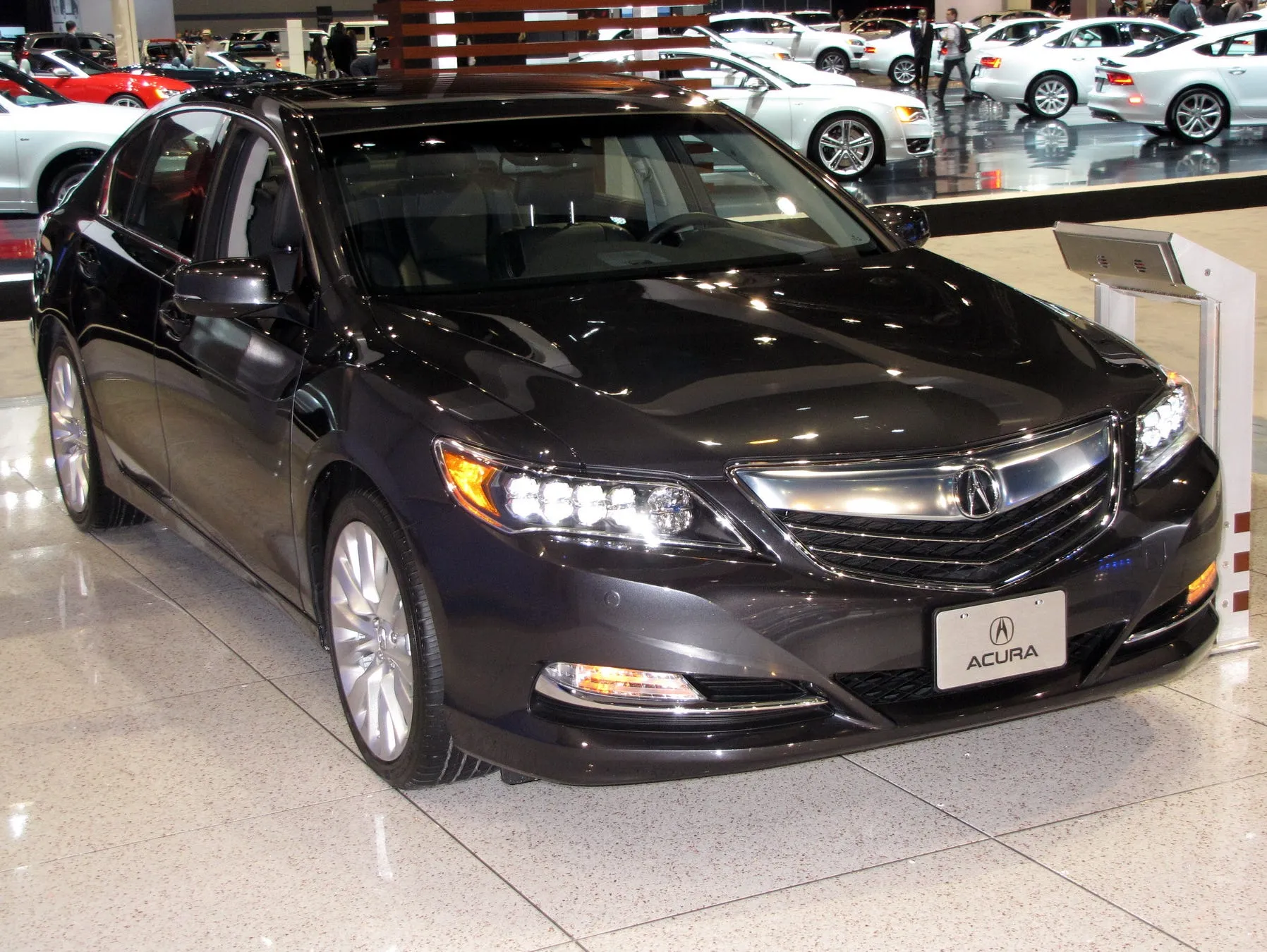
2. Acura RLX (2014-2020)
Honda’s luxury engineering demonstrates a strong commitment to dashboard quality through precise material selection.
Premium UV-stabilized plastics resist sun damage during extended ownership in harsh climates. Chemical additives protect polymer structures from radiation breakdown. Owners enjoy crack-free dashboards even under extreme conditions.
Material composition includes multiple UV stabilizers working together. Chemical absorbers capture harmful radiation before molecular damage occurs. Polymer selection prioritizes stability under thermal stress and UV exposure. This multi-layer protection delivers exceptional durability.
Manufacturing quality control ensures consistent material properties throughout production. Injection molding parameters are optimized for proper additive distribution and molecular alignment.
Testing procedures confirm that UV resistance meets Honda’s standards. This precision provides reliable protection across all model years.
Dashboard design features grain patterns that naturally conceal minor surface wear. Non-reflective finishes prevent windshield glare during bright conditions. Texture depth is balanced between visual appeal and cleaning convenience. This thoughtful design preserves appearance through daily use.
Upper dashboard sections use soft-touch materials that maintain flexibility. Plasticizers are chosen for heat resistance and long-term stability. Materials remain supple through temperature fluctuations, preventing brittleness. This flexibility eliminates stress crack development from thermal expansion.
Assembly techniques reduce stress concentrations at mounting points. Screw boss designs distribute loads evenly to avoid localized stress. Adequate material thickness at attachments ensures structural integrity. This engineering prevents mechanical stress from triggering UV-related failures.
Owners in sunbelt states report excellent dashboard condition throughout ownership. Texas, Arizona, and California vehicles remain crack-free after years of exposure. Constant sunlight does not compromise the Acura dashboard’s integrity, demonstrating Honda’s dedication to quality.
Resale advantages from flawless dashboard condition are crucial. Buyers quickly notice pristine interiors during inspections. This visual quality signals proper maintenance and care, leading to higher resale prices for original owners.
Replacement parts maintain the same standards when required. Acura pricing remains competitive within the premium segment. OEM dashboards resist UV damage identical to factory installations. This consistency guarantees long-term appearance.
High-quality materials justify Acura’s premium positioning through visible, lasting benefits. Dashboard condition serves as a daily reminder of engineering excellence. Owners maintain pristine interiors for years, reinforcing brand reputation and encouraging loyalty.
Also Read: 5 Sedans With Robust Door Handles vs 5 That Snap in Cold Weather
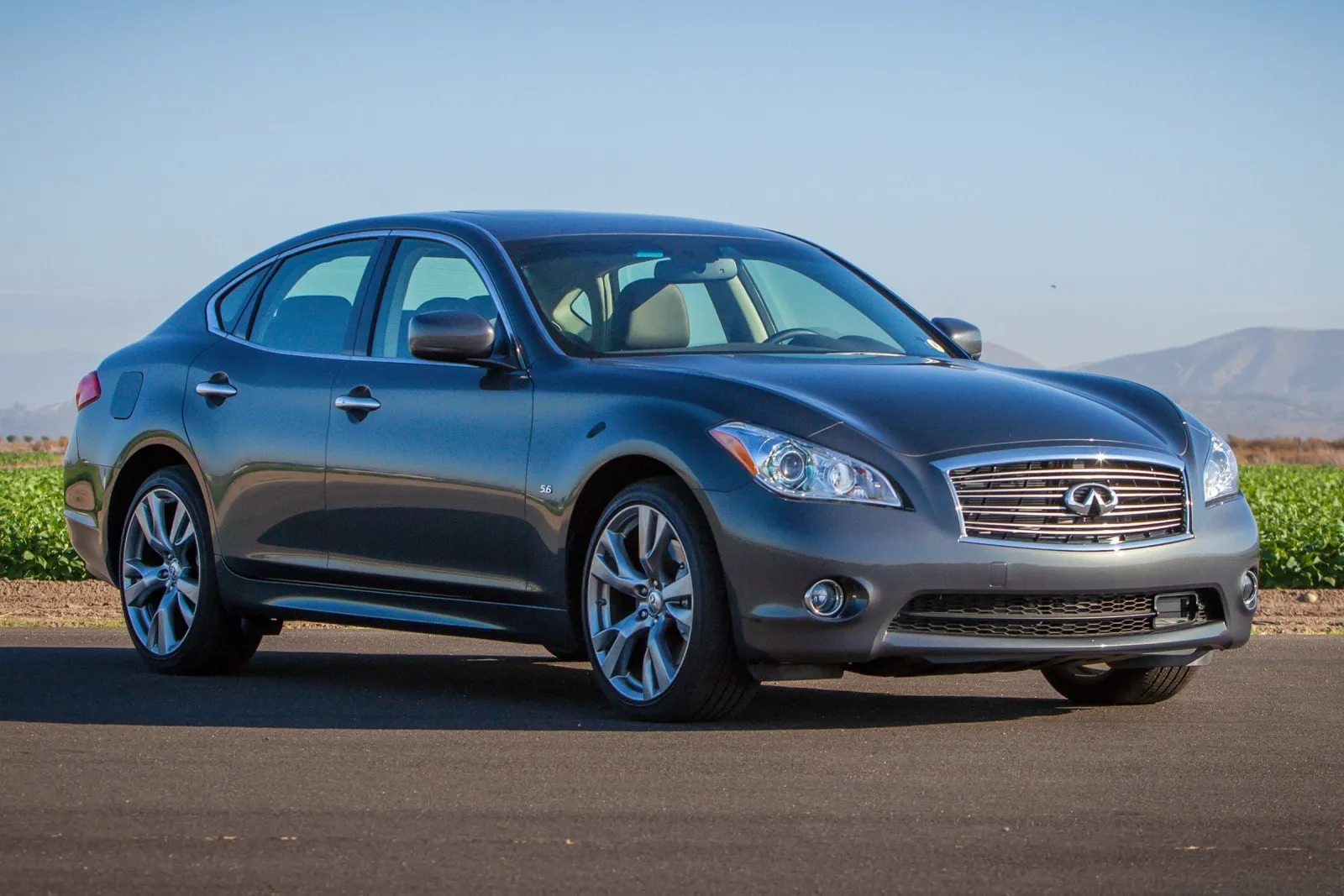
3. Infiniti Q70 (2014-2019)
Nissan’s luxury division proves material engineering competence through dashboard quality. UV-stabilized plastics resist degradation under the harshest sun conditions.
Premium materials maintain their appearance through extended ownership despite intense exposure. Crack-free dashboards demonstrate the brand’s engineering commitment to quality.
Material formulation includes advanced UV stabilizers that protect polymer structures. The chemical composition blocks harmful radiation, preventing molecular breakdown. Thermal stability additives resist degradation from heat exposure. This comprehensive protection ensures exceptional durability.
Manufacturing standards guarantee consistent quality across production runs. Molding processes are optimized for proper material distribution and performance.
Quality testing verifies that UV resistance specifications are consistently met. This discipline delivers reliable protection to all customers.
Dashboard texture design provides visual appeal while concealing wear. Non-reflective grain patterns effectively prevent windshield glare. Surface finishes balance aesthetic quality with maintenance ease. This thoughtful design preserves appearance over the years of use.
Soft-touch materials on upper surfaces maintain flexibility in all conditions. Proper plasticizer selection prevents hardening from aging and heat. Materials resist brittleness during temperature cycling. This flexibility eliminates stress cracking from thermal expansion.
Assembly design minimizes stress at connection points. Mounting boss geometry distributes loads evenly, preventing concentration. Material thickness is sufficient at attachment points, ensuring structural integrity. This engineering approach prevents mechanical stress from combining with environmental damage.
Owners in desert climates report excellent dashboard condition throughout ownership. Nevada, Arizona, and Southern California examples remain crack-free. Intense daily sun exposure does not compromise Infiniti dashboards. Performance validates material quality decisively.
Resale benefits from pristine condition are remarkable. Crack-free dashboards signal proper maintenance to buyers. This appearance advantage translates into stronger resale pricing. Original owners benefit financially from quality engineering.
Replacement availability through Infiniti dealers maintains high standards. Parts pricing reflects the luxury segment while delivering reliability. OEM components resist UV damage equally to originals. Consistency ensures long-term appearance preservation.
Premium materials demonstrate their value through lasting performance. Dashboard quality provides daily satisfaction to owners. Pristine interiors, years after purchase, reinforce the brand’s reputation. This attention to quality builds loyal customers who recognize genuine engineering investment.
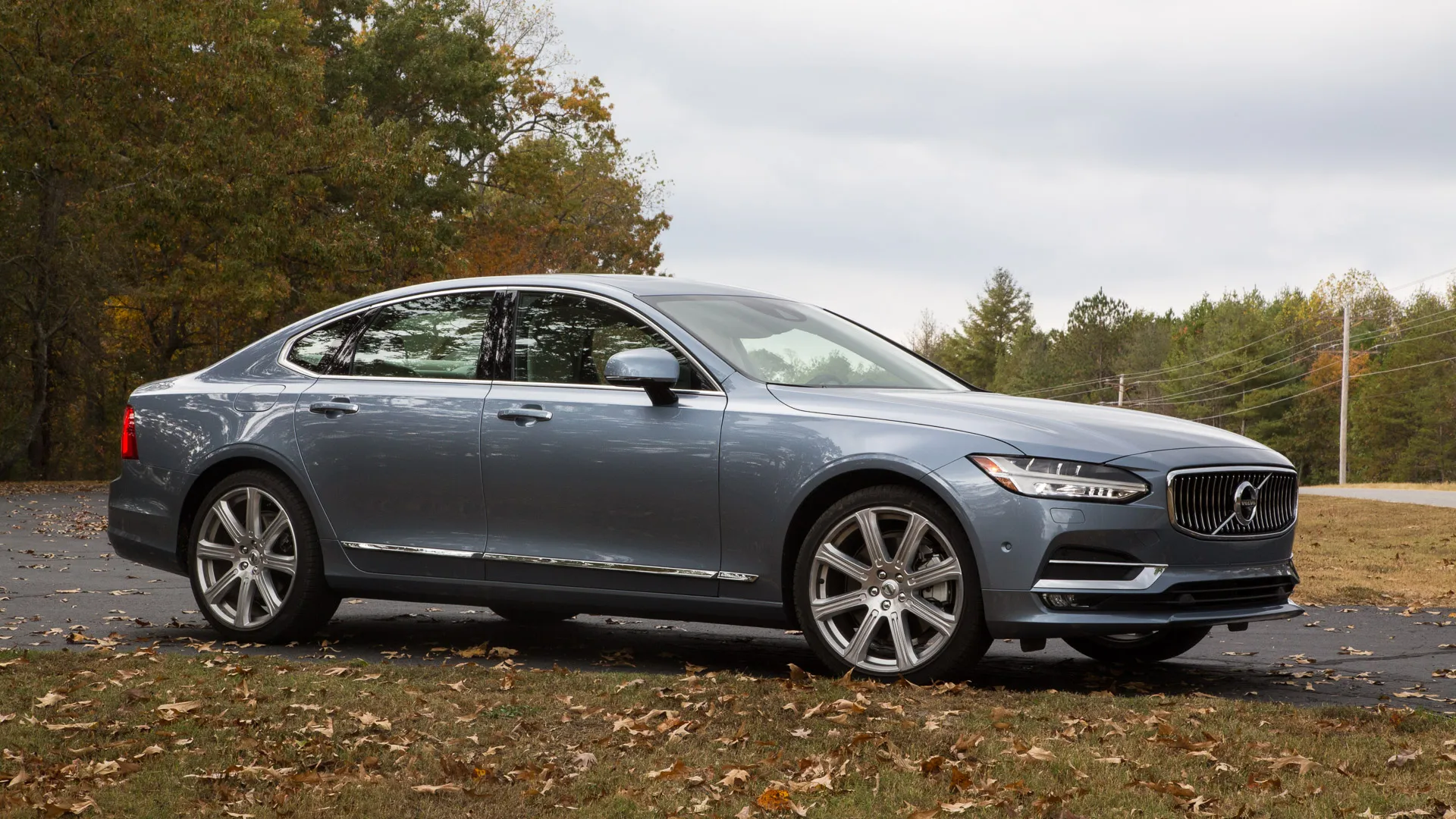
4. Volvo S90 (2017-2024)
Swedish engineering prioritizes material quality consistent with the Nordic reputation. UV-stabilized dashboard plastics resist sun damage effectively. Premium materials maintain their appearance throughout ownership, even in challenging climates. Crack-free interiors highlight Volvo’s commitment to superior craftsmanship.
Material composition uses advanced UV stabilizers and thermal protectors. The chemical formulation blocks harmful radiation, preventing polymer degradation. Heat-resistant additives maintain molecular stability under demanding conditions. This comprehensive protection ensures exceptional durability.
Manufacturing processes guarantee consistent material properties. Molding parameters are optimized for both quality and protection. Testing confirms UV resistance specifications are consistently met. This level of quality control ensures reliable long-term performance.
Dashboard design incorporates tasteful grain patterns and refined finishes. Non-reflective surfaces prevent glare during bright conditions. The texture provides visual interest while allowing easy cleaning. This design sustains aesthetic appeal throughout usage.
Soft-touch upper sections utilize materials that retain flexibility. Plasticizers are carefully selected for stability against aging and heat. Flexibility remains intact through temperature fluctuations, preventing brittleness. This eliminates stress cracking caused by expansion and contraction.
Assembly methods distribute mounting stress evenly. Connection designs prevent localized stress concentrations. Material thickness is sufficient to maintain structural integrity. This engineering approach stops mechanical stress from initiating failures.
Owners in sunny regions report excellent dashboard condition over the years of use. Texas and California examples remain pristine. Daily sun exposure does not impact Volvo dashboards. Performance clearly validates material quality.
Resale advantages from perfect condition are important. Buyers immediately recognize quality during inspection. This appearance translates into higher resale values. Original owners benefit from Volvo’s reliable engineering.
Replacement parts consistently maintain high-quality standards. Volvo pricing remains competitive within the premium segment. OEM components match the original UV resistance. Consistency guarantees long-term appearance retention.
Quality materials justify their premium through visible longevity. Dashboard condition reinforces the brand’s engineering excellence. Pristine interiors maintain owner satisfaction for years. This enduring quality fosters strong brand loyalty.
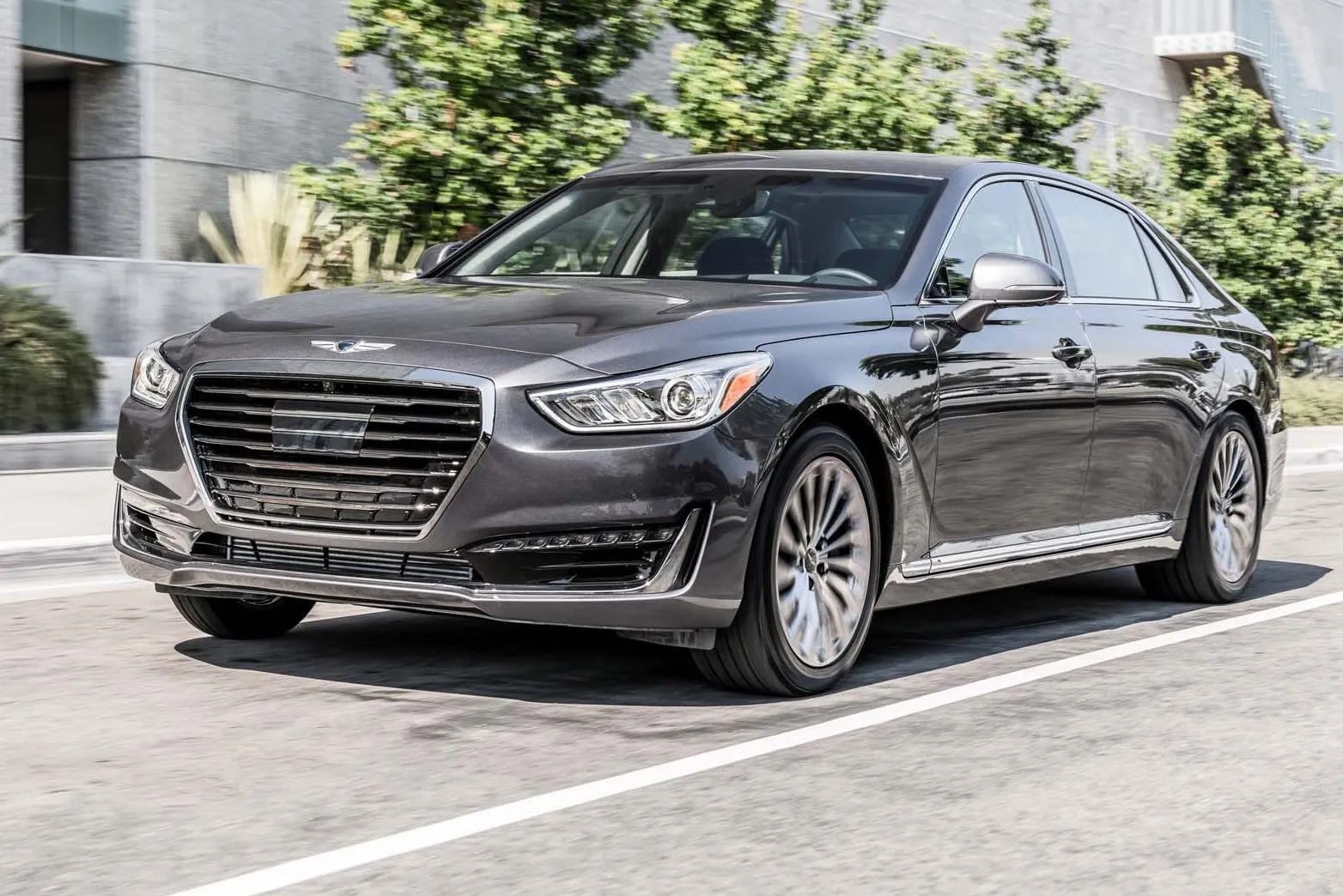
5. Genesis G90 (2017-2024)
Korean luxury engineering demonstrates material quality matching that of established brands. UV-stabilized plastics resist degradation under harsh conditions. Premium dashboard materials maintain their appearance throughout ownership. Crack-free interiors prove Genesis’s engineering commitment.
Material formulation includes comprehensive UV protection. Chemical stabilizers block radiation, preventing breakdown. Thermal additives resist heat degradation effectively. This protection ensures exceptional durability.
Manufacturing quality guarantees consistent properties throughout production. Molding is optimized for material performance. Testing verifies that specifications are met reliably. This discipline delivers consistent protection.
Dashboard design provides a luxurious aesthetic while maintaining durability. Non-reflective finishes prevent glare effectively. Grain patterns naturally conceal wear. The design balances appearance with functionality.
Soft-touch materials maintain proper flexibility in all conditions. Plasticizers resist hardening due to heat and aging. Flexibility prevents stress cracking from temperature cycling. Materials remain pliable indefinitely.
Assembly techniques minimize stress at connection points. Mounting designs distribute loads properly. Material thickness ensures integrity at attachments. Engineering prevents stress from combining with environmental factors.
Owners in sun states report pristine conditions throughout ownership. Arizona and Texas examples remain crack-free. Harsh exposure does not compromise Genesis dashboards. Performance validates the quality investment.
Resale benefits from perfect condition are substantial. A quality appearance signals proper maintenance to buyers. This advantage translates into better pricing. Engineering quality rewards original owners.
Replacement availability maintains quality standards. Genesis pricing remains competitive within the luxury segment. OEM components resist UV damage identically. Consistency ensures long-term appearance and durability.
Premium materials demonstrate value through performance. Dashboard quality provides daily satisfaction. Pristine condition years later reinforces the brand’s reputation. Quality fosters loyal, repeat customers.
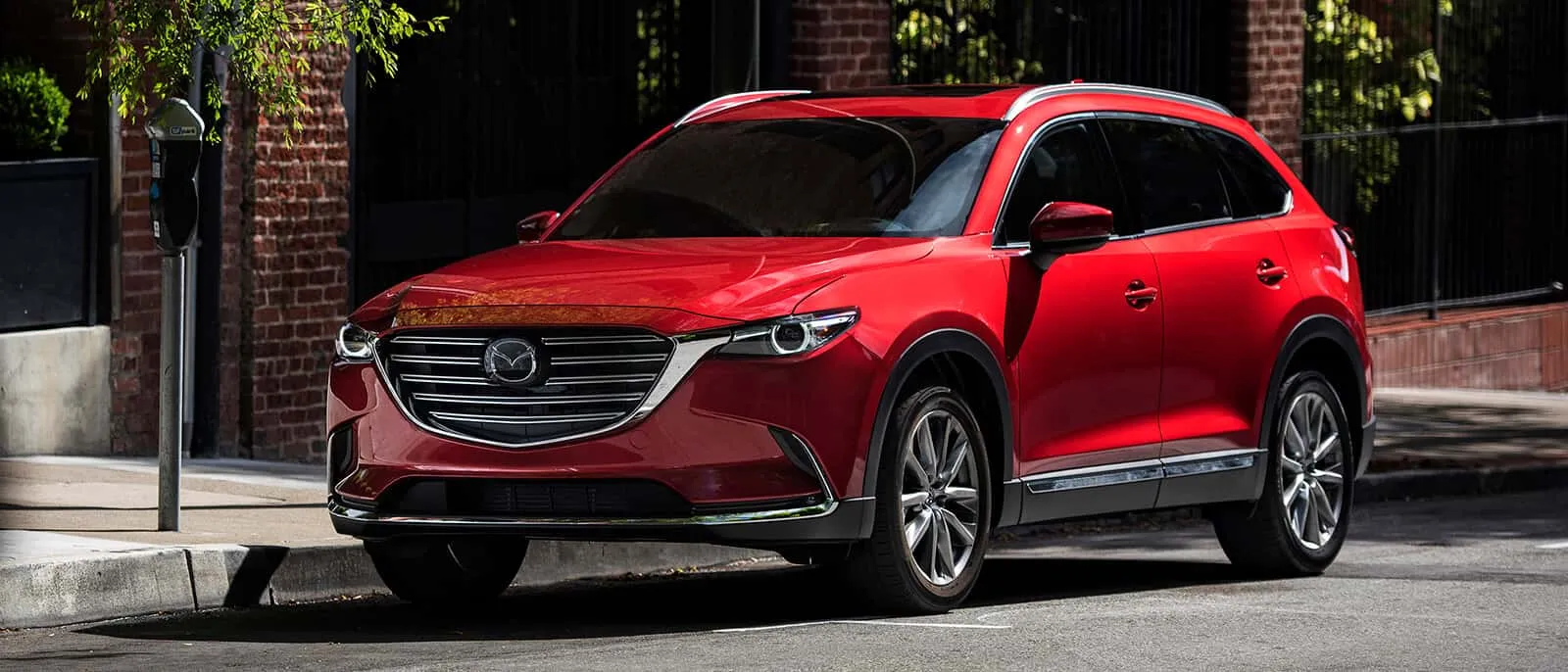
6. Mazda CX-9 (2016-2024)
Japanese mainstream engineering proves that quality does not require luxury pricing. UV-stabilized dashboard materials resist sun damage effectively. Proper material selection preserves appearance throughout ownership. Crack-free interiors highlight Mazda’s commitment to quality.
Material composition includes adequate UV stabilizers that protect structural integrity. Chemical additives block radiation, preventing degradation. The formulation balances protection with cost-effectiveness. This approach ensures reliable durability.
Manufacturing processes guarantee consistent quality across production. Molding techniques are optimized for material properties. Quality control verifies compliance with protection standards. This discipline delivers dependable performance.
Dashboard design features attractive grain patterns. Non-reflective finishes prevent windshield glare. The texture provides visual appeal while concealing wear. The design maintains its appearance for a long time.
Upper dashboard sections use materials that retain flexibility. Plasticizers are selected for stability under various conditions. Flexibility prevents brittleness and stress cracking. Materials remain pliable throughout ownership.
Assembly methods minimize stress at mounting points. Connection designs distribute loads evenly. Material thickness is adequate at attachment areas. Engineering prevents mechanical stress from combining with environmental damage.
Owners in the Sun Belt report excellent condition throughout ownership. Texas, Arizona, and California examples remain crack-free. Daily exposure does not affect Mazda dashboards. Performance validates material quality.
Resale advantages from pristine condition are important. A well-maintained appearance signals proper care to buyers. This translates into higher resale prices. Original owners benefit from sound engineering.
Replacement costs remain reasonable for a mainstream brand. Mazda pricing stays competitive while maintaining quality. OEM components resist UV damage effectively. Affordability helps owners maintain vehicles economically.
Quality materials at fair prices demonstrate lasting value. Dashboard condition provides satisfaction to owners. A pristine appearance years later reinforces brand reputation. This quality builds long-term loyalty.
Sun-State Dashboard Disasters
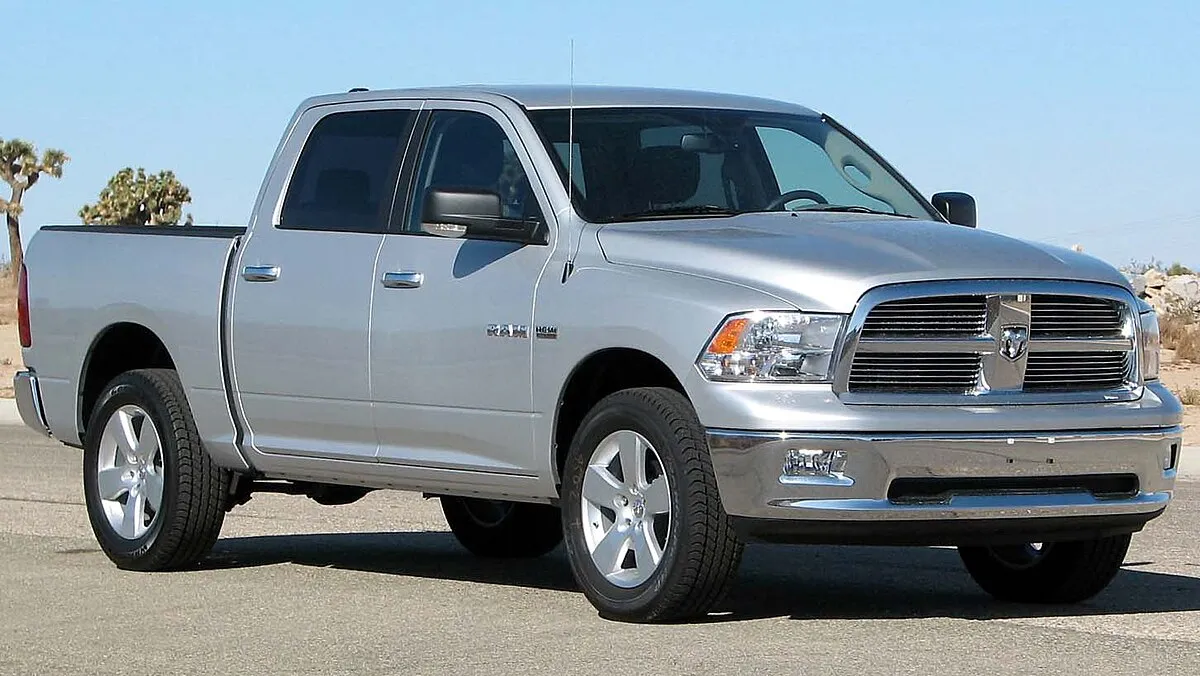
1. Dodge Ram 1500 (2009-2018)
The Dodge Ram 1500 from this era became one of the most complained-about trucks regarding dashboard durability. Many owners in hot regions like Texas, Arizona, and Nevada noticed that the dashboard began to disintegrate just a few years after purchase.
The material used for the panel lacked proper UV resistance, and constant sun exposure caused the surface to dry out and crack severely. The issue was especially frustrating for owners who took great care of their vehicles but still saw their interiors fall apart in the long run.
The dashboard was made from low-cost plastics that could not endure prolonged heat or sunlight. Because the materials lacked UV stabilizers, they hardened quickly and began to crumble. High temperatures common in southern states accelerated the degradation of polymers, turning once-flexible panels into rigid, fragile structures.
Many owners reported that the cracking began around 40,000 to 80,000 miles, with fractures spreading across the surface within months. The upper dashboard areas were particularly vulnerable due to their constant exposure to the windshield and sunlight.
Manufacturing inconsistencies worsened the situation. Quality control during production appeared minimal, leading to variation in polymer strength and composition. Some trucks showed damage within two years, while others lasted longer but still failed eventually.
The dashboard design itself did not help the issue either. It lacked adequate support structures, and large surface areas increased internal stress points. Inadequate ribbing and weak mounting designs caused pressure to concentrate in small zones, allowing cracks to develop faster.
Owners reported that heat caused the plasticizers in the dashboard to evaporate, leading to even greater brittleness. Once the flexibility was gone, the panels became too rigid to absorb normal vibrations from driving.
This combination of poor material quality and bad engineering made cracking inevitable. Dodge eventually faced class-action lawsuits from frustrated customers. Some received limited settlements or replacement dashboards, while others were offered aftermarket covers as partial fixes.
Repairing or replacing the entire dashboard could cost between $1,200 and $2,000, depending on labor costs and the quality of replacement materials. Many owners refused to invest such amounts in repairs, choosing instead to live with cracked interiors.
After a long time, the resale value suffered. Buyers tended to avoid vehicles showing visible dashboard damage or offered lower prices due to expected future repairs.
The widespread problem damaged Dodge’s reputation for durability, leaving many loyal owners disappointed by the brand’s unwillingness to fully address the design failure.
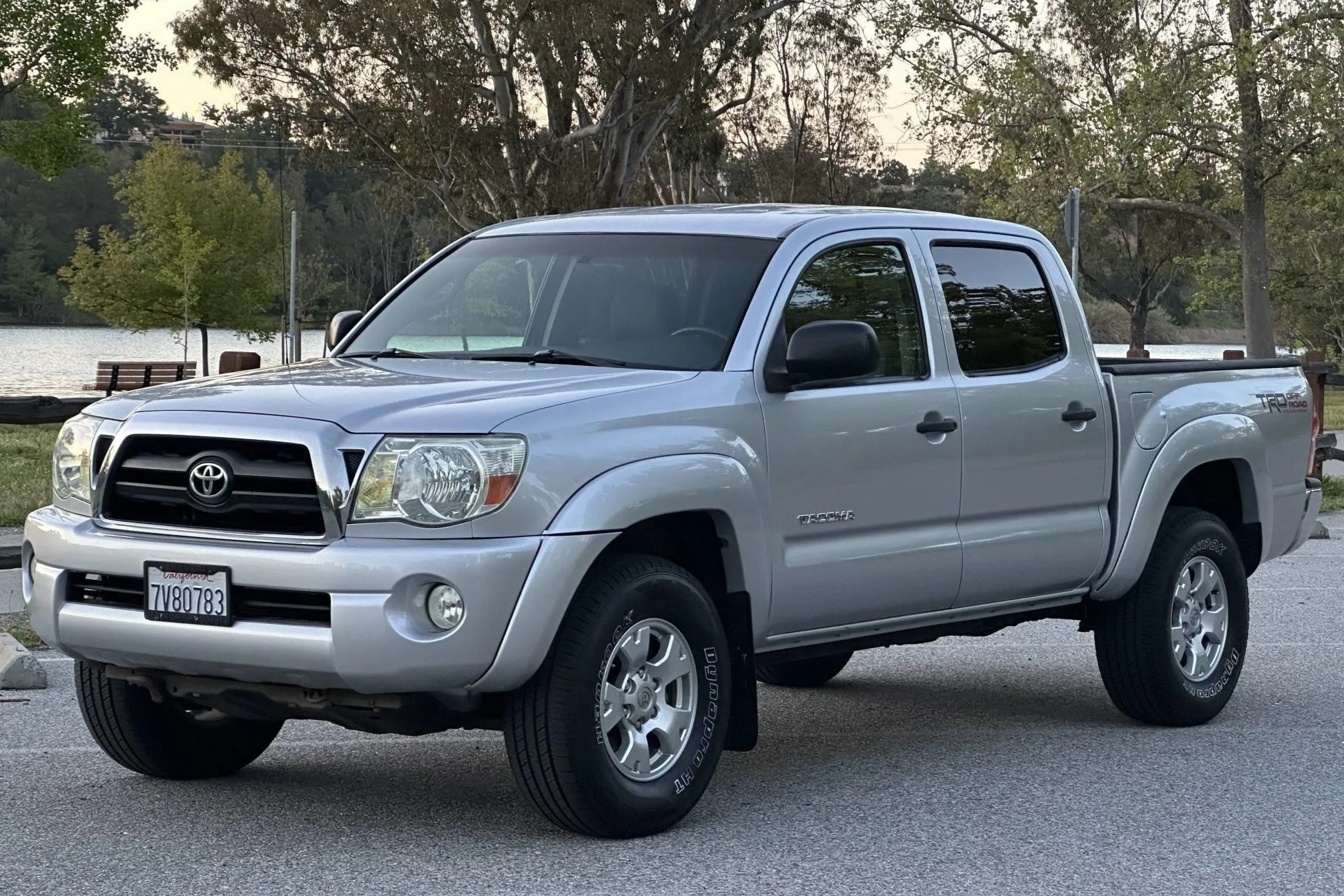
2. Toyota Tacoma (2005-2015)
The Toyota Tacoma earned a strong reputation for reliability, but dashboard failures became a persistent complaint among owners in warm climates.
Vehicles exposed to high sunlight levels in states such as Arizona, Nevada, and Texas often develop cracks across the dashboard within a few years.
The issue stemmed from poor material selection during production. The plastic used was not sufficiently UV-resistant, leading it to weaken and lose flexibility after repeated exposure to heat and sunlight.
The use of lower-grade polymers meant that the dashboards deteriorated much faster than expected. The problem was most noticeable in trucks parked outdoors frequently, where direct sunlight accelerated the material breakdown.
As the plastic hardened, it lost its elasticity, creating surface tension and visible cracking. The degradation pattern usually started around the defroster vent and gradually extended toward the passenger side.
Many owners reported that cracks appeared between 60,000 and 100,000 miles, spreading faster with each temperature cycle.
Manufacturing inconsistencies added to the problem. Some vehicles used slightly better materials that lasted longer, while others failed quickly due to weaker plastic formulations. This variation indicated lapses in Toyota’s quality control standards during that production period.
The dashboard’s design also lacked proper structural reinforcement. Large, flat surfaces without enough internal ribbing created pressure zones that amplified the cracking process when exposed to vibration and heat expansion.
Heat also caused essential plasticizers in the material to evaporate, making the dashboard increasingly brittle. Once that flexibility disappeared, even minor flexing or temperature movements led to visible damage. Many Tacoma owners complained that the dashboard fractures spread like a spiderweb, eventually forming large holes.
Toyota initially denied the issue was a widespread defect, suggesting it resulted from environmental factors and owner maintenance. However, mounting complaints and media coverage eventually pressured the company to offer limited warranty extensions in some regions.
Repairing the damage was expensive, with full dashboard replacement costs ranging between $800 and $1,500, depending on labor. Many drivers opted for dashboard covers to conceal the problem temporarily, though these were cosmetic fixes that did not address the underlying issue.
Cracked dashboards negatively affected the truck’s resale value, with many buyers discounting prices for vehicles showing signs of interior decay. This problem became one of the few blemishes on the Tacoma’s otherwise strong record of long-term reliability and durability, leaving many loyal owners dissatisfied.
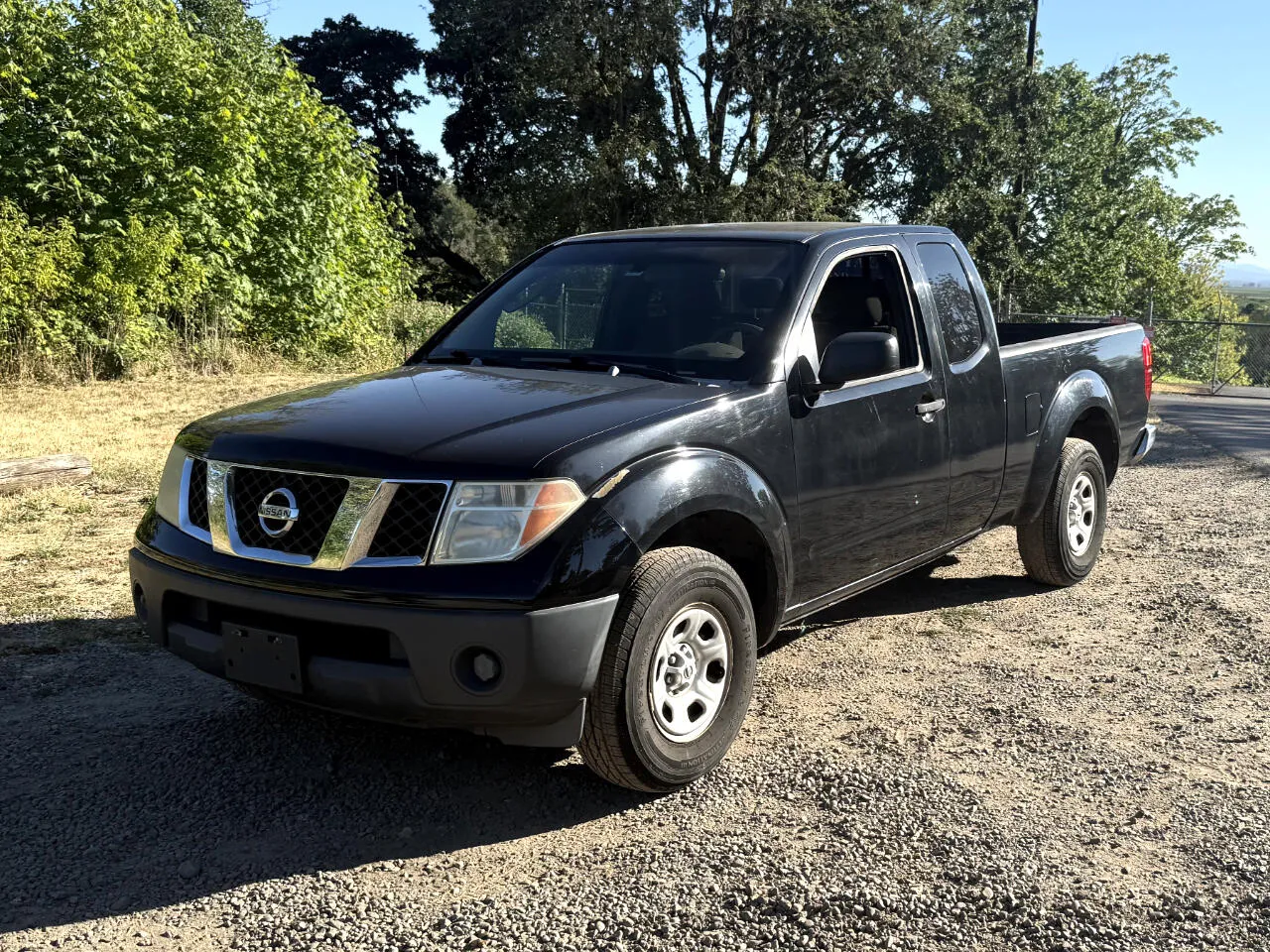
3. Nissan Frontier (2005-2019)
Across its long production run, the Nissan Frontier suffered from one of the most persistent dashboard quality problems in modern trucks. Owners living in high-temperature areas such as California, Arizona, and Texas experienced dashboard cracking and crumbling after extended sun exposure.
This issue appeared consistently over multiple model years, proving that Nissan did not adequately update materials or improve the design to prevent future failures.
The problem originated with the type of plastic used in manufacturing. The dashboard material lacked sufficient UV stabilization, making it highly susceptible to heat and sunlight damage. After some time, the plastic’s internal compounds began to degrade, losing flexibility and turning brittle.
Once hardened, the material could not handle normal thermal expansion or vibrations from driving. As a result, cracks began to form, typically around the defroster vents and spreading across the dashboard surface.
Inconsistent material batches further worsened the issue. Some vehicles displayed minor cracking, while others developed severe damage within a few years. This inconsistency revealed poor production oversight and inconsistent quality control practices.
The dashboard design itself contributed to the problem by featuring large unsupported areas that allowed internal stress to concentrate. Without adequate structural reinforcement, these weak points became natural starting zones for cracks to spread quickly.
Heat exposure also caused essential compounds in the dashboard to evaporate, leading to brittleness. Once the surface lost flexibility, even light impacts or daily vibration from driving caused visible fractures.
Owners frequently observed that cracks expanded rapidly between 50,000 and 90,000 miles, creating a spiderweb effect across the entire dashboard. Despite the widespread nature of the issue, Nissan’s response remained limited.
The company offered partial reimbursements or small warranty extensions for certain models but avoided full-scale recalls. Many affected owners relied on aftermarket covers to hide the damage temporarily.
Replacing the dashboard professionally could cost between $700 and $1,200, depending on the region and the availability of parts. These expenses left many customers frustrated, particularly those who had purchased the Frontier for its reputation of durability and value.
Cracked dashboards reduced resale appeal. Potential buyers, aware of the widespread problem, tended to lower their offers or avoid older Frontier models altogether. As a result, many owners saw their truck’s market value drop substantially.
The long-running material failure reflected poorly on Nissan’s design oversight and damaged trust among customers who expected better build quality from a truck known for toughness and reliability.
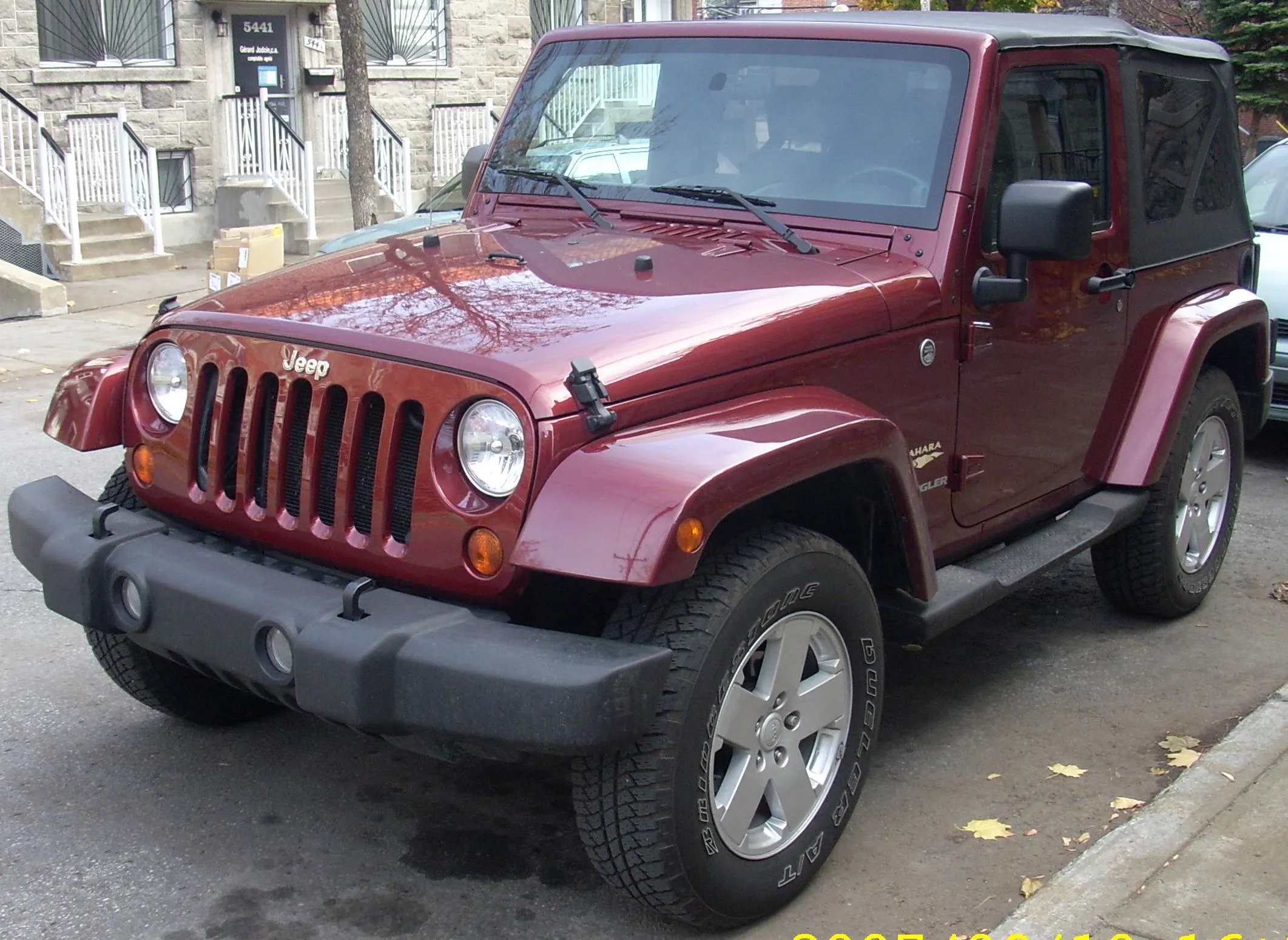
4. Jeep Wrangler (2007-2018)
The Jeep Wrangler, known for its durability off-road, faced an ironic weakness inside the cabin. Many owners reported dashboard cracking and disintegration, particularly in regions with high sunlight exposure, such as Arizona, Nevada, and California. The problem originated from the use of low-grade plastics with poor ultraviolet resistance.
Continuous sun exposure caused the polymer structure to weaken, leading to brittleness and eventual surface fractures. Cost-cutting during production reduced the amount of UV-protective additives, leaving the dashboard vulnerable to heat damage.
Quality control inconsistencies across production years worsened the issue, as material batches varied widely in durability.
Structural design flaws also contributed, with large unsupported sections that flexed under heat and vibration stress. As the plastic hardened and lost elasticity, cracks began appearing between 40,000 and 70,000 miles.
Once they formed, the damage spread quickly, often across the entire dashboard surface. Jeep’s limited warranty support covered only partial repairs or cosmetic fixes, leaving many owners to handle replacement costs ranging from $900 to $1,500.
Some resorted to aftermarket covers to conceal the damage, though these served as temporary solutions. The widespread defect eventually affected resale values, as buyers discounted vehicles with visible dashboard deterioration, creating ongoing frustration and financial loss for long-term owners.
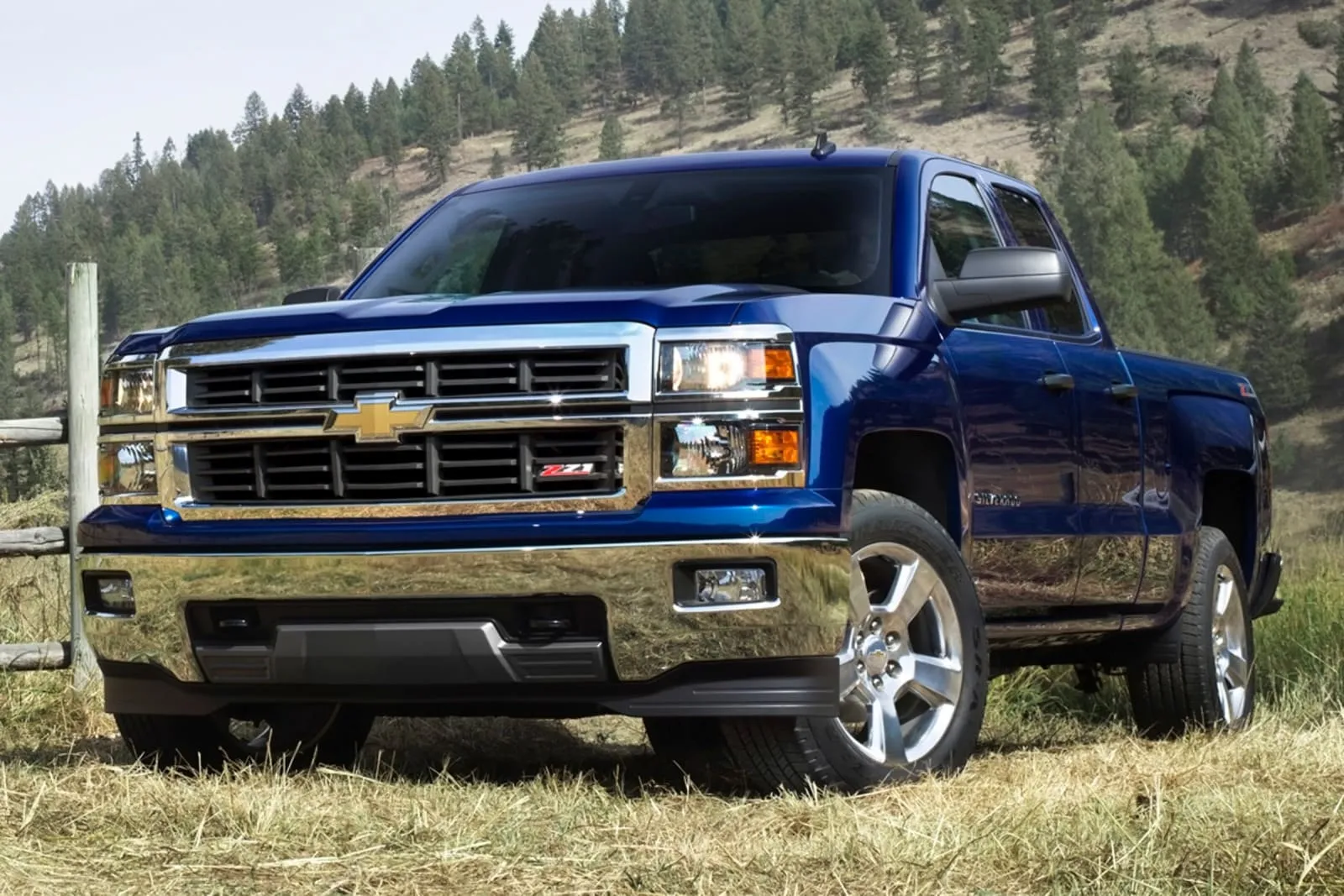
5. Chevrolet Silverado 1500 (2014-2018)
The Chevrolet Silverado 1500 experienced widespread dashboard cracking, particularly among owners in sun-intense states like Texas, Arizona, and New Mexico. Reports revealed that the issue stemmed from cheap materials and insufficient UV protection in the dashboard plastics.
Extended exposure to sunlight caused the polymer compounds to break down, turning the surface brittle and fragile. Quality control problems during production resulted in inconsistent material strength between vehicles, which meant that some dashboards failed within just a few years.
The design also contributed to the damage, with large flat panels that lacked proper structural reinforcement.
After a while, the heat from the cabin environment caused the plasticizers to evaporate, leaving the surface prone to splitting and warping. Stress from mounting points and poor assembly alignment accelerated the process further.
Most failures occurred between 50,000 and 90,000 miles, spreading quickly once cracks began. Chevrolet’s warranty response was limited, offering partial compensation or cosmetic fixes without addressing root causes.
Replacement costs ranged between $1,000 and $1,800, discouraging many owners from pursuing repairs. As a result, many Silverado trucks on the used market displayed visible dashboard damage, reducing resale value and affecting buyer confidence in the brand’s material quality and long-term reliability.
Also Read: 5 Sedans Whose Steering Columns Stay Tight Vs 5 That Rattle Over Bumps
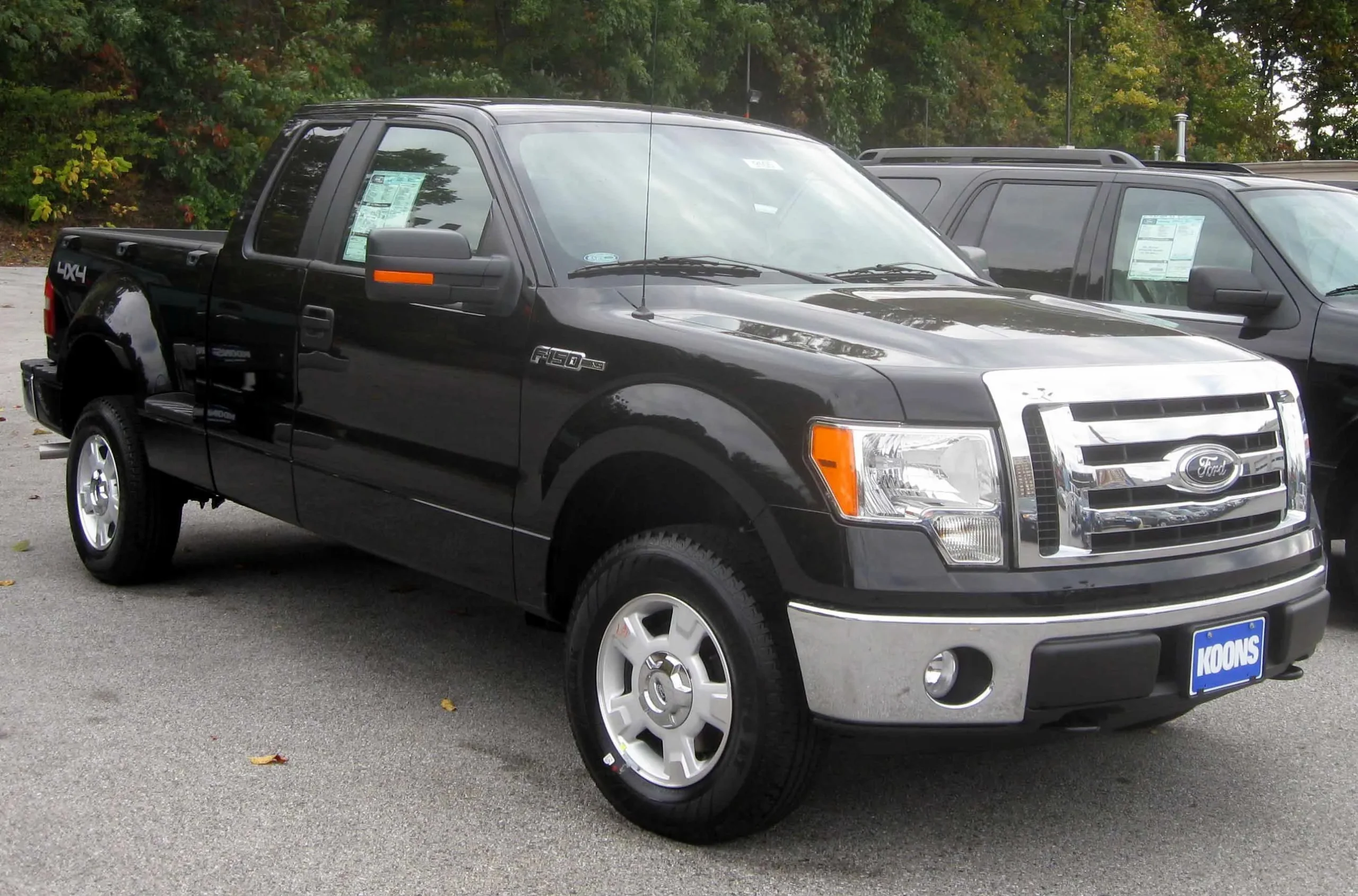
6. Ford F-150 (2009-2014)
The Ford F-150, despite its long-standing reputation for toughness, encountered an embarrassing flaw with its dashboard materials during this production run.
Owners across hot-weather states reported widespread cracking and surface deterioration. The problem originated from poor material selection and inadequate UV resistance.
Over the years, exposure to intense sunlight and heat caused the dashboard’s plastic structure to weaken, leading to severe brittleness and cracking. The use of lower-cost materials reduced flexibility, and evaporating plasticizers removed the compounds responsible for elasticity.
Manufacturing inconsistencies and weak quality control practices led to varying degrees of failure across models. The dashboard design further worsened the problem, as large unreinforced surfaces absorbed and concentrated stress from both temperature changes and cabin vibrations.
Failures commonly appeared between 50,000 and 80,000 miles and worsened rapidly once cracks formed. Ford’s warranty support offered limited relief, often covering only partial replacements or repair kits that did not prevent future deterioration.
Owners faced repair bills ranging from $1,000 to $2,000, with many opting for aftermarket covers instead of full replacement.
The persistent nature of the issue hurt resale values, as visible dashboard cracks became a known concern among buyers, undermining confidence in the truck’s general build quality and durability.
