
You’re on a long summer drive, the sun is beating down, and you feel that uncomfortable, sticky sensation building on your back and legs.
You press the button for the ventilated seats, hear a faint whirring, and nothing. Maybe a slight draft, but certainly no relief. It’s a common frustration for many car buyers who paid extra for a premium feature that fails to deliver.
The truth is, not all ventilated seats are created equal. The automotive industry is wildly inconsistent with this technology.
The difference lies in the execution: some manufacturers invest in a true climate-controlled system, while others treat it as a checkbox feature, installing weak fans that provide little more than acoustic theater.
After extensive research, expert reviews, and owner testimonials, we’ve compiled a definitive list of vehicles that get it right and those that leave you hot and bothered.
6 That Deliver Good Cooling
These vehicles go beyond simple ventilation; they often integrate the seat cooling with the vehicle’s own climate control system, providing a genuinely refreshing experience.
1. Ford F-150 (King Ranch, Platinum, Limited Trims)
Ford’s “Multi-Contour Front Seats” with active motion are a benchmark in the truck world and beyond. The ventilation system doesn’t just pull cabin air; it uses a dedicated thermoelectric cooling unit, similar to your home fridge.
The result is air blown through the perforations that is actively chilled, not just ambient. On a scorching Texas day, you can feel the coolness seeping through, making leather seats a non-issue. It’s a powerful, effective system that truly works.
The 2022 F-150 provides a diverse selection of powertrains to suit various needs, including a 290-hp 3.3-liter V-6; a 400-hp 5.0-liter V-8; a 325-hp twin-turbocharged 2.7-liter V-6; a 400-hp twin-turbocharged 3.5-liter V-6; and a 250-hp 3.0-liter diesel V-6.
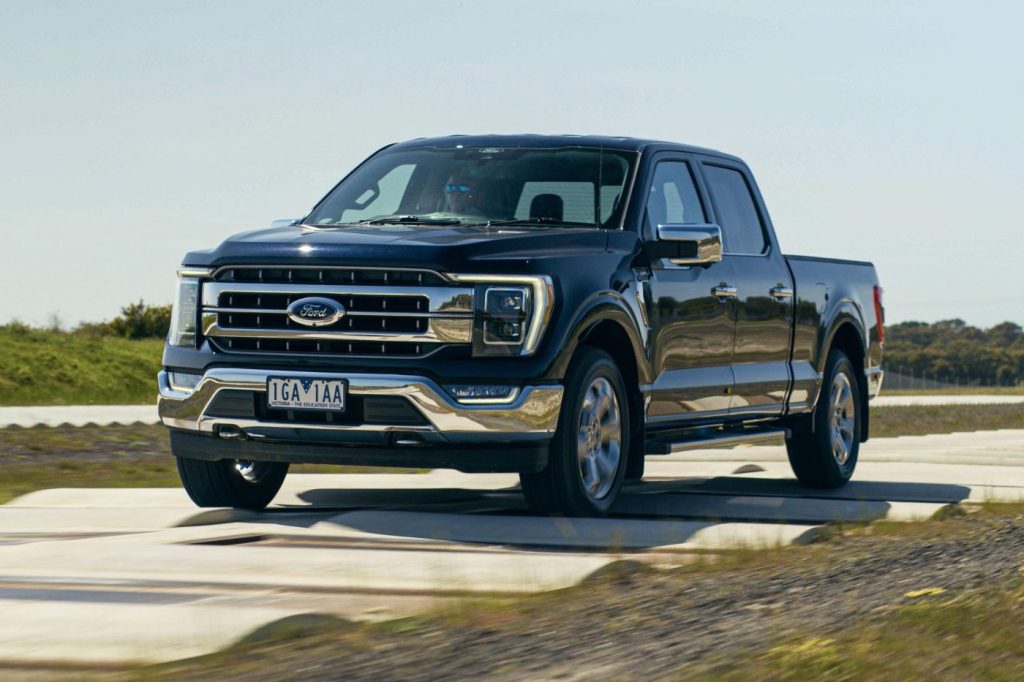
A 10-speed automatic transmission is standard equipment across all engine choices. A significant introduction for this model year is a hybrid powertrain, marking its first-ever availability in the F-150.
Ford claims that the new 400-hp hybrid powertrain, which consists of a 3.5-liter twin-turbo V-6, a 35 kW electric motor, and a 10-speed automatic transmission, will offer up to 700 miles of driving range per tank and can also power an onboard generator for keeping the power flowing at job sites or during power outages.
Customers have the flexibility to select either rear-wheel drive or four-wheel drive configurations for any engine in the lineup. Performance testing revealed impressive acceleration, as a four-wheel drive Lariat equipped with the hybrid powertrain galloped to 60 mph in a brisk 5.4 seconds.
Behind the wheel, the truck delivered a compliant ride and agreeable handling; high-spec models such as the King Ranch come with a variable-assist steering system that sharpens responses at low speeds for a more agile feeling.
Also Read: 5 City-Proof Compacts and 5 That Hate Stop-and-Go
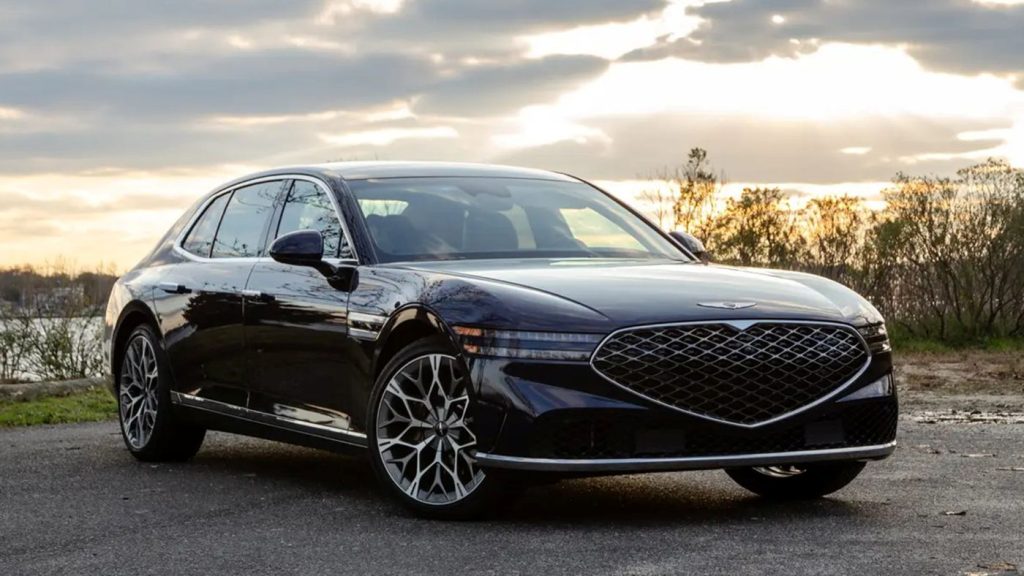
2. Genesis G90 / Genesis GV80
As Hyundai’s luxury arm, Genesis spares no expense in delivering a first-class experience. Their ventilated seats are among the best in the industry. They use a high-capacity, tri-zone cooling system with multiple, powerful fans.
The air is not only chilled but also distributed evenly across the seat back and bottom cushion. In the G90, you can even select from multiple intensity levels, and the highest setting is almost shockingly effective, ensuring you stay crisp and comfortable.
Even for those thoroughly familiar with the world of high-end luxury automobiles, the Genesis G90 delivers a remarkable impression. This recent entrant to the market is redefining the full-size luxury sedan segment, a space long commanded by the Mercedes-Benz S-Class.
The G90’s sculpted and authoritative exterior grants it substantial road presence, while Genesis’s distinctive treatment of the headlights and taillights ensures it cannot be mistaken for any other vehicle.
The interior is a beautifully appointed environment, even if the G90’s technology features may not initially dazzle with the same sheer spectacle as the enormous screens found in some rival models.
The driving character of the G90 is defined by its profound comfort. In the hybrid model, an adaptive air suspension performs superbly in absorbing road imperfections, and active noise cancellation ensures that conversation rarely requires more than a whisper.
While the G90 is supremely relaxing to operate, it is not designed to be engaging, which makes the opulent second-row seats the most desirable place to be.
One could simply hire a driver and instruct them to engage the Chauffeur driving mode, which further softens the rear suspension. This experience would be elevated even further should Genesis decide to offer the G90 Long Wheelbase variant in the United States.
The G90 is offered with two powertrain options, both of which are coupled with an eight-speed automatic transmission and all-wheel drive.
As the standard offering, the G90 features a twin-turbocharged 3.5-liter V-6 that produces 375 hp and 391 lb-ft of torque. Its fuel economy is rated by the EPA at 18/26 mpg city/highway. Acceleration from a standstill to 60 mph is expected to take slightly more than 6.0 seconds.
A hybridized version of the twin-turbo 3.5-liter V-6 is also available. With the assistance of an electrically driven supercharger, the engine’s output increases to 409 hp and 405 lb-ft of torque.
This hybrid system is oriented more towards enhancing performance than maximizing fuel efficiency; this powertrain is rated at 17/24 mpg, yet it can achieve 60 mph from a standstill in a swift 5.4 seconds.
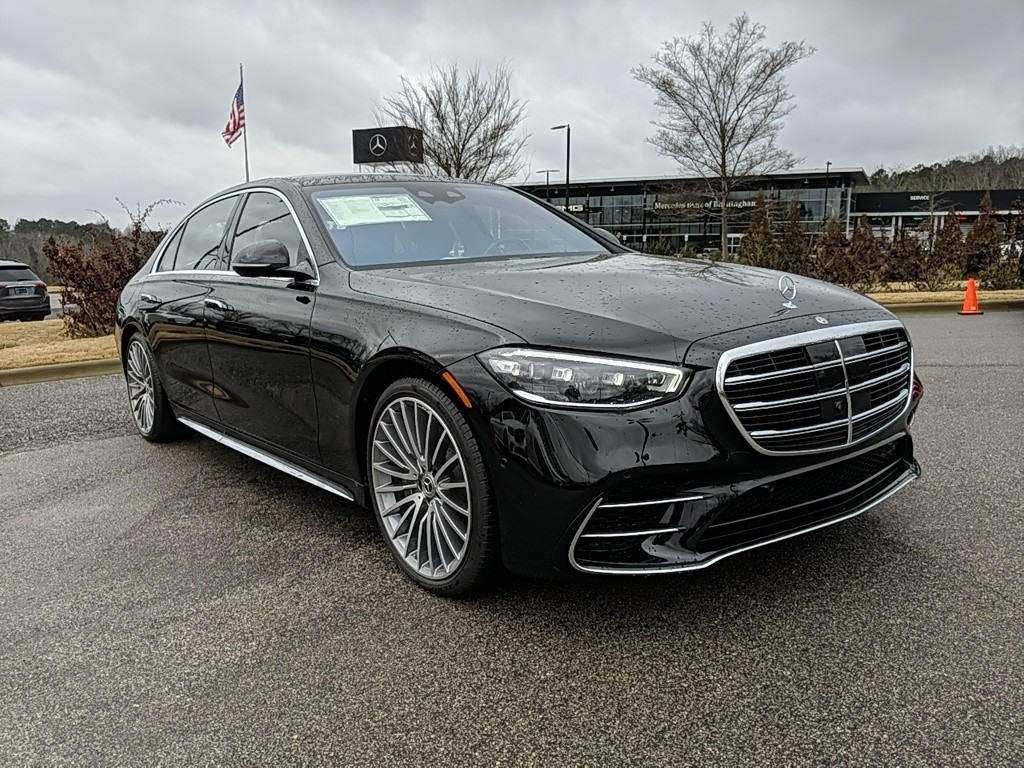
3. Mercedes-Benz S-Class
The S-Class has long been the standard-bearer for automotive luxury, and its climate-comfort seats are a technological marvel. They combine rapid, powerful ventilation with active bolsters that can heat or cool you.
More than just fans, the system uses a network of tiny Peltier elements to actively cool the air before it passes through the seat. It’s swift, silent, and incredibly efficient, setting a bar that few other manufacturers can reach.
While the exterior of the S-Class presents an elegantly understated profile, its interior is a showcase of eye-catching details.
A closer investigation reveals a few cheap-feeling touchpoints, however. The cabin is abundant with technology, which generally functions in a helpful and user-friendly way. Fortunately, Mercedes keeps some physical buttons for basic controls, but jams a few too many onto the steering wheel.
On the road, the S-Class establishes itself as a haven of comfort and quietude. Its engines are exceptionally smooth, refined, and powerful, with their character complemented by near-imperceptible gear changes.
The S580e plug-in hybrid variant offers a long all-electric driving range, presenting a compelling alternative to a full EV.
However, agile handling is not the S-Class’ primary forte; the car feels large and somewhat detached from the road, making precise placement a bit of a chore.
In an era where EVs and SUVs are becoming increasingly popular, the S-Class could be perceived as something of a relic. Even if it is, though, Mercedes’ flagship sedan remains in many ways the luxury sedan to beat.
Regardless of which engine is equipped, every 2024 S-Class utilizes a nine-speed automatic transmission and Mercedes-Benz’ 4Matic all-wheel-drive system.
The entry-level S500 features a mild-hybrid turbocharged 3.0-liter inline-6 engine, which produces 442 hp and 413 lb-ft of torque. Mercedes-Benz estimates a 4.9-second 0-60 mph time for the S500. Its fuel economy is rated at 21/31 mpg city/highway.
4. Kia Telluride / Hyundai Palisade (High Trims)
Proving that exceptional cooling doesn’t have to be a six-figure luxury, the Telluride and Palisade offer a surprisingly robust ventilated seat system. While it may not have a dedicated chiller like the Ford, it uses high-flow fans that pull a significant volume of air through the dense perforations.
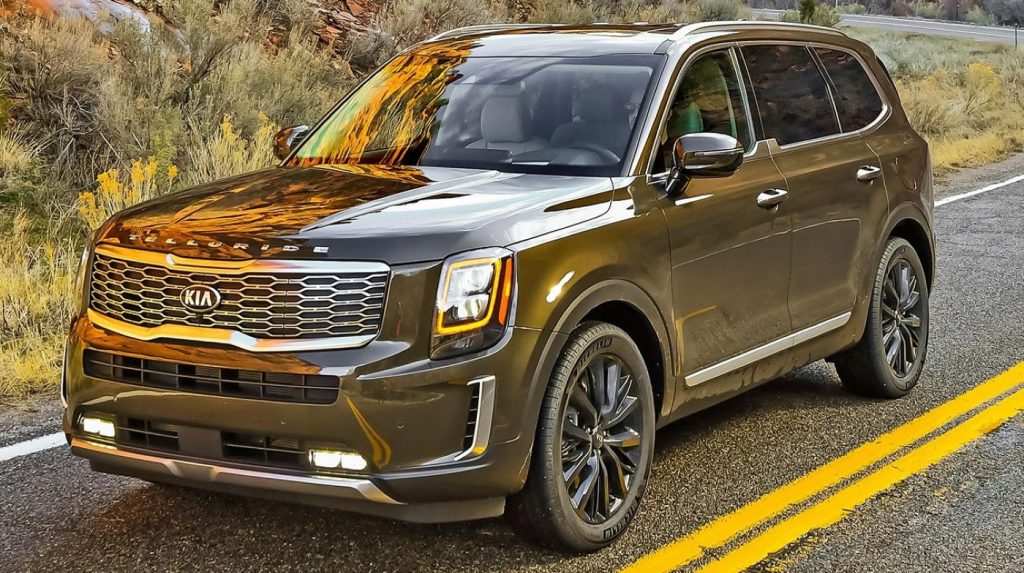
The suction effect is strong enough to pull hot air and moisture away from your body quickly, creating a genuinely cool and dry feeling. For the price, it’s arguably the most effective system on the market.
5. Lincoln Navigator
Lincoln takes the Ford system and elevates it with their “Perfect Position Seats.” Offering 30-way adjustability, the ventilation is equally impressive.
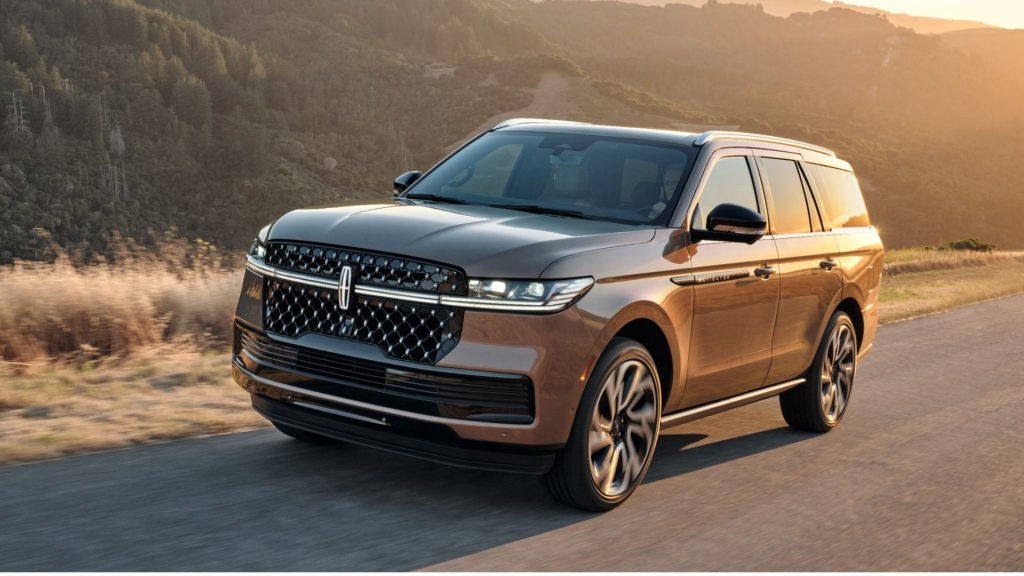
It features a separate cooling element and uses what they call “Eco-friendly semi-conductors” to chill the air. The system is notably quiet and distributes the cooled air across a wider surface area than most, including the upper back. It’s a seamless, powerful, and deeply integrated feature that works exactly as advertised.
Also Read: 10 Crossovers That Actually Deserve Their Popularity
6. Toyota Tundra (1794 Edition, Platinum Trims)
The latest generation Tundra stepped up its luxury game significantly, and its ventilated seats are a standout feature. Toyota implemented a powerful, multi-fan system with large-diameter perforations in the high-grade leather.
The airflow is substantial and noticeable even through heavier clothing. It lacks the active cooling of a Peltier device, but the sheer volume of air movement provides excellent moisture-wicking and cooling, making it a top performer in the full-size truck segment.
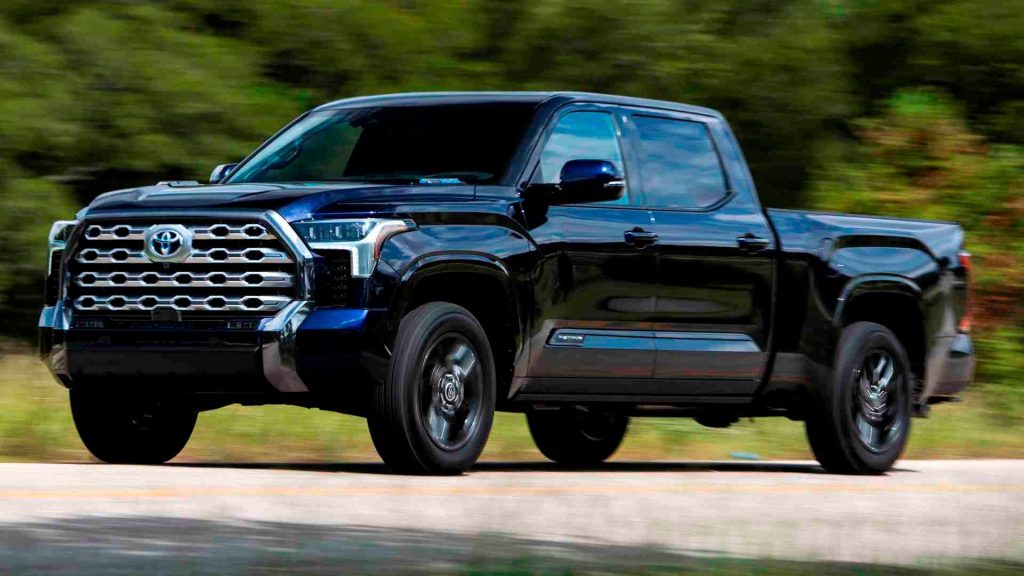
The Tundra provides buyers with a choice of three distinct powertrains, each deriving its core architecture from a twin-turbocharged 3.4-liter V-6 engine. In the base SR trim, this powerplant is tuned to deliver 348 horsepower and 405 pound-feet of torque; in all other configurations, its output is increased to 389 horses and 479 pound-feet.
The third and most potent option is a 473-horsepower hybrid variant, which we review separately. All three powertrains are paired with a smooth-shifting 10-speed automatic transmission.
For models equipped with four-wheel drive, Toyota employs a part-time setup; a full-time four-wheel-drive system, like those found in some rival trucks, is not available.
Similar to the approach taken by the Ram 1500, the Tundra utilizes a coil-spring rear suspension, a design that contributes to a notably suppler ride during day-to-day operation.
6 That Are All Whispers, No Wind
These systems often feel like an afterthought. They might make noise, but they fail to move enough air or provide any active cooling, leaving you wondering if the feature is broken.
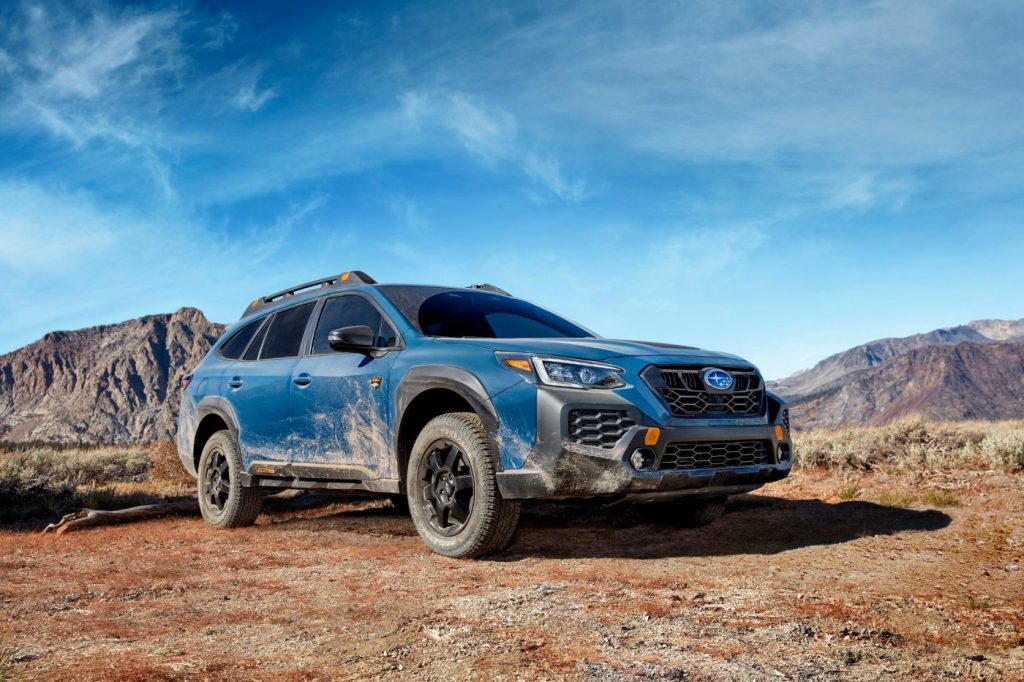
1. Subaru Outback (Touring Trim)
Subaru is brilliant at many things, but ventilated seats are not one of them. The system in the Outback (and its Ascent and Forester siblings) is notoriously anemic.
The fans are weak, the airflow is minimal, and the perforations in the leather seem designed more for style than function. Many owners report that you can only feel a slight sensation on the highest setting, and even then, only if you’re wearing thin clothing. It’s the very definition of a checkbox feature.
By successfully blending the driving dynamics of a car with the practical versatility of an SUV, all while sidestepping the common drawbacks associated with both, it is no surprise that the Outback has achieved such widespread popularity.
Subaru’s best-selling model holds a broad appeal for a reason. It serves as a comfortable road companion, treating occupants in its spacious cabin to a smooth ride quality that can rival some luxury cars.
Yet, the Outback remains prepared to venture off the beaten path, aided by its generous ground clearance and legendary all-wheel-drive system, though it should be noted that the Wilderness model’s actual capability may not fully live up to its rugged, tough looks.
The area where the Outback shows some faltering is in its overall refinement. Comfortable as the cabin may be, it isn’t exactly a quiet environment.
Both available powertrains present their own drawbacks: the base engine feels underpowered, while the turbocharged mill can suffer from noticeable lag.
Despite these noted qualms, the Outback has genuinely earned its popular status. Subaru has expertly nailed the overall package, presenting consumers with a versatile, capable, safe, and high-value crossover. The Subaru Outback continues to hold its position as one of our top-rated vehicles in the midsize SUV category.
In keeping with the brand’s identity, and like all Subaru models except for the sporty BRZ coupe, the Outback comes equipped with a standard all-wheel-drive system. Buyers can choose between two flat-four “boxer” engines, both of which are connected to a continuously variable automatic transmission (CVT).
The standard engine is a 2.5-liter unit that produces 182 horsepower and 176 lb-ft of torque. Prospective owners should expect fuel economy to be rated at 26/33 mpg city/highway. Acceleration from a standstill to 60 mph in this configuration will take approximately 8.7 seconds.
2. Jeep Grand Cherokee (Mid-Level Trims)
While the top-tier Summit trim offers a better system, the ventilated seats in the common Laredo, Limited, and Overland trims are a letdown.
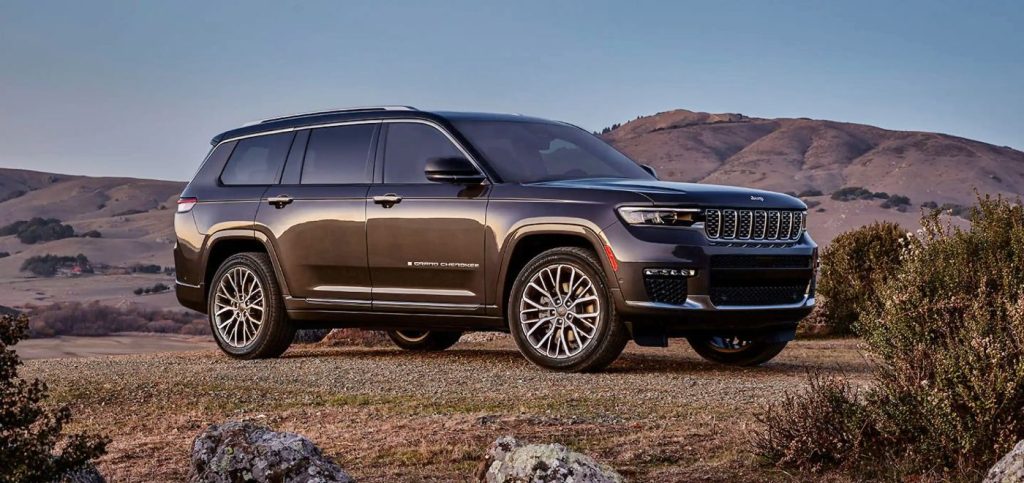
The system relies on a basic fan that struggles to pull air through the standard leather. The result is a faint, warm breeze that does little to combat sweat on a hot day. It’s a classic case of a manufacturer offering the feature broadly but only perfecting it for the most expensive model.
3. Nissan Rogue (SL Trim)
Nissan’s foray into ventilated seats in the Rogue is underwhelming. The system is incredibly subtle to the point of being ineffective.
The noise is often more prominent than the cooling effect. It functions more as a slight air circulator than an active cooling system. In a segment with fierce competition, its lack of performance is a notable weak point, especially when compared to its Korean rivals.
Since the 2022 model year, every Rogue has been equipped with a turbocharged 1.5-liter three-cylinder engine that generates 201 horsepower. This inline-three powerplant is paired with a continuously variable automatic transmission (CVT) and front-wheel drive, while an all-wheel-drive system is available as an optional upgrade.
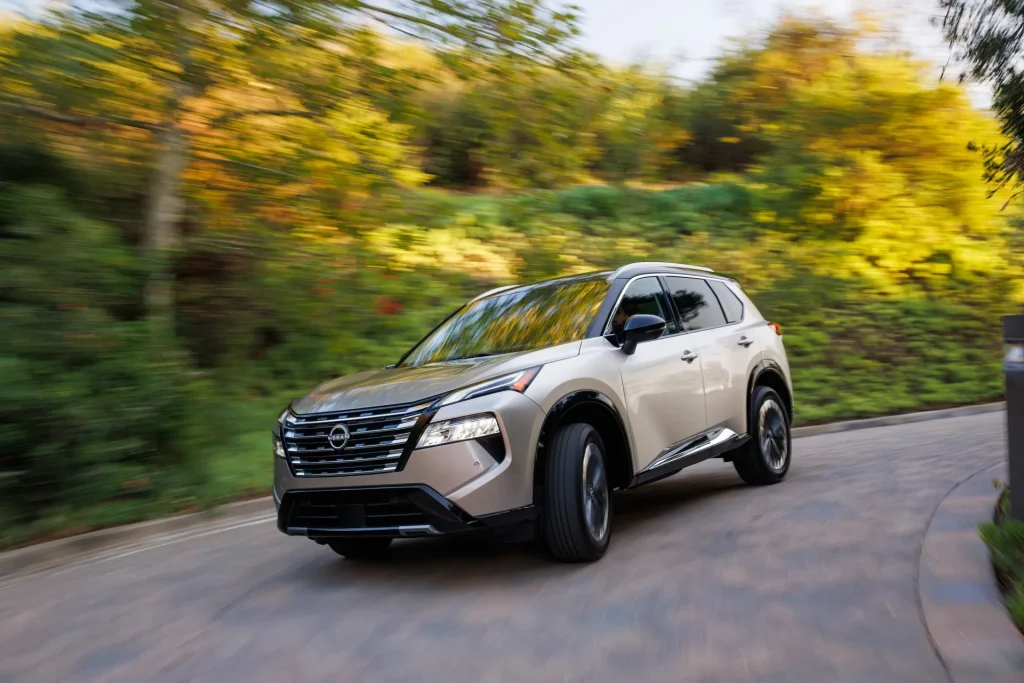
During our initial test drive of the three-cylinder Rogue, we observed that it felt perkier and more responsive than the previous versions that were powered by a nonturbo 2.5-liter four-cylinder. However, during subsequent testing at our track, its measured acceleration was not significantly quicker than the 2021 model we tested with the 2.5-liter four-cylinder.
The turbocharged three-cylinder managed to coax a 2024 Rogue Platinum to 60 mph in 8.0 seconds, which represents only a 0.2-second improvement over the 2021 model.
In everyday driving conditions, the Rogue delivers a compliant ride that is perfectly agreeable for daily commuting and long road trips, but its blasé cornering attitude and lack of driver engagement have not earned it any fans among our staff.
4. Chevrolet Equinox (Premier Trim)
Like many GM products, the Equinox’s ventilated seats are a prime example of “why bother?” The fans are weak, and the design seems to prioritize cost over effectiveness.
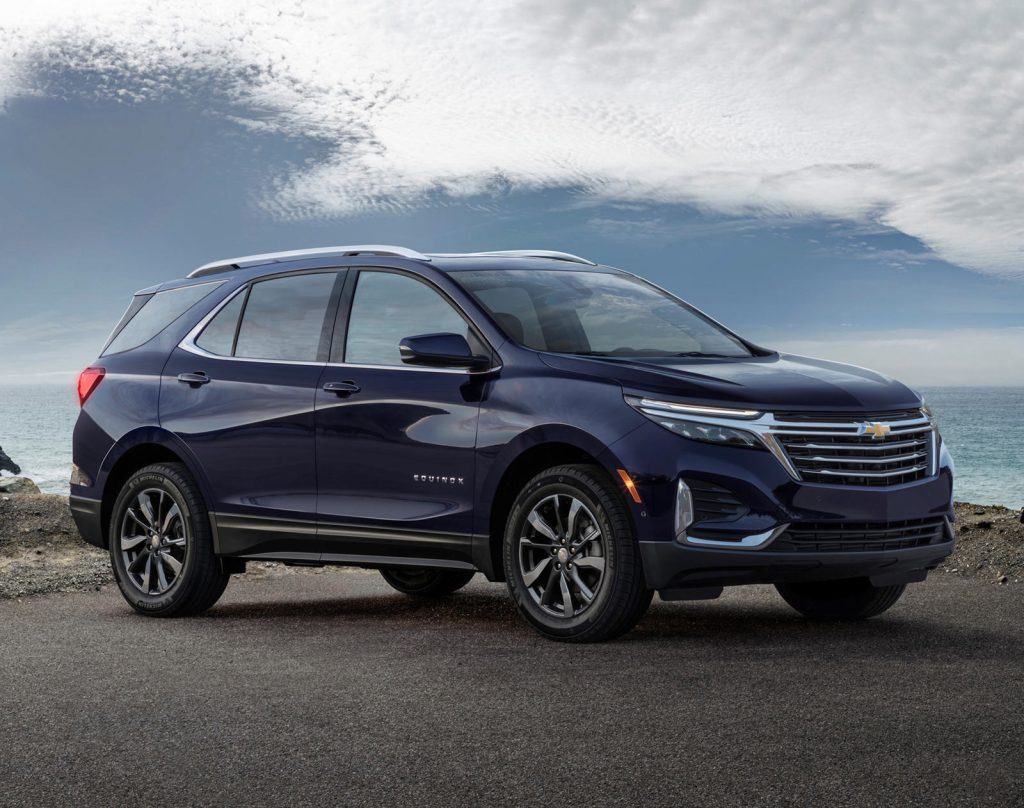
There’s very little perceptible airflow, and on a genuinely hot day, you’ll be hard-pressed to notice any difference with the feature on or off. It’s a common complaint in owner forums and professional reviews alike.
5. Volkswagen Atlas (SEL Premium)
The Atlas is a family hauler that gets many things right, but its ventilated seats are a miss. The system suffers from poor airflow and distribution.
You might feel a cool spot or two, but large sections of the seat remain warm and uncomfortable. It lacks the power and consistency needed to make a real impact, feeling more like a token gesture than a genuine comfort feature.
Despite having been on the market for eight model years, Volkswagen’s large three-row SUV is arguably overdue for a comprehensive redesign. However, motorists anticipating that change will have to wait, as the 2026 Volkswagen Atlas remains fundamentally unchanged.
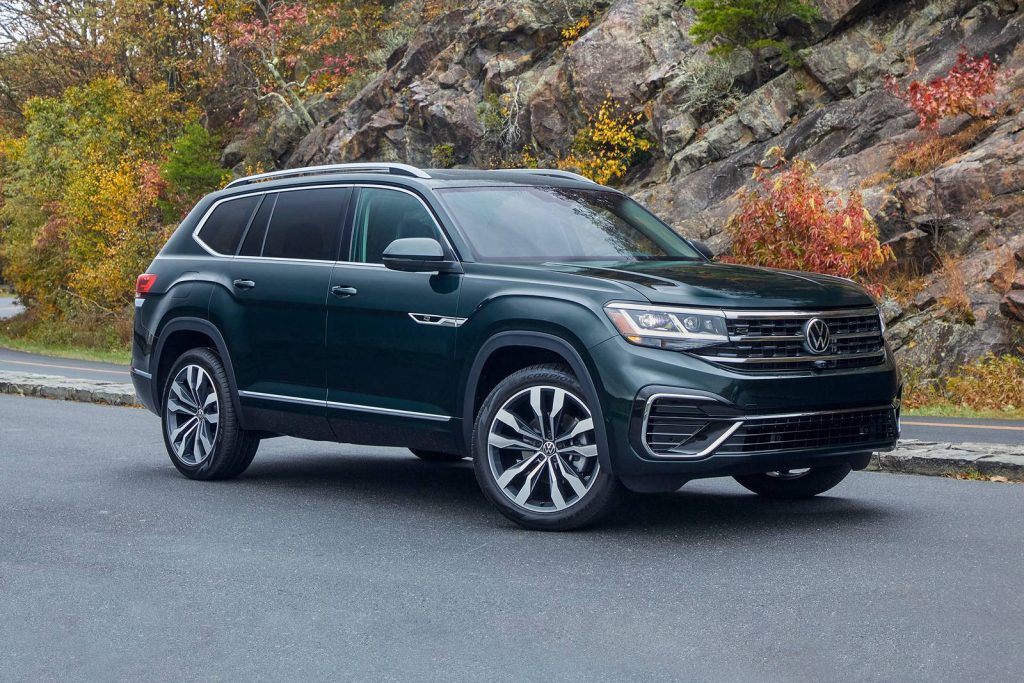
This state of affairs is not necessarily a negative, depending on one’s perspective. Admittedly, it does not appear as fresh-looking or boast technology as up-to-date as VW’s smaller Taos and Tiguan SUVs, both of which have received recent updates, but the Atlas continues to be a fairly compelling choice for a three-row family SUV.
The current-generation Atlas possesses several significant advantages. Its turbocharged four-cylinder engine generates solid power and delivers acceptable fuel economy for a vehicle of its substantial size.
With a rating of 21-23 mpg combined, the Atlas is approximately as efficient as key rivals like the Chevrolet Traverse and the Honda Pilot. It is also impressively roomy.
For parents who are constantly shuttling their children to sports practice, and perhaps their friends’ children as well, the Atlas’ roomy second- and third-row seating, along with its large cargo area, will undoubtedly be appreciated.
Still, the Atlas’ age does reveal itself in certain areas, such as its distracting-to-use controls and the dated-looking graphics of its touchscreen interface.
6. Honda Pilot (Elite & Black Edition Trims)
Honda’s ventilated seats have been a sore spot for years. While they have improved slightly in the latest models, they still lag far behind the competition.
With its standard three rows of seating, reasonable power output, and a broad selection of six distinct trims, several of which offer a choice between front-wheel and all-wheel drive, the Pilot establishes itself as a versatile contender in a segment where consumers love having choices.
Most shoppers will likely find a mid-range trim, such as the EX-L equipped with all-wheel drive, to be the most appealing thanks to its balanced mix of features, including a power-operated tailgate, an advanced suite of safety systems, and leather seat surfaces.
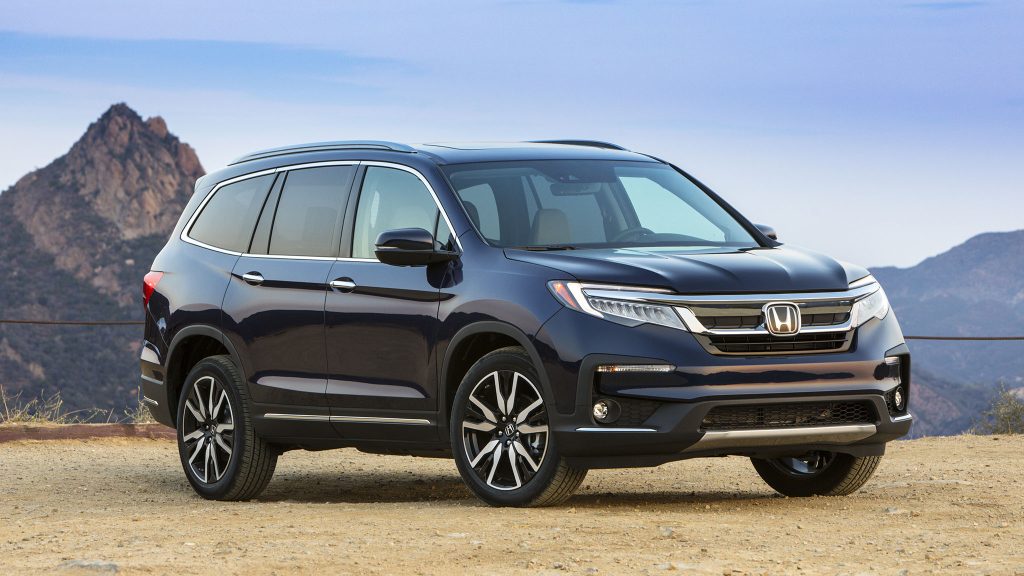
We appreciate the more rugged looks and marginally improved usability of the TrailSport model, and for those who frequently find themselves on unpaved roads, it might be worth the additional investment.
However, the Black Edition, the only change for the 2025 model year, is essentially a $1,500 appearance package that introduces no extra functional features and isn’t really worth serious consideration.
Within the realm of family SUVs, the Pilot is an excellent people mover with a driving character that is as functional-yet-forgettable as most of its direct competition.
After comprehensive evaluation, the Pilot falls squarely in the middle of the pack regarding both its on-road demeanor and how its interior technology stacks up against rivals. Its competition represents the heart of America’s auto market: three-row SUVs.
This is a crowded field, and many of the alternatives are very, very good, which is the primary reason the Pilot failed to truly stand out in our testing. Still, we hold a strong appreciation for its incredibly practical cabin, the abundance of available trims and drive configurations, and its overall utility.
The system uses a “perforation and fan” approach without any significant engineering to enhance airflow or cooling. The effect is a mild, barely-there draft that fails to provide the refreshing coolness buyers expect from a top-trim SUV.
In the end, a great ventilated seat system is more than a luxury; it’s a genuine comfort and convenience feature that can transform your summer driving experience. Don’t just pay for the promise—make sure you’re getting the performance.
