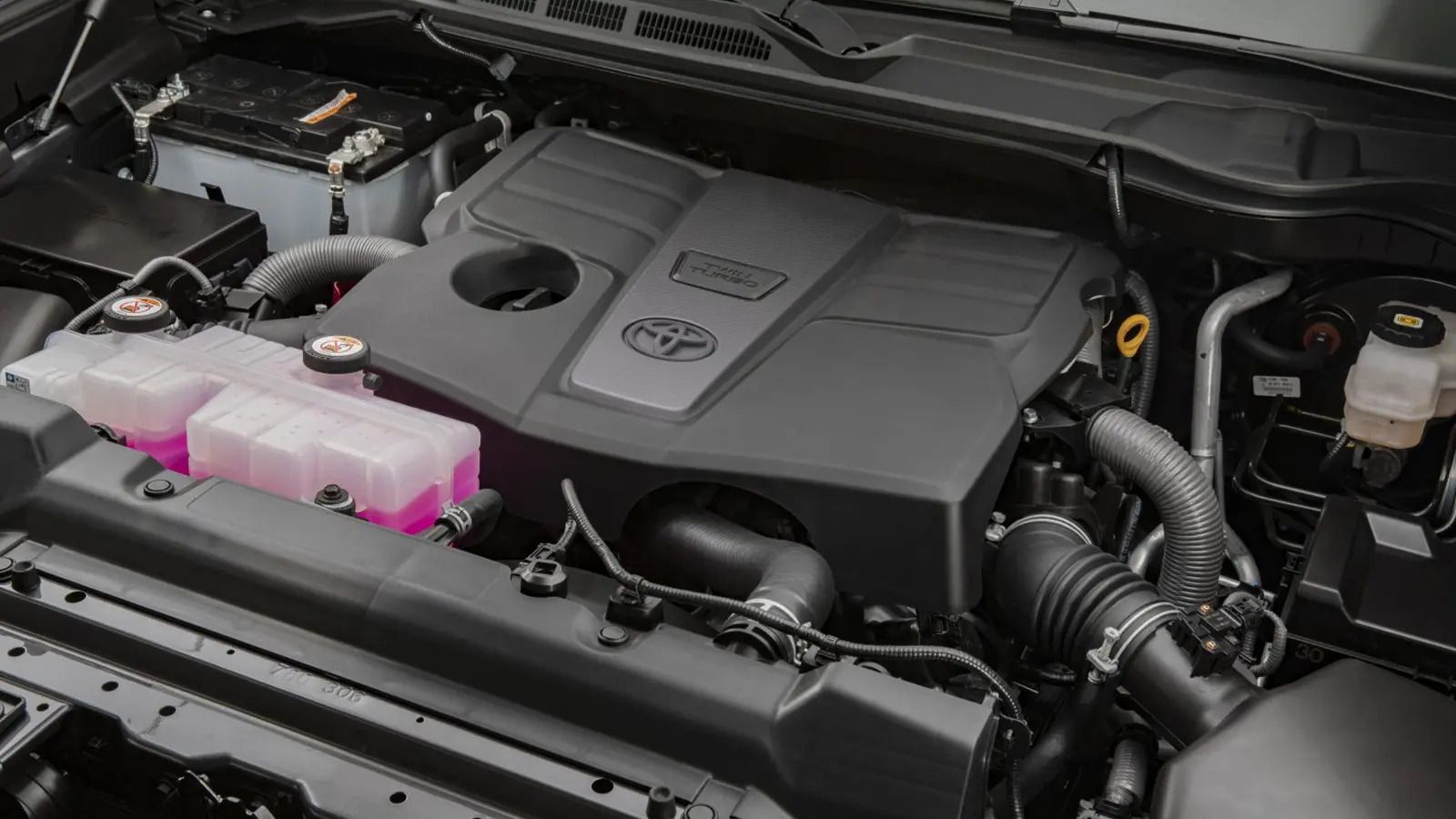
Oil consumption issues have become a growing concern among modern car owners, especially as tighter emission standards, turbocharging, and lightweight engine designs often lead to thinner piston rings and smaller oil capacities.
While a small amount of oil use is normal, excessive consumption say, a quart every 1,000 miles can hint at poor design, bad seals, or inadequate PCV systems.
Fortunately, some engines stand out for doing the opposite: they maintain oil levels remarkably well even after years of service.
Whether you’re buying used or just curious which powerplants have proven their resilience, here are ten engines that rarely need a top-off between oil changes.
1. Toyota 2.5L A25A-FKS (Camry, RAV4, Highlander)
Toyota’s naturally aspirated 2.5-liter four-cylinder, part of the Dynamic Force family, has become a benchmark for efficiency and long-term dependability.
Found in vehicles like the Camry and RAV4, the A25A-FKS uses a combination of high compression (13:1) and direct-plus-port fuel injection to maintain performance without sacrificing internal cleanliness.
Its advanced PCV system and tight piston ring tolerances ensure that oil consumption remains virtually nonexistent even after 150,000 miles.
Many owners report that oil levels stay steady between 10,000-mile changes a rarity in today’s market.
With its standard three rows of seating, reasonable power output, and a broad selection of six distinct trims, several of which offer a choice between front-wheel and all-wheel drive, the Pilot establishes itself as a versatile contender in a segment where consumers love having choices.
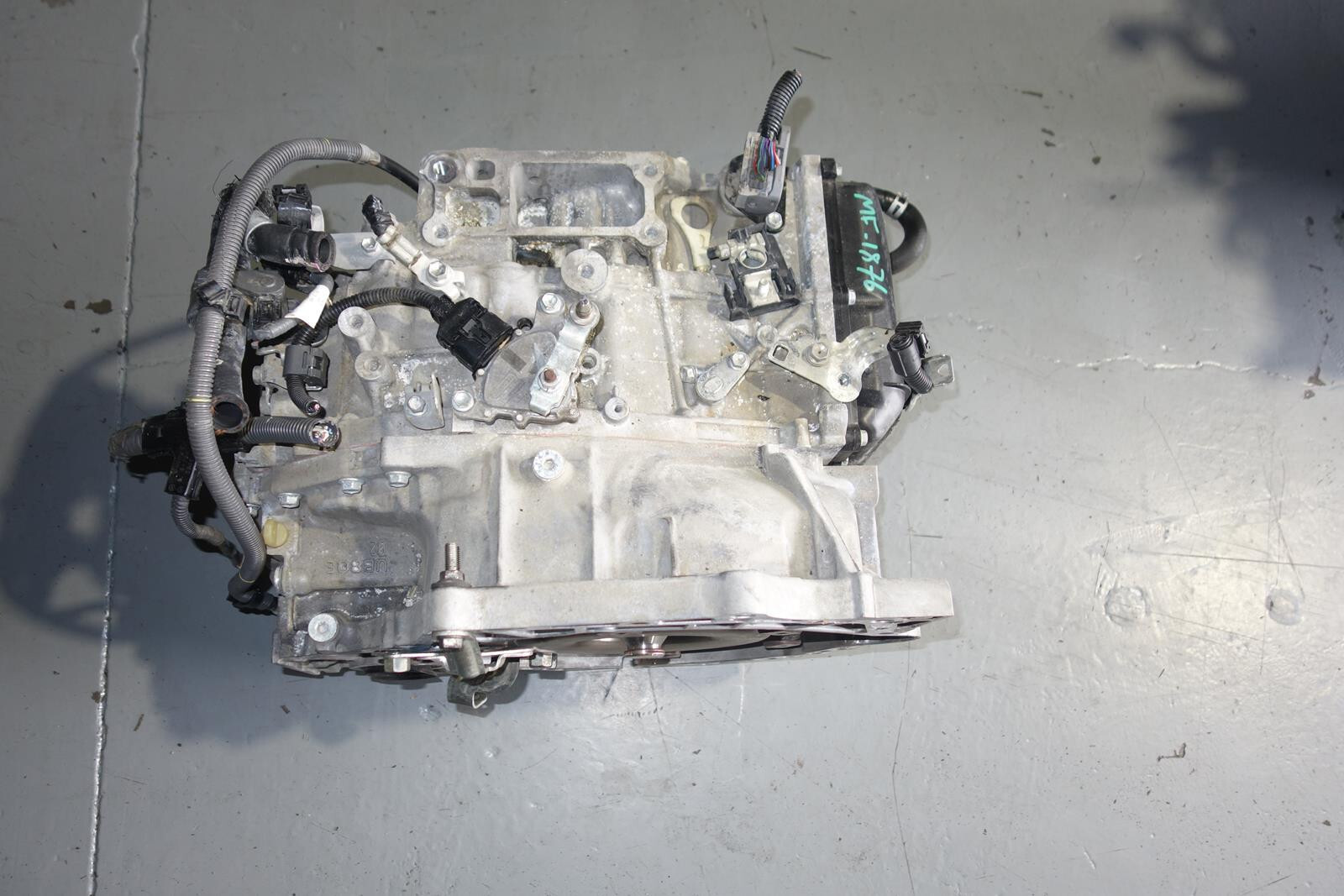
Most shoppers will likely find a mid-range trim, such as the EX-L equipped with all-wheel drive, to be the most appealing thanks to its balanced mix of features, including a power-operated tailgate, an advanced suite of safety systems, and leather seat surfaces.
We appreciate the more rugged looks and marginally improved usability of the TrailSport model, and for those who frequently find themselves on unpaved roads, it might be worth the additional investment.
Within the realm of family SUVs, the Pilot is an excellent people mover with a driving character that is as functional-yet-forgettable as most of its direct competition.
After comprehensive evaluation, the Pilot falls squarely in the middle of the pack regarding both its on-road demeanor and how its interior technology stacks up against rivals. Its competition represents the heart of America’s auto market: three-row SUVs.
This is a crowded field, and many of the alternatives are very, very good, which is the primary reason the Pilot failed to truly stand out in our testing. We hold a strong appreciation for its incredibly practical cabin, the abundance of available trims and drive configurations, and its overall utility.
2. Honda 1.5L L15B7 Turbo (Civic, CR-V, Accord)
Honda’s 1.5-liter turbocharged four-cylinder, once unfairly scrutinized for “fuel dilution” concerns, has proven to be one of the most robust small engines of the past decade.
Properly maintained and driven long enough to reach operating temperature, it resists oil burning far better than many rivals.
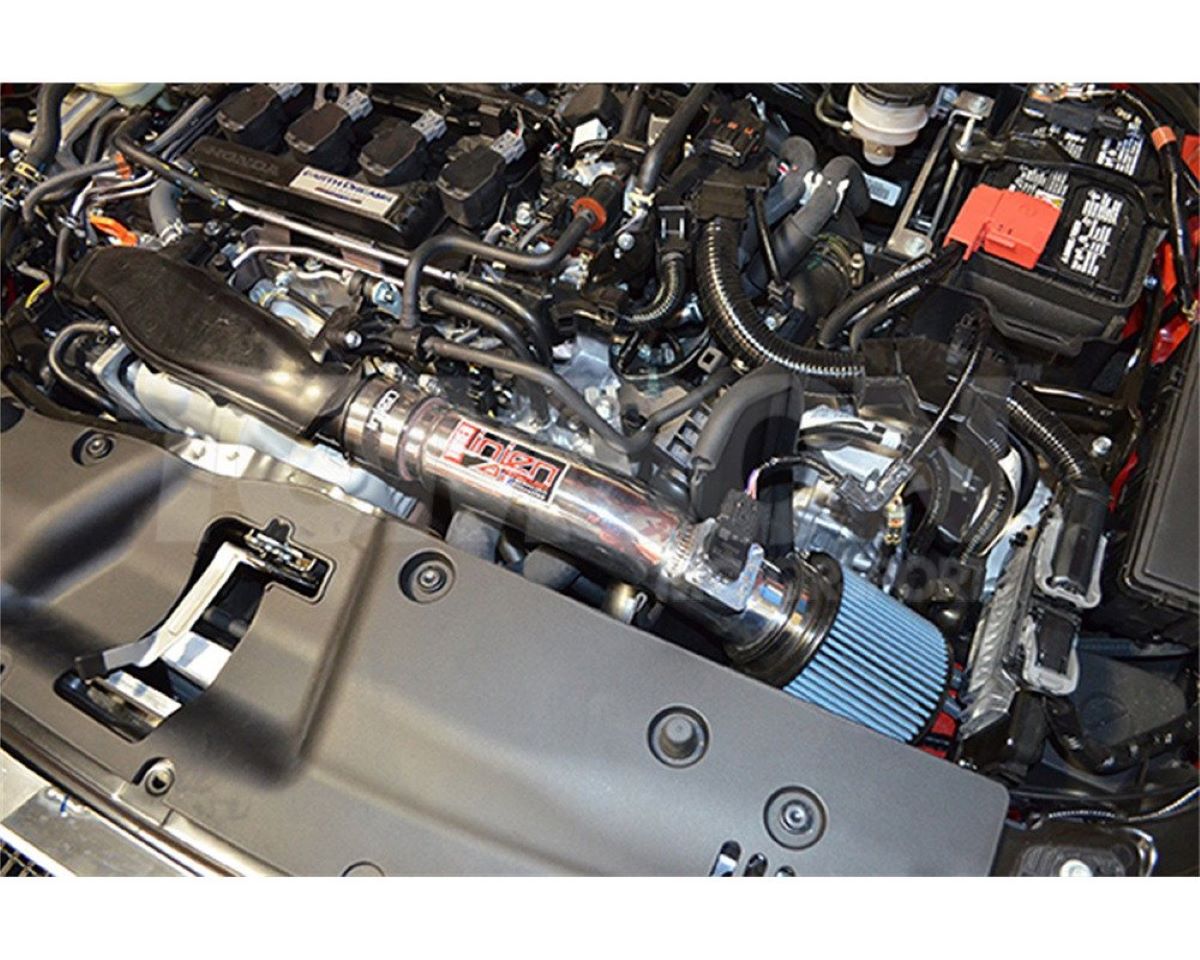
The L15B7’s low-friction design and precise turbo oil seals prevent leaks and burning, and its PCV valve system effectively separates blow-by gases from oil vapor.
Many owners report clean dipsticks at 7,500 miles a testament to how well Honda balanced efficiency with durability.
Also Read: 5 SUVs Where Silence Rules vs 5 That Can’t Stop Making Noise
3. Ford 5.0L Coyote V8 (Mustang, F-150)
The Coyote V8 is a modern performance legend. With its all-aluminum block, forged crank, and advanced variable valve timing, Ford’s 5.0L engine manages to combine high revs with rock-solid reliability.
While some high-mileage V8s develop leaks or start consuming oil through worn valve seals, the Coyote tends to hold its oil level admirably especially in naturally aspirated form.
Even owners who track their Mustangs or tow with their F-150s report minimal oil use between 7,000-mile service intervals. It’s proof that high power doesn’t have to come with high maintenance.
Ford’s Coyote 5.0-liter V8 possesses an outstanding reputation, celebrated for its relative simplicity, substantial power output, and modular design.
This uniquely long and storied history, marked by continuous and unbroken V8 production, has contributed to a highly refined and purposeful design in the Coyote and its numerous derivatives, each of which possesses its own specific strengths and weaknesses.
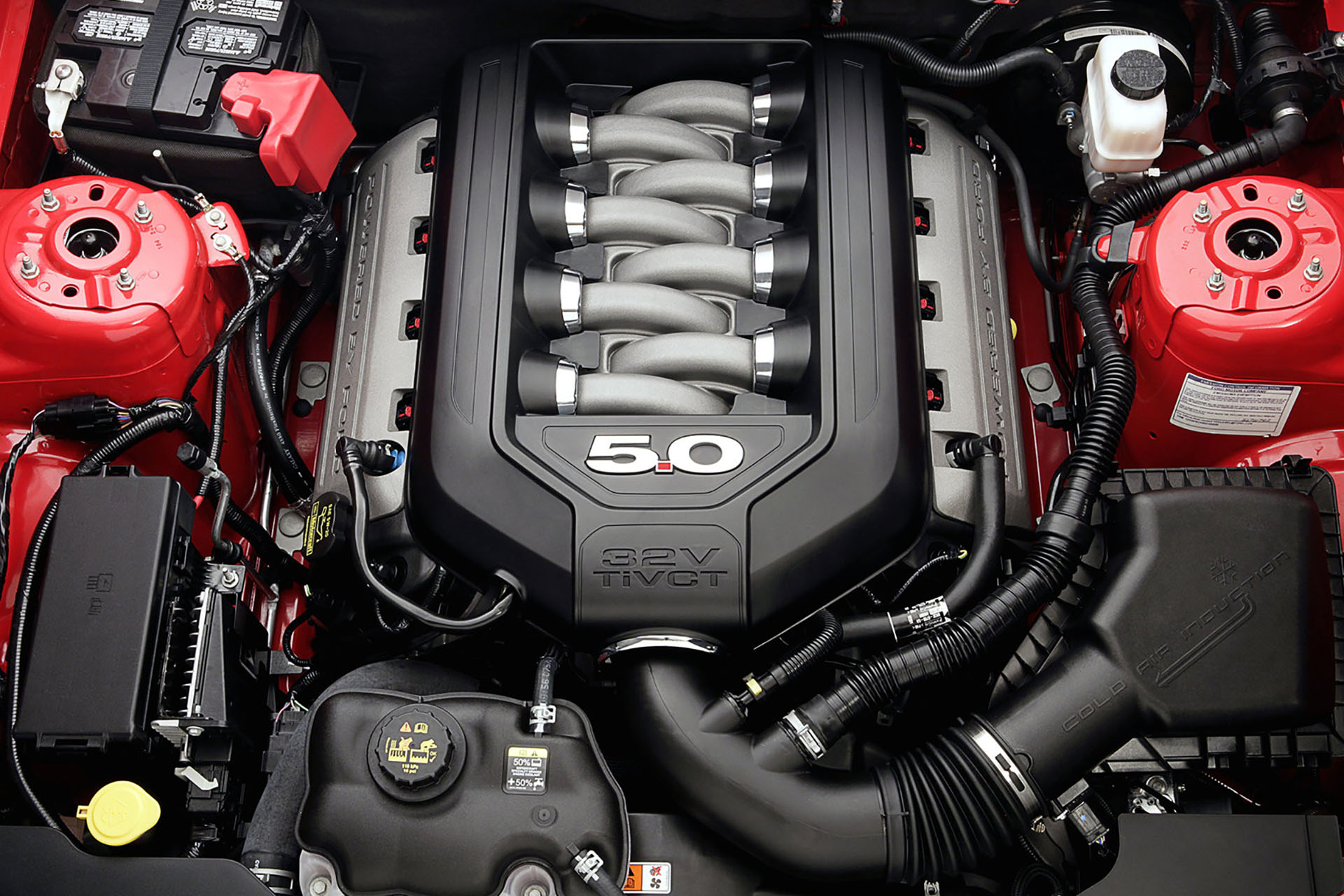
There are a few consistent commonalities shared across all of them, however, they are all fairly powerful and robust V8s, first and foremost. More importantly from an owner’s perspective, they are all quite reliable.
The Coyote engine is found in two main applications across four distinct generations, namely Ford trucks and Mustangs.
These can be subdivided further into individual powerplants based on performance targets and displacement, such as the 5.2-liter Voodoo, Predator, and Carnivore supercharged variants fitted to the Shelby and Raptor models, alongside subtle changes implemented throughout each generation, such as those in the Gen IV.
For the sake of simplicity, however, let’s focus on the most common model: the traditional 5.0L fitted to the standard F-150 and Mustang.
As a general rule of thumb, many of these overbuilt, highly developed modern V8s are quite reliable, such as GM’s 6.2L LS series and Chrysler’s latest 6.4L Hemi variants, and the Coyote is certainly no exception.
As we will see, owners consistently praise this engine for many factors, its reliability included; aside from some early-production engines and typical teething issues, there are remarkably few complaints regarding the Coyote’s long-term longevity.
4. Lexus 3.5L 2GR-FKS V6 (ES, RX, Highlander, Tacoma)
The 2GR engine family has been around for over 15 years, and its latest iteration the 2GR-FKS remains one of the most bulletproof six-cylinders on the market.
This V6 powers everything from Lexus luxury sedans to Toyota’s midsize SUVs and trucks.
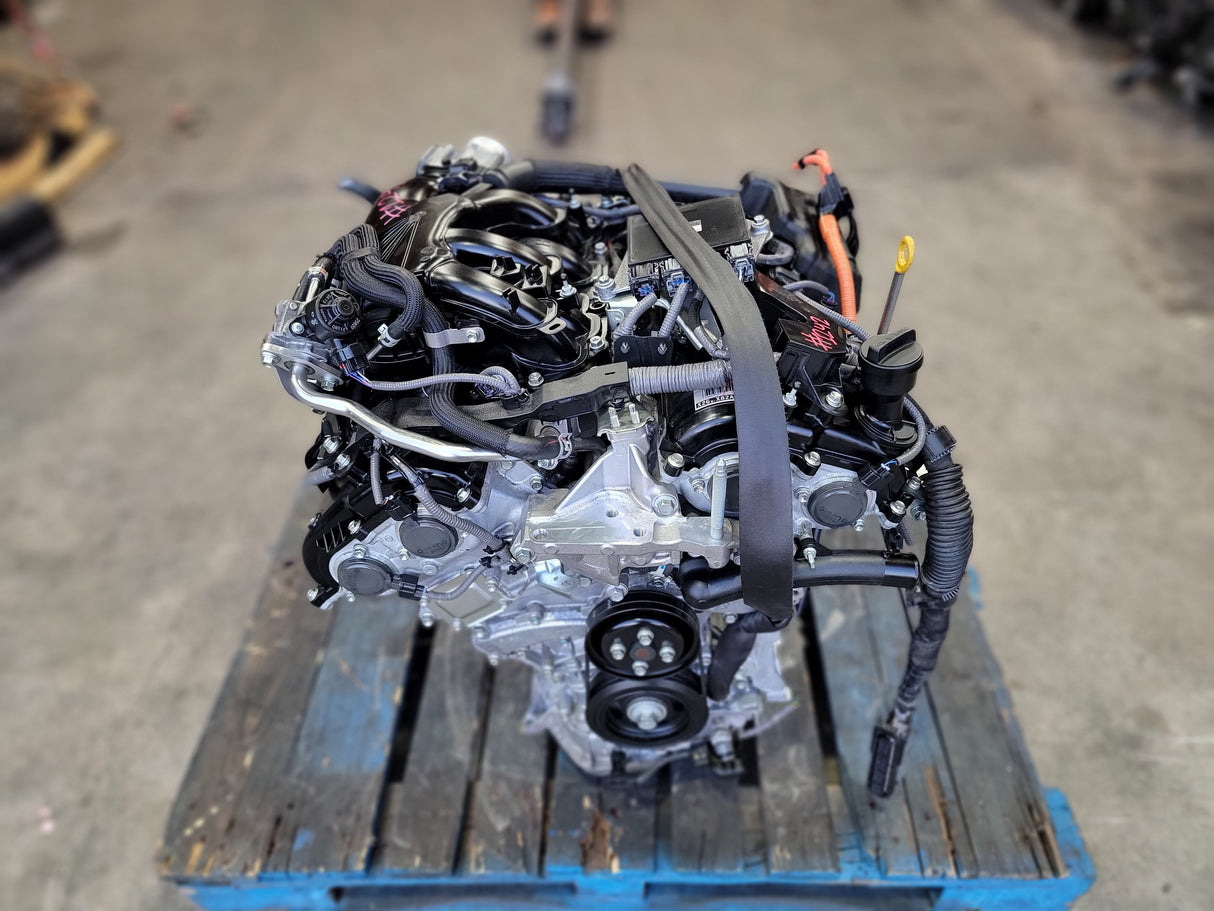
The addition of D-4S direct and port injection prevents carbon buildup on valves, while the engine’s robust piston ring design ensures oil control even after hundreds of thousands of miles.
It’s not uncommon for 2GRs to reach 250,000 miles without ever requiring oil top-offs between changes.
5. GM 6.2L LT2/L86 V8 (Corvette, Silverado, Yukon Denali)
GM’s big V8s from the LT family are marvels of modern pushrod design. The 6.2-liter LT2 (Corvette) and L86 (trucks and SUVs) use advanced oiling systems with high-capacity pumps and deep-sump designs that keep lubrication stable even under high G-forces.
Unlike some smaller turbo engines, these V8s rarely exhibit oil consumption unless abused.
Their solid ring packs, tight tolerances, and precise PCV routing mean you’ll almost never see oil loss unless something mechanical has gone wrong. For enthusiasts who enjoy both performance and peace of mind, this engine family is a strong pick.
This 6.2L V8 powerplant is a key member of the Gen5 small-block engine family, which is also marketed under the EcoTec3 name. The L86 version debuted for the 2014 model year, effectively replacing its predecessor from the Vortec engine line, the L92 6.2-liter motor
The successor to the L86, designated the L87 version, was introduced in 2019. These two engines are fundamentally identical in their core architecture, but the newer L87 variant employs an advanced fuel management system known as Dynamic Fuel Management instead of the L86’s Active Fuel Management system.
It is worth noting that the 6.2L EcoTec3 architecture was also utilized in Chevrolet sports cars and higher-performance Cadillac models (designated as the LT1, LT2, and the supercharged LT4 and LT5).
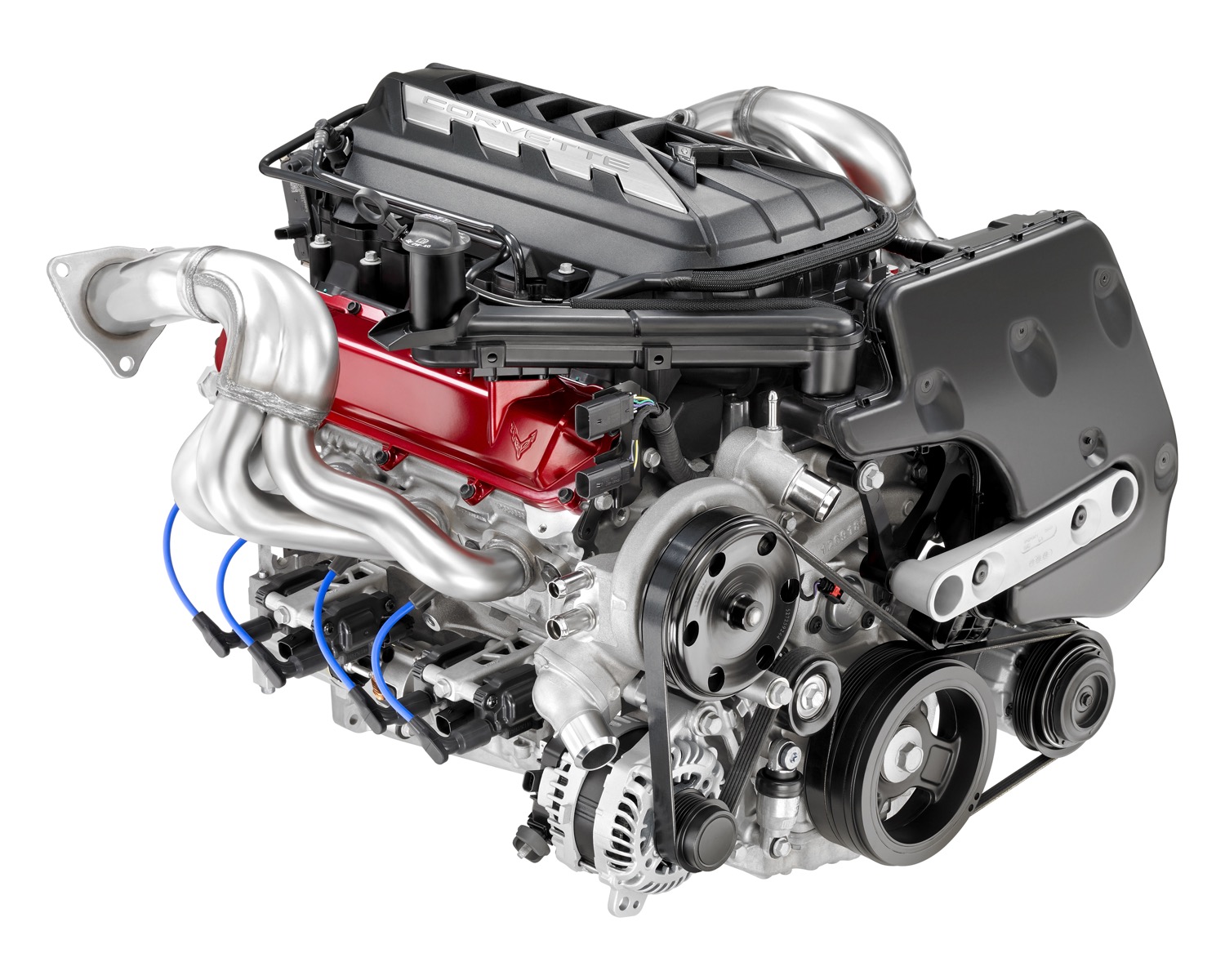
As previously mentioned, the GM 6.2 L86 and L87 engines feature an all-aluminum construction. They utilize a 90-degree aluminum cylinder block that is equipped with cast-in iron cylinder liners. The engine block itself is similar in design to the one used in the 5.3-liter L83 EcoTec3 version.
The 6.2-liter engine achieves its larger displacement from an increased bore diameter of 103.25 mm (4.065 in), while the 92 mm (3.622 in) stroke measurement remains the same across all Gen5 small block engines.
The rotating assembly incorporates a forged-steel crankshaft, I-beam powder-metal connecting rods that are 6.098 inches long, and cast aluminum domed pistons which are specifically optimized for direct injection.
Like the 5.3L V8 L83, this engine also had piston oil jets/squirters, a variable-displacement oil pump operating with a wet sump system, and nodular iron main bearing caps. All of these carefully selected components work in concert to improve overall engine efficiency and extend long-term engine durability.
The 6.2L EcoTec3 engine features a pushrod overhead-valve (OHV) design with a single camshaft situated inside the engine block. The aluminum cylinder heads are configured with two valves per cylinder, for a total of 16 valves. Pushrods activate the intake and exhaust valves via low-friction roller-pivot rocker arms.
Furthermore, the valvetrain includes hydraulic roller-lifters, meaning no manual valve clearance adjustment is required throughout the engine’s life.
Instead of the more conventional dual-overhead-cam (DOHC) variable valve timing (VVT) system found in many modern engines, the L86/L87 uses a dual-equal camshaft phasing system that adjusts timing at the same rate for both intake and exhaust valves.
When compared directly to the 5.3L motor, the L86 6.2L version is equipped with larger valves. The intake valve diameter is 2.126 in. (54 mm); the exhaust valve diameter is 1.590 in. (40.4 mm).
The pushrods are the same 7.85 inch-long components with a 0.342 in. (8.7 mm) outside diameter. The camshaft has the following specifications: 200/207 degrees of duration (intake/exhaust), and 0.551 in./0.524 in. valve lift for the intake and exhaust valves, respectively.
In addition to a standard tank-located low-pressure fuel pump, the 6.2L L86/L87 engine employs a high-pressure fuel pump mounted in the valley between the cylinder heads. The camshaft drives this high-pressure pump with an additional lobe on its shaft called a trilobe.
This pump pressurizes fuel up to 15 MPa (150 bar) and sends it to the direct injectors. The direct fuel injection technology then precisely shoots fuel directly into the combustion chamber.
Engineers also placed platinum-tipped spark plugs closer to the center of the combustion chamber to further improve the efficiency and consistency of the combustion process.
Also Read: 5 Cars With the Best Safety Tech vs 5 That’s Just Marketing
6. Subaru 2.4L FA24 Turbo (Outback XT, Ascent, WRX)
Subaru earned a bad reputation for oil consumption in the past especially with older EJ-series engines but the new FA24 Turbo shows the company learned its lesson.
The redesigned ringlands, improved piston coatings, and upgraded crankcase ventilation have all but eliminated excessive oil use.
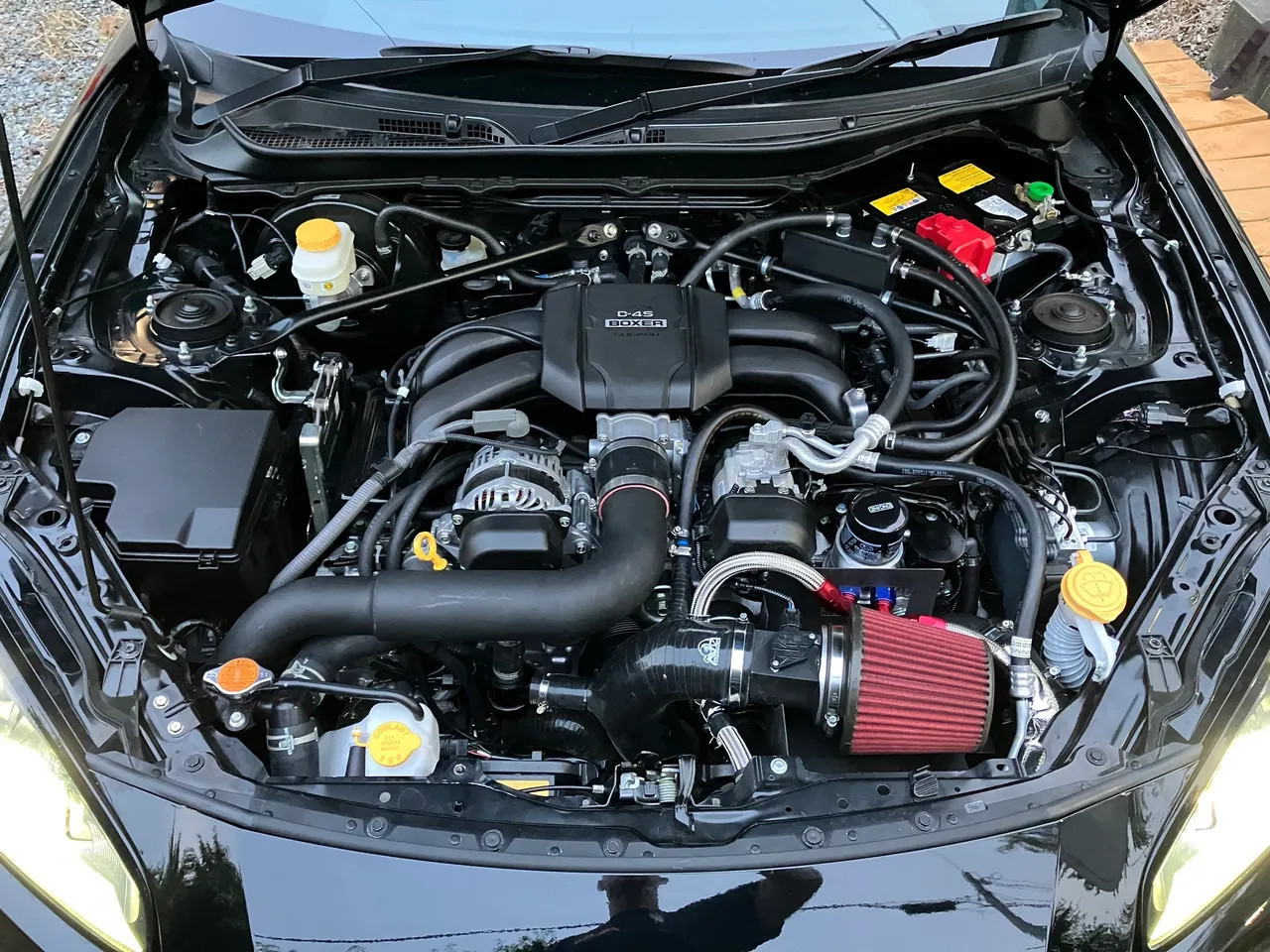
Even turbocharged versions maintain stable oil levels through extended intervals, provided owners use high-quality synthetic oil and follow Subaru’s maintenance guidelines. This makes the FA24 one of the most refined and durable boxer engines Subaru has ever built.
When the answer was confirmed as yes, the WRX community responded with widespread celebration. This signified that the FA20DIT engine, which had been in service since 2015, was finally receiving a substantial and serious upgrade.
Subaru had initially introduced the FA24 boxer engine in the 2019 Subaru Ascent, where it received generally positive reviews.
However, the engine was specifically re-tuned for its application in the 2022 and newer WRX, a calibration that involved limiting peak torque while simultaneously increasing horsepower.
Subaru also developed a naturally aspirated version of the FA24, which was subsequently installed in the 2022+ Subaru BRZ sports coupe.
In keeping with the brand’s identity, and like nearly all other Subarus, the FA24 is, of course, a horizontally opposed “boxer” style engine.
The turbocharged FA24DIT is based on the outgoing FA20DIT (also known as the FA20F), a 2.0-liter engine that Subaru first introduced in 2012. The FA24 is a 2.4-liter, flat-four, turbocharged engine that utilizes direct fuel injection.
To achieve the extra 0.4 liters of displacement over the FA20DIT, Subaru increased the engine’s bore from 86mm to 94mm, while the stroke remained unchanged. It features an all-aluminum block and cylinder head, and employs dual overhead camshafts that are controlled by a timing chain.
The compression ratio is unchanged from the FA20DIT, remaining at 10.6:1, and select high-performance models come equipped with an oil cooler to help regulate oil temperatures. Also similar to its predecessor is the use of a twin-scroll turbocharger.
Twin-scroll turbochargers are generally more efficient and perform better than their single-scroll counterparts. The core purpose of the twin-scroll design is to separate the exhaust gas pulses exiting the exhaust manifold into two distinct ports, or scrolls, which then separately feed into the turbine wheel.
This engineering approach creates a smoother flow of exhaust gases into the turbo, which in turn allows for more optimized camshaft timing and harnesses more pulse energy.
Subaru’s engine tuning utilizes this design, in conjunction with direct injection, to significantly increase power output and overall efficiency in the FA24. The result is an earlier and flatter torque curve, while also increasing horsepower availability throughout the entire power band.
There is also a naturally aspirated version of the FA24, designated the FA24D. The FA24D supplements the engine’s direct injection system with additional port injection, a feature courtesy of the Toyota D-4S fuel system.
This dual-injection strategy effectively eliminates potential issues with intake valve carbon buildup while also providing extra fueling capacity for peak power demands.
The compression ratio on the FA24D is significantly raised to 12.5:1, a necessary adjustment to account for the lack of forced induction. Subaru also specifically tuned the torque curve to arrive much earlier in the FA24D’s powerband compared to its naturally aspirated predecessor, the FA20D.
7. Mazda 2.5L SkyActiv-G (Mazda3, CX-5, CX-50)
Mazda’s SkyActiv-G engine family stands out for its mechanical simplicity and overbuilt internals. The 2.5-liter variant, found across much of the brand’s lineup, uses a high 13:1 compression ratio but relies on optimized combustion timing rather than direct fuel enrichment.
As a result, oil temperatures remain stable, and consumption is practically nonexistent. Owners consistently praise this engine for its smoothness and clean operation even after 100,000 miles.
It’s a rare example of an efficient four-cylinder that never makes you reach for the dipstick between oil changes.
The Mazda 2.5 Skyactiv engine represents a cornerstone of Mazda’s innovative Skyactiv technology suite, a comprehensive engineering initiative launched in the early 2010s.
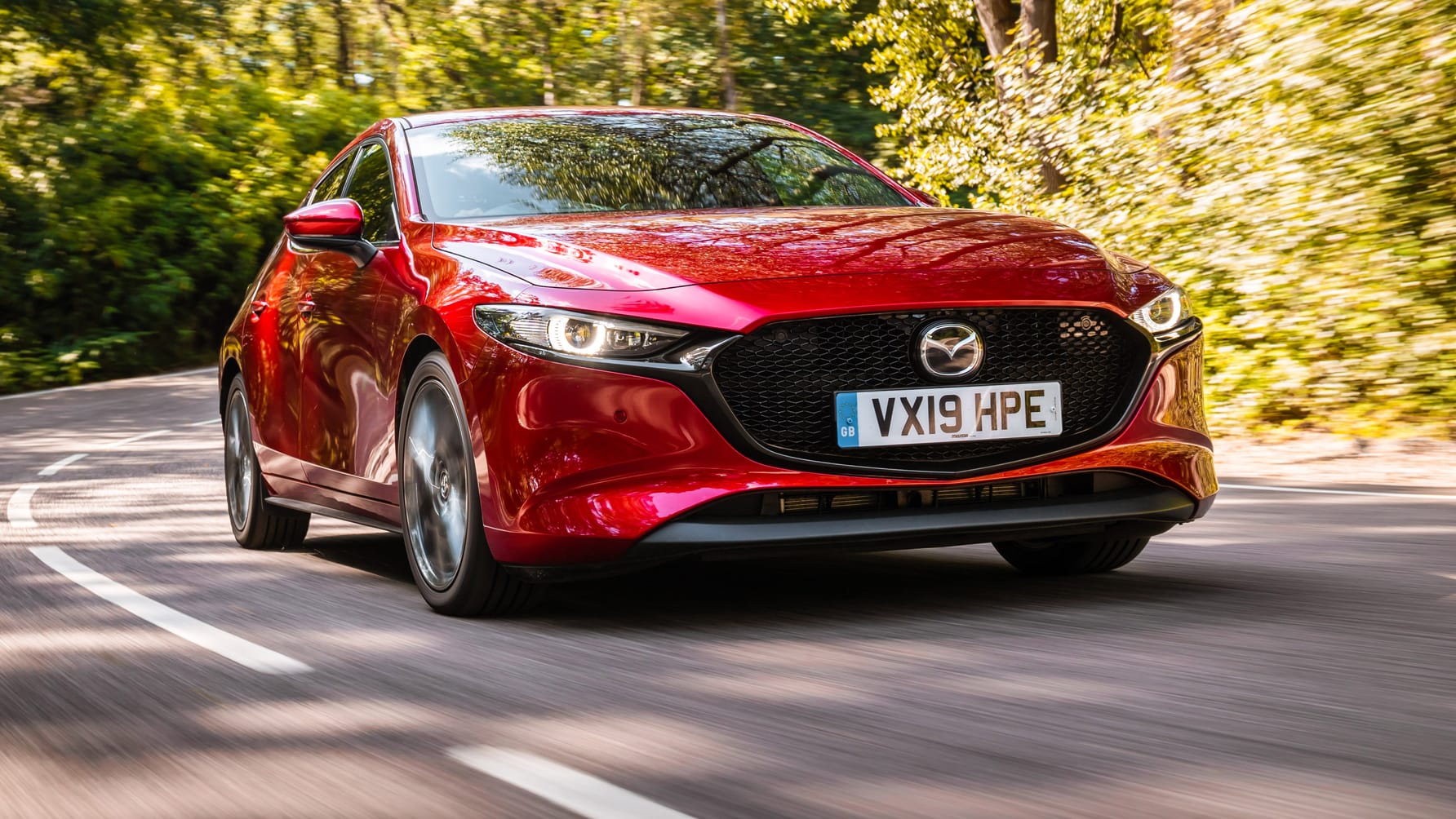
The overarching objective of this technology was to simultaneously enhance fuel efficiency and performance while achieving a meaningful reduction in emissions.
The broader Skyactiv philosophy extends beyond the powerplant itself to encompass the entire vehicle’s design, integrating aspects such as the transmission, chassis, and body structure.
The 2.5-liter engine, more specifically, was engineered to deliver an optimal balance of power and operational efficiency, a characteristic that has made it a prevalent and popular choice across a wide range of Mazda models, including the Mazda3, Mazda6, and the CX-5 crossover.
Mazda’s well-known dedication to engineering excellence has successfully cultivated a loyal and enthusiastic customer base, with the Skyactiv engine line receiving particular praise for its responsive nature and contribution to engaging driving dynamics.
Despite these significant strengths, and as is the case with any complex mechanical system, the 2.5 Skyactiv engine is not entirely without its documented issues.
Over the years since its introduction, a number of specific problems have been reported by both vehicle owners and professional mechanics, which has raised justifiable concerns regarding the engine’s long-term reliability and sustained performance.
The automotive landscape is in a constant state of evolution, and with it, the expectations of consumers continue to rise. Although the Skyactiv engine was initially, and rightly, celebrated for its forward-thinking technological advancements, it has also faced increased scrutiny as a growing number of drivers have shared their long-term ownership experiences.
For both current owners and prospective buyers, developing a clear understanding of the common problems associated with the Mazda 2.5 Skyactiv engine is crucial, as these issues can have a direct and significant impact on the daily driving experience as well as the vehicle’s overall longevity and cost of ownership.
8. BMW B58 3.0L Turbo Inline-Six (340i, 540i, X3 M40i, Supra)
BMW’s B58 engine is often cited as one of the brand’s best modern powerplants and not just for performance reasons. It’s also remarkably oil-tight.
Unlike some older BMW inline-sixes that earned notoriety for seepage and consumption, the B58’s closed-deck block, reinforced crankcase, and integrated oil cooler minimize oil stress under load.
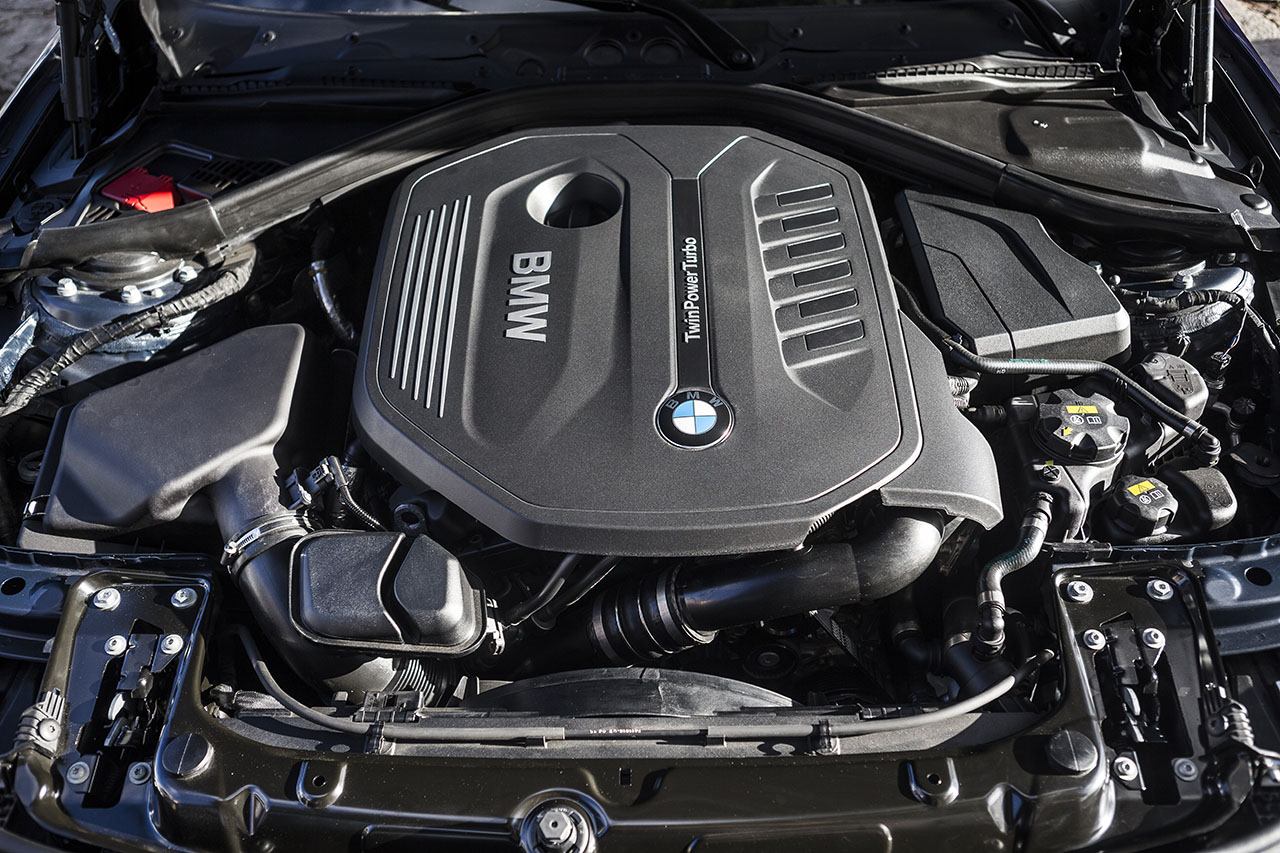
Even tuned examples pushing 400+ horsepower tend to go full service intervals without significant oil loss. It’s an engineering turnaround for BMW that shows reliability and refinement can coexist with excitement.
9. Toyota 3.4L i-Force Max V6 Hybrid (Tundra, Sequoia)
Toyota’s latest i-Force Max hybrid powertrain combines twin-turbo V6 muscle with an electric motor, but it’s also been designed to solve a quiet issue among turbo engines oil management.
Its dual oiling systems and precise turbo seals virtually eliminate the consumption problems common to earlier turbos. Even under heavy towing conditions, oil use remains stable.
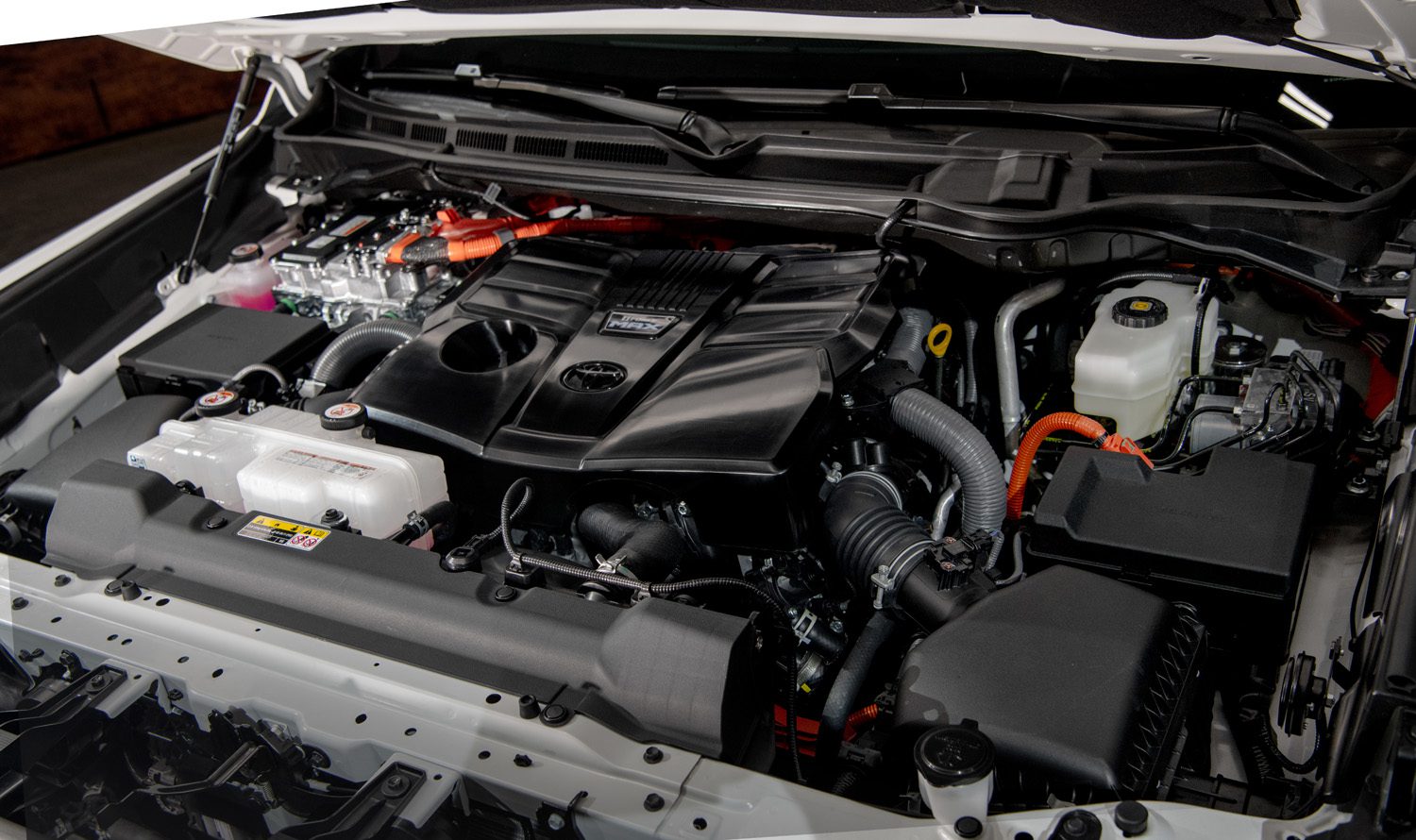
With thousands of Tundra owners reporting unchanged dipsticks between 10,000-mile changes, this hybridized V6 shows that advanced tech doesn’t have to come at the cost of reliability.
10. Hyundai 3.8L Lambda II V6 (Palisade, Telluride, Stinger)
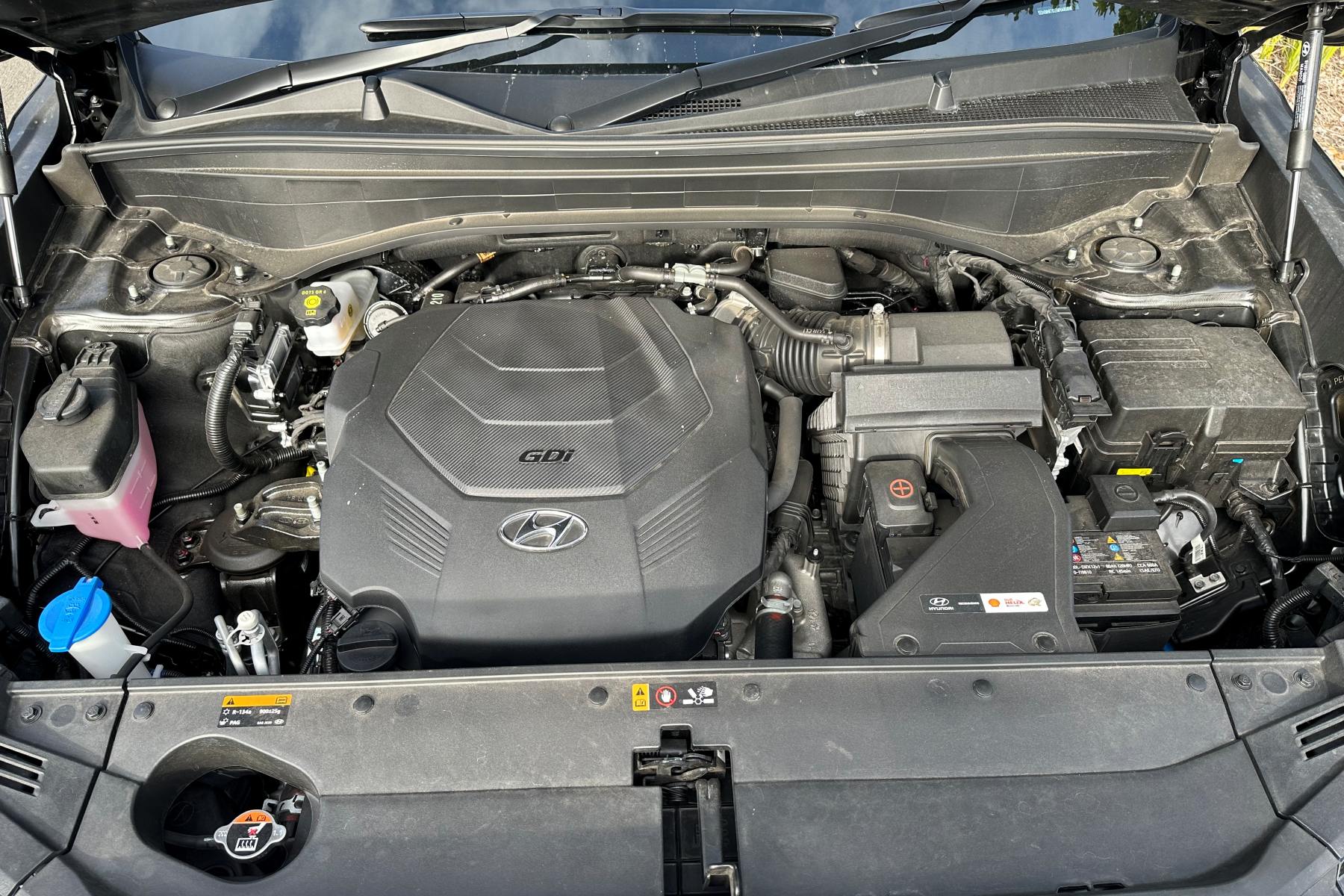
Hyundai’s naturally aspirated 3.8-liter V6 is a standout in an era of downsizing. Used in the Kia Telluride, Hyundai Palisade, and Genesis models, it delivers smooth, linear power with a reputation for minimal oil use.
The engine’s strong piston ring design and effective crankcase ventilation keep internal pressures balanced, while Hyundai’s improved valve stem seals ensure clean combustion over time.
Owners frequently log over 120,000 miles without ever needing to top off oil, proving that this large-displacement V6 is built for both endurance and refinement.
Oil consumption can quietly drain your wallet and confidence in a vehicle’s long-term health. While many engines today push the limits of efficiency, the ones above prove that good design, proper engineering tolerances, and balanced thermal control can eliminate the issue entirely.
Whether you’re looking for a small commuter engine like Mazda’s SkyActiv-G, a heavy-duty performer like Ford’s Coyote, or a smooth hybrid powerhouse like Toyota’s i-Force Max, you can rest easy knowing these engines rarely, if ever, drink oil.
For drivers who value reliability as much as performance, these ten powerplants stand as the gold standard for oil control and peace of mind.